The Golden Rule Every Art Beginner Must Follow
Explore the one golden rule every art beginner needs to know. This guide makes complex concepts accessible, offering practical steps and personal insights to unlock your creative potential.

The One Golden Rule Every Art Beginner Needs to Know
I remember staring at a blank canvas, paralyzed. It was a Tuesday, and the pressure to create something good was so heavy I almost opted to do my laundry instead. The sheer number of "rules" in art—composition, color theory, perspective—felt like a mountain I was supposed to climb with a teaspoon. That's when a seasoned artist friend saw me floundering and offered a single piece of advice that changed everything. It wasn't about a specific technique or buying a better brush. It was simpler, harder, and more important.
The advice shifted my entire approach from external validation to internal exploration. It turns out, the secret isn't a secret technique at all; it's a fundamental reorientation of why you create. This single mindset shift is what separates artists who burn out in six months from those who build a lifelong practice. If you're just starting out, drowning in tutorials and feeling overwhelmed, this is the only thing you need to hear right now.
This is that story. Forget the endless lists of do's and don'ts for just a moment. There's really only one rule you need to internalize when you're starting out. It’s the golden rule for art beginners, and it has nothing to do with what you put on the page.
This is that story. Forget the endless lists of do's and don'ts for just a moment. There's really only one rule you need to internalize when you're starting out. It's the golden rule for art beginners, and it has nothing to do with what you put on the page.
What Is the Golden Rule for Art Beginners?
The golden rule isn't a secret technique. It's a mindset. It’s the foundational shift that separates those who keep creating from those who give up.
The golden rule is this: Make art for your future self, not for an audience.
Wait, what? You might be thinking, "Isn't art about communication? About connecting with others?" And yes, of course it is. But for a beginner, focusing on an external audience—whether it's likes on social media or praise from a family member—is the fastest way to kill your creativity. It turns a personal, exploratory act into a performance.

When your goal is to please or impress someone else, every stroke becomes a potential mistake. You start second-guessing, comparing, and seeking validation. You look for shortcuts or try to copy a style you think is popular. The process stops being joyful and becomes an exercise in anxiety. This is the recipe for creative block.
Making art for your future self flips the script entirely. It means that the value of your work isn't determined by how it's received today, but by what it enables you to do tomorrow. You're not trying to prove anything to anyone; you're simply building a body of evidence of who you are as an artist in this moment. That stack of 'failed' drawings isn't a graveyard of bad ideas; it's a living textbook authored by you, for you.
Why This Rule Changes Everything
Why does this simple shift in perspective work so well? Think of it like keeping a diary. You don't write in a diary for other people to read; you write to process your thoughts, to track your growth, and to give your future self a window into a past moment. Every entry is a conversation across time.
That's exactly what your art should be. When you remove the pressure to perform, you liberate your creativity to explore, experiment, and discover. Your sketchbook becomes a laboratory, not a portfolio. Your canvas becomes a question, not a statement.
Let me pause for a second and clarify something important. This doesn't mean you should ignore feedback or never share your work. The key is when and why you do it. When you're a beginner, your creative core is incredibly malleable. Imagine a young sapling; it needs support to grow straight and strong. Early exposure to a constant stream of external judgment is like a harsh wind that can permanently bend it in the wrong direction.
By focusing first on internal exploration, you develop deep roots—a strong sense of what you actually enjoy creating. That process gives the sapling a sturdy trunk. When the inevitable winds of public opinion finally do hit, your work is resilient. You're far more likely to listen to constructive feedback and incorporate it thoughtfully, rather than being completely swayed by every comment or like. Every "mistake" becomes a hypothesis that was tested. This shift in perspective is the single most powerful tool you can give yourself as a developing artist.
When you make art for your future self, you grant yourself permission to experiment. That weird color combination you're curious about? Try it. That wobbly perspective you're unsure of? Lean into it. That abstract shape that keeps pulling at your attention? Follow it. You are creating a personal library of experiments, successes, and, most importantly, failures. And these failures are not setbacks; they are data.
Imagine if a scientist threw away every experiment that didn't match their initial hypothesis. We'd know almost nothing. Your art practice is no different. Every piece, especially the ones that don't turn out, teaches you something about your materials, your process, and your own emerging aesthetic. The key is to date everything and make notes, so you can look back six months later and see the patterns.
This mindset removes the paralyzing fear of the 'mistake'. There are no bad paintings, only stepping stones. A piece you might consider a disaster today is a vital lesson you can see clearly six months from now. You'll look back and think, "Ah, I see what I was trying to do there, and now I know how to do it better." When that happens, it's a profound shift. You realize the goal isn't perfection today; it's becoming the artist who can easily solve that same problem tomorrow.
How to Actually Practice the Golden Rule
Okay, so how do you make this abstract idea a concrete practice? It’s more than just saying the words; it's about building habits that reinforce this internal focus. Here are some actionable steps I’ve found useful.
1. Keep an "Art Diary" (A Sketchbook You Never Show Anyone)
This is your foundational practice. Buy a sketchbook—doesn’t have to be fancy, just one you won’t feel precious about. Tell yourself from the very first page that this book is private. You will never, ever post its contents online or show it to your partner, your friends, or your dog. I’m serious about the dog. It is your personal space, free from judgment.
Fill it with whatever comes to mind: terrible doodles, written rants about how hard it is to draw hands, color swatches, a single line you liked the shape of, a grocery list right next to a half-finished portrait. This practice actively trains your brain to create without an audience in mind. The sketchbook becomes a record for you. It recalibrates your brain’s definition of a "successful" art session. Success is no longer a pretty picture; it’s a page filled with honest, unfiltered marks.
I think of my private sketchbooks as a form of cognitive mapping. They’re messy, often embarrassing, and absolutely invaluable. They show me where my mind was wandering, what I was struggling with, and what I was genuinely curious about when no one was watching. That genuine curiosity is the birthplace of style.
This is a crucial insight, so let's unpack it for a moment. What does it mean for style to be born from curiosity? It's the difference between copying aesthetics and discovering them. Many beginners start by trying to emulate an artist they admire. While imitation is a time-honored way to learn, it can also become a trap if you're not careful. You can get very good at making work that looks like someone else's.
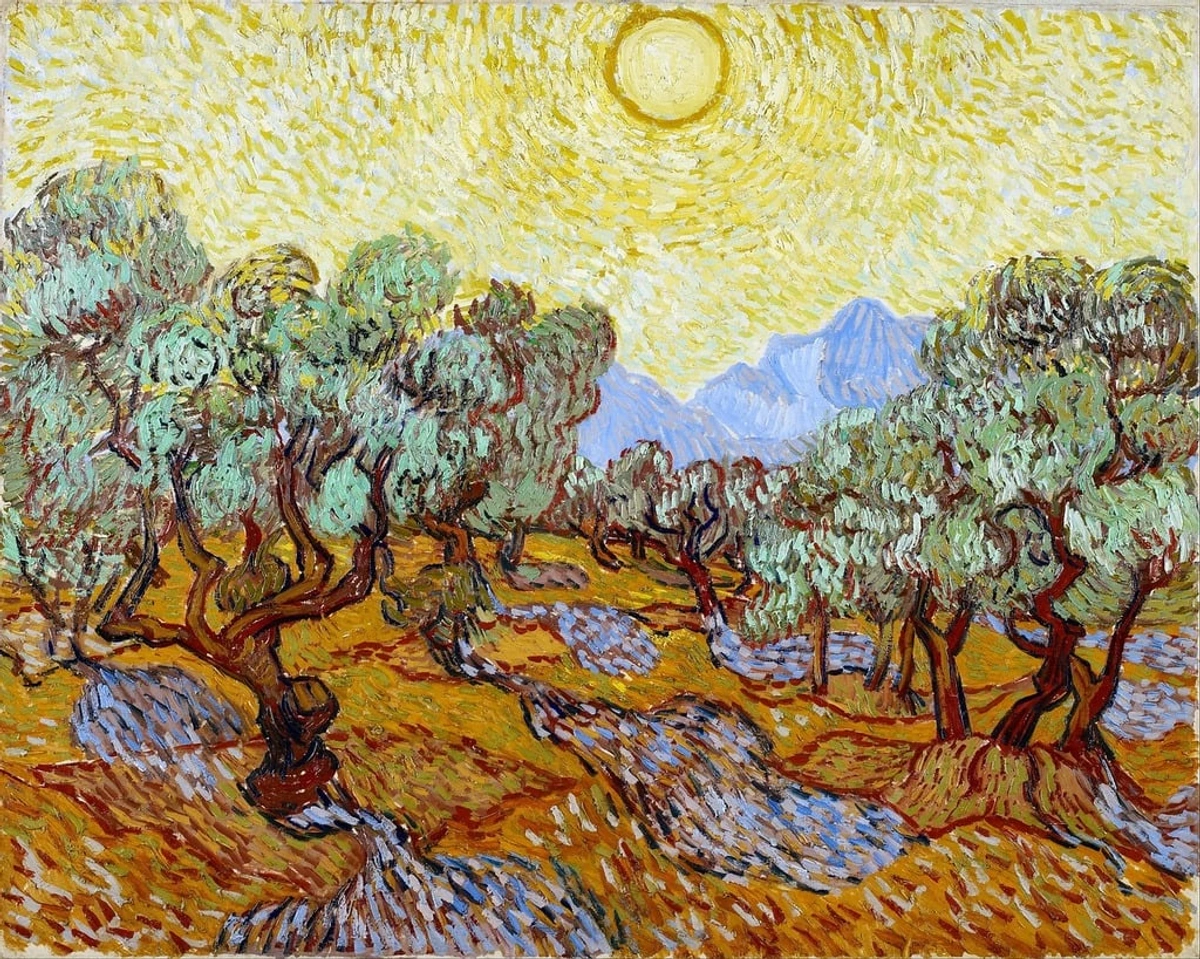
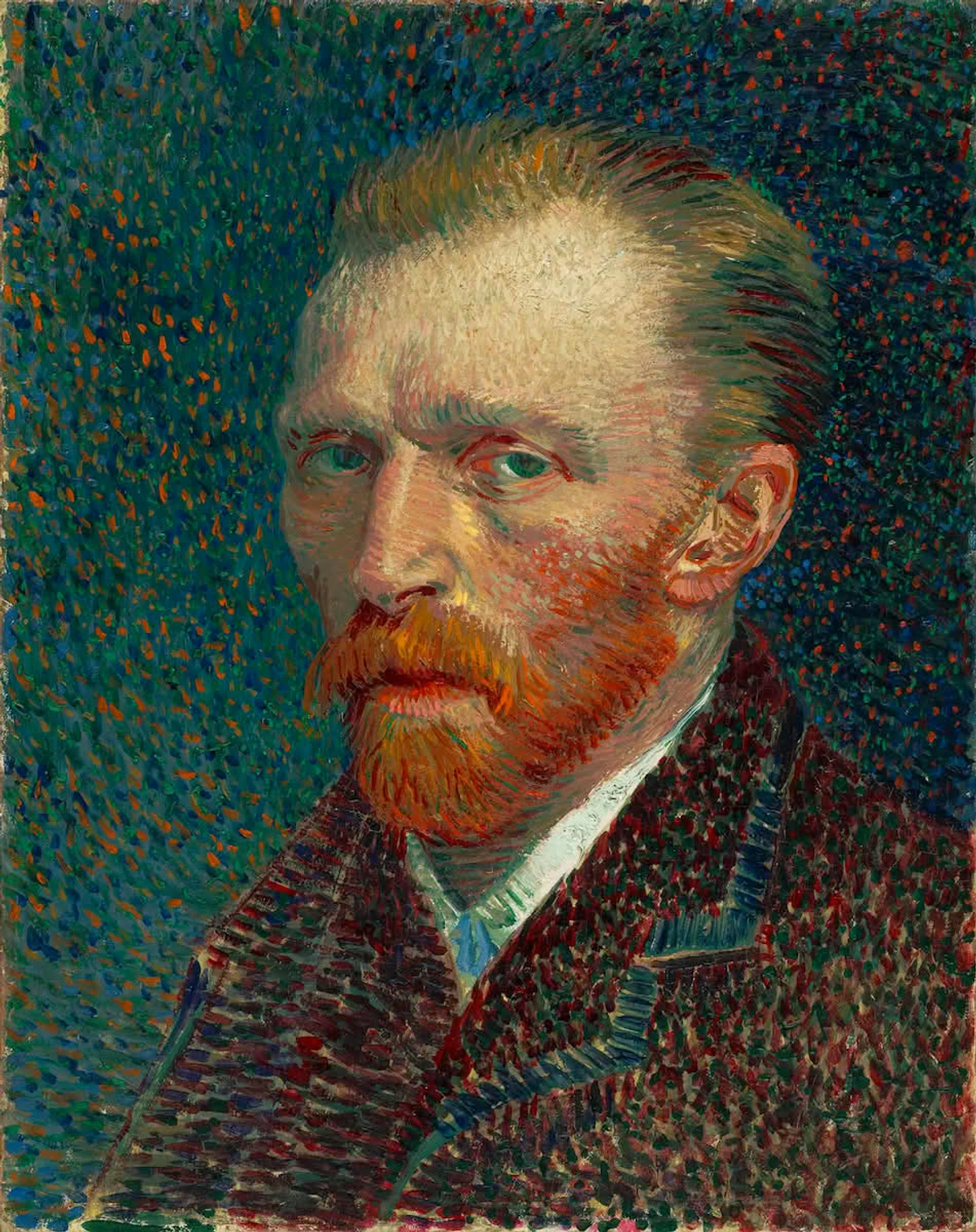
Authentic style emerges when you take the technical knowledge you've learned and apply it to answering your own internal questions. For example, instead of thinking "I want to paint like Van Gogh," you might start thinking, "I'm really curious about how to capture the frenetic energy of a city street at night." You might then discover that Van Gogh's impasto technique is a powerful tool for expressing that specific feeling. Now you're not copying; you're learning a skill to serve your own unique curiosity. That subtle shift—from looking like to thinking like an artist—is everything.
2. Make a Mess on Purpose
This sounds ridiculous, I know. But it’s incredibly freeing. It's like giving yourself permission to fail so spectacularly that you redefine what failure even means. Take one canvas or sheet of paper and dedicate it to failure. Don't try to make a good painting. Try to make a bad one. Mix all the wrong colors. Scribble outside the lines. Paint with your fingers.
By intentionally making something you would normally hide, you dismantle the fear that the 'bad' thing might happen accidentally. You are in control of the 'mistake,' and that takes away its power. It’s a direct rebellion against the pressure to perform. You’ll often find that in the process of making a 'mess,' you stumble onto a technique or a feeling that is genuinely exciting. I once got so frustrated I painted with an old credit card and discovered a way of applying thick paint that I still use in my abstract work today. It was hiding behind a wall of 'trying to be good.'

3. Date Everything and Write a Note to Your Future Self
This is the most direct application of the rule. When you finish a piece (or even an entry in your private sketchbook), write the date on the back. Then, write a quick, private note. Don't just write "Tried to paint a sunset." Go deeper.
Questions to ask yourself in your note:
- What was the weather like today?
- Was there music playing in the background?
- What were you feeling or thinking about when you started?
- What was the specific skill you were trying to figure out?
- What part frustrated you the most?
- Is there one tiny section you're secretly proud of, even if the whole thing is a wreck?
When you rediscover that piece weeks or months later, that note is a time capsule. It is the single most powerful tool for transforming your artwork from a static object into a conversation with yourself across time. It provides invaluable context that turns past 'failures' into clear lessons. I have a folder of forgotten pieces that I once hated. Reading the note on the back—"Total failure. Couldn't get the hands right, but really happy with the energy in the brushstrokes in the corner"—transforms it from a failure into a focused lesson that I clearly learned.
This habit transforms your collection of work from a portfolio of outcomes into a diary of your development. You stop seeing flaws and start seeing chapters.
Once you establish this private practice, an interesting shift begins to happen. The act of documenting for your future self becomes second nature. It's like establishing an internal compass. You begin to make creative decisions based on genuine curiosity ('I wonder what would happen if I...') rather than external pressure ('Will people think this is good?').
This doesn't mean your work will suddenly become easy or that you'll automatically produce 'masterpieces'. It means anxiety is no longer in the driver's seat. You can have a terrible art day where nothing works, but you're still fulfilling the true purpose of the session: adding another data point for your future self. Frustration is just another experience to document and learn from. This documentation—of both breakthroughs and breakdowns—is the engine of authentic artistic growth.

Beyond Beginner: Tools Are Not Talent
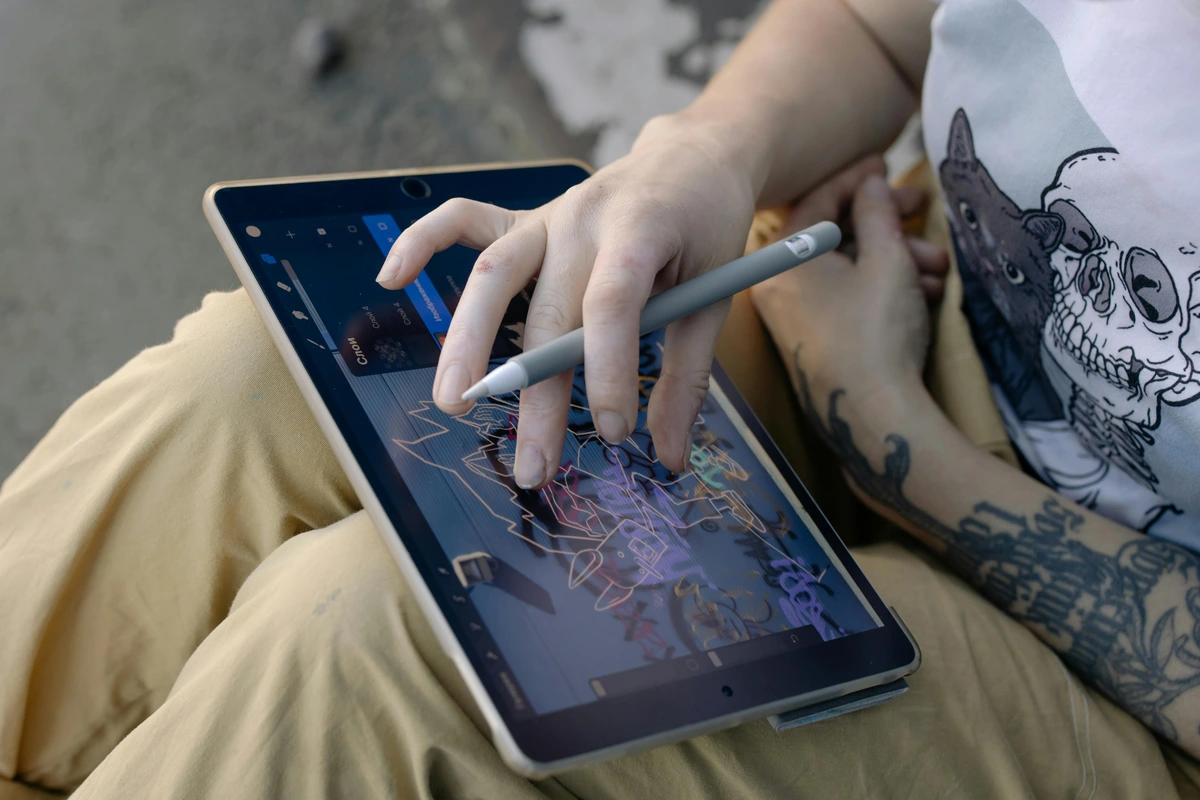
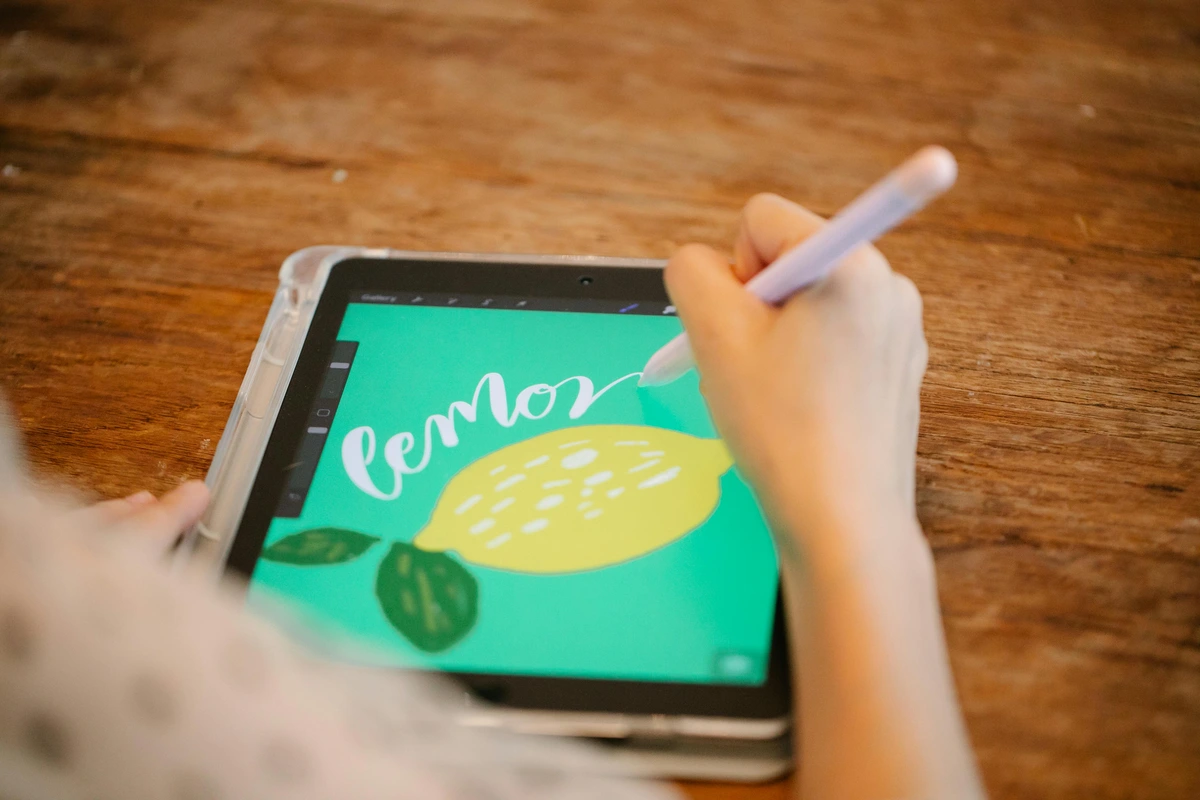
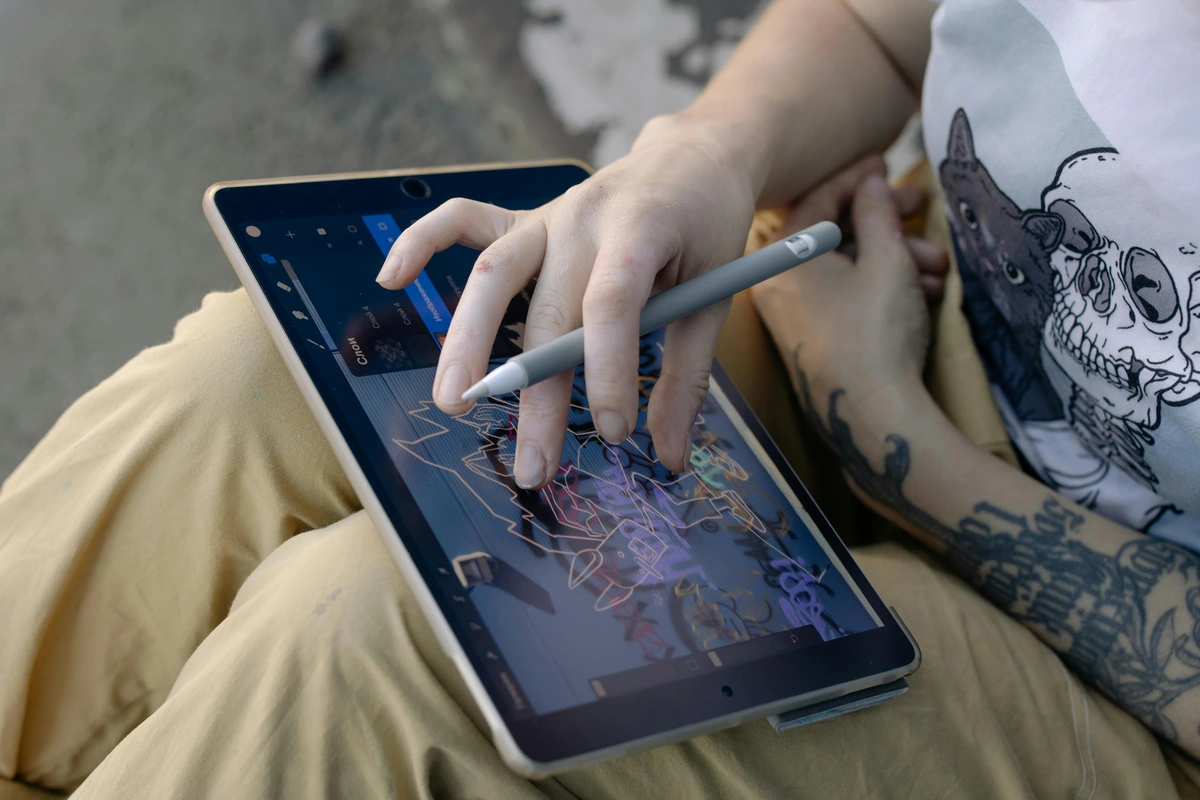
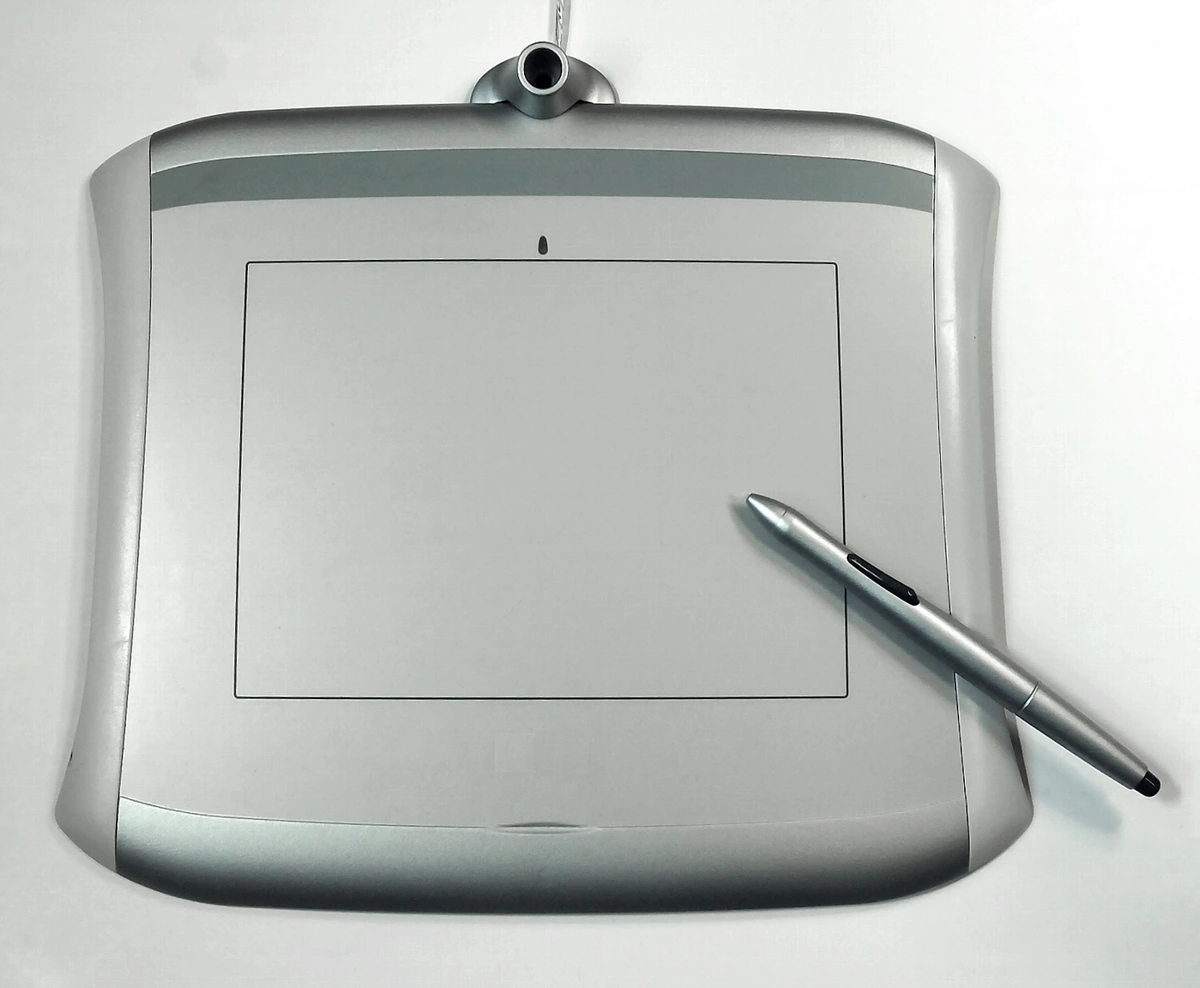
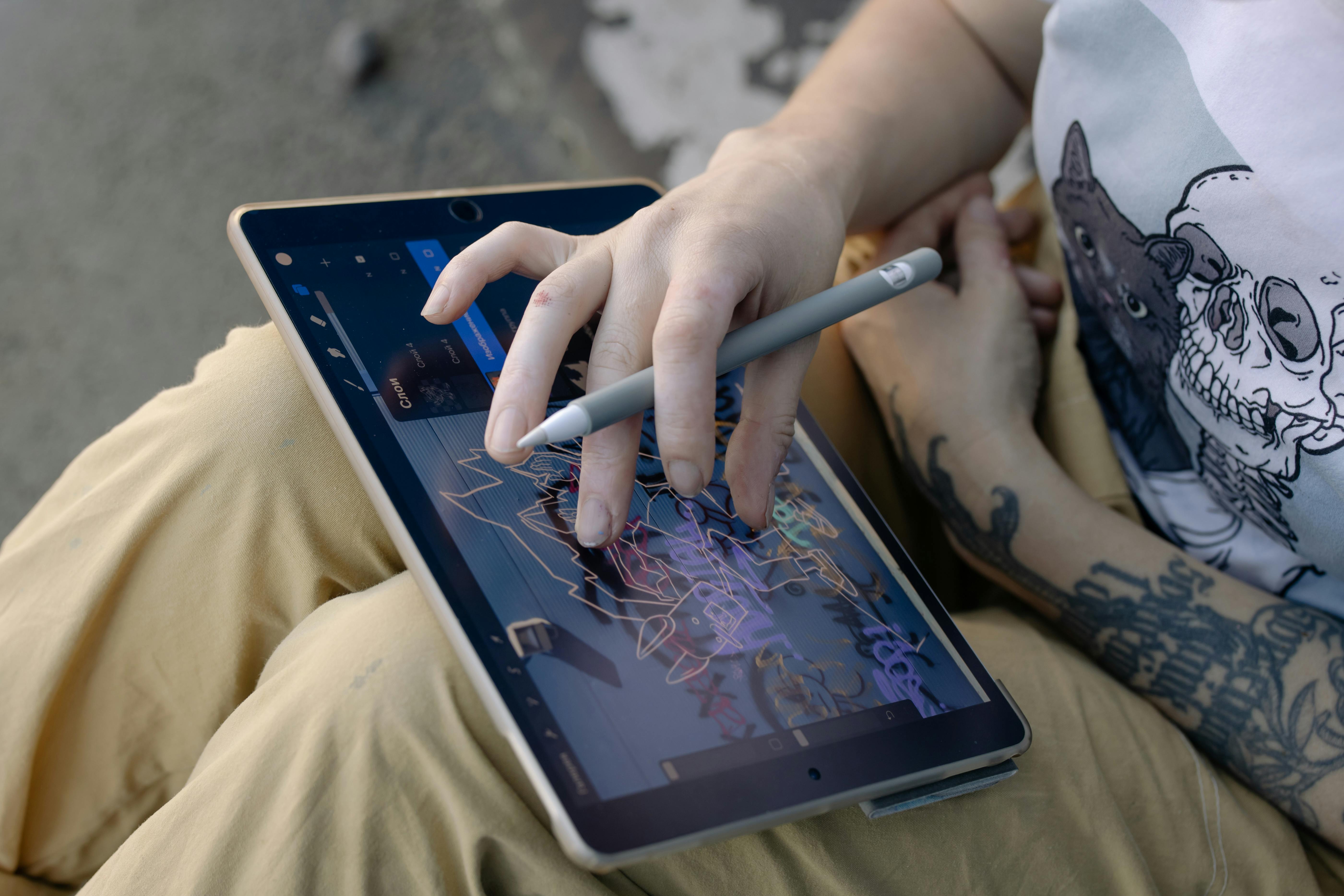
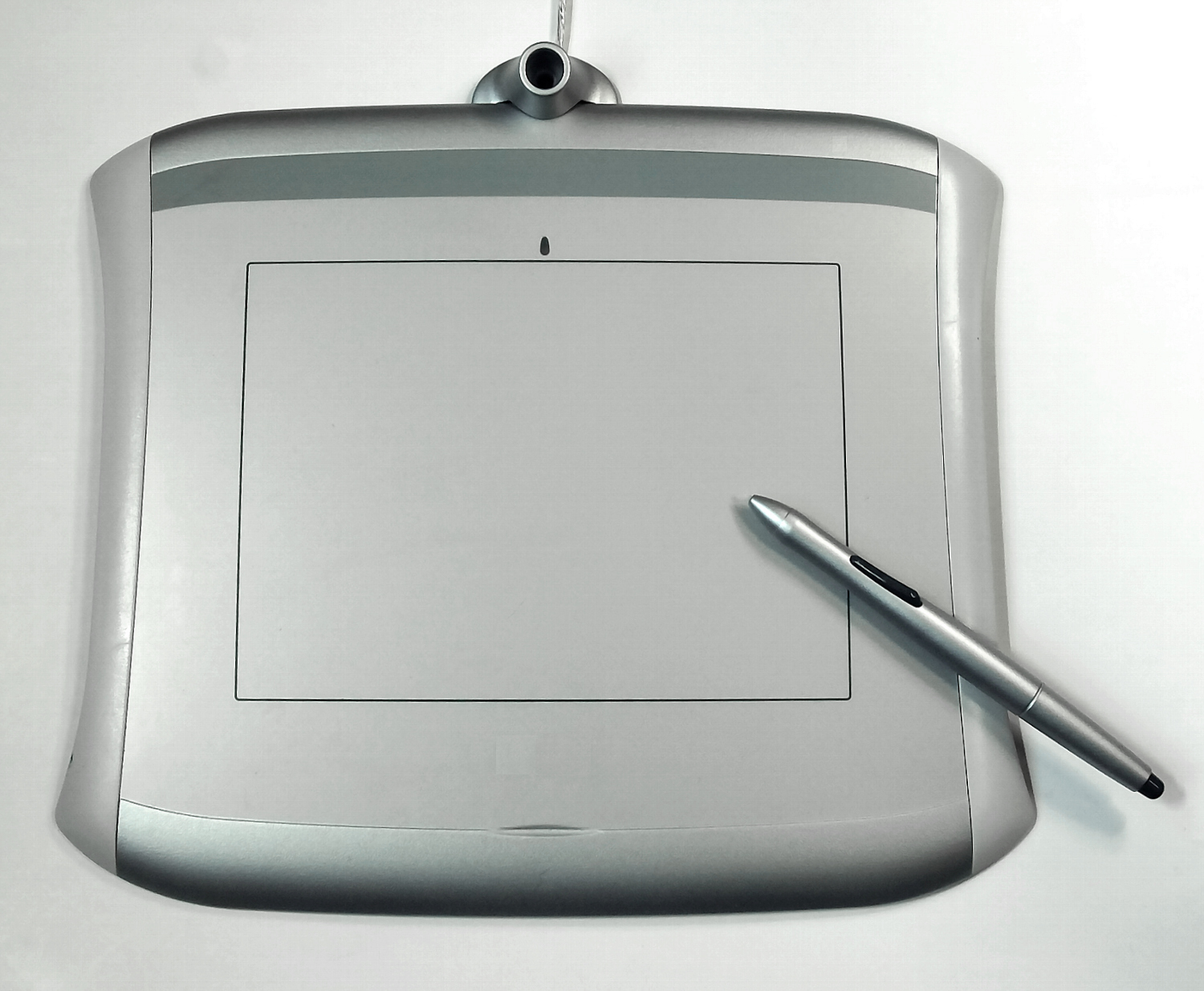
Now, a word of caution. A common trap for beginners is believing the right tools will unlock their potential. It's called Gear Acquisition Syndrome, and it's a sneaky form of procrastination. They buy the most expensive paints, the fanciest digital tablets, the trendiest brushes, hoping the gear will compensate for a lack of experience. This is the artist's version of buying a fancy gym membership and thinking you're now fit.
Look, I get it. Gazing at rows of Copic markers in a sleek storage case or browsing pages of premium digital brushes is infinitely more appealing than staring down your own terrifying blank page. It feels productive. It feels like you're preparing to really 'get serious.' But the hard truth is that the most sophisticated tools often have the steepest learning curves and require the most foundational skill to use effectively. They're designed for experts, not beginners.
It won't.
Don't get me wrong, good tools can be a pleasure to use, but they don't make the artist. Your growth comes from the hours you spend making marks and learning from them, not from the brand name on your pencil. A master can create a masterpiece with a burnt stick and a rock wall. You can start with a $2 ballpoint pen and a stack of printer paper. The tool is secondary to the intent. Your creativity is the core asset, and it doesn't need an expensive license to operate.
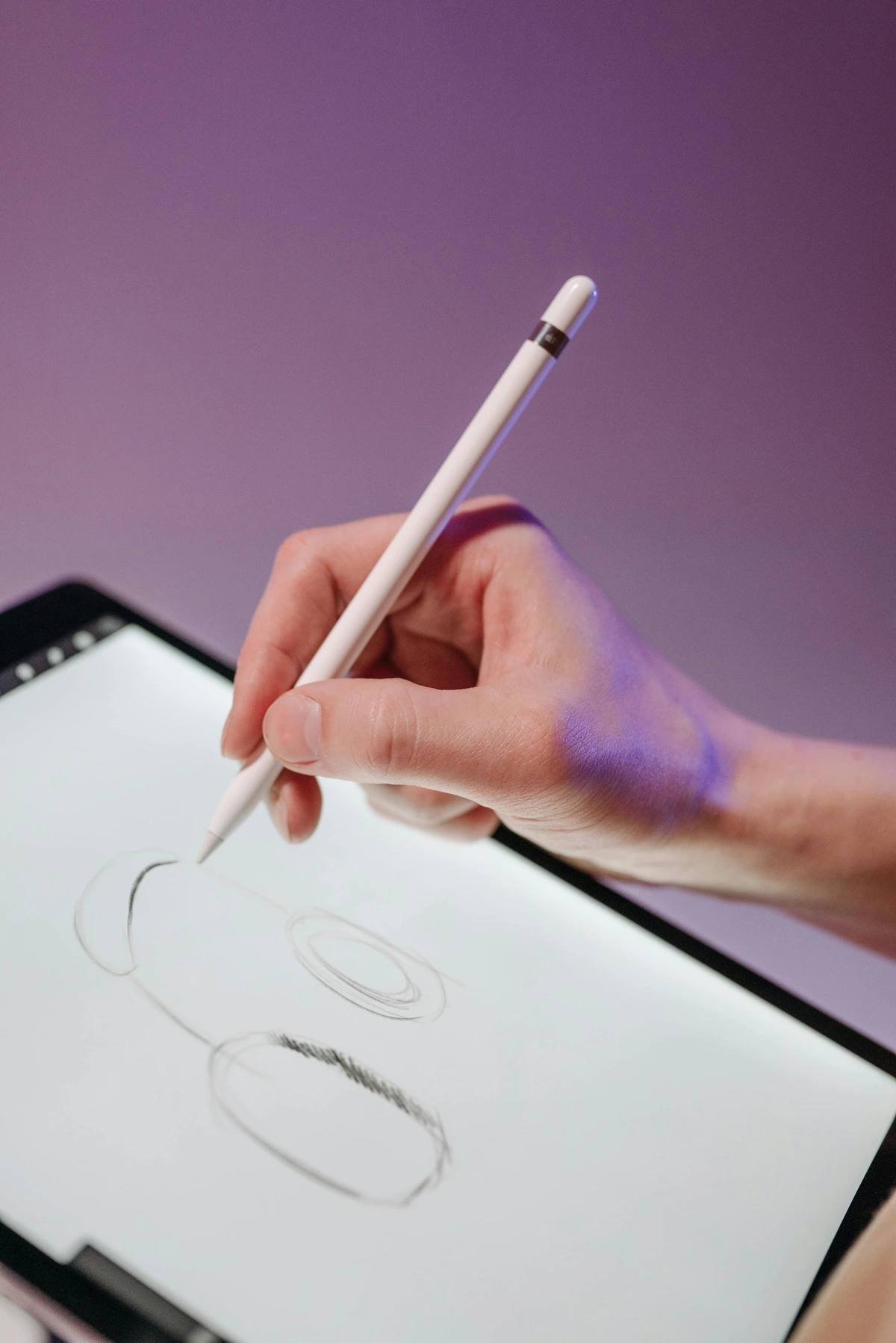
Consider this simple experiment: take a medium you're completely unfamiliar with—say, charcoal or a cheap set of children's watercolors—and give yourself ten minutes to explore it. Without any pressure to perform, just see what the material wants to do. Does the charcoal smudge in interesting ways? Do the watercolors bleed together? This kind of low-stakes experimentation with humble tools teaches you more about core artistic principles—value, edge control, and transparency—than struggling with a high-end piece of software you barely understand.
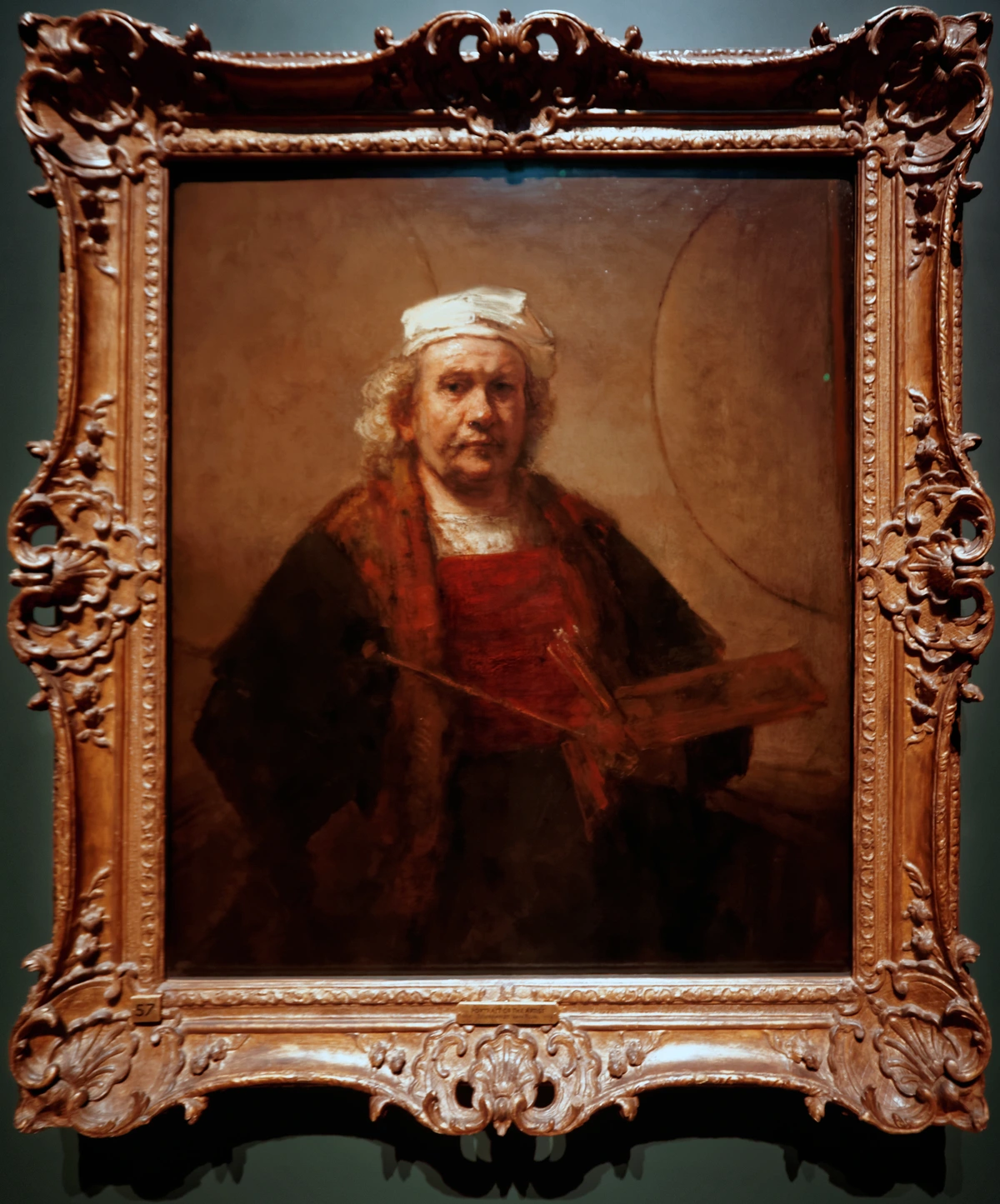
Think of the old masters. Did Rembrandt worry about the latest 4K display tablet? No, he was too busy figuring out how to use a smear of oil paint to suggest the fall of light on a human cheek. His genius lay in his deep understanding of his (relatively simple) tools and materials, not in the tools themselves. The focus was always on the interplay between his vision and what the paint could do.
Your journey will be similar. As your skills grow, you might naturally gravitate toward specific tools that match your unique style. But that comes later. The foundational skills you build now are tool-agnostic. They are the principles of seeing, thinking, and making that will serve you no matter what you end up using. I talk more about this journey and finding your own tools on my timeline.
credit, licence
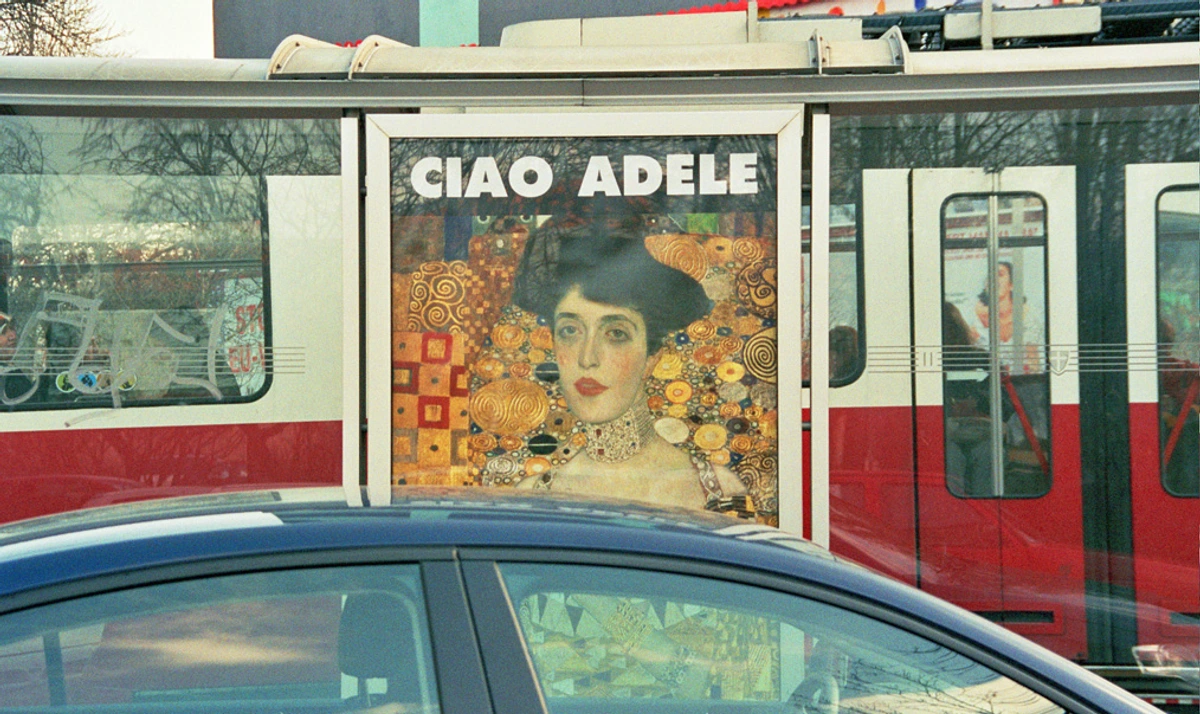
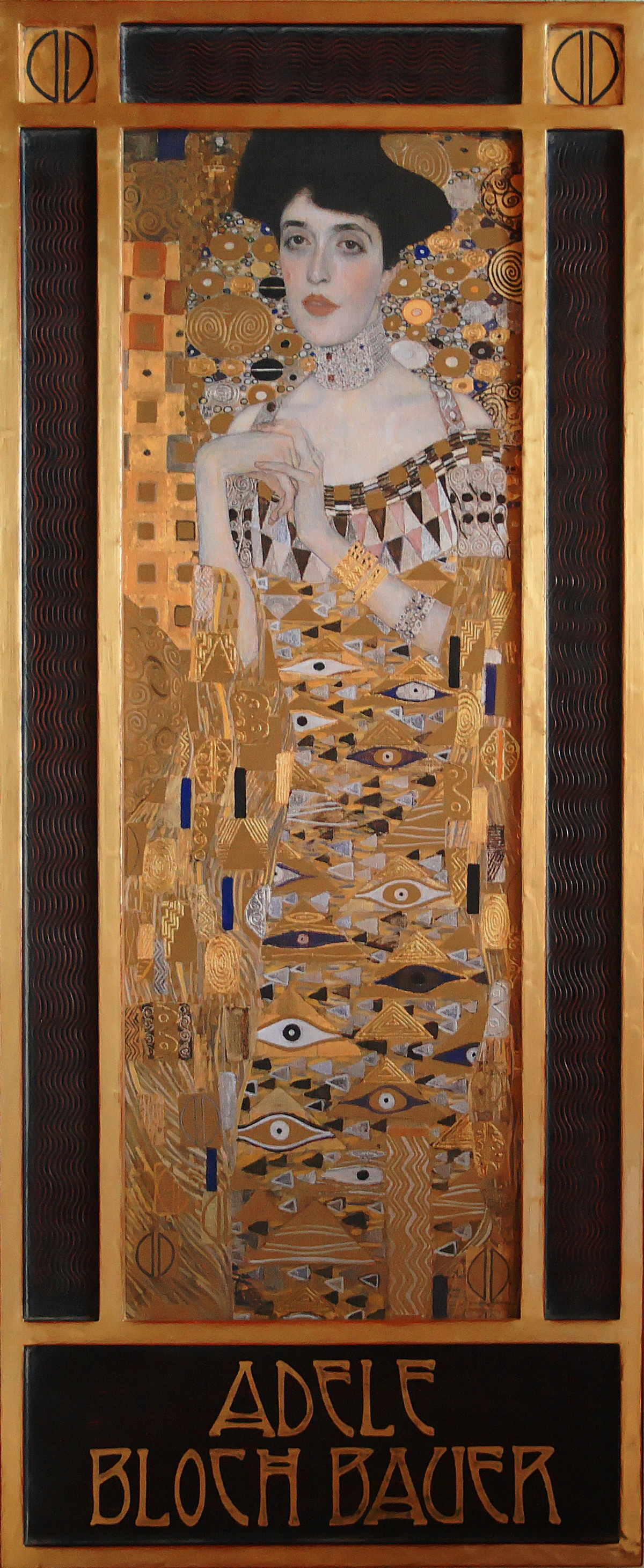
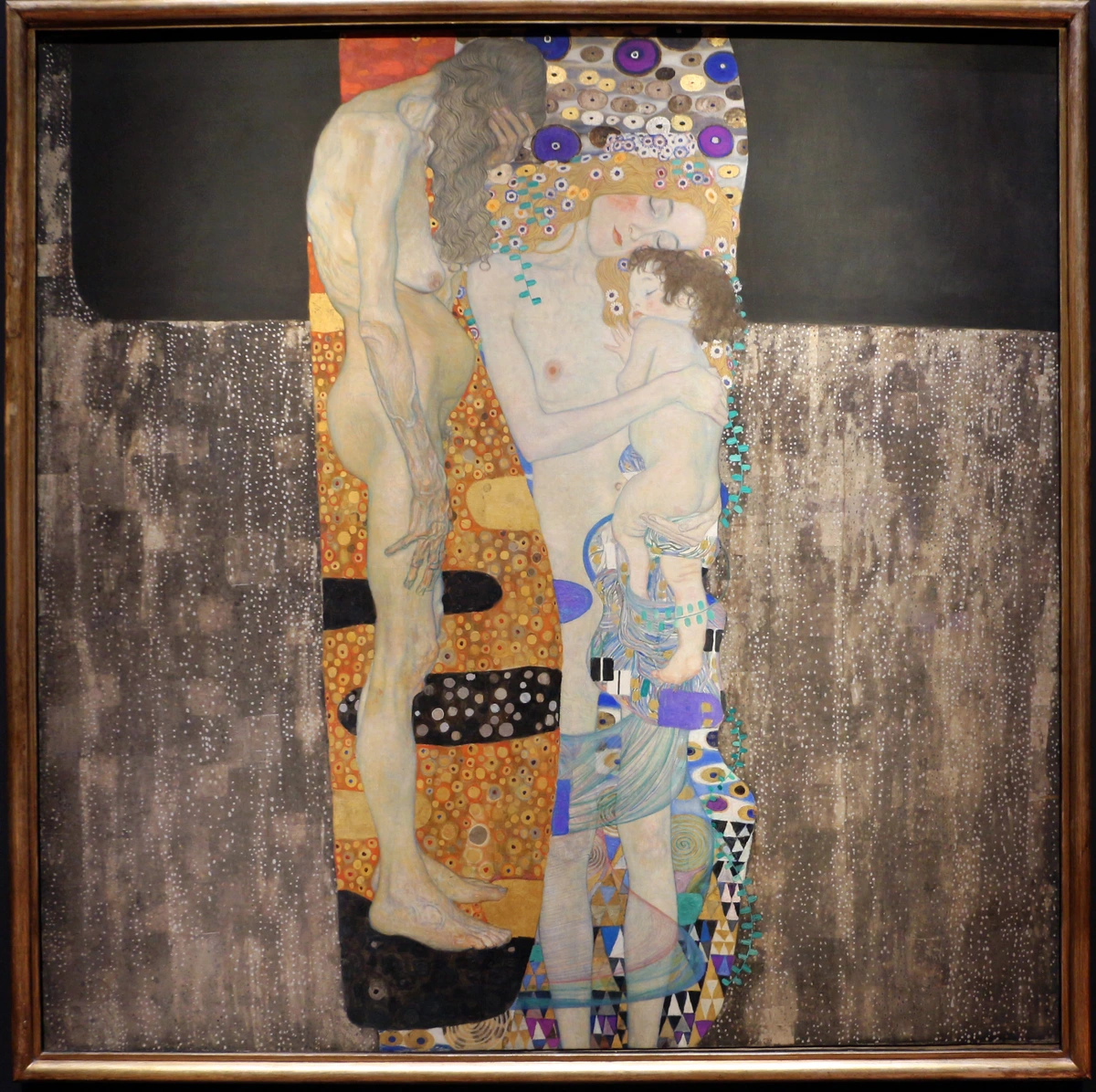
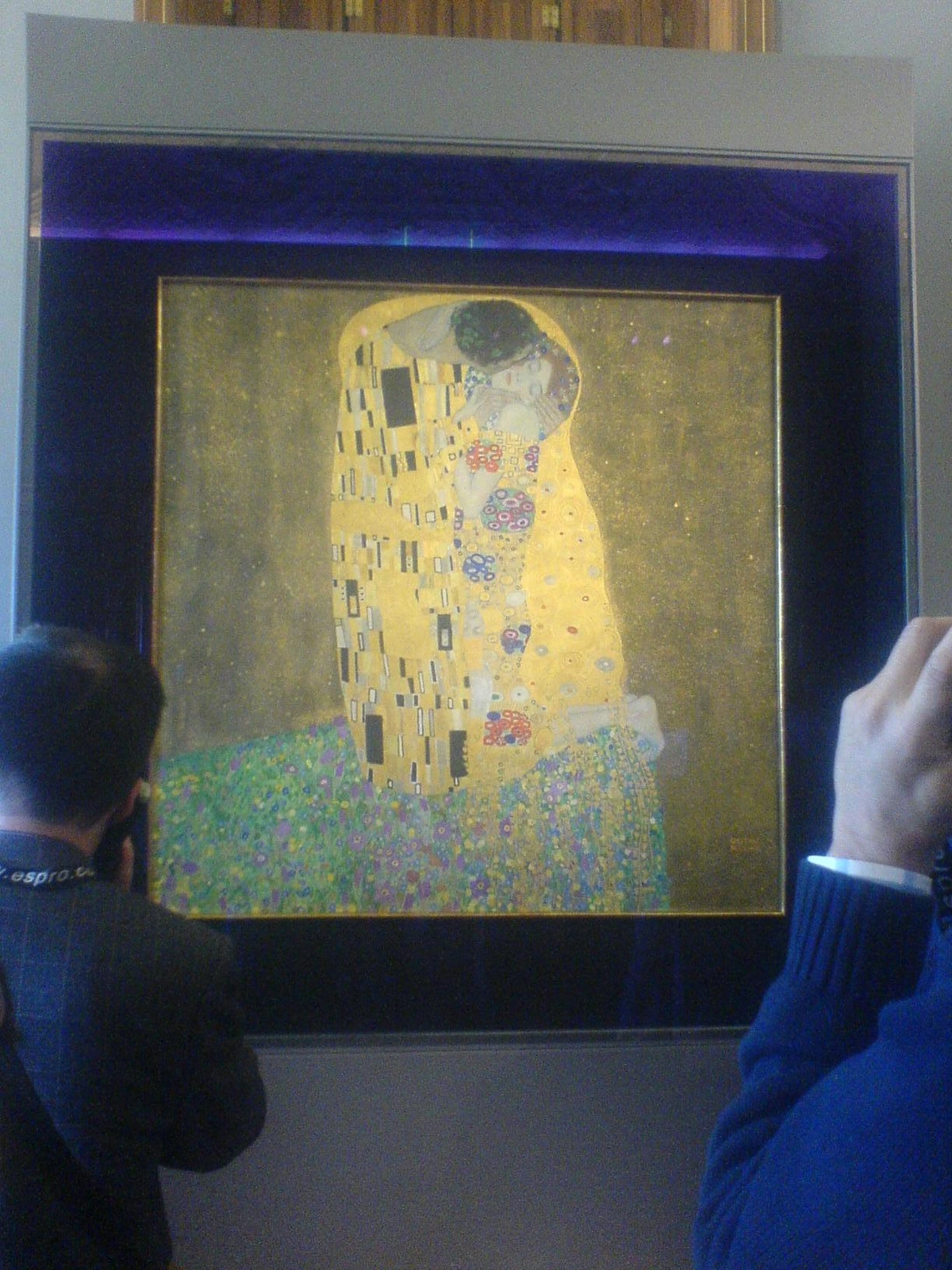
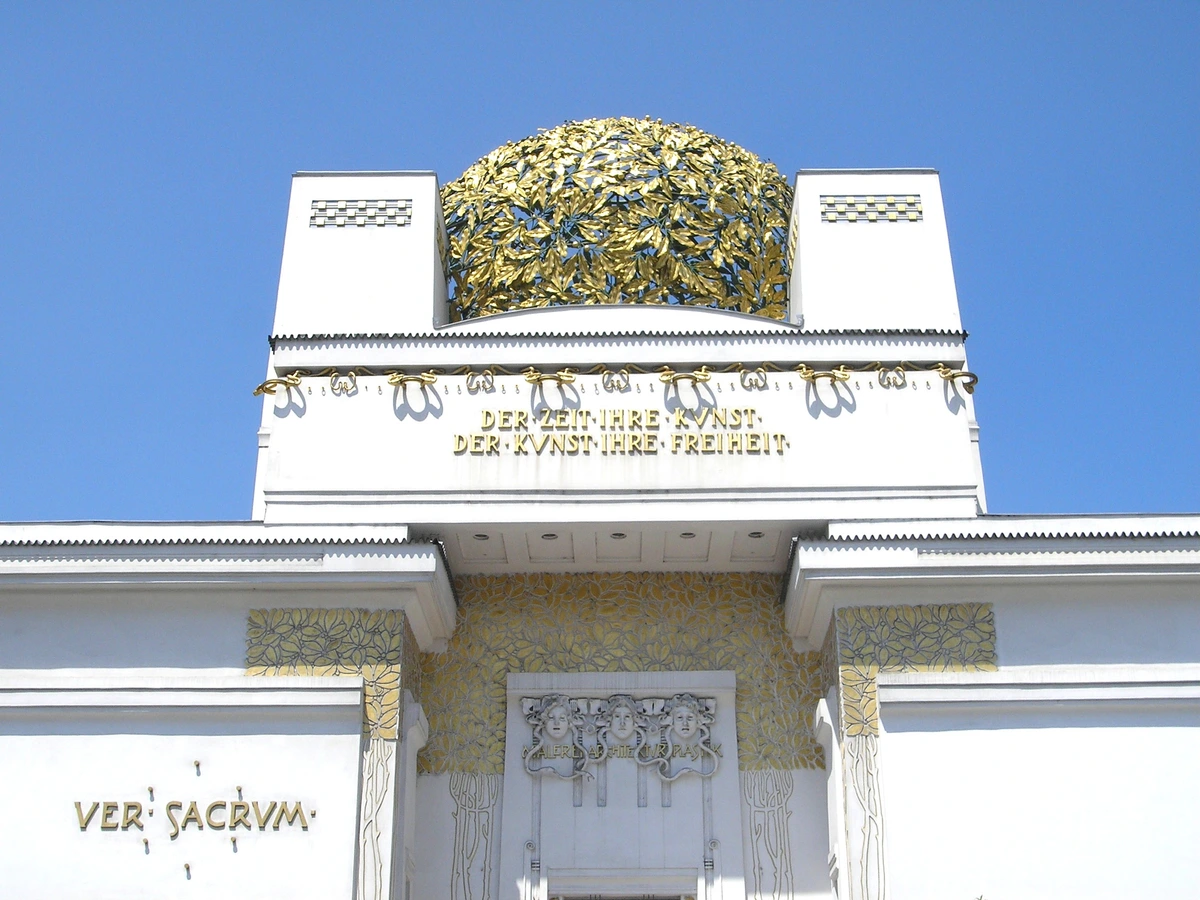
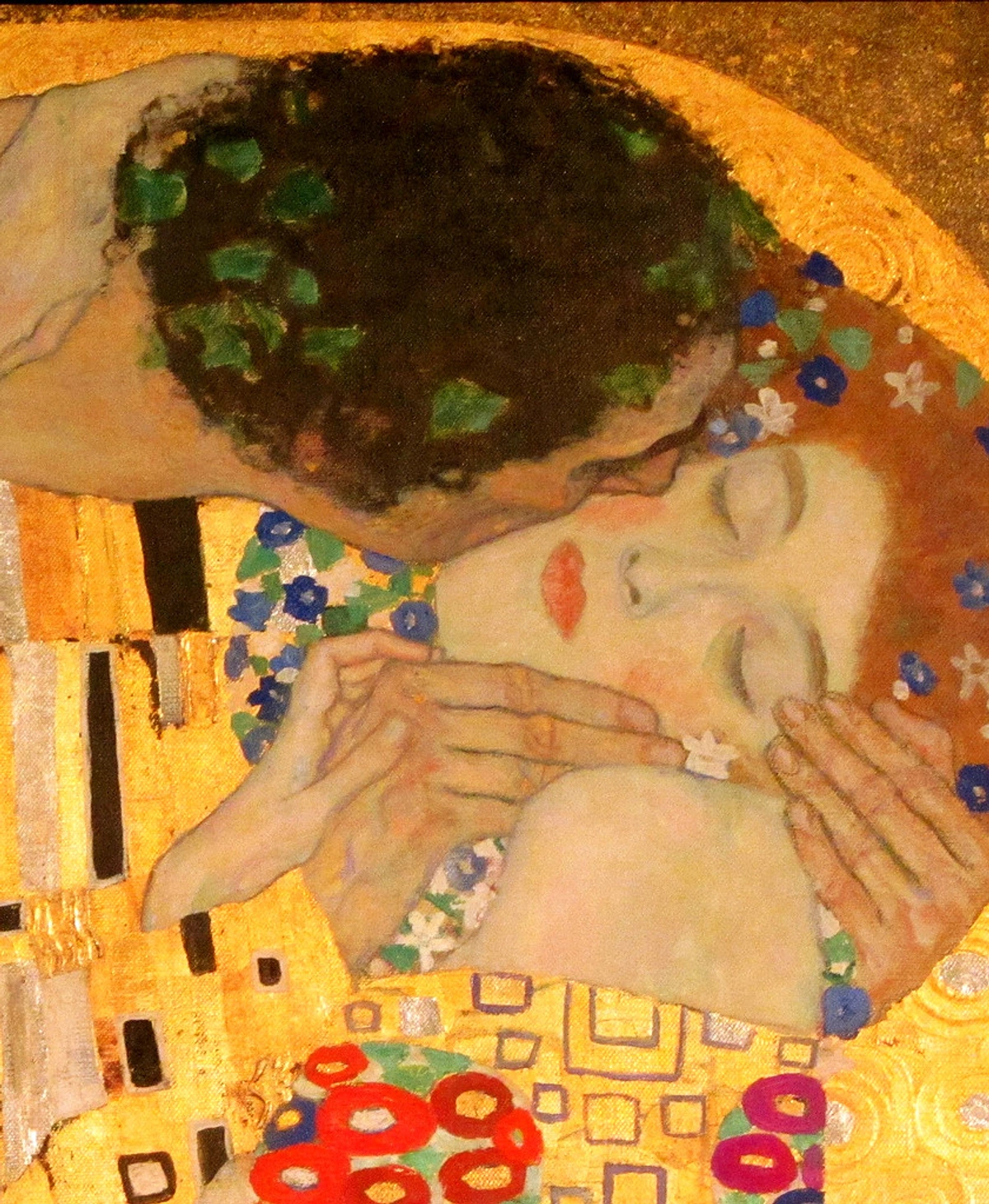
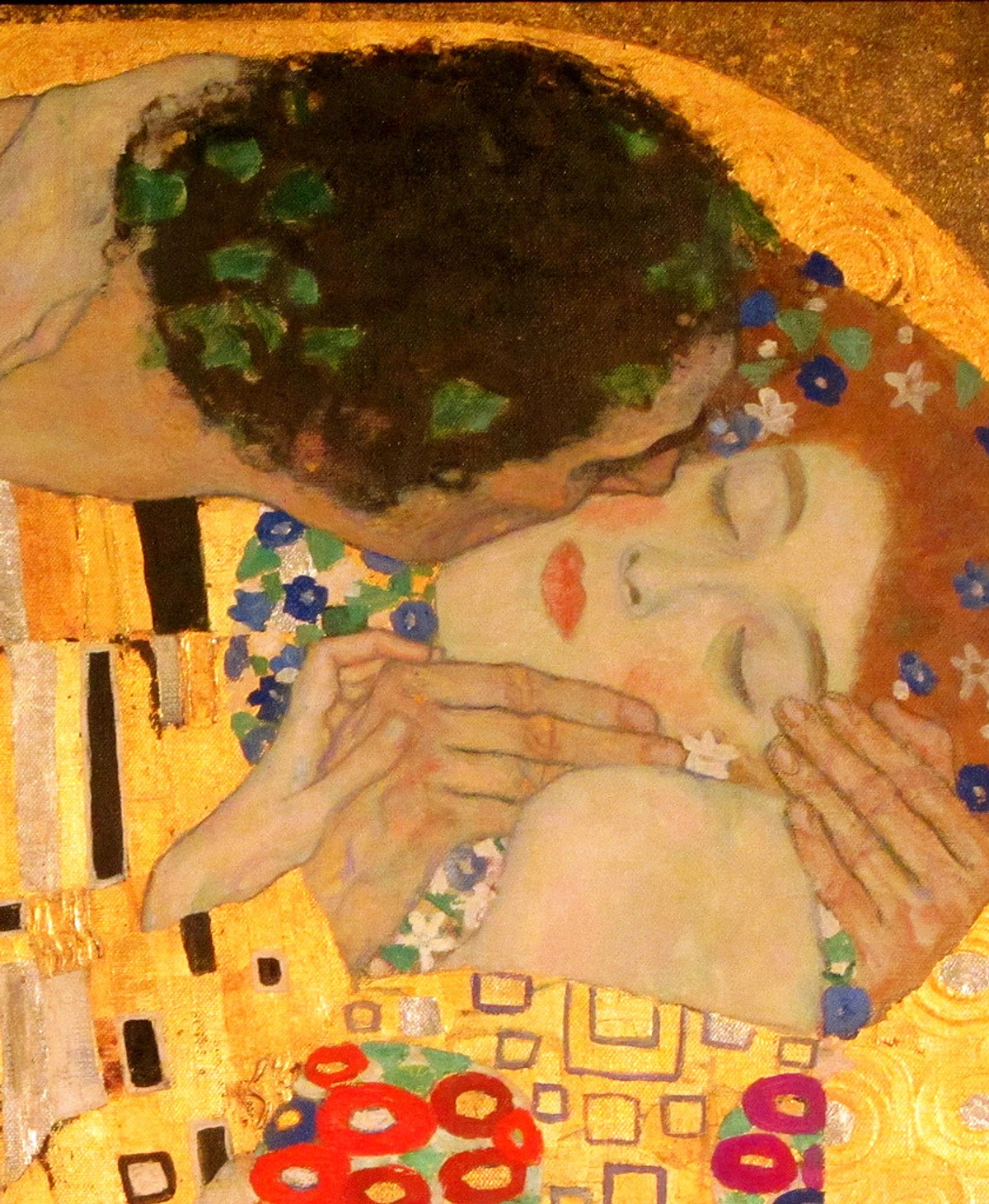
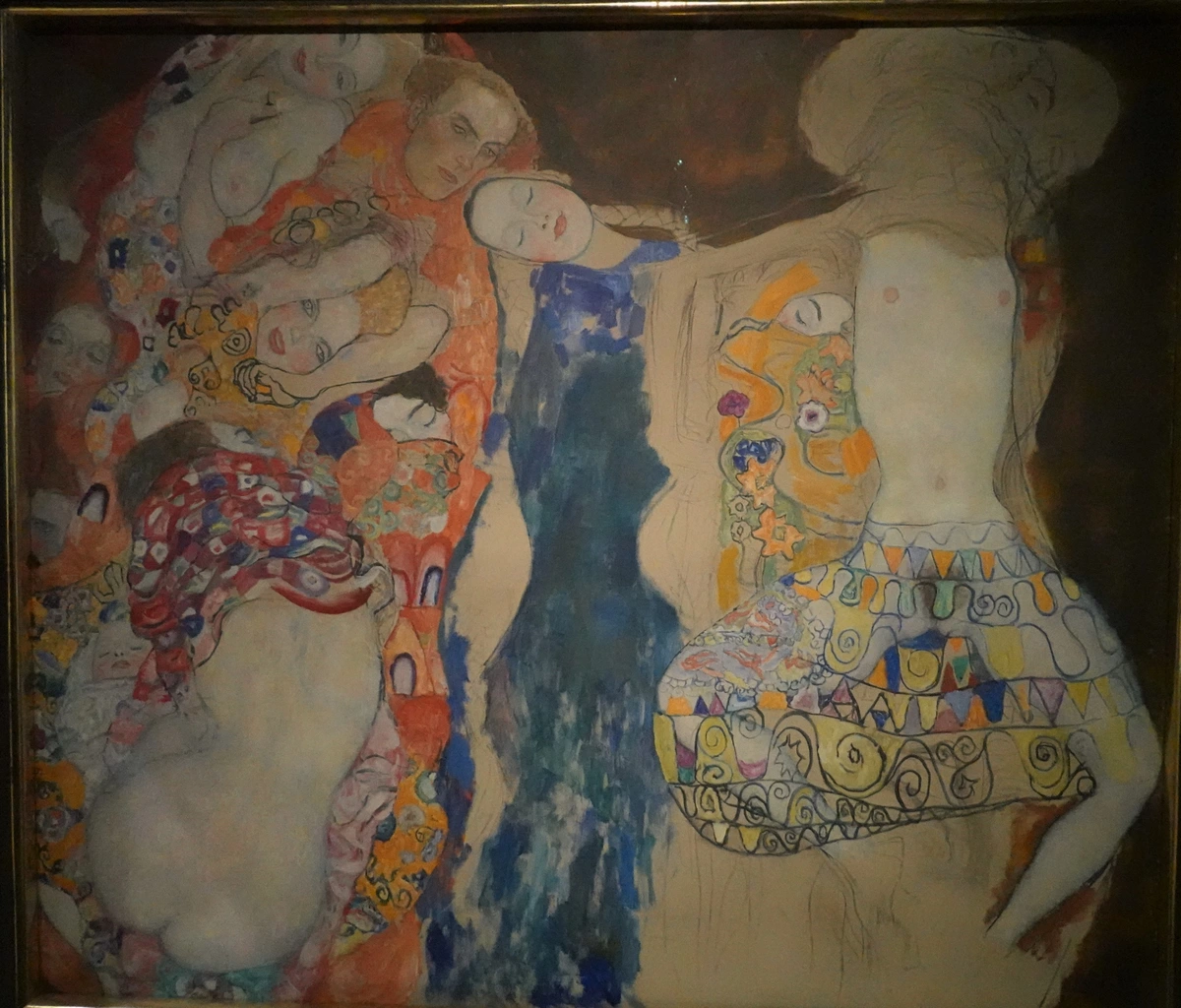
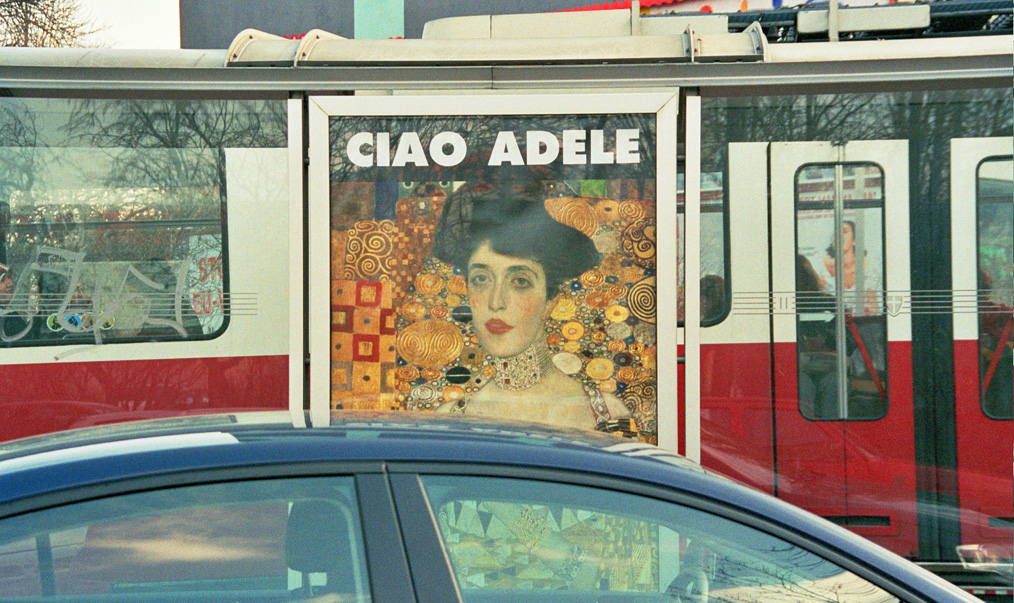
What is often forgotten about iconic works like The Kiss is that they were not created in a vacuum. They were the culmination of an artist's entire life's work, of tens of thousands of hours spent developing their own unique visual language, often while being completely ignored by the mainstream art world. Klimt's 'golden phase' wasn't a gimmick; it was the triumphant result of a lifetime of dedicated personal exploration. The goal was never just to be popular, but to articulate a specific vision of beauty, intimacy, and spirituality. He was painting for his future self's legacy, and in doing so, he created work that was so powerful it defined an era.

Deepening the Practice: Beyond the Basics
Once you've internalized the golden rule and started these practices, you'll find they ripple outwards. They change how you see your own work. Instead of asking, "Is this good?", you'll start asking, "What did I learn here?". This is the beginning of finding your own voice. It's not about having a unique style from day one; it's about having an honest practice. Style is what’s left over after years of making things for yourself. It's the accumulation of your specific curiosities, your unique failures, and your personal problem-solving methods. Making art for your future self is the soil in which an authentic style grows.
Frequently Asked Questions
Shouldn't I learn the fundamentals first?
Absolutely. Color theory, composition, value—these are the tools of the trade. But work on them for yourself.
There's a false dichotomy that trips up many beginners: you either make "serious, technical study art" or you make "fun, expressive art." The implication is that one is for learning and the other is frivolous. I call total nonsense on that. The most profound learning happens when you combine the two.
Instead of grinding through exercises like a textbook, integrate your technical studies into your personal explorations. Are you trying to paint a portrait of your friend but struggling with the skin tones? That's the perfect moment to dive into a focused study of color theory, specifically exploring the endless variations of warm and cool reds, yellows, and blues that make up human skin. Your curiosity is now the engine driving your technical education.
By learning fundamentals to solve a problem you are genuinely invested in, the knowledge doesn't just sit in your brain as an abstract rule. It becomes a living, breathing part of your process. You learn because you want to bring your vision to life, not because some online tutorial told you to. Problem-driven learning is the most effective kind of learning there is. Don't study composition because you think it's what 'good artists' do; study it because you're genuinely curious about why one arrangement of shapes feels calm and another feels chaotic. Let the fundamentals serve your curiosity, not a vague external standard. When you approach a concept like color theory with a sense of personal exploration—"I want to see what a harmonious color scheme feels like to paint"—it sticks. When you force-feed it to yourself because a book said you should, it feels like a chore.
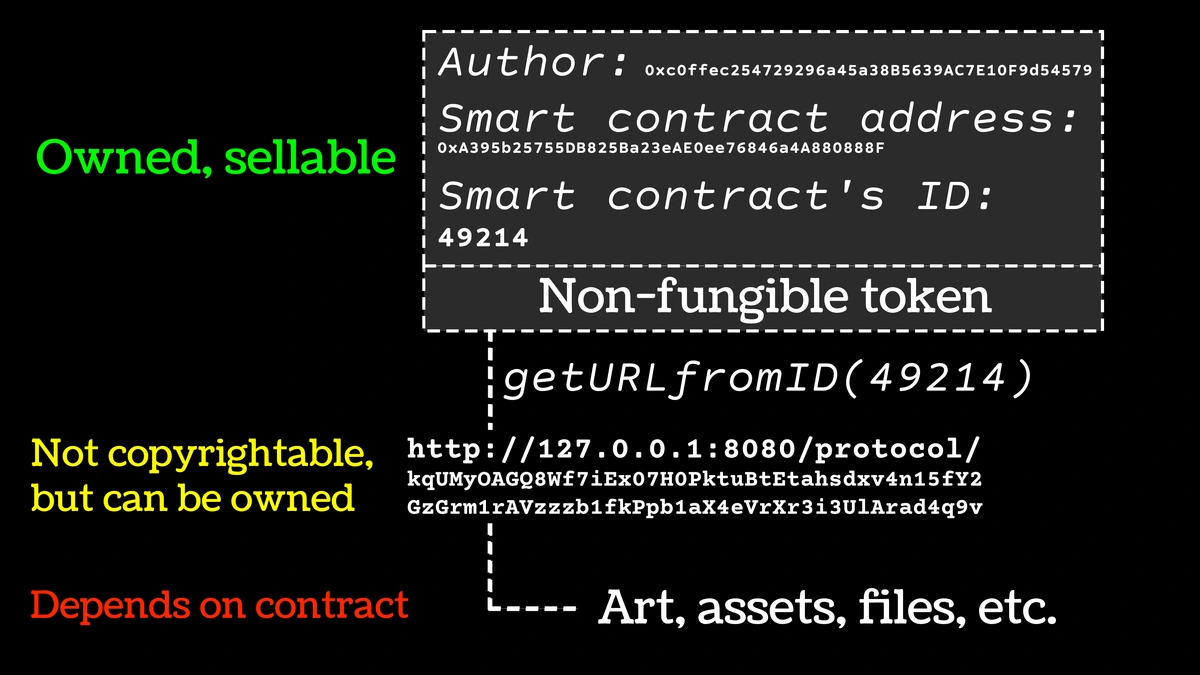
What if I want to sell my art someday?
This is where the golden rule reveals its real power. Professional artists, the ones with sustainable careers, are deeply in touch with their own voice.
Let's be direct: the art market is ruthlessly competitive and brutally saturated with technically competent work. What makes an artist stand out isn't perfect anatomy or flawless rendering; technology can already do that. What can't be replicated is a unique point of view, a distinct emotional signature. That can only be forged through thousands of hours of personal, often private, work—the exact kind of work this rule encourages.
When you spend years creating for yourself, you're not just making pictures. You're developing a philosophy, a set of questions, and a visual language to explore them. That's the 'product' people truly connect with and want to invest in. A collector isn't just buying a pigment on a canvas; they're buying a piece of a worldview. They're buying conviction. That voice isn't developed by chasing trends. It's forged in hundreds and thousands of hours of making personal, exploratory work—the very work this golden rule encourages.
Making art for your future self is the path to becoming a professional, because it's the only way to develop something truly worth selling: a unique perspective.
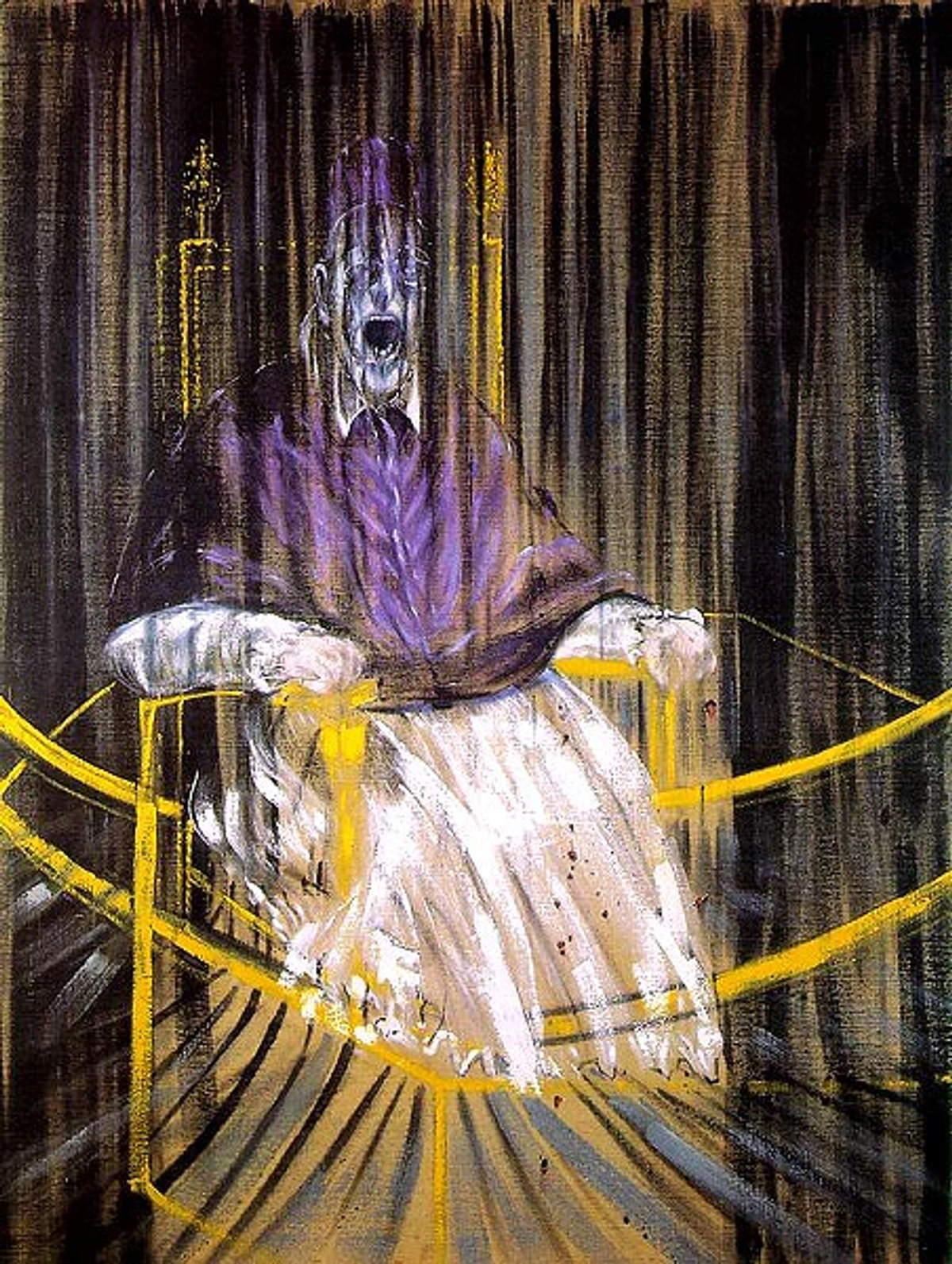
Think about some of the most iconic artists in history—Van Gogh, Frida Kahlo, Francis Bacon. Their work is unmistakable not just because of their technical skill, but because it feels like an unfiltered expression of their inner world. You see their struggles, their obsessions, their joy. That level of authenticity cannot be manufactured by chasing trends or trying to guess what will sell. It can only be cultivated through relentless, personal exploration.
So, ironically, the most direct path to building a sustainable career is to completely ignore the market when you're starting out. Build a body of work that is so uniquely you that the market has no choice but to make a space for it. You become the trend, instead of chasing it. People don't buy a pretty picture; they buy a piece of a worldview they connect with. That uniqueness can only come from an authentic place, a place built by ignoring the audience and creating for yourself first.
The market is already saturated with technically proficient art. What it's always hungry for is authentic voice. Galleries, collectors, and everyday art buyers can sense when a piece was made with genuine conviction versus when it was made to please an algorithm. Your future self, who has spent years developing a genuine voice, will have products people actually want to buy. This is how a sustainable art practice is built: not by pandering to the market, but by becoming so good at being yourself that the market finds you.
How do I know I'm improving if I'm not getting feedback?
This is where your private art diary and your dated notes become your secret weapon.
External feedback, especially in the early stages, is a notoriously unreliable metric. It's subjective, often contradictory, and usually focuses on the outcome ('I like that blue') rather than the specific skill you were trying to practice ('I was trying to capture the feeling of solitude'). Someone's praise might stroke your ego but teach you nothing. Someone's criticism might be about a factor you didn't even care about, sending you down a rabbit hole of fixing the 'wrong' problem.
Your own records are different. They provide objective, personalized data about your journey. You become your own most trusted teacher. You become your own best, most insightful critic. When your reference point is your own past work, your progress becomes undeniable and deeply personal.
You know you're improving when:
- You look at an old piece and can immediately pinpoint the specific problem you were having. The fact that you can even see it now is progress.
- A mark-making challenge that used to frustrate you now feels intuitive, almost effortless.
- You have more control over your intent. You can better predict what will happen when you mix those two colors, or what effect a certain brushstroke will have.
External feedback can actually be a distraction. It tells you what one person likes or dislikes, which might have nothing to do with the specific skill you were trying to practice. An abstract piece about loneliness might get compliments for its beautiful blue, even though you were struggling with a different idea entirely. The praise doesn't help you solve your problem.
Internal feedback, powered by your notes, gives you laser-focused insights into your journey. It answers the question you were actually asking, not the one the audience imagined. It's the difference between getting a gold star and actually understanding the math.
All of This to Say...
Creating art when you're a beginner is an act of profound courage. You are building something out of nothing, asking a question that might not have an answer. In that vulnerable space, the pressure to perform for others can be crushing. The single most important thing you can do is to turn away from that noise.
The blank canvas isn't an indictment of your skill; it's an invitation to have a conversation with yourself.
That conversation might be clumsy at first. You might not know what to say. You might draw the same wobbly circle a hundred times. That's okay. The point isn't to be profound right out of the gate; it's just to show up and start talking. Every mark you make is a word in that conversation. The more you do it, the more articulate you become.

Your future self is the most patient, appreciative audience you will ever have. They already know how the story turns out, and they're rooting for you. They know that every 'failed' painting and messy sketchbook page was a necessary step. They are the living proof that every hour you spend in that messy, uncertain, glorious practice was worth it. You are literally creating the artist they will become, one mark at a time.
So please, give them something amazing to look back on. Give them a story of dedication. Give them a record of your curiosity. Give them the gift of your honest, unfiltered process. Create for them, and trust that everything else will follow from that. Make art for the person you will be in six months. Make art to ask a question. Make art to see what happens. Make a glorious, joyful, fascinating mess, and then make another one.











Your future self will be incredibly grateful that you did. They will have a map of where they came from, and that perspective is priceless. You can check out some of my work and see how this philosophy translates on my timeline, or if a piece resonates with that future you, you can find it on my store at /buy.