
The Golden Rule of Art: A Practical Guide to Ethics and Integrity

Navigating the Golden Rule of Art: An Honest Take on Ethics, Practice, and Selling What You Love
What if the single most important ethical guideline for an artist wasn't some complex philosophical treatise, but something your parents probably taught you before you could even hold a crayon? It turns out that profound ethical frameworks often hide in plain sight, disguised as simple wisdom. The real challenge isn't in understanding the rule, but in applying it to the messy, subjective, and often vulnerable world of making and selling art.
Treat others as you'd like to be treated.
This is, of course, the Golden Rule. And while it sounds almost insultingly simple, applying it to the messy, subjective, and often vulnerable world of making and selling art is anything but.
The Power of Patronage: A Historical Perspective on Trust
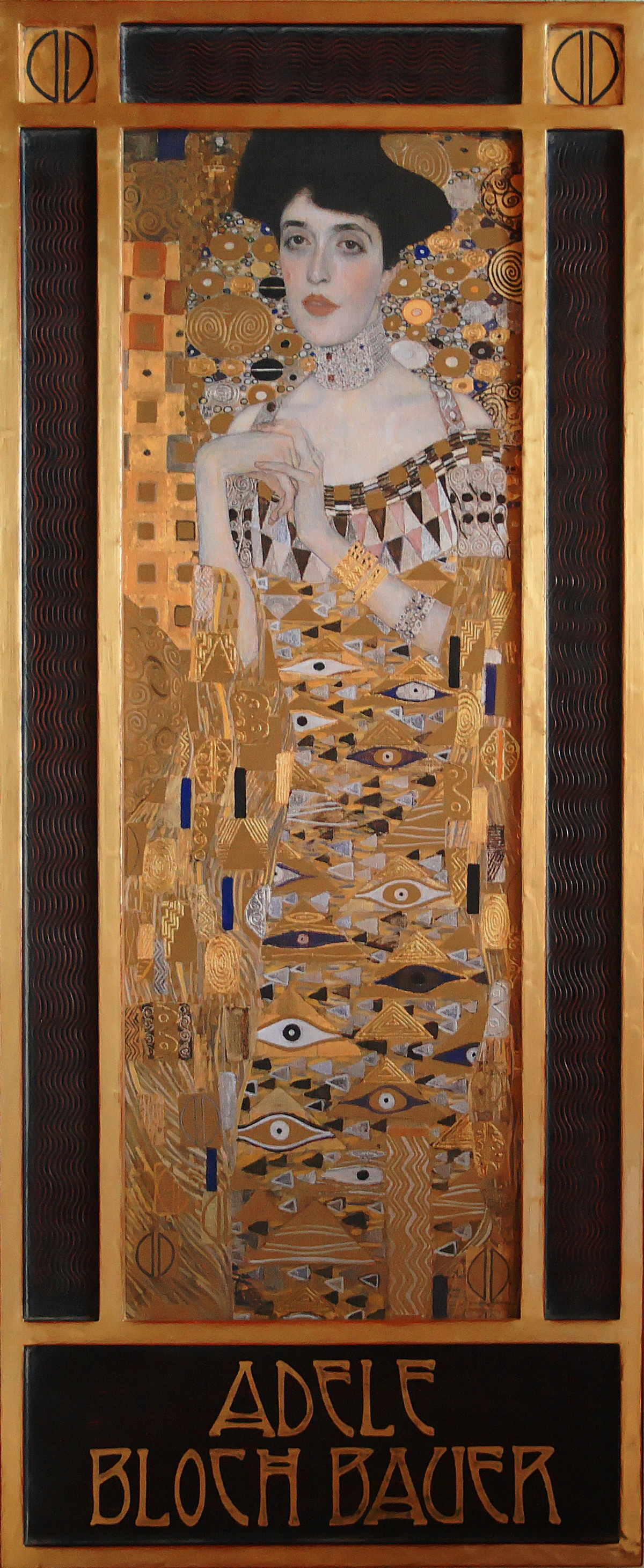
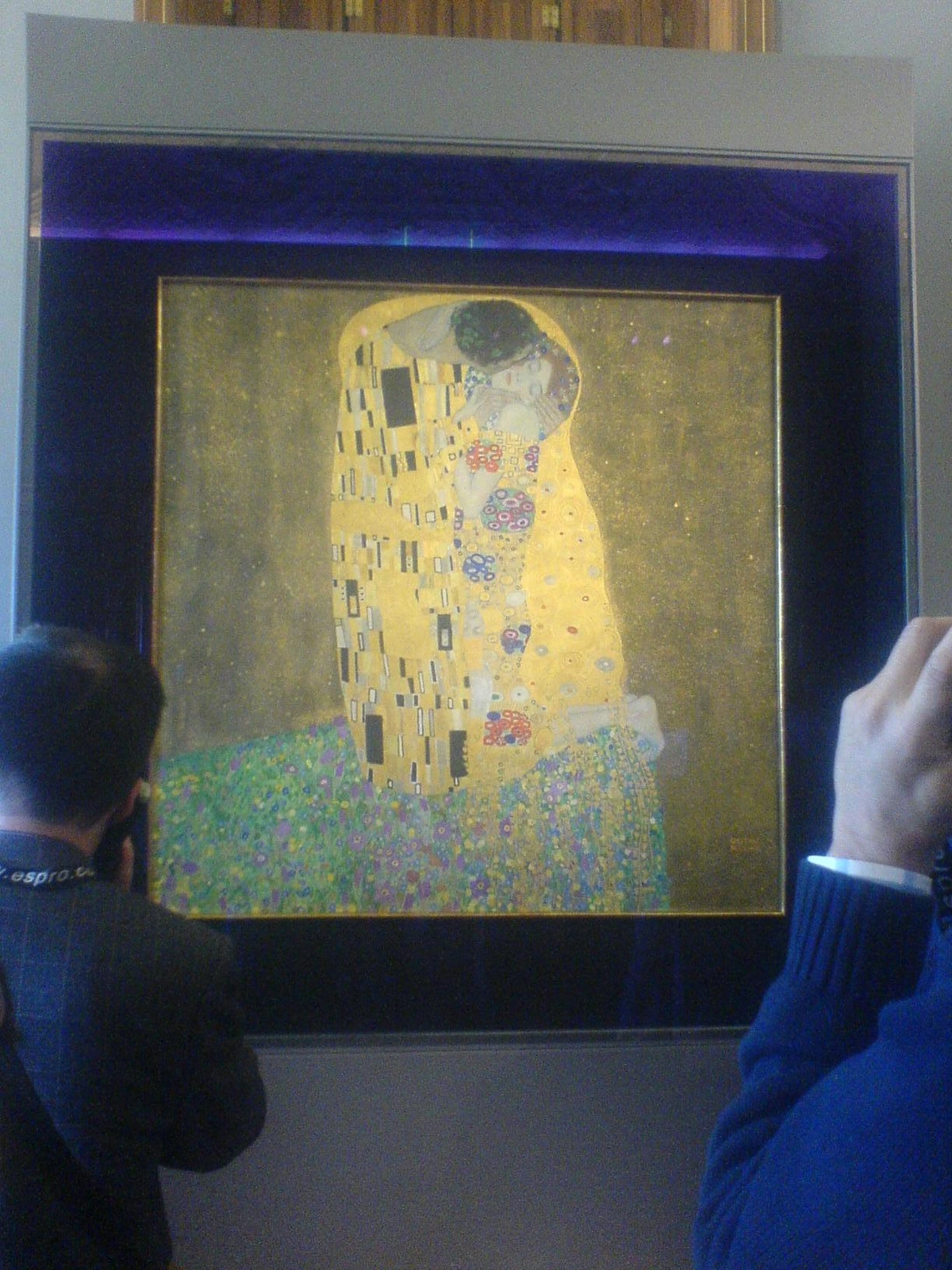
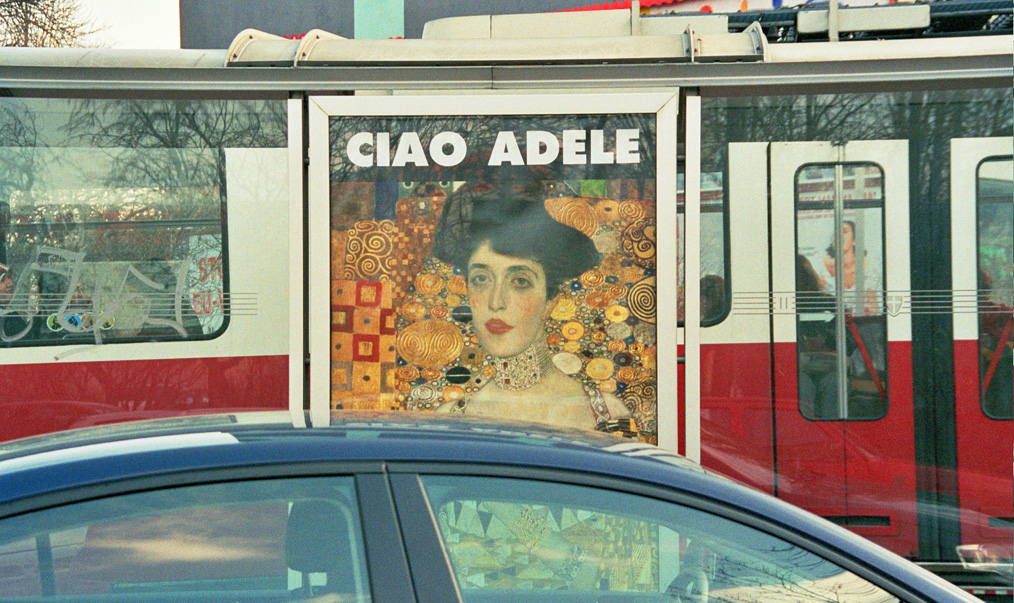
The relationship between artist and patron, whether institutional or individual, has always been built on a complex web of trust. This isn't a modern business arrangement—it's one of the oldest forms of creative commerce in human history. Looking at Klimt's work, you see a profound dialogue between the artist's vision and the subject's trust. Consider Michelangelo spending four years on his back in the Sistine Chapel, working under the demanding patronage of Pope Julius II. Or think about the countless Renaissance masters who painted Madonna and Child compositions not just as religious devotion, but as commissioned works that had to satisfy wealthy benefactors while maintaining artistic integrity. The act of creating art for someone else has always been an intimate contract requiring delicate balance. When we honor that history by treating modern collectors with respect, we're participating in a tradition that honors both the craft and the human connection that makes it possible. Every time you carefully pack a painting, every time you send an honest update about a commission, you're extending a lineage that stretches back through centuries of creative practice.
It’s being authentic in how you connect with people. When you buy something, what makes it feel right? Usually, it's a feeling of trust. Trust that the product is what it says it is, that the creator stands by it, and that your attention was valued, not just harvested for a quick sale. That’s the essence. The Golden Rule isn’t a new commandment; it’s the operating system for building a sustainable creative life.
This article isn’t another list of rules. It’s not about imposing restrictions. Instead, it’s about giving you a set of practical tools to navigate the messy, subjective, and often vulnerable world of making and selling art. We’ll explore how this simple idea can transform your professional practice, influence your creative integrity, and build an unshakeable connection with your audience. Think of it as a guide to building a practice that’s respected, fulfilling, and aligned with the very best of who you are. We’ll get into the weeds of client conversations, pricing dilemmas, and the quiet courage it takes to be honest in a world that often rewards shortcuts.
What the Golden Rule Actually Means for an Artist
When you hear "treat others as you'd like to be treated," it’s easy to mistake it for a rigid set of instructions. A list of do’s and don’ts. But that misses the point entirely. The Golden Rule isn’t a cage meant to confine your behavior. It’s a compass, designed to help you navigate complexity with grace.
It’s less about a specific action and more about cultivating a mindset. It’s a continuous, almost radical practice of empathy. Think of it as mental relocation. You have to actively imagine yourself in the shoes of your collector, your collaborator, that artist you admire, or even the young creative who looks up to you. What would you genuinely want from that interaction? What would make you feel respected, valued, and genuinely excited?
For artists, this practice of empathy translates directly into a professional code of conduct that actually means something. It’s the invisible architecture that holds up everything else we build. It’s the underlying reason a collector can confidently buy a piece from you online, sight unseen. It’s the reason a gallerist feels proud to represent you, knowing your work aligns with their vision. It’s the reason your peers see you as a respected colleague, not a competitor to be casually undermined.
The Symbiotic Relationship Between Artist and Collector
The Golden Rule points to a fundamental truth about making and selling art: it's a relationship. This might sound obvious, even cliché, but most artists don't really let this sink in. A collector isn't a faceless entity on the other end of a transaction; they're someone who chooses to live with a piece of your inner world every single day. They see it first thing in the morning with their coffee and last thing at night before turning off the lights. They're investing not just money, but emotional and psychological space in your vision, your time, and your craft. When you wrap a painting carefully, you're not just packaging an object for shipment—you're preparing a piece of your creative energy to be released into someone's personal sanctuary where it will influence their daily life.
Thinking about it this way reframes everything. Rushing through a commission just to meet an arbitrary deadline isn't just "getting it done"—it's a breach of that relational trust, like serving a guest food you wouldn't eat yourself. You wouldn't want to be on the receiving end of that half-hearted effort, would you? Being meticulous—taking the extra hour to get the color absolutely right, adding that extra layer of protective wrapping the instructions don't technically require, writing a genuine handwritten note instead of a generic template—isn't about going above and beyond. It's simply reciprocity. It's recognizing that the long-term relationship you're building is exponentially more valuable than any single transaction.

Consider the alternative for a moment. An art world operating without empathy is just a marketplace, stripped of meaning. It’s about overpromising on commissions you know deep down you can’t deliver. It’s the hollow act of copying another artist’s unique voice and claiming it as your own. It’s pricing your work cynically, chasing trends without a thought for its true value or the story it carries. It’s burnout and exhaustion, chasing an ever-shifting target.
And let's be honest here, because this industry runs on uncomfortable truths we rarely speak aloud: the shortcuts and compromises we justify to ourselves in moments of desperation rarely lead anywhere sustainable. They accumulate like debt. When you undervalue your work to secure a quick sale during a cash-flow crunch, you're not just shortchanging your own effort for that one moment—you're contributing to a broader culture that demands all artists constantly justify their worth in a race to the bottom. When you present a piece without honesty about its inspiration or process, you deny the buyer the genuine human connection they were seeking in the first place. They weren't just buying decoration; they were hoping to connect with another human being's vision.

The Golden Rule flips that entire script. It’s an invitation to build your practice on genuine relationships, not just cold transactions. It's the quiet understanding that your reputation as an honest, reliable human being—the artist whose word means something—is the most valuable and enduring piece of art you will ever create.
The Unspoken Contract: Daily Ethics in Your Art Practice
Professional ethics for an artist isn’t some grand, dramatic affair. It’s not a statue you build once and forget. It’s woven into the fabric of your small, daily choices—the accumulation of moments that define your character and craft. It’s the quiet discipline of showing up for your work, even on days when inspiration feels like a distant, hard-to-get acquaintance. It’s the integrity to refuse cutting corners, especially when you’re tired or frustrated. These aren’t just chores; they’re the foundations of respect—for your work, your audience, and yourself.

It’s about building trust through consistency. It’s easy to be passionate on the good days. The real test is what you do on the difficult ones. Upholding this contract means treating every piece, every client email, and every business decision with thoughtful attention, knowing that each one is a reflection of who you are as an artist and a person.

Honesty about process and materials. This is where the rubber meets the road. If you’re selling a print, it’s not enough to just call it a “print.” Be specific. Is it a limited edition giclée on museum-grade paper, or is it a standard digital print? Avoid hiding behind jargon. Explain the value of the materials you use, the longevity of the piece, and what makes it special—but do it in plain, accessible language. My personal gut check is always: “If I were spending my hard-earned money on this, what would I genuinely need and want to know?” Transparency isn’t just good ethics; it’s smart business.
This level of honesty extends to your artistic process, too, especially as technology creates new possibilities that blur traditional lines. If a piece incorporates AI-assisted techniques alongside your traditional hand-painting, don't obscure that fact in vague language like "mixed media"—be specific about what role the technology played and what role your direct craftsmanship played. If you used a reference photograph from another source, acknowledge it rather than presenting the work as pure imagination. If a commission involved significant creative input or decision-making from the client—they chose the palette, they provided the concept, they shaped the composition—celebrate that collaboration openly rather than presenting it as solely your unaided vision. These disclosures aren't weaknesses that diminish your artistic authority; they're markers of an artist who trusts their audience enough to be transparent and takes ownership of their entire creative journey, messy collaborations and all.
Reliability and clear communication. Few things erode trust as quickly and completely as silence. When you promise a commission update by Tuesday, send it by Tuesday. If you realize you’re running late, communicate it proactively. Don’t wait for them to chase you down. I’ve learned this lesson the hard way—getting lost in the creative flow and forgetting that on the other end of an email, someone is anxiously waiting, checking their inbox. A quick, honest update is always better than radio silence. It shows you respect their time and their anticipation.
Setting and honoring your boundaries. This applies to your time, your pricing, and your creative integrity. It’s a common misconception that the Golden Rule means you must say yes to everything. In reality, applying it to yourself means honoring your own limits and communicating them clearly and kindly. It’s perfectly acceptable—in fact, it’s essential—to politely decline a commission that doesn’t resonate with your artistic vision, or to state your prices with quiet confidence, knowing they reflect the true value of your work. This isn’t selfish. It’s a service to yourself and to the entire creative community, helping to establish healthy, sustainable standards for everyone.
I've had to say no to well-paying commissions—the kind of money that would solve immediate cash-flow problems—because the subject matter felt hollow to me, or the timeline was impossible without compromising quality, or the client's expectations would require me to abandon my artistic voice entirely. Each no felt terrifying in the moment, like turning away a lifeboat. There's always the irrational fear that you'll never get another offer, that word will spread that you're "difficult," that your career will flatline because you wouldn't compromise. But here's what I've learned: saying no to something that isn't right creates immediate space for the projects that truly fit. The universe seems to respond to that clarity. When you decline respectfully—explaining briefly that the project isn't the right fit for your current direction rather than just ghosting or being rude—you are also modeling for the person asking what a healthy creative practice looks like. You're teaching them how to relate to artists as professionals with boundaries, not just service providers. And that, in itself, is a profound act of empathy that elevates the entire conversation.

The Collector Connection: Building Trust One Interaction at a Time
When someone decides to buy your art, they're not just buying an object. They're buying a piece of the story, the emotion, and the energy you poured into it. They are inviting you into their personal space. That’s an act of profound trust, a leap of faith made by someone who believes in what you do. It’s a connection that deserves to be treated with the utmost care, a reminder that your work has a real impact on people's lives and spaces.
Treating them as you'd like to be treated means honoring that trust completely.

This journey of trust begins with an honest, thoughtful presentation of your work online. High-quality, color-accurate photographs are non-negotiable—they are the digital equivalent of seeing the work in person. Write clear, engaging descriptions that cover not just the basics (medium, size, subject), but also the inspiration that fueled its creation. And please, don’t hide the little quirks or minor imperfections that come with anything handmade. If there’s a slight texture in the canvas, a unique brushstroke, or a tiny mark on the frame, mention it. Frame it as part of the artwork’s unique character. A buyer would almost always rather be pleasantly surprised by a piece’s authentic charm than disappointed by a flaw that feels intentionally hidden.
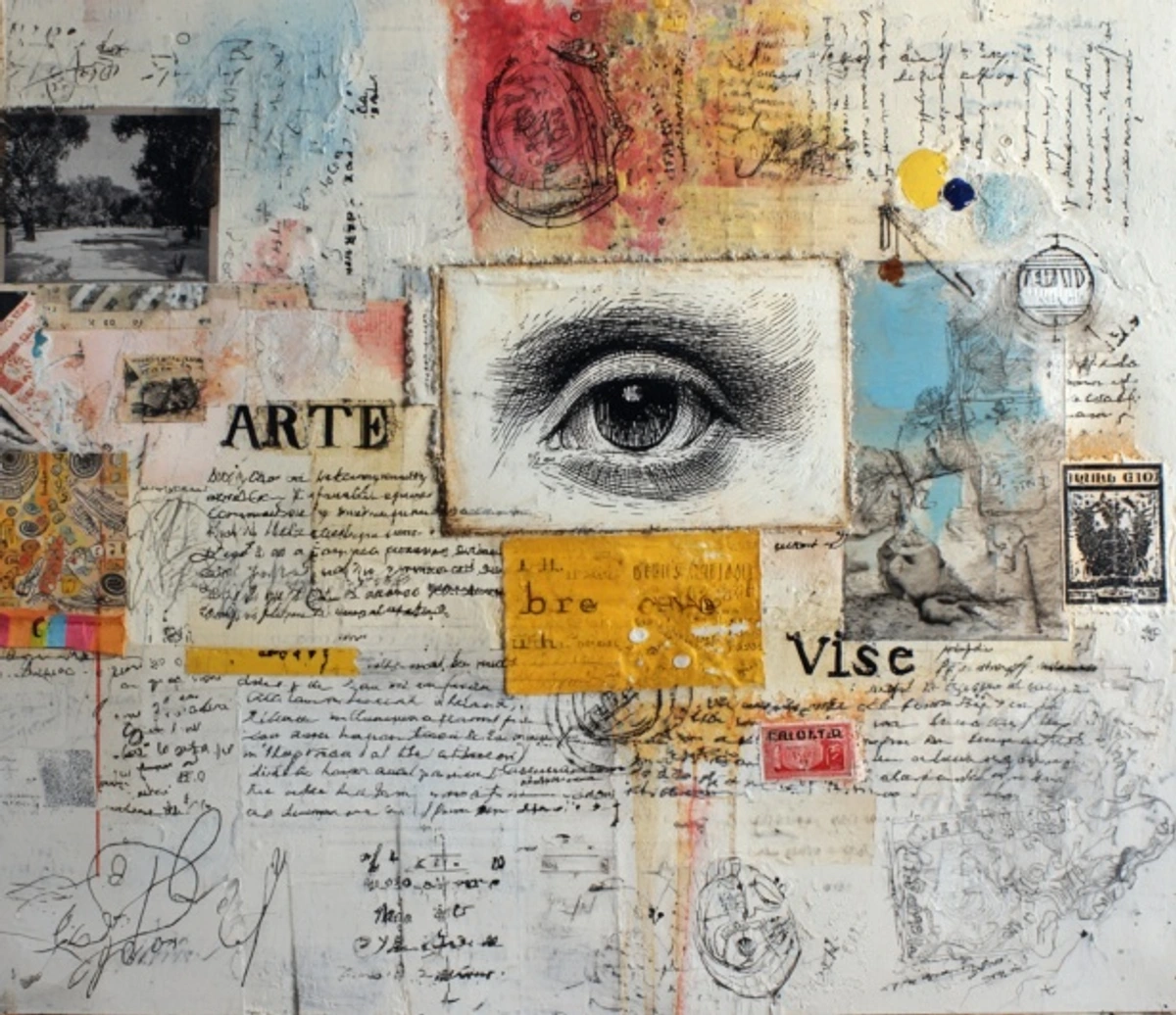
Then there’s the pricing. Pricing art can feel like a dark art in itself—fraught with self-doubt, comparison, and market pressures whispering in your ear. But if we anchor it in the Golden Rule, it becomes much clearer. Think about it from the buyer’s perspective: would you want to invest in a piece from an artist who seems unsure of its value, or from someone who can confidently and articulately explain its worth? When you price your work fairly—reflecting your time, skill, cost of materials, and your unique experience—you are doing more than just setting a number. You are respecting both your own labor and the collector’s investment. It’s a sign of professionalism and self-worth.
My best and most meaningful professional experiences have almost always come from going the extra mile—those small, intentional gestures that transform a simple transaction into the beginning of a genuine connection. A handwritten thank-you note tucked into the package. Meticulously packaging a print so it arrives in pristine condition, reflecting the care you put into the work itself. Taking a few extra minutes to answer a collector’s thoughtful question about the inspiration behind a piece. These small acts of care make people feel seen and valued. They make people feel special, because in that moment of connection, they genuinely are.

Think about the mundane logistics, too—the unglamorous but crucial details that separate professional artists from amateurs. Shipping art can be genuinely nerve-wracking for both parties; you're entrusting your creation to a system that doesn't care about its emotional value. I could cut corners and use the cheapest mailer to maximize profit, hoping for the best. But I've been the recipient of badly packaged goods before—items thrown in oversized boxes with minimal protection, arriving dented or scuffed because someone couldn't be bothered to pack properly. Knowing how fragile a piece can be, and how genuinely exciting it is to anticipate its arrival, I pack everything as if I were sending it to my own home, to hang on my own wall. Double-boxing originals, using archival tissue paper for prints, sealing everything against moisture, adding fragile stickers even though handlers might ignore them—these are all invisible acts of respect that your collector will never see but will definitely feel when their art arrives safely and beautifully.
Beyond the Studio: Ethics in the Wider Creative Ecosystem
The Golden Rule’s reach extends far beyond your emails and sales. It ripples out into the wider creative ecosystem, shaping your role and reputation within it. It influences how you show up in the world as an artist. How do you interact with your fellow artists, especially in a landscape that can feel intensely competitive?
Do you see them solely as rivals to be surpassed, or as fellow travelers navigating the same difficult but rewarding path? I’m firmly in the latter camp. Their success doesn’t diminish yours. Celebrate their wins authentically. Offer a genuine word of encouragement when the going gets tough. Share resources you’ve found helpful, without expecting anything in return. The art world, with its pressures and solitary work, can feel incredibly isolating. A bit of genuine community goes a long, long way. Remind yourself: creative success isn’t a finite pie. There’s more than enough to go around.
The Generosity of Attribution and Recognition
This principle extends directly to how we handle influences, collaborations, and even accidental overlaps in a field where we're all responding to similar cultural currents. When you learn a specific technique from a workshop teacher who generously shared their process, acknowledge that influence when you talk about your work instead of presenting it as entirely self-generated knowledge. When a fellow artist gives you valuable feedback at a crucial moment that shifts your perspective, thank them publicly and tag them if appropriate—not just in a private message. When you curate an exhibition, organize a group show, or create a social media feature highlighting other artists, share the spotlight generously and highlight what you genuinely admire in others' work rather than using their art as mere content to build your own platform.
I remember a fellow painter whose abstract work I deeply admired and occasionally felt intimidated by. When I completed a piece that seemed to accidentally echo one of their recognizable compositions—a particular way of layering geometric shapes—it felt too close for comfort, like I'd unconsciously borrowed something that wasn't mine. Instead of pretending it wasn't there or rationalizing it away, I privately reached out, sent them images of both pieces, and acknowledged the parallel with genuine concern. We ended up having a rich, supportive two-hour conversation about process, influence, and how ideas circulate in creative communities. That moment of honest communication strengthened our mutual respect, and it saved me from carrying the quiet anxiety that I was hiding something or being perceived as derivative. These small choices, to err on the side of transparency and courtesy even when you're not sure you've done anything wrong, build your reputation as someone who navigates the art world with integrity rather than opportunism.
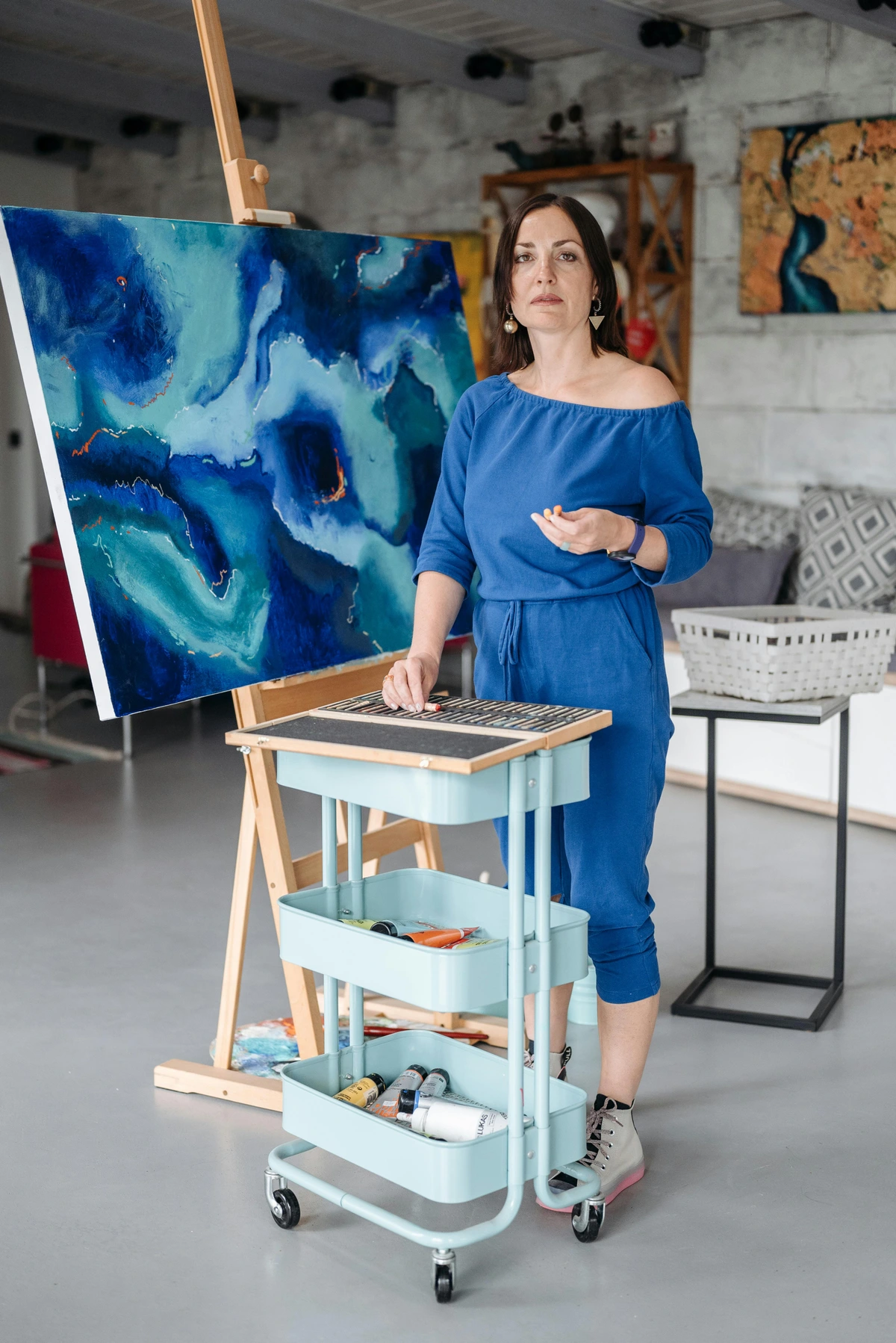
And what about your own inspiration? This is where the Golden Rule intersects directly with the vital principle of originality. You know that sinking feeling when you’ve spent months, or even years, developing a unique style and voice, only to see it superficially copied by someone else? It’s deflating. It can feel like a theft of spirit, not just an image. It dismisses the hard, unseen work that went into creating that distinctiveness.

Navigating Cultural Inspiration with Respect
Inspiration has another complex facet that every artist eventually grapples with: cultural borrowing and the fine line before it becomes appropriation. Seeing a Mexican dancer in vibrant traditional dress, a Japanese woodblock print, an Aboriginal dot painting—you might be genuinely moved by the colors, the patterns, the embodied energy, the centuries of cultural meaning condensed into visual form. The impulse to incorporate those elements into your work comes from a place of genuine admiration. But how do you translate that inspiration without falling into appropriation?
The Golden Rule gives us a surprisingly clear compass here: put yourself in the shoes of a member of that culture—someone whose ancestors developed these visual languages over generations, often under oppression. Would you want an outsider with no connection to your heritage to casually strip a sacred symbol of its spiritual meaning for purely aesthetic purposes, reducing it to decoration? Would you want them to profit financially from your cultural inheritance while offering nothing back to your community? Or would you prefer they engaged with respect, depth, genuine research, proper attribution, and perhaps even collaboration with living artists from that culture? When we're inspired by cultures not our own, the ethical path involves deep research to understand historical and spiritual context, acknowledging sources rather than claiming ownership, compensating collaborators fairly, and often, simply stepping back to admire without extracting. It means celebrating the culture itself in your words and actions, not just borrowing its visual language for your own benefit while remaining ignorant of its deeper significance.
So, the call here is to be deeply inspired, but resist the urge to imitate. It’s a crucial distinction. Inspiration builds upon ideas, using them as a springboard for your own unique expression. Imitation simply borrows a surface-level aesthetic without the underlying soul. Dig deep to find your own voice, your own stories, your own way of seeing color and form. It’s harder work, no question about it. But it’s also the only work that ultimately matters. It’s the difference between being a momentary echo and a clear, distinct voice in the broader artistic conversation.

And this extends to our digital behavior as well. If you see an artist's work and are inspired to share it, take the extra minute to credit them properly—tag their account, link to their website, ensure they can be found. Don't repost without permission if they've asked people not to. When we collectively respect these digital courtesies, we build an online ecosystem that's nourishing rather than extractive.
Maintaining this integrity is a daily choice, a conscious decision to honor both your own journey and the journeys of your creative peers. It’s a commitment to building something real, something that could only have come from you.
Your Ethical Toolkit: A Quick Checklist for Everyday Decisions
Translating a big philosophy like this into your daily practice can feel overwhelming. To make it easier to navigate, here’s a simple, practical checklist you can keep in your metaphorical back pocket. Before any significant interaction—be it with a client, a fellow artist, or even just your own canvas—give it a quick glance. It’s designed for speed and clarity, to help you make choices you can feel good about.

In This Situation...  | ...Ask Yourself This (The Golden Rule Question) |
|---|---|
| Presenting Your Work | "If I were the buyer, would I feel genuinely confident and excited based on this description?" |
| Pricing a New Piece | "Does this price honestly reflect the skill, time, and passion I put into this?" |
| Communicating with a Client | "If I were waiting for an update, would this message make me feel respected and at ease?" |
| Dealing with a Creative Block | "Would I accept a rushed, sub-par piece if I were the one paying for it?" |
| Interacting with Another Artist | "Am I treating this person the way I would want to be treated by a respected peer?" |
| Finding Inspiration | "Am I building upon an idea, or am I just copying the surface of it?" |
| Setting a Deadline | "Is this timeline realistic, or am I setting us both up for stress?" |
| Negotiating a Commission | "Am I being clear about my needs while also respecting theirs?" |
| Sharing Another's Work | "Am I giving proper credit and celebrating their achievement?" |
| Handling a Mistake | "If roles were reversed, what solution would make me feel genuinely cared for?" |
| Packing a Shipment | "Would I feel confident in this packaging if it were traveling across the world?" |
| Setting Payment Terms | "Are these terms clear, fair, and respectful of both of our time and value?" |
| Responding to Criticism | "Would I want someone to dismiss my perspective, or engage with it thoughtfully?" |
| Using Reference Materials | "Have I properly credited my sources and transformed them sufficiently?" |
This table isn't about striving for a perfect score every single time, as if you're taking an ethics exam. Perfection isn't the goal—thoughtfulness is. We're all wonderfully, messily human, and we all have moments of stress, ego, fear, or just plain exhaustion when our better judgment takes a temporary vacation. The checklist isn't a tool for self-flagellation when you inevitably fall short. It's about cultivating a habit of ethical awareness until it becomes a reflexive part of your creative process, like checking your mirrors before changing lanes. It's about pausing for just a moment before making a decision, long enough to let empathy catch up with our natural ambition and anxiety. That brief pause—that simple question, "How would I feel if this were done to me?"—can make all the difference between a choice you later regret and one you feel genuinely proud of.
I keep a printed version of this checklist near my desk where I can't avoid seeing it. On days when I feel overwhelmed by deadlines or tempted to cut corners, when my inner critic is screaming that nothing is good enough or my imposter syndrome is whispering that I should just give up, it serves as a grounding wire back to my own principles—the values I've chosen rather than the fears I've inherited. It's not about perfection or rigid moral rule-following; it's about intentionality—showing up consciously rather than operating on autopilot. The simple act of checking in with yourself—"Am I acting in alignment with how I'd want to be treated if the roles were reversed?"—can be the difference between a choice you later regret and carry like a stone in your pocket, and one you feel genuinely proud of even if nobody else ever knows you made it.
Your Questions on Art and Ethics, Answered
This topic brings up so many practical questions. Here are some of the most common ones I’ve encountered, as well as a few I’ve wrestled with myself over the years.
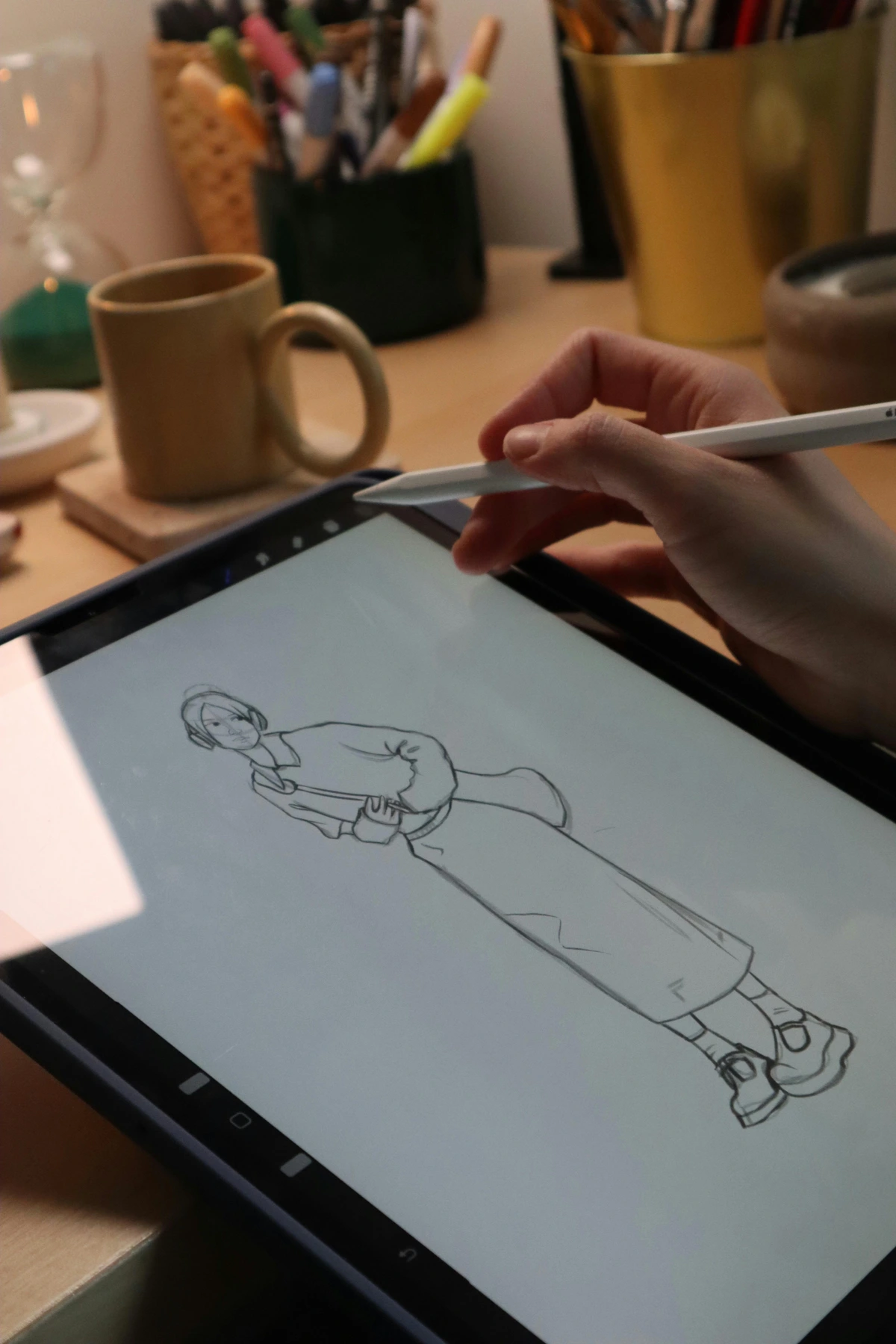
On Inspiration, Imitation, and Influence
What's the real difference between inspiration and imitation? This is the eternal question, isn’t it? The line can feel blurry, but here’s how I untangle it. Inspiration is fuel for your own unique voice; imitation just borrows someone else’s voice for a while. If you see a painting and think, "I love how they used that contrasting color to create a powerful mood," and you then go on to explore how you can use contrast to enhance mood in your own style, that’s inspiration. You’re learning and building. If you see a painting and think, "I’m going to make one just like it," that’s imitation. It’s a question of where your primary focus lies: on genuinely learning, or on just replicating a surface-level effect.
What if people say my work is derivative of another artist? First, don't panic—even though that's almost impossible when you receive that feedback because it feels like someone just questioned your entire artistic identity. Take a deep breath and remember that literally every artist stands on the shoulders of those who came before; there's no such thing as creating in a vacuum. The question isn't whether you have influences—you absolutely do—but whether you've sufficiently transformed them. If someone makes this comparison, take a step back and honestly assess your work with brutal objectivity: Is your style genuinely emerging from your own explorations and life experience, or is it heavily reliant on another artist's signature elements—their color palette, their brushwork, their compositions—without enough of your own DNA mixed in? If you find it's the latter, use it as a constructive prompt to dig deeper rather than a reason to quit. Ask yourself: "What part of my own experience, what unique perspective or emotion that only I have lived, can I bring to the surface that hasn't been seen before?" This continuous self-examination is how you evolve from being derivative to being a distinct voice with something new to contribute. It's part of the journey, not a failure of character.
On Pricing, Value, and Fair Compensation
How do I price my art ethically without underselling myself? Pricing ethically starts with valuing your own labor. Begin with a simple but thoughtful formula: your direct costs (canvas, paint, frames, etc.) plus an hourly wage for your labor (and please, be generous with yourself!) and a percentage to cover your overhead (studio space, website, marketing). This gives you a solid, logical baseline. From there, factor in your experience, the piece’s complexity, and its conceptual depth. The real "ethical" part is being able to stand behind that price with a clear conscience, knowing it respects both your dedicated effort and the buyer’s investment. Underselling your work isn’t humble; it can unjustly distort the market for everyone, making it harder for other artists to earn a living wage.
Should I offer discounts to friends, family, or fellow artists? This is less about pricing strategy and more about boundary-setting, which artists struggle with because we want to be generous but also need to pay rent. You absolutely need a clear, consistent policy, or you'll constantly be making awkward, case-by-case decisions that leave everyone feeling uncomfortable. Some artists offer friends and immediate family a one-time courtesy discount (10-15%) with clear communication that it's a one-time thing. Others create a separate, lower-priced tier for fellow artists—a "colleague rate"—as a sign of community support and recognition that they're often buying your work on an artist's budget. Whatever you choose—and "no discounts" is also a perfectly valid choice—be consistent and communicate it clearly from the beginning. Frame it as "This is my practice," not "I'm making a special exception for you and please don't tell anyone." It protects your relationships from resentment and your business from exploitation. The Golden Rule applies here too: you'd want clarity and consistency from someone else, not a confusing tangle of personal favors that makes you feel like you're always negotiating.
On Projects, Commissions, and Creative Integrity
When is it okay to turn down a commission? Not only is it okay, it’s often an essential act of professional and personal integrity. This is a crucial part of applying the Golden Rule to yourself. You have finite time, limited energy, and a specific well of creative focus. A commission that doesn’t genuinely excite you or align with your artistic vision will likely result in a piece you’re not proud to put your name on. That’s a disservice to both you and the client. Politely and clearly declining work that isn’t a good fit isn’t rude; it’s a sign of professional maturity and self-respect. It ensures that when you do say yes, you can give that project your absolute best, which is what everyone deserves.
How do I handle a client who wants endless revisions? Set clear, unmissable boundaries from the very first conversation, because revision creep can turn a profitable commission into a money-losing nightmare that damages the relationship. Your commission agreement (you do have a written agreement, right?) should explicitly state how many revision rounds are included in the price—typically one or two at most—and what constitutes a "revision" versus a "major change" that constitutes a new phase of work. Beyond that agreed number, revisions are billed at a reasonable hourly rate that you specify upfront. When you present the initial concept sketch or digital mockup, get explicit written sign-off before you start the final work or order materials. If a client comes back later wanting major changes beyond what was agreed—changing the composition significantly, switching color palettes entirely, altering the size—you can refer them calmly to the contract they signed and explain that those changes would require a new price quote. This isn't about being rigid or difficult; it's about respecting both your professional time and their budget, ensuring the project can be completed profitably and efficiently. You are protecting the original agreement so both parties can finish the collaboration feeling respected rather than resentful.
On Mistakes, Communication, and Making Things Right
How do I handle it if I make a mistake with a client? The answer is simple, but the execution requires courage: act immediately, honestly, and generously. We all mess up. The true test of your character isn’t the mistake itself, but what you do in the moments that follow. Contact the client as soon as you realize the error. Apologize sincerely, without resorting to excuses or justifications. Then, present a solution that goes above and beyond what they might even expect to make it right. A rushed print? Don’t just send a new one—send it with a small, thoughtful gift or a discount on a future purchase. It sounds counterintuitive, but a mistake handled with this kind of grace and integrity can often strengthen a client relationship far more than a flawless transaction ever could. It builds immense, lasting trust.
What if a client is just difficult or disrespectful? The Golden Rule doesn't mean you have to tolerate abuse, manipulation, or consistent disrespect in the name of empathy. Empathy also means recognizing when a relationship has become toxic for everyone involved. If a client becomes consistently hostile, unreasonably demanding, dismissive of your expertise and time, or crosses professional boundaries, you have every right—and frankly, the responsibility to yourself—to end the working relationship. Do so professionally even if they haven't: complete any work they've already paid for (or refund them if that's not possible), or refund them promptly for work not yet started, and write a clear, polite email stating that you're not the right fit for their project and you'll be ending the collaboration. You don't need to provide detailed explanations that invite argument; simply be firm and professional. Protecting your creative space and mental health is a form of self-respect that ultimately serves you—and your future, more appreciative clients—well. You deserve to work with people who respect what you do.
The Last Stroke: Weaving Ethics Into Your Creative Life
It’s easy to think of art and ethics as belonging to separate worlds—one in the messy, paint-splattered studio, the other in a dense philosophy textbook. But in reality, they are inseparable threads in the same tapestry. Every canvas you stretch, every print you package with care, every email you send is a reflection of your personal philosophy and your respect for the craft.

Building a career on the Golden Rule isn’t the quickest path to fame or viral attention. It won’t make you the artist who shocks people into a momentary glance. But what it will do is something far more profound and enduring. It will build you a foundation of quiet credibility that can withstand the shifting trends of the art world. It will attract people who aren’t just looking for a product, but who genuinely want to invest in an artist they can believe in, someone whose work and character they trust. It's an investment in the kind of career that lasts a lifetime.
It’s the slow, steady work of a lifetime. And on most days, that’s more than enough.







Ultimately, the Golden Rule isn't about memorizing a set of rules or checking boxes on an ethics checklist. It's about developing a keen sensitivity to the human impact of your work—from the first-time collector who saves up for months to buy your painting to the emerging artist scrolling your Instagram who absorbs your example of how to navigate this career. It's a commitment to being the kind of person you'd be honored to do business with if the roles were reversed. It's the quiet understanding that in art, as in life, how you do what you do—the choices you make when nobody's watching, the way you treat people who can't advance your career, the integrity you bring to difficult decisions—matters just as much as the beautiful objects you create. Maybe even more.