Unpacking the Marvels: My Deep Dive into the World's Most Famous Sculptures
Join me on a personal journey through history's most iconic sculptures, from Michelangelo's David to Rodin's Thinker. Discover the stories, the artists, and what makes these masterpieces resonate through time. Prepare for an engaging, authoritative, and slightly quirky exploration you won't find anywhere else.

Unpacking the Marvels: My Deep Dive into the World's Most Famous Sculptures
I’ve always been drawn to things that endure. Not just in art, but in life, you know? Things that stand the test of time, that keep whispering stories centuries after they were created. And when it comes to visual art, few things embody that enduring spirit quite like a really, truly famous sculpture. We’re talking about those monumental pieces that etch themselves into the collective human consciousness, pieces that you recognize even if you’ve never stood before them in person.
For me, a sculpture isn't just stone or bronze; it's a frozen moment, a captured emotion, a statement from an artist reaching across the ages. It’s a conversation, really, and one I find utterly captivating. So, I thought, why not embark on a personal tour, a deep dive into some of the most famous sculptures our world has ever known? Let's unpack what makes them so special, the stories behind them, and why they continue to echo in our modern lives.
What Makes a Sculpture 'Famous'? It's More Than Just Size!
I mean, if we’re being honest, what truly elevates a sculpture from 'great' to 'globally famous'? It’s not just sheer size, though that certainly helps, is it? I think it boils down to a blend of several powerful ingredients:
- Technical Mastery: The sheer skill involved in manipulating materials, whether it’s the unforgiving nature of marble or the fluidity of bronze, is often breathtaking. These artists pushed boundaries.
- Emotional Resonance: The sculpture needs to feel something. It evokes awe, contemplation, joy, or even discomfort. It speaks to universal human experiences.
- Historical & Cultural Impact: Many famous sculptures mark pivotal moments in art history or embody the spirit of an era. They often reflect societal values, beliefs, or even political statements.
- Iconic Imagery: They become instantly recognizable. Their image is reproduced, referenced, and parodied, becoming a shorthand for an entire period or concept.
- Narrative Power: There’s often a compelling story behind the subject matter, the artist's struggle, or the piece's journey through time.
When these elements align, you get a masterpiece that transcends its physical form and becomes a legend. It’s almost like the sculpture itself develops a personality, doesn't it?
Maybe the easiest way to understand this is to just look at some examples. Come with me, let's explore a few of my favorites and discover their secrets.

My Personal Journey Through Iconic Forms: From Renaissance Idealism to Modern Provocation
1. Michelangelo's David (c. 1501–1504)
Ah, David. What can I even say about him? Every time I see a photograph, or read about him, I'm just utterly floored by Michelangelo's genius. This isn't just a statue; it’s the embodiment of Renaissance ideals—human perfection, divine potential, and an almost terrifying confidence. Carved from a single block of marble that many thought was ruined, Michelangelo's David stands over 17 feet tall, ready to face Goliath, not after the victory, but before the fight. That moment of tense anticipation, the furrowed brow, the coiled energy... it's just incredible.
Michelangelo chose to depict David in a moment of thought, not triumph, capturing the psychological intensity. And those hands! Those veins! It’s all part of the incredible detail and mastery of what is contrapposto in sculpture that makes it feel so alive. If you really want to dive deep into the mind behind this masterpiece, I highly recommend checking out the ultimate guide to Michelangelo.
2. Donatello's David (c. 1440s)
Now, here’s a fascinating contrast: Donatello's David, created decades before Michelangelo's, is a completely different beast, and just as revolutionary for its time. Donatello's version, in bronze, shows a youthful, almost delicate David, with a sly smile, after his victory. He's standing casually, one foot on Goliath's severed head. This was the first freestanding nude sculpture since antiquity, a bold statement in a deeply religious society. While Michelangelo's David is all heroic tension, Donatello's is a celebration of youthful cunning and a different kind of humanism. It paved the way, truly. For more on this groundbreaking artist, you can explore the ultimate guide to Donatello.
3. Antonio Canova's Venere Italica (1804–1812)
Moving forward a few centuries, we encounter the serene beauty of Neoclassicism with Antonio Canova. His Venere Italica was commissioned to replace the Medici Venus, which had been taken by Napoleon. And what a replacement it was! Canova's Venus is utterly exquisite, a vision of classical grace and ideal beauty. I mean, look at the way the marble seems to breathe, the soft contours, the subtle turn of the head—it's pure poetry in stone. You can almost feel the gentle shift of her weight. It’s a testament to the power of a sculptor to imbue cold material with such warmth and life. It makes me think about how an artist brings a vision to life, much like my own process of layering color and form.
4. Auguste Rodin's The Thinker (c. 1880)
From idealized beauty to profound introspection: The Thinker by Auguste Rodin. This sculpture has always resonated deeply with me. It’s not just a man sitting; it’s the universal image of contemplation, intellectual struggle, and the weight of human existence. Rodin initially conceived him as part of his monumental 'Gates of Hell,' representing Dante at the gates. But The Thinker quickly took on a life of its own, becoming a powerful symbol. The raw, muscular intensity, the hunched posture, the way every fiber of his being seems dedicated to thought—it's a masterclass in conveying internal turmoil through external form. Rodin, truly one of the famous sculptors of his era, managed to capture something timeless here. It always makes me pause and reflect, which I guess is the whole point, isn't it?
5. Man Ray's Cafe Man Ray (1948, based on an earlier concept)
Okay, now for something completely different, and wonderfully provocative: Cafe Man Ray. If you know anything about Dada, you know it was all about challenging norms, questioning what art even is. Man Ray, a master of both photography and object art, took an ordinary shovel and simply signed it. That’s it. And by doing so, he elevated a utilitarian object into a work of art, forcing us to think about context, intention, and the artist's role. I find this utterly brilliant in its simplicity and profound in its implications. It’s a bit cheeky, a bit rebellious, and it completely shifts your perspective on everyday objects. Plus, it just looks cool, doesn't it? A prime example of how conceptual art can be just as impactful as a marble masterpiece.
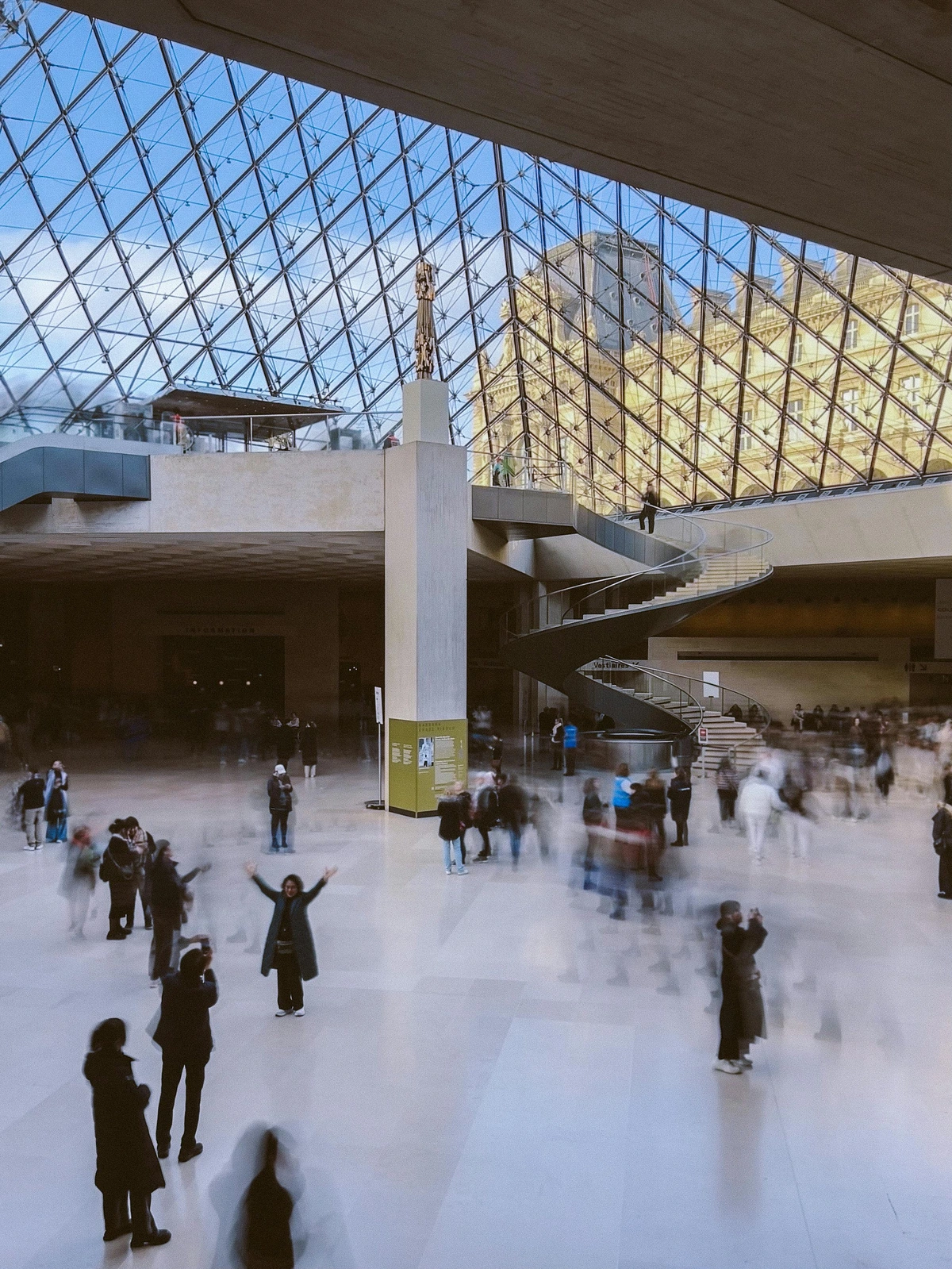
6. Anish Kapoor's Cloud Gate (2004–2006)
And finally, bringing us closer to our own time, we have the captivating work of Anish Kapoor, specifically his iconic Cloud Gate in Chicago, affectionately known as 'The Bean.' I have to admit, I'm a huge fan of how contemporary sculptors like Kapoor transform public spaces and engage with viewers on such an interactive level. While I don't have an image of Cloud Gate itself in my collection, imagine a highly polished, reflective surface that mirrors the sky, the city skyline, and the people interacting with it, distorting them in a beautiful, playful way. It’s a massive, seamless stainless steel structure that invites touch and interaction, becoming a dynamic part of the urban landscape. It's a testament to how modern sculpture can be both monumental and utterly engaging. If you're curious about his incredible body of work, you'll want to read the ultimate guide to Anish Kapoor.
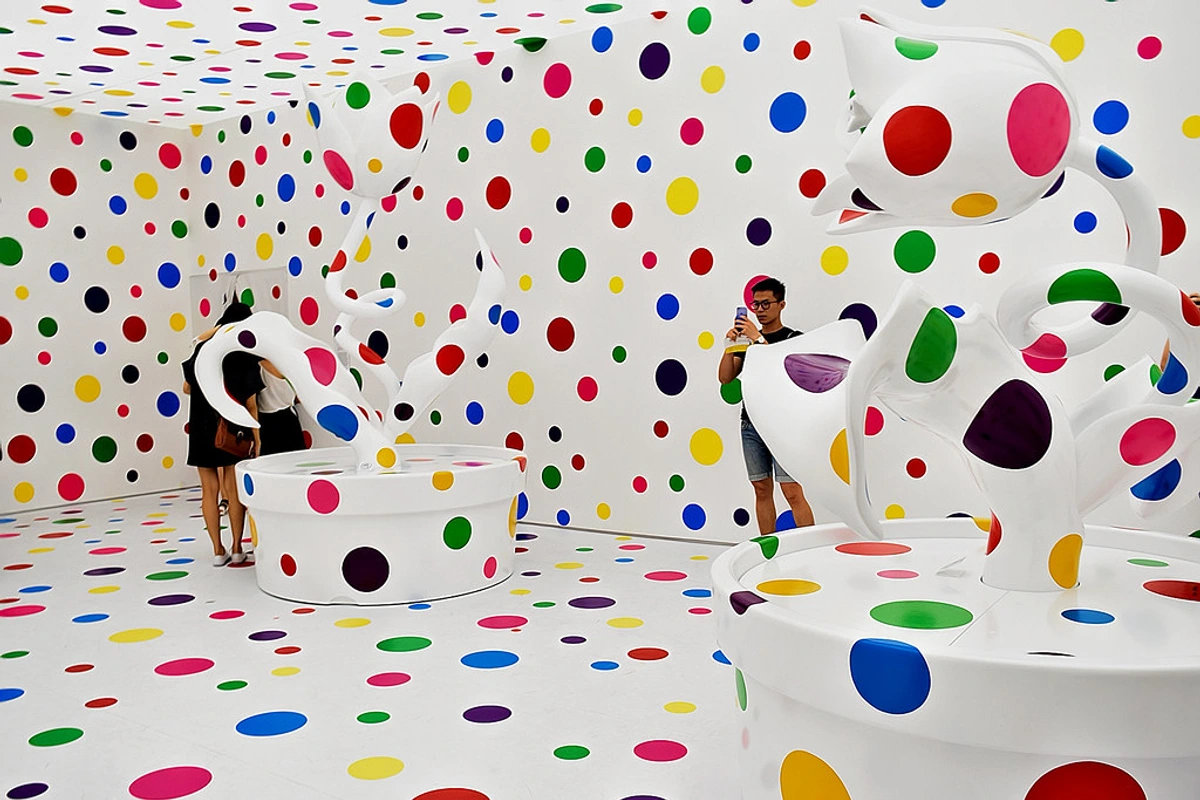


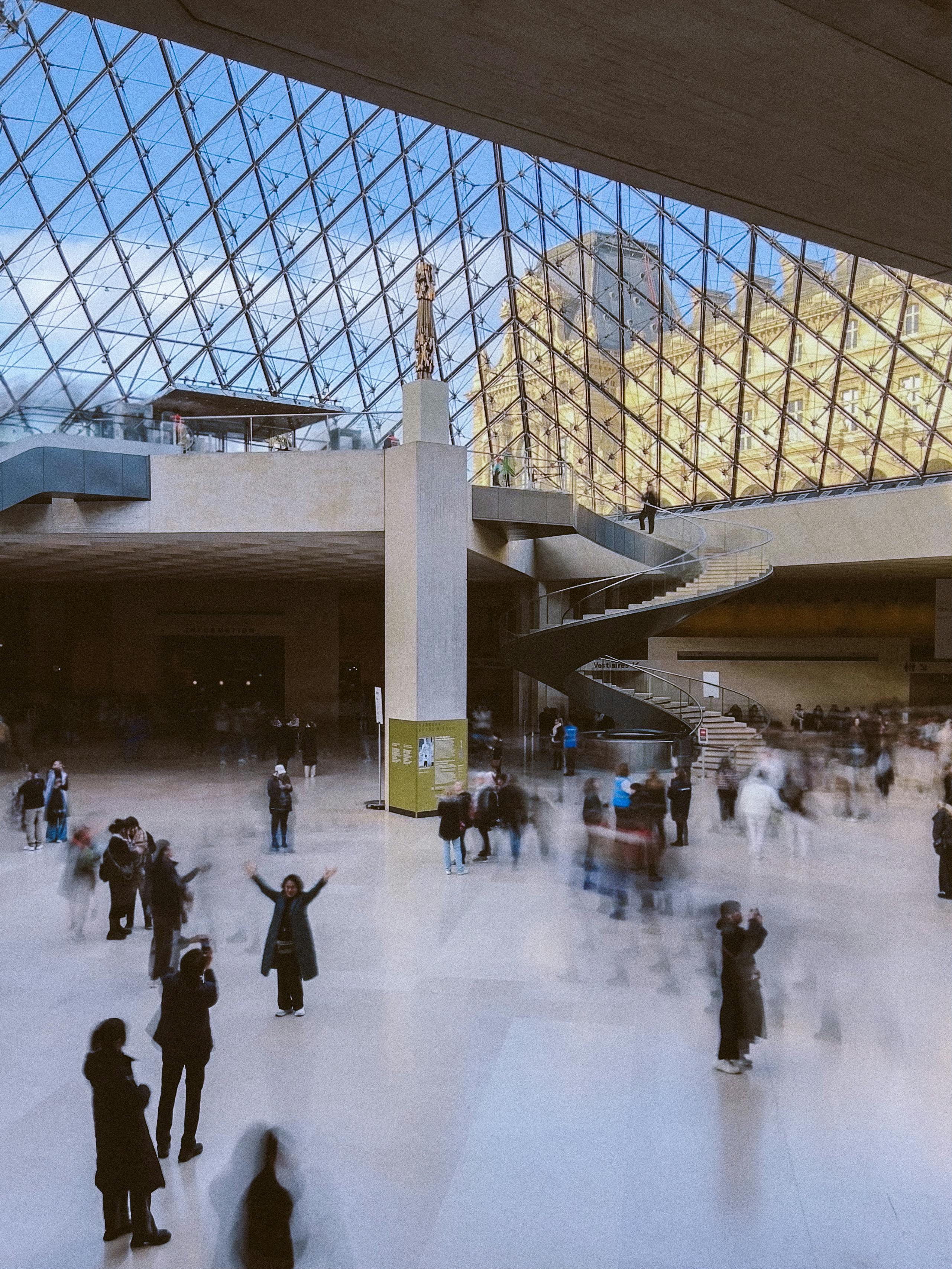

(This image, Tony Cragg's 'Pasta' sculpture, is a wonderful example of vibrant, large-scale abstract sculpture that pushes boundaries, much in the spirit of contemporary public art, even though it's not Kapoor's Cloud Gate.)
Sculptures and My Own Artistic Path
It's funny, isn't it? Looking at these historical and modern masterpieces, I can't help but see echoes in my own work. While I create abstract paintings and prints, the core principles of form, space, and emotional impact are universal. That idea of taking raw material—whether it's a block of marble, a shovel, or a blank canvas—and imbuing it with meaning and energy, that's what drives me. I love how these sculptors, across centuries, found ways to express the unexpressable, to make you pause and truly feel something.
My journey, much like the journey of many artists, has been a constant exploration of what captures the eye and speaks to the soul. If you're curious about how these influences might manifest in contemporary abstract art, you can always take a peek at my latest creations and prints over at [/buy]. And for a deeper dive into my own artistic evolution, my personal [/timeline] might offer some interesting insights into my process.
Frequently Asked Questions About Famous Sculptures
Sometimes, it's the little questions that nag at us, isn't it? Let me try to answer a few common ones I've come across.
Question  | Answer |
|---|---|
| What is the oldest famous sculpture? | While defining "famous" is tricky across millennia, one of the oldest well-known sculptures is arguably the Venus of Willendorf, a small prehistoric figurine dating back about 30,000 years. Its fame comes from its extreme age and what it tells us about early human culture and artistic expression. |
| Are all famous sculptures large? | Not at all! While many monumental sculptures are certainly famous, some of the most impactful and renowned pieces are quite small. Think of ancient figurines, intricate reliefs, or even Man Ray's 'Cafe Man Ray,' which is a modest-sized found object. It's the impact, not the scale, that often matters most. |
| Where can I see many famous sculptures? | Great question! Major museums like the Vatican Museums in Rome, the Louvre Museum in Paris, the Metropolitan Museum of Art in New York, and the British Museum in London house extensive collections. Italy, particularly Florence and Rome, is a treasure trove of Renaissance and classical sculptures. And, of course, the Skulpturhalle Basel is dedicated to plaster casts of classical sculptures, offering a unique perspective. |
| How do sculptors protect famous works? | It's a constant battle, believe me. Conservators employ a range of techniques, from controlling humidity and temperature in museum environments to sophisticated cleaning and restoration processes. Outdoor sculptures face challenges like pollution and weathering, requiring regular maintenance and sometimes even protective coatings. The goal is always preservation for future generations. |
| Are there famous abstract sculptures? | Absolutely! From the early 20th century, abstract sculpture has flourished. Artists like Henry Moore, Barbara Hepworth, and contemporary masters like Anish Kapoor (with his 'Cloud Gate') and Tony Cragg create incredible abstract forms that challenge perception and engage viewers. Abstract sculpture often focuses on shape, line, and material rather than representing recognizable objects, inviting a more personal interpretation. |
The Unending Dialogue of Stone and Spirit
Standing before a truly famous sculpture, I feel a connection to something larger than myself. It’s a testament to human creativity, resilience, and our eternal quest to express what’s inside. Each piece on this list, and countless others, offers a window into a different time, a different mind, and a different way of seeing the world. They challenge us, inspire us, and sometimes, they simply make us pause and wonder.
It’s a dialogue that continues, across centuries, across cultures, and even within our own contemporary art practices. And that, I think, is the true magic of these enduring marvels. If you ever find yourself in the Netherlands and want to experience a different kind of artistic conversation, my work is occasionally exhibited at [/den-bosch-museum], offering a modern take on how art continues to evolve and connect with us.
What's your favorite famous sculpture? Let me know, I'd love to hear your thoughts. After all, art is best when it's a shared experience, isn't it?