Edgar Degas: The Rebel Artist's Revolutionary Techniques & Artistic Alchemy
Uncover Edgar Degas's radical methods: from drawing mastery and audacious layered pastels to hybrid monotypes and proto-photographic compositions. Learn how his relentless experimentation and independent spirit profoundly reshaped modern art.

The Rebel in the Studio: Unpacking Edgar Degas's Revolutionary Painting Techniques
You think you know Edgar Degas, don't you? Ballerinas, pinks, blues, a whisper of tulle. A delicate, fleeting glimpse of beauty. But what if I told you that familiar picture is only half the story? What if the true magic, the part that makes my artist brain light up like a canvas under a spotlight, isn't just what he painted, but how?
Degas wasn't merely an Impressionist; he was a relentless rebel, an artistic alchemist always pushing, always questioning. He disregarded conventional artistic rules, fearlessly combining materials in ways considered unorthodox at the time, forging his own path and opening up entirely new worlds of expression. So, let’s peel back the layers of his genius and explore the disciplined experimentation behind the master, the visionary who challenged the art world to see beyond the canvas itself. His journey is a powerful reminder that innovation often lies in embracing challenges and transforming limitations, a lesson I carry into my own studio every day.
The Unshakeable Foundation: Drawing is Everything
I've seen countless artists, myself included, eager to jump straight to color, to expressive brushstrokes, to the grand gesture. But I've learned, often the hard way, that true innovation usually stands on the shoulders of solid fundamentals. For Degas, this bedrock was drawing. He could draw with exceptional skill, like very few others.
Born in 1834 to a well-off Parisian family, Hilaire-Germain-Edgar De Gas (he later simplified his name) began his formal artistic education at the prestigious École des Beaux-Arts in Paris. He steeped himself in the rigorous academic traditions of his time, traditions upheld by institutions like the esteemed Salon, which dictated artistic taste. He was a student of the old masters, a devotee of Jean-Auguste-Dominique Ingres, the Neoclassical king of the perfect line. Ingres’s famous advice to Degas echoes in my own studio: "Draw lines, young man, and still more lines, both from life and from memory, and you will become a good artist." It sounds simple, almost annoyingly so, right? But it's profoundly true. He studied anatomy, perspective, and proportion with an intensity that would put most of us (myself included, on a lazy Tuesday) to shame. He filled countless sketchbooks with detailed life drawings and studies of historical compositions, mastering the intricacies of the human form and complex spatial relationships. This rigorous study of form and [definitive guide to perspective in art](/finder/page/definitive-guide-to-perspective-in-art) was central to his early development, allowing him to not just represent, but master space.
For him, drawing wasn't just a preliminary sketch to be painted over; it was the skeleton, the very soul of the work. This rigorous foundation in draughtsmanship—the mastery of line and form—was his secret weapon. It gave him the unshakeable confidence to later break the rules with intention and audacious style. He understood human anatomy, movement, and the power of a single contour so intimately that he could distort, crop, and abstract without losing the essence of his subjects. This mastery, as Degas learned from Ingres's guidance on line, is what truly empowers an artist to innovate and find their own voice. It's truly liberating, like finally understanding the language before writing a poem, or mastering the elements of art like [line](/finder/page/elements-of-art-line). It's the sturdy scaffolding that allows the most ambitious structures to stand, enabling the artist to venture into the unknown without losing their way.

For me, his early portrait, "The Bellelli Family" (circa 1858-1867), is a powerful testament to this. Before the dancers, before the racehorses, there’s this monumental, almost stark family portrait, built on a foundation of incredible drawing and compositional rigor. The figures are rendered with precise, almost sculptural outlines, a direct echo of Ingres's emphasis on draughtsmanship. The rigid, almost geometric composition, with its strong verticals and horizontals, creates a powerful sense of formality, yet the subtly averted gazes and the psychological distance between figures—especially the two girls and their mother—subtly foreshadow his later psychological depth and unconventional framing. Notice how the figures are almost isolated within their meticulously rendered space, hinting at the emotional complexities he would later capture in his candid scenes of modern life. He had to know the rules intimately to bend them so profoundly later, almost as if he was disassembling and reassembling the human form at will.
The Pastel Revolution: More Than Just Chalk
From the discipline of line, Degas leaped into the liberation of color, but never abandoning that foundational control. When we think of pastels, we often imagine soft, delicate drawings. Degas, however, saw a stick of pigment and envisioned the intensity and richness of oil paint. He didn't just use pastels; he revolutionized them, pushing the medium to its absolute limit with entirely new techniques. He dared to ask if chalk could be as bold as paint, and answered with audacious experimentation. His fascination with capturing fleeting moments and the raw, unposed reality of his subjects found a perfect partner in pastels, allowing for rapid execution and vibrant immediacy. Critics of the day often found his pastel works "unfinished" or "brutal," precisely because their visible texture, bold lines, and departure from smooth, academic blending challenged conventional notions of what a finished artwork should look like – a clear sign he was pushing boundaries.
Layering Like a Painter
Traditionally, pastel applications were limited. After a few layers, the paper's 'tooth' (its texture, which grips the pigment) would fill up, refusing to hold any more color. Think of it like a piece of Velcro that’s already covered in fluff – it just can't grab anything more. Imagine the frustration of trying to achieve deep, rich colors only to have your paper refuse to cooperate! Degas wanted more — the depth and vibrancy he saw in oil paintings.
His ingenious solution? He developed his own secret, proprietary fixative. After applying a layer of pastel, he’d spray it with his concoction, effectively sealing the pigment and restoring the paper's 'tooth'. While the exact composition remains a mystery, it likely contained resins or alcohol-based binders, which would have fused the pastel particles to the paper, providing a fresh surface for subsequent layers. This secrecy wasn't just about protecting a competitive edge; it was part of his personal, almost obsessive, experimental journey. Imagine the risks: an unstable fixative could damage his work over time, a challenge any artist pushing boundaries understands deeply. This allowed the pastel to be treated almost like glazes in oil painting. This meant he could go back in with another layer, and another, building up an incredible density and luminosity of color. This audacious approach often baffled (and sometimes scandalized) his contemporaries and critics, who were used to pastels being a delicate, ephemeral medium. Degas, in typical rebel fashion, ignored them and forged ahead.
He even used steam from a kettle to slightly melt and set the pastel, allowing him to create astonishingly dense, textured surfaces. The steam would gently soften the waxy binder in the pastel, enabling him to fuse layers and achieve an unparalleled depth and saturation of color, creating surfaces that were almost sculptural in their tactile quality. He wasn't simply drawing with pastel; he was painting with it, crafting a visual tapestry of color and line that had never been seen before. Works like "Dancers at the Barre" or "Four Dancers" (c. 1899) are prime examples. In "Four Dancers," for instance, the intense, almost electric blues and fiery reds of their costumes don't just sit on the surface; they seem to vibrate with the energy of movement, achieved through this incredible layering. Look closely, and you'll see how multiple strokes of color overlap, blurring at the edges to create a diffused, luminous haze, while in other areas, the pastel builds up in dense, palpable ridges, truly rivaling the richness and texture of oils – a vibrancy built from meticulous, almost geological layering.
The Hybrid Form: Pastel over Monotype
This is where Degas’s genius for combining media truly shines. He became obsessed with monotypes – a process we'll delve into shortly. He'd create a dark, shadowy, atmospheric print in black or brown printer's ink (often an oil-based ink, which offered deep, velvety blacks and rich browns crucial for the atmospheric ground) directly onto a plate. This residual, or "ghostly image" impression from the monotype plate – essentially a faint second or third print pulled after the initial bold impression – would then serve as a unique canvas for his pastels. He'd attack this ghostly image with vibrant strokes of color, applying the pastel directly onto the inked surface.
The result is a striking hybrid: deep, moody print tones ground the work, while vibrant pastel colors seem to float atop. It creates a powerful contrast between the opaque, sometimes smudged ink and the luminous, shimmering pastel. This imbues his scenes, such as "The Client" (c. 1879–1880), with a flickering, almost dreamlike quality. In "The Client," the somber, inky background sets a shadowy stage, against which the bold pastel strokes for the figures and specific details seem to glow, creating an effect like seeing them illuminated by gaslight or through a smoky haze. This hybrid technique offered more than just a new visual effect; it was a profound statement on layered perception and hidden realities. As an artist who loves blending materials, this kind of audacious combination inspires my own [abstract philosophy](/finder/page/why-i-paint-abstract:-my-personal-philosophy-and-artistic-vision) and my personal [journey with mixed media](/finder/page/my-journey-with-mixed-media:-blending-materials-for-abstract-expression).
The Alchemist's Touch: Paint, Ink, and Pressure
But Degas's spirit of material exploration didn't stop with chalks; his experiments with more traditional media like paint and ink were equally revolutionary. His approach to traditional oil painting and printmaking was just as unconventional, embodying that "artistic alchemist" spirit I often feel in my own studio when I'm trying to make a new medium do something it wasn't designed for, or perhaps even something it was actively discouraged from doing.
Painting with Essence (Peinture à l'essence)
Degas developed a unique technique called peinture à l'essence (painting with essence). He would take his oil paints and squeeze them onto blotting paper to drain out most of the linseed oil. Why? Because the oil makes traditional oil paint slow to dry and gives it a characteristic sheen. By removing it, he stripped the paint down to its concentrated pigment. Then, he would thin the remaining concentrated pigment with turpentine. The outcome was a paint that dried almost instantly with a flat, matte finish, devoid of the glossy sheen of traditional oils. This allowed him to work incredibly quickly, almost like he was drawing, building up thin layers of color without the notoriously long drying times of conventional oils. Crucially, this matte, absorbent surface was also perfect for, you guessed it, drawing over with pastel, further integrating his diverse material experiments. Imagine the speed this offered, but also the challenges of working with highly volatile turpentine and the need for incredibly swift execution! (A subtle nod to material handling, perhaps Degas knew more than we think about studio ventilation, or perhaps he simply tolerated the fumes, a common plight for artists of the era that often led to respiratory issues).
While this technique offered speed and a unique matte finish, it also made his paintings quite fragile and susceptible to scratching – the pigment, stripped of its binding oil, could flake easily, leading to dull, damaged areas over time. This was a challenge I've faced myself when experimenting with less conventional binders, ending up with a beautiful but delicate surface that felt like it might crumble if you looked at it too hard! I remember a particular abstract piece where I pushed a new binder too far, and the resulting surface was stunningly textured but so delicate I could barely transport it. Beyond the physical fragility, the matte finish itself had aesthetic trade-offs; colors could appear less saturated than traditional oils, requiring skillful layering to build vibrancy, and it lacked the rich, translucent depth achievable with traditional oil glazes. This fragility, coupled with the difficulty of achieving subtle, smooth blends and its rapid drying, contributed to why peinture à l'essence never became a widespread technique, though it certainly offered a unique, rapid approach to capturing his subjects. It was a trade-off: speed and a specific aesthetic for permanence. You can learn more about traditional mediums in this [definitive guide to paint types for artists](/finder/page/definitive-guide-to-paint-types-for-artists).
The Ghost in the Machine: Monotypes
A monotype is essentially a printed painting. Unlike etchings or lithographs that produce multiple identical impressions, a monotype yields only one (or at most, a very few ghost impressions) good print – hence the "mono." You paint an image with ink (often printer's ink, which offered deep blacks and rich browns) directly onto a smooth, non-absorbent plate (like polished copper, known for allowing fine detail; zinc, for broader strokes; or even glass, offering a very smooth transfer and excellent transparency) and then press a sheet of paper onto it, either by hand or with a press, to transfer the image. The intimacy and spontaneity of this process perfectly captured the fleeting moments Degas loved to portray. It also felt raw and immediate, a stark contrast to the often labor-intensive and reproducible nature of other printmaking techniques of his era.
He used two main methods for monotypes:
- The Additive Method (Light-Field): Starting with a clean plate, he would paint the image directly onto it with dark ink, creating forms out of shadow.
- The Subtractive Method (Dark-Field): He would coat the entire plate with ink and then, using rags, brushes, and various tools, he would wipe, scrape, and scratch the ink away to create the light areas of the image – almost literally drawing with light on a dark, inky canvas, revealing stark whites and luminous grays.
This process created images with deep, velvety blacks and soft, ethereal grays. They feel incredibly intimate and spontaneous, perfectly capturing the fleeting moments he observed. These 'ghost prints' – faint second or third impressions pulled after the initial print – were often prized by Degas himself for their even more ethereal, atmospheric quality. Sometimes these were unexpected but welcome results, other times deliberately pulled for further experimentation, becoming unique canvases for his pastels. Their delicate, almost phantom-like appearance offered a nuanced base for his vibrant pastel overlays, creating a layered perception that was entirely his own.
A Photographer's Eye in a Painter's Body: Radical Composition
Beyond materials, Degas's most radical technique might have been his composition. He was utterly fascinated by the new art of photography – a medium rapidly developing in his lifetime – and the aesthetics of Japanese woodblock prints. His interest in photography wasn't just casual; he owned a camera and experimented extensively with it, exploring its ability to capture candid, unposed moments and unusual angles. He took photographic portraits of himself and friends, often with unconventional lighting and framing, applying these lessons directly to his painting, seeking to capture the serendipity of discovery and a more 'truthful' representation of modern life, rather than idealized narratives. He even experimented with sequential photography, keenly observing the stop-motion studies of figures in motion by Eadweard Muybridge, which profoundly influenced his depiction of movement. Muybridge's sequences revealed the precise mechanics of gait and gesture, allowing Degas to render movement with an unprecedented realism and dynamism, capturing the subtle shifts of a dancer's body or a horse's stride. This experimentation with optics and framing makes him a vital figure in [the history of photography as fine art](/finder/page/the-history-of-photography-as-fine-art).
From both photography and the bold, asymmetrical arrangements of Japanese prints (Ukiyo-e, which were flooding Paris at the time and captivated many artists, as explored in [the enduring legacy of Ukiyo-e](/finder/page/the-enduring-legacy-of-ukiyo-e:-japanese-woodblock-prints-and-their-global-impact)), he learned to compose a scene in a way that felt shockingly modern, almost like a snapshot taken on a camera I just picked up and pointed. He wasn't afraid to disrupt traditional academic rules of balance and symmetry, instead embracing asymmetry, strong diagonals, and elevated viewpoints reminiscent of Ukiyo-e masters like Hokusai, Hiroshige, and Utamaro, who frequently used bold outlines, flat planes of color, and dynamic cropping.
He would:
- Crop figures aggressively: A dancer might be cut off at the edge of the canvas, pushing her into the viewer's space, or the main subject might be partially obscured, mimicking a candid glance. This aggressive cropping, much like a photographic frame, creates a sense of immediacy and draws the viewer directly into the scene. You see this vividly in works like "L'Absinthe" (1875-1876), where the figures are pushed to the right, and the large, empty space on the left, combined with the barrier of the table, creates a jarring, almost palpable sense of isolation and psychological distance. This negative space doesn't just empty the frame; it amplifies the feeling of alienation and detachment, suggesting unspoken narratives and inner turmoil. His famous "Ballet Rehearsal" (c. 1873) also shows dancers cut off at the edges, emphasizing the dynamic, unposed nature of the scene, as if you've stumbled upon a private, unobserved moment. Figures are often caught mid-stride, adjusting their costumes, or partially obscured by architectural elements, creating an impression of action continuing beyond the canvas, just as a real-life glance might capture a fragmented view.
- Use unusual viewpoints: We often see scenes from above, below, or through a doorway, creating a sense of being a fly on the wall, an unobserved voyeur. Think of the elevated perspective in many of his ballet scenes, such as "The Dance Class" (c. 1874), where we look down on the dancers from an almost bird's-eye view, capturing the full sweep of the studio space and the subtle, individual movements of each dancer, a common technique in Japanese prints. This unconventional framing adds a layer of raw, documentary-style observation.
- Create large areas of empty space (negative space): The main subject might be pushed off to one side, creating a dynamic tension and a startling sense of realism, as if the action is continuing beyond the frame. This can be seen in "Place de la Concorde" (1875), where the central figure and his daughters are sharply cropped, and a large, almost empty expanse of the square dominates much of the canvas, drawing the eye to the vastness of the urban environment and the fleeting nature of human presence within it. The vast, almost indifferent cityscape dwarfs the human figures, underscoring their impermanence in the grand urban theatre. This deliberate use of negative space creates a poignant sense of observation and psychological depth.
- Capture movement and fleeting moments: His compositions often suggest a frozen instant, influenced by early instantaneous photography and even the stop-motion studies of figures in motion by Eadweard Muybridge. He wanted to capture life as it happened, not as it was posed, freezing a micro-second of genuine activity rather than an idealized tableau.
This made his paintings feel less like formal portraits and more like candid snapshots, capturing a slice of life as it happened. It was a visual technique that broke all the academic rules of centered, balanced composition, challenging viewers to experience art in a more dynamic and immediate way. It’s a powerful lesson in how [understanding balance in art composition](/finder/page/understanding-balance-in-art-composition) allows you to deliberately break conventions and create something fresh and impactful.
The Maverick Within the Movement: Degas and Impressionism
While Degas exhibited alongside the Impressionists in seven of their eight exhibitions (a true commitment!), his relationship with the group was, shall we say, complicated. He shared their interest in modern life, candid subjects, and capturing fleeting moments, but his methods and philosophical leanings often converged and diverged significantly. The art world of the mid-19th century was dominated by the Salon, the official exhibition of the Académie des Beaux-Arts, which rigidly dictated taste and subject matter. The Impressionists, driven by a desire for independence and a new vision, began holding their own exhibitions in defiance, a radical act for their time.
Unlike Monet's focus on light and color painted en plein air (outdoors, like what we see in [what is plein air painting](/finder/page/what-is-plein-air-painting)), Degas famously preferred the controlled environment of his studio, meticulously constructing his scenes from memory, sketches, and photographic studies. He valued line and drawing above all, a sentiment that often contrasted sharply with the Impressionists' emphasis on color and atmospheric effects. He famously said, "I am an independent. Impressionists are my comrades; I have nothing in common with them." This stance highlights his relentless individualism. For Degas, the Impressionists' focus on capturing transient light outdoors often lacked the structural rigor he valued, and his meticulous studio work, emphasis on line, and psychological depth set him apart. He sought to dissect and reassemble reality, rather than merely record an optical impression. Contemporary critics, accustomed to the soft focus and light of Impressionism, often found Degas's stark realism, unconventional compositions, and bold use of pastels unsettling, labeling them as "brutal," "harsh," or "unfinished"—a clear indication of just how far ahead of his time he truly was, and how much he was willing to defy expectations. This independent spirit allowed him to push boundaries in ways no other artist of his time dared, even within a revolutionary movement like Impressionism.





When Sight Fails, Touch Begins: Degas's Sculpture
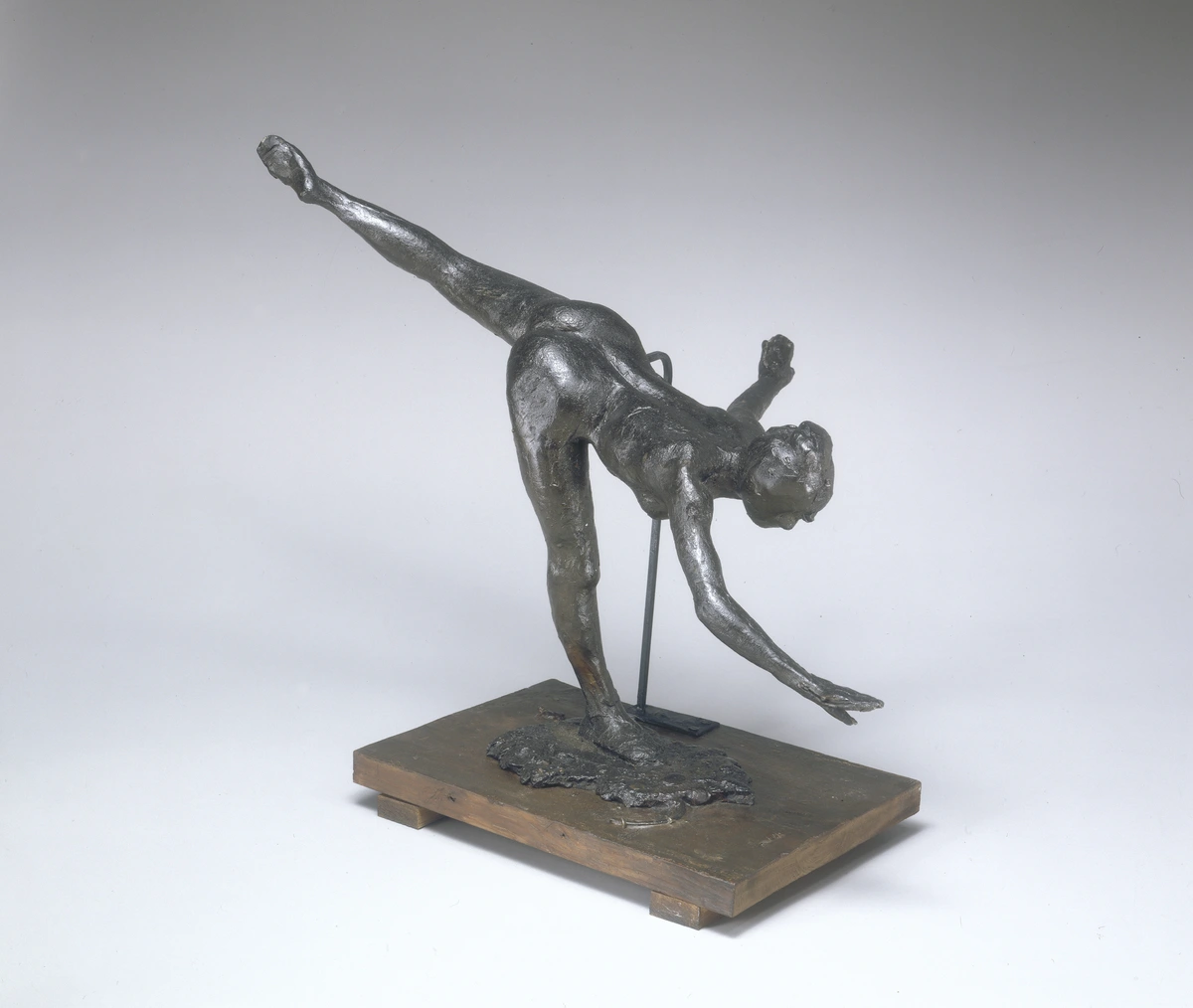
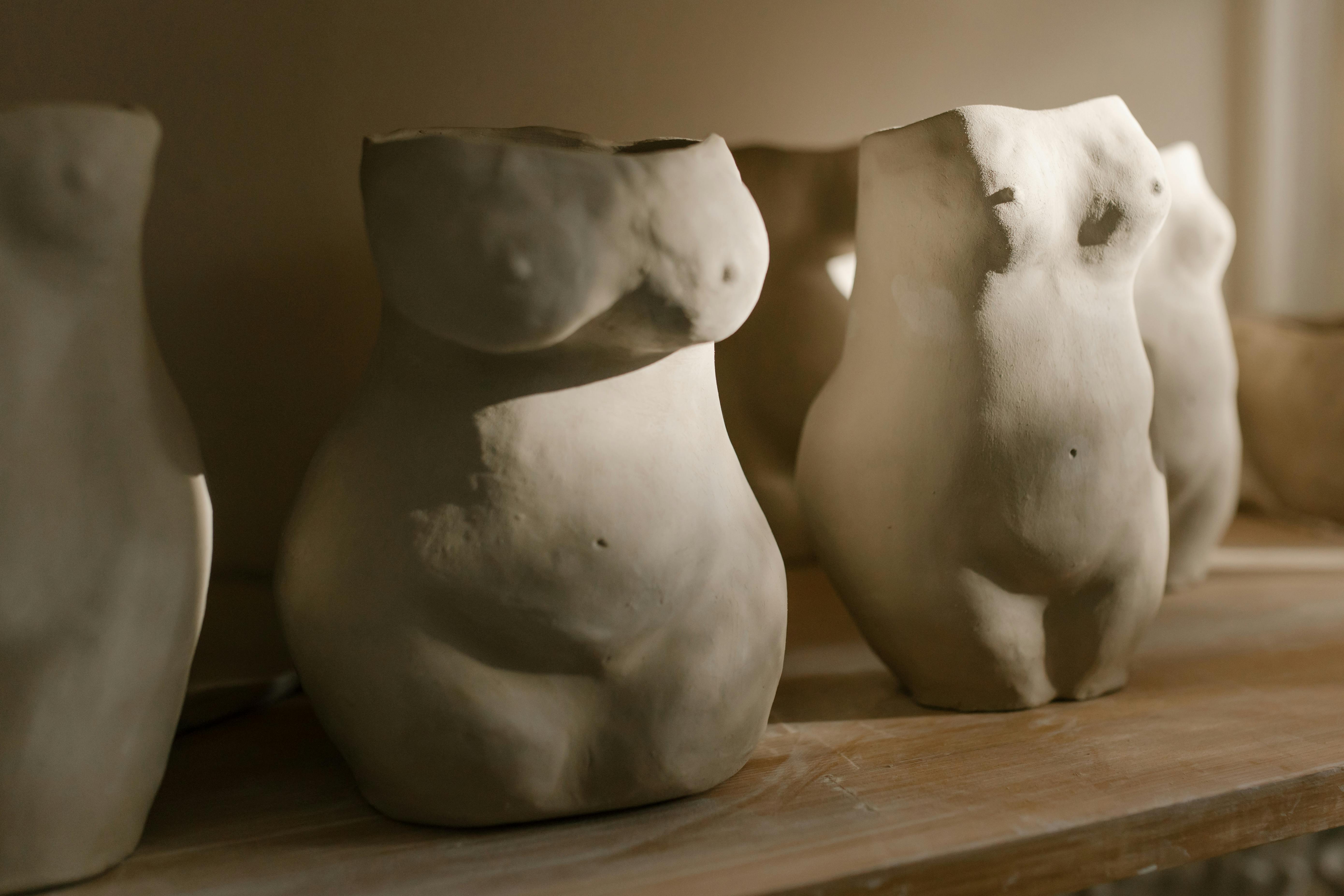
Degas's journey as an artist wasn't linear; it was a constant adaptation. Towards the end of his life, as his eyesight began to fail him, he couldn't see the fine details required for drawing and painting anymore. This wasn't a retreat, though; it was an act of stubborn, beautiful defiance, a continuation of his lifelong artistic alchemy through a new sense. He turned more and more to sculpture, relying intensely on his sense of touch. He modeled figures of dancers captured mid-pirouette, stretching, or adjusting their costumes, and horses in various dynamic gaits in wax and clay, not for public exhibition during his lifetime, but as private studies of form and movement. He wasn't thinking about the critics or the market; he was purely driven by the need to understand the human (and equine) form in motion. These small sculptures are rough, immediate, and wonderfully tactile, still showing the imprint of his fingers. For me, it's inspiring – the idea that when one artistic avenue closes, another opens, even if it feels like starting from scratch (though perhaps 'transforming' one's artistic language is more accurate, adapting existing knowledge to new parameters!). I've definitely had moments where my eyes just refused to cooperate, leading to some truly 'abstract' experiments by accident, much like Degas finding a new path when his vision blurred.
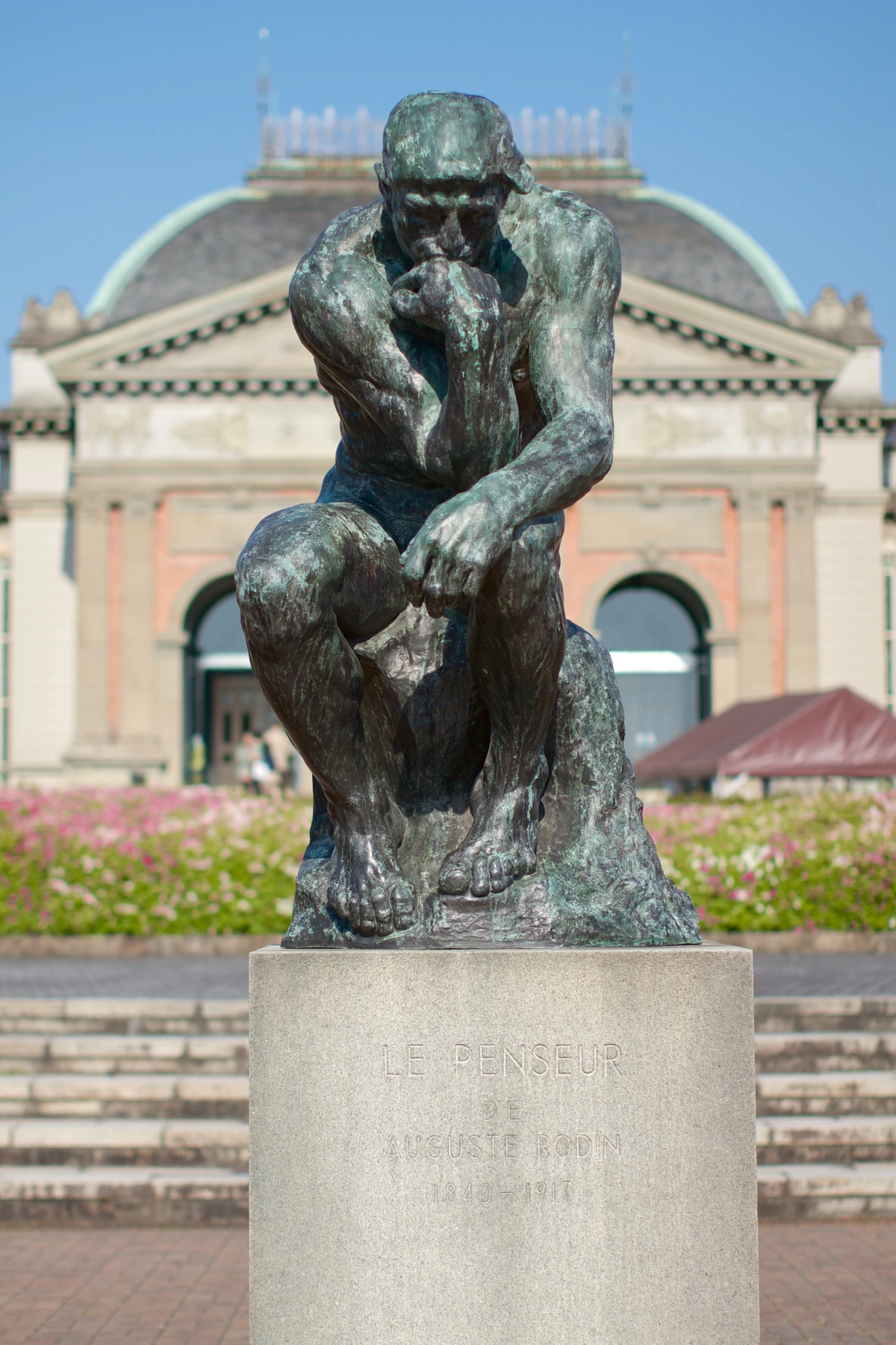
It was only after his death that over 150 of these wax figures were discovered in his studio, many in fragile, crumbling states. They were subsequently cast in bronze, allowing the world to see this intimate, raw dimension of his artistry. Their bold forms and energetic surfaces were groundbreaking, influencing subsequent sculptors like Auguste Rodin and Medardo Rosso with their immediacy, their raw, unpolished texture, and their focus on capturing the kinetic energy of movement rather than idealized form. They are a powerful testament to an artist who simply could not stop creating, adapting his methods to overcome any obstacle. For me, they embody the ultimate commitment to artistic expression, finding a new language when the old one became inaccessible, a true rebel to the very end.

Degas's Revolutionary Techniques: A Summary
To fully appreciate the breadth of Degas's innovative spirit, here’s a summary of his core techniques and their impact:
Technique  | Description | Key Innovation/Impact | Key Influences/Inspirations |
|---|---|---|---|
| Rigorous Drawing | Foundation in academic draughtsmanship, emphasis on line, form, and anatomy. | Enabled confident distortion and abstraction without losing subject essence, empowering deliberate rule-breaking. | Jean-Auguste-Dominique Ingres, École des Beaux-Arts, Old Masters |
| Layered Pastels | Unique fixative and steaming allowed multiple layers, dense pigment, vibrant color. | Transformed pastels from delicate sketches into painterly, rich compositions with unprecedented depth and texture. | Oil painting glazing techniques, desire for intense, lasting color |
| Pastel over Monotype | Applying pastels onto dark, atmospheric monotype prints. | Created luminous, dreamlike hybrid works with deep, moody grounds and vibrant, floating color, offering layered perception. | Monotype printmaking, desire for layered perception and textural contrast |
| Peinture à l'essence | Oil paint thinned with turpentine, quick-drying, matte finish. | Allowed rapid work, layering without long drying times, and served as an ideal, absorbent base for pastels. | Ink drawing, quick sketches, desire for speed and a unique matte finish |
| Radical Composition | Influenced by photography & Japanese prints: aggressive cropping, unusual viewpoints, negative space, capturing fleeting moments. | Broke academic rules, created dynamic, realistic "snapshot" scenes with psychological depth, highly modern aesthetic. | Photography, Japanese woodblock prints (Ukiyo-e), Eadweard Muybridge |
| Sculpture (Late Life) | Modeled dancers and horses in wax/clay, relying on touch as sight failed. | Raw, immediate studies of movement and form; a testament to artistic defiance and adaptation, profoundly influencing modern sculpture. | His deep understanding of anatomy, personal experience, failing eyesight |
Frequently Asked Questions (FAQ)
What painting techniques did Edgar Degas use most famously? Degas was a master of innovation. His most famous techniques include his revolutionary method of layering pastels with a special, proprietary fixative to achieve a painterly depth, and peinture à l'essence, where he thinned oil paint with turpentine for a fast-drying, matte finish that was ideal for over-drawing. He also extensively developed monotypes, frequently combining these two mediums for hybrid effects.
What materials did Edgar Degas use in his art? He was a true multi-media artist. Degas worked with charcoal, oil paints, gouache, and ink. However, he is most renowned for his extensive and innovative use of pastels and for creating unique monotypes, frequently combining these two mediums for hybrid effects. He also created numerous wax and clay sculptures.
Why did Degas favor pastels so much? Pastels offered Degas the perfect blend of drawing and painting. They allowed him to work quickly, capturing fleeting moments and vibrant, pure colors. His unique layering technique with fixatives gave him a richness and texture that rivaled oil paint, making pastels an incredibly versatile medium in his hands. He also appreciated their immediacy and the bold, expressive marks he could make, which perfectly suited his desire for raw, unpolished realism and psychological intensity.
What makes Degas's approach to composition unique? Degas's compositions were heavily influenced by photography and Japanese prints. He famously used aggressive cropping (as seen in "L'Absinthe"), unusual viewpoints (like looking from above or through a doorway, common in his ballet scenes), and placed subjects off-center, creating dynamic, realistic scenes that felt like candid snapshots rather than posed arrangements. This deliberate disruption of traditional balance often created a sense of tension, intimacy, and psychological depth, drawing the viewer into a fragmented, observed reality.
How did Degas's interest in photography and Japanese prints develop? Degas was an avid photographer himself, experimenting with his own camera to capture candid moments and unusual angles that influenced his paintings. He also experimented with sequential photography, notably inspired by Eadweard Muybridge's studies of movement, which informed his precise depictions of dancers and horses. He was deeply captivated by the influx of Japanese woodblock prints (Ukiyo-e) into Paris, which introduced him to bold, asymmetrical compositions, elevated viewpoints, and fragmented scenes, all of which he integrated into his own groundbreaking artistic vision.
What was Degas's relationship with the academic art establishment? While trained rigorously in academic traditions at the École des Beaux-Arts, Degas consciously rebelled against the rigid conventions of the Salon and traditional art. He challenged idealized subject matter with gritty realism and defied conventional composition, often leading to his work being perceived as radical or "unfinished" by his contemporaries. His deliberate distance from the core Impressionist philosophy further cemented his independent stance, focusing on dissecting form and movement rather than merely capturing optical impressions.
What were the challenges of peinture à l'essence beyond fragility? Beyond the fragility (where pigment could flake easily) and its rapid drying nature requiring swift execution, peinture à l'essence had aesthetic limitations. The matte finish meant that colors could appear less saturated than traditional oils, requiring skillful layering to build vibrancy. It also lacked the rich, translucent depth achievable with traditional oil glazes. Furthermore, the technique involved working with volatile turpentine, which had practical considerations regarding studio ventilation and could pose health risks to artists of the era.
How did Edgar Degas's failing eyesight impact his later work? As his vision declined, Degas's work became broader, bolder, and more expressive. His colors grew more intense, and forms became simplified, focusing on essential movement rather than fine detail. This challenge also propelled him deeper into sculpture, allowing him to rely on his keen sense of touch to explore form and motion, revealing another powerful dimension of his artistic genius and a remarkable adaptability.
What are some key characteristics of Degas's sculptures? Degas's sculptures, primarily private studies in wax and clay, are characterized by their rough, immediate surfaces, capturing the imprint of his fingers. They are incredibly tactile and focus on studying form and movement with raw energy, rather than idealized perfection. Cast in bronze posthumously, they reveal a previously hidden, intimate dimension of his artistry and profoundly influenced later sculptors with their innovative approach to capturing dynamic movement and unpolished texture.
How did Degas's early academic training influence his later rebellious art? His rigorous training in drawing, anatomy, and perspective provided the fundamental understanding of form and structure that allowed him to confidently break academic rules. This deep knowledge gave him the authority to distort, crop, and abstract his subjects deliberately, maintaining their essence while pushing compositional and representational boundaries. He mastered the rules so he could break them with purpose, transforming convention into innovation.
What aspects of Degas's early life and training shaped his artistic philosophy? Born into a wealthy Parisian family, Degas received rigorous academic training at the École des Beaux-Arts, immersing himself in classical drawing and the Old Masters. This foundational mastery of line, anatomy, and perspective, guided by figures like Ingres, instilled in him a deep respect for structure and precision. However, it also gave him the authority and confidence to deliberately break those rules later, using his knowledge as a springboard for innovative, rebellious artistic expression, driven by a desire to capture modern life with an unflinching realism.
How was Degas's work received during his lifetime, and how did his reputation evolve posthumously? During his lifetime, Degas's innovative techniques and unconventional compositions often met with mixed reactions. While he had a loyal following and participated in most Impressionist exhibitions, many critics found his work "brutal" or "unfinished," especially his pastels and candid depictions of modern life. He achieved some commercial success, but his truly revolutionary status and profound influence on modern art were fully recognized and celebrated only after his death, when his extensive body of work, including his private sculptures, became more widely known and appreciated for its groundbreaking nature.
Did Degas ever consider himself an Impressionist? Degas famously stated, "I am an independent. Impressionists are my comrades; I have nothing in common with them." While he shared the Impressionists' interest in modern life and candid subjects, his methods diverged significantly. He prioritized line and drawing over the Impressionist emphasis on color and light, worked predominantly in his studio rather than en plein air, and his compositions were far more deliberately constructed than the spontaneous captures of many of his peers. He valued his independence and distinct approach above aligning fully with any single movement.
What were the aesthetic limitations or benefits of peinture à l'essence's matte finish? The primary aesthetic benefit of peinture à l'essence was its unique, flat, and non-reflective matte finish, which allowed for a more immediate, drawing-like quality and minimized glare, making it ideal for subsequent pastel layers. However, this also presented limitations. The absence of oil's refractive qualities meant colors could appear less saturated and vibrant than traditional oils, requiring skillful layering to build intensity. It also lacked the rich, translucent depth achievable with traditional oil glazes. Degas embraced these qualities, using them to create a distinct, dry texture that supported his vision of raw, unpolished realism, valuing expressive immediacy over traditional polish.
What are the common subjects in Edgar Degas's artwork and why did he choose them? Degas is most famous for his depictions of ballet dancers, racehorses, laundresses, and women at their toilette. He chose these subjects not for their idealized beauty, but for the opportunity to study movement, posture, and the unposed realities of modern life. He was fascinated by the mechanics of the body, the fleeting gestures, and the psychological insights revealed in candid moments, using his innovative techniques to capture these observations with unparalleled realism and depth.
What is Edgar Degas's lasting legacy in the art world? Degas's lasting legacy is multi-faceted. He is celebrated for his revolutionary use of pastels, transforming them into a major painting medium; his pioneering compositional techniques, heavily influenced by photography and Japanese prints, which laid groundwork for modern art; and his unflinching realism in portraying modern life. His relentless experimentation with materials and his fierce independence established him as a pivotal figure bridging academic tradition with avant-garde modernism, profoundly influencing subsequent generations of artists in their pursuit of new forms of expression.
The Enduring Lesson of a Rebel: Adapt and Create
Looking at the sheer variety and audacity of Degas's techniques is a lesson that resonates deeply with me. He was never satisfied with the status quo; he was always pushing, questioning, combining things to see what unexpected magic would happen. It's a powerful reminder for any creative person – myself included – that the rules are a starting point, not a rigid destination. My own journey as an artist is defined by this kind of material exploration, seeking new ways to express my vision.
His journey shows that true artistry isn’t about finding one perfect method and sticking to it. It’s about cultivating relentless curiosity, adapting your tools to serve your evolving vision, and having the courage to experiment, even if it means a few "artistic alchemist" mishaps along the way (and trust me, I've had my share!). It's about being a bit of a rebel in your own studio, finding new ways to express the world as you see it. This philosophy guides my own work, which you can explore further on my [timeline](/timeline) or in the pieces available to [buy](/buy). Degas's enduring legacy is not just in his masterpieces, but in his spirit – a powerful beacon for contemporary artists, urging us to question, to blend, and to continually redefine what's possible in the studio, pushing the boundaries of material and perception. So, what boundary will you push today, and how will you transform a limitation into a new form of expression?