Dora Maar's Surrealism Techniques: A Deep Dive into Her Artistic Genius
Explore Dora Maar's surrealist techniques, her innovative methods, and how modern artists can draw inspiration from her unique approach.

Dora Maar's Surrealism Techniques: A Deep Dive into Her Artistic Genius
Dora Maar's contributions to the surrealist movement are unparalleled. Her ability to blend reality with the subconscious mind has left an indelible mark on the art world. This article explores her techniques, influences, and the enduring impact of her work on modern art.
I remember the first time I stumbled upon Dora Maar's work. It was in a small, dimly lit gallery in Paris, and her photographs and paintings seemed to pull me into a world where reality and dreams collided. That moment sparked a fascination that has only grown over the years. Today, I want to take you on a journey through her surrealist techniques, her innovative methods, and how modern artists can learn from her genius.
Maar's work is not just a reflection of her time but a testament to her ability to transcend conventional boundaries. Her art invites us to explore the depths of the unconscious mind, where reality and fantasy intertwine. As we delve into her techniques, we'll uncover the layers of her creative process and the profound impact she has had on the art world.
Dora Maar's work is not just a reflection of her time but a testament to her ability to transcend conventional boundaries. Her art invites us to explore the depths of the unconscious mind, where reality and fantasy intertwine. As we delve into her techniques, we'll uncover the layers of her creative process and the profound impact she has had on the art world.
Who Was Dora Maar?
Dora Maar was a French photographer, painter, and poet, best known for her involvement in the surrealist movement. Born Henriette Theodora Markovitch in 1907, she adopted the name Dora Maar and became a significant figure in the Parisian avant-garde scene of the 1930s. Her work spanned photography, painting, and poetry, but it was her surrealist techniques that truly set her apart.
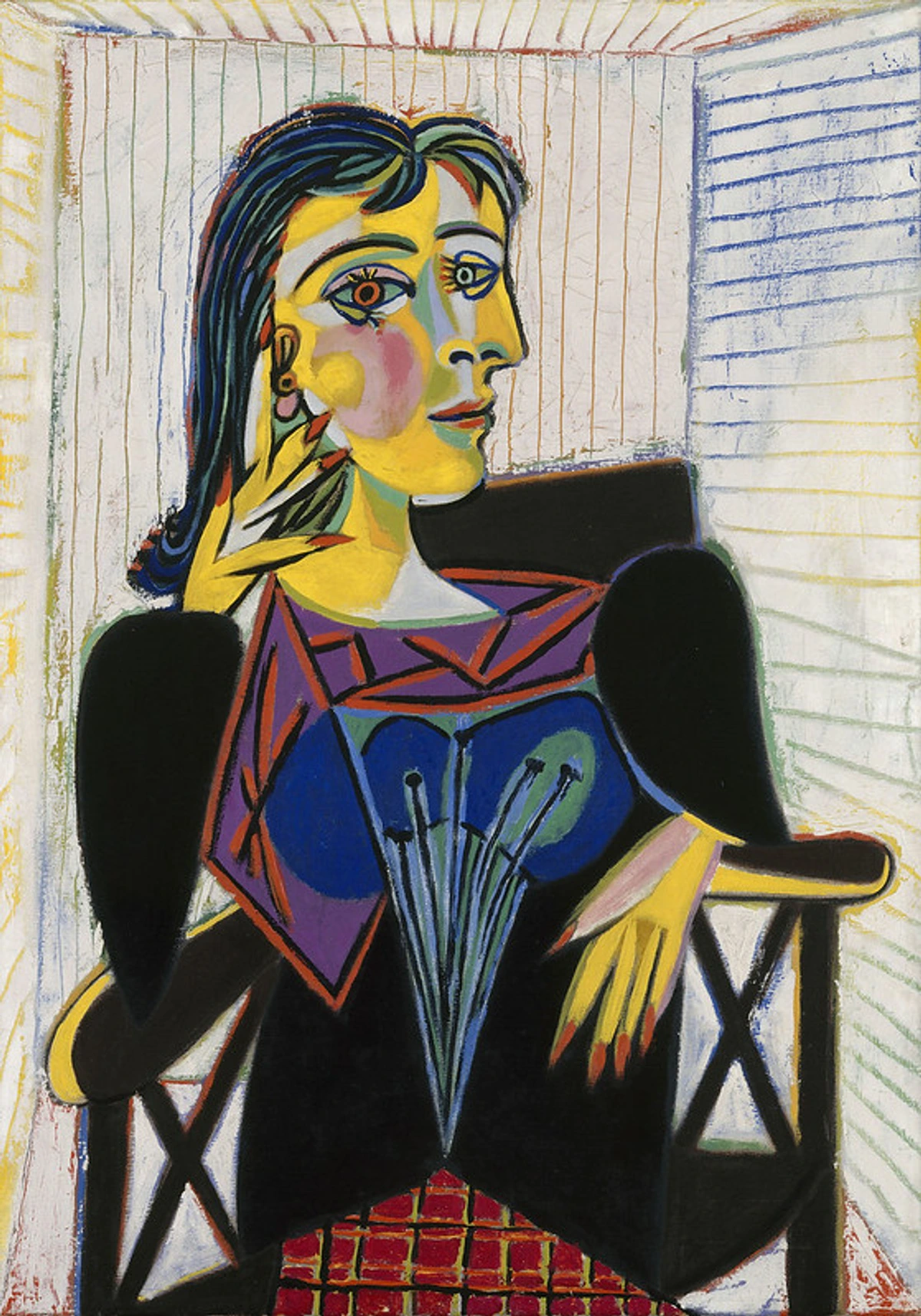
Maar's journey into the art world was marked by her relentless pursuit of innovation. She was not just a participant in the surrealist movement but a pioneer who pushed its boundaries. Her collaborations with other artists, including Pablo Picasso, further cemented her legacy as a visionary in the art world.
Early Life and Influences
Maar's early life was shaped by her multicultural background. Born to a Croatian father and a French mother, she spent her formative years in Argentina before moving to Paris. This diverse upbringing exposed her to a variety of cultural influences, which later manifested in her eclectic artistic style. Her education at the École des Beaux-Arts and the Académie Julian further honed her skills and deepened her understanding of art.
Her exposure to different cultures and artistic traditions played a crucial role in shaping her unique perspective. This blend of influences allowed her to create works that were both innovative and deeply personal, setting her apart from her contemporaries.
Influences on Her Art
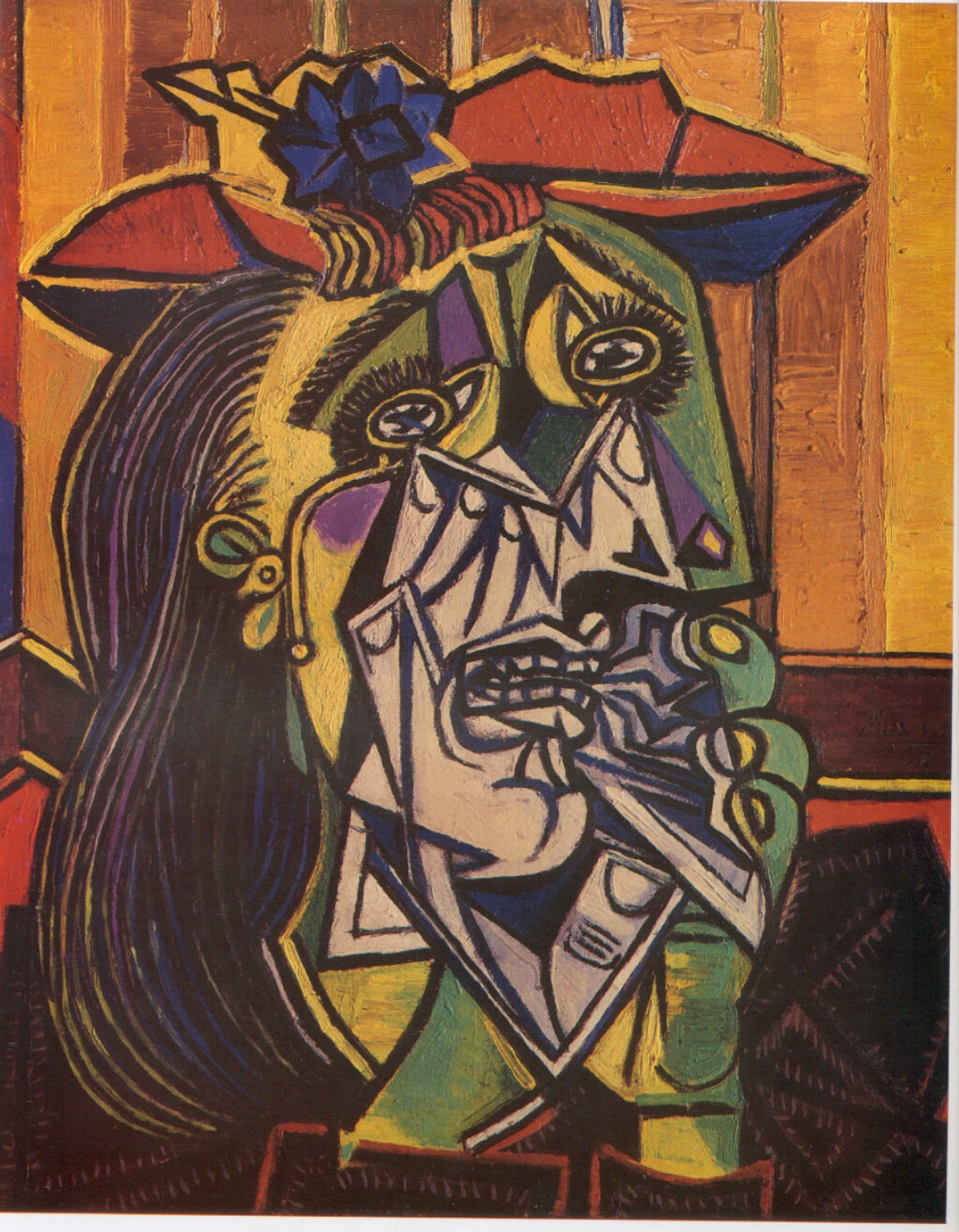
Maar's work was heavily influenced by the surrealist movement, which sought to unlock the creative potential of the unconscious mind. Her interactions with key figures like André Breton and Salvador Dalí shaped her artistic vision. Additionally, her collaborations with Pablo Picasso provided her with a unique perspective on cubism and surrealism, which she incorporated into her own work.
Credit, License
Surrealism: A Brief Overview
Before diving into Maar's techniques, let's take a moment to understand surrealism. Surrealism was an artistic and literary movement that emerged in the early 20th century. It sought to unlock the creative potential of the unconscious mind, often resulting in dreamlike, fantastical imagery. Key figures included André Breton, Salvador Dalí, and, of course, Dora Maar.
Surrealism was more than just an art movement; it was a philosophical exploration of the human psyche. Artists like Maar used surrealism to challenge perceptions, blur the lines between reality and imagination, and delve into the subconscious. This movement was not just about creating art but about redefining how we see and interpret the world around us.
The Surrealist Manifesto
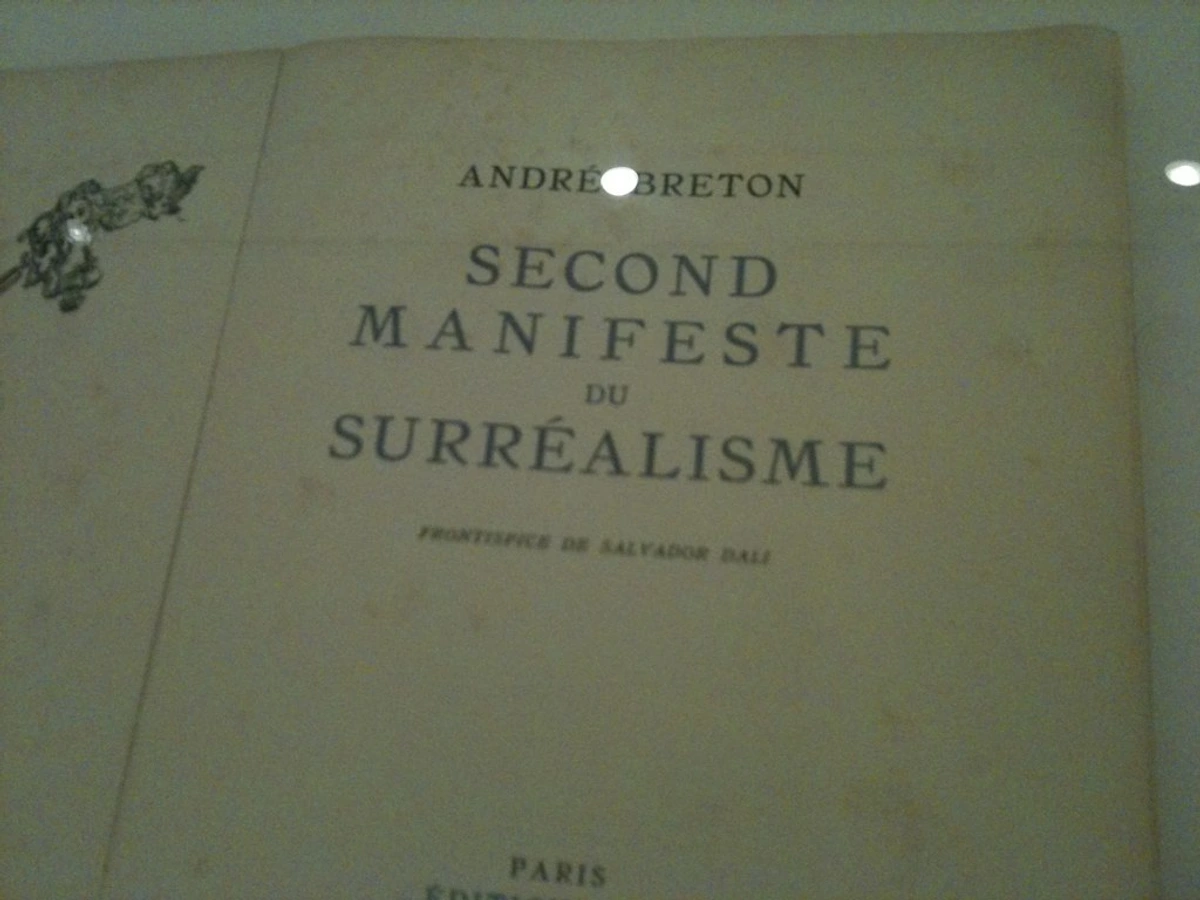
The Surrealist Manifesto, written by André Breton in 1924, laid the foundation for the movement. It emphasized the importance of tapping into the unconscious mind to create art that transcended rational thought. Breton's ideas were heavily influenced by the theories of Sigmund Freud, particularly his work on dreams and the subconscious. This manifesto became a guiding light for surrealist artists, including Maar, who sought to explore the depths of human consciousness through their work.
The manifesto's emphasis on the unconscious mind provided a theoretical framework for surrealist artists. It encouraged them to explore the hidden depths of human thought and emotion, leading to the creation of works that were both innovative and deeply personal.
Dora Maar's Surrealist Techniques
Maar's surrealist techniques were as diverse as they were innovative. From photography to painting and poetry, she explored the boundaries of the unconscious mind and redefined the surrealist movement. Let's delve into some of her most notable techniques and how they contributed to her legacy.
Photography and Photomontage
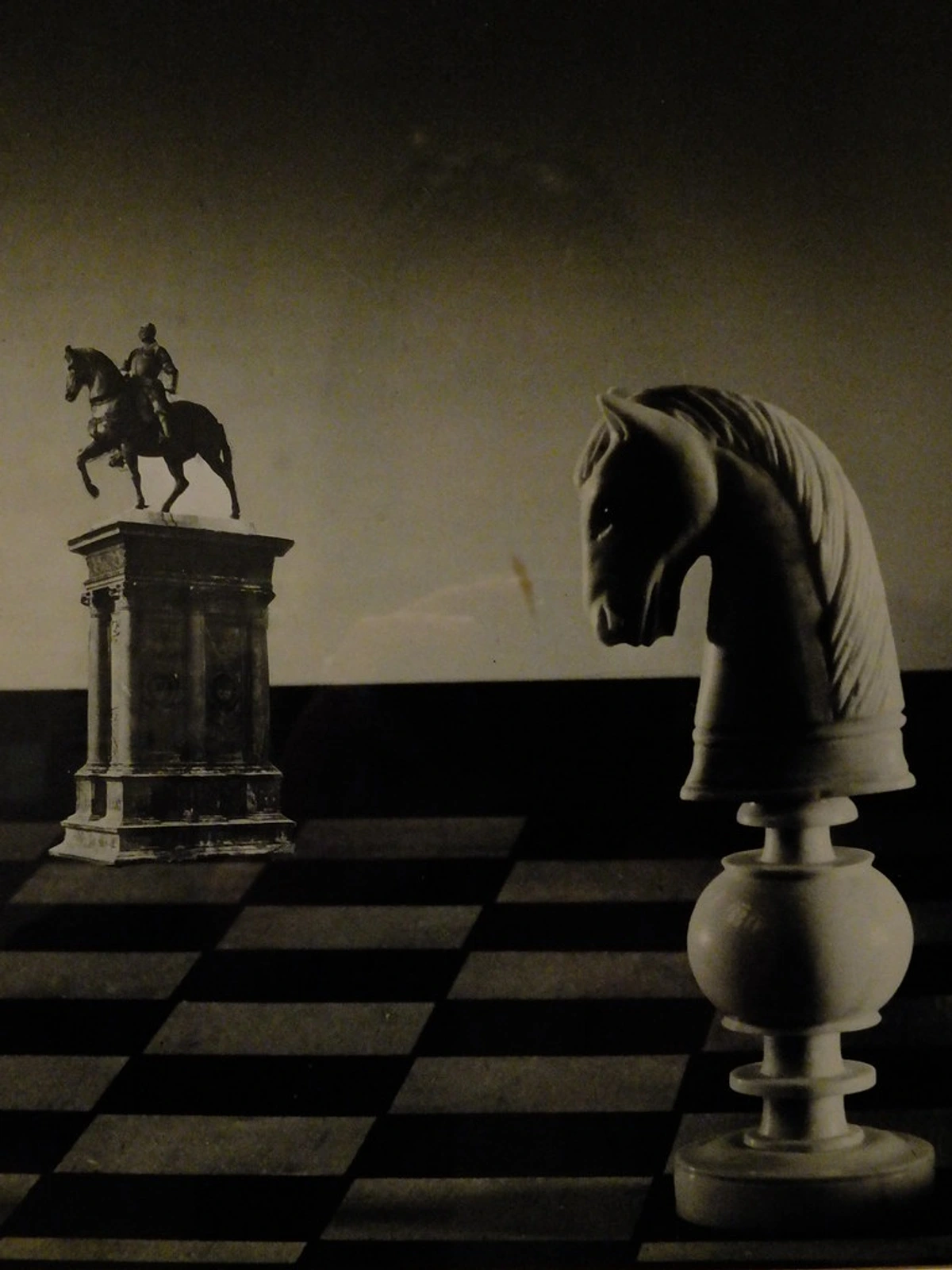
Maar's work in photography was groundbreaking. She used techniques like photomontage, where she would combine multiple photographs to create a single, surreal image. This method allowed her to juxtapose different elements, creating a sense of disorientation and wonder.
Credit, License
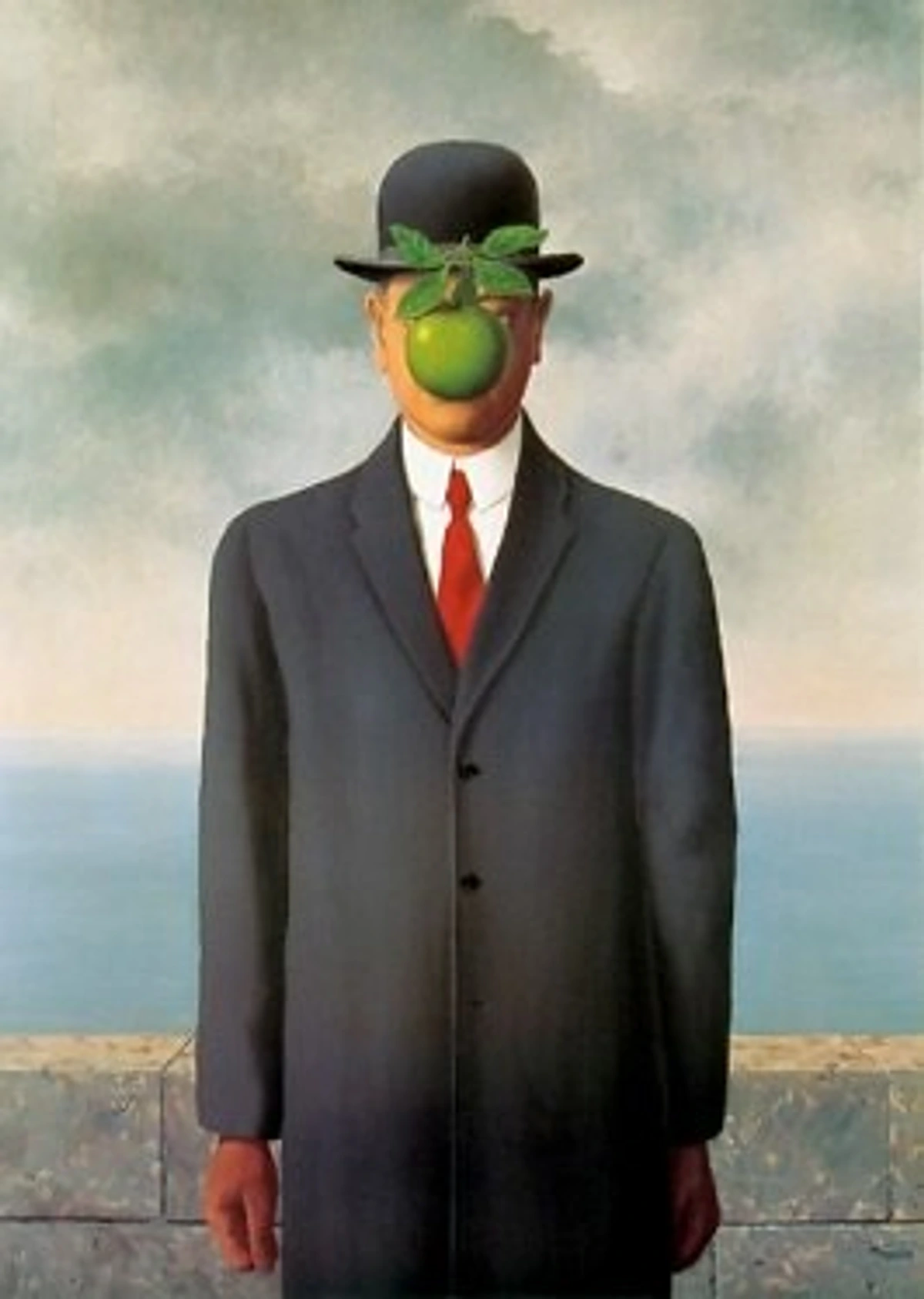
Photomontage was not just a technique for Maar; it was a way to challenge the viewer's perception of reality. By blending disparate images, she created narratives that were open to interpretation, inviting the audience to explore their own subconscious.
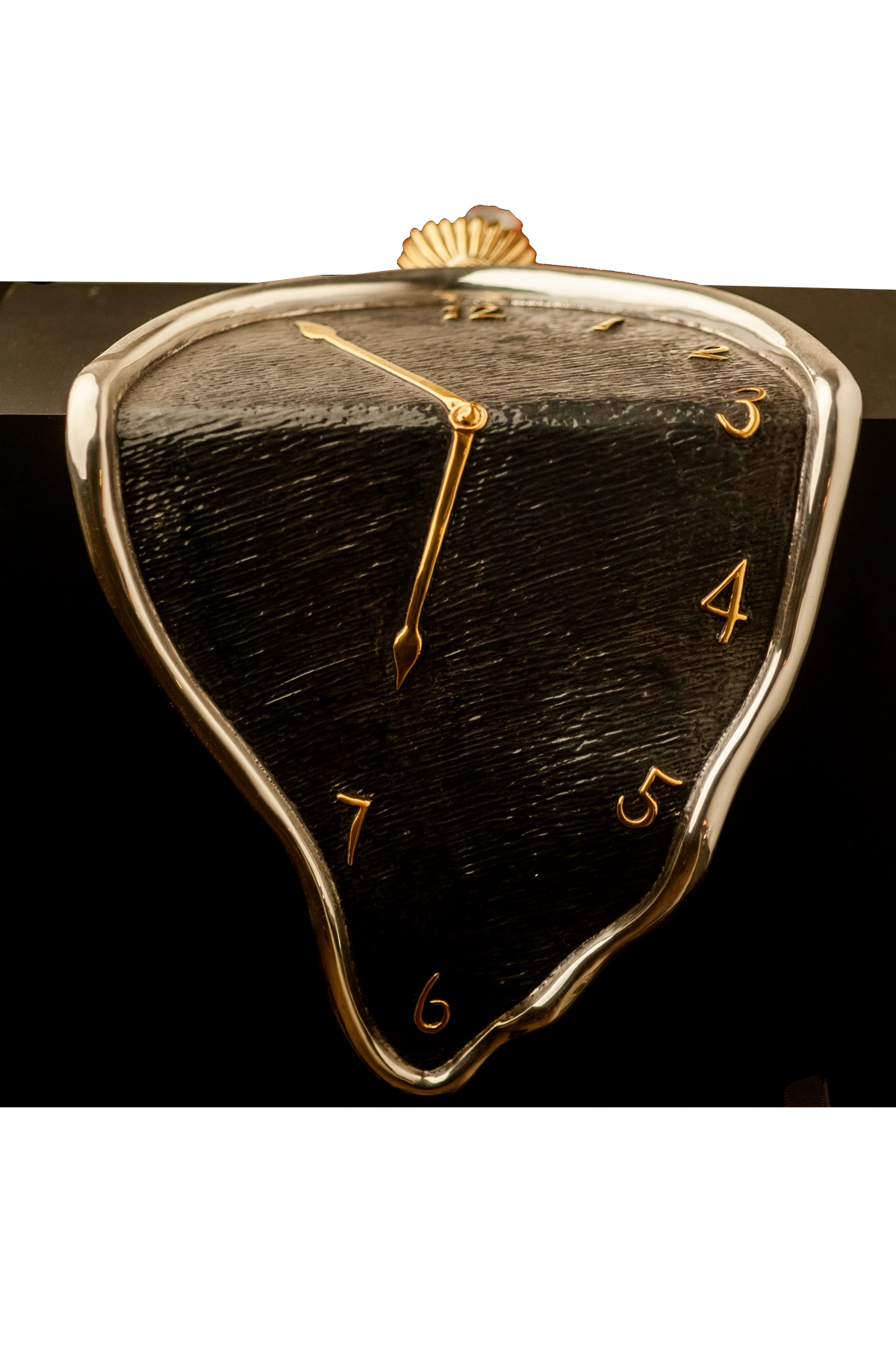
Painting and Drawing
In her paintings and drawings, Maar often employed automatic drawing, a technique where the artist lets their hand move freely without conscious control. This method was central to surrealism, as it aimed to tap into the subconscious mind.
Automatic drawing allowed Maar to bypass the constraints of rational thought, enabling her to create works that were raw and unfiltered. This technique was not just about spontaneity but about accessing deeper layers of creativity.
Poetry and Writing
Maar's poetic works were equally surreal. She played with language, creating images and scenarios that defied logical explanation. Her writing often complemented her visual art, adding another layer of depth to her surrealist explorations.
Her poetry was a reflection of her visual art, filled with vivid imagery and symbolic language. Through her words, Maar invited readers to step into a world where logic was suspended, and the imagination reigned supreme.
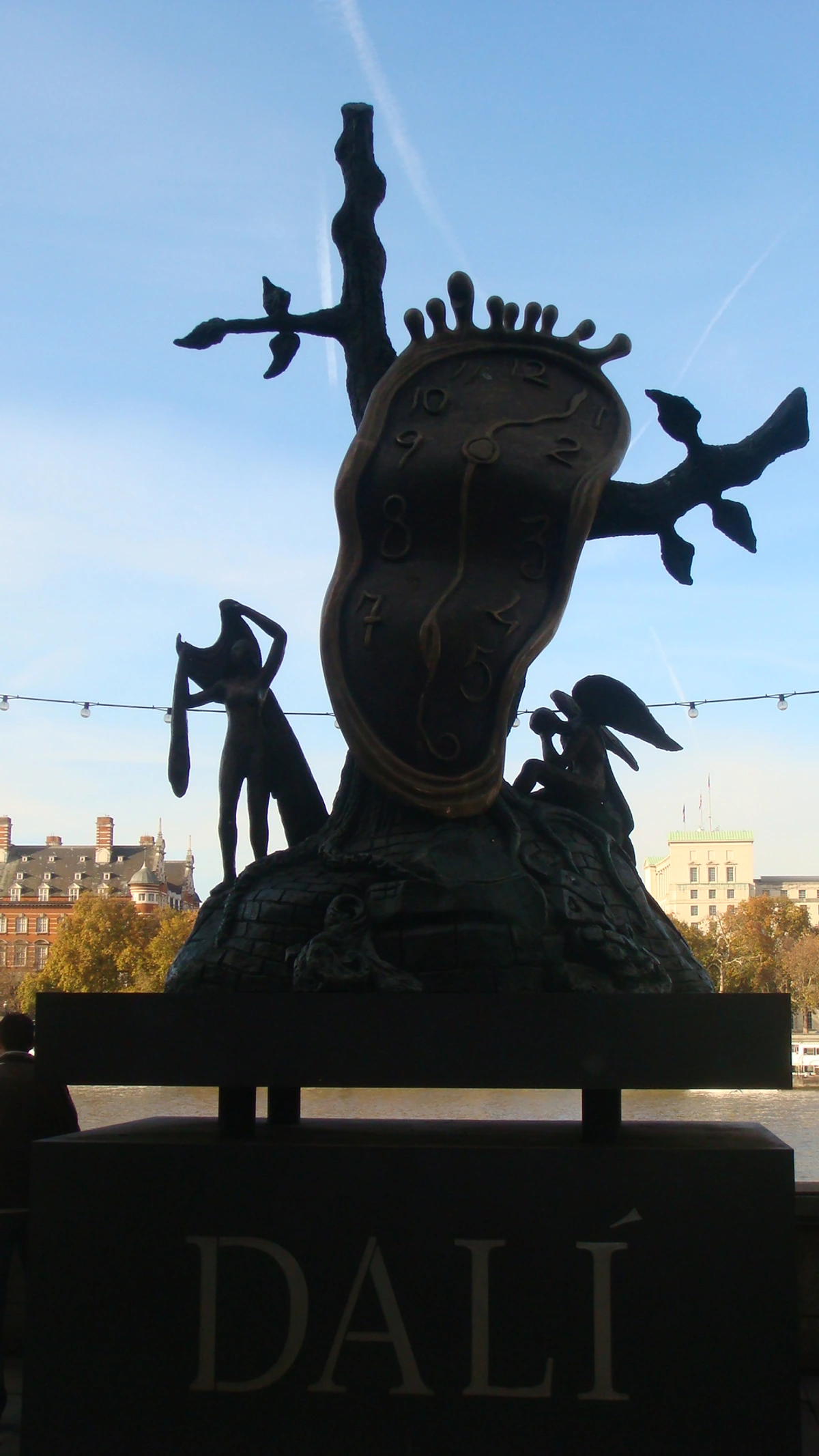
Themes in Maar's Poetry
Maar's poetry often explored themes of transformation, identity, and the subconscious. Her use of metaphor and symbolism created a dreamlike quality that resonated with the surrealist movement. Her poems were not just literary works but extensions of her visual art, further blurring the lines between different artistic mediums.
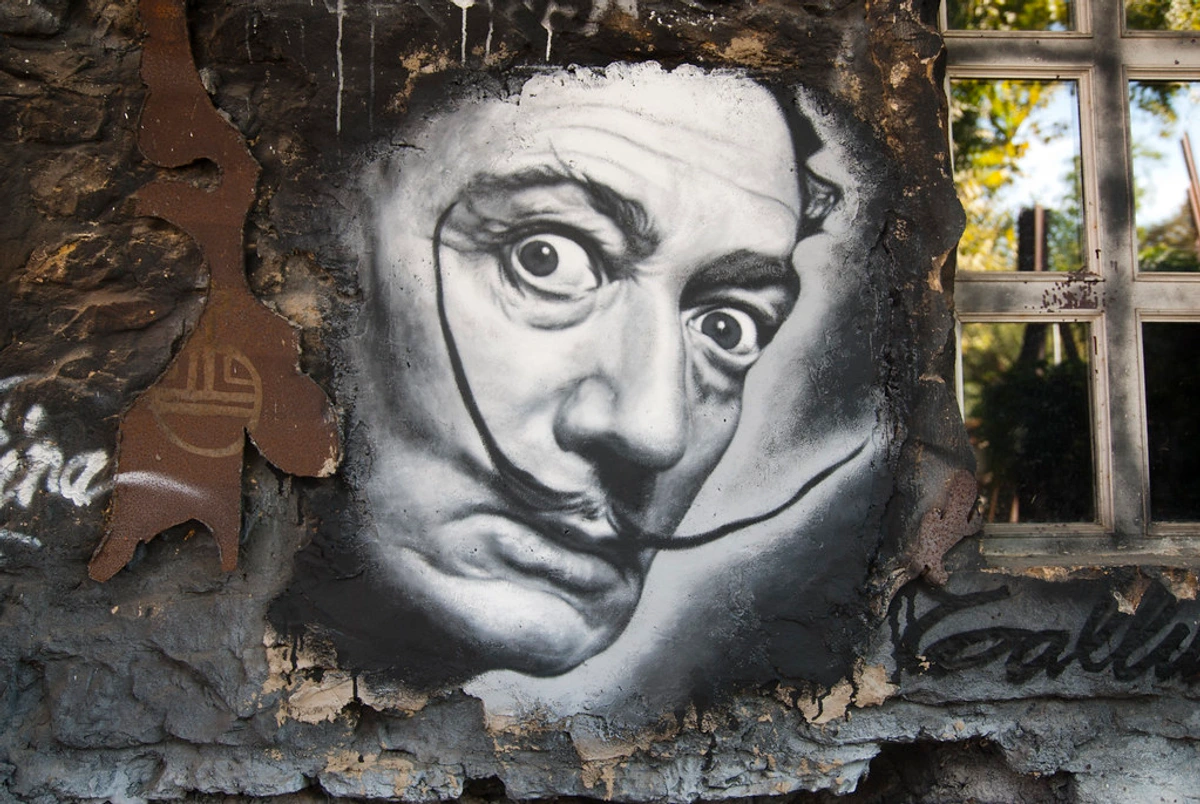
Through her poetry, Maar explored the fluidity of identity and the transformative power of the imagination. Her words invited readers to reflect on their own personal and societal evolution, challenging the notion of fixed realities.
Key Concepts in Maar's Work
Maar's work was deeply rooted in surrealist principles, but she also brought her own unique perspective to the movement. Let's explore some of the key concepts that defined her artistic vision and how they continue to inspire artists today.
The Unconscious Mind
Maar, like other surrealists, was deeply interested in the unconscious mind. She believed that art could be a gateway to understanding the hidden depths of human thought and emotion. Her work often explored themes of dreams, desires, and the subconscious.
For Maar, the unconscious mind was a wellspring of creativity. She saw it as a place where the boundaries of reality could be dissolved, allowing for the emergence of new ideas and forms. This belief was central to her artistic practice and her contributions to the surrealist movement.
Freud's Influence
The theories of Sigmund Freud had a profound impact on Maar's work. Freud's exploration of dreams and the subconscious provided a theoretical framework for surrealist artists. Maar's art often reflected Freud's ideas, particularly his emphasis on the importance of the unconscious mind in shaping human behavior and creativity.
Freud's theories provided a lens through which Maar could explore the hidden depths of human thought and emotion. His emphasis on the unconscious mind resonated with her belief in the transformative power of art, leading to the creation of works that were both innovative and deeply personal.
Juxtaposition and Contrast
One of the hallmarks of Maar's surrealist techniques was her use of juxtaposition and contrast. By placing unrelated objects or ideas together, she created a sense of tension and intrigue. This technique is evident in both her photography and her paintings.
Juxtaposition was not just a stylistic choice for Maar; it was a way to challenge the viewer's expectations. By combining seemingly unrelated elements, she forced the audience to question their assumptions and see the world in a new light.
Examples of Juxtaposition
Maar's photomontages often featured juxtaposed elements that created a sense of disorientation. For example, she might combine images of natural landscapes with mechanical objects, creating a surreal narrative that challenged the viewer's perception of reality. This technique was not just about visual impact but about inviting the audience to explore the deeper meanings behind the images.

Through her use of juxtaposition, Maar created works that were both visually compelling and intellectually stimulating. Her ability to blend disparate elements allowed her to create narratives that were open to interpretation, inviting the audience to reflect on their own perceptions and assumptions.

Transformation and Metamorphosis
Maar's work often featured themes of transformation and metamorphosis. She was fascinated by the idea of change and evolution, both in the natural world and in the human psyche. This theme is particularly evident in her photomontages, where she would blend different images to create new, hybrid forms.
Transformation was a recurring motif in Maar's work, reflecting her belief in the fluidity of identity and perception. Through her art, she explored the ways in which individuals and societies evolve, challenging the notion of fixed realities.
Metamorphosis in Art
Maar's exploration of metamorphosis was not just a visual technique but a philosophical inquiry. She believed that art could capture the essence of change and evolution, reflecting the dynamic nature of human experience. Her work often depicted the transformation of objects and ideas, inviting viewers to reflect on their own personal and societal evolution.
Through her exploration of metamorphosis, Maar created works that were both visually compelling and intellectually stimulating. Her ability to depict the fluidity of identity and perception allowed her to create narratives that were open to interpretation, inviting the audience to reflect on their own personal and societal evolution.
Examples of Maar's Surrealist Techniques
Maar's surrealist techniques are best understood through her works. Let's explore some of her most famous pieces and how they exemplify her innovative approach to art.
Photomontage: "The Simulator"
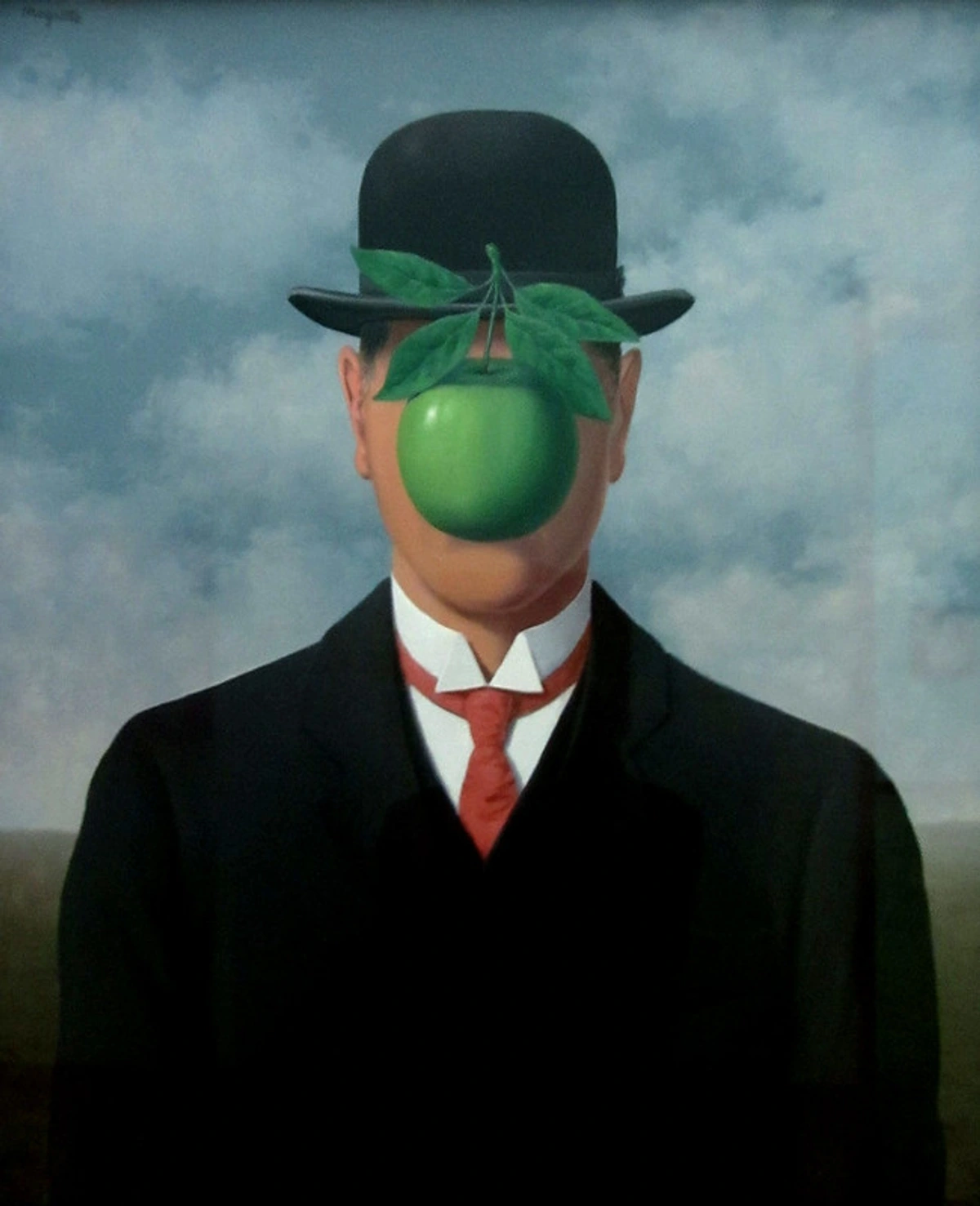
One of Maar's most famous photomontages is "The Simulator." In this work, she combined images of a woman's face with various mechanical parts, creating a haunting and surreal portrait. The piece explores themes of identity, technology, and the human condition.
Credit, License
"The Simulator" is a testament to Maar's ability to merge the organic with the mechanical, creating a narrative that is both personal and universal. The piece invites viewers to reflect on the intersection of humanity and technology, a theme that remains relevant today.
Painting: "The Conversation"
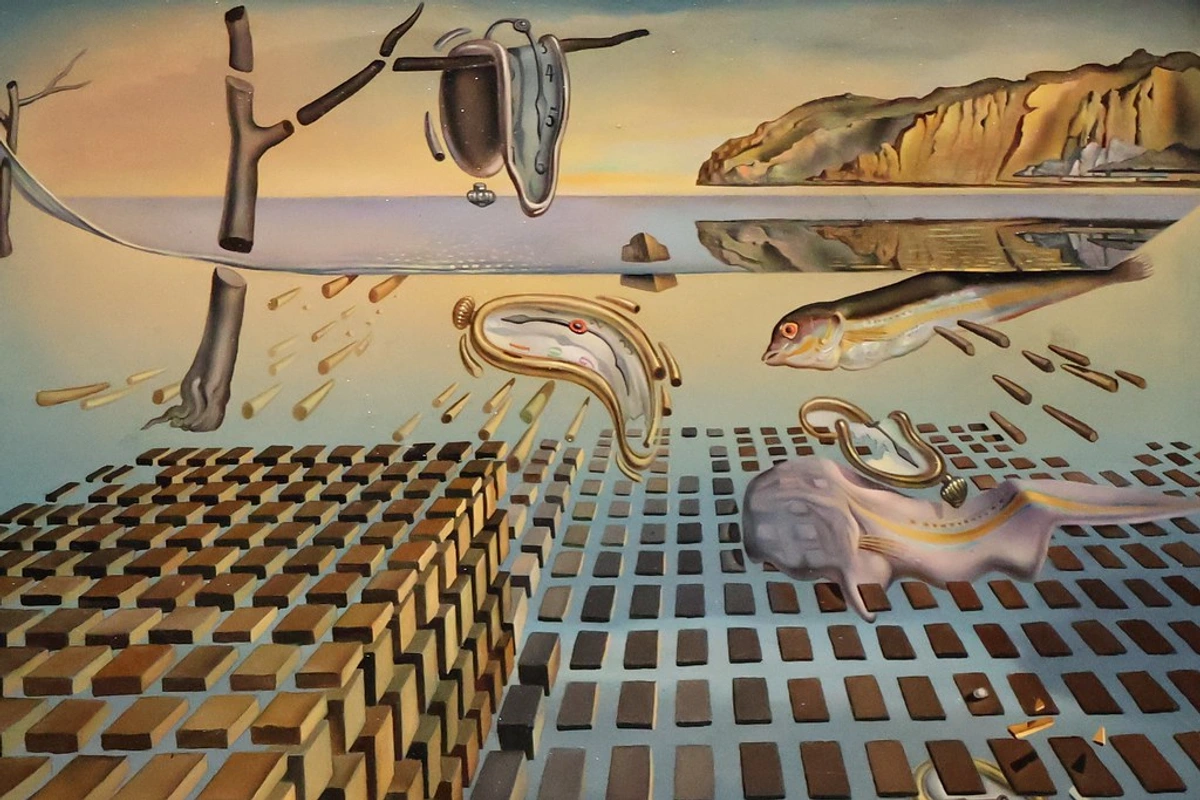
"The Conversation" is a painting that showcases Maar's use of automatic drawing. The piece features abstract forms and lines that seem to flow freely, creating a sense of movement and spontaneity. It's a perfect example of how Maar tapped into her subconscious to create art.
This painting is a visual representation of Maar's belief in the power of the unconscious mind. The fluidity of the lines and the abstract nature of the forms invite viewers to interpret the piece in their own unique ways, making it a deeply personal experience.
Techniques in "The Conversation"
Maar's use of automatic drawing in "The Conversation" allowed her to create a work that was raw and unfiltered. The abstract forms and lines in the painting reflect her belief in the power of the subconscious mind to shape artistic expression. This technique was central to her surrealist approach and helped her create works that were deeply personal and emotionally resonant.
Through her use of automatic drawing, Maar created works that were both visually compelling and intellectually stimulating. Her ability to tap into the subconscious mind allowed her to create narratives that were open to interpretation, inviting the audience to reflect on their own perceptions and assumptions.

How Modern Artists Can Learn from Dora Maar
Dora Maar's innovative techniques and fearless approach to art continue to inspire modern artists. By embracing her methods and exploring her themes, contemporary artists can unlock new levels of creativity and originality. Let's explore how modern artists can learn from Maar's legacy.
Embracing the Unconscious
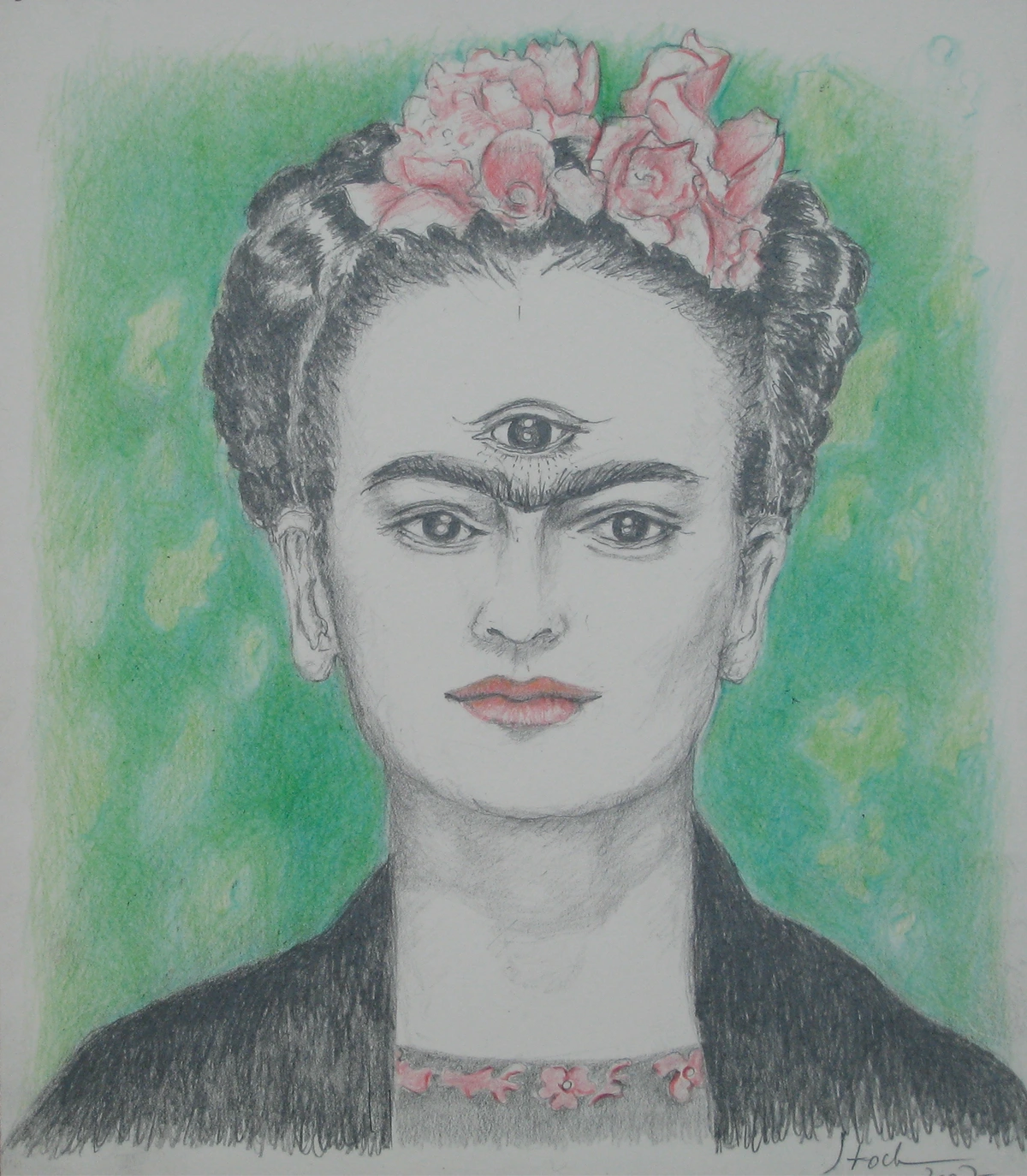
One of the most valuable lessons modern artists can learn from Maar is the importance of embracing the unconscious mind. By allowing yourself to create without overthinking, you can tap into a wellspring of creativity and originality.
Maar's approach to art was rooted in the belief that true creativity comes from within. By letting go of conscious control, artists can access a deeper level of inspiration, leading to works that are authentic and innovative.
Practical Tips for Embracing the Unconscious
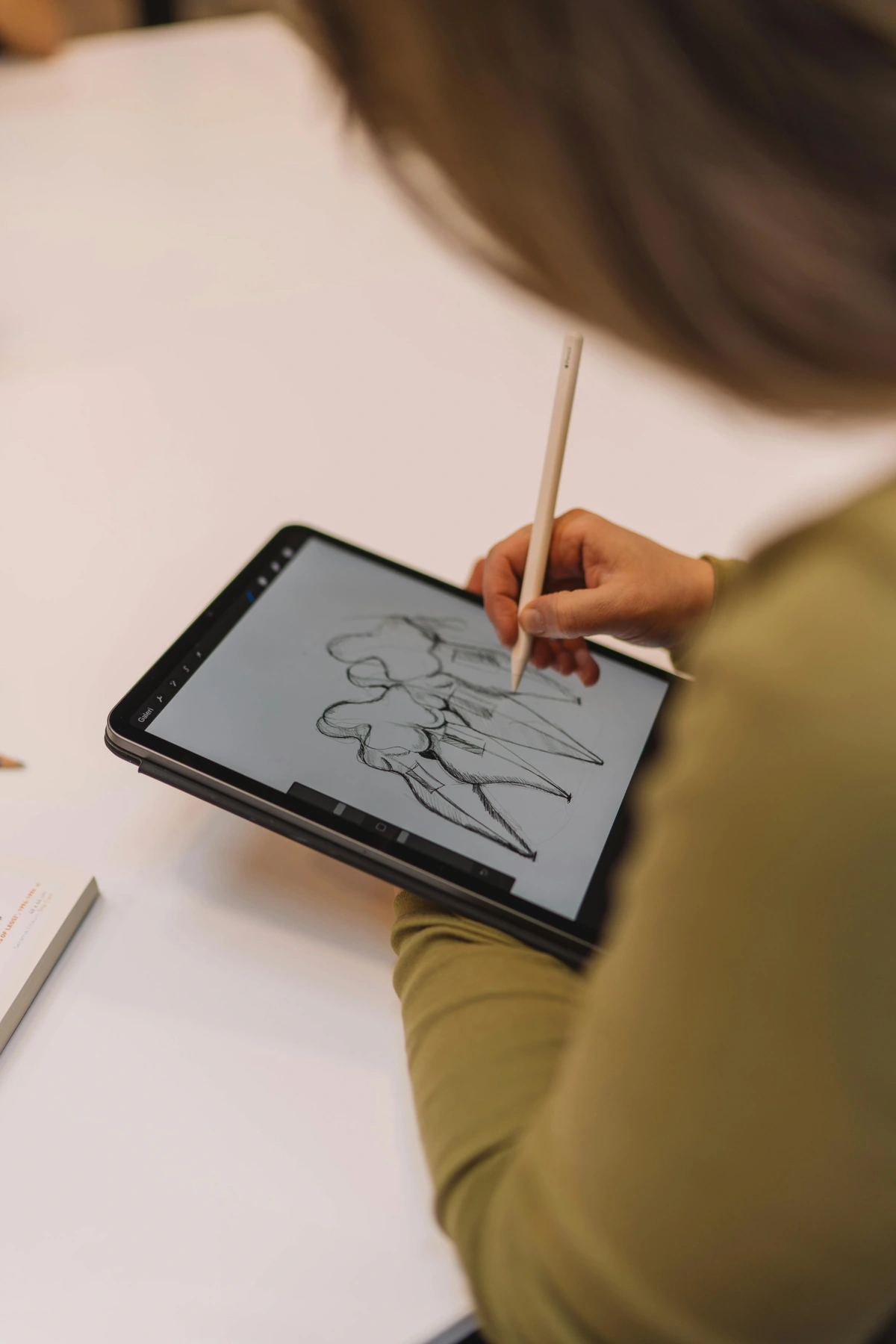
To embrace the unconscious mind, modern artists can experiment with techniques like automatic drawing and free writing. These methods allow artists to bypass rational thought and tap into deeper layers of creativity. By letting go of conscious control, artists can create works that are raw, unfiltered, and deeply personal.
By embracing the unconscious mind, artists can create works that are both visually compelling and intellectually stimulating. This approach allows them to tap into a deeper level of inspiration, leading to the creation of works that are authentic and innovative.
Experimenting with Techniques
Maar was never afraid to experiment with new techniques and mediums. Whether it was photomontage, automatic drawing, or surrealist poetry, she was always pushing the boundaries of what was possible. Modern artists can take inspiration from her fearless approach to experimentation.
Experimentation is not just about trying new things; it's about challenging yourself to see the world differently. By stepping outside of your comfort zone, you can discover new ways of expressing yourself and connecting with your audience.
The Importance of Experimentation
Experimentation is a crucial aspect of artistic growth. By exploring new techniques and mediums, artists can expand their creative horizons and discover new ways of expressing themselves. Maar's fearless approach to experimentation serves as a reminder of the importance of pushing boundaries and challenging conventional norms.
Through experimentation, artists can create works that are both visually compelling and intellectually stimulating. This approach allows them to discover new ways of expressing themselves and connecting with their audience, leading to the creation of works that are authentic and innovative.
Exploring Themes of Transformation
Maar's fascination with transformation and metamorphosis is another area where modern artists can find inspiration. By exploring themes of change and evolution, you can create art that resonates with the human experience on a deep and meaningful level.
Transformation is a universal theme that speaks to the human condition. By incorporating this theme into your work, you can create pieces that are not only visually compelling but also emotionally resonant.
Incorporating Transformation in Art
To incorporate themes of transformation into their work, modern artists can explore the dynamic nature of human experience. By depicting the evolution of objects, ideas, and identities, artists can create works that resonate with the universal theme of change. This approach allows artists to connect with their audience on a deeper, more meaningful level.
Through their exploration of transformation, artists can create works that are both visually compelling and intellectually stimulating. This approach allows them to reflect on their own personal and societal evolution, leading to the creation of works that are authentic and innovative.
FAQ
What is surrealism?
Surrealism is an artistic and literary movement that emerged in the early 20th century. It seeks to unlock the creative potential of the unconscious mind, often resulting in dreamlike, fantastical imagery.
Surrealism was more than just an art movement; it was a philosophical exploration of the human psyche. Artists like Dora Maar used surrealism to challenge perceptions, blur the lines between reality and imagination, and delve into the subconscious.
Who was Dora Maar?
Dora Maar was a French photographer, painter, and poet, best known for her involvement in the surrealist movement. She was a significant figure in the Parisian avant-garde scene of the 1930s.
What are some of Dora Maar's most famous works?
Some of Maar's most famous works include her photomontages like "The Simulator" and her paintings like "The Conversation." She was also known for her surrealist poetry.
Her works often explored themes of transformation, identity, and the subconscious. Through her art, Maar invited viewers to reflect on their own personal and societal evolution, challenging the notion of fixed realities.
How can modern artists learn from Dora Maar?
Modern artists can learn from Maar by embracing the unconscious mind, experimenting with new techniques, and exploring themes of transformation and metamorphosis.
By embracing the unconscious mind, artists can tap into a deeper level of inspiration, leading to the creation of works that are authentic and innovative. Experimentation allows artists to discover new ways of expressing themselves and connecting with their audience, while exploring themes of transformation can create works that are both visually compelling and emotionally resonant.
What techniques did Dora Maar use in her photography?
Dora Maar was known for her innovative use of photomontage, a technique that involves combining multiple photographs to create a single, surreal image. This method allowed her to juxtapose different elements, creating a sense of disorientation and wonder.
Through her use of photomontage, Maar created works that were both visually compelling and intellectually stimulating. Her ability to blend disparate elements allowed her to create narratives that were open to interpretation, inviting the audience to reflect on their own perceptions and assumptions.
How did Dora Maar contribute to the surrealist movement?
Dora Maar contributed to the surrealist movement through her groundbreaking work in photography, painting, and poetry. Her use of techniques like photomontage and automatic drawing helped to redefine the boundaries of surrealist art and inspired future generations of artists.
Maar's contributions to the surrealist movement were not just about creating art but about redefining how we see and interpret the world around us. Her work invited viewers to explore the depths of their own creativity and to see the world through a lens of endless possibility.
What themes did Dora Maar explore in her art?
Dora Maar explored a variety of themes in her art, including the unconscious mind, juxtaposition and contrast, and transformation and metamorphosis. These themes were central to her surrealist approach and helped to shape her unique artistic vision.
Through her exploration of these themes, Maar created works that were both visually compelling and intellectually stimulating. Her ability to depict the fluidity of identity and perception allowed her to create narratives that were open to interpretation, inviting the audience to reflect on their own personal and societal evolution.
Conclusion
Dora Maar's surrealist techniques and innovative methods have left an indelible mark on the art world. Her fearless approach to experimentation and her deep exploration of the unconscious mind continue to inspire artists today. By studying her work and embracing her techniques, modern artists can unlock new levels of creativity and originality.
Maar's legacy is a reminder of the power of art to transcend boundaries and challenge perceptions. Her work invites us to explore the depths of our own creativity and to see the world through a lens of endless possibility. If you're interested in exploring more about surrealism and its influence on modern art, be sure to check out our timeline and visit the Den Bosch Museum for a deeper dive into the world of avant-garde art.
If you're interested in exploring more about surrealism and its influence on modern art, be sure to check out our timeline and visit the Den Bosch Museum for a deeper dive into the world of avant-garde art.






Dora Maar's legacy is a reminder of the power of art to transcend boundaries and challenge perceptions. Her work invites us to explore the depths of our own creativity and to see the world through a lens of endless possibility.