Donald Judd: Specific Objects, Marfa, & Minimalism's Philosophical Core
Unpack Donald Judd's radical 'Specific Objects,' his philosophical challenge to art, the enduring impact of his Marfa installations, and his profound legacy on art, architecture, and design.

Donald Judd: Minimalism's Radical Thinker & The Profound Power of 'Specific Objects'
The first time I truly engaged with a Donald Judd 'stack' – you know, those identical boxes precisely climbing a gallery wall – my initial, unfiltered thought wasn't just 'Okay, I get it. Boxes. So, what's the big deal here?' It was more like a meticulously designed interruption to my perception of space. It felt impeccably clean, undeniably industrial, almost aggressively simple. But art? I wasn't so sure. And I'll be honest, my kid could probably make a box, or at least draw one convincingly. Many of us have a similar, slightly standoffish reaction when we first encounter artists like Judd, often categorized under Minimalism in art. Artists like Carl Andre, Dan Flavin, Sol LeWitt, and Robert Morris also explored similar territories, challenging conventional notions of art. It can all appear cold, perhaps a bit simple, or even aloof. After all, isn't art supposed to be complex, emotional, or at least demand some visible skill?
It's a valid question, one that artists from Marcel Duchamp with his readymades to Carl Andre with his floor tiles have provoked for over a century: when does an everyday object, or something seemingly so basic, become art? In this article, I want to unpack Judd's radical vision, tracing his fascinating journey from a fierce art critic to a groundbreaking artist. We'll clarify his revolutionary concept of Specific Objects – the term he preferred to the often-misleading label of Minimalism itself – exploring the monumental significance of his permanent installations in Marfa, Texas, and ultimately revealing why his 'boxes' are far more than they appear. We'll dive deep into his philosophical underpinnings and enduring legacy, challenging how you perceive art forever.
Here's the thing, though, and it's a huge thing: Judd wasn't just making boxes. He was staging a quiet, yet profound, revolution. He was asking huge, room-shaking questions about what art even is, what it's for, and how it occupies our world. He famously tossed out the traditional rulebook, got rid of the pedestals, and challenged us to confront objects without the usual clutter of illusion, narrative, or pre-imposed meaning. He wanted us to encounter an object as simply an object, asserting its own undeniable objecthood – its quality of being an object, existing purely on its own terms. And once you begin to look through his eyes, once you allow the immediate impact of pure form and material to register, you realize those simple forms are anything but simple. They are a whole philosophy made solid, designed for pure experience, not complex interpretation. So, let's dive in, and maybe, just maybe, change how you perceive a 'box' forever.
From Skeptic to Revolutionary: Judd's Journey as Critic and Painter
Donald Judd, born in Missouri in 1928, wasn't one of those artists who emerged from the womb with a paintbrush in hand. Far from it. He studied philosophy at Columbia University, immersing himself in thinkers like Immanuel Kant and John Dewey, whose ideas on aesthetics, experience, and the direct encounter with phenomena would profoundly shape his own critiques. This was a crucial detail, because it meant he spent years thinking, writing, and dissecting art – particularly its inherent 'lies,' as he saw them – before he became famous for making it. He had strong opinions, a sharp intellect, and believe me, he wasn’t afraid to share them.
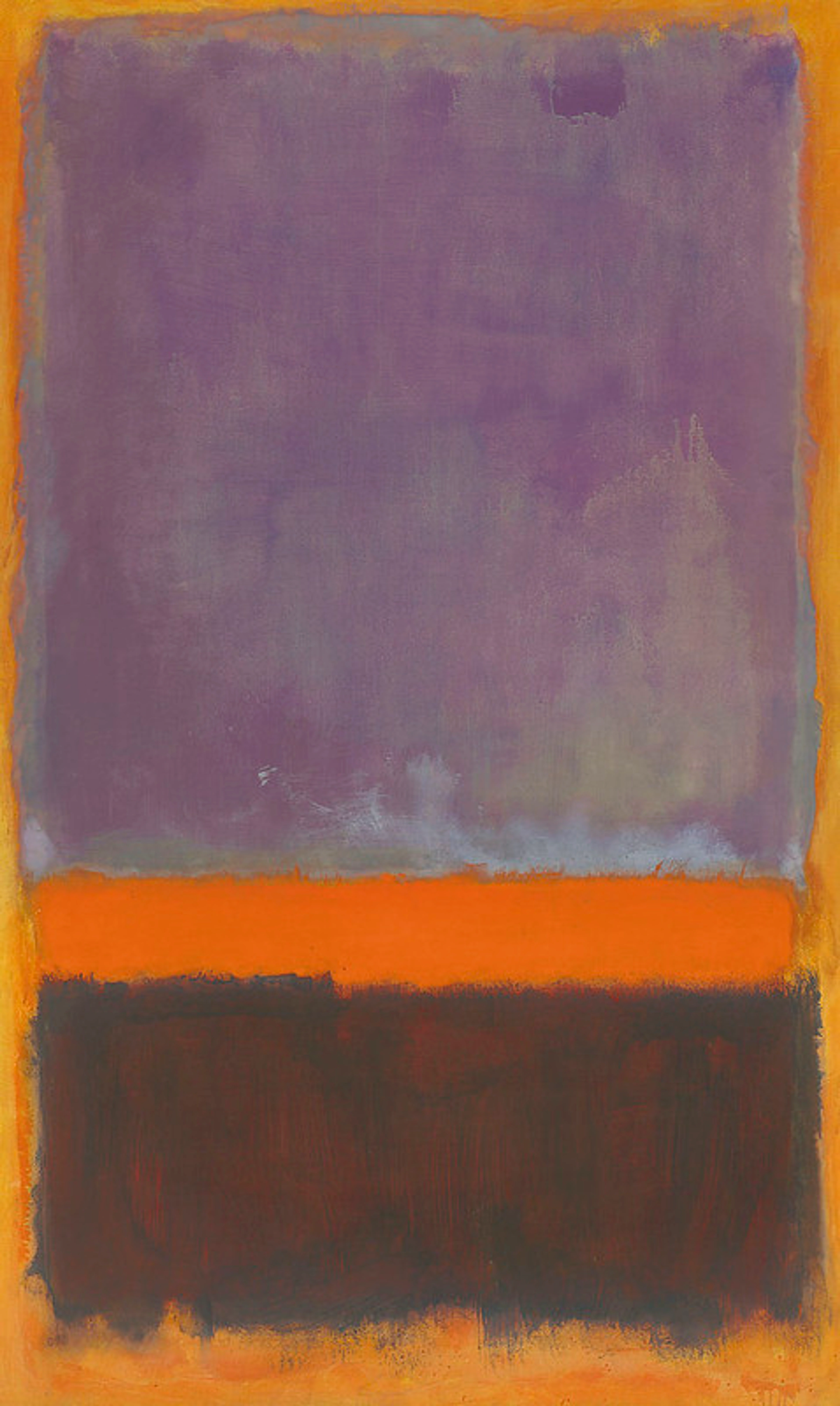
During this vibrant era of art criticism, where figures like Clement Greenberg championed specific forms of modernism, Judd's voice stood out. He reacted vehemently against what he saw as the dominant trends of his time, particularly the emotional grandiosity of Abstract Expressionism and the lingering illusionism in painting. He demanded honesty and directness in art, laying the intellectual groundwork for his later creations. He was, in essence, trying to strip away everything he considered dishonest or superfluous in art. For him, the inherent 'lies' of art manifested in several ways:
- Illusionism: The trick of creating depth or movement on a flat, two-dimensional surface, making a painting pretend to be something it fundamentally isn't. He often described a painting as a "flat surface that pretends to be a window." It wasn't about the pigment on canvas, but about the world beyond it.
- Narrative & Metaphor: Art that told a story, conveyed a symbolic message, or evoked specific emotions through representation, thereby distracting from the object's actual presence. He didn't want to decipher; he wanted to see.
- The 'Artist's Hand': The visible, expressive touch of the artist – the brushstrokes, the evidence of craft – which he felt introduced subjectivity and romanticized the creator, rather than allowing the artwork to stand on its own terms. He believed this focus on the creator's personal flair obscured the pure, objective reality of the art itself.
Initially, he himself was a painter, but he grew deeply, almost viscerally, frustrated with the medium. He viewed paint on canvas as a conjurer's trick, a flat surface masquerading as boundless space, a veneer of emotion or narrative obscuring the stark reality of pigment and material. It pretended to be something it wasn't – a window into another world, a representation of something else. This philosophical discontent with painting's inherent illusionism was the driving force behind his radical shift. He yearned to make something real, something tangible that occupied the same physical space we do, asserting its presence without trickery or metaphor.
So, he decisively quit painting around 1962, turning instead to three-dimensional work. His early explorations in three dimensions often involved wall-mounted rectangular forms or reliefs from 1962-1964, pieces that still retained a connection to the wall but were clearly breaking free from the flatness of painting, hinting at the iconic 'stacks' to come. He also began experimenting with freestanding box forms and early 'progressions' – serial arrangements of elements that explored mathematical relationships and material presence in actual space. Imagine a series of boxes, each identical in external dimensions, but with internal partitions that shift in depth as you walk past them, creating a rhythmic interplay of solid and void. That's a progression, and it speaks to Judd's broader fascination with seriality – the repetition of similar forms with subtle, predetermined variations, which allowed him to explore permutations of a single idea without resorting to traditional composition or narrative.
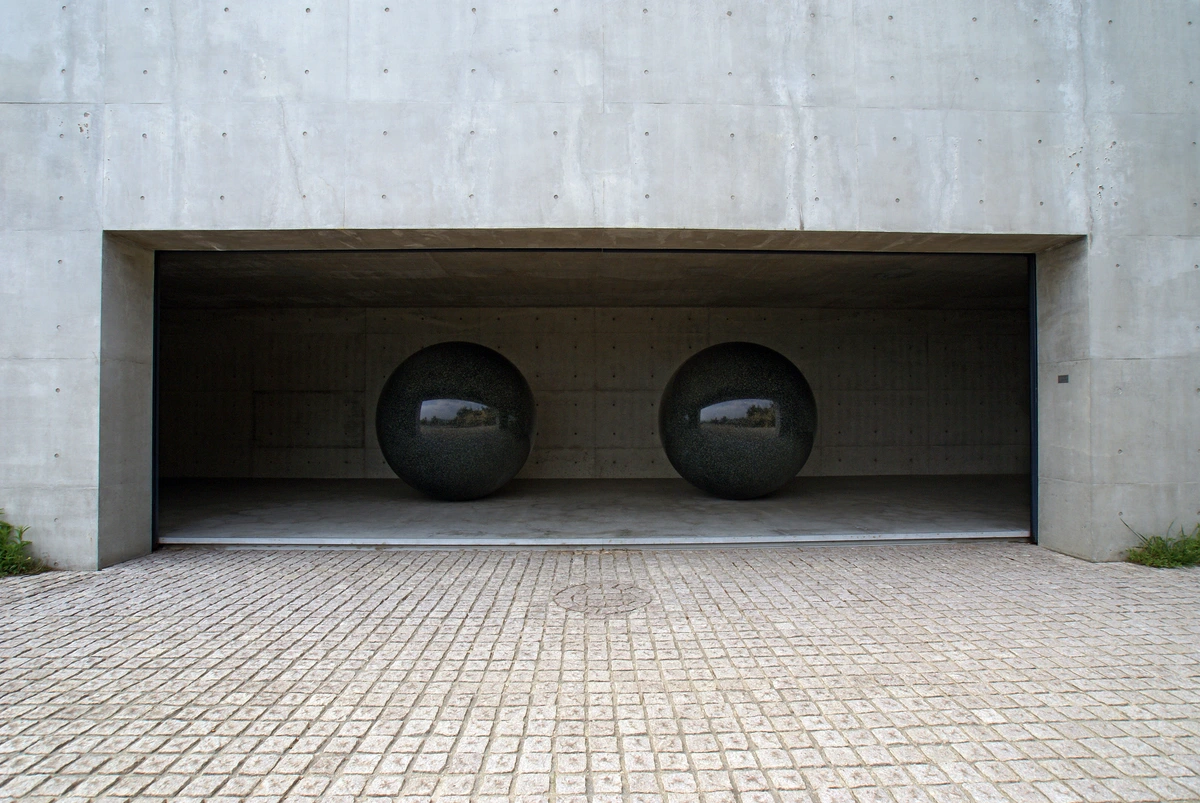
But he refused to call them sculptures. Why? Because for Judd, that term carried too much historical baggage – think the heroic narratives and anthropomorphic forms of classical figures like Michelangelo's David, or the emotional drama of Rodin's The Thinker. He saw in traditional sculpture a narrative drive, an attempt to evoke empathy, grandeur, or an internal composition that, to Judd, distracted from the object's fundamental truth. It often implied a carving or modeling, a representation of something else, and crucially, the visible 'artist's hand' – the very subjective touch he sought to eliminate. Traditional pedestals, too, elevated and separated art from life, implying a hierarchical distance. He also shied away from terms like "assemblage" or "construction," which suggested multiple parts brought together and composed, preferring the idea of a unified, singular entity, a resolved form that simply was. These were all things Judd vehemently rejected.
He couldn't stomach a word so weighed down by dusty traditions and romanticized 'artist's hands.' He needed a new name for a new kind of art, a name that shed centuries of convention and simply described what it was: a whole, self-contained entity. You might say he sought to strip art down to its essential truth, a move that echoed through movements like Minimalism itself, even if he disliked that broad label for his own precise work. That pursuit led him to coin a phrase that would define his entire artistic output, deeply rooted in his philosophical studies: Specific Objects.
The Core: Unpacking Donald Judd's 'Specific Objects'
To truly understand Judd's departure from traditional art, we must delve into the concept he himself coined to define his revolutionary practice: Specific Objects. This is the key term you absolutely need to grasp if you want to understand Donald Judd. It was Judd's groundbreaking name for his three-dimensional works, first articulated in his seminal 1965 essay, "Specific Objects." He rejected 'sculpture,' 'painting,' and even "assemblage" or "construction" because he felt these categories were too restrictive, laden with historical conventions that dictated how art should look or function. He wanted to make art that simply was – a pure assertion of objecthood, its quality of being an object, existing purely on its own terms.
A 'specific object' was something else entirely – a distinct, self-contained entity, existing purely on its own terms. It didn't represent; it was. For Judd, the art wasn't about illusion, metaphor, or internal composition; it was about the object's undeniable physical presence. Think of it like a perfectly engineered tool; its form directly serves its function, and its material is chosen for its inherent properties. Its value lies in its directness and inherent truth, rather than any symbolic or representational qualities. A Judd 'specific object' operates on a similar principle of directness and inherent truth, but for the purpose of pure aesthetic encounter, not utility. He wanted to eliminate the illusionism, narrative, and compositional elements that he saw as inherent to traditional art forms. Instead, he championed an art that was simply present, whole, and direct. What you see is what you get.
But what does that really mean in practice? It meant a deliberate rejection of the gestural spontaneity and emotional outpouring of movements like Abstract Expressionism (unlike the explosive, almost chaotic energy of someone like Jackson Pollock, whose drips seemed to convey raw emotion). Judd wanted cool, objective clarity. This was about logic and material truth, not personal expression.
Let's break down the elements that define Judd's radical approach in his 'specific objects':
What Makes an Object 'Specific'? Deconstructing Judd's Vision
Characteristic  | Judd's Approach | Why it Mattered (His Philosophical Stance & Viewer Impact) |
|---|---|---|
| Form | Simple, geometric shapes. Primarily boxes, 'stacks,' 'progressions,' or variations thereof. Often modular or serial, allowing for subtle variations within a defined system. | He sought to remove the 'artist's hand' and subjective emotion, asserting that art could be objective and structural. The form was determined by rational, clear logic, emphasizing objectivity and structure over personal expression, compelling you to confront its pure objecthood. You encounter a form that is immediate and self-evident, demanding direct perception rather than deciphering hidden meaning, challenging centuries of artistic tradition. |
| Material | Industrial, commercial, often raw: plywood, anodized aluminum, galvanized iron, Plexiglas, stainless steel, concrete. He often experimented with new fabrication techniques. | These materials were 'honest,' their inherent properties amplified, not disguised. Plywood's layered structure, aluminum's innate reflectivity, and concrete's raw texture are celebrated. Judd valued their inherent properties – the warmth of wood, the reflectivity of metal, the translucence of Plexiglas – asserting the object’s undeniable physical reality and eliminating subjective interpretations. The selection of materials like anodized aluminum wasn't arbitrary; Judd was drawn to its industrial uniformity, its resistance to patina or decay, and its ability to reflect light with an impersonal sheen, all contributing to the object’s self-contained presence and reinforcing its objecthood. He worked extensively with skilled industrial fabricators (like Bernstein Brothers and U.S. Metalcraft, Inc.) to achieve precise, impersonal finishes, further distancing the work from the 'artist's hand' and emphasizing the idea rather than the craft. |
| Color | Frequently the inherent color of the material itself, or bold, industrial paint colors like cadmium red or blue, applied evenly and mechanically. | Color was treated as an inherent property of the object, not a tool for creating illusion, mood, or narrative. It contributed to the object's wholeness and direct presence, asserting its being rather than drawing you into artificial depth or emotional states. For instance, a cadmium red box is red, without implying passion or a dramatic sunset. It contributes to the object's unified, irreducible objecthood – simply there, in its own terms. |
| Space & Perception | Placed directly on the floor, mounted on the wall (as in 'stacks'), or integrated into an architectural setting. This emphasizes the object's relation to our space, not a fictional one. | His art exists in our shared space, asserting its presence in relation to the viewer's body. You don't just look at it from a distance; you experience it physically as you move around it, engaging with its real volume and mass. As you walk past a Judd progression or stack, the perception of its depth and form changes with every step; your shadow interacts with the metal, the light catches its edges differently. This dynamic interplay, where your physical presence becomes an intrinsic element, is a core tenet of phenomenology – the philosophical study of structures of consciousness as experienced from the first-person point of view. In simple terms, it means the art isn't just there, it's something you experience through your own body and senses as you interact with it in real space. It makes your movement and changing perspective an integral, active part of the artwork's existence, grounding the art in reality and emphasizing its objecthood within your lived experience. |
Judd wanted to create objects that were whole and unified. You see the whole thing at once – the color, the shape, the material are all one idea, one undeniable presence. No hidden meanings, no story to decode. What you see is the art. And for Judd, that direct, unmediated encounter, that pure objecthood, was more than enough. It was everything.
credit, licence
This radical simplicity became a hallmark of the Minimalist movement, even if Judd himself strongly disliked the label. He felt 'Minimalism' was too generic, imprecise, and didn't accurately describe the specific, tangible, and powerful nature of his work. For him, the label often flattened his complex philosophical system into a simple aesthetic, associating it with austerity or a perceived lack of depth that missed the profound intentionality. He preferred 'specific objects' because it was more precise and focused on the unique qualities of his creations rather than a broad, often reductive, stylistic label. While often grouped with artists like Agnes Martin, his focus on the singular, self-contained object and its direct interaction with space distinguished him. Martin's delicate, hand-drawn grids, for instance, emphasized a contemplative, internal, almost spiritual experience, drawing the viewer inward, whereas Judd's industrial forms demanded a more direct, external, physical engagement, grounding the viewer in the present, shared reality. His approach emphasized a profound, rather than simply minimal, experience of objecthood.
Marfa, Texas: The Ultimate Statement in Permanent Space
You simply can't talk about Donald Judd without talking about Marfa, Texas. In the early 1970s, utterly fed up with the commercialism, crowded egos, and ephemeral nature of the New York art scene, he made a decisive move to this tiny, remote town in the West Texas desert. It was there that his vision truly found its ultimate expression and purpose: to create a permanent, idealized environment for art, free from the dictates of the art market and the limitations of temporary exhibitions.
He bought up vast tracts of land, initially 340 acres, including old army buildings and airplane hangars – the raw, functional structures appealing directly to his sensibilities for honest, industrial materials and expansive, unadorned spaces. He saw these spaces not merely as exhibition venues, but as integral components of the artworks themselves, allowing his 'specific objects' to exist in a direct, unmediated relationship with their surroundings. This was a monumental project: transforming them into permanent, site-specific installations for his own art and the work of others he admired, like Dan Flavin and John Chamberlain, artists who shared his commitment to industrial materials, direct presentation, and a profound engagement with space. His move to Marfa wasn't just an escape; it was a radical act of artistic self-determination, a declaration that art needed its own uncompromised physical home, a complete artistic ecosystem embodying his philosophy of objecthood in a total environment.
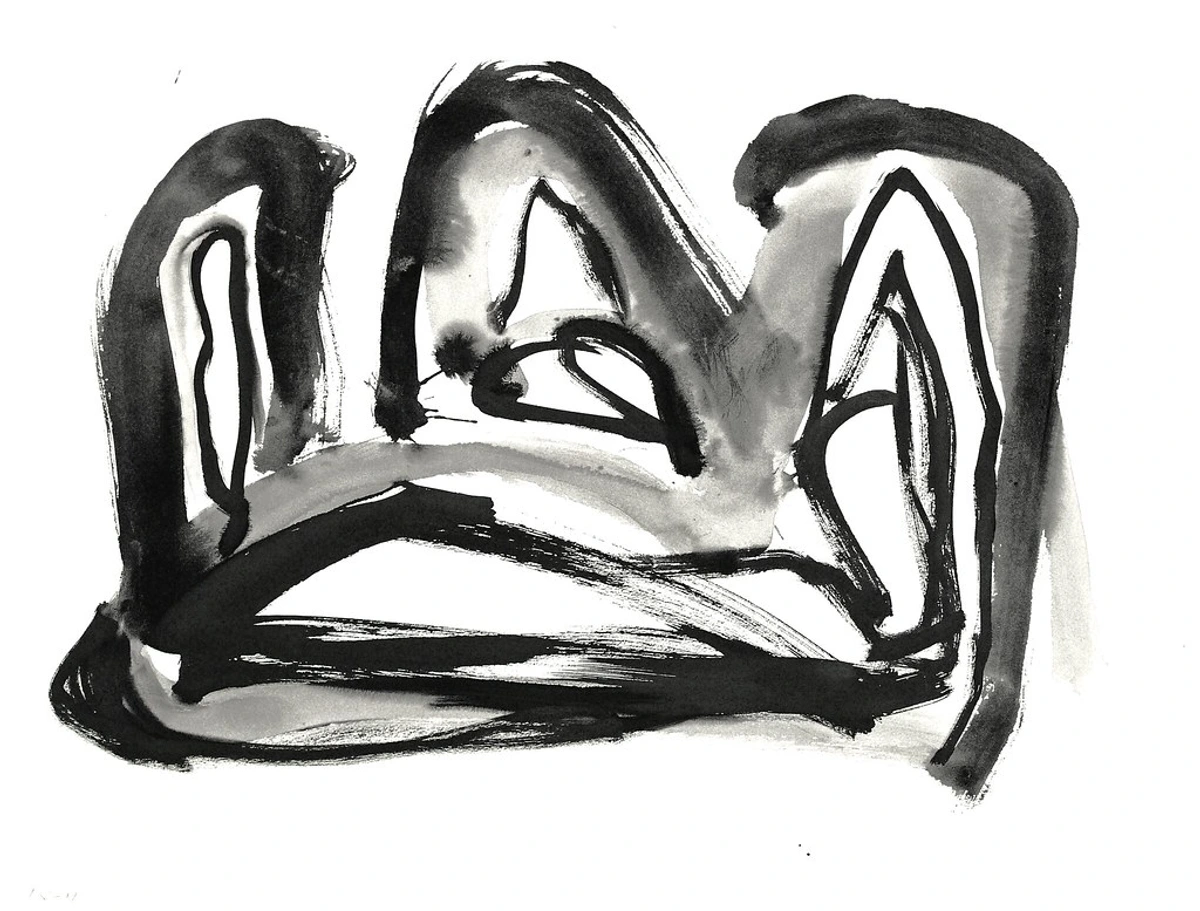
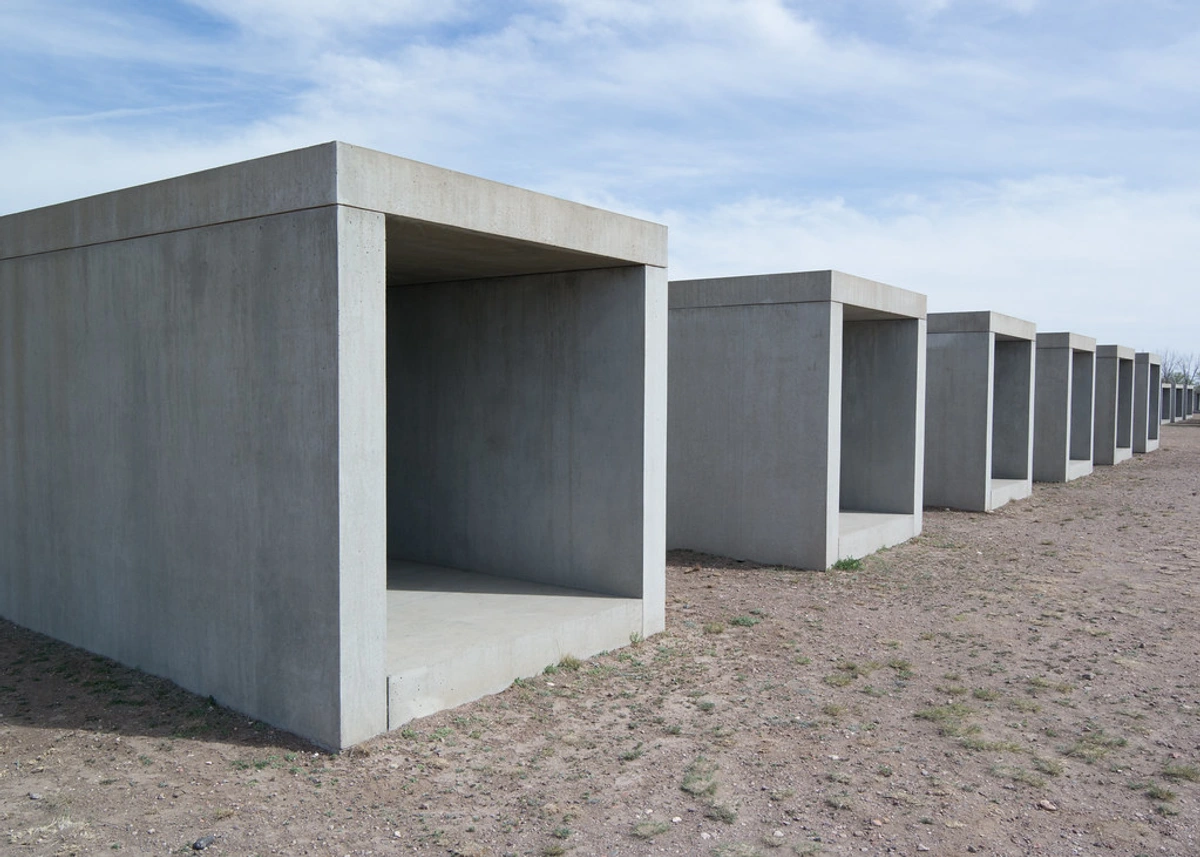
Visiting Marfa (or even just seeing pictures of it) is a game-changer for understanding Judd. You see his work the way he intended: not as isolated pieces in a crowded museum, but as part of an entire environment. His iconic "100 untitled works in mill aluminum," each with the same outer dimensions but uniquely varied interiors (some featuring open boxes, others with internal partitions or differing depths), sit in two massive former artillery sheds. Imagine walking into these vast, quiet spaces, the pale sky pressing down, and the intensely pure desert light sculpting the aluminum forms, revealing their subtle undulations and casting sharp, ever-shifting shadows that become part of the artwork's dynamic existence. The way the intense desert light plays across their precisely crafted surfaces throughout the day – shifting shadows, reflective gleam – becomes an integral part of the art itself, a constant dialogue between the unchanging object and its ever-changing environment. It’s not just an exhibition; it’s an immersive, almost spiritual, experience, a quiet dialogue between object, space, and nature. I often imagine the vast, quiet hum of the desert, the changing light, and how my own presence would feel almost insignificant yet utterly connected to these powerful, still forms.
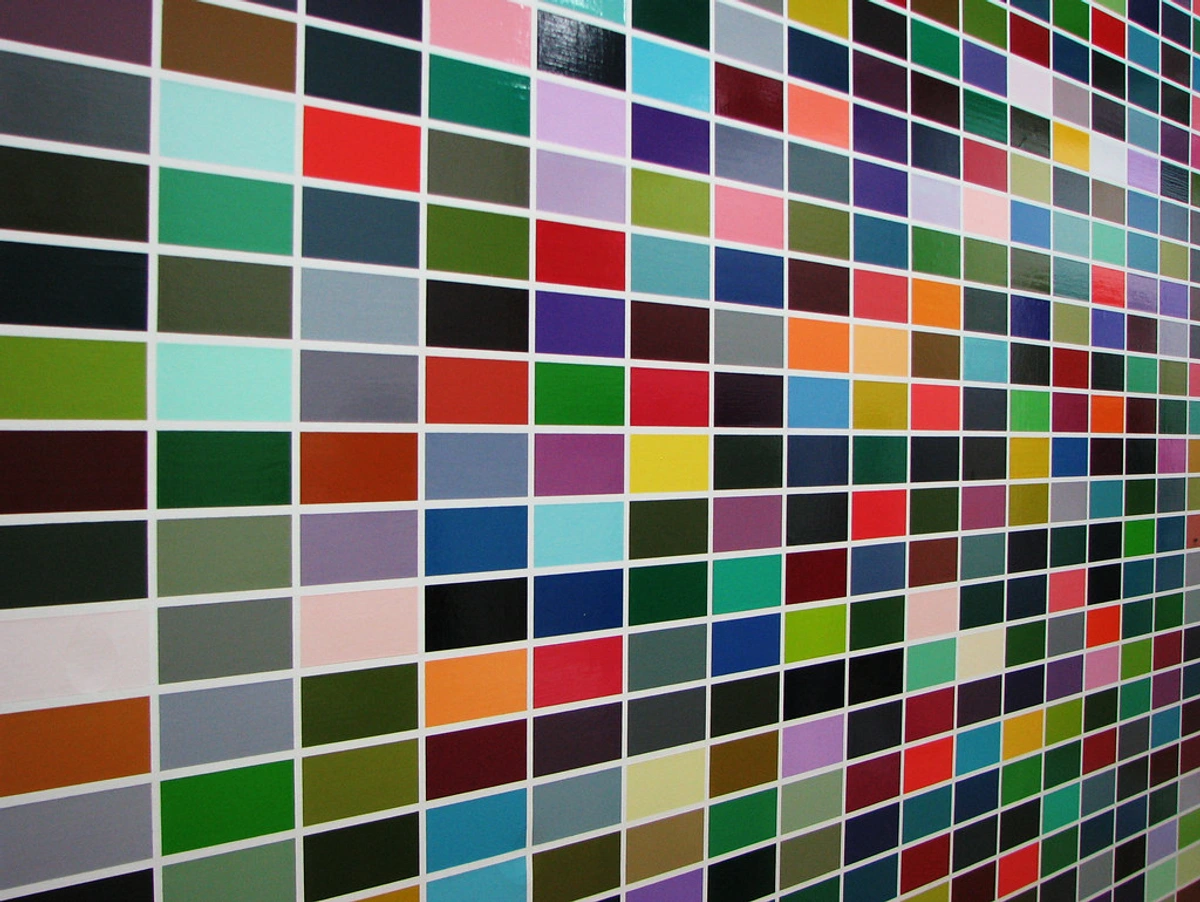
This was his ultimate goal: to create a direct, unmediated experience between the viewer, the object, and the space they share. Marfa is arguably his magnum opus, a total artwork where architecture, nature, and 'specific objects' coalesce into a singular, powerful statement about perception and presence. He continued to experiment with different materials, from rough concrete blocks to meticulously crafted plywood and enameled aluminum, always driven by the honesty of the material itself and its interaction with light and space. It's truly a place that makes you slow down and simply be with the art, allowing its inherent beauty and structural integrity to reveal itself in a way no traditional gallery ever could, offering his ultimate answer to the question of what art truly is, and how it asserts its objecthood in the world.
The Enduring Challenge: Is It 'Art' If My Kid Could Make a Box?
I can still hear that voice sometimes, the one that whispers, 'My kid could make a box.' And yes, they could. That familiar refrain is often the first hurdle, a common criticism implying a perceived lack of skill or depth. A child can assemble a box. But could they conceive of a whole new way of thinking about objects, space, and perception that would fundamentally change the course of abstract art history? Could they articulate a philosophical rejection of centuries of artistic tradition and then build a physical world to manifest that philosophy? That's the chasm Judd bridged. He challenged the very notion that art's value lies in its visible craft. Critics often dismissed his work as sterile, overly intellectual, or impersonal, precisely because it defied the emotional and narrative expectations of art. But for Judd, these were not flaws; they were core tenets of his revolutionary vision.
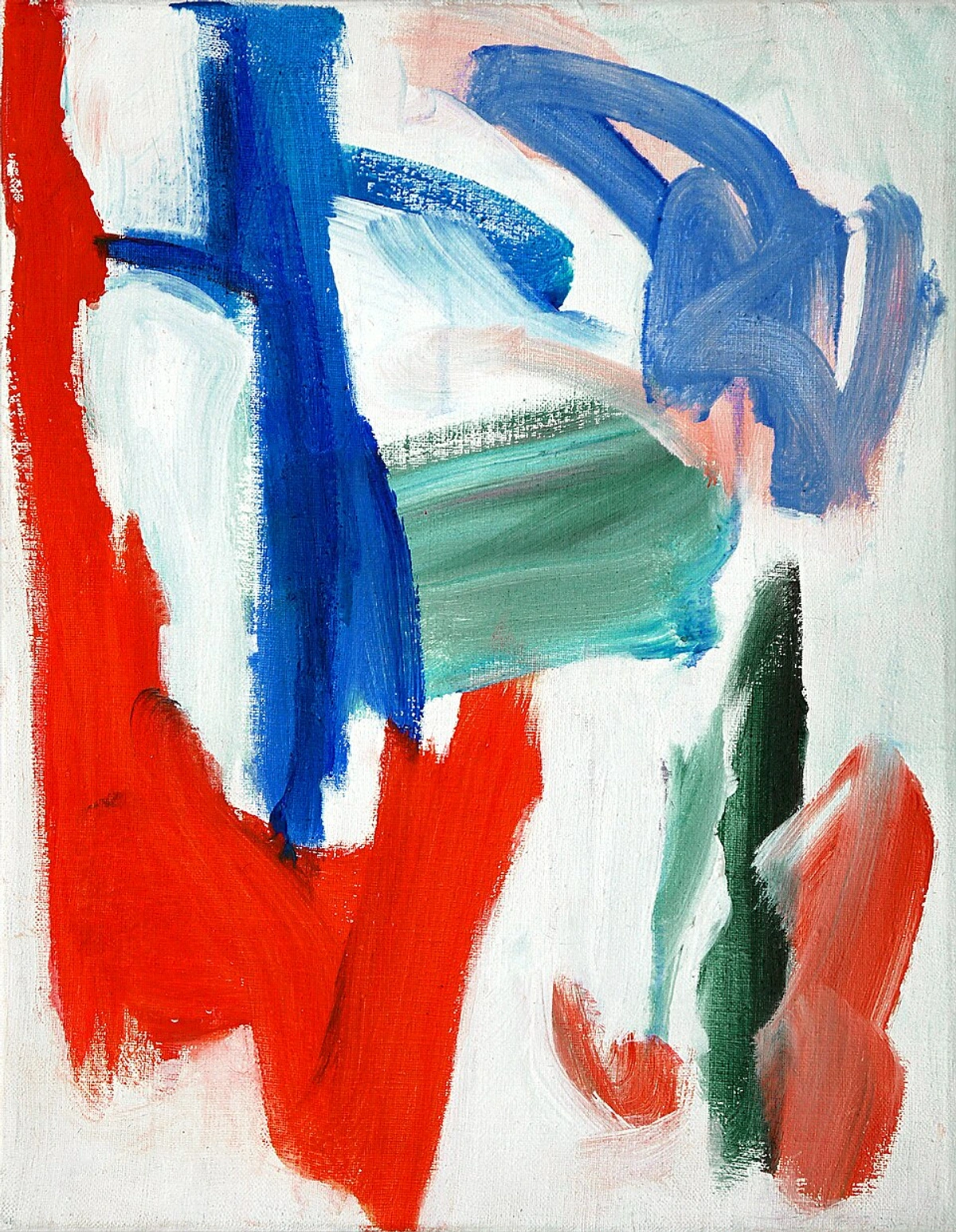
Judd's work isn't about technical skill in the traditional sense of, say, hyperrealistic painting or classical figurative sculpture. In fact, he often outsourced fabrication precisely to distance himself from the 'artist's hand' – the visible, expressive touch of the artist that was so prized in earlier eras, and which he viewed as a subjective distraction. This wasn't about the individual gesture or brushstroke; it was about the idea, the radical proposition itself, executed with impersonal precision. It asks us to confront the very definition of skill in art.
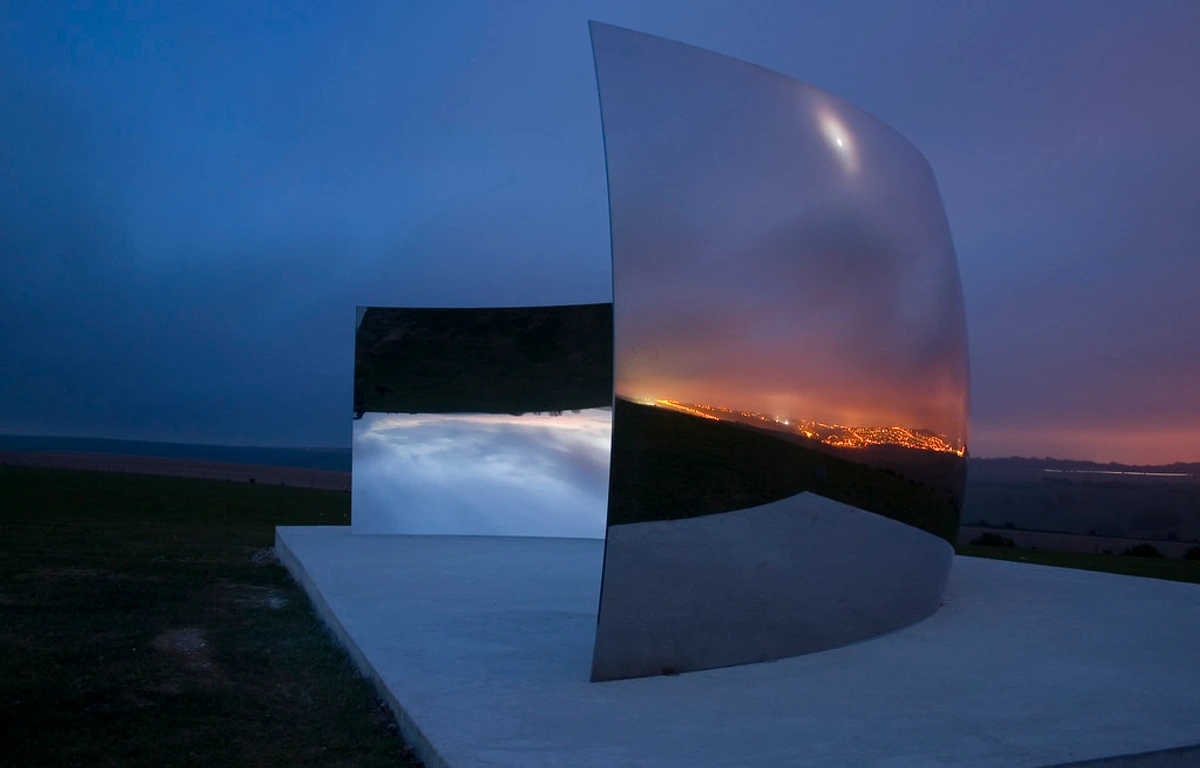
It challenges our preconceived notions of what art should be. Some might find it cold or impersonal, devoid of the emotional drama often expected from art. But for Judd, the removal of overt emotion and narrative was precisely the point – to allow the object to be without distraction. It asks us to slow down and just look. To appreciate pure form, color, and material for what they are, without imposing external narratives or searching for hidden meanings. In our chaotic, meaning-saturated world, there's something incredibly powerful and calming about an object that simply, unapologetically is, asserting its pure objecthood. This stands in stark contrast to the highly expressive, often turbulent, canvases of the Abstract Expressionists that preceded him, where every drip was meant to convey raw emotion.
It’s less about 'what does it mean?' and more about 'what does it do?' A Judd stack doesn't just occupy wall space; it dictates the viewer's path, drawing them into a rhythmic interaction with its volume and void. How does it change the feeling of the room? How does your perception of it shift as you walk around it, as the light changes, as your own body interacts with its presence and scale? That's where the art happens. That's the profound engagement Judd sought. He wanted you to experience the object, not interpret a message or get lost in illusion. He wanted to ground art firmly in the physical world, just like any other object, yet imbue it with an undeniable artistic authority through its purity, intention, and assertive objecthood.
Judd's Far-Reaching Legacy: Shaping Art, Architecture, and Design
Judd's influence is profound and far-reaching, extending well beyond the confines of fine art. His radical ideas about objecthood – the quality or state of being an object, asserting its own material presence – space, and the honesty of materials deeply impacted subsequent generations of artists, architects, and designers. His emphasis on modularity, industrial fabrication, and the direct experience of space can be seen in everything from the minimalist structures of contemporary architecture to the clean lines of modern furniture design, exhibition display methods, and even product aesthetics. He effectively taught us to appreciate simplicity, repetition, and the inherent beauty of materials, a lesson that continues to resonate today.
Perhaps one of the most direct extensions of his philosophy into daily life is his furniture design. Unable to find furniture that met his aesthetic and functional criteria (he found most available options too fussy, overly decorative, or embodying the same compositional 'lies' he rejected in painting), Judd began designing his own. These pieces – tables, chairs, and beds made primarily from simple plywood or enameled metal – are direct translations of his 'specific object' principles: functional, unadorned, and asserting their material truth and geometric form without decorative embellishment. They are art for living, demonstrating that his radical ideas about form and function were applicable to all aspects of existence. For instance, his famous plywood chairs, stripped of upholstery or unnecessary joins, function as pure geometric forms that serve a practical purpose, much like his artworks.
Architects like Renzo Piano and Richard Rogers, with their 'exposed services' aesthetic (think Centre Pompidou), echo Judd's insistence on material truth and functional clarity, on making space rather than merely filling it. But his influence goes further, subtly shaping the broader 'International Style' of architecture – characterized by an emphasis on volume over mass, regularity, open floor plans, and a rejection of ornamentation – and its minimalist descendants. His work aligns with the International Style's focus on unadorned surfaces, clean lines, and a celebration of industrial materials, yet Judd pushed even further, demanding a deeper philosophical engagement with the pure presence of forms in space. His insistence on the artwork's relationship with its environment has also seeped into exhibition design, where galleries now often consider the entire architectural context as integral to the viewing experience, a direct legacy of Judd's holistic approach. This approach has become a cornerstone of what we now recognize as sophisticated modern and minimalist design across various disciplines, challenging us to look at utility and form with fresh eyes. His influence is also palpable in later art movements like Conceptual Art and Post-Minimalism, where artists continued to question the boundaries of art, the role of the object, and the importance of context. You can clearly see echoes of Judd in the structured, repetitive works of artists like Sol LeWitt, or in the emphasis on raw materials and site-specificity in later minimalist sculptors. His impact on how we perceive architectural space, interior design, and even everyday objects is undeniable.
His demand for integrity in form and material continues to inspire artists working with various media, influencing everything from large-scale sculpture installations to the thoughtful composition of abstract works. The careful consideration of scale, proportion, and the interaction of an object with its surroundings – principles Judd championed – have become fundamental to modern design. This dedication to material truth and the inherent beauty of form is a principle that resonates deeply with contemporary artists working with pure color and geometric abstraction today. If that focus on pure form and color, or the direct interaction with an artwork, inspires you, you might enjoy exploring contemporary abstract pieces you can buy for your own space, particularly geometric abstract art, works exploring material honesty, or modular contemporary pieces that share a similar clean aesthetic. You can also explore his place in the broader art timeline to understand his influence.
Frequently Asked Questions (FAQ) about Donald Judd & Specific Objects
What is Donald Judd best known for in terms of his artwork?
Donald Judd is best known for his large-scale, minimalist 'specific objects,' often in the form of boxes, 'stacks,' and 'progressions,' made from industrial materials like aluminum, plywood, and galvanized iron. These works are characterized by their simple geometric forms, serial repetition, and emphasis on material honesty and direct physical presence in space, asserting their objecthood rather than representing anything else. His influential critical writings, particularly his seminal 1965 essay "Specific Objects," are also foundational to understanding his artistic philosophy.
What is Donald Judd's lasting legacy and impact?
Judd's lasting legacy extends beyond his art to his groundbreaking work at the Chinati Foundation and Judd Foundation in Marfa, Texas, where he established permanent, site-specific art installations that embody his vision of art, architecture, and nature as an integrated experience. His philosophy profoundly influenced subsequent generations of artists, architects (shaping elements of the International Style and contemporary minimalist design), and designers, championing ideas of objecthood, honesty of materials, modularity, and the direct, unmediated experience of space, which continue to shape contemporary minimalist design and artistic practice. His focus on creating art that exists purely on its own terms, free from illusion or metaphor, remains a powerful and challenging artistic statement.
Where can I see Donald Judd's art?
The most significant and immersive collections are at the Chinati Foundation and Judd Foundation in Marfa, Texas, where his vision is fully realized within its intended architectural and natural environment. His work is also in major museums worldwide, including Dia:Beacon in New York, the Museum of Modern Art (MoMA), the National Gallery of Art in Washington D.C., and the Tate Modern in London. Looking up his work and seeing its place in the greater art timeline can be a great way to contextualize it.
How is Donald Judd's work different from traditional sculpture?
Judd deliberately rejected the term 'sculpture' because he felt it carried historical connotations of representation, illusion, internal composition, and the 'artist's hand' that his 'specific objects' did not possess. Traditional sculpture often aims to depict a figure, narrative, or emotional state, often resting on a pedestal to elevate it and separate it from the viewer's world, acting as a vessel for meaning. Judd's works, by contrast, are unified, non-representational objects that exist directly in space, emphasize their material honesty, and interact with the viewer's physical presence and the surrounding environment, demanding direct experience rather than interpretation. They are not elevated above life; they are grounded within it, on its terms, asserting their singular, unmediated objecthood and presence, often directly on the floor or wall rather than on a pedestal, and without the visible touch of the artist's hand.
What role did industrial fabrication play in Judd's art?
Judd's extensive use of industrial fabricators (like Bernstein Brothers and U.S. Metalcraft, Inc.) was central to his artistic philosophy. By commissioning skilled craftspeople to produce his designs, he intentionally removed the 'artist's hand' and its subjective, expressive connotations. This emphasized the objective, conceptual nature of his work, ensuring precise, clean lines and finishes that asserted the object's formal properties and material integrity, rather than any individual artistic gesture or personal touch. The art was in the idea and the execution of that idea with absolute clarity, not in the craft of the artist's own hand.
How did Donald Judd relate to other Minimalist artists like Carl Andre or Dan Flavin?
While Judd rejected the term "Minimalist" for his own work, he shared significant common ground with his contemporaries like Carl Andre, Dan Flavin, Sol LeWitt, and Robert Morris. They all challenged traditional art forms, emphasized industrial materials, and focused on the literal presence of the object in space. However, subtle but important distinctions existed. For example, while Andre worked with elemental arrangements of materials on the floor, and Flavin explored light installations, Judd's particular emphasis was on the specific object itself – its self-contained form, its material honesty, and its direct, unmediated interaction with the viewer and the surrounding architectural and natural environment. His concern with the whole object and its irreducible objecthood was paramount, often resulting in singular, geometric forms that, while sharing a minimalist aesthetic, were deeply rooted in his philosophical critique of art.
What are some common misconceptions about Donald Judd's work?
A common misconception is that Judd's work is 'simple' or 'easy' to create, lacking in effort or profound meaning. However, this overlooks his rigorous philosophical underpinnings, his extensive critical background, and his deliberate intention to strip away illusion to present art as pure, self-referential presence. His work is not about the making of the box, but the idea of the object and its direct interaction with space and the viewer, challenging centuries of artistic convention with profound intellectual depth. Another misconception is that his work is cold or impersonal; while it lacks overt emotional expression, it aims for a deeper, more direct engagement with pure perception and objective reality, asking viewers to experience rather than interpret. It offers a different kind of richness, one found in clarity and directness, not narrative or sentiment.





The Enduring Echo of the Object
So, no, Donald Judd wasn't just a guy who liked making boxes. He was a profound thinker and a radical artist who used simple forms to ask incredibly complex questions about reality, perception, and the very definition of art. He taught us that the space around an object is as important as the object itself, and that industrial materials, when presented with clarity and intention, can be just as beautiful and meaningful as marble or oil paint. His legacy is one of unwavering conviction in the power of pure presence, a stubborn insistence on truth in art and the assertion of the object's inherent objecthood. Judd's enduring gift is his insistence that an object's inherent presence, its unadorned existence in space, possesses a profound power that can fundamentally alter our perception and deepen our engagement with the world.
His influence is everywhere—in the clean lines of modern architecture, in minimalist furniture design, in the way galleries thoughtfully present art, and even in the careful consideration of everyday objects. This appreciation for pure form, material honesty, and the interplay of object and space is precisely what we aim to foster in our own collection. The next time you encounter a simple, clean form, take a moment. Don't immediately ask what it means. Just look at it. See its color, its material, its relationship to the space around it, and how your own presence completes its existence. That's the true beginning of understanding Donald Judd, and frankly, a richer way to engage with the world around you. This engagement, this direct, sensory encounter, is the heart of what Judd championed, a principle that continues to inform contemporary artistic practices and invites us to rethink our relationship with the objects that populate our lives. If that focus on pure form and color inspires you, or the interplay of art and space, you might enjoy exploring contemporary abstract pieces you can buy for your own space, such as geometric abstracts, works exploring material honesty, or modular contemporary pieces that share a similar clean aesthetic.