Core Principles of Art Education: The Artist's Foundational Guide
Explore the foundational principles of art education, from creative expression and visual literacy to cultural awareness and the role of discipline.

The Unspoken Rules That Shape Every Artist: Making Sense of Art Education's Core Principles
You ever get that feeling, staring at a blank page, that there's some big secret you weren't told? I'm talking about that specific 3 AM dread where you're convinced everyone else got a manual on how to be a real artist, and yours got lost in the mail. I remember this so clearly—sitting in my drafty studio, convinced that real artists had some kind of secret decoder ring I'd missed out on, some initiation ceremony involving turpentine and tears that I'd just never been invited to. It's the sneaking suspicion that true creativity requires a password you don't possess, leaving you stranded outside the gates of genuine artistic legitimacy.
For years, I thought creativity was about lightning strikes of inspiration, a magical gene some people had and others didn't. I was wrong. What I've learned, after countless hours in the studio and even more conversations with artists of every stripe, is that art-making is governed by a set of foundational principles.
These aren't rigid formulas or step-by-step recipes. They're more like signposts pointing toward authenticity, like the intuitive color choices in abstract works you might see at /buy. They're the quiet scaffolding that holds up everything from a kindergartner's first finger-painting to a seasoned master's final brushstroke. Think of them as the compositional lines running through a powerful abstract painting—invisible to the casual viewer but essential to its impact. The difference between a chaotic mess and a compelling piece often comes down to understanding these underlying structures.
I remember sitting in my first serious art class, feeling like I was the only one who didn't get the secret handshake. The instructor would say things like "find the negative space" or "let the medium speak," and I'd just nod along, completely lost.
My breakthrough came not in a classroom, but in a dusty artist's studio. I was watching a painter I admired, and I saw her make a "mistake." Instead of scrapping the canvas, she paused, looked at it for what felt like an eternity, and then somehow turned that mistake into the most compelling part of the painting. That's when it clicked: the "rules" weren't about correctness. They were about dialogue.
The answer, I eventually discovered, wasn't about knowing—it was about feeling. It took me years to realize these weren't esoteric mysteries—they were practical tools, honed over centuries of human creativity. Tools that, once you understand them, unlock everything. They offer a framework for the beautiful, chaotic mess of creation.
That studio moment taught me more than any lecture. It revealed that the principles of art aren't cold, academic commandments to be memorized. They are a living practice, a conversation you have with your materials, your ideas, and your own limitations. This article is my attempt to decode that conversation for you, mapping the landscape of these unspoken principles so you can navigate with more confidence and less of that 3 AM dread.
We're going to look past the syllabus and into the studio's soul. We'll uncover the rules of thumb that guide composition, the mindset shifts that build creative confidence, the quiet truths that help you find your voice amidst the noise, and the practical systems that turn inspiration into a sustainable practice. This isn't about making you a perfect artist; it's about making you a more aware and resilient one.
Let's pull back the curtain.
The Bedrock Principles: What They Don't Teach You in Art 101 — And Why That's A Good Thing
Let's be clear: formal education excels at teaching the quantifiable stuff—technique. It will drill you on how to mix a color wheel until you can do it in your sleep, how to render two-point perspective with architectural precision, and even the arcane arts of wielding a palette knife like a tiny construction trowel. But it often glosses over, or entirely ignores, the deeper, messier, more subjective principles that make a piece truly resonate. The classroom can teach your hands what to do, but it rarely teaches your gut what to feel, and it almost never explains how to have a real conversation with the strange alchemy happening on your canvas. These are the foundational, often unspoken, ideas that you internalize through practice and reflection, not just instruction.
Let's break down a few of the most critical ones.
The Medium is an Active Partner, Not a Passive Tool
I used to think of paint as something I commanded. I'd get frustrated when it didn't do what I want and it would just sit there, mocking me. It took a long time to realize that paint has its own personality—its viscosity, its drying time, the way it mixes on the canvas, the gritty texture of the pigment itself.
This is the principle of material honesty. It's the idea that you should let the medium be itself, to honor its intrinsic qualities rather than trying to force it to be something it's not. Watercolor wants to flow and bloom, creating soft edges and unpredictable backruns that are features, not bugs. Oil paint wants to be built up in layers, each one influencing the next. Acrylics dry fast, demanding quick decisions and lending themselves to bold, graphic statements. Charcoal wants to be smudged, its dust becoming a tool for creating atmosphere. When you fight a medium's nature, the work feels strained and lifeless. When you collaborate with it, magic happens. That "mistake" I saw the painter make? It was her listening to the paint, not just forcing her will upon it.
This dialogue with your materials extends beyond just paint. Think about the resistance of clay on a wheel, the crisp cut of a lino block, or the way digital layers can be endlessly recombined. Learning a medium is like getting to know a person. You discover its quirks, its strengths, its breaking points. You figure out how to ask it a question and then, crucially, you learn how to listen for the answer it gives you. This is where technique transcends mere skill and becomes a form of wisdom.

It's about finding a middle ground. You are the guide, the one with the vision, but you leave room for the happy accident, the textural surprise, the natural behavior of your chosen material. This deliberate surrender of total control is what separates a dynamic, alive piece from a static, overworked one. This is one reason why exploring abstract painting is so liberating; it's a space where the medium's voice can be as loud as the artist's, where a drip or a scrape can become the central event of the painting.
The Power of Limitation
The greatest fear for any artist is the blank canvas, that vast, white plain of infinite possibility. It's a beautiful, terrifying invitation to create anything, which is precisely why it's so paralyzing. The counterintuitive secret, the one that unlocks the first brushstroke, is to do the opposite: impose limitations. Strict, almost arbitrary ones.

If you're feeling stuck, try this: give yourself three colors and a single brush. Or decide you can only paint with a palette knife for a week. Or challenge yourself to only use shades of one color, exploring the nuances between a whisper of violet and a shout of it.
Suddenly, that paralyzing infinity collapses into a manageable set of problems to solve: "How do I mix a rich dark with just these two colors?" instead of "What should I paint, out of all the things in the universe?" The limitation shifts the question from a philosophical one to a practical, creative one. It's the difference between being asked to "make food" and being handed a chicken, a lemon, and some rosemary. The constraint doesn't stifle creativity; it gives it a spine to build on.
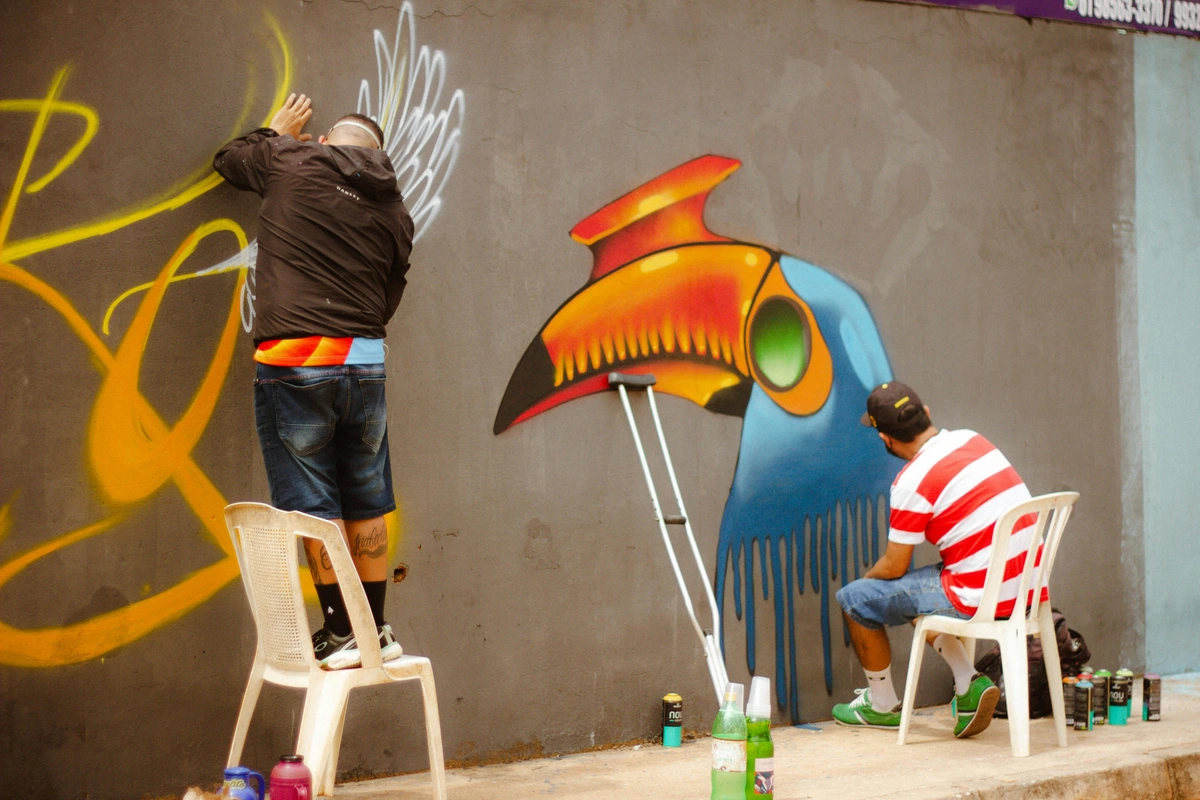
This principle shows up everywhere once you start looking for it. Poets use strict forms like sonnets or haikus. Musicians limit themselves to a certain key or a simple chord progression. Filmmakers might restrict a story to a single location. These boundaries force a depth of exploration that infinite choice often prevents. You stop trying to be universal and start getting specific, and specificity is where real art lives.
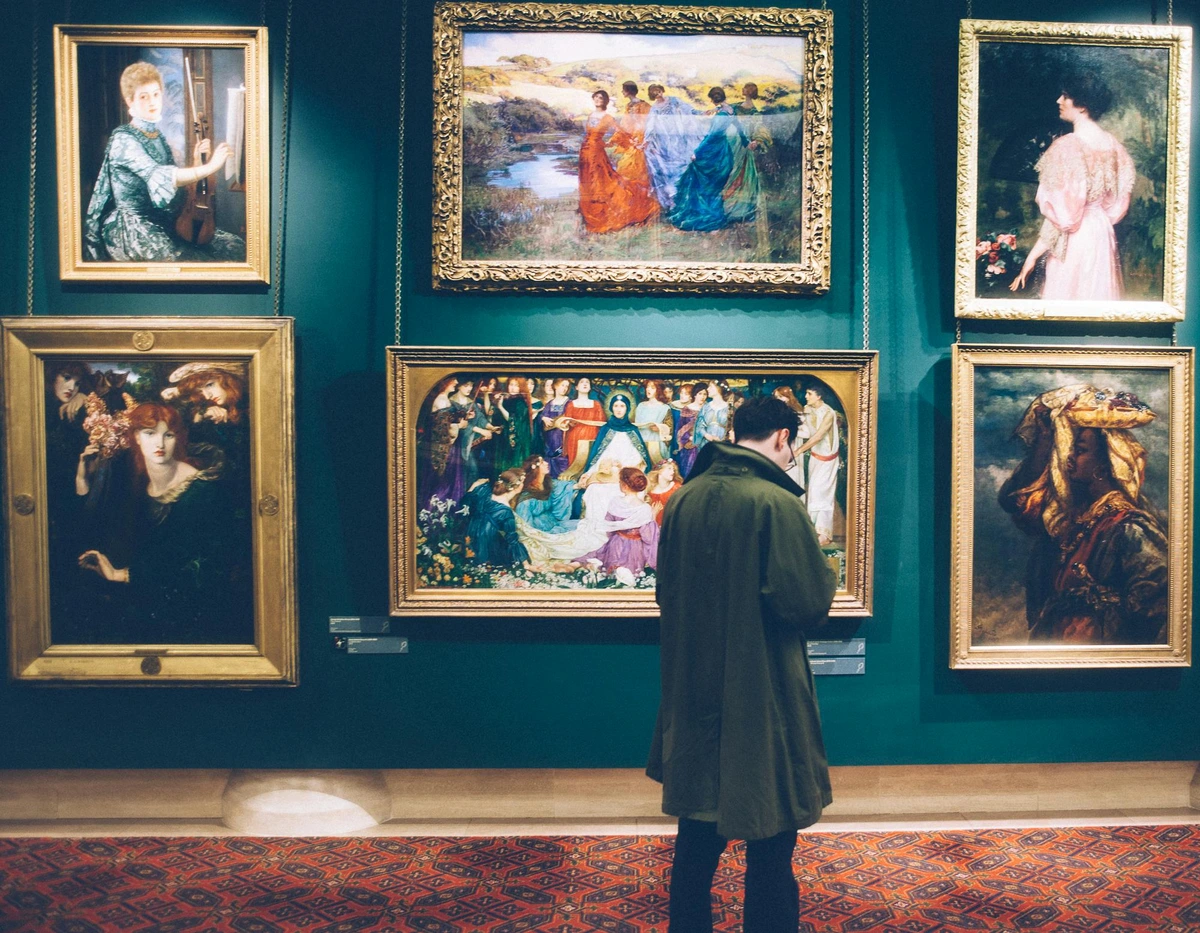
Limitations force you to innovate. They push you to understand color theory on a gut level and to discover new ways of making marks. This principle is at the heart of my own work, where I often explore the immense world contained within a specific palette, much like the pieces you'll find at /buy. It teaches you that creativity isn't about having endless options; it's about making the most of the few you choose.
The Deliberate Imbalance of Composition
You were probably taught about the Rule of Thirds. It's a great starting point, a reliable way to avoid plopping your subject dead-center and creating a static, boring composition. But the sign of a developing artist is knowing when and how to break it, or to ignore it altogether in favor of a more dynamic structure.
The real principle behind composition is movement and tension. It's about arranging the shapes, values, and colors in your piece so they pull the viewer's eye through the work in a deliberate dance. Sometimes that means creating a radical imbalance—placing all the visual "weight" on one side of the canvas, leaving the other side almost empty. This creates an immediate sense of drama, of something about to happen, or having just happened. It's uncomfortable in a way that makes you want to keep looking.
To make this work, you need to understand negative space. That empty area isn't just a background; it's a shape in itself, with its own edges and personality. It's the silence between the musical notes that gives the notes their meaning. Learn to see the shapes your subject doesn't occupy. By carving out interesting and purposeful negative spaces, you can make a simple subject feel monumental and intentional. A well-designed negative space isn't an accident; it's a positive design choice that holds its own against the "real" subject.
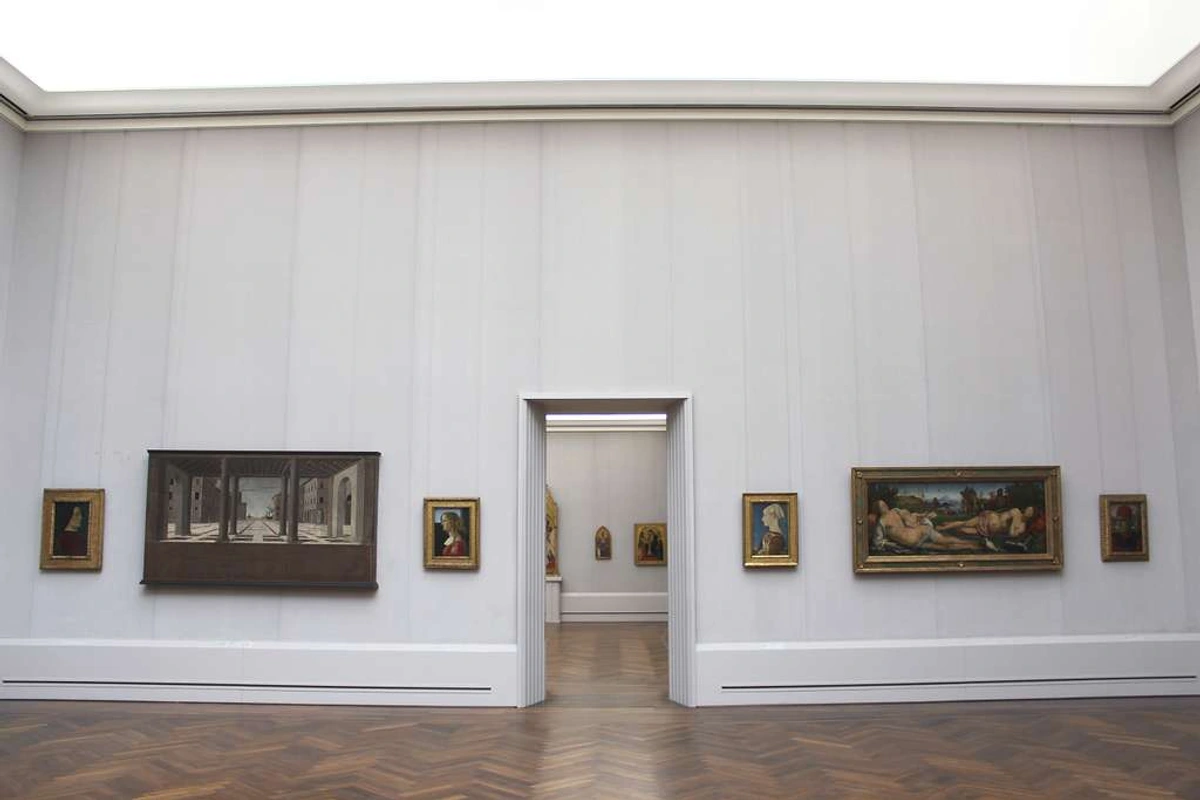
There's a quiet power in asymmetry and dissonance. An off-balance composition doesn't feel static; it feels alive, anticipatory, like it might tip over at any moment. That tension is what keeps a viewer looking. It engages a deeper part of our brain, the part that's always scanning the environment for patterns that are slightly off, for things that demand our attention and resolution. It's a visual question that the viewer participates in answering.
Process Over Product: The Journey is the Destination
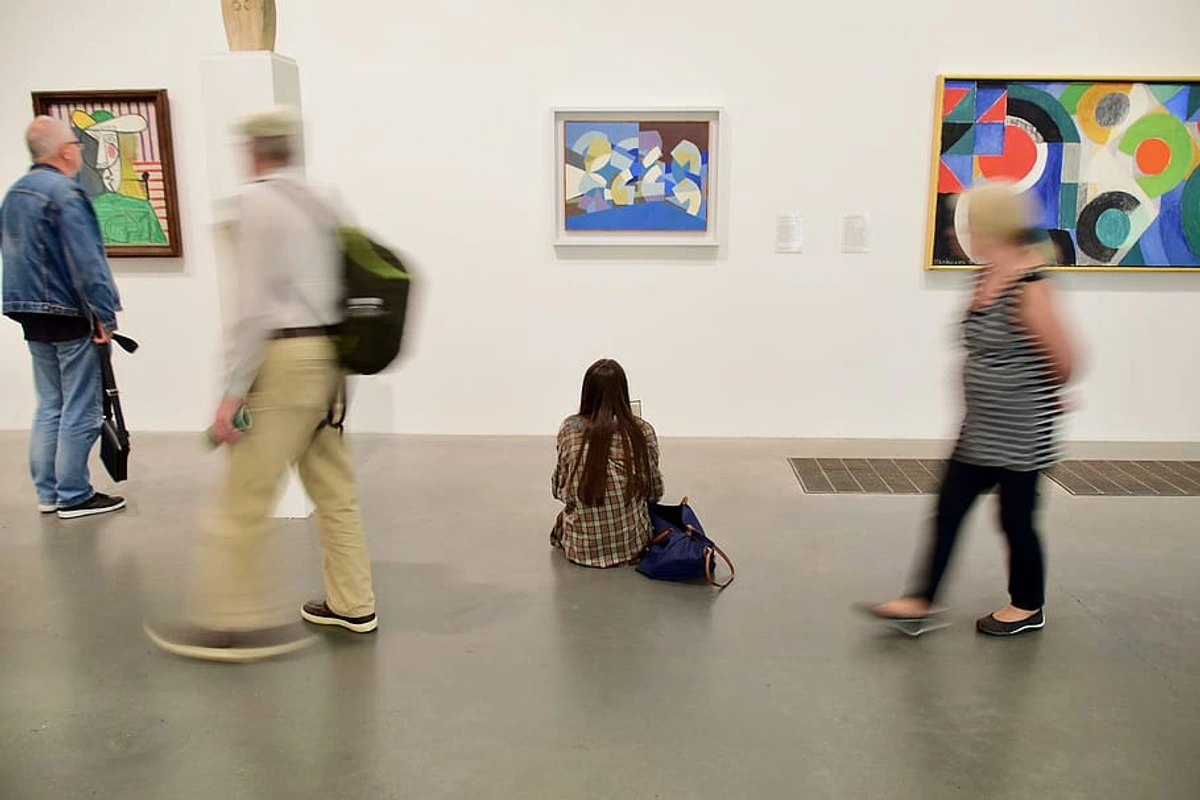
This might be the hardest principle to internalize. We are conditioned to focus on the final painting, the finished piece—the shiny, presentable object at the end of the long, messy road. We judge ourselves by the gallery-worthy result, tying our self-worth to a product that may or may not turn out the way we hoped. But the professional's mindset, the one that allows for longevity and sanity in this field, is anchored firmly in the process.
Consistency trumps inspiration every single time. The most important tool in your studio isn't your most expensive brush or your perfectly organized pigment rack; it's your calendar. The act of showing up, day after day, and putting in the hours—especially when you don't feel like it, when the muse is on vacation and your inner critic is shouting in your ear—is what builds real skill and momentum. It's the "bad" paintings that nobody will ever see, the experiments that fail spectacularly, and the thousands of hours of practice that quietly pave the way for the public breakthroughs.
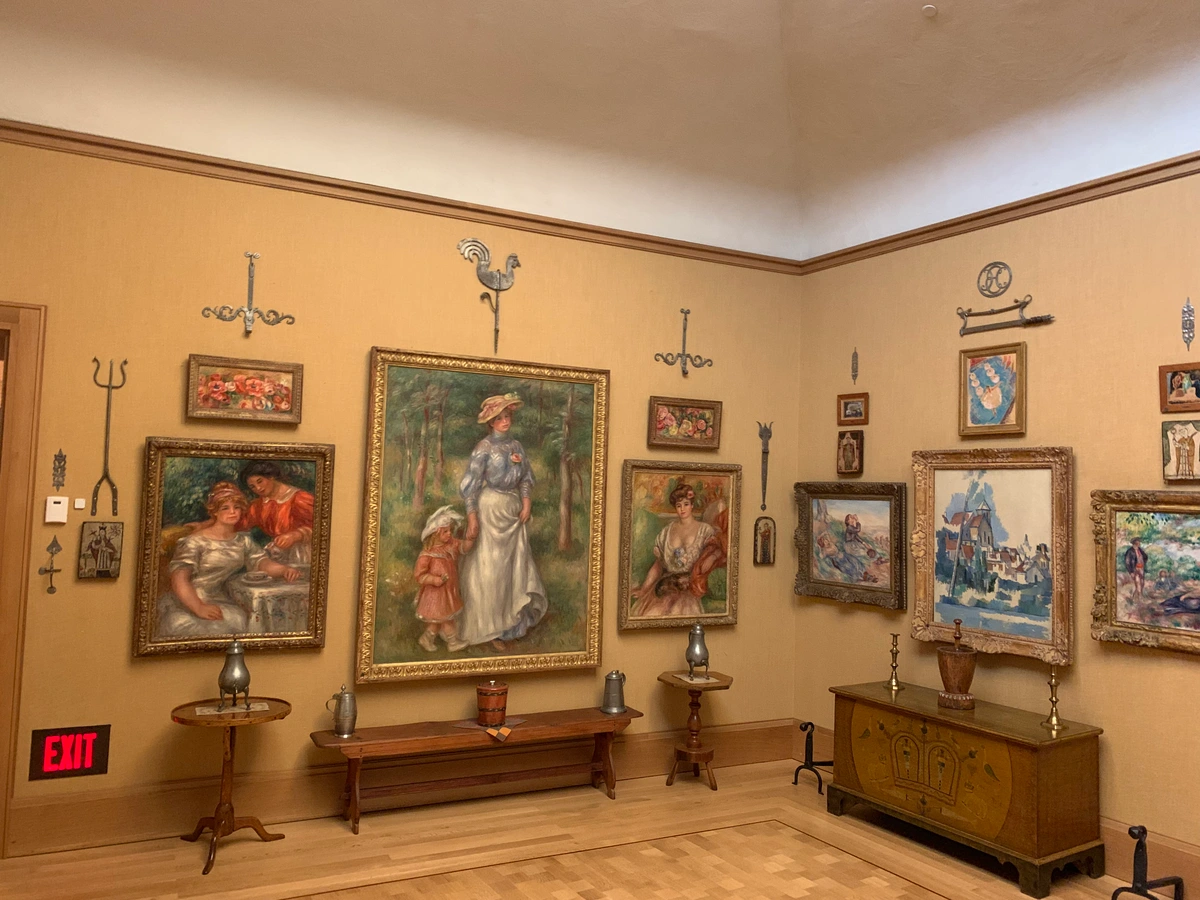
Fall in love with the rhythm of the work. The smell of the paint, the scratch of charcoal on paper, the quiet focus of mixing a color until it’s just right. When you value the doing more than the done, you free yourself from the crushing pressure of perfectionism. You start to see every piece, successful or not, as a stepping stone in a much longer journey. This shift is transformative. It reframes failure as research and turns your studio time into a form of meditation, a dedicated space to be present with your materials and your thoughts, regardless of the outcome.
The Inner Game: Mental Models for a Resilient Artist
The technical principles are one thing, but the real battle is often in your own head. Art school rarely offers a class called "How to Deal With Crippling Self-Doubt 101," but it should. These are the psychological frameworks that are just as crucial as knowing how to mix a flesh tone.
The Myth of Originality and the Power of Influence
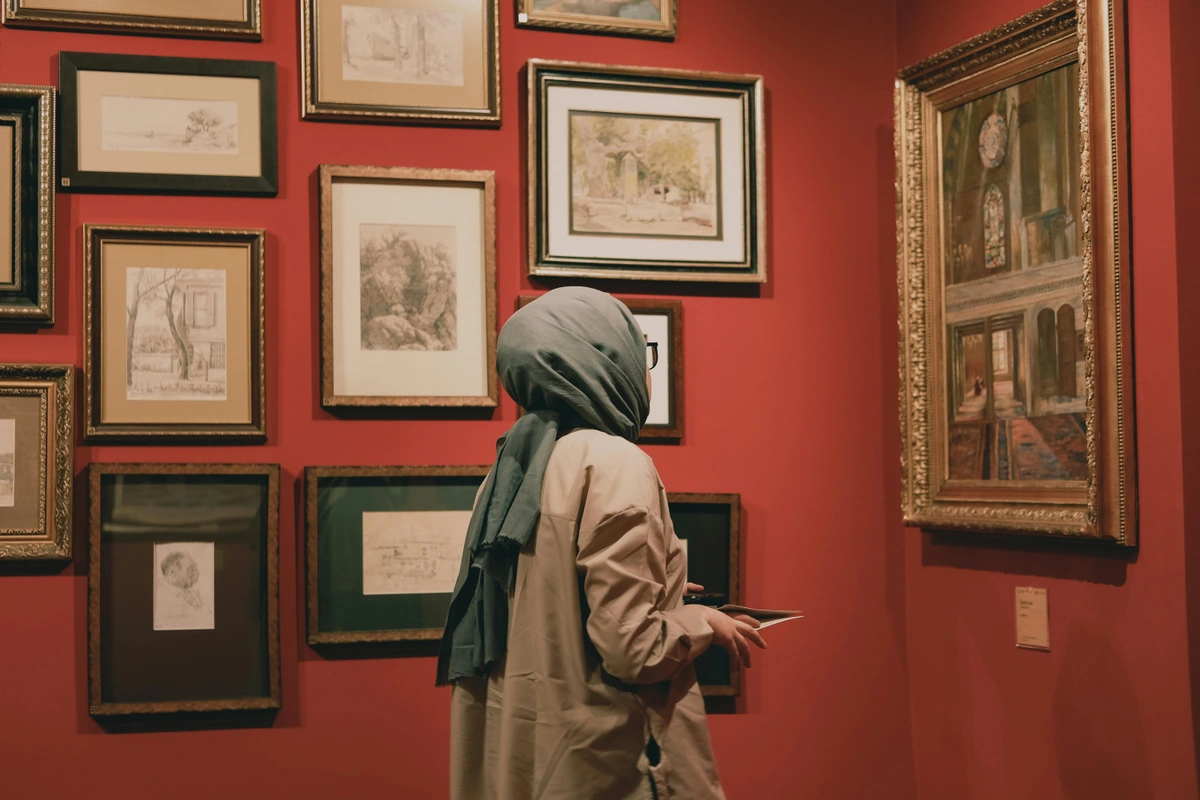
We are all terrified of being derivative, of making work that looks like someone else's. It's this quiet, nagging horror that we're just fancy copycats, brilliant imitators with nothing genuinely ours to say, that our unique vision is just an echo. This fear can be a creativity killer, paralyzing you before you even dip a brush. The brutal, liberating truth is, there are no completely new ideas under the sun, only fresh combinations. Every artist, whether they admit it or not, stands on the layered, wildly uneven shoulders of those who came before—and those giants were standing on other giants, all the way down. It's less a pyramid and more like a bizarre, magnificent, teetering human centipede of creative endeavor (only, you know, more beautiful and less horrifying).
The goal isn't to futilely erase influence, to scrub your brain clean of every artwork you've ever loved; it's to curate it. It's to become a discerning, even ruthless, collector of aesthetic DNA. The process isn't about hiding your heroes—it's about knowing them so intimately that you can steal their fire without burning down their house. Actively seek out artists you admire and study their work. But don't just copy their style. This is the critical part. Ask deeper questions: What fundamental problem were they trying to solve in their work? What core principles governed their choices of color, form, and composition? Steal their problem-solving strategies, not their solutions. If you admire how an artist creates a sense of immense space with a few simple lines, don't just copy the lines—figure out the why behind them. That's how influence becomes a tool for your own exploration, not a cage.
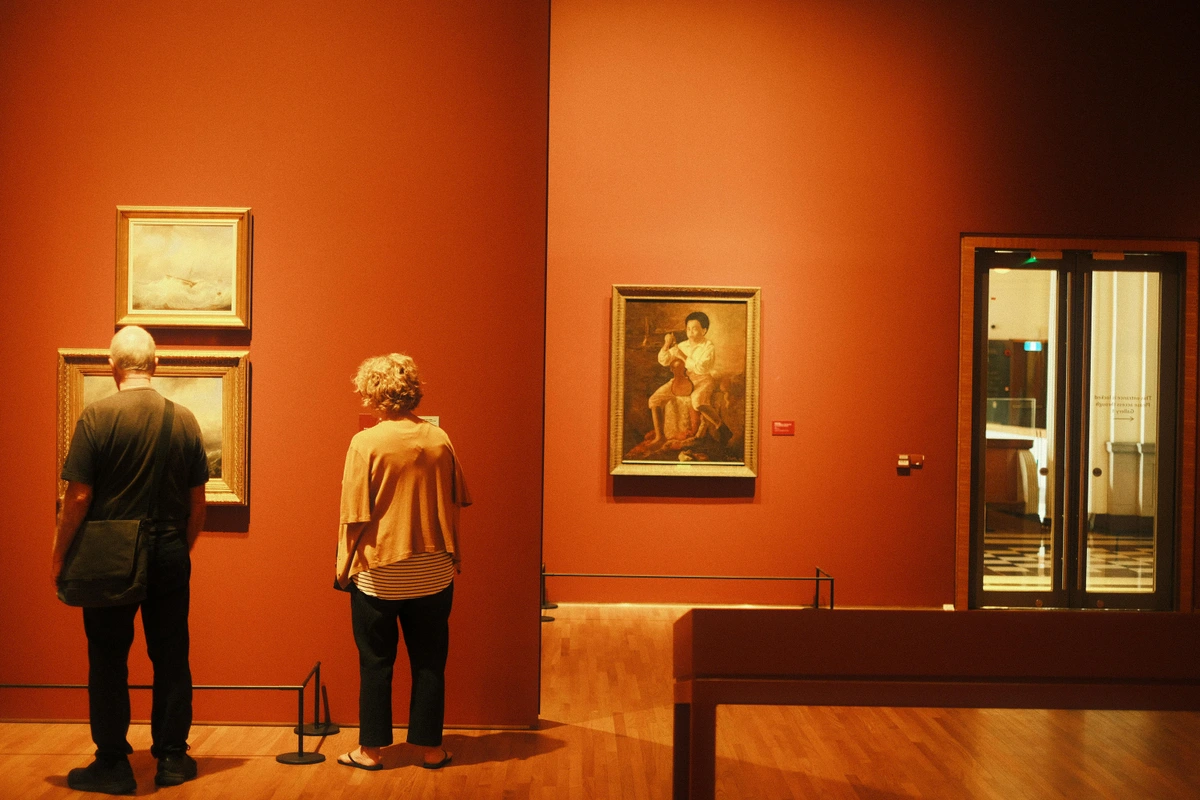
This can be broken down into a simple, almost alchemical process: copy, combine, transform.
- Copy: Start by making a faithful copy. Not to pass it off as your own, but as a form of deep learning. As you copy, you reverse-engineer the artist's decisions. You feel the weight of their lines, the timing of their washes, the logic of their color choices. You're trying to get inside their head, to understand the mechanics on a cellular level.
- Combine: Next, play the matchmaker. Take a color strategy you stole from a modern abstract painter and try to apply it to the subject matter of a classical one. Combine the mark-making of a street artist with the serene landscape of a 19th-century Romantic. This act of creative juxtaposition is where unexpected ideas are born.
- Transform: Finally, filter everything—the things you copied, the strange combinations you invented—through your own experiences, your memories, your obsessions, your sense of humor. This is the crucial step where external influence is metabolized and becomes part of you. That's where your unique voice begins to emerge, not as a sudden discovery, but as a gradual accumulation of all the things you've loved and learned.
Finding Your "Fingerprint": Your Voice on the Canvas
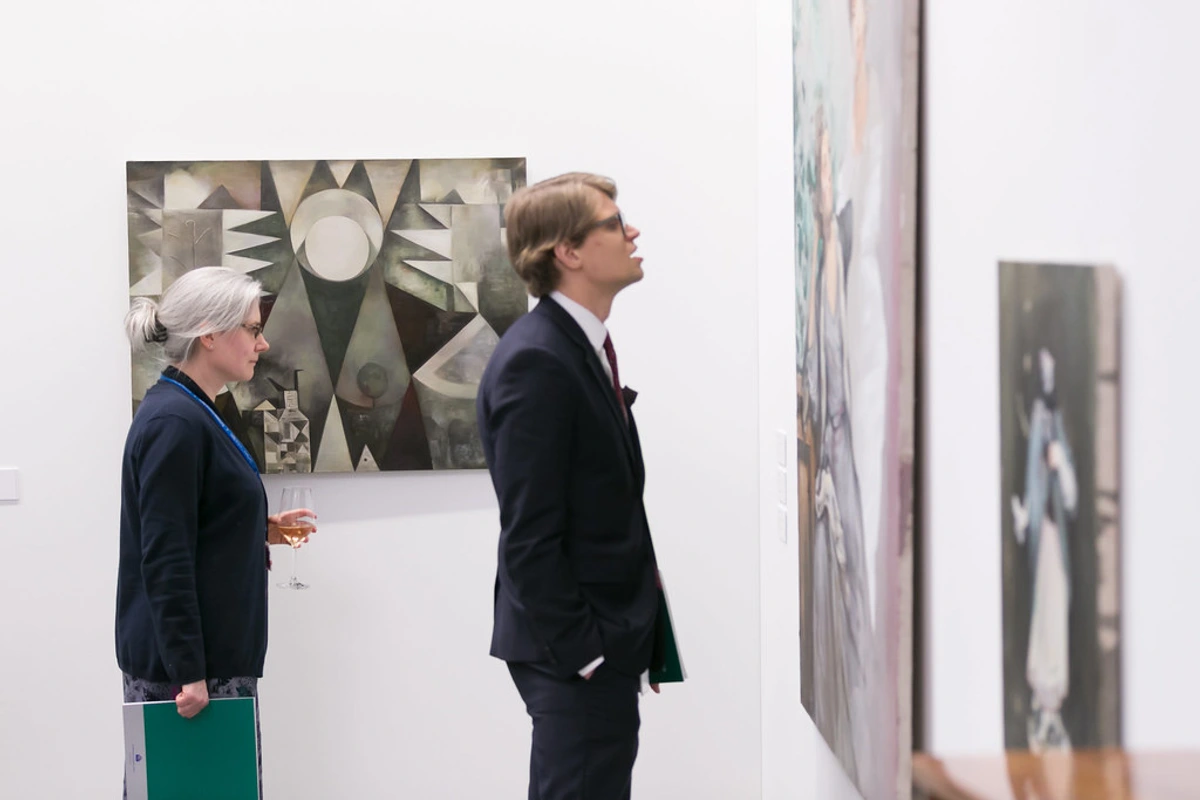
People talk about an artist's "voice" as if it's something you find one day, fully formed. It's not. It's something you build, brick by brick. Your voice is the sum of your choices, your mistakes, your preferences, and your persistent curiosities.
Instead of searching for it like a lost set of keys, simply pay attention. Your voice isn't a destination; it's a trail of breadcrumbs you've already been leaving. Which colors do you gravitate towards again and again without even thinking? Are you drawn to hard, graphic edges or soft, mysterious blends? Do you love chaotic, energetic marks or do you crave meticulous, almost meditative order? These repeated gestures, preferences, and tics are your signature. They are the things that feel like home to you. Your job isn't to invent them, but to notice them, trust them, and give them permission to become more pronounced.
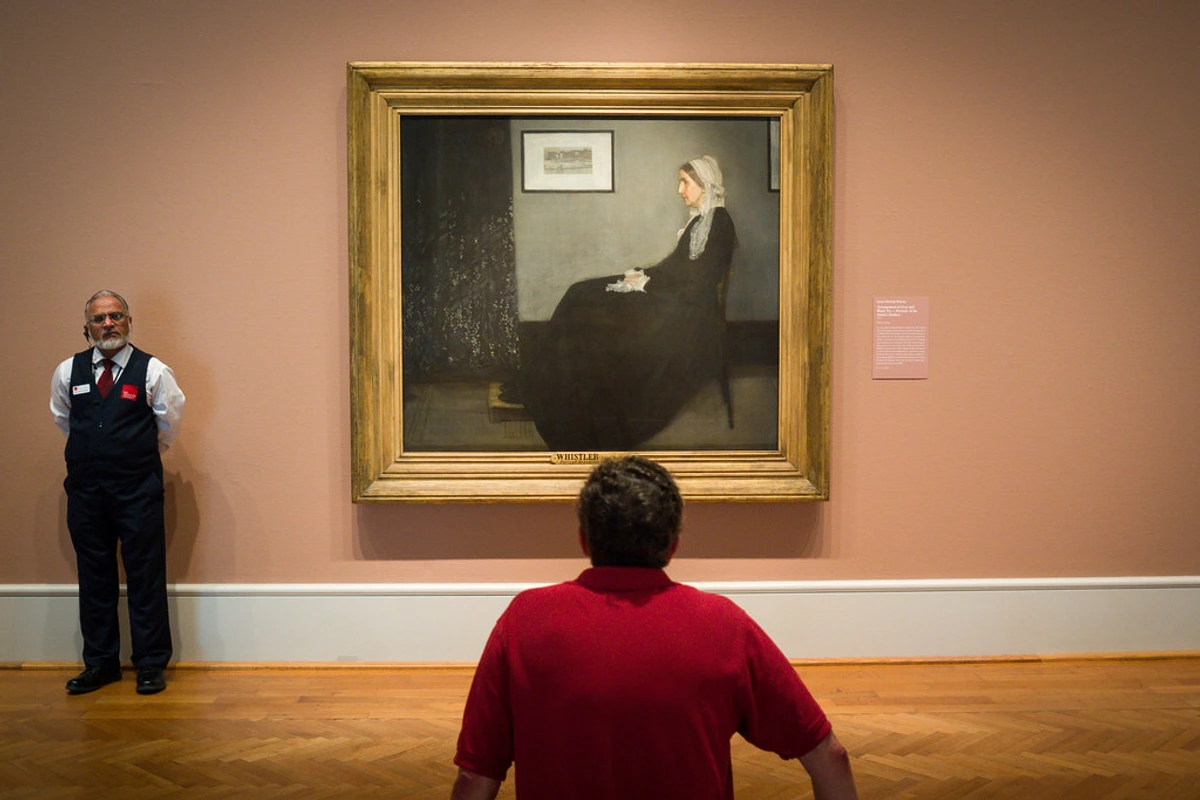
Your voice isn't one single, monolithic thing; it's a collection of micro-choices and recurring obsessions. It's your color palette, your line quality, your preferred subject matter, the way you build up surface texture. It's the specific way you hold a brush and the kind of music you listen to while you work. Over time, these disparate elements coalesce into a recognizable style—a visual fingerprint that is unmistakably yours. Don't force it. Just keep making work, and make a habit of looking back every six months or so. You'll be amazed at the patterns you see in the work you've already done, patterns that were invisible to you while you were in the thick of it.
Beyond the Grind: Play as a Professional Skill
The idea that mastery requires 10,000 hours of grim, focused practice has been hammered into us. And it's true—you do need those hours of deliberate, often frustrating, technical refinement where you feel every muscle in your arm and every doubt in your mind. To get good, you have to show up and do the reps. But that's only half the story, and frankly, the less interesting half. The other half, the part that often gets ignored, is 10,000 hours of unapologetic, messy, joyful, sometimes-frustrating-but-ultimately-freeing play. The disciplined hours teach you control, precision, and muscle memory. The playful hours—the experiments, the doodles, the 'what happens if I dip this stick in ink and then roll it in glitter?' moments—are where you discover what's actually worth controlling in the first place.

My most significant artistic breakthroughs have never happened when I was sitting bolt upright at my easel, brow furrowed, trying to wrestle a masterpiece into existence. That posture creates tension, and tension is the sworn enemy of discovery. It's a clenched fist when what you need is an open hand. They've happened when I was relaxed, curious, half-listening to a podcast, and had utterly no attachment to the outcome. It's in this state of play that you stumble upon the unique techniques that become your signature—the way a certain tool skips across the surface, or how two colors bleed together in a way you'd never have planned but can't wait to use again. Play is the research and development department of your creative life, and it should be funded accordingly.
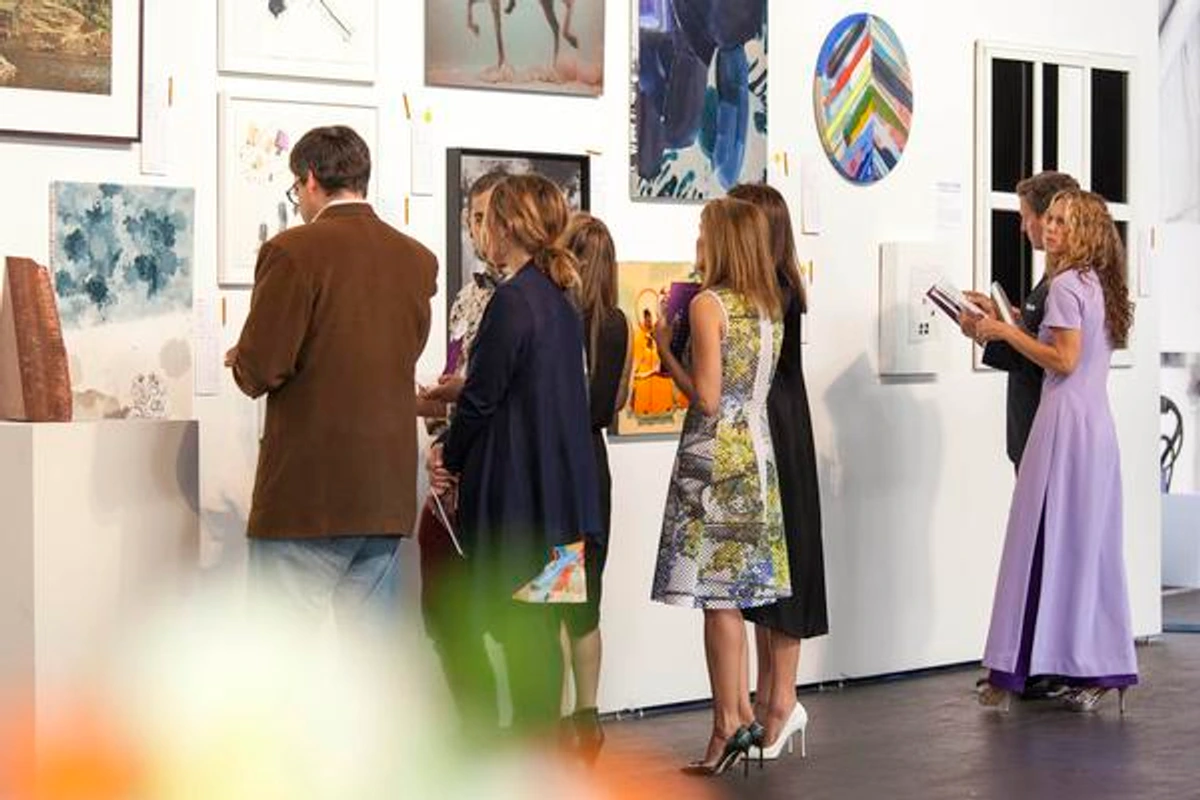
Schedule play. It sounds ridiculous, like penciling in 'be spontaneous' on your calendar, but it's essential. Block out time to make bad art. To use up leftover paint without a plan. To try something you're almost certain will fail. This is your lab time, your sandbox, your dedicated space for getting messy without consequences. This is where the magic is born. If you wait for play to happen by accident, it often gets pushed aside by the more 'urgent' business of producing work. By scheduling it, you give yourself permission to explore, and you remove the pressure to perform.
Practical Wisdom: A Toolkit for Your Creative Journey
Here is the brass tacks of it all. These are the actionable habits and frameworks that can immediately start improving your work and your mindset.
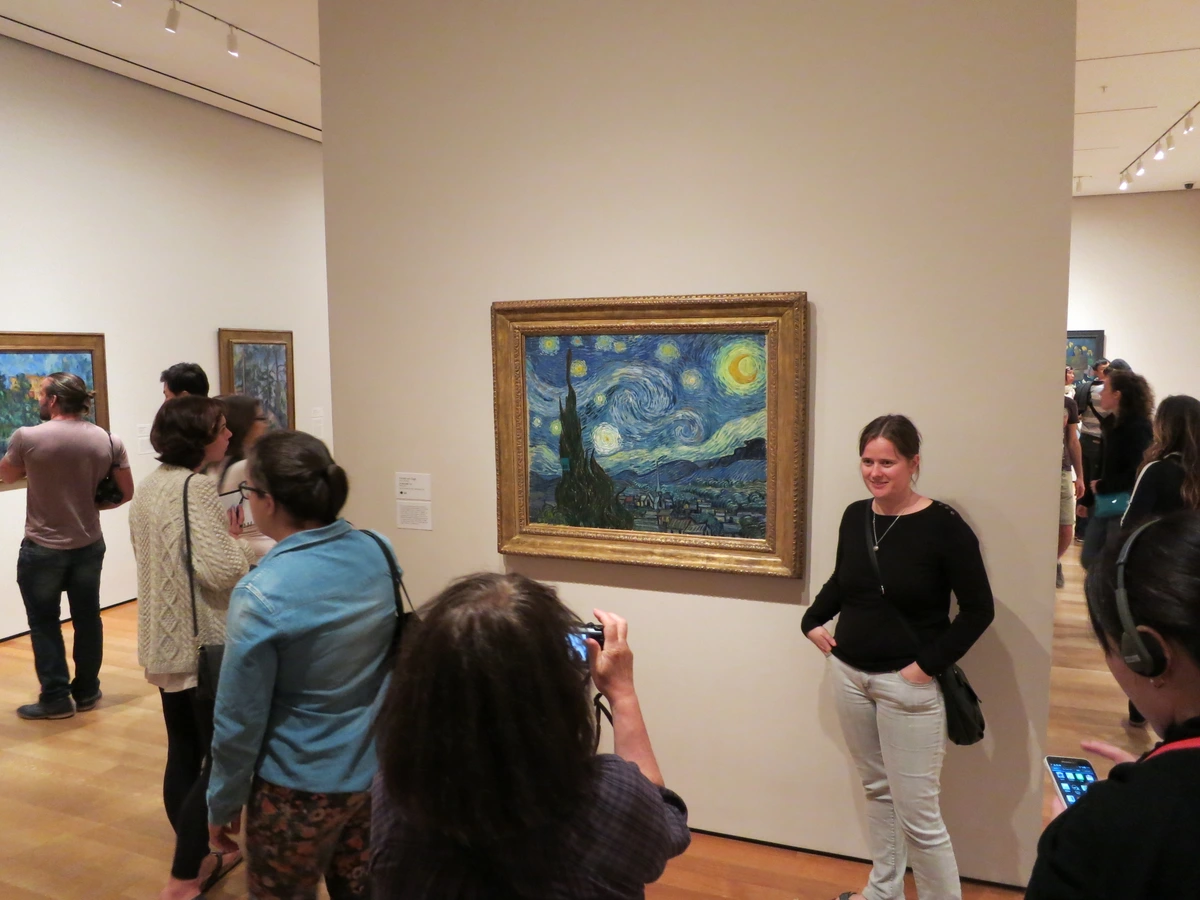
Your Anti-Procrastination Toolkit: A Framework for Starting (When You Don't Feel "Inspired")
Inspiration is a notoriously unreliable business partner. It shows up late, leaves early, demands constant validation, and sometimes doesn't bother showing up at all. A system, however, is your dutiful, clock-punching studio assistant. Its sole job is to ensure the wheels of creation keep turning, regardless of your emotional weather or the fickle nature of the muse. If you wait for inspiration to strike, you'll spend most of your life waiting. But if you build a system—a series of small, repeatable actions that lead you into your work—inspiration will eventually learn to find you at your workbench, because that's where you always are. The goal is to cultivate a routine for starting your work that bypasses the flighty muse and goes straight to the muscle memory of making.
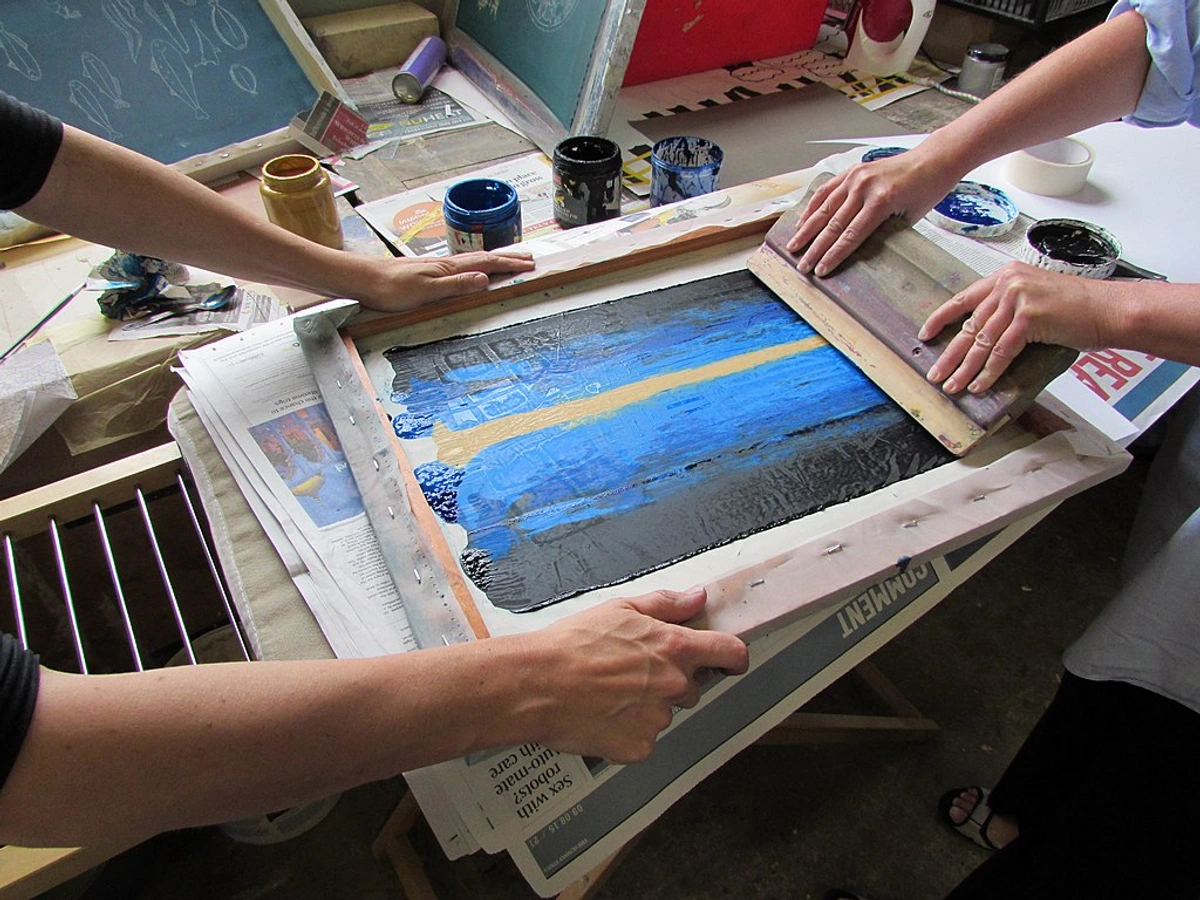
- The Five-Minute Rule: This is the ultimate weapon against inertia. Promise yourself you'll work for just five minutes, and then you're free to quit. The most important thing is to get your hands moving. Often, the act of starting is so much harder than the act of continuing, and once you begin mixing paint or sketching an idea, the momentum just carries you forward.
- Prep the Night Before: Before you walk out of your studio for the day, take ten minutes to set up your workspace for the next morning. Lay out your brushes, squeeze out fresh paint, fill your water jars, and pin up a fresh canvas. An empty, inviting space is a powerful lure. It lowers the barrier to entry from a 10-point checklist to a single action: sit down and start.
- Start with a Study: Don't try to paint the magnum opus every single time you enter the studio. That's a recipe for performance anxiety and a permanently blank canvas. Instead, begin by creating a small color study, a quick sketch, or a value drawing. It warms up your hand and your eye without the crushing pressure of a "real" piece needing to be born.
A Simple Method for Critiquing Your Own Work
Self-critique is a skill. It's the ability to look at your own work with clear, compassionate eyes. Without it, you can't grow. Without compassion, you'll grind your confidence into dust.
The goal is to shift from "I like it" or "I hate it" to asking diagnostic questions:
- Where does my eye go first? Is that where I want it to go? This is the most fundamental question of composition.
- What is the relationship between positive and negative space? Are the empty areas as engaging as the filled ones?
- Is there a clear focal point? Or is the energy scattered? If it's scattered, what can I do to create a hierarchy of interest?
Let the painting sit for a day or two, then prop it up somewhere you'll see it in passing. Live with it for a bit. You'll start to notice things you couldn't see when you were inches away from it, fussing over every detail.
Building a Studio Practice That Lasts
A strong creative practice is built on consistency, not on dramatic bursts of inspiration. Here's how to build one, broken down into core habits.

Habit  | The Goal | A Practical Tip |
|---|---|---|
| Studio Time | Make creation a non-negotiable appointment. | Block out time on your calendar, even if it's just 30 minutes. Guard it fiercely. Tell friends it's a "meeting." |
| Show Up | Build momentum through routine. | On days you don't feel like working, go to your studio anyway. Just be present. Read an art book. Organize. |
| Iterate, Don't Perfect | Learn more by finishing more. | Set a timer for your work. When it goes off, the piece is done. Move on to the next one. |
| Embrace the "Failure" | Reframe dead ends as essential learning. | Keep a "mistakes" sketchbook. Analyze what went wrong. Was it a drawing error? A color clash? |
| Share Your Work | Learn to see your art through others' eyes. | Join a local or online critique group. The pressure of a deadline is a powerful motivator. |
A studio practice is also about the physical space. You don't need a fancy, sun-drenched loft. You just need a dedicated corner where your work can stay out. A painting that you can glance at for a few days will teach you more than one you put away in a closet the moment you're "done."
Navigating the Labyrinth: Education, Community, and the Art of Getting Your Work Seen
The path of an artist can feel solitary, almost monastic in its isolation. But it doesn't have to be a vow of silence in a room of one. The "art world," that sprawling, glittering, often-confusing ecosystem, has its own bizarre weather patterns and unspoken social contracts. Understanding a few of these isn't about selling out or becoming a networking shark; it's about learning the local customs so you can stop feeling like a bewildered tourist and start feeling like a resident—a resident who might actually want to hang their shingle.
The Art School Dilemma: Debunking the Degree Myth
Is art school worth it? The question itself feels like a rite of passage, a debate that has probably been raging since the first apprentice grumbled about fetching his master's paintbrush. Here's the uncomfortable, liberating truth after seeing countless artists carve their own paths: It's a tool, not a golden ticket. For some personalities, the structured environment, the constant deadlines, the brutal-yet-necessary crucible of peer feedback, and access to professional-grade equipment are invaluable accelerants. For others, it's a fast track to crushing debt and a subtle, soul-crushing pressure to conform to a particular faculty-driven aesthetic—a kind of institutional groupthink that can sand the unique edges right off your vision.
The smartest, most resilient artists I know have almost always designed their own hybrid education. They've been strategic scavengers, not passive consumers. Take a community college figure-drawing class. Attend workshops from artists you admire, which can be a highly efficient way to learn specific techniques. And devour books and online resources. You can get a world-class art education for free if you're disciplined and curious—but you have to be your own teacher.
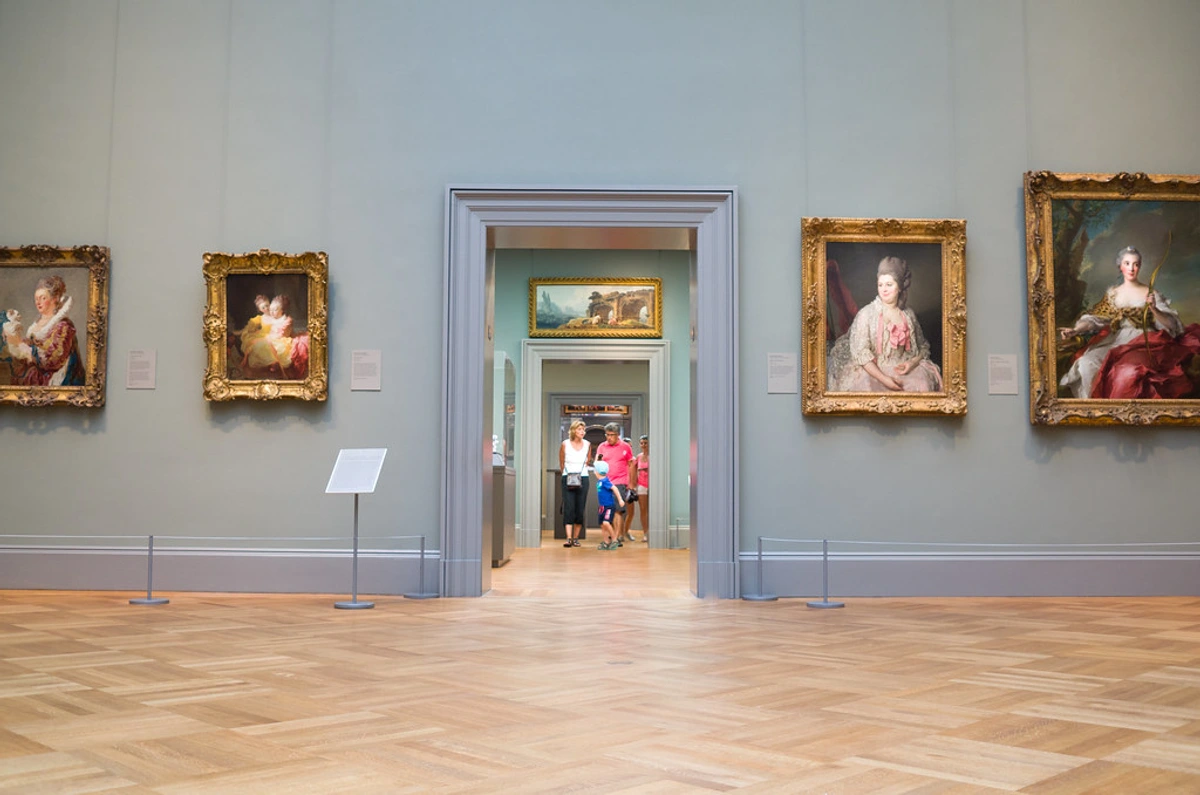
My advice? If you go to art school, be a strategic sponge. Focus on getting the things you can't get anywhere else: access to expensive equipment like printmaking presses or bronze-casting facilities, mentorship from faculty whose work you admire, and the invaluable community of serious, like-minded peers who will become your lifelong collaborators and critics. Learn the technical skills, absolutely, but be ruthless about protecting your unique vision from the subtle pressure to conform to a "school style."
The Value of a Daily Habit (Even the Small Ones)
Big projects are important, but a daily creative habit is transformative. The goal isn't to produce a finished piece every day. It's to keep the creative engine warm and running.
The Instagram challenge #Inktober popularized the daily drawing habit. But it doesn't have to be public. It could be:
- A 10-minute gesture drawing every morning with your coffee.
- A photo you take on your daily walk, specifically looking for interesting compositions.
- A few sentences in a notebook describing a color you saw that day.
The cumulative effect of these small acts is staggering. They sharpen your observation skills, build an archive of ideas for larger work, and, most importantly, lower the stakes of creation. When you make something small every day, it stops being a precious, intimidating event.
The Art of the Critique: Giving and Receiving Feedback
Learning how to talk about art is as important as learning how to make it. A good critique is not a judgment; it's a dialog.
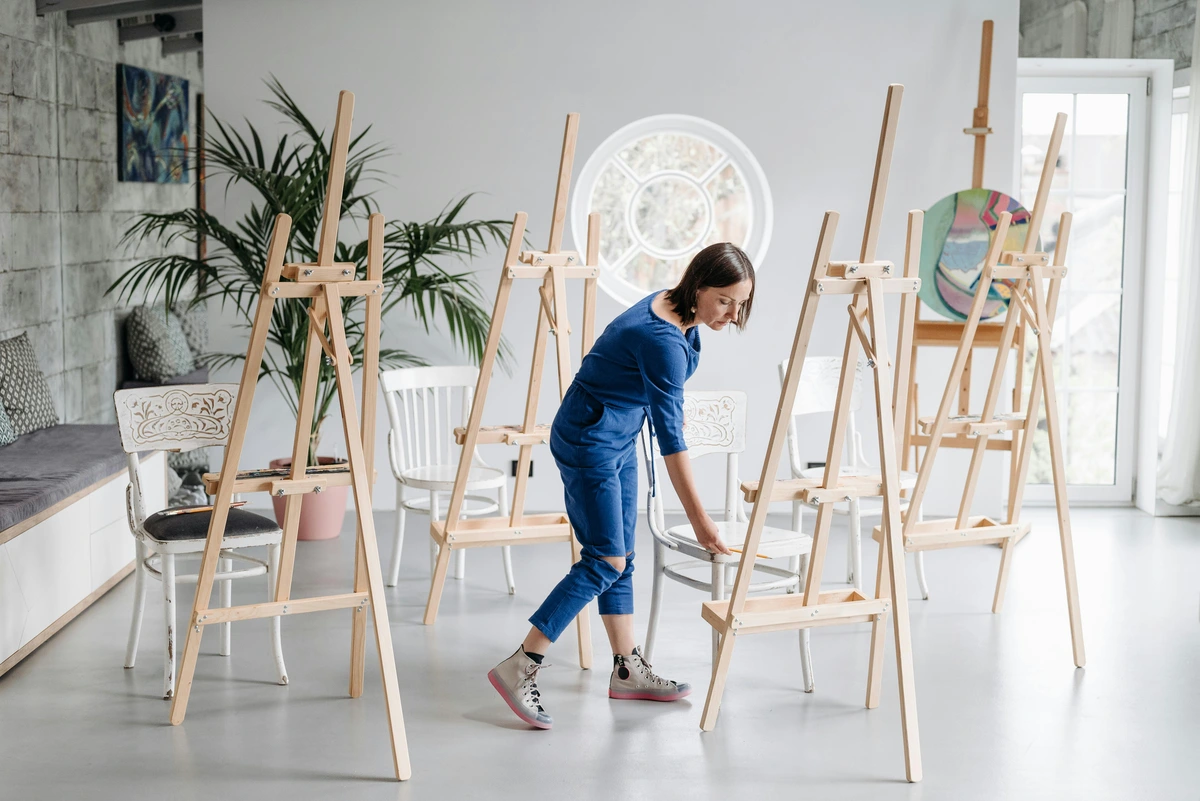
How to Give Useful Feedback:
- Start with what you see, not what you like. Before you offer an opinion, describe the facts of the work. Talk about the composition, the color choices, the energy, the mark-making. "I notice the eye is pulled immediately to the bright red circle in the upper left, and then follows a path of smaller shapes down to the bottom."
- Relate it to the artist's stated intent. Critique is most useful when it measures the work against the artist's own goals. "You said you wanted to create a feeling of immense calm. I think the gentle, horizontal lines and muted palette here really serve that intention."
- Ask open-ended questions. Instead of giving a directive, ask a question that prompts the artist to think deeper. "What were you thinking about when you chose this particular palette?" or "How did you want the viewer's eye to travel through this piece?"
How to Receive Feedback (This is the harder skill):
- Listen without defending. Your only job is to understand the other person's perception. Zip your lips, nod, and absorb. Defensiveness kills honest feedback.
- Remember the feedback is about this one piece of work, not about you as a person or your total worth as an artist. It's data, not a verdict.
- You don't have to act on every piece of advice. Take it all in, then file it away. Often, the feedback that stings the most is the thing you already suspected but were afraid to confront. That's the feedback to pay the most attention to. And always, always thank the person giving it.
A Brief Mention on NFTs and the Digital Frontier
The recent explosion of NFTs (Non-Fungible Tokens) and blockchain art has sent shockwaves through the art world. It's presented as a revolutionary way for artists to sell work and retain value. And it has allowed some digital artists to reach audiences in a way that was previously impossible.
However, a healthy dose of skepticism is warranted. The ecological impact of the technology powering many NFTs is significant. The market has also shown itself to be incredibly volatile and speculative, often driven more by hype and financial speculation than by a genuine appreciation for artistic merit.

My take is this: the concept of artists having more direct control over their work and royalties is a powerful one. But it's crucial to look past the buzzwords. For the traditional painter or sculptor, the practical benefits of NFTs are still ambiguous and may not be worth the environmental or financial risks. Focus on building a strong body of work and connecting with a real community first. The technology, if it proves truly beneficial, will mature and become more accessible.

The 2 AM Club: Questions That Keep Artists Awake (And Some Honest Answers)
We've all been there. It's 2 AM, the world is quiet, and your brain has decided now is the perfect time to grill you on your entire artistic existence. This is where we tackle those relentless, looping questions—the ones that feel like they have no answer but seem to hold the key to everything.
Q: I'm completely paralyzed by the blank canvas. How do I even start?
A: Ah, the Tyranny of White. We've all met this bully. Its power comes from its sheer, pristine, infinite emptiness. It's a field of pure potential, which sounds inspiring until you're standing in front of it and potential feels a lot like pressure. The trick isn't to psych yourself up to 'make a painting.' That's too big a task. The trick is to give yourself a tiny, almost insultingly manageable mission. Don't think 'painting,' think 'single act.' Don't even think about the final image. Just focus on the very next thing you will do with your hand.
Your mission could be:
- Put down one wash of a color you love.
- Draw three lines that interact somewhere on the page.
- Take some charcoal and just cover the entire canvas in a chaotic scribble.
- Glue a single, interesting piece of paper onto it.
That's it. Your only job is to break the pristine surface, to vandalize that perfect, intimidating field of white. A canvas with one mark on it is no longer blank, and you are no longer starting from zero—you're continuing. You've taken the infinite and made it finite. Now you just have to respond to the mark you made. It's a conversation, and you've just said 'hello.'
Q: How do I know if my work is actually any 'good'?
A: This is the wrong question. I know it's the one we all ask, the one that wakes us up at 2 AM, but it's a mental trap that will drive you slowly insane if you let it. Why? Because 'good' is a moving target. It's a subjective, culturally-specific, context-dependent opinion, not a verifiable fact. A masterpiece to one person is boring to another, and the strange thing is, both are right.
The far more useful, and saner, questions to ask yourself are these:
- Is this effective? Does the piece do what I want it to do? Does the composition lead the eye across the surface in an interesting way? Do the colors and values create the mood I intended? Does the piece feel cohesive, like all its parts are talking to each other, or is it a chaotic argument? This is a technical and compositional question, and you can learn to be a good judge of it.
- Is this honest? Does it feel true to me? Am I chasing my own curiosity, or am I trying to imitate a style I think is popular or what I believe the market wants? Does it feel like me? This is a gut check, a question of authenticity.
An honest and effective piece is a success, period. It may not make you the next art-world superstar, and not everyone will like it, but you'll have created something genuine and competent. Your work held together, and it came from a real place. And in my book, that's what 'good' actually means.
Q: I'm a complete fraud, and everyone else seems to know what they're doing. Why am I even trying?
A: Welcome to the club. Imposter syndrome isn't just a symptom; for creative people, it's practically the official, iron-clad, gold-embossed membership card. The nagging conviction that you're the only fraud in a sea of genuinely gifted, confident artists is an almost universal experience. What you're seeing on social media or in a gallery is a carefully curated highlight reel—the final, polished product, not the hours of doubt, the crumpled-up sketches, the half-finished canvases shoved in a closet, or the internal monologue that sounds like a cruel, unhelpful sports commentator.
The people you admire the most are, in their own studios, almost certainly fighting the exact same battles with self-doubt. Talent is definitely a thing, but it's wildly overrated and often misidentified. What you perceive as raw talent in others is usually just the visible result of a hidden iceberg of focused practice, obsessive passion, and simply having started the journey earlier than you did. I've found the only real, lasting antidote is disarmingly simple: keep showing up and do the work. Don't wait for the self-doubt to disappear, because it probably won't. The quiet, resilient confidence you're looking for comes after the act of creation, as a result of it, not before it. It's a product of the work, not a prerequisite for it. Don't wait until you feel like a 'real' artist to start making art; make art, and eventually you'll realize you've become one along the way.
Q: Is art school necessary to become a professional artist? A: No. Art school can be an excellent accelerator, providing structure, community, and mentorship. It can fast-track your technical skills and expose you to art history and theory. But it is not a prerequisite for a successful career. Many, many successful and influential artists are self-taught or followed a hybrid path of community classes, workshops, and obsessive self-study. What matters more than a diploma is a compelling portfolio and a strong, consistent body of work. The choice depends entirely on your learning style, your financial situation, and what you hope to get out of the experience.
Conclusion: The Real Secret They Never Told You
So, back to that 2 AM feeling, the one that whispers you're missing a secret manual that everyone else has. The truth, which I've come to understand through years of trial and error, is beautifully simple: the manual isn't lost.
It doesn't exist.
There is no secret handshake, no decoder ring, no list of commandments handed down from on high. The "unspoken rules" are not rules at all. They are principles discovered through the act of working. They are the road signs you notice on a long journey, the patterns you recognize after looking at a thousand paintings, the intuitions you build after ten thousand brushstrokes.










The real secret is that your journey of discovery is the education. The principles we've discussed are a map, but you are the one who has to walk the terrain. You will find your own principles, your own shortcuts, your own unique way of seeing. Your failures will teach you about your strengths. Your experiments will become your style. The beautiful, frustrating, exhilarating process of making art is the only real curriculum.
The most important thing you can do is to start—one mark, one color, one "mistake" at a time. For inspiration on that next mark, you can always explore the works of other artists who've walked this path, like those featured at /buy. Let their finished pieces be a reminder that every great work began with a single, uncertain step. Stop searching for the rulebook. Start writing your own, one stroke at a time.