When Words Fail: How Art Became the World's Reckoning with the War in Ukraine
An exploration of how contemporary artists have responded to the Ukraine war, examining the power of art to document, protest, and heal, featuring key works and artists.

When Words Fail: How Art Became the World's Reckoning with the War in Ukraine
I remember sitting in my studio in early 2022, the smell of paint thinner thick in the air, staring at a blank canvas. But it wasn't just a canvas; it felt like a void. The news from Ukraine was a relentless barrage of numbers—casualties, missile counts, kilometers gained or lost. It felt obscene, this reduction of human tragedy to statistics. And I realized, with a familiar, weary ache, that this is the precise moment when artists feel most compelled to speak, precisely because we have no other language adequate for the task.
You've probably felt it too, that helplessness scrolling through headlines. The Geneva Convention might govern warfare, but what governs the soul when entire cities are erased from the map? What protocol exists for the obliteration of a neighborhood bakery, a children's library, a century-old theater? Art steps into this breach, not with treaties or troop movements, but with the most fragile and resilient thing we possess: the human voice, transformed into color, shape, and symbol.
It’s a strange alchemy, turning headlines into heartbeats, translating the cold syntax of conflict into the searing vernacular of human experience. This isn't just about aesthetics; it's about survival. Art becomes the connective tissue between an event and our ability to feel it, to process it, to refuse to become numb to it.
The challenge for an artist in times like these is profound. We are flooded with a deluge of real-time information, each notification a potential gut punch. The absurdity of trying to paint a sunrise when you've just seen footage of a building 'sunsetting' into rubble isn't lost on us. Yet, this very tension is the engine of the creative response. The canvas becomes a site of resistance not just against the enemy, but against the creeping numbness, the commodification of grief. Ukrainian painter Oksana Chepelyk captured this sentiment perfectly, stating that for many, art became "a way to continue breathing, a way not to go insane from the news." It's a sentiment that likely resonates with any creative soul watching a world unraveling in high definition.
When we talk about how contemporary art has responded to the war in Ukraine, we're not just talking about painting explosions or making posters. We're talking about a fundamental shift in what art can do. It becomes a diary, a weapon, a memorial, a lifeline. It's a way of processing the unfathomable, of saying the unsayable, of connecting one human soul to another across the chasm of geography and experience. It’s about making the abstract, devastatingly personal.
This transformation didn't happen in a vacuum. It was an organic, often chaotic, collective reimagining of purpose. Suddenly, the studio wasn't a retreat from the world, but a command center. The brush wasn't just a tool for expression, but a device for documentation. This reorientation mirrors the historical function of art in times of crisis. Think of the Dadaists responding to the senseless slaughter of WWI, or the way abstract expressionism was born from the ashes of WWII. The Ukraine war is another terrible chapter in this long, difficult history of artists forging a new language from the wreckage of the old one. What makes this moment unique, however, is the unprecedented immediacy. The globalized, hyper-connected nature of the conflict meant that artists weren't just reacting to history; they were actively participating in its creation, in real-time.
Curators and cultural institutions found themselves grappling with a new urgency. This wasn't the distant, curated empathy of a historical conflict; it was a live feed of trauma demanding an immediate response. Galleries from Kyiv to Kraków, and as far away as New York and Tokyo, rapidly pivoted, organizing exhibitions not just about Ukraine, but often by Ukrainians, creating platforms where the artists themselves controlled the narrative.
The art world's response became an ecosystem of resistance. In Warsaw, the Ujazdowski Castle Centre for Contemporary Art transformed into a hub for Ukrainian artists, providing not just exhibition space, but a vital lifeline. In New York, the Fridman Gallery launched the "Art for Ukraine" auction, raising hundreds of thousands of dollars by channeling Picasso's ghost—harnessing the raw emotional power of visual storytelling for immediate humanitarian relief. These weren't leisurely biennials; they were cultural emergency rooms, operating under the stark reality that protecting and amplifying Ukrainian voices had become a frontline act of cultural preservation.
Beyond auctions, a fascinating model of support emerged: virtual residencies. Institutions like The Hoxton Collective and Artists at Risk pioneered programs where displaced Ukrainian artists could receive grants, studio time (even if virtual), and professional connections without having to navigate complex visa systems or leave family behind. This wasn't charity; it was strategic investment in the preservation of a nation's cultural continuity. It acknowledged that a painter in Kharkiv, a choreographer from Mariupol, and a filmmaker from Kyiv were all, in their own way, essential personnel.
This became a vital lifeline—a way to ensure the cultural conversation wasn't solely defined by external observers, but deeply rooted in the lived reality of the Ukrainian people. Museums, too, faced a moral reckoning, prompting many to reevaluate their collections, their partnerships, and their role in a world where cultural heritage had once again become a target of war. The very definition of "museum" was being tested: is it a neutral repository, or must it become an active participant in the defense of culture?
This question wasn't theoretical. The Louvre began coordinating with Ukrainian archivists to secure digital backups of museum inventories. The Metropolitan Museum of Art in New York launched the "Sunflowers Solidarity" initiative, a fund dedicated not just to humanitarian aid, but specifically to the preservation of Ukrainian cultural sites, funding everything from sandbags to protective scaffolding. This signaled a crucial shift: museums were no longer just caretakers of the past, but guardians of a future that was being actively threatened. The art world was forced to confront its own infrastructure, recognizing that protecting culture is as much a logistical challenge as it is an ethical imperative.
This led to unprecedented initiatives. International museums began offering not just solidarity statements, but practical aid, from funding for restoration efforts to providing secure storage for priceless Ukrainian artifacts. The art world was forced to confront its own infrastructure, recognizing that protecting culture is as much a logistical challenge as it is an ethical imperative.
The Smithsonian Cultural Rescue Initiative and the International Council of Museums (ICOM) issued risk alerts and object identification guidelines, teaching a global network how to spot looted artwork. Across Europe, from the Louvre to the British Museum, curators worked tirelessly to digitize collections, creating virtual archives that could survive physical annihilation. This wasn't just about saving paintings; it was about saving memory itself, ensuring that even if a museum was reduced to rubble, its soul could live on in the cloud.
One of the most remarkable technological efforts was the SUPERBLINK project, a collaboration between Google Arts & Culture and the Ukrainian Ministry of Culture. It used advanced machine learning not just to digitize existing collections, but to reconstruct lost or heavily damaged artifacts from historical photographs. By analyzing thousands of tourist snapshots, family photos, and architectural surveys, their AI could generate stunningly accurate 3D models of churches, monuments, and even everyday objects that had been pulverized. It's a poignant and slightly terrifying testament to our digital age: the "breadcrumbs" we leave online can now be used to resurrect a physical world that no longer exists. This goes beyond simple preservation; it's a form of digital archaeology, digging through the detritus of the internet to unearth the ghosts of a lost reality.
The Immediate Shockwave: Art as Instant Testimony
On February 24, 2022, the world didn't just change for Ukrainians; it changed for everyone watching. And for artists, the response was immediate. This wasn't about waiting for inspiration to strike; it was about needing a release valve for a pressure cooker of grief and rage. Think of it as visual journalism from the front lines of human emotion. It’s an unnerving parallel to the way soldiers in the trenches of WWI turned to sketching in their notebooks—a desperate attempt to impose some kind of order, any kind of order, onto a world that had become pure chaos. The difference, of course, was that in 2022, those sketches could be broadcast to millions in seconds.
But it wasn't just about raw expression. It was about speed. Photographs of the Kyiv offensive emerging from smartphone cameras carried an undeniable, brutal weight. The world wasn't just reading about war; it was watching it unfold in real-time, captured through the lens of everyday citizens wielding their smartphones as weapons of witness. This democratization of testimony is one of the defining aspects of this conflict. The most iconic image of the early days wasn't taken by a seasoned war photographer, but by a terrified resident from their apartment balcony. This shift is monumental. Historically, the visual narrative of war was controlled by the press, the military, or official state photographers. Here, for the first time on such a scale, the primary narrative was being written by its victims, in real-time, from a thousand different perspectives. The smartphone became the modern-day equivalent of Anne Frank's diary—a small, personal tool for documenting an unimaginable reality.
Many Ukrainian artists, some of whom had never considered their work political, suddenly found their canvases and sketchbooks filling with an urgent, raw energy. Volo Bevza, a Ukrainian painter, began doing what he does best—painting flowers. But his Sunflowers series is different. The flowers are wilting, their heads bowed, set against stark black backdrops or charred-looking fields. It’s a potent image for a nation whose national flower is the sunflower. He wasn't painting war; he was painting the soul of a nation under assault, using the language of his own culture to show the world what was being stolen.
Another Ukrainian artist, Lesia Khomenko, provides a powerful counterpoint to this abstraction. Her Max in the Army series is a gut punch of hyper-realistic painting. It depicts her nephew Max, who enlisted, but she paints him not as a heroic figure, but with an unsettling, almost vulnerable realism. His uniform is too big, his posture slightly slouched. One particularly haunting work depicts him holding a machine gun, his face a mask of weary determination. Khomenko explained that for her, it was a way to hold onto the individual, to prevent Max and thousands like him from becoming just another anonymous statistic in a news ticker. She was painting against erasure.
Another powerful artistic response came courtesy of Ukrainian artist Olia Fedorova, who utilized her Instagram platform for a unique digital project titled This Is My Moscow. The series featured simple, everyday objects – a shopping bag, a food item – but their names were gradually obscured, with Russian brands and words replaced by blank spaces or Ukrainian translations. This wasn't a violent depiction of conflict; it was a quiet but unyielding act of erasure, a digital wiping away of Russian cultural presence from Ukrainian daily life. This quiet digital protest highlights a crucial aspect of the war: the battle for cultural identity and historical narrative. By removing these linguistic signifiers, Fedorova wasn't just making a political point; she was engaging in a profound act of cultural reclamation, redrawing the mental maps of her own country one word at a time.
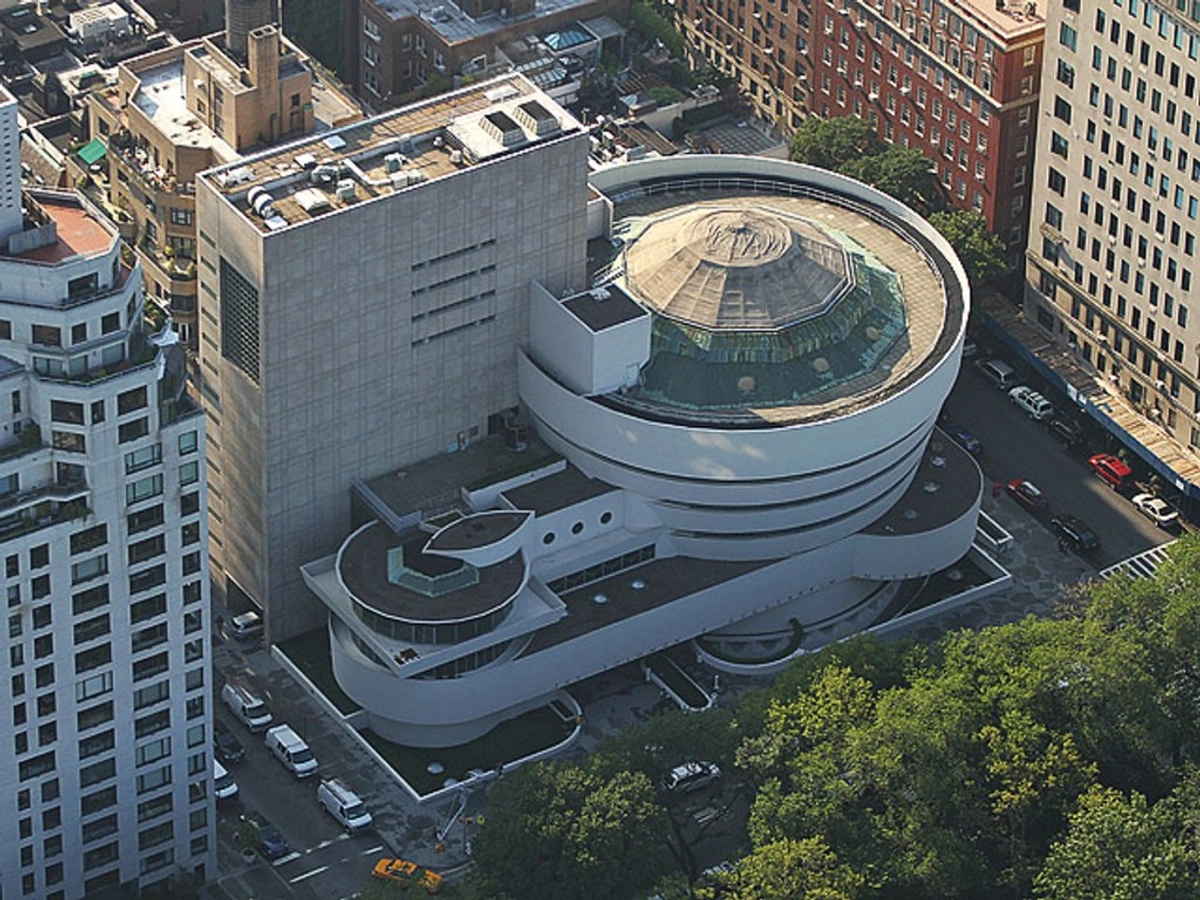
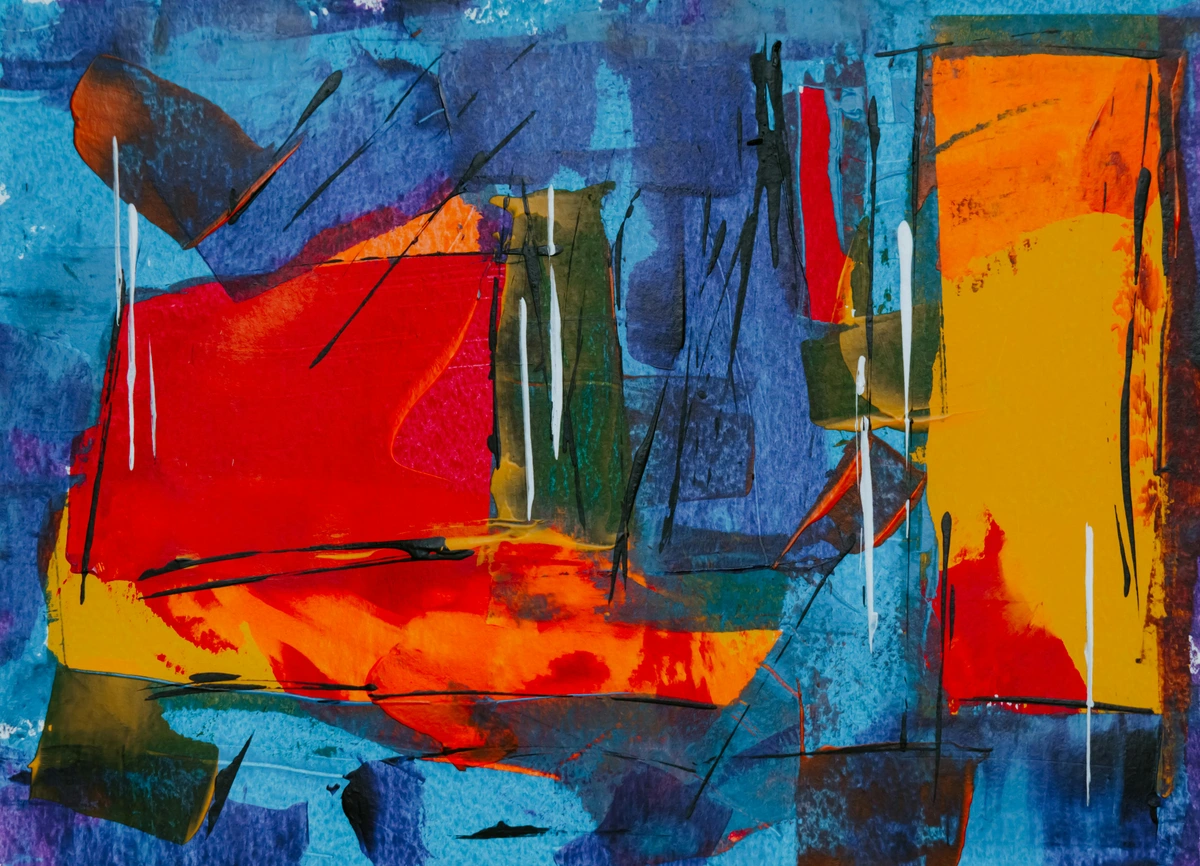
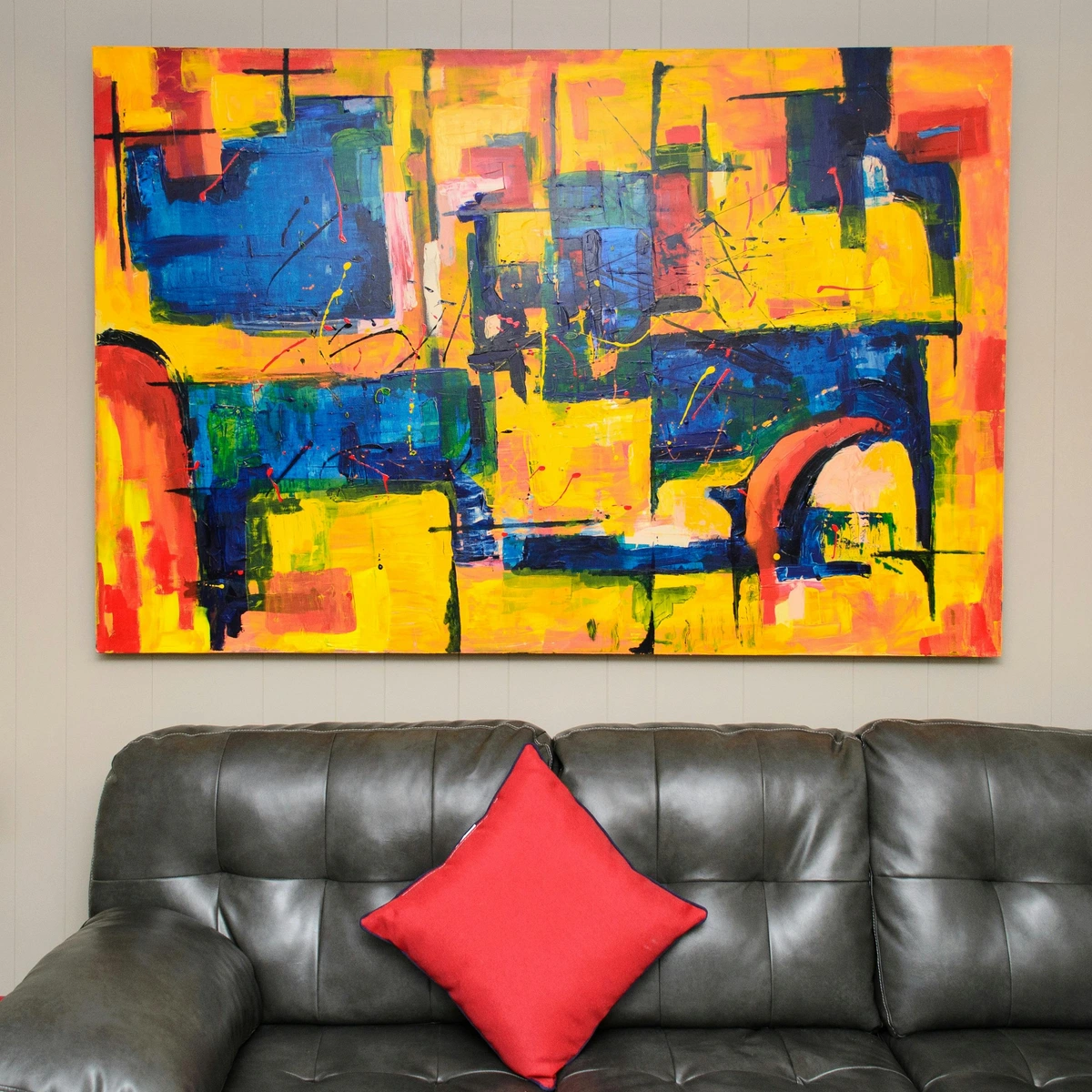
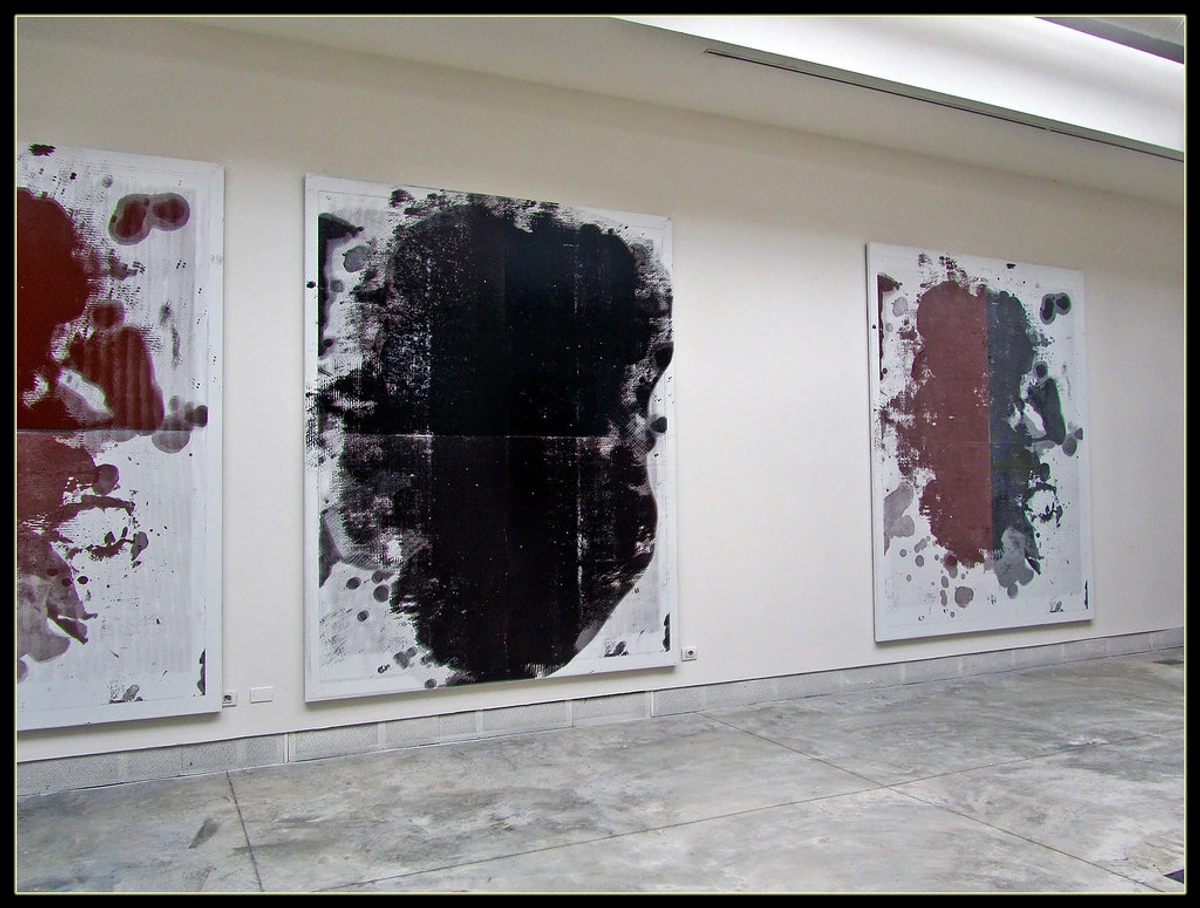
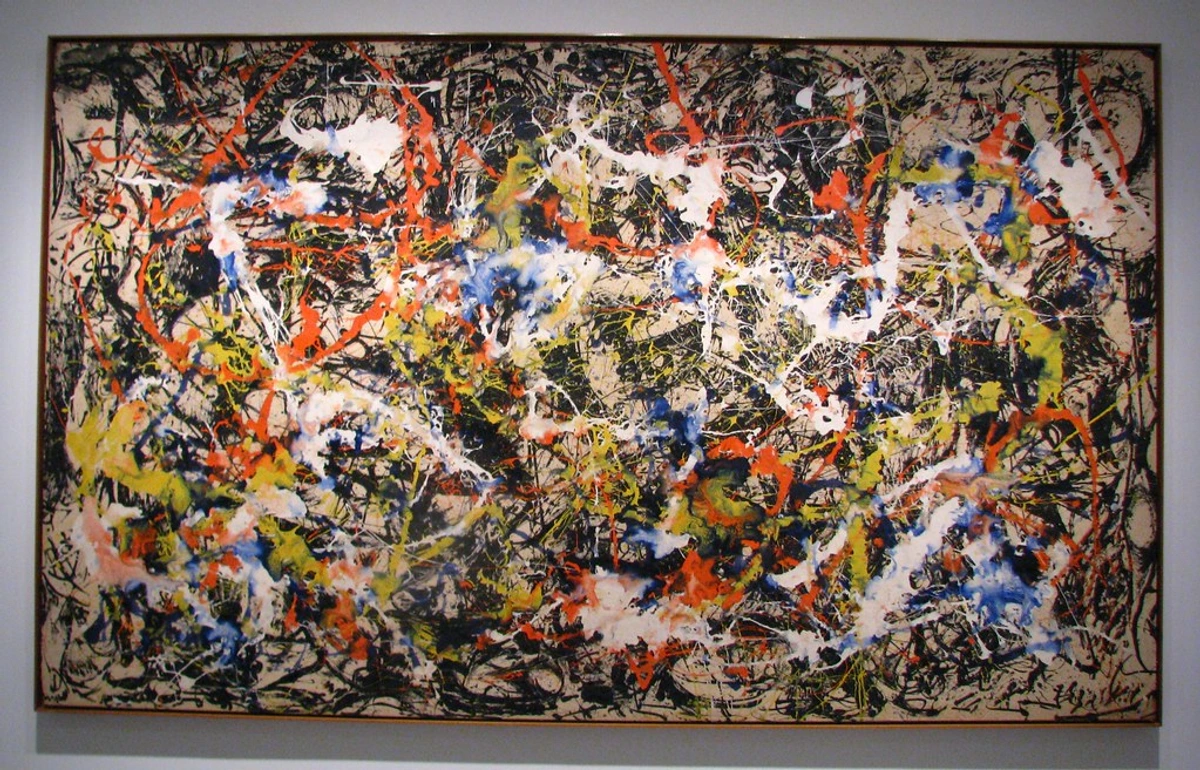
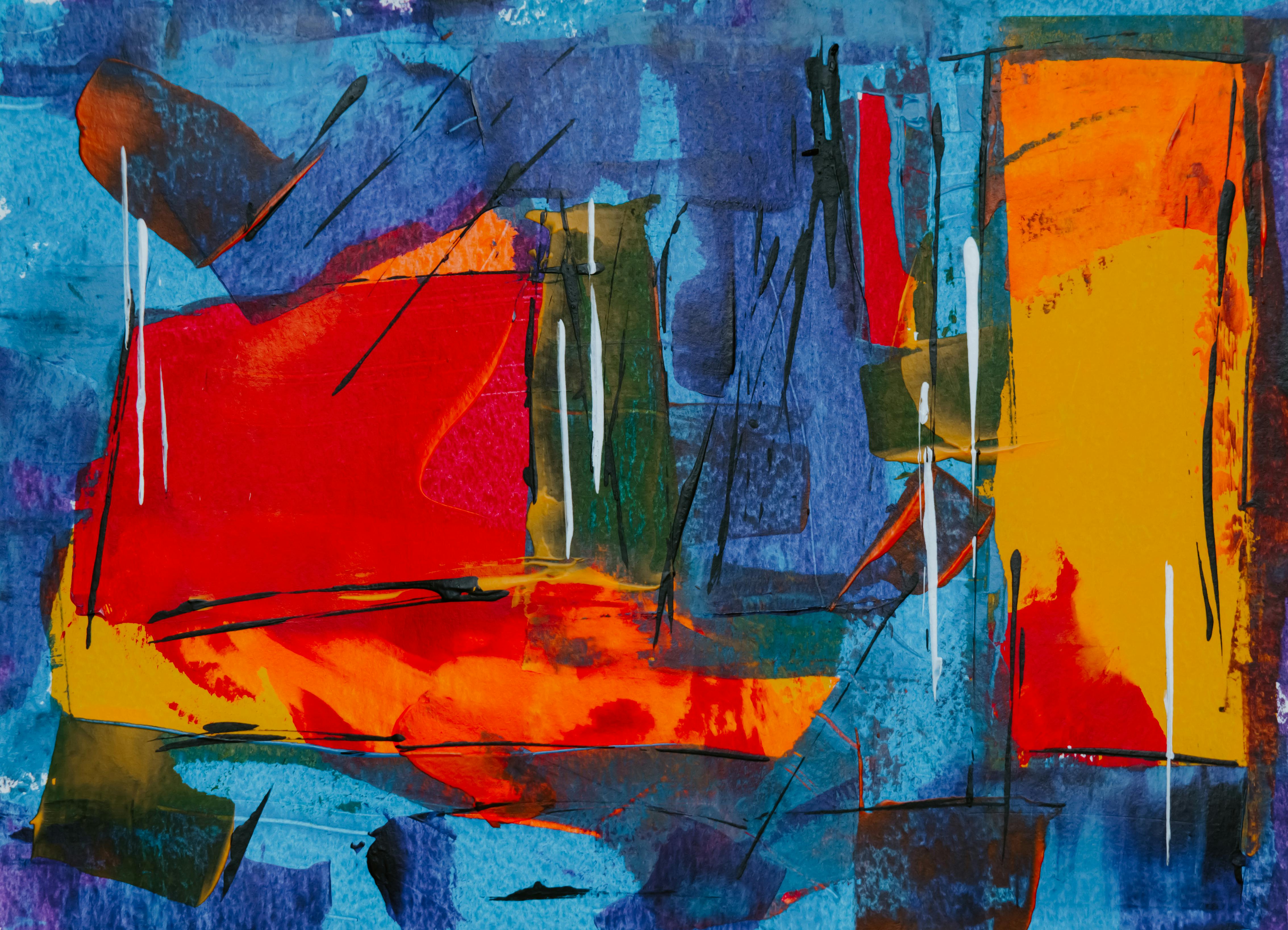
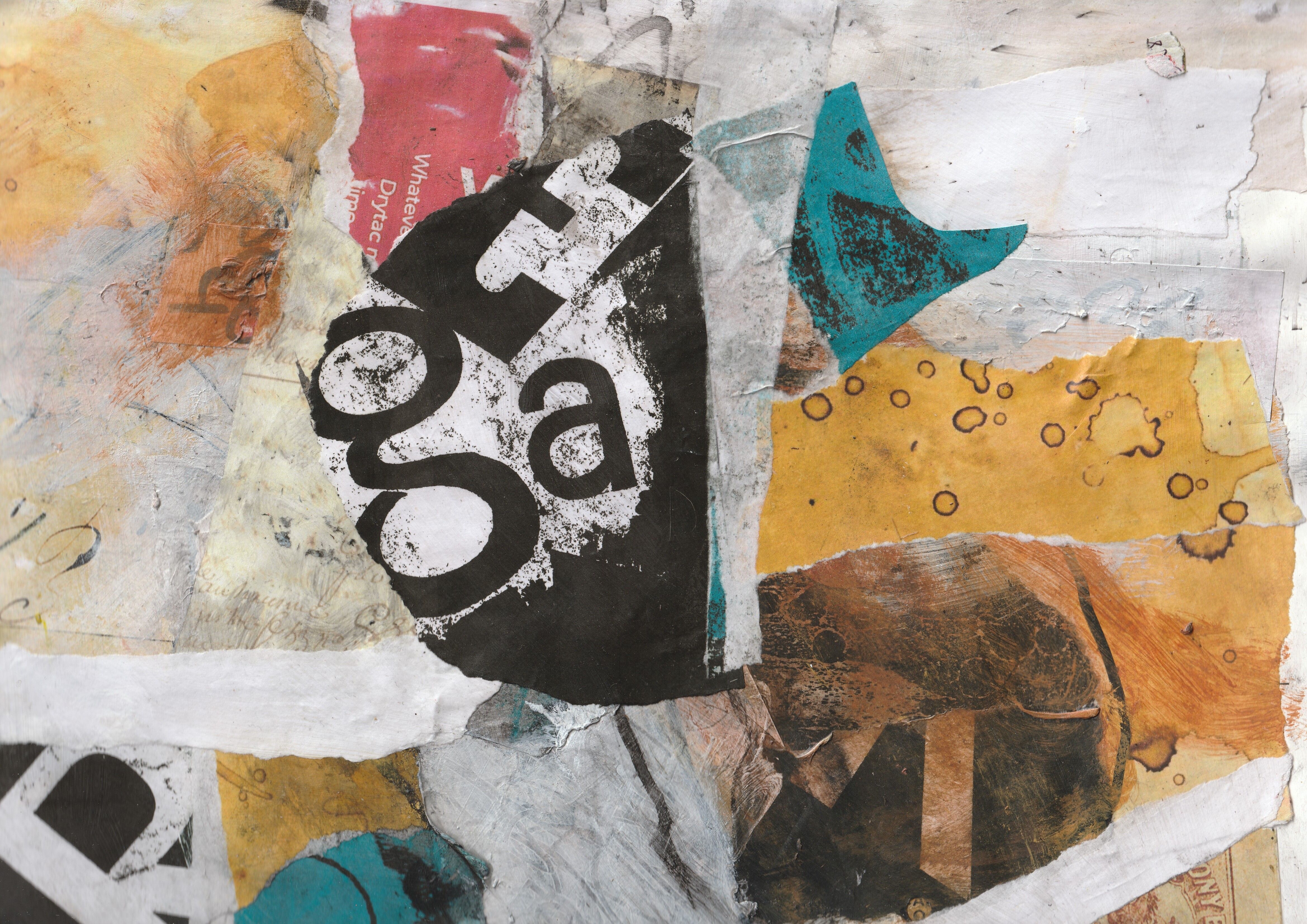
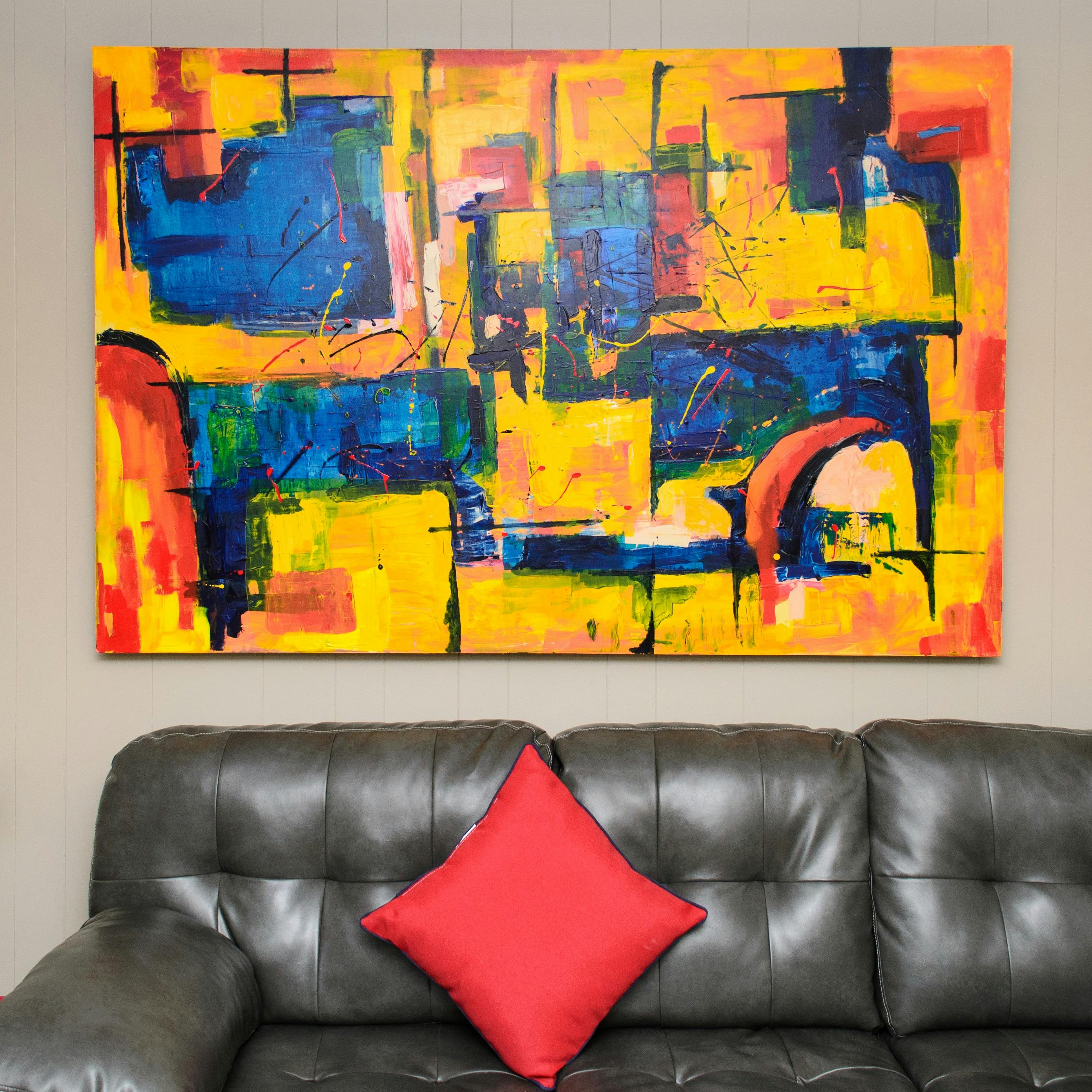
Above: The chaotic energy and fractured nature of abstract art provided a powerful language to express the psychological and physical rupture of the invasion, mirroring the breakdown of normalcy.
Then there are the artists who turned to the digital space. I saw countless Ukrainian illustrators and graphic designers, their hands shaking with a mix of fear and determination, creating powerful, shareable images. These weren't just hashtags; they were digital screams that traveled across the globe in seconds. They were a way of saying, "Even if our cities are being bombed, our voice, our identity, our culture will not be erased." The yellow and blue of the Ukrainian flag became more than colors; they became the visual anchor for a global movement of solidarity.
The sheer velocity of this digital response was staggering. Within 72 hours of the invasion, social media feeds were flooded with a new, decentralized iconography of resistance. The simple blue-and-yellow square was just the beginning. Graphic designers like Anton Logov created instantly viral posters blending Ukrainian folk motifs with stark, modern typography, while illustrators like Katerina Sokolova produced poignant animations of everyday life in Kyiv being violently interrupted, which were then shared by millions. This created a strange, new form of global solidarity, where a person in São Paulo, a student in Seoul, and a retiree in San Francisco could all display the same digital artwork as an act of personal witness. It was the world's first hyper-digital war, and its art responded in kind.
Amid this digital flurry, a particular image haunted me—a simple graphic of a blue square on a yellow background. No words were needed. It was the digital equivalent of a prayer flag, a shared symbol that allowed millions worldwide to visually align themselves with Ukraine. Artists like Anna Sarvira began creating intricate digital portraits of Ukrainian cultural figures, weaving traditional folk patterns into their work, ensuring that even on a screen, the soul of the culture remained visible and vibrant.
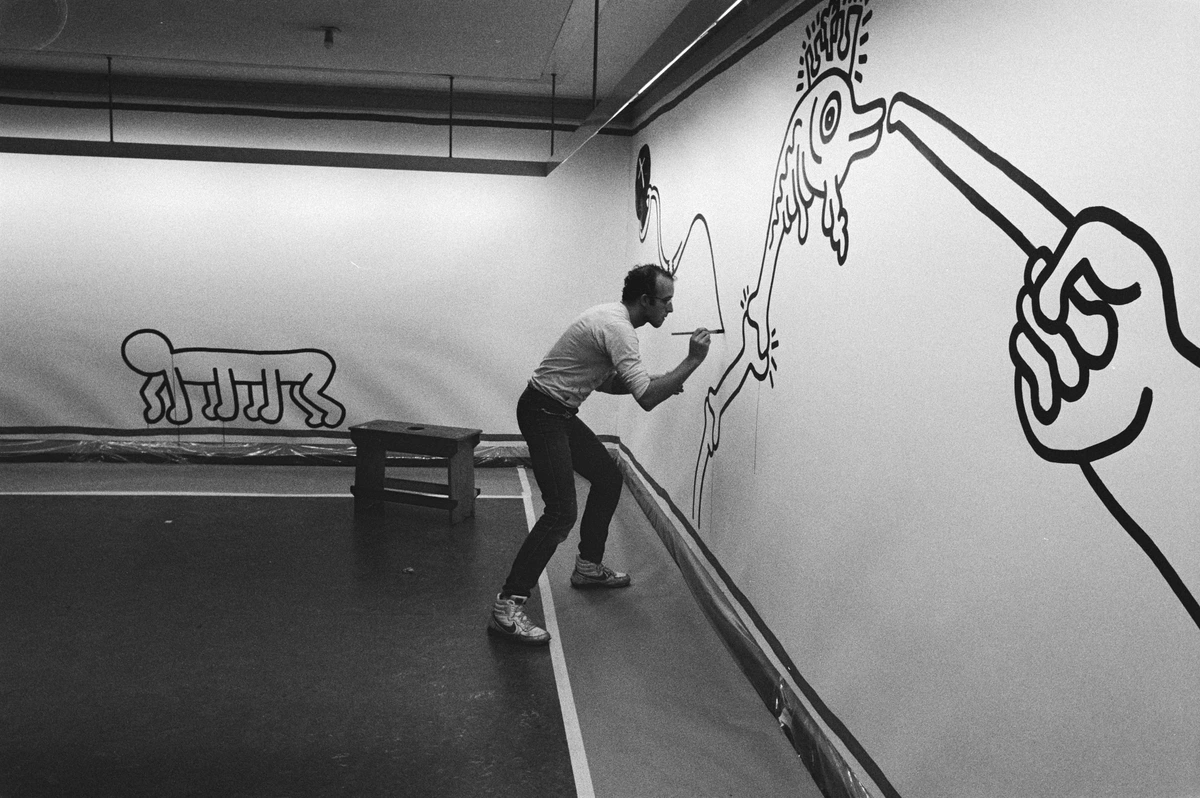
From Abstraction to Confrontation: The Power of Visual Metaphor
Abstract art, often unfairly dismissed as 'unclear' or 'difficult,' has found one of its most profound purposes in this conflict. I've always believed that abstraction is at its most powerful when it grapples with the ineffable—the things we feel in our bones but can't put into words. How do you paint the silence after an explosion? How do you sculpt the weight of absence left by a loved one who will never return? These are questions for which abstraction provides a language.
It's worth remembering that abstraction and war have a long, intertwined history. Kazimir Malevich, a pioneer of geometric abstraction, saw his groundbreaking work co-opted and eventually condemned by Soviet authorities, who demanded a more literal, propagandistic style. For him, abstraction was a way to transcend the material world, to reach for a "higher" spiritual reality. For many Ukrainian artists today, the goal is the opposite. They use abstraction not to escape reality, but to penetrate it more deeply—to grapple with a reality so brutal and surreal that "realistic" depiction feels inadequate, almost dishonest. It’s the visual equivalent of a primal scream. You can't articulate the sound of shattered glass and screaming metal, but you can try to capture the chaotic, jagged energy of that sound in a frantic line drawing.
This isn't some intellectual exercise. Think about it: a photograph can show you the crater where a market once stood. But an abstract painting can make you feel the vertigo of that sudden void, the chaotic splintering of normalcy into a million shards of disbelief. It captures the 'why' behind the 'what.'

Think of it this way. When the world feels like it's fracturing, how do you depict that fracture without simply showing a broken building? How do you paint the sound of an air raid siren, the sensation of a basement tremor, the texture of grief? Abstract artists stepped into this breach, their work becoming a visual seismograph for collective trauma. Ukrainian artist Pavel Makov, already celebrated for his intricate geometrical art, saw his work take on a raw, new urgency. His constrained, repetitive lines suddenly felt like the bars of a cage, a visual representation of the suffocating reality of occupation. The geometric patterns, once a source of meditative calm, now evoke the rigid, unbending logic of a siege, trapping the viewer within their relentless structure.
Another artist, Oleg Tistol, known for his vibrant, Pop-art-inspired takes on Ukrainian identity, made a radical shift. His canvases, once filled with playful historical pastiches, became choked with frantic, overlapping scribbles, as if frantically trying to erase or rewrite a history that was being violently distorted in real-time. The paint itself became thick, muddy, almost claustrophobic. It was a different kind of abstraction—one born not from cool intellectualism, but from the white-hot panic of a cultural identity under existential threat.
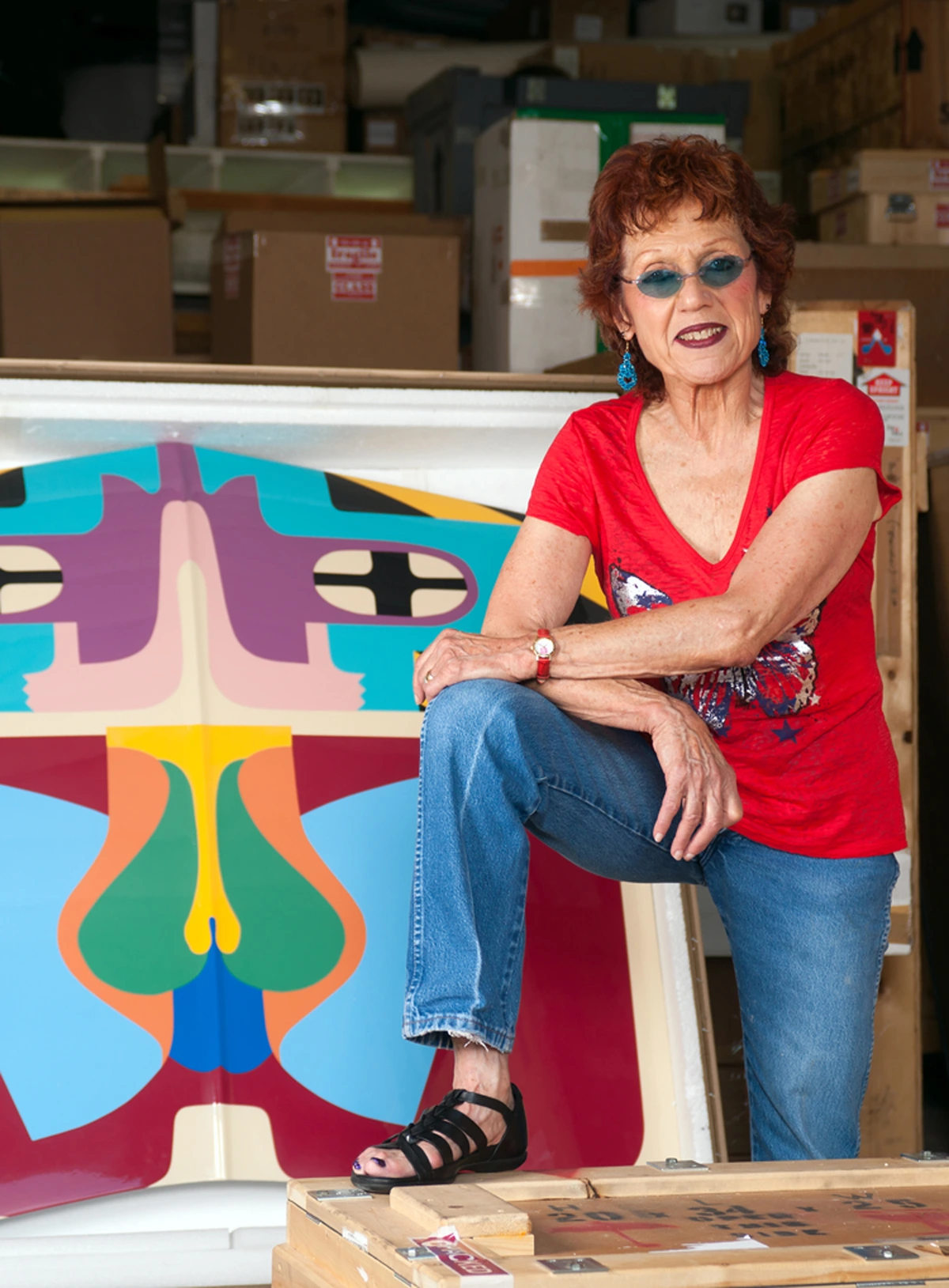
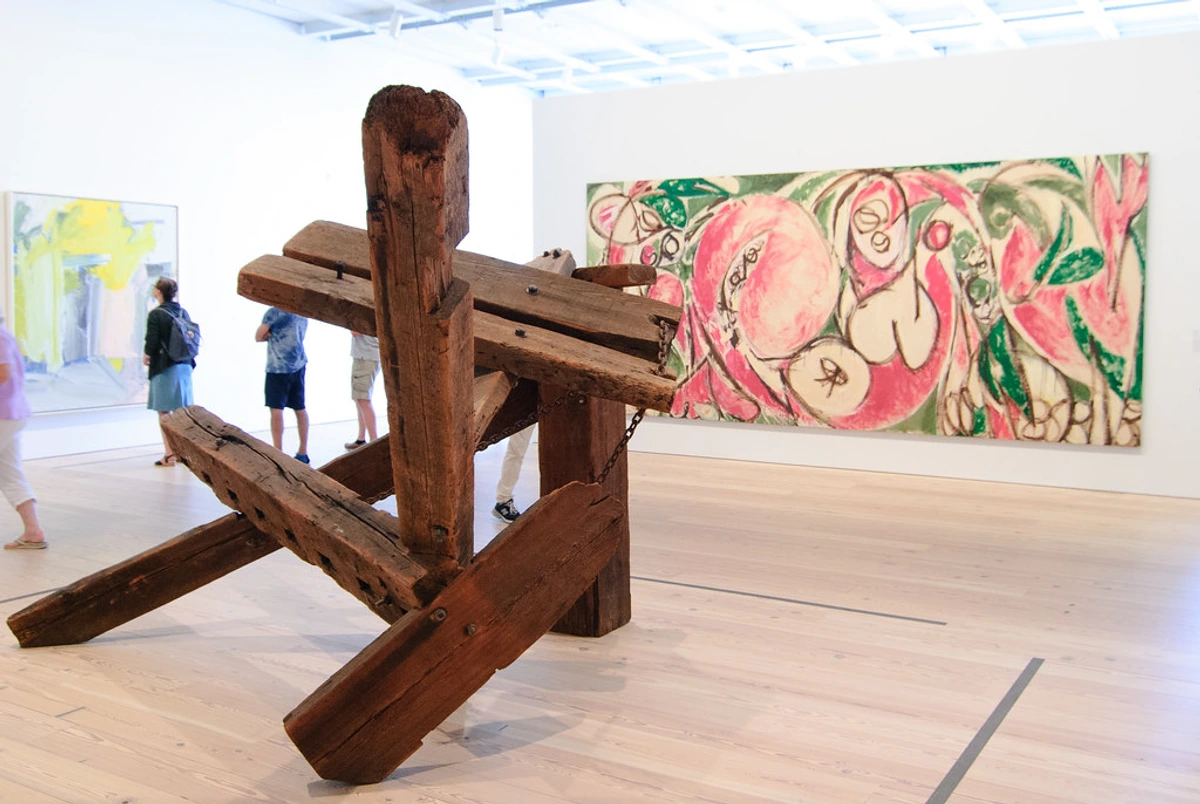
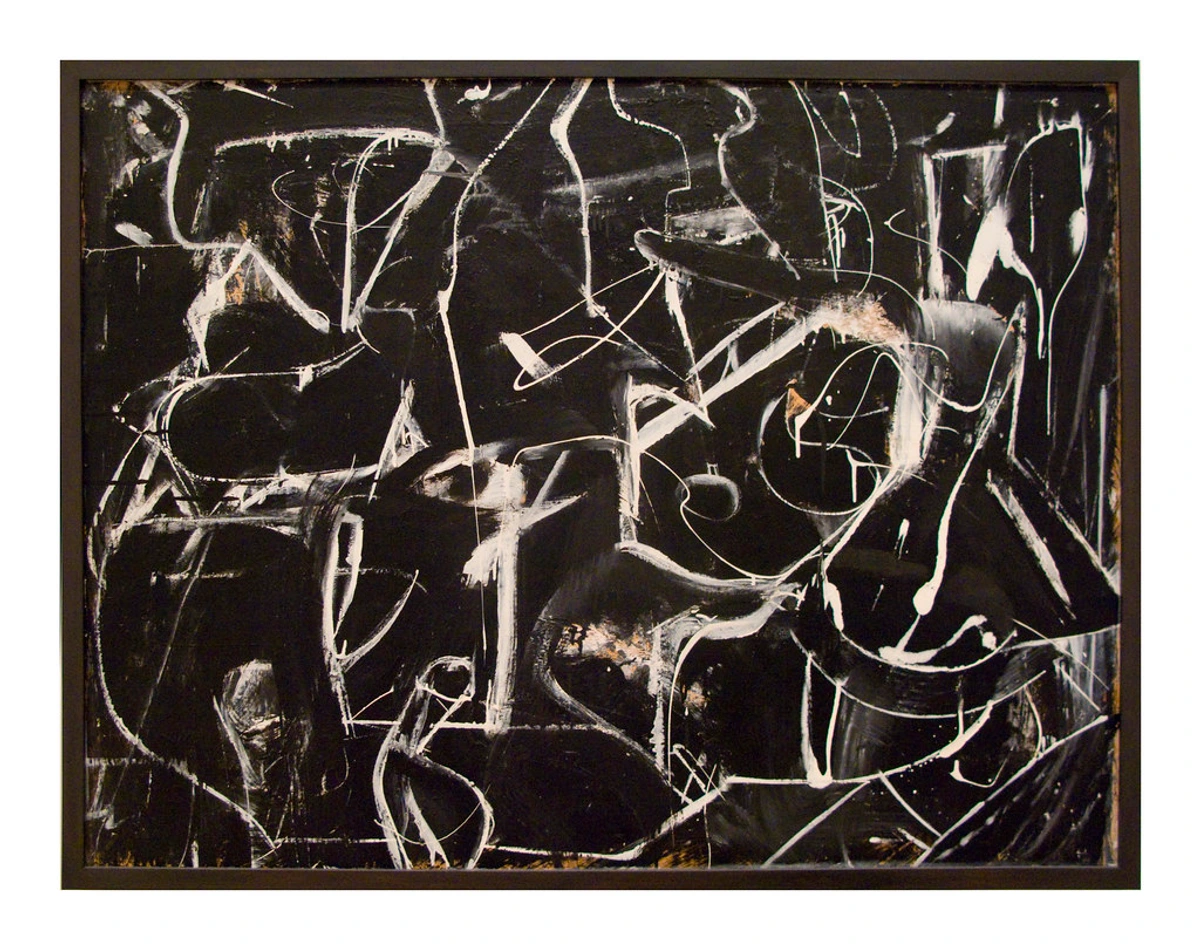
The destruction of a city, the terror of a bombing, the deep, thrumming anxiety of waiting for the next siren—how do you paint that? You don't paint the building falling. You paint the feeling of the ground dropping out from under you. You paint the jagged, chaotic lines of a mind fracturing under stress. You use color not to represent the sky, but to represent the sound of an explosion. It’s a synesthetic approach to painting, where one sense translates directly into another. This is why the abstract expressionists of the 1940s and '50s still feel so relevant today; they were also grappling with a world that had seemingly lost its mind. Artists like Lee Krasner and Willem de Kooning mastered the art of making chaos coherent, and their ghost hovers over much of the work being made in and about Ukraine today.
Stepan Ryabchenko, known for his futuristic digital worlds, made this shift in a profoundly unsettling way. His serene, virtual landscapes gave way to chaotic forms that seemed to short-circuit and glitch, as if the digital realm itself was corrupted by the virus of war. I find his Communication Breakdown series particularly haunting: pixelated figures attempting to connect across shattered screens, a perfect metaphor for a world struggling to bridge the chasms of misinformation and human suffering.
This sense of a corrupted reality extends to material art as well. The artist collective REARMIRADA, based in Kyiv, began creating large-scale installations from the fragments of destroyed Russian military equipment and the debris of Ukrainian buildings. Their work, Untitled (Debris), is a sprawling, chaotic landscape of mangled metal and shattered concrete, held together with desperate-looking welds and bolts. It's a monument to destruction, yes, but it's also an act of defiant reassembly. By physically recombining the physical evidence of their own destruction, they transform it from something that was done to them into something that they, the artists, now control.

Ukrainian artist Maria Prymachenko, though she passed away decades ago, saw a huge revival of interest in her fantastical, folk-art inspired creatures. Why? Because her work represents a vibrant, unique, and fiercely independent Ukrainian cultural identity. In a war that is fundamentally about identity and historical narratives, sharing her art became an act of resistance—a celebration of a culture that was being told it did not have a right to exist. Her innocent, joyful beasts are the antithesis of the cold, brutal machinery of war.
This emotional echo found powerful expression in the work of artists turning to ephemeral mediums. Zhanna Kadyrova's Palianytsia (2022) is perhaps the most breathtaking example. She gathered shattered tiles from the rubble of bombed civilian homes and meticulously reassembled them into the form of a traditional Ukrainian loaf of bread. This act transcends mere sculpture; it's a gut-wrenching alchemy, transforming the instruments of death and displacement into a symbol of sustenance, community, and home. It whispers a promise: from rubble, we will bake again.
This theme of transformation is central to much of the war's most powerful art. Nikita Kadan, another prominent Ukrainian artist, created a chilling series of etchings where the gears and mechanisms of heavy machinery blend seamlessly with the skeletal structures of bombed-out buildings. The work is titled Product of the Collision. It's a horrifyingly elegant visual metaphor: war is a machine that consumes architecture, history, and human life, and what it leaves behind is a new, terrible fusion of the two. This is abstraction at its most potent, creating a visual language for a previously un-nameable horror.
I also recall seeing images of chalk drawings on the pavement of deserted Kyiv squares, delicate portraits that the next rain would wash away. There's a profound bravery in making something beautiful when you know it is temporary, a defiance against the planned erasure of your culture. Each stroke of chalk was a small declaration: "I am here, now, and my voice matters, even if just for this moment."
And then there were the sounds. While not strictly visual art, the music scene in Ukraine provided a powerful, often abstract response. Ambient musicians and electronic producers began incorporating field recordings of air raid sirens, the distant thud of artillery, and the static of disrupted radio broadcasts into their work. The result was a chilling, immersive soundscape that simulated the auditory environment of a war zone, a deeply abstract and discomforting form of testimony.
The Artist as Citizen: Solidarity, Fundraising, and Activism
This might be one of the most powerful and practical ways artists have responded. The global art community didn't just issue statements; it got to work. It's one thing to feel horrified, but it's another to channel that horror into tangible action.
Let's be honest, the initial feeling of artists worldwide was a crippling impotence. But this swiftly transformed into a powerful resolve. I recall German artist Tobias Rehberger auctioning off his personal possessions, including cherished works from his private collection, with every euro earmarked for Ukrainian aid. This wasn't about donating a piece that didn't fit his current aesthetic; it was a personal sacrifice, a tangible act of stripping his own world to help rebuild another's.
This impulse wasn't confined to famous names. Story after story emerged of artists, from the renowned to the unknown, converting their creative capital into tangible aid. One that stayed with me was about a potter in North Carolina who dedicated a month of sales from her online shop to the cause. It's a different scale, but the principle is the same: a direct transfer of the value of beauty towards the immediate needs of survival. The global art economy, often criticized for its remoteness and commodification, briefly but powerfully transformed into a remarkably efficient and decentralized humanitarian network.
An ingenious initiative I came across involved auctioning not just finished artworks, but artistic time. Renowned painters and sculptors would offer their time and skills, with all proceeds going directly to humanitarian aid. It transformed philanthropy from a simple transaction into a partnership, where donors didn't just acquire an object, they actively participated in its creation for a cause. This model demonstrated the deep resourcefulness of the art community, finding novel ways to leverage creativity for immediate, life-saving impact.
One of the most innovative examples of this was the "Portrait for Ukraine" auction, where world-renowned portrait artists offered to paint the subject of the winning bidder's choice. The auction raised over $2 million, but the real genius was in the transaction itself. The buyer wasn't just acquiring a portrait; their purchase had a direct, inseparable link to the humanitarian aid it funded. It collapsed the distance between the art on the wall and the food in a refugee's bowl, making the connection visceral and undeniable.
The UK-based Artists for Ukraine collective exemplified this spirit. They organized online auctions featuring thousands of donated works from both emerging talents and established masters, democratizing philanthropy and making it accessible to anyone with an internet connection and a conscience. The pageantry of a traditional gala was stripped away, replaced by the raw, urgent efficiency of a digital lifeline.
But it wasn't just about raising money. It was also about creating a vast, virtual exhibition of solidarity. Suddenly, you didn't need a ticket to a fancy auction house; you could scroll through a digital gallery on your lunch break, bid on a work from a young Ukrainian photographer whose studio had been destroyed, and have that purchase directly fund their relocation. It was a complete re-imagining of the patronage system, fueled by necessity and a global sense of moral urgency. The digital catalog of the Artists for Ukraine auction itself became a historical document, a snapshot of a global art community's conscience at a specific moment in time.
I'm personally inspired by the story of the NFTs from the war's early days. Now, I'll be honest, my feelings on the whole crypto-art scene are... complicated. But it's impossible to ignore how artists and collectors used the technology as an instant fundraising mechanism. Digital works were created and sold, with proceeds funneled directly to humanitarian aid. It was, for a brief moment, a way to turn pixels into bandages and food. However, the volatility and ecological concerns of that market remain deeply problematic, a reminder that even in a crisis, the tools we use carry the baggage of their origins. The conversation around this was fraught. For every artist who successfully auctioned a "CryptoPunk for Ukraine," there were a dozen others who raised legitimate questions about the ethics of using a speculative, environmentally-intensive technology for humanitarian relief. The debate itself became a fascinating, if uncomfortable, public dialogue about the responsibilities of artists in choosing their platforms and mediums.
This highlights a recurring theme in crisis-driven art: pragmatism occasionally overrides principle. When hospitals are running out of supplies, the luxury of purism dissolves. The question becomes less about the 'perfect' way to fundraise and more about the 'fastest' way to get help to those who need it most.
Beyond the digital world, traditional art auctions were organized at breakneck speed. Galleries, auction houses, and individual artists donated works, sometimes pieces that were deeply personal. Imagine selling a painting you spent a year on, not for a vacation or a new car, but for a shipment of medical supplies. These weren't charity galas; they were acts of war conducted with brushes instead of bullets.
One of the most poignant examples of this was the sale of a long-lost portrait by the renowned Ukrainian modernist Olexander Novakivskyi. Rediscovered in a private collection, the work was expected to fetch a high price. Instead, the owner chose to donate it to the "Art for Peace" fund, which then auctioned it specifically to raise money for trauma centers and psychological support for children displaced by the war. The story of the painting—lost, found, and then given away for a cause far greater than its market value—became as much a part of its power as the image on the canvas. It was a story of rescue and re-dedication, mirroring the hoped-for fate of the nation itself.
The famed PinchukArtCentre in Kyiv suspended its usual programming, transforming its galleries into a logistics hub for humanitarian aid. This wasn't symbolic; it was a radical reimagining of the art institution's purpose. The gallery became a warehouse, its curators became aid workers, proving that in a time of existential threat, protecting life becomes the highest form of art.
This pragmatism permeated the entire art ecosystem. The Kyiv Biennial, one of Eastern Europe's most important contemporary art events, announced it would not proceed as planned. Instead, the organizers and participating artists launched a decentralized, worldwide program of screenings, talks, and exhibitions titled "The Eyes of the War." It was a brilliant, adaptive move: rather than cancel their international platform, they reconfigured it as a global broadcasting system for Ukrainian artistic and documentary testimony. The biennial was no longer a single event in a single city, but a virus of consciousness spreading from gallery to gallery, from screen to screen, across the globe.
Organizations like Artists at Risk and Artists for Ukraine formed or scaled up rapidly, connecting displaced Ukrainian artists with residencies, grants, and safe harbor in other countries, ensuring that a nation's cultural voice would not be silenced. A particularly moving example I encountered was the Sunflower Network, an informal global collective of art teachers who organized free online workshops for displaced Ukrainian children. They weren't just teaching art; they were offering a moment of normalcy, a virtual classroom where kids could just be kids again, using creativity as a psychological balm.
This wasn't just about immediate aid; it was a long-term investment in cultural memory and generational healing. Child psychologists working with refugees consistently point to art therapy as one of the most effective interventions for trauma. Drawing a picture allows a child to externalize experiences that are too terrifying to put into words. For many children, these art workshops were the first time since the war started that they were given a blank page and told, "You can draw anything you want." That simple act of re-establishing agency—of giving a child back control over their own creative world—is a profound therapeutic intervention disguised as a simple art lesson.
Another standout was the Meta History: Museum of War project. Launched by Ukraine's Ministry of Culture, this became a monumental, blockchain-based chronicle of the conflict, archiving the war's digital footprints—from official statements to viral social media posts. Each entry was paired with a commissioned artwork, creating a permanent, decentralized record of testimony, transforming ephemeral digital outrage into an immutable historical document.
The sheer ambition of the project is staggering. It's an attempt to build a museum in real-time, as the events it's chronicling are still unfolding. The official Telegram channel for the Ministry of Defense announces a missile strike on a military target; within hours, an artist has responded to that text-based announcement with a digital painting, and both the announcement and the painting are minted, paired, and archived forever on the blockchain. It's a new form of historiography, where the archivist, the journalist, and the artist are all working in the same frantic, synchronous feedback loop. For all its association with speculative financial bubbles, the underlying technology of the blockchain is being used here for its original, idealistic purpose: to create a verifiable, censorship-proof historical record, proving that even in the digital Wild West, a little technology can still be a form of truth.
A New Vocabulary of War: Symbols and Recurring Motives
Every war begets its own iconography. Think of Picasso's Guernica and you immediately see that screaming horse. The war in Ukraine is creating its own powerful visual language.
This lexicon emerged organically, born from the immediate realities of the conflict. Yet, some symbols were consciously adopted, recontextualized, and amplified. The Ukrainian trident (tryzub), for centuries a national emblem, experienced a profound resurgence, appearing everywhere from hastily spray-painted street art to meticulously embroidered patches on military uniforms. Artists amplified it, rendering it in materials scavenged from battlefields, transforming it from a historical artifact into a living symbol of defiance.
The tryzub has a complex history, dating back to the Rurik dynasty and representing the concept of the holy trinity. But in the context of the 2022 invasion, it shed its abstract, historical weight. In the hands of artists, it became something more urgent. Street artist 'Kislow' painted giant, dripping red tridents on the sides of abandoned Russian tanks, turning the enemy's own abandoned hardware into a canvas for Ukrainian national pride. Embroidery collectives began creating elaborate tapestries featuring the trident woven from bright, traditional threads, a defiant assertion of a vibrant, living culture. In the digital space, it became a powerful, instantly recognizable meme, a shared cultural marker that could be stamped onto any image, transforming it into a political statement. It was no longer just a historical symbol; it was a shared, contemporary password for an entire nation of people fighting for their existence.
This visual language isn't static; it evolves. The initial wave of shock gave way to symbols of resilience, which in turn have been joined by images of remembrance and reconstruction. What started as a cry of pain has matured into a complex vocabulary encompassing grief, defiance, solidarity, and the quiet, stubborn hope for a future beyond the rubble.
One of the most profound evolutions has been the symbol of the dandelion. In the early days of the war, artists used images of the flower, its seeds blowing in the wind, to represent the scattering of refugees. It was a symbol of loss and displacement. But recently, I've seen it used differently. Ukrainian artist Alevtina Kakhidze created a powerful series of drawings where dandelion seeds are shown taking root and sprouting in foreign soil. The same symbol that once meant displacement now also signifies survival, adaptation, and the unstoppable force of life. This is the essential function of a living visual language: it doesn't just describe the world, it grows and changes with it.
Consider the vyshyvanka—the traditional embroidered shirt. Once a symbol of cultural heritage, it became a potent marker of identity and resistance. Artists depicted soldiers wearing vyshyvankas under their fatigues, while everyday citizens chose to wear them on the streets as a quiet, collective statement. This seemingly simple garment transformed into a powerful declaration, weaving threads of ancient tradition into the very fabric of modern defiance.
The vyshyvanka is more than a piece of clothing; it's a historical document. Each region of Ukraine has its own distinct patterns, stitches, and color palettes, making the shirt a wearable atlas of national identity. When artists like Yuriy Sedykh began creating photorealistic portraits of soldiers wearing vyshyvankas under their body armor, they were making a profound statement: we are fighting not just for our land, but for the very threads of our history. The shirt became a form of soft armor, a psychological shield against the dehumanizing logic of war. On a more grassroots level, a global movement called "Vyshyvanka for Ukraine" saw people from all over the world wearing the embroidered shirts on a designated day, a powerful visual chorus of international solidarity that transcended language barriers.
Zen Dageraad Visser, used with permission
Take the stroller left on a train platform. Seen in countless photographs and re-interpreted by artists, it's a universal symbol of interrupted life, of families torn apart, of the most vulnerable caught in the crossfire of geopolitics. It’s not a political statement; it’s a human one.
It's gut-wrenching precisely because it lacks explicit violence. The focus isn't on the perpetrator or the weapon, but on the profound absence—the ghost of a child who should be there. It forces us to confront the secondary, invisible wounds of war, the psychological trauma that will linger for generations, long after the physical damage has been cleared away. This image, perhaps more than any other, crystallized the war's impact on innocence, transforming an everyday object into a haunting monument to futures stolen.
The image of the stroller wasn't just a spontaneous, found object. It quickly became an active element in performance and installation art. I recall a powerful, unauthorized street performance in Warsaw, where an artist placed a single, empty stroller on a busy public square every day for a week. Each day, it was painted a different color, each color representing a different Ukrainian city under siege. It was a ritual of absence, a daily reminder that while most people's lives continued, thousands of life-paths had been violently, abruptly interrupted. The work required no explanation, no translation. A single, empty stroller communicates a universal grief, a shared anxiety that transcends all borders.
The Molotov cocktail has been transformed from a guerrilla warfare tool into a symbol of grassroots defiance. Ukrainian artists have depicted it in everything from stained glass designs to delicate porcelain sculptures, reclaiming an instrument of violence and turning it into an icon of their unbreakable spirit. It's a declaration: if you attack us, we will fight back, not just as soldiers, but as a whole people.
The aesthetic and symbolic transformation of the Molotov cocktail is one of the most fascinating developments of the war. Artist Mykola Trokh created an entire series of paintings where the Molotov is depicted as a bouquet of flowers, the flames transformed into soft, beautiful blooms. It was a shocking, paradoxical image: an object of violence reimagined as an object of beauty and life. This wasn't a celebration of violence, but a profound act of cultural reclamation. By aestheticizing the weapon, these artists were stripping it of its purely destructive power and infusing it with the defiant, life-affirming spirit of the Ukrainian people.
The artist collective Mironova made this transformation explicit, crafting delicate, intricate, and even beautiful ceramic Molotovs, complete with iconic labels. By rendering an object of violence in a fragile medium associated with domesticity and heritage, they created a jarring paradox that forced a double-take. It was no longer just a weapon; it was a cultural artifact, a piece of the Ukrainian spirit that refused to be broken.
This aesthetic reclamation is perhaps one of the most powerful artistic acts of the war. By rendering an improvised explosive in the delicate medium of porcelain, artists are deliberately juxtaposing fragility with fierce resolve. They're creating a paradox: an object of conflict reframed as an object of beauty and cultural pride, a reminder that the Ukrainian spirit, while perhaps fragile in the face of overwhelming force, remains unbreakably potent.
This paradoxical approach extends to grafitti and stencil art. The image of the "Saint Javelin," a Madonna-like figure holding not a baby but an anti-tank missile, became an instantly viral icon. It fused deep religious iconography with the gritty reality of modern warfare, creating a potent symbol of a just, defensive war. Stencils of this image began appearing on walls from Lviv to London, a modern-day icon for a modern-day struggle. It was a complete reappropriation of religious and military symbolism, deployed not by a state, but by a meme-savvy populace as a form of visual combat.
And for a while, the simple gesture of a blue and yellow painting became a powerful act of solidarity. It felt important. My own studio saw a few canvases covered in that hopeful combination of sky and wheat, a small way of processing the daily deluge of bad news.
Perhaps no symbol was more pervasive or more defiantly joyful than the giant sunflower murals that bloomed on streets worldwide. These were not the wilting, mournful flowers of Volo Bevza, but vibrant, larger-than-life blooms, turning the national flower into a global banner of resistance and hope, transforming a symbol of sorrow into one of undying vitality.
The Art of Memory: Documenting Loss and Building Monuments
Art is not just about the immediate moment of crisis. It’s also about what comes after. It’s about creating a record that outlasts the news cycle. It’s about building a memorial before the bodies are even counted, because the process of creation is itself a form of grieving.
This is where the artist becomes an archivist of the soul. The impulse isn't to craft beautiful objects, but to capture evidence. It's an act of defiance against the two most effective weapons of modern warfare: erasure and forgetting. When a historian in the future turns to the news archives of this time, they will find a factual record. But when they turn to the art, they will find the truth. James Elkins, the art historian, has written extensively on the concept of "world-making" in art, the idea that the artist doesn't just depict the world, but actively constructs a parallel one, complete with its own logic and moral gravity. This is precisely what is happening in the art of remembrance surrounding the war in Ukraine.
However, this task of remembrance is fraught with peril. How do you memorialize without appropriating grief? How do you honor the dead without turning their memory into a political statement? Artists face the complex challenge of creating monuments that offer solace and remembrance for Ukrainians, while simultaneously bearing witness to the world at large, all without succumbing to empty sentimentality or political instrumentalization.
Many Ukrainian artists are deliberately eschewing the monumental bronze statue. Instead, they favor participatory, living memorials. The Museum of Civilian Voices, an online archive, collects audio testimonies, transforming personal stories into an aural monument that can be experienced anywhere. This is a memorial you can't walk around; you have to listen, actively and intimately, allowing the voices of the living and the lost to become part of your own consciousness.
These oral histories are a crucial counter-narrative to the grand, sweeping historical accounts. One recorded testimony from the museum's archive, for example, isn't about a battle, but about the surreal experience of seeing a cat sleeping peacefully on a windowsill moments after a nearby explosion. It's a detail that no history book would ever include, yet it captures the bizarre, jarring juxtapositions of life during wartime more powerfully than any strategic map. It's a memorial built not of marble, but of memory, fragile and eternal at the same time.
Many artists are focused on documenting the loss of cultural heritage. They are painting architectural landmarks, churches, and theaters—not as they are now, in ruins, but as they were, in all their beautiful, quiet, everyday glory. This is an act of profound defiance against the erasure that is a core tactic of modern warfare. They are digitally preserving monuments, recreating them in 3D models, and sketching them from memory, fighting to keep a nation's heritage alive in the collective imagination.
This work is often a deeply personal act of love and loss. The work of artists like Yevgenia Belorusets, who carefully documents the faces and places of Kyiv before they are altered or destroyed, functions as a visual prayer for preservation. It's a conscious effort to create a visual "backup" of a nation's physical identity. One particularly haunting series I saw involved photographing the interiors of abandoned apartments in frontline towns—a half-finished cup of tea on a table, a child's drawing still on the refrigerator. These aren't images of destruction, but of interrupted lives, and in that interruption lies an excruciating human truth. For many Ukrainian artists, this work is a race against time, a desperate attempt to save the soul of their country, one image at a time.
The Backup Ukraine initiative exemplifies this digital defiance. Launched by the Danish UNESCO National Commission, it leverages photogrammetry—a technique using hundreds of smartphone photos—to create precise 3D models of Ukraine's architecture and heritage sites. This isn't just documentation; it's resurrection. It ensures that even if a building is flattened, its physical essence remains, digitally immortalized, ready to be 3D-printed or experienced in virtual reality by future generations.
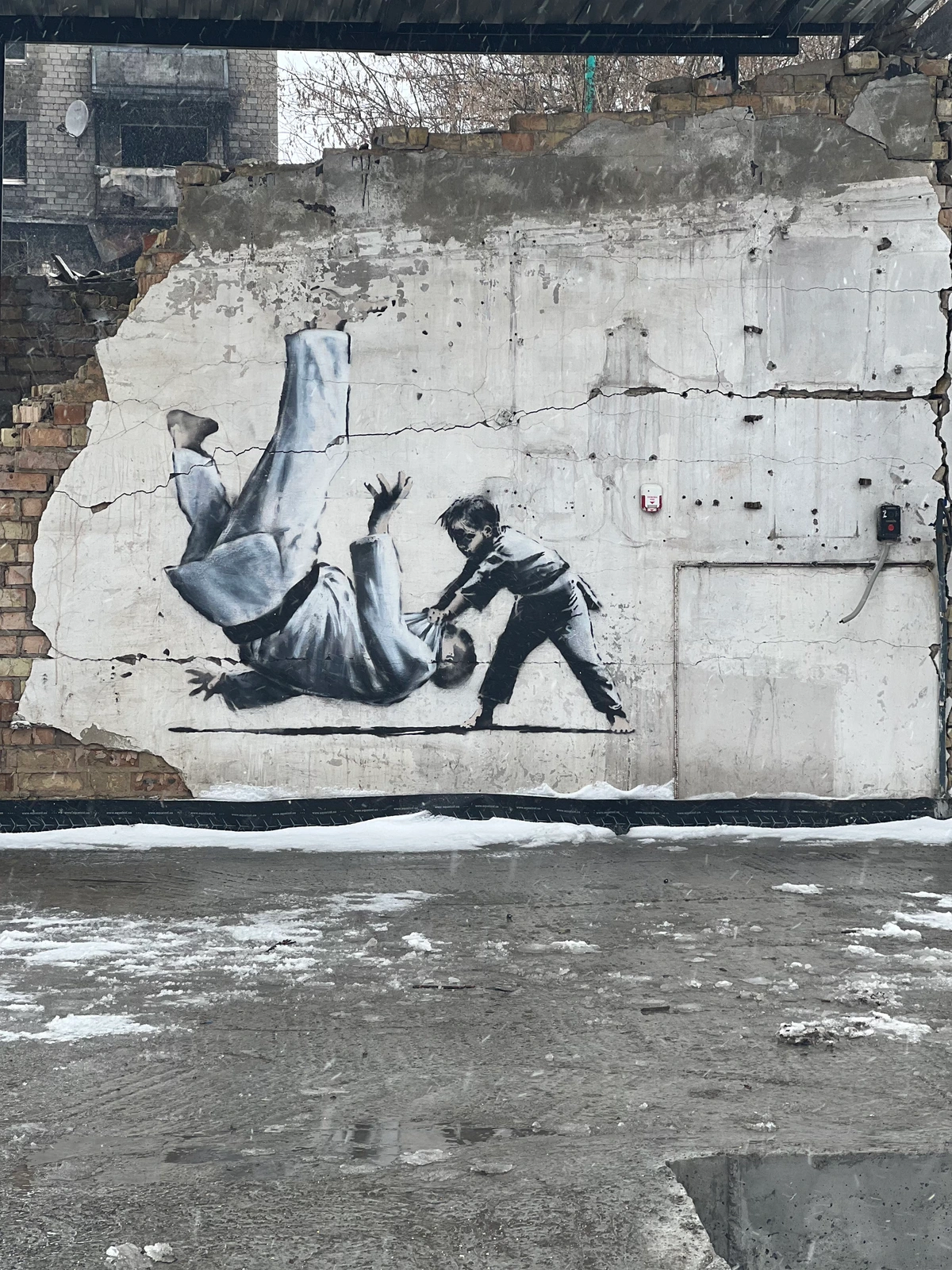
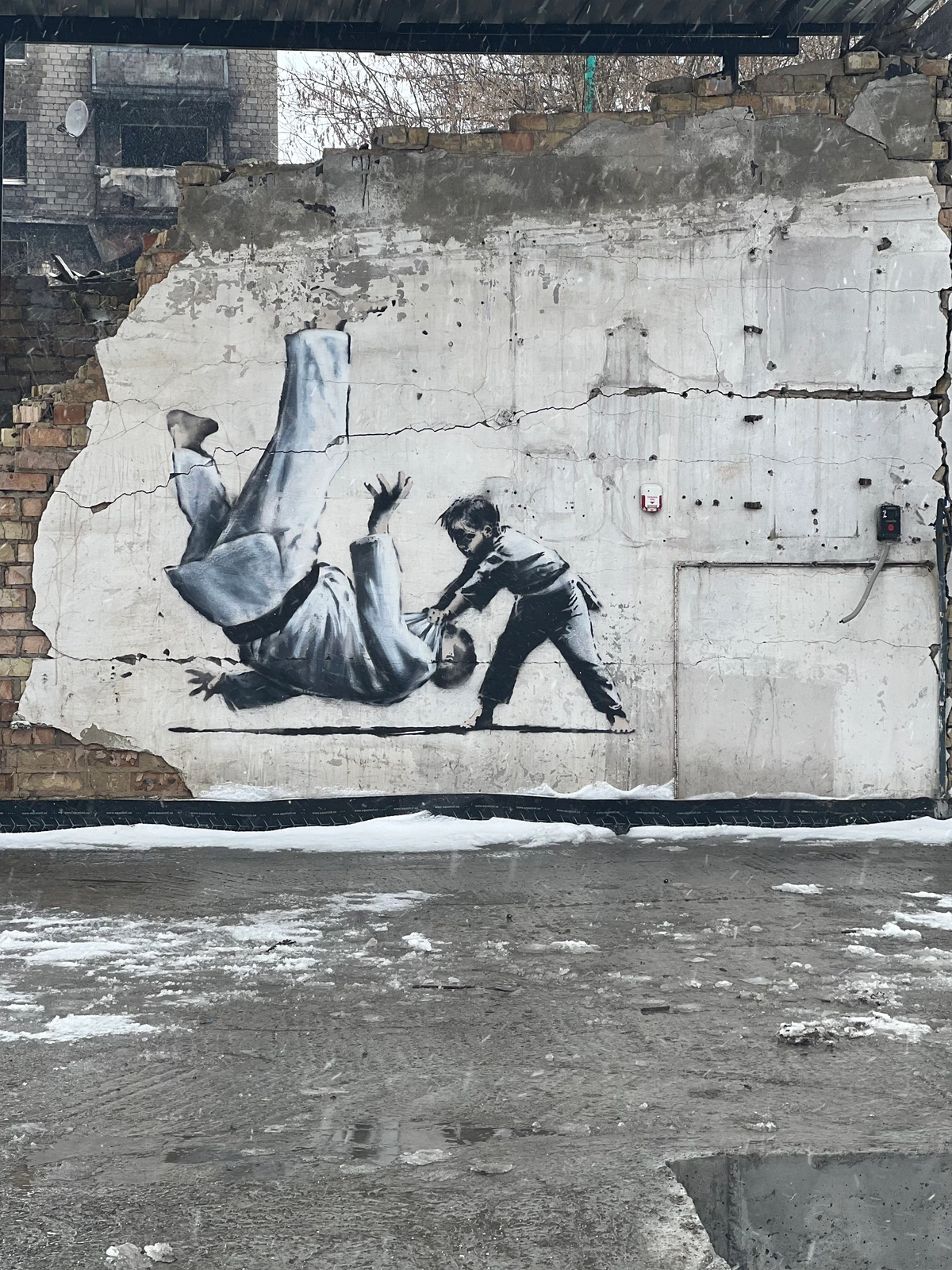
The global community has played a role here, too. I remember seeing the work of street artists like Banksy, who appeared in Ukraine to create his signature murals on the walls of war-damaged buildings. These works are performative, cathartic. They are a way of reclaiming a scarred space and declaring that, even amid rubble, creativity and humor can survive. It’s a powerful statement: "You broke it, but we will still make it beautiful."

The global art community's involvement highlights a crucial dynamic. While Ukrainian artists are creating from a place of lived, visceral experience, international artists are often creating from a place of solidarity and shared humanism. French artist JR, for example, is known for his massive, site-specific wheatpaste portraits that bring communities together. While he did not create work within Ukraine for security reasons, he launched the global "Art Can Change the World" initiative, providing the iconic "Inside Out" photo booth truck to refugee centers in Poland and other neighboring countries. The resulting giant portraits of displaced Ukrainian families were pasted in major cities worldwide, a powerful, silent, and dignified rebuke to the facelessness of news reports. It was an act of giving face—literally—to the overwhelming statistics of displacement.
But it's crucial to look beyond the famous names. The most poignant memorials were often the most spontaneous, the most local. I think of the "wall of remembrance" in Lviv, where photographs of the fallen were posted by grieving families, creating an organic, living memorial that grew day by day. It wasn't curated by a museum; it was curated by a community's love and loss, a raw, unfiltered testament to the human cost of the war.
These grassroots memorials represent a different kind of artistic impulse. They are unplanned, evolving rituals of grief. In parks and public squares across Ukraine and in diaspora communities worldwide, these spaces are adorned not only with photos but also with drawings from children, handwritten letters, and cherished possessions. They are profoundly personal altars that collectively form a national shrine, one that refuses to let the fallen become mere statistics.
Reflections: Art in the Face of the Unthinkable
So what is the point of all this? In the face of missiles and tanks, what good is a painting? It’s a question I've asked myself a thousand times. And the only answer I can come up with is this: art is not a shield. It will not stop a bullet. But it can build a bridge.
It builds a bridge of empathy from someone sitting in a peaceful, sun-drenched living room to someone huddled in a subway station-turned-bomb-shelter. It builds a bridge between the present and the future, ensuring that the stories of this war are told not just through dry military reports, but through the visceral, messy, emotional language of human experience. It builds a bridge between cultures, showing us that a mother's fear in Kyiv is not so different from a mother's fear anywhere else.
Criticizing war art is a delicate task, as it often feels like you're criticizing the emotional response to trauma itself. But it's a necessary conversation. Not all of the art produced in response to the war is "good art" in a technical or aesthetic sense. Some of it is raw, hurried, and clumsy. But I'd argue that in this specific context, its "badness" is almost irrelevant. The primary function of this art is not to be beautiful or seamlessly executed; its function is to be. Its existence is its argument. It screams, "I am here, this is happening, I will not be silenced." In this sense, the hurried sketch of a burning building by a child in Kharkiv can be as historically and morally significant as a meticulously composed painting by a master. The act itself carries a weight that transcends traditional aesthetic critique.
This bridge-building isn't always comfortable. Good art about war should unsettle us. It should disrupt our safe assumptions, challenge our easy sympathies, and force us to confront the full, messy reality of what conflict does to the human spirit. It's not just about feeling sorry for the victims; it's about recognizing our own complicity in a world where such things still happen, and our shared responsibility to build a future where they don't.
Art allows us to confront the darkness not by flinching, but by framing it, understanding it, and ultimately, refusing to let it have the final word.
Voices from the Conflict: FAQ on Art and the Ukraine War
Here, I'll try to answer some of the recurring questions I've encountered, threading together the personal, political, and artistic dimensions of this complex topic.
This section aims to address the direct, human questions that arise when we try to process how creativity can coexist with catastrophe. These aren't theoretical queries; they are the pressing, practical, and emotional threads that connect all of us who have watched this conflict unfold from near and far.

How has art helped Ukrainians during the war?
For Ukrainians, art has served multiple, crucial functions. It’s been a tool for psychological survival, a way to process trauma, maintain a sense of normalcy, and express a national identity that is under direct attack. For artists who have taken up arms, sketching in a notebook during a quiet moment can be a vital act of maintaining their humanity. For those displaced or sheltering, art workshops provide a fleeting sense of community and a much-needed creative outlet for children and adults alike.
Consider the work of the Ukrainian Emergency Art Fund. They didn't just provide financial assistance; they delivered art supplies to hospitals, shelters, and even soldiers on the front lines. The implicit understanding was that art isn't a luxury you save for peacetime; it's a vital tool for sanity amidst insanity. It became a form of non-verbal therapy, a way for people who had seen the unseeable to externalize their trauma and begin the long, slow process of healing.
What are some famous examples of art responding to the Ukraine war?
- Banksy's Wartime Murals: As mentioned, the elusive artist created several works in Ukraine, including a mural of a gymnast on a battered wall, symbolizing resilience.
- Volo Bevza's Sunflowers: His poignant series of wilted sunflowers became a powerful symbol of the war's impact on the nation's spirit.
- "Borodyanka, Vidsich" Poster: A simple, powerful propaganda-style poster showing a hand giving the middle finger to a Russian warship, which became an iconic image of defiance (referencing the famous "Russian warship, go fuck yourself" audio).
- Zhanna Kadyrova's "Palianytsia": This Ukrainian artist began collecting scattered pieces of broken tiles from damaged buildings and reassembling them into the shape of traditional Ukrainian bread. It was a breathtaking act of alchemy—transforming the debris of destruction into a symbol of sustenance, home, and cultural identity.
- "Saint Javelin" Stencil: A viral, unofficial icon that depicts a religious figure holding a modern anti-tank missile, fusing faith and resistance.
- JR's "Inside Out" Portraits: The French artist's project of wheatpasting giant portraits of refugees across global cities.
- The Empty Stroller: A found object elevated to a universal symbol of interrupted life, replicated in street performances and art worldwide.
- The "Sunflowers" Solidarity Murals: Large-scale murals of vibrant sunflowers, blooming defiantly on buildings across the globe as a universal symbol of support.
Artist/Work  | Medium | Core Message | Impact |
|---|---|---|---|
| Volo Bevza, Sunflowers | Painting | Grief, Loss of National Soul | Poignant symbol of a nation under assault |
| Banksy, Wartime Murals | Street Art | Resilience, Humor, Reclamation | Global media attention, reclaimed public spaces |
| Zhanna Kadyrova, Palianytsia | Sculpture/Installation | Sustenance, Rebirth from Ruin | Powerful metaphor for survival and reconstruction |
| Pavel Makov, Geometric Works | Abstract Painting | Anxiety, Confinement | Visual representation of the psychological state of war |
| Olia Fedorova, This Is My Moscow | Digital Art | Erasure, Cultural Assertion | A quiet, viral act of digital resistance |
| Mironova Collective, Ceramic Molotovs | Sculpture | Defiance, Paradox | Reclaimed a symbol of violence as one of fragile strength |
| The Sunflower Network | Educational Initiative | Psychological Support, Normalcy | Provided creative refuge for displaced children globally |
| Meta History: Museum of War | Digital Archive | Documentation, Immutability | Created a permanent, decentralized historical record of testimony |
| Backup Ukraine | Digital Preservation | Cultural Heritage, Resilience | Ensured the digital survival of Ukrainian architecture |
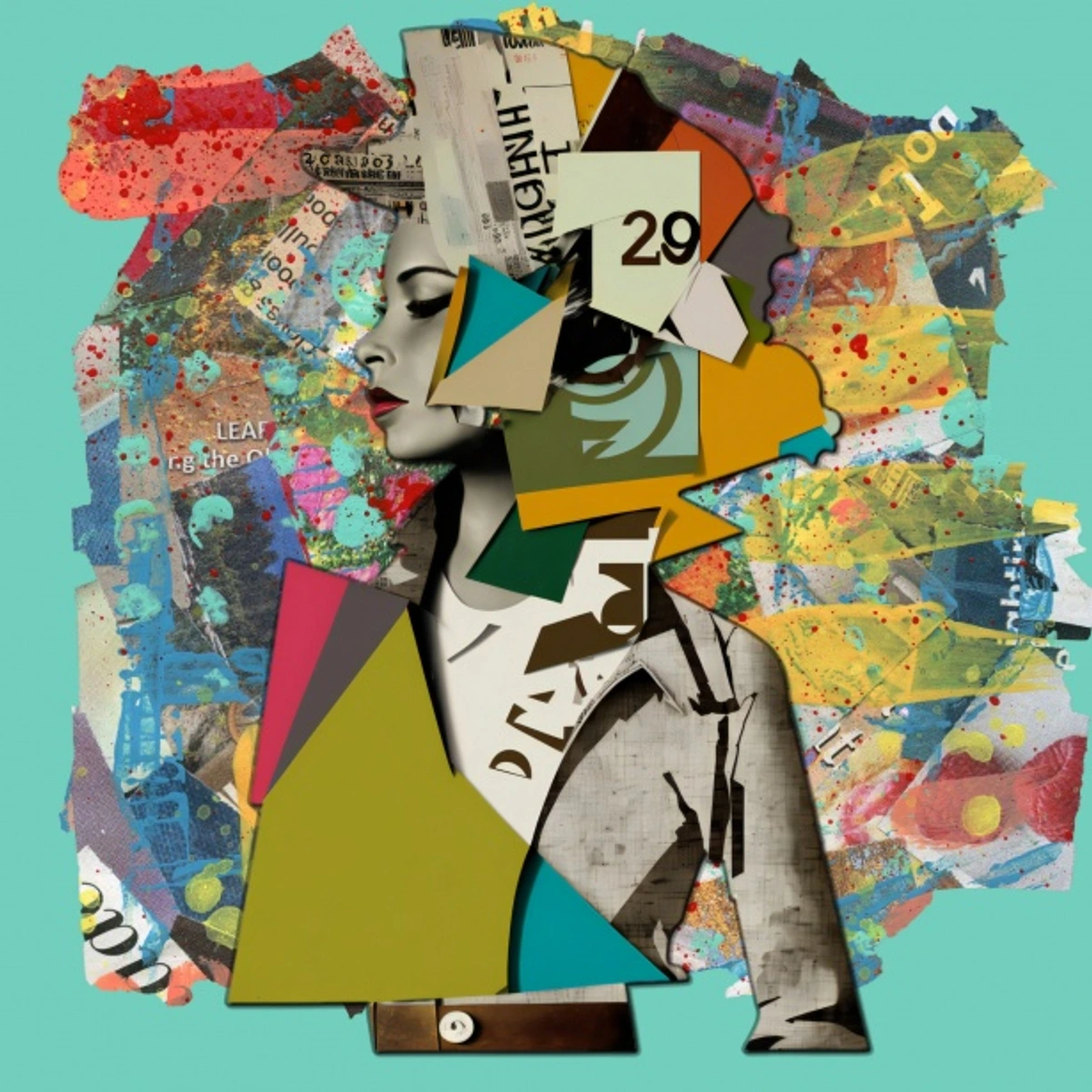
- Digital Illustrations: A flood of digital art by Ukrainian and international artists went viral, from illustrations of traditional Ukrainian motifs like the vyshyvanka (embroidered shirt) to powerful visualizations of the conflict's key moments.
Has digital art played a significant role?
Absolutely. Digital art became a primary medium of expression and resistance. It's fast, easily shareable, and doesn't require access to a physical studio. Ukrainian artists used platforms like Instagram and Twitter to share their work instantly with a global audience, turning their social media feeds into galleries of defiance and testimony. Digital platforms were also crucial for fundraising, allowing artists to sell prints and digital files directly to an international base of supporters.
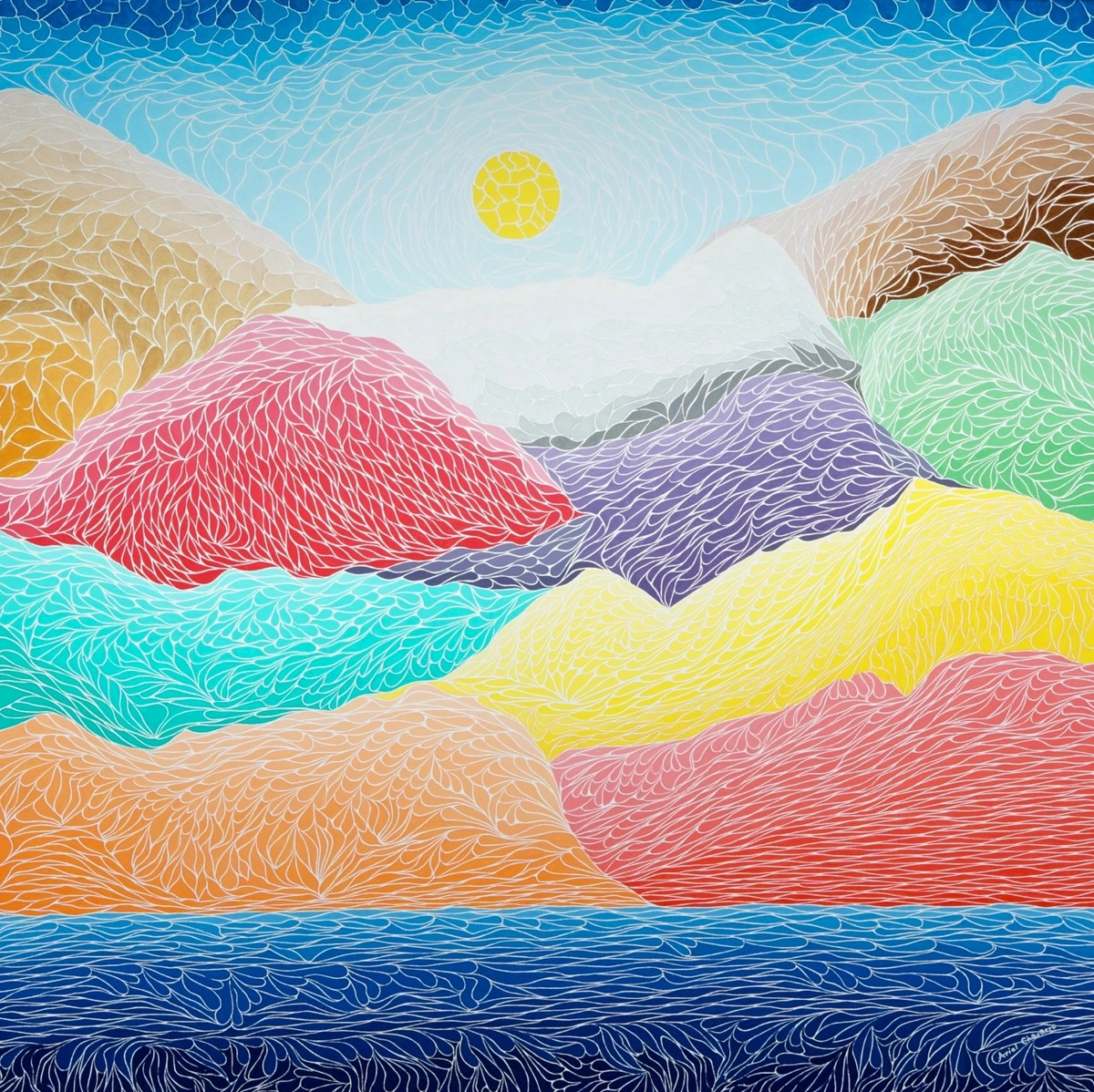
Beyond its immediacy, digital art offered an unprecedented ability to collaborate and remix. I saw projects where a Ukrainian photographer would post an image of a destroyed home, and artists from around the world would digitally paint it back to life, or weave it into a larger tapestry of global solidarity. It created a dynamic, living archive of the war, one that was constantly being annotated and reinterpreted by a global community of creators.
The collaboration between Ukrainian artist Stanislav Turina and the global online art community stands out. Following Russian missile strikes on energy infrastructure, Turina posted haunting images of the resulting darkness in his city. Within days, hundreds of digital artists had responded, creating works that depicted warmth, light, and defiance springing from that darkness. His initial documentation sparked a global chorus of creative solidarity, proving that digital art could be more than a single voice—it could be a choir.
Is it appropriate for international artists to make art about the war if they haven't experienced it directly?
This is a delicate and important question. The key, I believe, is not to appropriate the trauma or speak for Ukrainians. The role of the international artist is often one of amplification and empathy. It's about using your platform and your skills to direct the world's attention to the voices that need to be heard. It's about creating work that expresses solidarity, that raises funds, or that helps your own community process the global shock of the war. The goal should be to create bridges, not to assume you know what it's like to stand on the other side of the chasm.
One crucial distinction lies in the artist's intent. Is the work engaging with the conflict to genuinely understand, support, and amplify? Or is it merely using Ukraine as a backdrop for pre-existing artistic preoccupations? The most effective work I've seen from international artists often focuses on themes of shared humanity, the fragility of peace, or the moral responsibility of the global citizen, without claiming to know the intimate reality of a Ukrainian's experience.

British street artist Ben Eine, known for his vibrant typography, shifted his focus from celebratory words to stark statements, replacing them with phrases like "War is Stupid" in his distinctive lettering. His work serves as a powerful example: it does not attempt to be Ukrainian art, but rather uses its global platform to deliver a clear, universal message of condemnation and peace. It leverages its international visibility to make a statement, rather than speaking from a place of unearned personal experience.
Zen Dageraad Visser, used with permission
The world watched a war begin, and artists around the globe picked up their tools—their brushes, their cameras, their digital styluses, their pieces of chalk—and responded. They translated the statistics back into human lives. They turned buildings back into homes and people back into individuals with hopes and dreams. They did not change the world, not immediately. But they changed how we see it. And sometimes, that’s the first, most necessary step of all.
This change in perception is perhaps the most vital function of art in wartime. It demands that we look, really look, instead of simply scrolling past. It transforms passive consumption of news into an active encounter with humanity. Each brushstroke, each carefully chosen color, each delicate or brutal line is a testament to this simple, stubborn truth: in the midst of chaos, we still have the capacity to create, and in creating, we affirm the very humanity that war seeks to destroy.
And this act of creation, scattered and chaotic as it may seem, carries forward a legacy far greater than its individual parts. It joins the long, tragic, and beautiful history of art born from conflict, from Goya's Disasters of War to the poetry of the trenches. It's a lineage no one wants to join, but one that always provides the most unflinching testimony. The art of the war in Ukraine will, I believe, be remembered not for its polish, but for its urgency. It will be remembered as the moment a global community of artists realized that their most powerful tool wasn't their skill, but their conscience.
To explore more contemporary artworks, including pieces that thematically connect to ideas of resilience, social commentary, and the powerful alchemy of transforming shared grief into a universal language, you can peruse the collection available to /buy.
Further Reading and Resources
If this exploration has resonated with you, here are some avenues for deeper engagement:















- Support Ukrainian Artists Directly: Seek out and purchase work from Ukrainian artists, or donate to organizations that provide them with direct support, such as Artists at Risk.
- Engage with Documentaries: Films and photographic series have become crucial archives of the conflict. Look for projects focusing on the cultural and human dimensions of the war.
- Read Curatorial Perspectives: Many art historians and curators have written extensively on the subject. Their analyses provide a deeper understanding of the art's historical and cultural context.
- Attend Exhibitions: Keep an eye out for exhibitions dedicated to Ukrainian art or artistic responses to conflict in your local galleries. It's often in a physical space, standing before a work, that its true power is felt.
- Listen to Oral Histories: Platforms like the Museum of Civilian Voices offer invaluable, first-person accounts that provide a deeply human context for the visual art being produced.
- Support Directly: When possible, purchase art or prints directly from Ukrainian artists or donate to organizations like Artists at Risk that provide them with tangible support and resources to continue their vital work.
Art, in its infinite forms, remains one of our most potent tools for navigating the complexities of our world. In responding to the war in Ukraine, it has once again proven its capacity to wound, to heal, to remember, and to hope. It is a testament to the enduring human spirit, a spirit that insists on creation even in the face of destruction.