Your Art Deserves to Outlive You: A Practical Guide to Archival Materials
A personal, practical guide on choosing archival materials. Learn about acid-free paper, lightfast paints, and proper storage to make your art last for generations.

Your Art Deserves to Outlive You: A Practical Guide to Archival Materials
Art is more than just a creative expression; it is a legacy. Whether you are a seasoned artist or just starting, the materials you choose can determine whether your work lasts a lifetime or fades into obscurity. This guide is here to help you navigate the world of archival materials, ensuring your art remains vibrant and intact for generations to come.
I once found a box of my old drawings from college. Tucked away in a less-than-ideal cardboard box in a closet, most of them had yellowed into a sad, brittle state. A vibrant red I remembered had faded to a dusty pink. It felt like watching a memory decay in real-time. It got me thinking: we pour so much of ourselves, our time, our frustration, and our joy into our art. Shouldn't we give it the best possible chance to stick around for a while?
Art is more than just a creative outlet; it's a legacy. Whether you're a seasoned artist or just starting, the materials you choose can determine whether your work lasts a lifetime or fades into obscurity. This guide is here to help you navigate the world of archival materials, ensuring your art remains vibrant and intact for generations to come.
That's where the slightly intimidating word archival comes in. It sounds like something for a museum curator in white gloves, but really, it's just about making smart choices so your work doesn't self-destruct. It’s a form of respect for your own effort. You're not just making a painting; you're creating an artifact that could, with a little care, hang on someone's wall long after we're all gone. Let's break down how to do that, without the white gloves.
Archival materials are not just for professionals. They are for anyone who wants their work to stand the test of time. Whether you're creating a masterpiece or a simple sketch, the right materials can make all the difference.
What Does 'Archival' Even Mean? (The Boring-But-Crucial Bit)
Think of it like this: you wouldn't build a house out of gingerbread and expect it to survive a rainstorm. The materials you choose are the foundation of your artwork's lifespan. 'Archival' is just a catch-all term for materials that are stable and permanent. It boils down to a few key ideas.
Archival materials are designed to resist deterioration over time. They are free from acids, stable under light exposure, and chemically inert. This means they won't yellow, fade, or degrade, ensuring your artwork remains as vibrant as the day it was created.
I made a little table to demystify the jargon you'll see on art supply labels:
Understanding these terms is crucial for choosing the right materials. It's not just about the quality of the materials; it's about ensuring that your work remains vibrant and true to your vision for years to come.
Term  | What it Really Means | Why You Should Care |
|---|---|---|
| Acid-Free / pH Neutral | It won't yellow, get brittle, and eat itself from the inside out. The pH level is stable at 7 or slightly above. | Your paper won't turn into a sad, brown cornflake in 20 years. The acid in cheap paper literally disintegrates it over time. |
| Lightfastness | The colors won't fade into ghosts when exposed to light. It's a measure of a pigment's resistance to fading from UV light. | Your vibrant masterpiece doesn't become a depressing, washed-out version of itself after a year on a sunny wall. |
| Chemical Stability | The materials in your piece won't have a weird chemical fight and destroy each other over time. | Your painting won't spontaneously crack, peel, or discolor because the primer and paint had a bad reaction. This is key in mixed media art. |
Basically, choosing archival is choosing longevity. It's the difference between a fleeting sketch and a lasting statement.
Understanding these terms is the first step in making informed decisions about the materials you use. It's not just about preserving your art; it's about ensuring that your creative vision remains intact for years to come.
The Foundation: Surfaces That Don't Self-Destruct
Everything starts with what you're working on. If your surface gives up, it doesn't matter how fancy your paints are.
The surface you choose is the backbone of your artwork. It's the first line of defense against deterioration. Whether you're working on paper, canvas, or panels, the right surface can make all the difference in the longevity of your art.

Paper
The enemy of paper is a substance called lignin, found in wood pulp. It breaks down and releases acid, causing that dreaded yellowing and brittleness.
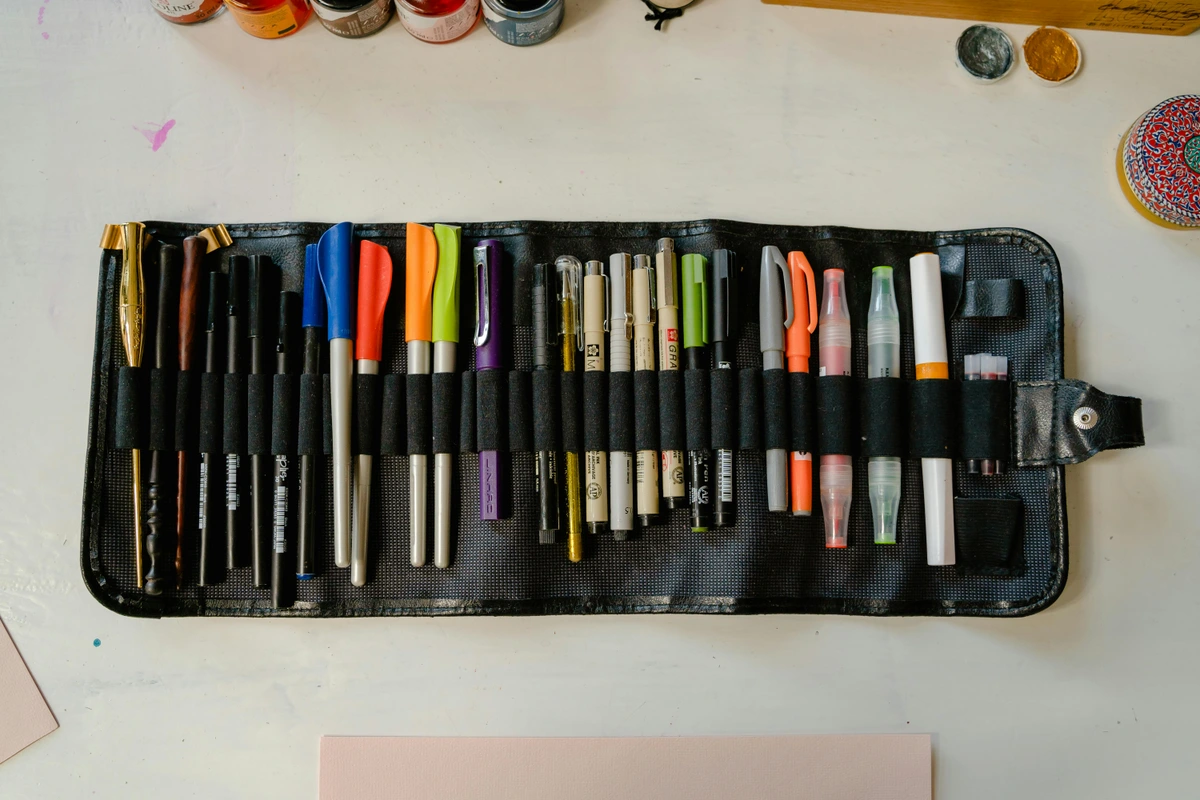
Your new best friend is paper labeled 100% cotton rag. It's made from cotton fibers, which are naturally lignin-free and acid-free. It's strong, durable, and feels incredible to work on. It costs more, absolutely, but for a finished piece, it's a non-negotiable for me.
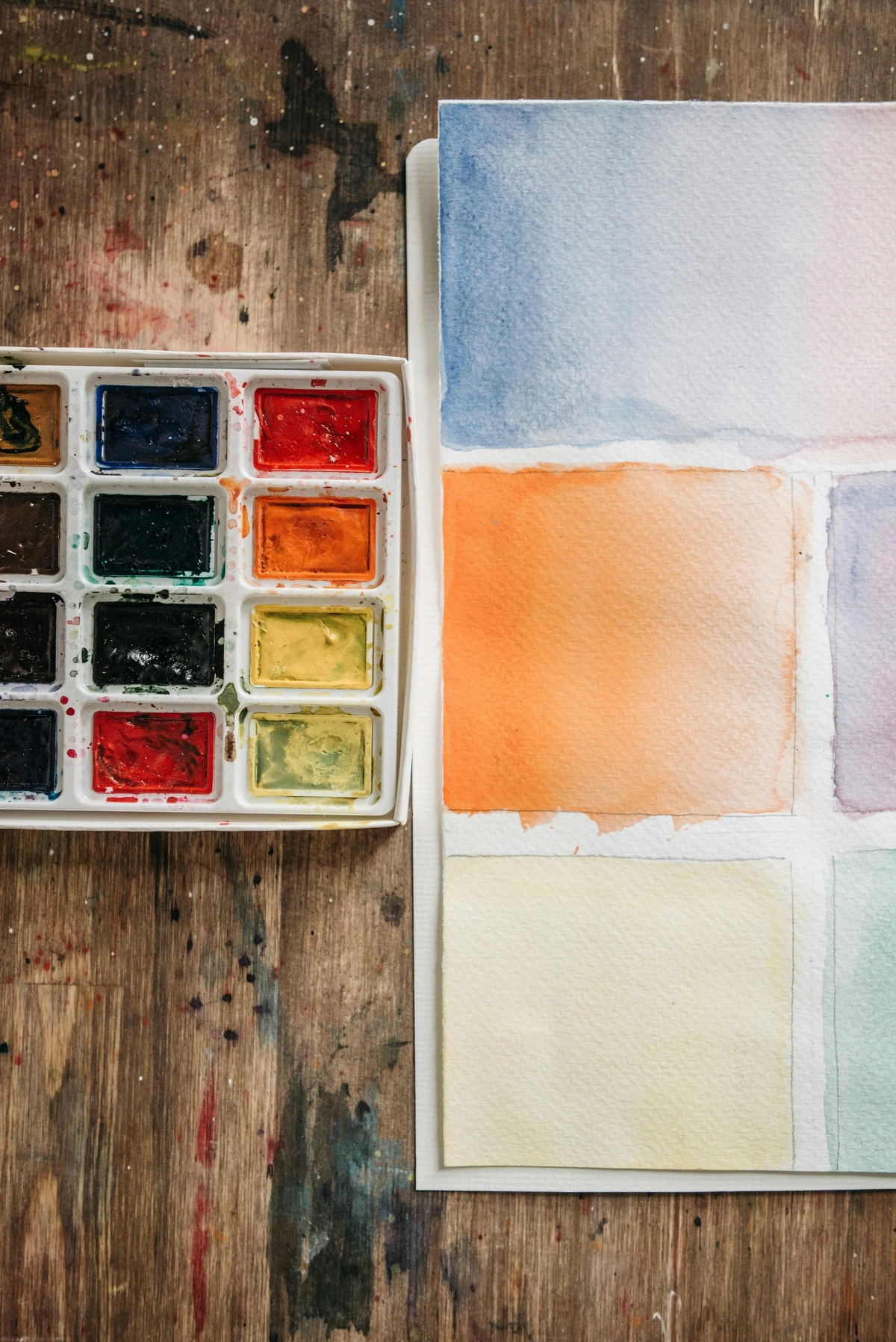
Types of Archival Paper:
- Hot-Pressed Paper: Smooth surface, ideal for detailed work like ink or pencil drawings.
- Cold-Pressed Paper: Slightly textured, versatile for watercolor and mixed media.
- Rough Paper: Highly textured, perfect for expressive watercolor techniques.
Choosing the right paper is essential for the longevity of your artwork. It's not just about the feel or the texture; it's about ensuring that your work remains vibrant and intact for years to come.
Canvas
For painters, the conversation is usually between linen and cotton. Linen is the traditional heavyweight champion—incredibly strong and durable. Cotton is more affordable and widely available. The most important factor for both is the priming. A few good coats of archival-quality acrylic gesso create a barrier between the paint and the canvas fibers, protecting them from the oils and preventing cracking down the line. A raw canvas needs proper preparation to become an archival surface.

Pros and Cons of Canvas Types:
Type | Pros | Cons |
|---|---|---|
| Linen | Extremely durable, long-lasting, resistant to stretching | Expensive, requires more preparation |
| Cotton | Affordable, widely available, easier to stretch | Less durable than linen, may require more priming coats |
Priming Tips:
- Always apply gesso in thin, even layers.
- Sand lightly between coats for a smooth finish.
- Allow each layer to dry completely before applying the next.
Choosing the right canvas and preparing it properly is crucial for the longevity of your artwork. It's not just about the surface; it's about ensuring that your work remains vibrant and intact for years to come.

Panels
Wood panels are fantastic and offer a rigid surface, but wood is acidic and porous. The key is to seal the panel on all sides—front, back, and all four edges—with an archival sealer or gesso before you even think about painting on it. This prevents moisture from warping the wood and stops acid from leaching into your paint layers.
Types of Wood Panels:
Type | Pros | Cons |
|---|---|---|
| Baltic Birch | High-quality, stable, and less prone to warping | Expensive |
| MDF (Medium-Density Fiberboard) | Affordable | Requires thorough sealing to prevent moisture absorption |
| Hardboard | Smooth surface | Needs sealing to prevent acid migration |
Types of Wood Panels:
- Baltic Birch: High-quality, stable, and less prone to warping.
- MDF (Medium-Density Fiberboard): Affordable but requires thorough sealing to prevent moisture absorption.
- Hardboard: Smooth surface, but needs sealing to prevent acid migration.
Sealing Process:
- Sand the panel to remove any rough spots.
- Apply a sealant or gesso to all sides and edges.
- Allow it to dry completely before painting.
Choosing the right panel and preparing it properly is crucial for the longevity of your artwork. It's not just about the surface; it's about ensuring that your work remains vibrant and intact for years to come.
The Fun Stuff: Colors That Stick Around
This is where it gets both exciting and a little nerdy. The longevity of your color is all about lightfastness. Manufacturers aren't trying to trick you; they usually put the rating right on the paint tube or pencil wrapper.

Lightfastness is a measure of how resistant a pigment is to fading when exposed to light. It's a crucial factor in ensuring that your artwork remains vibrant and true to your vision for years to come.
Understanding Lightfastness Ratings:
- ASTM I: Excellent lightfastness. These colors will remain unchanged for over 100 years.
- ASTM II: Very good lightfastness. Suitable for professional work.
- ASTM III: Fugitive colors. Avoid these for any work you want to last.
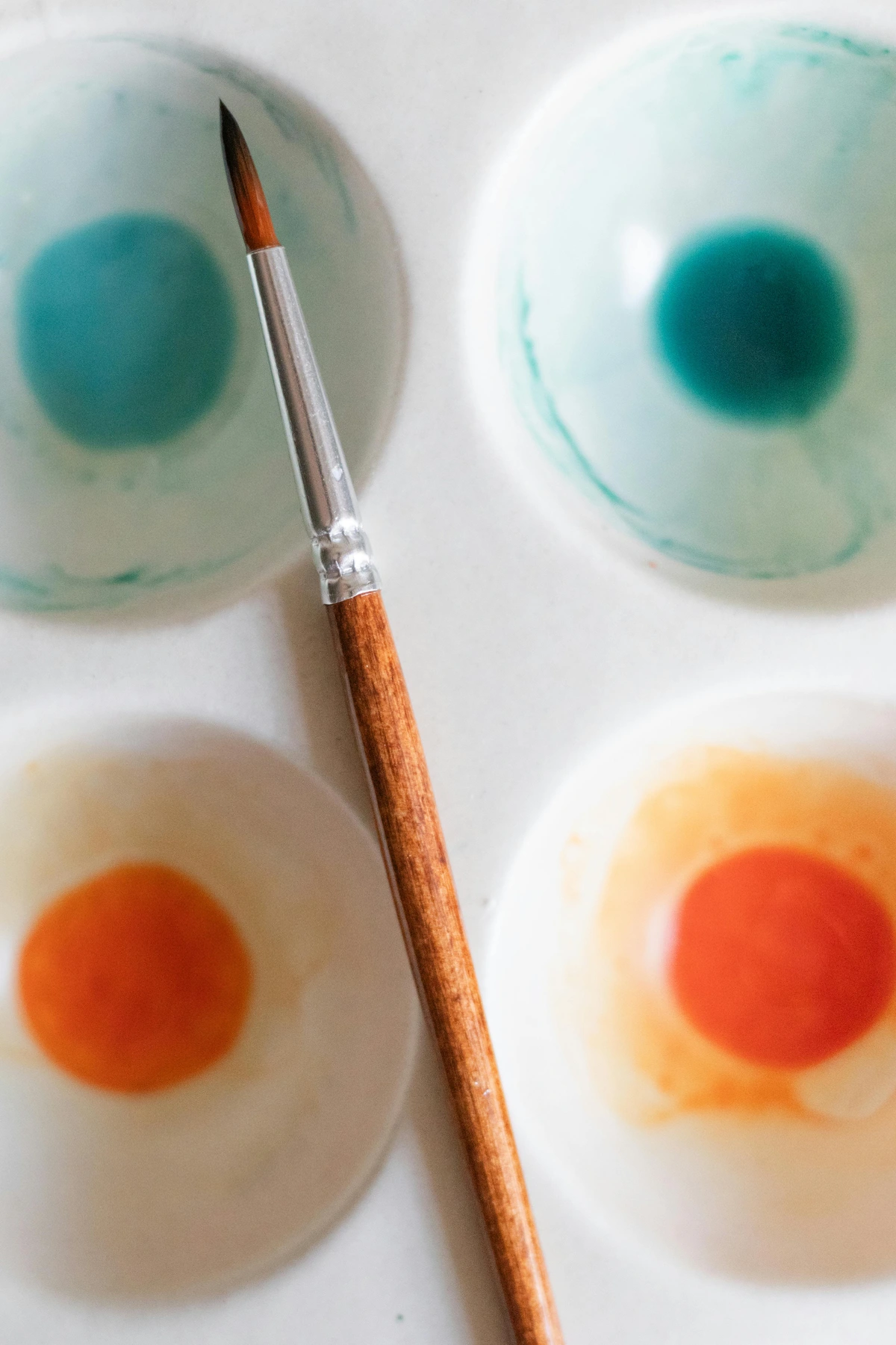
Look for the ASTM (American Society for Testing and Materials) rating:
- ASTM I: Excellent Lightfastness. This is what you want. These colors will remain unchanged for over 100 years.
- ASTM II: Very Good Lightfastness. Also a solid choice for professional work.
- ASTM III: Not sufficiently lightfast. These are often called "fugitive" colors. Avoid them for any work you care about.
Understanding lightfastness ratings is essential for choosing the right materials. It's not just about the vibrancy of your colors; it's about ensuring that your artwork remains true to your vision for years to come.
Here’s a quick rundown by medium:
Understanding the properties of your pigments deepens your connection to your work. It's part of understanding the psychology of color on a physical level.
Medium | Look For This | Watch Out For This |
|---|---|---|
| Paints (Oil/Acrylic) | ASTM Lightfastness I or II. "Artist Grade" or "Professional Grade" on the label. | Fugitive colors (like the original Alizarin Crimson), "Student Grade" for final works as they have less pigment and more fillers. |
| Watercolors | Professional-grade tube paints or pans with clear lightfastness ratings. | Cheap sets with no information, and be extra wary of vibrant pinks and purples, which can be notoriously fugitive. |
| Inks | Pigment-based inks. The label will often say "archival" or "permanent." | Dye-based inks. They're often brighter, but they will fade, sometimes shockingly fast. |
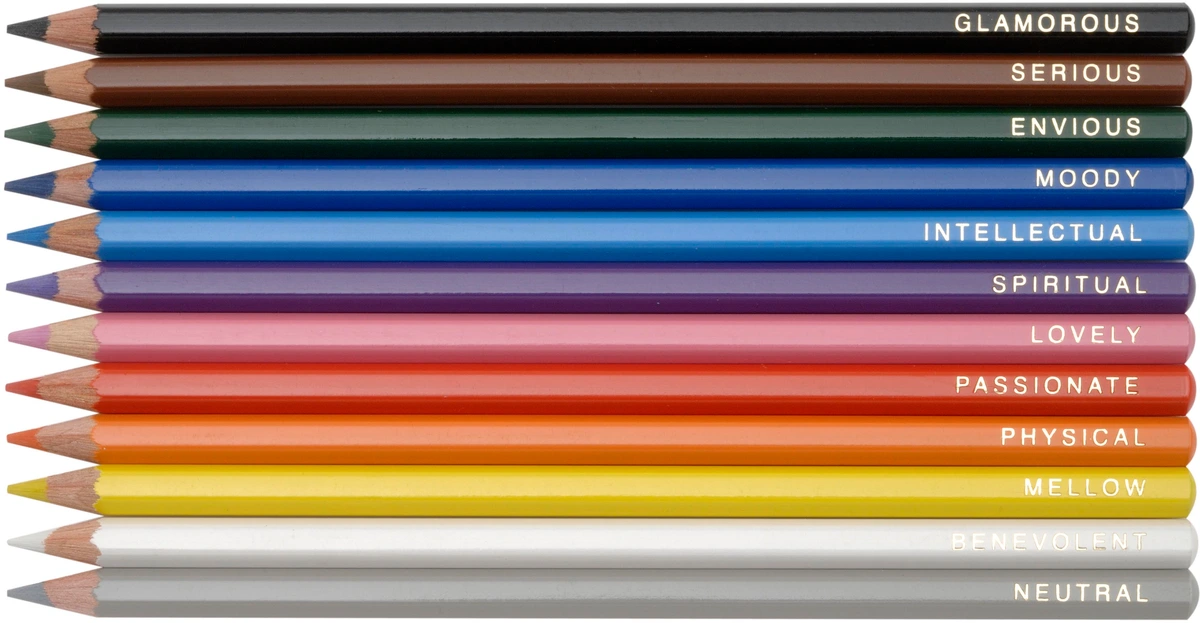
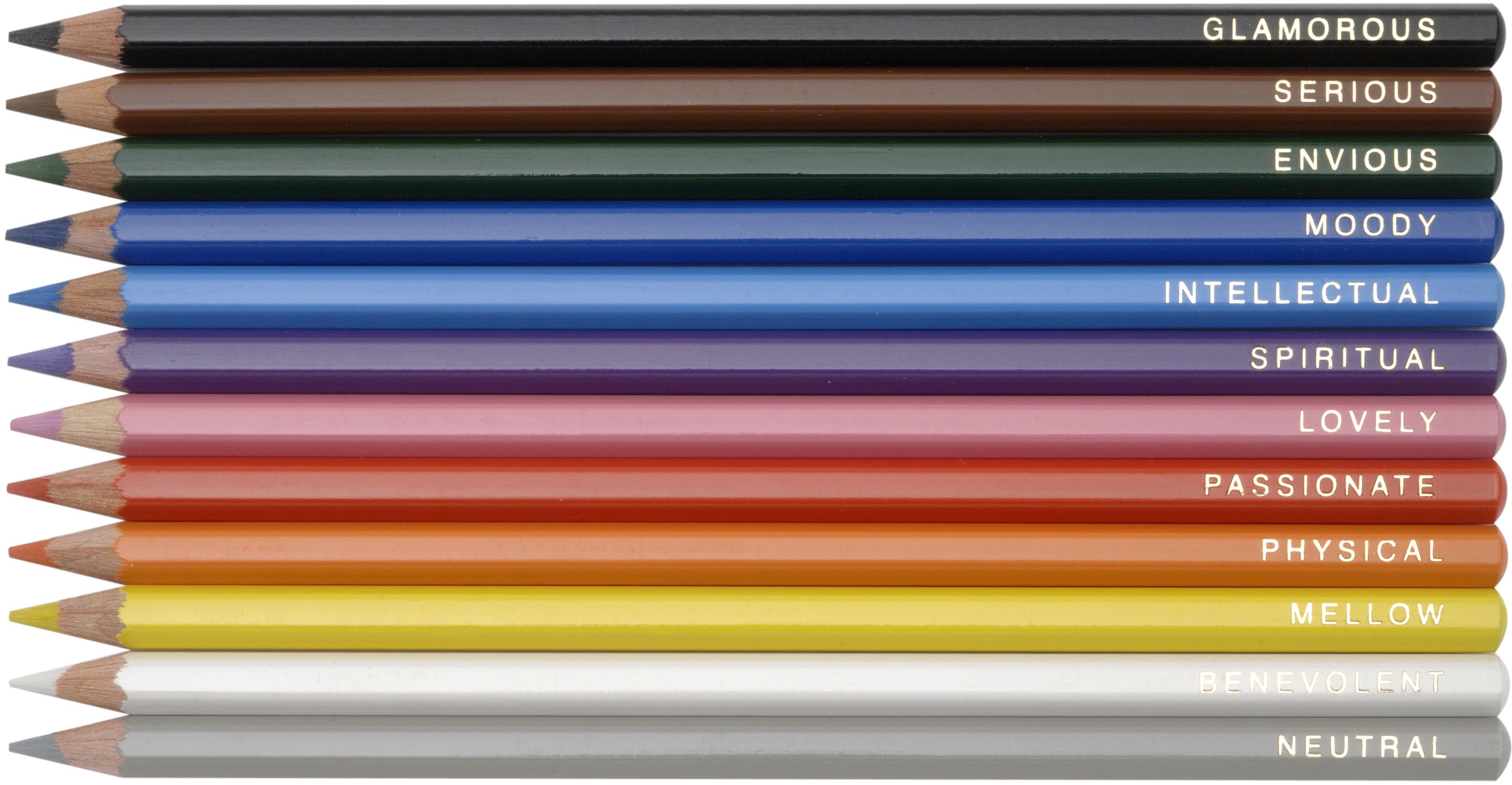
| Drawing Pencils | Lightfast colored pencils (these are a serious investment but worth it for dedicated artists). High-quality graphite is very stable. | Crayons, children's markers, or anything not explicitly designed for artists. |
Choosing the right materials for your medium is crucial for the longevity of your artwork. It's not just about the quality of the materials; it's about ensuring that your work remains vibrant and true to your vision for years to come.
Learning about the properties of your pigments deepens your connection to your work. It's part of understanding the psychology of color on a physical level.
The Finishing Touches: Varnish and Framing
So you've finished your masterpiece on a beautiful cotton rag paper with lightfast paints. Don't fall at the final hurdle!
Why Varnish Matters:
- Protects the artwork from dust, dirt, and UV light.
- Enhances the vibrancy and depth of colors.
- Provides a removable layer that can be cleaned or replaced over time.
Varnishing is the final step in preserving your artwork. It's not just about the aesthetic; it's about ensuring that your work remains vibrant and intact for years to come.

Varnish: Sunscreen for Your Art
A final varnish is not just for making colors pop. It’s a protective layer. Most importantly, look for one that offers UV protection. This is your primary defense against light damage. I also strongly recommend using a removable varnish. Why? Because varnish collects dust and grime over the decades. A future conservator can safely remove the old, dirty varnish without touching your original paint, re-varnish it, and make it look new again. It's a profound gift to the future of your artwork.
Types of Varnish:
Type | Pros | Cons |
|---|---|---|
| Gloss Varnish | Enhances color saturation and provides a shiny finish | Can be too reflective for some tastes |
| Matte Varnish | Reduces glare and provides a non-reflective finish | May dull the vibrancy of colors slightly |
| Satin Varnish | Offers a balance between gloss and matte finishes | May not suit all artistic styles |
Types of Varnish:
- Gloss Varnish: Enhances color saturation and provides a shiny finish.
- Matte Varnish: Reduces glare and provides a non-reflective finish.
- Satin Varnish: Offers a balance between gloss and matte finishes.
Application Tips:
- Apply varnish in a dust-free environment.
- Use a soft brush or spray for even application.
- Allow the varnish to dry completely before handling the artwork.
Choosing the right varnish and applying it properly is crucial for the longevity of your artwork. It's not just about the finish; it's about ensuring that your work remains vibrant and intact for years to come.
Framing: A Secure Home
Bad framing can destroy good art. If you're getting a piece framed, here's your checklist:
- UV-Protective Glazing: Use UV-filtering glass or acrylic (Plexiglas).
- Acid-Free Materials: Insist that the mat board, foam core backing, and any tapes used are all 100% acid-free.
- Spacers: The artwork should never press directly against the glass. A mat or spacers should be used to create a small air gap, preventing moisture buildup and mold.
Framing Materials Comparison:
Material | Pros | Cons |
|---|---|---|
| Wood Frames | Classic look, durable, customizable | Can be heavy, may require additional sealing |
| Metal Frames | Modern aesthetic, lightweight, resistant to warping | Can be more expensive, limited styles |
| Acrylic Frames | Lightweight, shatter-resistant, UV protection | Less traditional, can scratch easily |
Choosing the right framing materials and techniques is crucial for the longevity of your artwork. It's not just about the aesthetic; it's about ensuring that your work remains vibrant and intact for years to come.

Storing Your Work: Don't Ruin It in the Closet
For work that isn't on a wall, proper storage is crucial. The Four Horsemen of the Artpocalypse are Light, Heat, Humidity, and Pests. Avoid them at all costs.
Proper storage is essential for preserving your artwork. It's not just about keeping it safe; it's about ensuring that your work remains vibrant and intact for years to come.

Ideal Storage Conditions:
- Temperature: Keep between 65-75°F (18-24°C).
- Humidity: Maintain 40-50% relative humidity.
- Light: Store in a dark or low-light environment.
- Ventilation: Ensure good airflow to prevent mold and mildew.
- The No-Go Zones: Attics and basements are your worst enemies due to extreme temperature and humidity fluctuations.
- The Safe Bet: A closet in the main, climate-controlled part of your house is far better.
- Get a Flat File or Archival Boxes: Store works on paper flat if you can. If you stack them, place a sheet of acid-free glassine paper between each piece to prevent smudging or color transfer.
Storage Solutions:
Solution | Best For | Tips |
|---|---|---|
| Flat Files | Large works on paper, prints | Use acid-free dividers to separate pieces |
| Archival Boxes | Smaller works, photographs | Label boxes clearly for easy access |
| Portfolio Cases | Transporting artwork | Choose cases with padded interiors |
Choosing the right storage solutions and maintaining ideal conditions is crucial for the longevity of your artwork. It's not just about keeping it safe; it's about ensuring that your work remains vibrant and intact for years to come.
FAQ: Your Archival Questions Answered
Is this really that important for a beginner?
Yes! It's about building good habits. You don't have to buy the most expensive everything right away, but understanding the why behind material choices will make you a better artist. Plus, you never know which early piece will end up being your favorite.
Are archival materials that much more expensive?
They can be, but you can be strategic. Use cheaper, student-grade materials for practice and sketching. Invest in the good stuff—at least an archival surface—for the pieces you intend to be final works. One sheet of quality paper is better than a whole pad of cheap stuff.
What's the one thing I should upgrade first?
Your surface. Always your surface. A great paint on a bad surface will fail. A decent paint on a great surface has a fighting chance.
Can I make a non-archival material archival?
Not really. You can't remove the acid from paper. But you can protect a fragile piece. Sealing it with archival sprays and framing it properly can slow down the decay significantly. It's a rescue mission rather than a permanent solution.

How do I know for sure if something is archival?
Look for the magic words on the packaging: Acid-Free, Lightfast (with rating), 100% Cotton, Pigment-Based, Archival. Reputable brands are proud of these qualities and will state them clearly.
A Final Thought
Choosing to work with archival materials isn't about pretension or aiming for the Louvre. It's a quiet act of optimism. It's a belief that the things we create have value, and that the stories and emotions embedded in them are worth preserving.










It’s a conversation with the future, a message in a bottle you're sending forward in time. So give your message the best, sturdiest bottle you can find. Your art, and the person who loves it in 50 years, will thank you.
Preserving your artwork is not just about the materials you use; it's about the care and attention you give to every step of the creative process. It's a testament to the value of your work and the legacy you leave behind.