Casa Azul: Exploring an Eternal Blueprint of Creative Sanctuary
Dive into Casa Azul's artistic legacy where Frida Kahlo's home transformed into a living canvas. Discover how sanctuary, symbolism, and color birthed world-changing art—still inspiring today.

Casa Azul: Exploring an Eternal Blueprint of Creative Sanctuary
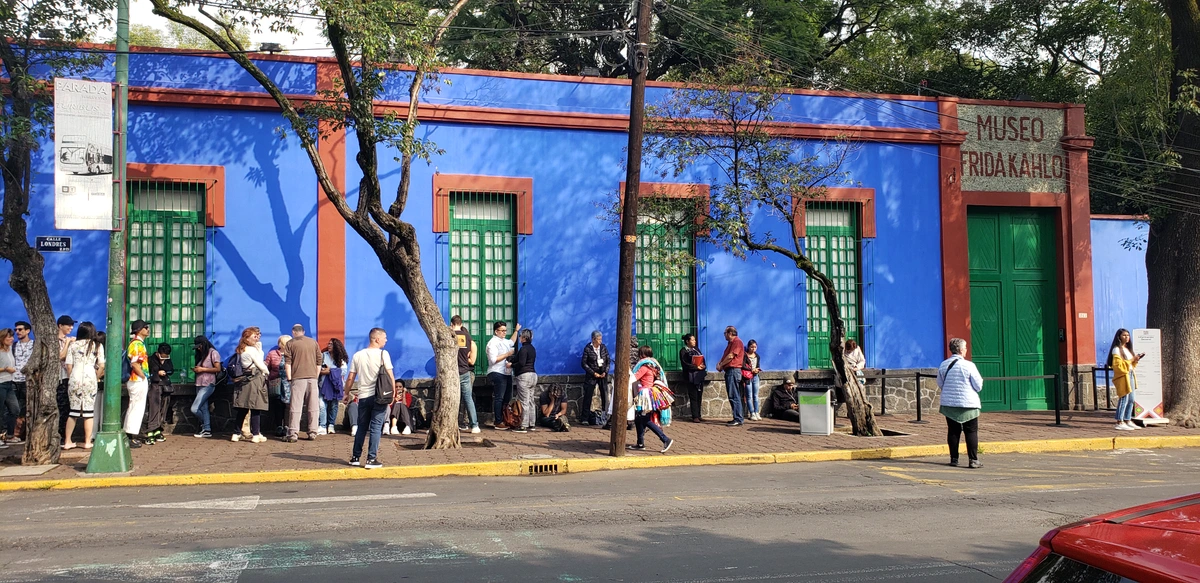
I’ll never forget that humid afternoon walking past Casa Azul’s cobalt walls in Mexico City. The vibrant color hit like a Frida Kahlo painting made real—so saturated it seemed to vibrate. It’s a specific blue, historically employed not just for its aesthetic but for its functional properties—repelling insects and signifying protection. But beyond the postcard-perfect facade is something deeper: a universe where architecture breathes with creative energy. This wasn’t just a house; it was Frida Kahlo’s crucible, her sanctuary, and the very blueprint of her artistic legacy.
Casa Azul stands today as one of Mexico City’s most visited museums, yet its true significance is often missed in the shuffle of tourist footfall. It represents perhaps one of the most profound examples in modern history of a physical space merging completely with an artist’s inner world. It contradicts our contemporary obsession with pristine, minimalist workspaces, offering instead a testament to the power of layered, personal, and even chaotic environments in nourishing profound creativity. This house didn’t just witness genius—it actively participated in its formation.
What makes Casa Azul so fascinating isn’t that it was Frida’s studio. It’s that it became a character in her work. Every object held meaning, every shade carried emotion—a dance between life and art that defied separation. This isn’t about preserving relics in amber—it’s about how a space evolves into a creative force that outlives its creator. Think of it: a single house that witnessed her childhood polio recovery, her catastrophic bus accident at eighteen, her tumultuous marriage, her political evolution, and the creation of some of the 20th century’s most visceral paintings. Ready to explore? Let’s step inside.
The Genesis of a Sanctuary: More Than Four Walls
I spent a decade teaching ceramic art, and one truth kept surfacing: creativity blooms in spaces that feel safe yet charged. Casa Azul was both. Originally built by Frida’s father, German photographer Guillermo Kahlo, in 1904 for her family, its transformation began after her marriage to Diego Rivera in 1929. This wasn’t merely a stylistic change; it was a fundamental reprogramming.
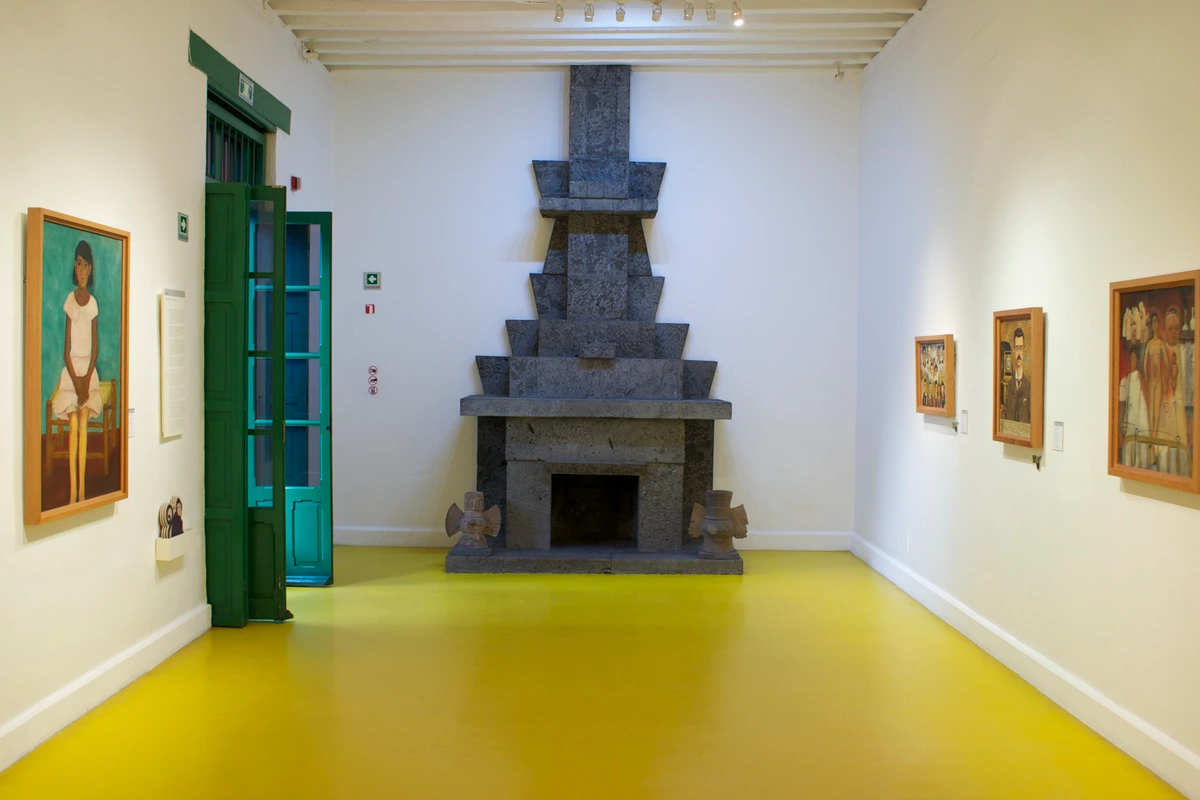
Suddenly, blue walls became canvases for political murals, terracotta pots overflowed with tropical flora, and pre-Columbian idols stood alongside avant-garde European prints. The house began to reflect not just a family home but a national project—an assertion of Mexicanidad, a post-revolutionary identity that consciously rejected European modernism in favor of indigenous and folk traditions. Diego’s architectural additions, particularly the rooftop studio and the expansion of the central courtyard, physically embodied this dual existence: a private domestic world inextricably linked to a very public, political, and artistic mission.
Key Architectural Features as Artistic Catalysts
While many artists’ studios serve as mere containers for their work, Casa Azul’s features acted as direct catalysts, shaping content, form, and even the artist’s own body as subject matter. The architecture wasn’t a passive backdrop; it was an active collaborator in the creative process.
Feature  | Function | Artistic Impact |
|---|---|---|
| Cobalt Facade | Reflecting indigenous traditions, providing psychic armor | Evoked Mexican identity; mirrored Frida’s use of bold, symbolic color. The blue acted as a transitional zone, separating the chaotic outside world from the curated inner one. |
| Courtyard Garden | Botanical sanctuary and pre-Columbian display space | Inspired flora/fauna motifs; became a stage for personal mythology. Its lushness provided a stark, living contrast to the pain and confinement she often depicted in her work. |
| Kitchen Studio | Intimate, multi-functional workspace | Enabled constant creation; literally mixed the smells of mole and turpentine, refusing to separate art from daily life. This exemplifies the rejection of a purely cerebral approach to art-making. |
| Mirror-Walled Bed | Forced physical confrontation ritual | Fuelled self-portraits by necessity; literalized the theme of "Mi retrato." This architectural feature turned her bed, a place of recovery and pain, into a studio for some of her most iconic works. |
Frida didn’t just live here. She encoded the house with her soul, layer by layer. The sunroom, with its large windows oriented to capture the soft, northern light prized by painters, became the primary studio where she painted despite agonizing chronic pain. Her custom-designed easel, which could be positioned over her bed, was not just a convenience but a lifeline—a tool that defied physical limitation and allowed her to work from a position of enforced stillness.
In the hushed stillness of the courtyard, her ashes remain scattered among the flowers, a final act of integration returning her to the earth of her sanctuary. As architect Luis Barragán noted, "Casa Azul isn’t a museum—it’s a place of continuous transformation, like Frida herself." It embodies the idea that a creative space is never truly finished; it is a living entity that evolves, decays, and renews.
Casa Azul as a Work of Art: Where Symbolism Meets the Senses
Forget sterile white galleries. Frida’s studio was a sensory riot—a deliberate defiance of art-world norms rooted in a philosophy of total work of art, or Gesamtkunstwerk. This German concept, meaning a "total work of art" that synthesizes many art forms into a cohesive whole, perfectly describes Casa Azul. For Frida, the house wasn’t a container for art; every element—the peeling paint (not decay, but a record of time’s passage), the trodden earth floors (a physical connection to the land), the vibrant textiles, and the overflowing garden—was a brushstroke in a larger, three-dimensional self-portrait.
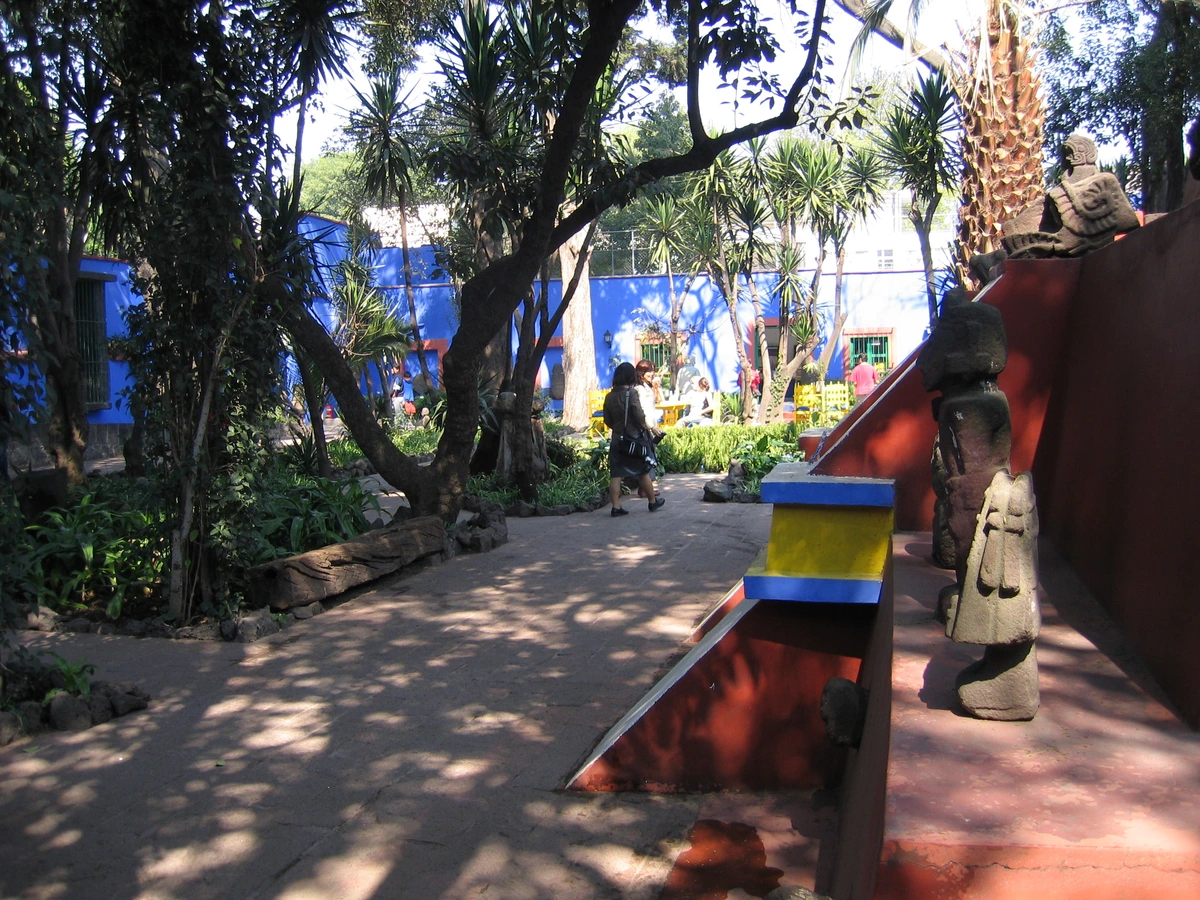
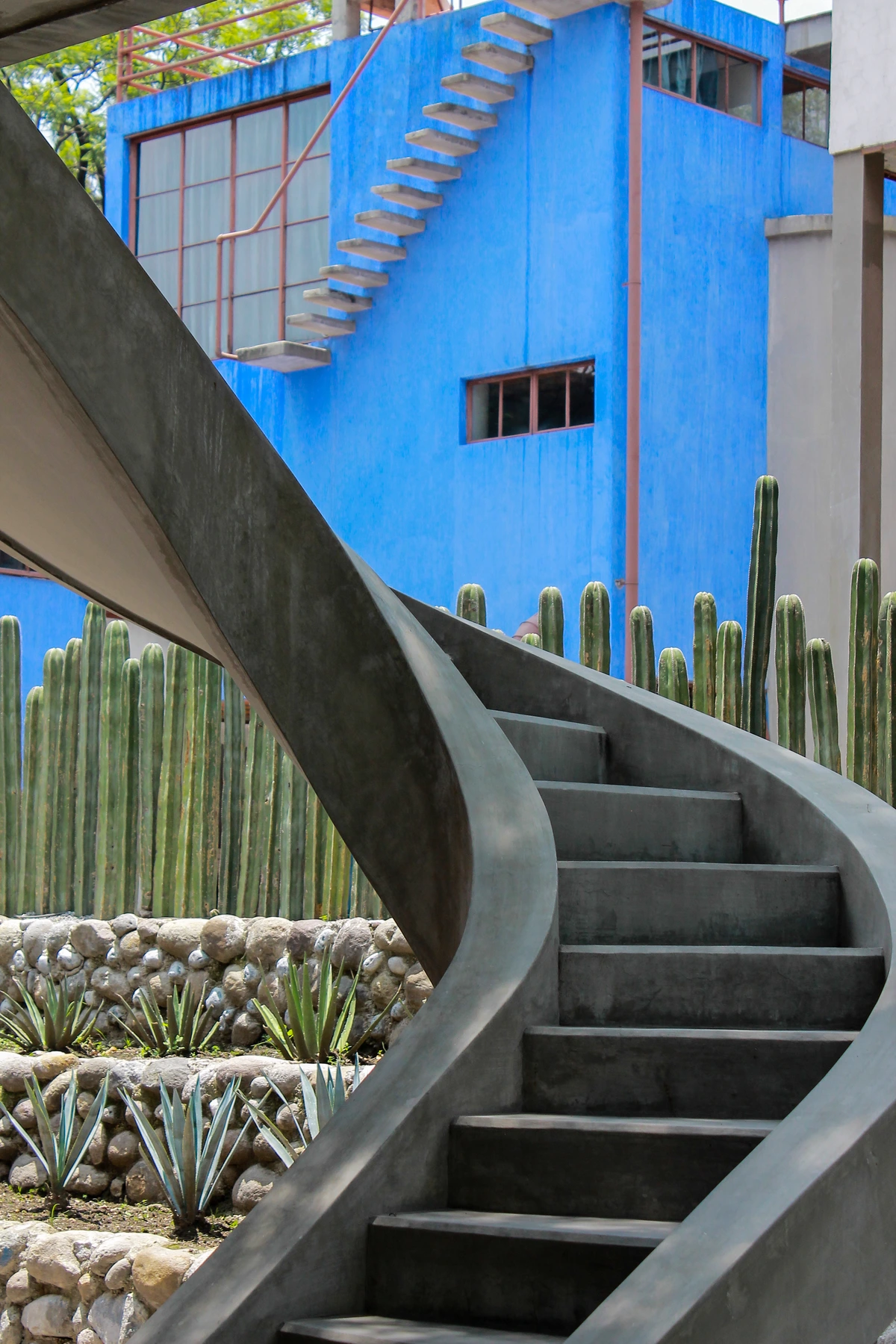
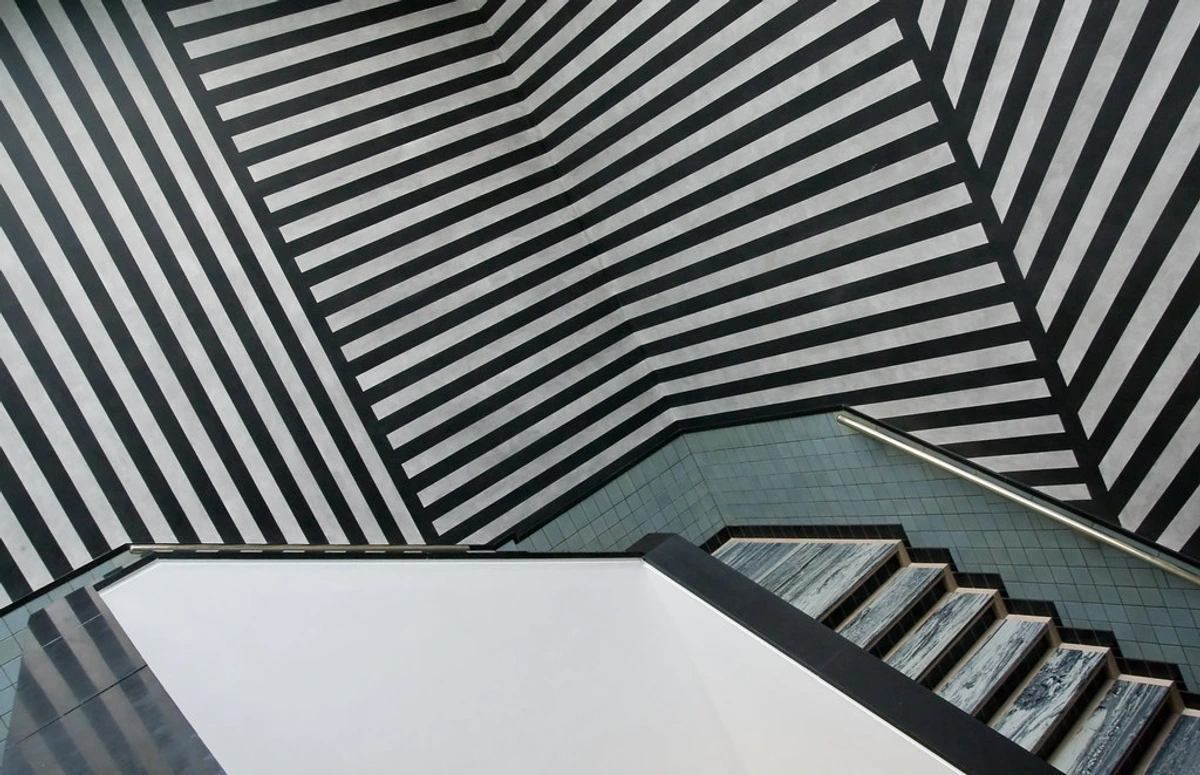
Functional forms, like this staircase, were integrated into the overall aesthetic, proving beauty and utility need not be separate.
How Environment Shaped Specific Iconic Works
The line between life inside Casa Azul and the art on its canvases was porous. Frida didn’t just depict her reality; she translated the physical and emotional language of her home directly into her paintings.
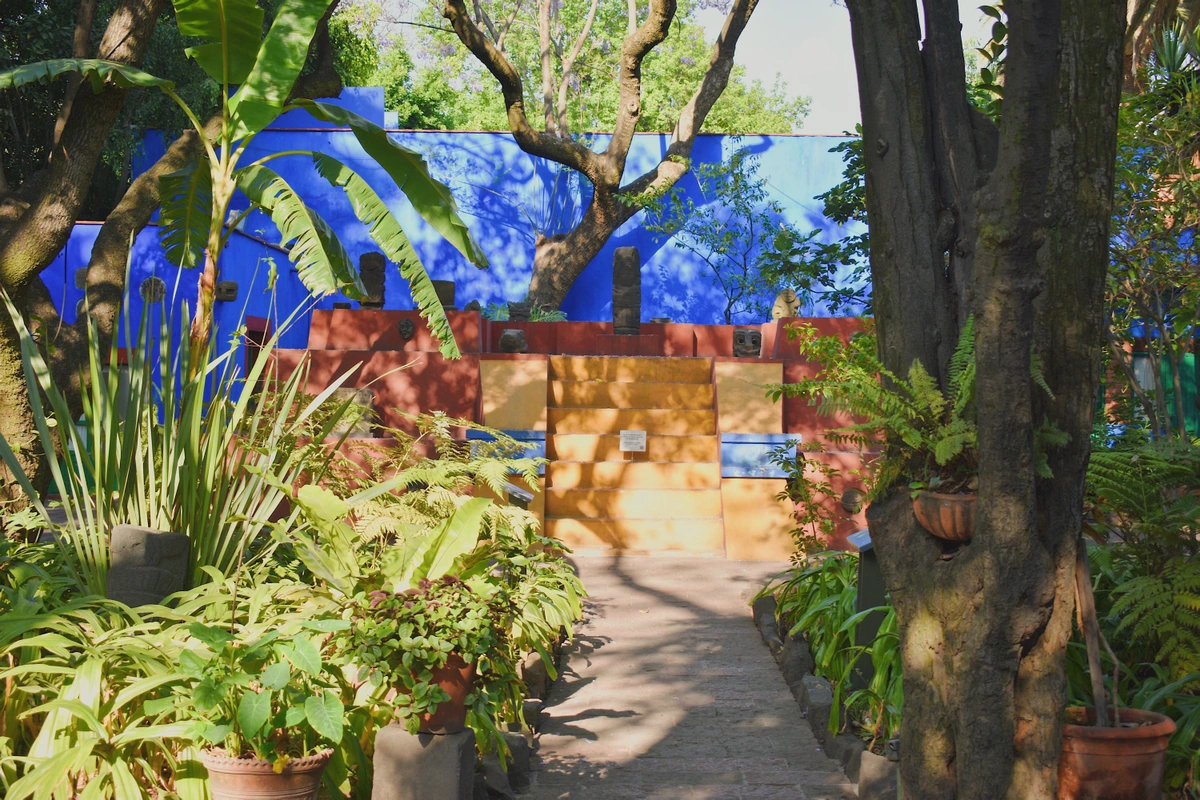
- "The Two Fridas" (1939): Painted during her divorce from Rivera, this work is a direct architectural allegory. Both Fridas wear Tehuana dresses, textiles that hung in her bedroom and represented a specific form of female power. The stormy Mexican sky dramatizes the painting’s internal split, as if the world itself were as unsettled as her psyche. The visible hearts and the single flowing vein connect the two selves, turning the body into an architectural blueprint of pain.
- "Self-Portrait with Thorn Necklace and Hummingbird" (1940): The background’s dense foliage is a direct transcription of her overgrown courtyard—her personal Garden of Eden and Gethsemane. The dead hummingbird, a symbol of love in Mexican folklore, hangs from a necklace of thorns evoking Christ’s crown, juxtaposing ideas of sacrifice, luck, and suffering. These elements, sourced from her immediate environment, elevate a personal state to a universal, almost mythological, struggle.
- "Roots" (1943): Painted in the sunroom studio, this powerful image shows Frida lying on the earth, her torso opening up to sprout vine-like roots. It is the ultimate articulation of the Casa Azul philosophy: a complete and total integration of the artist’s body with the land of her sanctuary, rendering the boundary between self and environment nonexistent.
- "What the Water Gave Me" (1938): Here, her bathtub becomes a stage for a life’s worth of memories, fears, and symbols. It reframes the simple act of bathing—a domestic chore—into a profound act of artistic myth-making. The painting takes a mundane architectural feature of the home and transforms it into a vessel of psychoanalysis.
Imagine living like this: breakfast amid terracotta pots, midday sunlight illuminating a blank canvas, evening discussions about Trotskyite politics under strings of cacti, arguing about Marxism while surrounded by pre-Columbian statuettes. This wasn’t compartmentalization—it was fusion. Casa Azul wasn’t around her art; it was the art itself, a three-dimensional self-portrait she inhabited. This total environmental immersion, where the smell of linseed oil mingled with the aroma of freshly cooked beans, is something modern creatives, tapping at sterile tablets in minimalist lofts, often struggle to grasp. The house didn’t just contain her life—it actively participated in it, becoming both womb and world stage.
Casa Azul’s Echo: Inspiring Across Generations
People ask me why creators across the globe fixate on a blue house in Coyoacán. The answer is simpler than you’d think: Sanctuary is timeless. In an age of AI art farms, sterile coworking spaces, and gig-economy chaos, Casa Azul’s legacy thrives because it proves a fundamental truth: human creativity isn’t a feature of a perfectly designed app, but a product of lived-in, soul-infused human spaces. It serves as a powerful rebuttal to our increasingly disembodied, digital world.
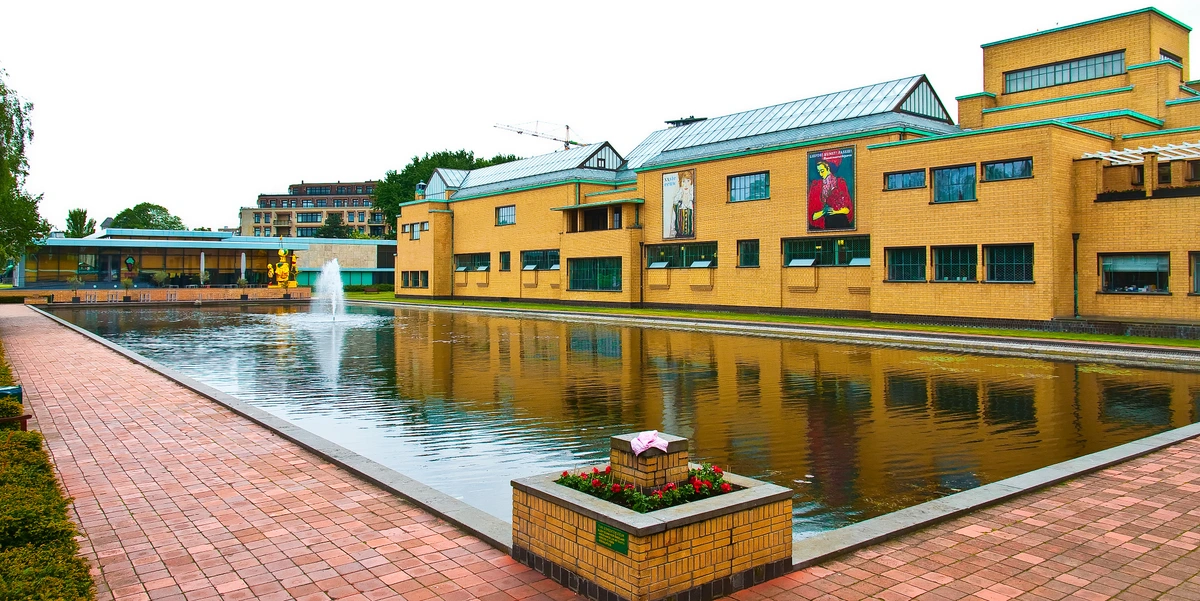
What’s so captivating about this place is that it embodies grit. It’s not a story of effortless genius born in a beautiful place. It’s a story of a difficult, often agonizing life, and the radical choice to face that pain by turning one’s immediate surroundings into a tool for survival and, ultimately, transcendence. Casa Azul offers an antidote to the modern pressure to curate a perfect, frictionless life. It champions mess, history, and the integration of joy with suffering.
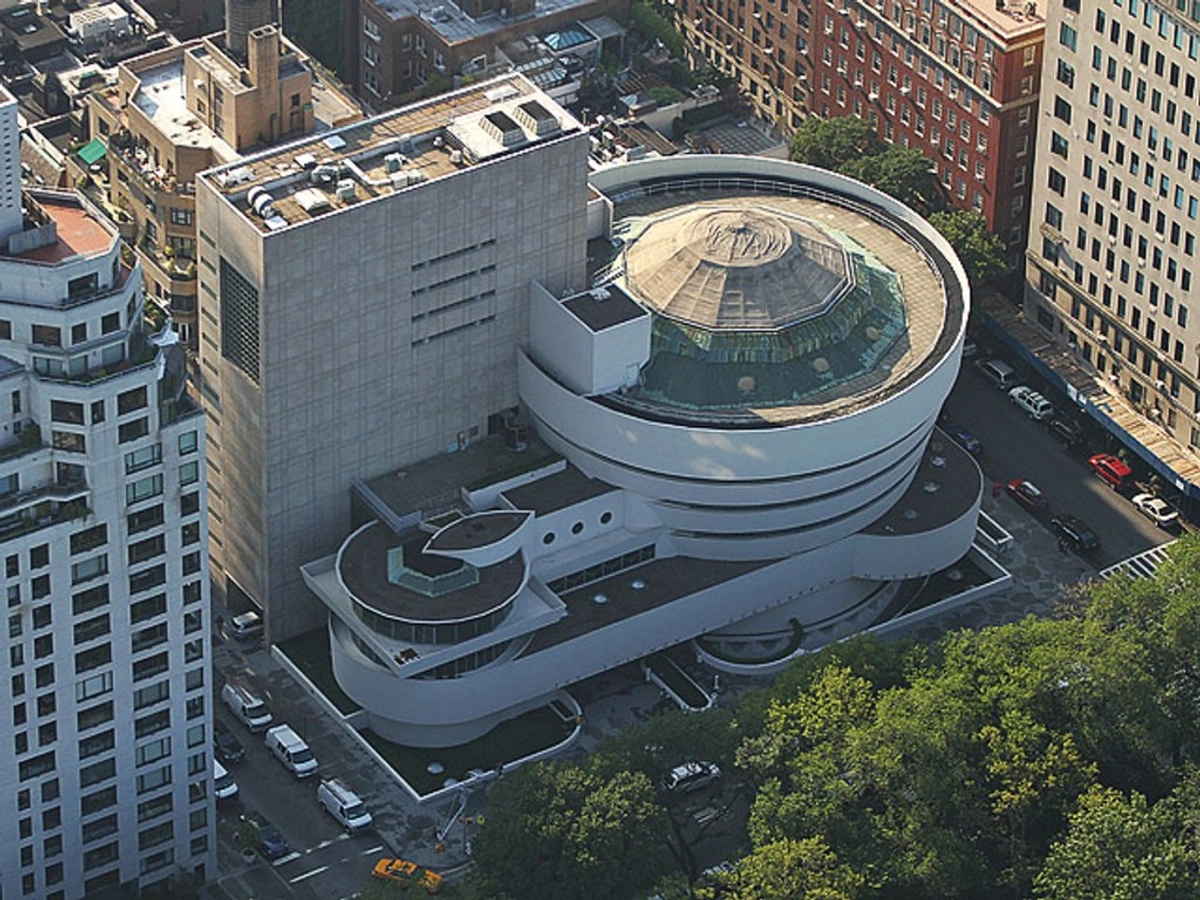
The garden was a cultivated jungle, blending indigenous plants with pre-Columbian artifacts to create a personal mythology.
Modern Interpretations & Lasting Influence
The spirit of Casa Azul has seeped into various facets of contemporary culture, each interpretation finding a different facet of its legacy to amplify.
- Fashion & Design: Designers like Issey Miyake, Rei Kawakubo, and more recently, Iris van Herpen, have all echoed Frida’s style, recontextualizing Casa Azul’s textiles, shapes, and Tehuana dresses into avant-garde runway statements about cultural memory. These designers, like Frida, understand the body as a site for art and architecture. The blue walls themselves have inspired paint colors like Benjamin Moore’s "Frida Kahlo Blue" and various filters on photo-editing apps, becoming a shorthand for bold, creative identity.
- Digital Art & Social Media: While platforms like Instagram transform the house’s iconic walls into backdrops for selfies, the deeper allure is the idea of curating a personal creative cocoon. Every carefully arranged desk photo or "shelfie" is a digital echo of Frida’s physical sanctuary. It speaks to a fundamental human desire in a hyper-connected world: to define a small space as one’s own. This isn’t mere aesthetic mimicry; it’s the modern, often unconscious, attempt to build a Casa Azul of the mind.
- Wellness & Architectural Theory: The modern rise of "sanctuary spaces"—those cozy, tactile corners for self-care—owes a deep, often unacknowledged, debt to Casa Azul. Current neuroaesthetic research suggests that multi-sensory, meaningful environments can reduce stress and improve well-being. Casa Azul was an intuitive, lived experiment in creating such a space. It proved, long before it was a trend, that you don’t need a mansion—you just need a corner that truly feels yours, one that tells your story.
- Political & Feminist Art: For contemporary artists, Casa Azul remains a foundational text of feminist iconography. It stands as a testament to a space where personal pain was made visible, political, and unapologetically public. Artists like Tracey Emin, with her confessional installations, and Doris Salcedo, with her sculptural evocations of trauma, work in a lineage influenced by Kahlo’s radical domesticity. It shows how one’s immediate environment can be transformed into a site of resistance and assertion of identity.
I think of my own studio walls—initially stark white until I splashed them with azurite blue. Not because I mimic Frida, but because color becomes armor, a protective shell against the noise of the outside world. As she once wrote, "I paint myself because I am so often alone and because I am the subject I know best." That beautiful, painful loop of isolation-to-rebirth? That’s Casa Azul’s ultimate gift: permission to turn your internal world into an external reality.
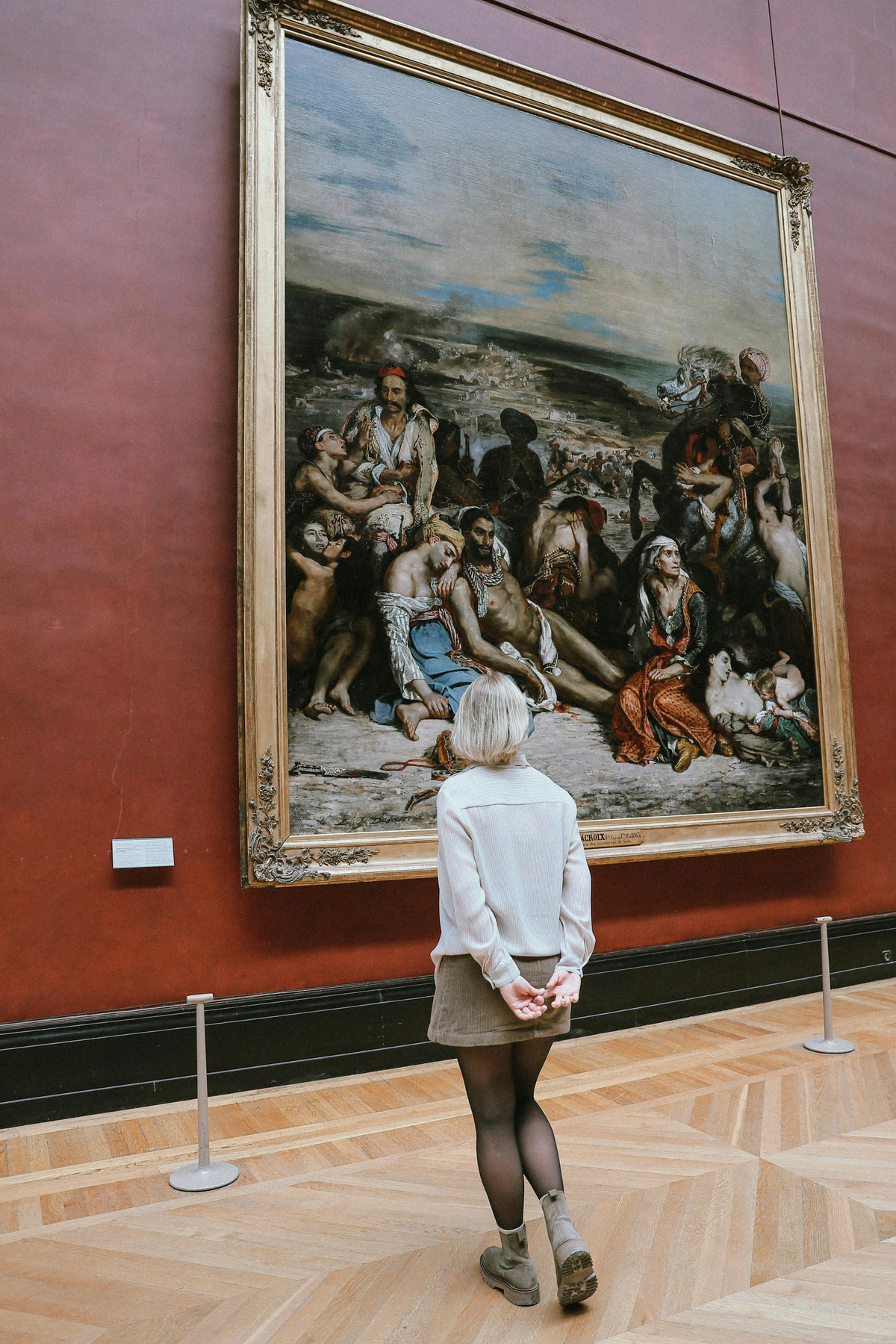
Creating Your Own "Casa Azul" Blueprint: Practical Steps for a Personal Sanctuary
You don’t need a Mexico City mansion or a famous last name. You can build a micro-sanctuary in a spare room, a corner of a basement, or even a well-organized closet space. The principle remains the same: it’s not about the square footage, but about intentionality—curating a physical space that reflects your mind. The goal isn’t replication, but to capture the feeling of a space that’s truly yours. Here’s a strategic approach to creating your own blueprint.
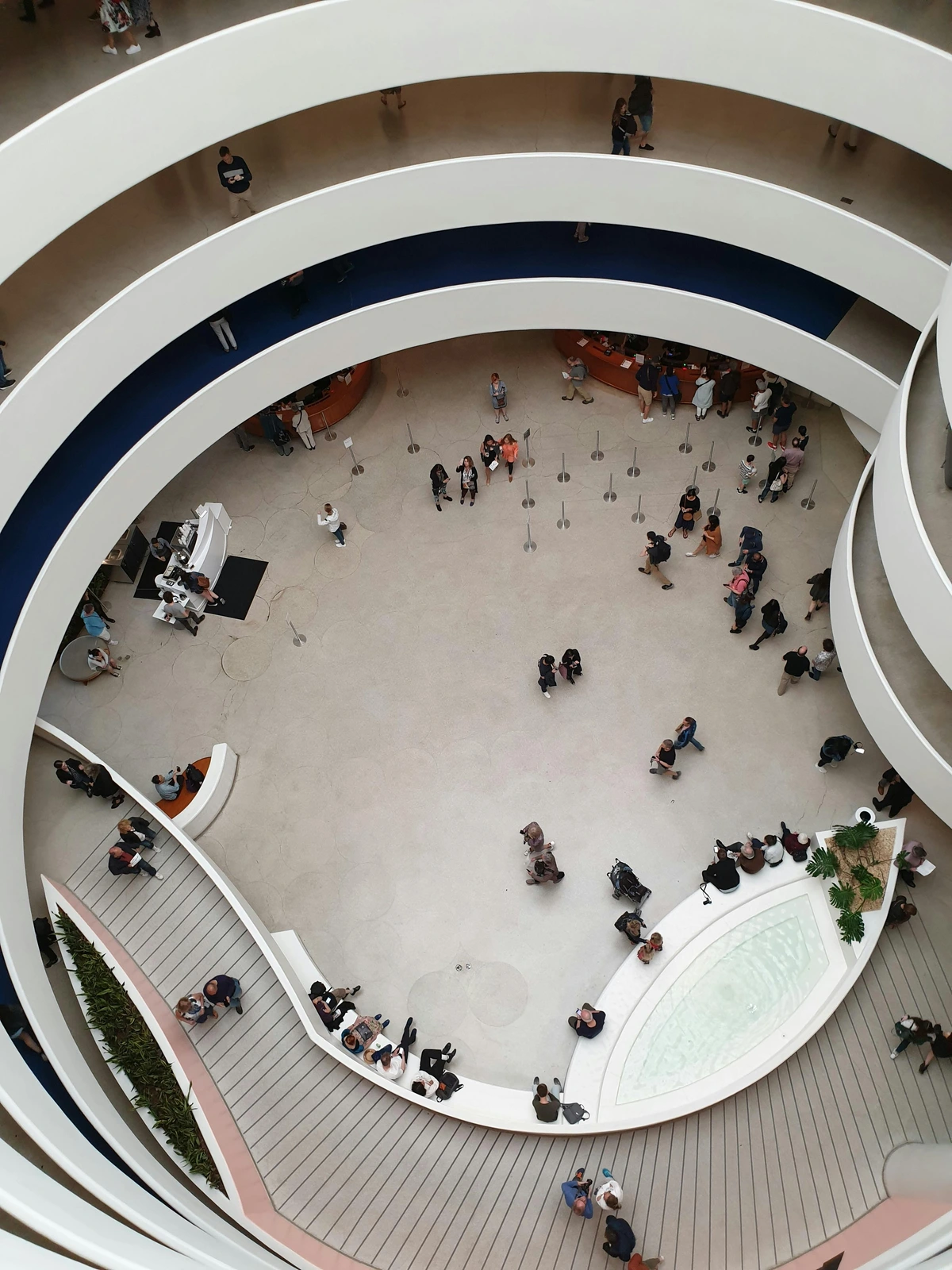
Your own sanctuary doesn’t need to be grand. It can be a simple corner, intentionally designed to support your creative work.
Step 1: Anchor with Sensory Rituals
Your brain needs clear, consistent cues to switch from the mundane to a state of creative flow. Think of it as building a neurological "on-ramp" for your work.
- Olfactory Triggers: Use essential oils, incense, or even the smell of freshly brewed coffee. Frida often had a pot of coffee brewing, a scent that signaled it was time to work. Choose a scent, use it only when creating, and your brain will learn to associate it with entering that headspace.
- Auditory Anchors: Create a dedicated playlist for working, or use ambient soundscapes that you don’t listen to otherwise. The specific type of music is less important than its consistent role as a signal. This is your sonic "wall," separating the creative zone from the outside world.
- Tactile Engagement: Keep tactile objects within reach: interesting stones, textured cloth, living plants. These aren’t just décor; they’re physical anchors that pull you back from the digital abyss, reminding you that art is a physical act. You’re grounding yourself in the real, tangible world.
Step 2: Layer Personal Icons & Talismans
A Casa Azul isn’t a showroom of "inspiration"; it’s a living archive of your own history. Your space should tell the story of your creative life so far.
- Display Your Ruins and Relics: Surround yourself with objects that spark stories—a seashell from your grandmother, a ticket stub from a life-changing trip, your first failed sketchbook. These are creative talismans. They are more than mementos; they are physical records of your journey. Looking at them can re-ignite long-forgotten feelings or ideas.
- Curate a Cabinet of Curiosities: Don’t just fill your space with "art supplies." Fill it with signifiers of life—political pins, dried flowers, a strange wooden puppet, a piece of architectural salvage. These random objects can spark unexpected connections or become the subject of your work itself. Their randomness is a source of creative friction.
Step 3: Embrace Impermanence
A creative space is not a finished product; it’s a living ecosystem that should evolve with you.
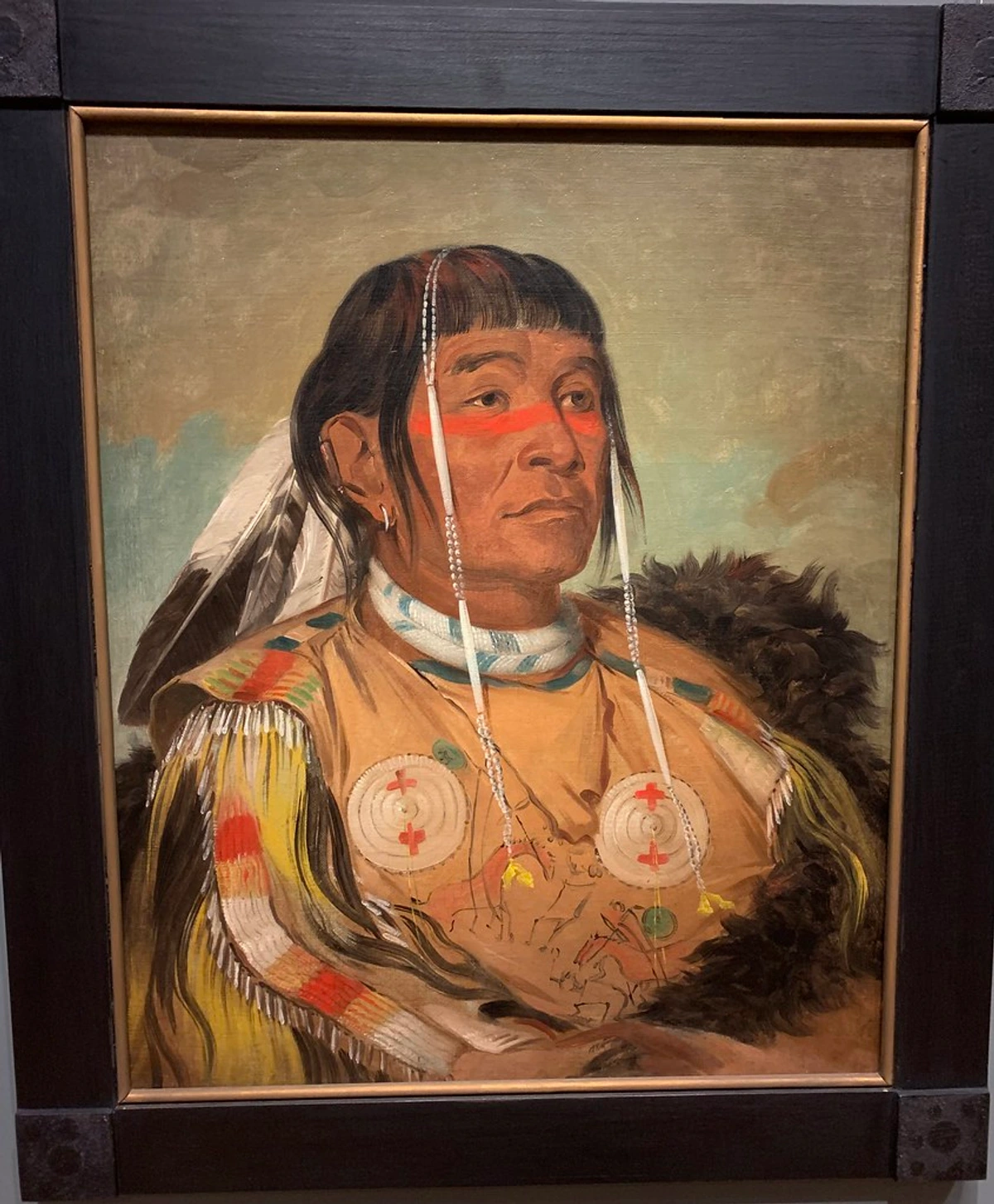
The most important part of your sanctuary is not how it looks, but that it facilitates the deep work of creation.
- Let your space evolve. Frida famously glued botanicals and photos directly onto her walls, layering history upon history. Your sanctuary shouldn’t be Instagram-perfect; it should honestly reflect your journey, warts and all. Allow things to be messy, unfinished, or rearranged.
Unlocking the Blueprint: Your Casa Azul Questions Answered
Who was the artistic force behind Casa Azul's interiors?
This is a great question that gets to the heart of its collaborative energy. While Frida’s paintings hung throughout the house, Diego Rivera was the primary muralist for the interior architectural surfaces. He adorned walls with his distinct style, blending Mayan Revival aesthetics with Socialist realist themes to turn the home into a political statement, a living history book of their post-revolutionary ideals. Frida’s more intimate, smaller-format works adorned their private spaces, like the bedroom and her studio, creating a powerful dynamic where the public, political art of Diego met the private, psychological art of Frida.
Is visiting Casa Azul essential to understanding its impact?
Visiting is a powerful, almost pilgrimage-like experience—stepping onto the sun-drenched terrace really does feel like walking into a painting. It connects you viscerally to her world. But here’s the thing I’ve realized after working in studios for years: Casa Azul’s true soul isn’t found in the polished artifacts behind glass. It’s in the unseen energy of daily creation, the accumulation of mundane moments, that once filled these rooms.
A site visit can provide immense inspiration, but the deeper lesson isn’t something you can take a picture of. It’s the principle of the ongoing energy of the space, something you can only truly cultivate for yourself, wherever you are. So go if you can, but remember: you’re visiting a shrine to a process, not just a place.
What if I have no physical space for a creative sanctuary?
This is one of the most common and understandable frustrations. The answer isn’t to wait until you have a spare room; it’s to start almost absurdly small. Your "Casa Azul" might be a single windowsill herb garden, an organized closet desk, a dedicated journal with one special pen, or even just a specific corner of your kitchen table that you declutter and claim.
What truly matters is the intention of sanctuary, not the square footage. It’s about carving out a boundary, however thin, where your art comes first for a brief, protected moment. It’s about creating a ritual, no matter how small, that signals to your brain: it’s time to create.




The Enduring Blueprint: Where Your Sanctuary Meets the World
Casa Azul teaches us a radical lesson: creative genius isn’t born in isolated attics. It’s forged in spaces that dare to hold our contradictions—joy and pain, public politics and private anguish, domestic chores and transcendental art. Frida’s legacy isn’t just the paintings she left behind; it’s the revolutionary idea that your home can be more than shelter—it can breathe with your art. That your sanctuary can simultaneously shield you from the world and broadcast your voice into it.
This is the ultimate blueprint she left us. It’s not a set of architectural plans; it’s a permission slip. A permission slip to be messy, to be political, to be personal, to integrate all the fragmented parts of your life into one coherent, creative whole. So take a moment. Look around your own space. What stories would your walls tell? What color pulses beneath your surface? Remember, the next great creative blueprint might not be drafted in a fancy studio, but scribbled on a napkin at your kitchen table—just like hers was.
[Want to explore how artistic sanctuaries manifest in other eras? Dive into Art History’s Creative Havens, or discover contemporary interpretations at our [/den-bosch-museum].]