Art Therapy for Anxiety: Calm, Self-Discovery & Resilience (5 Exercises)
Discover profound calm, self-discovery & lasting resilience with our definitive guide to art therapy for anxiety. 5 transformative self-guided exercises. No artistic skill needed.

Art Therapy for Anxiety: The Definitive Guide to Calm, Self-Discovery, and Lasting Resilience (5 Self-Guided Exercises)
Oh, that familiar hum of anxiety. The low-frequency static that sometimes just is, or the sudden maelstrom that makes even breathing feel like a conscious, arduous task. I’ve been there, more times than I can count. In those moments, when your brain feels like a runaway train, and someone cheerfully suggests, "Just relax!", it feels about as helpful as being handed a colander to bail out a sinking ship. You're trying, aren't you? But your mind just won't quit. And that, my friend, is incredibly frustrating.
What if there was another way? A path where your hands could lead, bypassing the relentless chatter of your mind? What if you could engage in something that doesn't demand flawless logic, eloquent words, or the exhausting pretense that you're perfectly fine? I’m talking about taking all that churning, chaotic energy and simply... rerouting it. Giving it a tangible destination outside of your head, a physical way to offload the mental burden. This, I’ve found, can bring an almost immediate shift, a quietening of the storm. And that's precisely what this guide offers: five self-guided, transformative art therapy exercises designed to cut through the noise, offering not just immediate calm, but a potent pathway to self-discovery and lasting resilience.
This, I believe, is the quiet, profound power of creative expression—the kind that forms the very core of art therapy for anxiety and offers a potent pathway for anxiety and stress relief. And let's be utterly clear from the outset: this isn't about meticulously crafting a gallery-worthy masterpiece. While I certainly believe in the beauty of art to buy and how observing it can bring a quiet sense of calm, here, the true victory lies in the liberating process itself. It's about offering your busy, anxious mind a tangible task, a job for your hands, allowing the rest of you—your breath, your shoulders, your very being—to finally, finally breathe. These exercises are precisely for that purpose. You don't need a sprawling studio or an arsenal of expensive art supplies. All that's required is a small corner of willingness, a readiness to let go, just a little.
In our increasingly busy, screen-dominated world, where our brains are constantly bombarded with information and stimulation, art therapy offers a vital counterpoint: a space for non-verbal processing, intuitive expression, and sensory grounding. It's a powerful and profoundly human way to reclaim a sense of inner peace amidst the external noise, especially as traditional verbal therapies may not always fully capture the nuanced complexities of our internal experiences. It's about reconnecting with a part of ourselves that often gets sidelined in the rush of daily life.
Quick Guide: How to Navigate This Article for Immediate Anxiety Relief
To make this guide as accessible and useful as possible, I've structured it with various entry points. Feel free to dive in wherever you feel called:

- Read from the start: If you're new to art therapy and want a solid foundation for understanding its principles and benefits, begin here.
- Jump to exercises: If you're feeling anxious right now and need immediate relief, head straight to "Your Toolkit for Calm" and pick an exercise to quickly ground yourself.
- Troubleshoot: If you've started creating and hit a snag, or find yourself battling your inner critic, the "Navigating the Bumps" section is there for you with practical strategies to overcome creative blocks and self-doubt.
- Deep dive: Curious about the 'why' behind it all? Explore the neuroscience and theoretical underpinnings in the "The Science of Calm" section to understand the profound impact of art on your brain.
However you choose to explore, remember this: the most important step is simply starting.
What is Art Therapy, Anyway? Beyond Just Drawing
Before we dive headfirst into paint and paper, let's take a moment to demystify "art therapy." When I first heard the term, I pictured a serious psychologist with a clipboard, asking me about my crayon choices. But it's far more expansive and, frankly, far more accessible than that. At its core, art therapy is a psychotherapeutic approach that uses creative processes like drawing, painting, sculpting, or collage to improve physical, mental, and emotional well-being. Think of it as a conversation where your hands do the talking, and the art itself becomes a visual diary of your inner landscape – a bit like externalizing a complex dream into a tangible form.
While the concept of using art for healing has roots in ancient practices—think of indigenous rituals using art for spiritual healing, cave paintings as a form of communal expression and processing, or the meditative use of mandalas in various spiritual traditions—modern art therapy as a formal discipline emerged in the mid-22th century. Pioneers like Margaret Naumburg and Edith Kramer emphasized art as a form of symbolic communication and a vehicle for ego integration. When I hear "ego integration," I think of it like helping all the different "parts" of myself—the stressed-out planner, the playful child, the anxious worrier—find a way to talk to each other and coexist harmoniously, rather than pulling in different directions. It's about harmonizing conflicting aspects of the self, laying the groundwork for its therapeutic application. Art therapy's theoretical underpinnings are diverse, drawing from:

- Psychodynamic approaches: Exploring unconscious conflicts and symbolic meanings within the art. For instance, a recurring symbol in your art—say, a recurring image of a closed door—might offer clues to unacknowledged feelings of being trapped or past experiences of avoidance. The art becomes a visual metaphor for what's buried beneath the surface.
- Humanistic approaches: Fostering self-expression, personal growth, and self-actualization through creative exploration. This is where the emphasis is on your unique journey and inherent capacity for healing. For example, freely painting bold, vibrant colors just because they feel good can be an act of self-affirmation, reinforcing your autonomy and joy.
- Cognitive-behavioral (CBT) approaches: Using art to identify and challenge negative thought patterns and develop new coping behaviors. You might, for example, draw a representation of an anxious thought as a menacing monster and then visually transform it—giving it tiny wings or a silly hat—to diminish its power and change your relationship with it.
- Gestalt, Jungian, and Object Relations: These broader psychological frameworks also inform art therapy. Gestalt emphasizes awareness of the 'here and now' through sensory experiences in art; you might focus on the sensation of the brush on paper to ground yourself in the present moment, rather than letting your mind wander to future worries. Jungian approaches explore archetypes and the collective unconscious through symbolism in artwork, perhaps uncovering a universal theme of vulnerability or courage in your creations. Object Relations theory uses art to explore relationships with others and internal 'objects' (mental representations of people or things), allowing you to visually map out your relational dynamics and their impact on your anxiety. These diverse perspectives offer a rich tapestry for understanding the therapeutic potential of creative expression.
This versatile approach can address a wide array of therapeutic goals, from trauma processing and grief to boosting self-esteem, managing depression, and, crucially for us today, reducing anxiety. It's particularly beneficial for those who struggle to verbalize their emotions, offering a non-threatening, alternative language. Today, art therapy is integrated into diverse settings, from hospitals and schools to community centers and private practices, offering structured interventions for everything from trauma recovery and addiction to chronic illness management and stress reduction in corporate environments. It's a testament to its adaptability and profound impact.
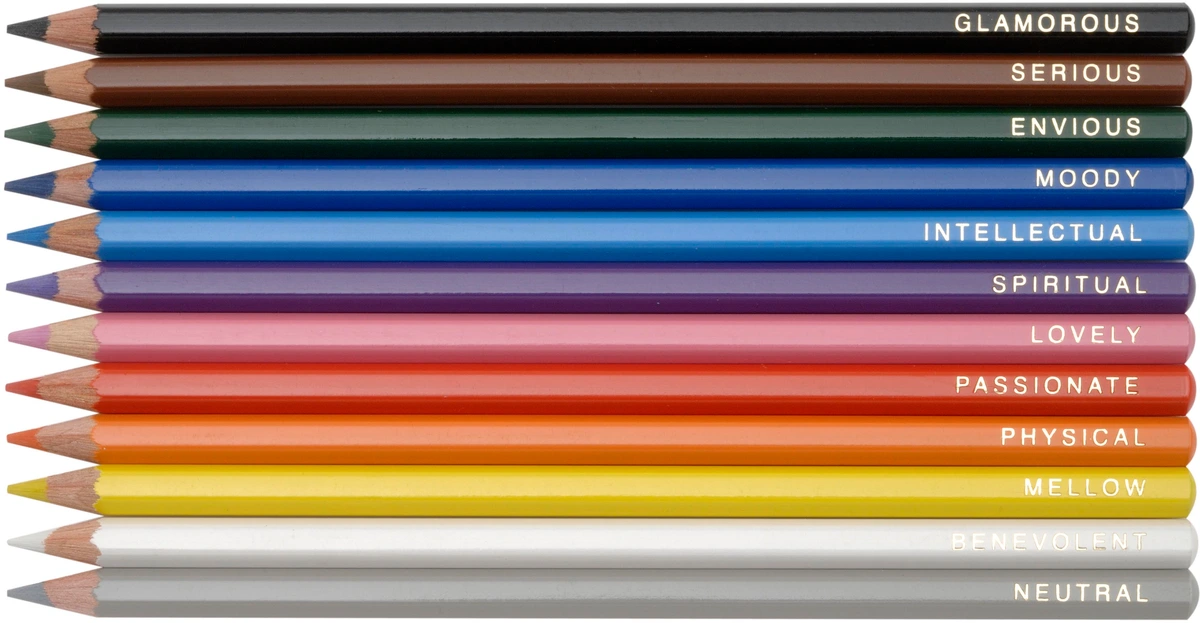
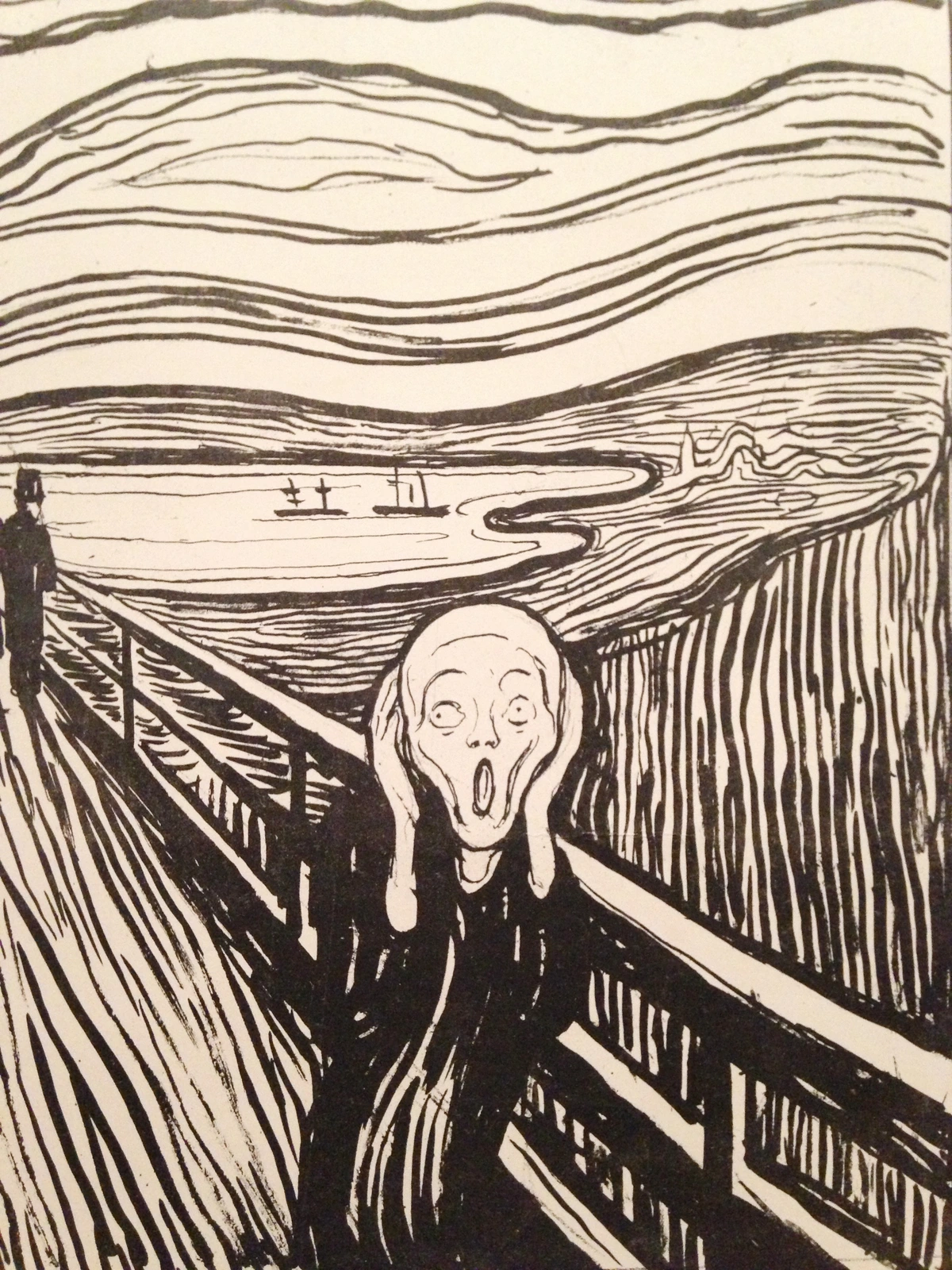
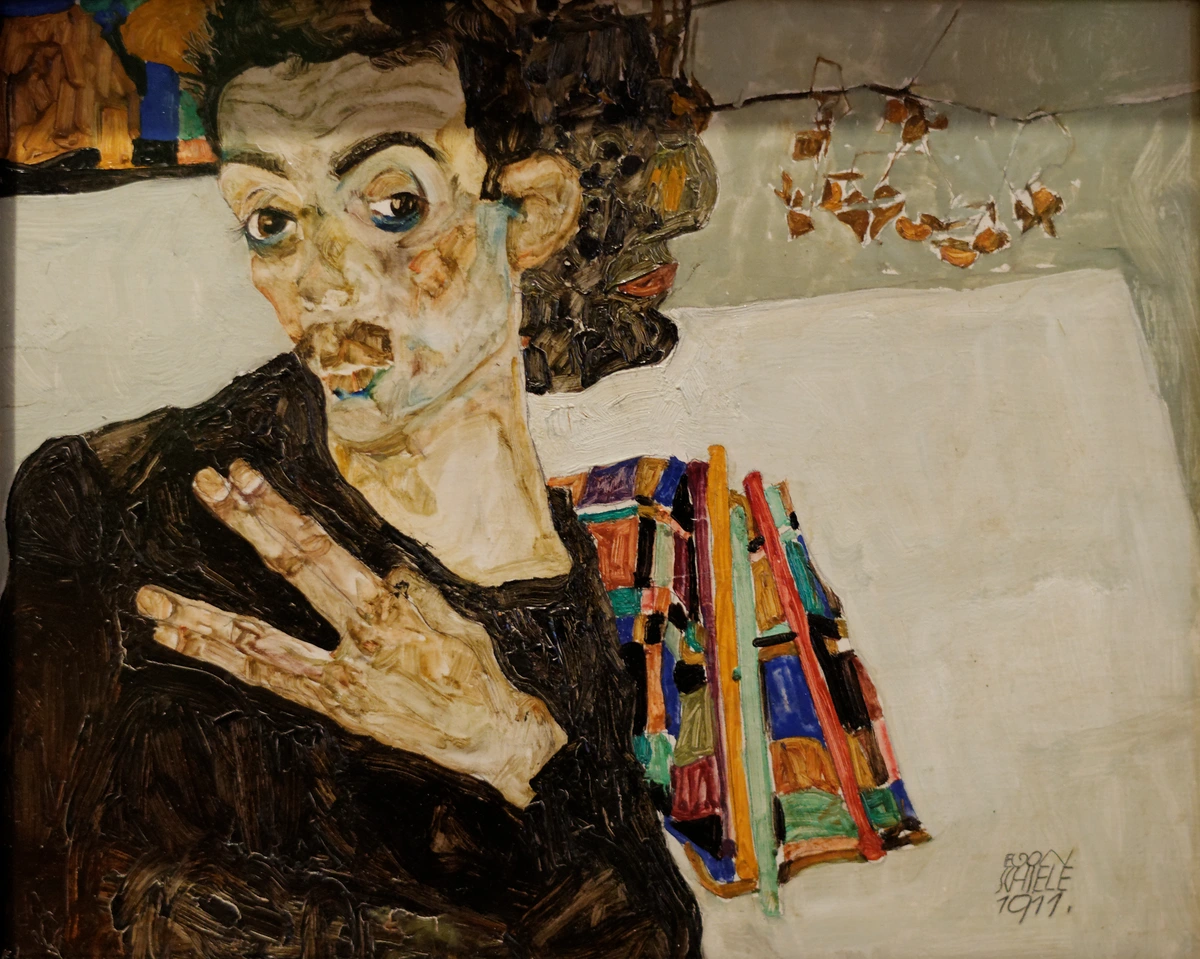
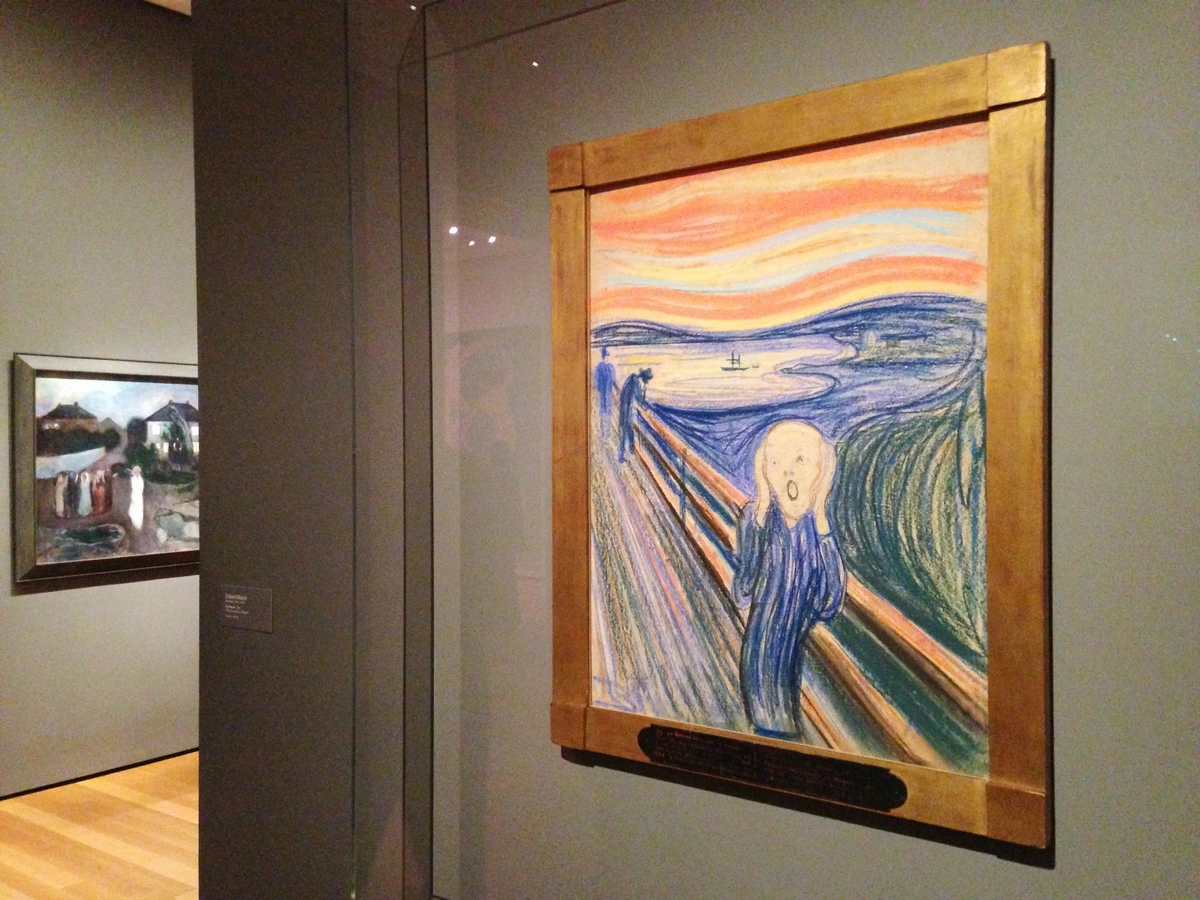
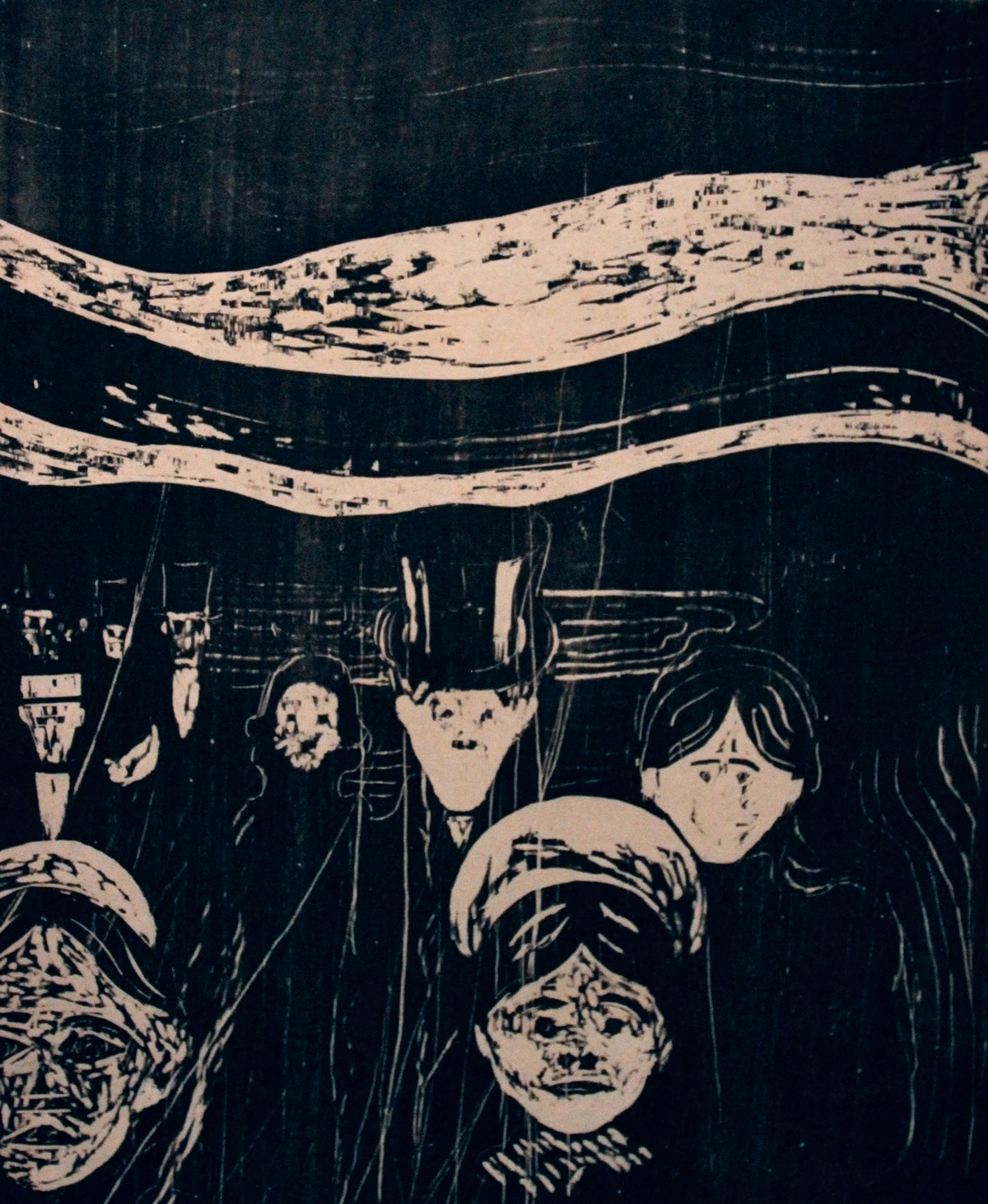
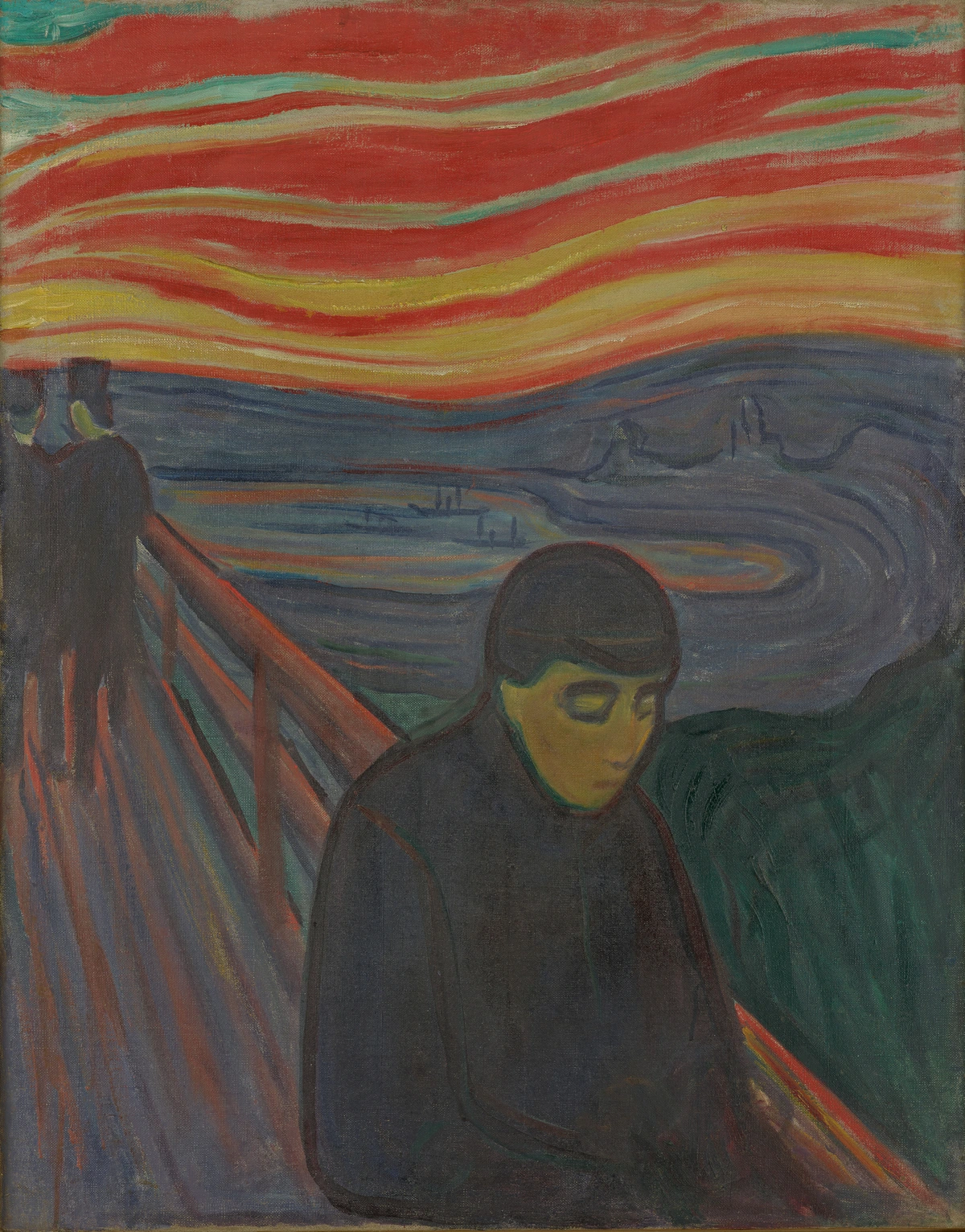
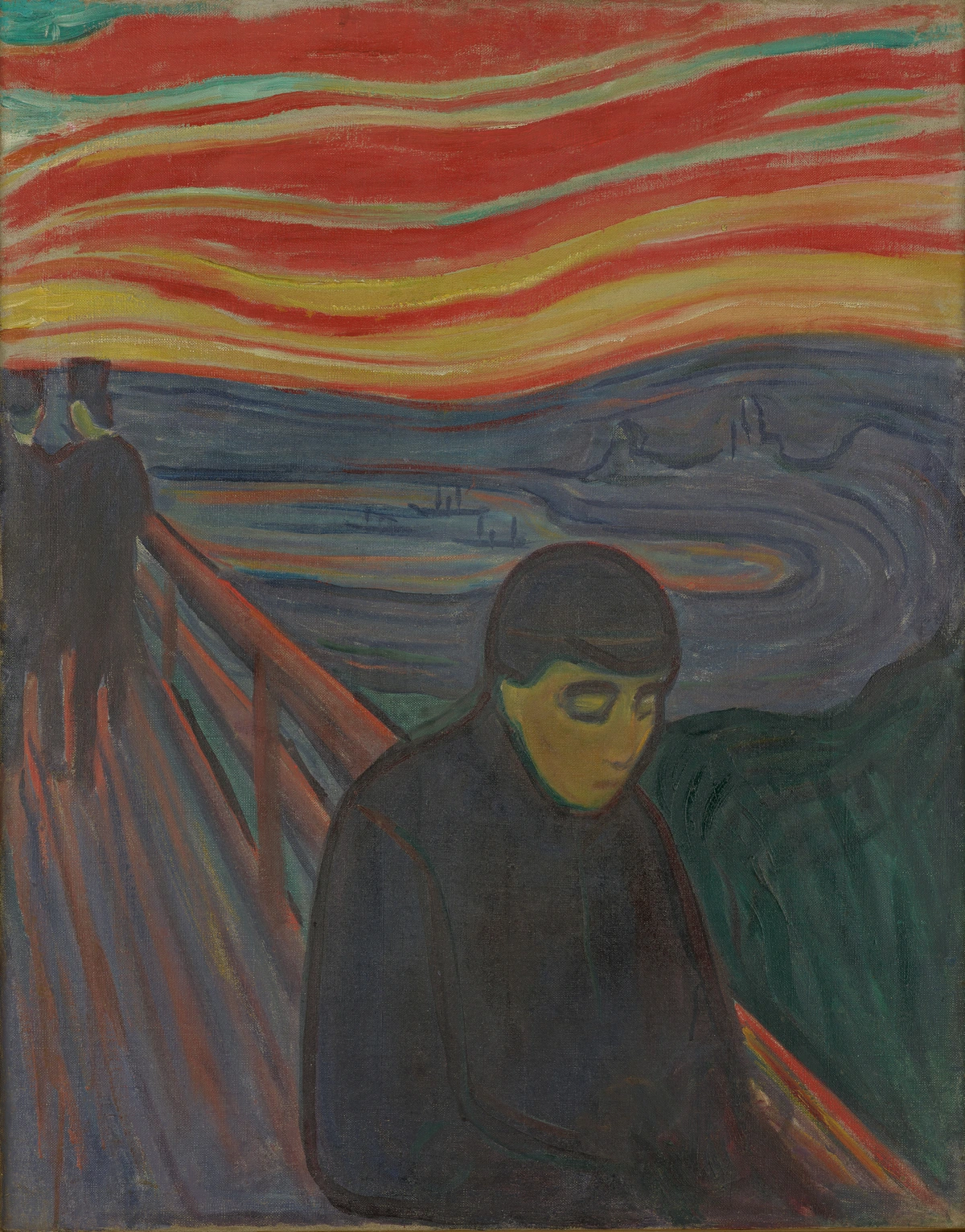
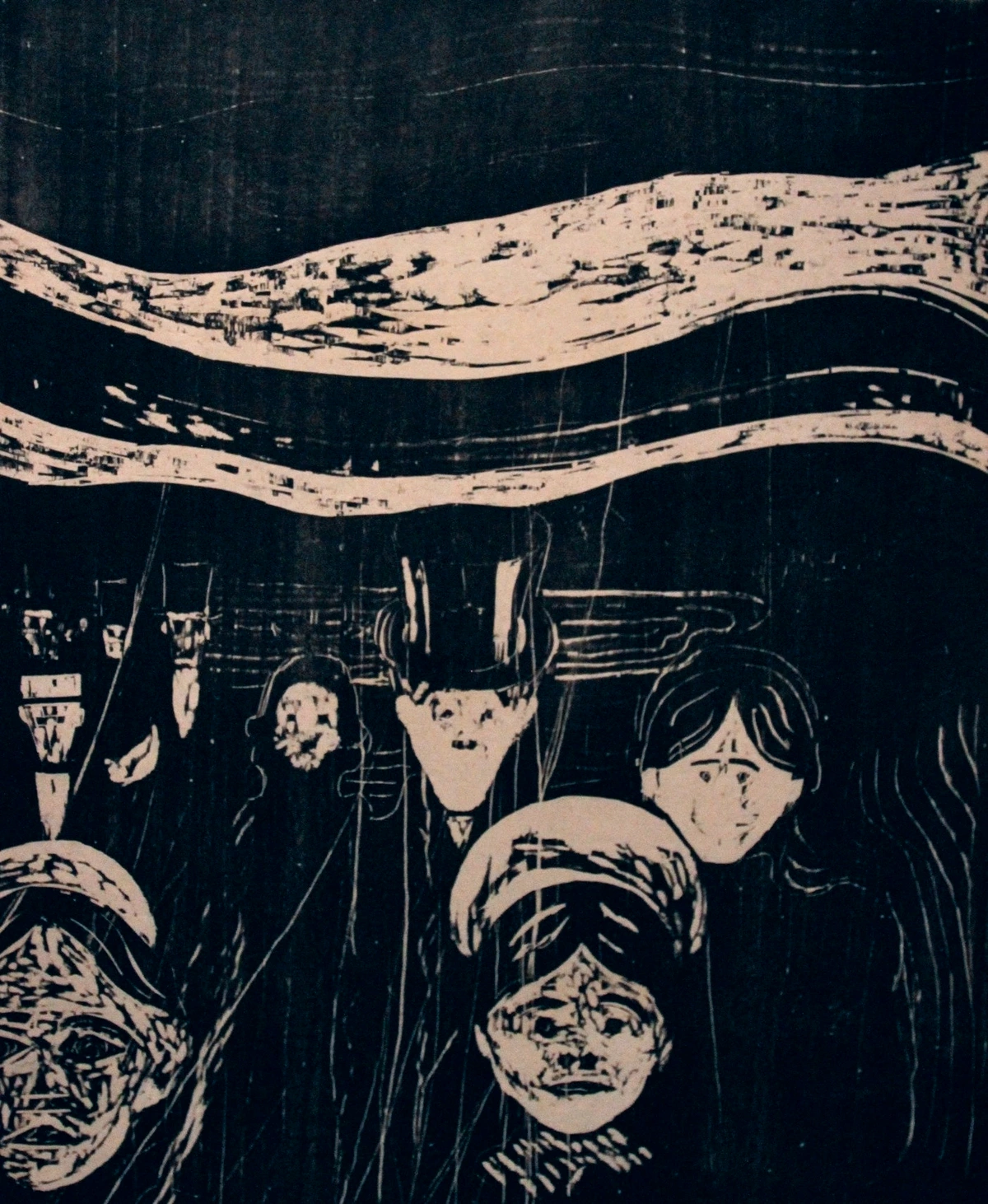
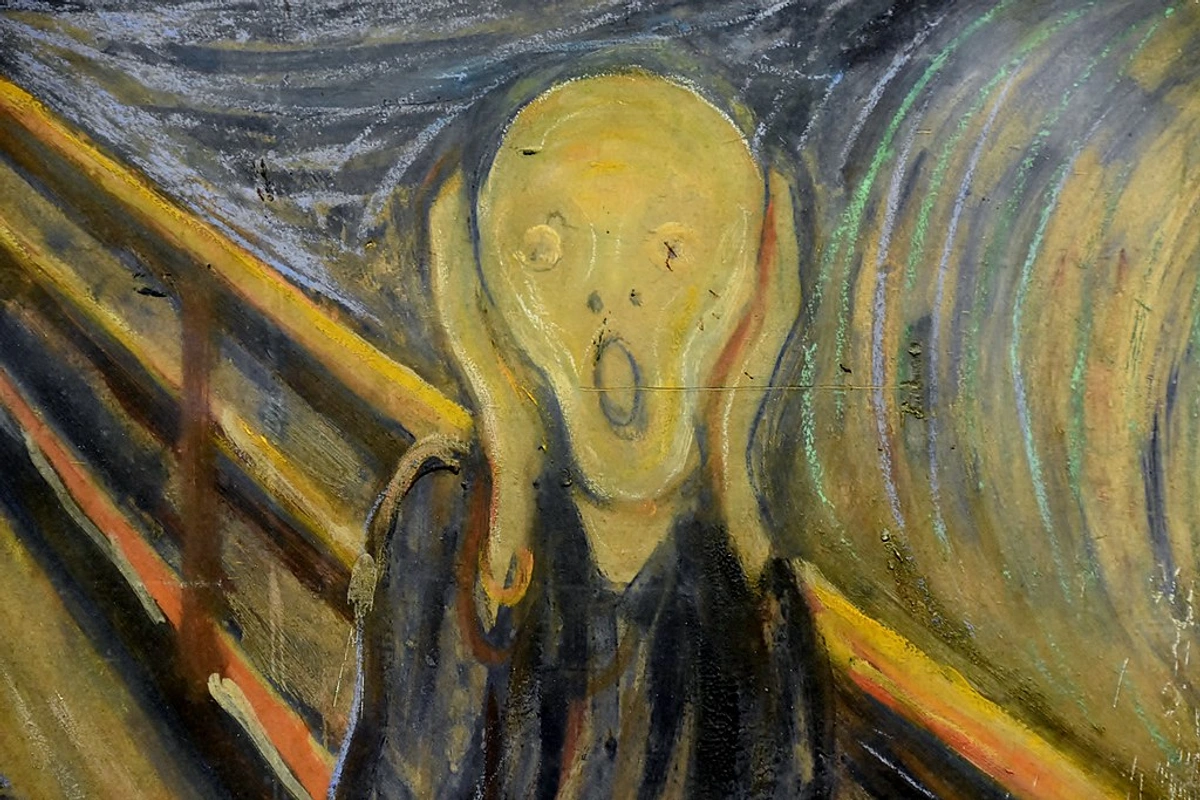
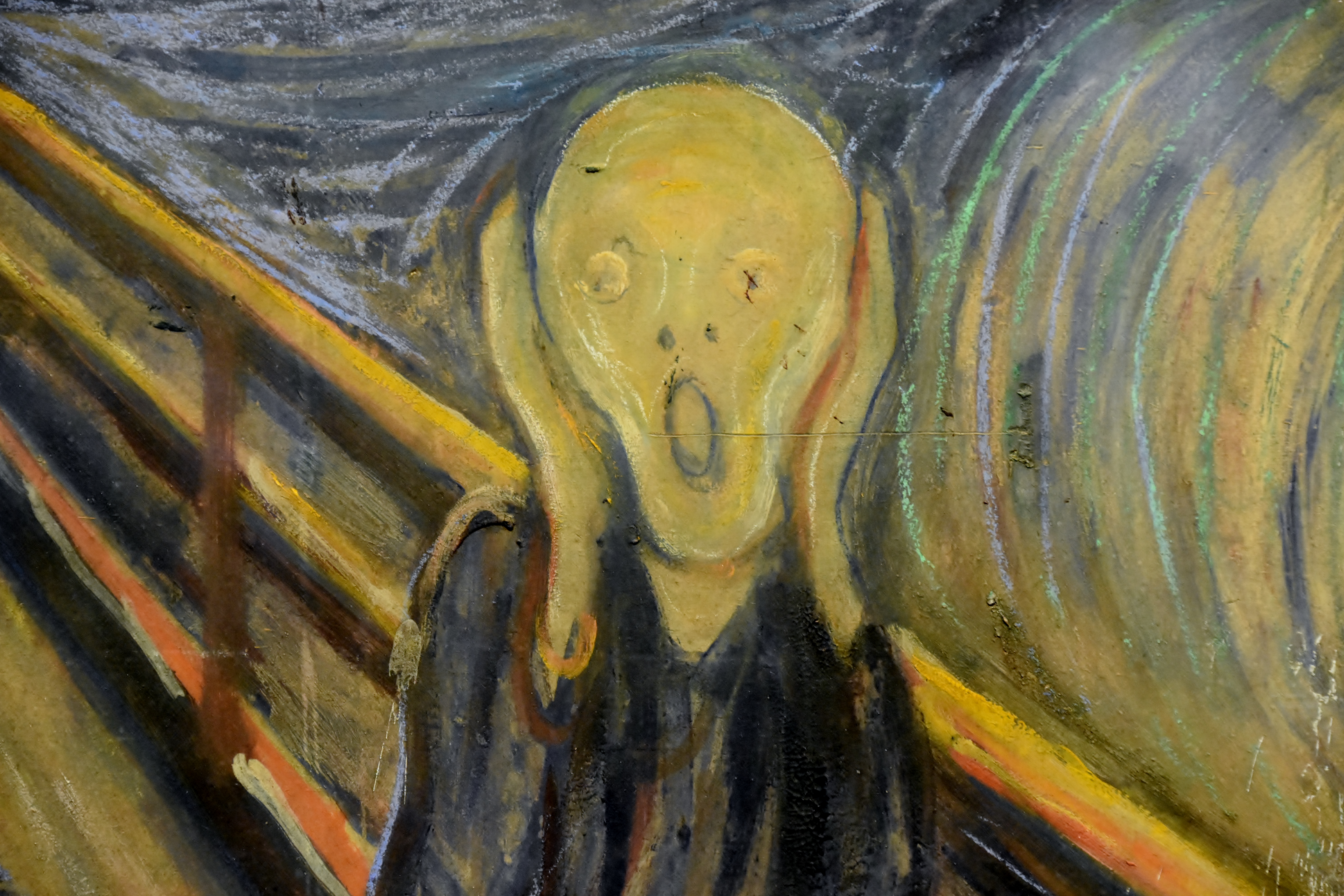
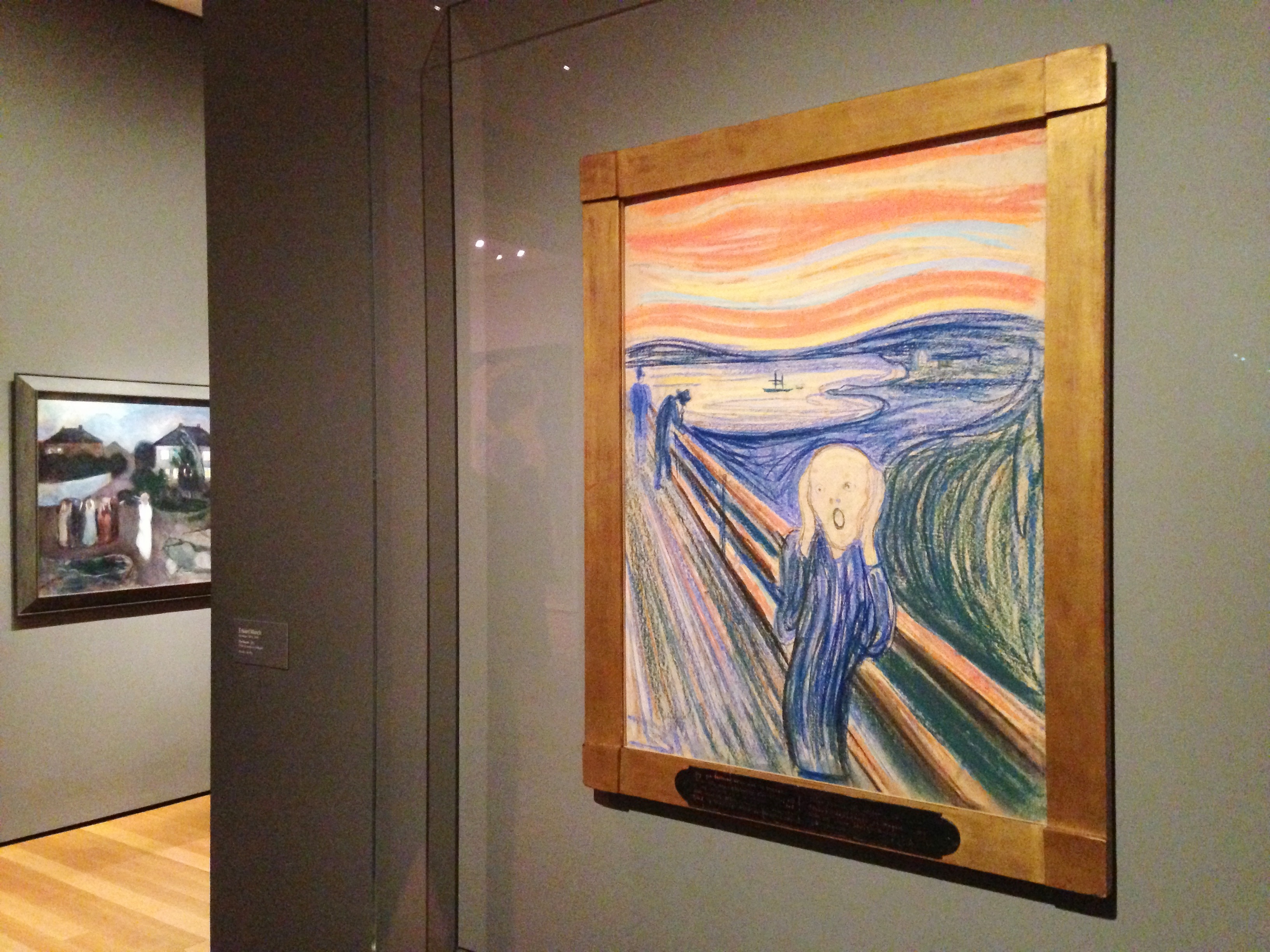
While formal art therapy is facilitated by a trained and certified art therapist, who can guide you through deeper, clinical interventions addressing everything from trauma and depression to eating disorders and chronic illness, the beauty is that many of its foundational principles and techniques are incredibly effective for self-guided use. This guide focuses on those self-guided techniques—simple yet potent tools you can immediately integrate into your life to manage that relentless hum of anxiety, intrusive thoughts, rumination, or even just general restlessness. No formal training required, just your willingness to explore. In fact, many artists throughout history, like Edvard Munch, unknowingly engaged in therapeutic art-making, using their creative process to grapple with intense inner turmoil and anxiety. Munch's iconic woodcut, 'Angst,' for instance, is often interpreted as a direct, visceral visualization of his internal struggles with fear and existential dread, making his art a profound act of self-expression and processing. Another poignant example is Frida Kahlo, whose raw, intensely personal self-portraits often explored her physical pain, emotional suffering, and complex identity, making her art a powerful form of self-therapy and resilience in the face of immense adversity. Even children and teens, who often struggle to articulate complex emotions verbally, can find immense relief and self-expression through art therapy, making it a valuable tool across all ages.
Art Making vs. Art Therapy: What's the Difference?
It's a subtle but important distinction. You see, while all art therapy involves art making, not all art making is art therapy. Art making can be a wonderful hobby, a form of self-expression, a way to decorate your home, or simply a fun, relaxing activity. It can certainly have therapeutic benefits—reducing stress, fostering creativity, providing joy. But generally, it lacks a specific therapeutic goal, a structured process guided by psychological principles, and the reflective component often facilitated by a therapist. It's often more about the aesthetics or the enjoyment of the craft. Even simple art-making offers stress relief, but the intentionality of using art as a conscious tool for self-exploration and emotional processing is what truly distinguishes therapeutic art-making. For example, casually doodling while on the phone is art-making. Deliberately drawing jagged lines to represent your anger, and then reflecting on the intensity and placement of those lines, is therapeutic art-making.
Art therapy, on the other hand, is a targeted intervention where the process of creation and the resulting artwork are intentionally used to explore psychological issues, develop coping skills, and promote healing within a therapeutic framework. Even in self-guided exercises, the intent is deliberate: you are using art as a tool to understand and manage your emotional state, asking reflective questions, and consciously engaging with your inner world. The art isn't just a pretty picture; it's a vehicle for insight and change. This guide leans into the principles of art therapy, offering self-directed techniques that harness its power without requiring a formal session.
The Science of Calm: How Art Impacts Your Brain
What I've learned about the brain's response to creative acts is truly fascinating. When you engage in art, it's not just a 'nice' distraction; it's actively shifting your brain chemistry and pathways. It's almost like giving your brain a gentle, guided reset button, nudging it away from its anxious loops. Here's a glimpse into the magic:
- Neuroplasticity: Your brain is incredibly adaptable! Creative activities stimulate neuroplasticity, meaning your brain can literally rewire itself. Repetitive, focused artistic actions, like drawing lines or mixing colors, create new neural pathways. This rewiring is crucial because it helps create new, healthier pathways for coping with stress and anxiety, essentially building new mental 'highways' away from old, anxious thought patterns. This can make anxious reactions less automatic over time.
- Amygdala & Prefrontal Cortex: The amygdala, your brain's fear center, often goes into overdrive with anxiety. Art can help calm it, acting like a gentle hand slowing its frantic pace. Simultaneously, the prefrontal cortex, responsible for executive functions like planning and problem-solving, gets gently engaged. This subtle engagement provides a healthy distraction from ruminative thoughts without triggering new stress, allowing your mind to focus on the present. It’s like giving your busy mind a focused, low-stakes task to keep it from spinning out, allowing other parts of your brain to de-escalate.
- Neurotransmitter Release: The flow state achieved during creative tasks can boost feel-good neurotransmitters like dopamine and serotonin, akin to a runner's high. This happens through the brain's reward pathways, as the act of creation, even simple mark-making, provides a sense of accomplishment and pleasure, naturally elevating mood and reducing stress. Think of it as your brain giving itself a natural, healthy dose of 'happy chemicals,' counteracting the negative feelings associated with anxiety.
- Cortisol Reduction: Studies show that just 45 minutes of creative activity (especially activities like drawing, painting, or collage) can significantly lower cortisol levels, your body's primary stress hormone. It’s a direct, measurable way to tell your body to calm down, physically reducing the physiological signs of stress and promoting relaxation at a biological level.
- Alpha Brain Waves: Engaging in repetitive, mindful art tasks (like coloring or mindful scribbling) can increase alpha brain waves, which are associated with a relaxed yet alert mental state—that sweet spot between wakefulness and sleep. This state of relaxed alertness is the opposite of the hyper-vigilant state often experienced with anxiety, offering a direct physiological counterbalance.
- Vagal Tone Activation: The parasympathetic nervous system, responsible for your body's 'rest and digest' response, can be activated through calming, repetitive artistic movements. This can improve vagal tone, a key indicator of your body's ability to self-regulate stress and return to a state of calm. The rhythmic nature of art-making acts like a gentle massage for your nervous system, promoting deeper relaxation and resilience against stressors.
Essentially, your brain sees creative expression as a safe space to process, calm, and even heal.

Benefits Beyond Anxiety: Art Therapy for Holistic Well-being
While this guide focuses on anxiety relief techniques, the principles and practices of art therapy offer a much broader spectrum of benefits for holistic well-being. These self-guided methods can significantly contribute to:
- Stress Management: Providing effective coping mechanisms for stress by externalizing tension and promoting relaxation, much like a mental pressure release valve.
- Emotional Regulation: Developing greater capacity for emotional regulation by offering a safe, non-verbal outlet for intense feelings, helping you observe and understand them without being overwhelmed.
- Self-Esteem & Confidence: Fostering a sense of accomplishment and self-worth through creative expression, regardless of artistic skill, as you bravely engage with your inner world.
- Self-Discovery & Insight: Gaining deeper understanding of one's inner world, motivations, and patterns of thought and feeling, leading to profound personal growth and clarity.
- Mindfulness & Presence: Cultivating a greater ability to be present in the moment, reducing the impact of intrusive thoughts and cultivating a quiet mind, a true mindful moment.
- Cognitive Flexibility: Encouraging new ways of thinking and problem-solving through creative challenges, literally expanding your mental toolkit.
- Enhanced Problem-Solving: Approaching life's challenges with a fresh, creative perspective cultivated through artistic exploration.
- Improved Communication: For those who struggle with verbal expression, art provides an alternative language, opening up new avenues for connection and understanding.
These principles are universally applicable, making art a powerful tool for general mental wellness and sustainable self-care practices. They can also complement other therapeutic approaches, like traditional talk therapy or mindfulness meditation, creating a more comprehensive and holistic path to well-being.
Before You Begin: Crafting Your Personal Sanctuary
Before we plunge into the creative chaos (or calm, depending on the exercise!), let’s take a crucial moment. This isn't a performance for anyone, especially not for your own inner critic. Think of it as carving out a tiny, personal sanctuary, a little bubble of 'just for you' in a busy world.
Setting the Stage for Your Creative Sanctuary
- Find Your Quiet Pocket: Seek out a nook, a comfortable corner, or even just a patch of floor where you can be undisturbed for about 15-20 minutes. Absolute silence is a bonus, but even a moment of focused solitude, perhaps with some gentle instrumental music, will do wonders. The key is minimal distractions—your brain has enough noise already. If absolute silence isn't possible or even desirable for you (some find it too intense), consider soft, instrumental music, or even noise-canceling headphones. And if sitting isn't comfortable, remember you can stand, lie down, or adapt your space in any way that truly serves your comfort and physical needs. This is your personal space for finding focus in abstract art. If you have sensory sensitivities (e.g., to strong smells or textures), consider materials that are unscented and pleasant to touch.
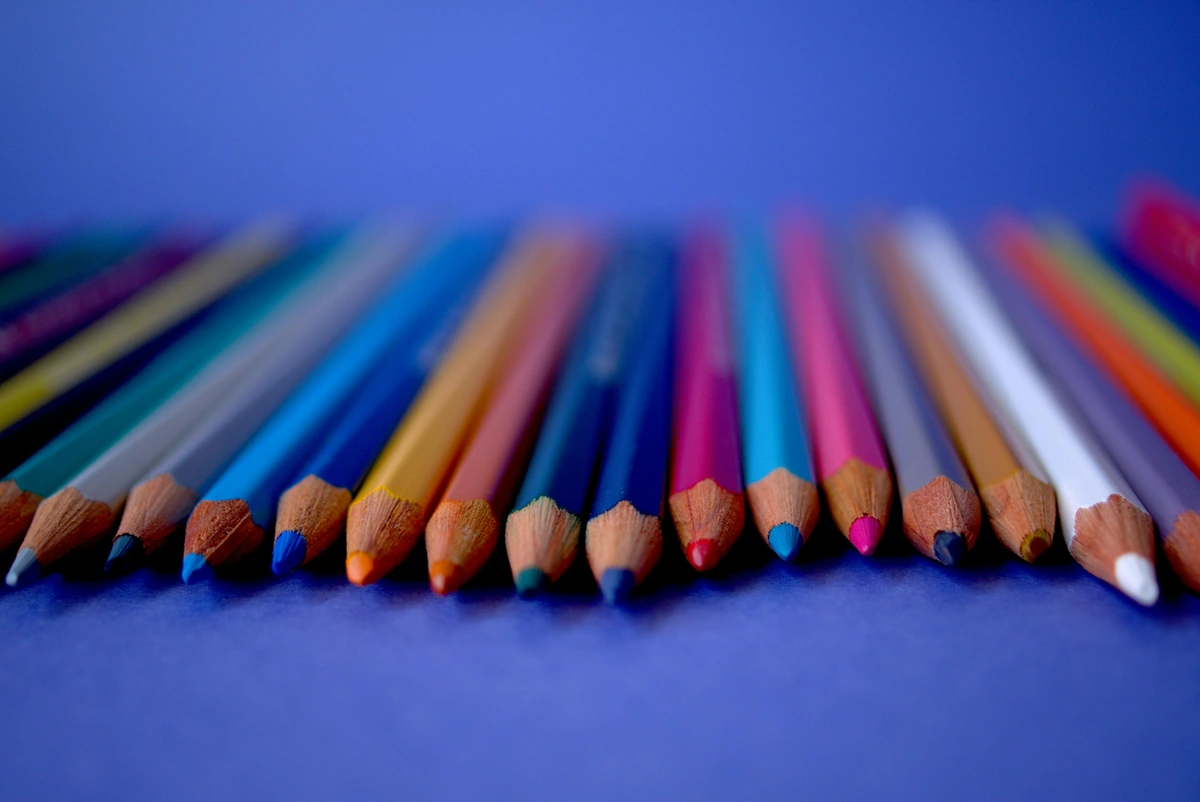
- Gather Your Humble, Whimsical Tools: Seriously, forget what you think an 'artist' needs. My personal favorites are just paper and a trusty pen. But feel free to grab some vibrant colored pencils, a riot of markers, some waxy crayons, or even a stack of old magazines and a reliable glue stick. Whatever bits and bobs you have lying around? Absolutely perfect. In fact, the simpler, the more liberating it often feels. If certain textures (like chalk or rough paper) are jarring, choose smoother options. This is your space, tailored to your comfort. A quick note on materials: while most common art supplies are safe, it's wise to avoid anything highly toxic, extremely messy without proper setup, or overly demanding for a beginner. The aim is ease, not frustration! If you're sensitive to strong chemical smells, opt for water-based, non-toxic options.

- Release the Shackles of Expectation (and your Inner Critic): This, I've found, is perhaps the single most crucial step. Our inner critic is often our harshest judge, and in this space, we politely (or not-so-politely) tell that critic to take a long coffee break. The goal here isn't a 'good' drawing or a 'pretty' picture; it's authentic expression, raw feeling. The goal is simply to feel, to express, to be. Embrace the wobbly lines, the unexpected blotches, the glorious imperfections. This is where the magic truly happens; it’s all incredibly welcome. Remember: the uglier or messier the art, sometimes the more honest and profound the release. Self-compassion is your greatest ally here – treat yourself with the same kindness you'd offer a friend. Embrace the power of imperfection in your creative journey.
Your Toolkit for Calm: Five Transformative Art Therapy Exercises
When my mind feels like a runaway express train—all speed and no destination—these are the paths I choose to gently, yet firmly, guide it back to the station. I’ve personally leaned on each of these, and I invite you to try one, try a few, or try them all. See what genuinely resonates with you, what offers that quiet click of relief, that subtle sense of coming home.
Here's a quick overview of the exercises we'll explore to help you choose what best fits your current needs:
Exercise  | Primary Benefit | Best For | Materials Needed | Adaptations/Variations |
|---|---|---|---|---|
| 1. The Mindful Scribble | Immediate Kinesthetic & Emotional Release | Overwhelm, restlessness, pent-up energy | Paper, pen/pencil/crayon | Vary speed/pressure; add color to shapes formed; use both hands. |
| 2. Mindful Coloring | Focused Calm & Flow State | Overthinking, rumination, gentle grounding | Coloring book/drawn shapes, colors | Create your own patterns; focus on color choice intuition; use digital coloring apps. |
| 3. Emotional Color Wheel | Emotional Clarity & Self-Awareness | Identifying complex feelings, gaining perspective | Paper, colors | Use different shapes/forms; add descriptive words; create an "emotion barometer" with color intensity. |
| 4. Create a 'Safe Place' | Inner Security & Resilience | Feeling vulnerable, seeking refuge | Paper/clay, colors/mixed media | Build a 3D model; create a sensory description only; draw a map of your safe place. |
| 5. Torn Paper Collage | Cathartic Release & New Beginnings | Frustration, feeling out of control, perfectionism | Old paper, glue stick, base paper | Use different textures of paper; create a specific theme; combine with drawing. |
1. The Mindful Scribble: Transforming Inner Chaos into Flow
Chaos on the page, calm in the mind.
Ever felt like your internal world is just one big, tangled ball of yarn? This is my absolute favorite, the ultimate no-pressure entry point into creative calm. It’s about taking that buzzing, internal energy—that feeling of a million thoughts racing—and giving it a literal, physical outlet. You’re moving it out of your body and onto the page. No planning, no judgment, no thought required, just pure, uninhibited motion. I remember one particularly rough Tuesday, you know the kind? Where my anxiety felt like a live wire buzzing through my body, making my jaw clench and my hands tremble; letting my hand furiously scribble dark, tangled lines across the page felt like unplugging myself from a wall socket. A surprising, immediate release, a true instance of my creative flow.
The Process
Grab a piece of paper and your chosen mark-making tool (a simple pen, pencil, or crayon works beautifully). Close your eyes for a moment. Where does your anxiety live in your body right now? Is it a frantic flutter in your chest? A tight knot in your stomach? A restless tremor in your hands? Now, without lifting your hand from the paper, let it move across the page, allowing that specific feeling to translate directly into a continuous line. Go fast or slow, press hard or ease up, make frantic jagged lines or heavy, slow loops. Don't worry about what it looks like; simply let the physical sensation of anxiety guide your hand. Fill the entire page with your energetic scribble until you feel a subtle shift, a sense of release. You're essentially physically enacting a kinesthetic release—a discharge of emotional tension through bodily movement onto the page, much like releasing physical tension from a coiled spring.
The Next Step: Bringing Order to Chaos
Open your eyes. Look at the intricate network of lines you've created. It might look like pure chaos, and that's precisely the point. Do you notice any accidental shapes forming within the scribble? Now, with colored pencils or markers, gently choose some of those enclosed sections and fill them in. You're not trying to create a coherent picture; you're simply observing the patterns you've already made and mindfully adding color. This brings a gentle sense of order to the expressed chaos, much like taming a wild garden, one colorful patch at a time.
Why it Works
This exercise provides an immediate, direct kinesthetic release for pent-up energy and overwhelming emotions. It's a fancy way of saying you're letting your body move out the tension. By bypassing the analytical, overthinking brain, it allows for direct, non-verbal expression. The physical act helps to ground your experience, disrupting the anxiety feedback loop by connecting your internal state to external action. This can even influence neurotransmitter pathways, offering rapid emotional regulation. For instance, the physical exertion of furious scribbling can effectively release physical tension like clenched jaws or restless limbs, directly addressing common anxiety symptoms. The act of filling in shapes then introduces a meditative, focusing element, shifting your brain from raw, chaotic expression to a calming, repetitive task. This transition can help activate the parasympathetic nervous system (your body's 'rest and digest' mode), encouraging a state of physiological calm and potentially stimulating vagal tone, promoting relaxation. This exercise is perfect for immediate emotional release and grounding.
Reflect & Discover
After you've finished, take a moment to observe your scribble. Without judgment, ask yourself: What emotions feel most prominent in this drawing? Did the act of scribbling change the intensity of those feelings?
Key Takeaway for Mindful Scribble:
Use this exercise for rapid discharge of intense, restless anxiety. The uninhibited motion provides a raw emotional outlet, followed by a gentle, calming focus as you add color, quickly shifting your mental state. It's especially effective for those who struggle with the art of mark-making without judgment.
Moving from raw, energetic release, you might now be ready for a more structured yet equally calming activity...
2. Mindful Coloring: Finding Focus in the Flow State
A gentle chore for a restless mind.
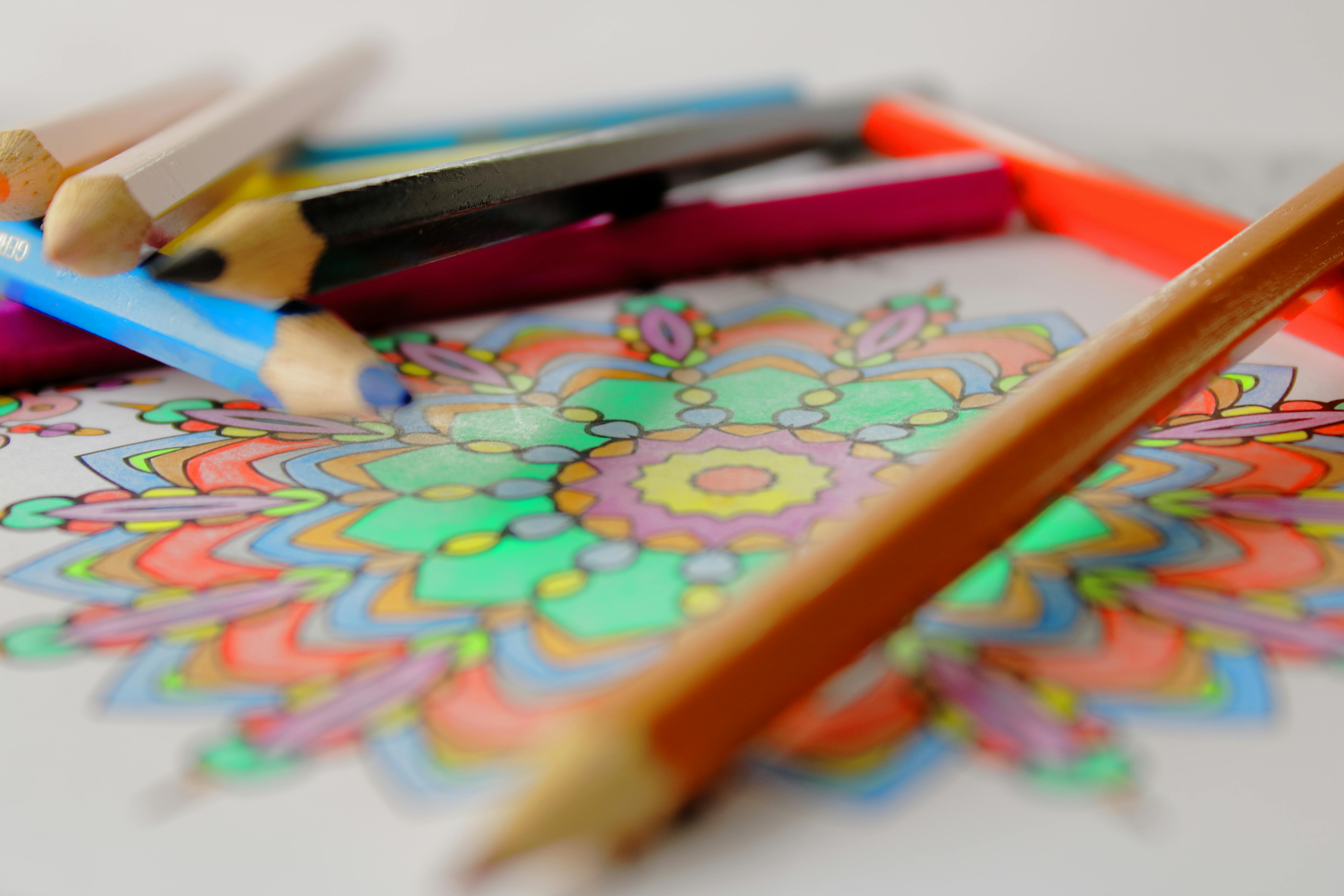
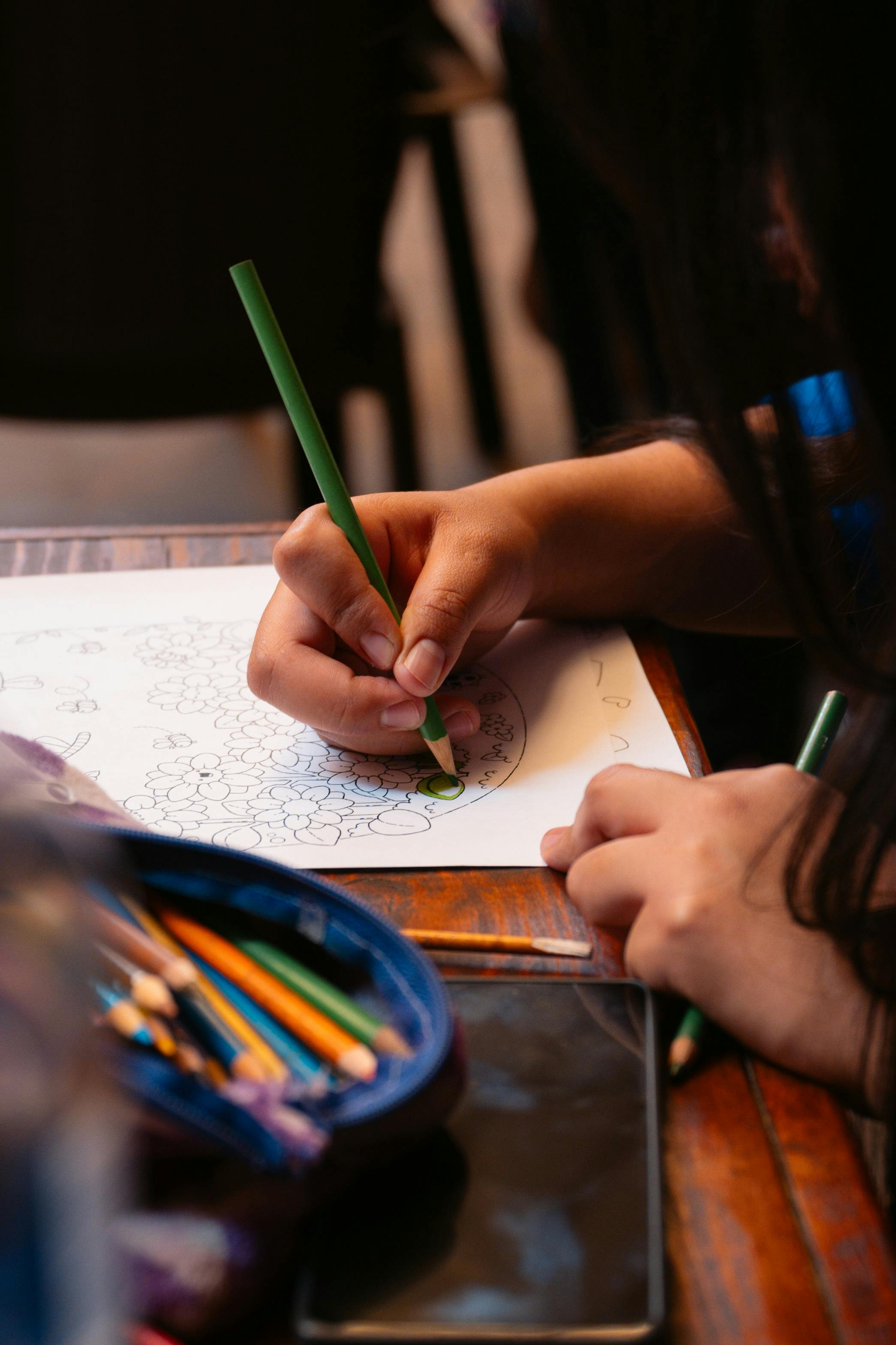
Yes, the adult coloring book phenomenon wasn't just a fleeting trend; it tapped into something deeply calming and restorative in our collective psyche. Focusing on a repetitive, simple task is a proven pathway to a meditative state, creating a true mindful moment. I’ve found that the sheer simplicity of it allows my brain to finally quiet down by giving it a low-stakes, engaging task. It’s like giving your overactive mind a gentle, pleasant chore to do, freeing the rest of you to just be. For instance, I once spent an hour mindlessly coloring a mandala during a particularly stressful period, and emerged feeling as if I'd had a mini-vacation from my worries. On another occasion, when a specific nagging thought wouldn't leave me alone, I deliberately chose a complex geometric pattern and focused solely on filling each tiny shape with a new color. By the time I was done, the thought had completely lost its grip—my brain had been too busy with its 'chore' to continue the rumination loop. It's a wonderful gateway to a meditative dialogue with art.
The Process
You can absolutely grab an adult coloring book—mandalas, with their intricate, symmetrical patterns, are particularly fantastic for inducing calm. Or, even simpler, just draw a series of random, overlapping shapes on a blank page yourself. The real magic here lies in choosing your colors intuitively. Don't overthink what 'looks good' or what 'matches'. Instead, pick a color that feels right in this exact moment. Let your gut guide you; there are no wrong choices.
Pay Attention: Anchoring to the Now
As your pencil or marker glides across the paper, consciously notice the subtle sound it makes, the slight friction. Feel the texture of the paper beneath your hand. Observe the rhythmic movement of your fingers and wrist. When your mind inevitably begins to wander—and it will, that’s just what minds do—gently, kindly, guide it back to the simple, physical sensation of adding color to the page. It’s a practice in presence, one stroke at a time, teaching your mind to anchor itself to the now. This is a form of cognitive offloading, where your brain is freed from complex problem-solving to focus on simple sensory input, much like delegating a tedious task to calm your mental workspace. It helps redirect mental energy from anxious thoughts to a focused, calming activity.
Why it Works
Mindful coloring activates parts of the brain associated with focus and relaxation, similar to the effects of meditation. The repetitive motion and low-stakes decision-making about color engage the prefrontal cortex (responsible for executive functions like attention and planning) in a way that promotes sustained attention and helps to distract from anxious thoughts without triggering new ones. This helps induce a state of flow—a mental state where you are fully immersed and energized in an activity, and time seems to slip away. This immersion can significantly reduce cortisol levels (the stress hormone) and can even help generate alpha brain waves, associated with relaxed, yet alert, mental states. When your mind is caught in a rumination loop about a past event or a future worry, the focused attention required for coloring provides a gentle yet effective way to interrupt this cycle and bring you back to the present moment. Use this when you need to find focus and calm in a gentle, accessible way.
Reflect & Discover
Take a moment after coloring. Did you notice any patterns in your thoughts as you colored? What color choices surprised you, and how do they make you feel now?
Key Takeaway for Mindful Coloring:
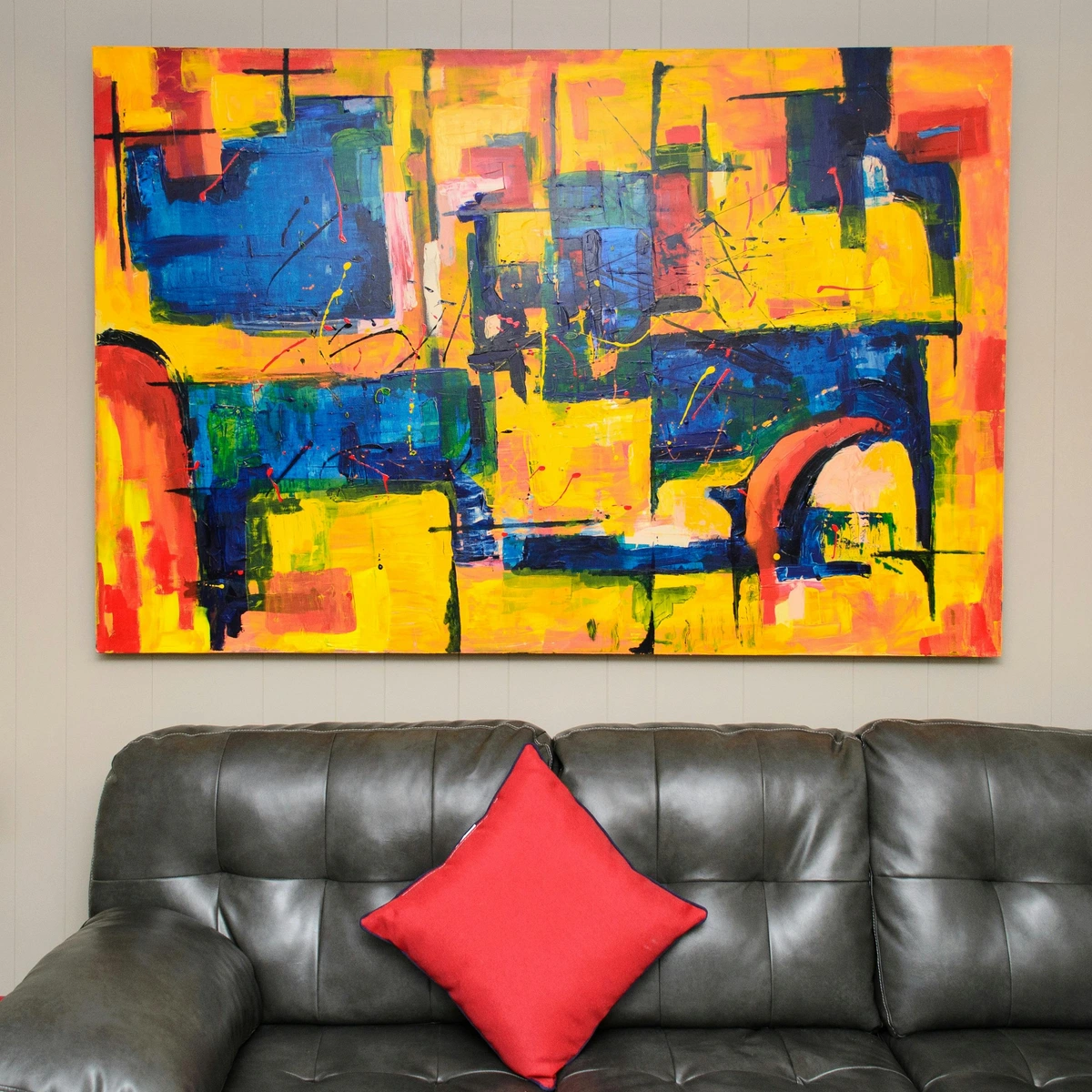
Ideal for overthinking and rumination. The repetitive, focused task gently engages your prefrontal cortex, inducing a meditative flow state that reduces stress hormones and fosters a sense of grounded calm. It’s an accessible gateway to the psychology of color in abstract art through personal application.
Now, if you're looking to understand the complexities of your emotions more deeply, the next exercise offers a unique visual language for that very purpose...
3. An Emotional Color Wheel: Mapping Your Inner Landscape with Color
Where words fail, colors speak.
Sometimes, the sheer volume of what we're feeling is utterly overwhelming. It’s like trying to untangle a hundred different threads at once. Putting a precise name to each emotion can feel impossible, let alone understanding why it's there. This exercise helps you externalize and map that complex inner landscape using the incredibly expressive, intuitive language of color, a crucial aspect of understanding the emotional language of color in abstract art and even the psychology of color in abstract art. I recall a particularly muddled week where using this wheel allowed me to see that beneath my 'frustration' was a subtle layer of 'sadness' I hadn't acknowledged, providing a surprising moment of clarity, a quiet conversation where I was translating emotion into abstract art.
The Process
Draw a large circle on your paper. Now, divide it into 6-12 wedge-shaped sections, like slices of a pizza. In each section, write down an emotion you're currently experiencing or have felt recently. Don't censor yourself; include everything from 'worried' and 'tired' to 'angry', 'calm', 'hopeful', 'confused', 'frustrated', 'numb', 'excited', 'nostalgic', or 'anticipatory'. The more nuanced, the better.
Assign a Color and Explore: Your Personal Palette of Feelings
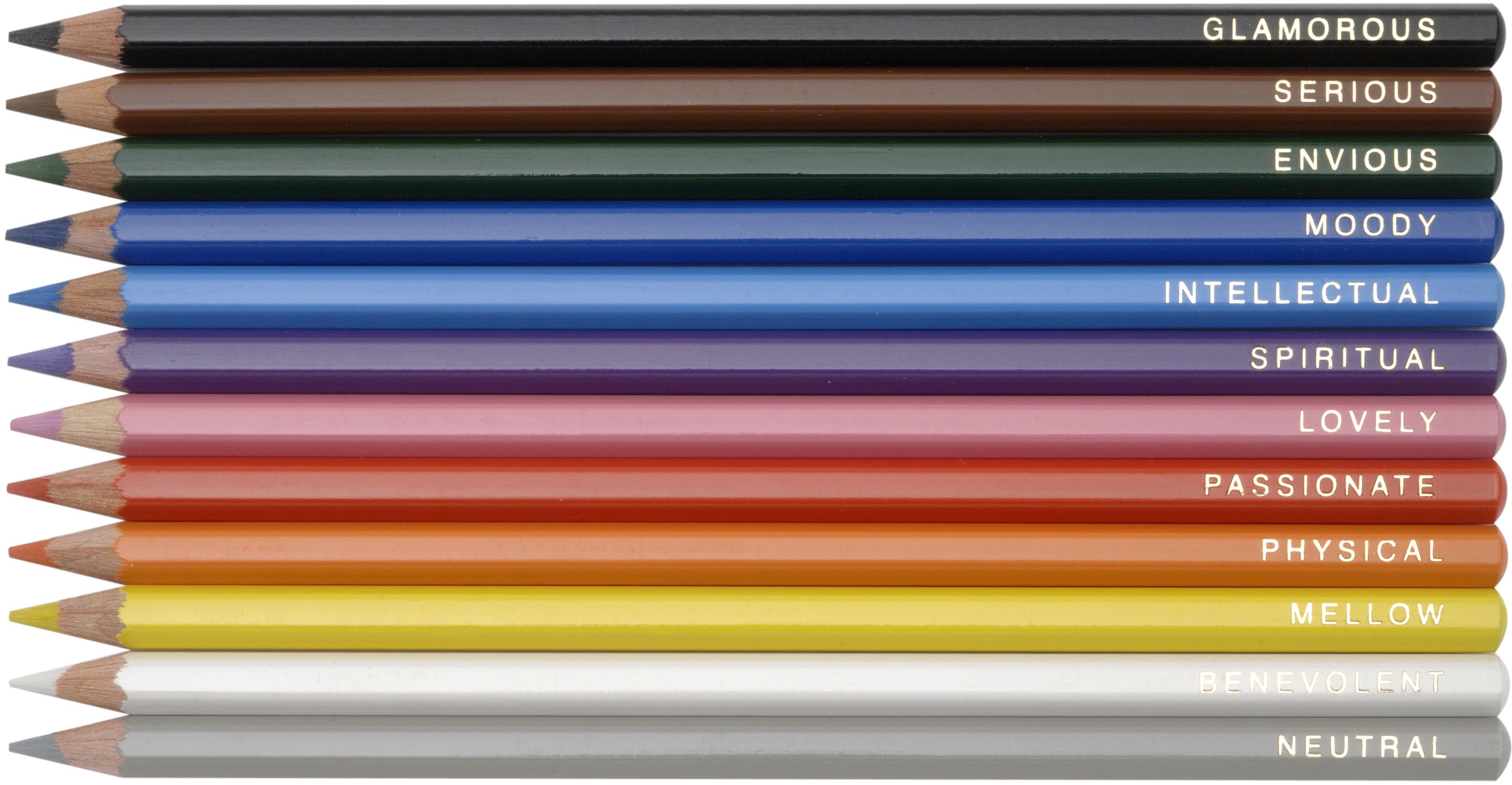
For each emotion, assign a color. And here’s the absolute key: don't overthink it for a second. Go with your very first gut reaction. What color is 'worried' for you right now? What shade represents 'hope' today? Fill in each section with its assigned color using whatever medium you have. This process of externalizing your feelings onto paper often reveals surprising connections and can bring a profound sense of clarity. It helps you see your emotions as separate entities you can observe, rather than being completely consumed by them. Remember, these color associations are deeply personal and can even change from day to day, and that's perfectly okay. While there are some common associations across cultures, your personal truth is what matters here. Consider how artists use color to convey deep meaning.
Here’s a small table of common color associations, but let your intuition be your guide:
Emotion | Common Association (often cultural) | Your Personal Color Choice Today (Example) | Why This Color for YOU Today? |
|---|---|---|---|
| Anxiety | Yellow, Grey, Red | Jittery Yellow | Felt like a buzzing, unsettling energy. |
| Sadness | Blue, Grey, Black | Deep Indigo | Heavy, quiet, like deep water. |
| Anger | Red, Black | Hot Red | Intense, fiery, like a burst. |
| Calm | Green, Blue, White | Soft Green | Gentle, natural, like quiet growth. |
| Hope | Yellow, Light Blue, Green | Pale Blue | Like the sky after a storm, open. |
| Frustration | Brown, Dark Red, Grey | Muddy Brown | Stuck, heavy, unable to move forward. |
| Joy | Yellow, Orange, Pink | Bright Orange | Warm, energetic, radiating happiness. |
| Confusion | Grey, Purple | Swirling Grey | Unclear, foggy, a mental maze. |
| Relief | Light Blue, White, Green | Clear Sky Blue | Lightness, freedom, burdens lifted. |
| Nostalgia | Sepia, Muted Greens/Blues | Faded Sepia | Sweet melancholy, distant memories. |
Why it Works
This exercise transforms abstract, overwhelming emotions into a concrete, visual form, making them less daunting and more manageable. It's a powerful tool for self-awareness and emotional literacy, encouraging you to identify, label, and safely externalize your feelings. This externalization creates a crucial sense of distance and control, allowing you to observe your emotional state rather than being swept away by it. By naming and coloring, you engage in a form of cognitive restructuring, subtly changing your relationship with the emotion. When you externalize anxiety as a specific color, you can then visually explore its intensity or even imagine diminishing it. This can also tap into the concept of synesthesia, where sensory input (like color) naturally links to emotions, making the mapping feel intuitive and profound. For specific anxieties, like generalized anxiety disorder (GAD), mapping out the myriad worries can help delineate their scope, making them feel less amorphous and overwhelming. Use this when you need to map your complex inner world and find clarity, connecting with the emotional resonance of my abstract art.
Reflect & Discover
Look at your completed color wheel. What connections do you notice between your emotions and the colors you chose? Are there any emotions that feel lighter or heavier after giving them a color?
Key Takeaway for Emotional Color Wheel:
Excellent for gaining emotional clarity and self-awareness. It provides a visual language to externalize, identify, and understand complex feelings, offering a sense of distance and control over overwhelming emotions. It's a key step in developing a personal emotional palette.
After mapping your inner world, sometimes you just need a place of refuge. The next exercise helps you build just that...
4. Create a 'Safe Place': A Visual Anchor for Inner Peace
Build your haven, brick by colorful brick.
Anxiety often leaves us feeling exposed, vulnerable, and profoundly unsafe. It strips away our sense of groundedness. This exercise offers a powerful way to construct a tangible, visual representation of a place where you are utterly calm, completely secure, and truly at peace. It's like building your own mental fortress, brick by colorful brick, providing a pathway to the healing power of color. I once created a 'safe place' that was a secluded, moss-covered treehouse filled with books and gentle light, and simply visualizing it could calm my racing heart during a stressful day.
The Process
Close your eyes and allow your imagination to wander freely. Envision your perfect safe place. It could be somewhere real from your memory—a sun-drenched childhood bedroom, a secluded beach you once visited, a quiet forest path with dappled light. Or, it can be entirely fantastical—a cozy hobbit hole nestled in a hillside, a cloud fortress in the sky, a secret garden known only to you. Crucially, engage all your senses: What does this place look like in exquisite detail? What colors are dominant? Can you feel specific textures beneath your fingertips or on your skin—smooth stone, soft moss, warm sand? What subtle scents might waft through the air—pine needles, salty breeze, fresh rain, a comforting vanilla? What gentle sounds can you hear—a distant birdsong, the rustle of leaves, the soft lapping of water, the crackle of a warm fire? What is the temperature like—a gentle warmth, a crisp coolness? Allow these details to fully form, making it as vivid and immersive as possible.
Bring it to Life: Your Visual Anchor
Now, using whatever materials truly call to you—be it paints in vibrant hues, a collage made from old magazines, soft colored pencils, or even a small bit of clay, paper mache, or found objects like twigs and pebbles—begin to build this place on paper or in a small 3D form. Don't concern yourself with perfect perspective or making it look 'realistic'; that’s not the point. The crucial element is capturing the feeling of safety, comfort, and peace. This creation becomes your personal visual anchor, a quiet haven you can revisit in your mind whenever anxiety threatens to overwhelm you. Think of it as your portable oasis of calm, always accessible. This technique is particularly effective for managing specific anxieties, such as social anxiety, by visualizing yourself feeling safe and confident in social situations, or for health anxiety, by creating a place of profound physical well-being.
Why it Works
Visualization and the tangible creation of a safe place powerfully leverage the mind-body connection. By intentionally focusing on positive imagery and rich sensory details, you can actively shift your physiological state away from the 'fight-or-flight' response, grounding yourself in a profound sense of security. This is a form of embodied cognition, where mentally experiencing a safe place can physiologically reduce stress, much like imagining a protective barrier can help with social anxiety, or a tranquil space can calm performance jitters. It builds resilience by giving you a proactive coping mechanism. The tangible artwork serves as a physical reminder and an accessible portal back to that feeling of inner peace, empowering you with a tool to self-soothe. This is akin to a gentle form of Neuro-linguistic Programming (NLP), where you create a powerful internal resource you can access at will. This exercise is also wonderful for adapting to specific anxiety manifestations, such as imagining a protective barrier for social anxiety or a tranquil space to calm performance jitters.
Reflect & Discover
After creating your safe place, close your eyes and imagine stepping into it. What is the most comforting aspect of this place? How does it feel to know you can access this inner sanctuary anytime you need it?
Key Takeaway for Creating a 'Safe Place':
This exercise builds inner security and resilience. By visualizing and tangibly creating a peaceful haven, you establish a powerful mind-body connection, offering a proactive coping mechanism and an accessible anchor for calm during stressful moments. It’s a literal blueprint for your inner peace.
Finally, for those moments when you feel overwhelmed and need to release and reconstruct...
5. Torn Paper Collage: Deconstruction, Release, and New Beginnings
From fragments, new stories emerge.
There’s something incredibly visceral, almost primally satisfying, about tearing paper. It’s an act that feels wonderfully rebellious, especially when we’re so often told to be careful, to be precise. This exercise provides a fantastic, direct channel for feelings of frustration, being overwhelmed, or that unsettling sense of things being utterly out of control. It transforms those potent emotions into a creative act of deconstruction, followed by a deeply hopeful reconstruction. I've often found this to be profoundly liberating when words simply fail, or when I feel like my world is metaphorically falling apart. One afternoon, after receiving some disheartening news, I spent twenty minutes furiously tearing up old junk mail, then slowly, deliberately, reassembling the fragments into a chaotic yet beautiful landscape. It felt like rebuilding my own sense of equilibrium. This exercise is also particularly beneficial for those who struggle with perfectionism or rigidity, as the uncontrolled act of tearing directly challenges the need for precision and order.
The Process: Cathartic Tearing
Gather any old paper you can find—magazines, colored construction paper, junk mail, even old newspaper. The more varied the textures and colors, the better. And here’s a crucial rule: no scissors allowed here! Without a specific plan, just start tearing. Tear big pieces, tear tiny pieces. Focus intently on the sound and feel of the paper ripping, the sensation in your hands. Let any frustration, tension, or a sense of things falling apart flow into the tearing. Allow yourself to be messy, to be forceful. Create a generous pile of these torn fragments. The physical, unrestrained act of tearing can provide a powerful release for feelings of being out of control, transforming that internal chaos into a tangible, external action.
Create Something New: Reconstruction and Hope
Now, take a blank sheet of paper and a glue stick (or any adhesive you have). Look at your pile of fragmented shapes and colors. Without judgment, begin to arrange them on the blank page. You might find yourself creating an abstract landscape, a dynamic pattern, a symbolic representation of fragmented thoughts, or conversely, a cohesive image representing a new beginning. Consider giving your collage a theme, such as "rebuilding hope," "finding peace in pieces," or "my fragmented identity." The act of taking something broken, something fragmented, and intentionally weaving it into a new, coherent whole can be profoundly powerful and deeply cathartic. It's a vivid, tangible reminder of the power of imperfection and how beauty, meaning, and resilience can emerge from fragments, a powerful metaphor for our own lives. It’s about creating order from chaos, one torn piece at a time, a truly intuitive painting.
Why it Works
The physical, unrestrained act of tearing is incredibly cathartic, providing an immediate, forceful release for pent-up emotions, especially those associated with frustration or a feeling of being out of control. This active physical expression can lead to a quick reduction in physiological stress indicators and even a release of endorphins. The direct tactile input can also be very grounding, helping to disrupt the mental loops of anxiety. The subsequent act of reconstructing these fragments into a new composition fosters a potent sense of agency, order, and hope. It symbolizes resilience and the profound ability to create something new and beautiful from perceived brokenness, transforming chaos into a fresh narrative. It allows you to externalize the feeling of things falling apart and then consciously put them back together in a way that feels empowering. This is particularly useful for managing anxieties related to a lack of control or perfectionism, as the inherent messiness of collage challenges rigid thinking. Use this when you feel overwhelmed, frustrated, or like things are out of your control.
Reflect & Discover
Look at your completed collage. What story does this new arrangement of fragments tell? How does it feel to have transformed something chaotic into a new form?
Key Takeaway for Torn Paper Collage:
Offers cathartic release and promotes new beginnings. The raw act of tearing externalizes frustration, while the reconstruction fosters agency and hope, symbolizing the ability to create meaning and beauty from perceived chaos. It's a tangible expression of the beauty of the happy accident and your capacity to adapt.
Navigating the Bumps: Common Challenges & How to Embrace Them
Even in the most liberating creative journeys, it’s natural to encounter moments of doubt or frustration. Here’s how we can gently navigate those bumps, remembering that even these challenges are part of the journey towards greater mental wellness.
The Inner Critic's Persistent Whisper: "This Isn't Good Enough"
Ah, the dreaded inner critic. It's the voice that insists your scribble isn't artistic, your color choices are wrong, or your collage is just a mess. My experience? This voice thrives on perfectionism and judgment, a bit like a mischievous gremlin or a tiny, demanding bureaucrat whispering doubts in your ear. The antidote is radical acceptance and a healthy dose of self-compassion. Remind yourself, out loud if you need to, that the goal is not a masterpiece for public display. It's a private dialogue, a release. If the critic is too loud, make your art even messier, more chaotic. Deliberately lean into the 'bad' art. Often, this playful rebellion silences the critic faster than trying to create something 'good'. Try a prompt like: "Draw the ugliest thing you can think of," or "Use only three colors in the most clashing way possible." This kind of deliberate subversion is incredibly liberating. Remember, the uglier the art, sometimes the more honest the release. Embrace the power of imperfection!
The "I'm Just Wasting Time" Trap
When anxiety has you in its grip, every moment can feel precious, or conversely, utterly unproductive. The thought, "I should be doing something productive, not just scribbling!" is a common and insidious trap. Here's my honest take: you are doing something productive. You are actively regulating your nervous system, building emotional literacy, and creating a vital space for self-care. This isn't a frivolous diversion; it's an investment in your mental well-being and a powerful self-care practice. Think of it like recharging a battery—you can't keep running on empty without consequences. Give yourself permission to pause, create, and replenish. The long-term benefits of sustained calm and resilience far outweigh the immediate gratification of a perceived 'productive' task that might actually be fueling your anxiety.
When the Art Feels Overwhelming or Triggering
Sometimes, externalizing deep emotions can feel intense, even overwhelming. If you find yourself feeling worse, or if memories or feelings emerge that are too much to handle on your own, please pause immediately. This is your signal to step back. Don't push through. Put down your tools, take a few deep breaths, and re-center yourself. It's perfectly okay to stop an exercise. You might try a simpler, more structured activity next time (like mindful coloring). Also, be aware that certain materials or colors might carry unexpected associations or trauma triggers for you. For instance, a particular scent of paint, or a specific shade of blue, might inadvertently bring up difficult memories. If this happens, simply switch materials or colors, or move to a completely different exercise that feels safer. Always prioritize your well-being. If deep breaths aren't enough, try grounding techniques like focusing on 5 things you can see, 4 things you can feel, 3 things you can hear, 2 things you can smell, and 1 thing you can taste. Or, hold a textured object, or splash some cold water on your face. These can help interrupt intense emotional states and bring you back to the present.
Creative Blocks: The Blank Page Stare
Ever stared at a blank page feeling utterly devoid of ideas? It's a universal experience! For me, a creative block often signals my mind is trying too hard, overthinking the 'how-to' instead of just being. The solution? Stop trying to create. Instead, try a preparatory activity. Start by drawing random lines without looking, or simply making swatches of colors. Rip up old paper without a plan. Journal about your feelings (or lack thereof) before you even think about putting paint to paper. Often, the act of doing something, anything related to creativity, breaks the spell, and an idea—or just the feeling of needing to express something—emerges. Think of it as warming up the creative muscle before the main event.
When to Seek Professional Art Therapy Support
While these self-guided exercises are wonderfully powerful for managing general anxiety and stress, it's crucial to understand their limits. Self-guided art therapy is a fantastic complement to a holistic well-being strategy, but it's not a substitute for professional clinical support when it's truly needed. If you're experiencing any of the following, please consider reaching out to a qualified mental health professional or a certified art therapist:
- Severe or Persistent Anxiety: If your anxiety is overwhelming, interferes significantly with your daily life, or if you frequently experience panic attacks, social phobia, or generalized anxiety disorder that feels unmanageable. A professional art therapist can provide structured interventions and a safe space to process underlying causes, offering personalized anxiety relief techniques beyond what self-guided methods can achieve.
- Trauma or PTSD: If you are dealing with past trauma or symptoms of Post-Traumatic Stress Disorder (PTSD), deeper emotional work often requires the guidance of a trained therapist. They are equipped to manage potential abreactions (intense emotional releases) safely and help you integrate difficult experiences in a supportive environment.
- Fragile Mental State or Psychosis: If you are experiencing intense distress, dissociation, thoughts of self-harm, or symptoms of psychosis, professional intervention is essential for your safety and well-being. In these cases, a therapist can offer immediate, critical support and help stabilize your condition.
- When Self-Guided Efforts Aren't Enough: If you consistently find yourself struggling to engage with these exercises, or if they bring up more distress than relief, a therapist can offer tailored support and strategies, adapting techniques to better suit your individual needs and therapeutic goals.
A certified art therapist can provide a safe, structured environment to explore complex emotions, process difficult experiences, and develop personalized coping mechanisms that go beyond what self-guided techniques can offer. Always prioritize your well-being and don't hesitate to seek expert help when needed.









A Final Thought: The Process is the True Masterpiece
I truly, deeply can't emphasize this enough: the finished artwork absolutely does not matter. It's not about being 'good' or 'bad'; those judgments have no place here. This space is solely about authentic expression. The real victory, the profound success, is simply that you showed up for yourself. You acknowledged that relentless hum or sudden surge of anxiety, you gave it a tangible, non-verbal outlet, and you spent a few precious minutes connecting your hands to your feelings, gently bypassing that often-overthinking, over-analyzing brain of yours. That connection—that act of presence and honest self-engagement—that is the true masterpiece. What small mark will you make for yourself today?
This isn't just about managing a moment of panic; it's about building a silent, ongoing, life-long conversation with your deeper self. It's a potent reminder that your creativity is an inherent, powerful, and deeply healing force within you, whether you've ever held a brush, sculpted clay, or believed you could only draw a wonky stick figure. These exercises are an invitation to rediscover that innate capacity for self-soothing and resilience, one mindful mark, one intuitive color, one torn piece of paper at a time. Consider them a vital, empowering part of your comprehensive self-care toolkit, always there to support your journey towards inner peace, finally quietening that familiar hum of anxiety. Pick just one exercise and try it today; your mind and body will thank you.
Frequently Asked Questions (FAQ)
Q: But what if I'm really not artistic? I can't even draw a stick figure! A: Welcome to the vast, wonderfully non-artistic club! And truly, that is absolutely perfect. Art therapy exercises aren't about artistic skill, talent, or creating a gallery-worthy piece; they are profoundly about expression, release, and self-discovery. A raw, chaotic scribble that vividly captures your current frustration is infinitely more 'successful' in this context than a perfectly rendered portrait you struggled to create. The less you worry about your perceived skill, the more freely you'll connect with your deeper feelings and gain genuine relief from the exercises. Your inner critic? Kindly tell it to take a coffee break; it’s not invited to this party. Embrace the freedom of non-judgmental creation and the inherent power of creative self-expression!
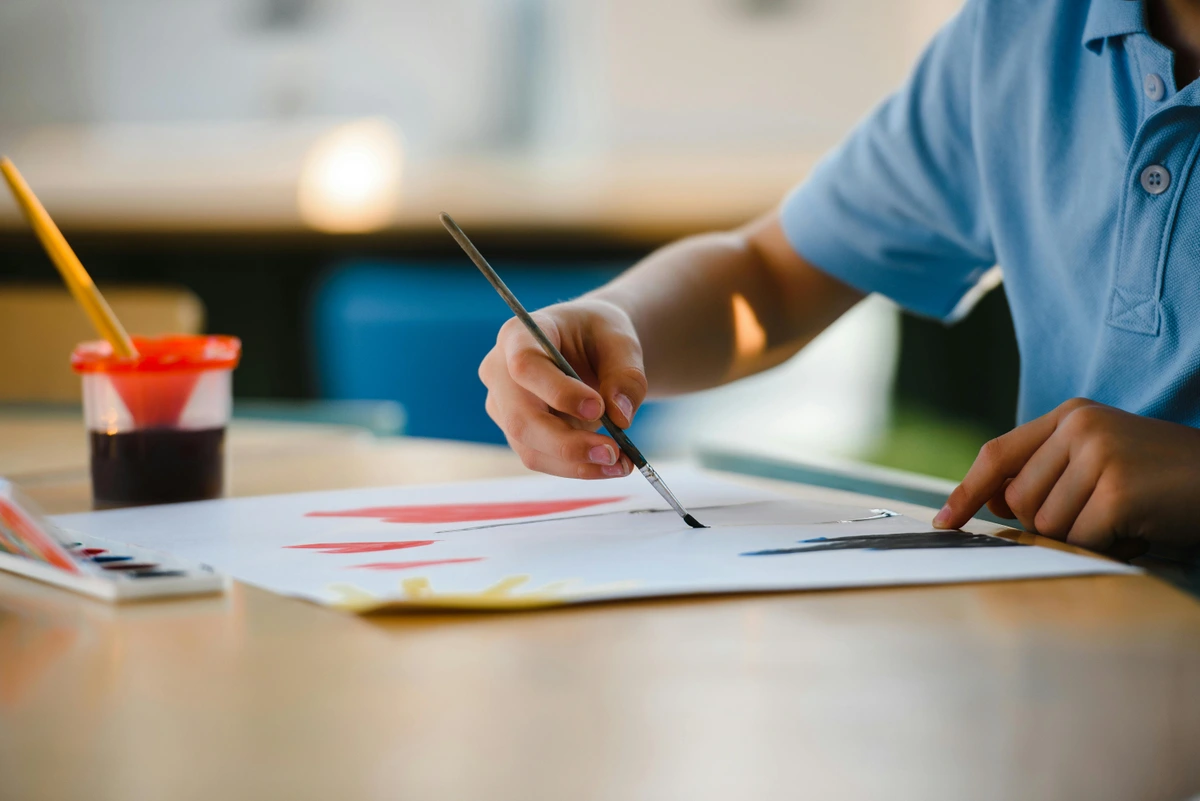
Q: What kind of supplies do I really need to get started? Do I need expensive art supplies? A: Honestly, you need the absolute basics, and nothing more. A simple pen and a piece of paper are genuinely all you need to begin and to experience profound shifts. If you happen to have a basic set of colored pencils, crayons, or even a child's watercolor set lying around, those can certainly open up more possibilities for color and texture. But please, please don't let a lack of 'fancy' or expensive supplies deter you. Use whatever you have at hand; resourcefulness and simplicity are often the most direct pathways to creative release! A well-used pencil stub can be just as potent as a brand new set of expensive paints.
Q: How long should I spend on these exercises to feel a difference? A: I typically recommend aiming for about 15-20 minutes for each exercise. This length is usually sufficient to allow you to settle in, get into a state of flow, and really engage with the process, without it feeling like a demanding chore. However, I've found that sometimes even a quick 5-minute burst of mindful scribbling during a moment of intense anxiety can create a noticeable and immediate shift in your emotional state. Listen to what feels right for you in the moment; consistency in showing up for yourself, even briefly, is more powerful than occasional long sessions of self-care practices.
Q: Will art therapy exercises 'cure' my anxiety? A: It’s crucial to understand that while self-guided art therapy is an incredibly powerful and effective tool for managing anxiety and stress relief, it’s not a magic 'cure' in isolation. Think of it as a deeply enriching practice—a way to build self-awareness, to safely process difficult emotions, and to develop healthier, non-verbal coping mechanisms for stress. Its primary role is to empower you with strategies for managing anxiety, fostering emotional resilience, and improving your overall mental wellness. It generally yields the best, most sustainable results when integrated into a broader, holistic approach to mental well-being, which might also include professional therapy, lifestyle adjustments, or medication, especially if you're experiencing severe or persistent anxiety (e.g., panic attacks, social phobia impacting daily life, generalized anxiety disorder). Consider these exercises a vital, empowering part of your comprehensive self-care toolkit. If your anxiety feels consistently overwhelming or unmanageable, or if you find yourself struggling with thoughts of self-harm, please consult a qualified mental health professional immediately.
Q: How can I integrate these practices into my busy daily life? I barely have time. A: I completely understand the struggle with a busy schedule, but even small, intentional moments count! You don't always need a dedicated 20 minutes. Try carrying a tiny sketchbook or a simple notebook for quick scribbles during a work break, while waiting for an appointment, or even on your commute. Practice noticing the colors, shapes, and textures around you with heightened awareness, turning mundane observations into mindful moments. Or simply take five minutes each morning to choose a 'feeling color' for your day and jot it down. The key isn't strict, overwhelming adherence, but rather consistent, gentle engagement that fits your rhythm. Every little bit truly adds up to profound self-care.
Q: How do I interpret the art I create? What does it 'mean'? A: This is a fantastic question, and the answer is wonderfully liberating: you are the primary interpreter of your own art. There's no secret code or universal dictionary of symbols. Instead, approach your creations with curiosity and self-compassion. Ask yourself: What colors did I choose and why? What feelings or thoughts were present as I made this mark? Does this shape remind me of anything? How do I feel when I look at this piece now? The meaning isn't fixed; it can evolve as you do. The point isn't to find a definitive answer, but to observe what emerges, to gain insight into your internal landscape, and to deepen your self-awareness. It's a visual conversation with yourself, and sometimes, the most profound meaning lies simply in the act of creation itself. Remember, the journey of self-discovery through art is deeply personal and subjective, much like the emotional resonance of my abstract art for its viewers.
Q: What about journaling or reflection alongside the art? Is that important? A: Absolutely! Journaling or taking a few moments for quiet reflection after an art therapy exercise can significantly deepen its impact. Think of the art as the non-verbal dialogue, and journaling as the verbal processing. It's a powerful way to integrate your insights. You might jot down: What thoughts came up as I was creating? How do I feel physically and emotionally now? What did I learn about myself or my anxiety through this process? This dual approach helps bridge the gap between intuitive expression and conscious understanding, making the experience even more transformative.
Q: Can art therapy help with specific types of anxiety, like social anxiety or health anxiety? A: Yes, absolutely! While the core principles apply to general anxiety, art therapy can be highly effective for specific manifestations. For social anxiety, creating art that explores fears of judgment or visualizes safe social interactions can be very empowering. For health anxiety, expressing bodily sensations through abstract forms or drawing a "healthy self" can help externalize and gain perspective on worries. The "Create a Safe Place" exercise, for instance, can be adapted to build a mental sanctuary specifically for coping with challenging social events or intrusive health thoughts. The beauty of art therapy lies in its adaptability to your unique internal landscape and specific anxieties.