Chicago's Ultimate Art Guide: Galleries, Public Art & History
Discover Chicago's vibrant art scene, from historic movements and cutting-edge galleries to monumental public art. This authoritative guide offers tips for discovery, collecting, and finding inspiration.

Chicago's Ultimate Art Guide: Galleries, Public Art & History
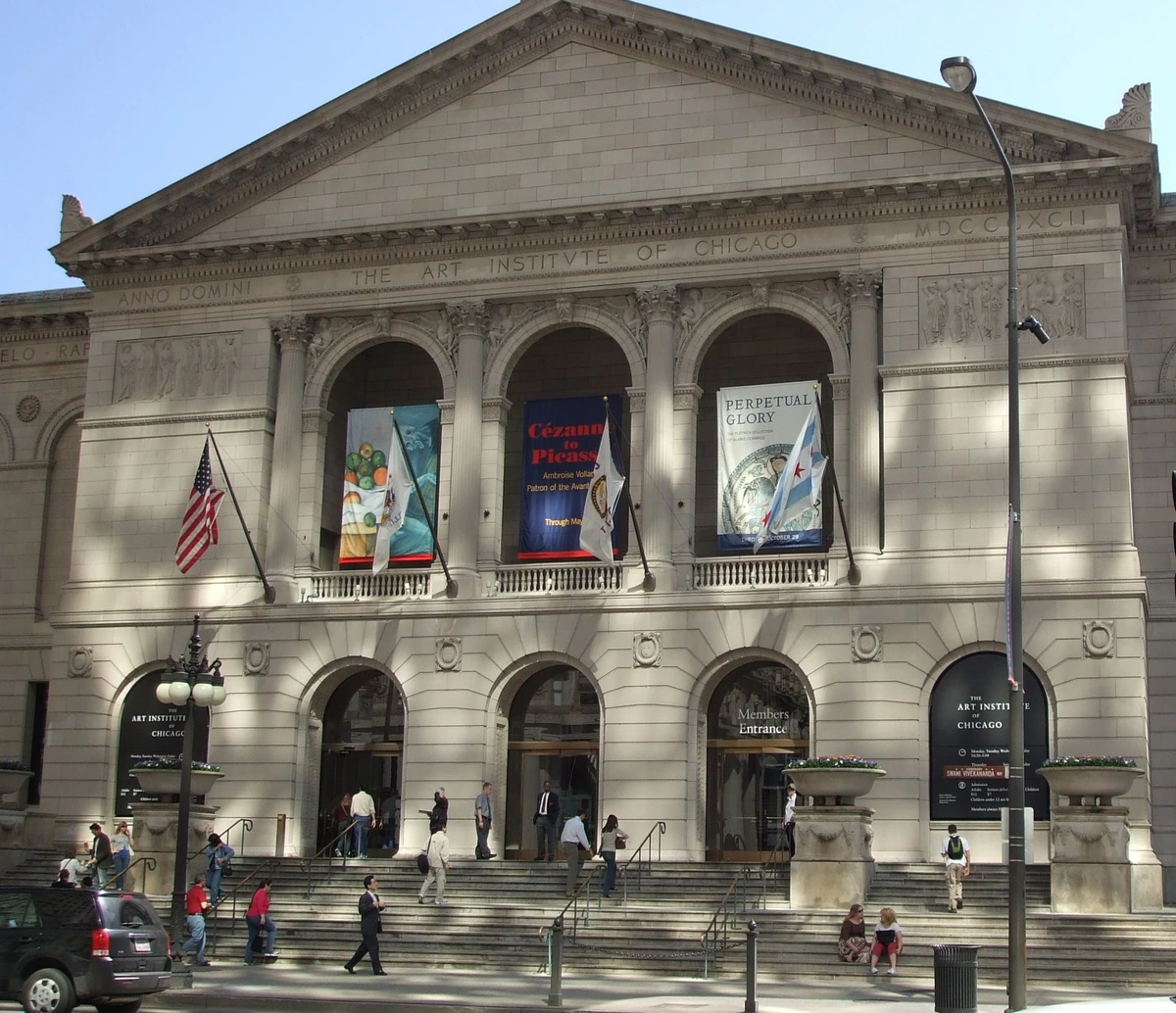
Chicago's artistic spirit isn't just a whisper in its monumental museums; it's a roaring current, shaping the very soul of the city. As an artist who thrives on bold, abstract expression, I've found that this isn't a city that just has art; it is art, woven into its steel-frame architecture and gritty, creative spirit. Whether you're a seasoned collector, a curious traveler, or just starting your own creative journey, this city has a way of drawing you in. My first visit, I admit, was a blur of the tourist trifecta. I saw the Bean (Cloud Gate, if you're being proper), walked through the majestic halls of the Art Institute, and yes, absolutely devoured a deep-dish pizza so gloriously oversized it almost defied the laws of physics. And it was all pretty magnificent, honestly.
But the city's real artistic heartbeat, the vibrant pulse that truly cements its status as one of the great art capitals of the world, isn't just confined to that monumental museum on Michigan Avenue. Oh no. It's buzzing in quiet storefronts, sprawling through converted industrial spaces, and splashed across brick walls in unexpected, colorful neighborhoods. It’s a city where art isn't just displayed; it's a living, breathing extension of its architectural ambition and industrial grit.
This artistic DNA stretches back through Chicago's remarkable history, a story of resilience and reinvention. It's hard to imagine Chicago without that foundational burst of creativity. Imagine the transformative impact of the World's Columbian Exposition of 1893, which not only showcased cutting-edge art and architecture (with visionaries like Daniel Burnham and Louis Sullivan laying the groundwork) but also ignited a civic pride that fueled subsequent artistic development. The post-fire rebuilding efforts, spearheaded by the innovative Chicago School of Architecture with figures like William Le Baron Jenney and Louis Sullivan (whose emphasis on structural honesty profoundly influenced skyscraper design), laid a foundation for a city that valued bold vision and structural honesty. This architectural philosophy, characterized by pioneering steel-frame construction, large windows, and an emphasis on verticality, didn't just rebuild the city; it opened up urban landscapes, enabling taller, lighter buildings that literally shaped the modern metropolis.
Later, the Great Migration brought new voices and cultural expressions, profoundly enriching Black arts communities and fostering vibrant new forms of music (like jazz and blues), literature, visual art, and even culinary traditions. A prime example is the South Side Community Art Center, founded in 1940, which became a vital hub for African American artists like Margaret Burroughs, offering a crucial space for creation and exhibition. During the Great Depression, federal initiatives like the Works Progress Administration (WPA) Public Art Project further embedded art into the city's fabric, commissioning murals and sculptures that reflected American life – consider the powerful murals created by William E. Scott, depicting scenes from The Great Migration in various Chicago Housing Authority buildings, providing crucial support for artists.
And let's not forget the Chicago Imagists – artists like those from the Hairy Who (including Jim Nutt, Gladys Nilsson, and Roger Brown), who emerged in the 1960s with a fiercely independent, often surreal, and distinctly Chicagoan style that pushed back against the prevailing abstract expressionism of the New York art scene. Their work, characterized by bright, often jarring colors, cartoon-like figures, and intensely personal or bizarre narratives, offered a powerful counter-narrative and solidified a unique local tradition. Artists like Karl Wirsum, with his graphic, almost comic-book style figures, further defined this movement. Think of bold, almost confrontational portraiture, fantastical beasts, and dreamlike landscapes rendered with meticulous detail and a palpable sense of the absurd. This movement's legacy continues to be celebrated in local collections, notably at the Art Institute of Chicago and the Smart Museum of Art, proving that this is a city that builds, that innovates, and that expresses itself fiercely, weaving its art into the very fabric of its identity, bridging its past with its dynamic present.
I want to take you on a personal exploration, far beyond the obvious. Think of this as the inside scoop a friend would give you – a trusted map to the places where art isn't just displayed, but where it genuinely lives and breathes, shaping the very fabric of this incredible city. It's about peeling back the layers, finding those unexpected moments of connection, and perhaps even igniting a little spark for your own creative journey. Because, let's be honest, seeing what others create often makes me itch to create something myself, to dive deeper into my own timeline of artistic discovery. This guide will equip you with the knowledge to navigate Chicago's diverse art districts, understand its rich history, and discover personal connections to its vibrant artistic soul.
Getting Your Bearings: Navigating Chicago's Gallery Ecosystems & Art Forms
Chicago's art scene isn't one monolithic entity; it’s a fascinating collection of distinct ecosystems, each with its own flavor, history, and energy. Trying to conquer it all in one go is a recipe for exhaustion, I can tell you from personal experience. The trick, I've found, is to understand these districts, allowing yourself to dive deep into one or two at a time. This city has always been about building, about industry, about getting things done – and its art reflects that same gritty, creative spirit. We're talking about everything from classic oil paintings and intricate sculptures to bold photography, avant-garde installations, and even cutting-edge new media art that blurs the lines between digital and physical, sometimes even incorporating performance or sound. It's a spectrum that genuinely mirrors the city's diverse soul, including ceramics, glass art, and numerous independent artist collectives. Which of these districts sparks your curiosity the most for your next visit?
This guide will start with the established, move to the cutting-edge, and then immerse you in community-driven art, mirroring a common art-discovery journey.
River North: The Established Core
Just northwest of the Loop, generally between Kinzie Street and Chicago Avenue, and west of Michigan Avenue, this is the original art gallery district in Chicago, the establishment. River North boasts the highest concentration of galleries, and it's undoubtedly polished and professional, home to some of the biggest names and most established artists. Walking around here, especially on Superior Street or Merchandise Mart, feels like stepping into the art world you see in movies; the spaces are often pristine, the work frequently museum-quality. It can feel a little formal at first, like you need a secret handshake, but don't let that put you off. The art is genuinely incredible, showcasing what we call 'blue-chip artists' – those well-established, highly sought-after names in the art market with consistent critical acclaim, museum acquisitions, and strong auction results – and it truly represents the historic heart of the Chicago gallery scene. Here, you'll often find a strong focus on painting (from traditional realism to bold contemporary abstraction), monumental sculpture, and sometimes refined printmaking, presented with a classic sensibility. Art advisory services often have a significant presence here, helping collectors navigate the market. I always find a visit here grounding, reminding me of the foundations of the art world, the masterpieces that set the stage. What classic pieces or styles have caught your eye in an established gallery?
West Loop / Fulton Market: The Contemporary Pulse
If River North is the established parent, West Loop is definitely the cool, slightly rebellious younger sibling with an impeccable eye for what's next. This area, which used to be all about meatpacking warehouses, has transformed into a vibrant hub of incredible restaurants, tech offices, and, crucially, a thriving contemporary art scene. The vibe here, particularly around Randolph Street and Haymarket Square, is edgier; the spaces are often vast, industrial, and raw, and the art tends to be more experimental, sometimes even exploring new digital mediums. When I say "new digital mediums," think:
- Immersive video installations that transport you to other worlds.
- Interactive projections that respond to your movement.
- AI-generated art that pushes boundaries of traditional creativity.
- Virtual Reality (VR) experiences that completely redefine the gallery space, allowing you to step inside a work.
- Bio-art projects that merge biology and artistic expression, often using living organisms or biological processes.
- Generative art where algorithms create evolving visuals, making each viewing unique.
- Interactive installations that invite viewer participation, blurring the line between observer and creator.
These vast, raw industrial spaces in the West Loop are perfectly suited for these large-scale, often technology-driven, and ambitious new media works, allowing for a sense of scale and immersion that smaller, more traditional spaces can't offer. It feels like this is where the pulse of the now is strongest in Chicago, constantly pushing boundaries and defining new trends in contemporary art, including a strong presence of abstract expressionism and challenging installation pieces. I've walked into spaces here and genuinely felt my perspective shift, the sheer inventiveness is astounding – and it reminds me how a city's history can spark its future. What's the most innovative piece of new media art you've encountered?
Pilsen: Color, Community & Culture
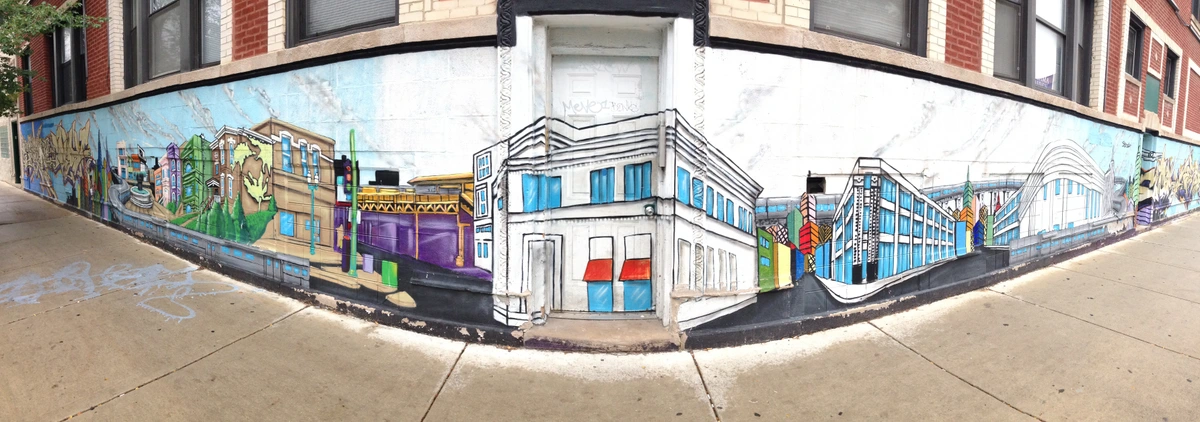
Head southwest to the Pilsen neighborhood, generally centered around 18th Street and Halsted, and you'll discover an area that absolutely bursts with color, life, and an infectious energy. Historically a vibrant hub for Mexican-American culture, Pilsen's art scene is deeply intertwined with its community and heritage. Here, you'll find breathtaking street art and murals – vivid narrative pieces telling stories of migration, cultural pride, and social justice – alongside dynamic artist-run collectives, pop-up spaces, and established galleries. The art often explores themes of identity, social justice, and cultural celebration, drawing directly from the rich tapestry of its residents' experiences. It’s home to the fantastic National Museum of Mexican Art (which, by the way, is completely free!) and a lively monthly art walk that truly brings the neighborhood alive, allowing you to immerse yourself in the authentic spirit of Mexican Muralism. Look out for iconic works like "The Freedom Wall" or the vibrant, large-scale narratives by artists such as Francisco Mendoza and Sam Kirk, which offer profound insights into local history and contemporary issues. The focus here is less about commercial polish and more about authentic expression, powerful narratives, and collective spirit, often featuring vibrant photography and printmaking that amplify community voices and document local life, alongside numerous artist studios and community art projects. Every visit feels like stepping into a conversation, a living history. What community-driven art has left a lasting impression on you, and how did it speak to its local context?

To help you visualize these distinct artistic hubs and decide where your artistic compass should point, let's break down their key characteristics:
District  | The Vibe | Price Point | Best For... | Focus Art Forms | Overall Energy Level |
|---|---|---|---|---|---|
| River North | Polished, Revered, Historically Grounded | High-End | Seeing blue-chip artists and historical works, traditional to abstract painting, sculpture, refined printmaking. | Painting, Sculpture, Printmaking | Refined, Serene |
| West Loop | Trendy, Industrial-Chic, Cutting-Edge Contemporary | Mid to High | Discovering the 'next big thing' in contemporary art, experimental pieces, and new media (digital, video, AI, VR, generative art, bio-art, interactive installations). | Installation, Digital Art, Abstract, Photography | Edgy, Dynamic |
| Pilsen | Community-Focused, Vibrant, Eclectic & Authentic | Accessible to Mid-Range, with occasional High-End | Experiencing powerful murals, community-driven art, and cultural narratives through street art, photography, and printmaking. | Murals, Street Art, Photography, Printmaking | Lively, Authentic |
Art Appreciation for Beginners: Making Your Gallery Visit Meaningful
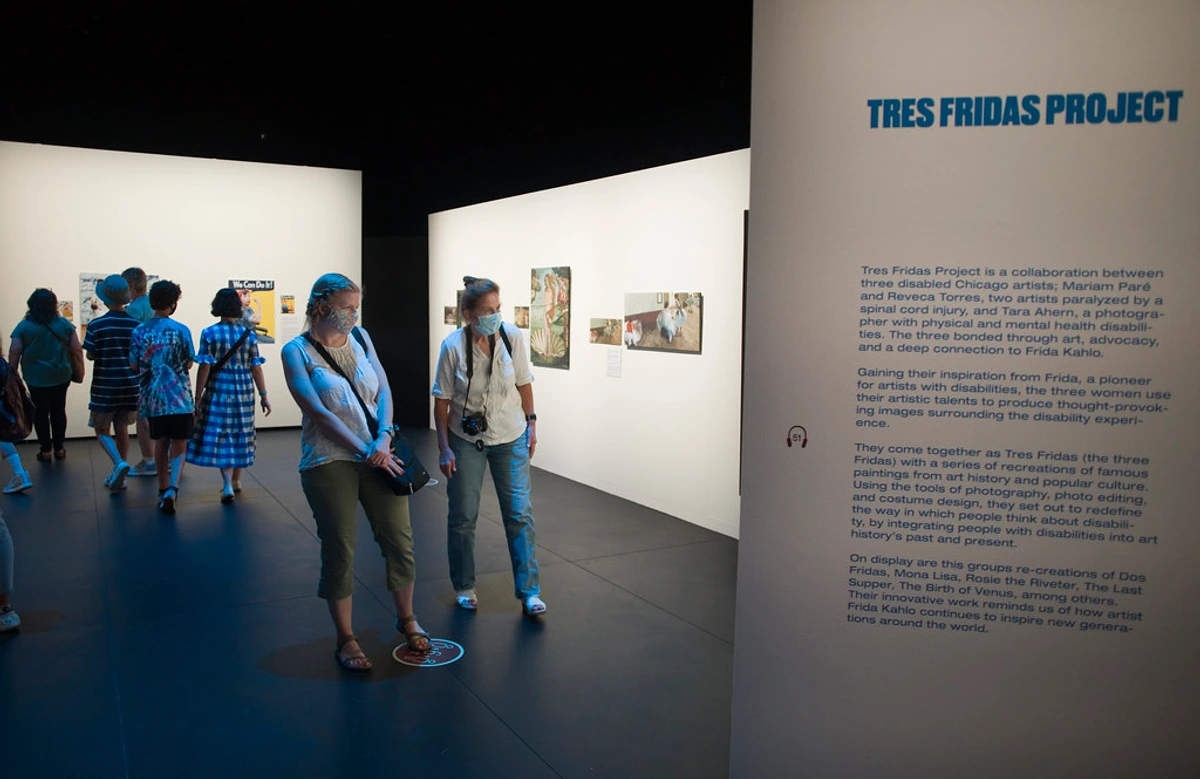
If you're new to the gallery scene, the thought of walking into a pristine, silent space can feel a bit daunting. Trust me, I get it! I've been there, feeling like I needed a secret decoder ring to understand it all. But it doesn't have to be. For me, appreciating art is less about having all the answers and more about cultivating curiosity. Here are a few tips I've picked up over the years to make your visits more rewarding:
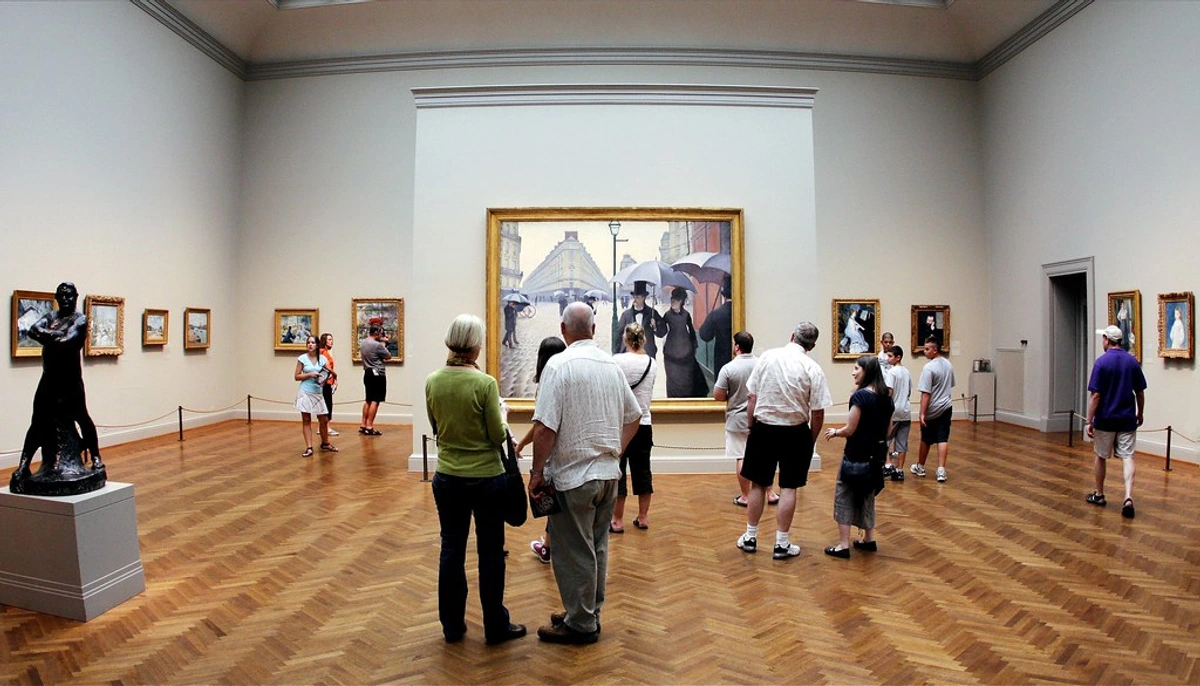
- Slow Down: Resist the urge to rush. Spend a few minutes with a piece that catches your eye. What colors do you see? What shapes? How does it make you feel? There's no right or wrong answer. Sometimes, the pieces that initially confused me are the ones that stick with me the longest.
- Read the Wall Text (or don't): Often, there's a small plaque next to the artwork. It can offer insights into the artist's intent, the context, or the materials. Read it if you're curious, but don't feel obligated. Sometimes, it's more powerful to form your own initial impression. I've often found that forming my own connection first makes the artist's statement even richer.
- Ask Questions: Don't be shy! Gallery staff are there to help. If you have a question about a piece, an artist, or even the gallery itself, just ask. It’s how you learn, and I've found that most gallerists are genuinely passionate about sharing their knowledge.
- Embrace Not "Getting It": Not every piece of art will resonate, and that's perfectly okay. Art is subjective; what moves one person might not move another. The goal isn't to understand everything, but to experience something. My own journey as an artist has taught me that even the 'failed' experiments teach you something.
- Look for Connections: Does the artwork remind you of anything else? A memory, a song, another piece of art? Making these personal connections is a powerful way to engage. It's how art becomes a part of your story.
- Consider Materials & Technique: Notice the texture of the paint, the way light hits a sculpture, or the chosen medium – these details often contribute significantly to the artwork's impact. The artist's choices are rarely arbitrary. Also, pay attention to the framing and lighting – these are often deliberate decisions made to enhance how you perceive the piece.
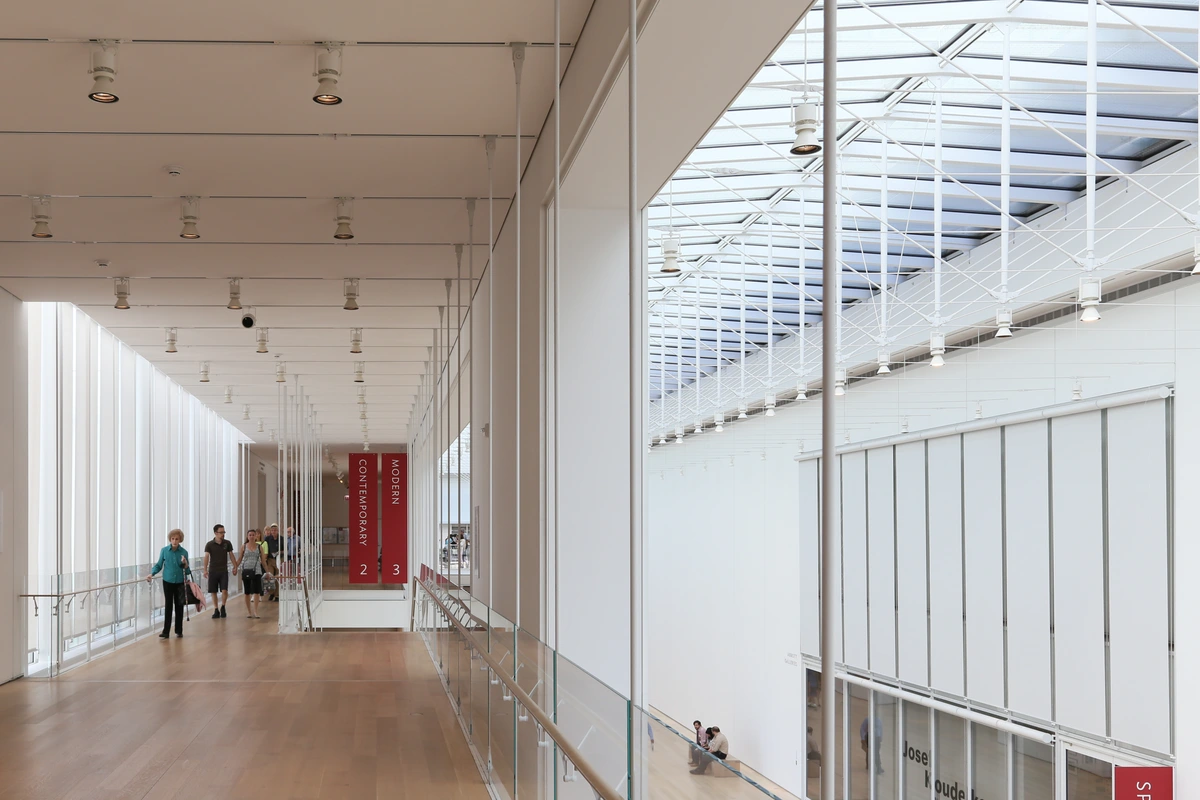
- Feel the Space: The physical architecture of the gallery, its layout, and even the ambient sounds (or lack thereof) profoundly influence how you experience the art. A raw industrial space presents art differently than a minimalist white cube or an opulent historical setting. How does the environment shape your perception?
Ultimately, approaching art with an open mind and a sense of wonder transforms a simple visit into a profound personal encounter. Give it a try; you might be surprised by what you discover about yourself and the world.
Crafting Your Art Day: Suggested Approaches
With so much to see, it can feel overwhelming. My advice? Don't try to do it all at once! Chicago's art districts are best savored, not rushed. I learned this the hard way, trying to sprint through five districts in one afternoon – not recommended! Here are a couple of ways I like to approach an art-focused day, allowing for deep dives and varied experiences:
- The Established & The Edgy: Start your day in River North in the late morning, soaking in the polished, established galleries around Superior Street. Have lunch in the area, then take a short taxi or ride-share to the West Loop in the afternoon. Immerse yourself in the industrial-chic spaces and contemporary, experimental works. This gives you a fantastic overview of both the historical and cutting-edge commercial gallery scenes, offering a well-rounded understanding of Chicago's art market.
- Community & Cultural Immersion (Pilsen Focus): Dedicate a full day to Pilsen. Start with the National Museum of Mexican Art (it’s free!). Afterwards, spend hours walking the streets, particularly 16th Street, to discover the incredible murals that tell powerful stories of heritage, immigration, and resistance. Grab authentic Mexican food for lunch. This approach lets you deeply connect with a specific community's artistic voice and its vibrant cultural narratives.
- Public Art Immersion Day: Begin your day in Millennium Park, experiencing iconic pieces like Cloud Gate and Crown Fountain. Then, head south to explore the Wabash Arts Corridor downtown, an outdoor gallery bursting with large-scale murals and installations. Continue your journey along the lakefront for various sculptures and monuments, truly immersing yourself in how art is integrated into Chicago's urban landscape. This day is all about walking, discovery, and feeling the pulse of the community through its accessible art.
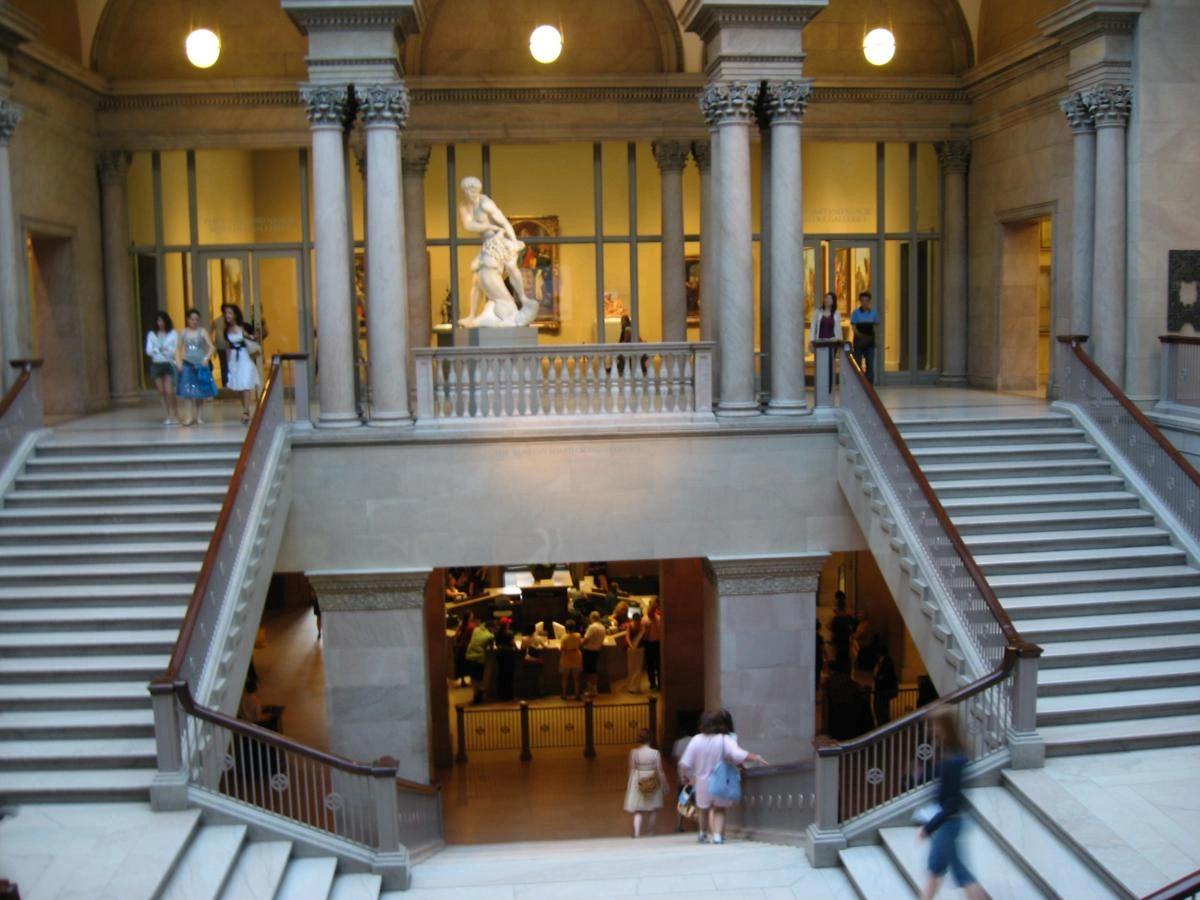
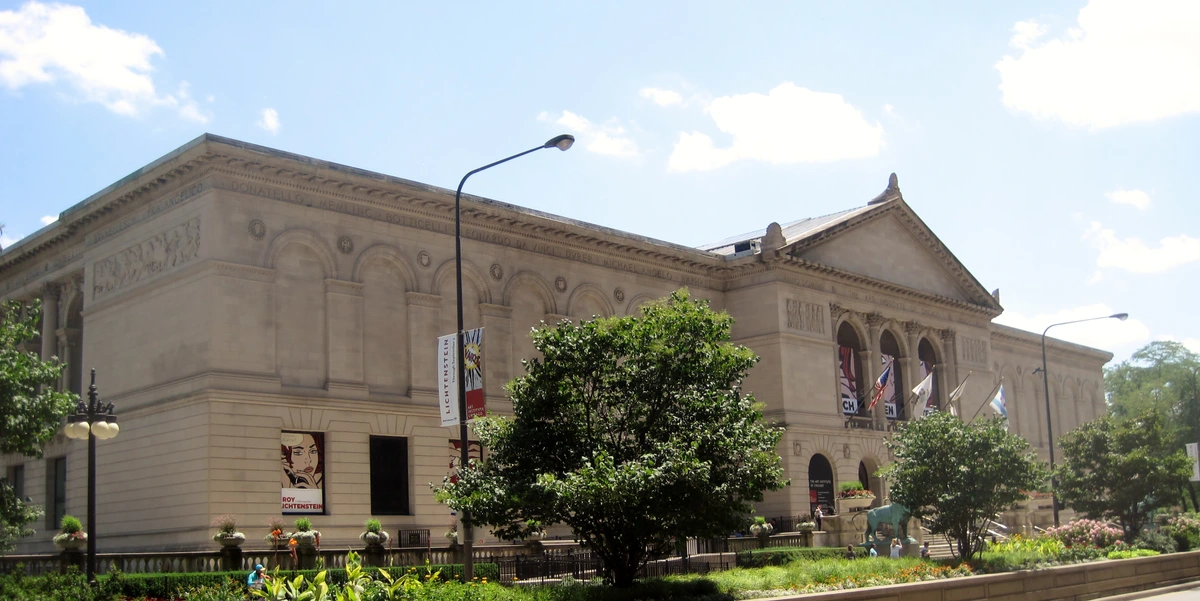
- Art History Deep Dive: Spend your morning at the Art Institute of Chicago, focusing on particular movements or periods that pique your interest – perhaps American art, Impressionism, or their extensive collection of architectural drawings. Afterwards, seek out galleries, particularly in River North or those with a curatorial focus on Chicago's art history (like Corbett vs. Dempsey), that showcase works from or influenced by these historical movements. It’s a great way to connect the museum experience with the commercial gallery world.
- The Medium-Specific Exploration: For those with a focused passion, dedicate a day to a specific art form. Chicago has galleries specializing in photography (like Catherine Edelman Gallery), sculpture, or printmaking. You could start with a museum's dedicated collection, then seek out commercial galleries that champion that particular medium, diving deep into its contemporary expressions and historical context.
Regardless of your chosen path, remember to check gallery websites for hours and current exhibitions before you go. Nothing worse than arriving to a closed door! And believe me, I've done that more times than I'd like to admit – a true sign of a passionate but occasionally forgetful art enthusiast.
My Personal 'Must-See' List: Where the Art Truly Lives
Look, you can find a million lists online. But after countless hours spent exploring and revisiting, these are the spaces that consistently challenge, inspire, and leave a lasting imprint on me. These aren't just galleries; they're experiences, and they embody the diverse, resilient spirit of Chicago's art scene. For someone like me, who creates colorful and abstract contemporary art, these galleries resonate deeply by showcasing boldness, innovation, and genuine creative expression.
West Loop Galleries
- Kavi Gupta: For me, this gallery is a powerhouse, plain and simple. Gupta represents internationally renowned artists and has an uncanny knack for spotting important new voices. The space itself is a stunning, multi-level testament to modern design, allowing the art to command your full attention. Their exhibitions often explore themes of identity, social dynamics, and the intersection of traditional and contemporary mediums, with a frequent focus on painting and sculpture that bursts with bold forms and vibrant narratives. Every visit here feels like discovering a new facet of contemporary expression, consistently broadening my perspective on what's possible in art. It's a prime destination for serious collectors of contemporary art and those looking for thought-provoking, museum-quality exhibitions. I remember a particularly moving installation there that explored cultural heritage through mixed media – it sparked so many new ideas for my own work.
- Rhona Hoffman Gallery: Rhona Hoffman is, without exaggeration, a legend in the Chicago art world. For decades, her gallery has been a vital platform for conceptually rigorous and politically engaged art – art that isn't just aesthetically pleasing, but deeply intelligent and often challenges the status quo. She consistently champions artists working with strong social and political themes, such as environmental justice, gender equality, or racial representation, often employing photography, video, and installation. A visit here is like a masterclass in contemporary art history, always pushing the conversation forward and making me think about social structures, power, or identity long after I've left. It's a powerful reminder that art can be a force for change, attracting collectors interested in socially conscious or avant-garde works.
- Corbett vs Dempsey: I have a real soft spot for this place. They specialize in Chicago-based artists and have a profound, almost academic focus on the city's unique art history, particularly post-war art and its fascinating connection to jazz. You'll often find captivating abstract paintings, intricate drawings, and unique sculptures from Chicago Imagists and their contemporaries here. Their connection to jazz often manifests in thematic explorations of improvisation, rhythm, and the cultural context of that era, influencing artistic expression. It feels deeply personal and specific, connecting me to the roots of what makes Chicago's art scene so distinctive, appealing to art historians, local collectors, and those seeking a deeper understanding of regional art movements.
River North Galleries
- Catherine Edelman Gallery: I have to include a dedicated photography space, and Catherine Edelman is consistently outstanding. She's been a champion of contemporary photography for decades, showcasing both established masters and exciting emerging talents. The exhibitions here are always thoughtfully curated, demonstrating the incredible expressive range of the photographic medium, from documentary to abstract and conceptually driven works. It’s a powerful reminder of how a single image can tell a complex story and evoke profound emotion, much like a well-composed abstract piece. This gallery is a must for photography enthusiasts and collectors seeking high-quality, thought-provoking images.
River West Galleries
- Intuit: The Center for Intuitive and Outsider Art: This is, without question, a must-see. Located in the burgeoning River West area, Intuit is a museum dedicated entirely to the work of self-taught artists, often referred to as 'outsider art.' This means art created by individuals who are typically without formal training, driven by an intense internal vision, and often existing outside the mainstream art world. These are artists like Henry Darger or Bill Traylor, whose raw, unfiltered creativity offers a powerful counterpoint to institutional art, often brimming with a primal energy that I find incredibly inspiring. Their unique subject matter, often drawn from vivid internal worlds or intense personal experiences, provides a humbling reminder of art's fundamental, human drive. It's one of the most fascinating and humbling places in the city, a powerful reminder of what raw, unfiltered creativity looks like, and appeals to those interested in art from unconventional sources.
West Town Galleries
- ARC Gallery: Situated in the vibrant West Town neighborhood, ARC is one of the oldest women-run cooperative galleries in the country. As a non-profit, it's focused on providing crucial opportunities for emerging and underrepresented artists. The work here is always fresh, often experimental, and it's a fantastic place if you're interested in the direct process of buying art from local artists, supporting the community firsthand. You'll encounter a diverse range of mediums, from painting and sculpture to mixed media and digital art, all pushing boundaries. There’s a palpable grassroots energy here, a sense of direct connection to the creators that feels truly special compared to larger commercial spaces, and it really champions new perspectives that resonate with my own artistic explorations. It's an ideal spot for first-time buyers and those wanting to support independent local talent.
South Side Galleries
- Hyde Park Art Center: Tucked away on the South Side, the Hyde Park Art Center is a non-profit institution with a remarkable legacy of supporting contemporary art and artists from diverse backgrounds. It's a true community hub, offering exhibitions, artist residencies, and art education programs. What I love about it is its commitment to experimentation and its focus on underrepresented voices, often showcasing bold, socially engaged work across various mediums, including painting, sculpture, performance, and new media. You might find exhibitions exploring themes of urban development, community narratives, or systemic inequalities. It embodies a grassroots energy and a dedication to nurturing local talent, providing an inspiring space where new ideas are constantly being explored and shared, appealing to a broad audience interested in community-focused and experimental art.
Beyond the White Cube: Chicago's Public & Street Art Legacy
Some of Chicago's very best art isn't found inside a gallery at all. This city has an incredible, inspiring commitment to public art, seamlessly integrating it into daily life. From the moment you step off the train, you’re likely to encounter a major work. Sure, there's the famous Bean (Cloud Gate), but I urge you to look closer, to truly see the urban canvas around you. This extensive public art collection not only enriches the lives of residents but also significantly boosts Chicago's cultural tourism and economic development, solidifying its reputation as a leading art destination.
The Chicago Public Art Collection, for instance, manages over 500 pieces scattered across the city, making art truly accessible to everyone. Major public art projects are often commissioned by organizations like the Public Art Fund, the Chicago Department of Cultural Affairs and Special Events (DCASE), and various non-profit art initiatives, ensuring a continuous flow of new and impactful installations. And crucially, efforts are continually made for the maintenance and preservation of these public treasures, recognizing their role in the city's cultural heritage.
Beyond Cloud Gate and Jaume Plensa's mesmerizing Crown Fountain in Millennium Park (a playful, ever-changing masterpiece of new media art in a public setting that evokes wonder and interaction), there's the towering, untitled Picasso sculpture in Daley Plaza, an abstract, cubist-inspired human-animal hybrid that makes a bold, enigmatic statement that sometimes sparks more conversation than any single piece in a museum. Its imposing presence challenges conventional notions of monumental sculpture. And don't forget Alexander Calder's Flamingo, a vibrant, monumental red stabile that provides a striking pop of color and dynamic energy against the Mies van der Rohe architecture of Federal Plaza, a perfect example of how art can transform a civic space with dynamic, geometric forms. I also highly recommend seeking out Jean Dubuffet's Monument with Standing Beast at the James R. Thompson Center, a playful, cartoon-like sculpture of an animal-like figure that adds a surreal, almost mischievous touch to the downtown landscape. For a touch of classical grandeur, seek out Lorado Taft's Fountain of Time in Washington Park, a monumental sculpture celebrating the passage of time that evokes deep contemplation, or the Agora installation by Magdalena Abakanowicz in Grant Park, a captivating forest of headless, armless iron figures that convey both vulnerability and strength.
The Wabash Arts Corridor & Pilsen Murals: Urban Canvases
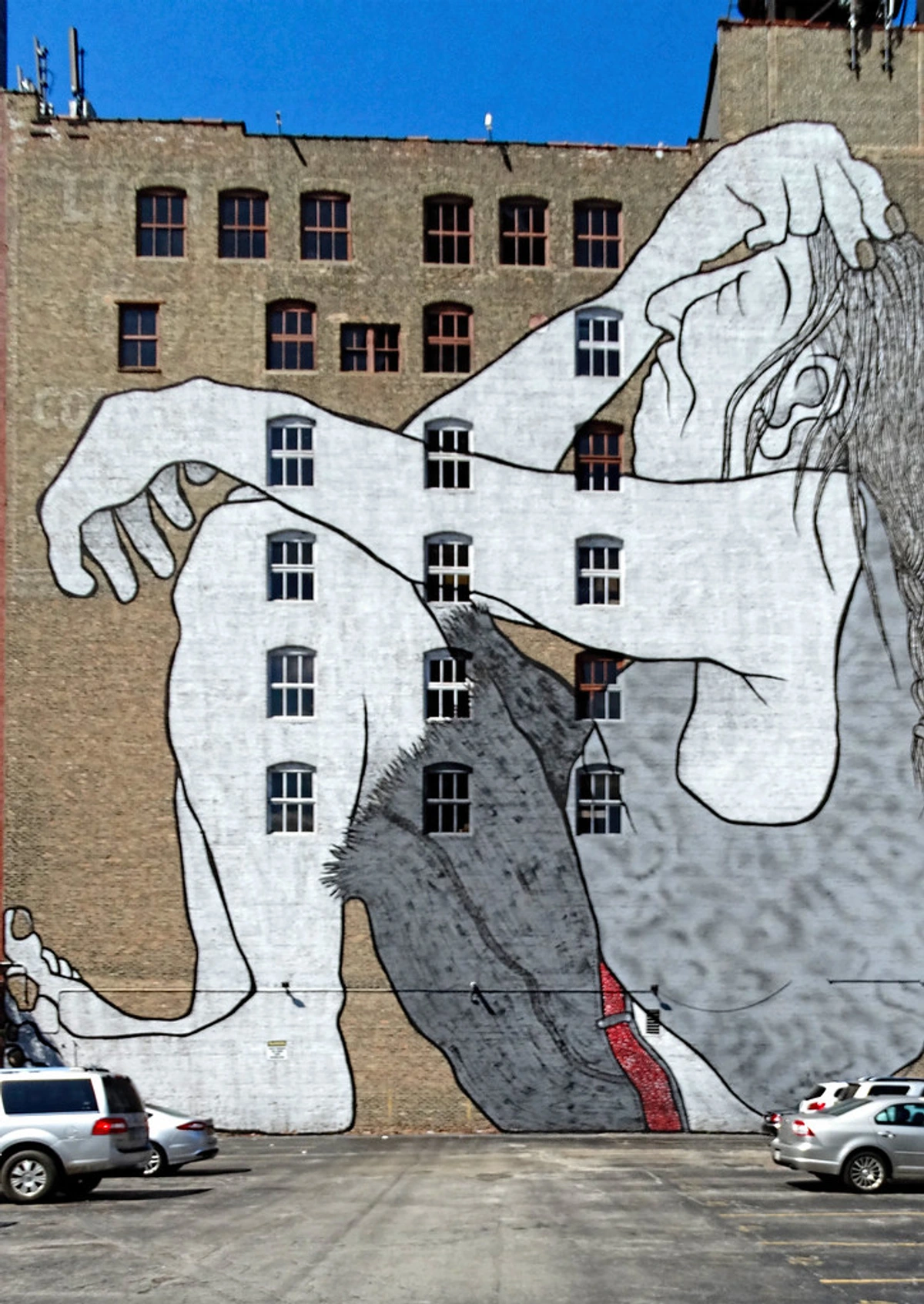
And then there's the entire Wabash Arts Corridor (WAC), a living urban canvas brimming with large-scale murals and installations, constantly evolving thanks to institutions like Columbia College Chicago (whose students and faculty often contribute directly) and various art festivals such as Do Art Month (DAM). This initiative, championed by the WAC project, transforms mundane brick walls and alleyways into vibrant showcases for local and international talent, celebrating the history of street art and its power to revitalize urban spaces. Walking through it feels like an immersive, ever-changing outdoor gallery, where dynamic large-scale portraits, abstract geometric patterns, and narrative scenes leap from the brickwork.
Further south, Pilsen is legendary for its vibrant community murals, like those found along 16th Street, which tell powerful stories of heritage, immigration, cultural pride, and resistance, often by renowned local artists like Hector Duarte, depicting the resilience and rich experiences of immigrant communities. This deliberate placement of powerful, thought-provoking art directly into the path of daily life is something I find profoundly inspiring. It genuinely democratizes the experience, transforming art from a distant destination into an integral, ever-present part of the city's fabric. It’s a perfect example of finding creative ways to display art in unexpected spaces.
Beyond these, the city also hosts various outdoor art festivals and occasionally features site-specific performance art, sound installations, and even bio-art projects in public spaces, further broadening the artistic landscape. And don't forget the incredible array of smaller, independent art spaces, often hosted by university art departments or artist collectives (like the Chicago Artists Coalition), offering even more intimate ways to engage with Chicago's creative community. What other public art installations in Chicago have captured your imagination? The unexpected ones are often the best, aren't they?
FAQ: Your Chicago Gallery-Hopping Questions Answered
With Chicago's artistic landscape explored, you might be wondering about the practicalities of experiencing it. Here are some of the most common questions I hear, from navigating the gallery world to making your first art purchase.

Are art galleries in Chicago free to enter?
Yes, almost universally. Commercial art galleries, which make up the vast majority of spaces I've discussed, are free and open to the public. You can absolutely walk in, look around, and leave without spending a dime. Museums, like the Art Institute of Chicago, do have admission fees, but remember, the independent galleries are there for everyone to enjoy. They actually want you to come in and experience the art. And believe me, it’s a wonderful way to spend an afternoon without opening your wallet.
What's the best time to visit the galleries?
Anytime they are open is great, of course, but the real magic and energy happen during opening nights. Most galleries in River North and the West Loop typically schedule their new exhibition openings on Friday evenings, often on the first Friday of the month (though this can vary, so always check individual gallery websites!). Beyond openings, many neighborhoods host dedicated Art Walks or Gallery Strolls on specific days, offering a festive atmosphere, extended hours, and often direct interaction with artists. The atmosphere is wonderfully social, you often get to meet the artists themselves, and yes, there's usually complimentary wine! It's hands down the best way to see a lot of fresh art and truly feel the vibrant pulse of Chicago's art community.
What is the main art district in Chicago?
Historically, and in terms of sheer density, River North holds that title. It still boasts the highest concentration of galleries. However, if you're looking for the epicenter of the contemporary scene and where much of the exciting new energy is focused today, the West Loop is arguably the place. My advice? Experience both. They offer wonderfully different perspectives on Chicago's dynamic art world.
Can you buy art directly from these galleries? What about practicalities like art as an investment?
Absolutely! That is, after all, their primary purpose and how artists sustain their practice. If you see something you love – whether it's a small print or a large-scale painting – do not be afraid to ask for a price list at the front desk. The gallery staff are there to help you, not to judge. They can explain the process of buying art from local artists and help with shipping and framing.
Regarding art as an investment, while some high-value pieces can appreciate significantly, for most collectors, the primary driver is passion, connection, and the joy of living with art. It's often more about emotional returns than financial ones, especially for emerging artists. While some avenues explore digital ownership through technologies like NFTs, the traditional gallery model remains the primary and most accessible way to acquire tangible artworks. When considering a significant acquisition, it's always wise to discuss aspects like:
The Gallery's Role & Value Proposition
Galleries act as crucial intermediaries. They offer a curated selection of artists, ensuring a level of quality and authenticity. For buyers, this means access to vetted work, expert guidance on the artist's practice, and assurance regarding provenance and condition.
Key Considerations for Acquisition
- Provenance: This is the documented history of ownership, a crucial aspect for proving an artwork's authenticity, legal title, and historical significance. A robust provenance adds significant value and peace of mind.
- Condition Reports: Detailed physical assessments of the artwork's state, noting any damage, repairs, or conservation treatments. Always request one for major purchases; it's like a medical record for your art.
- Art Insurance: Policies designed to protect your investment against damage, theft, or loss. Essential for valuable pieces, as accidents happen, and art is irreplaceable.
- Valuation: Art is priced based on various factors: the artist's reputation, exhibition history, size, medium, and current market demand. Galleries typically provide a price list, and transparent discussion is always encouraged.
- Appraisals: Formal valuations conducted by certified appraisers for insurance, estate planning, or resale purposes. These become important as your collection grows.
Guidance and Support
For larger collections, or if you're new to serious collecting, an art consultant or advisor can be an invaluable guide. They offer expert advice on market trends, authenticity, collection management, and navigating the complexities of the art market. Many work on a fee or commission basis, helping you refine your taste and make informed decisions.
Most galleries accept major credit cards, bank transfers, and sometimes even payment plans for larger acquisitions. For bigger pieces, they'll often have preferred art handlers for professional packing and shipping, and they can advise on local framers if you're taking a piece home. They might also work on consignment, meaning the gallery sells the art on behalf of the artist and takes a commission (typically 40-60%), which is standard practice in the art world. It's a win-win, really: artists get a platform, and you get access to incredible work.
Tax Implications
For businesses or serious collectors, understanding the tax implications of purchasing art can be complex. Depending on your jurisdiction and how the art is categorized (e.g., as an asset, part of inventory, or a donation), there can be deductions, sales taxes, and capital gains considerations. Always consult with a tax professional specializing in art acquisitions.
What about art fairs and festivals in Chicago?
Chicago hosts several significant art fairs throughout the year, offering another fantastic way to see a vast amount of art under one roof and connect with galleries from around the world (and closer to home!). Major fairs like EXPO CHICAGO (typically in April) showcase leading national and international galleries, featuring contemporary art, modern art, and design. But beyond the big names, Chicago also has vibrant smaller, local fairs and craft festivals that pop up year-round. These often focus on emerging artists or specific mediums, offering a more intimate connection with creators and a chance to discover unique, accessible pieces. Keep an eye on local art calendars; these fairs are intense, immersive experiences that can be a highlight of any art trip!
Do galleries offer art rental or leasing?
While less common than outright sales, some galleries, particularly those focusing on corporate clients or interior designers, do offer art rental or leasing programs. This can be a great way to live with a piece before committing to a purchase, to rotate art in a professional space (like an office or a staged property), or even to stage a home. It allows you to experience high-quality art without the immediate, large financial commitment. Terms can be highly individualized, so it's always worth asking individual galleries, especially if you're looking for art for an office or public area.
How do I find out about current exhibitions and events?
My go-to strategy is a mix of digital and physical! I always check individual gallery websites before I go, as exhibition schedules can change. Beyond that, the Chicago Gallery News website and print publication are fantastic resources for comprehensive listings. The Chicago Artists Coalition is another invaluable resource, especially for local artists and community-driven events. Local arts and culture sections of newspapers or online magazines (like Time Out Chicago or Chicago Reader) often have curated event guides. And honestly, Instagram is increasingly a powerful tool for discovering new openings – many galleries post their latest updates there! It's like having a personal curator in your pocket.
What if I'm interested in art historical research?
Chicago is a fantastic city for art historical research! Beyond the vast collections of the Art Institute and other museums, you'll find incredible resources. The Ryerson & Burnham Libraries at the Art Institute, for instance, are a treasure trove of art and architectural history. The Chicago Public Library's Special Collections also hold significant archives related to local art and culture. University programs (like those at the School of the Art Institute of Chicago (SAIC) or Columbia College Chicago) often host public lectures and have specialized archives, playing a crucial role in fostering new talent and art discourse. If you're looking for something specific, don't hesitate to reach out to specialized art dealers or even academic departments – you'd be surprised how helpful people in the art world can be! I've found so many unexpected gems just by asking around.
A Final Thought: Wander and Discover, Let it Inspire
Chicago is a city that works. It's built of steel, stone, and a deep, undeniable grit. And its art scene, for me, reflects that same spirit. It's not frivolous; it's substantive, deeply rooted in a rich history, and yet constantly, relentlessly building something new, something vital. It reminds me a lot of my own creative journey, where every piece is a step forward, a new discovery. Engaging with art, seeing the raw creativity on display, can be a powerful catalyst for your own artistic process, whatever that may be. Whether you're drawing, painting, writing, or building, the energy of this city's art scene is contagious. As an artist who crafts colorful, abstract, and contemporary pieces, I often find new forms, palettes, or conceptual frameworks simply by immersing myself in the diverse art offerings of a city like Chicago. It helps me overcome creative blocks and continually evolve my own unique style. It’s a city that inspires you to create, to think, and to see the world with fresh eyes. Maybe you’ll even find a piece that resonates deeply enough to bring home with you from an artist's studio in Den Bosch or directly from the online shop. The possibilities are endless, and honestly, that's what keeps me coming back.








So my invitation to you is this: pick a neighborhood, put on some comfortable shoes (you'll be doing a lot of walking, in the best way possible), and just wander. Allow yourself the luxury of getting a little lost. The best gallery you find might just be the one you never planned on seeing, a quiet doorway that opens to something unexpectedly profound. That, I think, is the real joy of it all – discovering a moment of genuine connection, a piece of art that speaks directly to you, out there on a bustling city street. So, tell me, what unexpected gems have you unearthed in Chicago's vibrant art world, and what stories did they tell you?