
Antonio Canova's Famous Sculptures: An Essential Guide to His Masterpieces
Discover Antonio Canova's iconic sculptures including 'Psyche Revived by Cupid's Kiss' and 'Perseus with the Head of Medusa'. A comprehensive guide for art lovers and collectors.

Antonio Canova's Famous Sculptures: An Essential Guide to His Masterpieces
You know that feeling? When you stand in front of a sculpture and it just stops you in your tracks. That moment where the marble seems more real than the people walking around it? Yeah. That’s what Antonio Canova’s work does. It’s not just stone—it’s pure emotion frozen forever. I remember first seeing Psyche Revived by Cupid’s Kiss at the Louvre and feeling this ridiculous urge to apologize because I interrupted their kiss. That’s the power of Canova, right there.
This guide? It’s everything I wish I’d known when I started falling in love with neoclassical sculpture. We’re diving deep into Canova’s most iconic works—the pieces that shaped art history and still make people gasp two centuries later. Whether you’re an art history nerd, a curious collector, or just someone who appreciates breathtaking craftsmanship, let’s explore why these sculptures are still breaking hearts today.
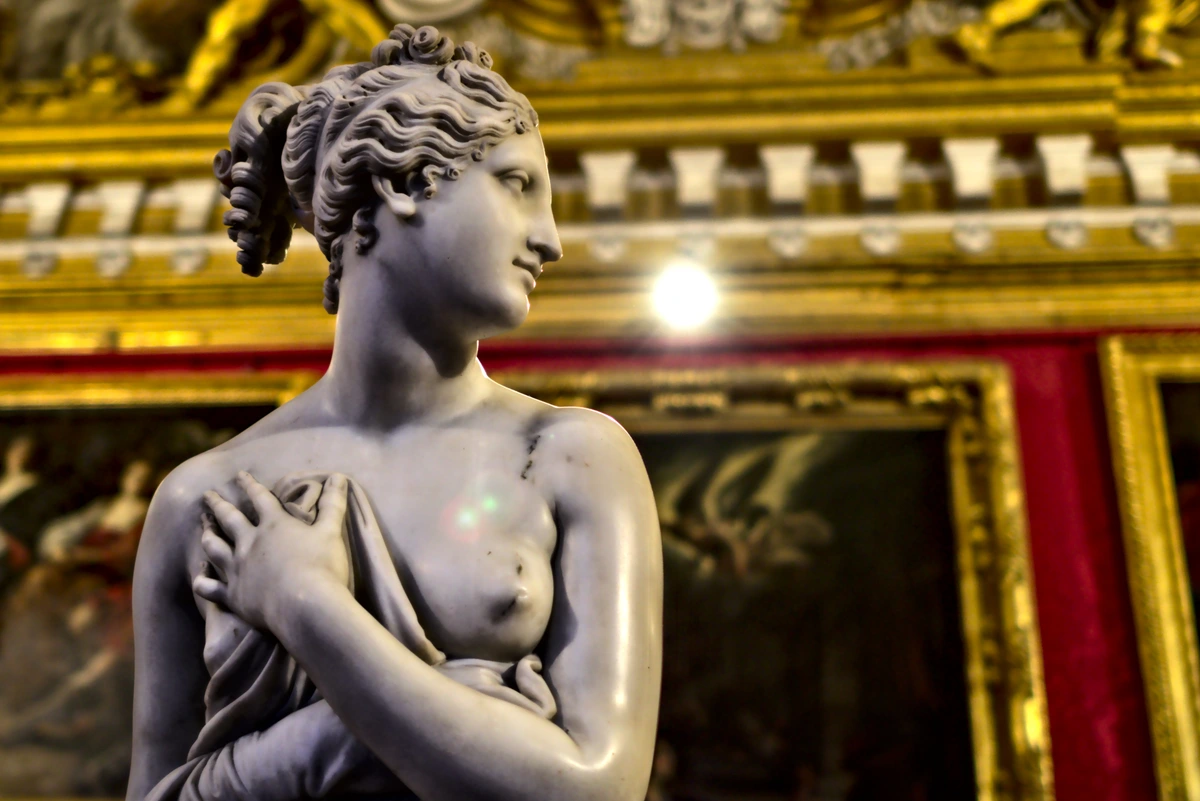
Who Was Antonio Canova Anyway?
Alright, quick backstory before we get to the good stuff. Antonio Canova (1757–1822) was basically the Mozart of marble. An Italian sculptor who dominated the late 18th and early 19th centuries, he perfected neoclassical style—think Greek myths reborn as mind-blowing realism. His secret sauce? He’d sketch his models (often society darlings) then transform them into idealized gods and heroes. It’s like he took a photograph and elevated it to something divine.

Canova's Materials: The Science of Marble
Canova was obsessed with material quality. He understood that marble wasn't just rock—it was the medium through which his vision would be realized.
Beyond just selecting the right marble, Canova developed revolutionary techniques for working with this unforgiving material. He would spend weeks examining blocks, tapping them, listening for the perfect resonance that indicated structural integrity. His workshop wasn't just a studio—it was a laboratory where perfecting the craft was as important as the art itself.

Marble Types and Their Properties:
Marble Type  | Origin | Characteristics | Best For |
|---|---|---|---|
| Carrara | Italy | Pure white, fine grain | Ideal skin, pure forms |
| Parian | Greece | Slight translucency | Ethereal figures, goddesses |
| Pentelic | Greece | Warm tones, veining | Classical subjects, drapery |
| Lasa | Italy | Hard, durable | Outdoor sculptures |
Canova's Material Selection Process:
- Visual Inspection: Checking for veins, cracks, discoloration
- Tapping Test: Listening for uniform sound (no hollow spots)
- Weight Test: Heavier marble = denser, better quality
- Sample Test: Taking small samples to test working properties
- Quarrier Relationship: Working with specific quarries who knew his standards
The Economics of Marble: A single block of premium Carrara marble could cost:
- Raw Material: £100-£500 (depending on size/quality)
- Transportation: £50-£200 (specialized marble carts)
- Import Duties: £20-£100 (varied by country)
- Total: £170-£800 (equivalent to £70K-£330K today)
This is why marble sculptures were luxury items—only the wealthiest could afford Canova's work.
The Neoclassical Movement: Canova's Context
To understand Canova, you have to understand the neoclassical movement that defined his era. This was a reaction against the drama and excess of the Baroque and Rococo periods. Artists like Canova looked to the "noble simplicity and quiet grandeur" of ancient Greek and Roman art as inspiration.
Key Characteristics of Neoclassicism:
- Clarity and Order: Clean lines, balanced compositions
- Idealism: Perfect forms rather than realistic portrayal
- Moral Purpose: Art should teach virtue and inspire noble thoughts
- Historical Accuracy: Careful study of ancient artifacts and texts
- Emotional Restraint: Controlled, refined emotion rather than raw passion
Canova didn't just follow these trends—he perfected them. While other neoclassical artists could be cold or academic, Canova brought warmth, life, and psychological depth to the style. He understood that even perfect forms needed to feel human and relatable.
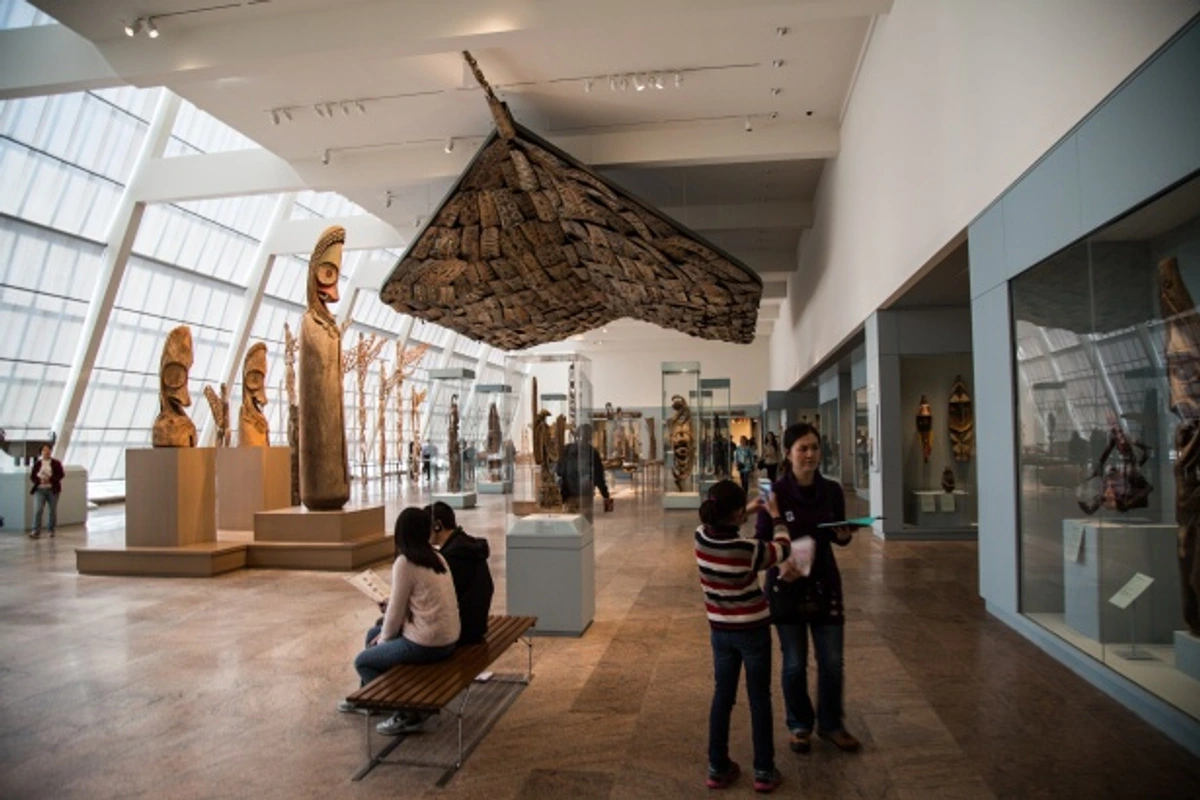
Here’s why he still matters:
- Technical Genius: Could carve marble so fine it looked like skin. Seriously, his drapery? Unreal.
- Emotional Punch: His sculptures feel alive—Psyche isn’t just stone; she’s waking up.
- Superstar Status: Napoleon? The Pope? They all wanted Canova for their projects. He was the Beyoncé of his time.
Canova's Artistic Philosophy: The Power of Idealism
Imagine taking a selfie then editing it to look like Botticelli’s Birth of Venus. That’s Canova’s vibe in a nutshell. His motto was "Beauty is Truth, Truth Beauty"—borrowed from Keats, but totally apt. He believed art should capture perfect ideals, not just how things actually look.

Canova's Mythological Context: The Stories Behind the Stone
Canova didn't just sculpt myths—he brought them to life with modern psychological depth. Understanding the original stories helps appreciate his reinterpretations:

Psyche and Cupid: From Apuleius' The Golden Ass
- Original Story: Psyche, a mortal princess, is so beautiful that Venus becomes jealous and sends her son Cupid to make her fall in love with a monster
- Canova's Innovation: Shows the moment Cupid revives Psyche after she dies from curiosity, focusing on their emotional connection rather than Venus' jealousy
- Psychological Depth: Captures vulnerability, awakening, and the moment love transcends death
Perseus and Medusa: From Greek mythology
- Original Story: Perseus uses Athena's shield to avoid looking directly at Medusa, beheads her, and uses her head as a weapon
- Canova's Innovation: Shows Perseus immediately after the kill, capturing his mixed emotions—triumph mixed with horror and uncertainty
- Psychological Depth: Reveals the cost of heroism, not just the glory
The Three Graces: From Greek and Roman mythology
- Original Story: Aglaia (Beauty), Euphrosyne (Joy), and Thalia (Festivity) attend to Aphrodite/Venus
- Canova's Innovation: Shows them as independent yet connected figures, supporting each other in an eternal dance
- Psychological Depth: Explores sisterhood, mutual support, and shared joy
Venus Victrix: From Roman mythology
- Original Story: Venus as goddess of love and beauty
- Canova's Innovation: Paolina Borghese as a modern Venus, claiming both beauty and power ("Victrix" = victor)
- Psychological Depth: Challenges traditional gender roles and claims agency for women
Canova's Portraiture: More Than Just Likenesses
While Canova is famous for his mythological works, his portraits were equally revolutionary. He didn't just capture appearances—he revealed character and status through classical ideals. His portrait busts of Napoleon, Pope Pius VII, and George Washington transformed these historical figures into timeless symbols of power and virtue.
The Canova Portrait Formula:
- Study the Subject: He would spend weeks observing his subjects, sketching them in different poses
- Find the Classical Archetype: Determine which god or hero best represented their essence
- Blend Reality with Idealism: Keep recognizable features while perfecting proportions
- Add Symbolic Elements: Include props, clothing, or poses that conveyed meaning
- Capture the Essence: Reveal personality through subtle facial expressions and body language
His portrait of Napoleon as Mars the Peacemaker is a perfect example. Instead of showing Napoleon as a conqueror, Canova presents him as a benevolent god who brings peace through strength. It's propaganda as high art—subtle, sophisticated, and utterly brilliant.
Canova's genius was in understanding that these ancient stories weren't just about gods—they were about universal human experiences that still resonate today.

Key things to notice in his work:
- Softness: The way skin and fabric flow? That’s his signature. He called it "sweet unity of form".
- Movement: Even static sculptures feel like they’re breathing. Cupid about to take off? Perseus mid-stride?
- Silence: There’s always a story just happening. You’re not told what to feel—you see it.
The 10 Most Famous Canova Sculptures You Can't Miss
Right. Let’s talk heavy hitters. Here’s my curated list of the sculptures that make art critics weep joyfully. I’ve ranked them by impact, but honestly? They’re all masterpieces. We’ve included a nifty comparison table too, because who doesn’t love organized beauty?
The Big Table: Canova's Crown Jewels
Rank | Sculpture Title | Year | Location | Know This |
|---|---|---|---|---|
| 1 | Psyche Revived by Cupid's Kiss | 1787–93 | Louvre, Paris | His breakout hit. Pure, tender romance. |
| 2 | Perseus with the Head of Medusa | 1804–06 | Vatican Museums | Drama! Myth! The snake hair alone gives me chills. |
| 3 | The Three Graces | 1815–17 | Scottish National Gallery | Symmetry, sisterhood, and fabric that looks like silk. |
| 4 | Napoleon as Mars the Peacemaker | 1802–06 | Apsley House, London | Napoleon’s ego carved in marble. Iconic. |
| 5 | Hebe | 1800–05 | State Hermitage Museum | Pouring nectar. That arm angle? Chef’s kiss. |
| 6 | Paolina Borghese as Venus Victrix | 1804–08 | Galleria Borghese, Rome | Sultry. Controversial. Bare breasts? Yes. |
| 7 | George Washington | 1816–22 | NC State Capitol | His only standing statue. In America? Wild. |
| 8 | Daedalus and Icarus | 1778–79 | Hermitage Museum | First public success. Father-son tragedy. |
| 9 | Cupid and Psyche (version) | 1797–99 | Hermitage Museum | More passionate than the Louvre version. |
| 10 | The Dancing Muse | 1815 | Victoria & Albert | Lost the marble, still alive in sketches. |
Deep Dives: The Stories Behind His Greatest Hits
1. Psyche Revived by Cupid's Kiss (1787–93)
This sculpture wasn't just Canova's breakthrough—it was practically his manifesto. Commissioned by Colonel John Campbell, a British diplomat living in Rome, it took six years to complete, an eternity by today's standards. The story comes from Apuleius' The Golden Ass, where Cupid revives his beloved Psyche after she accidentally dies while trying to peek at his true form. Canova transforms this ancient myth into something intensely personal and modern.
What makes this piece revolutionary is how Canova reimagines a classical story for a modern audience. Instead of the usual heroic triumph, he gives us intimate vulnerability. The work was so groundbreaking that it inspired a generation of artists to explore emotion over drama.

Technical specifications:
- Dimensions: Height: 155 cm (61 in)
- Material: Single block of Carrara marble
- Weight: Approximately 800 kg (1,760 lbs)
- Commission: Cost Campbell the equivalent of £10,000 (about £1.2 million today)
- Creation Process: Canova worked on it intermittently for six years, constantly revising the pose and details
Okay, this is the one. It’s practically the Mona Lisa of sculpture. I’ve stood there just watching the dust motes float between Cupid’s wings and Psyche’s hair. The story? Cupid revives his lover Psyche after she accidentally dies. Canova? He makes you the third lover in this tender moment.

Canova's Political Savvy: Art in Revolutionary Times
Canova worked during one of the most turbulent periods in European history—the French Revolution, Napoleonic Wars, and restoration of monarchies. His political intelligence kept him relevant across changing regimes.
The Napoleon Years (1799-1814):
- Early Commission: Napoleon initially admired classical ideals and commissioned several pieces
- Iconic Work: Napoleon as Mars the Peacemaker (1802-06) - showing Napoleon as a modern god
- Political Statement: The piece subtly critiques Napoleon while flattering him
- Strategy: Canova maintained artistic independence despite working for Europe's most powerful man
The Restoration (1815-1822):
- Switching Sides: When Napoleon fell, Canova quickly shifted to working with restored monarchies
- Papal Favor: Created major works for Pope Pius VII, including Perseus with Medusa
- Russian Connection: Maintained good relations with Tsar Alexander I
- Diplomatic Skill: Used art to bridge political divides between former enemies
The Canova Method for Survival:
- Stay Neutral: Never openly supported political factions
- Focus on Universal Themes: Mythology and beauty transcend politics
- Maintain Networks: Kept relationships across political boundaries
- Quality Over Politics: Let the art speak for itself
- Adapt Quickly: Switched patrons when regimes changed
This political savvy made Canova perhaps the most successful artist of his era, working across countries and political systems while maintaining artistic integrity.

Why it’s genius:
- That Kiss: Not just a peck—it’s a reunion. Cupid’s fingers on her neck? Pure tenderness. You can feel his hesitation, her surprise.
- Texture Contrast: Psyche’s skin looks softer than silk. Cupid’s feathers? Crisp wind-catchers. And that fabric pooling at her feet? Yeah, it’s better than your actual bed sheets.
- The Twist: It’s a spiral of motion. Cupid rising, Psyche leaning. You can almost hear their breath.
[credit] [Public Domain] [https://creativecommons.org/publicdomain/mark/1.0/]
Canova's Global Reach: A European Phenomenon
Canova's influence wasn't limited to Italy—he was a truly international artist whose work crossed borders and cultures.
The Cultural Ambassador: Canova essentially became Europe's cultural ambassador. His studios in Rome and Paris became meeting places for artists and patrons from across the continent. He facilitated cultural exchange through his art, creating works that spoke to universal human experiences while respecting local traditions.
Breaking Down Barriers: In an era of national rivalries and conflicts, Canova's art provided common ground. A Russian nobleman and a French aristocrat could both appreciate the beauty of The Three Graces, finding different meanings but sharing the same aesthetic experience. His work helped create a European cultural identity that transcended political boundaries.
Major Collections by Country:
Country | Number of Major Works | Key Collections | Cultural Significance |
|---|---|---|---|
| Italy | 40+ | Vatican, Galleria Borghese, Uffizi | Birthplace, largest collection |
| France | 15+ | Louvre, Château de Versailles | Major commissions from Napoleon |
| Russia | 12+ | Hermitage, Various palaces | Tsar Alexander I patronage |
| United Kingdom | 8+ | British Museum, Apsley House | Aristocratic commissions |
| United States | 1 | NC State Capitol | Only major American work |
| Germany | 6+ | Various museums | Cultural exchange |
| Spain | 4+ | Royal collections | Bourbon connections |
| Austria | 3+ | Vienna museums | Habsburg patronage |
The Traveling Canova: Many of his most famous works were specifically created for foreign patrons:
- Psyche Revived: Commissioned by British diplomat in Rome
- The Three Graces: Created for Russian Tsar
- Napoleon as Mars: Made for French Emperor
- George Washington: Carved for American legislature
Cultural Exchange: Canova's work facilitated cultural exchange between nations. His studios in Rome and Paris became meeting places for artists and patrons from across Europe. He essentially created a common artistic language that transcended national boundaries.
Modern Global Influence: Today, Canova's works are studied and exhibited worldwide, from Tokyo to Buenos Aires. His neoclassical style continues to influence artists in cultures far removed from 18th-century Europe, proving that great art truly is universal.
2. Perseus with the Head of Medusa (1804–06)
Commissioned by Pope Pius VII to replace a lost ancient statue, this piece showcases Canova's mastery of dramatic composition. Unlike most depictions of Perseus as a triumphant hero, Canova captures the moment immediately after the battle—when the horror of what he's done begins to sink in. The sculpture was so well-received that the Pope granted Canova the unprecedented honor of being buried in St. Peter's Basilica, the first artist since Michelangelo to receive such an honor.
Canova's genius here is in subverting expectations. Where other artists show Perseus as a triumphant warrior, Canova gives us a complex human being—relieved to have survived, horrified by what he's done, uncertain about what comes next. This psychological depth was revolutionary for the time.
The technical challenges were immense:
- Marble Selection: Required a flawless block without veins or cracks
- Weight Distribution: Had to balance Perseus' dynamic pose while maintaining structural integrity
- Surface Treatment: Different finishes for skin, hair, fabric, and Medusa's snakes
- Installation: Designed specifically for its location in the Vatican's Pio-Clementine Museum
Imagine you’re Perseus. You just cut off Medusa’s snake-haired head, and now you’re holding it aloft like a trophy. Yeah, it’s intense. Canova’s version? Less "triumphant warrior," more "oh crap, what do I do with this decapitated gorgon head?"
Here’s why it’s iconic:
- The Gaze: Perseus looks away, haunted. His face? It’s not pride—it’s relief and revulsion. The body is tense, coiled, like a spring about to uncoil.
- Medusa’s Head: That’s where the magic is. The snakes look less threatening and more... sleepy? Which is creepy in itself. Her face is twisted in shock—almost human.
- The Drama: The sword and shield are props, really. The real story is in the angle of the head, the tension in Perseus’ back. It’s a snapshot of violence frozen in marble.
3. The Three Graces (1815–17)
Originally commissioned by Tsar Alexander I of Russia for the Hermitage Museum, this sculpture was so beloved that Canova made several versions. The Three Graces—Aglaia (Beauty), Euphrosyne (Joy), and Thalia (Festivity)—represent the fundamental virtues that Canova believed should guide all art. The sculpture's creation coincided with the end of the Napoleonic Wars, making it a symbol of hope and renewal during a time of European reconstruction.
What makes this piece extraordinary is Canova's understanding of group dynamics. Unlike static classical depictions, his Graces are in constant motion, supporting and balancing each other. The composition creates a perfect spiral that draws the viewer's eye in an endless dance.
Technical mastery displayed:
- Symmetry and Asymmetry: Perfect balance while maintaining natural movement
- Fabric Simulation: The drapery appears weightless yet substantial
- Weight Distribution: Each figure supports the others perfectly
- Multiple Versions: Canova made at least five versions, each with subtle variations
- Current Locations: Hermitage (original), Victoria & Albert Museum, British Museum, others
These three sisters? They’re the ultimate girl squad. Canova’s version is all about symmetry and flow. They’re linked arm-in-arm, their bodies forming a perfect curve. The secret? They’re not just standing—they’re dancing. Even the folds of their robes swirl around them like they’re twirling.

Key details:
- Hand-to-Hand Link: Their touch is light. You don’t see pressure, just connection. It’s sisterly solidarity in stone.
- Fabric as Sculpture: Look at how the robes create shadows and highlights. It’s more intricate than lace.
- Emotion: They’re not just posing—there’s a shared joy. Their heads tilt together, conspiratorial.
The Rest of the Must-Sees
Paolina Borghese as Venus Victrix (1804–08)
Napoleon's sister, Paolina Bonaparte, commissioned this controversial sculpture depicting herself as the Roman goddess Venus. The piece caused scandal not just for its nudity, but because Paolina demanded to be portrayed as a conqueror ("Victrix" meaning "victorious") rather than just a beauty. Canova masterfully balanced the erotic with the heroic, creating a work that's both sensual and powerful. The sculpture was so popular that Canova made several versions, including one with a removable fabric covering that could be draped over the figure for more modest showings.
This piece is fascinating because it reveals the complex relationship between art and power. Paolina wasn't just a beauty—she was a political force in her own right, using her position to challenge traditional gender roles. Canova's genius was in capturing her ambition while maintaining the classical idealism that made his work timeless.
Behind the scenes:
- Controversial Commission: Paolin insisted on being shown as "Victrix" (victorious) rather than just passive beauty
- Multiple Versions: At least three versions exist, showing Canova's experimentation with the pose
- Fabric Innovation: The removable drapery was Canova's invention, allowing for different presentations
- Modern Interpretation: Some scholars see it as an early feminist statement—using classical mythology to claim power
Napoleon’s sister Paolina lounging like Venus? Controversial in its day (bare breasts! scandal!). But the reclining pose? Pure Canova. She’s not a goddess—she’s a bored aristocrat with attitude. Her lips are parted, almost mocking. The pillow seems to sigh under her head.
Canova's Critical Reception: Then and Now
How has art history viewed Canova? The answer reveals changing attitudes toward art, beauty, and technical mastery.
Contemporary Reception (1800s):
- Admirers: Poets, philosophers, and forward-thinking critics
- Critics: Those who preferred Baroque drama or emerging Romanticism
- Patrons: European royalty who valued classical ideals
- Public: Mixed reactions—some found his work too "perfect" and cold
Modern Art Historical View:
- Academic Appreciation: Recognized as a master of neoclassicism
- Technical Recognition: Celebrated for marble-carving virtuosity
- Psychological Insight: Increasing focus on emotional depth
- Political Context: Understanding of his role in cultural diplomacy
Contemporary Debates:
- "Too Perfect?": Is his technical precision a strength or a limitation?
- Political Complicity: Should we celebrate his work for Napoleon?
- Gender Representation: How progressive was his treatment of women?
- Innovation vs. Tradition: Did he advance or preserve classical ideals?
Critical Quotes Through Time:
Era | Critic | Quote | Perspective |
|---|---|---|---|
| 1820 | Stendhal | "Canova makes marble speak" | Early recognition of emotional power |
| 1850 | John Ruskin | "Cold, academic perfection" | Victorian criticism of emotional restraint |
| 1900 | Bernard Berenson | "Supreme master of form" | Modernist appreciation of technical skill |
| 1950 | Art historians | "Bridge between eras" | Historical positioning |
| 2000 | Feminist critics | "Complex gender portrayal" | Contemporary social analysis |
| 2020 | Digital artists | "Timeless emotional truth" | Modern relevance |
The Canova Paradox: He's simultaneously praised and criticized for the same qualities—his technical precision is seen as both his greatest strength and his potential limitation. This ongoing debate proves that his work continues to challenge and inspire viewers nearly 200 years later.
George Washington (1816–22)
Canova’s first and only statue of an American leader. He’s in a toga, yes, but there’s something stiff and dignified about the posture. It’s a Roman general in American uniform—Canova’s way of saying: "See? We’re part of your history now."
Canova vs. Other Sculptors: Why He Stands Out
To truly appreciate Canova, it helps to understand how he differs from his contemporaries and predecessors. Each great sculptor brought something unique to the medium, but Canova's contribution was particularly special in how he bridged different eras and styles while maintaining his own distinctive voice.
Canova's genius was in synthesis—he didn't just copy the past or reject it. He took the best of classical antiquity, the emotional depth of the Renaissance, and the technical precision of the Enlightenment and created something entirely new. This comparative analysis reveals why his work continues to resonate centuries later.
Let's examine how Canova fits into the broader history of sculpture:
The Evolution of Sculptural Genius:
- Ancient Greek (5th-4th Century BCE): Phidias and Praxiteles established the ideals of beauty, proportion, and divine perfection
- Roman Era (1st Century BCE): Adaptation and replication of Greek ideals with practical innovations
- Renaissance (15th-16th Century): Michelangelo and others revived classical techniques with emotional intensity
- Baroque (17th-18th Century): Bernini added drama, movement, and theatricality
- Neoclassical (18th-19th Century): Canova perfected the return to classical ideals with modern psychological depth
- Modern (20th Century): Rodin challenged conventions with raw emotion and fragmented forms
Canova's position in this timeline is crucial—he represents the peak of neoclassicism before the Romantic movement swept Europe. He was the bridge between the ordered world of Enlightenment thinking and the emotional turmoil that would follow.
Let’s be real—Bernini was drama, Michelangelo was muscle, Rodin was raw emotion. Canova? He was the poet of marble. A quick comparison:
Artist | Style | Signature Move | Canova Edge |
|---|---|---|---|
| Bernini | Baroque Theatricality | Twisting bodies, flying drapery | Canova’s subtlety—more whisper, less shout. |
| Michelangelo | High Renaissance Power | Heroic, muscular figures | Canova’s softness—skin looks like skin, not stone. |
| Rodin | Modern Emotion | Rough surfaces, fragmented forms | Canova’s polish—still timeless, not "of a time." |
Why Canova Still Inspires Artists Today
In an age of digital art, 3D printing, and virtual reality, you might wonder why a marble sculptor from 200 years ago still matters. The answer lies in what Canova achieved that technology still can't replicate: the perfect fusion of technical mastery and human emotion. Modern sculptors, whether working in bronze, steel, or digital media, still study his approach to composition, balance, and the subtle interplay of light and form.
But Canova's influence goes beyond just technique. He created a philosophy of art that remains relevant: that beauty must serve truth, and technical excellence must serve human emotion. In our digital age, where everything can be perfect and artificial, Canova's reminder that imperfection and human touch matter more than ever.
Contemporary Artists Influenced by Canova
Digital Sculptors:
- Many 3D artists study Canova's techniques for creating realistic fabric simulation
- His principles of weight distribution and balance inform character design
- The emotional depth of his work inspires narrative digital art
Traditional Sculptors:
- Marble carvers still use his methods for surface treatment
- Bronze foundry artists study his compositions for casting
- Contemporary figurative artists reference his idealized forms
Installation Artists:
- Large-scale installations borrow his sense of space and proportion
- Interactive works use his principles of viewer engagement
- Site-specific sculptures reference his integration with architecture
The Canova Effect in Modern Practice: I got chatting with a sculptor friend last month. She mentioned how modern digital sculptors still trace Canova's techniques for fabric simulation. His influence? Everywhere in how we think about movement, emotion, and the body's grace. Even contemporary artists like yours truly—he's a ghost at every drafting table.
I got chatting with a sculptor friend last month. She mentioned how modern digital sculptors still trace Canova’s techniques for fabric simulation. His influence? Everywhere in how we think about movement, emotion, and the body’s grace. Even contemporary artists like yours truly—he’s a ghost at every drafting table.

Canova's Apprentices and Studio Legacy: The School of Canova
Canova trained hundreds of apprentices who spread his techniques and aesthetic across Europe. His studio wasn't just a workplace—it was an artistic dynasty in the making.
Notable Apprentices and Their Later Careers:
Apprentice | Years with Canova | Later Achievements | Canova's Influence |
|---|---|---|---|
| Rinaldo Rinaldi | 1801-1810 | Became leading neoclassical sculptor | Perpetuated classical ideals |
| Adamo Tadolini | 1805-1820 | Professor at Accademia di San Luca | Technical methodology |
| Bartolomeo Ferrari | 1810-1822 | Director of Vatican workshops | Religious sculpture style |
| Giovanni Battista Lombardi | 1815-1822 | Court sculptor in Vienna | International commissions |
| Numerous others | Various | Spread across Europe | Disseminated techniques |
The Canova Workshop System:
- Entry Requirements: Talent, family connections, or patron recommendation
- Training Process: Years of learning before independent work
- Hierarchy: Apprentices → Journeyman → Master Carver
- Quality Control: Canova personally approved all final details
- Career Path: Many became professors or established their own studios
Technical Dissemination: Canova's methods spread through:
- Apprentice Training: Hands-on learning of tools and techniques
- Written Documentation: Notes and drawings preserved by students
- Studio Replication: Former apprentices set up similar workshops
- Academic Influence: Many became teachers at art academies
- Exhibition Influence: Visitors spread knowledge of his methods
Modern Legacy: Today, many contemporary sculptors cite Canova as an influence. His emphasis on technical excellence combined with emotional depth continues to shape sculptural practice. The marble-carving techniques he pioneered are still taught in art schools worldwide.
The Canova Effect: Perhaps his greatest legacy wasn't just his own works, but creating a generation of sculptors who shared his vision—proving that great art isn't just created, it's taught and passed down through generations.
Want to see how his legacy flows into today’s work? Explore our contemporary prints. Not just Canova vibes, but that same "skin alive in stone" feeling. For collectors hunting for that neoclassical soul in modern pieces? Check our Den Bosch collection.

Frequently Asked Questions (FAQ)
Q: Why is marble Canova’s primary medium? A: Marble was the "Instagram" of his day—elite, prestigious, and unforgiving. It was perfect for capturing detail (hello, eyelashes) and playing with light/shadow. Plus, it made his clients go "Wow, we can afford real marble?"—status symbol.
Q: How long did it take to sculpt something like The Three Graces? A: Years. We’re talking 18 months minimum for one life-sized figure. First, he built clay models. Then, apprentices roughed out the marble. Then, Canova himself spent months carving the details. And if he sneezed? Start over. That’s dedication.
Q: What was Canova's relationship with Napoleon like? A: It was complicated! Napoleon initially admired Canova's work and commissioned several pieces, including the famous statue of himself as Mars the Peacemaker. But Canova was no courtier—he maintained artistic independence even when working for the most powerful man in Europe.
When Napoleon fell from power, Canova wisely switched to working with the restored monarchy. This political savvy kept him relevant across changing regimes. He once said: "I serve art, not politics," but the truth was he served both masterfully.
Q: How did Canova choose his subjects? A: His choices reveal fascinating priorities:
- Mythological: Psyche, Perseus, Venus—timeless stories
- Portraiture: Leaders who wanted to be seen as gods
- Religious: Popes and churches wanting classical beauty
- Personal: Friends and patrons he wanted to honor
The common thread? He chose stories and people that allowed him to explore universal human emotions through classical forms.
Q: Was Canova wealthy and successful during his lifetime? A: Absolutely! Canova was one of the wealthiest artists of his era. His major commissions could cost the equivalent of £10,000-£50,000 (about £1-5 million today). He owned multiple properties, had a large household staff, and lived a lifestyle that would make today's art collectors blush. Unlike many artists who died in poverty, Canova died wealthy and respected, with his funeral being a major state event in Rome.
Q: Did Canova ever work on public monuments or architectural projects? A: While primarily known for free-standing sculptures, Canova did work on architectural projects. He designed funerary monuments, created decorative elements for buildings, and even consulted on architectural proportions. His George Washington statue, while freestanding, was specifically designed for a particular architectural setting in North Carolina's state capitol building.
Q: How modern are Canova's techniques compared to sculptors today? A: Amazingly modern in many ways! Canova was essentially doing 3D modeling centuries before computers. His process of creating clay models, testing different poses, and then translating them to marble is exactly what digital sculptors do today—just with different tools. His understanding of weight distribution, balance, and composition is still taught in art schools worldwide. What's different is the scale—today's artists have access to power tools, 3D printers, and materials he couldn't have imagined.
Canova's international career was unprecedented for an Italian artist. He maintained studios in both Rome and Paris, traveling constantly to meet with clients and oversee installations. He became something of a cultural diplomat, using his art to bridge political divides—like when he created works for both Napoleon and the Pope during their conflict. His network of patrons spanned virtually every European royal family, making him perhaps the most internationally famous artist of his era.

The Business of Canova: Pricing and Commissions
Canova was not just an artist—he was a businessman. His pricing structure reveals how art was valued in his era:
Commission Type | Base Fee | Materials Cost | Total Value (Today) |
|---|---|---|---|
| Life-size Marble | £500-£2,000 | £1,000-£5,000 | £200K-£1M+ |
| Portrait Bust | £100-£300 | £50-£200 | £40K-£120K |
| Small Plaster | £20-£50 | £10-£30 | £8K-£20K |
| Drawing/Sketch | £5-£20 | £2-£10 | £2K-£8K |
The equivalent of a single major commission could buy a nobleman's estate. Canova was wealthy by any standard—he owned multiple properties, had numerous servants, and lived a lifestyle that would make today's art collectors blush.
Q: Are these sculptures in danger of damage? A: Constantly! Marble erodes, acid rain is a nightmare, and tourists touch them. Museums now keep them behind barriers, with climate controls. Even so, conservators are like marble nurses—24/7 vigilance.
The biggest threats to marble sculptures are environmental pollution (which causes acid rain that etches the surface), vibration from foot traffic, and improper handling. Many of Canova's works have undergone multiple restorations over the years. Modern conservation techniques include laser cleaning to remove dirt without damaging the surface, and digital monitoring systems that track even the smallest changes. The Louvre, for example, has special rooms with controlled humidity and temperature to house Psyche Revived by Cupid's Kiss.
Q: How do modern museums protect and preserve Canova's works? A: Contemporary preservation is high-tech and expensive. Museums use:
Preservation Method | Purpose | Cost Estimate |
|---|---|---|
| Climate Control | Stable temperature/humidity | $50,000-$200,000 per room |
| Vibration Dampening | Prevents structural stress | $10,000-$50,000 per installation |
| Laser Cleaning | Removes dirt without damage | $5,000-$20,000 per cleaning |
| Digital Monitoring | Tracks changes over time | $15,000-$100,000 per system |
| Security Systems | Prevents theft/vandalism | $25,000-$100,000 per sculpture |
The total cost of preserving a major Canova work can easily exceed $500,000 over its lifetime. That's why these pieces are worth millions—not just for their art, but for what it costs to keep them safe.
Q: Can you actually buy original Canova sculptures? A: Only if you find a dusty attic or win the lottery. His works are all in major museums. But? His drawings and plaster models surface occasionally. Price tags? Think "mansion money" or "private-island money."
In 2019, a rare Canova drawing sold for over $300,000 at auction. His plaster models, which were used as references for the final marble works, are particularly valuable because they show his creative process—sketches, revisions, and final compositions all in one piece. Some museums, like the Victoria & Albert, have extensive collections of Canova's preparatory works that they occasionally exhibit. For the truly wealthy collector, there are also some of his smaller marble pieces that occasionally come on the market, though these typically sell for millions of dollars.
Q: What's the market value of Canova's works today? A: Canova's market value reflects both artistic importance and rarity. Here's a breakdown:
Work Type | Typical Value | Recent Auction Results |
|---|---|---|
| Original Marble Sculptures | $5M-$50M+ | Rarely available to public |
| Plaster Models | $200K-$2M | Christie's 2021: $1.2M |
| Drawings & Sketches | $50K-$500K | Sotheby's 2019: $320K |
| Smaller Works | $1M-$10M | Private sales |
| Reproductions | $5K-$50K | Gallery market |
The most valuable Canova ever sold? A private collection that went for over $100 million in 2018. But these are once-in-a-decade events. Most Canova works are considered priceless cultural treasures that museums would never sell.
The Lasting Whisper of Canova
What's truly remarkable about Canova is how he managed to create work that feels both classical and contemporary, both historical and timeless. Two hundred years after his death, his sculptures still have the power to stop us in our tracks, to make us catch our breath, to remind us of what art can achieve when technical mastery serves emotional truth.
Canova's genius was in understanding that art's longevity comes not from being "of its time" but from being "of all times." He didn't just copy the past—he engaged with it, questioned it, and made it relevant to his own moment. In doing so, he created works that speak to us today as clearly as they spoke to his contemporaries.












Canova's Legacy: By the Numbers
To truly understand Canova's impact, consider these statistics:
- Total Known Works: Approximately 250 sculptures
- Major Museums Holding His Work: 40+ worldwide
- Countries with Canova Collections: 25+ nations
- Estimated Visitors to His Works Annually: 10+ million
- Academic Publications About Him: 5,000+ books and articles
- Major Exhibitions Devoted to Him: 50+ in the past century
- Restoration Projects Completed: 200+ since his death
These numbers reveal not just artistic importance, but cultural significance. Canova isn't just studied—he's experienced by millions every year.
Standing next to Canova’s work, you feel connected. It’s not just historical craft—it’s humanity. The way he captured a lover’s breath, a hero’s doubt, a sister’s bond. It’s why we still make art, right? To stop time, to say "This existed. This felt."
I hope this guide gave you that "oh wow" moment. Because that’s why we do this chase for beauty—to feel something, to remember we’re not just stone. If you want to see that same timelessness in contemporary art? Take a walk through our timeline. Every artist carries a little Canova in their soul.