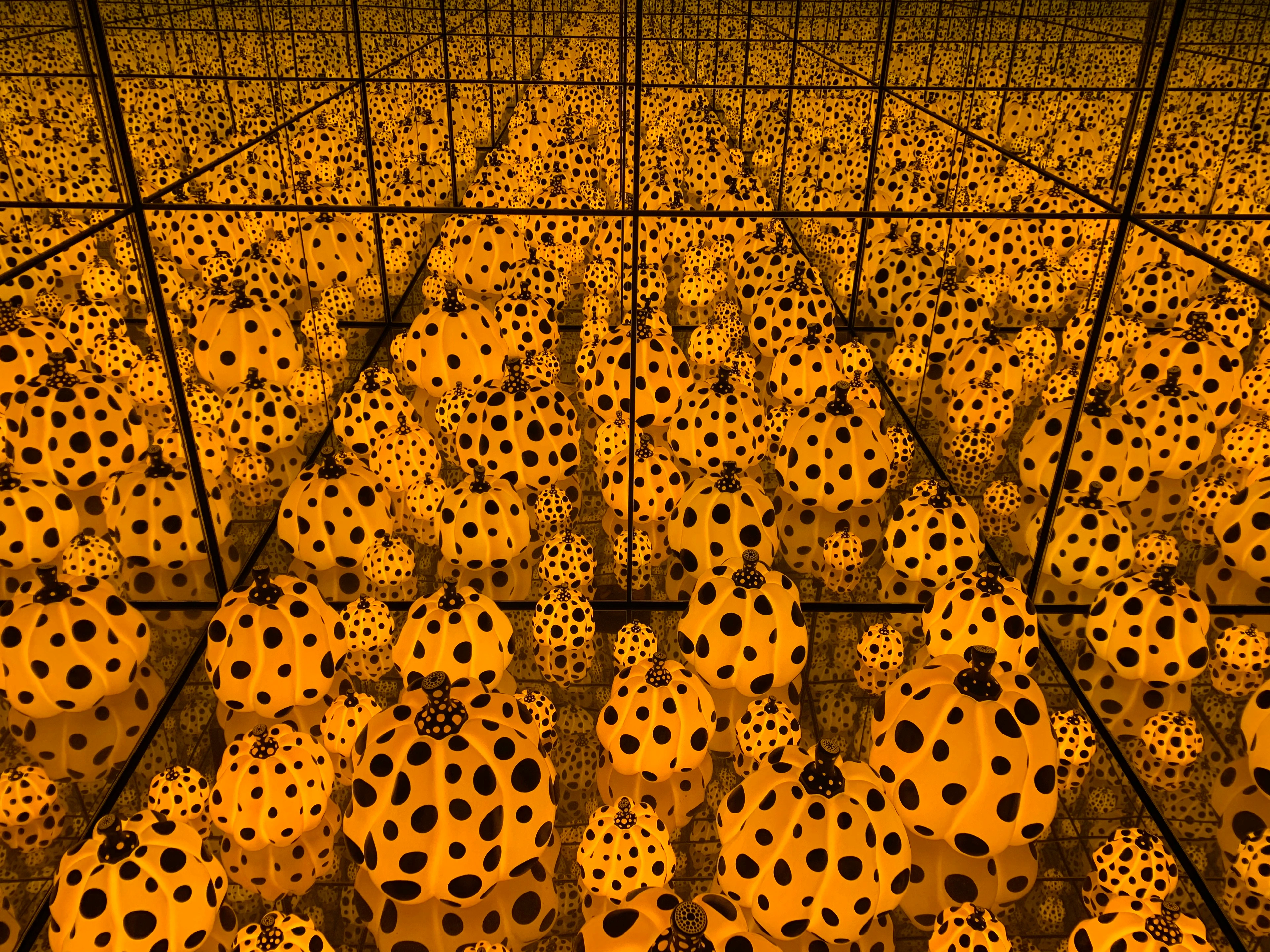
Miami: The Ultimate Art Lover's Guide – Beyond Sun & Sand
Uncover Miami's vibrant art scene: from Wynwood's iconic street art and Art Deco's architectural marvels to the global spectacle of Art Basel and world-class museums. This comprehensive guide offers itineraries and insider tips for every art enthusiast.

Miami: The Ultimate Art Lover's Guide – Where Art Isn't Just Seen, It's Lived and Felt
I've always chased cities where art pulses with the very beat of urban life. Places like the hushed, history-laden galleries of Florence, famed for its Renaissance masterpieces and centuries of artistic tradition, or the relentless, innovative hum of New York, a beacon of modern and contemporary art experimentation. For years, my mental picture of Miami was all turquoise waters, sleek Art Deco architecture, and sun-drenched beaches. I admit, my perception was incomplete, perhaps even a bit shallow – a postcard image that missed the masterpiece, focusing only on the glamorous facade. My first deep dive into the Magic City wasn't just a visit; it was a revelation – a vibrant, sun-drenched explosion of creativity that challenged every single one of my preconceptions. What if I told you there’s a city where art isn't merely on display, but is the very air you breathe, a living, breathing canvas that continuously reinvents itself? After immersing myself in its streets, galleries, and annual spectacles, I'm utterly convinced Miami is carving out a unique, undeniable space among the world's great art capitals. It’s a place where every corner can surprise you, a bit like watching a blank canvas suddenly burst into a dazzling array of colors and narratives.
This guide will take you on an exhilarating journey through Miami's multifaceted art scene, from its raw street art to its celebrated institutions, offering a complete picture for any art enthusiast. From its early 20th-century development, attracting artists and architects with styles like Mediterranean Revival and the bold geometries of Art Deco that literally shaped its skyline, to its pivotal role in the rise of Cuban exile art, Miami has always been a city with a restless artistic undercurrent, constantly reinventing itself and embracing the new, the bold, and the unlooked-for.
The Unapologetic Roar: Miami's Immediate Artistic Energy & Cultural Crossroads
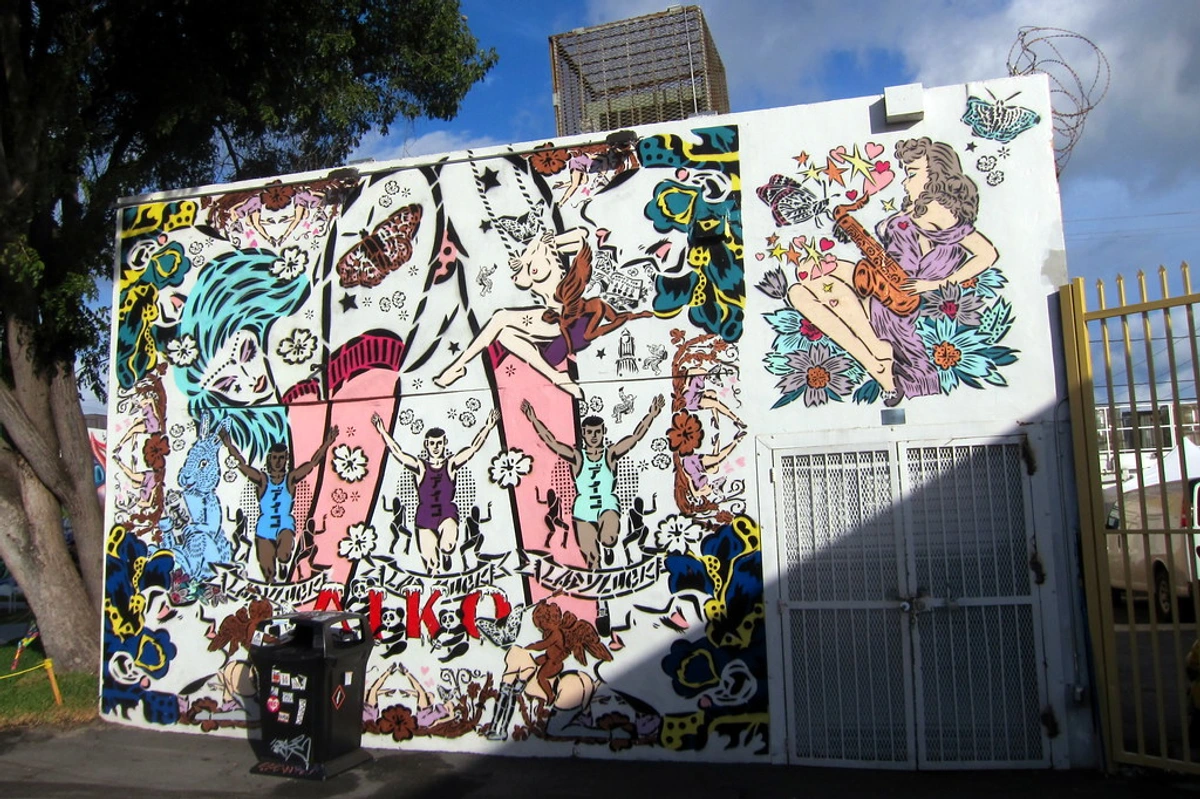
Before I truly experienced it, my vision of Miami was dominated by glamorous nightlife and pastel facades – a familiar, postcard-perfect mental image. While those elements are undeniably charming, they only tell half the story. What truly seized my attention, what made me pull over, pause, and simply gaze in awe, was the city’s raw, unapologetic artistic energy. It’s bold, it’s vibrant, and it’s unapologetically out there, demanding your attention with the force of a spray-painted manifesto on a forgotten wall. This isn't art that whispers from behind hushed gallery walls (though Miami has magnificent ones, and trust me, we'll get to those); instead, it often roars onto the streets, demands your gaze, and pulls you into an immediate, sometimes startling, conversation. My first encounter with a colossal, politically charged mural depicting powerful narratives of resistance in a seemingly random alley felt less like viewing art and more like being directly addressed by the city itself, asking, "Are you listening?" And isn't that, at its heart, what art should do—connect, provoke, and transform?
This pervasive artistic pulse profoundly shapes how we perceive places. When we discuss art capitals, cities like Rome or Athens come to mind with their historical gravitas, or Florence with its Renaissance masters. Miami, in stark contrast, is staking its claim not on centuries of tradition, but on a dynamic, contemporary vibrancy deeply influenced by its unique position as a gateway to Latin America and the Caribbean. This isn't just about geographical proximity; it's a profound cultural exchange, a vibrant tapestry woven from diverse threads of experience and storytelling. You’ll see this influence in the rich storytelling of murals, the expressive color palettes, and the blend of traditional motifs with contemporary techniques found in galleries and on the streets. Think of the vivid narratives reminiscent of Mexican Muralism, the vibrant, rhythmic patterns seen in Caribbean folk art seamlessly integrated into modern pieces, or the symbolic use of Afro-Cuban deities in contemporary sculpture. Artists like the Dominican-born, Miami-based multi-disciplinary artist Adler Guerrier, known for his photographic installations and video art exploring identity and urban spaces with layered, often archival, imagery, or the Cuban artist José Bedia, whose influences from African and indigenous cultures are palpable in his large-scale installations and drawings often featuring spiritual iconography and powerful, raw figures, are just a couple of examples of how deeply these roots run.
Crucially, Miami became a vital haven and incubator for Cuban exile art after the Cuban Revolution, profoundly shaping its cultural landscape. Artists fleeing the island brought with them a rich heritage of avant-garde and folkloric traditions, intertwining them with contemporary American influences to create a distinct, powerful artistic voice that often explored themes of displacement, memory, political commentary, and cultural identity. This influx of talent not only enriched the local scene but also established Miami as a global center for Latin American art, fostering an environment where a global conversation is happening right now, in real-time, on every available surface. Here, you can stumble upon a masterpiece by an established international name and, mere steps away, discover a groundbreaking work by an emerging talent whose roots stretch across the Americas. This blend of the global and the hyper-local, the established and the experimental, is a huge part of its undeniable charm, making Miami such an exhilarating destination for an art lover like me, constantly searching for that next burst of creative inspiration.
Architectural Art: Miami's Iconic Art Deco & Mediterranean Revival Heritage
Before we dive deeper into the contemporary pulse, it would be a disservice to Miami's artistic identity to overlook its stunning Art Deco Historic District in South Beach, and its earlier architectural foundations. This isn't just about buildings; it's about movements, philosophies, and feasts for the eyes. The city's initial boom in the early 20th century saw the emergence of styles like Mediterranean Revival, epitomized by architects like Addison Mizner and George Merrick (who founded Coral Gables, itself an architectural masterpiece). This style, with its stucco walls, red-tiled roofs, arched windows, and lush courtyards, gave early Miami a romantic, Old World charm, evident in structures like the Biltmore Hotel or the historic homes of Coral Gables. It laid a foundational aesthetic that still defines parts of the city.
Then came Art Deco, which flourished in the 1920s and 30s. This movement emphasized streamlining, geometric patterns (like chevrons, zigzags, and sunbursts), bold use of color (often pastels offset by strong primary accents), and exotic motifs inspired by ancient cultures (Egyptian, Mayan) and modern machinery – a true celebration of progress and glamour. Its architectural forms embodied a forward-looking optimism and a break from past traditions, mirroring a desire for modernity and artistic ambition that subtly underpins Miami's contemporary art scene. Strolling down Ocean Drive or Collins Avenue, you'll be immersed in a pastel-hued dreamscape of porthole windows, vibrant murals (many added more recently!), and neon lights. The Carlyle Hotel with its iconic facade, or the vibrant Colony Hotel with its central neon sign, are prime examples. Each hotel and apartment building is a carefully crafted piece of art, reflecting the optimism of its era. It's a fantastic reminder that art is not confined to canvases or pedestals; it can be lived in, walked through, and celebrated on every street corner. This district provides a unique historical foundation to the city's contemporary vibrancy, demonstrating how Miami consciously builds art into its everyday environment across different eras, establishing a legacy of valuing bold design and aesthetic pleasure. Be warned though, you might just fall in love with the charming kitsch of it all – a delightful pastel overload!
Wynwood: Where a Canvas is Reborn, Street by Street
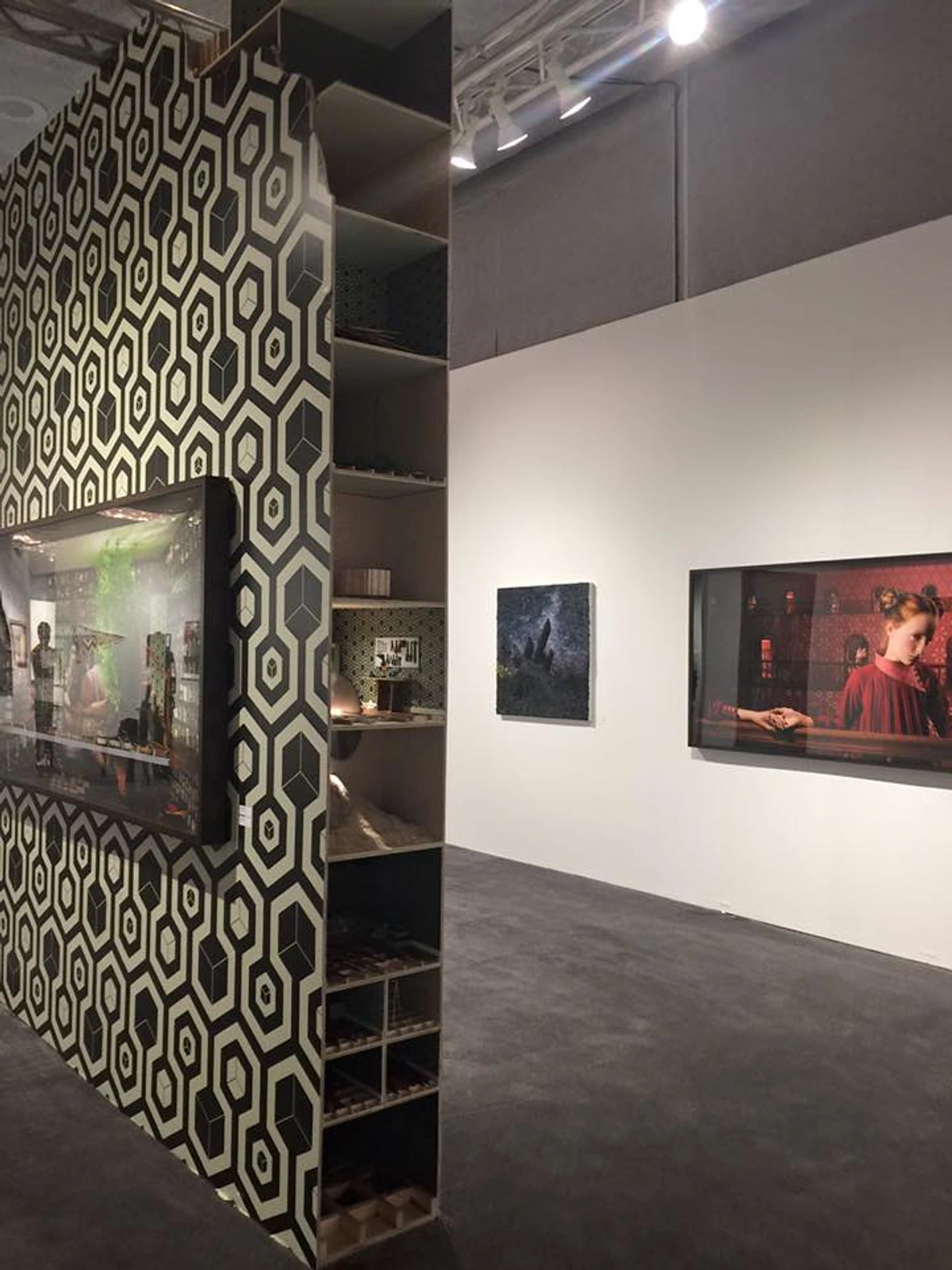
This palpable energy finds one of its most iconic and awe-inspiring expressions in Wynwood. If you appreciate a good transformation story, this district is nothing short of miraculous – much like the way a blank canvas can become a vibrant explosion of color and form. I remember my first time stepping into the Wynwood Walls area; it felt like being let loose in an enormous, kaleidoscopic candy store, every surface a feast for the eyes. What was once a desolate industrial district, crammed with forgotten warehouses and, frankly, a bit neglected, has been utterly reimagined. This urban regeneration, largely spearheaded by the late developer Tony Goldman (who, I hear, faced plenty of skepticism initially about painting over old warehouses!), transformed the neighborhood into a sprawling outdoor street art museum and a vibrant hub for independent galleries and studios. Goldman's genius was not just in commissioning art, but in understanding how it could fundamentally alter the perception and economic viability of an entire area, creating a powerful example of how public art can redefine urban identity and spark genuine community transformation, something I find truly fascinating and inspiring. Seeing artists like Shepard Fairey (famous for his "Obey Giant" series and Obama "Hope" poster), Os Gemeos (Brazilian twin brothers known for their vibrant, folkloric characters), or Okuda San Miguel (Spanish artist creating colorful geometric figures) leave their massive, signature marks here makes you realize the global talent that converges on these walls.
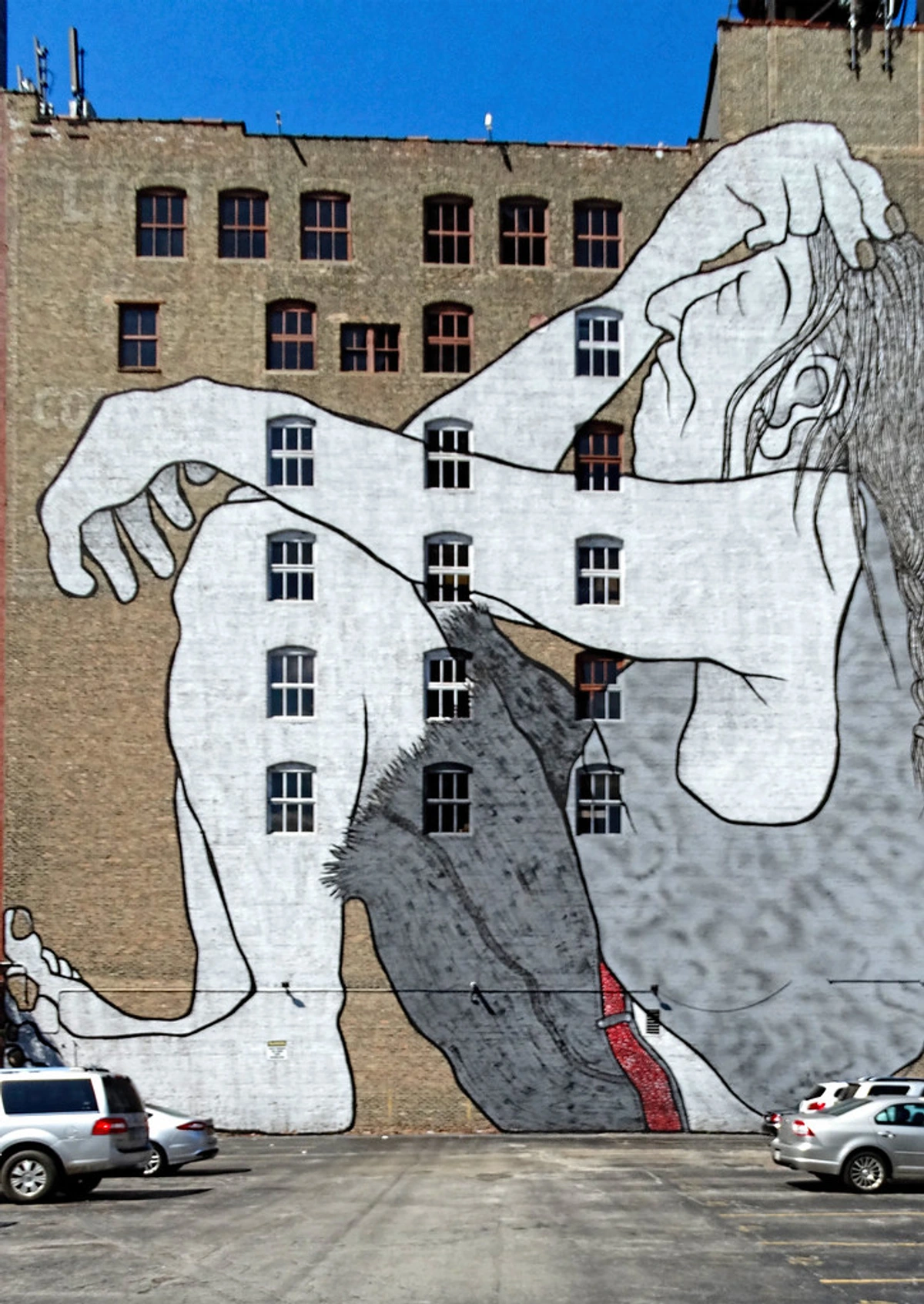
Wynwood isn't just about the official 'Walls' park; it’s the entire surrounding district that truly pulsates with creative life. Every corner seems to reveal a new mural, a hidden sculpture, or a quirky installation. You'll find everything from massive photorealistic portraits that seem to stare into your soul, to intricate abstract geometric patterns, and powerful social commentaries spray-painted with undeniable conviction. The air itself feels charged with creativity, a mix of spray paint fumes and an electric buzz of discovery. I found myself simply wandering, camera in hand (and a little bit lost in thought, I'll admit, completely forgetting where I was supposed to be), trying to capture every vibrant detail, every stencil, every intricate spray-painted layer. It’s incredibly inspiring, almost urging you to pick up a brush yourself – or at least consider commissioning something equally bold for your own space. If you're looking to bring that kind of vibrant, expressive energy into your home, perhaps even from my collection, Wynwood is a masterclass in pushing artistic boundaries and demonstrating how street art has evolved into sophisticated art movements beyond graffiti like Post-Graffiti or Urban Contemporary Art. These movements blend street aesthetics with fine art sensibilities, often incorporating graphic design, pop culture references, and a broader range of artistic techniques beyond traditional tagging, focusing on artistic composition and narrative depth rather than illicit mark-making.
For a deeper dive into the more formal, yet still groundbreaking, side of Wynwood, step into some of the smaller, often experimental, galleries. Places like Locust Projects, a non-profit exhibition space, often showcase daring, site-specific installations, pushing the boundaries of what art can be, from digital projections to immersive performance pieces that interact directly with the gallery's unique architecture. I recall a stunning installation there that used light and shadow to completely alter the perception of the gallery's concrete walls, making them seem fluid and alive. Or Fredric Snitzer Gallery, which has been a staple in the Miami art scene for decades, consistently fostering contemporary talent and often representing key Latin American artists like Hernan Bas or Carlos Alfonzo. You'll often find artists working right there in their studios, eager to chat about their process and their vision. My advice? Don't be shy! A simple "I love your use of color here, what inspired it?" can open up a fascinating conversation and provide a truly direct connection to the creative spirit that can feel elusive in larger, more formal institutions. The sheer scale and audacity of the street art here, coupled with the thriving gallery scene, make Wynwood an essential, transformative experience – a true testament to the power of public art to influence urban identity.
Wynwood's Expanding Canvas: Beyond the Main Walls
While the main Wynwood Walls area is a must-see, don't limit yourself. Venture a few blocks north or west of NW 2nd Avenue and NW 25th Street. You'll find countless independent murals, often tucked into unexpected alleys or gracing the sides of converted warehouses. These murals do more than decorate; they tell stories, ignite political discourse, or simply explode with pure aesthetic joy. I remember finding a breathtaking, intricate piece tucked away behind a coffee shop once – a moment of pure, unexpected discovery that felt like a secret whispered just to me. Discover smaller galleries and often artists' studios where you can see works in progress and even buy directly. Many of these hidden gems rotate frequently, ensuring there's always something new to discover, reflecting the ever-evolving nature of street art and showing where some of the most exciting emerging artists are making their mark. And keep an eye out for the Miami Street Art Festival, an annual event that brings new waves of international and local talent to the district, often culminating in large-scale productions and live painting sessions each year.
Public Art Beyond Wynwood
While Wynwood rightly grabs headlines, Miami’s commitment to public art extends across the city. From monumental sculptures integrated into parks and plazas to vibrant interventions in unexpected urban spaces, art isn't confined. The Design District, as we'll discuss, is itself an open-air gallery, but also look for projects by the Miami-Dade Art in Public Places program, which commissions permanent and temporary installations in diverse locations, bringing art into the daily lives of residents and visitors alike. Keep your eyes open; you never know what masterpiece might surprise you around the next corner.
The Grand Spectacle: Art Basel Miami Beach and Its Expanding Universe
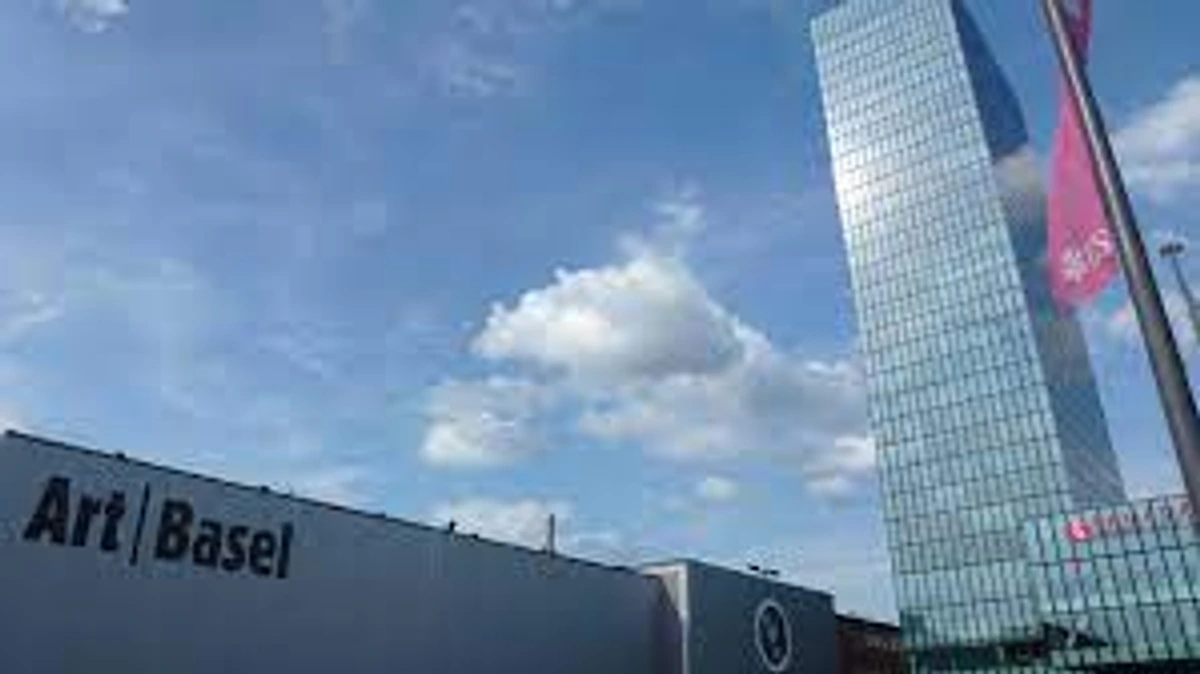
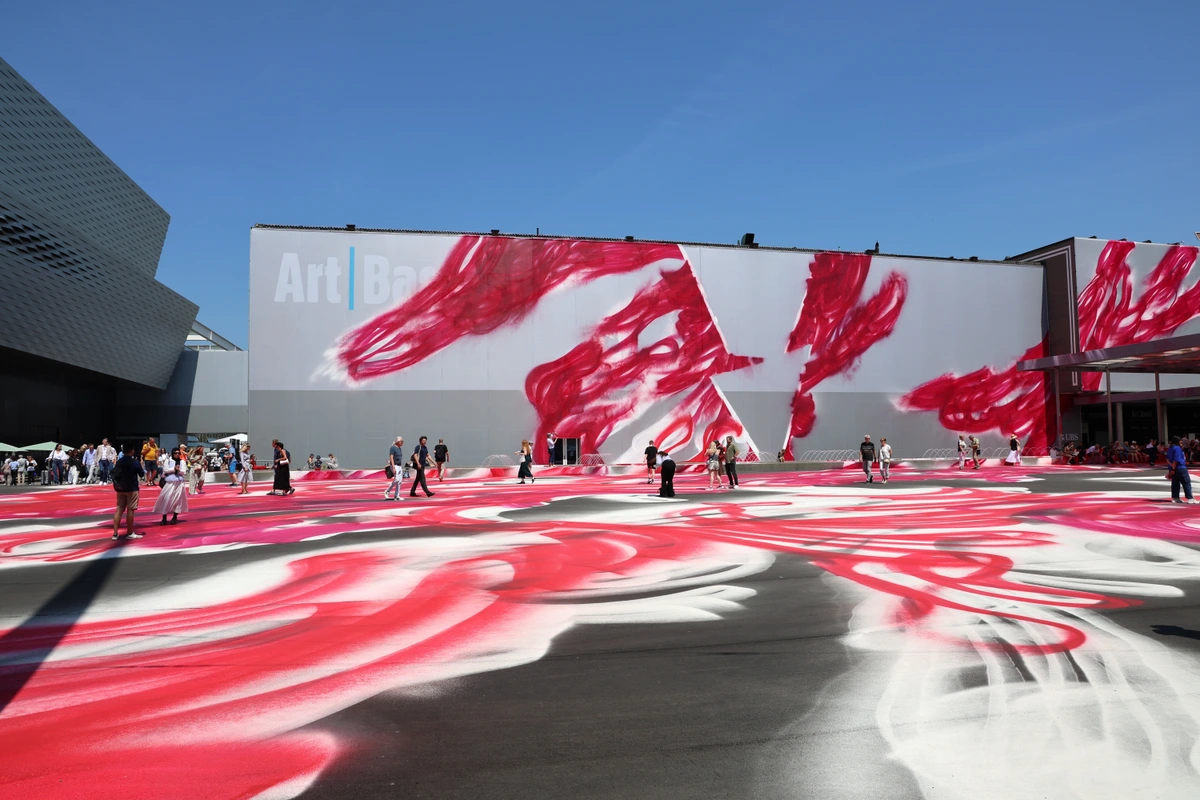
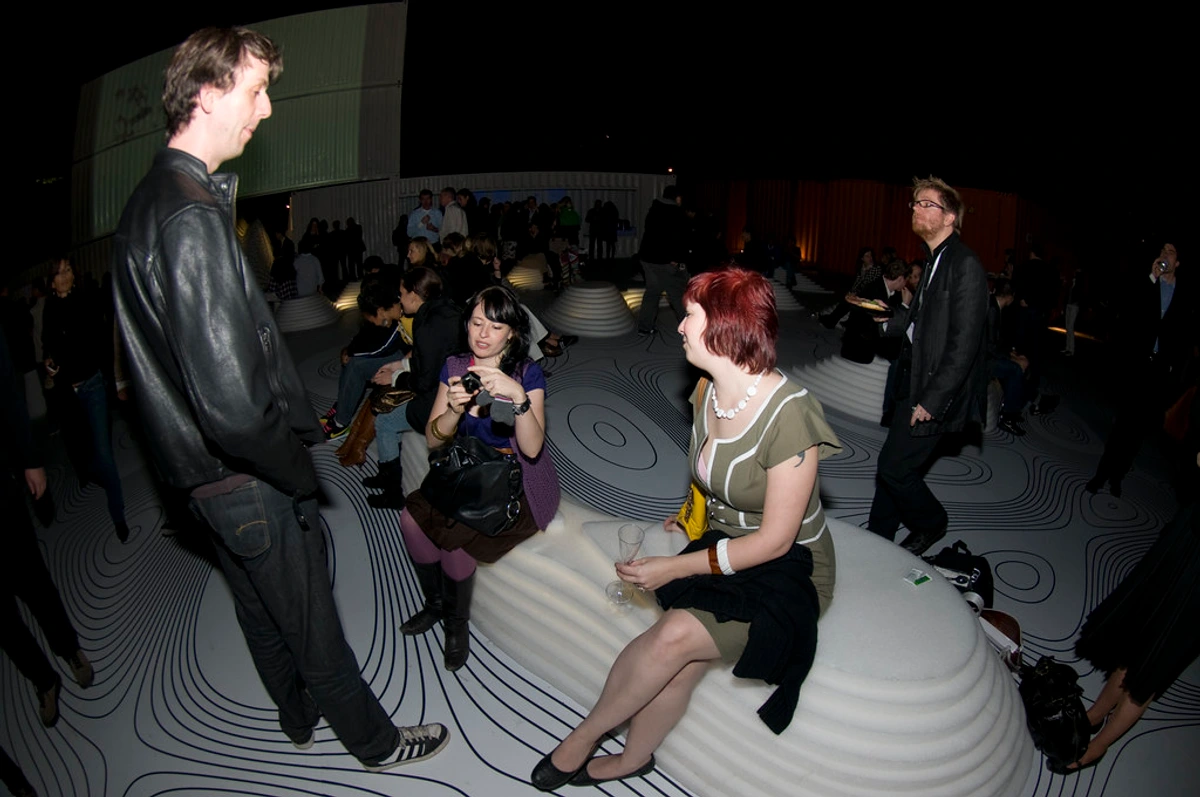
Ah, Art Basel Miami Beach. If Wynwood is the pulsing, everyday heartbeat of Miami’s art scene, Art Basel is its annual, electrifying crescendo. I’d heard people talk about it for years, and experiencing it myself was like stepping into a parallel universe where art is the universal language and the energy is absolutely palpable – a vibrant, dizzying kaleidoscope of sensory input that leaves you both exhausted and utterly exhilarated. My feet ached for days, and I probably only saw a fraction of it – but it was worth every single step, every moment of glorious art-induced sensory overload. Typically held in early December, this event truly transforms Miami, elevating its status on the global art stage and drawing collectors, curators, and art lovers from every corner of the planet. It's not just a fair; it's a week-long conversation, a spectacle, a happening that reshapes the city itself, creating a festival-like atmosphere distinct from the year-round, more dispersed art scenes of older art hubs. It's truly the Olympics of the art world, and for one glorious week, Miami becomes the art world.
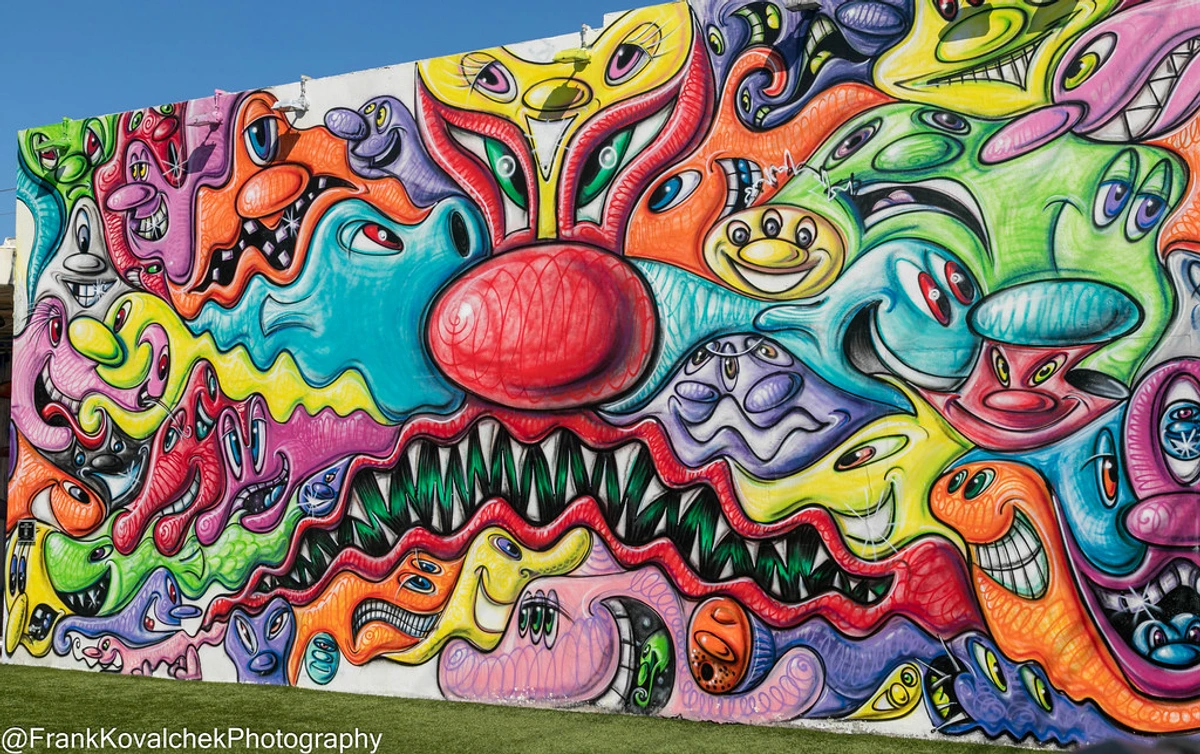
Originating in Basel, Switzerland in 1970, Art Basel expanded to Miami Beach in 2002. This move wasn't random; it was a strategic decision to tap into the booming North and South American art markets, leveraging Miami's unique position as a cultural crossroads. Its arrival was a seismic event, not only solidifying Miami's position as a serious art destination but also spurring immense growth in its local art market, infrastructure, and international profile. It quickly became a crucial platform for the international art market. Major galleries from around the globe converge, competing for attention and bringing an astonishing array of modern and contemporary art. Here, you’ll see iconic pieces by legends like Andy Warhol, whose Pop Art defined an era by elevating everyday objects into art; Jean-Michel Basquiat, a groundbreaking voice of Neo-Expressionism known for his raw, emotionally charged works; and Jeff Koons, known for his playful yet provocative contemporary sculptures like his iconic Balloon Dog series. These are often placed unexpectedly alongside groundbreaking works from emerging artists you’ve never heard of, creating a truly dynamic viewing experience. For a deeper dive into this exhilarating event, check out A First-Timer's Guide to Art Basel.
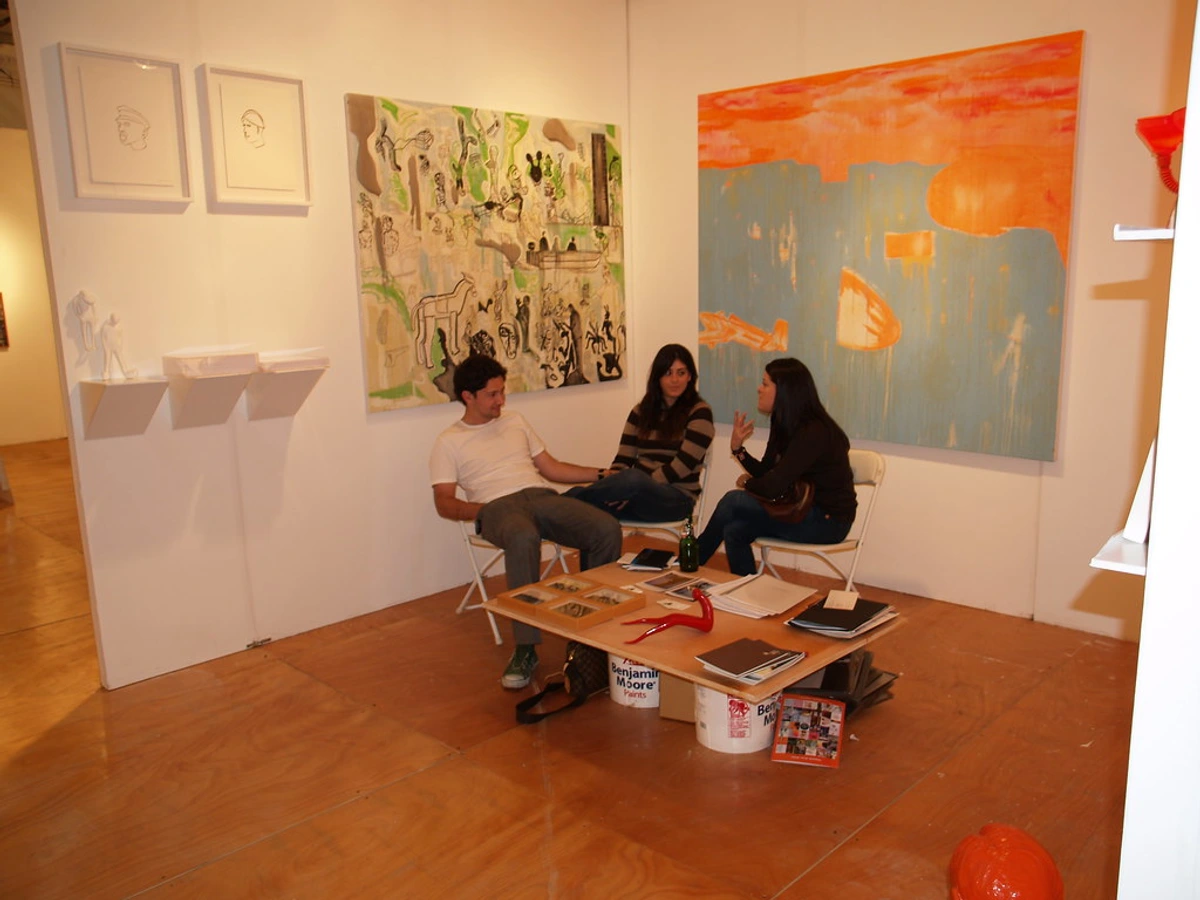
But here’s a crucial tip for anyone venturing into this art whirlwind: Art Basel itself, housed in the Miami Beach Convention Center, is just the tip of the iceberg. The real magic and depth of the week often happen at the satellite fairs. These independent events, each with its own distinct personality and focus, spread across Miami Beach and the mainland, creating a city-wide treasure hunt for art lovers. Think of them as individual galleries, each offering a unique slice of the global art conversation and catering to different niches of the art market. To help you navigate, here's a quick guide to some of the most prominent satellite fairs, which tend to be more experimental and niche compared to the established, institutional feel of the main fair:
Satellite Fair  | Vibe & Focus | What to Expect | Best for Collectors Interested In |
|---|---|---|---|
| Scope Miami Beach | Young, experimental, and often provocative, with a strong focus on urban art and emerging contemporary artists. | Tents on the sand, showcasing street art collectives, digitally focused works, and boundary-pushing installations. Expect a high-energy, almost festival-like atmosphere and plenty of new, audacious talent. | Emerging artists, urban art, experimental digital works, and high-energy, festival-like atmosphere. It's often where you find the next big names in street and contemporary art, often at more accessible price points. |
| Untitled, Art | Curated presentations with a strong conceptual bent, often exploring challenging themes and fostering artist-driven approaches. | Also on the beach, known for its thoughtfully curated booths and often features more academic, challenging, or performance-based works. A calmer, more contemplative experience, but no less impactful, perhaps exploring themes of identity or environment. | Thought-provoking conceptual works, academic approaches, and artist-driven projects. Great for those seeking intellectually stimulating art that pushes boundaries beyond purely aesthetic concerns. |
| Aqua Art Miami | Emerging and mid-career artists in a unique setting, with an emphasis on accessible, quality contemporary art. | Held in a charming Art Deco hotel, each room is transformed into a mini-gallery, offering an intimate viewing experience. Perfect for finding accessible, quality art in a less overwhelming environment with accessible price points. | Accessible, mid-range contemporary art by emerging and mid-career artists. The intimate setting makes it ideal for direct engagement with gallerists and artists, perfect for first-time buyers or those seeking unique discoveries. |
| Art Miami & Context | Established modern masters & cutting-edge contemporary, covering a wide range from blue-chip art (highly valuable, historically significant works by established artists like Picasso or Calder, considered a safe investment) to the avant-garde. | Large-scale fairs across the bay, offering a broad spectrum of the global art market. Often where serious collectors head, showcasing a mix of investment-grade pieces and innovative, experimental works. | Both established modern masters and cutting-edge contemporary pieces. This is often the destination for serious collectors looking for investment-grade art or significant works by renowned artists, as well as high-value experimental pieces. |
Exploring these satellite fairs allowed me to find some truly remarkable pieces and have fascinating conversations with artists and gallerists that I might have missed if I'd only focused on the main event. It's a testament to Miami’s unwavering commitment to the arts that so many distinct platforms thrive simultaneously, creating an unparalleled experience for anyone interested in the current state of the art world. This expansive approach to art, embracing both the grand and the niche, is what makes Art Basel Week in Miami so uniquely compelling.
Beyond the Hype: Miami's Year-Round Artistic Pulse
Now, don't get me wrong, Art Basel is an incredible highlight, a true spectacle. But the true measure of a vibrant art capital, for me, lies in its consistent, unwavering, year-round commitment to art, not just seasonal extravaganzas. Miami delivers on this front with a robust cultural calendar that nurtures a thriving artistic ecosystem through grassroots initiatives and permanent institutions. It's a city that masterfully showcases the entire spectrum: from "art for art's sake" – pure aesthetic exploration – to "art with a powerful message" – works that engage with social or political themes, sometimes within the same exhibition. These are some of my personal favorites, places I return to time and again to soak in creative inspiration and witness the ongoing dialogue of art. It’s this sustained energy that truly defines Miami as a top art city in the US, where you can explore a fascinating blend of artistic purpose.
Local Hubs & Cultural Immersion: The Roots of Creativity
Before diving into the grand institutions, let's explore the places where Miami's art truly lives and breathes from the ground up – the workshops, the cultural enclaves, and the neighborhoods steeped in history. These are the vital arteries of its creative spirit.
Little Havana: A Living Canvas of Culture
Focus & Vibe: A vibrant hub of Cuban heritage, rich with murals, local artisan shops, live music, and impromptu performance art. It's a living canvas of cultural expression where art often tells stories of identity, resilience, and memory, frequently using bold colors and narrative styles influenced by Cuban and Latin American traditions. It’s a profound, sensory-rich cultural experience that reminds us art is deeply interwoven with a place's history.
Why I Love It: Walking down Calle Ocho, you’ll encounter the Calle Ocho Walk of Fame, vibrant murals depicting Cuban history and folklore (look for the iconic rooster murals, a symbol of Cuban identity; historical scenes like the Bay of Pigs; and portraits of figures such as José Martí, often with expressive, bold color palettes and elements of magical realism). You'll see cigar rollers creating their craft as a performance, and local artisan shops selling unique creations – from intricately carved wooden figures to expressive paintings. The air hums with the rhythm of salsa and the scent of strong coffee. It’s a powerful reminder that art comes in many forms, often deeply interwoven with a place's history, its people, and their stories. The influence of Latin American art and artists is palpable here, offering a crucial dimension to Miami's diverse art landscape and demonstrating how cultural identity can be expressed through every brushstroke and carved detail.
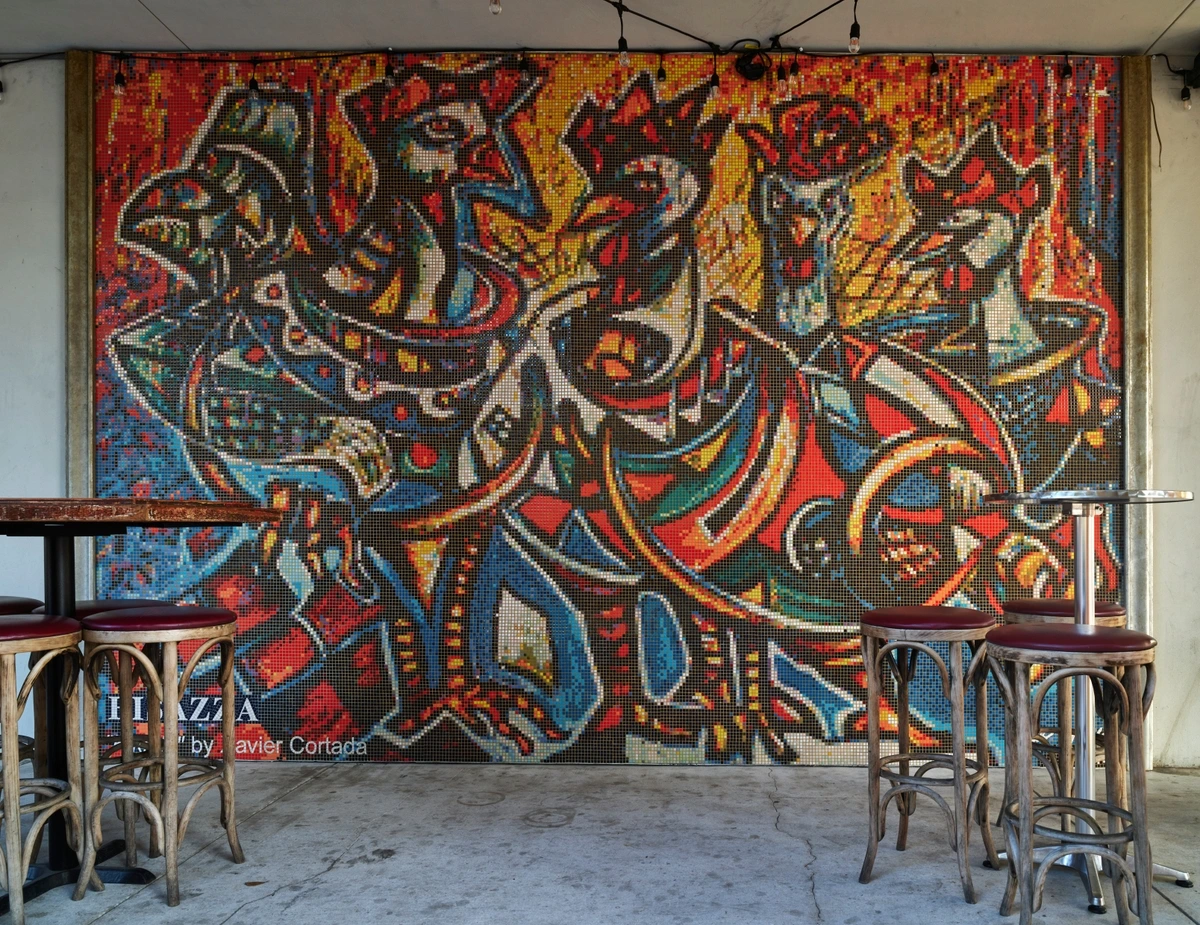
Bakehouse Art Complex: Where Art is Forged
Focus & Vibe: A vital artist community featuring working studios, exhibitions, and educational programming. It’s a true engine for emerging artists in Miami, a dynamic space where creation is visible, tangible, and alive, often showcasing experimental or process-driven works in painting, sculpture, ceramics, photography, and mixed media.
Why I Love It: This is where the magic happens for local artists. It's a working artist community where you can often see painters, sculptors, and mixed-media artists in their studios, talk to them directly about their process, buy pieces straight from the source, and witness raw creative energy in action. On one visit, I watched a sculptor transform a block of wood into a flowing form, and the conversation we had about intention and material was far more insightful than any museum label. It made me realize the sheer willpower and vision required to coax beauty from raw material – a profound lesson in artistic dedication. It’s a grassroots, authentic art experience, a true counterpoint to the more formal museums. It's where the next generation of Miami's art scene is literally being forged, and they often host workshops on everything from printmaking to abstract painting – just check their calendar! I even briefly considered signing up for a ceramics class myself (though my track record with commitment is, shall we say, fluid).

Major Institutions & Districts: The Established Voices
Once you’ve felt the city’s grassroots pulse, it’s time to explore the grander stages – the institutions and districts that anchor Miami’s reputation as a global art destination. These provide a crucial counterpoint to the raw street art, offering curated insights into global art dialogues.
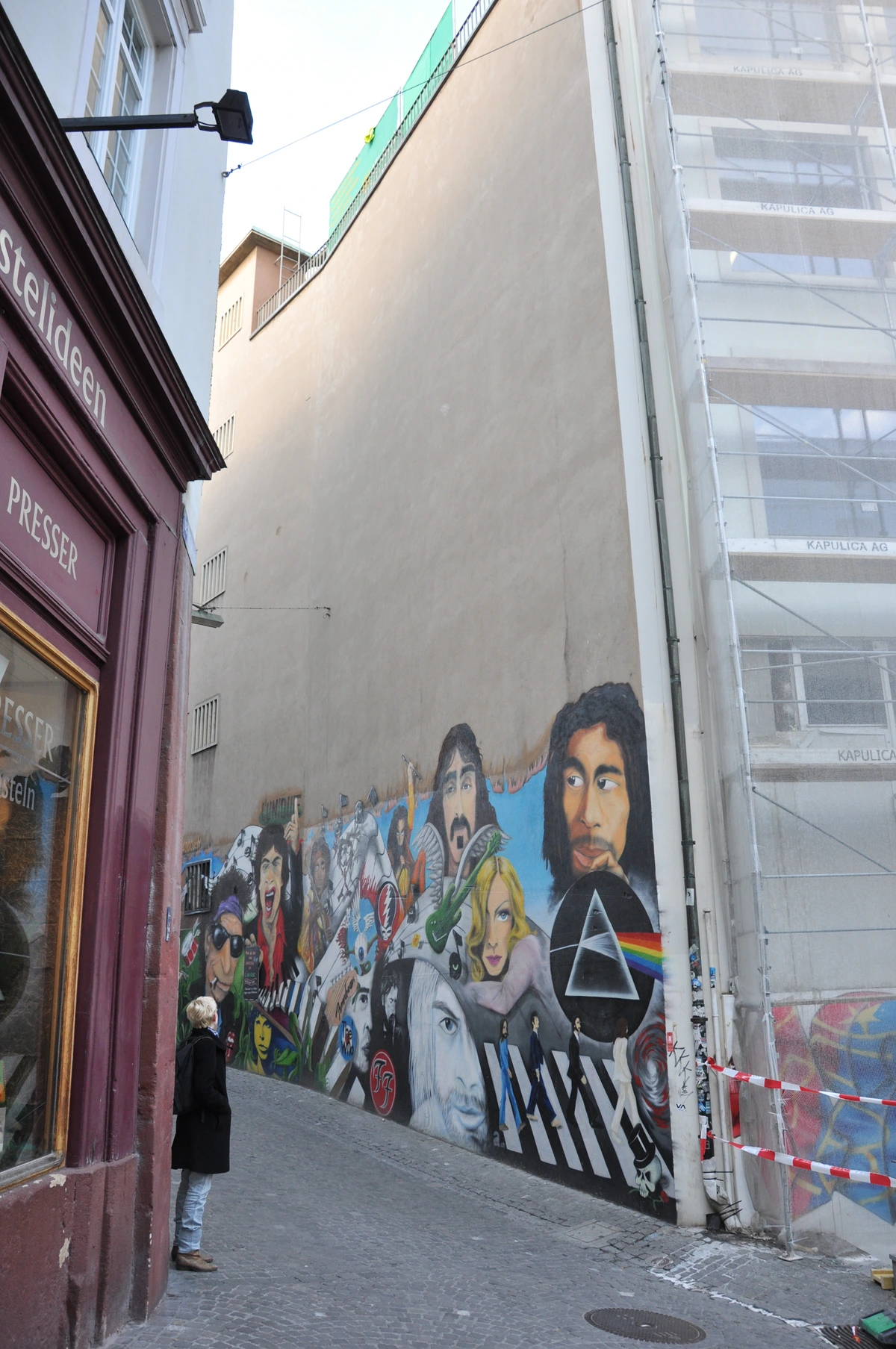
Pérez Art Museum Miami (PAMM)
Focus & Vibe: International modern and contemporary art, with a strong emphasis on works from the Americas, the African diaspora, and Latinx artists. A space that thoughtfully engages with global conversations and often presents challenging social commentaries through various mediums.
Why I Love It: The building itself, designed by the renowned firm Herzog & de Meuron, is a masterpiece – a sculptural concrete marvel with stunning hanging gardens that blend seamlessly with Biscayne Bay. It's almost as much a work of art as the collection inside! Walking through its open spaces, feeling the bay breeze, and seeing thought-provoking installations that tackle global issues (like a powerful recent video installation reflecting on migration, or a large-scale piece by Doris Salcedo that subtly yet profoundly critiques social injustice through meticulously crafted everyday objects) is an experience that truly elevates the art. PAMM consistently offers a fresh perspective on modern and contemporary art, often featuring works by significant artists like Wifredo Lam (a Cuban surrealist painter) and Beatriz Gonzalez (a Colombian conceptual artist), making it a must-visit. They also offer family programming and interactive exhibits, making it surprisingly engaging for all ages.
Institute of Contemporary Art (ICA Miami)
Focus & Vibe: Cutting-edge contemporary art, fostering new voices and experimental practices. It's a key player in the contemporary art galleries in the US scene, always pushing the envelope and often showcasing site-specific installations, digital works, and performance art.
Why I Love It: Located in the chic Design District, the ICA offers an ever-changing roster of exhibitions, often featuring daring, site-specific installations (artworks created to exist only in a particular location, engaging with its architecture or history, like the time I saw a sculptural piece that interacted directly with the gallery's unique light and sound, transforming the entire space) and challenging thematic shows like those exploring technology's impact on society or environmental concerns. I've seen everything from immersive soundscapes to sculptures that seem to defy gravity here. The best part? Entry is absolutely free, which I deeply appreciate, making it incredibly accessible for everyone to engage with the latest artistic conversations and ideas. It feels current, bold, and always surprising, showcasing artists who are consistently pushing the boundaries of what contemporary art can be, and it's a great spot for families looking for an engaging, cost-free art outing.
The Design District
Focus & Vibe: A living gallery of public art installations, striking architecture, high-end design, and numerous art/design galleries. It's a testament to how urban planning itself can be an art form, creating a fascinating dialogue between the area's original Art Deco roots and hyper-modern aesthetics.
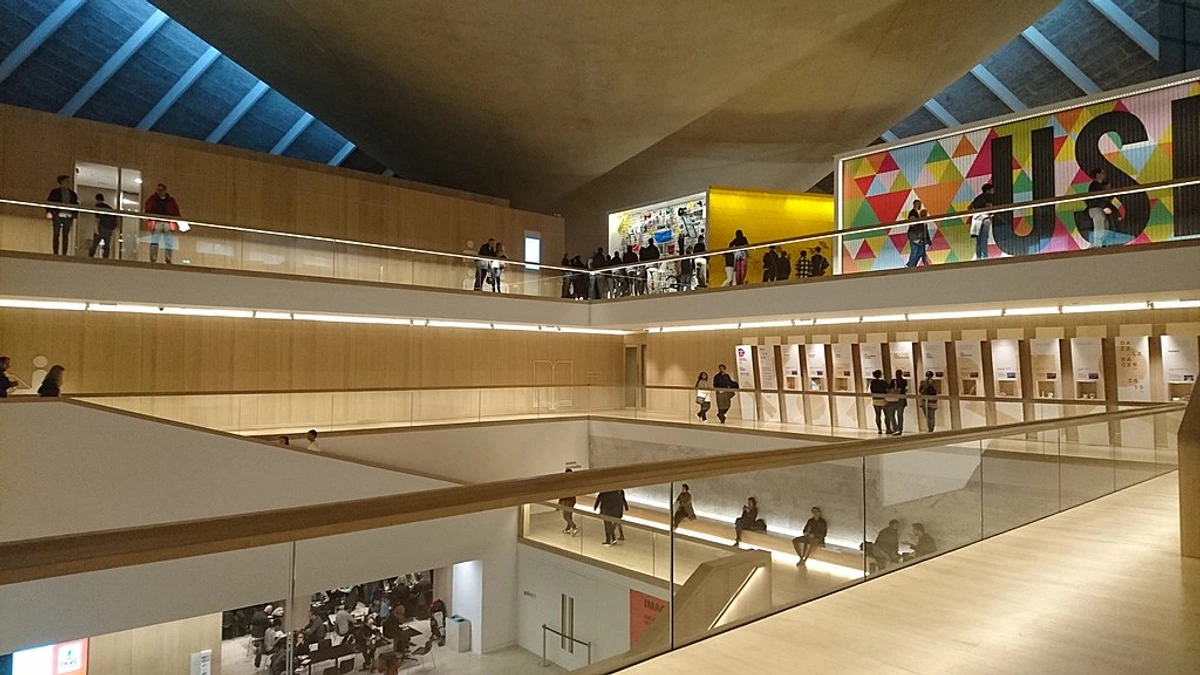
Why I Love It: Beyond the luxury boutiques, this district is an open-air museum. You'll find iconic public art like Buckminster Fuller's Fly's Eye Dome (an immersive geodesic structure that invites you to step inside and experience a unique architectural space), the imposing "Le Corbusier" by Xavier Veilhan (a towering, monochromatic sculpture that playfully reinterprets the famous architect), and architecturally significant buildings by names like Zaha Hadid. The way art is integrated into the very fabric of the streets, from playful street furniture to grand installations, is fascinating. It’s a feast for the eyes, even if you’re just window shopping for ideas (and perhaps wondering who actually buys a $5,000 armchair!). The smaller, independent galleries tucked between the grander spaces are always worth popping into for a dose of curated brilliance. It's a vibrant hub where design and art live in perfect harmony, showing how the city consciously builds art into its everyday environment.
The Bass Museum
Focus & Vibe: International contemporary art, often with a focus on exploring the nature of art itself and presenting compelling, large-scale installations. As Miami Beach's first art museum, established in 1964, it has a rich history of evolving with the city's art scene, now known for its thought-provoking approach to exhibition-making and its engagement with Miami Beach's unique coastal context.
Why I Love It: Nestled in Miami Beach, The Bass brings thought-provoking exhibitions to a unique setting. I particularly enjoy how they engage with their surroundings, sometimes presenting dramatic outdoor installations or performance art pieces on their front lawn that respond to the coastal environment. Their focus on the "nature of art" often leads to incredibly insightful and often playful exhibitions, encouraging you to rethink your own definitions of art – I once saw an exhibit there that made me question the very concept of authorship and the fleeting nature of existence by featuring ephemeral art (art designed to be temporary, often decaying or changing over time, forcing a focus on the experience rather than the object), which was delightfully disorienting. It's a smaller, more intimate museum, but consistently punches above its weight, with exhibitions that truly push the boundaries of artistic inquiry.
Rubell Museum
Focus & Vibe: One of the world's largest privately owned contemporary art collections, spanning decades of groundbreaking work. This is a must-see for anyone interested in American contemporary art galleries and the trajectory of recent art history, offering a deeply personal curatorial vision cultivated by legendary collectors Don and Mera Rubell.
Why I Love It: Housed in a former DEA confiscated goods facility, the museum's industrial past lends a surprising gravitas to the vibrant art within. This contrast between the space's former life and its current artistic purpose adds another layer to the experience, a subtle nod to transformation and reinvention. The Rubell Museum offers an incredible journey through decades of contemporary art, with iconic works by artists like Cindy Sherman, known for her conceptual self-portraits exploring identity; Jean-Michel Basquiat, with his powerful, often raw and symbolic paintings; Keith Haring, whose distinctive pop art and graffiti-like works commented on social issues; and Sterling Ruby, known for his vast range of practice from sculpture to painting and ceramics. The Rubells are legendary collectors, known for their early patronage of now-superstar artists, and their passion shines through in every room, making the experience feel deeply personal, almost like walking through their private home, curated with decades of discerning vision. It’s a powerful and often intense experience, reflecting the collectors' deep, personal engagement with the art world and providing a unique perspective on art history in the making. Every visit reveals something new, a testament to the depth of their collection.
The Year-Round Commercial Gallery Scene
Beyond the major institutions and seasonal fairs, Miami boasts a thriving ecosystem of commercial art galleries that operate year-round. These galleries, often concentrated in areas like Wynwood, the Design District, and increasingly in emerging neighborhoods, play a vital role in nurturing local talent, introducing international artists, and shaping the city's art market. You'll find a diverse range, from established spaces showing modern art or specializing in photography, to innovative ventures focused on emerging artists, ceramic arts, or experimental works. Exploring them offers a more intimate art-viewing experience and a direct connection to the pulse of what's current and collectible in Miami. It's also a fantastic way to discover unique pieces for your own collection, perhaps even a conversation starter from my collection. For those interested in starting an art collection, these galleries offer a spectrum of price points and expert advice, making Miami an excellent place to begin your art acquisition journey.

Emerging Art Zones: The Ever-Evolving Canvas
Miami’s art scene is a restless, organic entity, constantly evolving and expanding. While Wynwood and the Design District are well-established, keep an eye on areas like Allapattah and Little River. These burgeoning districts represent the next frontier of Miami’s thriving gallery ecosystem, driven by artists and gallerists seeking new spaces and a more experimental edge – and believe me, these are where the truly exciting, raw discoveries are waiting to happen.
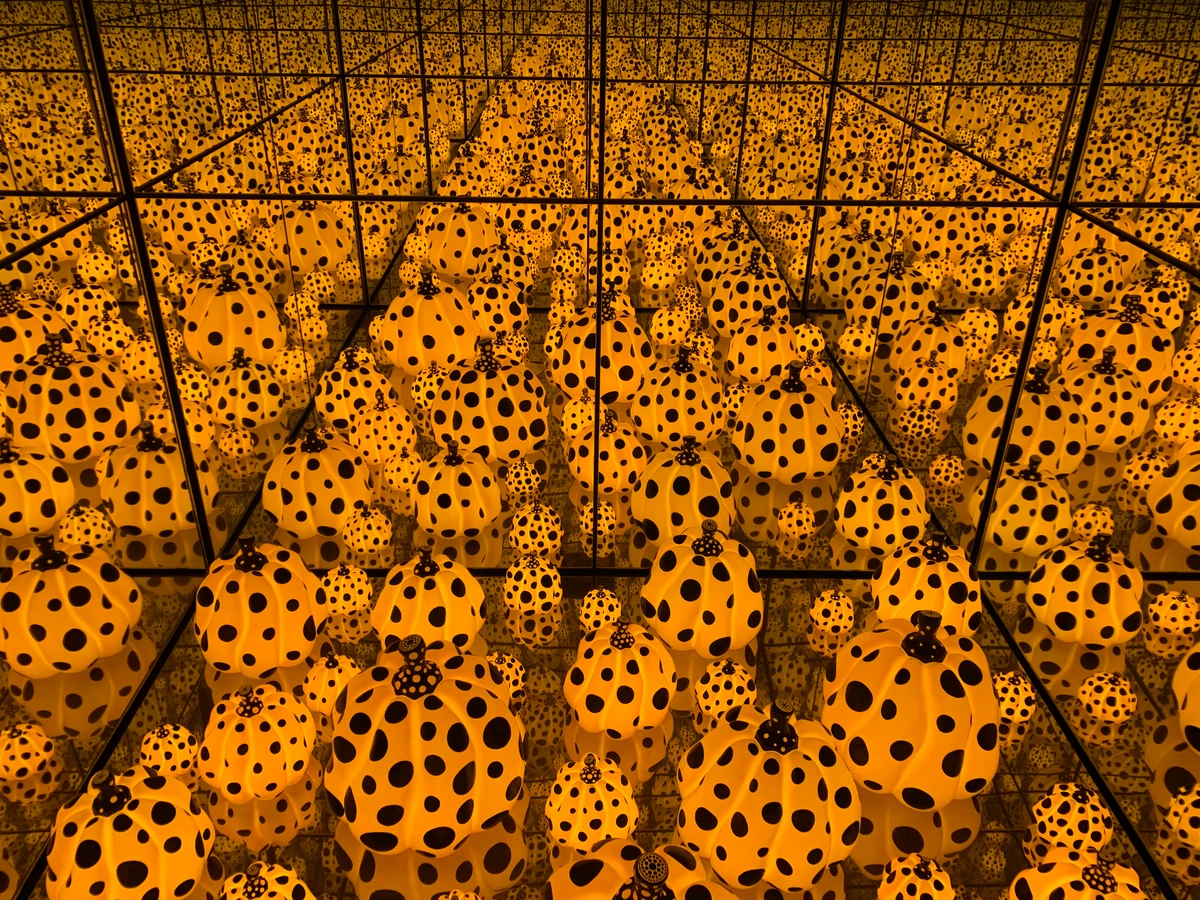
Allapattah, with its industrial roots, is seeing an influx of galleries, artist studios, and even major art destinations like Superblue Miami (an immersive art experience often featuring large-scale digital installations that completely surround the viewer, creating multi-sensory environments). Artists and galleries seeking lower rents and a burgeoning creative community are flocking here, transforming former warehouses into vibrant white-cube spaces and experimental art hubs. You might find spaces like the Mindy Solomon Gallery, known for its contemporary ceramics and sculpture, or Primary Projects, showcasing avant-garde works. It's a gritty yet dynamic landscape ripe for discovery, a place where the art feels fresh and unburdened by commercial pressures.
Little River is also becoming a hub for innovative concepts, experimental art spaces, and a growing number of design studios, often driven by artists collaborating on larger, more ambitious projects. You'll find pop-up exhibitions in industrial buildings, artist-run spaces showcasing cutting-edge work, and a sense of raw, unfettered creativity. Look out for the Bridge Red Art Center, an artist-run space that provides studios and exhibition opportunities. These districts are like blank canvases themselves, gradually being painted over with new artistic visions, promising exciting discoveries for the intrepid art explorer and showcasing the future of Miami's dynamic art landscape.
Art Residency Programs: Nurturing the Future of Miami Art
Miami also fosters its artistic talent through various art residency programs. Institutions like the Faena Art Center and others across the city provide crucial space, resources, and community for both emerging and established artists to develop new work. These residencies are vital incubators, allowing artists to experiment, collaborate, and grow their practice without the pressures of immediate commercial output. They contribute significantly to the city's innovative and experimental edge, and often host open studios or special exhibitions, offering unique opportunities to engage with artists in their creative process and witness new ideas taking shape.
Digital Art and the Evolving Canvas: A Critical Gaze
In recent years, Miami, particularly during Art Basel, has also emerged as a significant hub for digital art and the burgeoning, often volatile, world of NFTs (Non-Fungible Tokens). An NFT, in essence, is a unique digital identifier recorded on a blockchain, used to certify ownership of a digital asset like an image, video, or audio file. They represent a new frontier for artistic creation and ownership, allowing for unique, verifiable digital scarcity. While I approach this new frontier with a healthy dose of skepticism – the market can be incredibly speculative, the environmental impact (specifically, the energy consumption of some blockchain networks like Ethereum, though newer solutions aim to mitigate this) is a valid concern, and the long-term artistic merit of some projects remains to be seen – it’s undeniable that Miami's innovative spirit embraces these new mediums. You'll find galleries and pop-ups exploring everything from immersive digital installations that react to viewer presence to blockchain-backed generative art (art created using an autonomous system, often a computer program, that produces unique outputs). Places like the Faena Art Center and its experimental programming often dabble in this space. My advice here is to engage critically: look beyond the hype, assess the artistic merit, understand the underlying technology, and question the long-term value proposition. It’s another fascinating, albeit complex, layer to Miami’s ever-evolving creative identity, a testament to its willingness to experiment and push boundaries, even if it's a space that requires careful navigation and critical engagement.
Navigating the Art Scene: Your Personal Masterpiece Itinerary
Planning a trip to Miami with art as your focus can feel overwhelming given the sheer volume of things to see. It’s like standing before a vast, vibrant canvas and wondering where to begin. Here’s a little roadmap I've found works pretty well, designed to balance intense viewing with moments for reflection and, crucially, some good food! Remember, this is just a starting point – Miami has so much more to offer, so feel free to paint your own path.
Day | Morning (9:00 AM - 1:00 PM) | Afternoon (1:00 PM - 5:00 PM) | Evening (5:00 PM onwards) |
|---|---|---|---|
| Day 1: Street Art Immersion in Wynwood | Explore the Wynwood Walls (arrive early, ideally before 10 AM, to avoid crowds and get those perfect shots). Wander through the main murals and iconic photo ops, soaking in the electric energy. | Branch out into the wider Wynwood Art District. Discover smaller galleries (e.g., Locust Projects, Fredric Snitzer Gallery), independent street art on side streets, and eclectic pop-up shops. Grab lunch at a vibrant Wynwood eatery like KYU (Asian-inspired BBQ) or a casual taqueria with a lively atmosphere like Coyo Taco. | Enjoy dinner in Wynwood, soaking in the vibrant nightlife and more illuminated street art. Check for gallery openings or live music events, which are frequent in the district, perhaps at Gramps. |
| Day 2: Museum & Design District Exploration | Start at Pérez Art Museum Miami (PAMM). Spend ample time in its galleries and enjoying the breathtaking outdoor spaces and hanging gardens overlooking the bay. A short ride-share will get you to your next destination. | Head to the nearby Design District. Visit the Institute of Contemporary Art (ICA Miami) (free admission, always a bonus!). Explore public art installations (like Buckminster Fuller's geodesic dome), striking architectural highlights by world-renowned architects, and the various high-end design galleries. Lunch at a Design District cafe like Mandolin Aegean Bistro for a beautiful outdoor setting or Michael's Genuine Food & Drink. | Dine in the Design District for an upscale experience (e.g., Swan or Le Jardinier) or explore nearby Midtown for varied culinary options. Perhaps catch a performance at the Adrienne Arsht Center for the Performing Arts if you're interested in theater or music. |
| Day 3: Deep Dive into Contemporary & Culture | Visit the Rubell Museum for a powerful and extensive contemporary art collection, offering a unique perspective on art history. Alternatively, if interested in a different vibe or less time, explore The Bass Museum on Miami Beach for its thought-provoking installations and engagement with ephemeral art. | Experience Little Havana. Walk down Calle Ocho, admire the vibrant murals depicting Cuban history and folklore, watch cigar rollers demonstrating their craft, and visit local artisan shops. Immerse yourself in the rich Cuban cultural experience. Enjoy a strong Cuban coffee and a delicious pastelito de guayaba (guava pastry) from Versailles Bakery! | Enjoy a farewell dinner in Little Havana for authentic flavors and live music (e.g., Versailles Restaurant for classic Cuban), or head to South Beach for a classic Miami beach-side dining experience. Reflect on the incredibly diverse art you've encountered. |
| Day 4: Historical Charm & Emerging Scenes (Optional) | Explore Coral Gables, starting with the Biltmore Hotel (Mediterranean Revival architecture) and the surrounding historical streets. Visit the Lowe Art Museum at the University of Miami for its diverse collection, including Renaissance, Baroque, and Native American art. | Venture to Allapattah or Little River to discover Miami's cutting-edge emerging art scene. Visit galleries like Superblue Miami for immersive experiences, or smaller artist-run spaces such as Bridge Red Art Center in Little River. Expect raw, experimental art away from the main tourist hubs. | Enjoy dinner in Coconut Grove, Miami's oldest neighborhood, known for its bohemian vibe and excellent restaurants, perhaps catching live music at a local spot. This offers a more laid-back, historical counterpoint to the city's modern art pulse. |
Practical Tips for the Miami Art Explorer: Navigating the Canvas
To make your artistic journey through Miami as smooth and enjoyable as possible, and to avoid any unnecessary "art-guments" with yourself (or your travel companions!), here are a few things I've learned along the way:
- Timing is Everything: If Art Basel Miami Beach is your primary draw, book flights and accommodations months in advance – I'm talking 6-9 months out. Prices surge dramatically in December, and good spots disappear quickly. For a more relaxed, budget-friendly art trip, aim for shoulder seasons (late fall or early spring) when the weather is still pleasantly warm but crowds are thinner. These are also great times to explore other best art cities without the peak season rush.
- Wear Comfortable Shoes: Seriously, I cannot stress this enough. You'll be doing a lot of walking, standing, and more walking, especially in Wynwood and around the sprawling Art Basel fairs. Prioritize comfort over fashion – your feet will thank you, and trust me, no one is judging your sneakers amidst a gallery full of art fanatics. My own feet have suffered so you don't have to; I once wore stylish but terribly uncomfortable boots to Art Basel and spent half the day fantasizing about taking them off. Don't be me!
- Embrace Public Transport & Ride-Shares: Parking can be notoriously difficult and expensive in popular art districts like Wynwood and especially during Art Basel. Utilize Miami's free Metromover (great for downtown/Brickell), trolleys, or ride-sharing services for convenience. It's often less stressful and sometimes faster.
- Stay Hydrated & Sun-Safe: Miami heat and sun are no joke. Carry water, wear high-SPF sunscreen, and seek shade whenever possible, especially when exploring outdoor art. A wide-brimmed hat isn't just a fashion statement here; it's a necessity. I once forgot my hat and regretted it immediately – my scalp felt like a well-done steak. Learn from my mistakes!
- Check Opening Hours & Tickets: Always verify museum and gallery hours before you go. During Art Basel, many fairs require timed tickets, so plan and book well ahead to avoid disappointment. Exhibition schedules, especially for temporary installations and special exhibits, change frequently throughout the year, so it's wise to check current listings before your visit. A little planning saves a lot of frustration!
- Don't Be Afraid to Wander: Some of the best discoveries are made when you stray from the main path. Keep an eye out for pop-up galleries, impromptu street performances, and lesser-known murals. Miami is full of delightful surprises if you're open to finding them. I found a hidden courtyard filled with sculptures this way once – an unexpected gem behind a seemingly ordinary facade!
- Engage with Locals & Artists: Miami's art community is incredibly passionate and welcoming. Don't hesitate to strike up conversations with gallery owners, artists in their studios (especially at places like Bakehouse), or fellow art lovers. Ask about their inspiration, their favorite hidden gems, or even a great dinner recommendation. You'll gain invaluable insights and perhaps even discover a piece that speaks to you for your own collection.
- Family-Friendly Art Fun: Traveling with kids? Many museums, like PAMM and ICA Miami, offer family programming and interactive exhibits. Wynwood's colorful murals are often a huge hit with younger visitors, providing a vibrant, engaging, and highly visual experience that captivates all ages. The sheer scale and bright colors are often enough to spark their imagination and curiosity! You might even find dedicated art workshops for children at places like the Bakehouse Art Complex.
- Accessibility for All: Miami's art institutions are increasingly focusing on inclusivity. Major museums like PAMM and ICA Miami offer accessible facilities, including ramps, elevators, and accessible restrooms. Many also provide specific programs or resources for visitors with disabilities; it's always worth checking their individual websites or calling ahead for details on accessible tours (e.g., ASL-interpreted tours, verbal descriptions for visually impaired visitors), sensory-friendly hours, or large-print guides. Public art installations in districts like Wynwood and the Design District are also largely accessible, offering visual enjoyment to a broad audience.
- Art Transportation & Shipping: If you're inspired to purchase a piece, most reputable galleries and larger fairs will offer assistance with professional art packing and shipping, often internationally. Always inquire about their services and associated costs upfront. For smaller, more portable pieces purchased directly from artists, consider how it will be protected for your journey home.
- Stay Flexible: Miami's art scene is constantly evolving. A gallery might close, a new mural might appear overnight, or a pop-up event might surprise you. Embrace this dynamic nature, and be open to adjusting your plans to discover something unexpected. It’s part of the city’s charm, a canvas continuously being repainted.
- Consult Local Resources: Before your trip, check Miami-based art publications like Miami New Times, Art Circuits, Irreversible Magazine, or websites like Culture Shock Miami for up-to-date listings of exhibitions, gallery openings, and special events. These can provide invaluable, insider information to refine your itinerary.
- Consider the Performing Arts: While this guide focuses on visual arts, Miami also boasts a thriving performing arts scene. The Adrienne Arsht Center for the Performing Arts frequently hosts world-class theater, dance, and music performances. Check their schedule if you're looking to round out your artistic immersion with a different kind of cultural experience.
Frequently Asked Questions (FAQ)
When is the best time to visit Miami for art?
If your main goal is Art Basel Miami Beach and its many satellite fairs, early December is the time to go. Be prepared, however, for significant crowds and higher prices for flights and accommodations. For a more relaxed, budget-friendly art trip, the shoulder seasons (late fall or early spring) are excellent, offering pleasant weather and fewer people. Miami's major museums and galleries are open year-round, so there's always a thriving art scene to explore, regardless of the season.
Is experiencing Miami's art scene expensive?
Not at all! While high-end galleries and Art Basel can be costly (or simply fantastic for window shopping!), many of Miami's best art experiences are completely free. The Wynwood Walls and its surrounding street art district, ICA Miami (free admission!), and the Design District's numerous public installations are all fantastic, cost-free ways to immerse yourself. You can absolutely curate an incredible art trip without breaking the bank, leaving more budget for delicious Cuban coffee and a pastelito de guayaba.
Can I find art beyond contemporary and street art in Miami?
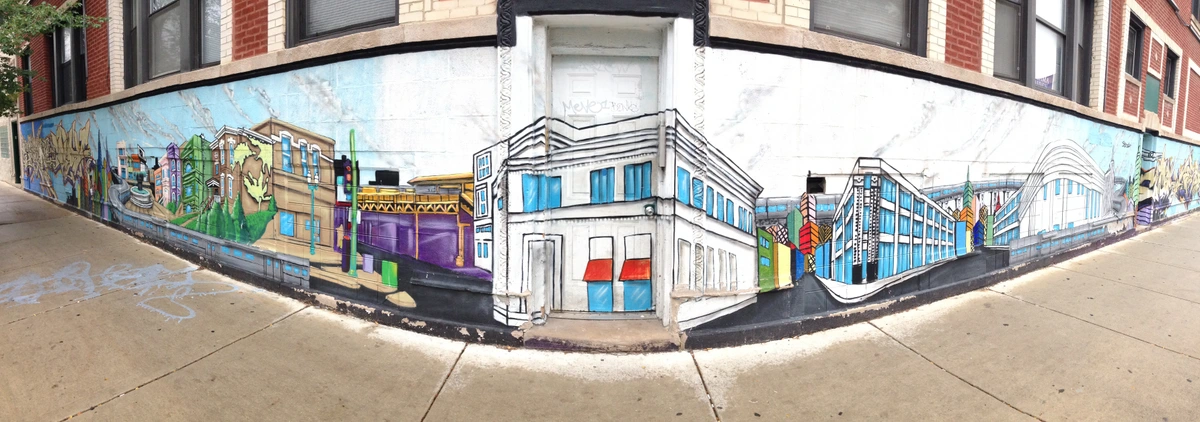
Absolutely. While Miami is famed for its contemporary flair and vibrant street art, you can also find modern works in private collections and special exhibitions, such as those at the Lowe Art Museum (University of Miami), which features a diverse collection spanning centuries and cultures. Furthermore, neighborhoods like Little Havana offer a rich cultural and historical art experience that is distinct from the urban contemporary scenes, focusing on Cuban heritage through expressive murals, intricate artisan crafts, and lively performing arts. Don't forget the Art Deco Historic District for architectural art, a true feast for the eyes and a journey into Miami's design history, showcasing a different era of artistic expression.
Are there opportunities for art education or workshops?
Yes, definitely! Institutions like the Bakehouse Art Complex are specifically designed to foster local artists and regularly host workshops, open studio events, and educational programs covering various mediums like painting, sculpture, and printmaking. Many smaller galleries and community centers also offer classes or artist talks. It's a fantastic way to not only see art but to engage directly with the creative process and the local art community – a chance to pick up a brush yourself!
What are some family-friendly art activities in Miami?
Miami offers plenty of engaging art activities for families. The vibrant street art of Wynwood is a huge hit with younger visitors, captivating them with its sheer scale and riot of colors. Both Pérez Art Museum Miami (PAMM) and the Institute of Contemporary Art (ICA Miami) (which has free admission) offer family programming, interactive exhibits, and open spaces where kids can explore. The Bakehouse Art Complex sometimes hosts workshops suitable for all ages, offering a hands-on creative experience. Even a stroll through the Design District can be fun, with its playful public art installations and unique architecture providing visual stimulation.
What is the difference between the main Art Basel fair and the satellite fairs?
The main Art Basel fair, held at the Miami Beach Convention Center, is considered the premier event, featuring works from the world's leading galleries and established artists, often with significant price tags. It's a highly curated, often intense, and more institutional experience. Satellite fairs, on the other hand, are independent events that coincide with Art Basel Week. They spread across various locations in Miami and tend to focus on different niches, such as emerging artists (Scope, Aqua), conceptual works (Untitled, Art), or specific regional art. They offer a more diverse, sometimes more accessible, and often more experimental viewing experience, making the week a truly comprehensive art exploration.
How does Miami's art scene differ from other major art cities like New York or London?
Miami's art scene boasts a unique blend of Latin American and Caribbean influence, which is less pronounced in New York or London. While global art capitals often prioritize established institutions and historical movements, Miami leans heavily into contemporary, street, and experimental art, fostering a vibrant outdoor gallery culture (like Wynwood) that few other cities can match. It's also defined by the massive, concentrated energy of Art Basel, which transforms the entire city for a week, creating a festival-like atmosphere distinct from the year-round, more dispersed art scenes of older art hubs. Unlike the more traditional, museum-centric approach often found in European capitals, Miami's art often feels younger, bolder, and more directly integrated into the urban fabric, truly a living canvas.


My Final Brushstroke on Miami's Art Scene: A Canvas of Continuous Creation
Miami’s art scene, for me, embodies a refreshing blend of global ambition and passionate local spirit. It's a city that wears its artistic heart on its sleeve, unafraid to be bold, colorful, and sometimes gloriously chaotic – much like a vibrant abstract painting that reveals new depths with every glance. From the awe-inspiring murals that transform everyday walls into masterpieces in Wynwood, to the glittering, high-stakes world of Art Basel where global trends are set, and the thoughtful, challenging collections housed in its world-class museums, Miami truly offers an unparalleled artistic journey. Its unique blend of Latin American heritage, cutting-edge contemporary expression, and a deep integration of art into urban life sets it apart as a truly dynamic global art hub.
I still vividly recall a particular mural in Wynwood, a massive, photorealistic portrait of a woman's face, her eyes seeming to follow me as I walked by, each spray-painted strand of hair impossibly detailed. It was a moment where the line between street art and fine art blurred completely, leaving me breathless and questioning my own artistic preconceptions. That single piece reminded me that art is truly everywhere, waiting to be discovered if you just open your eyes and your mind. This isn't just a destination; it's an experience that invites you to look closer, think deeper, and perhaps even see the world, or your own creative potential, in a whole new light. So, pack your most comfortable shoes, open your mind, and prepare to be utterly captivated by the Magic City's vibrant, ever-evolving creative spirit. It's a journey you won't soon forget, and trust me, you'll find yourself planning your return, eager for the next brushstroke of inspiration, before you've even left.