
Berlin's Art Scene: A Curated Guide from Masterpieces to Street Art
Beyond the techno and history, Berlin pulses with an unparalleled artistic energy. Join me on a curated journey from the classical grandeur of Museum Island to the raw, rebellious spirit of its street art and cutting-edge contemporary galleries. This is my personal guide to Berlin, for the true art lover.

An Art Lover's Guide to Berlin: More Than Just a Wall
Berlin. The name itself just sounds… cool, doesn't it? I remember the first time I went, I was packing for a city of techno, history, and a certain kind of gritty coolness. And what does that gritty coolness actually look like? It's the unexpected burst of color on a grey wall, the repurposed industrial spaces now housing avant-garde art, the way history and modernity constantly collide in visual statements. I found all of that, of course, but what really sideswiped me was the art. It’s not just in Berlin; it is Berlin. It’s on the walls, in the grandest buildings, and simmering in tiny, blink-and-you'll-miss-it galleries. I recall wandering through a seemingly mundane alley in Mitte, only to turn a corner and be confronted by a massive, politically charged mural that took my breath away. That's Berlin's art scene in a nutshell: always surprising, always provocative, always alive.
So, if you're an art lover heading to the German capital, you're in for an unparalleled treat. But where do you even start? It can be wonderfully overwhelming, a feast for the senses that demands a bit of guidance. Let me walk you through my version of the city, the one that lives in my head, from the monumental to the beautifully rebellious, always searching for that spark of creative genius.
The Heavyweights: Museum Island (Museumsinsel)
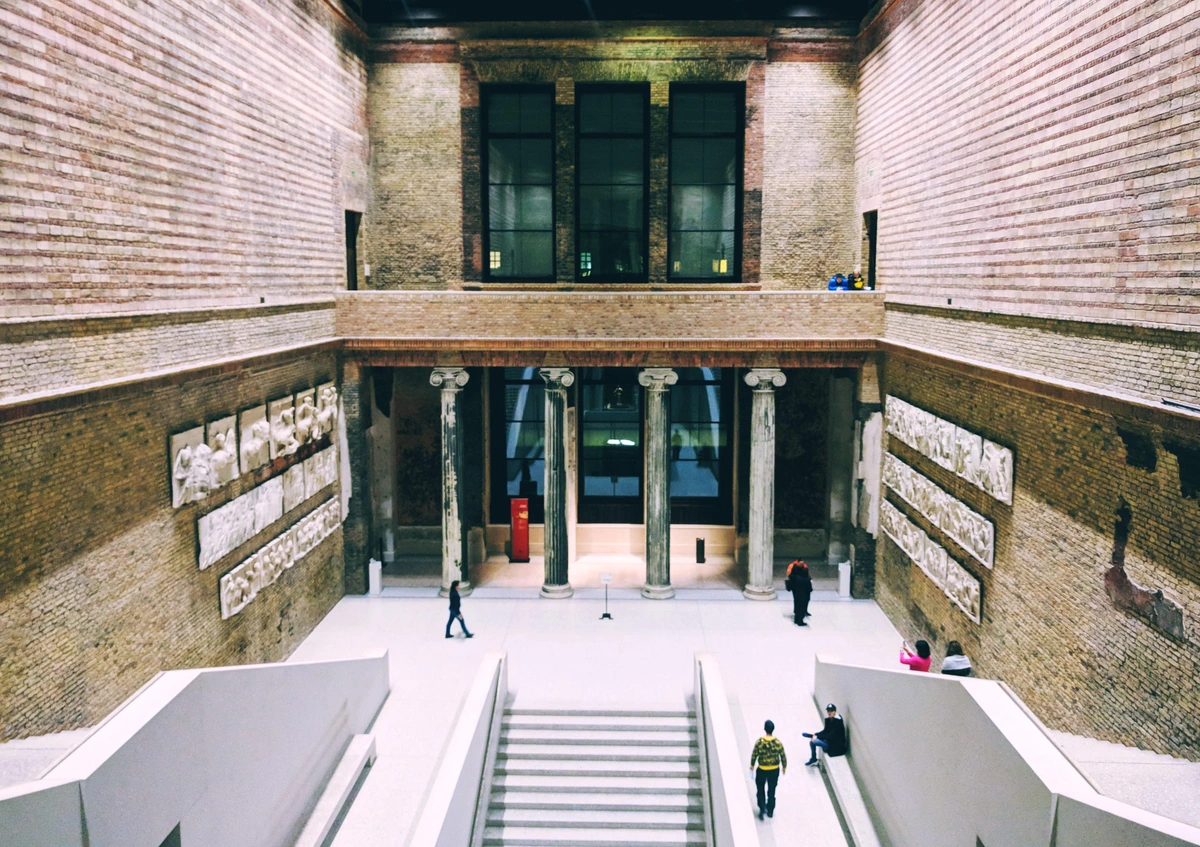
You simply can't talk about art in Berlin without starting here. Museum Island is exactly what it sounds like: a cluster of five world-class museums on an island in the Spree River. Honestly, you could spend your entire trip here and not see everything. My advice? Don't even try to. Pick one or two that really call to you, allow yourself to get lost in their collections, and accept that you'll have to come back.
Here’s my take on these titans:
Museum  | What Struck Me Most | Don't Miss |
|---|---|---|
| Pergamon Museum | The sheer, jaw-dropping scale of this place is almost disorienting. You walk in and are confronted by entire ancient monuments, painstakingly reconstructed. It's truly humbling. | The Ishtar Gate of Babylon. It's breathtaking, an ancient marvel brought back to life. |
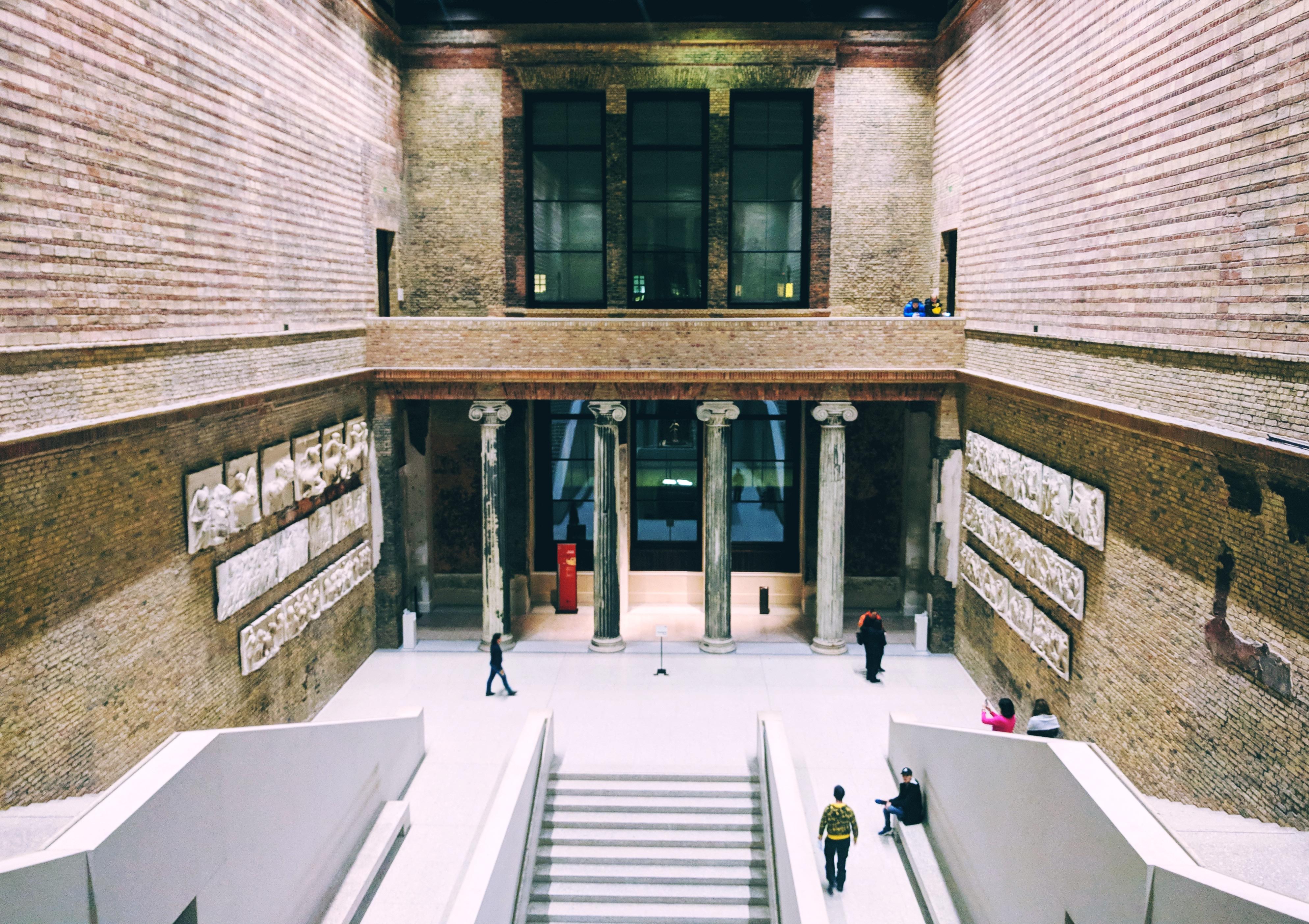
| Neues Museum | And yes, it's worth the pilgrimage for that iconic piece alone. But don't overlook how the building itself, a masterful blend of preserved ruin and modern design, is a work of art. | The bust of Nefertiti. No photo does it justice; you simply have to see it. |
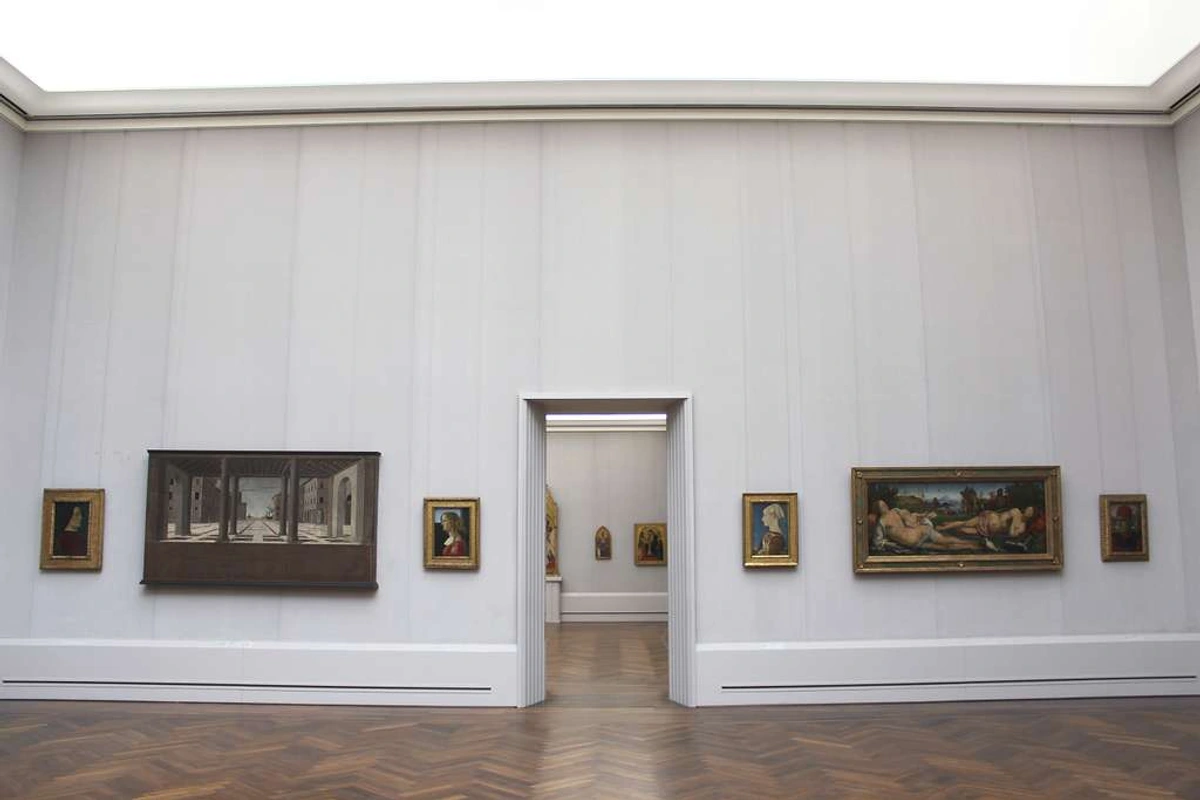
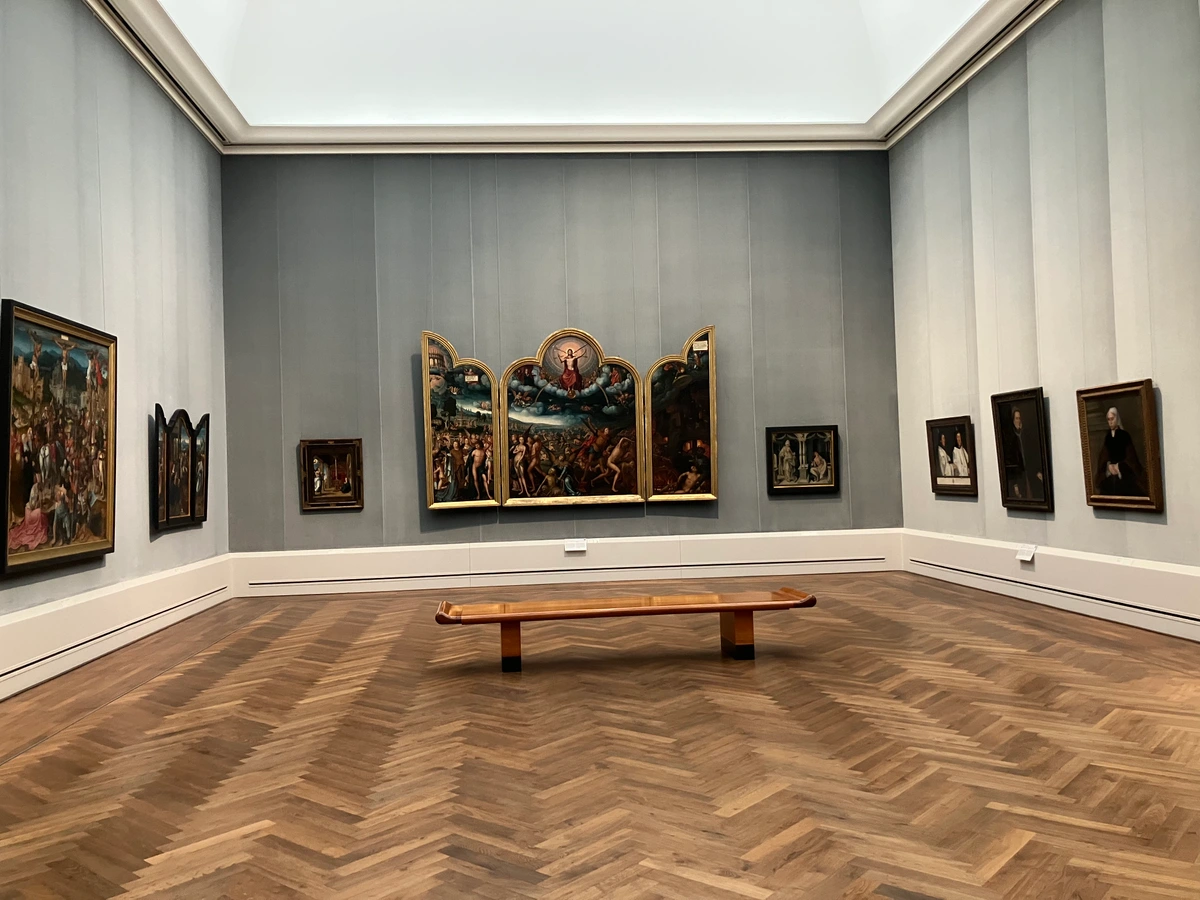
| Alte Nationalgalerie | It feels like a classical temple dedicated solely to art. If you love 19th-century paintings and sculptures, with their romanticism and dramatic flair, this is your absolute heaven. | Caspar David Friedrich's moody, atmospheric landscapes, which seem to whisper stories. |
| Altes Museum | The original grand dame of the island. It’s your essential go-to for all things Greek, Roman, and Etruscan, offering a deep dive into antiquity. | The comprehensive collection of classical antiquities, a foundational journey through Western art. |
| Bode Museum | A bit of an unsung hero, in my opinion. It's packed with stunning sculptures, a diverse coin collection, and compelling Byzantine art that often gets overlooked. | The sculpture collection from the Middle Ages, particularly the intricate carvings. |
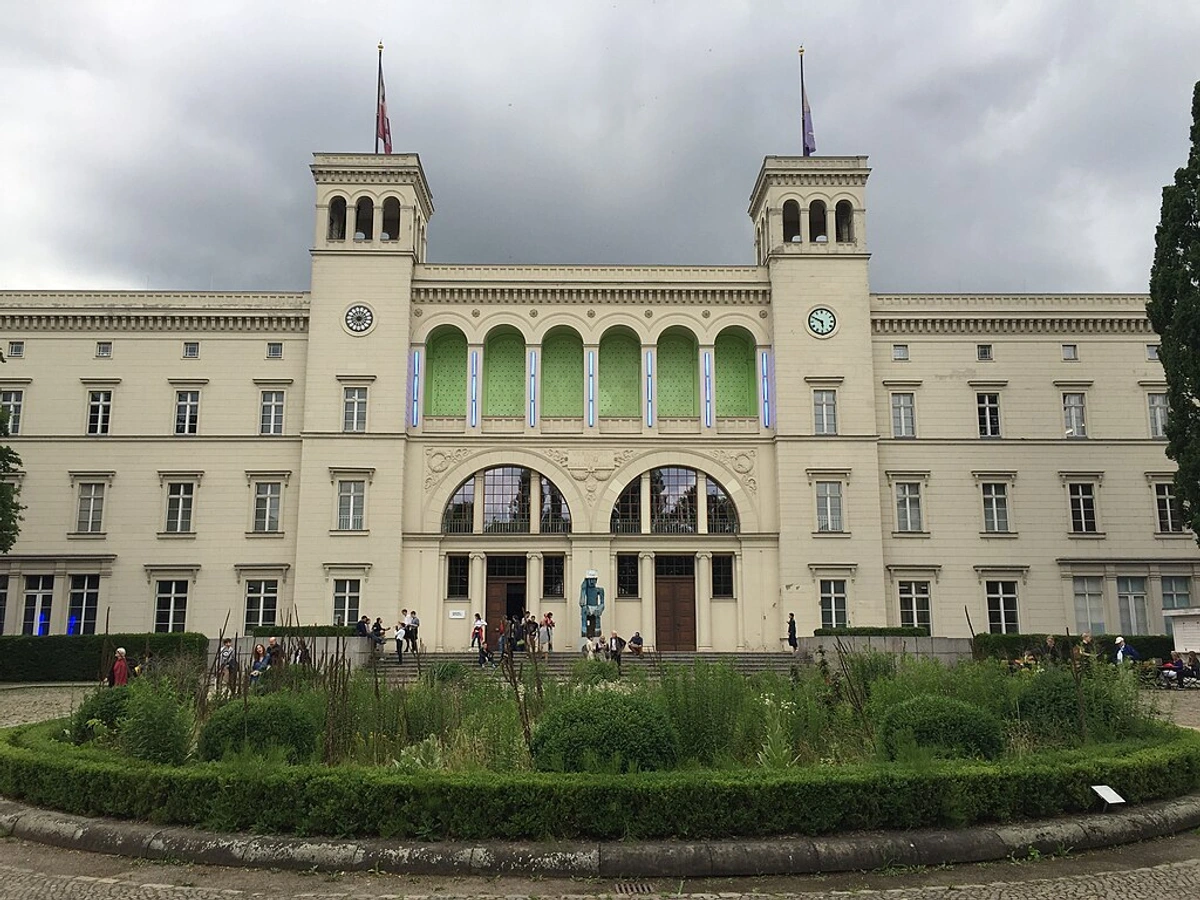
This is where you'll find a lot of what people might call classical art, but the sheer scope and historical context are what make it feel so alive. It's a powerful counterpoint to the city's contemporary pulse.
The Heartbeat of the City: Street Art
Okay, let's leave the hushed reverence of the hallowed halls and hit the streets, because this is where Berlin's raw, contemporary soul truly screams at you. The city itself is a canvas, and nowhere is that more obvious than in its street art. It's a raw, political, and often fleeting conversation happening on every available surface, a vibrant, democratic gallery open 24/7. It's a direct lineage from rebellious art movements like Dadaism, which also embraced collage and protest, to the spray can art of today.
The East Side Gallery
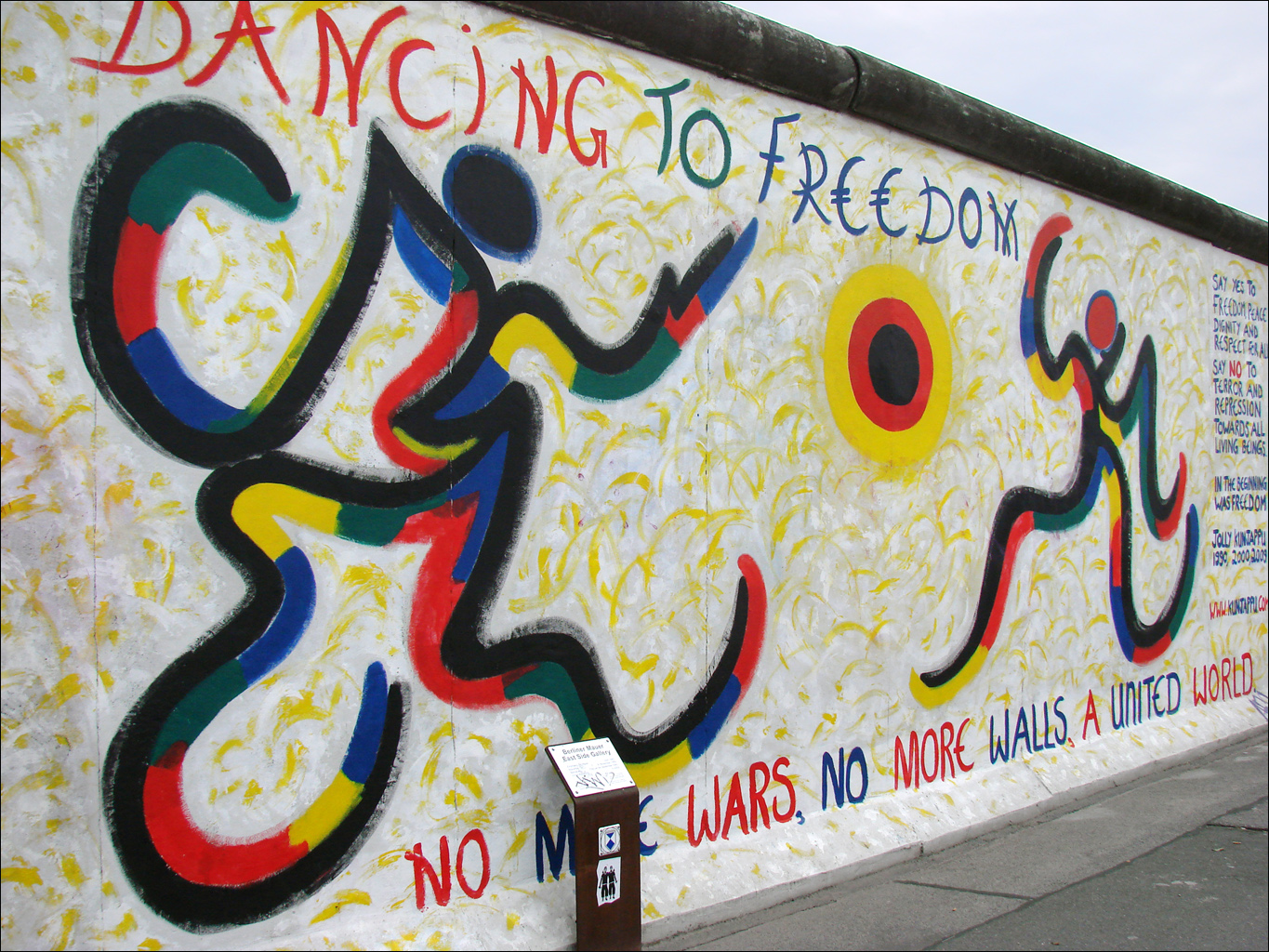
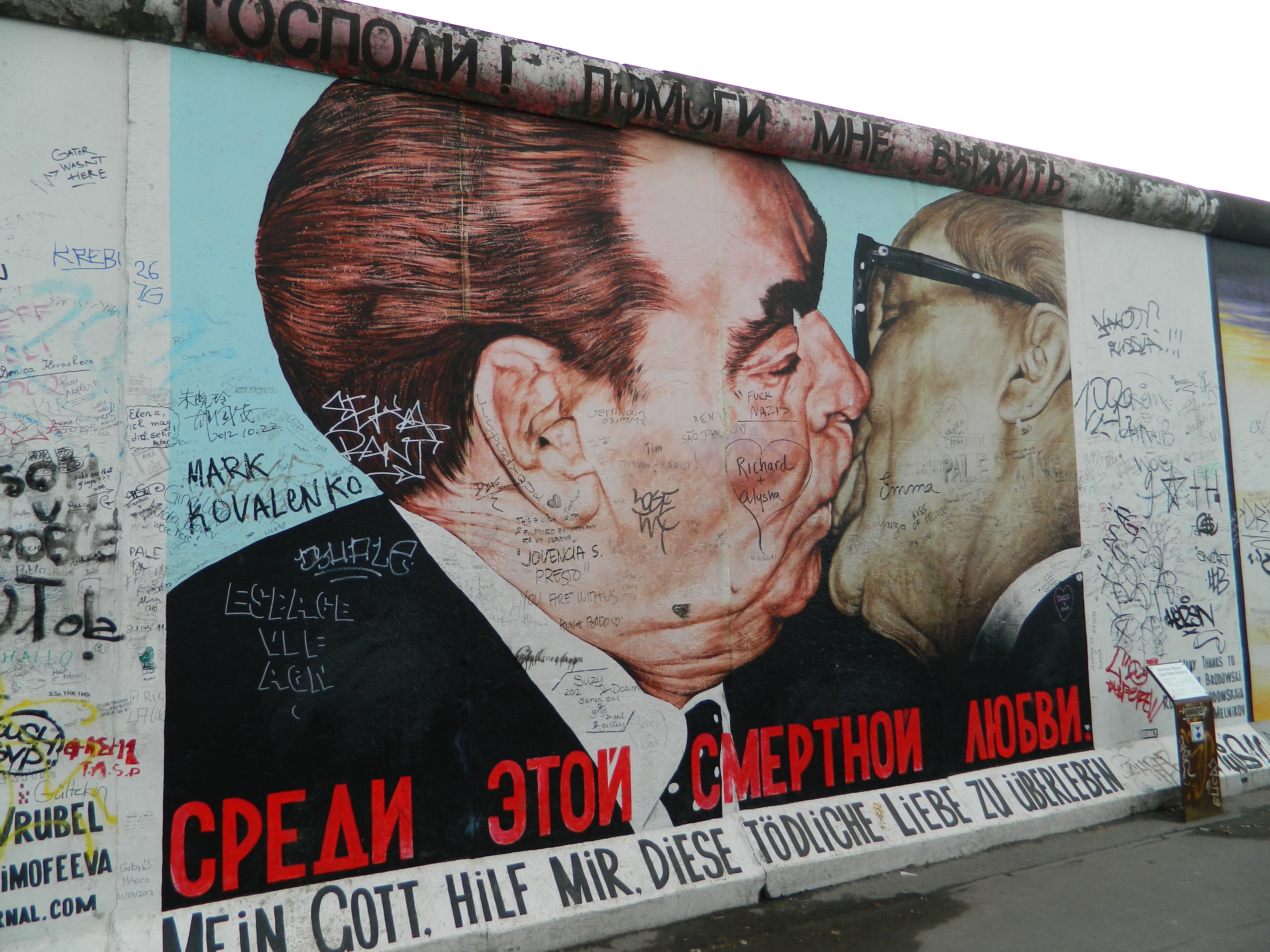
This is the big one, the quintessential open-air museum. It's a 1.3-kilometer-long section of the Berlin Wall that's been transformed into an unparalleled open-air gallery. After the wall fell in 1989, artists from all over the world flocked here to paint murals on its east side, transforming a symbol of division into a monument to freedom and artistic expression. It's a powerful experience, I promise you.
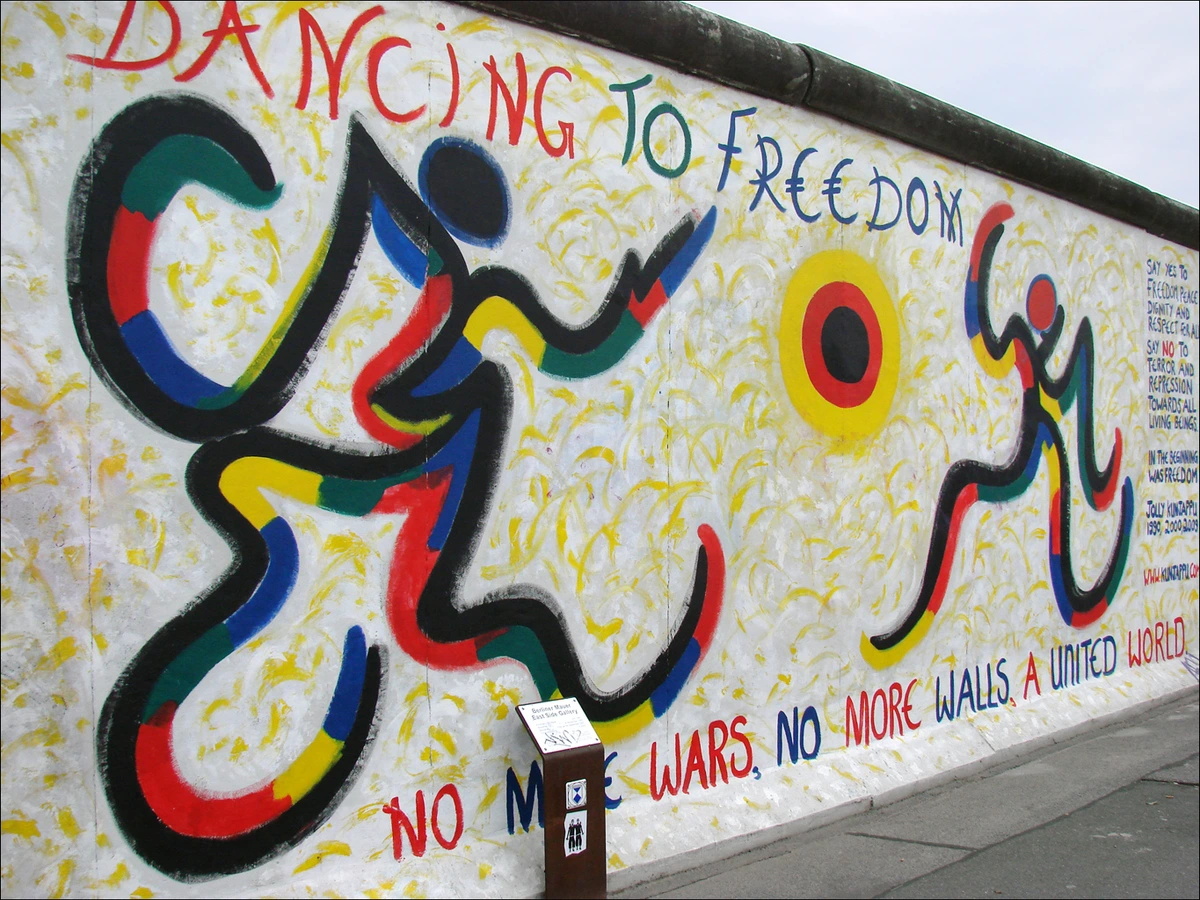
Some pieces are truly iconic, like Dmitri Vrubel's "My God, Help Me to Survive This Deadly Love," depicting the infamous fraternal kiss between Leonid Brezhnev and Erich Honecker—a piece that still sparks conversation. Be prepared, though: it's a living, breathing thing. It's constantly graffitied over, weathered by time, and periodically restored. It’s a bit messy, undeniably imperfect, and that, for me, is precisely why I love it.
Kreuzberg and Friedrichshain: The Raw Canvas
To see street art in its natural habitat, evolving and reacting, you need to wander through neighborhoods like Kreuzberg and Friedrichshain. This is where you'll find massive murals by internationally renowned artists like Herakut and Blu, alongside countless smaller, equally potent works by local talents. You turn a corner, and an entire building is covered in a breathtaking piece of art that forces you to look up, to pay attention to your surroundings, to question. It's not just decoration; it's a constant dialogue, a form of public expression, sometimes protest, and always a way to claim space. It's a direct line from the German Expressionism of the early 20th century, with its emotional intensity and distortion of form, to the vibrant, urgent spray can art of today.
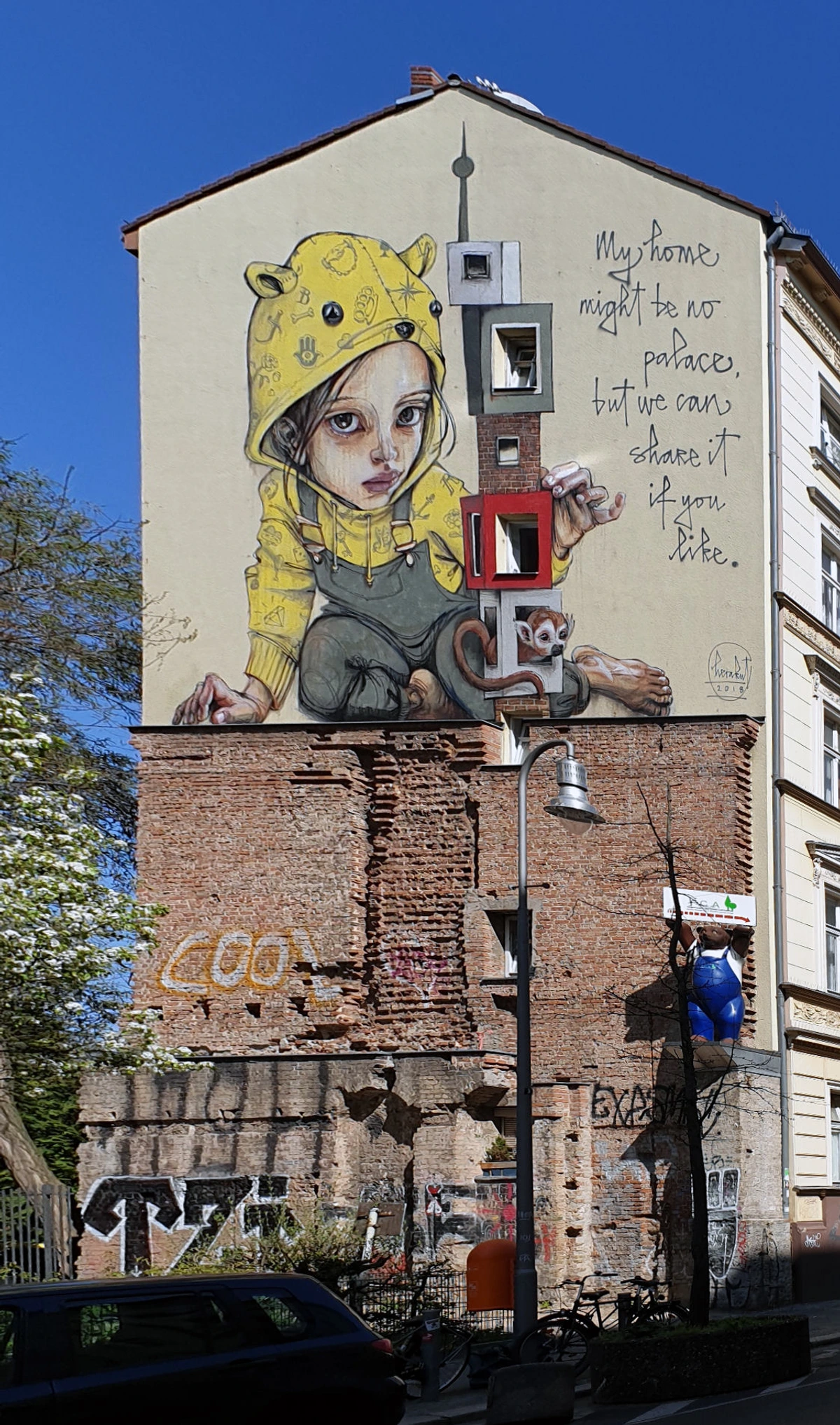
There's a real, almost palpable energy here, a sense that art is happening now, in real time. It feels less curated and far more immediate. Keep an eye out for works by artists like Alias, known for his poignant stencil art, or the often humorous paste-ups that dot unexpected corners. It’s a constantly shifting landscape, and finding a new piece is like discovering a secret message. Even global phenomenon Banksy has left his mark here, influencing countless local artists.

The Contemporary Scene: Galleries and Spaces
Berlin remains an undeniable magnet for artists. The once notoriously cheap rent and a uniquely liberal atmosphere created a perfect storm for a thriving contemporary art scene in the post-reunification years. While the rent isn't quite what it used to be (alas, isn't that always the way?), the creative spirit is still very much alive, constantly pushing boundaries and redefining what art can be. But where does the cutting edge of Berlin's art scene truly reside today?
Mitte: The Gallery Hubs
This area, particularly Auguststraße and Linienstraße, is simply packed with galleries. You could easily spend an entire afternoon just hopping from one to another, each offering a distinct perspective on contemporary trends. You’ll find everything from established international galleries showcasing big names to smaller, experimental spaces nurturing emerging local talent. KW Institute for Contemporary Art is a must-visit anchor point here, known for its challenging exhibitions and thought-provoking programming.
Large-Scale & Immersive Experiences
- Hamburger Bahnhof: Housed in a magnificent former railway station, this is Berlin’s premier museum for contemporary art. The sheer size of the main hall allows for truly massive, often site-specific installations you won't see anywhere else. It’s a space that commands attention, both architecturally and artistically.
- Boros Collection: This is a truly unique and utterly unforgettable experience. It's a private collection of contemporary art housed in a converted WWII bunker – a brutalist masterpiece turned art haven. You absolutely have to book a tour in advance (check their website well ahead of your visit, as spots fill up fast!), but it is so, so worth it. The juxtaposition of the thought-provoking art with the heavy, imposing architecture of the bunker is an artistic statement in itself.
Understanding the difference between modern and contemporary art is key here. Berlin is arguably one of the best places on earth to feel that distinction in your bones, as the city consistently engages with both its tumultuous past and its vibrant, forward-looking present through art.
Hidden Gems & Beyond the Obvious
To truly delve into Berlin's art world, you need to look beyond the main attractions. This is where the city's experimental spirit really shines through.



- Project Rooms and Artist-Run Spaces: These pop up constantly in various neighborhoods. They're often temporary, showcasing cutting-edge work by emerging artists. The best way to find them? Keep an eye out for flyers in cafes, check local art listings online, or simply follow your nose down an interesting-looking side street. You might stumble upon the next big thing.
- Public Art Installations (beyond murals): While street art gets a lot of attention, Berlin also has a wealth of lesser-known public sculptures and installations. From abstract pieces nestled in parks to more conceptual works integrated into urban redevelopment projects, they often tell quieter but equally profound stories about the city. Even a stroll through a park can turn into an art discovery.
- Art and Nightlife: Berlin's legendary club scene often intertwines with art. Many clubs feature impressive light installations, projection art, and even rotating gallery spaces, blurring the lines between partying and cultural immersion.
My Final Word
Berlin isn't just one of the great art capitals of the world; it's a city that lives and breathes creativity, consistently reinventing itself through art. It wears its history, its scars, and its triumphs on its sleeve, often in the form of a monumental mural or a world-class sculpture. Every visit feels like stepping into a vast, ever-evolving exhibition, a constant dialogue between past and present.
My advice? Come with a loose plan, but be prepared to throw it away the moment something unexpected catches your eye. Follow a piece of graffiti down an alley, wander into a gallery that looks interesting, or simply absorb the raw energy of an artist at work. Just let the city's artistic pulse guide you. Trust me, you won't be disappointed; you'll leave with a deeper understanding of art and perhaps even yourself. And if you're ever in my hometown, feel free to drop by the Den Bosch museum or check out my timeline.
FAQ
Q: How many days do I need for art in Berlin? A: I'd say a minimum of three full days if you want to get a good taste of everything. One day for Museum Island, one for street art and neighborhoods like Kreuzberg, and one for contemporary galleries. But honestly, you could spend weeks here and still discover something new every single day.
Q: Is Berlin's art scene expensive to see? A: It can be as cheap or expensive as you want! Strolling through the East Side Gallery and looking at street art is completely free. Many smaller galleries are also free to enter. Museum Island offers a day pass that's good value if you plan to visit multiple museums. For unique experiences like the Boros Collection, there's a tour fee, but it's well worth the investment.
Q: What is the best area to stay in for an art lover? A: I'd recommend Mitte if you want to be close to Museum Island and many contemporary galleries. For a more bohemian, street-art-heavy vibe, Kreuzberg or Friedrichshain are fantastic choices. Each offers a distinct flavor of Berlin's art scene.
Q: How can I responsibly explore Berlin's street art? A: Engage with it respectfully. The East Side Gallery and commissioned murals are legal public art. A lot of other graffiti and smaller pieces you'll see are technically illegal but are an integral part of the city's cultural fabric. Appreciate from a distance, don't damage or add to existing works unless it's an official public canvas, and support artists by buying their work if you connect with it. Local tours can offer deeper insights into the scene responsibly, especially if you're keen on exploring Berlin's art scene.
Q: What's the best way to buy art in Berlin? A: If you find yourself truly captivated by a piece, many galleries welcome inquiries from collectors and can guide you through the process. Attending gallery openings (often free!) is a great way to meet artists and gallerists. For street art, some artists sell prints or smaller works online or at markets. Always buy directly from reputable sources to ensure authenticity and support the artist. While there's a buzz around digital art and NFTs, for me, the tactile experience of owning a physical piece remains paramount.