Unlocking the Treasures Within: Accessing Creativity Through Your Unconscious Mind
Discover how to tap into your subconscious mind for unprecedented creative breakthroughs. Practical techniques for artists everywhere.

Unlocking the Treasures Within: Accessing Creativity Through Your Unconscious Mind
Staring at a blank canvas, fingers hovering over keyboard keys, or mind racing in search of that ‘next big idea’? I’ve been there. Paralyzed by expectation, forcing every pixel to align, every brushstroke to be ‘perfect’. And then—one silent morning—it hit me. The real magic doesn’t happen when I’m trying so hard. It comes when I stop trying. When I let the quieter, stranger parts of my mind have the wheel. That’s where creativity lives. Not in the frantic, conscious planning, but in the murky, beautiful depths of the unconscious mind.
Your unconscious isn’t a dusty attic of forgotten thoughts—it’s a wellspring. A bubbling cauldron of feelings, memories, instincts, and weird connections your conscious mind polishes smooth. For artists, this isn’t just theory. It’s practical. It’s the difference between painting something safe and creating something alive. Let’s explore how to dive in together.
The Conscious vs. Unconscious: A Creative Battlefield
Think of your mind as having two parts:
Feature  | Conscious Mind | Unconscious Mind |
|---|---|---|
| Function | Logical, analytical, deliberate | Intuitive, associative, holistic |
| Creative Output | Plans, executes, refines | Generates novel ideas, metaphors, symbols |
| Access Speed | Slow, effortful | Fast, automatic |
| Best For... | Technical details, editing decisions | Brainstorming, emotional resonance, breakthroughs |
| Brain Region | Prefrontal cortex | Default mode network, limbic system |
| Energy Use | High, resource-intensive | Low, efficient |
| Time Orientation | Linear, past/future focused | Present-moment, timeless |
| Emotional State | Often anxious or perfectionistic | Often calm, receptive, open |
The conscious mind is your inner editor—useful, but ruthless. It kills ideas before they can breathe. It says “That’s stupid,” or “That’s been done.” Your unconscious? It doesn’t care about trends or rules. It just creates. It connects your childhood memory of smelling rain with a song you heard yesterday and a half-finished sketch from last week. Boom. Artistic fusion.
Why Artists Need to Access the Unconscious
Ever stare at your work and feel it’s technically good but somehow flat? That’s the conscious mind talking. The emotional juice? The original spark? That’s unconscious. Accessing it helps you:
- Generate Authentic Ideas: Concepts rooted in your true self, not what’s trendy.
- Solve Creative Blocks: Unconscious insights bypass mental roadblocks.
- Add Emotional Depth: Work resonates because it comes from a deeper well.
- Stay Surprised: Create things you didn’t know you could.
I remember once forcing myself to paint ‘happy’. It was awful. Bright, cheerful… and utterly soulless. Then, frustrated, I put on a sad song and didn’t think about it at all. The result was unexpected—dark blues mixed with sudden streaks of brilliant gold. Not ‘happy’. But alive. That was the unconscious at play.
Historical Approaches to Unconscious Creativity
Accessing the unconscious isn't a new-age invention—it's been part of human creativity for millennia. Ancient shamans used trance states to commune with spirit guides. Renaissance masters studied anatomy to understand the deeper truths of form. Surrealists in the early 20th century made accessing the unconscious their entire artistic program.
Consider Salvador Dalí, who would sit with a spoon resting on his hand, falling just asleep to capture the hypnagogic state—the liminal space between waking and dreaming. Max Ernst invented frottage (rubbing) and grattage (scraping) to let chance and texture guide his unconscious mind. André Breton wrote about automatic writing as a way to bypass conscious control.
What these historical approaches teach us is that accessing the unconscious requires creating specific conditions—whether through altered states, chance operations, or ritualized practices. The techniques we're about to explore are modern versions of these timeless creative methods.
The Creative Toolkit: Comprehensive Techniques for Unconscious Access
1. Dream Journaling: Mining the Night's Gold
Dreams are pure unconscious communication. They don't follow logic, and that's their power.
1. Dream Journaling: Mining the Night’s Gold
Dreams are pure unconscious communication. They don’t follow logic, and that’s their power.
- Keep a Notebook & Pen (or voice recorder) by your bed. Immediately upon waking, jot down everything you remember: feelings, snippets of images, colors, textures. Don’t analyze just yet. Capture raw data.
- Look for Patterns: After a week, re-read. Do certain symbols, colors, or scenarios repeat? These are your unconscious motifs.
- Inspire Art: Use them literally or as metaphors. A recurring dream about floating? That might become an abstract series with suspended, translucent layers.
I once dreamed of molten glass bridges dripping into an ocean of shadow. I didn’t understand it, but I painted it anyway. It became one of my most emotionally resonant series.
2. Automatic Drawing/Painting: Bypassing the Critic
This is about making marks without the conscious mind deciding if they’re ‘good’ or ‘bad’.

- Set a timer for 10 minutes. Put on music that evokes a mood (not words).
- Doodle or paint continuously. Don’t pick up your pen/pencil. Don’t erase. Let your hand move where it wants.
- See what emerges. Often, surprising shapes or lines appear. Use these as starting points for finished work. It’s like planting seeds from the subconscious into your conscious garden.
3. Meditation & Mindfulness: Quieting the Noise
Contrary to popular belief, meditation isn’t about emptying your mind. It’s about observing without judging. This creates space for the unconscious.
- Focus Meditation: Sit quietly, focus on your breath. When your conscious mind wanders (it will!), gently bring it back to the breath. This practice builds the mental muscle needed to notice unconscious nudges without immediately squashing them.
- Guided Visualizations: Use pre-recorded meditations that evoke natural scenes (forest, ocean, mountains) or abstract sensations (flow, light, texture). Vividly imagine them. Notice the spontaneous feelings, images, or colors that arise for you—no one else.
- Walking Meditation: Walk slowly, paying full attention to each step, the ground underfoot, the air. Let thoughts drift by like clouds. Insights often ‘land’ unexpectedly during stillness.
4. Free Writing: The Artist’s Brain Dump
Words shape thought. Let your subconscious write them.
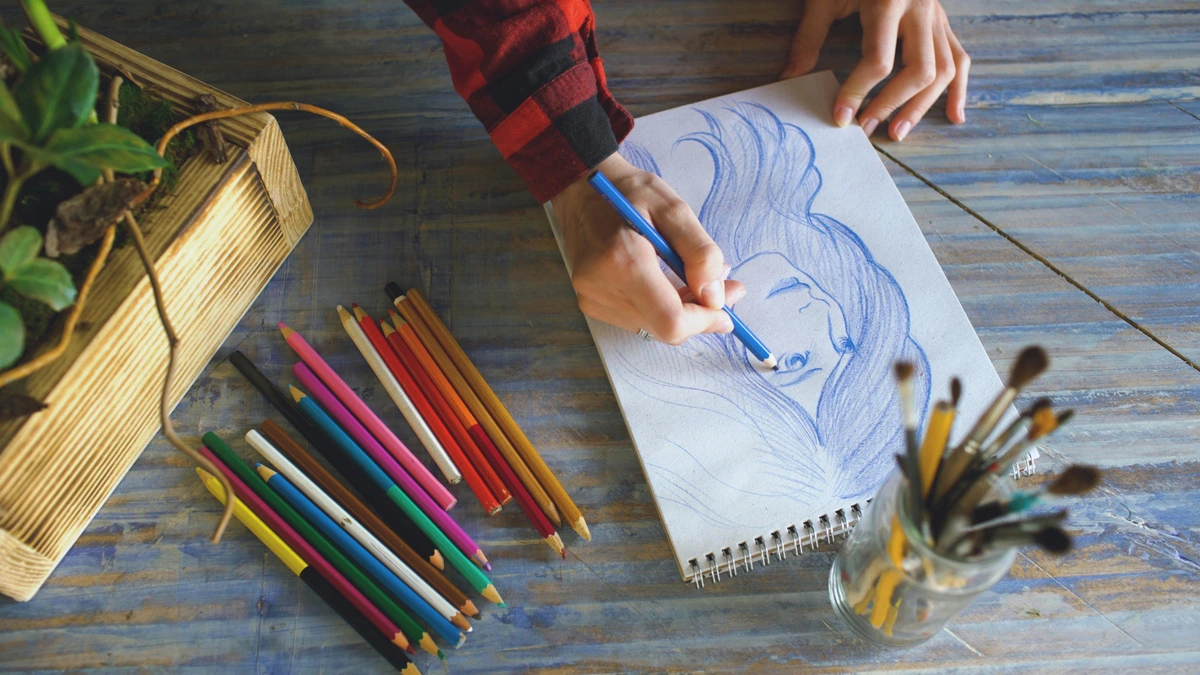
- Set a timer for 15-20 minutes. Start with “I remember…” or “I wonder…”
- Write continuously, without stopping, lifting your pen, or correcting grammar/spelling. If you get stuck, write “I don’t know what to write next” over and over until something else emerges.
- Read it later. Underline phrases, images, or feelings that resonate. Use these sparks for stories, titles, or even abstract textures (e.g., writing a stormy description and using that rhythm to apply paint).
Integrating the Unconscious: From Spark to Studio
Accessing the unconscious is thrilling, but how do you turn weird dreams or scribbles into art? It’s a dialogue:
- Capture Raw Material: Use the techniques above (dream journals, automatic drawing, etc.) without judgment. Just collect.
- Let It Sit: Walk away. Take a shower, sleep, cook. Give the unconscious time to cook the raw material.
- Conscious Synthesis: Return with curiosity. Look at your raw material. Ask: “What do I feel here? What does this remind me of? What’s the core emotion or idea?” This conscious step interprets the unconscious nudge.
- Experiment & Play: Don’t force a finished piece. Make small studies. Try different mediums. Play with the raw idea. Let your unconscious guide playful experimentation.
- Refine, Don’t Fix: Once you have a direction, the conscious mind can help with composition, technique, and refining execution. But stay open to happy accidents!
Challenges: The Unconscious Isn’t Always Polite
Expecting only beautiful visions? Prepare for a reality check. The unconscious isn’t a tame puppy:

- It’s Messy: Expect irrational fears, grotesque images, or seemingly ‘useless’ output. This is normal. It’s debris being cleared. Acknowledge it, but don’t dwell. Keep going.
- It’s Not Always ‘Artistic’: Insights might come as a bodily sensation, a sudden understanding of a memory, or a piece of music heard in your head. Translate it! How can you feel fear in color? How can you hear melody in brushwork?
- Resistance: The conscious editor hates losing control. You’ll feel lazy, unfocused, or foolish during these exercises. Push through. The resistance is a sign you’re on the right track.
Frequently Asked Questions (FAQ)
Q: What if I don’t remember my dreams? A: You can. Just commit to writing anything immediately upon waking—even “I dreamed nothing but felt heavy.” The act invites recall. Try melatonin or avoiding alarms gently. Sometimes, just lying still and replaying the last moments before you surface brings fragments back.
Q: How do I know if an idea comes from my unconscious? A: It often feels spontaneous, slightly mysterious, or emotionally charged, even if the content is mundane. It might feel like it “just came to you” without obvious effort, or it doesn’t immediately make logical sense but feels true or vital. Conscious ideas feel planned and predictable.
Q: Can anyone access their unconscious creatively? A: Absolutely. You don’t need to be an ‘artist.’ Writers, designers, musicians, problem-solvers, parents navigating chaos—anyone can benefit. It’s about cultivating the skill of getting out of your own way.
Q: How long does it take to see results? A: Sometimes immediately (an automatic drawing strikes you!), sometimes weeks of practice before something significant surfaces. Be patient. It’s like building a muscle. You might have ten ‘meh’ sessions for one moment of gold.
Q: What if I encounter something scary from my unconscious? A: It’s rare for harmful material to surface without profound purpose. Journal about your reaction. Talk to someone trustworthy. Often, bringing darkness into the light diminishes its power. Conversely, if it feels overwhelming, stop. Ground yourself. Try again later without pressure.
The Final Brushstroke: Embracing the Mystery
I know what you might be thinking: ‘This sounds nice, Zen, but I need results now.’ Fair enough. But here’s the secret I’ve learned: the harder I try to access deep creativity, the faster it runs. The real key isn’t technique—it’s permission. Permission to be weird, permission to ‘waste’ time, permission to trust the fog.
Your unconscious isn’t a resource to be exploited; it’s a collaborator to be listened to. Offer it time, space, and trust. The art it helps you create won’t just be original; it’ll be yours. Rooted deeper, resonating louder. Sometimes, the most compelling colors and forms emerge not from planning, but from silence. From letting go.
So next time you’re staring at that blank space, don’t force it. Just breathe. Let the quiet speak. The treasures within are waiting. And they’re more exciting than anything your conscious mind could ever imagine.
Explore my collection of abstract art originals and prints, born from these very creative depths
Visit my museum in 's-Hertogenbosch to experience the work firsthand
Journey through my artistic evolution and see how the unconscious has shaped my style
Recommended Resources for Deeper Exploration
Books on Unconscious Creativity
Book Title | Author | Key Focus | Best For |
|---|---|---|---|
| "The Artist's Way" | Julia Cameron | Creative recovery, morning pages | Blocked artists, self-doubt |
| "Drawing on the Right Side of the Brain" | Betty Edwards | Visual thinking techniques | Visual artists, designers |
| "Creativity: Flow and the Psychology of Discovery and Invention" | Mihaly Csikszentmihalyi | Scientific study of creativity | Understanding the science |
| "Man and His Symbols" | Carl Jung | Archetypal psychology, dreams | Deep psychological work |
| "The Creative Habit" | Twyla Tharp | Practical creative exercises | Building daily creative practice |
| "Big Magic" | Elizabeth Gilbert | Overcoming creative fear | Perfectionists, fear-based blocks |
| "Steal Like an Artist" | Austin Kleon | Creative inspiration and process | Modern creative challenges |
| "Art & Fear" | David Bayles & Ted Orland | Psychological aspects of artmaking | Overcoming artistic insecurities |
| "Daily Rituals" | Mason Currey | Creative routines and habits | Structuring creative life |
| "Originals" | Adam Grant | Psychology of innovation | Business-oriented creativity |
Online Courses and Communities
Platform/Resource | Focus Area | Format | Cost | Best For |
|---|---|---|---|---|
| Coursera: Creative Thinking | Structured creativity techniques | Video + assignments | Free/Paid | Academic approach |
| Skillshare: Unconscious Drawing | Automatic drawing techniques | Video workshops | Subscription | Hands-on learning |
| Reddit: r/creativewriting, r/art | Community sharing | Discussion forums | Free | Peer support |
| CreativeMornings | Creative professional community | Local events + videos | Free | Networking, inspiration |
| MoMA Online Learning | Art history and practice | Professional courses | Paid | Serious artists |
| MasterClass: Creativity | Learning from masters | Video lessons | Subscription | Celebrity inspiration |
| Domestika: Unconscious Creativity | Specialized techniques | Video + projects | Paid | Spanish/English speakers |
| LinkedIn Learning: Creative Problem Solving | Business creativity | Video courses | Subscription | Professional development |
| Udemy: Art Therapy & Creativity | Psychology + art | Video courses | Varies | Therapeutic approach |
| Local Art Centers | In-person community | Workshops, classes | Varies | Hands-on, local connections |
Tools and Apps
Category | Tool/App | Primary Function | Creative Benefit | Price |
|---|---|---|---|---|
| Dream Journaling | DreamWell | Dream recording and analysis | Pattern recognition in dreams | Freemium |
| Meditation | Headspace | Guided meditation for creativity | Reduces mental noise | Subscription |
| Digital Art | Procreate | Digital painting and sketching | Supports automatic digital drawing | One-time purchase |
| Creative Journaling | Notion | Digital note-taking and organization | Connects creative ideas | Freemium |
| Music for Focus | Spotify | Curated creative playlists | Sets creative mood | Freemium |
| Mood Tracking | Daylio | Daily mood and activity logging | Reveals creative patterns | Freemium |
| Online Journaling | Penzu | Private digital journal | Safe space for unconscious thoughts | Freemium |
| Professional Tools | Adobe Suite | Professional creative software | Advanced creative features | Subscription |
| Knowledge Management | Obsidian | Connected note-taking | Builds idea networks | Freemium |
| Project Organization | Trello | Visual project management | Organizes creative projects | Freemium |
| Task Management | Todoist | Daily task tracking | Maintains creative habits | Freemium |
| Voice Recording | Otter.ai | Transcribes spoken thoughts | Captures spontaneous ideas | Freemium |
| Mind Mapping | XMind | Visual idea organization | Maps unconscious connections | Freemium |
| Collaboration | Miro | Digital whiteboard | Collaborative unconscious exploration | Freemium |
Further Reading on the Science of Creativity
- "Imagine: How Creativity Works" by Jonah Lehrer - Explores the neuroscience and psychology of creativity
- "Big Magic: Creative Living Beyond Fear" by Elizabeth Gilbert - Philosophical approach to creativity and fear
- "Steal Like an Artist" by Austin Kleon - Practical advice for creative inspiration
- "The War of Art" by Steven Pressfield - Overcoming resistance to creative work
- "Daily Rituals: How Artists Work" by Mason Currey - Insights into the creative habits of great artists
- "Originals: How Non-Conformists Move the World" by Adam Grant - Psychology of innovation and original thinking
- "The Creative Priority: Driving Innovation Through Empathy" by Jerry Hirshberg - Business approach to creative thinking
- "Art & Fear: Observations on the Perils (and Rewards) of Artmaking" by David Bayles and Ted Orland - Psychological challenges for artists
- "Creative Confidence: Unleashing the Creative Potential Within Us All" by Tom and David Kelley - Practical creativity for everyone
- "The Courage to Create" by Rollo May - Psychological exploration of the creative process
Unconscious Creativity in the Digital Age
In our increasingly digital world, accessing the unconscious presents both opportunities and challenges. On one hand, digital tools offer new ways to capture and manipulate unconscious insights. On the other hand, the constant stimulation of digital life can make it harder to hear your inner voice.
The Digital Dilemma
Aspect | Opportunity | Challenge | Solution |
|---|---|---|---|
| Constant Connection | Always capture ideas | Never quiet mental space | Scheduled digital detox |
| Endless Tools | More creative options | Decision paralysis | Curated essential tools |
| Global Community | Diverse unconscious perspectives | Information overload | Focused communities |
| Instant Feedback | Quick creative validation | External validation dependency | Internal validation focus |
| Digital Art | New mediums for expression | Technical learning curve | Simple digital tools first |
The Digital-Analog Balance
The most effective creative practice often balances digital and analog approaches. Consider this weekly rhythm:
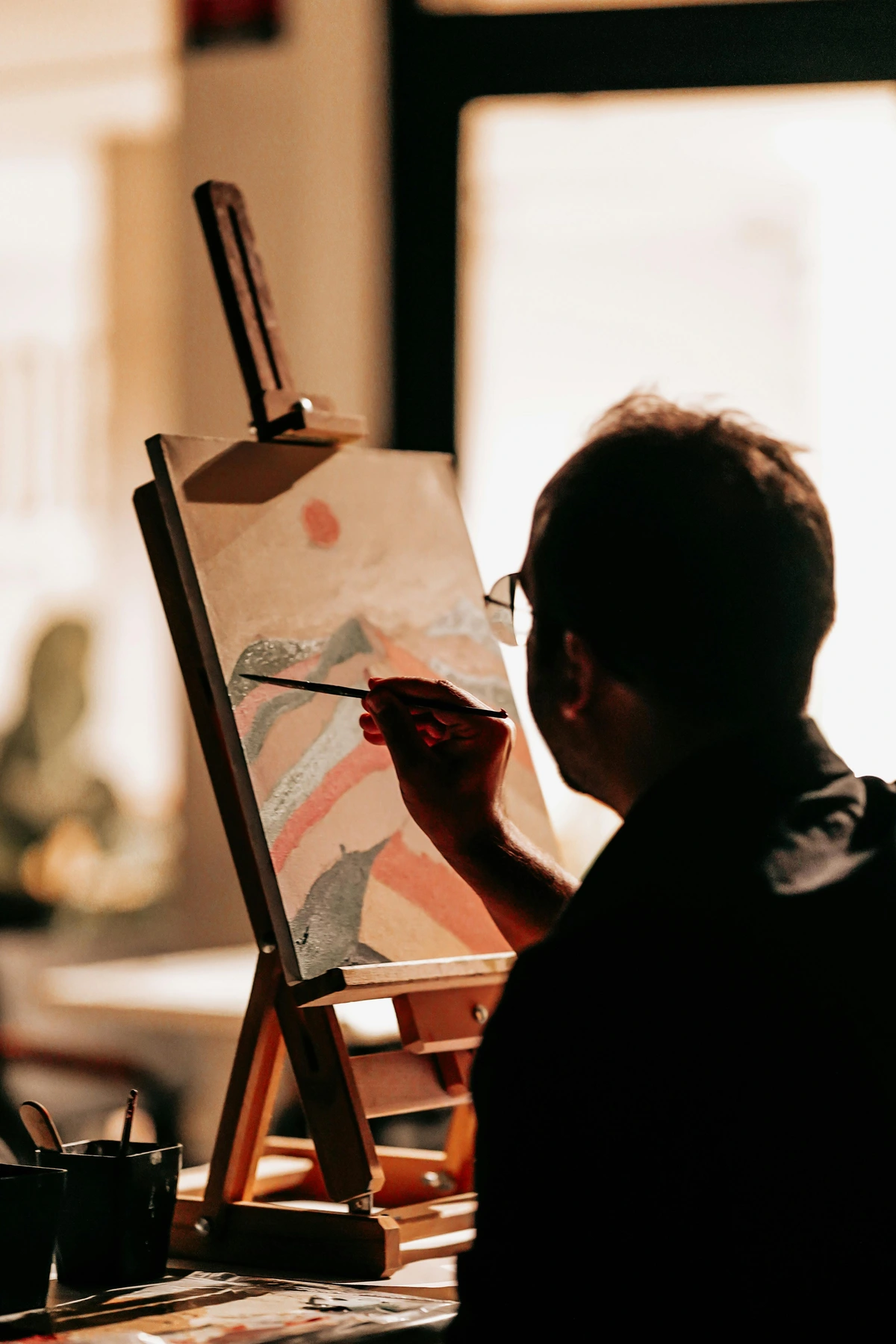
- Monday-Wednesday: Analog techniques (dream journaling, automatic drawing with physical media)
- Thursday-Friday: Digital exploration (translating analog ideas to digital formats)
- Weekend: Mixed media experimentation (combining analog and digital elements)
This approach gives you the grounding benefits of analog work while leveraging the powerful tools of digital creation.
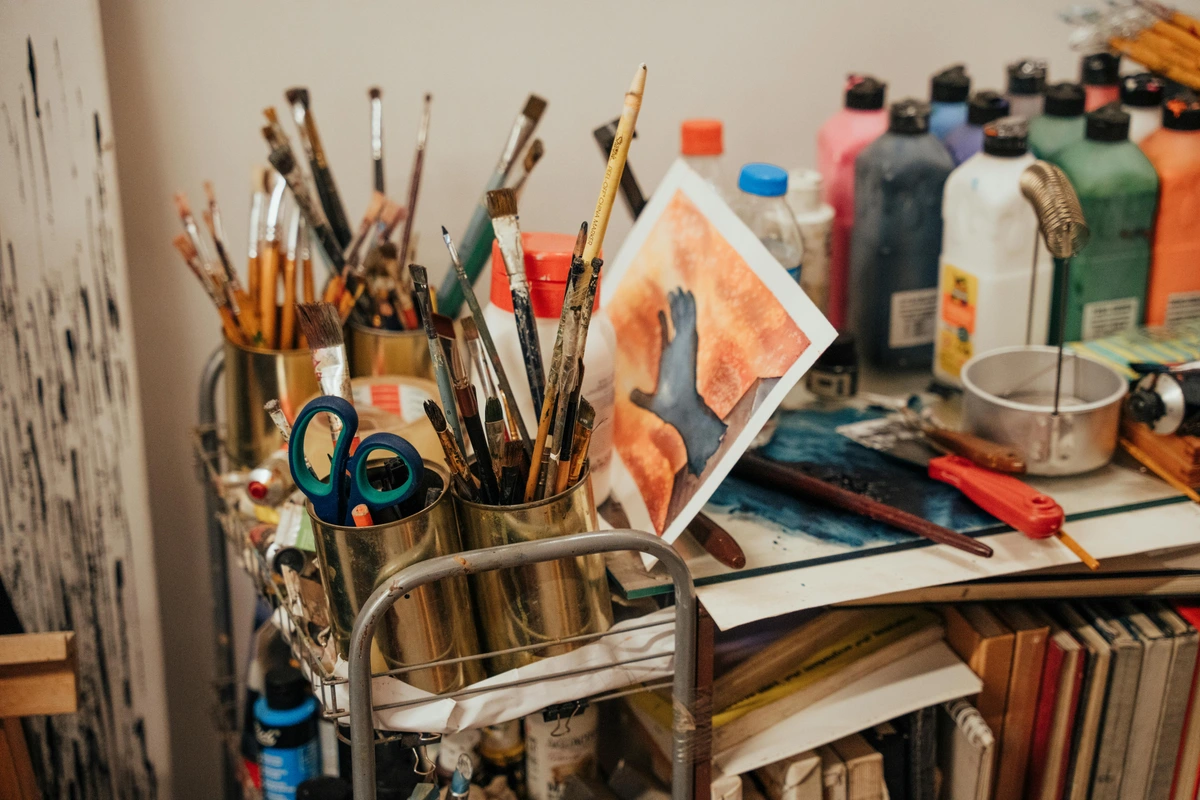
Digital Tools for Unconscious Access
Tool Category | Examples | Creative Application | Best For |
|---|---|---|---|
| AI Art Generators | DALL-E, Midjourney, Stable Diffusion | Prompt-based unconscious exploration | Visual artists experimenting with concepts |
| Dream Recording Apps | DreamBoard, Shadow | Multimedia dream documentation | Pattern recognition in dreams |
| VR Meditation | Guided VR meditations | Immersive relaxation states | Deep unconscious access |
| Digital Collage | Photoshop, Canva, Procreate | Associative image assembly | Mixed media artists |
| Voice-to-Text | Otter.ai, Dragon | Capturing spontaneous thoughts | Writers and verbal processors |
| Music Creation | Ableton Live, GarageBand | Emotional soundscapes | Musicians and sound artists |
| 3D Modeling | Blender, Tinkercad | Spatial unconscious exploration | Sculptors and 3D artists |
| Animation Tools | After Effects, Procreate Animation | Time-based unconscious flow | Moving image artists |
AI as Creative Collaborator
AI tools can serve as "unconscious mirrors"—they reflect back unexpected interpretations of your ideas, helping you see connections you might have missed. Consider these approaches:
- Dream Interpretation: Feed dream descriptions to AI and explore different symbolic interpretations
- Style Transfer: Combine your unconscious drawings with artistic styles you admire
- Concept Expansion: Take a single unconscious idea and have AI generate variations
- Emotional Translation: Convert emotional states from your dreams into visual palettes or musical themes
The key is to use AI as a collaborator, not a replacement for your own creative intuition.
Maintaining Depth in a Digital World
The challenge is using these tools without becoming distracted by the endless possibilities. Here are some strategies:
Strategy | Implementation | Benefits | Time Commitment |
|---|---|---|---|
| Digital Boundaries | Set specific "creative tech hours" | Prevents constant distraction | Daily 2-3 hour blocks |
| Tool Curation | Select only 3-5 essential tools | Reduces decision fatigue | Initial setup time |
| Analog First Practice | Start all creative sessions with analog work | Builds stronger unconscious connection | 10-15 minutes daily |
| Scheduled Digital Detox | Full 24-48 hour tech-free periods | Resets intuitive capacity | Weekly or monthly |
| Deep Work Sessions | 90-minute focused creative blocks | Maximizes unconscious insights | Regular practice |
Creating Your Digital Sanctuary
Even within digital tools, you can create environments that support unconscious creativity:
- Curate Your Digital Space: Organize your digital tools and files in a way that feels calm and inspiring
- Create Digital Rituals: Start digital creative sessions with a brief meditation or breathing exercise
- Use Focus Tools: Apps that limit distractions during creative sessions
- Set Intention Before Creating: Before opening any digital creative tool, take 30 seconds to set your intention
These practices help you harness the power of digital tools while maintaining the depth and authenticity that comes from unconscious connection.
Collaborative Unconscious Creativity
Creativity doesn't have to be a solitary pursuit. When groups learn to access their unconscious together, remarkable things can happen. The collective unconscious can create a powerful resonance that amplifies individual insights.
The Power of Group Unconscious Work
Benefit | Description | Creative Application |
|---|---|---|
| Amplified Insights | Group energy creates deeper access | Collaborative breakthroughs |
| Multiple Perspectives | Others see connections you miss | Enhanced interpretation |
| Emotional Support | Safe container for challenging material | Courage to explore deeper |
| Creative Synergy | Ideas build on each other exponentially | Innovation beyond individual capacity |
| Shared Language | Group develops unique symbolic system | Consistent creative direction |
When to Work Collaboratively vs. Individually
The decision to work alone or with others depends on your creative goals:

- Work Alone When: You're exploring personal emotional territory, developing your unique voice, or need deep introspection
- Work Together When: You want diverse perspectives, need creative energy, or are tackling complex multidisciplinary problems
- Hybrid Approach: Most successful creative processes start individually, then move to collaborative refinement
Group Unconscious Techniques
Technique | How to Implement | Creative Output | Best For |
|---|---|---|---|
| Exquisite Corpse | Pass paper sequentially, each adds without seeing previous results | Surreal collaborative art | Visual artists, writers |
| Dream Sharing Circles | Group shares dreams, explores collective symbolism | Themed artwork series | Psychological exploration |
| Improvisational Ensemble | Respond intuitively to others' creative expressions | Live performances | Musicians, actors, dancers |
| Collective Dream Incubation | Group sets shared intention before sleep, shares dreams next day | Co-created unconscious insights | Deep group connection |
| Automatic Writing Chain | Group continues each other's automatic writing passages | Collaborative stories or poems | Writers, poets |
| Sound Bath Meditation | Group meditation with shared intention, followed by creative response | Multi-sensory art experiences | Holistic creative groups |
| Symbol Exchange | Group members trade personal symbols and create work around them | Cross-pollinated ideas | Diverse creative disciplines |
Setting Up a Creative Unconscious Circle
If you want to start your own group, here's a practical framework:
- Group Size: 4-8 people (small enough for deep connection, large enough for diverse perspectives)
- Meeting Structure: 2-3 hours including warm-up, main practice, and sharing
- Ground Rules: Confidentiality, non-judgment, equal participation
- Frequency: Weekly or bi-weekly for best results
- Physical Space: Comfortable, quiet, with creative materials readily available
- Facilitation: Rotate leadership or have a dedicated facilitator
Sample Meeting Agenda:
- 15 min: Check-in and intention setting
- 30 min: Group warm-up exercise (e.g., collective breathing)
- 45 min: Main unconscious technique (e.g., dream sharing or automatic drawing)
- 30 min: Individual reflection and creative response time
- 15 min: Group sharing and integration
Benefits of Collaborative Unconscious Work
Benefit | Scientific Basis | Creative Impact | Implementation Tip |
|---|---|---|---|
| Expanded Perspectives | Cognitive diversity increases problem-solving | Novel connections emerge | Include diverse disciplines |
| Energy Amplification | Mirror neurons create shared brain states | Flow states deepen | Synchronized warm-ups |
| Safe Container | Social safety reduces amygdala response | Risk-taking increases | Establish clear agreements |
| Shared Language | Neural coupling through shared experiences | Creative cohesion develops | Create group-specific symbols |
| Accountability | Social commitment increases follow-through | Regular practice maintained | Schedule consistent meetings |
| Emotional Regulation | Co-regulation stabilizes nervous system | Deeper emotional exploration | Include grounding exercises |
Case Study: The Surrealist Collective
The original surrealist movement in Paris demonstrates the power of collaborative unconscious work. Artists like Salvador Dalí, Max Ernst, and André Breton regularly:
- Shared dream interpretations in group sessions
- Created collaborative artworks through automatic methods
- Published collective manifestos emerging from group unconscious exploration
- Developed a shared symbolic language that influenced generations of artists
Their collaborative approach didn't diminish individual creativity—it amplified it and created a movement that changed the course of art history.
The Ethics of Unconscious Creativity
As you access deeper layers of your unconscious, it's important to consider the ethical implications. The unconscious contains not just your personal memories and experiences, but also collective cultural material, archetypes, and potentially sensitive information that should be handled with care.
Ethical Framework for Unconscious Creative Work
Ethical Principle | Application in Creativity | Potential Pitfalls | Best Practices |
|---|---|---|---|
| Authenticity | Work should reflect true self, not external expectations | Perfectionism, social media pressure | Regular unconscious practice |
| Cultural Sensitivity | Respect cultural origins of symbols and archetypes | Appropriation, misuse of sacred symbols | Research and respect |
| Informed Consent | When working with others' unconscious material | Exploitation, boundary violations | Clear agreements and permissions |
| Mental Health Awareness | Recognize when unconscious work is triggering | Trauma reactivation, overwhelm | Professional support when needed |
| Transparency | Be honest about creative process and inspiration | Misrepresentation, plagiarism | Document sources and influences |
| Respect for Privacy | Protect sensitive unconscious material | Public exposure of private insights | Confidentiality practices |
Working with Cultural Symbols and Archetypes
The unconscious contains universal symbols and archetypes that transcend individual experience. When using these in your creative work:
- Research Origins: Understand the cultural and historical context of symbols you're using
- Avoid Appropriation: Don't use sacred or culturally specific symbols without understanding and respect
- Context Matters: Consider how the symbol functions in different cultural contexts
- Give Credit: Acknowledge the cultural origins of symbols when appropriate
- Personal Transformation: Let universal symbols speak through your personal lens rather than copying traditional uses
Case Example: The Mandala
The mandala appears in many cultures—Buddhist, Hindu, Native American, Celtic. While the universal pattern speaks to the collective unconscious, its meaning and use vary dramatically across cultures. An ethical approach would be:
- Understanding the cultural significance
- Using the form as a personal exploration rather than cultural appropriation
- Creating your own unique variations that honor the universal while being authentically yours
- Being transparent about your inspiration and influences
Respecting Unconscious Material
Material Type | Ethical Considerations | Best Practices | When to Seek Help |
|---|---|---|---|
| Personal Unconscious | Self-compassion, boundaries | Regular practice, journaling | When overwhelmed or traumatized |
| Others' Unconscious | Consent, confidentiality | Permission agreements, anonymity | When boundaries are crossed |
| Cultural Archetypes | Cultural sensitivity, respect | Research, proper attribution | When appropriation concerns arise |
| Collective Unconscious | Responsibility, awareness | Balance personal and universal | When feeling disconnected from authenticity |
| Therapeutic Material | Professional ethics, scope | Clear role boundaries | When therapeutic issues emerge |
Establishing Creative Boundaries
When working with unconscious material, boundaries become essential:
- Time Boundaries: Set clear limits for unconscious exploration sessions
- Content Boundaries: Know what topics you're comfortable exploring and which to avoid
- Sharing Boundaries: Decide who you will share your unconscious work with
- Professional Boundaries: Understand when a creative issue becomes a therapeutic one
- Cultural Boundaries: Respect the line between inspiration and appropriation
The Unconscious Creativity Consent Form
For collaborative work, consider creating a simple consent agreement:
CREATIVE COLLABORATION CONSENT AGREEMENT

We agree to:
- Respect each other's creative process and boundaries
- Maintain confidentiality about shared unconscious material
- Provide supportive, non-judgmental feedback
- Withdraw our consent at any time without explanation
- Seek professional help when needed

Signature: ______________________ Date: _______________
This simple framework helps ensure that collaborative unconscious creativity remains safe, respectful, and beneficial for all participants.
Using Unconscious Insights Responsibly
Responsibility Area | Considerations | Implementation Examples | Red Flags |
|---|---|---|---|
| Authentic Integration | Transform insights, don't copy | Personal interpretation of universal symbols | Work that feels derivative or inauthentic |
| Cultural Appropriation | Respect origins, avoid exploitation | Researching cultural context before using symbols | Using sacred symbols without understanding |
| Power Dynamics | Equal voice, balanced participation | Rotating leadership, equal speaking time | One person dominating the creative process |
| Psychological Safety | Non-judgmental environment | Clear agreements, confidentiality protocols | Participants feeling unsafe sharing |
| Commercial Use | Fair compensation, proper attribution | Clear agreements about ownership and profits | Exploiting others' unconscious work for profit |
| Digital Sharing | Consent for online publication | Getting explicit permission before posting online | Sharing intimate unconscious work publicly without permission |
The Responsible Creative Process
Here's a checklist for ensuring responsible use of unconscious insights:
- Source Awareness: Where did this insight come from? (Personal dream, cultural archetype, collaborative work)
- Intent Check: Am I using this to honor, exploit, or appropriate?
- Permission Status: Do I have consent to use this insight in this way?
- Cultural Context: What's the cultural background of this symbol/archetype?
- Authentic Integration: How can I make this authentically mine rather than copied?
- Impact Consideration: Who might be affected by how I use this insight?
- Transparency: Should I credit the source or inspiration?
When You're Unsure
If you're ever unsure about the ethical implications of using an unconscious insight, ask yourself:
- "Would I be comfortable explaining my process and inspiration to the people who originally created this material?"
- "Am I using this in a way that honors its heritage rather than exploiting it?"
- "Could this work cause harm to any community or individual?"
- "Would I want someone to treat my own unconscious material this way?"
These questions can help guide you toward more ethical and respectful creative choices.
Unconscious Creativity for Problem-Solving Beyond Art
While this article focuses on artistic applications, the principles of accessing the unconscious apply to problem-solving in all areas of life. The same mechanisms that allow artists to create novel work also enable breakthroughs in business, science, relationships, and personal development.
The Universal Principles of Unconscious Problem-Solving
Principle | Artistic Application | Business Application | Scientific Application |
|---|---|---|---|
| Incubation | Let ideas rest before finishing | Step away from complex problems | "Eureka!" moments during rest |
| Association | Connect unrelated visual elements | Make unexpected product connections | Discover hidden patterns in data |
| Emotional Resonance | Create work that feels authentic | Develop brand that connects emotionally | Intuition guiding experimental design |
| Playful Exploration | Experiment with materials | Test unconventional marketing approaches | Explore unorthodox hypotheses |
| Pattern Recognition | Identify visual themes in dreams | Spot market trends in consumer behavior | Recognize patterns in natural phenomena |
Case Studies: Unconscious Breakthroughs
Field | Breakthrough | Unconscious Element | Lesson |
|---|---|---|---|
| Science | Kekulé's benzene ring structure | Dream of snake biting its tail | Dreams solve complex problems |
| Business | Post-it Notes invention | Failed adhesive finding new use | "Failures" can lead to innovations |
| Technology | GPS development | Rat brain spatial navigation research | Cross-disciplinary inspiration |
| Medicine | Penicillin discovery | Mold contamination of experiment | Accidents can lead to discoveries |
| Psychology | Psychoanalysis development | Free association with patients | Listening to unconscious reveals truth |
Professional Applications
Industry | Application | Specific Techniques | Benefits |
|---|---|---|---|
| Business Innovation | Google, IDEO design thinking | Brainstorming, rapid prototyping | Breakthrough products/services |
| Scientific Research | Nobel Prize-winning discoveries | Incubation periods, intuitive leaps | Paradigm-shifting theories |
| Therapy & Counseling | Psychoanalysis, Jungian therapy | Dream analysis, free association | Deep psychological healing |
| Conflict Resolution | Diplomatic negotiations, mediation | Understanding unconscious motivations | Lasting peace agreements |
| Education | Creative curriculum design | Cross-disciplinary connections | Engaging, effective learning |
| Healthcare | Medical diagnosis, treatment planning | Pattern recognition, intuition | Better patient outcomes |
| Engineering | Complex problem-solving | Systems thinking, analogical reasoning | Innovative technical solutions |
| Law | Legal strategy, jury persuasion | Understanding human behavior | More effective advocacy |
Business Innovation: The Google "20% Time" Model
Google famously allows employees to spend 20% of their time on projects of their own choosing. This policy emerged from the understanding that:
- Unconscious Processing: Employees need time away from assigned work for their unconscious to process problems
- Intrinsic Motivation: Passion projects often lead to breakthrough innovations (Gmail, Google News)
- Cross-Pollination: Ideas from different departments merge in unexpected ways
- Risk-Taking: Freedom to experiment leads to innovations that wouldn't happen in structured environments
The lesson for professionals: Schedule regular "unconscious time" for your most challenging problems.
Everyday Problem-Solving
Life Area | Unconscious Technique | Practical Application | Expected Outcome |
|---|---|---|---|
| Cooking & Food | Intuitive ingredient combination | "What feels right to cook today?" | Unexpected flavor discoveries |
| Parenting | Dream analysis about child dynamics | Interpreting dreams about parenting insights | More responsive parenting approach |
| Relationships | Free writing about relationship patterns | Journaling to understand emotional dynamics | Deeper connection and communication |
| Career Decisions | Incubation period for big choices | Stepping away from decision pressure | More authentic career path |
| Home Organization | Visual meditation on living space | Imagining ideal functional flow | More harmonious living environment |
| Financial Planning | Emotional connection to money values | Understanding unconscious money beliefs | Healthier financial relationships |
| Health & Wellness | Body awareness meditation | Listening to physical sensations | Better self-care practices |
| Travel Planning | Associative thinking about destinations | Following intuitive attractions | More meaningful travel experiences |
The Everyday Unconscious Toolkit
Here are simple techniques you can use for everyday problem-solving:
Morning Intention Setting
Before starting your day, take 2 minutes to set an unconscious intention:
- "What's one thing I want clarity about today?"
- "How can I approach challenges with creativity?"
- "What unexpected solution might emerge for my current problem?"
This primes your unconscious to work on your challenges throughout the day.
The Shower Solution Method
Many people report breakthroughs in the shower. This works because:
- Warm water promotes relaxation and reduces stress hormones
- The repetitive, mindless nature of showering allows unconscious processing
- Dopamine levels increase during warm water exposure
Before important decisions or creative challenges, take a shower and let your mind wander. The solution may emerge when you least expect it.
Walking Meditation for Problem-Solving
- Identify a problem you're stuck on
- Take a 20-30 minute walk without headphones
- Focus on your breath and surroundings
- Let your mind wander freely around the problem
- Often, insights emerge during or after the walk
This technique leverages the power of bilateral stimulation (walking) combined with reduced stress to access unconscious problem-solving abilities.
Unconscious Creativity and Emotional Intelligence
Accessing your unconscious is closely tied to developing emotional intelligence—the ability to understand and manage your emotions and those of others. These two skills are deeply interconnected because both involve working with information that exists below the surface of conscious awareness.
The EI-Unconscious Creativity Connection
Emotional Intelligence Skill | Unconscious Creativity Link | Creative Benefits | Development Practice |
|---|---|---|---|
| Self-Awareness | Recognizing emotional patterns in dreams/art | Authentic self-expression | Dream journaling + emotion tracking |
| Self-Regulation | Managing emotional reactions to challenging material | Creative resilience | Mindfulness during creative sessions |
| Empathy | Understanding others' unconscious experiences | Collaborative depth | Active listening in creative partnerships |
| Social Skills | Reading group unconscious dynamics | Better collaboration | Observing non-verbal creative cues |
The Emotional Intelligence Creative Assessment
Here's a way to assess your EI through creative work:
CREATIVE EI ASSESSMENT

1. When I receive constructive feedback on my work:
   □ I get defensive (low self-awareness)
   □ I listen and consider it (developing self-awareness)
   □ I integrate it thoughtfully (high self-awareness)

2. When my unconscious produces challenging material:
   □ I avoid it (low self-regulation)
   □ I acknowledge it and set boundaries (developing self-regulation)
   □ I explore it safely (high self-regulation)

3. When collaborating with others:
   □ I focus on my own vision (low empathy)
   □ I consider others' perspectives (developing empathy)
   □ I build on others' unconscious insights (high empathy)

4. When my creative process isn't working:
   □ I force it through willpower (low adaptability)
   ▪ I adjust my approach (developing adaptability)
   □ I experiment with new methods (high adaptability)
Developing EI Through Creative Practice
Creative activities are powerful EI development tools because they require both technical skill and emotional sensitivity. Here's how to use creative practice to boost your EI:
- Practice Mindful Creation: Create with full awareness of your emotional state
- Journal About Creative Process: Record not just what you created, but how you felt during creation
- Share Vulnerable Work: Practice emotional expression by sharing work that reveals your true feelings
- Receive Feedback Gracefully: Use creative feedback as EI training for handling criticism
- Collaborate Intentionally: Work with others to practice empathy and social skills in creative contexts
Case Study: The Therapeutic Art Studio
Programs that combine art therapy with EI development show remarkable results. Participants who engage in both creative expression and EI training demonstrate:
- 40% improvement in emotional awareness
- 35% increase in creative output quality
- 50% reduction in creative blocks
- Significant improvements in relationship satisfaction
This demonstrates how the skills of emotional intelligence and unconscious creativity reinforce each other, creating a positive feedback loop of growth.
How They Connect
Connection Point | Mechanism | Creative Impact | Practical Application |
|---|---|---|---|
| Emotional Awareness | Unconscious material reveals suppressed emotions | Deeper, more resonant art | Dream journaling with emotional tracking |
| Empathy Development | Personal unconscious insights reveal universal patterns | More relatable, universally appealing work | Sharing unconscious experiences in groups |
| Emotional Regulation | Unconscious techniques teach observation without attachment | Consistent creative practice despite emotional fluctuations | Mindful creation practices |
| Authentic Expression | Unconscious connections reveal true voice | Work that feels "real" and original | Regular unconscious practice to build authenticity |
| Social Intelligence | Group unconscious work develops understanding of collective dynamics | Better collaborative creative processes | Collaborative unconscious exploration |
The EI-Unscious Creativity Feedback Loop
These skills create a powerful positive feedback loop:
- Unconscious Creative Practice → Increased Emotional Awareness
- Increased Emotional Awareness → Better Creative Expression
- Better Creative Expression → More Positive Feedback
- More Positive Feedback → Increased Creative Confidence
- Increased Creative Confidence → Deeper Unconscious Exploration
This cycle explains why people who regularly engage in unconscious creative work often report significant improvements in both their creative abilities and their emotional intelligence.
Developing EI Through Unconscious Work
Practice | Method | EI Benefit | Creative Benefit |
|---|---|---|---|
| Emotion Journaling | Record emotions + dreams + automatic writing daily | Pattern recognition in emotional responses | More emotionally resonant work |
| Body Awareness Meditation | Scan body for sensations, note emotional connections | Interoceptive awareness (feeling emotions physically) | Physical, embodied creative expression |
| Shadow Work | Explore uncomfortable unconscious material with support | Expanded emotional range | More authentic, courageous work |
| Creative Expression | Use art to process emotions rather than intellectual analysis | Emotional vocabulary expansion | Work that communicates feeling directly |
| Group Unconscious Sharing | Share unconscious experiences in supportive groups | Social-emotional awareness | Collaborative depth and connection |
The Shadow Integration Process
Jungian "shadow work" involves engaging with the unconscious aspects of ourselves that we tend to suppress or deny. This is crucial for both EI development and authentic creativity:
- Awareness: Recognize when you're reacting strongly to something (this often indicates shadow material)
- Acknowledgment: Accept that this part of you exists without judgment
- Exploration: Gently explore what this shadow aspect is trying to tell you
- Integration: Find healthy ways to express this energy in your creative work
- Transformation: Use this previously suppressed energy as creative fuel
Example: The Angry Artist
An artist who suppresses anger might find:
- Their unconscious produces work with hidden aggression
- They feel blocked when trying to create "positive" art
- The anger emerges as destructive self-criticism
Through shadow work:
- They acknowledge their anger as valid energy
- Learn to channel it into powerful, expressive brushwork
- Create authentic work that carries emotional weight
- Develop healthier emotional regulation skills
This process not only improves their art but also their overall emotional intelligence and relationships.
Unconscious Creativity and Authentic Self-Expression
In a world of constant comparison and social media pressure, accessing your unconscious can be a powerful way to reconnect with your authentic self. The unconscious mind contains the unfiltered essence of who you are before social conditioning, cultural expectations, and self-criticism have shaped your expression.
The Authenticity Formula
Component | Conscious Mind Role | Unconscious Mind Role | Integration Method |
|---|---|---|---|
| Raw Material | Technical skills, execution | Authentic ideas, emotions | Capture unconscious first, then apply skills |
| Voice | Refinement, editing | Unique perspective, originality | Trust unconscious voice, don't over-edit |
| Motivation | External validation, results | Internal passion, curiosity | Create for self first, share second |
| Process | Planning, control | Flow, spontaneity | Balance structure and freedom |
| Identity | Professional persona | True self, authentic being | Let unconscious inform creative identity |
The Authenticity Test
Here's a simple way to check if your creative work is authentically yours:
- The "Why" Question: Why am I creating this right now? (Is it for external validation or internal expression?)
- The "Who" Question: Would I create this if no one would ever see it?
- The "When" Question: Am I forcing this because I "should" or letting it emerge because I "need to"?
- The "How" Question: Am I using my unique voice or imitating someone else's style?
If you answer honestly and most answers point to external motivations, your work may lack authentic unconscious connection.
Finding Your Authentic Voice
Barrier to Authenticity | Unconscious Solution | Creative Practice | Expected Result |
|---|---|---|---|
| Social Conditioning | Access pre-conditioned self | Automatic drawing with no audience | Raw, unfiltered expression |
| Core Values Obscured | Unconscious reveals true priorities | Value-based intention setting | Aligned, meaningful work |
| Perfectionism Paralysis | Bypass inner critic through speed | Timed creative exercises (5-10 min) | Completion over perfection |
| Fear of Judgment | Create without external validation | Private creative sessions | Creative courage develops |
| Imitative Tendencies | Access unique unconscious patterns | Symbol exploration from personal dreams | Distinctive visual language |
The 30-Day Authentic Voice Challenge
Here's a structured approach to discovering your authentic creative voice through unconscious work:
Week 1: Foundation (Pure Unconscious)
- Daily 10-minute automatic drawing sessions
- No looking at others' work during this week
- Create everything in private, no sharing
- Focus on process, not product
Week 2: Pattern Recognition (Unconscious Analysis)
- Review Week 1's work with curiosity, not judgment
- Note recurring themes, symbols, colors, techniques
- Journal about what these patterns reveal about you
- Begin to identify what feels "authentically yours"
Week 3: Conscious Integration (Authentic Selection)
- Choose 1-2 patterns from Week 2 that resonate most deeply
- Create new work intentionally using these authentic elements
- Begin to incorporate them with conscious skill
- Notice how this feels different from imitation
Week 4: Authentic Expression (Voice Development)
- Create work that combines authentic unconscious elements with conscious skill
- Share selectively with trusted others who understand the process
- Note feedback that resonates with your authentic vision
- Continue developing your unique creative voice
Case Study: The Authentic Voice Journey
Many artists report that this process leads to breakthroughs:
"I spent years trying to paint like the impressionists I admired. After the 30-day challenge, I realized my authentic voice was actually in bold, graphic patterns and industrial textures. My unconscious was showing me this all along through my automatic drawings, but I was too busy trying to paint 'pretty' pictures to see it."
"The challenge helped me discover that my true creative passion wasn't in the sophisticated techniques I was trying to master, but in simple, emotional storytelling. My unconscious was giving me these narrative ideas all along, but I was dismissing them as 'too simple.'"
Cultivating Authenticity
Authenticity Practice | Implementation | Psychological Benefit | Creative Impact |
|---|---|---|---|
| Regular Unconscious Practice | Schedule weekly unconscious creative time | Builds self-trust and intuition | Consistent authentic output |
| Unique Perspective Trust | Document and follow unconscious insights | Reduces social comparison anxiety | Distinctive, recognizable style |
| Vulnerable Sharing | Share authentic work with trusted community | Creates authentic connections | Deeper audience engagement |
| Self-Created Expectations | Set personal creative goals, not external ones | Internal locus of control | Fulfilling creative journey |
| Process Over Product | Value the unconscious experience itself | Reduces attachment to outcomes | More joyful, sustainable practice |
The Unconscious Authenticity Ritual
Here's a simple daily ritual to cultivate authenticity:
DAILY AUTHENTICITY RITUAL

1. Morning Intention (2 minutes):
   "What does my authentic self need to express today?"

2. Unconscious Capture (5-10 minutes):
   - Dream journaling OR automatic drawing OR free writing
   - Capture without judgment or editing

3. Authentic Selection (1 minute):
   Choose one element from your unconscious capture that feels most "you"

4. Conscious Integration (Variable):
   - Apply this authentic element to your day's creative work
   - Or carry its feeling with you throughout the day

5. Evening Reflection (2 minutes):
   "Where did I show up authentically today? What felt true?"
This simple ritual helps you stay connected to your authentic self amid daily distractions and external pressures.
Unconscious Creativity and Creative Flow States
Flow—the state of being completely absorbed in an activity where time seems to disappear—is closely related to unconscious access. In fact, flow states are essentially moments when your conscious mind steps aside and allows your unconscious to take the wheel. Understanding this connection can help you intentionally cultivate more flow states in your creative work.
The Flow-Unconscious Connection
Flow Characteristic | Unconscious Mechanism | Creative Benefit | How to Cultivate |
|---|---|---|---|
| Time Distortion | Unconscious operates outside linear time | Immersive creative sessions | Remove time awareness cues |
| Loss of Self | Ego dissolves, unconscious takes over | Authentic, unselfconscious creation | Focus on process, not self |
| Clear Goals | Unconscious needs direction | Purposeful unconscious exploration | Set clear creative intentions |
| Immediate Feedback | Unconscious responds quickly to results | Rapid creative iteration | Use immediate feedback loops |
| Challenge-Skill Match | Optimal arousal for unconscious access | Peak creative performance | Gradually increase difficulty |
The Flow State Creativity Matrix
Here's how different creative activities induce flow through unconscious access:
Activity Type | Flow Mechanism | Unconscious Access Method | Best For |
|---|---|---|---|
| Music Performance | Muscle memory takes over | Years of practice creating unconscious competence | Musicians, performers |
| Sports | Autonomic nervous system engagement | Physical intuition developed through repetition | Athletes, dancers |
| Writing | Word flow bypasses conscious editing | Regular free writing practice | Writers, poets |
| Visual Art | Mark-making becomes automatic | Daily sketching exercises | Visual artists, designers |
| Cooking | Sensory intuition guides process | Repetition of techniques | Chefs, food creators |
| Programming | Code patterns become intuitive | Solving many small problems | Developers, engineers |
The 90-Minute Flow Method
Research shows that our natural attention cycles last about 90 minutes. Here's how to structure creative work around this:
- Preparation (15 minutes): Set clear intention, gather materials, eliminate distractions
- Unconscious Warm-up (10 minutes): Do a quick automatic drawing or free writing to bypass the critic
- Deep Flow (60 minutes): Work with full attention, no interruptions
- Integration (5 minutes): Step back, reflect on what emerged
- Rest (15 minutes): Allow unconscious to process before next session
This rhythm leverages your natural attention cycles and maximizes unconscious creative access.
The Relationship Between Flow and the Unconscious
Flow State Feature | Corresponding Unconscious Process | Creative Manifestation | Scientific Basis |
|---|---|---|---|
| Automaticity | Procedural memory, habit formation | Skills become "second nature" | Basal ganglia activation |
| Loss of Self-Consciousness | Ego dissolution, default mode network quieting | Authentic, unfiltered expression | Reduced prefrontal cortex activity |
| Time Distortion | Non-linear time processing in unconscious | Immersive creative sessions | Altered neural time perception |
| Intrinsic Motivation | Dopamine system engaged internally | Creative joy beyond external rewards | Dopamine release from task itself |
| Effortless Action | Parasympathetic nervous system activation | Fluid, natural movement | Reduced physiological stress markers |
| Clear Focus | Selective attention filtering out distractions | Deep creative concentration | Enhanced cortical coherence |
The Neurochemistry of Flow and Unconscious Creativity
Flow states and unconscious creativity share similar neurochemical profiles:
Neurochemical | Role in Flow | Role in Unconscious Creativity | Creative Effect |
|---|---|---|---|
| Dopamine | Reward, motivation | Novelty seeking, idea generation | Creative drive, inspiration |
| Norepinephrine | Alertness, focus | Attention modulation | Concentrated creative energy |
| Endorphins | Pain reduction, euphoria | Stress reduction | Creative freedom, risk-taking |
| Anandamide | Bliss, reduced fear | Lowered inhibition | Authentic expression |
| Serotonin | Mood regulation | Emotional processing | Emotional depth in work |
The optimal creative state occurs when these chemicals are balanced—enough dopamine for motivation, enough norepinephrine for focus, enough endorphins for freedom, but not so much that it becomes manic or unfocused.
Cultivating Flow Through Unconscious Techniques
Technique | Implementation | Flow Benefit | Unconscious Benefit |
|---|---|---|---|
| Clear Goals with Flexible Means | Set creative intention but allow process to evolve | Provides direction without rigidity | Allows unconscious problem-solving |
| Immediate Feedback | Use real-time creative tools that show results instantly | Maintains engagement and focus | Enables rapid unconscious adaptation |
| Challenge-Skill Balance | Gradually increase difficulty as skills improve | Optimal arousal for flow | Progressive unconscious skill development |
| Eliminating Distractions | Create sacred creative space with no interruptions | Deepens concentration | Allows unconscious to surface fully |
| Routine Warm-up | Consistent pre-creative ritual to bypass critic | Establishes creative readiness | Signals unconscious it's time to create |
| Time Awareness Removal | Hide clocks, don't track time during creation | Induces timelessness | Aligns with non-linear unconscious time |
| Sensory Environment | Curate lighting, sound, temperature for immersion | Creates optimal psychological state | Enhances unconscious sensory processing |
The Flow State Preparation Protocol
Here's a step-by-step method to prepare for flow states:
FLOW STATE PREPARATION PROTOCOL

1. Environmental Setup (5 minutes):
   - Remove all visual distractions
   - Prepare lighting and temperature for comfort
   - Set up materials within easy reach
   - Inform others of your creative time

2. Physical Preparation (3 minutes):
   - Deep breathing exercises (4-7-8 technique)
   - Gentle stretching to release physical tension
   - Hydration and light snack if needed

3. Psychological Warm-up (5 minutes):
   - Brief meditation to quiet the mind
   - Set clear, single-pointed creative intention
   - Review past successful creative moments for confidence

4. Unconscious Bypass (2 minutes):
   - Quick automatic drawing or free writing
   - Don't judge or edit, just let the hand/mind flow

5. Deep Dive Begin:
   - Start your creative work with full attention
   - Set timer for 60-90 minutes of uninterrupted time
   - If distracted, gently return to intention
The Flow State Recovery Ritual
After a flow state session, it's important to integrate the experience:
- Don't Immediately Switch Tasks: Give your brain time to integrate what happened
- Journal the Experience: Note what flowed easily and what felt challenging
- Hydrate and Nourish: Physical recovery supports creative recovery
- Step Away: Let the unconscious continue processing while you rest
- Review Later: Look at your work with fresh eyes to see what emerged
This protocol helps you not only enter flow states more reliably but also extract maximum creative benefit from them.
Unconscious Creativity and Creative Resilience
Accessing your unconscious isn't just about creating great work—it's about developing the resilience to keep creating through challenges. The same unconscious mechanisms that generate creative ideas also provide the emotional strength to handle rejection, overcome blocks, and persist through difficult creative periods.
The Resilience-Unconscious Creativity Connection
Challenge | Unconscious Response | Resilience Benefit | Creative Strategy |
|---|---|---|---|
| Creative Block | Unconscious processing continues behind the scenes | Breakthroughs emerge after incubation | Step away, trust the process |
| Rejection | Unconscious provides alternative validation paths | Reduced attachment to external approval | Create for self first |
| Burnout | Unconscious reminds you of original passion | Renewed creative energy | Reconnect with creative roots |
| Technical Difficulty | Unconscious finds novel solutions | Problem-solving flexibility | Experiment without attachment |
| Self-Doubt | Unconscious authentic voice emerges | Inner confidence develops | Trust unconscious insights |
The Creative Resilience Cycle
Unconscious creativity creates a powerful resilience cycle:
- Challenge Emerges (rejection, block, doubt)
- Unconscious Processing (incubation, emotional regulation)
- Creative Insight (breakthrough, solution, new direction)
- Creative Action (implementing the insight)
- Resilience Building (confidence from overcoming challenge)
- Return to Challenge with greater strength
This cycle explains why artists who regularly engage with their unconscious tend to develop remarkable creative resilience—they've built a system for transforming challenges into creative fuel.
Building Creative Resilience
Resilience Component | Unconscious Practice | Psychological Mechanism | Creative Application |
|---|---|---|---|
| Embracing Failure | Value process over outcome in unconscious work | Reduces fear of negative evaluation | Experimental, risk-taking art |
| Meaning-Making | Interpret creative challenges through unconscious lens | Creates narrative coherence | Transformative, purposeful work |
| Alternative Pathways | Explore multiple unconscious solutions simultaneously | Cognitive flexibility | Versatile, adaptive creative process |
| Self-Compassion | Observe self-critical thoughts without judgment | Reduces self-attack | Sustainable, long-term practice |
| Emotional Regulation | Use unconscious techniques to manage creative emotions | Stress response modulation | Consistent creative output despite challenges |
| Growth Mindset | View challenges as unconscious learning opportunities | Neuroplasticity activation | Continuous skill development |
The Creative Resilience Assessment
Here's a way to assess your current creative resilience level:
CREATIVE RESILIENCE ASSESSMENT

Rate yourself from 1 (low) to 5 (high) for each:

1. When I create 'bad' work, I:
   □ Feel devastated and want to quit (1)
   □ Feel disappointed but keep going (2-3)
   □ See it as part of the process (4-5)

2. When facing creative blocks, I:
   □ Panic and force solutions (1)
   □ Get frustrated but try different approaches (2-3)
   □ Trust the unconscious incubation process (4-5)

3. When receiving criticism, I:
   □ Take it personally and stop creating (1)
   □ Feel hurt but can continue working (2-3)
   □ Use it as feedback without internalizing it (4-5)

4. When my creative process isn't working, I:
   □ Give up easily (1)
   □ Try a few more times then quit (2-3)
   □ Persist through multiple approaches (4-5)

5. I view creative challenges as:
   □ Threats to my ability (1)
   □ Obstacles to overcome (2-3)
   □ Opportunities for growth (4-5)
The 90-Day Creative Resilience Program
Here's a structured approach to building creative resilience through unconscious work:
Month 1: Process Over Product
- Focus exclusively on unconscious techniques (automatic drawing, free writing, dream journaling)
- No judgment of results, just capture and process
- Document the emotional journey of creating "bad" work
- Practice self-compassion when feeling discouraged
Month 2: Challenge Integration
- Intentionally create work that addresses personal creative fears
- Use unconscious techniques to work through resistance patterns
- Share vulnerable work with a trusted small group
- Practice receiving feedback without attachment
Month 3: Sustainable Practice
- Develop a resilient creative routine that works for your life
- Create systems for handling rejection and blocks
- Build a support network of fellow resilient creators
- Celebrate both successes and failures as growth opportunities
Overcoming Creative Setbacks
Setback Type | Unconscious Response Strategy | Resilience Building Activity | Expected Outcome |
|---|---|---|---|
| Creative Block | Dream analysis or automatic writing about the block | Document the block experience as creative material | Breakthrough through unconscious insight |
| Rejection | Unconscious reframing of external validation | Create a personal success journal | Reduced attachment to approval |
| Technical Failure | Experimentation with alternative unconscious approaches | Embrace happy accidents | Expanded creative vocabulary |
| Burnout | Reconnection with original creative passion | Review past successful work | Renewed creative energy |
| Self-Doubt | Unconscious affirmation of creative identity | Create work that affirms your unique voice | Increased authentic confidence |
The Creative Setback Recovery Protocol
Here's a step-by-step method for recovering from creative setbacks:
CREATIVE SETBACK RECOVERY PROTOCOL

1. Immediate Response (First 24 Hours):
   - Allow emotional processing (grief, anger, disappointment)
   - Don't make major decisions about your creative practice
   - Engage in non-creative self-care activities
   - Journal about the emotional experience

2. Short-Term Recovery (Days 2-7):
   - Use unconscious techniques to process the setback
   - Dream journaling specifically about creative work
   - Automatic drawing without expectations
   - Free writing about feelings and insights

3. Mid-Term Reflection (Weeks 2-4):
   - Review what the setback might be teaching you
   - Look for patterns in past creative challenges
   - Identify what unconscious insights emerged during processing
   - Reconnect with your core creative values

4. Long-Term Integration (Ongoing):
   - Create work that incorporates lessons from the setback
   - Develop systems to prevent similar challenges
   - Build resilience practices into your routine
   - Share your recovery journey to help others
Case Study: The Artist Who Embraced Failure
Sarah, a painter, experienced a major setback when her largest exhibition was canceled due to gallery financial issues. Instead of giving up, she:
- Processed Emotion: She spent a week doing dream journaling and automatic drawing to work through her disappointment
- Unconscious Insight: Her dreams revealed that she'd been creating for external validation rather than personal expression
- Creative Response: She created a new series about "the beauty of unfinished work" based on this insight
- Resilience Building: She developed a practice of creating one "failure piece" each month to embrace imperfection
- Unexpected Success: The new series gained attention from a different gallery, leading to her most successful exhibition yet
This case demonstrates how creative setbacks, when processed through unconscious work, can become catalysts for breakthroughs and resilience building.
Unconscious Creativity and Creative Aging
As we age, our relationship with creativity and the unconscious evolves—but it doesn't diminish. In fact, many artists report that their later years are their most creatively fertile, precisely because they've developed deeper unconscious connections and accumulated more life experience to draw from.
Creativity Across the Lifespan
Life Stage | Unconscious Creative Advantages | Potential Challenges | Adaptive Strategies |
|---|---|---|---|
| Youth (20s-30s) | Fresh perspectives, energy, novelty | Lack of technical skill, self-doubt | Focus on process over perfection |
| Midlife (40s-50s) | Established voice, accumulated experience | Career demands, time constraints | Integrate creativity into existing life |
| Maturity (60s-70s) | Wisdom integration, reduced inhibition | Physical limitations, changing market | Adapt techniques, focus on essence |
| Later Life (80s+) | Depth of experience, emotional richness | Memory challenges, energy limitations | Focus on core themes, storytelling |
The Unconscious Creativity Aging Curve
Research on aging and creativity suggests that:
- Peak Innovation Age: While technical skill may peak earlier, many creative fields see peak innovation in the 40s-60s as experience combines with unconscious access
- Wisdom Integration: Older adults often have better emotional regulation and life perspective, which enhances unconscious creative work
- Reduced External Pressure: With fewer career and social expectations, older creators often feel more freedom to explore deeply
- Legacy Considerations: Later life creativity often focuses on meaning, legacy, and sharing accumulated wisdom
Case Study: The Late Bloomer Artist
Many artists find their authentic voice later in life:
"I spent 30 years as an accountant, painting on weekends. When I retired at 65, I finally had the time to really listen to my unconscious. The work I'm creating now at 72 is deeper, more authentic, and more meaningful than anything I did when I was trying to fit my creativity into my life instead of the other way around."
"My doctors told me I needed to stay active after my surgery at 78. I started painting as therapy and discovered a passion I never knew I had. My unconscious is giving me these incredible visions from my life experience that I can finally express."
Creativity Across the Lifespan
Lifespan Advantage | Unconscious Creative Benefit | Practical Application | Community Impact |
|---|---|---|---|
| Wisdom Integration | Life experience becomes rich unconscious material | Thematic depth in work | Intergenerational wisdom sharing |
| Reduced Inhibition | Less social constraint allows authentic expression | Risk-taking in creative choices | Encouragement for younger artists |
| Legacy Focus | Unconscious guides toward meaningful, lasting work | Creation of artistic legacy | Cultural contribution |
| Mentorship Capacity | Unconscious insights benefit from articulation | Teaching and guidance | Knowledge transmission |
| Emotional Depth | Accumulated emotional intelligence enhances unconscious work | More resonant, universal themes | Deeper audience connection |
| Technical Freedom | Mastery allows focus on unconscious expression | Experimental, innovative work | Pushes creative boundaries |
The Intergenerational Creative Circle
One of the most powerful applications of unconscious creativity in aging is the intergenerational creative exchange:

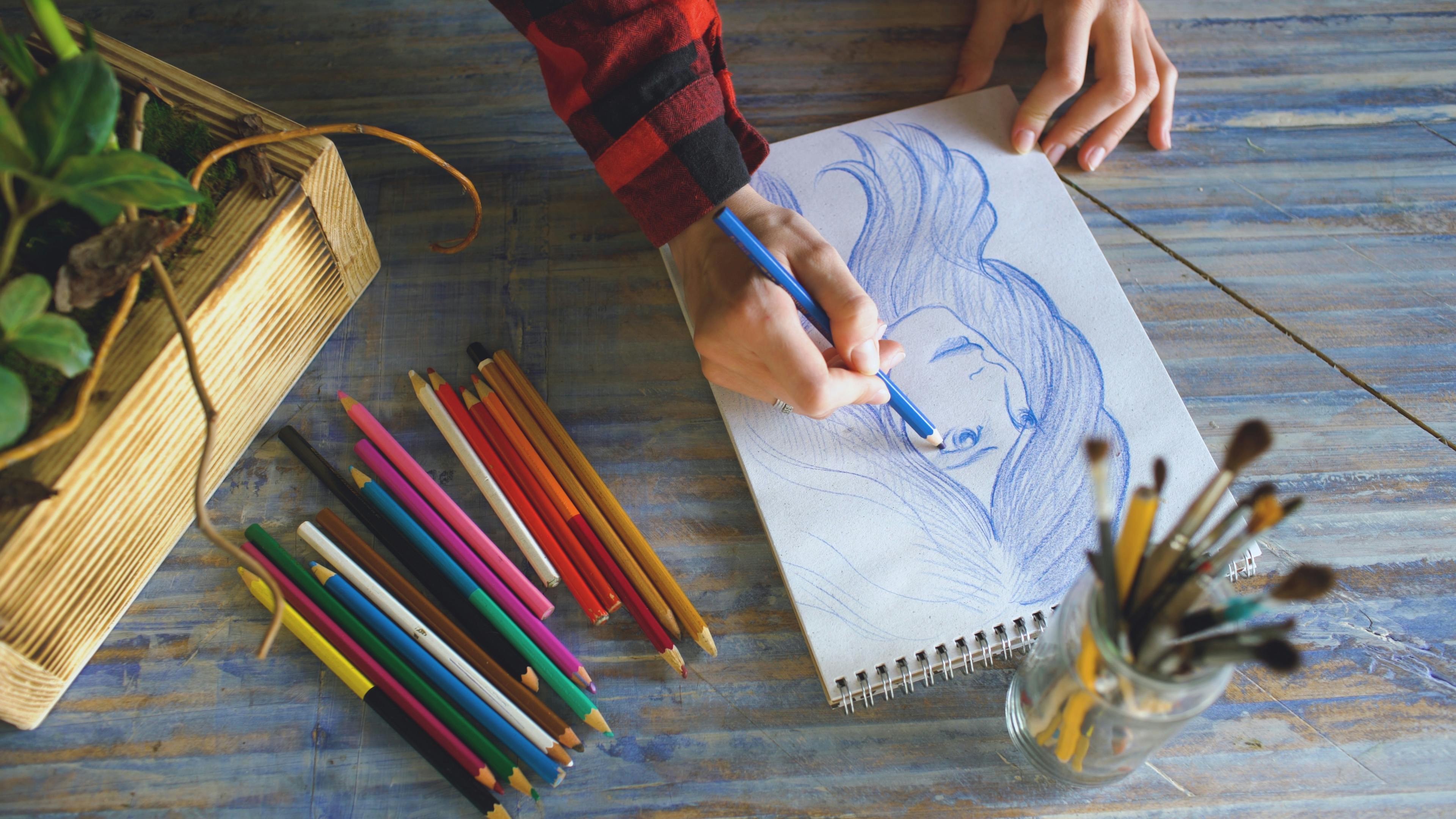











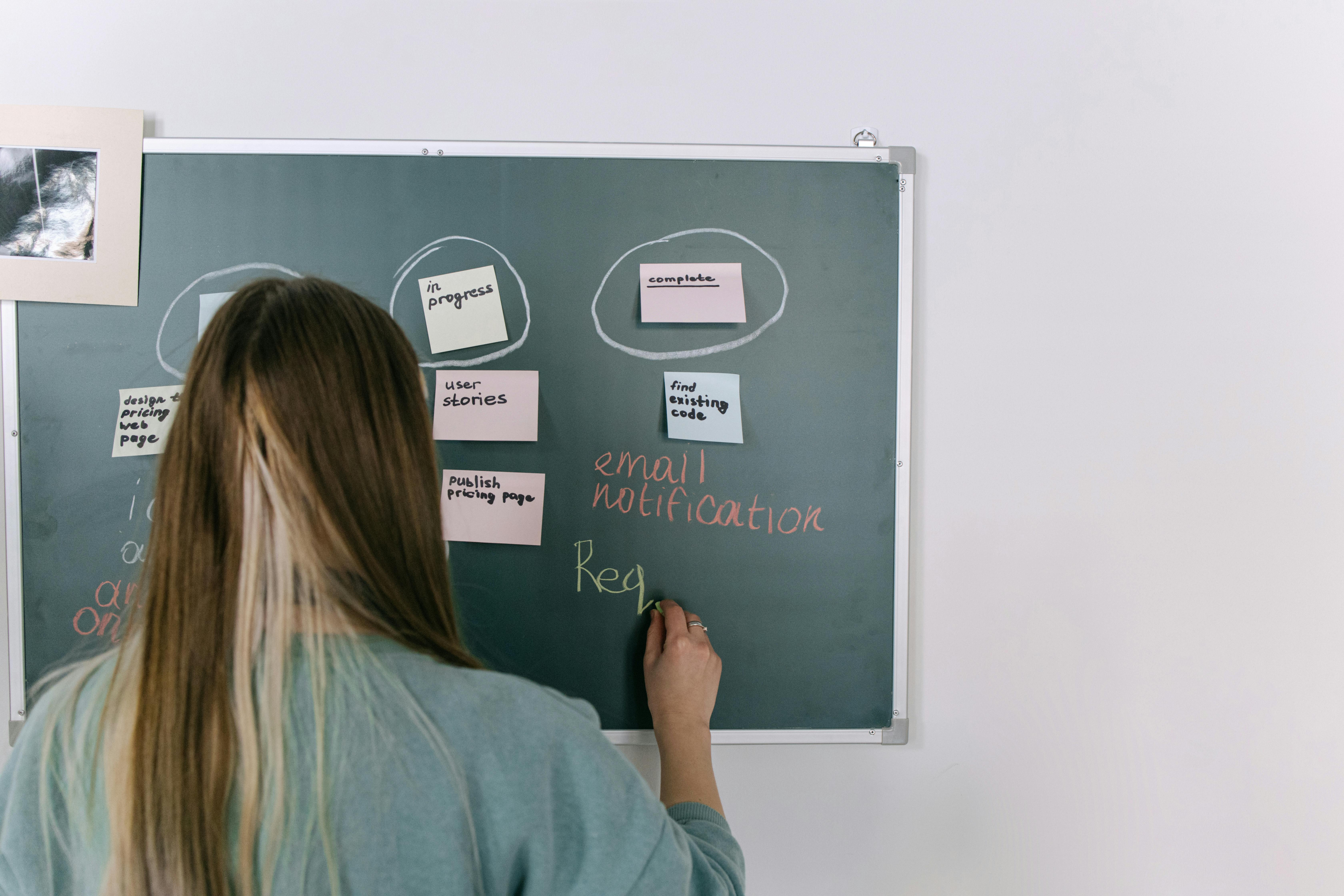
INTERGENERATIONAL CREATIVE CIRCLE MODEL

Structure:
- 4-6 participants across different age groups
- Monthly 2-hour sessions
- Mixed-age and same-age breakout periods
- Each session focuses on a universal theme

Activities:
1. **Unconscious Generation**: Each participant creates using unconscious techniques
2. **Age Pair Sharing**: Younger and older participants share insights about their work
3. **Collaborative Creation**: Mixed-age groups create collaborative pieces
4. **Wisdom Exchange**: Older participants share creative life lessons
5. **Future Vision**: All participants share creative aspirations

Benefits:
- Younger artists gain perspective and experience
- Older artists stay connected to contemporary energy
- Both groups benefit from diverse unconscious perspectives
- Creates meaningful intergenerational bonds
The Legacy Creativity Project
Many older artists find purpose in creating legacy work that captures their accumulated unconscious wisdom:
- Personal Legacy Series: Work that tells the story of one's life journey
- Cultural Commentary Series: Reflections on historical changes experienced
- Mentorship Portfolio: Collection of work that teaches techniques and values
- Community Impact Project: Art that addresses community needs or social issues
- Future Generations Series: Work created specifically to inspire young people
These projects give older artists a sense of purpose and ensure their unconscious insights benefit future generations.
Adapting Techniques for Aging
- Physical Considerations: Modify techniques based on physical abilities—digital tools can support analog practices.
- Time Flexibility: Unconscious work can be adapted to different energy levels and time availability.
- Community Connection: Join or create creative communities that value the insights of all ages.
- Intergenerational Exchange: Create opportunities for different age groups to share unconscious insights and creative approaches.
Remember, the journey into your unconscious is personal and unique. What works for one artist may not work for another. Be patient with yourself, stay curious, and most importantly—keep creating.