
Ancient Roman Art: Ultimate Guide to Power, Propaganda & Enduring Legacy
Explore ancient Roman art as a tool for power, propaganda, and identity. This ultimate guide covers sculpture, frescoes, mosaics, & architecture, revealing its lasting impact.

Unmasking Ancient Roman Art: Power, Propaganda, & Its Enduring Global Legacy
I'll confess, for a long time, Roman art felt… distant. I'd stroll through quiet museum halls, past rows of solemn busts, and a part of me would think, "Okay, another serious, toga-clad figure. What's the big deal?" They often seemed like the ancient world's version of a very formal, perhaps slightly outdated, official portrait: all gravitas, not much apparent life, and certainly not much manipulation at first glance. Yet, it's that very manipulation – that strategic, often audacious construction of image and narrative – that makes Roman art so utterly compelling and, frankly, one of the most fascinating art forms ever created.
My initial mistake was not leaning in close enough, not looking past the broken noses and missing limbs. It was missing the intent. Roman art, I quickly learned, was not just about aesthetics; it was a potent, deliberate force designed to shape public opinion, legitimize rulers, and instill a powerful, unifying sense of shared identity – what they called Romanitas – across a sprawling, diverse empire. It’s a complex, calculated tapestry woven with threads of raw power, individual personality, and masterful propaganda. Trust me, it’s anything but boring.
The Romans, those brilliant engineers and unapologetic masters of messaging, harnessed art not merely to beautify, but to define, legitimize, and inspire unwavering loyalty. They literally built their authority into the very landscape and sculpted it directly into the faces of their leaders. If you’re ready to peel back those millennia-old layers and discover what these ancient influencers were really up to, this article will journey through the multifaceted world of Roman art. We’ll explore its compelling sculpture, immersive painting, ingenious architecture, and intricate minor arts, exposing its profound power, masterful propaganda, and undeniable legacy that still profoundly shapes our modern world, from our civic buildings to our understanding of self-representation.
The Roman Art Timeline: A Human Guide to a Dynamic Evolution
History, let's be honest, can sometimes feel like a sprawling, dusty scroll of dates and names. I've always found it much easier to grasp the sweep of Roman art by thinking of it unfolding in three distinct acts, each a profound reflection of Rome's constantly shifting political and cultural landscapes. This approach helps me keep the narrative straight, and I hope it does the same for you. It reveals a fascinating interplay between deeply rooted tradition and bold innovation, constantly absorbing influences while fiercely asserting a unique, undeniable Roman identity.
Period  | Timeframe (Approx.) | Vibe & Key Features | Key Themes & Purpose | Defining Characteristics / Artistic Shifts | Key Examples/Works |
|---|---|---|---|---|---|
| Republican Period | 509 BC – 27 BC | Hyper-realism (Verism): Every wrinkle, wart, and sag was emphasized. Portraits celebrated age and hard-earned wisdom, embodying a life of public service. Heavily influenced by Etruscan funerary art, but adapted to project Roman civic virtue. | Civic Virtue, Ancestral Piety (mos maiorum), Individual Accomplishment. Art as a testament to the wisdom of elders and reverence for tradition, projecting gravitas (dignity/seriousness). | Emphasis on individual specificity and the res publica. Shift from Greek idealism to unflinching Roman realism. | Busts of Roman Patricians (e.g., Brutus Capitolinus), Temple of Portunus |
| Early Empire | 27 BC – 180 AD | Idealism meets propaganda: Emperors like Augustus crafted a youthful, god-like appearance. Heavily influenced by Greek classicism but infused with powerful Roman imperial messaging. Grand monuments, triumphal arches, and imperial coinage served as omnipresent reminders of supreme power. | Imperial Power, Divine Right, Pax Romana (Roman Peace). Art to legitimize rule, project stability, prosperity, and the emperor's divine connection to the gods. | Merging Greek idealized forms with Roman political narrative. Focus on imperial cult and universal propaganda. | Augustus of Prima Porta, Arch of Titus, Colosseum, Ara Pacis Augustae |
| Late Empire | 180 AD – 476 AD | Shift to symbolism & abstraction: Realism became less important. Figures often appear more stylized, flattened, and symbolic, with larger, often exaggerated eyes and less individualized features. This phase anticipates Byzantine art. Emphasis on hierarchical scale and a growing focus on the spiritual and the collective, powerfully seen in official portraiture like the Tetrarchs. | Spirituality, Christian Influence, Imperial Authority (less personal, more institutional). Art reflecting a changing world, shifting values, and a growing focus on the afterlife and collective identity. | Gradual abandonment of classical naturalism for symbolic representation. Rise of Christian themes. | Arch of Constantine reliefs, Sarcophagus of Junius Bassus, Portraits of the Tetrarchs |
Now, I know, I know – this is a simplified framework. History rarely fits neatly into perfectly labeled boxes, does it? But what this timeline really shows is a fascinating and profound evolution: from "this is what our leaders actually look like, experience and all" to "this is the ideal of what our leaders should embody," and finally, "this is the symbol of what our leaders represent, reflecting a spiritual shift." It’s a powerful window into their changing values, priorities, and the very soul of the empire, a clear reflection of the political and social currents flowing through their world.
Roman Sculpture: Portraiture and the Art of Power
From Greek Idealism to Roman Realism
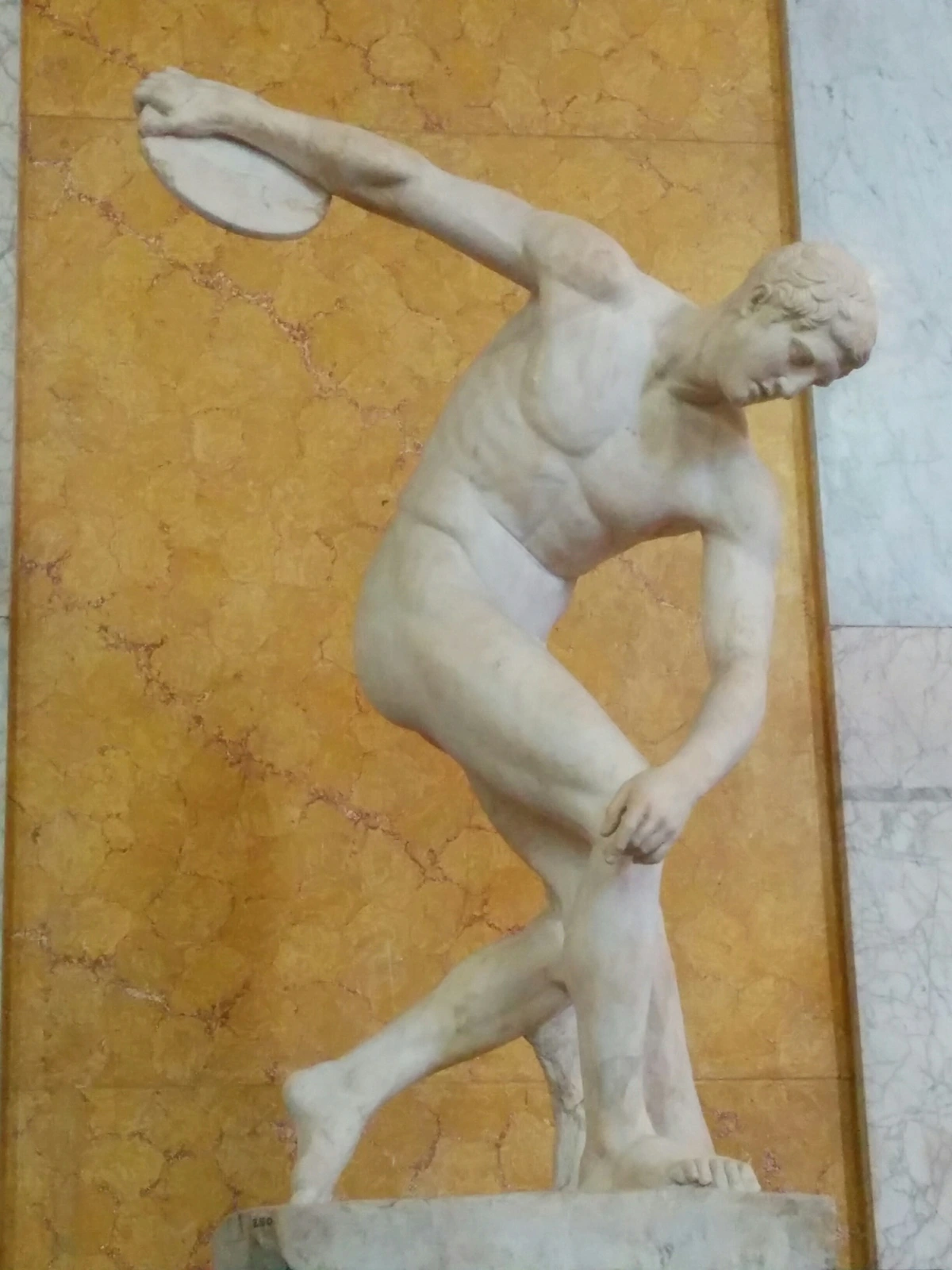
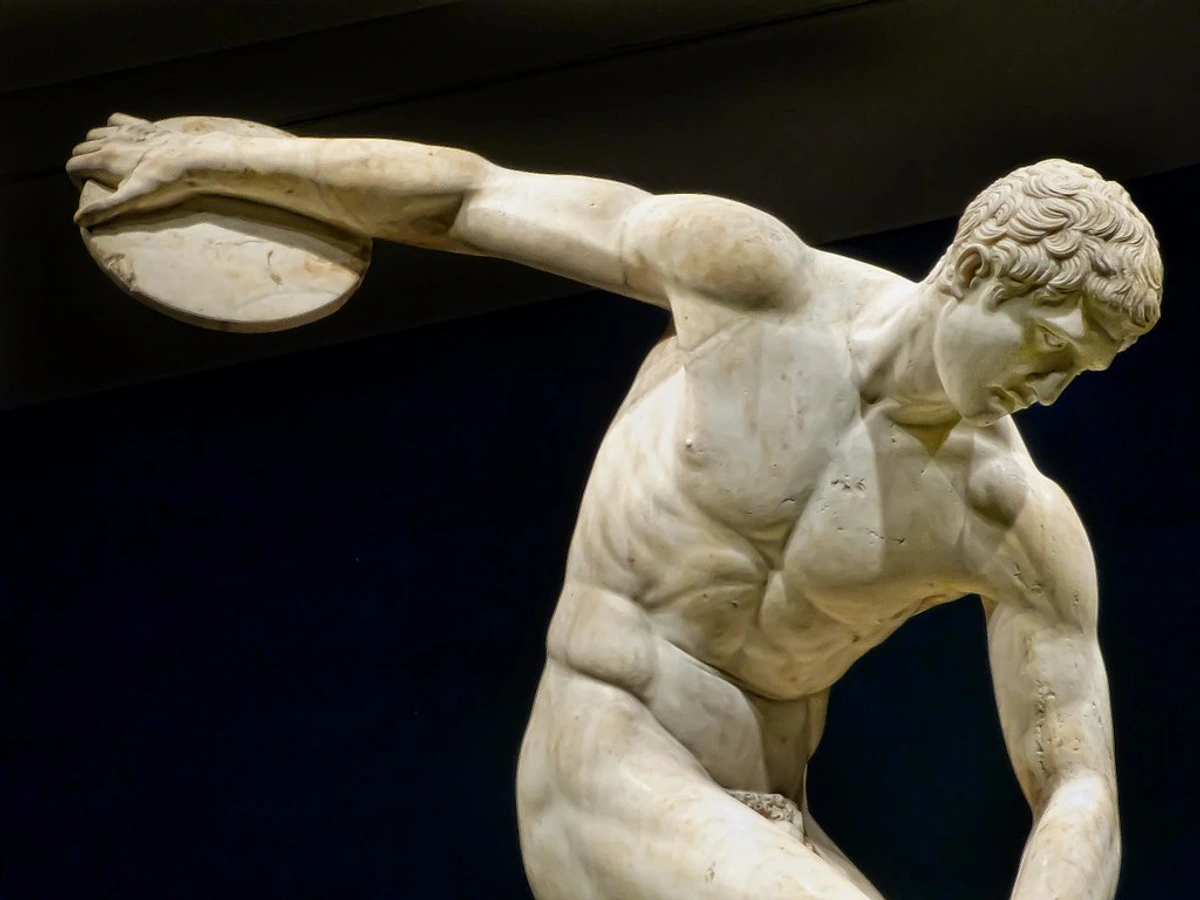
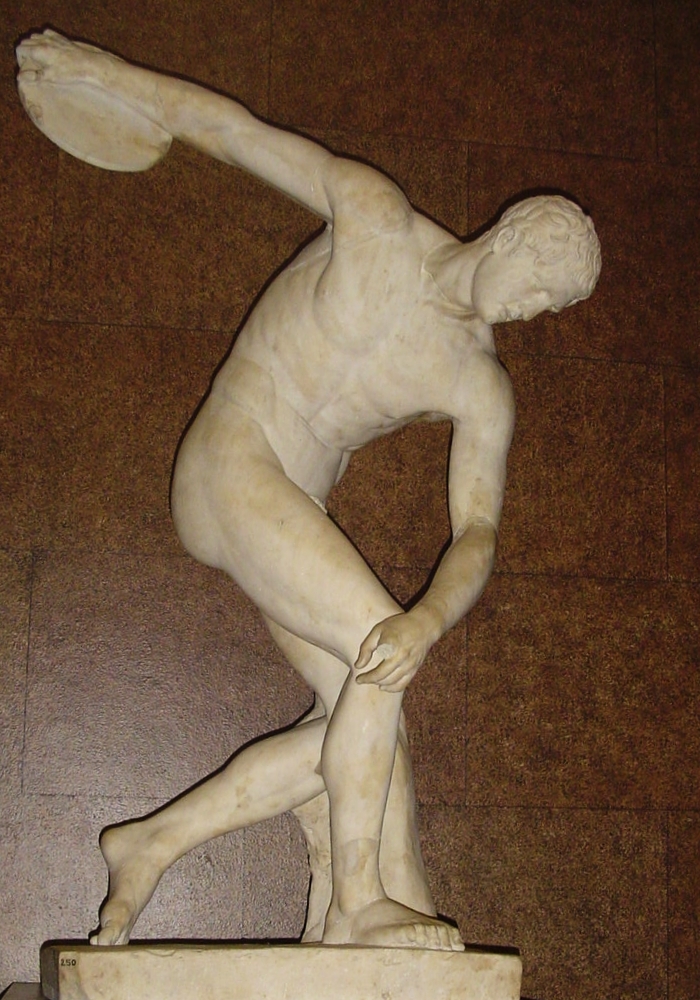
Before the Romans truly found their stride, especially the Greeks, sculpture was largely an exercise in achieving the perfect body, the idealized, almost superhuman form. Think of a statue of a god or an athlete – flawless, generic, like they just stepped out of a divine fitness magazine. So, how did the Romans take this idealized beauty and make it their own? Well, particularly in the Republican era, they looked at that and, in their pragmatic way, seemed to say, "Nah, let's get real. Let's get really real." They were less interested in generic perfection and far more in personal history, lived experience, and genuine gravitas.
This is where verism comes in – it’s a fancy art history term, but all it really means is a kind of brutal, unflinching honesty in portraiture. Every furrowed brow, every hooked nose, every receding hairline was emphasized, not hidden. Roman aristocrats, often powerful patrons commissioning these works, didn't want airbrushed perfection; they wanted busts that showed these details. To them, these weren't imperfections; they were badges of honor, tangible proof of a life lived in arduous public service, steeped in experience and wisdom. It was the complete opposite of today's filtered profile picture – raw, real, and incredibly powerful, reflecting the core Roman value of mos maiorum, the reverence for ancestral customs and wisdom. Imagine the weight of your family's history literally carved into the faces of your forebears, displayed prominently in your home for all to see.
As an artist, what truly blows my mind is the transformation of these works over time. Most of these marble sculptures, which we admire today as pristine white, were originally painted in vibrant, lifelike colors! Imagine those hyper-realistic faces with actual skin tones, hair, and eyes – a truly different and more immediate experience than we now perceive. The technical skill to carve such detail, then apply subtle, durable pigments to marble, speaks volumes about their craftsmanship. It makes you wonder how we'd react if our modern "warts-and-all" portrayals were presented with that kind of intense, ancient realism.
Imperial Idealism and Propaganda in Stone
Then, as the Republic crumbled and the Empire rose, the artistic game changed dramatically. Emperors, now the ultimate patrons, still used sculpture for propaganda, but with a shrewd and strategic twist. They masterfully co-opted the classic Greek style, sometimes blended with Hellenistic dynamism, to project an image of themselves as eternally young, divine, and unshakeably authoritative.
The famous Augustus of Prima Porta statue, for example, isn't just a portrait; it's a meticulously crafted, finely chiseled press release in marble. As an artist, I can't help but admire the sheer strategic brilliance: how do you convince a vast, diverse empire of your divine right and unwavering power through inert stone? By meticulously crafting every single detail. Look closely: Cupid at his feet, subtly referencing his divine ancestor Venus and thus his own divine lineage; the elaborate breastplate depicting military victories and cosmic order; his commanding, oratorical gesture. Every detail was a calculated symbol designed to send one clear, unequivocal message: I am in charge, divinely ordained, and the gods are unequivocally on my side. He was not merely a man, but a living embodiment of the state's success and divine favor, a powerful contrast to the weathered, mortal faces of the Republic. Later emperors, from the pragmatic realism of Vespasian (whose portraits often emphasize his age and less refined features, signalling a deliberate return to Republican values after Nero's excesses) to the philosophical gravitas of Marcus Aurelius (whose equestrian statue is a prime example of imperial power and intellectual authority), continued this tradition, each using their portraiture to project specific aspects of their rule and authority. Even Diocletian's Tetrarchs, from the Late Empire, demonstrate a profound shift, with figures appearing blockier, less individualized, and more symbolic of institutional, shared power rather than personal realism, anticipating the abstract tendencies of later art. Roman sculpture was never just about looking good; it was about communicating power, identity, and destiny, all carefully curated by the imperial patron.
But Roman art wasn't just about static portraits; it also brought history to life in monumental stone, telling the grand narratives of the empire, and that’s where relief sculpture truly shines.
Roman Relief Sculpture: Narrating History in Stone
While Roman portrait busts brilliantly captured individual and imperial identity, it was Roman relief sculpture that truly told the grand narratives of the empire on a monumental scale. This was their ultimate storytelling medium, carving history, myth, and powerful propaganda directly into stone for all to see. These weren't just decorative elements; they were public history books, celebrating military victories, imperial benevolence, and the very fabric of Roman society.
As an artist, I often find myself pondering the sheer technical challenge of such undertakings. How do you even begin to plan and execute a continuous narrative that spirals over 100 feet high, maintaining both artistic coherence and painstaking historical detail? The mastery of subtly using foreshortening and varying relief depths to create a profound sense of space and dynamic movement in rigid stone is, to me, truly remarkable. Imagine the countless hours of carving, the precision required, and the vision to see the complete story emerge from a raw block.
Perhaps the most breathtaking example of this narrative prowess is Trajan's Column in Rome. Picture a colossal column, towering over 100 feet, entirely wrapped in a continuous spiral relief. It meticulously depicts Emperor Trajan's two victorious Dacian campaigns – like an ancient graphic novel brought to life. The detail is astounding, illustrating battle scenes, troop movements, incredible engineering feats (such as the construction of bridges and fortifications across the Danube), and solemn sacrificial rituals. The narrative flow, though spiraling upwards, effortlessly draws your eye, compelling you to "read" the entire epic story of imperial might and divine favor.
Similarly, the intricate reliefs on the Arch of Titus in Rome vividly depict the spoils from the sack of Jerusalem, including the sacred Table of Showbread and the Menorah. These weren't merely decorations; they served as a powerful, public commemoration of a decisive military triumph and the subjugation of Judaea, a constant reminder of Roman dominance. Another stunning example is the Ara Pacis Augustae (Altar of Augustan Peace). Its elegant processional reliefs celebrate the peace and prosperity ushered in by Augustus, depicting imperial family members and senators in a harmonious blend of idealism and portraiture, all designed to communicate unwavering stability and divine favor. Even on more personal sarcophagi – those elaborately carved stone coffins – narrative reliefs frequently depicted mythological scenes or daily life, hinting at the deceased's virtues or an idealized journey into the afterlife, offering a fascinating and intimate glimpse into Roman funerary customs and spiritual beliefs.
These reliefs are, without a doubt, a masterclass in ancient propaganda. They present a carefully curated version of history, expertly designed to glorify the emperor and inspire awe and allegiance in the populace. They perfectly embody the Romans' pragmatic approach to art – beautiful, yes, but always, always serving a clear, often profoundly political, purpose. It’s a level of public messaging and visual storytelling that, I believe, still subtly influences our modern monuments and historical depictions, whether we consciously realize it or not.
This power of visual narrative, whether grandly carved in stone or vibrantly painted on a wall, was an unmistakable hallmark of Roman artistry. Now, let's step inside their homes and public spaces to see how they brought rich, painted worlds to life.
Painting the Town Red: Frescoes, Mosaics, and Immersive Interiors
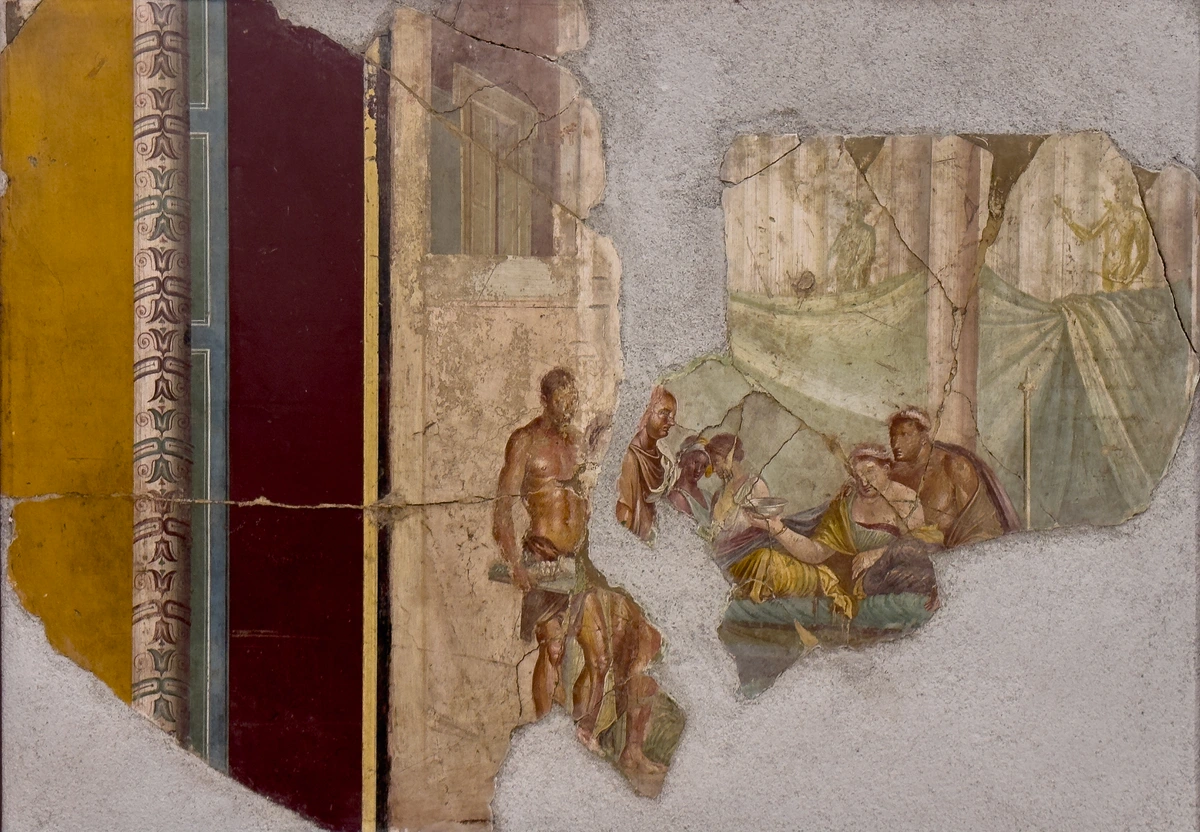
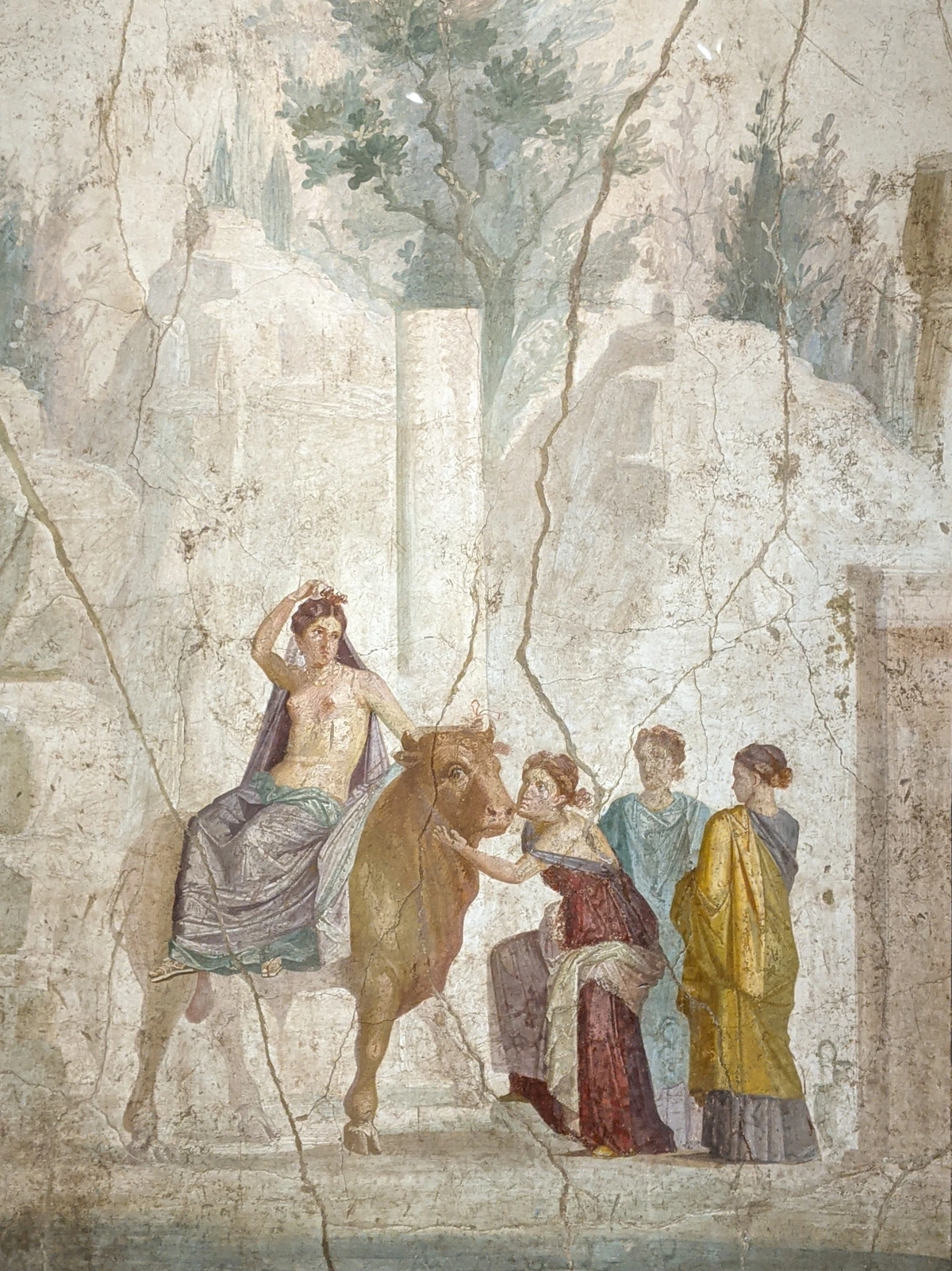
It's truly easy to forget, seeing only stoic stone sculptures today, that ancient Roman cities were once an absolute explosion of vivid color. Have you ever wondered what the interiors of Roman homes truly looked like, beyond the grandeur of public buildings? The wealthy, those influential patrons, didn't just fill their homes with expensive marble; they commissioned elaborate wall paintings, famously known as frescoes, and dazzling mosaics to transform their living spaces. And thankfully, for us art lovers and historians, the catastrophic eruption of Mount Vesuvius in 79 AD effectively froze places like Pompeii and Herculaneum in time, preserving these vibrant artworks like a tragic, beautiful time capsule. Seriously, walking through those ruins is like stepping directly into a perfectly preserved ancient art gallery – an astonishing experience.
Roman wall painting, primarily seen in these domestic settings, actually evolved through four distinct "styles," each building upon and reacting to the last. It's fascinating how they relentlessly experimented with illusion and space, constantly seeking to manipulate the very perception of a room, creating immersive environments that stretched the imagination:
Style | Key Features & Purpose | Examples |
|---|---|---|
| First Style (Incrustation) | Mimicking expensive marble slabs with painted stucco. Created an illusion of luxury and grandeur, effectively boosting the perceived wealth and status of the homeowner. | House of the Sallust in Pompeii |
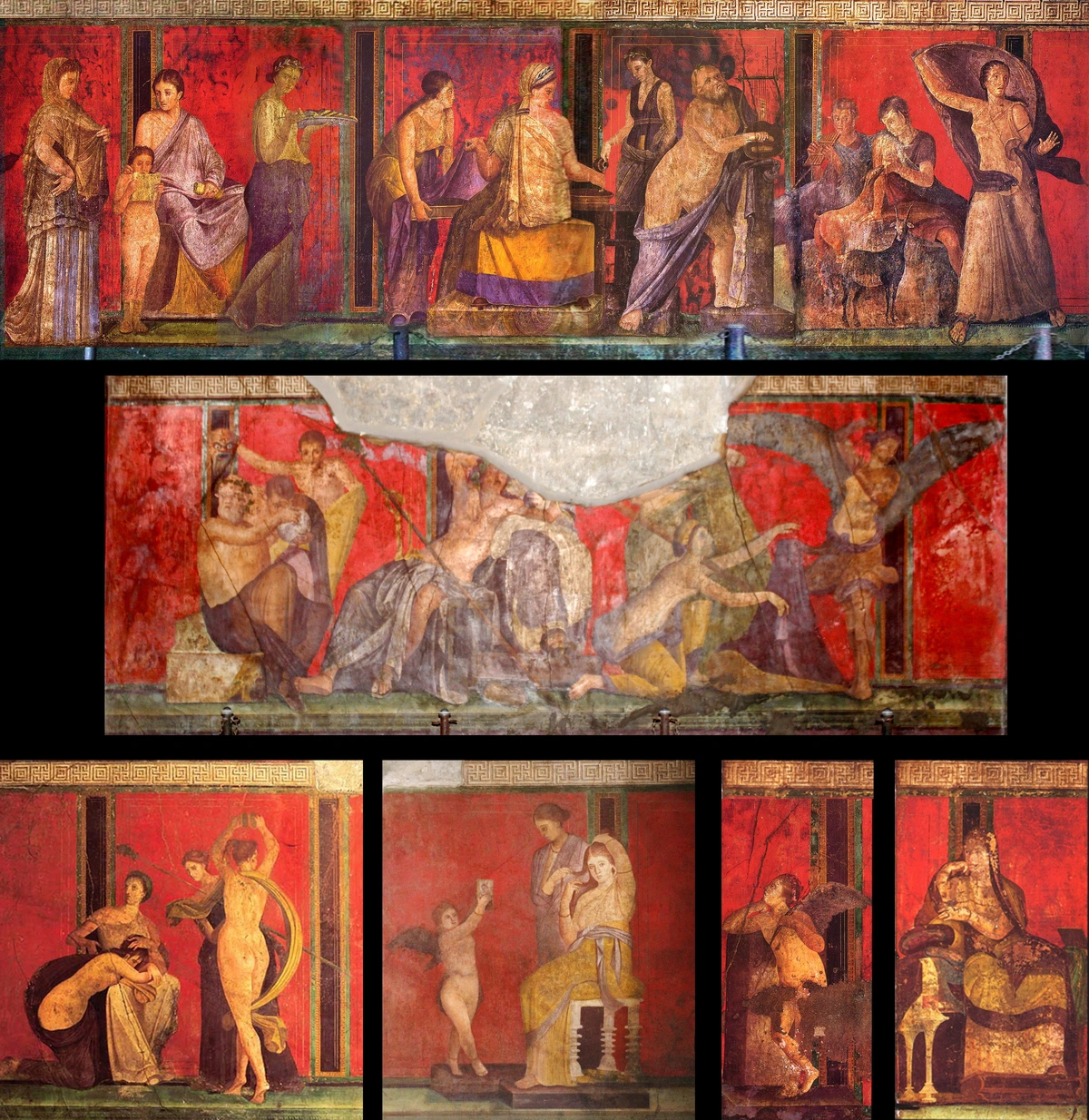
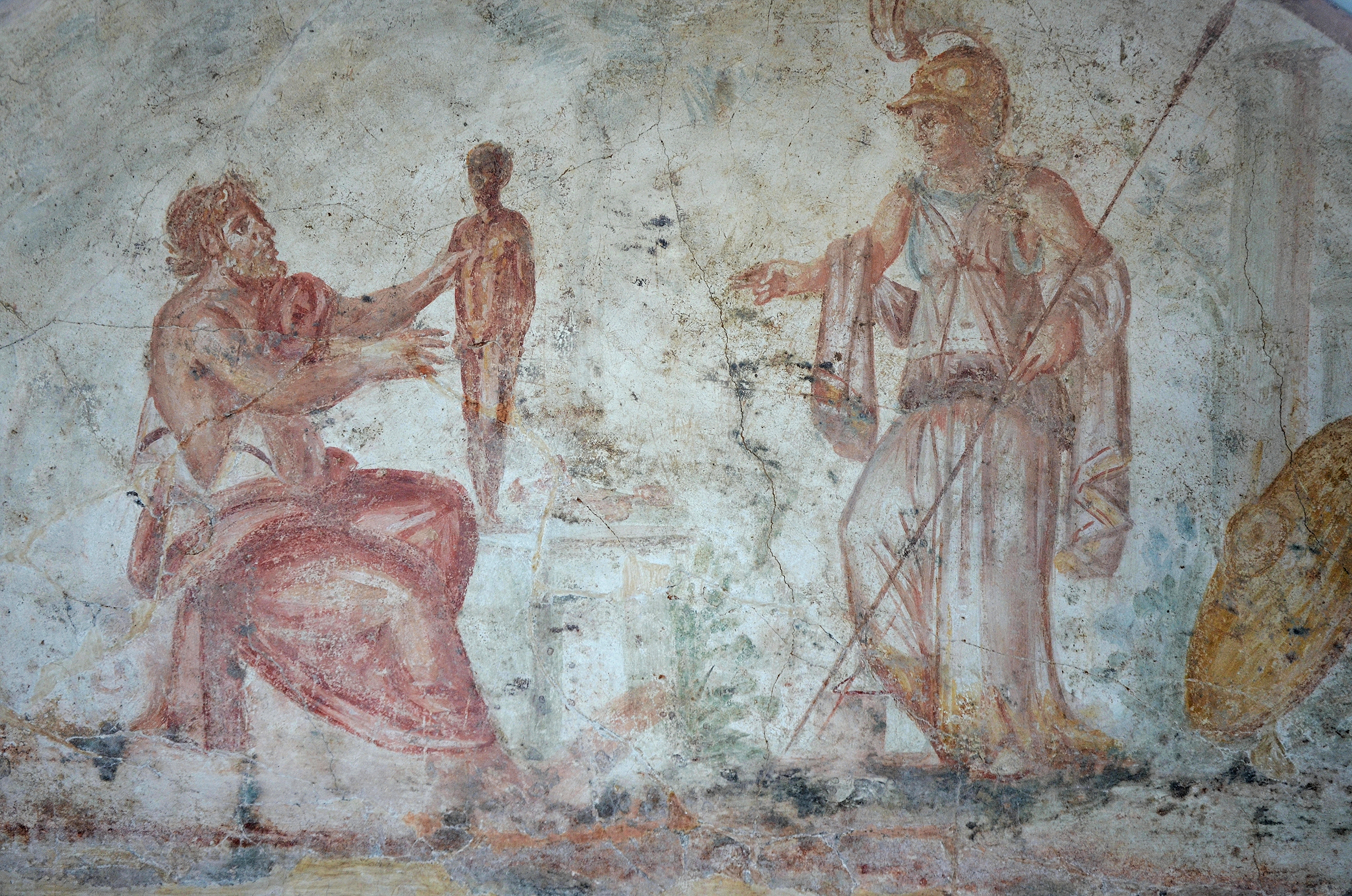
| Second Style (Architectural/Illusionistic) | This style boldly "dissolved" the walls to open up elaborate illusionistic landscapes, painted windows, or architectural vistas. They famously used trompe-l'œil (French for "deceive the eye") to make even small rooms feel expansive, connecting indoors to fantastical outdoor scenes. | Villa of Livia at Primaporta (garden frescoes), Villa of the Mysteries (Dionysian ritual scenes) |
| Third Style (Ornate/Candelabrum) | Characterized by more delicate, elegant, and often whimsical compositions. Small central scenes appeared to float on monochromatic backgrounds, framed by slender architectural elements or candelabra motifs. This created a sense of intimate luxury and sophisticated refinement in private spaces. | House of the Ceii in Pompeii |
| Fourth Style (Intricate/Composite) | An eclectic, dynamic, and often theatrical mix of all previous styles. It combined large mythological scenes, impossible architectural fantasies, and delicate ornamentation on a single wall, creating visually stimulating and complex narratives. | Nero's Domus Aurea (Golden House) frescoes, House of the Vettii in Pompeii |
What always blows my mind is just how modern many of these techniques and aesthetic sensibilities feel. They were playing with complex perspective and illusion centuries before linear perspective was fully articulated and standardized in the Renaissance. As an artist myself, I’m struck by their sheer audacity to manipulate space and light, the incredible vibrancy of their mineral pigments (think rich reds from cinnabar, deep blues from Egyptian blue, vivid yellows from ochre), and the astonishing skill required to paint on wet plaster – a technique demanding speed and precision as the plaster dries. Imagine walking into a Roman villa and being completely surrounded by these painted worlds – it truly redefined interior space, turning mundane walls into vibrant narratives.
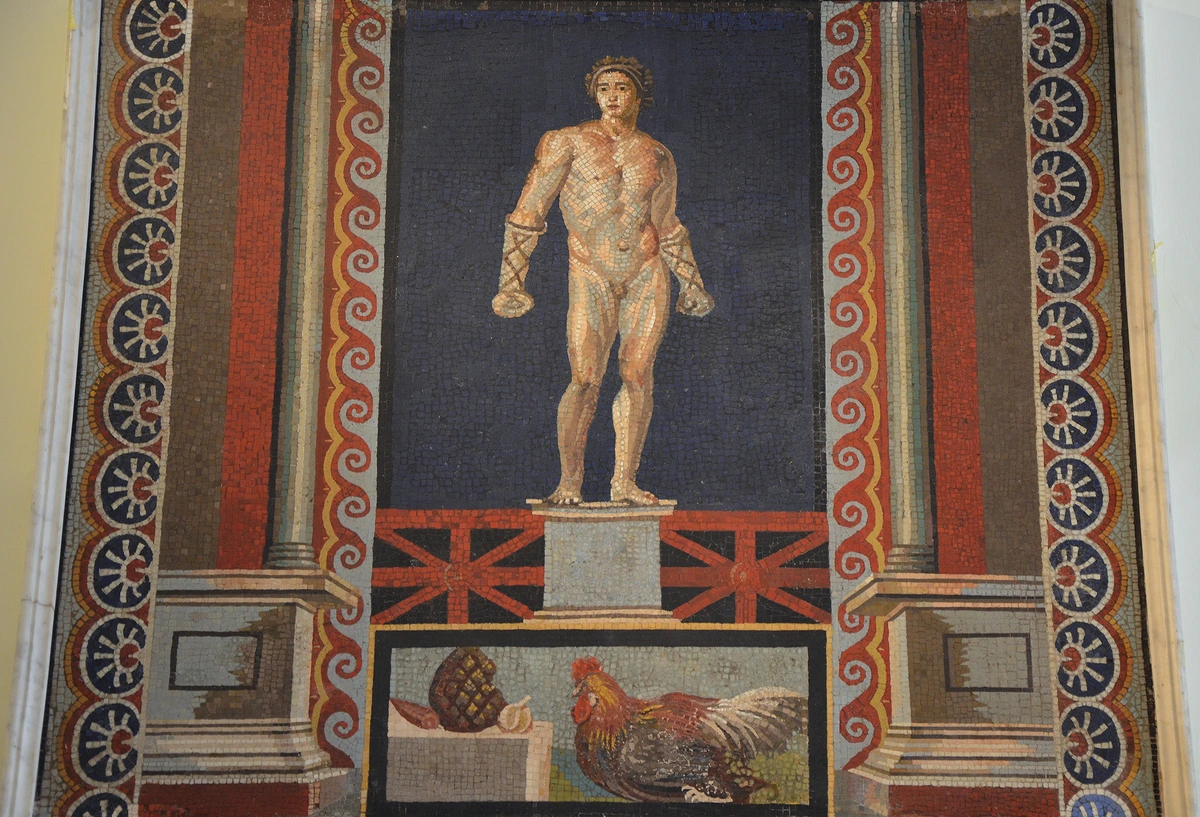
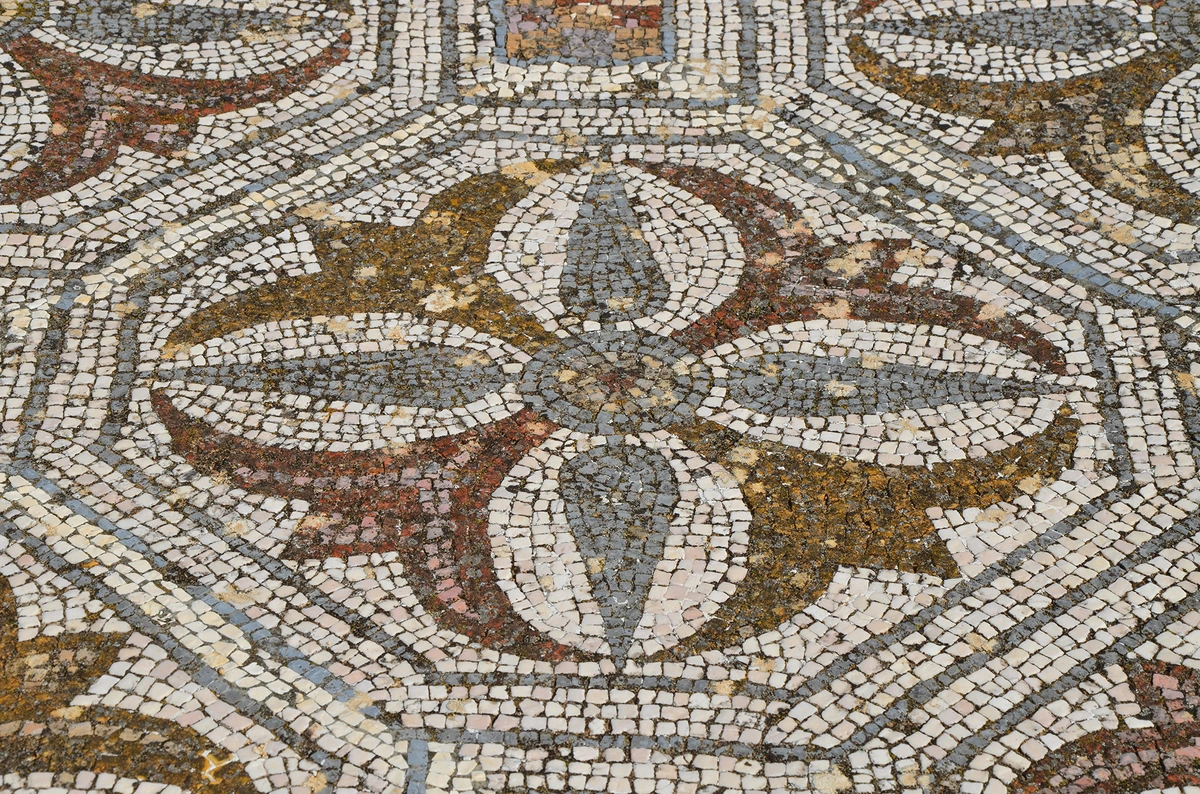
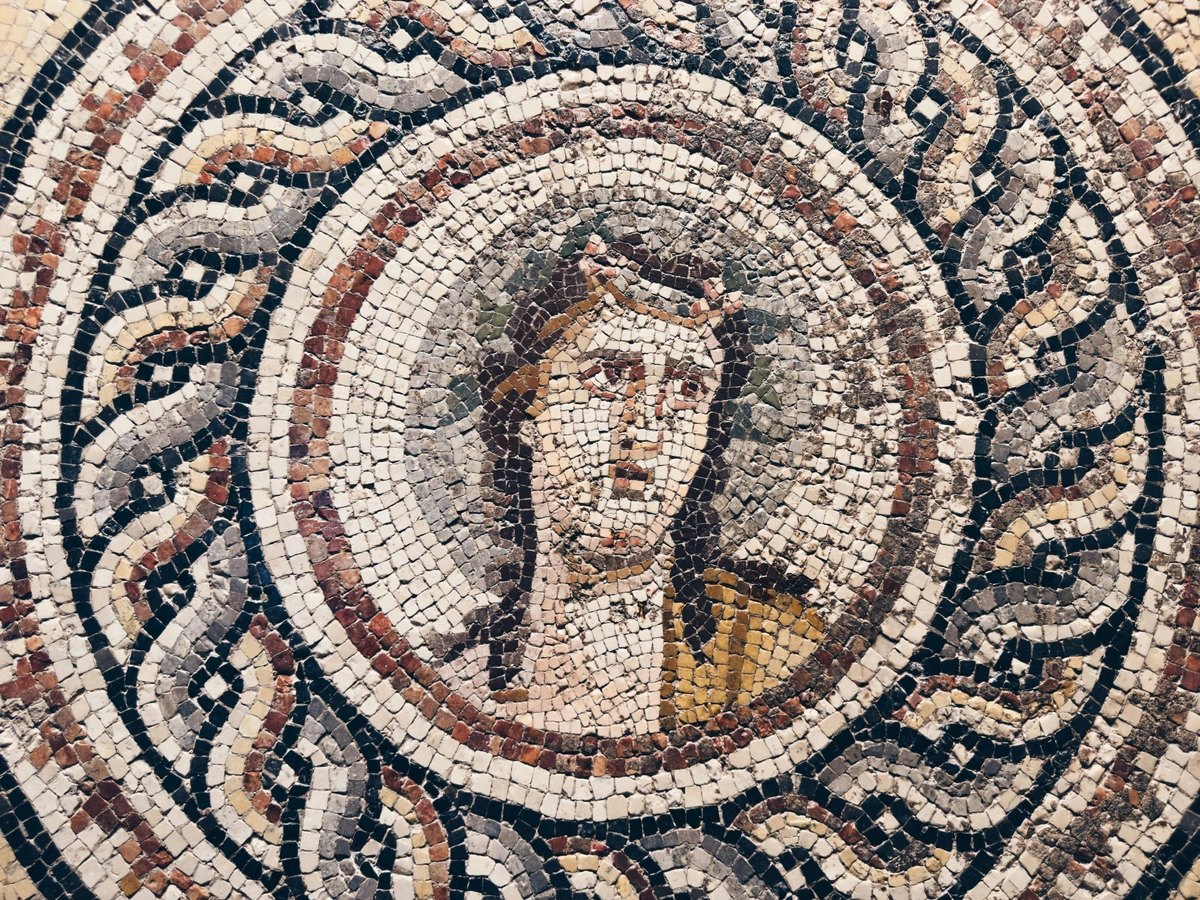

And then there are the mosaics. Imagine taking countless tiny pieces of colored stone, glass, or ceramic – each one called a tessera (plural: tesserae) – and meticulously assembling them, one by painstaking one, into breathtaking images that would last for millennia. It’s a kind of ancient pixel art, but requiring vastly more patience and skill than any digital artist could imagine. As a visual artist, I can only marvel at the sheer dedication involved: the enormous number of tiny pieces needed for a large mosaic just blows my mind, reflecting incredible artistic commitment and technical virtuosity. These weren't just for floors (though many incredibly intricate ones covered floors using techniques like opus tessellatum for larger, more geometric patterns or opus vermiculatum for finer details that achieved almost painted-like precision); they also adorned walls, ceilings, and even fountains. Their subjects were incredibly varied: epic mythological scenes (like Neptune riding his chariot or the dramatic Battle of Issus), gladiatorial contests, lavish banquets, thrilling hunting scenes, intricate geometric patterns, philosophical allegories, and even surprisingly mundane but charming things like seafood still lifes or a vigilant dog with the warning Cave Canem ("Beware of the Dog"). It’s a profound testament to their artistry that something as practical and durable as a floor could be transformed into such an intricate, narrative, and enduring canvas.
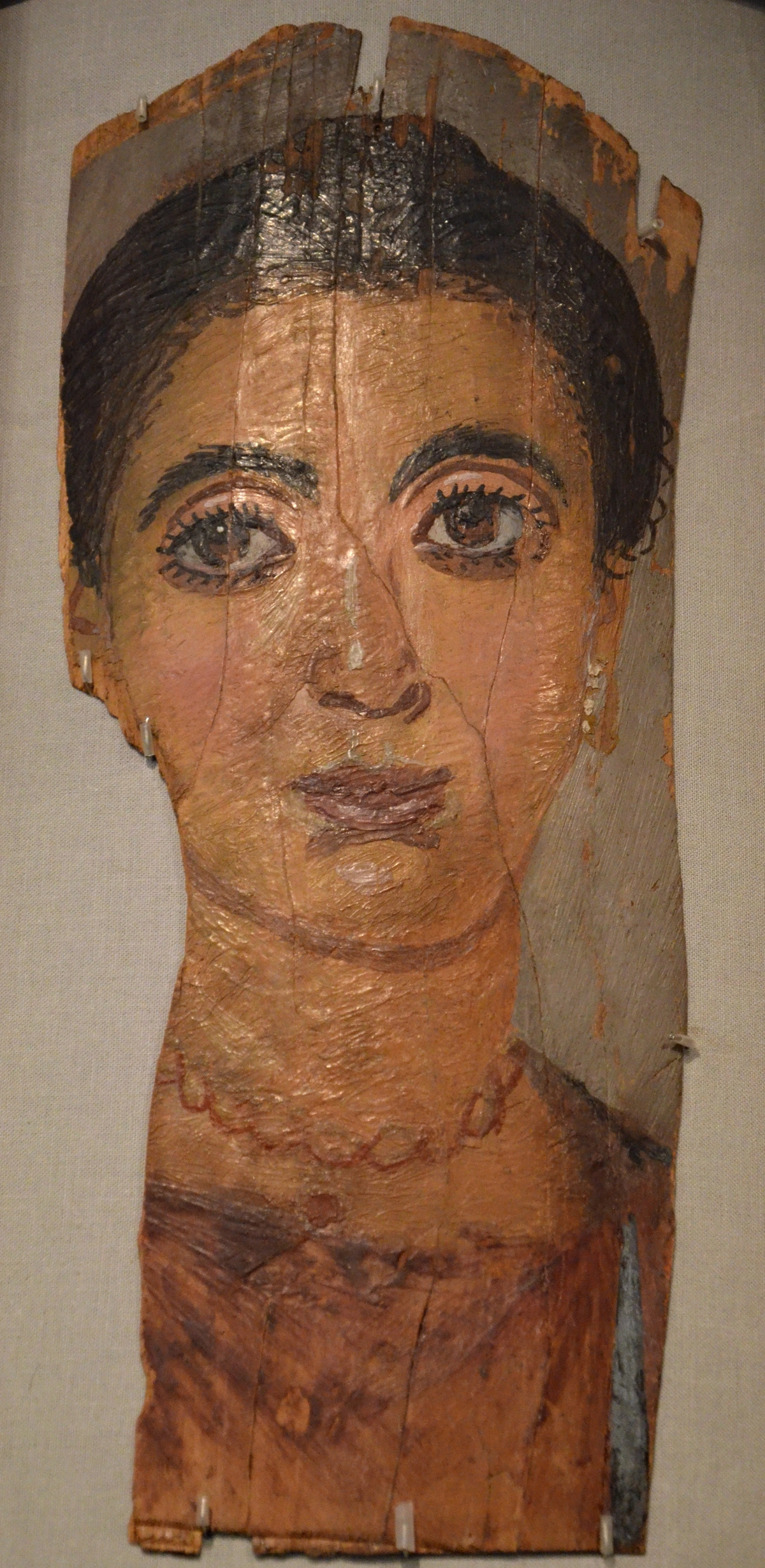
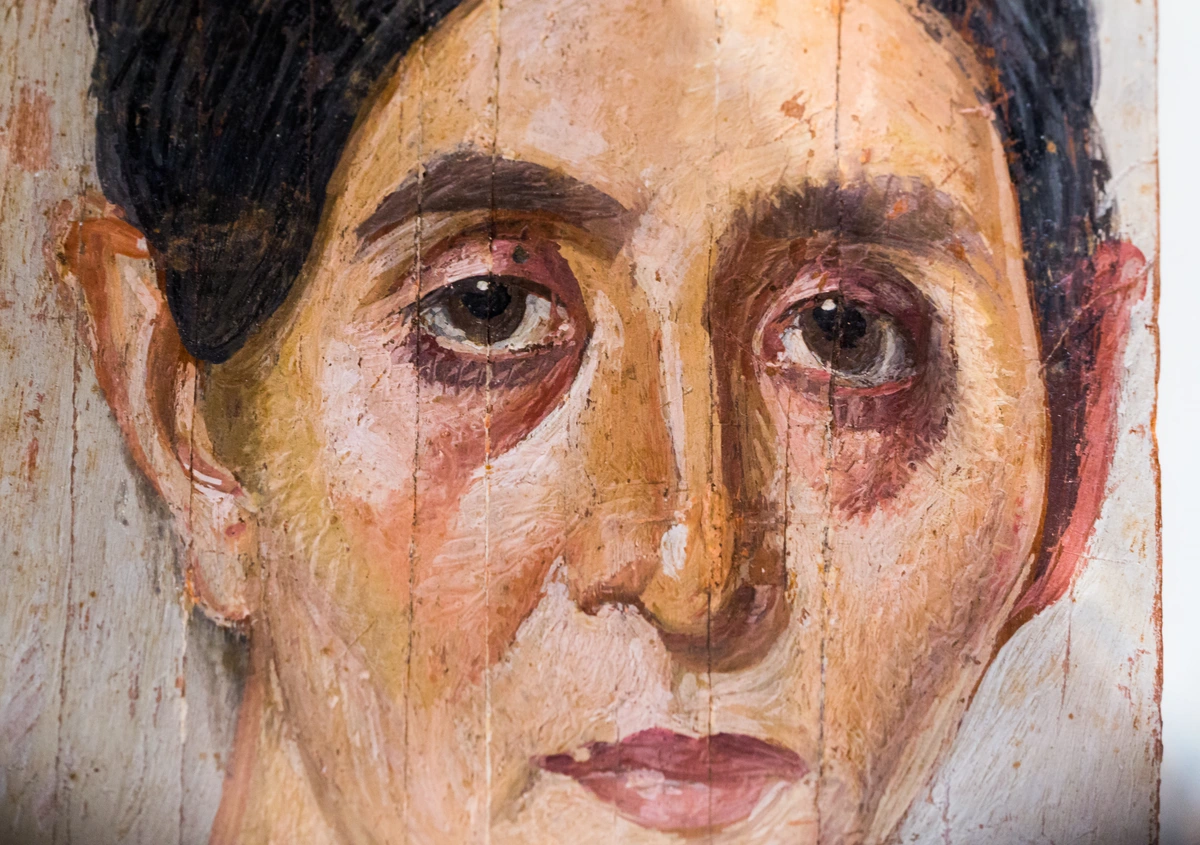
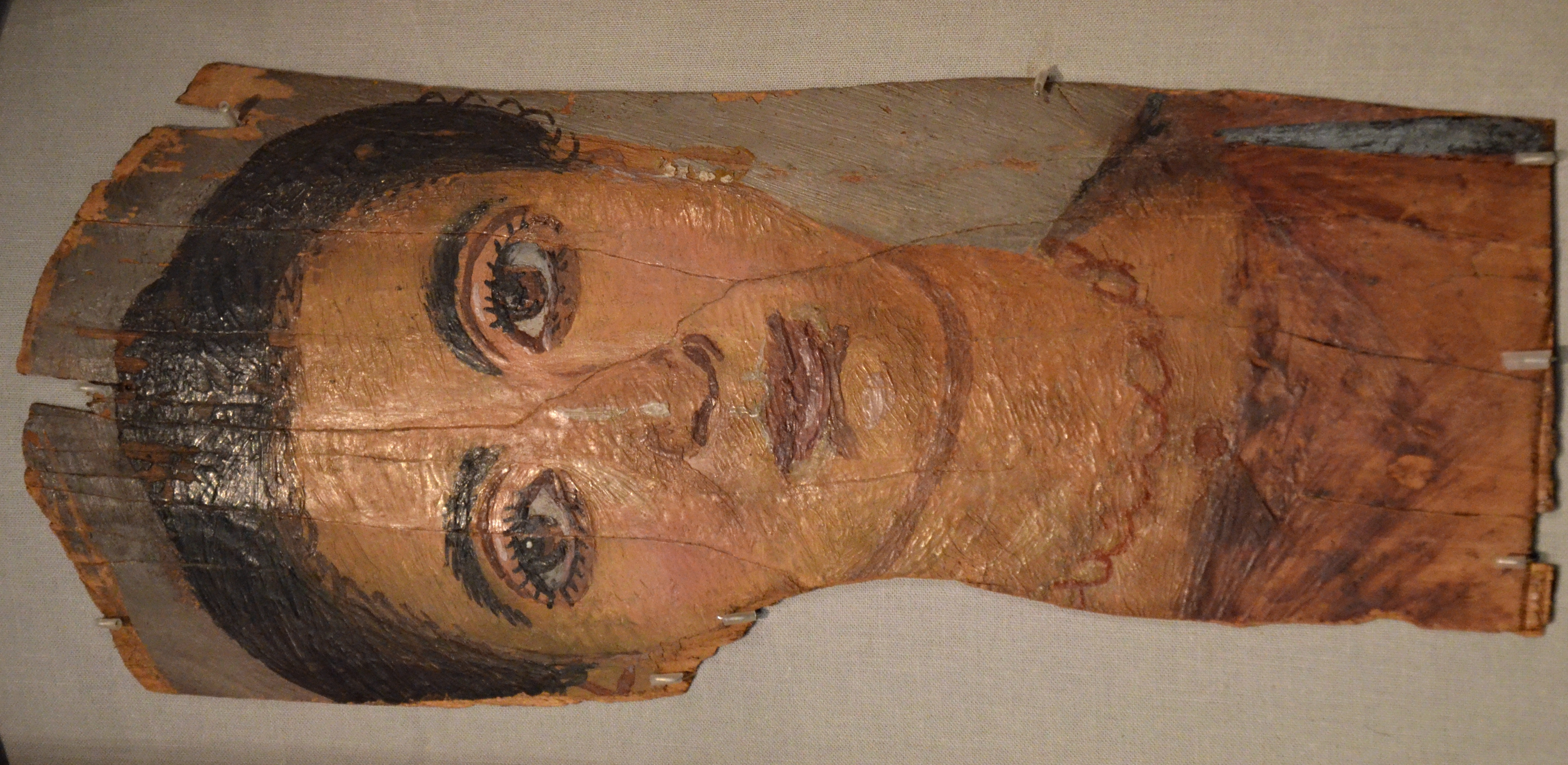
Oh, and let's not forget another fascinating ancient painting technique, particularly prominent in Roman Egypt: encaustic painting. This method uses heated wax mixed with colored pigments, allowing for incredibly vibrant, durable, and remarkably lifelike portraits that often feel startlingly modern. They are famously seen in the Fayum mummy portraits. These striking examples of ancient realism are still studied in major collections like the British Museum and the Louvre today, a testament to their lasting power. If you're curious about this fascinating wax-based method, you can dive even deeper into its history in my guide to the history of encaustic painting.
And beyond these vibrant, painted worlds, Roman craftsmanship extended to the creation of smaller, yet equally significant, objects that revealed their everyday lives, personal aesthetics, and ingenious practical sensibilities.
Beyond Stone and Canvas: Roman Minor Arts and Craftsmanship
While the monumental sculptures and vast wall paintings often grab the headlines, Roman artistry extended far beyond these grand public statements. I find that exploring the so-called "minor arts" truly reveals the everyday aesthetic, the deep ingenuity, and the sheer pervasiveness of art in the Roman people's lives. These smaller, often more personal, objects offer a remarkably intimate glimpse into their world, demonstrating an incredible level of craftsmanship and meticulous attention to detail. Just imagine the dedication of these anonymous craftspeople, working with such diverse and often precious materials, transforming raw elements into objects of both exquisite beauty and practical utility.
Roman craftsmen, often working in specialized workshops, skillfully manipulated a diverse array of materials to create luxury items, decorative objects, and functional pieces that showcased both individual skill and the empire's vast wealth. From ornate jewelry for personal adornment to utilitarian pottery, even the most common objects often bore a sophisticated artistic touch, demonstrating that art was deeply interwoven with daily existence.
Here's a closer look at some key categories and their fascinating details:
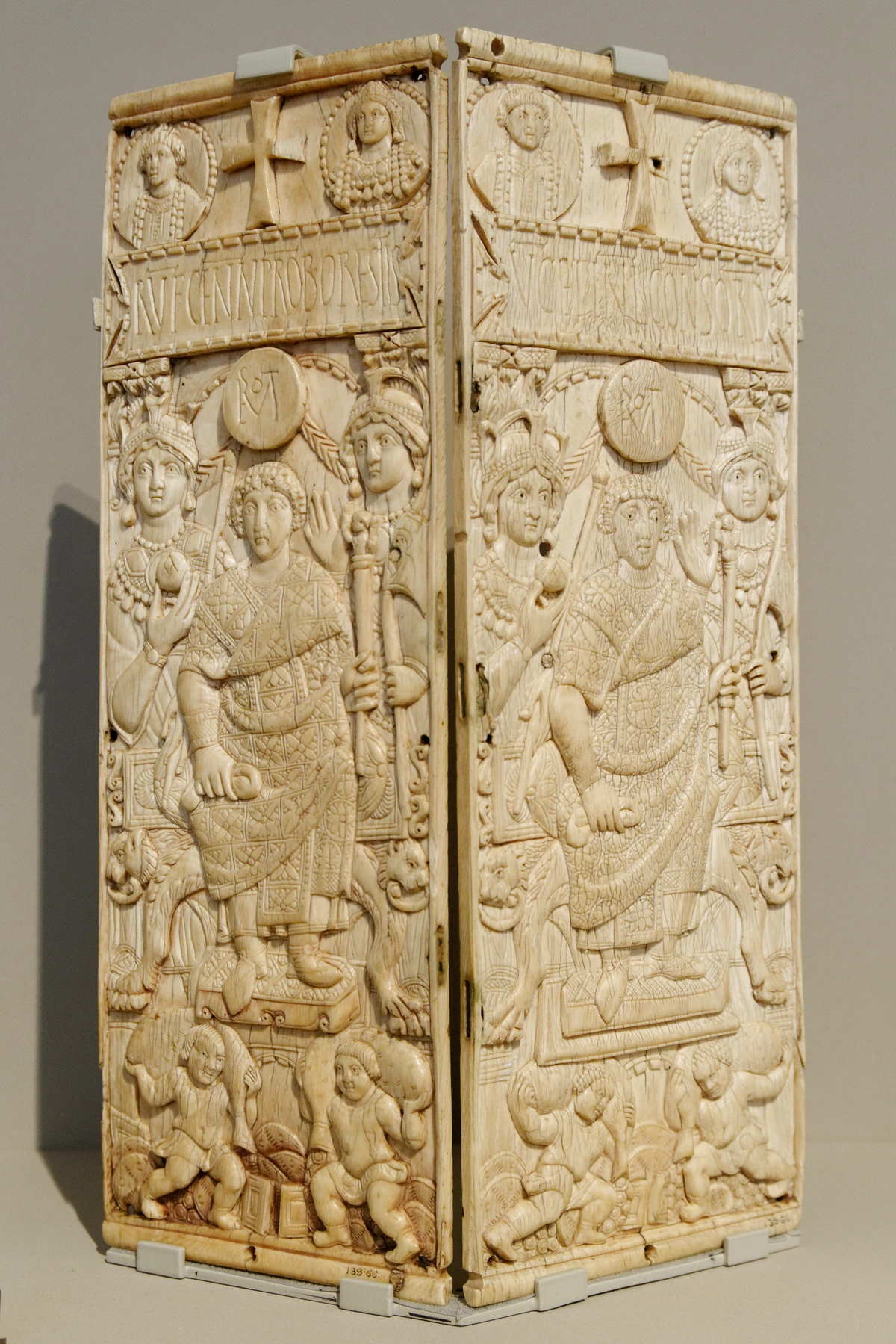
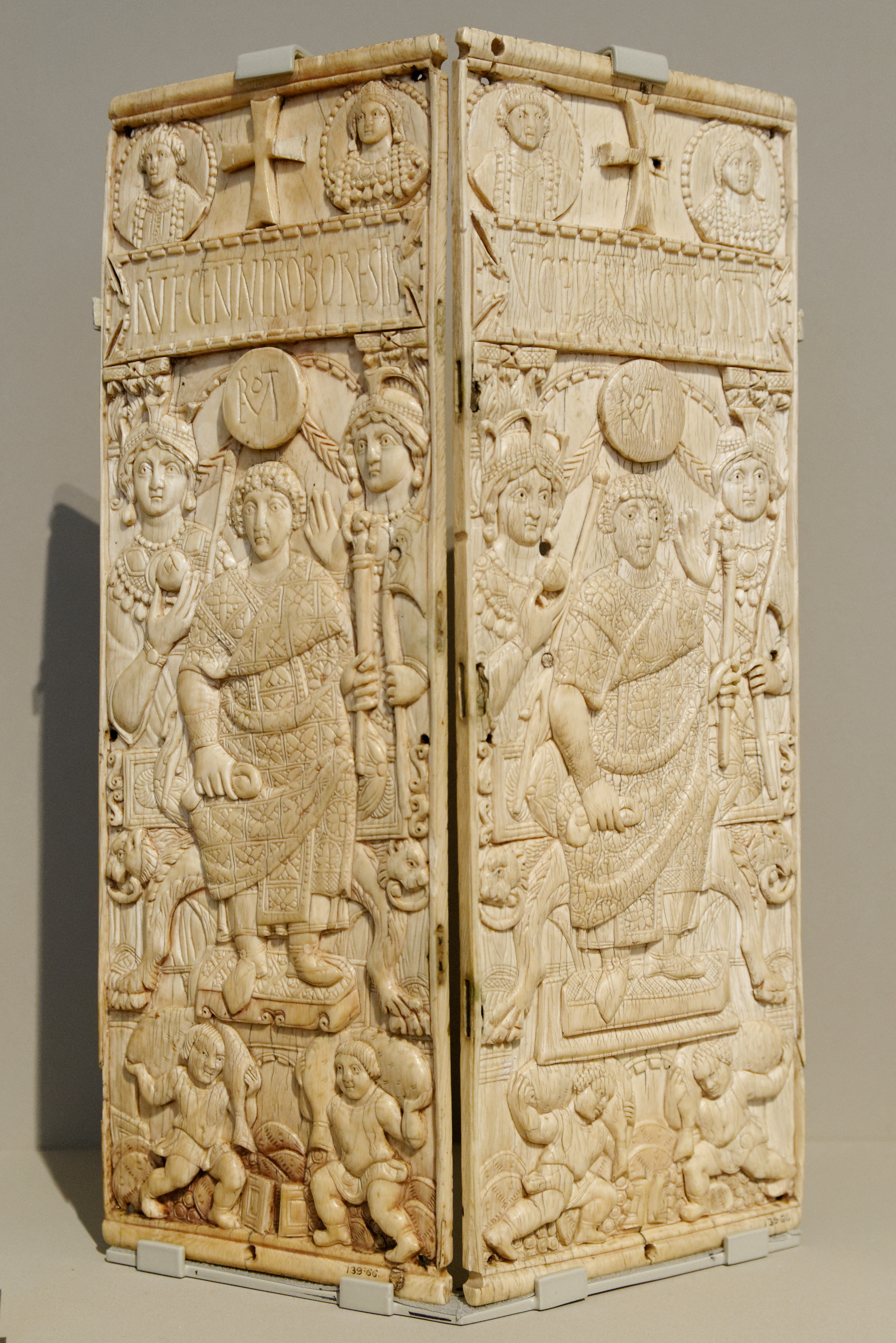
- Ivory Carvings: Intricate carvings frequently depicted mythological scenes, imperial figures, or personal portraits. Consular diptychs, luxurious two-paneled objects commissioned by consuls to mark their entry into office, are prime examples, showcasing exquisite detail and signifying high status. Beyond these, ivory was used for combs, mirror cases, and decorative inlays in fine furniture.
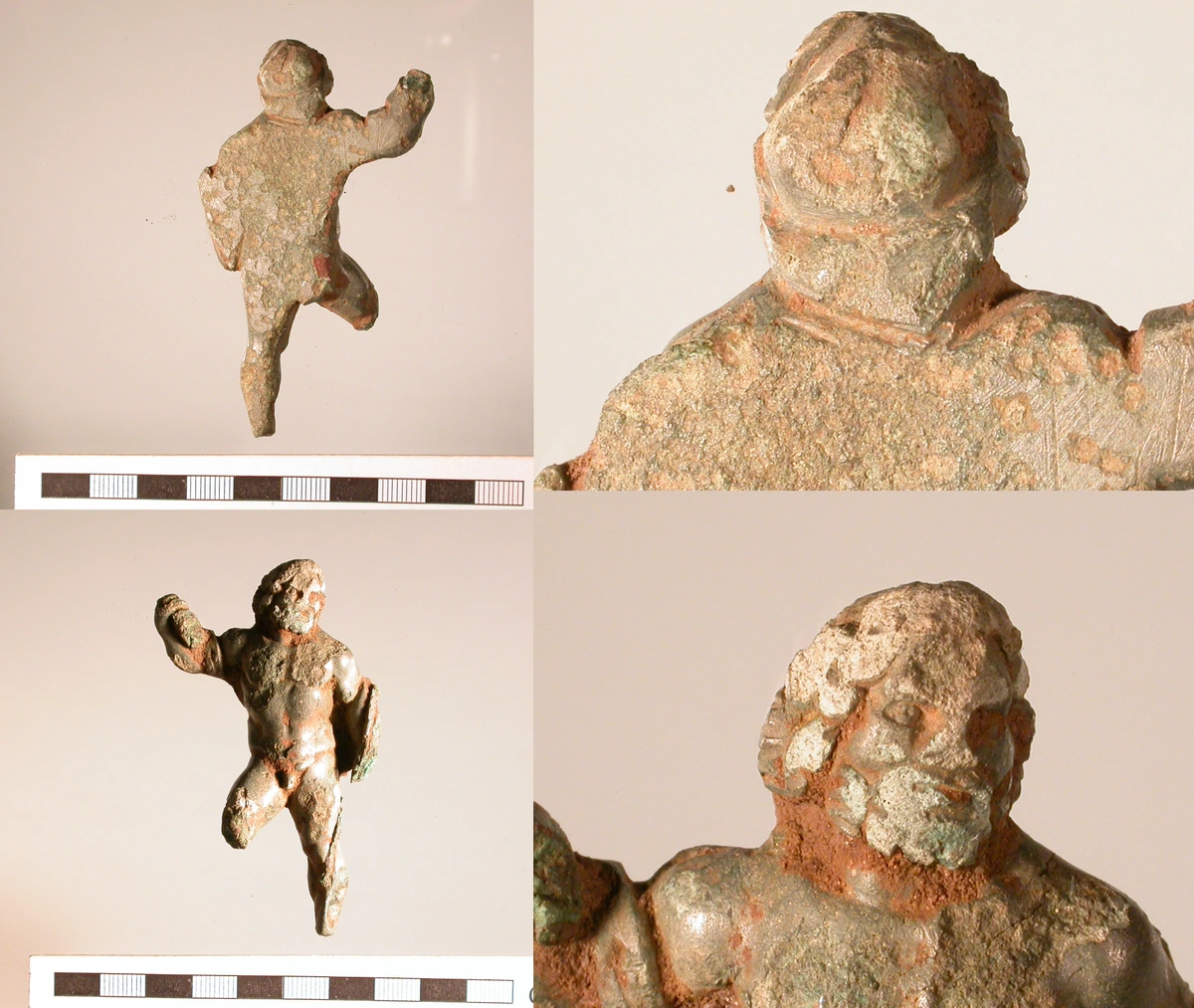
- Metalwork: The sophistication of Roman metalwork is truly stunning. It ranged from elaborate silver dishes (like the exquisite vessels from the Hildesheim Treasure, likely used for banquets or display, often depicting gods or mythical beasts with incredible precision) and intricate bronze statuettes to highly detailed jewelry adorned with precious gems and cameos. Intricate intaglios (gems incised with designs) and cameos (gems carved in relief) from precious stones were meticulously set into rings and pendants, reflecting status, personal taste, and often featuring imperial portraits or mythological figures. The trade in these precious metals also formed a significant part of the Roman economy.
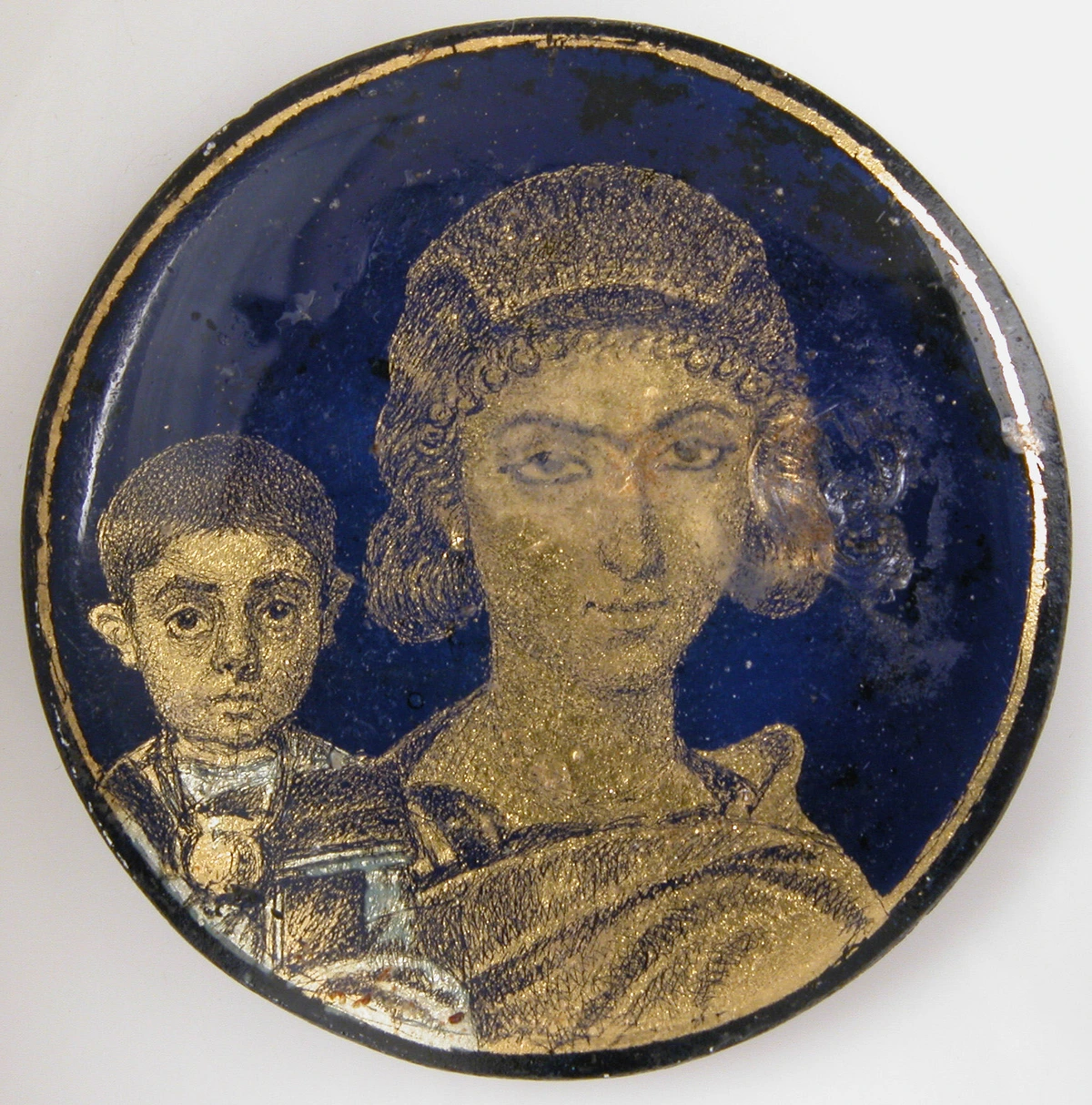
- Glass Production: Roman glass production was incredibly advanced and innovative. It spanned from everyday utilitarian vessels like perfume bottles and drinking cups to exquisitely colored and shaped luxury items, including multi-layered cameo glass with raised relief, such as the famously intricate Portland Vase. They mastered advanced glassblowing techniques that allowed for delicate forms and vibrant hues, like the delicate millefiori glass with its mosaic-like patterns, demonstrating impressive technical skill and aesthetic variety that spread across the empire.
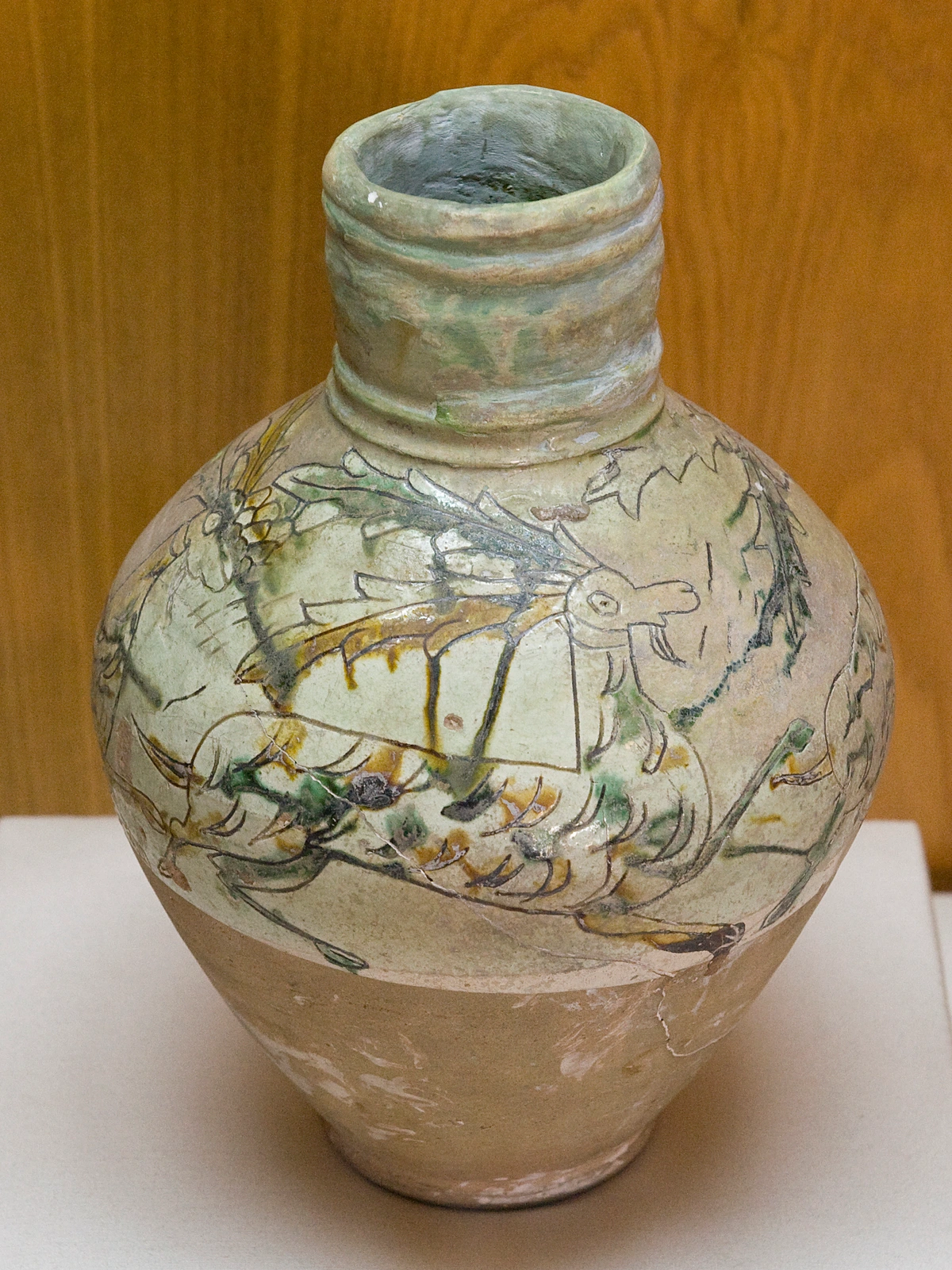
- Pottery: While much pottery was functional, Roman production included fine wares like terra sigillata, known for its distinctive glossy red surface and molded relief decoration (often depicting mythological scenes, gladiatorial combat, or floral motifs), primarily used for elegant tableware. Even common objects like terracotta oil lamps were often intricately molded with mythological scenes or animals, demonstrating how art permeated even the most mundane aspects of daily life, making beauty accessible.
- Coinage: Often overlooked as art, coinage itself was a miniature art form and an incredibly ubiquitous, constantly circulating billboard for imperial propaganda. Every coin bore imperial portraits and messages about the emperor's virtues (e.g., pietas for piety, virtus for courage) and military successes (like Britannia after the conquest of Britain, or images celebrating the Pax Romana). These weren't just currency; they were strategically designed to disseminate the emperor's image and messages across the vast empire, reaching even the most remote corners and constantly reinforcing Roman authority and a shared sense of Romanitas.
These objects weren't always about grand imperial messaging; many were commissioned by patrons for private enjoyment, personal adornment, or as offerings. They collectively offer a far more intimate and human glimpse into the Roman world, revealing their widespread appreciation for beauty, practicality, and utility in everyday life, and a level of artistry that continues to astound me today.
But it was in their colossal architecture that the Romans truly built, defined, and solidified their empire, transforming landscapes and making the ultimate, undeniable statement of their might.
Building an Empire: Architecture as the Ultimate Statement
Revolutionary Materials and Engineering
Honestly, you can't even begin to talk about Roman art without immediately discussing their architecture. These people were nothing short of absolute geniuses. They took the foundational elements – the arch, the vault, and the dome – and, crucially, combined them with their truly revolutionary invention: concrete. This wasn't just any concrete; it was a sophisticated mix, including volcanic ash (pozzolana), which gave it unparalleled strength, durability, and even underwater setting properties. This innovation allowed them to construct buildings on a scale and with a speed previously unimaginable, creating vast, unobstructed interior spaces, building on uneven terrain, and fundamentally transforming cities and landscapes across their vast empire. Just think about the sheer audacity of it: building a stable, durable infrastructure that still stands, millennia later, a testament to their unparalleled engineering prowess and incredible foresight.
But these weren't just functional structures. Oh no. They were colossal, unambiguous statements of power, engineering brilliance, and imperial might. Each architectural marvel, meticulously planned and executed by state-sponsored patrons, was a deliberate act of propaganda, broadcasting Rome's immense reach, technological superiority, and the emperor's benevolence to every citizen and conquered foe. They quite literally built their authority into the very landscape itself.
Temples and Public Monuments
Take the Pantheon in Rome, for me, one of the most breathtaking places on earth. Stepping inside, that vast, perfectly hemispherical dome, with its single eye to the heavens – the oculus – that single, unglazed hole open to the sky at the very top of the dome, creates an almost spiritual connection to the cosmos. It floods the interior with a moving, ever-changing circle of natural light, making you feel both incredibly small and intimately connected to something vast and eternal. As an artist, I find its manipulation of light and space truly audacious. It's an engineering marvel – a testament to their understanding of physics, geometry, and material science (using lighter aggregates higher up in the dome) – but it's also a deeply spiritual and profound artistic experience.
Roman temples, generally designed with a prominent front-facing façade and a high podium, intentionally emphasized the cult statue housed within the cella (the inner sanctum), guiding worshippers towards the altar and a singular point of focus. Then there’s the Colosseum, a monumental amphitheater designed for public spectacles on an unprecedented scale. It stands as a powerful symbol of Rome's organizational power, its ability to entertain and control its populace, showcasing their innovative use of arches and concrete to create tiered seating for tens of thousands and complex substructures for elaborate shows.
Public Spaces and Infrastructure: Weaving the Empire Together
Beyond individual, awe-inspiring buildings, the Romans meticulously created entire urban systems that demonstrated their organizational genius and engineering might on a grand scale. The massive Roman basilicas served as multi-purpose public buildings, acting as vibrant centers for law, commerce, and assembly – the beating heart of civic life. Elaborate public baths (like the Baths of Caracalla), far more than just places for hygiene, were sophisticated social and cultural hubs, complete with libraries, gymnasiums, and sprawling gardens, all designed with impressive vaulted ceilings made possible by concrete. The bustling Forums formed the ultimate heart of civic life, surrounded by temples, markets, and administrative buildings, constantly buzzing with activity and political discourse.
And let's not forget the aqueducts, those incredible, elegant structures snaking across the countryside, bringing fresh water to thirsty cities from miles away – a clear and undeniable demonstration of practical engineering serving public welfare and grand imperial ambition. Structures like the Pont du Gard in France, with its rhythmic repetition of majestic arches, didn't just carry water; they visually asserted Roman order, engineering prowess, and architectural beauty across provincial territories, making Roman presence undeniable. Crucially, their extensive network of expertly engineered Roman roads and strategically placed bridges facilitated rapid troop movements, efficient trade, and the administrative control that meticulously bound their vast empire together, physically connecting diverse populations and promoting the unifying concept of Romanitas.

Even Roman domestic architecture, from the grand suburban villas of the elite patrons to the multi-story insulae (apartment blocks) for common citizens, meticulously reflected their social structures and artistic tastes, with frescoes and mosaics adorning even modest homes, showcasing a pervasive appreciation for decorative arts and refined living. The Romans built things to last, they built them to serve, and most importantly, they built them to impress and to embody their very identity. And boy, did they ever succeed. This practical, yet awe-inspiring, approach defines so much of Roman artistry, a legacy that continues to shape our built environment.
These grand structures were not just functional; they were profoundly imbued with meaning, deeply intertwined with the religious beliefs and views on the afterlife that shaped every aspect of Roman society.
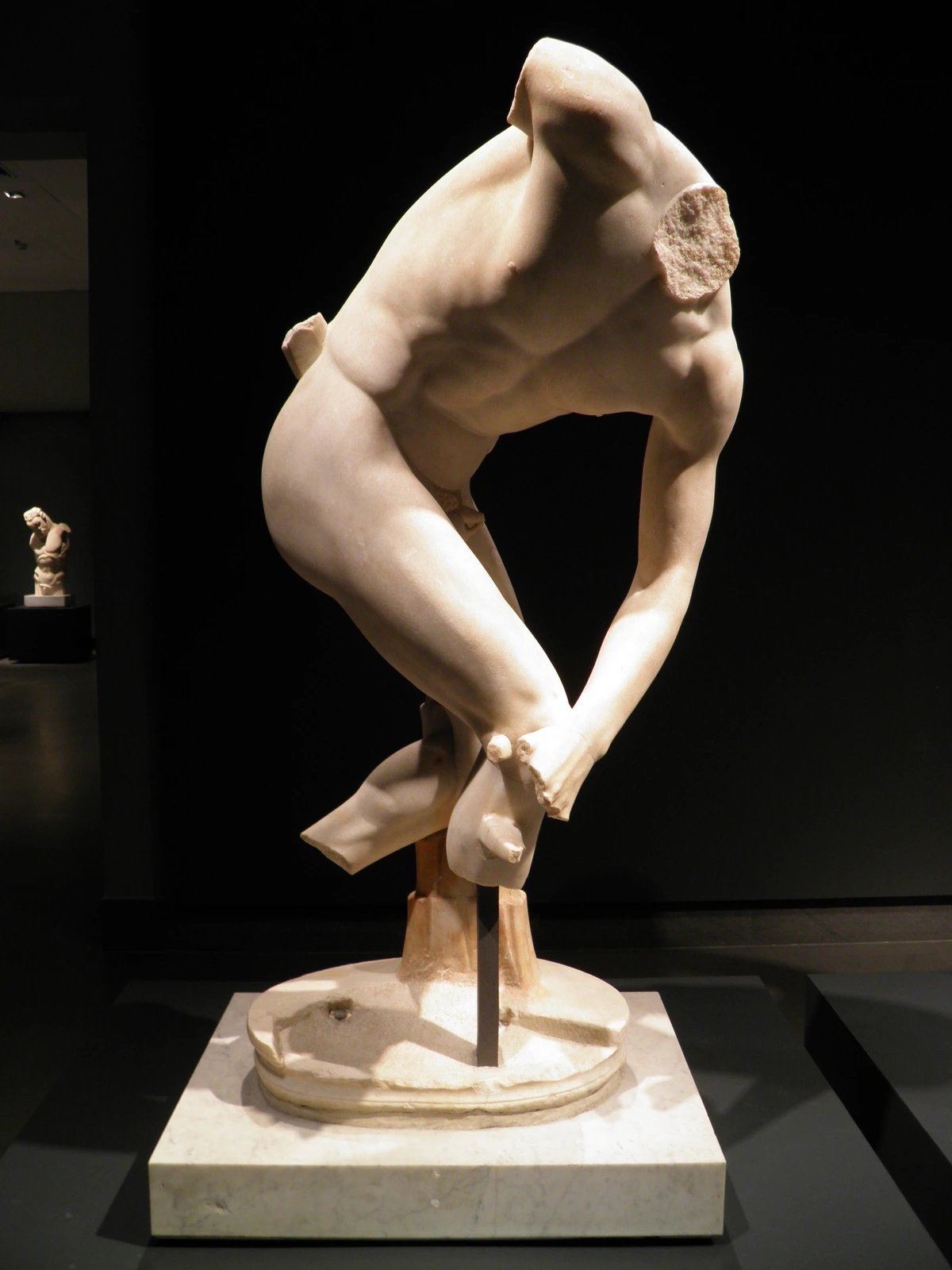
Art, Religion, and the Afterlife in Ancient Rome
While Roman art often served overt political ends, it was equally and profoundly intertwined with their complex religious beliefs and deeply personal funerary practices. From grand, publicly funded temples to intimate household shrines, art was a primary means for Romans to connect with their gods, honor their deceased ancestors, and navigate their spiritual world. Their polytheistic religion, heavily influenced by, but distinct from, Greek mythology, found rich, diverse, and often highly practical expression in countless artistic forms.
Temples, Cults, and Divine Patronage
Roman temples, like the magnificent Pantheon (dedicated to all gods – Pantheon literally meaning "all gods"), were not just architectural marvels; they were sacred spaces housing elaborate cult statues of deities, often crafted in marble or bronze, serving as the intense focal points for public worship. Their distinctive architectural features, such as the high podium and the strong emphasis on a single, front-facing entrance to the cella (the inner sanctum housing the cult statue), meticulously guided religious rituals and grand public processions.
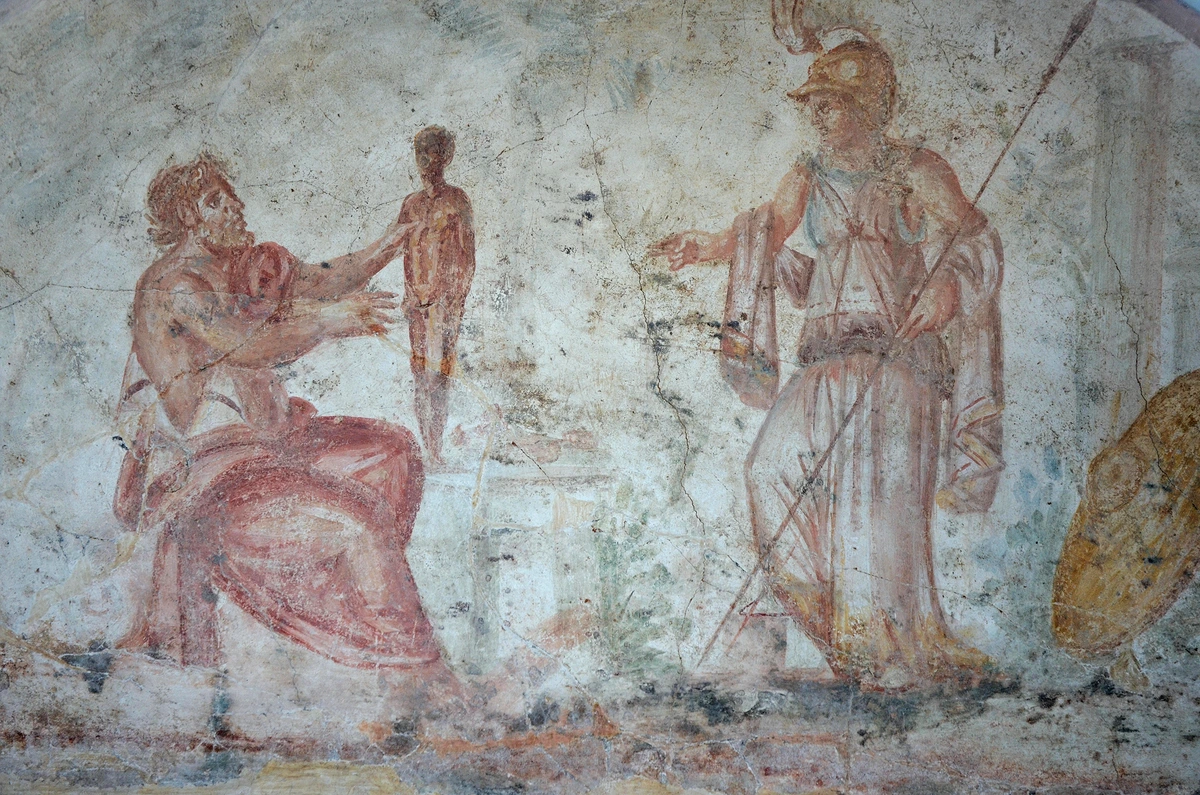
Votive offerings – small sculptures, carved reliefs, terracotta figures, or even painted plaques – were left at shrines and sanctuaries to express gratitude, seek healing, or appeal for divine favor. These often depicted the supplicant themselves or the specific deity being invoked, creating a direct visual dialogue with the divine. Even the powerful Imperial Cult, which deified emperors (or explicitly linked them to divine ancestry, like Venus for Augustus), found its primary and most widespread expression in art. Grand statues and reliefs depicted emperors with god-like attributes, solidifying their authority through powerful divine association and making them accessible points of worship. For example, Augustus was often depicted bare-chested like a god, or with specific attributes that linked him directly to divine figures, a potent visual claim to legitimacy.
Funerary Art and the Journey Beyond
Art also played an absolutely crucial role in Roman beliefs about death, memory, and the afterlife. Elaborate sarcophagi (those exquisitely carved stone coffins) became increasingly popular from the 2nd century AD onwards, adorned with rich mythological scenes, historical events, or idealized portraits of the deceased. These narrative reliefs were often carefully chosen by patrons to reflect the virtues of the person interred or to symbolize the concept of "continuing life" or an idealized journey into the afterlife. For instance, scenes of Hercules (symbolizing triumph over death and overcoming trials) or Dionysus (hinting at divine bliss and rebirth) were common on pagan sarcophagi.
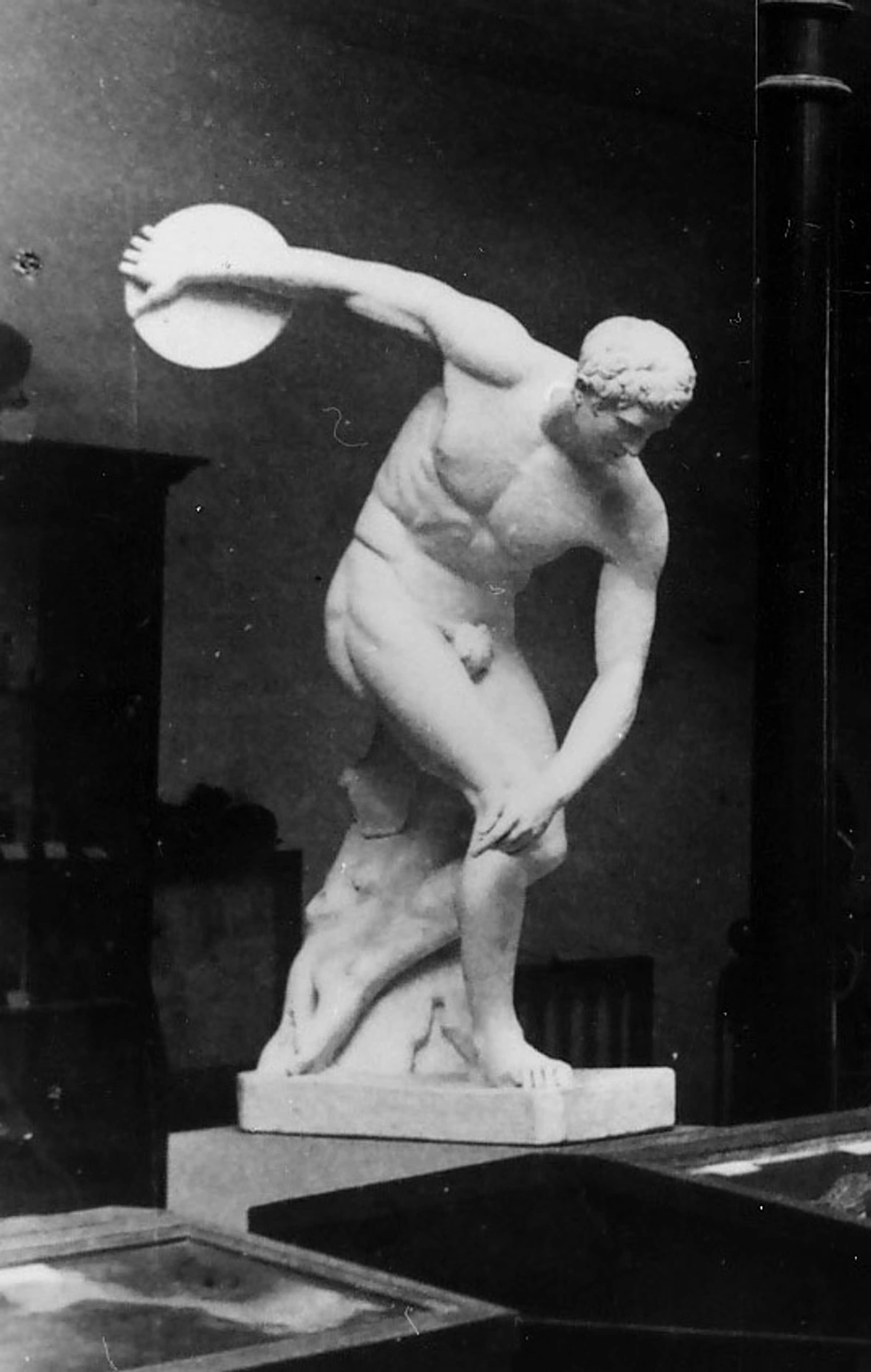
As Christianity steadily gained influence in the late empire, early Christian sarcophagi elegantly adopted similar formats but replaced pagan myths with universally recognizable biblical stories like Jonah and the Whale or Daniel in the Lion's Den, powerfully symbolizing salvation and resurrection. Frescoes and mosaics in catacombs, especially as early Christian art began to emerge, depicted biblical stories, potent symbols of salvation (like the Good Shepherd or the Ichthys fish), and serene images of the afterlife, offering profound comfort and hope to believers during times of persecution and change. This profound shift towards more symbolic and spiritual imagery in funerary art directly foreshadowed the broader artistic developments of the Late Empire, where realism often became secondary to the powerful spiritual message of transcendence.
These powerful expressions of faith, memory, and spiritual aspiration were deeply intertwined with an even larger, all-encompassing, unifying purpose: the very shaping of the empire's identity.

Romanitas: Art as the Empire's Identity – Weaving a Shared Fabric
For me, one of the most utterly fascinating and strategically brilliant aspects of Roman art is how it served as an incredibly powerful, universal tool for forging, maintaining, and continually reinforcing a collective identity across their vast, incredibly diverse empire – a concept they called Romanitas. This wasn't merely about showing off wealth or power; it was fundamentally about defining what it meant to be Roman and then disseminating those core values and ideals far and wide, into every corner of their domain. Just imagine the monumental task of trying to unify an empire spanning three continents, encompassing countless distinct cultures and languages! Art, in its universal visual language, spoke to everyone, regardless of their native tongue.
Through omnipresent imperial portraits, grand public monuments like triumphal arches, standardized architectural forms (from temples to basilicas), and epic narrative reliefs, Roman art visually communicated a consistent message of core values: order, discipline, military might, civic duty, and the perceived benevolence of the emperor. Whether you were a citizen in Rome, a soldier in Gaul, or a trader in Egypt, seeing an emperor's idealized statue in a public square or entering a grand Roman-style basilica subtly but powerfully reinforced a shared cultural and political landscape. The rhythmic repetition of arches in immense aqueducts, for instance, didn't just carry life-sustaining water; they visually asserted Roman order, engineering prowess, and undeniable presence across provincial territories.
Similarly, the grandeur, functional efficiency, and uniform design of public baths (which were social and cultural hubs, not just for hygiene), vast theaters, bustling forums, and the expansive, meticulously engineered network of Roman roads physically and visually integrated diverse populations. This shared built environment drew people into a common Roman way of life, fostering civic pride, encouraging allegiance, and subtly embedding the values of the empire. From imperial coinage that broadcast the emperor's image and virtues to the logical, grid-based layout of cities reflecting Roman urban planning principles, art became a constant, persuasive, visual affirmation of the empire's authority and its unifying ideals. It subtly shaped the identity of its diverse populations, encouraging not just compliance, but genuine allegiance to the Roman way of life. It was, quite simply, a masterclass in cultural cohesion achieved through unparalleled visual communication, ensuring that everyone understood and, hopefully, embraced the grandeur and values of Rome.

The Enduring Legacy: Why Roman Art Still Shapes Our World
So, after all this talk of ancient marbles, vibrant frescoes, and colossal structures, why should we, in the 21st century, still bother with Roman art? Why does it still matter so profoundly to us, centuries later? Honestly, its artistic and conceptual DNA is everywhere. The forms, the ideals, and many of the groundbreaking techniques of Roman art weren't lost to time; they were profoundly rediscovered, revered, and vigorously studied during the Renaissance, effectively kickstarting a whole new age of artistic and architectural innovation across Europe.
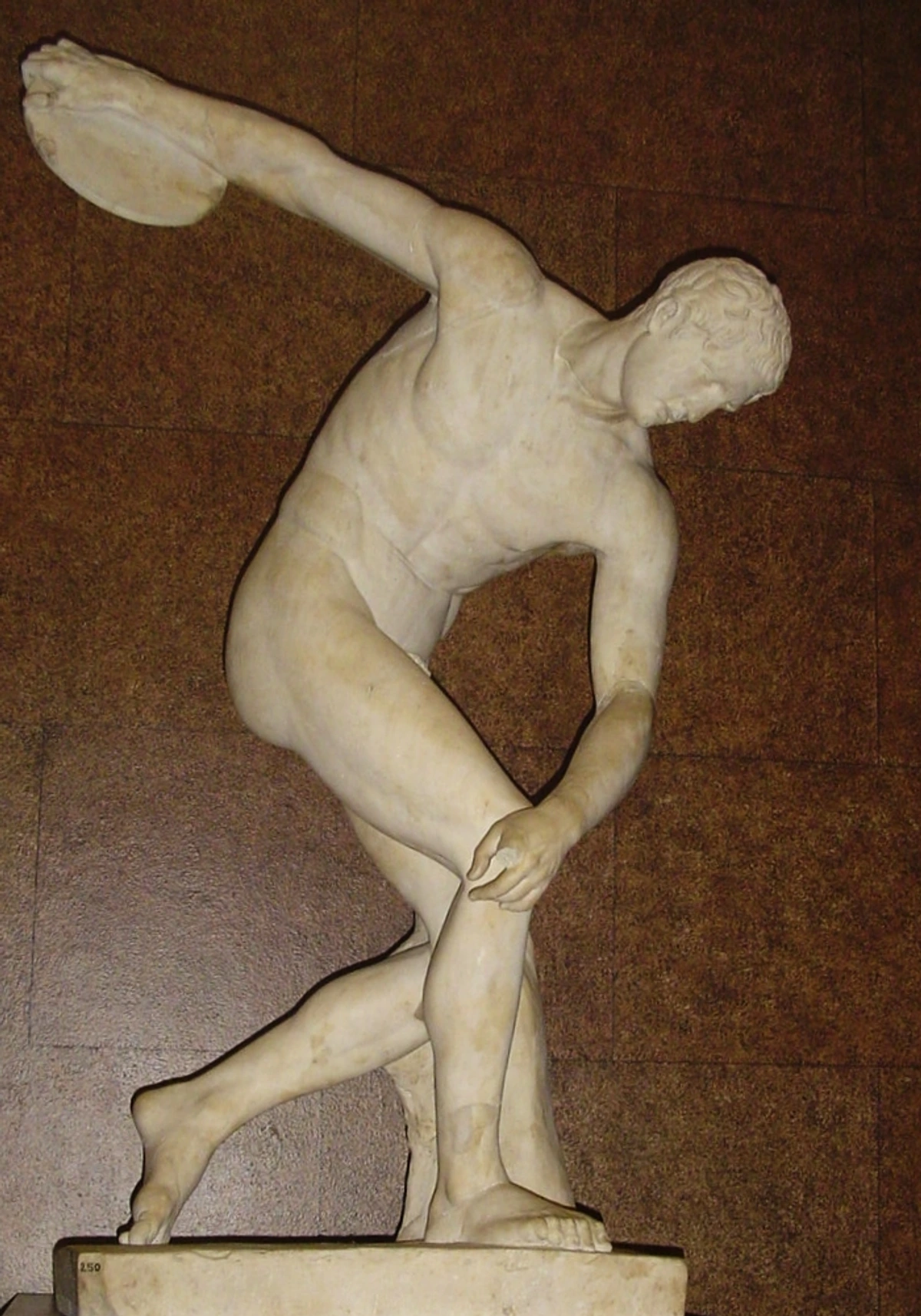
Artists like Donatello, Michelangelo, and Raphael meticulously studied surviving Roman sculpture and architecture. Michelangelo's anatomical studies and architectural designs (like the magnificent dome of St. Peter's Basilica, which clearly echoes the Pantheon's audacious scale) were often directly influenced by classical Roman forms. They sought not just to understand realism and human anatomy, but to grasp the immense power of narrative, monumental scale, and profound expression embedded in those ancient forms. It was a direct, living conversation across millennia, a dialogue that propelled art forward. This potent influence continued through the dramatic grandeur of the Baroque period, which inherited Rome's theatricality, love of movement, and monumental ambition, and into the ordered rationality of Neoclassicism, which consciously sought to revive Rome's clarity, civic ideals, and stoic virtues, cementing Roman artistic principles as foundational for centuries to come.
But the pervasive influence of Roman art goes far beyond these historical art movements. Even today, the fundamental principles of Roman art are deeply ingrained in the very fabric of our world. Think about it: the strategic use of art for political messaging (from modern campaign ads to solemn national monuments like the Lincoln Memorial), the constant negotiation between unflinching realism and aspirational idealism in representation, the sheer scale and ambition of our public works and infrastructure projects (from bridges to city halls). Even Roman legal principles and administrative structures, which underpinned their highly ordered society, found clear echoes in how later artists depicted notions of justice, law, and civic order. Every time you see a politician’s carefully crafted public image, a grand government building adorned with classical columns and arches, or even the logical, grid-based layout of a modern city, you’re witnessing the enduring, undeniable echo of Rome. It’s a powerful testament to the fact that good design, whether artistic or architectural, built with a clear purpose, truly stands the test of time.
For me, as an artist, studying Roman art is a constant and profound reminder that art has always been about so much more than just aesthetics or pretty pictures. It’s about communication, about telling a compelling story, shaping a powerful narrative, and capturing a profound, often raw, slice of what it means to be human – wrinkles, warts, triumphs, and all. This deep Roman understanding of art as a powerful communicative tool – shaping identity, conveying messages, and leaving an indelible, lasting impact – is a principle that profoundly influences my own approach to creating art, reminding me that beyond fleeting aesthetics, art is ultimately about building something that lasts, both physically and culturally. You can see how these ancient yet timeless principles manifest in a contemporary context at the Den Bosch Museum, or trace my own artistic journey on my /timeline. Perhaps exploring this will inspire you to look for the 'Romanitas' in your own modern world, too, and perhaps even buy some art that speaks to your own sense of enduring legacy.

Frequently Asked Questions (FAQ)
To help consolidate your understanding and perhaps spark a few more questions, here are my answers to some common inquiries about ancient Roman art.
What were the main influences on Roman art?
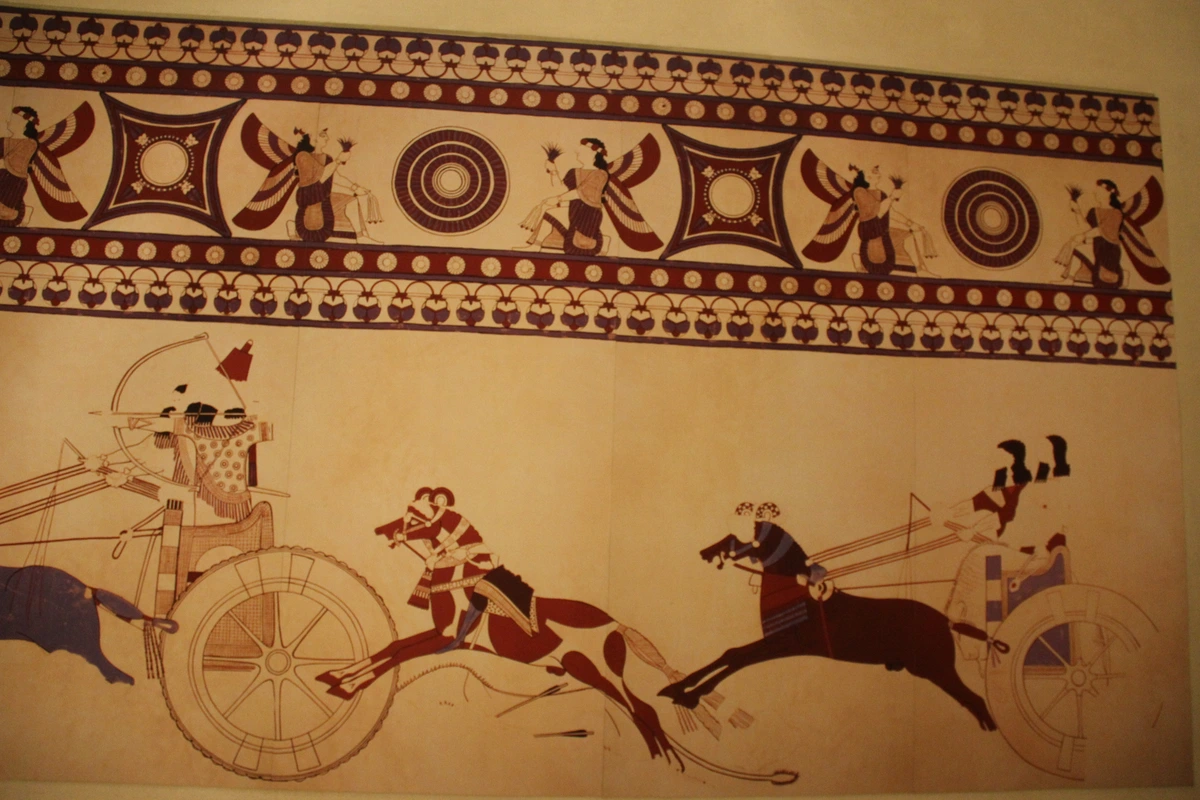
Roman art was a truly fascinating blend, drawing primarily from three key sources. The most significant was undoubtedly Greek art, which the Romans deeply admired, borrowing its idealized forms, mythological subjects, and sophisticated artistic techniques. They also incorporated crucial elements from Etruscan art, particularly evident in their early portraiture and unique funerary practices. Finally, they deftly absorbed artistic traditions from the many conquered peoples across their vast empire – think elements from Egyptian art in provincial contexts, or influences from Gaul. However, and this is crucial, the Romans were far from mere imitators; they were brilliant synthesizers and daring innovators, adapting Greek aesthetics to distinctly Roman purposes and values. They prioritized hyper-realistic portraiture (verism), revolutionized the use of art for detailed historical narrative reliefs (like the awe-inspiring Trajan's Column), and developed monumental architecture with truly revolutionary materials like concrete. This enabled feats of engineering and construction that the Greeks simply couldn't achieve, creating vast interior spaces and durable infrastructure. Their unique and masterful use of the arch, vault, and dome allowed for grand public structures that served immense practical imperial needs, like the sprawling aqueducts and vast basilicas. They created many original Roman works that were undeniably inspired by, but not simply copies of, Greek pieces, boldly infusing Greek beauty with Roman pragmatism, ambition, and a relentless focus on communication, thereby creating something uniquely and powerfully their own. This innovative adaptation, rather than simple copying, is a hallmark of their artistic genius.
How did Roman art evolve over time?
Roman art underwent a very clear and dynamic evolution, vividly reflecting the constantly changing political and cultural landscape of Rome itself. It began with the Republican Period's gritty verism, emphasizing hyper-realistic portraits that strikingly showcased age and experience, deeply rooted in ancestral piety and civic virtue. With the dramatic rise of the Early Empire (and emperors like Augustus or Hadrian), art shifted towards a more idealized, classicizing style, heavily influenced by Greek models but profoundly imbued with imperial messaging, designed to project divine right and unwavering stability (think of the serene, yet powerful, Augustus of Prima Porta). Finally, the Late Empire saw a distinct move away from naturalism towards symbolism and abstraction, with figures often appearing more stylized, flattened, and spiritual. This period utilized hierarchical scale and anticipated Byzantine art by emphatically prioritizing the message of transcendence over precise anatomical rendering (a prime example being the collective, almost otherworldly portraits of the Tetrarchs).

What is the main characteristic of ancient Roman art?
If I had to boil it down to a single, defining characteristic, I'd say it's its profound purposefulness. Roman art was almost always created with a clear, often overtly practical objective: to define, to legitimize, and to inspire. It consistently served explicit political, social, or religious functions. This inherent purposefulness led to a deliberate and often brilliant blend of realism and idealism. Early on, the focus was on gritty verism to highlight wisdom, hard-won experience, and civic virtue (mos maiorum). Later, during the Empire, it shifted towards an idealized, classicized style, but always with the clear objective of communicating imperial power, divine authority, and the undeniable grandeur of Rome. Even when realism became less paramount in the Late Empire, with figures appearing more stylized, flattened, and symbolic, the core purpose remained: prioritizing the powerful message of transcendence over precise anatomical rendering. It was, in essence, functional beauty, carefully crafted to convey a message that resonated throughout public and private life, shaping minds and beliefs.

Did the Romans just copy Greek art?
This is a really common misconception, and one I love to clarify! While Romans deeply admired Greek art and certainly borrowed heavily from its forms and aesthetic principles, they were emphatically far from mere copyists. Instead, they were brilliant synthesizers and daring innovators, adapting Greek aesthetics to distinctly Roman purposes and values. They prioritized hyper-realistic portraiture (verism), revolutionized the use of art for detailed historical narrative reliefs (like the awe-inspiring Trajan's Column), and developed monumental architecture with truly revolutionary materials like concrete. This enabled feats of engineering and construction that the Greeks simply couldn't achieve, creating vast interior spaces and durable infrastructure. Their unique and masterful use of the arch, vault, and dome allowed for grand public structures that served immense practical imperial needs, like the sprawling aqueducts and vast basilicas. They created many original Roman works that were undeniably inspired by, but not simply copies of, Greek pieces, boldly infusing Greek beauty with Roman pragmatism, ambition, and a relentless focus on communication, thereby creating something uniquely and powerfully their own.
What was the purpose of Roman public art?
Roman public art served multiple, often brilliantly intertwining, crucial purposes, primarily to reinforce imperial power and foster civic identity. It was a potent, pervasive tool for propaganda, relentlessly glorifying emperors, celebrating military victories, and broadcasting messages of stability, order, and prosperity (think of monumental triumphal arches, omnipresent imperial statues, and commemorative altars). It actively fostered civic pride and a unifying sense of Romanitas among diverse populations across the vast empire, subtly reinforcing social hierarchy and the Roman way of life. Public art also served to commemorate important events and individuals, providing a visual, permanent record of history for future generations. It educated the populace about Roman values and achievements, and helped shape public taste and aesthetic standards. Ultimately, it was designed to inspire awe, command unwavering respect, and subtly exert social control by constantly reminding citizens of the grandeur, authority, and permanence of Rome itself.

What materials did Roman artists primarily use?
Roman artists were incredibly resourceful and innovative in their use of materials! For sculpture, they heavily favored marble (which, as we discussed, was often originally painted in vibrant colors, a detail we rarely see today) and bronze (often cast using the intricate lost-wax method for statues). For their vibrant wall decoration, they meticulously used mineral pigments (like cinnabar for red, malachite for green, and ground lapis lazuli for blue) mixed with plaster for durable frescoes. Their intricate mosaics were made from countless tiny pieces of colored stone, glass, or ceramic called tesserae, which allowed for incredible detail and durability. And, of course, a truly revolutionary and foundational material was their sophisticated concrete, which utterly transformed their architectural capabilities, allowing for unprecedented scale, speed, and durability in creating vast interior spaces and enduring infrastructure like aqueducts. Beyond these major materials, they also skillfully worked with ivory, bone, precious metals (like silver and gold), and fine glass for smaller, often luxurious, objects and exquisite jewelry, demonstrating a truly vast array of craftsmanship.
How important were patrons in Roman art?
Crucially, critically important! Roman art was overwhelmingly a commissioned art form. Emperors, wealthy patricians, powerful senatorial families, victorious military commanders, and even civic organizations acted as immensely powerful patrons. They commissioned works not merely for beauty, but to glorify themselves, their families, or the state. These commissions served vital political, social, and religious functions, overtly demonstrating status, projecting authority, and ensuring their enduring legacy for generations. Patrons often dictated not only the subject matter and scale but also profoundly influenced the style and message to convey their desired impact with maximum effectiveness. Without these powerful patrons, much of the monumental and culturally significant Roman art we admire today simply wouldn't exist; they were the absolute driving force, the engine, behind the art world of their time.
What is the difference between Greek and Roman sculpture?
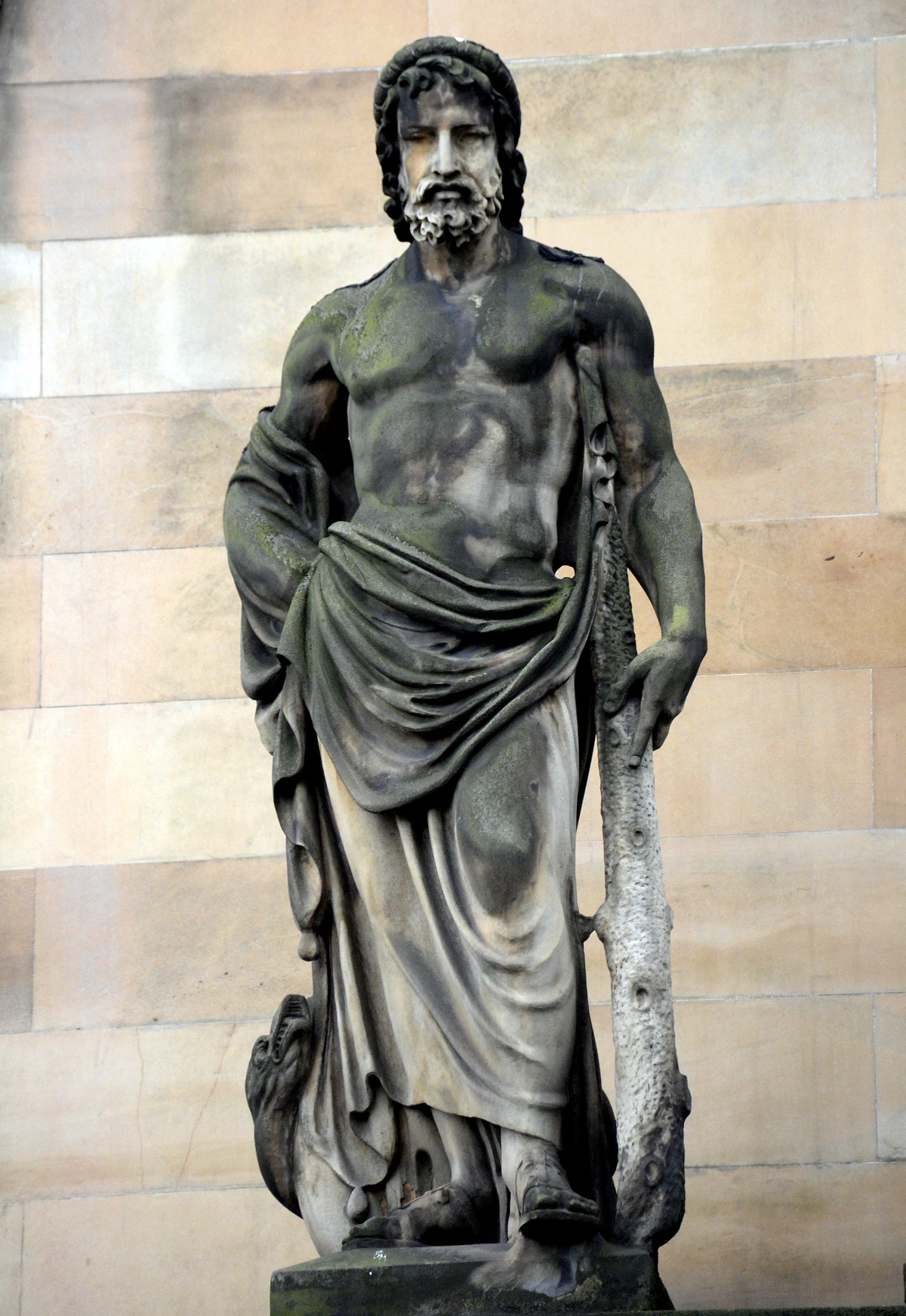
The primary difference, for me, lies in their core aesthetic and underlying purpose. Greek sculpture is renowned for its profound idealism, relentlessly striving for perfect, harmonious, and often generalized forms. It typically depicted gods, heroes, and athletes with idealized bodies and serene, somewhat generic faces, representing universal perfection rather than individual specificity. Its purpose was often philosophical or religious, celebrating abstract ideals of beauty, balance, and human potential. In stark contrast, Roman sculpture, especially its portraiture, was characterized by its unwavering realism (verism), showcasing individual features, wrinkles, and even imperfections, particularly in the Republican era, emphatically emphasizing wisdom, experience, and the gravitas of a life lived in public service. Its purpose was far more pragmatic and political: to convey specific identity, social status, and later, imperial power and propaganda. While Romans adapted Greek forms, they infused them with a distinct emphasis on specificity, individuality, and powerful political messaging, often employing more dynamic poses and emotional expression in their narrative reliefs than their Greek predecessors, making their art less about universal ideals and and more about individual and state authority, and a tangible, relatable human element.
Did the Romans have named artists?
Unlike the esteemed Greek tradition or later periods like the Renaissance, where artists often signed their work and achieved individual fame and renown (think of a Donatello or a Michelangelo), Roman artists generally remained anonymous. The focus was consistently less on the individual creator and far more on the powerful patron and the specific message conveyed by the artwork. While inscriptions occasionally mention sculptors or mosaicists (like a certain Famulus, possibly responsible for some frescoes in Nero's Golden House), these instances are quite rare and exceptional. Most Roman art was produced by large, efficient workshops, often with master craftsmen overseeing a team of skilled artisans, making it difficult to attribute specific works to named individuals. The collective power of the message and the patron's glory were always paramount over individual artistic renown.
What are some of the most famous examples of Roman art?
Oh, where to even begin?! It's a truly extensive and incredibly impressive list of ancient Roman artworks and architecture, a testament to their enduring creativity and ambition. But if I had to pick some of the absolute heavy hitters that really capture the essence of Roman artistry and its impact, these would definitely be high on my list:
- The Colosseum: The enduring, iconic symbol of Roman architectural and engineering might, a colossal amphitheater built for grand public spectacles and demonstrating innovative use of concrete, arches, and a complex internal structure.
- The Pantheon: An architectural marvel and a temple dedicated to all gods, renowned for its revolutionary concrete dome (the largest unreinforced concrete dome in the world for centuries!) and its celestial oculus, an audacious feat of engineering, light manipulation, and spiritual design.
- Augustus of Prima Porta: A stunning marble statue, the quintessential example of imperial propaganda through highly idealized portraiture, meticulously crafted to convey divine authority, military triumph, and eternal youth.
- Trajan's Column: A monumental column featuring a continuous spiral relief carving that tells the detailed, epic story of Emperor Trajan's two victorious Dacian military campaigns – a historical narrative masterpiece and an unparalleled testament to Roman storytelling in stone.
- Frescoes from the Villa of the Mysteries in Pompeii: Amazingly preserved, vibrant wall paintings depicting a mysterious Dionysian ritual, offering a rare, intimate, and often unsettling glimpse into Roman private life, religious practices, and showcasing advanced illusionistic techniques.
- Arch of Titus: Commemorating Titus's victory in the Jewish War, its iconic reliefs vividly depict the spoils from the sack of Jerusalem, including the Menorah, serving as a powerful example of historical narrative and imperial triumph in public sculpture.
- Ara Pacis Augustae: The Altar of Augustan Peace, an elegant marble altar with processional reliefs beautifully celebrating the peace and prosperity brought by Augustus, blending idealism and portraiture to project stability, divine favor, and dynastic succession.
- Fayum Mummy Portraits: Striking encaustic paintings from Roman Egypt, these remarkably lifelike portraits offer a unique and moving fusion of Roman realism and traditional Egyptian funerary practices, providing an uncanny connection to individual faces from the past.
What are some key Roman artistic techniques?
Roman artists pioneered, perfected, and mastered several truly innovative techniques that defined their aesthetic and allowed for their monumental achievements. In architecture, their development of sophisticated concrete revolutionized construction, allowing for massive structures like the Pantheon and vast aqueducts, creating unprecedentedly large, unobstructed interior spaces. For vibrant wall decoration, fresco painting (applying mineral pigments to wet plaster) created incredibly vivid and durable murals in both homes and public buildings, often employing trompe-l'œil illusionism to expand perceived space. Mosaic work, using countless tiny tesserae of stone, glass, or ceramic, meticulously adorned floors, walls, and ceilings with intricate, enduring imagery. In sculpture, alongside traditional stone carving, they skillfully used lost-wax casting for elaborate bronze statues. In painting, especially for those striking mummy portraits, they also utilized encaustic painting with heated wax for durable and remarkably lifelike portraits. These techniques collectively reflect a powerful blend of artistic skill, practical innovation, and an unwavering desire for enduring visual impact.










What is the significance of Roman ruins today?
Roman ruins today hold immense and multifaceted significance, serving as tangible, awe-inspiring links to an ancient civilization that profoundly shaped Western culture and beyond. They offer invaluable historical documentation, allowing archaeologists and historians to meticulously reconstruct daily life, political structures, social hierarchies, and artistic practices across millennia. Architecturally, they are a continuous source of profound inspiration, directly influencing the grand designs of the Renaissance, the dramatic flair of the Baroque, and the ordered rationality of Neoclassicism. Their principles continue to inform modern urban planning and design, from city layouts to public squares. Emotionally, they evoke a powerful sense of awe and wonder, connecting us viscerally to the ingenuity, ambition, and sheer scale of a people who built an empire that lasted over a millennium. For contemporary artists, they are a powerful, enduring reminder of how art can be used strategically – and beautifully – to shape identity, narrate history, and leave an indelible, lasting cultural mark. They are not just crumbling stones; they are enduring monuments to human achievement, artistic legacy, and the timeless power of purpose-driven creation.