Michelangelo's The Creation of Adam: Divine Spark, Human Intellect, & Enduring Legacy
Unravel Michelangelo's iconic Creation of Adam: its Sistine Chapel context, profound symbolism, anatomical theories, and the genius of fresco. Your ultimate guide to its lasting impact.

Michelangelo's The Creation of Adam: The Divine Spark, Human Intellect, and Enduring Legacy, Explained by an Artist
I know that feeling, don't you? That moment when you’re standing before a blank canvas, or wrestling with an elusive idea, and you’re just waiting for that flicker, that unseen spark to ignite. It's the electric instant before connection, before something truly new bursts into life. For me, as an artist exploring abstract forms, it’s a constant reminder of the magic in creation, the very essence I chase in my own work – whether it's the implied motion in a dynamic composition or the interplay of vibrant forms. This same electric instant, this spark of nascent energy, is precisely what Michelangelo captures with unparalleled force in The Creation of Adam. We're diving much deeper than just those legendary fingertips; we're exploring a profound dialogue immortalized in paint – a harmonious blend of human ambition and divine mystery, an unparalleled lesson in artistic innovation that still resonates today. My goal here is to offer you not just facts, but a deeply considered exploration, making this the ultimate guide where you can truly understand every nuance of this world-changing artwork.
Unveiling The Creation of Adam: What Are We Truly Seeing?
So, when you strip away all the fame and the countless reproductions, what exactly are we gazing upon? At its heart, The Creation of Adam is a monumental fresco painting, a vibrant panel within the awe-inspiring Sistine Chapel ceiling in Vatican City. Crafted by the unparalleled Italian master Michelangelo Buonarroti between 1508 and 1512, it captures the dramatic biblical account from the Book of Genesis (Genesis 1:27): God, the Creator, bestowing life upon Adam, the first man. It's more than just pigments on plaster; it's the very embodiment of a singular, electric moment – that precise fraction of a second where the divine essence is poised to meet mortal flesh. Before Michelangelo, artistic depictions of creation were often more static, with God typically portrayed in a more distant, symbolic manner. Michelangelo’s innovation was to infuse the divine act with such intense dynamism and human-like interaction, making it feel viscerally immediate – something truly revolutionary for its time. He treated the figures with a sculptor's understanding of three-dimensionality, making them almost burst from the curved ceiling.
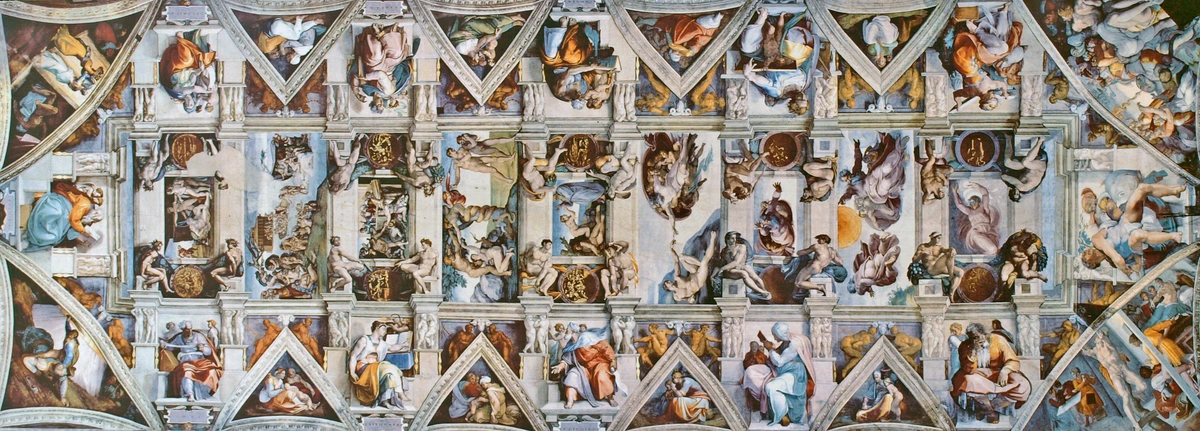
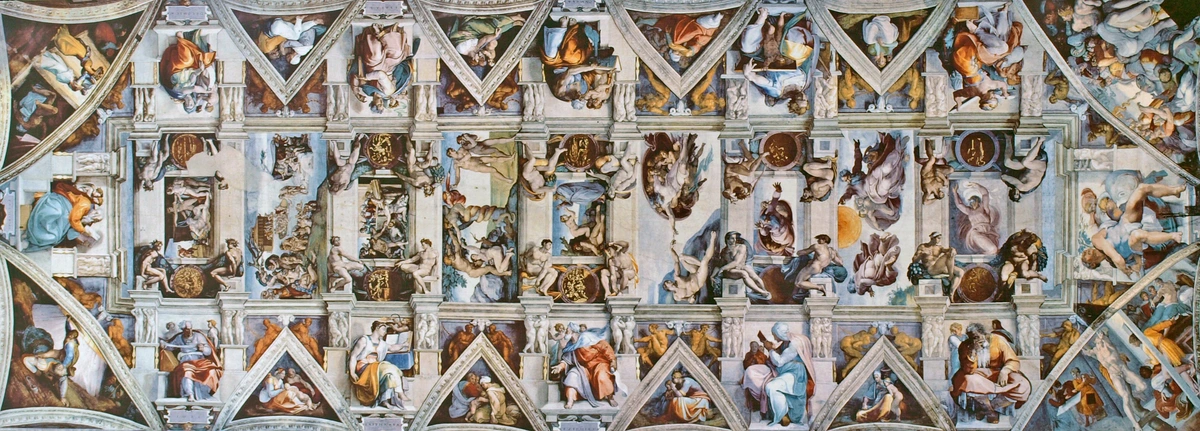
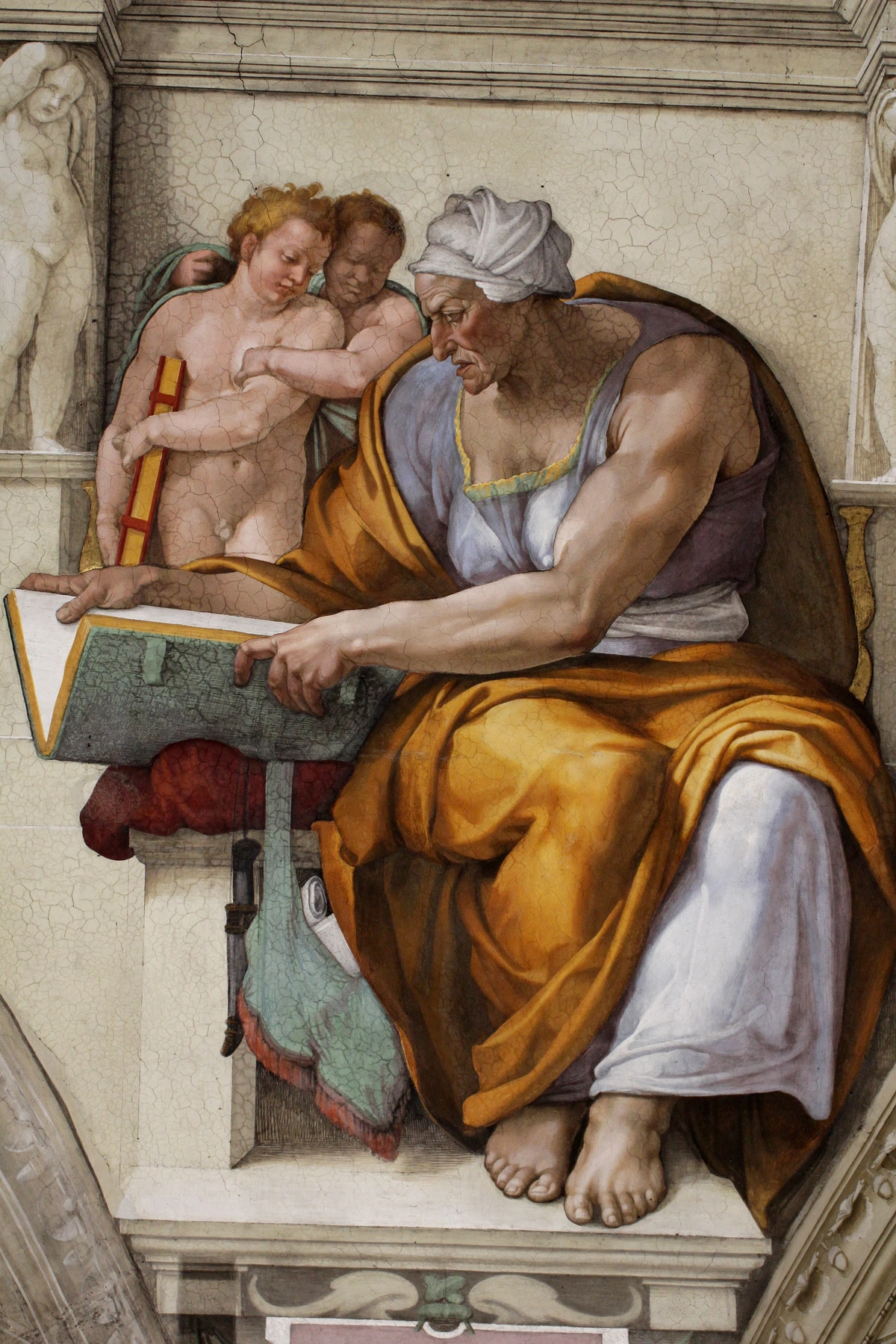
Most eyes are drawn, quite understandably, to the central protagonists: a powerful yet languid Adam on the left, receiving, and a dynamic, ethereal God on the right, giving. But don't let those two figures overshadow the grand narrative that unfolds across the entire Sistine Chapel ceiling. This isn't just a painting; it's an entire universe of creation, a sprawling visual epic from Genesis that redefined what art could be. From the initial Separation of Light and Darkness, to the Creation of the Sun and Moon, and then to the Creation of Adam and Eve, the ceiling tells a profound story of humanity's origins and its relationship with the divine – a larger theological program essential to understanding this masterpiece. The Creation of Adam is strategically placed as one of the central, pivotal panels, measuring around 280 cm x 570 cm (9 ft 2 in x 18 ft 8 in), anchoring this vast space, which itself spans approximately 40 meters (131 feet) long by 13 meters (43 feet) wide. To truly grasp the immense scale, imagine a sacred billboard, over 130 feet long, painted upside down, high above you. This immense work didn't just decorate a chapel; it fundamentally altered the trajectory of Western art, inspiring generations of artists and etching Michelangelo's name into the pantheon of artistic titans.
For a quick overview of the essential details and key facts surrounding this masterpiece, here's a breakdown:
Key Facts: Your Quick Reference
Feature  | Detail |
|---|---|
| Artist | Michelangelo Buonarroti (1475-1564) |
| Location | Sistine Chapel ceiling, Vatican City, Rome, Italy |
| Medium | Fresco (specifically buon fresco technique) |
| Date Created | 1508–1512 |
| Dimensions | Approximately 280 cm x 570 cm (9 ft 2 in x 18 ft 8 in) |
| Subject | God giving life to Adam, from the Book of Genesis (Genesis 1:27), embodying humanity's creation, divine intellect, and nascent free will. |
| Movement | High Renaissance |
| Significance | Icon of humanity's creation, a pinnacle of Humanism, revolutionary artistic innovation in depicting dynamism and psychological depth, and a visual embodiment of the divine spark and intellect. It fundamentally redefined Western art. |
From Stone to Plaster: The Genesis of a Masterpiece
Now, let's peel back a layer and delve into the creation story itself – and trust me, this saga is as dramatic as any biblical epic, because we're talking about Michelangelo. The legend, which often paints him as a reluctant genius, says that Pope Julius II, a formidable patron known for his tempestuous nature and grand ambitions, essentially forced Michelangelo to paint the Sistine Chapel ceiling. This wasn't just a simple commission; it was deeply intertwined with the Pope's ambition to consolidate power and project the Vatican's authority through awe-inspiring art. Grand artworks served as visual propaganda, cementing papal legitimacy and showcasing the Church's divine mandate in a complex political landscape. Michelangelo, famously, saw himself first and foremost as a sculptor. 'I'm no painter!' I can almost hear him bellowing, probably with the same exasperation I feel when I'm handed a flat-pack furniture instruction manual (and yes, I’ve definitely had those moments of feeling forced into creative acts that initially seem outside my comfort zone). He believed his destiny was in carving marble, bringing forms out of stone. For him, sculpture was the nobler art, a process of revealing the form already latent within the stone, a process more akin to divine creation itself, a direct wrestling with material resistance. Painting, in comparison, felt like an additive, superficial endeavor. But Julius II was relentless, and oh, how history thanks him for it, because the result is, quite simply, miraculous.
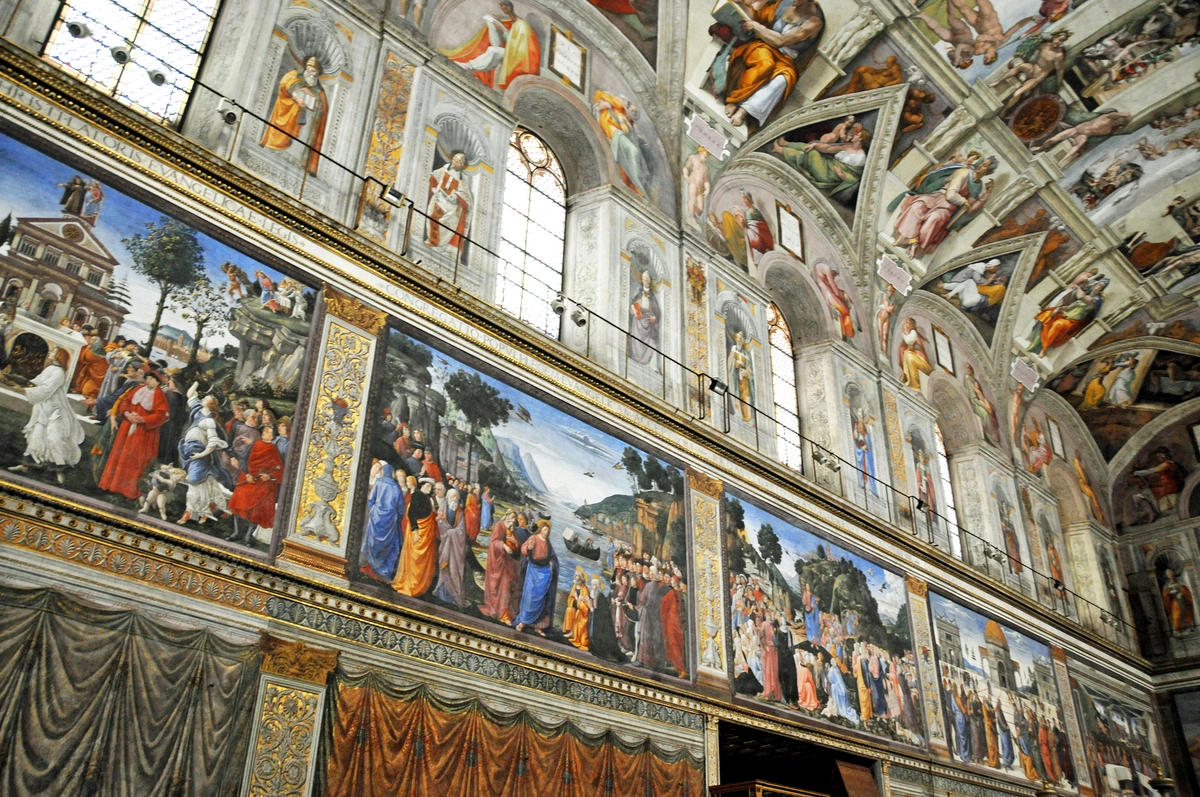
The Art of Permanence: Understanding Fresco and its Unforgiving Nature
The medium was fresco, specifically buon fresco ('true fresco'), which means applying pigments onto wet plaster (intonaco). This isn't just painting on a wall; it's a high-stakes race against the clock. As the plaster dries, a chemical reaction occurs, binding the paint permanently into the wall itself. This creates incredibly durable and vibrant works that can last for centuries – just look at the Sistine Chapel today, especially after its recent restorations. But here's the kicker: once the plaster dries, you can't really change it. Any mistake means chipping away the dried plaster and starting that section anew. This required meticulous planning; the ceiling was divided into sections called giornate (meaning 'a day's work'), each needing to be completed before the plaster dried. Imagine a chef needing to perfectly prepare an entire complex dish from scratch, ensuring every ingredient is just right, with no possibility of adjustment once a timer runs out – that's the pressure of giornata. It demanded breathtaking speed, precision, and an unshakeable vision. Michelangelo used mineral-based pigments, ground finely and mixed with water, which reacted with the lime in the wet plaster to form a permanent, insoluble bond. This wasn't some casual sketch; it was a monumental undertaking that demanded not just raw talent, but the endurance of an athlete, the precision of a surgeon, and the audacious vision of a prophet.
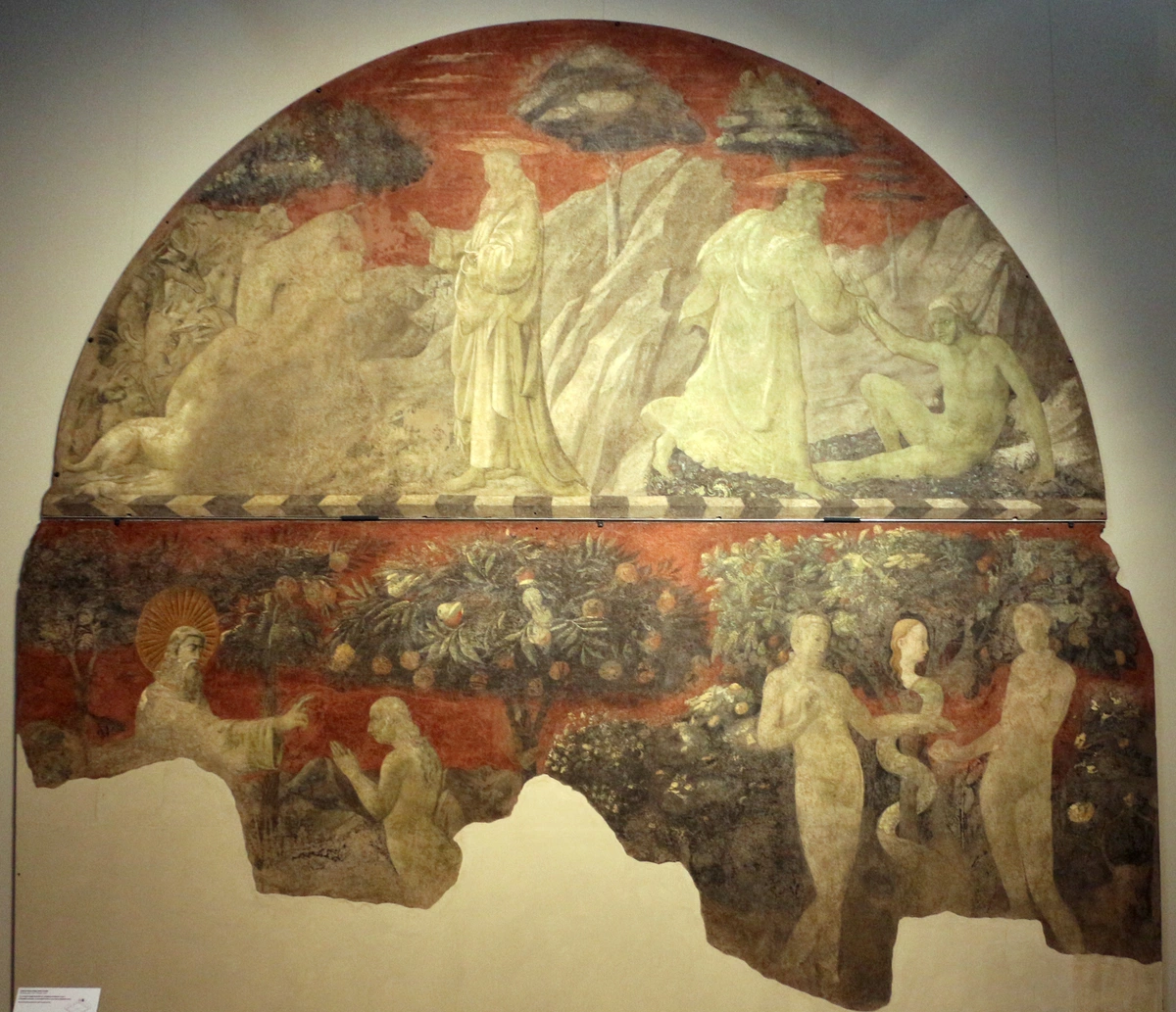
Can you even begin to imagine the physical toll and technical challenges? Lying on your back for four years, perched on precarious scaffolding, painting a gargantuan, curved surface, with plaster dust and paint dripping into your eyes. He had to invent a unique scaffolding system that allowed him to work without disturbing the existing chapel, a feat of engineering in itself. This bespoke system navigated the chapel's intricate architecture and allowed access to the vast, curved vault, presenting distinct challenges in stability, light, and ergonomic positioning. It wasn't merely a job; it was an act of extreme physical and mental endurance, a testament to his formidable will. He was effectively painting a colossal outdoor billboard, but indoors and upside down. I often wonder if the physical struggle informed the spiritual intensity of the work, forcing a deeper connection to the act of creation itself. The limited palette available for fresco, relying on natural earth pigments, also meant Michelangelo had to achieve dramatic effects with fewer colors than oil painters. Yet, he made it work, transforming a medium he initially disdained into a vehicle for eternal beauty, demonstrating his genius in achieving profound depth and drama despite these material constraints.
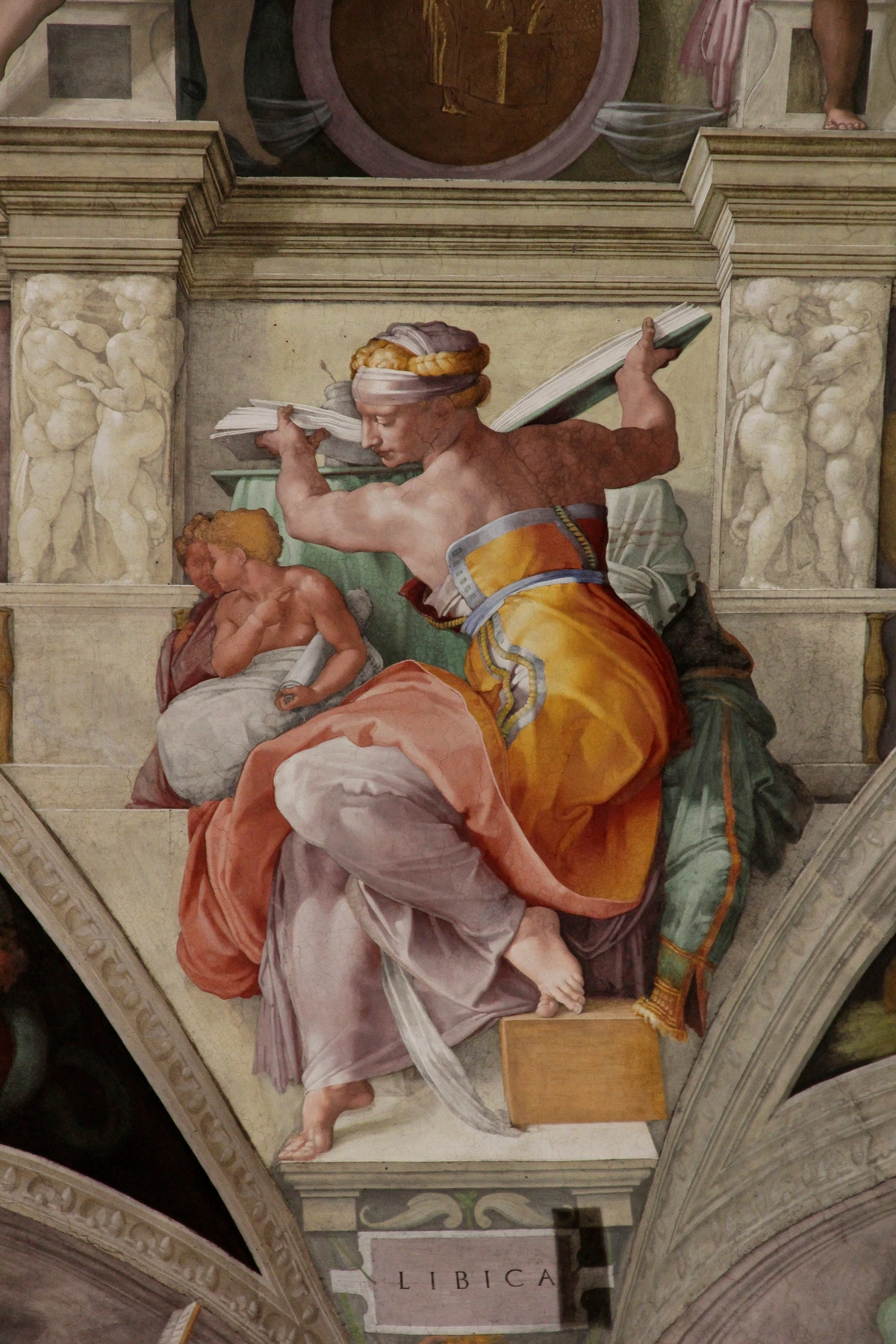
Michelangelo completed this entire, sprawling narrative of creation, including our masterpiece, in just over four years, from 1508 to 1512. It’s an astounding feat, especially when you consider its sheer scale, complexity, and the fact that he was, initially, so against it. As a true Renaissance Man, Michelangelo wasn't just a sculptor and painter; he was also an architect and a poet. This multifaceted genius allowed him to approach the ceiling as a complex, three-dimensional problem, conceiving it with a sculptor's understanding of form and space, an architect's sense of structure, and a poet's narrative depth. This polymathic ideal, where art, science, and philosophy interconnected, was a hallmark of the High Renaissance. To truly grasp the mind behind this marvel, I highly recommend diving into our ultimate guide to michelangelo. It offers a deeper look at the man who wrestled art from stone and plaster, and whose knowledge of classical Greek and Roman sculpture profoundly informed his every stroke.
The Sistine Narrative: Decoding the Story's Layers
Right, let's plunge headfirst into the very fabric of this epic scene, dissecting the narrative that Michelangelo so masterfully etched into the plaster. The core inspiration, of course, is a passage from Genesis 1:27: 'So God created mankind in his own image, in the image of God he created them; male and female he created them.' To understand the full context, we can look back to Genesis 1:26, where God says, "Let us make mankind in our image, in our likeness." Michelangelo doesn't just illustrate this; he explodes it into a dynamic, deeply emotional masterpiece that transcends mere depiction. It's a key part of the larger theological story of salvation woven throughout the entire Sistine Chapel ceiling, acting as a pivotal moment in humanity's story, setting the stage for subsequent narratives like The Fall of Man which follows directly after in the ceiling's sequence.
God: The Divine Intellect and Energetic Creator
Here we see God, an elderly yet powerfully muscular figure with a magnificent white beard, enveloped in a swirling, dynamic cloak of drapery and surrounded by a host of angelic figures. His pose is one of intense energy and forward motion, a stark contrast to Adam's more horizontal, receptive form. What strikes me is the sheer will conveyed, the focused intent behind the act. The divine energy isn't just a concept; it's a tangible force radiating from Him. His arm is outstretched, brimming with vitality, ready to impart the spark. The choice of rich, vibrant ultramarine blue for God's drapery, a pigment derived from precious lapis lazuli, underscores His divine transcendence and importance.
The Brain as Divine Blueprint?
Now, this is where it gets really intriguing for the curious mind: a compelling theory, first put forth by Dr. Frank Lynn Meshberger in 1990, posits that the shape of the divine group – God, his drapery, and the angels – eerily mirrors the anatomical outline of a human brain. If you align them just right, you can discern the frontal lobe, the brainstem, and even the pituitary gland. This isn't just a quirky observation; it's a testament to Michelangelo's profound interest in human anatomy (he was known for dissecting cadavers, a highly controversial practice at the time). It suggests that he was subtly imbuing the act of creation with not just divine power, but with divine intellect and consciousness itself. The cerebral structure, with its distinct lobes and brainstem, is remarkably mirrored, suggesting Michelangelo was depicting the very mechanism of thought and reason being bestowed upon Adam – the pinnacle of human existence. Other, more speculative theories, such as the outline of the human uterus, suggest a further emphasis on the miracle of birth and creation, with the drapery and figures resembling a womb and even an umbilical cord. Whatever the specific interpretation, it underscores Michelangelo's deep engagement with both the divine and the scientific, a truly Renaissance approach that celebrated reason as a gift from God. This fascinating debate adds layers of intellectual depth to the artwork, inviting viewers to ponder the origins of human consciousness.
Adam: The Awakened Human Form and Humanist Ideal
Adam, on the other hand, is presented in all his nude, idealized glory, reclining almost languidly on a barren, earthly outcrop. This sparse landscape isn't accidental; it symbolizes the primordial, unformed state of the world before humanity's full awakening, or perhaps the earthly realm Adam is about to inhabit. His form is one of breathtaking beauty, a perfect testament to the High Renaissance's renewed fascination with and celebration of the human body. This was a core tenet of humanism, a philosophical movement that placed human beings at the center of the universe, celebrating their achievements, potential, and inherent dignity. Michelangelo, deeply influenced by the classical ideals of Greek art and by studying classical sculpture, renders Adam not as a passive recipient, but as a magnificent, capable being, stirring from slumber. We see elements like his carefully rendered musculature and the subtle twist of his torso, reminiscent of the classical contrapposto pose. This contrapposto, a balanced asymmetry, conveys a sense of potential movement and readiness, perfectly aligning with the humanist ideal of a dynamic, engaged human capable of action and rational thought. His arm is raised, a mirror image of God’s, but it's slack, lacking the divine force. This half-awake, expectant state perfectly captures the threshold of existence, the cusp of life's true awakening. To me, it's a feeling I know well: that moment when an idea starts to form on a blank canvas, still hazy, but brimming with unborn potential, waiting for that first decisive stroke, that first committed line. For more on this transformative movement, explore our article on what is humanism in renaissance art.
The Iconic "Almost-Touch": A Chasm of Potential and Free Will
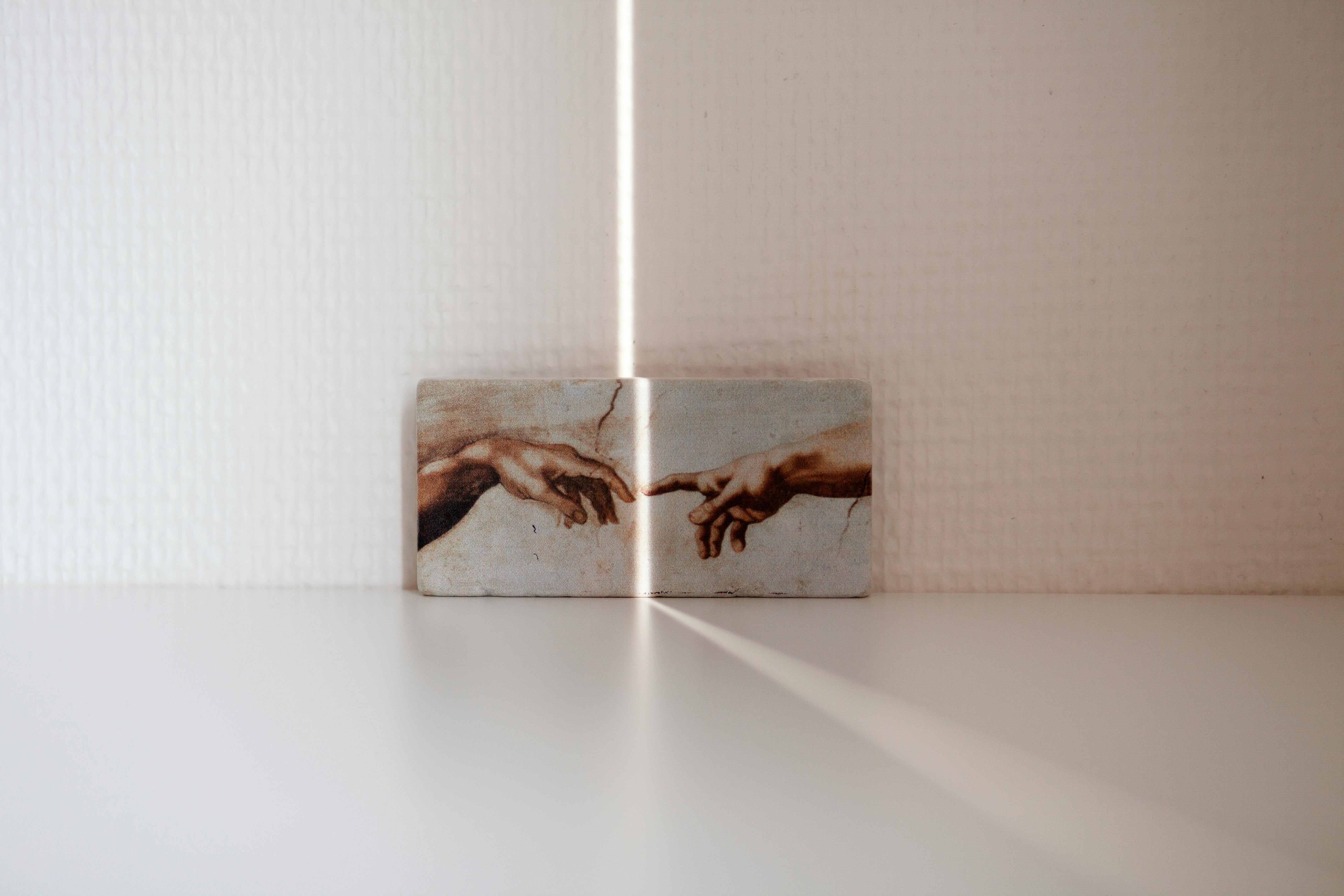
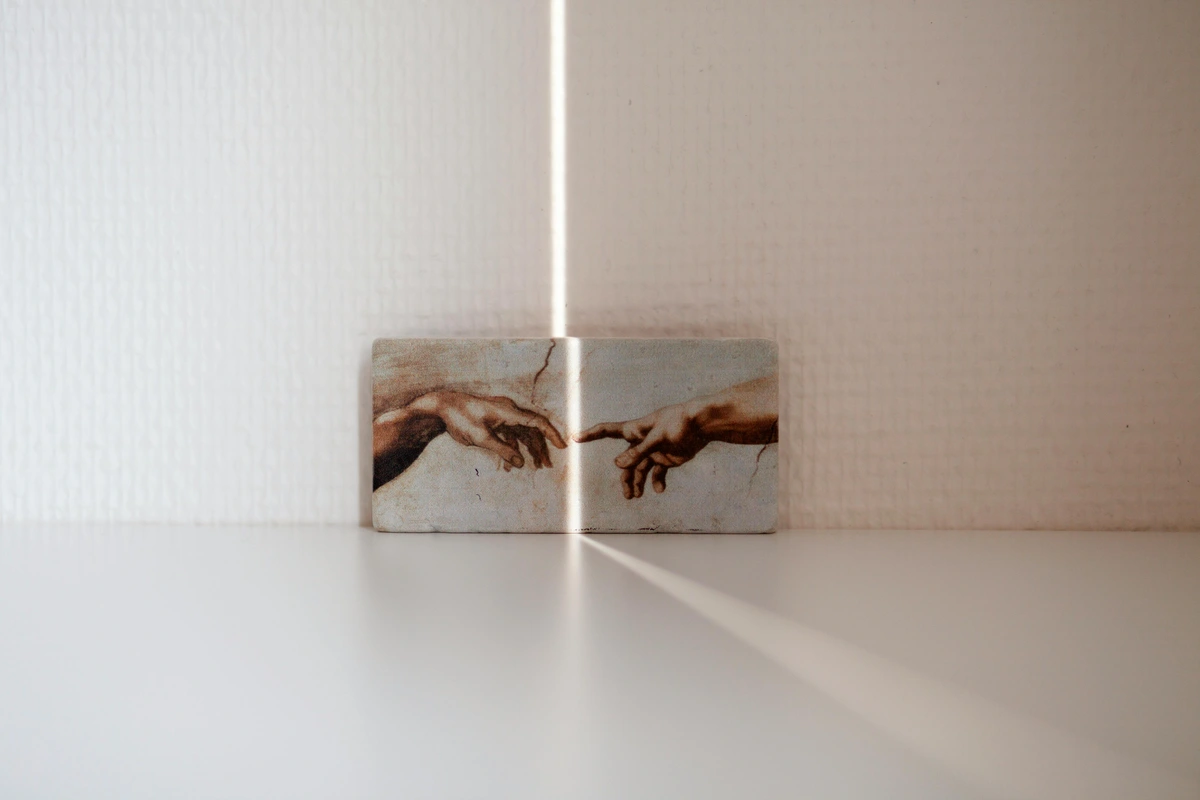
And then, there’s that moment. The fingers. God and Adam’s hands reaching, almost connecting, separated by a tantalizingly small, charged void. Why this gap? I find it utterly brilliant, a masterstroke of psychological depth. It’s not a scene of completion, but of imminent connection. That infinitesimal space is where the real magic happens, where the spark of life is transferred, where breath, spirit, and soul infuse the physical form. In art history, hands are powerful symbols of creation, agency, and connection, and here, they become a universal icon. It implies that while God's divine power is absolutely essential, there's also something latent within Adam, a dormant capacity for consciousness and choice, waiting to be kindled. This gap represents not just potential, but also free will – the idea that humanity, once animated, has the agency to choose its path, to reach back towards the divine or stray. The space signifies not just God's impartation, but Adam's nascent ability to respond to that impartation, to make choices, creating a profound dialogue between the divine and the human. It’s a powerful metaphor for the divine spark I believe exists within all of us, waiting for that moment of full realization, of creativity, of purpose. This 'almost-touch' has resonated across centuries, becoming a universal shorthand for connection, creation, and the divine – a testament to its profound symbolic power. It’s the ultimate representation of potential energy.
And what about those figures surrounding God? This is where art historians have had a field day! The most prominent woman tucked beneath God's arm is widely identified as Eve, yet to be fully created and drawn from Adam's side, symbolizing her genesis simultaneously with Adam's awakening. This interpretation links The Creation of Adam directly to the subsequent Creation of Eve panel on the ceiling, emphasizing a continuous divine plan. Another compelling, though less commonly accepted, interpretation suggests she could be the Virgin Mary, accompanied by the Christ Child (the small figure to God's left), thereby linking humanity's genesis to its eventual salvation through Christ. Other, more speculative theories propose these figures represent various angels, cherubim, or even unborn souls, all witnessing this singular, miraculous genesis of humanity. These interpretations frame the discussion around art historical debate and complex theological symbolism. The exact identities remain a subject of fascinating debate, adding another layer to Michelangelo's intricate storytelling and theological depth, reflecting the complex doctrines of the Catholic Church. Earlier depictions of creation often portrayed God creating Adam through touch or a command, but Michelangelo's dynamic separation and implied spark set his version apart, emphasizing interaction and nascent potential over a simple, immediate act.
Why It Still Grabs Us: Artistic Significance & Lasting Impact
So, after all these centuries, why does The Creation of Adam still strike such a profound chord with us? What makes it endure as a cultural icon and a cornerstone of art history?

The Quintessence of the High Renaissance
Firstly, it's a distilled essence of the High Renaissance itself. This golden age of art (roughly 1490s to 1527) wasn't just about beautiful pictures; it was a philosophical revolution. It celebrated humanism – a belief in the dignity, worth, and potential of human beings. Michelangelo, with his monumental Adam, embodies this. Adam isn't a meek, passive figure; he's a gloriously idealized human, capable of thought, action, and, crucially, free will and reason, a core humanist belief. God, too, is rendered with a powerful, almost human physicality, bridging the divine and the earthly in a way that truly resonated with Renaissance thinkers. It's a period characterized by harmony, balance, and a return to classical ideals, all brought to their peak of perfection. If you're curious about the philosophical underpinnings, our article on what is humanism in renaissance art delves deeper into this transformative movement.
A Masterclass in Anatomy and Dynamic Composition
Michelangelo's unparalleled mastery of anatomy is breathtakingly evident here. Remember, he was a sculptor first, and he approached painting with a sculptor's eye, rendering figures on a flat ceiling with such three-dimensionality and dynamic energy that they practically burst forth into the chapel space. The subtle tension in Adam's awakening muscles, the powerful sweep of God's form – it's all meticulously observed and perfectly executed. Michelangelo's knowledge of the human body, honed through careful dissection (a highly controversial practice at the time), allowed him to imbue his figures with an unprecedented realism and expressive power. He understood how weight shifted, how muscles tensed, and how light played across complex forms, translating this sculptural understanding directly onto the painted surface. This anatomical precision allowed for the profound psychological depth we see, conveying internal states through external form.
Beyond individual forms, the composition itself is a stroke of genius. The dynamic, diagonal thrust of God's group is counterbalanced by Adam's languid, horizontal recline, creating an electrifying visual tension and a sense of imminent movement. The way he uses foreshortening – an artistic technique of rendering an object or figure in depth so that it appears to recede sharply into space – is particularly masterful given the curved surface of the ceiling. Foreshortening on a curved plane presents immense optical challenges, requiring a profound understanding of perspective and illusion to prevent distortion. For instance, notice how God's arm, despite being extended, doesn't appear unnaturally long or distorted, a testament to his precise understanding of perspective on a challenging, curved plane. It’s not static; it's a moment pregnant with action, pulling your eye across the plaster. This isn't just art you look at; it's art that moves you, physically and emotionally. To truly appreciate this level of spatial mastery, consider exploring how these principles are applied in our definitive guide to perspective in art.
Rewriting Art History: The Impact of the Sistine Chapel Restoration
It's also worth noting the extensive restoration of the Sistine Chapel frescoes between 1980 and 1994. Before this, centuries of grime, candle smoke, and misguided earlier restorations (which often involved applying animal glue, wine, or darkening varnishes that obscured Michelangelo's original intentions) had significantly darkened and obscured Michelangelo's original palette. The cleaning was a meticulous, slow process, initially sparking considerable controversy within the art world, with some critics fearing irreversible damage or alteration of the master's vision. However, the triumph of this restoration was the revelation of vibrant, almost startlingly bright colors that astonished the art world, fundamentally rewriting art historical understanding of Michelangelo's use of color. Previously, many art historians believed Michelangelo favored a more muted, sculptural palette, emphasizing form over color. However, the restoration proved his mastery extended to bold, luminous hues, revealing a Michelangelo who embraced a rich, diverse palette that amplified the frescoes' dramatic impact and conceptual depth, reaffirming his genius for color as well as form.

Enduring Legacy and Impact: A Cornerstone of Western Art
This artwork didn't just decorate a chapel; it fundamentally defined an era. It became a blueprint for generations of subsequent artists on how to portray humanity, divinity, and the profound drama of creation with unparalleled psychological depth. It's a true cornerstone of Western art. Even centuries later, during the Age of Enlightenment, while some artistic styles shifted away from grand religious narratives, the sheer artistic merit and universal humanistic power of The Creation of Adam continued to be revered, seen as a pinnacle of artistic achievement that transcended changing aesthetics. Artists like Peter Paul Rubens and even modern sculptors have drawn inspiration from its powerful narrative and dynamic forms. And if you really want to immerse yourself in the broader context of this transformative period, our ultimate guide to renaissance art is the essential starting point.

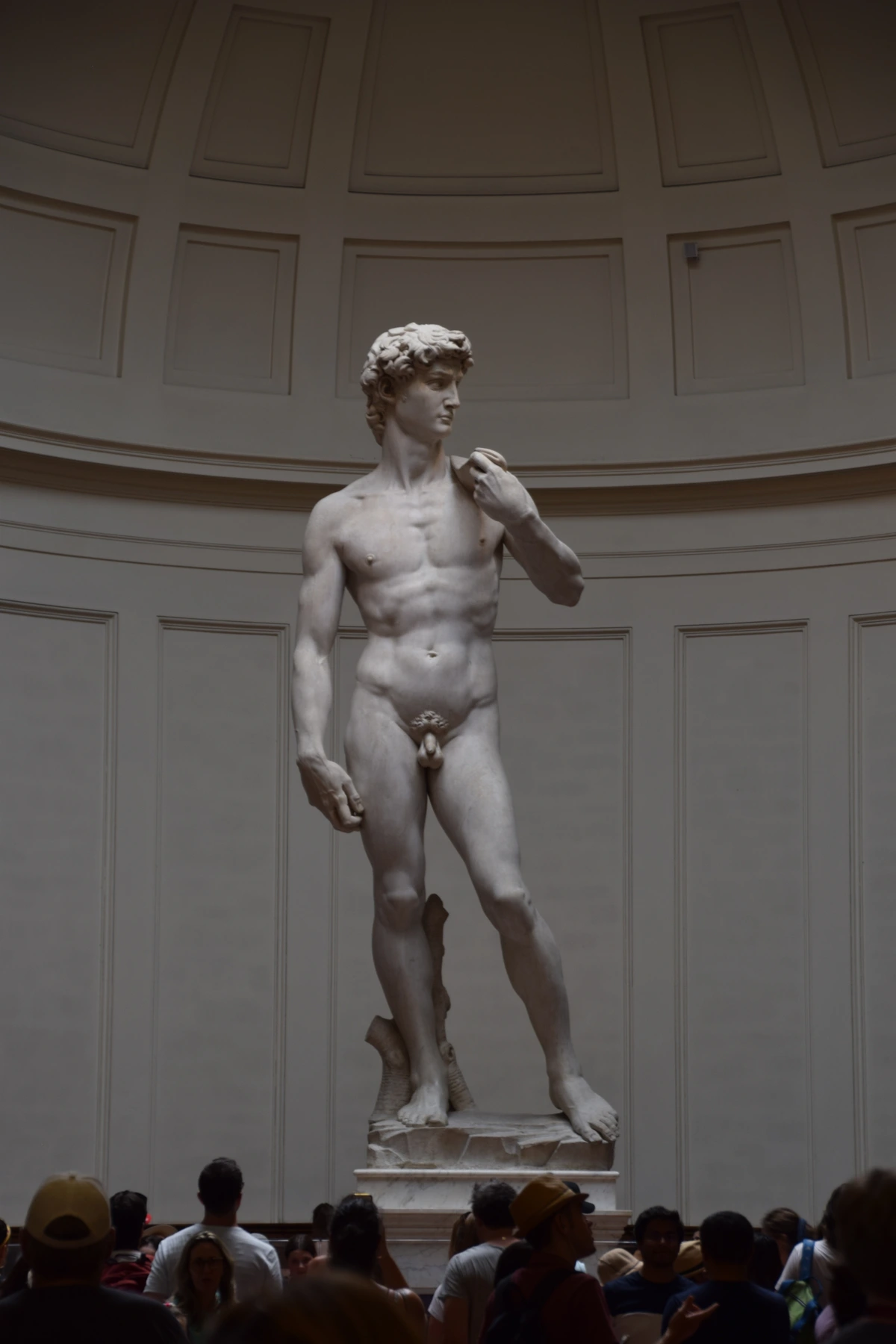
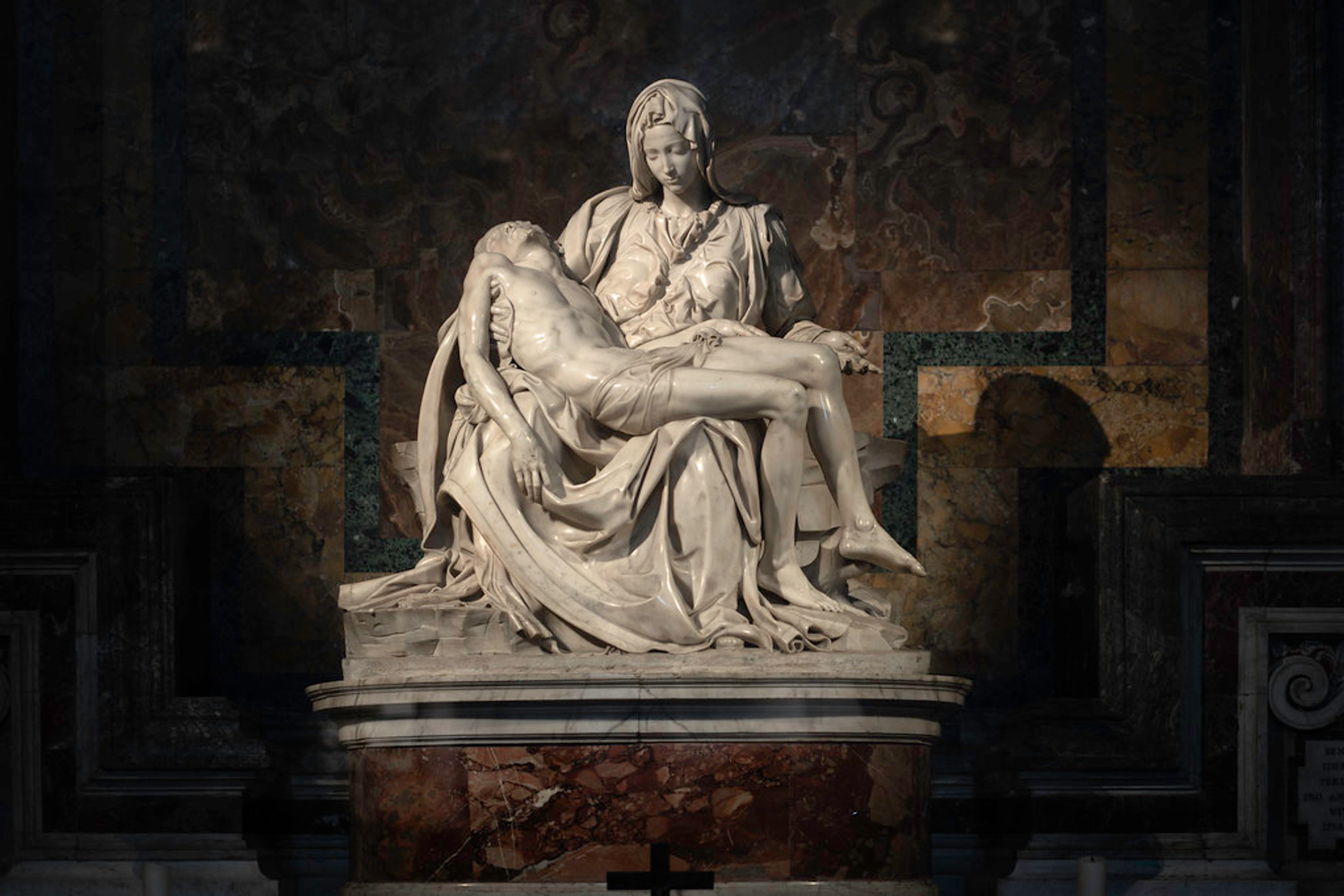
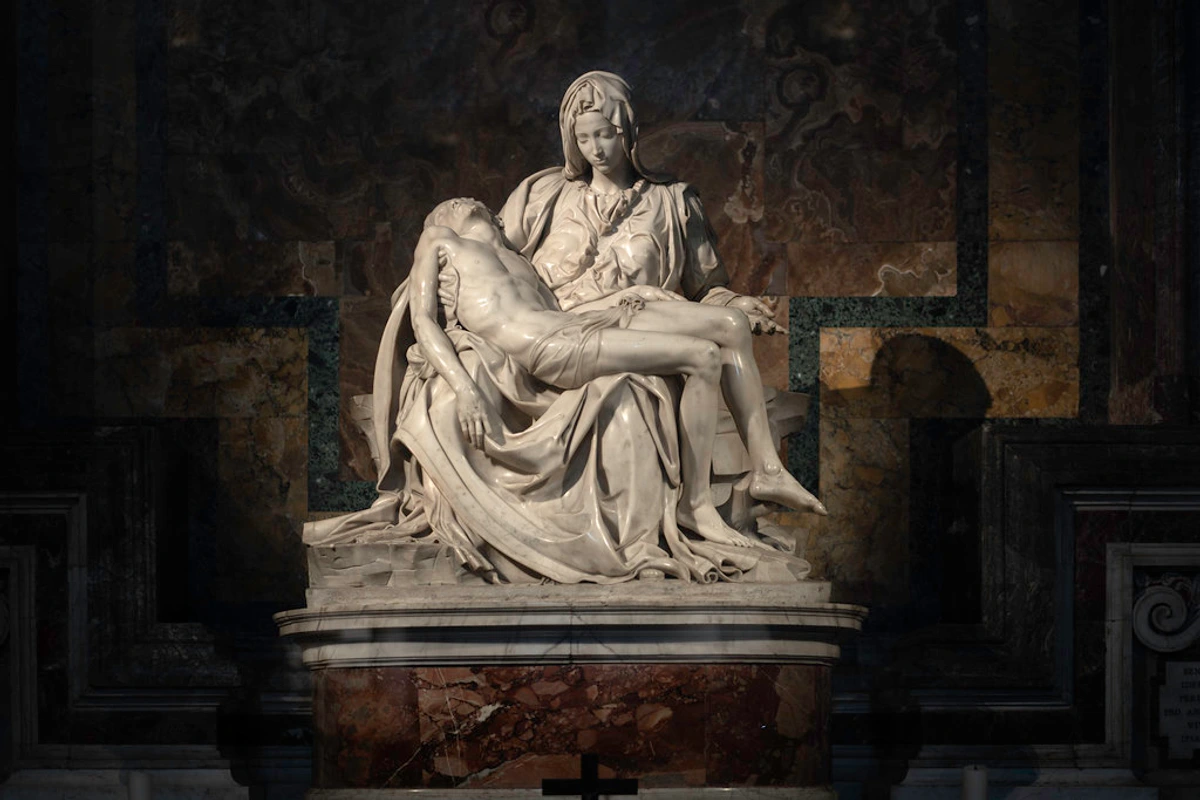
Michelangelo's impact, of course, extends far beyond the Sistine Chapel. Works like his colossal marble sculpture of David – a prime example of ultimate guide to renaissance sculpture – or the poignant Pietà in St. Peter's Basilica further cement his legacy as arguably the greatest artist of the High Renaissance, a true master who pushed the boundaries of what art could achieve, demonstrating consistent anatomical precision and profound emotional depth across all his mediums. The influence of his other major Sistine Chapel panels, such as The Fall and Expulsion from the Garden of Eden, further solidifies the ceiling's cohesive narrative and his masterful storytelling.
Key Takeaways from "The Creation of Adam"
What resonates most deeply with me from this iconic work? Here are some of the enduring lessons:
- The Power of Potential: The iconic 'almost-touch' symbolizes not just life's spark, but our own innate capacity for reaching, striving, and creating, urging us to embrace our own potential, a perpetual state of becoming. It's about imminent connection, not just completed action.
- Humanism's Apex: Adam embodies the High Renaissance ideal of human dignity, beauty, and intellectual capacity, celebrating the incredible potential within each individual, capable of reason and free will.
- Michelangelo's Transformative Ingenuity: A reluctant sculptor, his sculptural mind revolutionized fresco painting, bringing unprecedented dynamism, anatomical precision, and conceptual innovation to the Sistine Chapel ceiling, transforming a despised medium into a triumph.
- A Theological & Scientific Dialogue: The subtle anatomical theories surrounding God's figure hint at a profound connection between divine intellect and human consciousness, bridging faith and early scientific inquiry, suggesting God bestows not just life, but the capacity for thought and reason.
- Enduring Influence: A foundational artwork that shaped Western art and continues to inspire deep philosophical and artistic contemplation, proving that true genius transcends time and continually provokes new interpretations.
- Dialogue Between Sacred and Secular Knowledge: The incorporation of anatomical understanding within a profound religious narrative showcases the Renaissance ideal of intellectual curiosity, bridging seemingly disparate fields of knowledge to create deeper meaning.
Common Misconceptions About The Creation of Adam
Sometimes, such a famous artwork can gather a few popular misunderstandings. Let's clear some of them up:
Misconception | Reality |
|---|---|
| Adam is fully alive/conscious from the start. | Adam is depicted in a state of awakening, languid and not yet fully animated. The iconic gap between fingers emphasizes the moment before full life is imparted, highlighting potential over completion and hinting at humanity's nascent free will and agency to respond. This deliberate choice by Michelangelo underscores the idea of a spark, not an instantaneous bestowal. |
| Michelangelo loved painting the ceiling. | Michelangelo considered himself a sculptor first and famously resisted the commission from Pope Julius II, viewing painting as inferior to sculpture. He found the physical demands excruciating, often complaining about the arduous process in letters and poetry, and preferred the revealing process of sculpture to the additive nature of painting. His letters reveal immense suffering and frustration. |
| The figures around God are random angels. | While some are angels, the most prominent woman beneath God's arm is widely identified as Eve (yet to be created from Adam's rib) or, less commonly, the Virgin Mary (often with the Christ Child). This composition reflects complex theological thought and careful symbolism, linking creation to salvation and a larger divine narrative, not merely decorative figures. |
| The colors are naturally dark/somber. | Centuries of candle smoke, grime, and previous misguided restorations (which often involved applying animal glue or darkening varnishes) obscured Michelangelo's original vibrant, brilliant colors. The 1980s restoration revealed a much brighter, more colorful fresco, fundamentally changing art historical understanding of his palette and proving his mastery of luminous hues. |
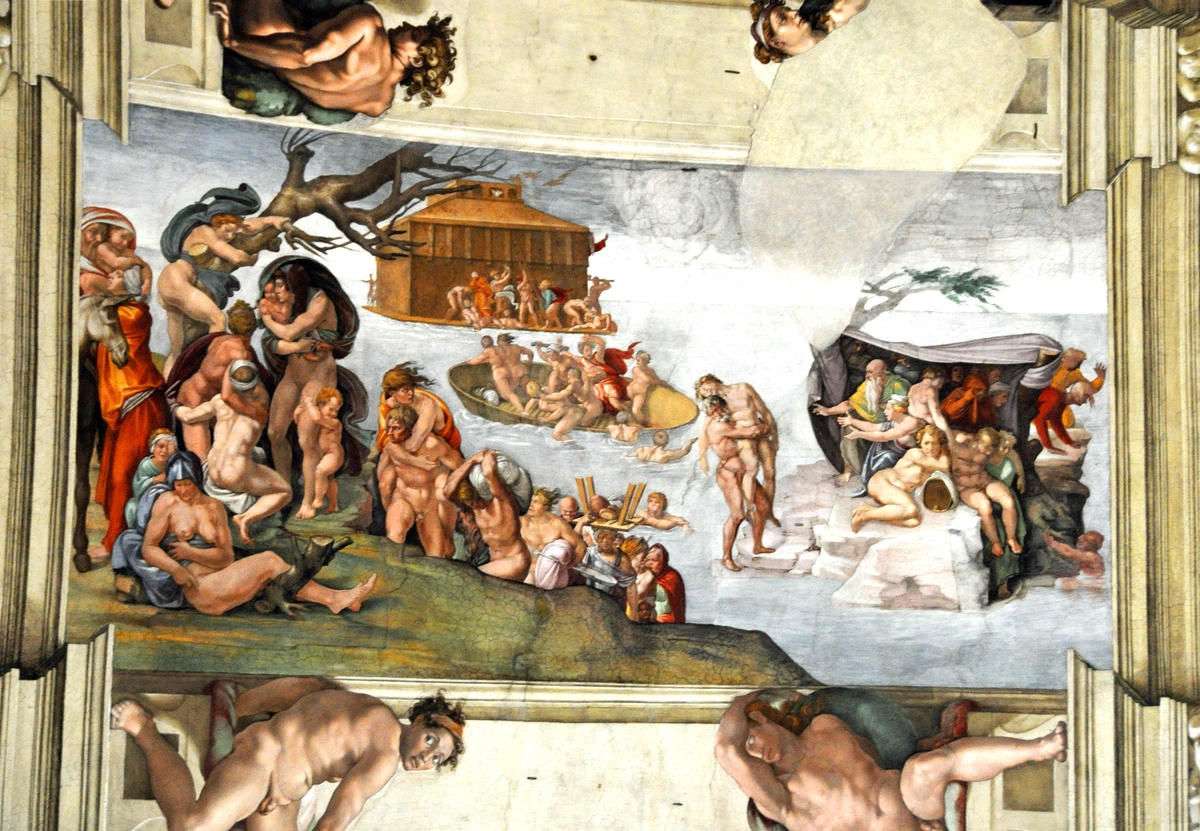
| It depicts the entire creation story. | The Creation of Adam is just one panel among nine central scenes on the Sistine Chapel ceiling that collectively narrate the Book of Genesis, from the Creation of the Universe to the Fall and the Flood. It's a key part of a much larger, cohesive theological program, but not the entirety of creation. |
| The 'brain theory' is definitive fact. | While a compelling and widely discussed theory, it remains a speculative interpretation. Michelangelo's anatomical knowledge is undisputed, but whether he intended the precise brain outline is still a subject of academic debate, adding a layer of mystery rather than certainty. |
| Michelangelo worked completely alone. | While he often preferred to work in solitude and had an intensely personal vision, Michelangelo did have assistants for tasks like plaster preparation and basic color application, especially in the earlier, less complex parts of the ceiling. However, the vast majority of the painting, especially the major narrative panels and figures, was executed by his own hand. |
Frequently Asked Questions About The Creation of Adam
Let's quickly tackle some of the most common questions people have about this incredible work of art, perhaps prompted by that sudden surge of curiosity I often feel myself when encountering something truly profound.
Why are God and Adam's fingers not touching?
This iconic small gap is perhaps the most discussed detail, and for good reason. It is widely interpreted as symbolizing the precise moment just before life is fully transferred or sparked. It represents the divine energy, the breath of life, and the inception of the soul about to flow into Adam, rather than a completed act. This 'imminent connection' highlights potential, the nascent spark, and the idea that humanity is eternally reaching for the divine. It implies that the spark of life is an ongoing, dynamic force, a perpetual state of becoming rather than a finite event. Moreover, this gap is not merely a symbol of potential, but an invitation to consider humanity's own capacity for reaching out, for choice, and for a reciprocal relationship with the divine, underscoring nascent free will.
What figures accompany God in the fresco?
God is surrounded by several angelic figures. The most notable is the woman beneath God's right arm, commonly interpreted as Eve (yet to be created from Adam's rib, foreshadowing her eventual creation) or, less commonly, the Virgin Mary (linking creation to salvation through Christ), often accompanied by the Christ Child (the small figure to God's left). These interpretations form the core of art historical debate and theological symbolism surrounding the figures. Other figures are typically interpreted as various angels, cherubim, or even unborn souls, all witnessing the miraculous act of creation, adding layers of theological and symbolic depth to the scene. This layered interpretation encourages us to view the act of creation not just as a single event, but as part of a larger divine plan.
What is the blue color used in The Creation of Adam?
Michelangelo utilized a range of vibrant blues in the Sistine Chapel, primarily relying on ultramarine, a highly prized and expensive pigment derived from lapis lazuli. This deep, rich blue was often reserved for the most important figures and areas, such as God's swirling drapery, symbolizing divinity and transcendence. The brilliance of this color was especially revealed during the 1980s restoration, which stripped away centuries of grime and darkened varnishes, showing Michelangelo's true mastery of a luminous palette.
What was Michelangelo's relationship with Pope Julius II like?
It was famously tumultuous! Pope Julius II, a formidable patron known for his tempestuous nature and grand ambitions, and Michelangelo, an equally strong-willed artist fiercely protective of his creative autonomy, often clashed over commissions, payments, and artistic direction. Their relationship was a complex mix of mutual respect for each other's genius, profound frustration, and a shared ambition for monumental projects. Despite the constant disagreements, Julius II recognized Michelangelo's unparalleled talent, and Michelangelo, despite his complaints and initial disdain, delivered masterpieces that served the Pope's grand vision, ultimately shaping art history in ways neither could have fully foreseen.
How was the Sistine Chapel ceiling cleaned and restored?
The massive restoration project from 1980 to 1994 involved a team of expert conservators who meticulously cleaned the frescoes using specialized solvents and distilled water to remove centuries of grime, soot from candles, and previous, often damaging, restoration attempts (like applying animal glue or darkening varnishes). The process was slow and precise, initially sparking considerable controversy and debate within the art world over fears of irreversible damage or alteration of Michelangelo's original intent. However, the meticulous work ultimately revealed Michelangelo's original vibrant colors and delicate details that had been hidden for centuries. This controversial but ultimately triumphant restoration fundamentally changed our understanding of Michelangelo's palette and artistic intent, showing a master of luminous color, not just sculptural form.
How large is The Creation of Adam?
The Creation of Adam measures approximately 280 cm x 570 cm (9 ft 2 in x 18 ft 8 in). While a significant panel, it's actually just one part of the colossal Sistine Chapel ceiling, which stretches over 40 meters (131 feet) long and 13 meters (43 feet) wide. To put it in perspective, the panel itself is larger than a standard garage door, yet appears almost intimate within the vastness of the chapel's vault.
Conclusion: The Enduring Spark of Creation in All of Us
So, there you have it – our journey through the layers of meaning, the incredible history, and the sheer artistic genius behind Michelangelo's The Creation of Adam. It's far more than just a famous image or a pretty picture; it's a profound testament to human ambition, divine inspiration, and the timeless enigma of life's genesis. For me, it serves as a powerful reminder that every act of creation, whether it's the cosmic genesis of a universe or the first brushstroke on a canvas, carries a piece of that original, animating spark. It's a living, breathing conversation about what it means to be human, to reason, and, indeed, what it means to create.
Every time I delve into The Creation of Adam, my mind inevitably drifts back to the very act of creation itself. I've been there countless times: standing before a blank canvas, a daunting expanse of white, feeling a bit like Adam on that barren earth, poised, waiting. And then, it happens. A flicker of an idea, a burst of intuition, a color combination that just sings, a line that perfectly captures the essence I'm chasing. It's a small, personal version of that divine touch, isn't it? A tiny conduit for that universal creative energy, flowing right through me. That feeling of wrestling something new, something vibrant and meaningful – perhaps an abstract landscape or a symbolic composition – into existence? That's precisely why I dedicate myself to art. It's that exhilarating 'almost-touch,' that boundless potential energy I feel when facing a blank canvas, a space pregnant with the possibility of bringing something new into existence, much like Adam on that barren earth, waiting to receive his spark of consciousness and free will. This masterpiece isn't just history; it's a timeless call to embrace our own potential, our own innate capacity for creation and purpose, making this guide an essential resource for understanding that profound conversation.
credit, licence
If this exploration of creation and the profound power of art to articulate the inexpressible has ignited something within you, perhaps you'll find a piece in my own collection that resonates, that sparks a similar sense of wonder in your space. Whether it's the bold lines of my geometric abstract art or the subtle textures of my abstract compositions in blue tones, you can always explore some of my creations on the /buy page, or discover more about my artistic journey on the /timeline.
Further Reading & Exploration
For those who wish to delve even deeper into the world of Michelangelo and the Renaissance, I recommend the following resources:
- Books: Consider 'Michelangelo and the Pope's Ceiling' by Ross King for an engaging historical account of the Sistine Chapel project, or 'The Agony and the Ecstasy' by Irving Stone for a classic biographical novel.
- Documentaries: Many excellent documentaries explore the Sistine Chapel's restoration and Michelangelo's life, available on platforms like PBS, BBC, or streaming services. Look for titles that specifically cover the recent cleaning to see the revealed colors.
- Visit in Person: If you ever have the chance, experiencing the Sistine Chapel firsthand is an unparalleled pilgrimage for any art lover. The sheer scale, vibrancy, and overwhelming artistry truly need to be seen to be believed. You can also visit Florence, Michelangelo's home city, to see other masterpieces like David, or Rome to see Moses and the Pietà.
The next time you encounter those outstretched hands, those fingers poised for destiny, remember the incredible story, the meticulous craft, the physical suffering, and the enduring philosophical questions they continue to provoke. And perhaps, in that moment, you'll feel that very same, powerful spark ignited within yourself too.