The Luminous World of Glass Art: A Personal Odyssey Through History, Techniques, and Visionaries
I’ve always been captivated by the quiet power of transformation, particularly when it defies the ordinary. Like a fleeting thought solidifying into an unwavering conviction, or a fluid dream crystallizing into reality. Glass, to me, is one of those enigmatic wonders. I remember the first time I truly saw glass not just as a material, but as a medium for pure expression. It was a sunlit afternoon, standing before a magnificent stained-glass window in a centuries-old church, the light fracturing into a kaleidoscope of colors, and feeling an undeniable pull. How could something so brittle hold such strength? So transparent, yet capable of embodying the most vibrant hues? Ancient in its origins, yet perpetually feeling new, glass art captivates with its delicate strength and profound capacity for storytelling. It’s a medium that, by its very nature, often leans into abstraction, transforming light and form into pure emotion. Come with me; let's get lost in its glow and discover why it resonates so deeply within the human experience, exploring its rich history, the magical techniques that shape it, and the contemporary visionaries pushing its boundaries. Beyond mere aesthetics, glass also plays a crucial role in scientific advancements and architectural innovation.
Understanding Glass Properties: The Secret Recipe of Form
Before diving into the specifics of techniques or history, it’s worth noting that artists often choose their glass based on its unique 'personality' – its very DNA, if you will. Glass is primarily composed of silica (sand), along with other ingredients like soda ash (which acts like a flux, lowering the melting point, much like salt helps ice melt) and limestone (which adds stability, preventing the glass from dissolving too easily and making it more durable, like a sturdy backbone). The precise blend of these compositions, along with the addition of metal oxides, dictates a glass’s color, clarity, viscosity (how easily it flows when molten, a crucial factor for workability), and crucially, its thermal expansion rate – how much it expands and contracts with heat, which is vital for preventing cracking when joining different glass types. Historically, the discovery and refinement of different glass compositions were as pivotal as new techniques.
For example, early glass often had a greenish tint from iron impurities, which led to the use of additives like manganese as a decolorizer, or cobalt to produce vibrant blues. I often think of these early explorations as a form of ancient alchemy, where artisans, without modern chemistry, intuitively discovered how to manipulate the very essence of light and color within glass, paving the way for the incredible palettes we use today! For instance, soda-lime glass (common in window panes and bottles, also used in art) is favored for blowing and fusing due to its workability and lower melting point, while borosilicate glass, known for its remarkable thermal resistance, is essential in lampworking and scientific applications where durability is paramount. Borosilicate glass achieves this resistance to thermal shock due to the addition of boron oxide, which significantly lowers its coefficient of thermal expansion. The invention of lead crystal in the 17th century dramatically increased glass's refractive index (its ability to bend light), leading to the sparkling brilliance we associate with cut crystal and influencing artistic trends towards elaborate faceting and light play.
Art glass, specifically formulated for artistic use, differentiates itself by a higher purity, greater consistency in color, and carefully controlled thermal properties, all designed to give artists maximum creative freedom and predictable results, unlike more industrial-grade glass. Understanding these unique 'personalities' of each glass type is paramount. Once shaped, the material also undergoes annealing – a controlled, gradual cooling process crucial for relieving internal stresses, preventing cracking, and ensuring the final piece's durability. Without proper annealing, even the most stunning creation can shatter unexpectedly, a humbling reminder of glass’s inherent power and fragility. I remember one time, early in my artistic journey, I experimented with a piece that I thought was finished, only for it to spontaneously crack days later – a stark lesson in the unseen forces at play. Another common pitfall in kiln-forming is devitrification, where glass unintentionally crystallizes and clouds during cooling, transforming the intended smooth surface into an opaque, rough texture. The subtle textures, the cool, smooth surface, the resonant clink when gently tapped – the sensory experience of glass is as much a part of its appeal as its visual beauty.
The Whisper of Time: A Brief History of Glass Art
When I first started looking into glass art, I imagined artisans in grand, dimly lit workshops, dramatically blowing molten forms. And while that’s certainly a part of it, the story of glass stretches back much further, thousands of years, to ancient Mesopotamia and Egypt. Imagine stumbling upon a shard of beautifully colored glass in the desert – what a moment that must have been! The earliest forms, dating back to around 3500 BCE, were often small, opaque beads or amulets, primarily for adornment or ritual. It wasn't until around 1500 BCE that core-formed vessels began to appear, signaling a growing mastery over the material. For me, these early fragments are not just artifacts; they are whispers from a time when humans first began to understand the alchemy of earth, fire, and sand.
Roman Ingenuity and the Dawn of Glassblowing
I'm always struck by the remarkable ingenuity of the Romans, who not only adopted existing glass techniques but revolutionized production and even discovered glassblowing around the 1st century BCE. I often imagine the sheer audacity of those early artisans, taking molten earth and breathing life into it – a process that feels both ancient and incredibly modern. They spread their techniques across their vast empire, leaving behind exquisite vessels, intricate mosaic glass, and even architectural elements like glass panes for windows. Beyond these, the Romans innovated with cast glass for larger objects and structural uses, and their advancements extended to the development of early scientific instruments, such as lenses, proving glass's versatility beyond mere aesthetics. The sheer logistical feat of establishing glass workshops across such a vast territory, disseminating techniques, and maintaining quality, always makes me pause and appreciate the scale of their ambition.
Medieval Masterpieces: Stained Glass and Sacred Light
Then came the Middle Ages, and with it, the breathtaking stained-glass windows of cathedrals, turning light into sacred narratives. It’s hard not to feel a sense of awe when you stand in a centuries-old church, bathed in the kaleidoscopic glow filtering through scenes of saints and stories. These monumental works, like those found in Sainte-Chapelle, Paris, served not only to tell biblical stories to a largely illiterate populace but also to transform the interior space, symbolizing the divine light entering the church and uplifting the worshippers. For me, it’s a powerful reminder that art isn't just about beauty; it’s about connection, emotion, and history all rolled into one shimmering package.
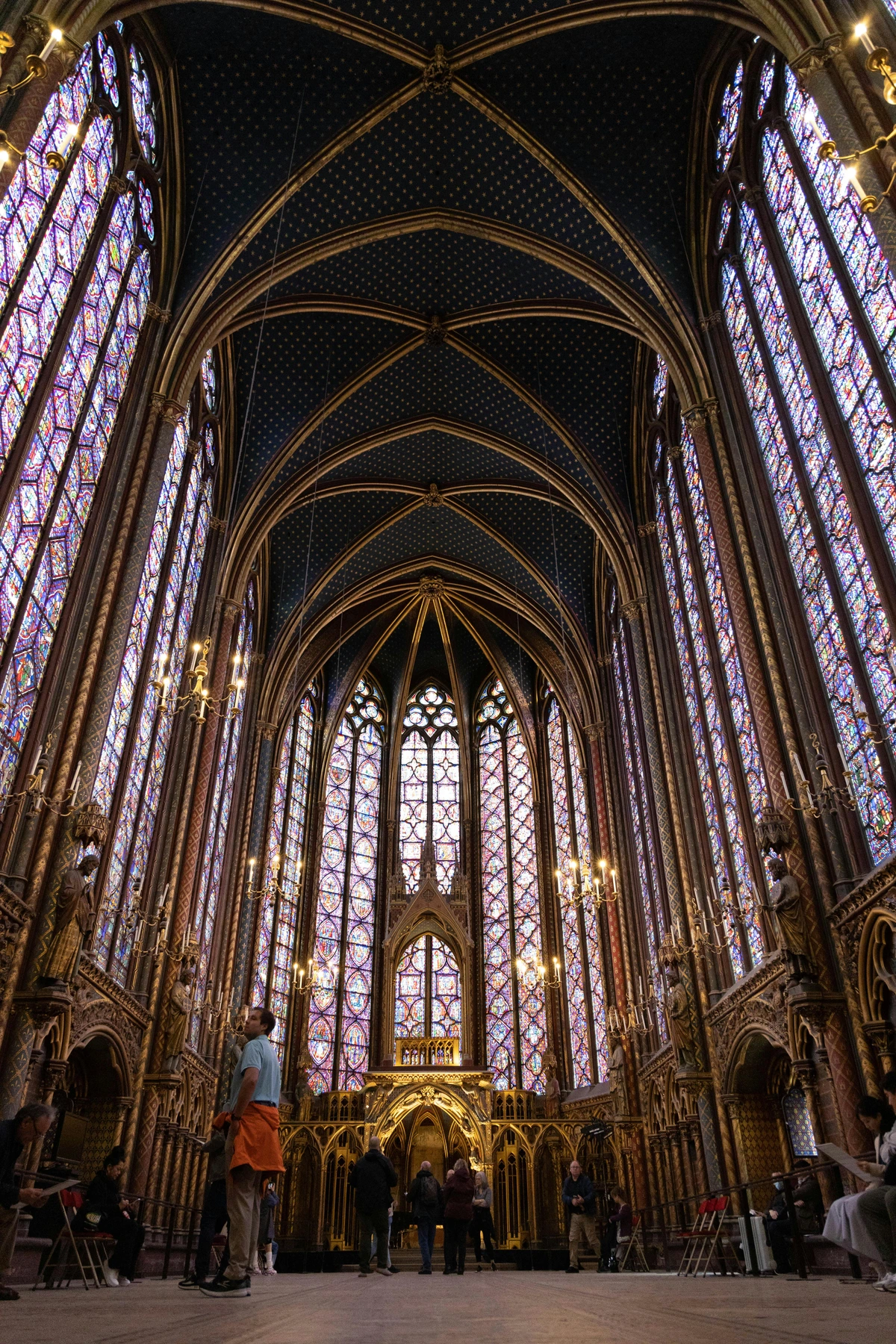
https://www.pexels.com/photo/stunning-gothic-interior-of-sainte-chapelle-30444213/, https://creativecommons.org/public-domain/cc0/
The Islamic Golden Age: Preserving and Innovating
While the Roman Empire waned, the flame of glassmaking innovation didn't extinguish; instead, it gracefully passed to the vibrant heart of the Islamic world. From the 8th to the 14th centuries, artisans in regions like Syria, Egypt, and Persia not only preserved Roman techniques but also pushed them further, introducing complex decorative methods like enameling, gilding, and intricate cut-glass designs, often seen in stunning, highly decorated mosque lamps and luxury vessels. Their scientific advancements in chemistry also refined glass composition, leading to pieces of unparalleled clarity and vibrancy. The intricate craftsmanship and advanced techniques of this era, often incorporating gold and polychrome enamels, ensured that the ancient knowledge of glass did not fade and laid crucial groundwork for later European developments.
Venetian Renaissance: Murano's Reign of Secrecy and Splendor
Fast forward to the European Renaissance, and a new star emerged: Venice, particularly the island of Murano. Here, glassmakers perfected techniques that produced the delicate, thin, and often elaborately decorated Venetian glass that became a coveted luxury across Europe. Think exquisite latticino (filigree glass) or filigrana (striped glass) pieces. The Republic of Venice guarded these secrets fiercely, relocating glass furnaces to Murano not only to prevent devastating fires but, crucially, to maintain a powerful economic advantage and consolidate its prestige. This intense dedication cemented Murano's legacy as a global center for fine glass, creating an aura of exclusivity and desirability that few other materials could match. The strict control over knowledge also inadvertently fostered intense innovation within Murano, as artisans competed and refined their skills in relative isolation.
Industrial Revolution and the Studio Glass Movement: From Utility to Fine Art
While Murano's artistry continued to dazzle, the intervening centuries between the Renaissance and the 20th century saw glassmaking diversify. The 17th and 18th centuries were marked by the invention of lead glass (or lead crystal) in England, offering unparalleled brilliance, refractive qualities, and clarity. This innovation made it ideal for intricately cut glassware, ornate chandeliers, and fine decorative objects, fundamentally shifting artistic trends towards opulent, light-refracting beauty that could capture and fragment light in mesmerizing ways. The Industrial Revolution of the 19th century then brought mass production, making glass more accessible for everyday use, yet also fueling artistic movements like Art Nouveau and Art Deco. Mass production meant glass was cheaper and more widely available, enabling artists to experiment and integrate it as a primary artistic medium for intricate lamps (like the famous Tiffany lamps of Art Nouveau), panels, and decorative objects with geometric patterns characteristic of Art Deco, signaling its enduring appeal beyond pure utility. It makes me ponder how accessibility, while sometimes seen as a challenge to artistic exclusivity, can also ignite widespread creative exploration, much like how I strive to make my own art available to a broader audience.
For a long time, glass was primarily a functional material or a decorative craft. But fast forward to the 20th century, and something truly revolutionary happened: the Studio Glass Movement. This was around the 1960s, a time when artists decided, “Hey, why can’t we work with glass ourselves, in our own studios, instead of relying on large factories?” It sounds simple, but it was a massive shift that democratized the medium, making equipment and knowledge accessible to individual artists. Of course, it wasn't without its challenges – the initial costs of furnaces were significant, and finding safe, properly ventilated studio spaces was a hurdle. The development of smaller, more manageable furnaces, like the one pioneered by Harvey Littleton, was crucial in making this individual practice feasible. Yet, this movement opened the floodgates for individual artistic expression, leading to the incredibly diverse and vibrant glass art world we know today. This democratizing spirit of the Studio Glass Movement resonates deeply with my own belief that artistic expression shouldn't be confined by traditional boundaries, much like how I found my voice by exploring new forms of abstraction. It truly transformed glass from a craft often hidden behind factory walls into a fine art medium, ready for deep personal and conceptual exploration.
Hands-On Magic: Unpacking Glass Art Techniques
If you’ve ever tried to juggle or pat your head and rub your tummy at the same time, you'll appreciate the incredible skill involved in these techniques. But how do artists actually do this magic? Each method of working with glass is a world unto itself, demanding patience, precision, and an almost superhuman understanding of heat and material. It’s a bit like a complex, delicate relationship – you need to truly understand the material’s personality to coax something beautiful from it. This is where the magic of transformation truly unfolds, turning a humble, often overlooked, substance into something that captures light and emotion, often in strikingly abstract forms.
Glassblowing: The Dance of Fire and Breath
This is perhaps the most iconic technique, and for good reason. It involves inflating molten glass, gathered on the end of a long blowpipe, to form a bubble, which is then shaped with specialized tools, skilled rotation, and the clever use of gravity. I’ve watched videos of glassblowers, and it’s less like making an object and more like a fluid, dangerous dance. The way they coax the glass into form, constantly reheating it in a high-temperature furnace known as a glory hole to maintain its workability (not for initial melting!), balancing heat, movement, and timing... it’s breathtaking. The raw, molten glass, once gathered, is then often rolled on a marver – a flat, polished steel surface – to cool and shape it into a preliminary form, a crucial step before inflation begins. The roar of the glory hole, the shimmering heat in the air, the constant, balletic movement of the gaffer and their team, utilizing tools like jacks (for shaping and constricting), paddles (for flattening), and shears (for cutting and trimming) – it's an almost primal experience. There's a profound connection to elemental forces that, as an artist, I find incredibly compelling. Whether working off-hand (shaping without molds, relying purely on skill and gravity, allowing for unique, organic, often asymmetrical forms) or utilizing mold-blowing (inflating glass into a pre-made mold for consistent shapes or intricate patterns), every piece is a performance. The inherent risks – extreme heat, molten material, the constant race against cooling – are balanced by the immense rewards of creating unique forms. The main challenge? Maintaining consistent heat throughout the process and learning to harness gravity, allowing the molten material to stretch and sag into desired forms.
Fused Glass: Layers of Light and Patience
Unlike blowing, fusing involves heating separate pieces of glass in a kiln until they melt and join together. Artists can cut, arrange, and stack colored sheets of glass, and the kiln then does its slow, fiery magic. This falls under the broader category of kiln-formed glass, which also includes slumping (heating glass over or into a mold to take its shape) and casting (pouring molten glass into a mold to create a solid object, a process we'll explore further below). Fusing specifically focuses on the adhesion of multiple glass pieces, allowing for various effects: tack fusing joins pieces while retaining their individual texture and dimension, resulting in a more tactile surface, while full fusing melts them into a smooth, homogeneous layer where individual pieces are no longer discernible, creating a unified, flat surface. The result can be anything from intricate patterns to stunning, layered abstract compositions, often seen in decorative panels, jewelry, or architectural elements. Its very nature often lends itself to abstraction, reminding me of how different layers build up in a mixed media abstract painting. While it offers incredible control over color and form, mastering the subtle chemical reactions and harmonizing the thermal expansion rates of different glass types in the kiln takes years of dedicated experimentation and a quiet, almost meditative patience. I once heard an artist joke about the frustration of devitrification, saying, “It's like baking a beautiful cake, only for it to come out looking like a rock!” It’s a testament to the delicate science behind the art, requiring careful kiln programming and material selection. Just like finding the perfect balance in an abstract composition, the challenges of fusing glass mirror the continuous artistic struggle to perfectly align vision with material.
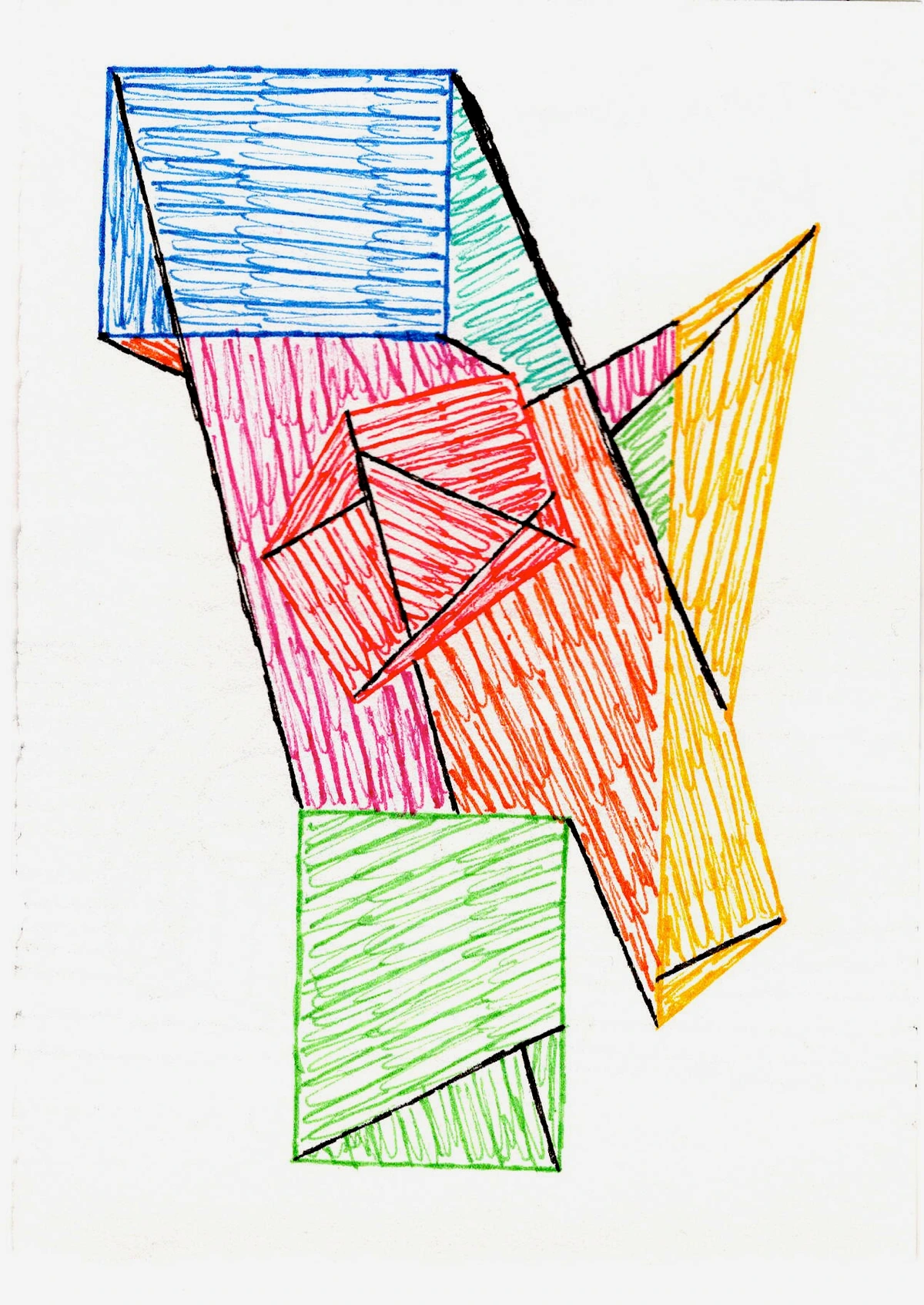
https://images.zenmuseum.com/art/281/scan.jpeg, https://images.zenmuseum.com/art/281/scan.jpeg
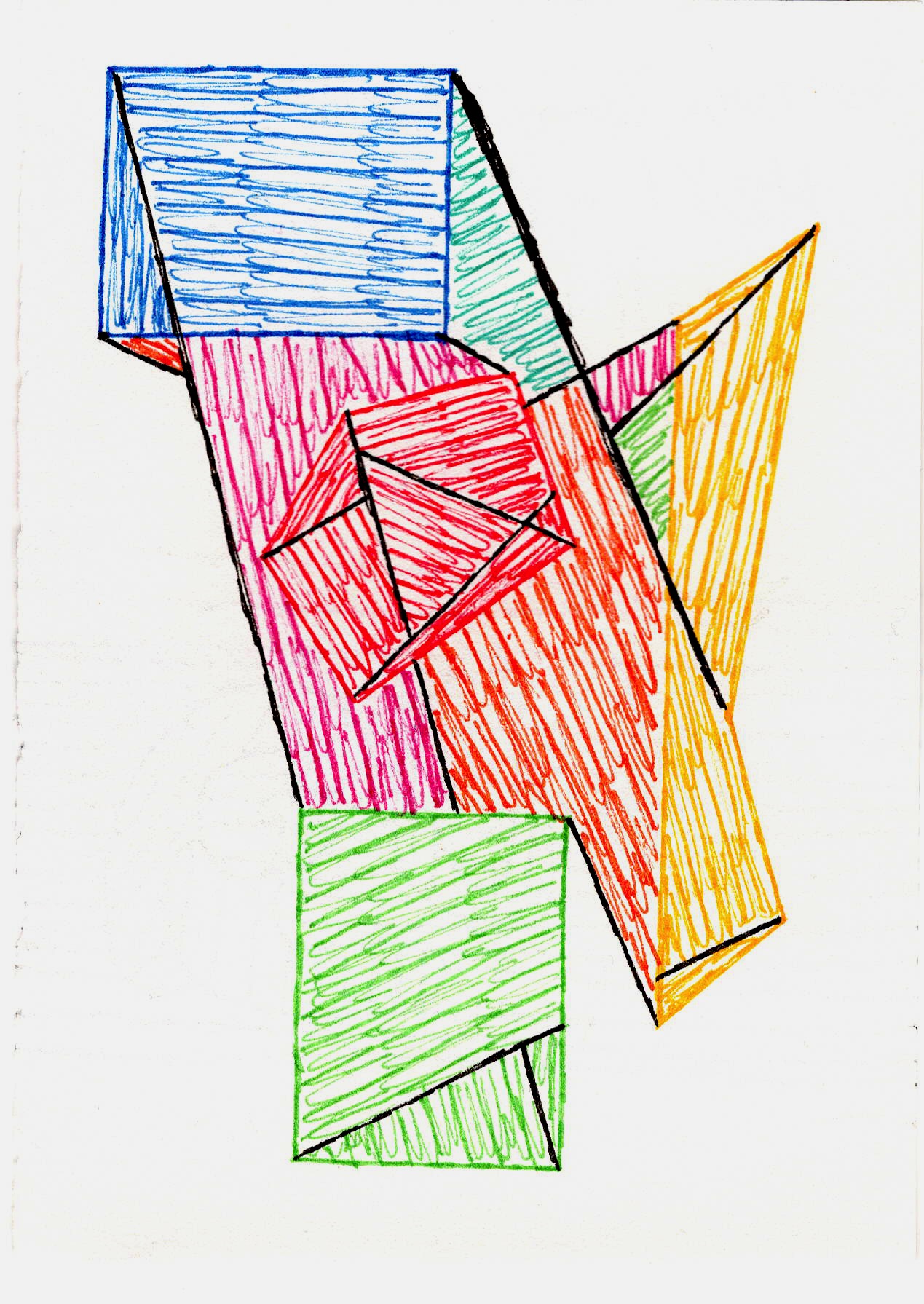
Stained Glass: Stories in Light
How do artists create those luminous puzzles of light and color? Ah, stained glass. My mind immediately goes to cathedrals, but it’s so much more! This technique involves cutting colored glass into pieces, assembling them into a design, and joining them with lead came (strips of H- or U-shaped lead that hold the glass pieces together and define the design) or, as popularized by Louis Comfort Tiffany, the copper foil method, which involves wrapping individual glass pieces in copper foil and then soldering them together. Historically, lead came was the dominant method, allowing for robust, heavier structures suitable for monumental architectural windows. Louis Comfort Tiffany’s innovations in the late 19th century, particularly his development of the copper foil method and opalescent glass (which contains various opacifiers that give it a milky, luminous, and often variegated appearance), radically expanded the artistic palette for stained glass and ushered in the organic aesthetics of Art Nouveau. Tiffany’s breakthroughs opened up a whole new world of artistic possibilities, enabling much finer detail, intricate curves, and a more delicate appearance, making it perfect for lampshades and smaller, complex panels, characteristic of the Arts and Crafts movement's organic forms. It’s like a giant, luminous puzzle. From the monumental, often representational windows of medieval churches, where light itself became a divine messenger, to the intricate, nature-inspired lampshades of the Arts and Crafts movement, stained glass has continually evolved. Modern artists use it in everything from domestic décor to large-scale public installations, bringing that ancient light-play into contemporary spaces, often with abstract designs. There’s a certain charm in the subtle imperfections and variations of antique stained glass, don't you think? It adds to the story, much like a textured brushstroke in a painting. The challenge lies in precise cutting and leadwork/soldering, ensuring structural integrity while achieving the artist’s intricate vision.
Lampworking (or Flameworking): Intricate Details
How do artists create those impossibly tiny, delicate glass creatures or beads? This is where lampworking, or flameworking, comes in. Artists use a powerful torch – typically fueled by precise mixtures of propane/oxygen or natural gas/oxygen – to melt and shape smaller rods and tubes of glass. Think delicate glass figurines, intricate beads, or precise scientific apparatus (yes, much chemistry glass is lampworked, from beakers to complex distillation setups!). The precision here is astonishing; it's like painting with fire on a miniature scale, demanding incredibly steady hands and an almost surgical focus. Good ventilation is also paramount, protecting the artist from fumes and ensuring safe practice. I've had a few close calls with fumes myself – nothing quite snaps you out of a creative trance like a sudden whiff of something you shouldn't be breathing! It’s also where I’d likely burn a finger or two, if I ever truly dove in. Ideal for small, detailed objects, the extreme concentration required here is similar to the intense focus needed for creating intricate digital art, just with the added thrill (and occasional burnt fingertip!) of working directly with molten material.
Glass Casting: Solid Forms, Liquid Origins
For those who prefer a more sculptural, weighty presence, glass casting involves pouring molten glass into a mold. The process can be quite involved, often requiring creation of detailed molds from various materials like plaster, sand, or ceramic shell. Plaster molds are common for intricate details, sand casting for larger, textured, and often more rugged forms (as the individual sand grains leave their subtle imprints, giving a uniquely earthy feel), and ceramic shell molds for delicate, precise, high-temperature applications. These can be made through methods like the lost-wax technique (or cire perdue), where a detailed wax model is created, encased in a refractory mold, and then melted out, leaving a perfect cavity for the molten glass – allowing for incredibly intricate and faithful reproductions of sculptural forms, or more direct methods like compacting sand around a pattern. The choice of mold impacts texture and detail, and some molds are "lost" during the firing, allowing for one-of-a-kind pieces or limited editions. The molten glass, once poured, requires a significant amount of time for controlled cooling (annealing) to prevent cracking, sometimes taking days or weeks for larger works. The results are often monumental, allowing for deep color saturation and textured surfaces, revealing the glass's solidity in a profound way. It’s a different kind of beauty, a quiet strength, often employed for solid, sculptural objects, from small decorative pieces to massive architectural elements. A specific variation, Pate de Verre (French for 'glass paste'), is a unique casting technique that involves crushing glass into a fine powder, mixing it with a binder (often a gum or resin, like gum arabic, to temporarily hold the particles together before firing), and applying this paste into a mold before firing. This method allows for incredibly subtle color blending, fine details, and delicate translucency, often resulting in a beautiful, granular, sugar-like texture, making it popular for intricate sculptures and jewelry. The slow, patient cooling process for most cast glass is not just a technical requirement, but an absolute virtue – a deep meditation in material, much like the deliberate, contemplative strokes required to build up layers in some of my more profound abstract works.
Glass Engraving and Etching: Surface Stories
Beyond shaping the material with heat, artists also craft intricate designs onto the surface of cold glass through techniques like engraving and etching. Engraving involves using rotary tools with diamond or carborundum points to cut precise lines and textures into the glass, creating anything from delicate patterns to deep, sculptural reliefs. It demands incredible control and patience, as each mark is permanent. Etching, on the other hand, typically uses hydrofluoric acid (a highly corrosive and dangerous substance requiring extreme safety precautions and specialized handling!) or abrasive methods like sandblasting to create frosted, translucent, or textured areas on the surface. Sandblasting offers greater control over depth and coverage, allowing for subtle gradients or sharp, defined designs. These techniques transform the surface, playing with light and opacity to add layers of detail and narrative, much like an artist adds texture and detail to a painting's surface, revealing hidden depths and telling a story without words.
Technique  | Primary Method | Typical Outcome | Key Challenge |
|---|---|---|---|
| Glassblowing | Inflating molten glass with a blowpipe | Vessels, sculptures, installations | Heat control, gravity management, precise timing |
| Fused Glass | Heating stacked glass pieces in a kiln | Panels, tiles, jewelry, abstract compositions | Thermal expansion compatibility, precise firing, avoiding devitrification |
| Stained Glass | Cutting, assembling, and joining glass with lead/foil | Windows, panels, lampshades, installations | Precise cutting, structural integrity, intricate soldering/leadwork |
| Lampworking | Melting rods/tubes with a torch | Beads, figurines, scientific apparatus, intricate details | Extreme precision, delicate heat control, steady hand, safety with fumes |
| Glass Casting | Pouring molten glass into a mold (incl. Pate de Verre) | Solid sculptures, architectural elements, intricate details | Slow annealing, complex mold preparation, precise material control |
| Engraving/Etching | Cutting/abrasion/acid on cold glass surface | Decorative patterns, textures, reliefs | Precision, safety (etching with hydrofluoric acid), permanent marks |
The Luminaries: Contemporary Glass Art Masters
The incredible techniques we've explored, honed over millennia, truly found their moment of liberation with the Studio Glass Movement. This pivotal shift unleashed a wave of innovation, and today’s glass artists are pushing the boundaries in ways I sometimes struggle to comprehend. They’re not just making beautiful objects; they’re exploring light, space, form, and even social commentary, echoing the courage of pioneers in abstract art who redefined what art could be. These masters, in their diverse approaches, continue to inspire and redefine what is possible with this captivating medium.
- Dale Chihuly: You can't talk about contemporary glass art without mentioning Chihuly. His large-scale, often organic and vibrantly colored installations are iconic, such as his breathtaking “Chihuly Over Venice” series or “Fiori di Como” at the Bellagio Conservatory. I mean, have you seen his ceiling installations? They're like explosions of ethereal beauty, defying gravity and expectation, completely transforming spaces and making you wonder, “How is that even glass?” It’s a reminder that art can truly transport you. What truly fascinates me is how he manages to maintain such a fluid, organic aesthetic on such a monumental scale. It’s important to note that Chihuly’s monumental works are the result of highly collaborative efforts, with him often acting as a director for a team of skilled glassblowers and assistants – a stark contrast to my solitary creative process, prompting reflection on the dynamics of such a huge undertaking.
- Lino Tagliapietra: Hailing from Murano, Italy, Tagliapietra is considered a living legend, a master of traditional Venetian glassblowing techniques who has elevated them to an art form of unparalleled elegance and technical virtuosity. His iconic “Dinosaur” series showcases his mastery of complex forms and vibrant colors. Watching him work is like watching a maestro conduct an orchestra, except his instruments are fire and glass. The precision, the grace... it's inspiring to see such mastery. It's the sheer control over such a volatile medium that truly awes me, a level of craft that makes even the most complex abstract form seem effortlessly born from his hands.
- Beth Lipman: Her work often recreates still-life arrangements and banquets, but entirely in clear glass. Her “Storage” series of ghostly glass banquets is particularly evocative, making you question the permanence of things, the fleeting nature of memory. She meticulously employs techniques like casting and kiln-forming to achieve her ethereal, often hyper-realistic, yet ultimately translucent, recreations. The sheer transparency and delicate nature of her chosen material create an illusion of permanence that belies its inherent fragility, prompting a profound meditation on absence and presence – a truly powerful way to explore the substance of memory itself. She makes you think, and that, for me, is always a sign of powerful art. Her ability to evoke the ephemeral using such a solid material mirrors my own attempts to capture fleeting emotions and memories within the static forms of my abstract paintings.
- Bertil Vallien: A Swedish artist renowned for his massive, often mysterious sand-cast glass sculptures, Vallien creates evocative vessels and figures that seem to emerge from ancient myths. His pieces, typically in muted blues, greens, and grays, are crafted by pouring molten glass directly into molds made of sand, a process that imparts a unique, often coarse texture to the surface because the individual sand grains leave their subtle imprints. He often embeds symbols or narratives within the glass itself, revealing layers of meaning upon closer inspection. His mastery of the casting process allows him to achieve a profound sculptural depth and an almost archaeological feel, proving that glass can be both translucent and weighty with narrative. While my palette is often vibrant and bold, his thoughtful use of subtle, earthy tones and embedded stories offers a compelling lesson in restraint and the quiet power of understated expression.
- Harvey Littleton: Often called the Father of the Studio Glass Movement, Littleton was instrumental in shifting glass art from an industrial process to an intimate, studio-based practice. He spearheaded workshops at the Toledo Museum of Art in the early 1960s, teaching artists how to work with glass in smaller, more accessible settings. His own work, often exploring the material's optical qualities and inherent fluidity, laid the groundwork for countless artists who followed. His impact reminds me of how a single brave idea can dismantle barriers and unleash a cascade of creativity, much like a carefully ignited spark transforming sand into something entirely new. His courage to challenge the status quo, to believe in the individual artist's hand in glass, is a spirit I deeply admire and strive to embody in my own artistic journey.
The Future in Flux: Emerging Trends in Glass Art
As a material, glass is constantly evolving, mirroring our own human desire to push boundaries. What's next for this ancient medium? I think we're seeing an exciting blend of tradition and innovation, fueled by a collective curiosity and a drive to connect. Artists today are not just refining techniques; they're questioning the very essence of glass, exploring its potential as a medium for profound statements.
Sustainability & Recycled Glass
I find it truly inspiring how artists are increasingly exploring recycled and repurposed glass, turning discarded bottles and windows into stunning new works. This not only speaks to environmental consciousness but also imbues pieces with a unique history and texture. It's a beautiful act of transformation, giving new life to forgotten fragments – a bit like how a fleeting memory can be solidified into a lasting piece of creative expression. The idea of giving a second, more beautiful life to something discarded deeply resonates with my own artistic philosophy of finding beauty and meaning in unexpected places. Think of artists creating intricate mosaics from found bottle shards, or sculptors melting down old windowpanes to cast new forms, each piece carrying the ghosts of its past existence. It's not just about reducing waste; it's about adding layers of narrative and ethical consideration to the art itself. Of course, working with recycled glass presents its own unique challenges, such as inconsistent chemical composition and impurities, which artists must master to achieve predictable results.
Digital Fabrication & New Technologies
While the hands-on magic remains at the heart of the craft, artists are also boldly integrating digital tools like 3D printing, laser cutting, and even augmented reality into their process. Imagine designing a complex glass sculpture on a computer, then using a 3D glass printer to create intricate internal lattice structures, impossible geometries, or optimize forms for specific light refraction patterns that traditional hand-blowing could never achieve. The challenge with 3D glass printing is immense, primarily due to glass's extreme temperatures and viscosity. It often requires specialized techniques like direct ink writing or additive manufacturing with glass powder, truly pushing the very limits of what's possible with this ancient medium. And then there's the advent of AI in design, offering new avenues for generating complex patterns, optimizing forms for structural integrity, predicting material behavior before a single piece of glass is heated, or even assisting in the creation of interactive installations. The blend of digital precision and molten fluidity is truly captivating, opening up entirely new aesthetic possibilities and expanding the definition of what glass art can be – a marvel that makes me pause and appreciate the sheer ingenuity of human invention!
Interdisciplinary Exploration
Glass artists are collaborating more with other fields, from science and engineering to performance art and architecture. This leads to monumental installations that interact with their environment in new ways, or delicate pieces that explore scientific concepts through light and form. For instance, glass can be integrated into biosensors for medical diagnostics or used in responsive architectural skins that change opacity with light conditions. It's about breaking down silos, much like how different disciplines inform my own approach to abstract compositions. I’ve always found inspiration in unlikely places, like the fractal patterns in nature influencing a brushstroke, so seeing glass used in these innovative ways feels like a natural and exciting evolution. These collaborations are not just about aesthetics; they're about pushing the boundaries of material science, structural integrity, and public engagement.
Conceptual Depth
Beyond aesthetic beauty, contemporary glass art continues to deepen its conceptual roots, tackling themes of identity, memory, social justice, and the environment. Glass, with its inherent qualities of transparency, fragility, and reflection, becomes a powerful metaphor for exploring complex human experiences, often inviting a more introspective and emotional response from the viewer. Its unique ability to simultaneously reveal and obscure, to hold light and cast shadow, to appear both fragile and enduring, makes it uniquely suited to comment on the nuanced dualities of existence, resonating with a depth that few other mediums can achieve. Consider the works of artists like Kiki Smith, who often uses glass to explore themes of vulnerability, the body, and the natural world, using its delicate yet strong qualities to profound effect. It's a material that forces us to confront our own vulnerabilities and perceptions.
Therapeutic & Meditative Practice
For many artists, the intense focus and physical demands of working with glass offer a profound, almost meditative experience. The dance with fire, the delicate shaping, the patient cooling – these aspects can be deeply therapeutic, connecting the artist to the material and the present moment in a unique way. It's a journey not just of creation, but of self-discovery, similar to the contemplative process I often find in my own artist's journey as I meticulously layer colors and forms, losing myself in the rhythm of creation. This deep engagement with the material is, I believe, a core reason for its enduring appeal.
Economic Aspects & Accessibility
The economic realities of glass art are also evolving. The cost of materials, specialized kilns (which can be a huge investment, especially for larger fusing or casting projects and often require industrial-level electrical hookups), studio space, and the immense value of skilled labor are significant factors for both artists and collectors. Galleries and online marketplaces now play crucial roles in connecting artists with buyers, but the challenges of pricing unique, labor-intensive works and making them accessible to a broader audience remain. The role of grants and artist residencies is also paramount in supporting artists, providing crucial time, resources, and space to develop their craft. It’s a continuous balancing act between passion, craft, and the practicalities of making a living, something many artists, myself included, grapple with daily. I often find myself weighing the artistic freedom of a grand vision against the very real cost of materials – a charming little headache for any creator!
Displaying and Preserving Glass Art: A Personal Reflection on Care
Ah, the delicate dance between showcasing beauty and protecting fragility. While glass art is undeniably beautiful, its inherent nature presents unique challenges in both display and preservation – challenges I often ponder, knowing the inherent vulnerability of any artwork, including my own paintings. Large-scale installations, in particular, require meticulous structural engineering and precise climate control to prevent damage from environmental factors like temperature fluctuations or vibrations. Imagine trying to stabilize a massive, multi-ton glass sculpture! The sheer weight and scale of some monumental works demand advanced load-bearing solutions and careful planning, transforming the artist’s vision into a collaborative effort with engineers and architects. It’s a reminder that even the most ethereal visions are grounded in physics, and that the artist's role sometimes extends to becoming a project manager.
Beyond the structural, environmental factors are critical. Consistent temperature and humidity are paramount; rapid changes can induce thermal stress, potentially leading to cracks, especially in larger or more complex pieces. For example, older stained glass can suffer from "glass disease" where surface corrosion occurs due to inherent chemical instability exacerbated by humidity fluctuations, necessitating specialized conservation efforts. It's also crucial to avoid placing glass art near heat sources, direct drafts, or in direct sunlight, which can cause thermal shock or fading in certain pigments over time. Museums and collectors invest significantly in specialized, UV-filtered lighting to showcase the material’s luminous qualities while also ensuring its long-term stability. Even smaller pieces demand thoughtful placement, away from high-traffic areas where accidental bumps are likely – a moment of carelessness can lead to irreparable loss. And let's not forget proper handling: always support glass art from its base, avoid touching delicate edges, and use gloves to prevent transferring oils from your skin. I recall the nervous flutter I feel when moving even a small, freshly finished canvas; the thought of handling a fragile glass sculpture with molten origins is another level entirely! Think of it as handling a fragile memory – a precious, easily fractured moment that demands utmost care and respect. It’s a constant dance between aesthetics and the practical realities of a delicate medium, a testament to the dedication required to bring these luminous visions to life and preserve them for future generations. The care taken to display and preserve glass art is, in itself, an act of appreciation, a silent dialogue with the artist's original intent, much like the painstaking decisions I make about framing and presenting my own finished works. Perhaps one day, you'll even find a piece of mine on display at a museum, though hopefully, its care will be simpler than a Chihuly installation! (You can always check out my latest at my Den Bosch museum).
The Enduring Allure of Glass: A Personal Journey Through Light and Form
Getting lost in the world of glass art, for me, is like watching a sunset – it’s always new, always breathtaking, and always reminds me of the beauty in transformation. From the ancient artisans who first coaxed form from sand and fire, to the contemporary masters who push the very definition of what glass can be, there’s an unbroken thread of human ingenuity and artistic passion. It’s a material that forces you to engage, to look closer, to consider its delicate strength, ethereal transparency, and profound capacity for reflection. And perhaps that’s why it resonates so deeply with me, and why I hope it does with you too. Its enduring appeal lies in this paradox: a material born of intense heat, yet capable of cool elegance; a substance both fragile and enduring; a window to the world and a canvas for pure light. It embodies the essence of creativity – taking something raw and ordinary, and through skill, vision, and a little bit of magic (and sometimes, a lot of patience!), turning it into something extraordinary, something that captures light, holds stories, and dares us to feel. So next time you encounter a piece of glass art, whether in a grand museum or a quiet gallery, take a moment. Let its light wash over you, and consider the immense journey it took to get there. It might just surprise you, offering a glimpse into the endless possibilities of human expression and the continued evolution of this captivating medium. If you're ever inspired to bring some luminous art into your own space, remember you can always explore my art for sale, or delve deeper into my creative path on my artist's journey. Perhaps one day, I'll even dare to try my hand at glass, though I suspect my fingers (and my budget for kilns!) might have something to say about that! But for now, I'll happily admire from afar, and maybe dream up some abstract glass-inspired paintings instead.