Beyond Canvas: Exploring Diverse Surfaces for Abstract Art & Creative Freedom
Unlock creative freedom in abstract art by exploring unconventional surfaces like wood, metal, fabric, and found objects. Discover how each material transforms texture, light, and artistic expression, with practical tips and archival advice.

Beyond the Brush and Canvas: My Journey Through Abstract Art Surfaces & Creative Freedom
Okay, let's be honest with each other for a minute. When you first think about painting, especially abstract painting, what's the first surface that pops into your head? Canvas, right? It’s the default, the gold standard, the "proper" way to do things. And for a long time, it was my comfort zone too. I mean, who am I to argue with centuries of artistic tradition? But here’s the thing: sometimes, comfort zones can start to feel a little… restricting. Like wearing the same trusty pair of shoes every single day, even when there’s a whole closet of other fabulous footwear waiting. And that's precisely why I want to share my own journey beyond the predictable rectangle – a journey that’s opened up a universe of possibilities for my abstract practice, and one I hope will inspire yours too. This article isn't just my story; it's a guide to breaking free from the conventional and discovering how alternative surfaces like paper, wood, metal, fabric, and found objects can truly transform your abstract practice – and perhaps, even transform you a little in the process. We'll dive into the unique character each material brings, from the subtle tooth of paper to the sleek reflectivity of metal, and even the untold stories hidden within discarded treasures.
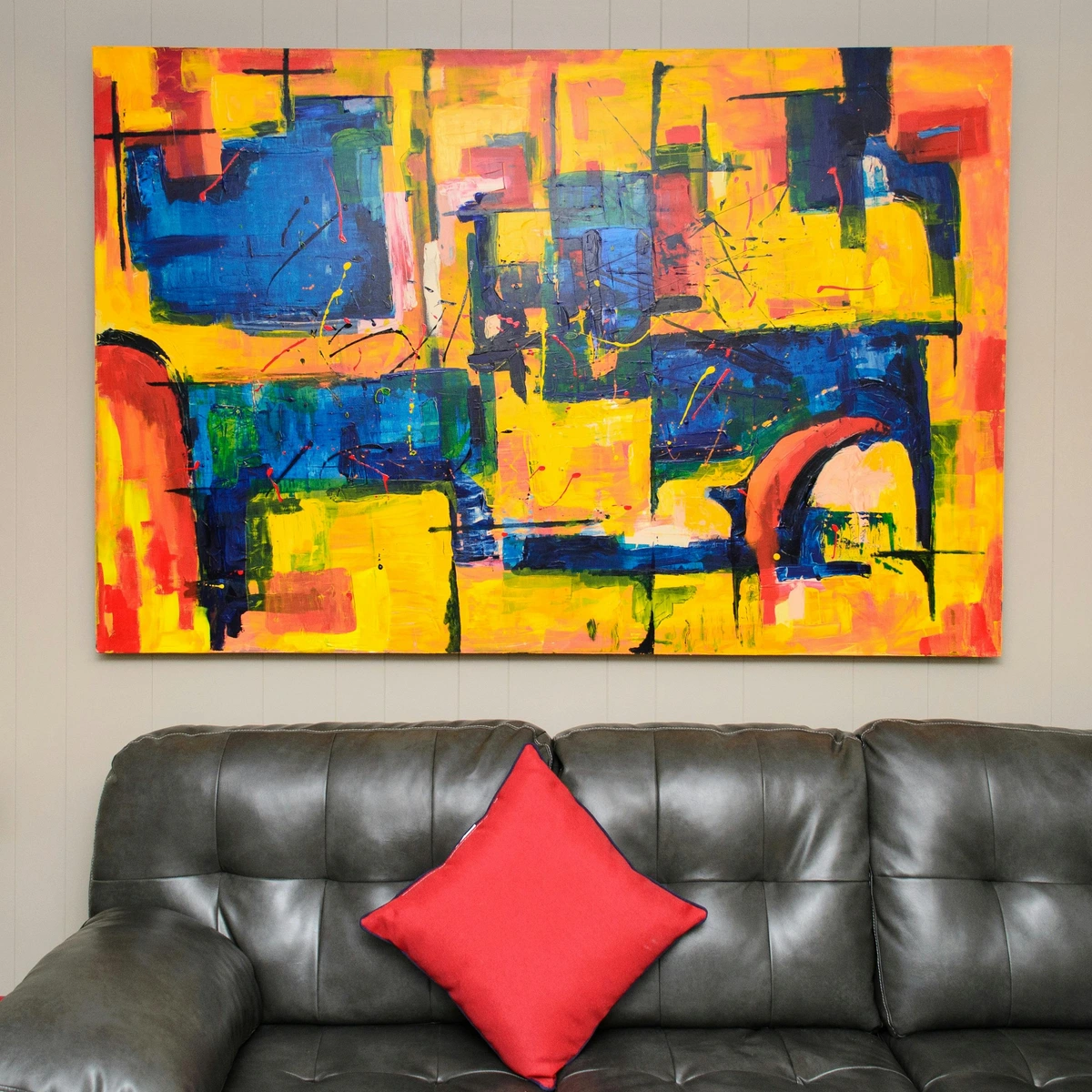
I remember this one particular afternoon, staring at a blank canvas – a perfectly good, stretched canvas, mind you – and just feeling absolutely nothing. Zero inspiration. It wasn’t the canvas's fault, really. It was my fault for thinking it was the only way. It felt like I was trying to pour a river into a teacup. The ideas I had were big, messy, textural, and they just didn't want to live on that pristine, slightly bouncy rectangle.
credit, licence
Why Ditch the Canvas (Sometimes)? A Personal Revelation
That's when I had my little artistic rebellion. I started looking around my studio, then my house, then pretty much everywhere, asking, "What else can I paint on?" My epiphany wasn't a sudden flash of genius; it was more like a slow dawning, probably while wrestling with a particularly stubborn piece of plywood. Canvas is wonderful, don't get me wrong. It's flexible, takes paint beautifully, and artists have been using it forever for a reason. But it’s also, well, canvas. It has a specific texture, a certain flexibility or subtle rebound, a way it absorbs paint.
While traditional canvas has dominated for centuries in Western art, artists have always experimented with surfaces. Think about ancient cave paintings, Egyptian papyrus, medieval frescoes, or even parchment used for illuminated manuscripts; the history of art is a history of diverse surfaces. Beyond Western traditions, consider the intricate bark paintings of Indigenous Australians, the vibrant textile art of various African cultures, or the layered paper collages prevalent in East Asian folk art – these all underscore that the 'canvas' has always been a fluid concept, defined by local materials and cultural expression. For abstract art, where the very essence is about breaking free from convention and exploring new expressions, limiting myself to just one surface felt… counter-intuitive. And if we're being honest, the mass production of canvases often comes with significant environmental costs, from the energy-intensive processing of cotton or linen, to the chemicals used in sizing and priming, and the significant resources involved in stretching, framing, and global shipping. So embracing alternatives can also be a quiet, yet impactful, act of artistic sustainability, reducing reliance on conventional, often resource-heavy, materials. This growing awareness only amplified my own feeling that it was time to move on.
Think about it: every surface brings its own story, its own challenges, and its own unique dialogue with the paint. A gnarly piece of reclaimed wood already has history etched into it. A shiny sheet of metal reflects light in a way canvas never could. It’s not just about what you apply to the surface, but what the surface gives back to the artwork. It becomes an active participant, not just a passive recipient. If you've ever felt that pull to go beyond traditional methods, you might enjoy diving deeper into exploring abstract art in sculpture and mixed media – it's a rabbit hole worth falling down. The way light shifts on an unexpected surface, or how the inherent texture of a material dictates your brushstroke, feels like a constant, quiet conversation with your medium.
I wasn't the first to question the canvas, of course. This realization wasn't just mine; a long lineage of artists have intuitively understood the power of diverse surfaces. Trailblazers like Anselm Kiefer often use lead or found objects, embracing the raw history and texture these materials offer. Or think of Jean Dubuffet, whose art brut often incorporated unconventional mediums and surfaces, celebrating the unrefined. More recently, artists like Mark Bradford create massive, intricate abstract works from layers of found paper, signs, and posters, challenging the traditional idea of a painting's surface. These artists, in their own ways, demonstrated that the surface isn't just a background, but an integral part of the artistic dialogue, a silent collaborator.
My Top Picks for Going Off-Road: A Surface Safari
So, with that understanding, let's dive into some of the exciting alternatives I've discovered. Over the years, my studio has looked less like a traditional art space and more like a mad scientist's lab mixed with a salvage yard. My neighbours probably think I'm stockpiling for the apocalypse, but I assure them it's all for art! And honestly, I wouldn't have it any other way. The truth is, moving beyond canvas wasn't just a technical shift; it was a psychological liberation, allowing my artistic voice to speak louder and with more authenticity. Here are some of my favorite "unconventional" surfaces and what I’ve learned from them:
Paper & Cardboard: The Unsung Heroes
"Just paper?" you might scoff. I did too, once upon a time. But don't underestimate the humble sheet! Thick watercolor paper (like cold-press with its beautiful tooth, or smooth hot-press for crisp lines), bristol board (perfect for a smooth, rigid surface that takes ink and markers beautifully), mixed media paper, illustration board, or even good quality, sturdy cardboard (hello, Amazon boxes, chipboard, mat board, or corrugated varieties!) are fantastic for abstract exploration. For delicate ink washes, the subtle tooth of heavy cold-press watercolor paper is incomparable, allowing pigments to bloom softly, while smoother hot-press papers can give crisp, defined lines. For thick acrylics, bristol board or even primed corrugated cardboard can offer an unexpected firmness and rich texture, letting the paint sit proudly on the surface rather than sinking in, especially when a good gesso creates an effective barrier. Whether it's cheap chipboard for quick studies or a fine art paper for a more considered piece, there's a world of possibilities. For quick studies, the ephemeral nature of chipboard is fine, but for lasting pieces, opting for acid-free art papers or treating cardboard with pH-neutral glues and stable backings (like archival board) is key to preventing yellowing and degradation over time. It’s a great way to try out ideas before committing to a larger, more permanent piece, or to create a series of intimate works. The texture of heavy paper can also be surprisingly rich, inviting a close, tactile engagement.
- Pros (What I've found to be the biggest wins with paper): Inexpensive, widely available, variety of textures and weights, excellent for studies and quick explorations, and its lightness makes it easy to handle.
- Cons (The main headaches I've encountered): Fragile, prone to buckling with too much moisture, requires careful handling and framing/mounting for display and preservation.
What delicate textures or bold strokes are you eager to explore on paper or cardboard? Perhaps a series of intimate works on unexpected paper scraps?
Wood Panels: The Warm Embrace
Wood, oh glorious wood! My love affair with wood panels started because I wanted something rigid, something I could really dig into with tools, or layer thick impasto without the surface buckling. Plywood (like smooth birch ply or poplar), MDF (medium-density fiberboard), or even beautifully sanded reclaimed wood – they all offer such a fantastic, earthy base. For works where I want to carve, scratch, or build up heavy impasto layers, wood is my absolute go-to. Its rigidity means no bowing under pressure, letting me attack the surface with tools or apply mediums like modeling paste with abandon. I've found that different wood types, from the subtle grain of birch or poplar to the more pronounced patterns of pine or the rugged character of reclaimed oak, each bring their own unique character and even a distinct scent as you work. Sometimes, I let the natural grain show through, becoming part of the composition, enjoying the subtle scent of the wood as I work. Other times, I prime it ruthlessly to create a perfectly smooth, almost ceramic-like surface. For knotty woods like pine, a shellac-based primer is often essential to seal knots and prevent sap bleed, while MDF benefits from a good quality acrylic gesso to prevent excessive absorption and ensure consistent paint application. A clear wood sealer can also be used to let the natural grain shine through while protecting the wood. It's truly a surface that invites robust engagement, a silent partner in the dance of creation. The main distinction I've found between, say, birch ply and pine is that birch offers a smoother, more uniform surface ideal for intricate detail, while pine, with its knots and more varied grain, can inject a raw, rustic energy – perfect for when I want the material itself to tell part of the story.
- Pros (What I've found to be the biggest wins with wood): Sturdy, offers natural texture, can withstand heavy layering and manipulation, less prone to warping than canvas in some cases, and provides a sense of permanence.
- Cons (The main headaches I've encountered): Can be heavy, requires proper sealing/priming to prevent absorption and preserve the wood, can be more expensive for larger, quality pieces, and difficult to transport if very large.
How might the natural history and earthy scent of wood influence your next abstract narrative? Will its rigidity allow you to sculpt paint with newfound abandon?
Metal Sheets: The Industrial Muse
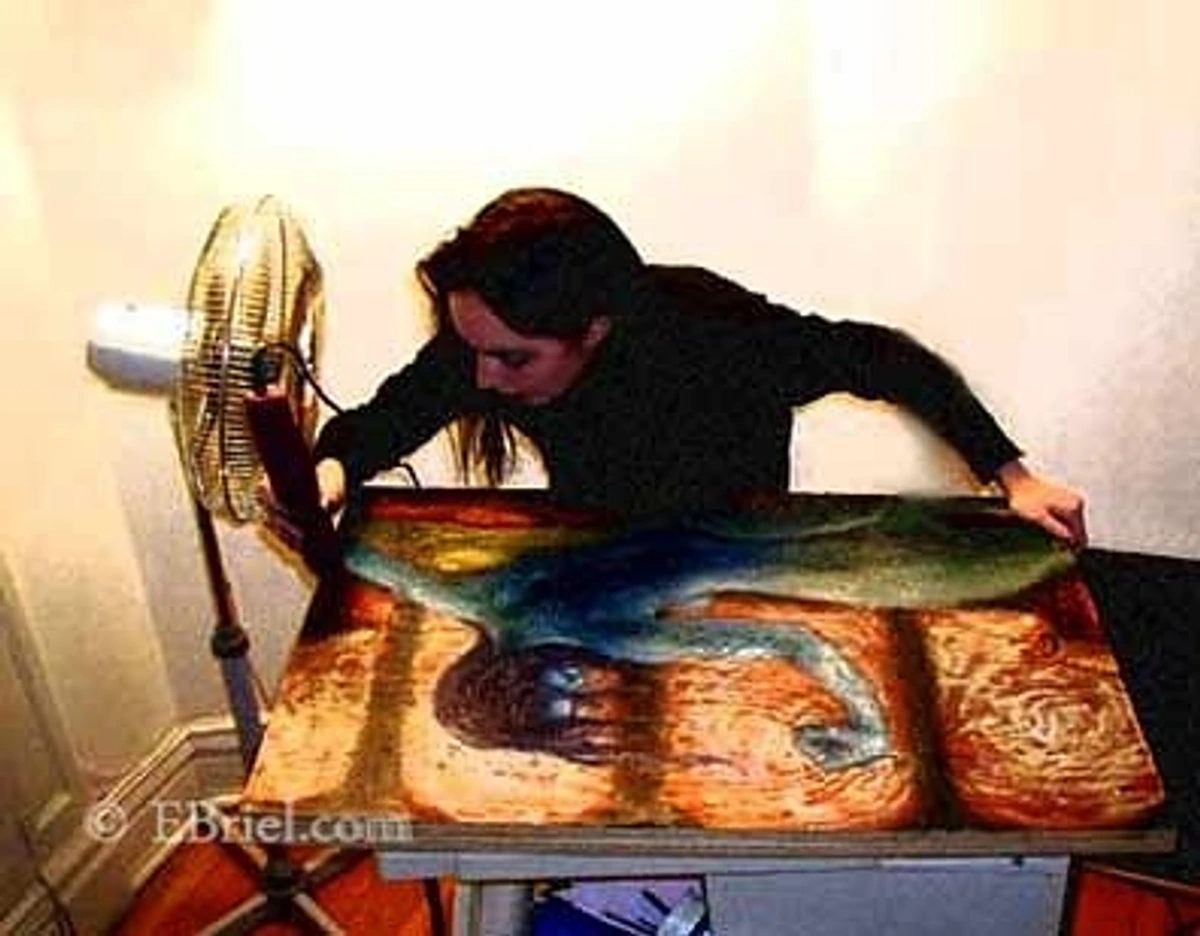
This one felt intimidating at first, I'll admit. Metal just seemed so… cold and unyielding. But the allure of its sleek, reflective quality eventually won me over. Aluminum, copper, or even steel sheets provide an incredible ground for abstract work. I often reach for metal when I want to harness its inherent reflectivity, letting the artwork shift and breathe with the light, or when I want sharp, clean lines and stark contrasts that sing against its polished sheen. The way light plays off a metallic surface, shifting colors and highlights, adds a whole new dimension, making the piece feel alive and responsive. For example, a polished aluminum sheet provides a bright, almost clinical base that lets colors pop with intense vibrancy, while copper offers a warm, earthy undertone that can enrich reds and greens. Steel, being heavier and more industrial, lends itself to works that demand a sense of gravitas or a raw, urban aesthetic. I've experimented with sanding, scratching with a Dremel, or even introducing controlled oxidation to create textured patinas (that beautiful, often colored, surface film that develops on metals like aged bronze or copper). Think vinegar or salt solutions on copper to accelerate unique color changes, or specific chemicals on steel to encourage rust; applying carefully controlled heat with a heat gun (always with extreme caution and proper ventilation!) can also create fascinating, organic textures and color shifts on some metals. Beyond that, using etching solutions can further expand possibilities, allowing for intricate designs and deeper textures. It's about the interplay: the stark, often cold industrial nature of metal contrasting with the organic flow of paint, the warm patinas meeting vibrant acrylics. For metal, adhesion is key. I often use specialized etching primers or oil-based metal primers to ensure my paints truly bond, especially before applying enamels or even regular acrylics. Skipping this step is asking for trouble down the line!
- Pros (What I've found to be the biggest wins with metal): Highly durable, unique reflective properties, allows for striking contrasts, can be etched or scratched for texture, and brings a modern, industrial aesthetic.
- Cons (The main headaches I've encountered): Often requires specialized primers and careful preparation, can be heavy and difficult to hang, corrosion can be an issue if not properly prepared, and can be expensive for larger sheets. Handling sharp edges requires gloves and caution.
What unexpected reflections or industrial textures are calling your name? Will you embrace the cold sheen of steel or the warm glow of copper for your next piece?
Fabric: The Textured Embrace
Beyond traditional stretched canvas, fabric itself offers an incredible range of possibilities for abstract art. Think raw linen, burlap, silk, velvet, discarded denim, or even thick canvas drop cloths and upholstery remnants – each brings a unique texture, weave, and absorbency to the table. I love working with fabric when I want the inherent qualities of the material to be a prominent part of the artwork, allowing threads to show through, or the soft drape to influence the final form. One time, I used a piece of old, richly textured upholstery fabric, and its subtle pattern became an unexpected foundational layer for a new abstract series. Fabrics can be stiffened with mediums like a heavy body acrylic gel, commercial fabric stiffener, or even a mixture of PVA glue and water (for a more rigid feel). Then they can be stretched over frames in unconventional ways, draped, or layered with interfacing for added stability, opening up textural and sculptural dimensions that a flat, rigid surface simply can't match. Techniques like fabric collage or appliqué can further build up relief and narrative, blurring the lines between painting and sculpture. It’s a fantastic medium for exploring depth and tactility, especially if you’re interested in a more organic, less structured approach to your abstract pieces, and it allows for unique exploration of texture in art. You can even experiment with fabric dyeing or printing techniques to create abstract patterns before applying paint, adding another layer of complexity.
- Pros (What I've found to be the biggest wins with fabric): Wide variety of textures, can be layered and manipulated for sculptural effects, often affordable, absorbs paint uniquely, and offers a softer, more organic aesthetic.
- Cons (The main headaches I've encountered): Requires careful preparation (sizing, priming, stiffening) to prevent deterioration, prone to stretching or sagging, can be difficult to frame or display without support, and may require specific archival methods for longevity.
What kind of tactile sensations will your fabric-based abstract evoke? Will it whisper softly or make a bold, textured statement?
Found Objects & Mixed Media: The Ultimate Freedom
Now this is where my inner scavenger truly thrives. My neighbors probably think I'm running a very strange kind of recycling program, but I just see potential masterpieces! Why limit yourself to flat, rectangular surfaces? I've painted on old record sleeves, discarded pieces of furniture, slices of tree trunks, ceramic tiles, even textured fabric scraps, old books, a broken mirror, a bicycle chain, or pieces of forgotten electronics. The joy of transforming something mundane or discarded into a piece of art is immense. Beyond the sheer creative liberation, there's a profound satisfaction in the sustainable aspect of transforming discarded items, giving them a second, artistic life. Each object brings its own history, its own form, and its own unique imperfections that can spark entirely new directions in an abstract composition. For instance, a chipped ceramic tile might dictate a sharp, angular composition, or an old, rusted gear could become the focal point of a piece exploring decay and renewal. This isn't just about painting on something; it's about collaborating with its history, its form, and its inherent imperfections to forge something entirely new, pushing the very definition of abstract art. You really start to see the world differently when you're constantly looking for your next "canvas." Archival preparation methods for these vary wildly: for brittle paper elements, encapsulating them in acid-free Mylar or adhering them to a stable backing with pH-neutral glue is key. Porous materials like unvarnished wood need sealing, while plastics may require specific primers (like a dedicated plastic primer or an all-surface acrylic gesso) to ensure paint adhesion and prevent degradation over time. For truly irregular or heavy objects, creating custom armatures or encasing in epoxy resins might be necessary to ensure the piece endures and is safely displayed. This kind of exploration truly goes beyond the canvas: exploring abstract art in sculpture and mixed media.
- Pros (What I've found to be the biggest wins with found objects): Infinitely varied, unique textures and forms, often free or low-cost, adds narrative depth, promotes sustainability, and constantly challenges your creative problem-solving.
- Cons (The main headaches I've encountered): Requires creative and often complex preparation, adhesion can be tricky, longevity might be a concern depending on the object, often requiring specialist archival preparation or stabilization methods to ensure the piece endures. Can be irregular to hang or display.
What forgotten treasures around you are waiting to tell a new story? How will their inherent forms challenge and inspire your abstract vision?
The Unseen Influence: How Your Choice of Surface Shapes Your Art
It’s not just what you paint on, it's how that surface dictates your every move. The choice of surface is arguably as important as the colors you choose or the medium you use, subtly influencing the viewer's perception and the artwork's very essence. I've seen this unfold countless times in my own studio, realizing that the surface isn't just a foundation; it's an active participant, a co-creator that pushes me to adapt and innovate. The tactile experience, the visual weight, and even the subtle scent of a material can profoundly influence my mindset and the very trajectory of a piece.
Aspect  | Canvas | Metal Sheet | Fabric | |
|---|---|---|---|---|
| Application & Texture | Moderate absorption, subtle rebound | Porous, can be carved, robust for impasto | Slick, allows pooling, sharp lines, can be etched | Absorbent, drapes, soft, allows threads to show |
| Color & Light Dynamics | Consistent, balanced | Richer/deeper on raw, earthy tones | Reflective, shifting colors, dynamic highlights | Muted on raw, soft color diffusion |
| Physical Presence & Mood | Traditional, adaptable | Earthy, sturdy, conveys gravitas, permanence | Industrial, sleek, modern, conveys strength | Organic, fluid, delicate, tactile, ephemeral |
| Scale & Ambition | Versatile, but can feel conventional | Great for robust, larger-scale, textural works | Striking for bold, contemporary, impactful pieces | Invites sculptural, layered, less structured forms |
| Preparation & Durability | Relatively straightforward; prone to punctures; good archival potential | Requires sealing/priming; very durable if treated; less prone to warping | Requires specialized primers; very durable; corrosion risk if untreated | Requires sizing/stiffening; prone to sagging; variable longevity |
- Application & Texture: A porous wood panel will drink up thin washes, making them muted, while a slick metal sheet will allow paint to slide and pool, creating vibrant, intense lines and drips. Canvas offers a moderate resistance, a balance. When I’m working on a highly textured piece of reclaimed wood, I might lean into dry brush techniques to highlight the ridges, or allow the natural grain to inform the composition, as it did in my "Whispers of the Forest" series. On a smooth acrylic sheet, I might prefer flowing, uninterrupted strokes, letting the paint's fluidity be the star. The surface texture becomes a silent partner in your mark-making, influencing even my favorite techniques for adding depth to abstract paintings. It's a conversation between my hand and the material, where each responds to the other.
- Color & Light Dynamics: Colors behave differently. On a dark, raw wood surface, pigments will appear richer and deeper. On a reflective metal surface, ambient light becomes part of the art, changing the appearance of the colors throughout the day, creating a dynamic viewing experience. I once created a series on polished copper where the reds and oranges seemed to pulse with life as the sunlight shifted, a quality canvas simply couldn't replicate. Consider how different surfaces might convey a single abstract idea, like 'movement'. On a slick metal sheet, you might use sharp, sweeping lines and reflective surfaces to suggest speed and light. On a soft, draped fabric, 'movement' might be expressed through flowing shapes and gentle undulations, implying a more organic, fluid motion. It’s a subtle dance, but a crucial one for ensuring the viewer connects with the intended mood and message of the abstract piece. This dynamic interplay can really influence abstract art styles.
- Physical Presence & Mood: A piece on a delicate sheet of rice paper will inherently feel different from one etched onto a heavy steel plate, even if the abstract composition is similar. One might evoke fragility and ephemerality, the other strength and permanence. My large-scale concrete and found metal pieces, for instance, carry a gravitas that a canvas work of the same size simply doesn't, purely because of the materials' inherent weight and industrial history. The physical weight and presence of the surface itself carries emotional weight, influencing how a viewer perceives the artwork's gravitas and longevity, and how I approach the work, often with more reverence or physical exertion. The subtle scent of wood, the cold touch of metal, or the yielding softness of fabric can even guide my initial mark-making, shaping the emotional landscape of the artwork before I've even applied the first stroke.
- Scale & Ambition: The physical dimensions and inherent properties of your chosen surface inherently dictate the scale and ambition of your artwork. A delicate ink drawing on a small piece of paper invites intimacy and close inspection, while a vast abstract piece on multiple interconnected reclaimed wood panels demands a different kind of engagement, filling a room and potentially embodying grander, more expansive themes. Working on monumental pieces of concrete or sheet metal, for example, forced me to think about composition, balance, and even my physical interaction with the artwork in entirely new ways, which a small canvas simply couldn't facilitate. The sheer physical effort required to manipulate heavy materials also becomes an integral, if unseen, part of the creative process, shaping the final narrative.
Getting Started: My Quick Tips for Surface Experimentation
Feeling a bit overwhelmed or excited by the possibilities? Good! That’s exactly how I felt. It's a thrilling journey, but here are a few things I've learned that might save you some headaches (and paint), often through my own trial and error, and yes, a few happy accidents that turned into breakthroughs:
- Start Small, Stay Playful: Don't grab a giant, expensive piece of copper for your first experiment. Use smaller scraps, test swatches, or even robust cardboard from packaging, old book covers, or leftover floor tiles. The goal is to play and discover, not to create a masterpiece on day one. I've often made some of my best discoveries on tiny offcuts, simply because there was no pressure, just pure, unadulterated exploration.
- Prep is Your Best Friend (and your paints' too!): Whether it’s cleaning, sanding, priming, or sealing, proper surface preparation is crucial. It ensures adhesion, prevents deterioration, and gives you a consistent (or intentionally inconsistent!) base. For non-porous surfaces like metal or plastic, specialized primers (like an oil-based metal primer or an all-surface acrylic gesso) are often essential for your paint to truly stick and last. For wood, a good quality gesso is usually sufficient, but sometimes a shellac-based sealer is needed for knots or particularly sappy woods. Don't skip this step, unless "controlled chaos" is your explicit artistic statement. Your future self (and your artwork's longevity) will thank you!
- Embrace the "Happy Accident": Some of my favorite pieces came from unexpected reactions between paint and surface, or from a "mistake" that led to a new technique. The unpredictability is part of the fun when you leave the canvas comfort zone. One time, a drop of water on a freshly painted metal sheet created an incredible ripple effect I now try to replicate! Another 'happy accident' involved an old, rusted piece of corrugated metal, which I initially thought was unusable. Instead of cleaning it, I leaned into the rust, sealing it and then applying translucent glazes, letting the raw, earthy history of the metal show through and become the foundational texture for a new series. These moments are where true innovation often happens.
- Consider Longevity & Archival Quality: If you're aiming for a collectible piece, think about archival quality. Will that painted cardboard last for decades? Maybe with proper sealing and framing, or by backing it with a more stable material. Metal and wood, properly treated, are generally quite durable. It’s a practical consideration that informs your material choices, especially if you envision your art enduring for generations. If you're looking for pieces that truly stand the test of time, you can always explore my latest works for sale here.
FAQ: Your Burning Questions About Non-Canvas Abstract Art, Answered (My Way)
Is it still "painting" if it's not on canvas?
Absolutely, yes! "Painting" refers to the application of pigment to a surface. The surface itself is secondary to the creative act. If you're applying paint to express yourself in an abstract way, then yes, you're painting. Period. The medium and message are what truly define it, not the support.
What kind of paints work best on non-traditional surfaces?
This is where experimentation really shines. Generally, acrylics are incredibly versatile and adhere well to most surfaces (wood, metal, plastic, paper) once properly primed. Their flexibility and quick drying time make them very forgiving. For example, metal often needs a dedicated metal primer, while wood might benefit from a gesso or even a clear wood sealer depending on desired effect and the wood's absorbency. Oils can work beautifully on properly primed wood and metal, offering rich colors and long working times, but require non-absorbent, sealed surfaces and longer drying times. Enamels are fantastic for metal and can give a slick, glossy finish. Inks and dyes can be stunning on paper or absorbent fabrics. Always test a small area first, and remember, the right primer is half the battle! The key is understanding how each paint interacts with the absorbency and flexibility of your chosen surface, and don't be afraid to mix and match mediums!
How do I prevent paint from chipping or peeling on alternative surfaces?
This often comes down to proper surface preparation and choosing the right paint for the material. For non-porous surfaces like metal or glossy plastics, specialized primers that create a 'tooth' for the paint to grip are crucial. Adhesion promoters for specific plastics or metals can also be invaluable, ensuring a strong, lasting bond between your paint and the substrate. On flexible surfaces like fabric, using a flexible acrylic medium or fabric paint can prevent cracking. Always ensure the surface is meticulously clean and free of oils or dust before priming and painting.
What about adhesives for mixed media?
Ah, the sticky question! For mixed media, the adhesive you choose is crucial for longevity and appearance. For paper or fabric elements on porous surfaces like wood or thick paper, a good quality PVA glue or acrylic medium (like a heavy gel medium) works wonders, offering flexibility and archival quality. For bonding non-porous items (like plastic or metal) to other surfaces, epoxy resins or strong industrial-strength contact cements might be necessary for a secure, lasting hold. Hot glue can be great for quick assemblages and textural build-up, but isn't typically archival for fine art due to its acidic nature and tendency to become brittle over time. Always consider the weight, porosity, and desired flexibility of the materials you're joining, and test for proper adhesion – you don't want your masterpiece falling apart!
How do I display or hang abstract art on irregular surfaces?
This is another creative challenge, and honestly, sometimes the display method becomes part of the art itself! For wood panels, standard picture wire or D-rings work well. Metal can sometimes be magnetic or require specific mounting hardware, often involving stand-offs or French cleat systems for heavier pieces. Found objects are the real puzzle: a painted ceramic tile might be adhered to a custom wooden stand, a piece of driftwood could require a specially crafted cradle, or a broken mirror might need an integrated hanging mechanism designed for its unique shape. Sometimes, they need custom stands, shadow boxes, or even armatures that support their unique forms. If you're ever in 's-Hertogenbosch, you can even discover unique display solutions for challenging works in person at my museum.


What about the weight and handling of different surfaces?
This is a crucial practical consideration! Paper and fabric are generally lightweight and easy to handle, though delicate. Wood panels can range from light (thin plywood) to quite heavy (thick hardwood or large MDF panels), requiring careful lifting and robust hanging systems. Metal sheets, especially steel, can be surprisingly heavy and sharp, often needing gloves for handling and specialized mounts. Found objects are the wild card – their weight, fragility, and irregular shapes demand unique solutions for both handling during creation and safe display. Always assess the weight and stability early in your process to avoid surprises and ensure both your safety and the artwork's integrity!
What about safety when working with alternative materials?
Safety is paramount, especially when venturing beyond benign surfaces like paper. When working with metal, wear sturdy gloves to avoid sharp edges and eye protection if sanding or grinding. If using chemicals for patinas or strong adhesives, ensure excellent ventilation and appropriate respirators or masks. Some materials, like certain plastics, can release fumes when heated or sanded. Always research the material and any accompanying treatments thoroughly, understanding potential toxicities or risks before you begin. A little precaution goes a long way!
Is abstract art on alternative surfaces more expensive?
Not necessarily! While some specialized materials like large metal sheets can be pricey, using reclaimed wood, cardboard, or even found objects can be incredibly cost-effective. The value often comes from the artistic vision and execution, not solely the material cost. In fact, some of my most cherished pieces are made from the humblest beginnings, proving that true artistry isn't about expensive materials, but about creative transformation.
The Grand Finale: A Canvas Is Just The Beginning
So, after all this rambling, what's the takeaway? For me, it's that the universe of artistic surfaces is vast and waiting to be explored. Stepping away from the canvas isn't a rejection of tradition; it's an expansion of possibilities. It’s about listening to your materials, letting them guide your hand, and finding new ways for your abstract ideas to manifest in the physical world. It's about a relentless curiosity and a willingness to get a little messy.
My own artistic timeline is filled with these little discoveries, each new surface pushing me to think differently, to challenge my assumptions, and to ultimately grow. So, I urge you: next time you’re feeling a creative block, or just a little restless, look around. That old cutting board, that discarded piece of corrugated metal, that stack of heavy paper – they might just be waiting to become your next masterpiece. Don't be afraid to get a little messy. The best discoveries usually are. And when you do, feel free to share your adventures with me on social media, or explore my latest works for sale here – perhaps you’ll even see some unconventional surfaces among them!