Houston Art Guide: Discover, Collect & Care for Your Next Masterpiece
Lost in Houston's dynamic art scene? Uncover top galleries, vibrant fairs & hidden studios. This definitive guide helps you confidently find, buy, collect, and care for art that speaks to your soul.

Buying Art in Houston: Your Definitive Guide to Discovering & Collecting Your Next Masterpiece
Okay, let's be honest, Houston can feel a bit like a delightful, sprawling enigma, can't it? If you're anything like me—someone who finds solace, challenge, and pure joy in art—you might have looked at this massive city and thought, "Where on earth do I even start looking for art to buy?" It's a valid question. The sheer scale can be daunting, like trying to choose a single, perfect taco from a menu of a thousand incredible options. But here's the secret: beneath the concrete and humidity, Houston harbors an astonishingly vibrant and accessible art scene, if you know how to approach it. I want to help you turn that feeling of being lost into an exciting treasure hunt, brimming with practical, actionable advice.
I remember my first time walking into a gallery, not in Houston, but the feeling of being utterly out of my depth was universal. I felt like I needed a secret handshake or a PhD in Art History just to belong. It was intimidating, truly! Over the years, though, I've learned that buying art, especially in a place as dynamic as Houston, is less about being an expert and more about connecting with something that speaks directly to you. It's about finding that piece that makes your heart do a little flip, or makes you think, or simply makes your space feel more like yours. As someone who has spent years navigating this exciting, sometimes bewildering world, I've stared at my fair share of blank walls, wishing for a piece that truly reflected me. And now, I want to share my insights to make your journey as rewarding as possible.
So, let's ditch the intimidation. Let's explore how you can confidently find art that resonates with you right here in Houston. The adventure awaits!
Why Houston? More Than Just Oil, Humidity, and a Good Rodeo – A Deep Dive into its Artistic Soul
Houston's art scene isn't just diverse; it's a living, breathing reflection of the city's rich cultural tapestry. This isn't a generic art market; it's a dynamic ecosystem shaped by its international population, its deep ties to Latin America, and its unique Southern spirit. Historically, the post-war economic boom, fueled by the oil industry, created a class of philanthropists eager to invest in cultural institutions, laying a robust foundation for the arts we see today. You'll find world-class museums, of course, but also a thriving network of smaller, independent galleries, innovative artist studios, and truly alternative spaces.
Consider how the city's Vietnamese, Nigerian, Mexican, Indian, or even European heritage subtly (or overtly!) infuses local art with unique perspectives and vibrant narratives. For instance, I've seen:
- A contemporary artist blending traditional West African symbols with modern abstraction, using a color palette reminiscent of vibrant Nigerian textiles, sometimes reflecting narratives of migration.
- A painter channeling the intense colors of a Houston sunset through a Latin American magical realist lens, with narratives that speak to the immigrant experience and dual identities.
- A sculptor incorporating reclaimed materials from the Gulf Coast, echoing the city's industrial past while speaking to environmental concerns, sometimes with a subtle Southern Gothic influence in its contemplative or mysterious themes.
Institutions like the Houston Center for Contemporary Craft, Lawndale Art Center, and community-focused initiatives like Project Row Houses in the Third Ward are active hubs fostering artistic expression that truly reflects the city's dynamic pulse, often showcasing work that you simply won't see anywhere else. Beyond these, the sheer influence of institutions like The Menil Collection cannot be overstated in shaping the city's art identity, attracting talent and setting a high bar for cultural engagement. Meanwhile, university art programs at the University of Houston, Rice University, and Texas Southern University are vital incubators, nurturing emerging artists and providing invaluable exhibition opportunities that often serve as early scouting grounds for new talent. It's not just cultural enrichment; the arts also contribute significantly to Houston's economy, drawing visitors and fostering a creative workforce.
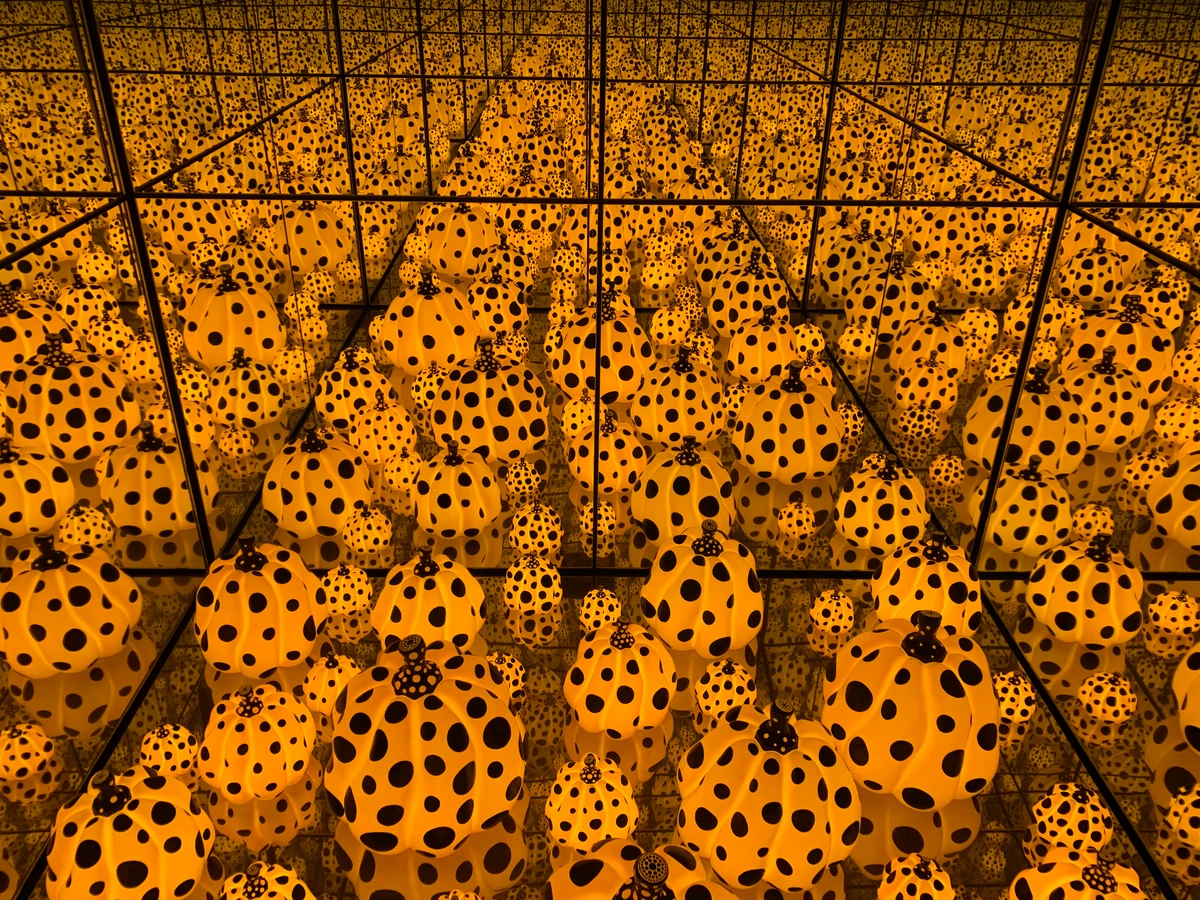
Art here isn't concentrated in one spot; it's woven into different neighborhoods, each with its own distinct flavor. Think of Montrose with its bohemian and LGBTQ+ legacy and established galleries often showcasing contemporary and experimental works (you might find conceptual sculptors here or painters exploring urban landscapes). Or the Heights, with its charming bungalows housing independent artists and studios focusing on craft and folk art like ceramics, textiles, or traditional painting styles, reflecting a strong sense of local community. And the East End (EaDo), where you'll find a burgeoning scene of contemporary and culturally resonant works, including some incredible public murals and street art deeply rooted in local narratives of immigrant experiences or social justice. For example, local artist GONZO247 (Mario E. Figueroa, Jr.) is known for his vibrant, large-scale murals that often reflect Houston's identity. This decentralization means an enormous range of styles, price points, and artists are waiting to be discovered, which is a huge advantage for you as a buyer. You're not limited to one artistic 'type'; you get to explore a whole city's worth of creativity! It's truly like a giant, city-wide treasure hunt, and who doesn't love a treasure hunt? For major public art initiatives and resources, the Houston Arts Alliance (HAA) is a fantastic starting point to explore the city's commitment to the arts, and the Houston Airport System (HAS) has an impressive public art collection integrated into its terminals, often showcasing diverse regional and national artists. Now that we've explored why Houston is such fertile ground, let's talk about how you can pinpoint what kind of art truly speaks to you within this vibrant ecosystem.
What Kind of Art Are You Looking For? Houston's Eclectic Palette & Styles to Explore
Before we dive into where to find art, I always tell people it helps to pause and consider what you're looking for. Understanding your aesthetic preferences is a huge part of navigating Houston's vibrant art scene, and honestly, it can be a journey of self-discovery itself! The city's eclectic palette means you're likely to find exactly what you're looking for, or perhaps discover a new passion entirely! Are you drawn to Abstract Expressionism that feels like pure emotion on canvas, perhaps with a contemporary Houston twist where vast canvases reflect the city's expansive skies or the raw energy of its industries? Or maybe something more contemporary, like mixed media art, combining various textures and elements, captures your imagination – perhaps an artist using reclaimed materials from Galveston's industrial past or incorporating natural elements from the Gulf Coast, echoing the city's unique environment? Houston also has a strong tradition in photography, capturing everything from its sprawling urban landscapes to its diverse communities, and a growing scene in large-scale sculpture (often found in public spaces) that frequently utilizes industrial materials or explores environmental themes.
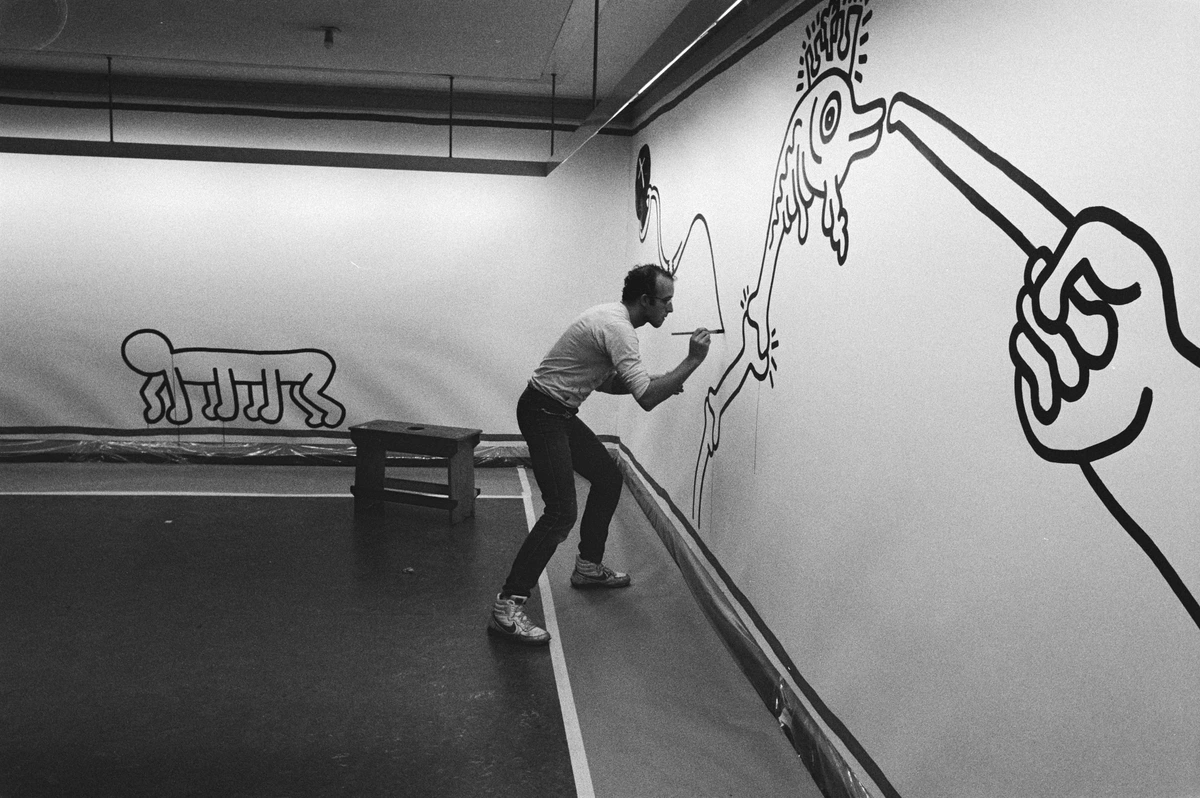
Given Houston's strong ties to Latin America, you'll find a particularly rich vein of Latin American art, often infused with indigenous motifs, vibrant storytelling, and unique cultural perspectives. The city also has a thriving street art scene, especially in areas like EaDo, showcasing dynamic murals and graffiti art that are often deeply rooted in local narratives and community identity. You might also encounter regionalist art capturing the unique landscapes and daily life of Texas, or contemporary environmental art reflecting concerns for the Gulf Coast ecosystem, sometimes even influenced by Houston's characteristic humidity in the choice of mediums or preservation techniques.
credit, licence
Ultimately, it comes down to what you love. I've always been fascinated by how different styles evoke different feelings. Houston's artists work in every style imaginable, from hyperrealism to conceptual installations, so keep an open mind and let your heart guide you. You might discover that the perfect piece for your collection, or even a collecting style you didn't know you had, is waiting right around the corner. If you're into abstract and colorful pieces, you can also explore my own work /buy.

credit, licence
Understanding the Investment: Budgeting & Value in the Houston Art Scene
Before you dive into the vibrant Houston art market, it's incredibly helpful to have a rough idea of your budget. Art is available at every price point, from a few dollars for a small print at an art fair to tens of thousands (or more!) for a significant original piece. To give you a concrete idea: you can often find beautiful prints and smaller works from emerging student artists for under $100, while a moderate original piece by a recognized local artist might range from $500 to $5,000. Significant works by established names can easily climb into the $5,000+ range, sometimes much higher. My philosophy? Buy what you love and can comfortably afford, rather than solely as a financial investment, especially when starting out. The true, lasting value is in the joy it brings to your space and life, and the story it tells. However, understanding the factors that influence value is still incredibly helpful for context and for making informed decisions. For serious collectors or those eyeing higher-end acquisitions, consulting an art advisor can also be a wise step, helping you navigate the complexities of authenticity and market value. Identifying emerging artists with high potential often involves looking at consistent exhibition history, critical reception, and their unique artistic voice developing over time. Art fairs, in particular, are excellent places to scout new talent and observe market reception firsthand.
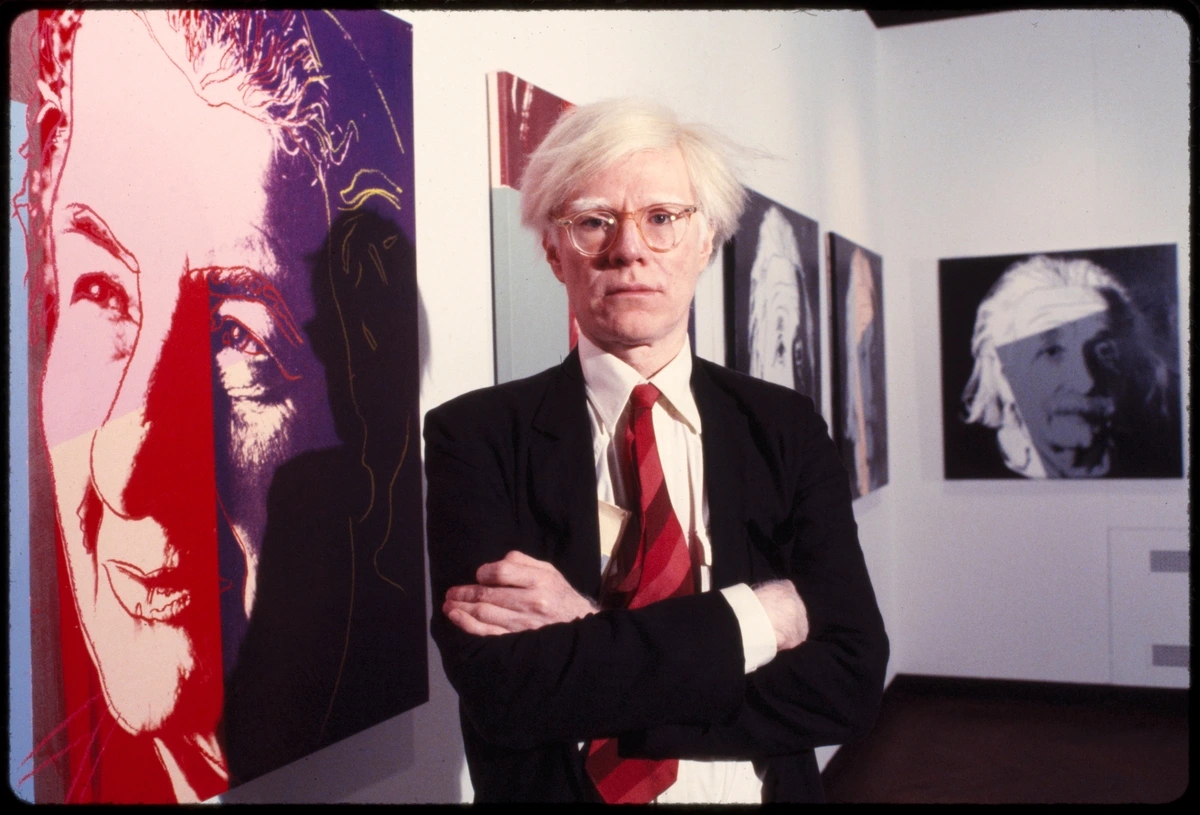
Here’s a quick overview of factors that can influence art prices and help you understand potential value:
Factor  | Influence on Price (Why it Matters) | Common Starting Points | Actionable Advice for Buyers |
|---|---|---|---|
| Artist Reputation | Higher for artists consistently sought after by collectors and praised by critics; lower for emerging artists. | Prints, smaller works from emerging artists, art school student pieces | Research the artist's CV, read reviews in local art publications. Look for consistent quality over time. |
| Artist's Experience/Training | Formal training, significant exhibitions, or extensive experience often reflect higher skill and validation. | Early career works, smaller pieces from Glassell School grads | Check artist websites or gallery bios for education, residencies, and awards. Attend artist talks. |
| Artist's Exhibition History/Awards | Participation in notable exhibitions or winning prestigious awards signals rising value and critical acceptance. | Works from artists gaining local/regional recognition | Ask gallerists for a full exhibition list. Consistency with respected venues is a strong indicator. |
| Market Demand/Collector Interest | High demand for popular artists, styles, or themes drives prices up. | Art fairs, online platforms for popular trends | Follow art news, visit multiple galleries, and observe buzz at art fairs. Prioritize personal connection over trends. |
| Medium | Traditional mediums like oils on canvas, large-scale sculptures are often pricier than prints or photographs due to material cost and labor. | High-quality giclée prints, limited edition photographs | Consider your budget and desired tactile experience. |
| Size | Generally, larger works are more expensive due to materials, creation complexity, and shipping/installation costs. | Smaller canvases, framed prints | Measure your space! Sometimes a smaller, impactful piece is better than a large one that overpowers a room. |
| Subject Matter/Theme | Works with universally appealing, culturally significant, or unique themes may fetch higher prices due to broader demand. | Personal preference pieces, local scenes | Choose what resonates with you personally. Art is most valuable when it sparks joy. |
| Provenance | Documented history of ownership provides proof of authenticity and an unbroken chain of custody. | Directly from artist, reputable galleries | Always ask for a certificate of authenticity or a bill of sale that details the artwork's history. |
| Edition Size | Limited edition prints (e.g., 1/100) are more valuable than open editions because of scarcity. | Lower numbers in a limited edition series | Clarify edition size and ask for a certificate of authenticity. |
| Materials | High-quality, archival materials (acid-free paper, lightfast pigments) increase longevity and stability. | Archival prints, framed pieces using acid-free matting | Inquire about materials. Investing in archival quality protects your piece. |
| Condition | Any damage, poor repairs, or signs of neglect significantly decrease value. Pristine condition is always preferred. | Works in excellent condition; request condition reports for older or valuable pieces. | Carefully inspect the artwork. For valuable pieces, request a condition report before purchase. |
Where to Unearth Your Next Favorite Piece: Houston's Art Hotspots – A Treasure Map
Finding art is an adventure, and Houston offers a smorgasbord of ways to dive in. Here are some of the spots I've found helpful, or that are generally known hubs in the Bayou City, helping you on your treasure hunt:
1. The Galleries: From Polished to Gritty (and Everything In Between)
Houston boasts a fantastic and varied gallery scene. You'll find established commercial galleries representing well-known artists with often higher price points (like Meredith Long & Company, known for traditional, representational works and historical Texas artists, or Moody Gallery for established contemporary artists often showcasing conceptual installations and Gulf Coast talent). But there's also a wealth of smaller, independent spaces championing emerging talent. A personal story here: I once stumbled into a tiny gallery in Montrose and ended up having a fascinating conversation with the artist about their inspiration for a piece that now hangs in my home. It was less like a fancy boutique where you felt pressured and more like visiting a mini-museum where everything was potentially for sale. Don't be afraid to walk in! Most gallerists are passionate about the art they show and are genuinely happy to talk about it, even if you're just browsing. Each area has a slightly different vibe and focus, so explore around! Many galleries, for example, specialize in regional Texas artists, contemporary photography, or Latin American art, reflecting the city's diverse influences. Galleries, both commercial and independent, also contribute significantly to Houston's cultural tourism, drawing visitors and fostering a dynamic local economy.
Look for galleries concentrated in areas like the Museum District (though many here are museum-affiliated and focus on exhibitions rather than sales), the Montrose neighborhood (home to many long-standing spaces, some with innovative contemporary pieces like Sicardi | Ayers | Bacino, known for Latin American contemporary art, or Inman Gallery for cutting-edge contemporary works), and the Heights (where smaller, often artist-run galleries, like those found around 19th Street or along Heights Boulevard, have found a home, often showcasing local and regional talent in a more intimate setting). Visiting a gallery is the best way to see art in person, understand its true scale and texture, and talk directly to someone knowledgeable.
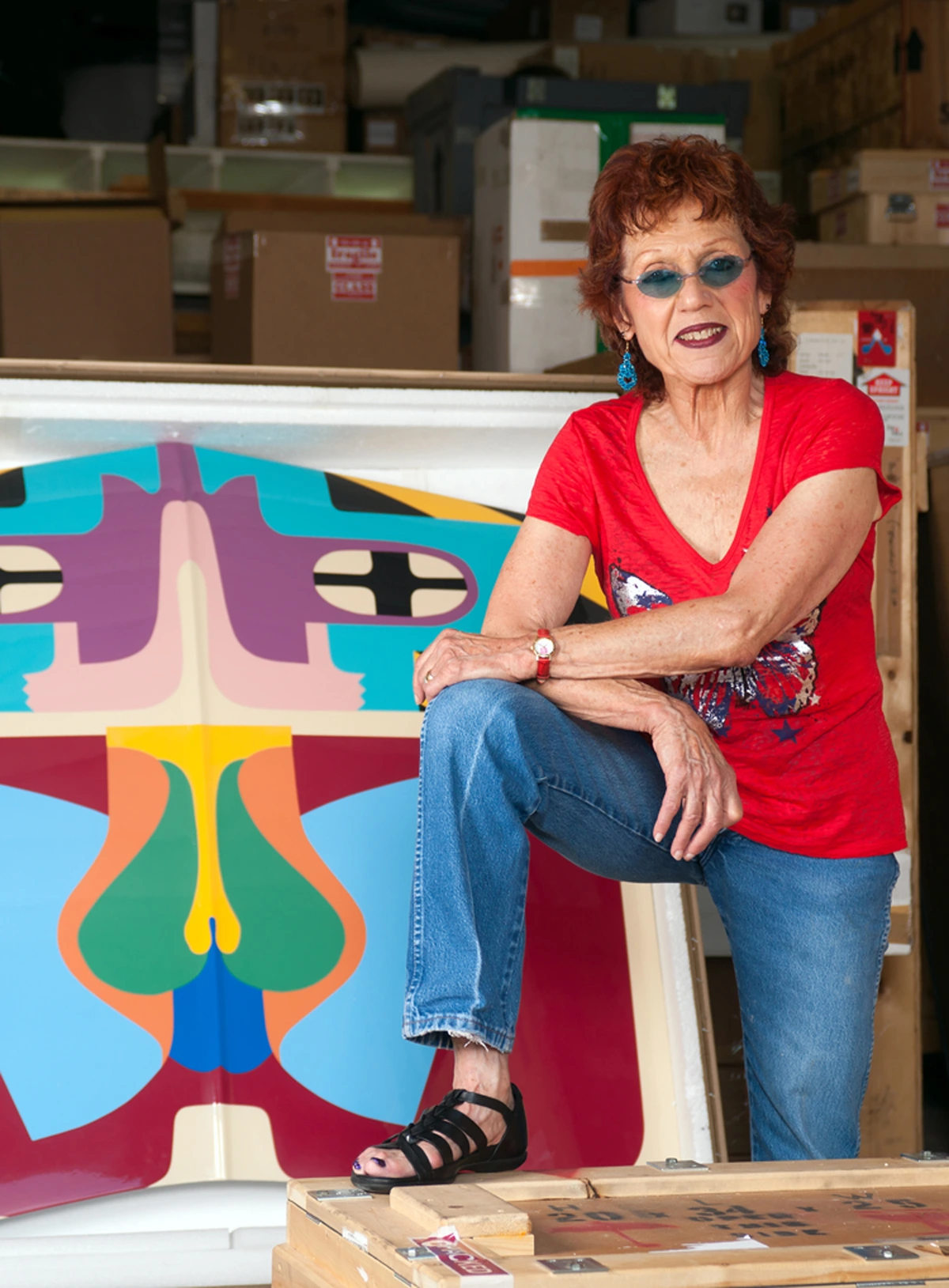
2. Art Fairs: A Feast for the Eyes (and Wallet)
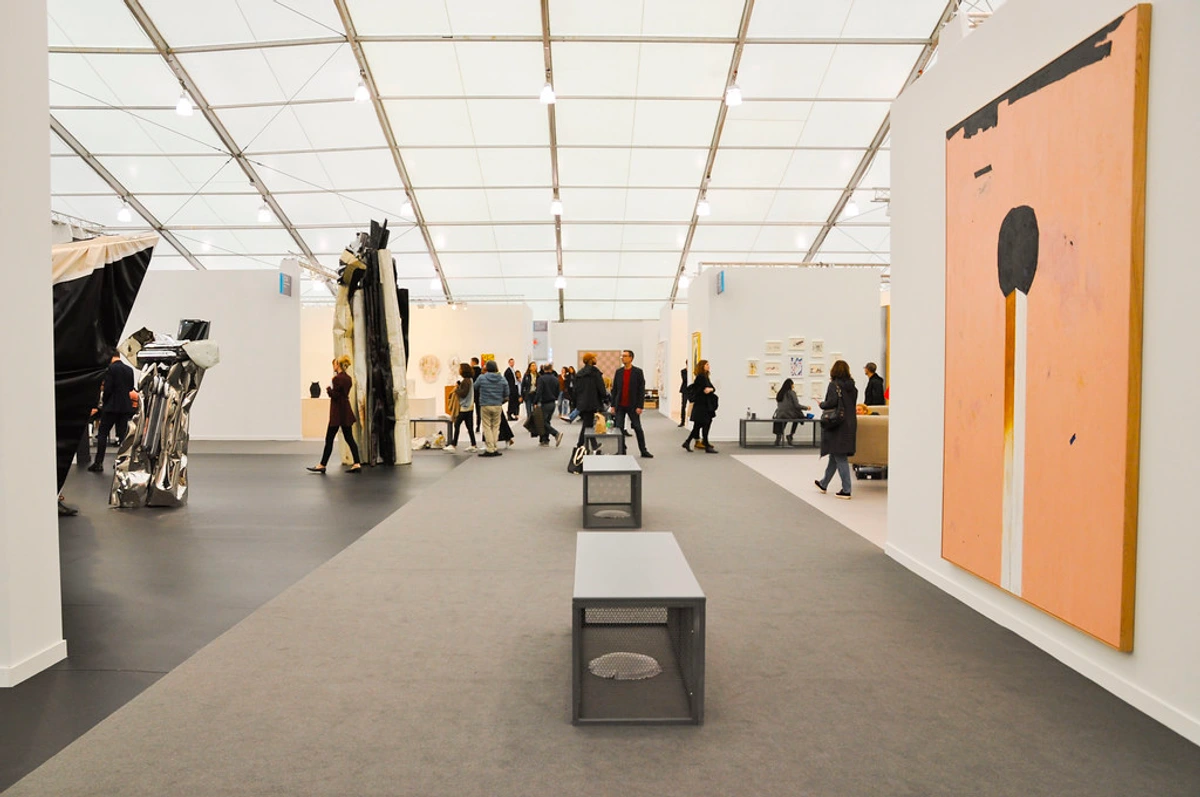
Houston hosts several art fairs throughout the year, from the well-known Bayou City Art Festival (with spring and fall editions, showcasing a broad range of accessible fine art and crafts often from local and regional artists, known for its lively outdoor atmosphere and a great place for first-time buyers) to more niche, contemporary art fairs like Texas Contemporary (typically held in the fall, focusing on more established contemporary art from national and international galleries, often with a more curated, cutting-edge selection and higher price points), or the smaller, community-driven Discovery Green Art Market.
Art fairs are, in my opinion, utterly amazing because they bring together hundreds of artists and galleries in one place. You can see a massive amount of work in a single day, talk directly to the artists themselves (a huge plus!), and often find pieces at a wider range of price points than in traditional galleries – everything from affordable prints to significant original works. It's a high-energy environment, sometimes a bit chaotic, but always inspiring and a fantastic way to quickly gauge what's new and exciting in the local, and sometimes national, art scene. It’s also an excellent opportunity to speak with multiple gallerists and artists to compare approaches and find a perfect fit for your collection.

3. Artist Studios & Open Houses: Meet the Maker
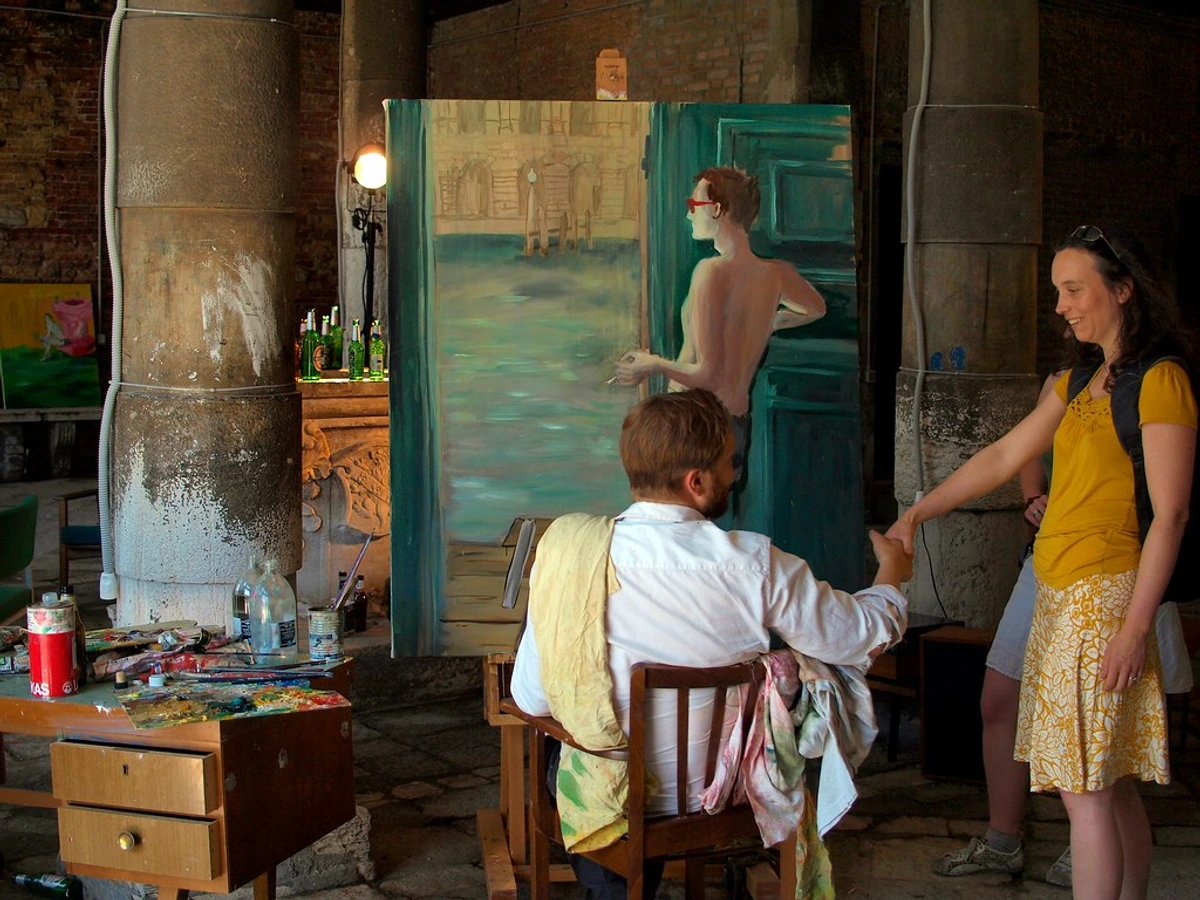
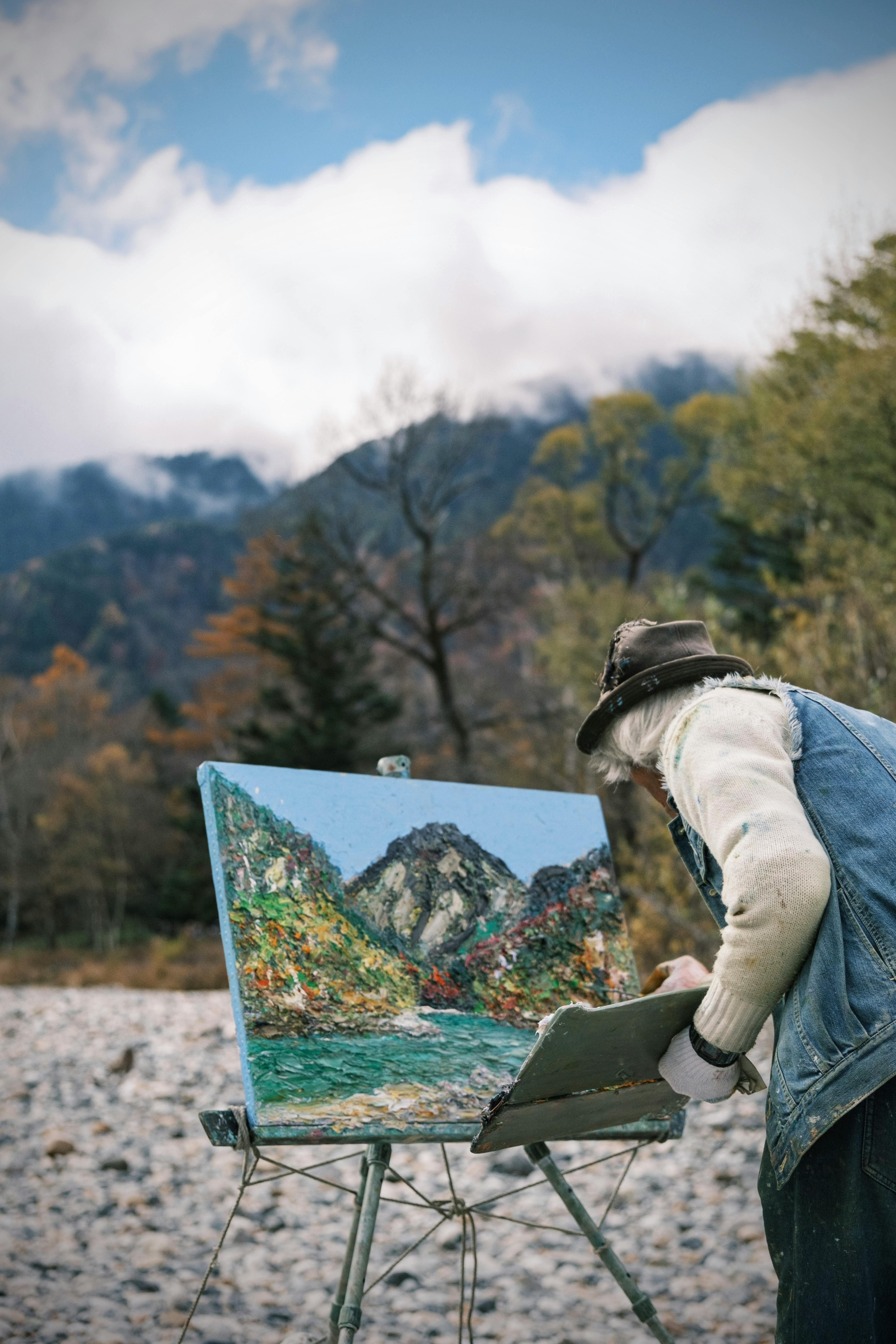
Many Houston artists open their studios to the public periodically, especially in art hubs like Sawyer Yards (including spaces like Spring Street Studios, Winter Street Studios, and The Silos, known for a wide variety of mediums from painting and sculpture to jewelry and textiles), Hardy & Nance Studios, and areas within the Heights and the East End. This is perhaps the most personal and rewarding way to buy art. You get to see where the magic (or the paint-splatter chaos – often more paint on the floor than on the canvas, if my studio is anything to go by!) happens, talk to the artist about their process and inspiration, and buy directly from them. It's a fantastic way to support local artists directly and gain unique insight into the work's creation. This directly supports the individual creator, something I'm very passionate about (Buying Art from Local Artists offers more insights).
To find these opportunities, keep an eye out for events like city-wide studio tours announced by local art organizations (a quick online search for "Houston artist studio tours" or "Sawyer Yards open studio" will usually give you dates), follow individual artists and collectives on social media for their open studio dates, or subscribe to local arts newsletters. When visiting, remember that studios are often working spaces; be respectful of works in progress and the artist's time. A genuine interest in their process and thoughtful questions are always appreciated.
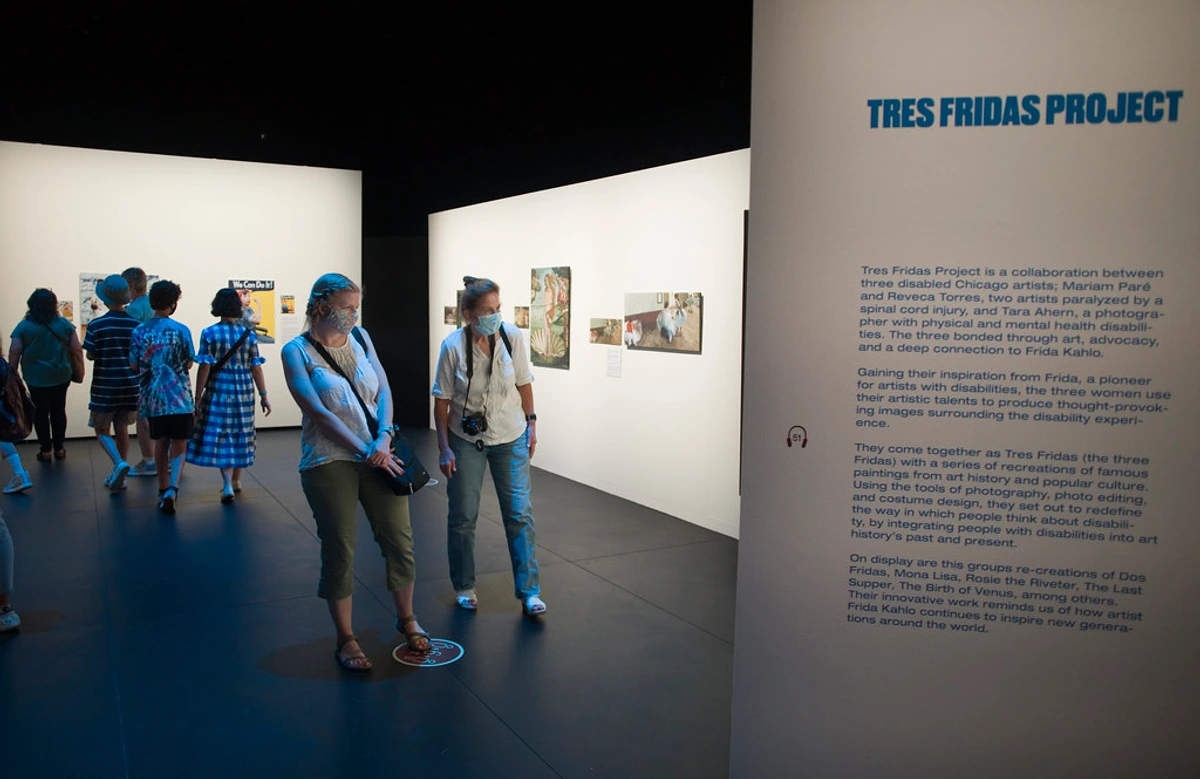
It's worth noting the distinction between an artist's working studio and a dedicated exhibition space within a studio complex. A working studio might be a bit more chaotic, filled with works in progress and tools, offering a raw, authentic glimpse into the creative process. An exhibition space within a complex, while still artist-run, might be more polished and curated, akin to a small gallery. Both offer unique experiences, so don't hesitate to explore both! You might also stumble upon unique institutions like The Orange Show Center for Visionary Art, an iconic folk art environment that champions self-taught artists and often hosts events where you can connect with creators.
4. Museum Shops & University Galleries: Curated Gems & Emerging Talent
While you can't buy the masterpieces on the museum walls (unless you're a museum, I guess?), museum shops often sell high-quality prints, posters, art books, and sometimes even original works by local artists and artisans inspired by or affiliated with the museum's collection. Houston's Museum District is packed with options here. Think of the shops at the Museum of Fine Arts, Houston (MFAH) or the Contemporary Arts Museum Houston (CAMH). They offer a wonderfully curated selection, from fine art reproductions and art-inspired home goods to unique artisan jewelry, pottery, or stationery, giving you a chance to take home a piece inspired by the art you just saw, and supporting the institution in the process. It's an accessible entry point to collecting, often with a curated endorsement of quality.
Beyond museum shops, consider exploring university galleries and student exhibitions. Institutions like the Glassell School of Art (part of the MFAH), the University of Houston's School of Art, and Rice University's Visual and Dramatic Arts department frequently host student shows and sales. These are fantastic opportunities to discover and support emerging artists at accessible price points, sometimes even before they gain widespread gallery representation. I've found some truly innovative pieces this way, and supporting these students is crucial for the future of the art scene. Always check their websites for current offerings and featured local artists, as inventory changes frequently.
5. Online Marketplaces: The Digital Hunt
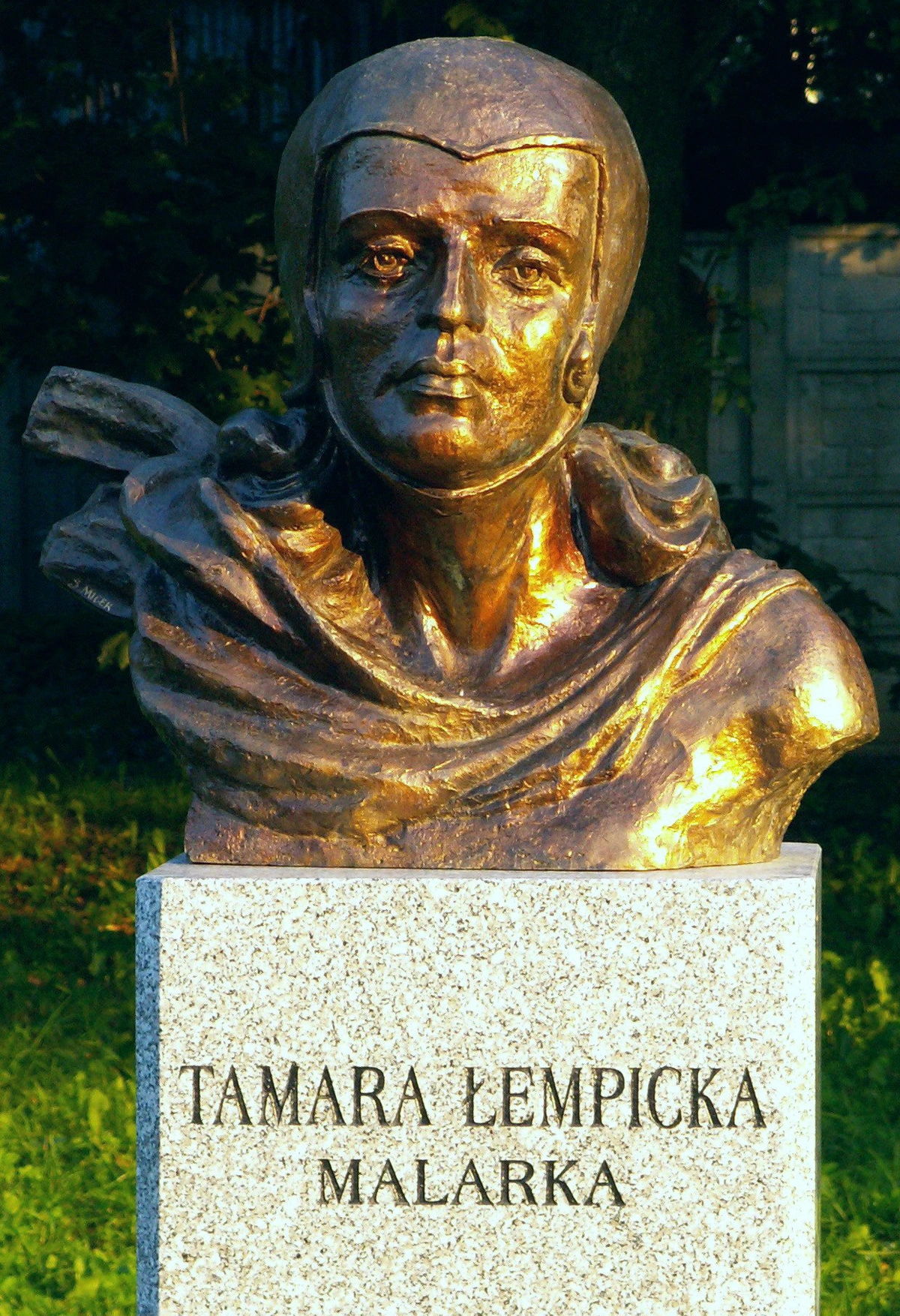
Of course, the internet has opened up the art world immensely, connecting buyers with artists far and wide, including many based right here in Houston. You can find Houston-based artists selling through their own websites, on platforms like Etsy, Saatchi Art, or regional online galleries and collectives (a quick search for "Houston online art gallery" might yield some gems). Buying online offers unparalleled convenience and a vast selection, but you do miss the tactile experience of seeing the art in person. If buying online, make sure you understand the return policy, read reviews, and don't hesitate to ask for detailed photos or even a video of the piece. When viewing art online, look for high-resolution images that reveal texture and detail – these are crucial for getting a true sense of the work. When considering shipping from a Houston-based artist, inquire about local pickup options if you're nearby, or specialized art shipping for larger or more delicate works. (And hey, if you're looking for some colorful, abstract prints or originals that speak to a vibrant energy, you know where to find mine: /buy).
credit, licence
6. Art Rental and Leasing: A Flexible Approach
Not ready to commit to a permanent purchase, or perhaps you're a business looking to rotate your decor? Houston also offers art rental and leasing options. Several galleries and art consultants in the city provide programs where you can lease artwork for a period, often with an option to purchase a portion of the rental fees applying towards the final price. This is a fantastic way to live with art, experiment with different styles in your home or office, and support artists without the immediate commitment of a full acquisition. It's a great strategy for:
- Businesses wanting to enhance their workspace or impress clients with rotating, high-quality art. Houston-based art consultants like MKG Art Management or Art + Artisans often facilitate such programs, offering a curated selection for corporate environments.
- Interior designers who need to stage properties or offer clients a flexible way to test art in their homes.
- Individuals testing out a larger, more significant piece before making it a permanent fixture, or simply wanting to refresh their decor seasonally without the full investment.
Always inquire about the terms, duration, and whether rental fees contribute to a potential purchase. It’s a smart way to experience art on your own terms.

7. Art Consultants & Advisors: Expert Guidance
For those looking to make significant investments, build a cohesive collection, or simply navigate the vast Houston art market with professional guidance, the city offers a network of experienced art consultants and advisors. These professionals can:
- Help define your collecting goals and aesthetic preferences.
- Source artworks from galleries, private collections, and auctions.
- Conduct due diligence on authenticity, provenance, and market value.
- Assist with logistics like framing, installation, and insurance.
While an added cost, their expertise can save you time, money, and potential pitfalls, especially for higher-value acquisitions. It's a bit like having a personal trainer for your art collection; they guide you to the best fit for your needs and goals. Many work independently or are part of firms like Heidi Vaughan Fine Art, offering personalized services to collectors.
Beyond the Purchase: Framing, Installation, Care, and Insurance
So you've found a piece you adore! Congratulations! But the journey doesn't end there. How you present and care for your new acquisition is almost as important as the piece itself. Think about it: a stunning painting can be diminished by poor framing, or damaged by improper display. It’s an extension of your initial act of appreciation, completing the art acquisition journey. And once you own it, understanding its care is crucial, especially in Houston's unique climate, as is knowing the terminology often used to describe it.
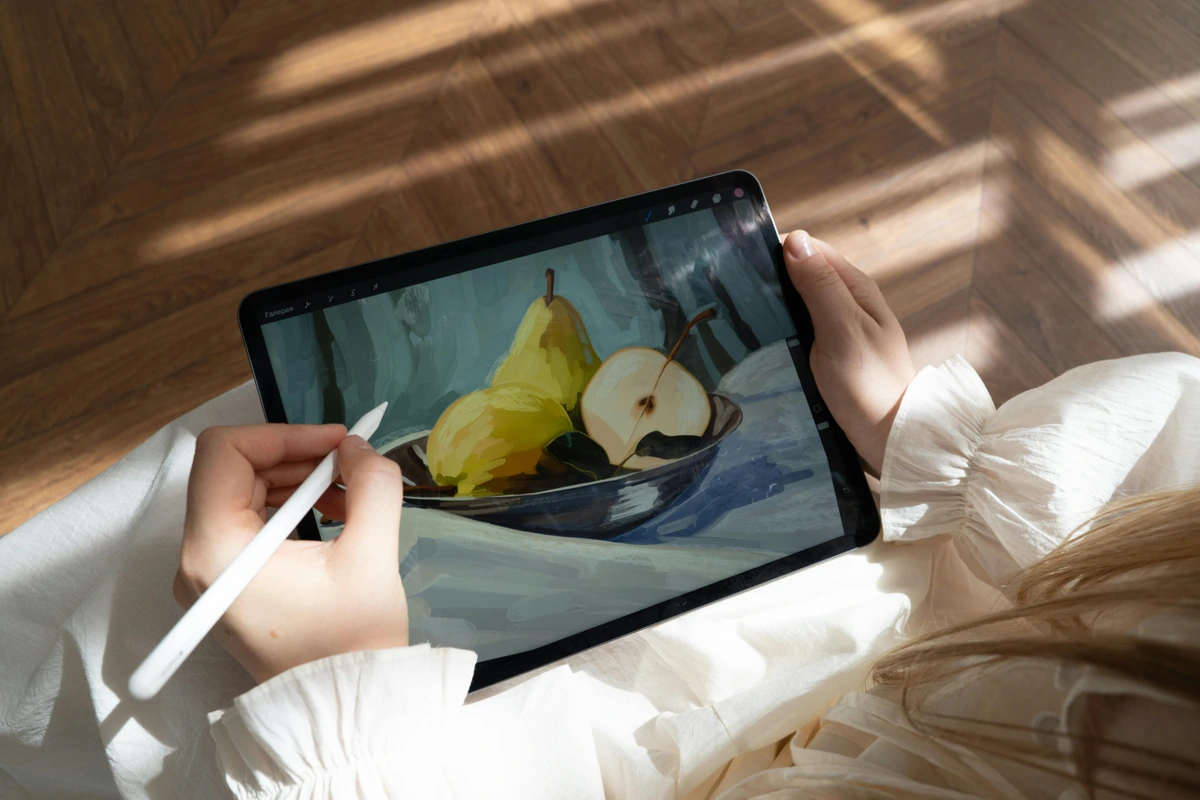
- Framing: This is often an overlooked but crucial element. A good frame enhances the artwork, protects it, and helps integrate it into your home. Houston has numerous custom frame shops that can guide you through options, from minimalist float frames that let the art speak for itself (great for abstract pieces) to ornate, traditional designs (perfect for a classical portrait). Don't cheap out here; it's an investment in the art's longevity and aesthetic impact. Look for reputable framers in areas like Montrose or the Heights, which often have established local businesses. Crucially, always ask for UV-protective (conservation or museum-quality) glass – regular glass offers no UV protection and can lead to fading over time; trust me, I learned this the hard way when a favorite print started losing its vibrancy! Also, insist on acid-free matting and backing, which prevent irreversible damage to your artwork over time. Different art mediums demand different framing approaches: watercolors and pastels, for example, often require ample matting to prevent contact with the glass, while oil paintings are usually framed without glass. Always discuss these specifics with your framer.
- Installation: How and where you hang your art dramatically impacts its presence. Consider lighting (natural and artificial), wall space, and how the piece interacts with its surroundings. For larger or heavier works, consider professional installation – it's worth the peace of mind. When moving, wrap pieces carefully in blankets or bubble wrap, protect corners, and secure them so they don't shift. Think about how art in one room might influence another, or even specific spaces like your home office or bedroom. For spaces with strong direct sunlight, consider rotating art or opting for prints over originals to minimize UV exposure. Avoid hanging precious pieces above active heat sources or in areas with high humidity, like bathrooms or unvented basements, unless properly protected and sealed against Houston's damp climate. Adequate airflow behind canvas works, for instance, can prevent mold growth. Always use appropriate hanging hardware for the weight and type of your artwork, ensuring it's securely fastened into wall studs or using heavy-duty anchors. For more advice on displaying, check out articles on decorating with art in modern farmhouse interiors or choosing art for high ceilings.
- Care & Provenance: For valuable pieces, consider art insurance. Keep any documentation you receive (receipts, certificates of authenticity, artist bios) as this forms the provenance – the documented history of ownership – which is vital for verifying authenticity and future value. Basic care generally involves keeping art out of direct sunlight and away from extreme temperature or humidity fluctuations. Never use harsh chemical cleaners on artwork; for dusting paintings, a very soft, dry brush or micro-fiber cloth is usually sufficient. For sculptures, a gentle wipe with a soft cloth is often best. Avoid touching the surface of any delicate artwork with bare hands to prevent oils and dirt transfer. For more intensive storage needs, Art Storage Solutions for Collectors can provide guidance. Also, a quick note on copyright: when you buy a piece of art, you own the physical object, but the artist typically retains the copyright. This means you can't reproduce the image for commercial purposes without their permission.
Understanding Art Terminology: A Quick Glossary
Navigating the art world can sometimes feel like learning a new language. Here are a few terms you'll encounter, vital for understanding value and authenticity:
- Original: A one-of-a-kind artwork, created directly by the artist. These are typically the most valuable.
- Print: An image created from a master plate or screen. Prints can be open editions (unlimited quantity) or limited editions (a set number, e.g., 1/100, which increases value). A certificate of authenticity is crucial for limited editions.
- Edition: The total number of identical prints made from a single plate or matrix, specified as a fraction (e.g., 5/50 for the fifth print in an edition of fifty).
- Artist's Proof (AP): A print reserved for the artist, outside of the numbered edition. Often marked "A.P.", these are typically considered valuable due to their scarcity and direct connection to the artist's personal collection and approval.
- Monoprint: A unique print, or a print that results in a one-of-a-kind image, even if it uses a matrix that could produce multiples. The key is that there are always variations, making each monoprint inherently distinct and a singular artwork.
- Collage: An artwork made by adhering various materials (paper, fabric, photographs) onto a single surface.
- Assemblage: A 3D artwork created by joining together various found objects.
- Giclée: A high-quality fine art digital print, often on archival paper or canvas. (What is a Giclée Print? delves deeper).
- Impasto: A painting technique where paint is laid on an area of the surface in very thick layers, usually thick enough that the brushstrokes or palette knife marks are visible, adding texture and three-dimensionality.
- Patina: A natural or artificial film or coloration, typically green or brownish, formed on the surface of old bronze and other metals, or sometimes wood or stone, often valued for its aesthetic appeal and indication of age.
- Provenance: The documented history of a work of art, tracing its ownership from creation to the present. Essential for verifying authenticity and value.
- Archival: Materials (paper, ink, canvas, matting) designed to be long-lasting and resistant to degradation over time.
Engaging with Houston's Dynamic Art Scene: Events, Public Art, and Community – Beyond the Purchase
Once you've mastered the practicalities of acquiring and caring for art, it's time to immerse yourself further. Houston's art life extends far beyond traditional buying spots. Engaging with the broader community can deepen your appreciation and lead to unexpected discoveries. It's how you really plug into the creative pulse of the city.
1. Public Art: Discovering Art in the Wild
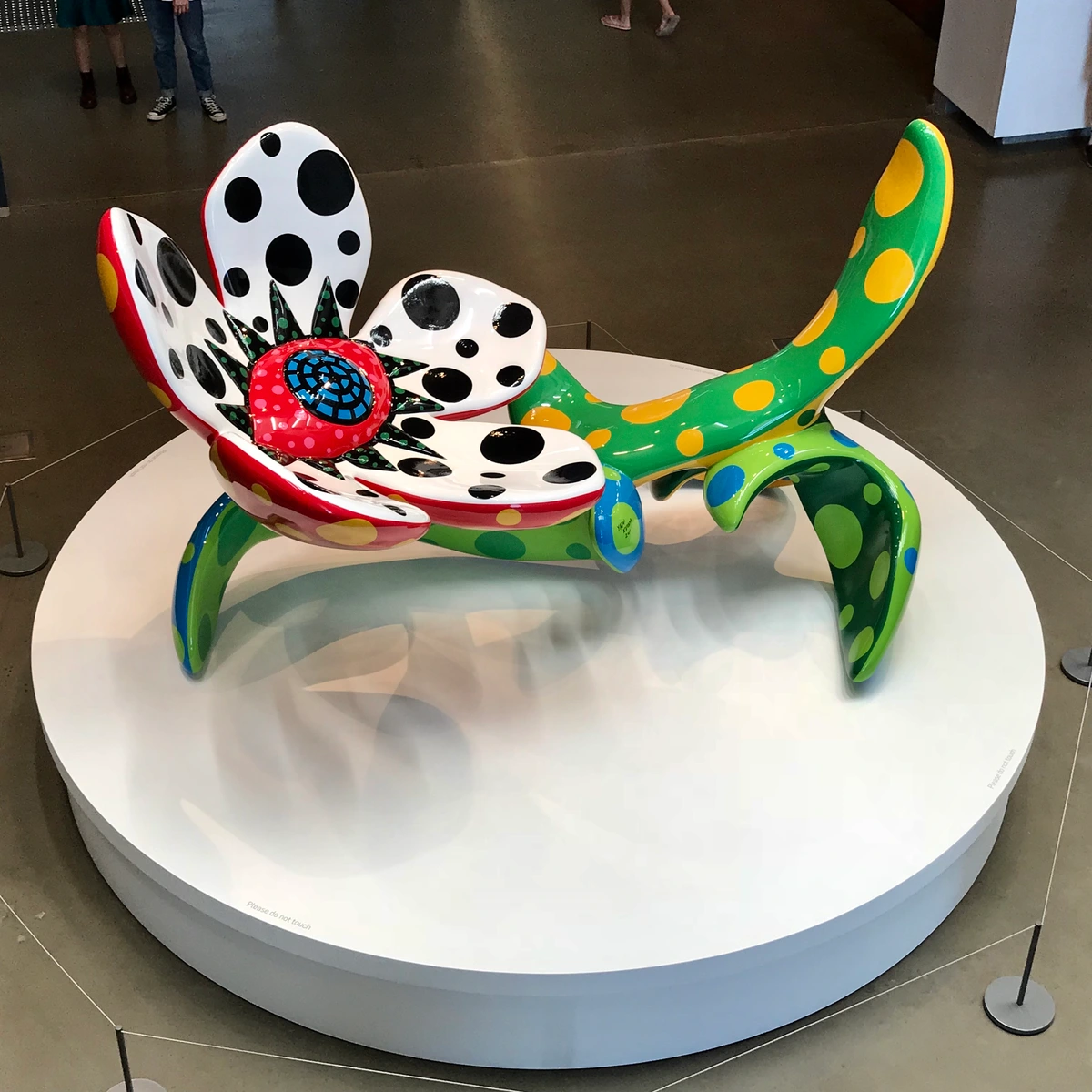
Sometimes the best art isn't behind gallery walls. Houston has a fantastic public art scene that's completely free to explore, offering a chance to discover artists and styles you might love. Stroll through parks like Discovery Green to see large-scale sculptures and temporary installations, explore the EaDo (East Downtown) district for its incredible, vibrant murals (look for works by local artists like GONZO247 or the iconic Houston is Inspired mural), seek out the unique sculptures along Buffalo Bayou Park (including significant installations like the “Tolerance” statues by Jaume Plensa and works by Trenton Doyle Hancock), or visit the whimsical "Smither Park" mosaic wonderland in the East End, a truly unique, community-driven folk art environment. You can often find public art maps or walking tours online through the Houston Arts Alliance (HAA) or local tourism boards. It's a living, breathing outdoor gallery that reflects the city's spirit and often sparks conversations, connecting you to the city's pulse in a way a museum piece sometimes can't. It's an easy, low-commitment way to immerse yourself.
2. Art Events & Festivals: Your Social Calendar Just Got More Colorful
Beyond the large art fairs, Houston is constantly buzzing with smaller, yet equally rewarding, art events. Keep an eye out for:
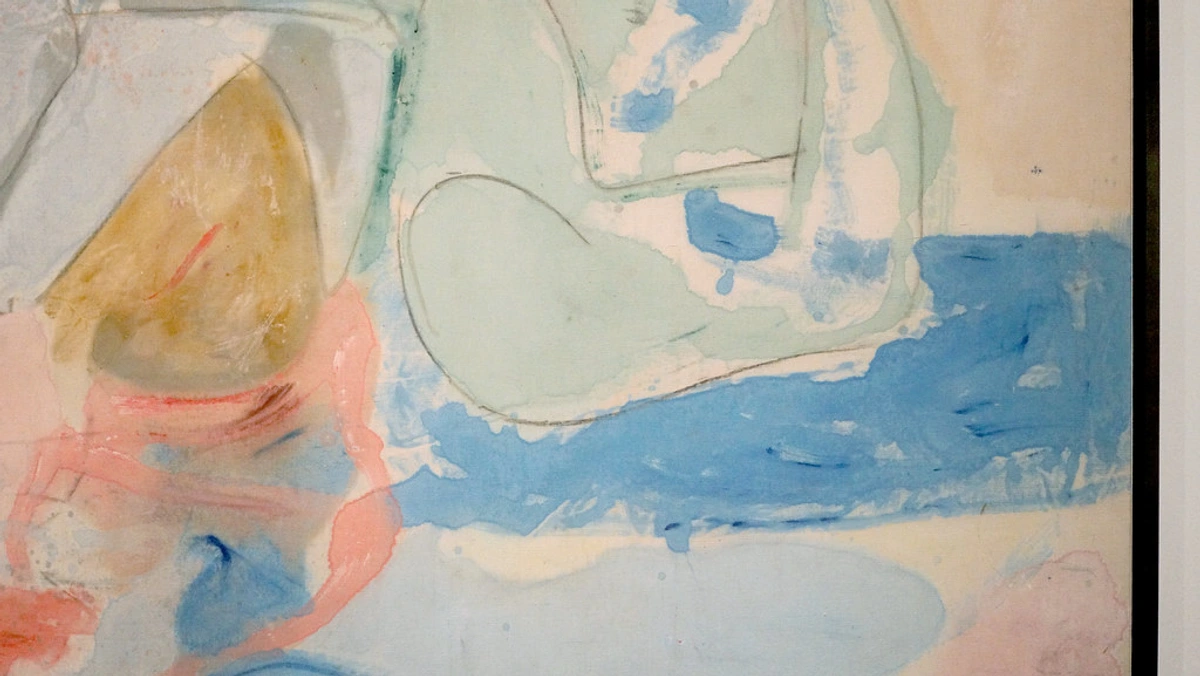
- Gallery Openings: These are fantastic, free opportunities to see new work, meet artists and gallerists, and mingle with fellow art lovers. Montrose and the Museum District have frequent openings, often with refreshments! Check local art calendars like those from the Houston Art Alliance, the Houston Press arts section, or individual gallery websites for dates. It’s a low-pressure way to immerse yourself and build connections. I've found some of my deepest connections to art by hearing an artist speak about their struggles and triumphs during an opening.
- Artist Talks & Workshops: Many galleries, museums (like the MFAH or CAMH), and art schools (like the MFAH Glassell School of Art) host talks by artists or curators, offering invaluable insights into their work and the creative process. Workshops can even let you try your hand at creating! (How to Find Your Art Subject can be a fun place to start thinking about your own creations).
- Cultural Festivals: Houston's rich multicultural tapestry means many festivals (e.g., annual celebrations of Mexican, Vietnamese, or Nigerian culture) include visual art components, showcasing local artists and traditional crafts. These are often great places to find unique, culturally resonant pieces at accessible prices. Also look for gallery walk weekends and neighborhood art crawls that allow you to explore multiple venues in a concentrated area, such as the First Saturday Arts Market in the Heights, White Linen Night (also in the Heights), or the internationally recognized FotoFest Biennial (held every even year), which focuses on photography and related media. These events provide continuous opportunities to connect with the city's artistic pulse.
3. Building Relationships: Galleries, Artists, and the Community
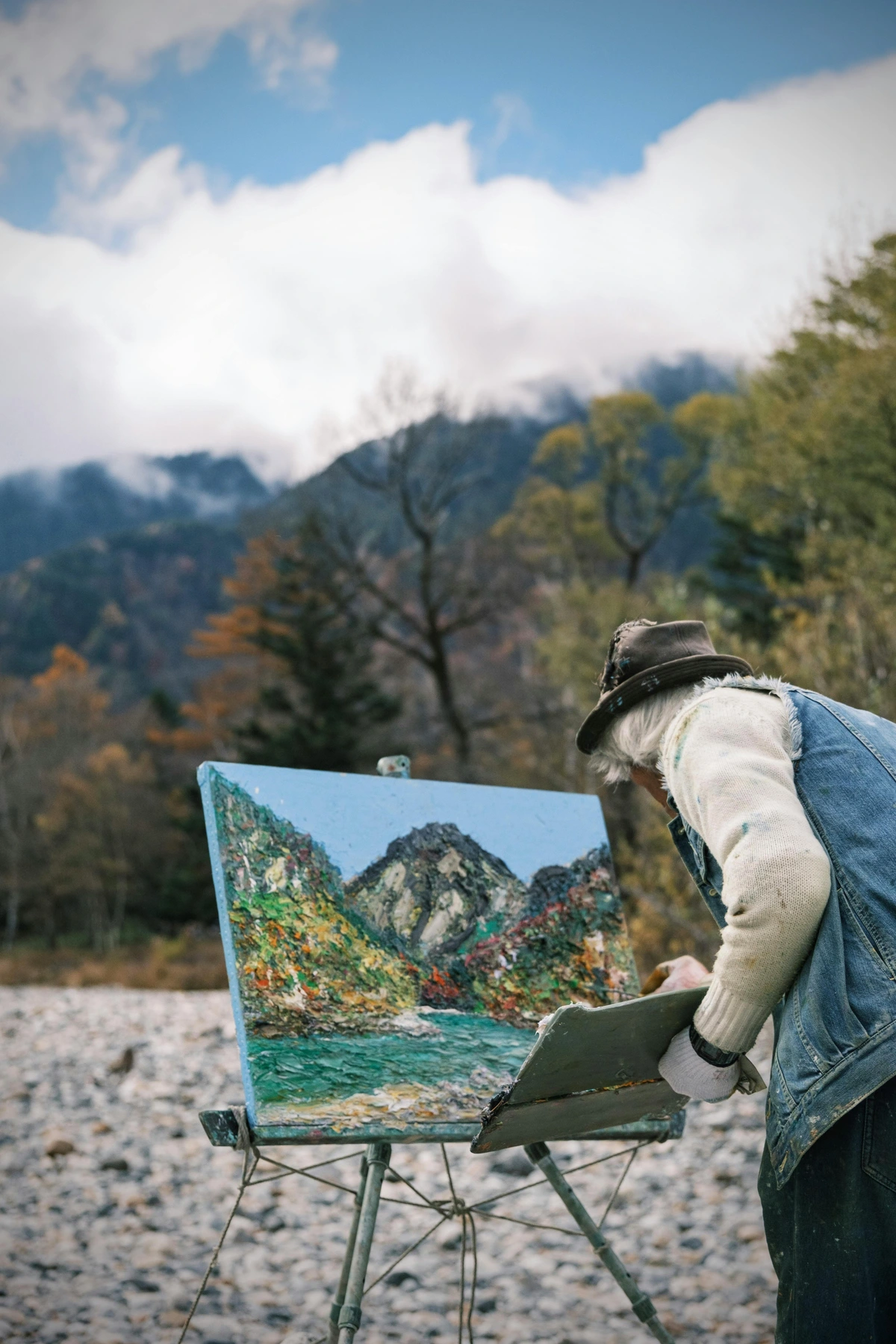
Don't underestimate the power of connection. Building relationships with gallerists and artists can be incredibly rewarding for the long term. Attend their openings, sign up for their mailing lists, and engage thoughtfully – ask about the artist's inspiration, the medium, or the story behind a piece. Follow them on social media and comment genuinely on their posts. A genuine interest can open doors to studio visits, early previews of new work, and a deeper understanding of the art world. You're not just a buyer; you're becoming part of a community, and that connection often enriches the art itself. These relationships can also provide invaluable insights into an artist's trajectory and potential future value. It's a bit like finding your own personal art family within the vast city.
Key Takeaways: Your Compass for Houston's Art World
Navigating Houston's vibrant art scene can feel like a grand adventure, but with a few guiding principles, you'll be well on your way to discovering pieces that truly speak to you. Remember that art is a deeply personal journey – prioritize your emotional connection over fleeting trends or perceived investment value. Engage with the community, explore diverse neighborhoods, and don't be afraid to ask questions. Every piece has a story, and every purchase supports a creator. Embrace the hunt, trust your instincts, and let Houston's eclectic artistic spirit enrich your life.
Tips for the Houston Art Hunter: Navigating Your Journey Like a Pro
Here are some of my go-to tips for making your art buying experience in Houston as enriching and enjoyable as possible:
- Define Your Style (or Don't!): It helps to have a general idea of what you like, but don't feel boxed in. My taste has evolved over the years, from minimalist phases to a full-blown embrace of vibrant abstract expression. Allow yours to evolve too! What speaks to you today might surprise you tomorrow.
- Set a Budget, But Be Flexible: Know your comfort zone, but if a piece truly speaks to you and stretches your budget slightly, it might be worth the stretch. Remember the table on factors influencing price. Art is accessible at all price points in Houston, so don't feel intimidated if you're starting small. For me, the pieces I cherish most aren't always the most expensive, but the ones that resonate deepest. Their emotional value far outweighs their monetary tag.
- Support Local Artists: Buying directly from Houston-based artists, or from local galleries that champion their work, not only brings unique art into your home but also injects vital economic energy into the city's creative economy. It helps sustain the very ecosystem you're enjoying.
- Talk to Everyone: Gallerists, artists, fellow visitors – engage in conversation. You'll learn immensely and might uncover hidden gems or insights you wouldn't find otherwise. Houston's art community is surprisingly welcoming, and most people are thrilled to share their passion.
- Research the Artist: Before a significant purchase, take some time to research the artist's background, exhibition history, any critical reviews, and if possible, past sales data to understand their market trajectory. This helps you understand their position in the art world and validates their growing reputation.
- Visit Regularly (and Strategically): The Houston art scene is constantly changing. New exhibitions open, new artists emerge, and art fairs are seasonal. Regular visits keep you connected and increase your chances of finding that perfect piece at the right moment. Consider visiting galleries during off-peak hours for a more intimate viewing experience and deeper conversations with gallerists. Think of it as cultivating your artistic intuition.
- Don't Be Afraid to Ask About Price & Negotiation: While major galleries might have fixed prices, it's often acceptable to politely inquire about a slight discount, especially for multiple purchases, or if paying in cash, particularly when buying directly from an artist or at smaller venues. The worst they can say is no! Always be respectful in your approach.
- Trust Your Instincts: Ultimately, art is a personal connection. If a piece makes your heart sing, or sparks a genuine emotional response, trust that feeling. Don't let trends or others' opinions completely sway you from what truly resonates.
- Understand Return Policies: Especially for online purchases or art fairs, always clarify the return or exchange policy before you buy. This gives you peace of mind if the piece doesn't quite work in your space once you get it home. Nobody wants buyer's remorse, especially with something as personal as art.
- Network and Connect: Don't just buy art; become part of the community. Follow artists and galleries on social media, attend openings, and engage with local art organizations. These connections often lead to exclusive opportunities, early access to new works, and a deeper appreciation for the art and the people who create it.
Ethical Considerations When Buying Art
Art collecting comes with its own set of responsibilities. Ethical considerations are paramount to ensure you're contributing positively to the art world and avoiding unintended harm. Always strive to buy from reputable sources and, when possible, directly support the artists themselves. This ensures your collection is not only beautiful but also ethically sound. For a deeper dive, consider reading about ethics of art collecting.
Here are some key points to keep in mind:
- Provenance and Authenticity: Always verify the history of ownership for any significant piece. This is crucial for avoiding looted art or works of questionable origin. A clear, documented provenance protects both you and the artwork's integrity. For example, if a piece has a gap in its ownership history during a period of conflict, it's a red flag.
- Fair Compensation for Artists: When buying from living artists, ensure they are fairly compensated for their work. Direct purchases, or buying from galleries that are transparent about their artist commissions, are excellent ways to support creators directly. Avoid situations where artists are pressured to sell at unsustainably low prices. This is particularly important when supporting local Houston artists, ensuring your investment truly benefits the local creative economy.
- Copyright and Reproduction: Remember that when you buy a physical piece of art, you own the object, but the artist typically retains the copyright. This means you cannot reproduce the image for commercial purposes (e.g., printing it on merchandise) without their explicit permission. It's about respecting intellectual property.
- Cultural Appropriation: Be mindful of the context and origin of artworks, especially those incorporating cultural motifs. Understand the difference between appreciation and appropriation, and choose pieces that respectfully engage with cultural heritage. This means buying from artists who are part of that culture, or who have engaged deeply and respectfully with it, rather than those who superficially borrow motifs for commercial gain without understanding or acknowledging their roots.
Frequently Asked Questions (FAQ) about Buying Art in Houston
Here are some common questions I hear from people new to the Houston art market:
Q: How much should I expect to spend on art in Houston?
A: Art in Houston is available at every price point! You can find beautiful prints and smaller works from emerging artists at art markets and studios for under $100. Mid-range original pieces typically fall between $500 - $5,000, while established artists or larger works can range from $5,000 to tens of thousands. It truly depends on the artist's reputation, medium, size, and your personal budget. Don't feel pressured to overspend; start where you're comfortable and let your collection grow organically.
Q: Is art a good investment?
A: My personal philosophy is to buy art because you love it, first and foremost. While some art does appreciate in value significantly over time, treating every purchase purely as a financial investment can detract from the joy of collecting. Buy what resonates with you, and any appreciation is a bonus. Focusing on emerging artists you genuinely believe in can be a good long-term strategy, both emotionally and potentially financially. Always prioritize your emotional connection to the piece; that's where its true, enduring value lies.
Q: Can I negotiate prices for art in Houston?
A: It depends on where you're buying. In commercial galleries with established artists, prices are often firm, but it never hurts to politely inquire, especially if you're a returning client or interested in multiple pieces. When buying directly from an artist, at studio sales, or at art fairs, there's often more room for a slight negotiation, especially for cash sales or if you're purchasing multiple pieces. Always be respectful in your approach; a good relationship with an artist or gallerist can be more valuable than a small discount.
Q: How do I verify the authenticity of a piece of art?
A: Always ask for provenance (the documented history of ownership), a certificate of authenticity (especially for prints or limited editions), and an artist's signature. Reputable galleries and artists will happily provide this documentation. For older or more significant pieces, consider getting a professional art appraisal, and if possible, consult an expert in the artist's work. Verification of signatures or unique artist marks is also a key step. Trust your gut, but always verify with documentation, and don't hesitate to seek a second opinion for high-value acquisitions.
Q: What if I don't like the art after I bring it home?
A: This is why understanding return policies is so important! Reputable galleries often have a clear return or exchange window (e.g., 7-14 days). For online purchases, always check their terms and conditions carefully before buying. When buying from an artist directly, clarify their policy upfront – some may offer exchanges or store credit rather than full refunds. It's much easier to address this before the purchase than to deal with buyer's remorse later. A good policy offers peace of mind, allowing you to try art in your space.
Q: Are there art schools in Houston where I can find emerging talent?
A: Absolutely! The Glassell School of Art (part of the Museum of Fine Arts, Houston) is a prominent institution, as are the art departments at the University of Houston and Rice University. Their student exhibitions and sales are fantastic opportunities to discover and support new artists at accessible price points. Keep an eye on their calendar for public events; you might just spot the next big thing! Supporting student artists is also a vital way to contribute to the future of the local art scene.
Q: What's the best way to store or transport artwork I've just purchased?
A: For immediate transport, ensure the piece is securely wrapped in blankets or bubble wrap, with corners protected, and placed upright if it's a painting. For storage, especially for longer periods, keep artwork out of direct sunlight, away from extreme temperature fluctuations, and ideally in a climate-controlled environment. Houston's humidity is a particular concern, so proper sealing and airflow are crucial to prevent mold. For delicate mediums like glass or ceramics, or for larger/higher-value pieces, consider specialized art movers in Houston who understand the unique challenges of climate control and secure transportation. This ensures your art arrives safely and is preserved long-term. Check out Art Storage Solutions for Collectors for more in-depth advice. Proper care extends the life and value of your art.











Q: Should I insure my art?
A: For higher-value pieces, absolutely. Art insurance protects your investment against damage, theft, or loss. Factors influencing cost include the artwork's value, where it's stored, and specific coverage terms. It's a small price to pay for significant peace of mind, especially for pieces that hold both monetary and sentimental value. Consult with your home insurance provider or a specialized art insurer.
Q: What's the difference between an emerging and an established artist?
A: An emerging artist is typically in the early stages of their career, building their portfolio, exhibition history, and collector base. Their prices are usually more accessible. An established artist, on the other hand, has a significant track record, consistent gallery representation, critical recognition, and a proven market demand, leading to higher price points. Buying from an emerging artist can be exciting as you grow with their career, while buying from an established artist offers more predictable value and recognition. Both offer unique opportunities for collectors.
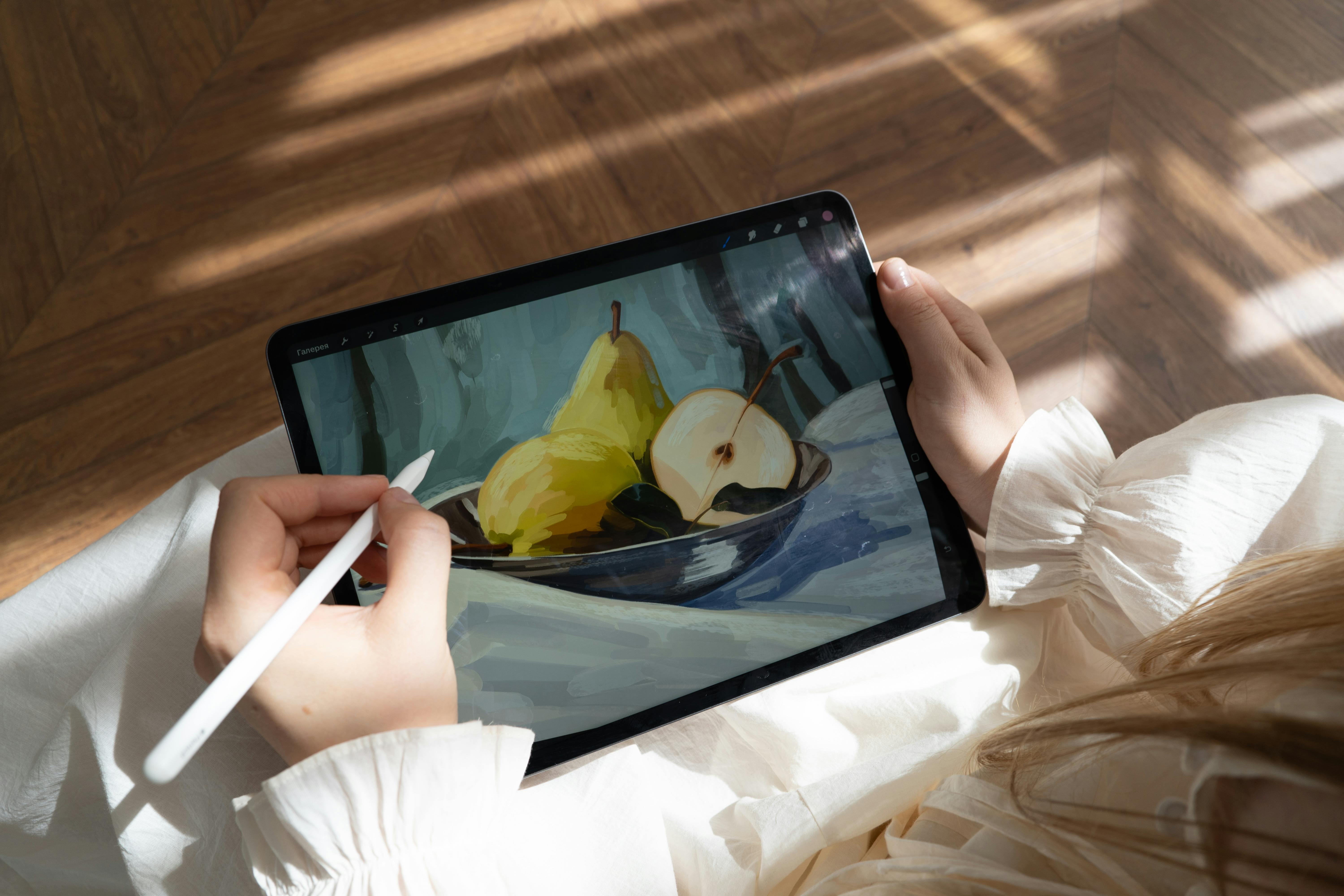
Q: What about NFTs and digital art? Is that relevant in Houston?
A: While NFTs (Non-Fungible Tokens) are a new frontier in art ownership, and digital art is certainly present, the traditional physical art market in Houston remains dominant for most collectors seeking tangible pieces for their homes or collections. While some digital artists based in Houston may engage with NFTs or sell digital art through online platforms, their market is often highly volatile and speculative. For now, the focus here remains largely on the art you can touch, display, and directly connect with in your living space. Proceed with caution and understand the technology if you explore this avenue.
Q: What are the best times of year for art buying in Houston?
A: Houston's art scene is vibrant year-round, but spring (March-May) and fall (September-November) are particularly active. These seasons often host major art fairs like the Bayou City Art Festival and Texas Contemporary, and many galleries coordinate their most significant openings and new exhibitions to coincide with these times. Keeping an eye on local art calendars during these periods will give you the best opportunities to see new work and engage with the community.
Q: What's the role of art advisors in Houston?
A: Art advisors in Houston serve as expert guides for collectors, particularly those making significant investments or building corporate/institutional collections. They help define collecting goals, source artworks from various channels (galleries, private sales, auctions), conduct due diligence (authenticity, provenance, market value), and assist with logistics like framing, installation, and insurance. Their expertise can be invaluable for navigating the complexities of the art market and ensuring informed acquisitions, saving you time and potential missteps.
Q: How do I display art effectively in my home?
A: Effective display involves considering lighting, scale, and arrangement. Position art to avoid direct sunlight, use appropriate lighting (track lights or picture lights), and ensure the size of the artwork complements the wall space. You can create a focal point with a single large piece, or a gallery wall with multiple smaller works. Don't be afraid to experiment with placement, and remember that eye-level is generally a good starting point for hanging height. For more detailed advice, consider exploring articles on decorating with art in modern farmhouse interiors or choosing art for high ceilings.
My Final Thoughts: Embrace the Hunt, Let Your Heart Lead
Buying art in Houston is more than just a transaction; it's an immersive experience in a city bursting with creative energy. From the grandeur of its museums to the intimate charm of artist studios and the unexpected bursts of public art, Houston offers a unique journey for every art lover. Don't be afraid to wander, to ask questions, and most importantly, to let your heart guide you to that perfect piece that transforms your space and tells your story. The art is waiting; go find it, and let it enrich your life in ways you never expected. So, this weekend, why not start your artful exploration by visiting a gallery in Montrose or checking out the latest murals in EaDo? The adventure awaits! Enjoy the hunt!