Museum vs. Gallery: The Ultimate Guide to Their Core Differences (Preservation vs. Commerce)
Ever confused about museums and art galleries? I'll cut through the noise, revealing their fundamental distinction: preservation vs. commerce. Discover their unique roles and navigate the art world with newfound confidence and deeper appreciation.

Museum vs. Gallery: The Ultimate Guide to Their Core Differences (Preservation vs. Commerce)
I’ll be honest, for years, the words “museum” and “art gallery” danced around in my head, almost interchangeably. They both have art on the walls, hushed visitors, and that particular, almost reverent smell – a peculiar, unmistakable aroma of old paper, varnished wood, and climate-controlled air, a scent I’ve come to associate with quiet contemplation and the slow march of history. And I bet you’ve felt that same subtle pang of confusion too, haven't you?
I’ll confess, I once, with the best intentions, even sent a friend looking to buy a unique piece from an emerging artist to the venerable [Rijksmuseum](/finder/page/a-first-timers-guide-to-the-rijksmuseum-in-amsterdam) in Amsterdam. A truly magnificent place, mind you, brimming with masterpieces that chronicle centuries of Dutch artistry, but definitely not a spot for impulse purchases. You can imagine the bewildered, yet polite, phone call I received later! And to make matters worse, even within a grand museum, you'll often find distinct 'galleries'—simply rooms or exhibition spaces (and this is the first trick, isn't it? The same word, but a totally different meaning!)—adding another layer to the linguistic labyrinth. It was a moment that crystallized for me just how profound the misunderstanding could be, and how desperately we needed a clear map.
It’s enough to make anyone scratch their head, right?
So, let’s clear this up once and for all. Because while they are definitely cousins in the sprawling, often confusing family of the art world, their fundamental jobs are completely different. Understanding this distinction doesn't just make you sound incredibly well-informed at cocktail parties (which, let's be honest, is a nice bonus and something I'm certainly guilty of aiming for); it fundamentally changes how you approach and appreciate art itself. At its absolute core, the difference boils down to one simple, profound idea, a guiding star in the art world: preservation versus commerce. It's a lens that clarifies everything. And trust me, while the art world loves its nuances and sometimes blurs these lines beautifully, this fundamental distinction remains crystal clear.
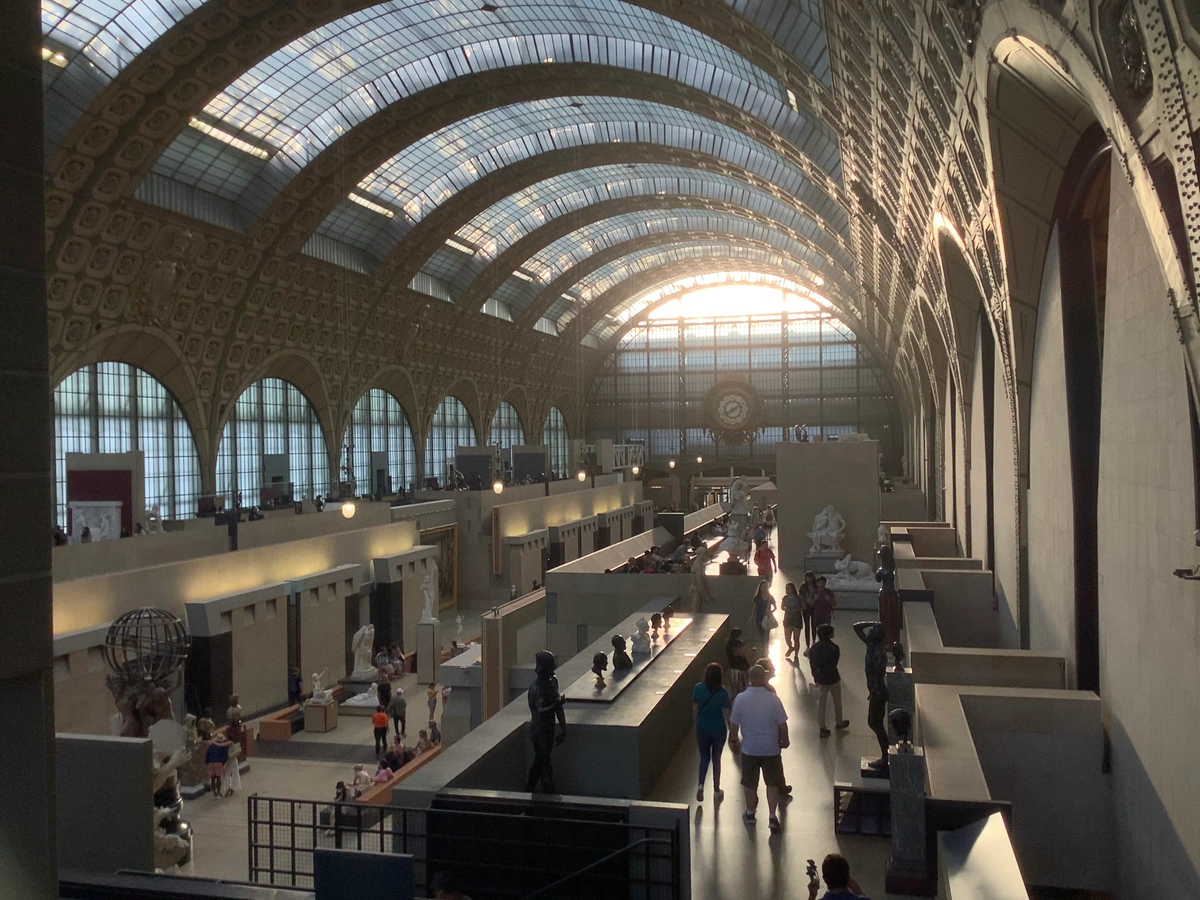
The Historical Roots: Where Did They Come From?
To truly appreciate where we are today, to understand the subtle forces that shaped these institutions, we really need to rewind the clock a bit and see how they came into being. It's a fascinating journey that reveals a deep human need to both collect and share.
Historically, the concept of a museum is ancient, tracing back to the Greek Mouseions – literally "seats of the Muses" – which were centers for philosophical discussion and the study of collections, often with a public-facing educational aspect, not just art. Many of today's grand museums began as the private collections of royalty, wealthy patrons, or religious institutions, amassed to display power, knowledge, and prestige. Think of the Medici family's vast holdings in Florence or the papal collections in Rome, which were as much political statements as cultural treasures. Later, during the Renaissance, wealthy patrons and scholars amassed private Cabinets of Curiosities (or Wunderkammern), eclectic collections of natural artifacts, scientific instruments, and artworks. Imagine a single room overflowing with exotic shells, stuffed birds, ancient coins, delicate anatomical drawings, rare manuscripts, and perhaps a small, meticulously detailed painting or a classical sculpture – a universe in miniature, designed to inspire wonder and knowledge, as well as serve as a personal statement of intellectual prowess. These cabinets, though initially private, sowed the seeds for public display and the idea of preserving knowledge for future generations. Eventually, institutions like the [Uffizi Gallery](/finder/page/a-first-timers-guide-to-the-uffizi-gallery) in Florence, originally a Medici family palace, began to open their collections to the public, marking a significant shift towards modern museums. This slow evolution from private wonder to public good is foundational.
Galleries, as distinct commercial entities, largely emerged with the rise of a public art market from the 17th century onwards, gaining prominence in major art centers like Paris and London. Early forms also included the state-sponsored French Salons, which, while initially academic and prestigious, inadvertently provided a public platform for artists. However, as artists like the Impressionists challenged academic norms and sought independence, they began to exhibit their work in alternative, commercially driven spaces. This rejection of traditional patronage and the emergence of a new merchant class eager to acquire art led to early art dealers and auction houses formalizing the buying and selling process. These commercial ventures started setting up dedicated exhibition spaces, laying the groundwork for the modern art gallery. It's a profound shift from art being solely a patron's luxury to a commodity for a broader audience, which really changed the game for artists, giving them new avenues for their work to be seen and sold.
The Museum: A Guardian of History and Public Trust
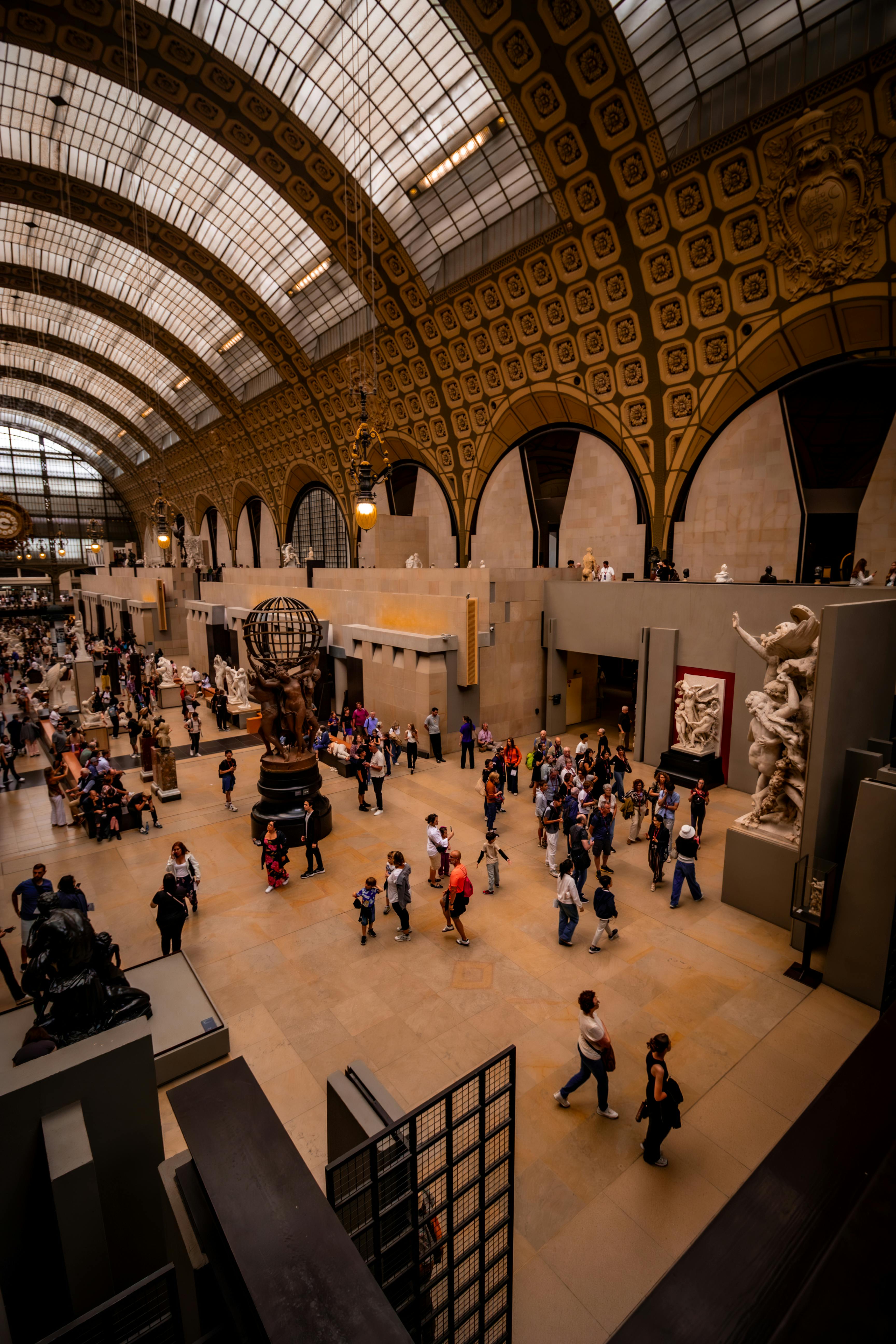
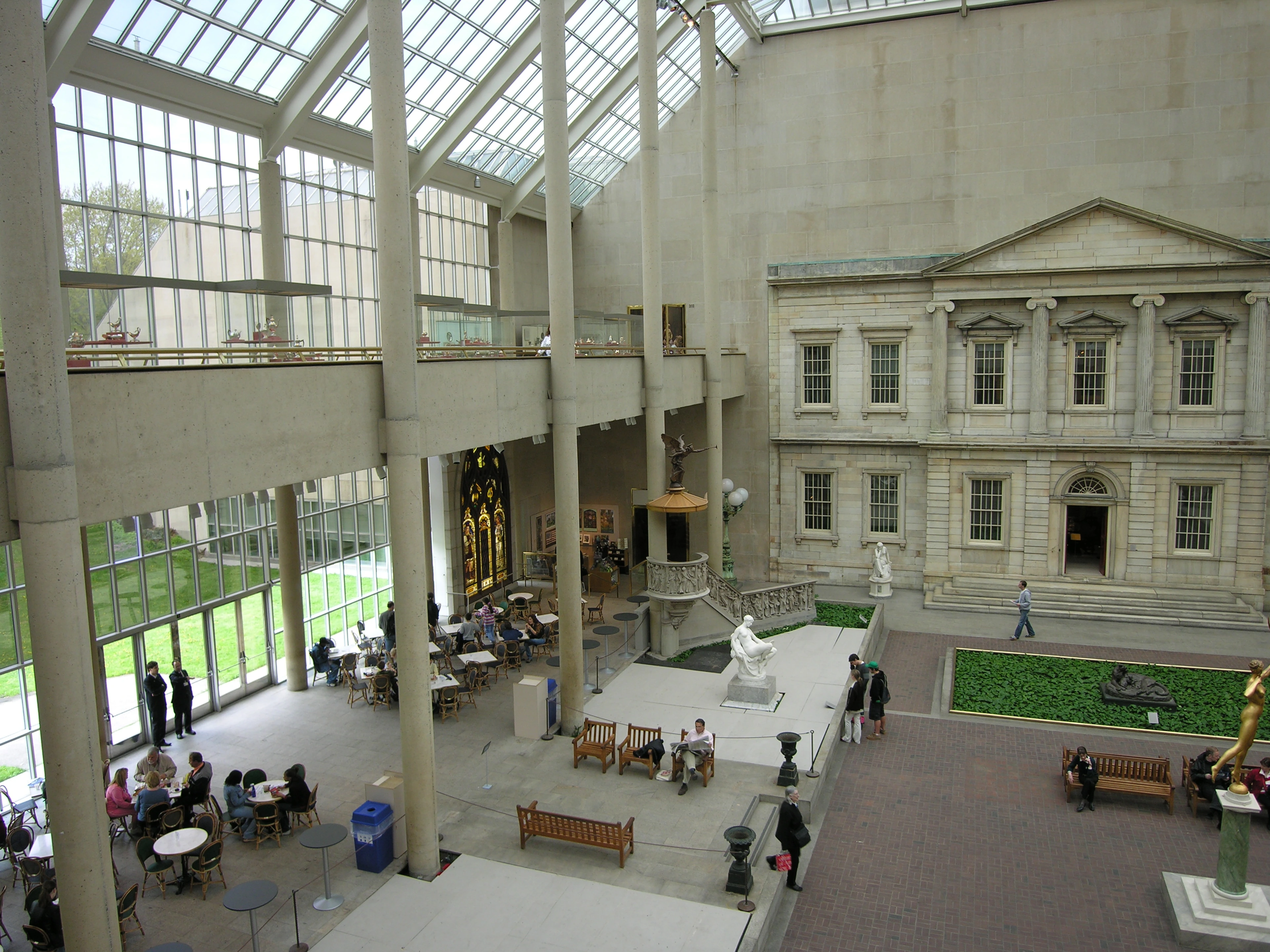
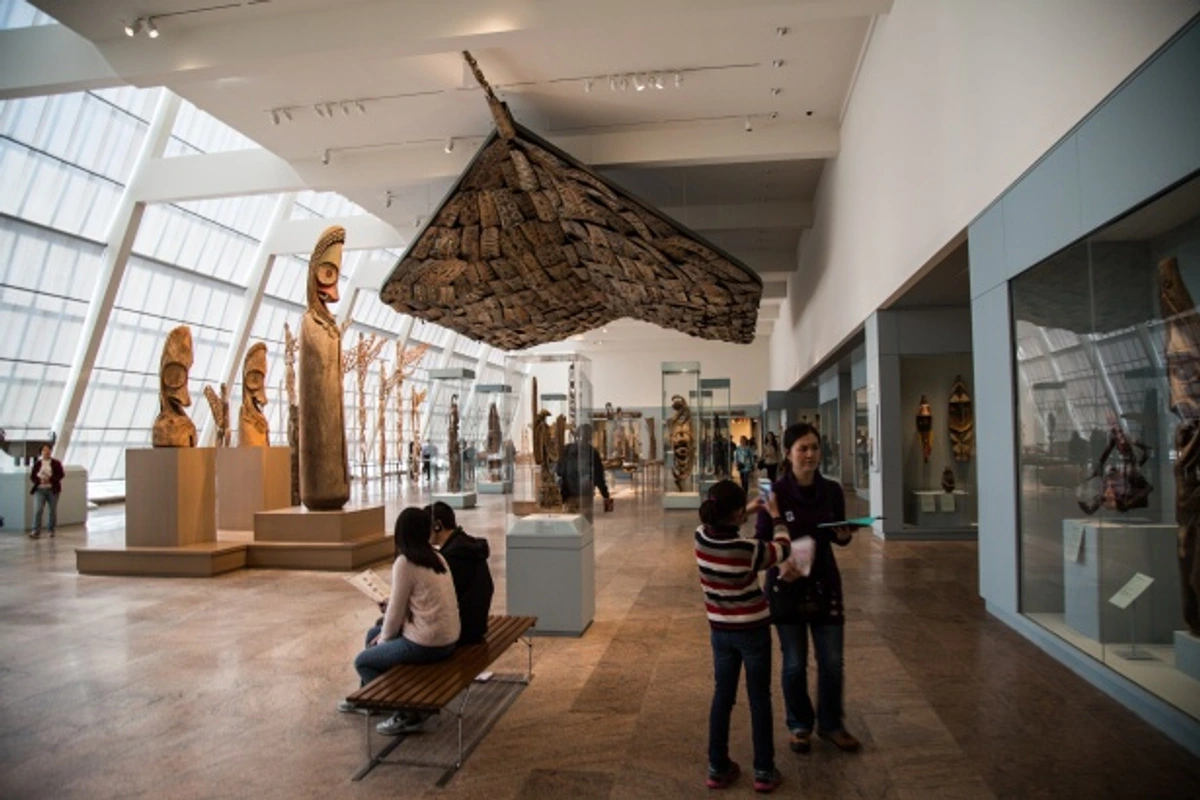
A museum is, at its heart, a non-profit institution dedicated to the public good. I see it as a grand vault for our collective artistic and cultural heritage, tasked with meticulously collecting, diligently preserving, thoughtfully interpreting, and beautifully displaying items of artistic, cultural, historical, or scientific significance. Its ultimate purpose is the education, research, and sheer enjoyment of the public, now and for countless future generations. This means everything from ancient Egyptian artifacts to the intricate brushwork of famous Renaissance artists or a soaring sculpture by Michelangelo, as seen in institutions like [The Metropolitan Museum of Art](/finder/page/a-first-timers-guide-to-the-metropolitan-museum-of-art-nyc) or [The Prado Museum](/finder/page/a-first-timers-guide-to-the-prado-museum).
You'll find institutions focusing on natural history (like the American Museum of Natural History), science (such as the Smithsonian National Museum of Natural History), cultural history (think The Victoria and Albert Museum for decorative arts), and even children's education, all united under the broad umbrella of 'museum.'
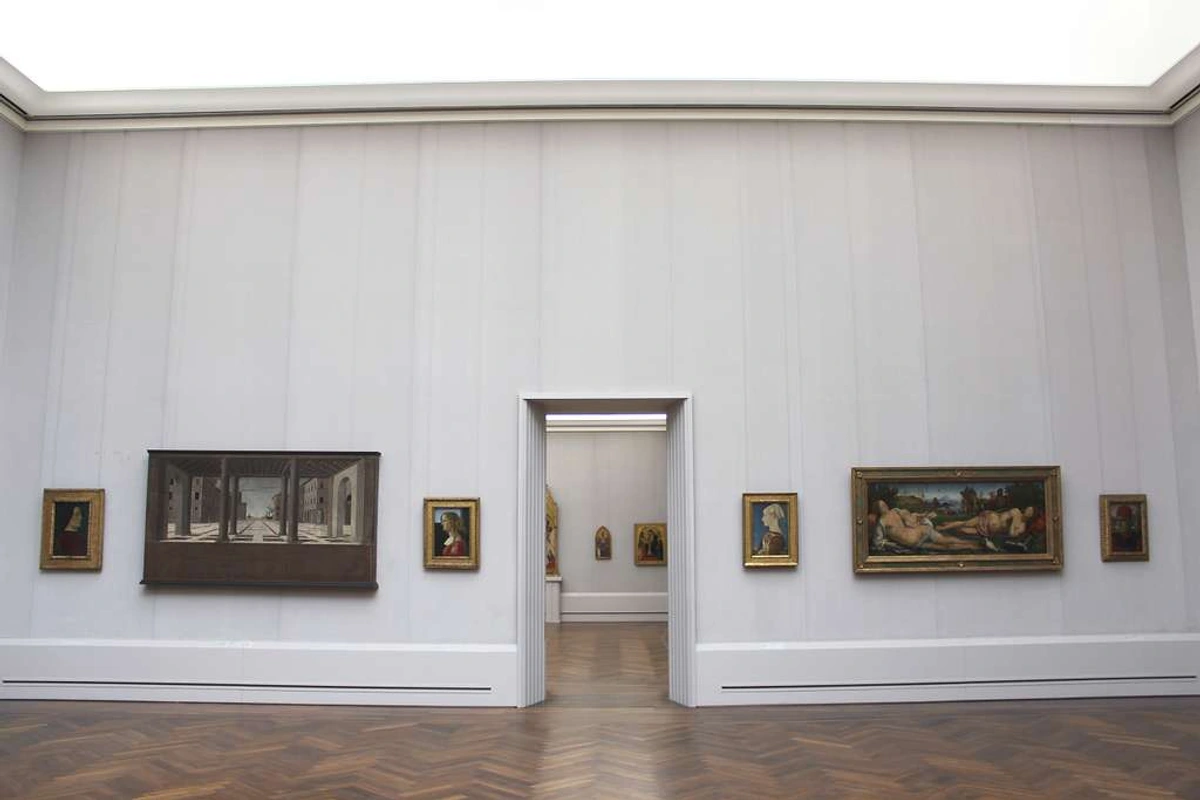
That’s the textbook definition, anyway. What it really means, from my perspective, is that a museum is playing the long game. At its core, a museum holds its collection in public trust, meaning it has a fiduciary responsibility to the public to safeguard these objects for the long term, rather than treating them as private property for sale. This commitment is often underscored by institutional accreditation from bodies like the American Alliance of Museums (AAM) or the International Council of Museums (ICOM), which ensure rigorous standards in areas like collection care, ethical practice, and public service. The curator—a pivotal figure you can read more about in our guide to [roles in a museum](/finder/page/roles-in-a-museum-whos-who-behind-the-scenes)—isn't thinking about what will sell next week. They’re thinking about what a particular piece says about our time, our values, our humanity, a hundred or even a thousand years from now. I often imagine them poring over dusty archives, their eyes lighting up at a newly discovered detail, driven by a passion that transcends mere commerce. They're making decisions that echo through centuries, decisions steeped in the profound responsibility of this public trust.
What are the core functions that allow a museum to fulfill this immense responsibility? Let's delve into the specific aspects that define their unique mission.
Permanent Collection & Provenance: The Beating Heart
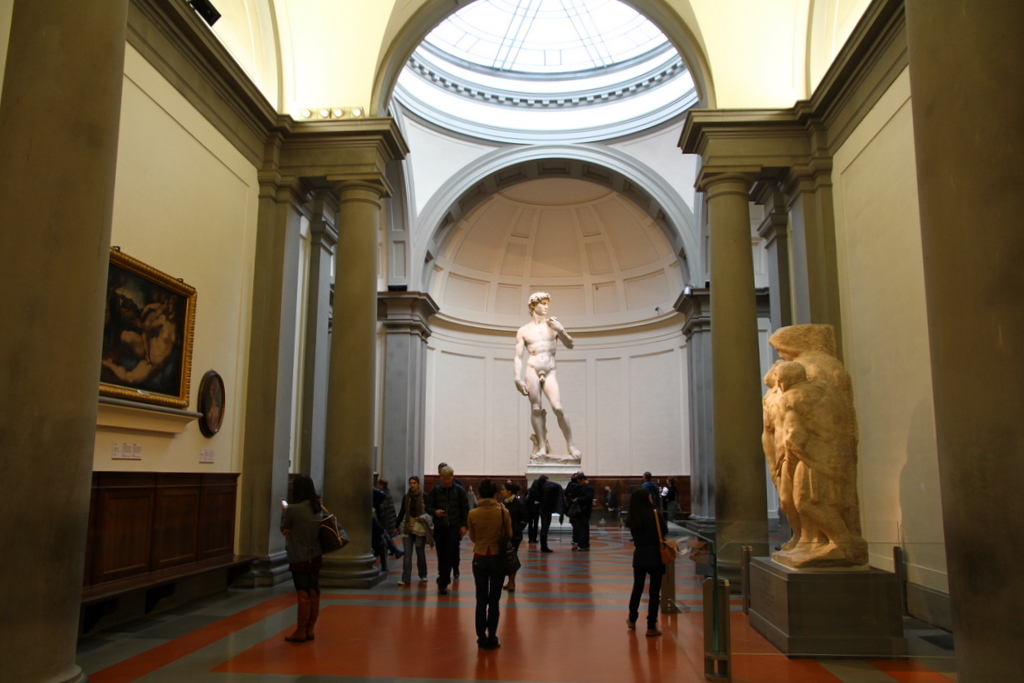
This is the beating heart of a museum. These are works the institution owns outright and holds in public trust. Think of a museum's permanent collection like heirloom jewelry passed down through generations, carefully protected and rarely, if ever, sold. I often reflect on the idea that these objects are not truly 'owned' but rather 'stewarded' for humanity. You can go see Monet's Water Lilies, or the awe-inspiring Michelangelo's David today, tomorrow, or decades from now, because they are safeguarded as part of a permanent collection for everyone to experience, perhaps at the [Uffizi Gallery](/finder/page/a-first-timers-guide-to-the-uffizi-gallery) or the Accademia Gallery. Museums often even have dedicated, highly specialized [art storage solutions for collectors](/finder/page/art-storage-solutions-for-collectors) to preserve these precious pieces, often in climate-controlled, secure facilities that far exceed what a private collector would typically utilize, ensuring their longevity.
Selling works from this collection, a process called deaccessioning (the opposite of acquisition), is extremely rare, highly controversial, and governed by stringent ethical guidelines. This isn't about raising operational funds, which is a big ethical red flag. Instead, it's a rigorous process typically reserved for one of three legitimate reasons:
- To acquire a more significant piece: The new acquisition must directly enhance the museum's core mission, for instance, by filling a critical gap in a historical period or an artist's oeuvre (their body of work), and be of greater artistic or historical importance than the deaccessioned piece.
- To refine the collection: Judiciously deaccessioning works that are redundant, in poor condition, or no longer align with the museum's updated collection policy, with the aim of enhancing its scholarly value and public relevance.
- To fund direct care of the collection: In some cases, funds generated from deaccessioning might be restricted for the direct conservation or preservation of existing artworks, though this is also carefully scrutinized.
The debate around certain museums considering deaccessioning to cover pandemic-related losses highlights the immense gravity of such decisions, underscoring the deep ethical and legal frameworks governing collections. ICOM, for example, provides strict ethical codes that dictate deaccessioning should only occur to improve the collection, not to cover operating expenses. Crucially, strict provenance research—tracing an artwork's complete ownership history, much like building its family tree—is fundamental, ensuring ethical acquisitions and establishing clear title. You can read more in our guide [understanding art provenance](/finder/page/understanding-art-provenance-tracing-the-history-of-your-abstract-art-collection). This can be a complex detective story, especially for older pieces potentially acquired in colonial contexts, and organizations like ICOM set crucial ethical standards. It is a topic I feel very strongly about because it protects the integrity of our shared cultural heritage.
Art Conservation vs. Restoration: The Unseen Heroes
Beyond grand displays and public education, a core, often unseen, function of museums is the scientific and technical preservation of art. I often think of the quiet, painstaking work of highly skilled conservators and restorers. They meticulously clean, repair, and stabilize artworks, employing cutting-edge science to ensure their longevity and integrity for centuries to come. This can involve anything from X-rays and infrared reflectography to precise chemical analysis of pigments and materials, all aimed at understanding and safeguarding the object. Imagine the precise work of stabilizing a decaying parchment, meticulously cleaning centuries of grime from a delicate oil painting, or grappling with the ethical debate over restoring a faded fresco without altering its historical character.
It’s important to understand the distinction between these two critical practices:
- Conservation: Primarily focuses on preventative care and stabilizing an artwork's current condition to prevent further decay. This includes controlling environmental factors like humidity and temperature, proper handling, and structural stabilization. The goal is to retain as much of the original material and intent as possible.
- Restoration: Involves more invasive repairs or treatments to bring an object closer to an earlier or original state. This process is often fraught with ethical considerations, as decisions about what to 'restore' and how much can alter the historical character of a piece. Restorers must balance aesthetic integrity with historical accuracy and reversibility of interventions.
They're not just fixing things; they're understanding the very material of art, from ancient pigments to modern plastics, grappling with the unique challenges of each medium. Then there are the registrars, who meticulously document and manage every single piece in the collection, ensuring its legal and physical journey is perfectly recorded, from acquisition to display, as detailed in [roles in a museum](/finder/page/roles-in-a-museum-whos-who-behind-the-scenes). Their work is often supported by extensive archival research, which helps build a comprehensive history for each object.
Temporary Exhibitions: Dynamic Storytelling
Beyond their permanent collections, museums frequently host vibrant temporary exhibitions. These shows are curated to explore specific themes, spotlight particular artists (living or deceased), or feature works on loan from other institutions or private collections. Their purpose is multifaceted: to offer fresh perspectives, engage new audiences, foster research, and generate revenue and visitor interest through ticketing or exclusive events. While not part of the permanent collection, these dynamic displays are carefully integrated into the museum's educational mission and contribute significantly to its cultural discourse, often running for a few months before traveling to other venues or being dismantled.
Educational Mission: Fostering Curiosity for All
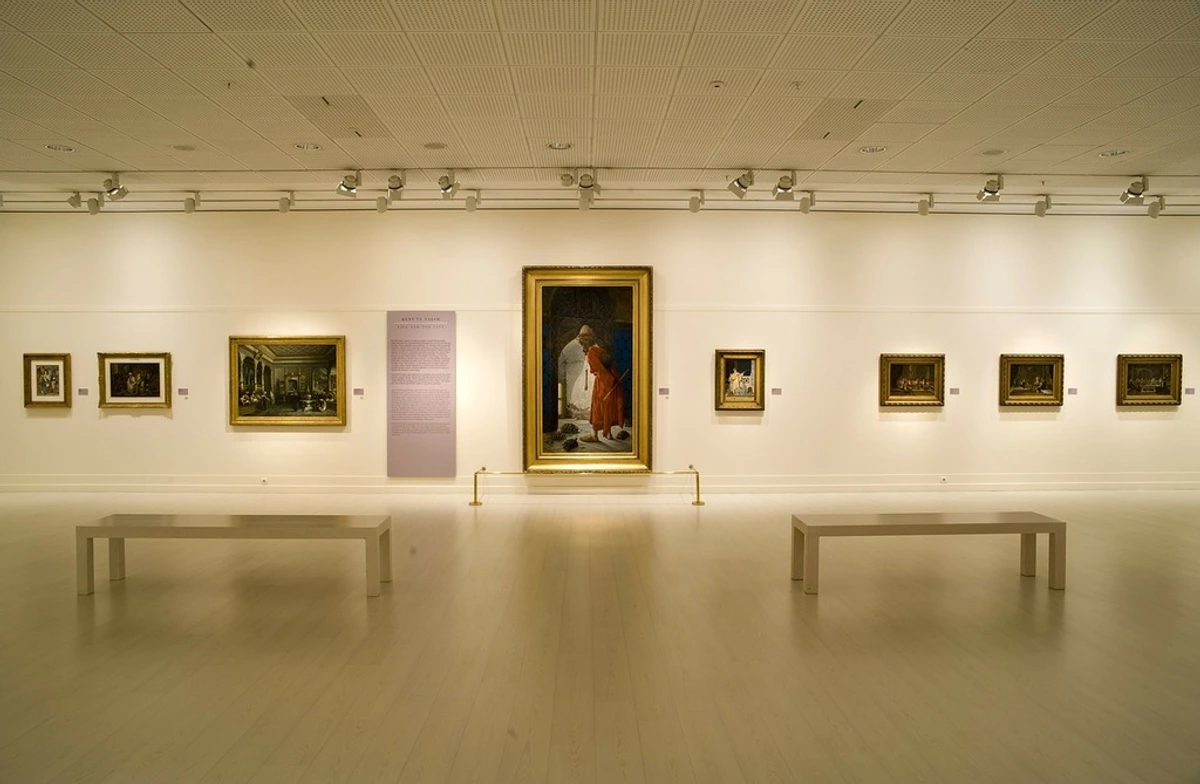
Above all, museums exist to teach, to ignite curiosity, and to foster dialogue. They are vibrant learning environments, providing context, historical background, and deeper insights through engaging wall texts, interactive digital displays, insightful audio guides, docent-led tours, and extensive educational programs. Imagine family workshops exploring Impressionist techniques, thought-provoking lectures by art historians on specific movements, teacher training sessions designed to bring art into classrooms, or even specialized programs catering to visitors with disabilities or underserved communities. Their goal is to enrich your understanding, making the art accessible to all and fostering a deeper, more personal appreciation for culture and history.
Broad Scope & Diverse Mediums: A Journey Through Human Creativity
While some museums specialize (like a science museum or a history museum), many art museums cover vast swaths of art history and a huge range of mediums. From ancient artifacts and classical sculpture (like [Venus de Milo](https://images.zenmuseum.com/article/what-is-the-venus-de-milo/dee10cc0-bd8b-11f0-aa5d-cbd2202d9c08.jpeg)) to medieval tapestries, Old Master paintings, decorative arts, photography, textiles, and modern masters like [Jackson Pollock](/finder/page/ultimate-guide-to-jackson-pollock) or the pioneers of [Cubism](/finder/page/a-first-timers-guide-to-the-louvre-museum), the sheer breadth you can encounter at institutions like The Louvre, The British Museum, or [The Metropolitan Museum of Art](/finder/page/a-first-timers-guide-to-the-metropolitan-museum-of-art-nyc) is breathtaking. You might discover the revolutionary spirit of [Dadaism](/finder/page/the-enduring-influence-of-dadaism-on-contemporary-art-and-its-legacy) or the emotional depth of [Abstract Expressionism](/finder/page/the-definitive-guide-to-the-history-of-abstract-art-key-movements-artists-and-evolution). It's truly a journey through human creativity in all its forms, showcasing the evolution of ideas and techniques across centuries and cultures.
Funding the Future: How Museums Stay Afloat
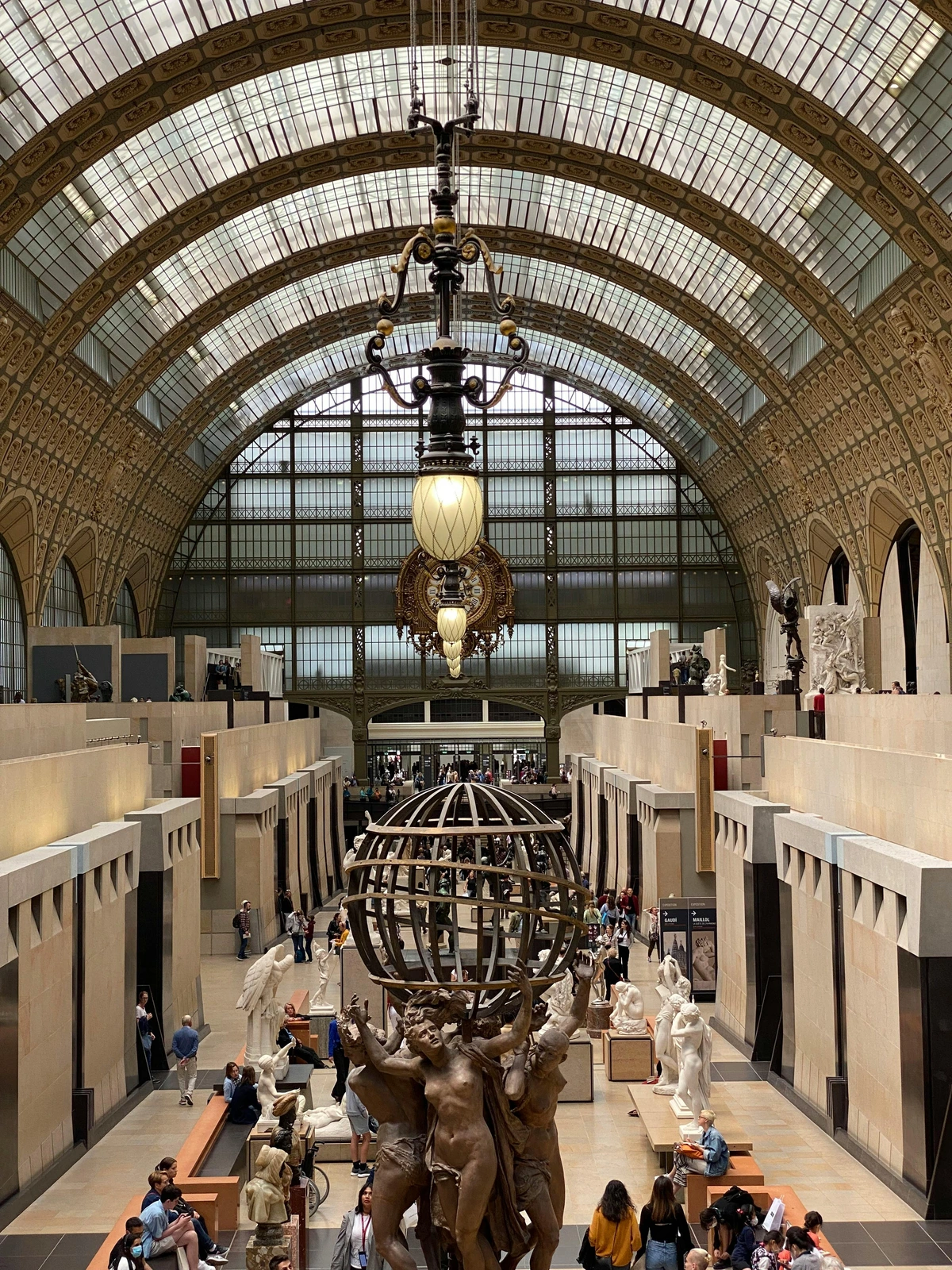
As non-profits, museums rely on a diverse and often complex funding model. This includes government grants (which can offer vital public support but also create political vulnerabilities and fluctuate with economic cycles), substantial endowments (providing long-term financial stability if managed well, often through carefully invested funds that generate income), corporate sponsorships (which, while providing crucial funds, sometimes raise ethical questions about influence on programming or public perception), and crucially, public donations and admission fees. That ticket you buy isn't just for entry; it's a vital contribution to keeping the lights on, funding innovative research, supporting skilled conservators, and ensuring the art remains safe and accessible for future generations. Beyond this, many museums increasingly rely on earned revenue from special events, facility rentals, and of course, gift shops selling reproductions (like a [giclée print](/finder/page/what-is-giclee-print)—a high-quality inkjet print). But make no mistake, this revenue directly supports their non-profit mission; it's not the primary business model, which is fundamentally different from a gallery.
The Ethical Compass: Navigating Provenance and Repatriation
Museums operate under stringent legal and ethical guidelines, a framework that I believe is crucial for their role as public stewards. This includes meticulous provenance research—tracing an artwork's complete ownership history, much like building its family tree—to ensure ethical acquisitions and establish clear title. It’s a complex detective story for every piece, ensuring it wasn’t looted or illicitly traded. Their policies on [how museums acquire art](/finder/page/how-museums-acquire-art) are often public, reflecting this commitment to transparency. This framework also guides the complex, often emotionally charged process of the repatriation of cultural objects to their countries of origin, acknowledging past injustices and striving for cultural equity. High-profile examples include discussions around the Elgin Marbles (Parthenon Sculptures) or artifacts like the Benin Bronzes removed during colonial periods, which highlight the ongoing dialogue and the application of international conventions like the UNESCO 1970 Convention on the Means of Prohibiting and Preventing the Illicit Import, Export and Transfer of Ownership of Cultural Property. It’s a vital, ongoing dialogue that reinforces their profound role as stewards of global heritage, not mere owners.
Key Takeaway: The Museum
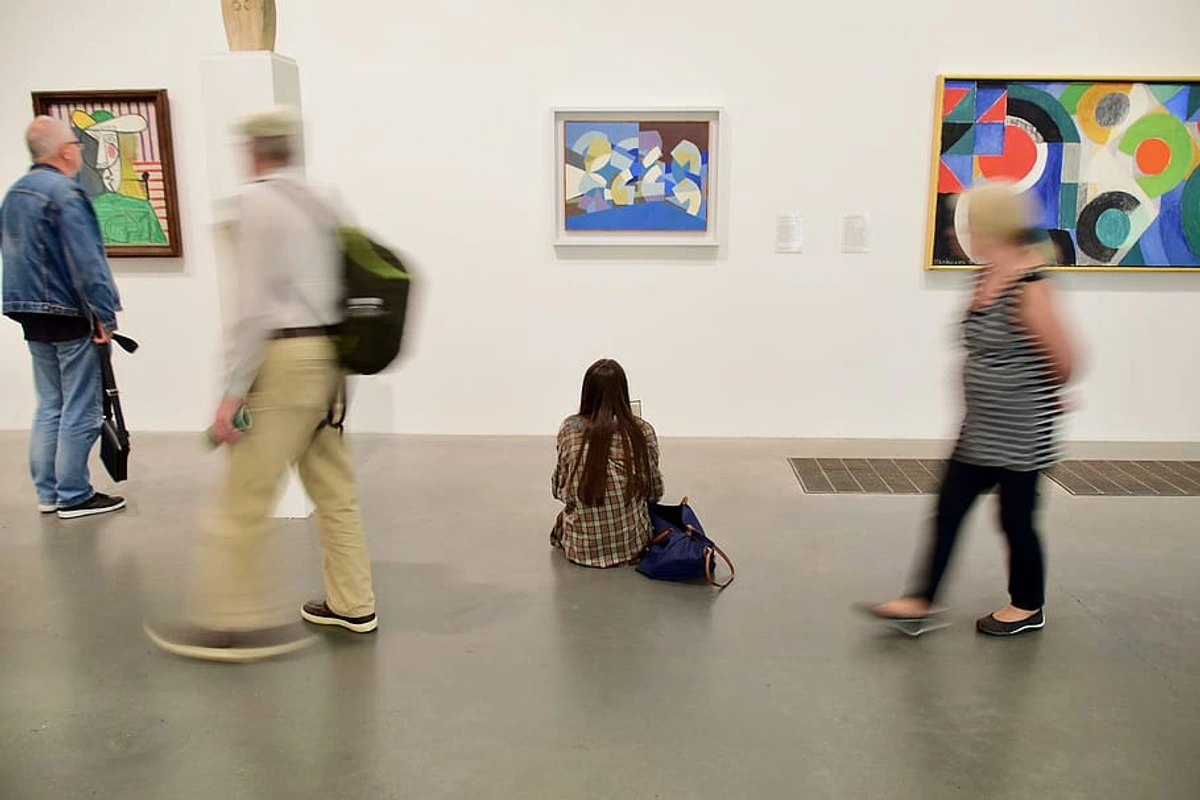
A museum is a public-facing institution primarily focused on the long-term preservation of cultural heritage, education, and making art accessible through its permanent collection. It relies on diverse, non-profit funding sources and operates under strict ethical and legal guidelines, always with the future in mind. So next time you're wandering through a museum hall, perhaps at the [Prado Museum](/finder/page/a-first-timers-guide-to-the-prado-museum) or [The Museum of Modern Art (MoMA)](/finder/page/a-first-timers-guide-to-the-museum-of-modern-art-moma-new-york), try to identify the curator's intended narrative and the stories they're trying to preserve for eternity. What cultural legacy will you discover in its halls?
The Art Gallery: A Commercial Hub and Career Builder
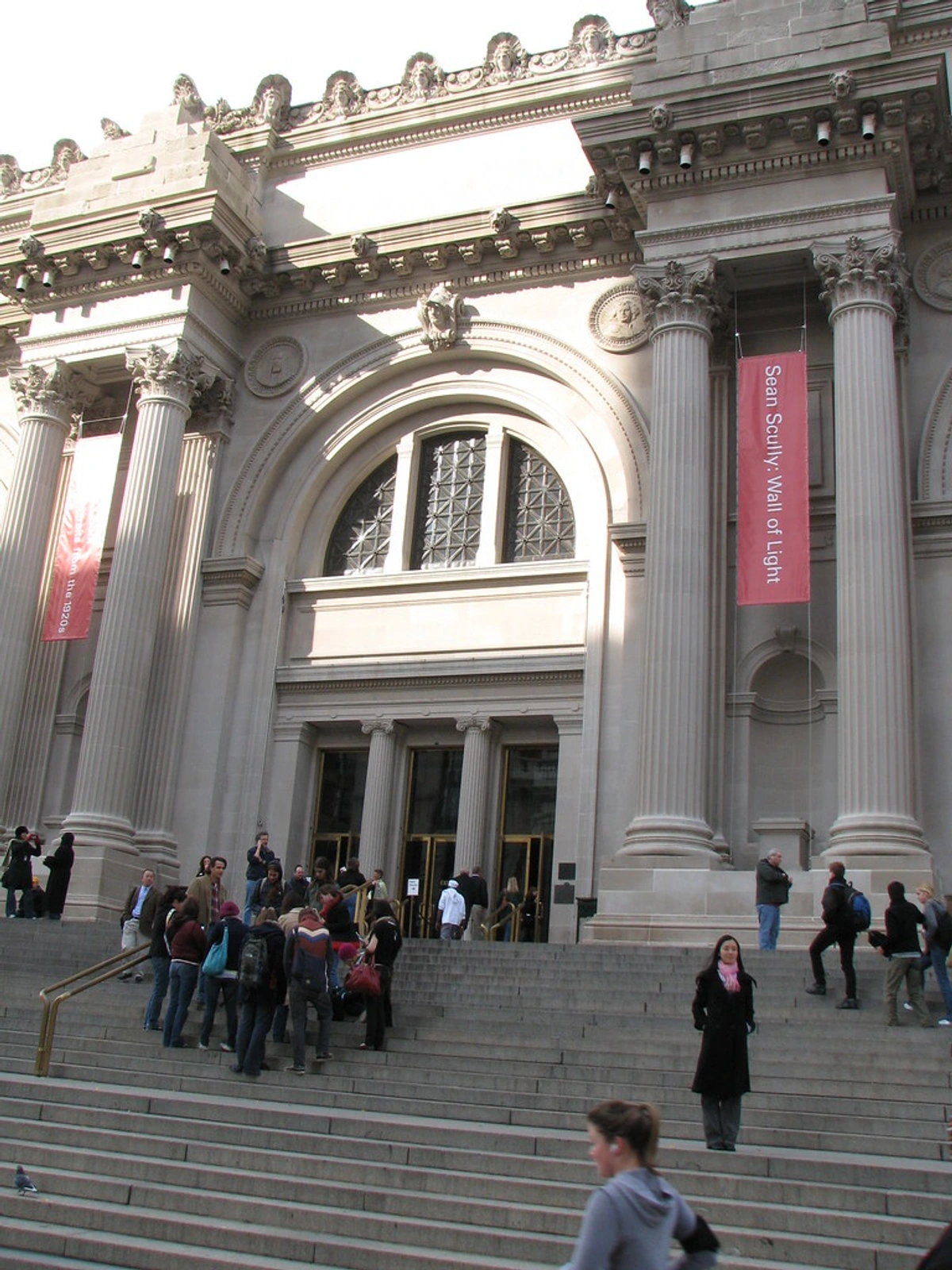
An art gallery is, fundamentally, a for-profit business. Its primary purpose is to discover, represent, nurture, exhibit, and ultimately sell the work of artists. Think of it as the vibrant marketplace where art transitions from creation to collection. A gallery's inventory is dynamic, more like a curated boutique's constantly changing stock, refreshed with new works available for purchase by private collectors, corporations, interior designers, and yes, sometimes even museums looking to acquire new pieces for their collections. Importantly, galleries operate on commission, typically around 50% of an artwork's sale price, a key element of their business model.
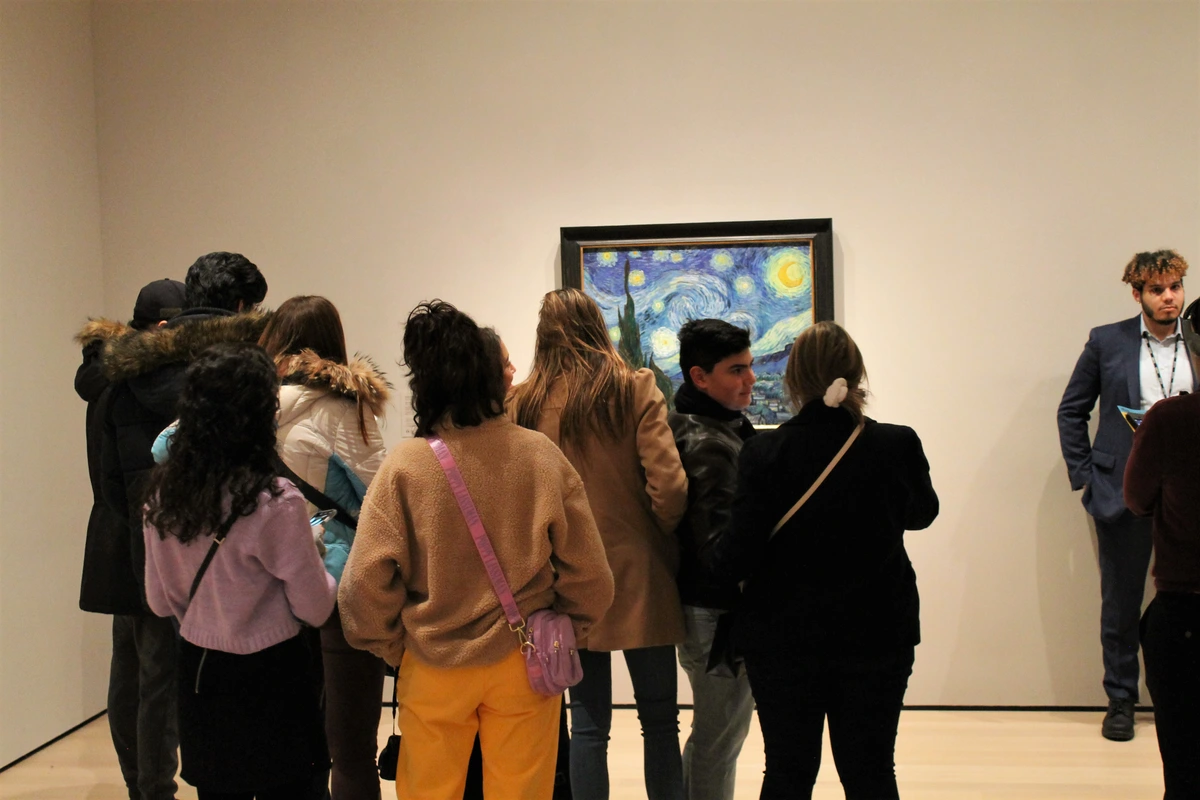
The person who runs this operation, the gallerist (or sometimes an [art dealer](/finder/page/understanding-the-role-of-an-art-dealer)), is a fascinating, multifaceted entrepreneur. I see them as a blend of talent scout, business manager, marketing strategist, and passionate advocate. They're the ones with an uncanny eye for the next big thing, always networking, always pushing boundaries. They scout new talent, build deep relationships, and invest in their artists' careers by promoting them at international art fairs like [Art Basel](/finder/page/a-first-timers-guide-to-art-basel) or [The Armory Show NYC](/finder/page/a-first-timers-guide-to-the-armory-show-nyc), networking with influential collectors, and strategically placing their work in public and private collections. They act as marketers and salespeople all rolled into one, tirelessly working to build a market, a reputation, and a lasting legacy for the artists they believe in. When you step into a gallery, you are walking into a retail space—albeit often a very refined, minimalist one. It's an exhilarating space where you can discover that perfect piece to [/buy], connecting with the excitement of discovery and the journey of an artwork from conception to ownership. It's the active, forward-looking heart of the art market.
So, what are the defining traits that shape the experience and mission of an art gallery?
Key Characteristics of a Gallery:
- Artist Representation & Career Development: A gallery’s relationship with its artists is deep, often exclusive, and long-term. They act as agents, managers, and mentors, handling everything from promotion and logistics to exhibition strategy and even advising artists on their creative direction and career trajectory. This crucial partnership often involves the gallery investing in the artist's studio costs, facilitating collaborations, offering financial advances, and securing press. This allows artists to focus on what they do best: creation. I've heard artists speak about how invaluable a good gallerist is, not just for sales but for shaping their entire journey—a journey I imagine often involves exploring new forms and vibrant, abstract expressions. It's a true collaborative effort, helping artists navigate the tricky path of professional practice.
- Focus on the Contemporary, Emerging & Market Dynamics (Primary vs. Secondary Market): While some galleries specialize in modern or even historical art, the majority of commercial galleries champion living artists. Let's clarify this crucial distinction:
- Primary Market Galleries: These galleries sell artworks directly from the artist for the first time. They are truly on the front lines of the contemporary art world, helping to define what is new, relevant, and exciting, showcasing diverse forms like painting, sculpture, photography, film, video, and increasingly, digital art. They play a crucial role in shaping the artistic 'canon' for future generations. You go to a primary market gallery to discover the next big name, to witness art actively being made and entering the world.
- Secondary Market Galleries: These galleries deal in works that have been previously sold and are now re-entering the market, typically from private collections or estates. They often specialize in modern masters or Impressionist works from artists like
[Edgar Degas](https://images.zenmuseum.com/article/ultimate-guide-to-edgar-degas/a5a286f0-c60a-11f0-a915-7f1e5f259119.jpg)or[Francis Bacon](https://images.zenmuseum.com/article/ultimate-guide-to-francis-bacon/30d21560-b32d-11f0-966e-47f869eff679.jpg). Think of them as dealing in established, blue-chip art history. Galleries like Pace Gallery or David Zwirner, while having primary market artists, also engage in significant secondary market dealings for specific artists. This dynamic helps to solidify the historical value and market longevity of artworks.
- Rotating Exhibitions & Dynamic Display: Unlike a museum's relatively static permanent collection, gallery shows are typically temporary, often lasting for just a month or two. This constant rotation allows them to showcase new bodies of work by specific artists or groups, facilitating sales and keeping the art market vibrant. The art on the walls is constantly changing, offering a fresh perspective with each visit and actively shaping market trends and artistic discourse.
- Pricing & Acquisition: Here's the most tangible difference: everything in a gallery is for sale. Unlike a museum where prices are, well, not a thing, in a gallery, a price list is readily available – and you should absolutely feel empowered to ask for it! Prices can range dramatically, from affordable prints by emerging artists to multi-million dollar masterpieces by established names. This is where understanding concepts like
[art appraisals](/finder/page/understanding-art-appraisals-what-every-collector-needs-to-know)and[understanding art prices](/finder/page/understanding-art-prices)becomes incredibly important for prospective buyers. When making a purchase, it's wise to research an artist's exhibition history, gallery representation, and previous sales. Art advisors often play a crucial role here, guiding collectors through acquisitions and providing valuable market intelligence. This is where[collecting emerging abstract art](/finder/page/collecting-emerging-abstract-art-a-guide-to-discovering-tomorrows-masters)truly begins. - The Vibe: Approachable (Really!): Galleries are often smaller, more intimate spaces than grand museums, and I know they can feel a bit intimidating if it's your first time. I confess, I felt a little awkward myself during my first few visits, worried I'd say the wrong thing or, worse, break something! But remember, gallerists want you to come in, look, and ask questions. They are almost always free to enter, and it’s a fantastic, zero-pressure way to see cutting-edge new art and maybe even meet artists. I've found some of my most inspiring encounters simply by striking up a conversation with a gallerist about a piece that caught my eye. They're often genuinely thrilled to discuss the work and share their passion, and a conversation with a gallerist, as detailed in
[Q&A with a Gallerist on Discovering New Talent](/finder/page/qa-with-a-gallerist-on-discovering-new-talent), can be incredibly insightful.
The Commercial Ecosystem: Art Fairs and Market Makers
Galleries are sophisticated businesses. They operate on commission (often around 50% of a sale), manage extensive inventories, and actively participate in the global art fair circuit (e.g., [Art Basel](/finder/page/a-first-timers-guide-to-art-basel), Frieze, The Armory Show). These fairs, which you can learn more about in our guide [understanding the role of art fairs](/finder/page/understanding-the-role-of-art-fairs-a-collectors-guide-to-navigating-the-global-art-scene), are vital platforms, not just for sales, but for artists to gain international exposure, build their reputation, and for gallerists to network and spot new [art market trends](/finder/page/understanding-the-ai-art-market-trends-opportunities-and-ethical-considerations-for-collectors). Art Basel, for instance, is a massive, multi-city event that can launch an artist's career onto the global stage. Walking through an art fair is an overwhelming but exhilarating experience, with hundreds of galleries presenting diverse artists, from emerging talents in solo booths to established masters in curated sections. It’s the engine that drives much of the contemporary art world, setting new trends and solidifying reputations.
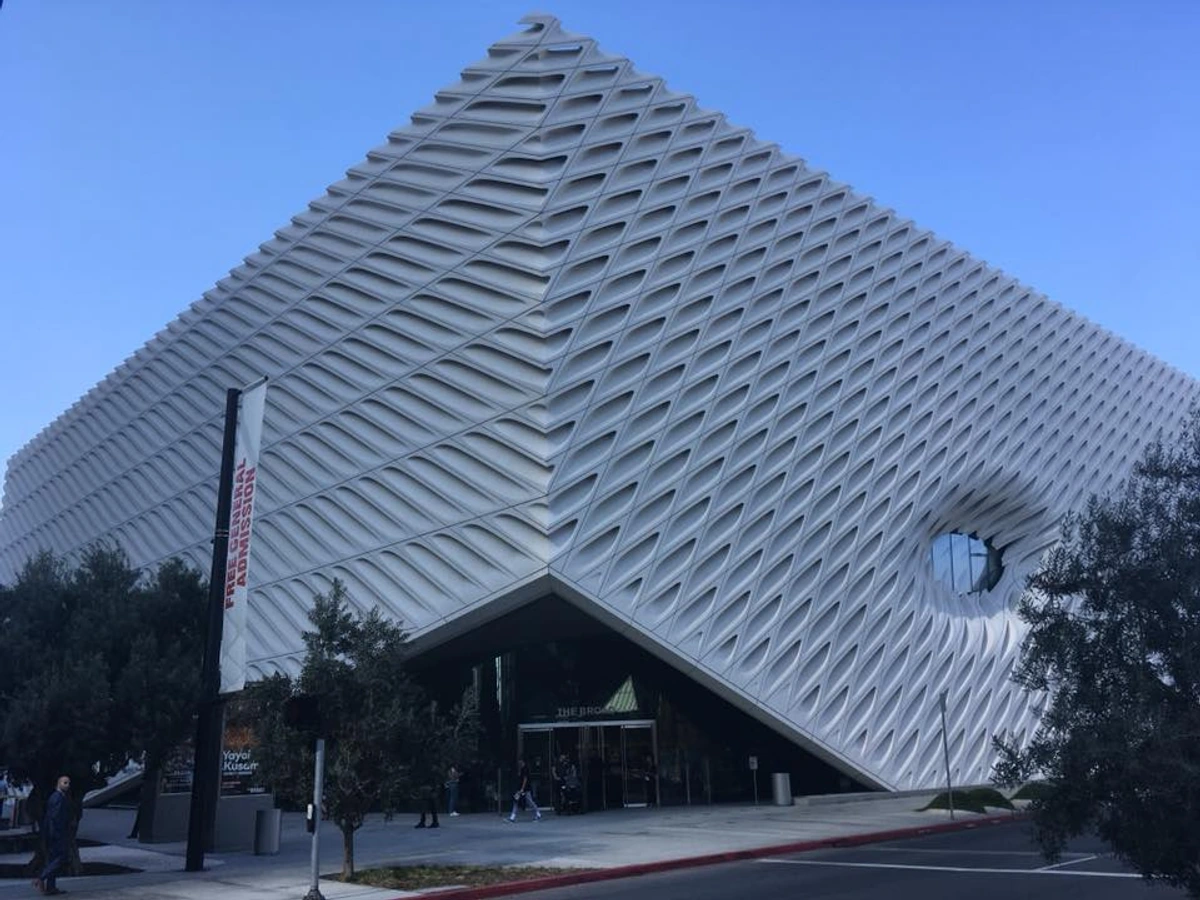
Legal & Ethical Aspects in the Commercial Sphere
Just like any business dealing in high-value assets, galleries must navigate complex legal and ethical aspects. This includes ensuring authenticity, meticulous provenance research (though often less historically complex than museum provenance, it's still vital for establishing legitimate ownership and preventing art forgeries! Read more in [understanding art provenance](/finder/page/understanding-art-provenance-tracing-the-history-of-your-abstract-art-collection)!), addressing copyright for artists, and handling resale rights (or droit de suite in many European countries), which ensure artists receive a percentage of subsequent sales of their work. These elements are all crucial for maintaining trust and stability in the commercial art market, especially when considering [ethical considerations when buying cultural art](/finder/page/ethical-considerations-when-buying-cultural-art) or arranging [art insurance](/finder/page/understanding-art-insurance-protecting-your-valuable-collection). A reputable gallery provides confidence and transparency in every transaction. The discussion around money in art is always interesting, isn't it? What constitutes value?
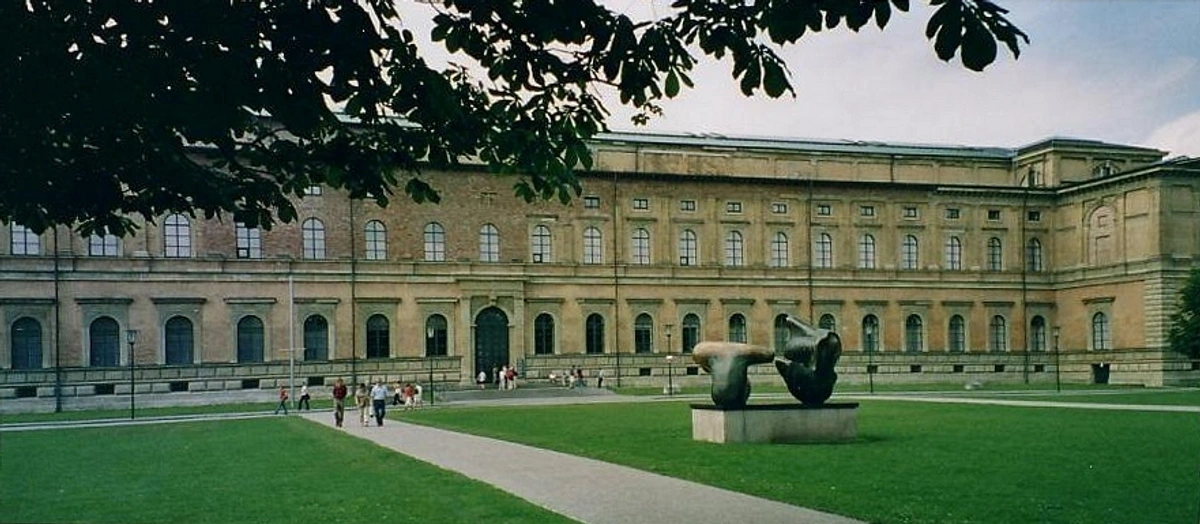
Art Shipping & Installation: Bringing Art Home
Once you’ve made a purchase from a gallery, the journey isn't over! A practical aspect often overlooked by first-time buyers is the safe [art shipping and installation](/finder/page/understanding-art-shipping-and-installation-a-collectors-guide-to-logistics) of the artwork. Galleries often assist with this, connecting you with professional art handlers, specialized shipping companies, and even installers who can ensure your new acquisition arrives safely and is displayed correctly. This logistical support is part of the comprehensive service a good gallery provides, especially for high-value or delicate pieces. It’s a peace of mind investment to protect your beautiful new acquisition.
Key Takeaway: The Gallery
An art gallery is a commercial enterprise focused on commerce, artist representation, and sales. It features dynamic, rotating exhibitions of primarily contemporary and emerging artists, acting as a vital, forward-looking force in the global art market. So next time you're in a gallery, don't hesitate to engage the gallerist; ask about the artist's upcoming projects, or even about the price. You might just discover the next big thing, or a vibrant piece that speaks directly to you and your own journey, perhaps arranging for [art shipping and installation](/finder/page/understanding-art-shipping-and-installation-a-collectors-guide-to-logistics) to bring that piece home. What fresh perspectives will you discover on its walls?
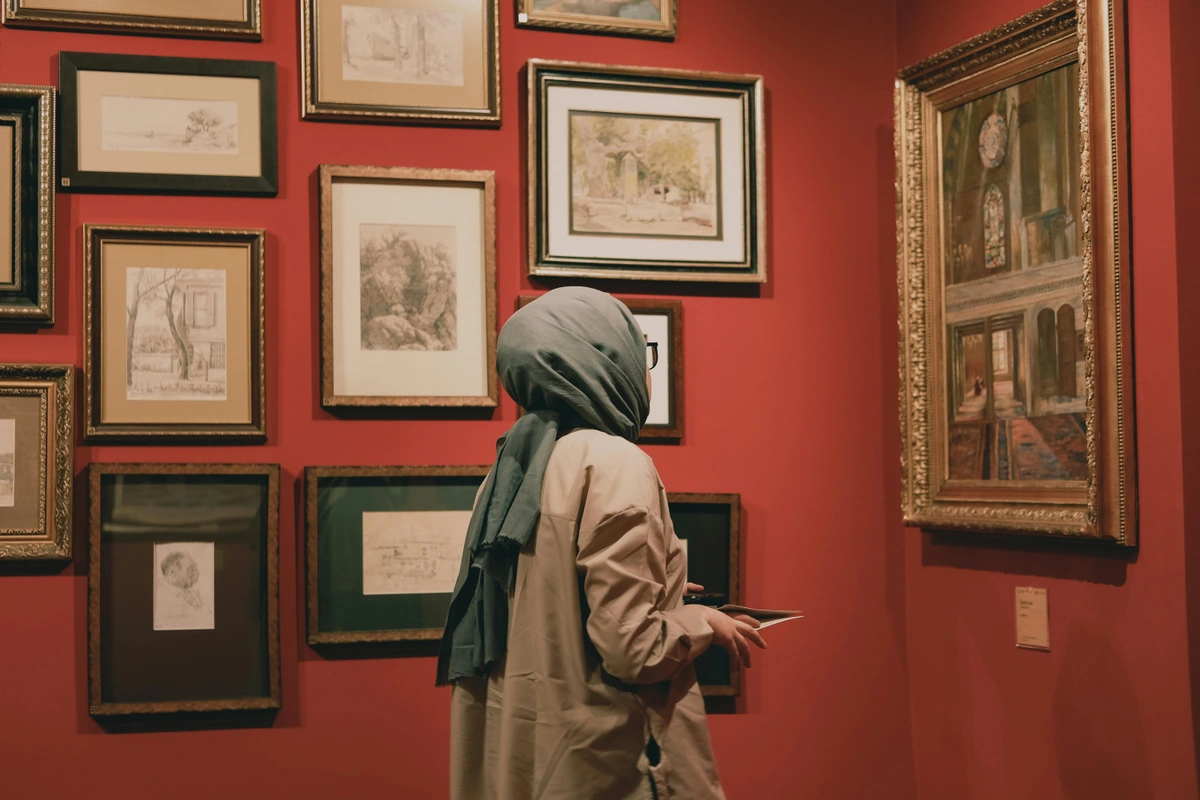
The All-Important Comparison Table: Museum vs. Gallery
For those who, like me, find immense satisfaction in a clear, side-by-side breakdown, this table cuts straight to the core differences. It's like the cheat sheet for navigating the art world, giving you a quick reference for the essential distinctions.
Feature  | Museum | Art Gallery |
|---|---|---|
| Primary Purpose | Preservation, Education, Public Trust, Research | Commerce, Artist Representation, Sales, Market Shaping |
| Business Model | Non-Profit, often educational or charitable | For-Profit |
| Collection Nature | Permanent collection, held in public trust; acquired through donation/bequest/committee purchase | Rotating inventory (consignment/owned), primarily for sale; acquired directly from artists or secondary market |
| Art Focus (Typical) | Historical to contemporary, diverse mediums, often deceased artists; aims for comprehensive historical/cultural narrative | Primarily contemporary/emerging living artists; some secondary market for modern/historical works; focuses on active market trends |
| Primary Audience | Broad public, researchers, students, educators | Collectors (private/corporate), art advisors, art enthusiasts, interior designers, emerging artists |
| Funding Model | Government grants, endowments, public donations, admission fees, earned revenue from gift shops/events | Sales of artwork (commission-based), private investment, art fair participation, representation fees |
| Can you buy art? | Generally no (gift shops sell reproductions, not collection pieces) | Yes, this is their core business! |
| Cost to Enter | Often requires an admission fee (some free days/times) | Almost always free to enter and browse |
| Artist Interaction | Commissions for temporary exhibits, residencies, strategic acquisitions; focus on historical context; often with established artists | Deep representation, career development, marketing, sales, strategic placement in collections; crucial for emerging artists, often including studio support or financial advances |
| Collection Care | Dedicated staff for long-term preservation, conservation, restoration, provenance research, climate control, security, adhering to ICOM standards | Primarily responsible for safe handling, temporary storage, and authenticity of works for sale; less emphasis on long-term physical conservation for centuries |
| Role of Art Advisors | Advise on acquisitions for collections, assist in research & provenance; less direct influence than private collectors, acting within strict acquisition policies | Guide collectors through purchases, market intelligence, due diligence, negotiation expertise; often collaborate closely with gallerists to secure pieces for clients |
When the Lines Get Blurry: Hybrid Models and Nuances
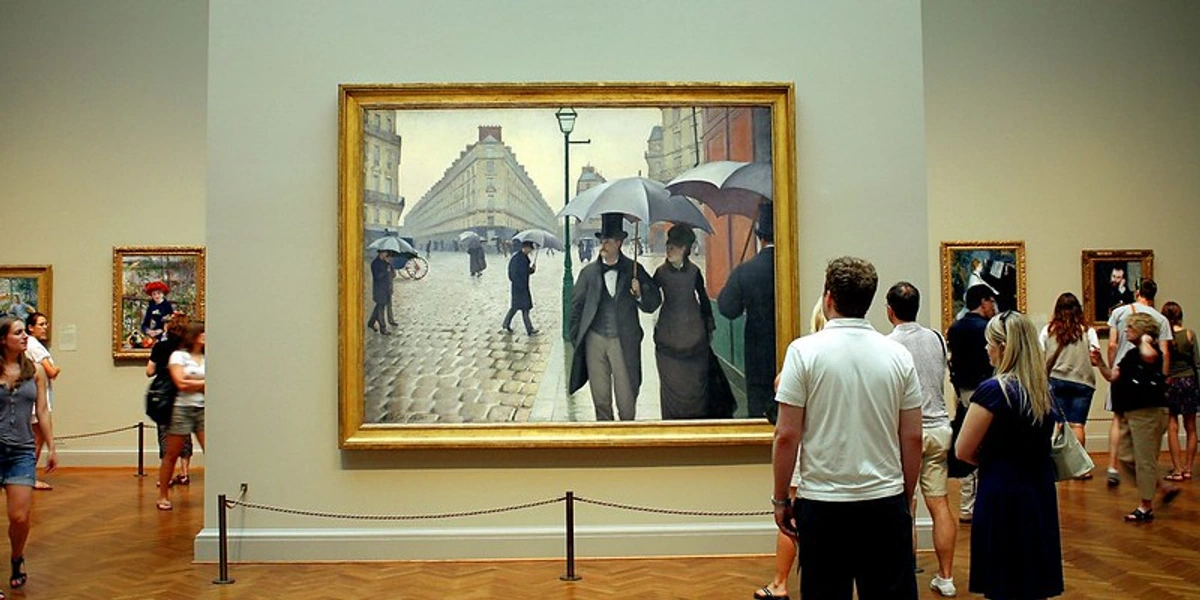
Now, here's where the art world, as it often does, loves to throw a curveball. While the core distinction of Preservation vs. Commerce remains your most reliable North Star, there are fascinating exceptions that prove the rule. You might encounter non-profit galleries that focus on experimental art without any commercial goals, or university museums with small galleries that sell student work (a perfectly reasonable way to support emerging talent, I think!). Then there are the massive, blockbuster museum shows that, let's be honest, can feel pretty commercial in their scope and marketing – almost like a product launch. But even these spectacles fund the broader mission of the institution.
The Kunsthalle Model: A Dynamic Middle Ground
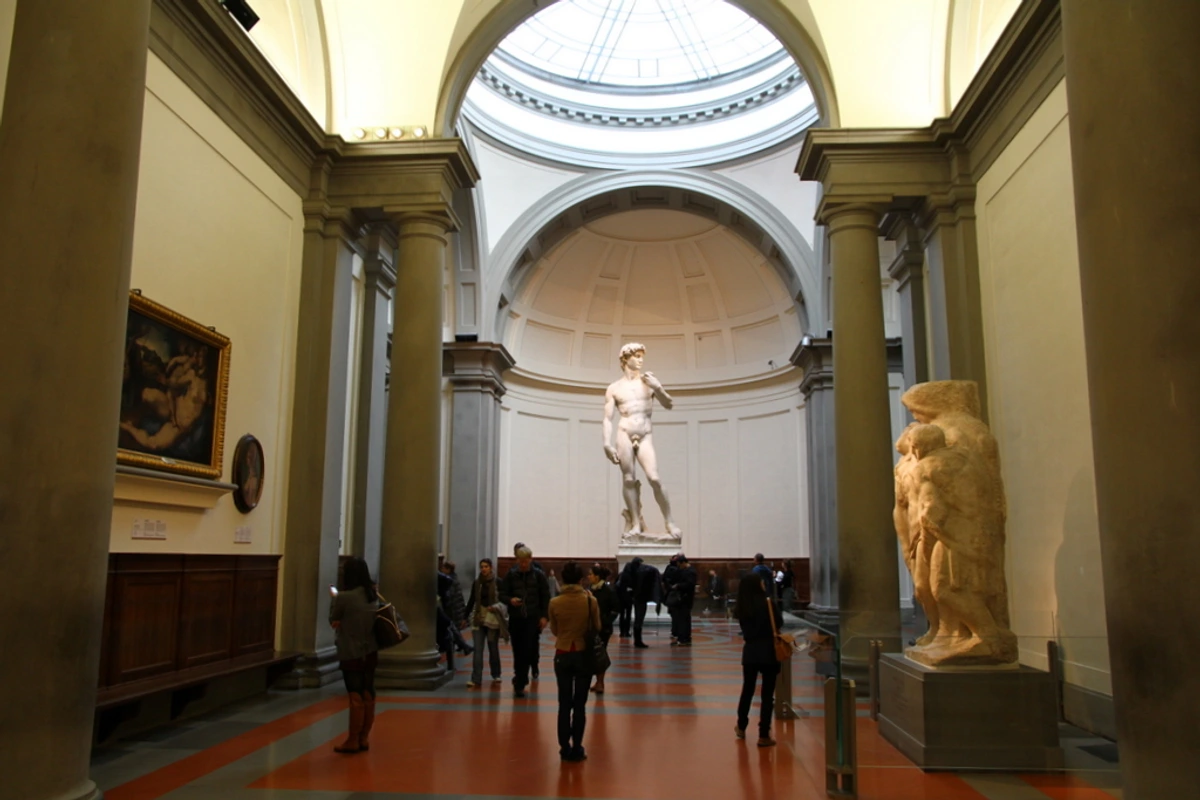
A truly fascinating example of a hybrid institution can be found in German-speaking countries: the Kunsthalle. A Kunsthalle (like the Skulpturhalle Basel I had the pleasure of visiting in Basel) is typically a non-profit organization that functions much like a museum in its educational mission and public service. However, it operates more like a gallery by primarily showcasing temporary, often cutting-edge exhibitions of living artists and rarely maintaining a permanent collection. This model became prevalent due to specific historical circumstances, particularly in Germany and Switzerland, where local governments often funded exhibition spaces dedicated solely to showcasing contemporary art without the long-term commitment of collecting. This allowed for more nimble institutions focused purely on display and critical discourse. The freedom from the mandate of long-term preservation or the pressure to sell means Kunsthalles often host more experimental, avant-garde, or politically charged exhibitions. They occupy a wonderful, dynamic middle ground, constantly responding to the pulse of contemporary art without the direct pressures of a commercial market or the long-term stewardship of a permanent collection. They embody a direct, nimble engagement with current artistic trends, often providing platforms for experimental works that might not fit traditional commercial gallery models.

Other Hybrid Examples and Emerging Models
Other examples include private foundations (e.g., the Beyeler Foundation in Switzerland, known for its superb collection of modern art in a stunning Renzo Piano building) that exhibit art to the public under a philanthropic model, or even public art programs that commission and display temporary works without a commercial agenda. The [Storm King Art Center](/finder/page/a-first-timers-guide-to-storm-king-art-center) in New York is another great example of an institution that operates with an expansive outdoor sculpture park, blurring traditional lines by focusing on monumental contemporary sculpture in a natural setting, creating a dialogue between art and landscape. Think also of artist-run spaces, cooperatives, or community art centers that prioritize artistic freedom and community over profit, though they might facilitate sales incidentally and host temporary shows rather than build collections. These alternative models continually push the boundaries of how art is presented, experienced, and valued, often providing a vital platform for [emerging artists](/finder/page/collecting-emerging-abstract-art-a-guide-to-discovering-tomorrows-masters) to experiment with forms like abstract expression and mixed media. It’s also worth a brief mention of institutional critique, where artists and theorists actively examine and question the very structures and power dynamics of museums and galleries themselves, aiming to challenge established narratives or highlight overlooked perspectives, adding another layer of intellectual discourse to this dynamic ecosystem.
Digital Art and the Future: A Cautious Outlook on NFTs
Even in the digital realm, institutions are evolving at lightning speed. Many museums offer extensive online collections and virtual tours, democratizing access globally, while galleries leverage online platforms for sales and virtual exhibitions to reach a wider audience. However, when it comes to novel digital art ownership models, particularly NFTs (Non-Fungible Tokens) and blockchain technologies, I maintain a cautious, factual skepticism on their long-term role in the art ecosystem. While NFTs offer intriguing possibilities for verifying digital ownership and supporting artists through direct sales and royalties, the volatile speculative market, the significant environmental impact (due to the immense energy consumption of many proof-of-work blockchain networks), and ongoing questions about true artistic longevity, copyright enforcement, and custodial responsibility mean their long-term value and impact as a stable store of cultural heritage remain subjects of intense debate and scrutiny. I believe we need to watch this space carefully before declaring it a definitive, stable part of the art world's future. There are also emerging digital art exhibition platforms that focus purely on display and cultural discourse, seeking alternative models to purely speculative ownership, which I find far more compelling for the future of digital art.
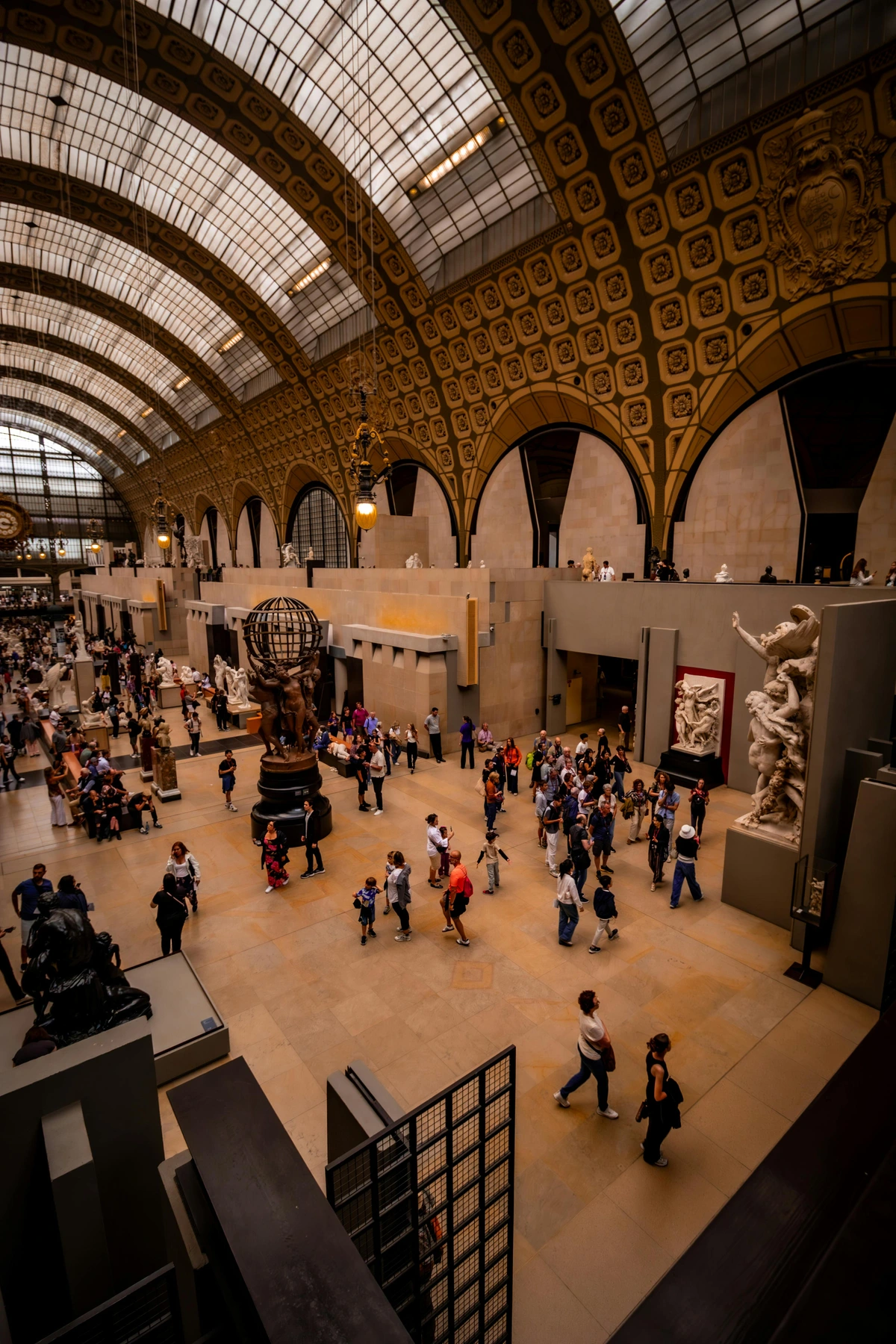
But these fascinating hybrids and blurred edges are, for the most part, exceptions. The fundamental distinction—that guiding star of Preservation vs. Commerce—holds true 99% of the time. It's the essential lens through which you can confidently navigate the diverse, complex, and ever-evolving landscape of art institutions.
Frequently Asked Questions
To solidify these distinctions and address any lingering questions you might still have, let's dive into some common queries about museums, galleries, and everything in between.
Museum-Specific FAQs
Q: Can you buy art directly from a museum's main collection?
A: Almost never. The art in a museum's permanent collection is held in public trust, meaning it's safeguarded for everyone, not for private sale. Selling it, a process called deaccessioning, is extremely rare, highly controversial, and usually only undertaken in very specific, ethically rigorous circumstances – never just to cover operational costs. Organizations like ICOM provide strict ethical guidelines, stating that deaccessioning should primarily be for the betterment of the collection, such as acquiring a more significant piece that better aligns with the museum's mission, to fill a critical gap in its historical narrative, or to judiciously refine the collection to enhance its scholarly value. But it's not a common practice, as museums are stewards of cultural heritage, not art dealers. I feel very strongly that the integrity of public collections must be maintained.
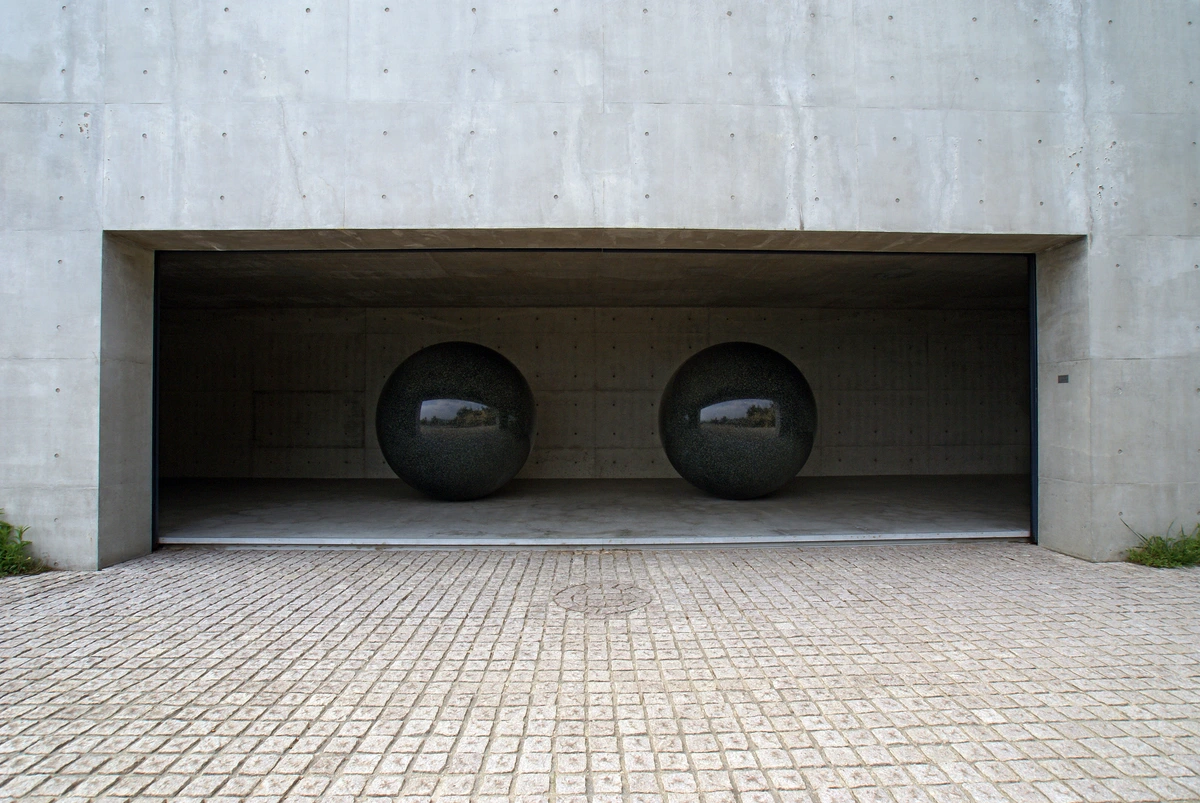
Q: Why do some museums have 'galleries' within them?
A: Ah, this is where the language really gets tricky and can cause confusion! A 'gallery' in this context simply refers to a room or a designated exhibition space within a larger institution, such as a museum. So, a vast museum building might be comprised of many different 'galleries' (e.g., 'the 17th-century Dutch masters gallery' or 'the contemporary sculpture gallery'). It’s a different, more architectural or spatial use of the same word, which definitely adds to the initial confusion! Don't let it trip you up – the key is always context.
Gallery-Specific FAQs
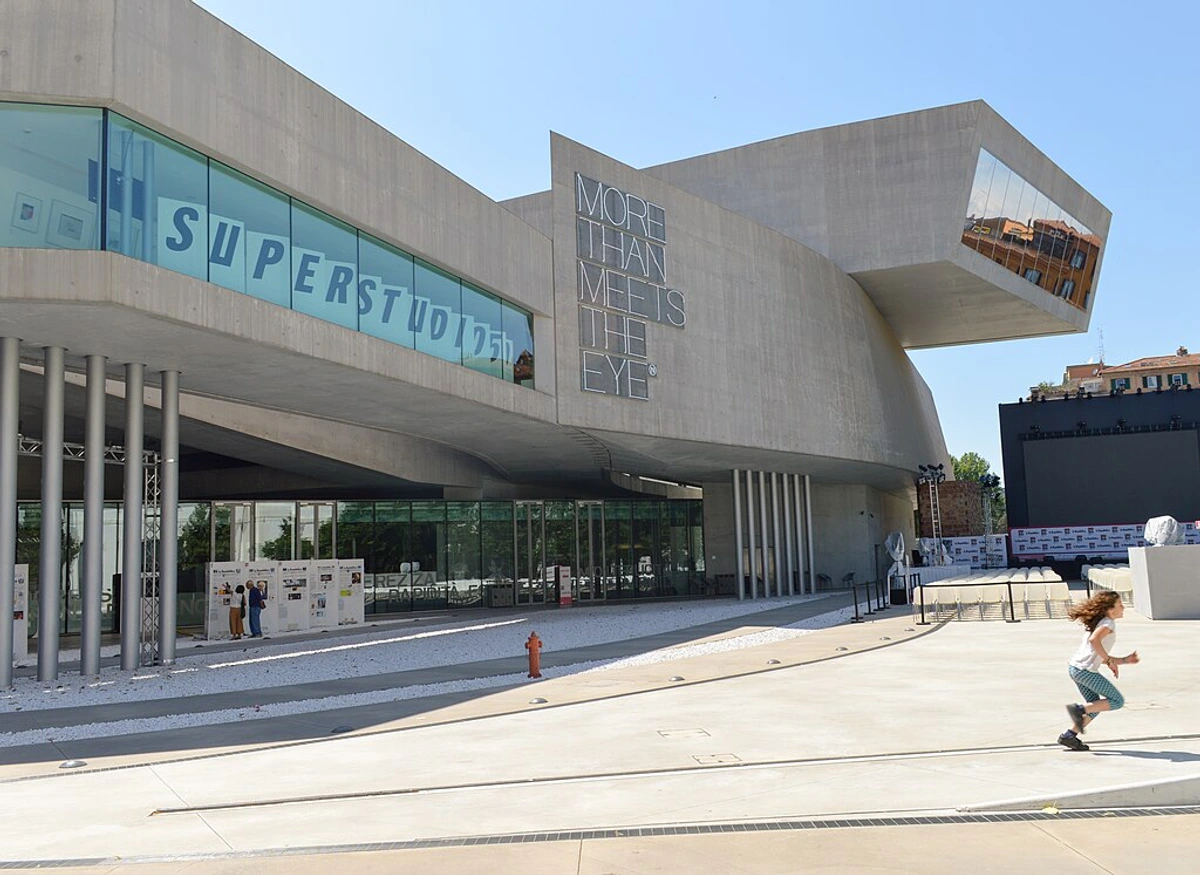
Q: Are art galleries intimidating for first-timers?
A: They can certainly feel that way initially, and I remember feeling a bit awkward myself! But they absolutely shouldn't be. Gallerists are typically incredibly passionate about their artists and genuinely happy to talk about the work. You don't need to be a seasoned collector or a millionaire to visit. Just walk in, look around, and feel completely free to ask questions. It's a wonderful, free way to see cutting-edge new art and engage directly with the art community. I've found some of my most inspiring encounters simply by striking up a conversation with a gallerist about a piece that caught my eye. They're often genuinely thrilled to discuss the work and share their passion, and a conversation with a gallerist, as detailed in [Q&A with a Gallerist on Discovering New Talent](/finder/page/qa-with-a-gallerist-on-discovering-new-talent), can be incredibly insightful.
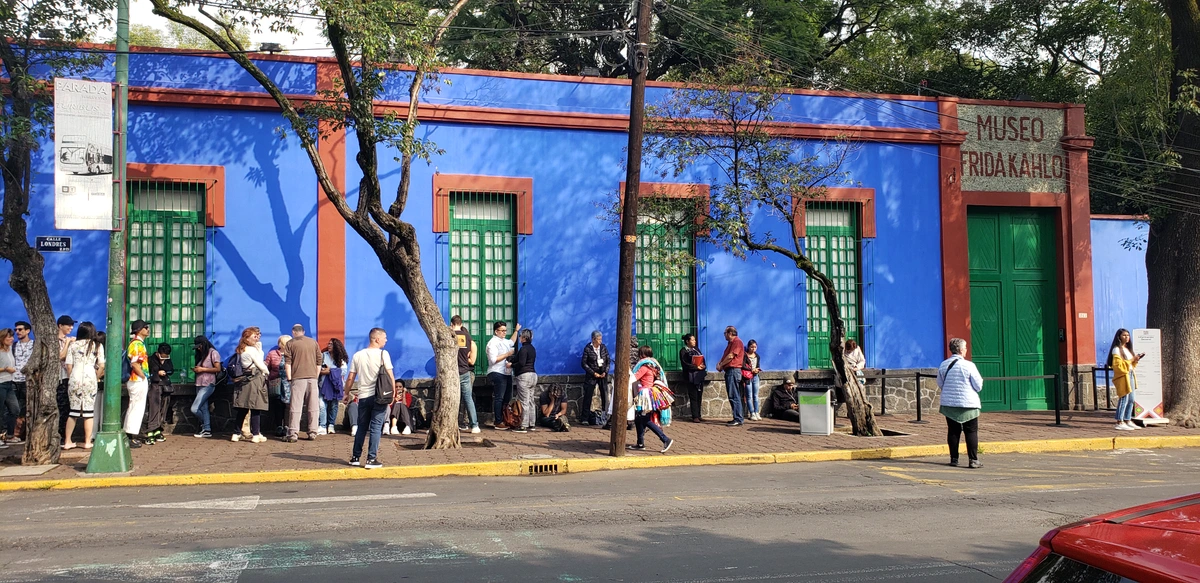
Q: How do the curatorial roles differ between a museum and a gallery?
A: In a museum, the curator primarily focuses on rigorous scholarship, historical narrative, and the long-term preservation of the permanent collection. They research, interpret, and contextualize artworks for educational purposes, thinking in terms of centuries and the public trust. A gallery curator (or often the gallerist themselves, acting in this role) focuses on discovering and developing an artist's career, building their market, and curating exhibitions that showcase new work specifically to attract buyers. Their primary goal is to present art for sale and foster an artist's reputation and commercial viability. While smaller galleries often rely solely on the gallerist, larger galleries sometimes employ dedicated curators who work alongside the gallerist to conceptualize exhibitions and manage artist relationships.
Hybrid & General FAQs
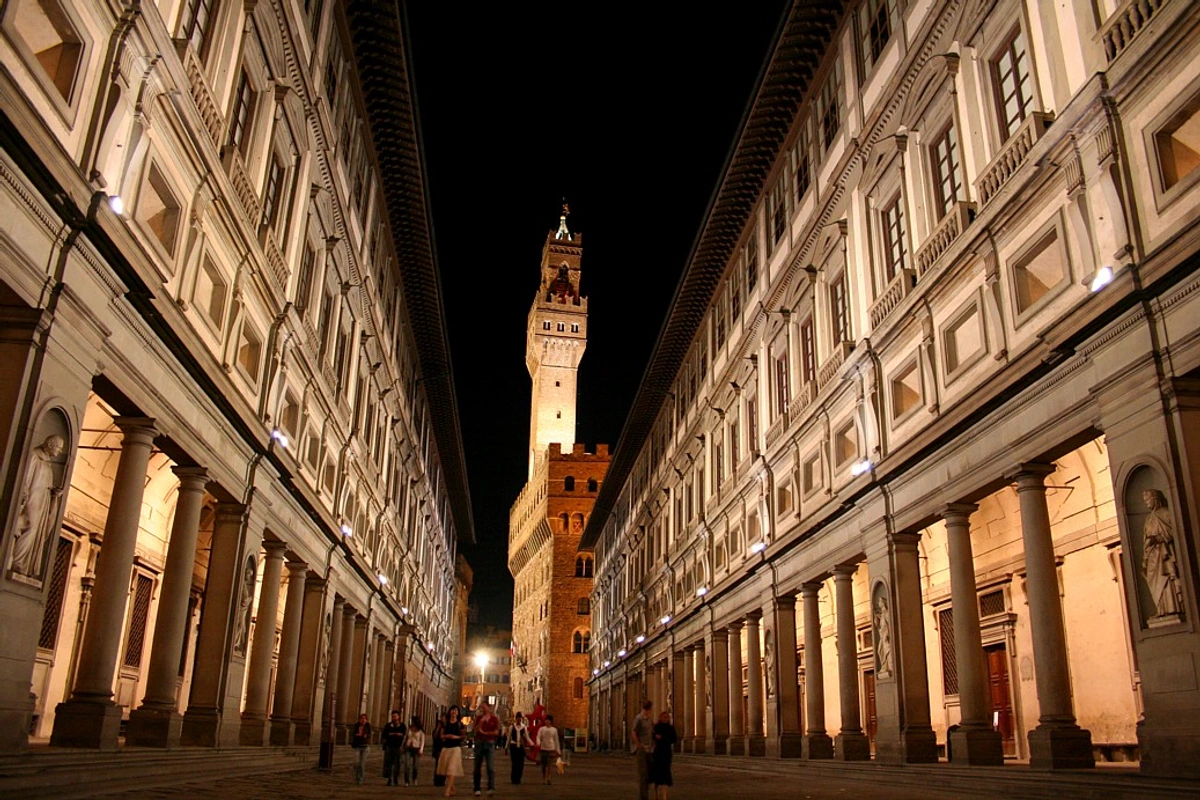
Q: What about institutions that call themselves 'Museum-Galleries' or similar hybrid names?
A: As discussed in 'When the Lines Get Blurry,' these are often non-profit contemporary art centers, like the Kunsthalle examples I mentioned earlier. They skillfully combine aspects of both: functioning like a museum with a non-profit status and educational mission, but operating like a gallery by focusing on dynamic, temporary exhibitions of living artists rather than building a permanent collection. Other examples might include community art centers focused on local artists and public engagement, or university exhibition spaces that showcase student work and experimental projects. They offer a unique and constantly evolving experience, directly responding to the pulse of the contemporary art scene, often without the direct pressure of sales.
Q: What role do art advisors play in relation to galleries and museums?
A: Art advisors act as crucial intermediaries, guiding collectors (and sometimes institutions) through the complexities of the art market. They work closely with galleries to source artworks for their clients, providing market intelligence, due diligence, and negotiation expertise for purchases. For museums, advisors might assist in identifying key works for acquisition that align with the museum's mission or help with provenance research, as outlined in [understanding the role of art consultants](/finder/page/understanding-the-role-of-art-consultants-a-guide-for-aspiring-collectors). However, their direct influence on museum collections is generally less frequent than with private collectors, as museums have their own internal curatorial teams and rigorous acquisition policies.
Q: What role do art critics and scholars play in the art world?
A: Art critics and scholars play a vital role in both museum and gallery contexts, shaping public perception and contributing to intellectual discourse. Critics typically evaluate contemporary exhibitions in galleries and temporary shows in museums, offering immediate interpretations and often influencing market trends or public interest. Scholars (art historians, researchers) engage in deeper, long-term analysis, particularly of museum collections, focusing on historical context, provenance, and theoretical frameworks. They contribute to academic publications, inform museum programming, and help build the foundational knowledge that gives art its enduring meaning. Both roles are essential for contextualizing art, fostering dialogue, and enriching our understanding of human creativity.
Conclusion: Empowering Your Art Journey
Knowing the difference isn't about being pedantic or an art snob; it's about empowering yourself as an art lover, a curious visitor, or even a budding collector. It's about understanding the rich, diverse, and often overlapping ecosystem of the art world. So, the next time you're planning an outing, or just daydreaming about your next art fix, ask yourself what experience you're truly seeking. Do you want to be humbled by the weight of history, marvel at masterpieces that have shaped civilizations, and delve deep into cultural narratives, perhaps tracing the evolution of abstract art? Then a museum is unequivocally your destination. Or do you want to feel the vibrant pulse of the contemporary art scene, discover a new voice, perhaps even find a unique, colorful piece to [/buy] that speaks directly to you and your own journey, connecting with an [emerging artist](/finder/page/collecting-emerging-abstract-art-a-guide-to-discovering-tomorrows-masters)? Then a gallery awaits you. Understanding this empowers you to explore the world of art with newfound confidence, purpose, and a much clearer sense of direction. It makes the entire journey so much richer, connecting you deeply with the timeless dialogue between artist, artwork, and observer. Go forth and explore, and see how this new knowledge transforms your experience!