What Is a Cultural Institution in Art? A Deep Dive
A personal dive into the world of cultural institutions in art. Explore what makes them tick, from revered museums to avant-garde galleries, and discover their profound role in shaping our artistic landscape.

What is a Cultural Institution in the Art World? A Personal Reflection
You know, I was thinking the other day about a question that seems simple but is actually wonderfully complex: What exactly is a "cultural institution" in the art world? It’s one of those terms we toss around, assuming everyone is on the same page. I’ve spent countless hours in them, and I can tell you, they are far more than just buildings with paintings on the walls. They are the living, breathing archives of our collective imagination.
At its core, it’s any organization—be it public or private, for-profit or non-profit—that plays a formal role in the creation, presentation, distribution, and preservation of art. That is the sterile, textbook definition, sure. But here’s the thing I keep coming back to, the part that truly fascinates me: these places are anything but neutral. They are living records of a million human choices. Someone, at some point—behind an oak desk or in a hushed boardroom—decided that this painting by a forgotten Renaissance master was worth a climate-controlled room and an insurance policy that could fund a small country, while another artist's work was left to moulder in a dusty attic. They aren’t just reflecting culture; they are actively shaping it. They become battlegrounds for our deepest values, mirroring who has power, whose stories get told, and whose voices are methodically left out of the narrative. It’s a messy, human, and often political process, and understanding that tension is the key to understanding art itself.
You know, I was thinking the other day about a question that seems simple but is actually wonderfully complex: What exactly is a 'cultural institution' in the art world? It’s one of those terms we toss around, assuming everyone is on the same page. I’ve spent countless hours in them, and I can tell you, they are far more than just buildings with paintings on the walls. They are the living, breathing archives of our collective imagination.
That’s the sterile, textbook definition, sure. But here’s the thing I keep coming back to, the part that truly fascinates me: these places are anything but neutral. They are living records of a million human choices. Someone, at some point—behind an oak desk or in a hushed boardroom—decided that this painting by a forgotten Renaissance master was worth a climate-controlled room and an insurance policy that could fund a small country, while another artist's work was left to moulder in a dusty attic. They aren’t just reflecting culture; they are actively shaping it. They become battlegrounds for our deepest values, mirroring who has power, whose stories get told, and whose voices are methodically left out of the narrative. It’s a messy, human, and often political process, and understanding that tension is the key to understanding art itself.
It makes me think of my own work, the colorful abstractions I create. When I'm in the studio, I wonder where they might end up one day. Will they find a home in a collector's living room, a cutting-edge gallery's white cube, or perhaps even a public museum's vault for future generations? The institution, whatever form it takes, becomes the next chapter in the artwork's story—a story that starts on my easel but is endlessly rewritten by curators, critics, and you, the viewer.
That entire journey, from the first stroke on my canvas to the moment a work finds its place in a collection, is a narrative shaped by these very institutions. If you're curious to see the work that starts this journey, you can always explore what's currently available on my site, from intimate prints to large original canvases.
The Usual Suspects: Types of Art Institutions
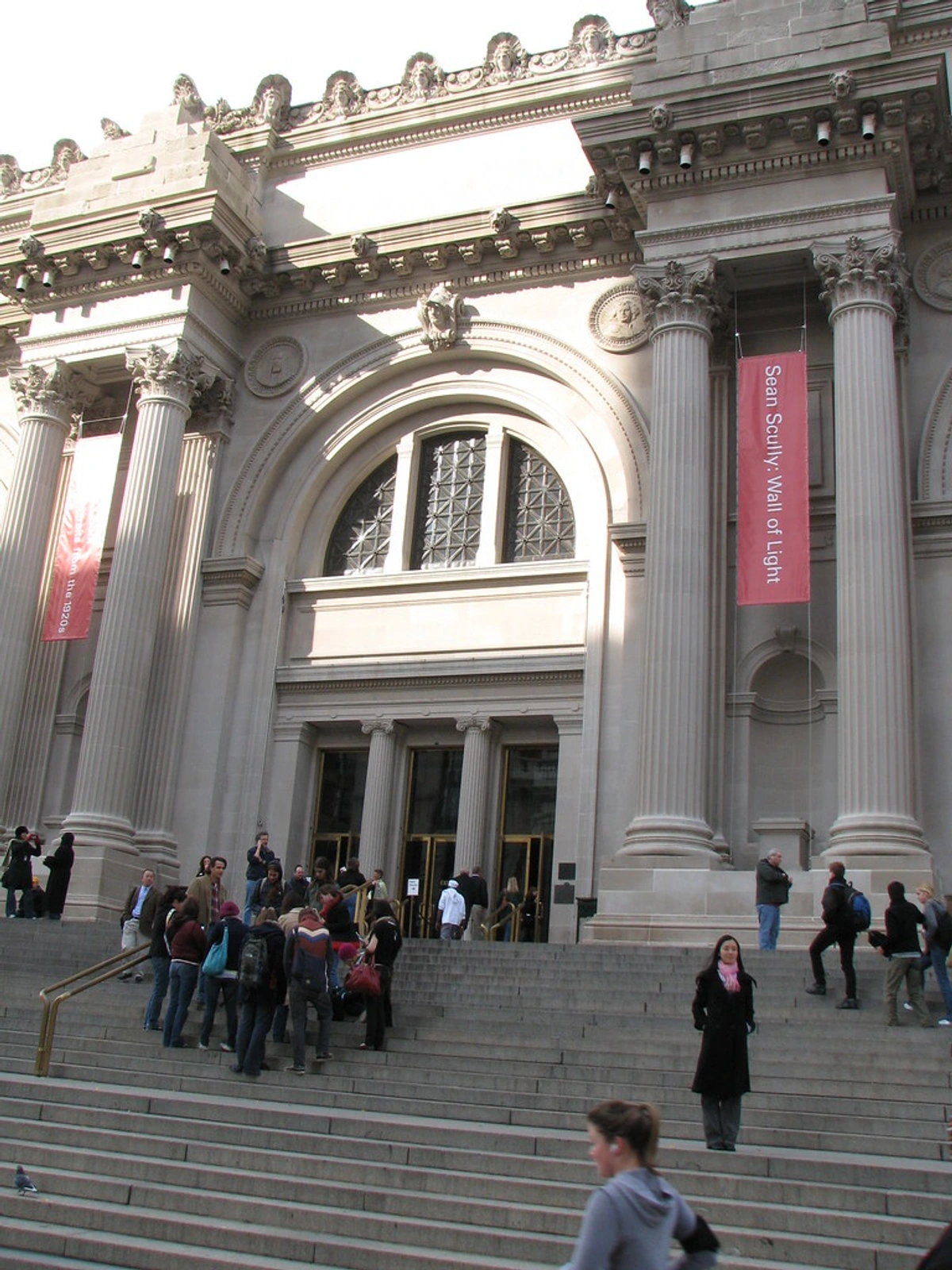
When you hear the term, your mind probably jumps to the big names—the Louvre, the Met, the Tate. And for good reason. These are the imposing pillars of the art world, each playing a unique role in the grand theater of culture. They validate, they preserve, they challenge, and they canonize. But let's peel back the curtain, past the marble facades and grand openings, and see what really makes each of them tick. Let's look at the intricate forces, the rivalries, and the subtle power plays that an artist like me has to navigate and understand to even have a shot at being seen.
The Museum: Keeper of the Flame
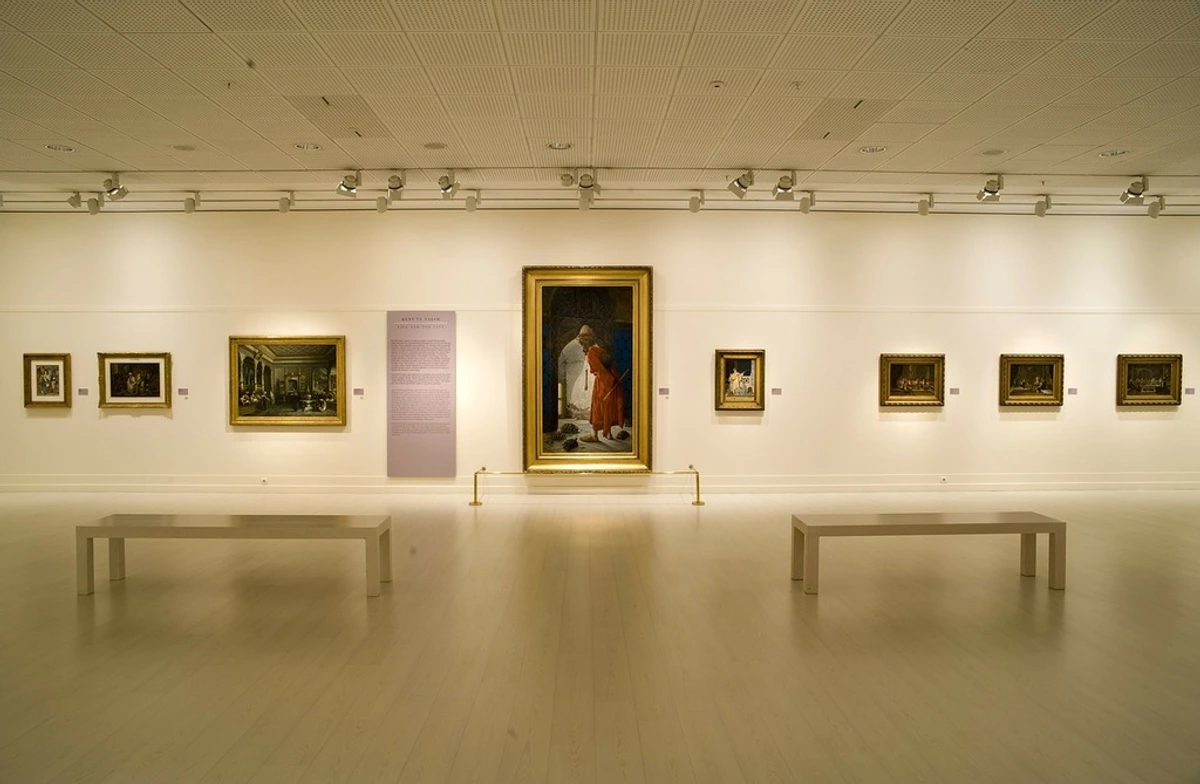
For most of us, the museum is the quintessential cultural institution. It’s where we go to stand in quiet awe, to see the original brushstrokes of a master, and to feel a tangible link to the past. A museum's primary job is to build and care for a permanent collection. These collections are built over centuries, a slow accretion of taste, circumstance, and historical accident. It's not a neat, linear story. It's filled with gaps, biases, lucky finds, and acts of incredible foresight or shortsightedness. Think of the Louvre in Paris, the Rijksmuseum in Amsterdam, or the British Museum. These are the grand, stately homes of art history, the ultimate stamp of approval for an artist. A piece enters a museum’s collection, and it transitions from being just an object to being part of the canon, safeguarded for future generations. But that canon itself is a fascinating and deeply human construct, a story we've collectively agreed to tell ourselves, and it is constantly being questioned and re-evaluated. Why is this 17th-century Dutch master given a room of his own while his equally talented contemporary, perhaps a woman working in the very same city, is forgotten, her work lost to history? The answer almost always lies within the museum walls themselves, in the subjective choices, personal networks, and ingrained biases of collectors and curators from decades or even centuries ago.
Their core functions are straightforward but monumental:
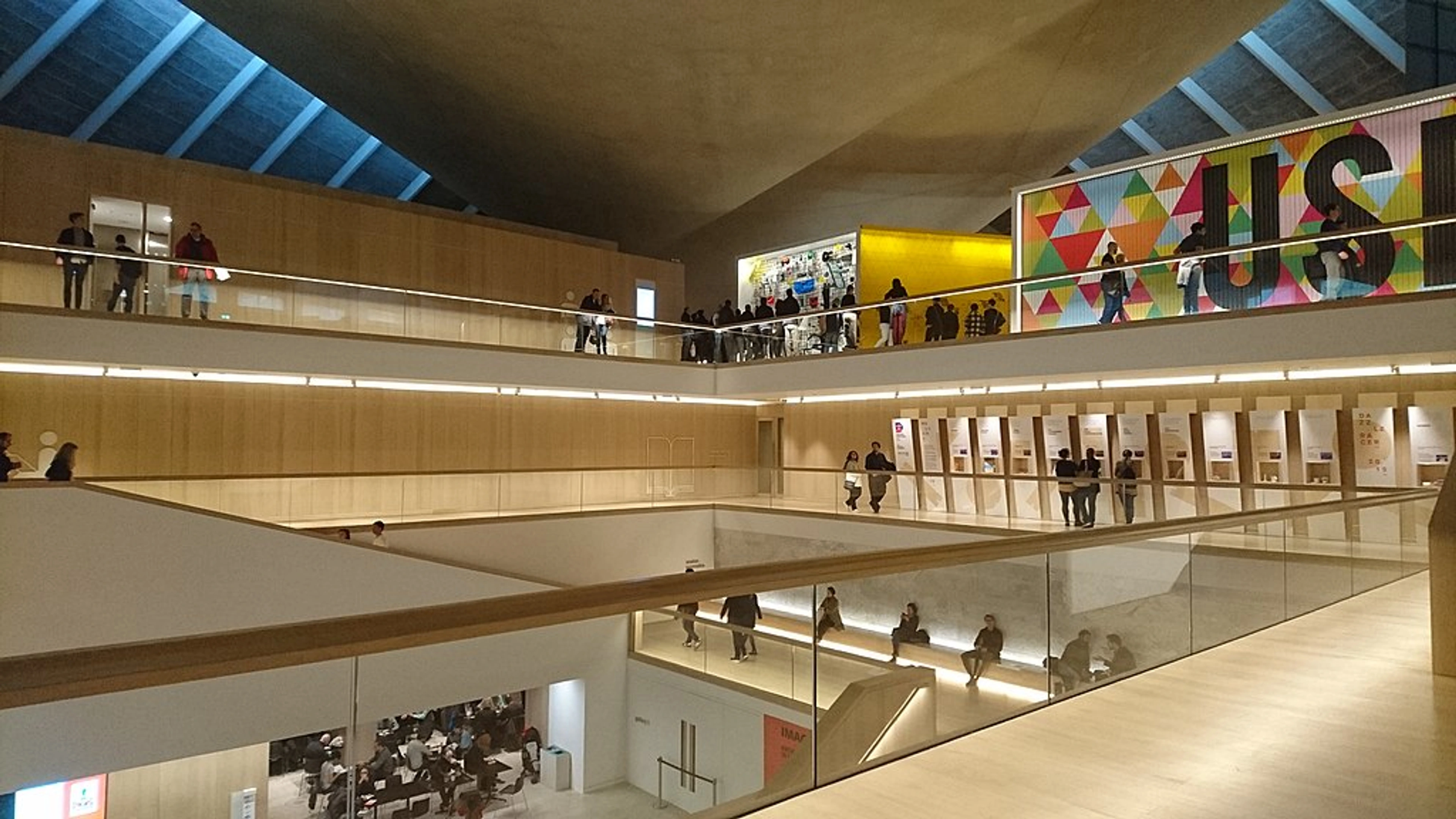
But museums aren't monoliths. There’s a fascinating and varied ecosystem within the broader museum world. Beyond the world-renowned encyclopedic museums (which try to cover the entire sweep of human creativity), we have smaller, more specialized institutions. These can feel like having a deep, focused conversation instead of a crowded lecture. They are dedicated to specific movements or media—design museums that celebrate the everyday objects that shape our lives, photography museums that frame our visual century, or institutions devoted entirely to sculpture. Each one carves out a unique niche, offering a more concentrated and intimate dialogue with a particular facet of human creativity.
- Acquisition: This is where the museum's story truly begins. Curators actively seek out and acquire artworks, a process that’s part detective work, part social diplomacy, and part rigorous scholarly pursuit. Imagine a curator who discovers a forgotten sketch in a private collection, a piece that completely reframes a famous artist's later work and forces us to rewrite a chapter of art history. It’s not just about beauty; it’s about strategic gap-filling. What story is the museum trying to tell, and what piece does it need to tell it convincingly? For a living artist, having a work acquired by a major institution is the ultimate validation—a rare moment an artwork is yanked from the volatile art market and enshrined in our shared heritage.
- Conservation: Every piece of art is in a slow, invisible, and relentless race against time. It’s not just about dusting frames or fixing a crack. Behind the scenes, a small army of conservators—part scientists, part historians, part surgeons—works tirelessly in hushed, brightly lit labs to fight the effects of time, light, and humidity. They use cutting-edge science like x-ray imaging to see an artist's original sketches beneath layers of paint, and molecular analysis to understand how a pigment will age. They are the guardians fighting a quiet war against entropy, ensuring Van Gogh’s yellows don't fade and ancient sculptures don't crumble into dust, their work often raising profound questions about how much intervention is too much.
- Exhibition: This is the museum's public voice, its powerful storytelling engine. Curators step out of the archives and become authors, writing compelling narratives with physical objects instead of words. These aren’t just random groupings of art; they are specific arguments, questions, and dialogues made visible and tangible. What happens when you hang a 15th-century religious icon next to a Mark Rothko abstraction? The effect can be electric, creating a new, third meaning in the charged space between them. A great exhibition is a temporary universe, a coherent world you can walk through, and it can challenge long-held assumptions, introduce you to artists you'd never encounter otherwise, and spark a conversation that ripples through the art world for years, shaping tastes and even influencing what gets bought and sold.
- Education: This is the quiet, revolutionary work of bridge-building. For centuries, the art world has felt intimidating, guarded by a secret language of movements and -isms. Learning to decipher that world isn't just rewarding; it’s a fundamental part of being human. Through lectures, tours, workshops, and interactive media, museums make their collections accessible and meaningful to everyone, from a wide-eyed child on a field trip to a seasoned scholar. This mission is crucial; it’s a declaration that art isn’t just for an elite few, but a living resource for our entire community, sparking creativity and critical thought in anyone who walks through the door.
The Gallery: The Engine of the Contemporary
If museums are the grand libraries of art, the keepers of a settled history, then commercial art galleries are the noisy, frantic newsrooms. They live and breathe in the business of now. They are the primary marketplace for contemporary art, representing living artists, exhibiting their newest work, and connecting it with collectors, curators, and enthusiasts. A museum curator asks, 'What will history remember?'; a gallery owner asks, 'What is vital right now? What will people talk about tomorrow morning?' This core difference in timeline creates a fascinating, sometimes fraught, relationship between the two worlds.
This is where careers are truly forged, in the high-stakes crucible of the contemporary. A gallery owner acts as a hybrid of impresario, talent scout, business strategist, and often, therapist for their artists. They don’t just put paintings on a wall; they are master storytellers, crafting compelling narratives around their artists' work, fostering a loyal collector base, and strategically positioning their artists within the complex, competitive ecosystem of the art world. They decide which art fairs to attend, whose review to chase, and how to price a work—a decision that can make or break an artist's career. Landing representation with a respected gallery isn't just a milestone; it's the most significant turning point for an emerging artist, a powerful validation that lets them get back to the essential, solitary business of making art.
This is where the art world’s financial engine churns, loudly and visibly. Art fairs like Art Basel and Frieze are the ultimate, turbo-charged expressions of this commercial buzz, transforming the gallery model into a high-stakes global marketplace that feels part trade show, part circus. But it's not just about sales. Galleries are crucial launchpads for artists, providing a professional platform, critical validation, and the logistical support needed to build a serious career. Without this system, which provides a crucial filter of quality and a bridge to collectors, most contemporary art would have a very difficult time finding a sustained audience, let alone a sustainable market.
For artists, a gallery relationship means one thing above all else: focus. It means a dedicated champion is handling the stressful business side—the contracts, the marketing, the delicate dance of pricing and placing work—so the artist can get back into the studio and create. For collectors, a good gallery is a trusted guide, an indispensable source of information and a reliable gateway to discovering new talent before it hits the mainstream.

A special note on the non-profit gallery or kunsthalle: these are the risk-takers, the dreamers, the ones who can follow a crazy idea to its conclusion without being strangled by market demands. Freed from the relentless pressure of direct sales—Will it sell in the first week? Does it have a blue-chip resale history?—they can showcase art that is genuinely challenging, experimental, or just quietly strange. They can build an entire exhibition around a single, monumental video installation or give a crucial platform to an unknown collective working with found trash. These spaces are vital incubators of innovation, the laboratories where the art of tomorrow is being tested today, often providing the crucial first institutional validation for artists who are truly pushing boundaries.
Then there are artist-run centers and collectives, the true grassroots of the art world. These initiatives, often started and sustained by artists themselves, create exhibition opportunities and community completely outside the traditional gallery system. They spring from a simple, powerful impulse: if the art world won't give us a platform, we'll build our own. They're driven by passion and a need for community, and they often promote the most daring, raw, and unfiltered work before it gets polished and presented elsewhere. They are the punk rock of the art world, the self-published zine, the message scrawled directly on the wall. I find these spaces incredibly inspiring; they bring the art world back down to earth and are a potent reminder that this whole enterprise is, at its heart, about making stuff and building something together.
The Art Fair: The Grand Bazaar
Imagine a trade show, a global village, and a museum exhibition all rolled into one. That's the modern art fair. Events like Art Basel or Frieze bring together hundreds of galleries from around the world, creating a temporary, hyper-charged marketplace that descends on a city and transforms it for a week. It’s a dizzying, overwhelming, and strangely addictive experience—a crash course in the current state of the art market, all under one cavernous roof.
For galleries, art fairs are a major—often back-breaking—financial investment and a global stage, a chance to tap into an international collector base and generate substantial revenue in just a few days. For artists, it's a career-defining moment to get their work seen by a massive audience of curators, collectors, and critics. And for the art-curious public, it's an unparalleled opportunity to survey the zeitgeist, to see what themes, styles, and artists are defining the moment, all in a single, sprawling, overwhelming venue. It’s commerce, networking, and culture, all amplified to a deafening roar.

The Pulse Beneath the Pavement: A Deeper Role
Beyond these definitions, cultural institutions play a more subtle, almost philosophical role. They are the gatekeepers of our culture. The decision to hang one painting and not another, to fund one artist and not the next, shapes the entire dialogue of art history.
This power brings with it a huge responsibility, one that has been both used and abused. For centuries, these institutions focused almost exclusively on a Western, male-centric canon. It’s only in recent decades that we’ve seen a much-needed, and often heated, push to be more inclusive, to tell a more global and diverse story, and to fundamentally question the very narrative they helped build. Museums are now grappling with issues of colonial-era acquisitions, working to decolonize their collections and methods. This act of revision and expansion is one of the most urgent and important conversations happening in the art world today.
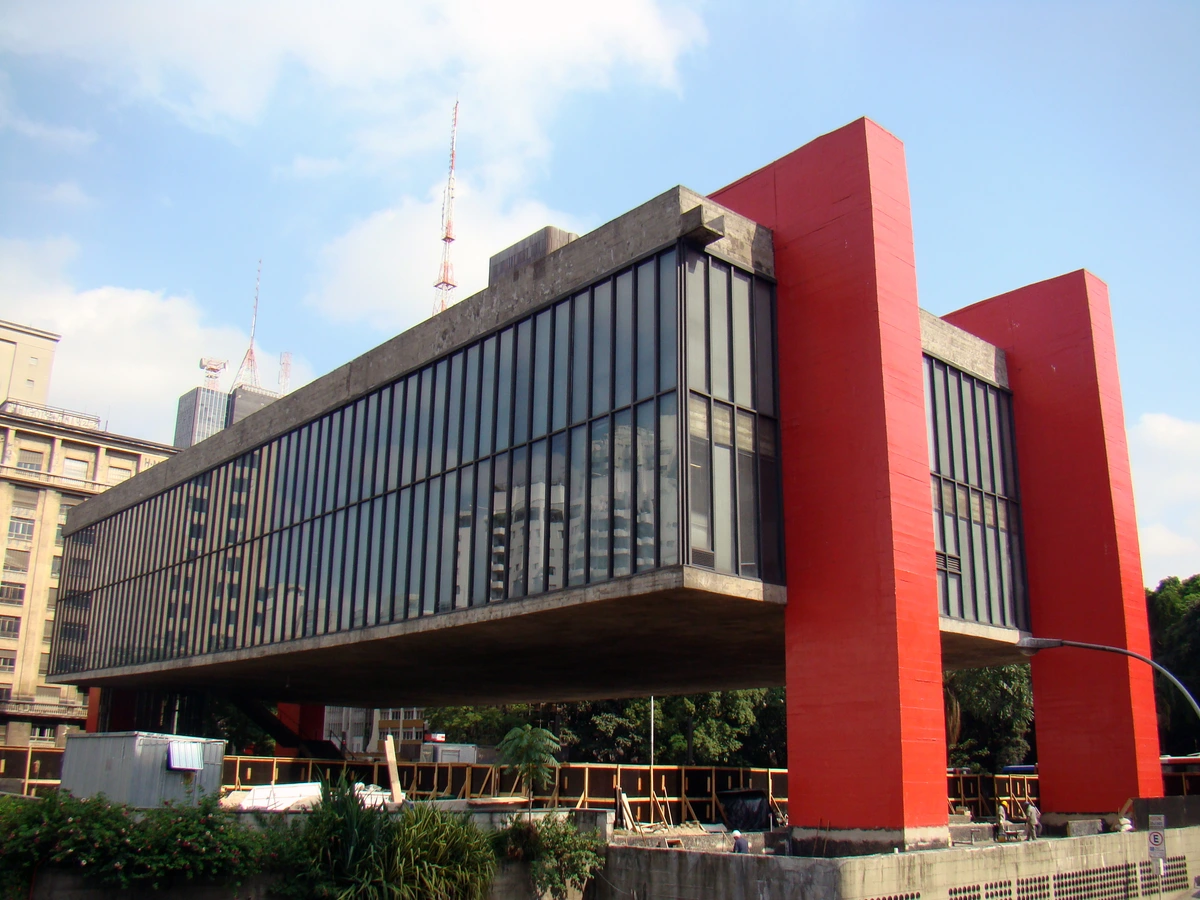
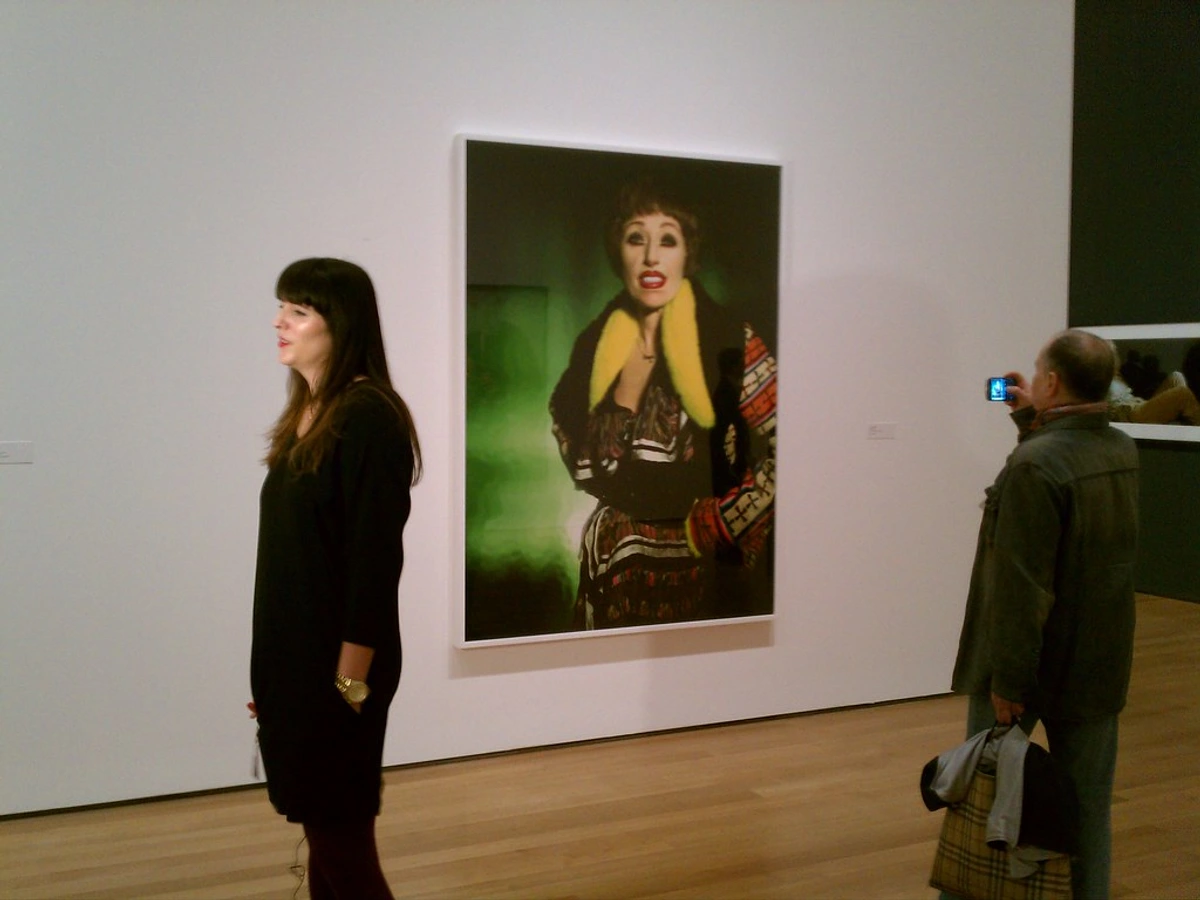
They also create a sense of community, a secular 'third place' away from home and work. They are our modern town squares, where we can contemplate beauty, grapple with difficult ideas, and share a collective experience. In a world that feels increasingly digital and isolated, the simple act of standing in a quiet room with a powerful work of art can be a grounding, almost spiritual force. It can make you feel more connected and alive. It's that feeling of visceral connection I try to capture in my own work, which you can explore on my /timeline page.
Beyond the exhibition space, many institutions now feature cafes, bookshops, performance venues, and even late-night events. They’ve evolved into vibrant social hubs, spaces for first dates, for solitary reflection, for family outings, and for civic dialogue. They are where a city comes to think, to socialize, and to see itself reflected in the culture it chooses to champion. They literally build community around culture, demonstrating that art's value extends far beyond the purely aesthetic and into the very fabric of our social lives.
Comparing the Titans
To make it a bit clearer, here’s a simple breakdown of how these institutions differ in their core missions.
Feature  | Museum | Commercial Gallery | Non-Profit Gallery / Kunsthalle | |
|---|---|---|---|---|
| Primary Goal | Preservation & Education | Selling Art & Artist Development | Experimentation & Challenging Ideas | Commerce & Networking |
| Collection | Has a permanent collection | Does not have a permanent collection | Does not have a permanent collection | Temporary displays from galleries |
| Funding | Non-profit (public funding, donations) | For-profit (sales of art) | Non-profit (grants, donations) | For-profit (booth fees, tickets) |
| Audience | The general public, tourists, students | Collectors, curators, art enthusiasts | Artists, critics, art world insiders | Collectors, dealers, industry professionals |
| Role in the Art World | Establishing the historical canon | Market validation & career building | Incubator for new/risky art | Global market barometer |
This comparison highlights how each institution plays a different but interconnected role, like instruments in an orchestra. An artwork's life might begin in a small artist-run space, gain attention at a non-profit kunsthalle, get picked up by a commercial gallery, be seen by thousands at an art fair, and finally be acquired for posterity by a major museum. The art world is the sum of all these parts.
Frequently Asked Questions (FAQ)
Here are some of the most common questions I hear about cultural institutions. It's the stuff that keeps people up at night if they're just dipping their toes into this world, and honestly, the questions I used to have myself.
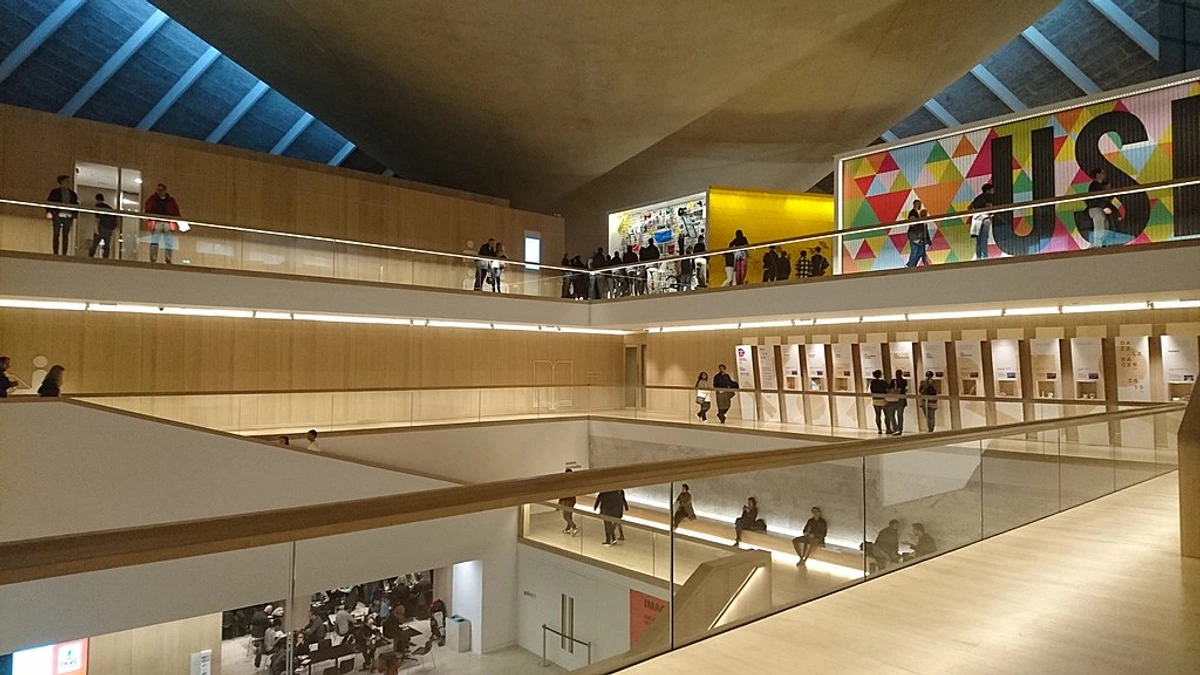
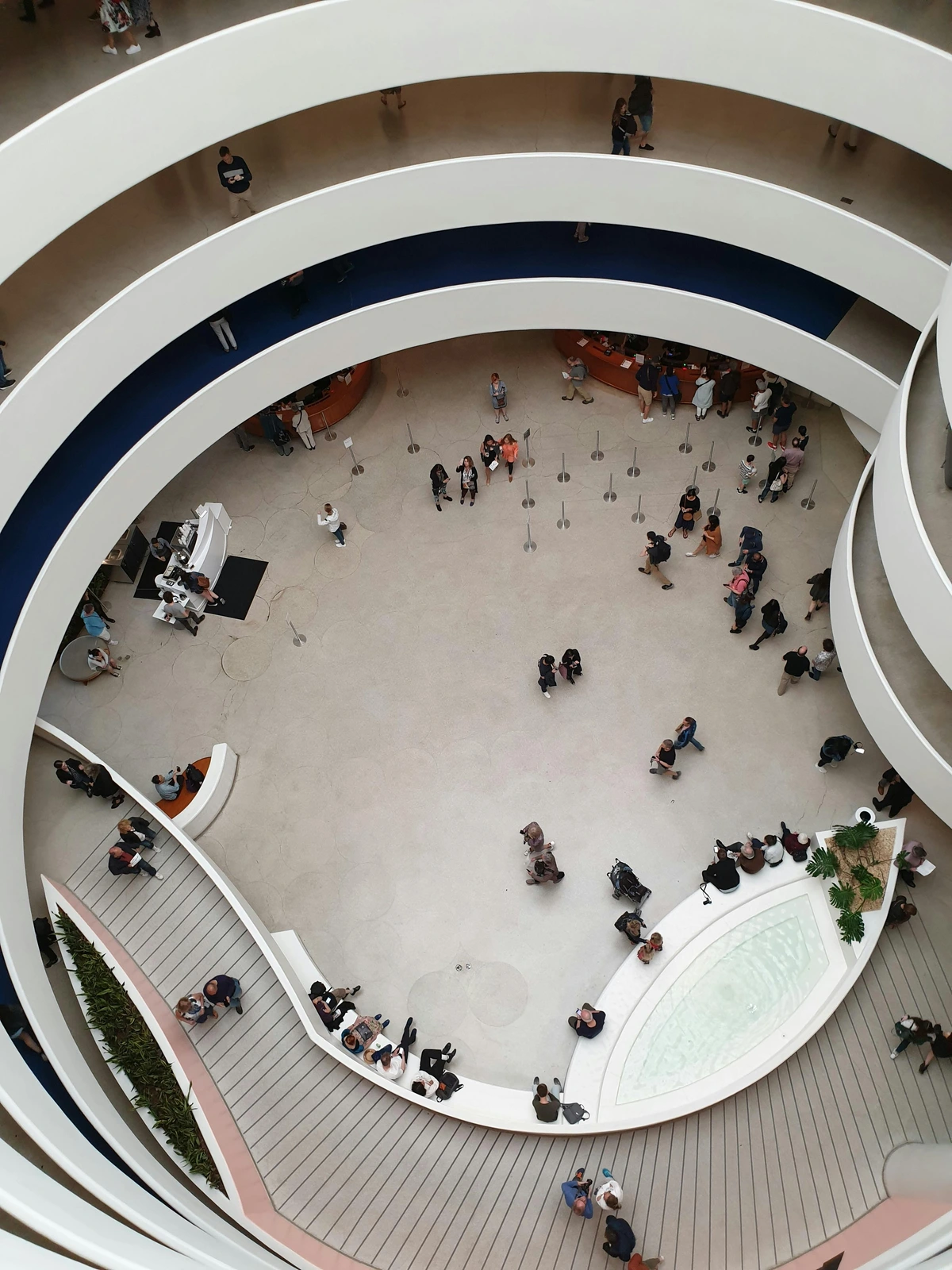
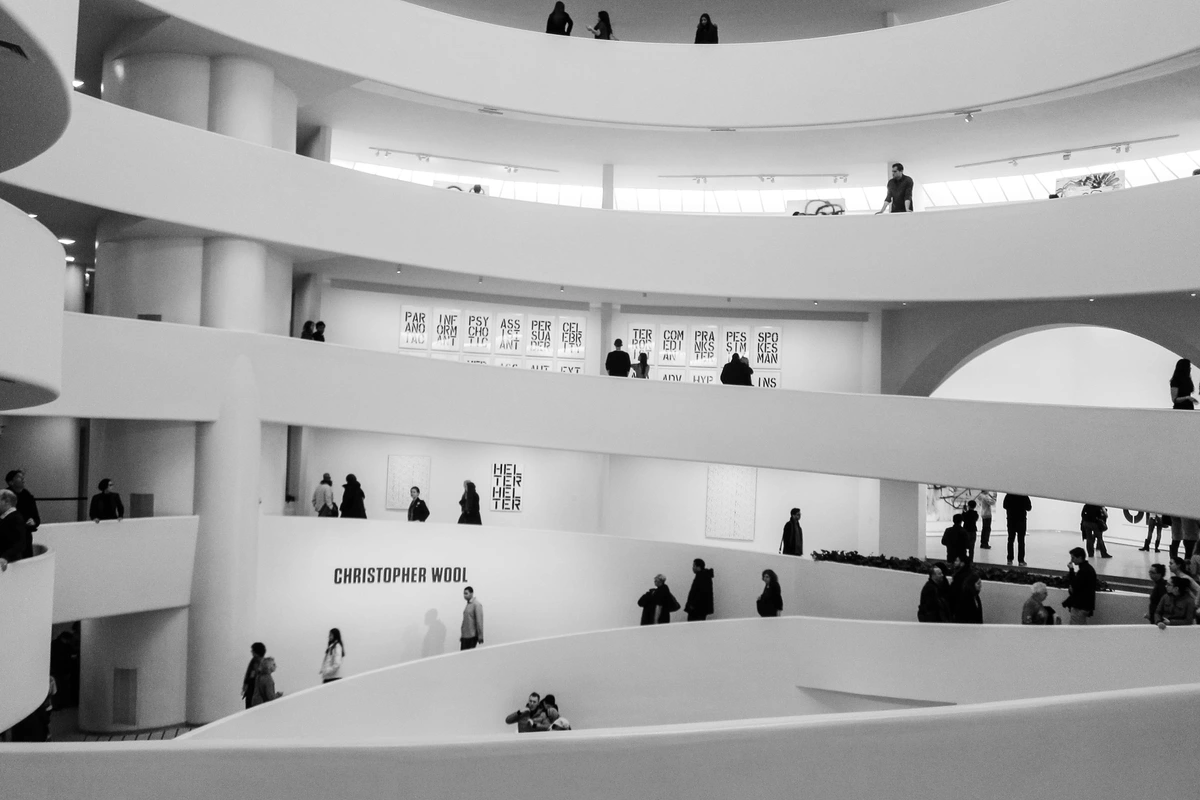
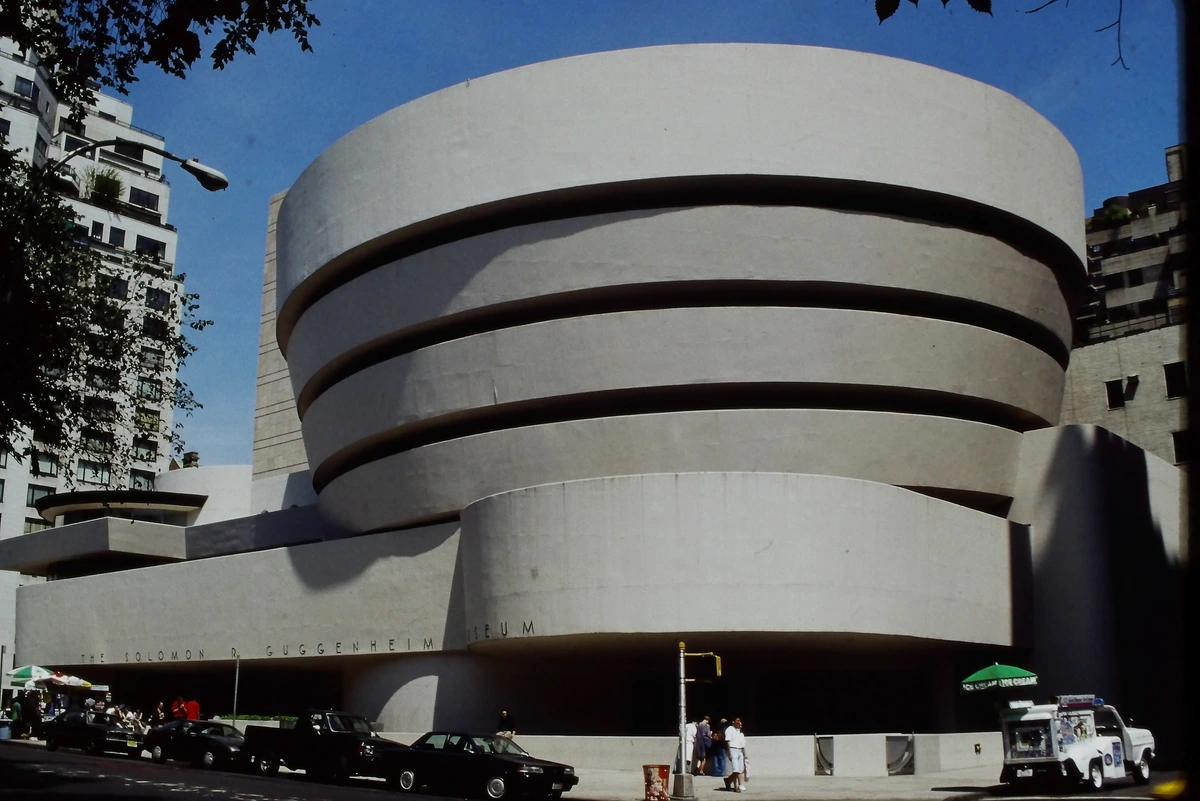
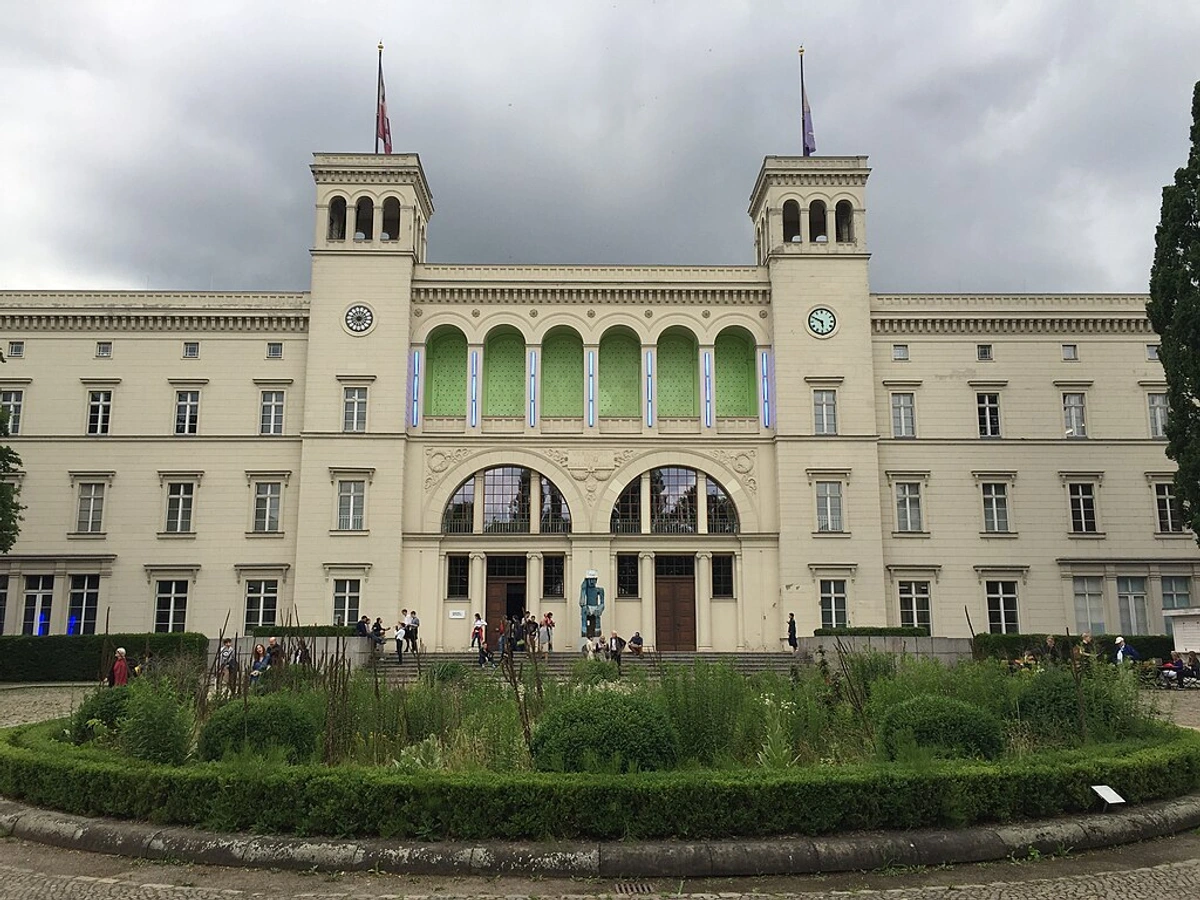
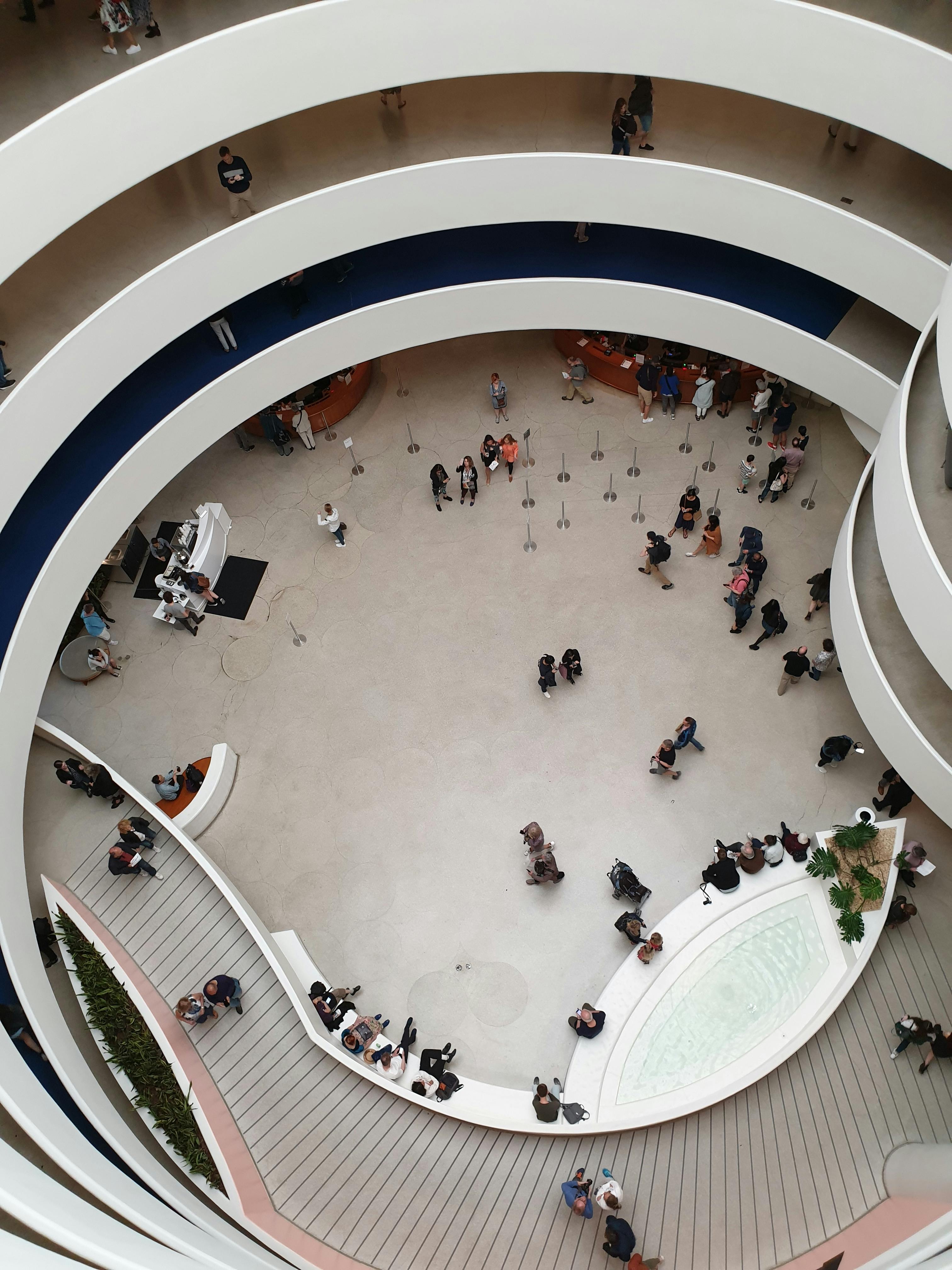
Architecture itself is a powerful part of the institutional story, often making the first and most lasting impression, setting the stage for the encounter with art. Buildings like Frank Lloyd Wright’s spiraling Guggenheim or Zaha Hadid’s fluid, futuristic MAXXI in Rome are artworks in their own right, shaping the visitor's experience before they even see a single painting on the wall. These structures tell us that the vessel is as important as the art it carries, making a powerful statement about a city's commitment to culture. Or, in the case of the Louvre Pyramid, they can create a stunning dialogue between the old and the radically new, turning the act of entering the museum into a moment of pure drama.
What is the difference between an art institution and a cultural institution? An art institution is a specific type of cultural institution focused solely on the visual arts, like paintings, sculptures, and installations (e.g., MoMA, the Tate Modern). A cultural institution is a much broader umbrella term that can also include libraries, archives, symphony halls, theaters, and opera houses. So, while all art institutions are cultural institutions, not all cultural institutions are focused on visual art. The distinction is about scope and the specific medium of cultural expression they steward.
Do you have to pay to get into most cultural institutions? It really depends on geography, tradition, and the institution’s funding model. Major national museums, like the Rijksmuseum or the British Museum, are often entirely free or have a 'pay-what-you-wish' donation system, as they are heavily supported by public funds. In the United States, however, many major institutions rely on ticket sales to cover their significant operating costs (state-of-the-art climate control, 24/7 security, and expert staff are incredibly expensive!). A growing number offer free nights, special discounts for students and seniors, or reciprocal membership programs that grant access to museums nationwide. Always check their website beforehand—it can save you a surprise at the door and help you plan your visit.
How do museums decide which art to display? This is the multi-million-dollar question, and the answer is fascinatingly complex. A museum's collection is curated (literally meaning 'cared for') by specialized curators. Their decisions are influenced by a web of factors:
- Donor Restrictions: This is a huge factor. Sometimes a wealthy donor who gifts a massive, foundational collection specifies in a legal agreement that certain key works must always be on display. This can tie a curator's hands for generations, making the collection feel static.
- Scholarly Insight: Curators conduct deep research to identify artists of historical importance who may have been overlooked—often women or artists of color—or to fill a perceived gap in their collection's narrative.
- Exhibition Strategy: The schedule of rotating special exhibitions drives much of what you see. Curators plan thematic shows or retrospectives that require borrowing works from other institutions or bringing their own stored items out of the vault for their moment in the sun.
- Contemporary Relevance: Museums need to stay relevant and draw crowds. Acquiring and prominently showing work by major contemporary artists keeps the institution part of current conversations and attracts a younger demographic.
- Conservation: Some works are simply too fragile to be on permanent display under constant light and are brought out only for special, limited-time exhibitions under strict conditions.
It’s a blend of deep scholarship, historical mission, strategic planning, the pressures of the market, and the need for public popularity. It’s never just about what’s 'best'—it’s a complex and creative negotiation.
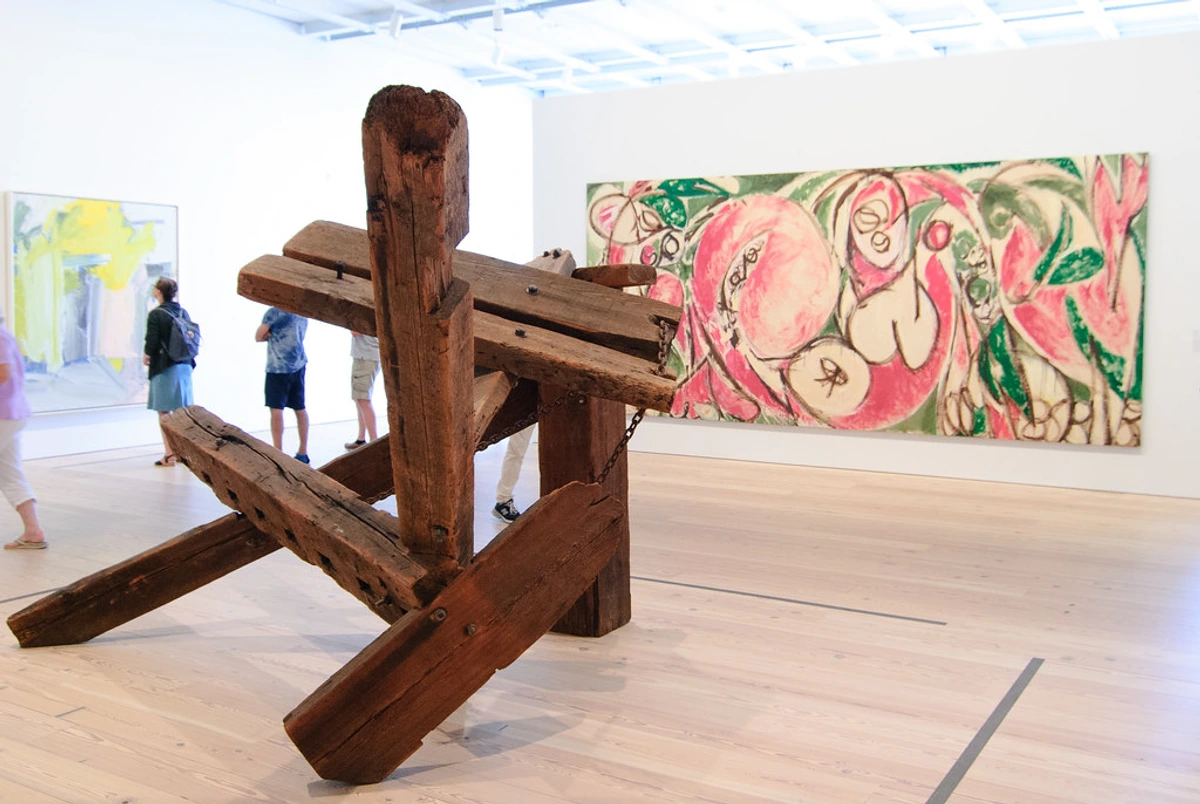



What makes a gallery successful? A successful gallery needs to have a great eye for talent, an ability to build strong relationships with collectors, and a reputation for representing serious, compelling artists. They are a hybrid of a talent scout, a brand manager, and a shrewd businessperson. They build an artist’s career as much as they sell their paintings.
Every time you walk through the doors of a museum, a gallery, or even an art fair, you’re not just seeing objects on a wall. You’re participating in a centuries-old dialogue about who we are, what we value, and what we want to leave behind. You're seeing the messy, glorious, political, and deeply human process of deciding what matters. You’re inside the very machinery of culture, a living story that we are all writing and editing together, one artwork, one exhibition, and one new acquisition at a time.
The journey of an artwork—from the quiet, solitary act of creation in a studio to its life on a public wall—is a complex and fascinating one. It is a journey shaped entirely by these cultural institutions, from the first person who believes in it enough to show it, to the last person who will preserve it for a future we can only imagine. It's a story of faith, economics, vision, and sheer, dumb luck. It’s a story I think about every time I put brush to canvas.
If these reflections have sparked your curiosity and you’re looking for original art to bring into your own life, becoming part of this ongoing story yourself, I invite you to browse what's available on my /buy page. It's a conversation, and I'd be honored for you to be a part of it. And if you're ever in 's-Hertogenbosch, be sure to visit the incredibly inspiring 's-Hertogenbosch Museum, a perfect example of an institution doing things right by championing both history and the new.