What is Artistic Technical Mastery?
Explore the essence of technical mastery in art, its significance, and how artists achieve it. A comprehensive guide for artists and art enthusiasts.

What is Artistic Technical Mastery?
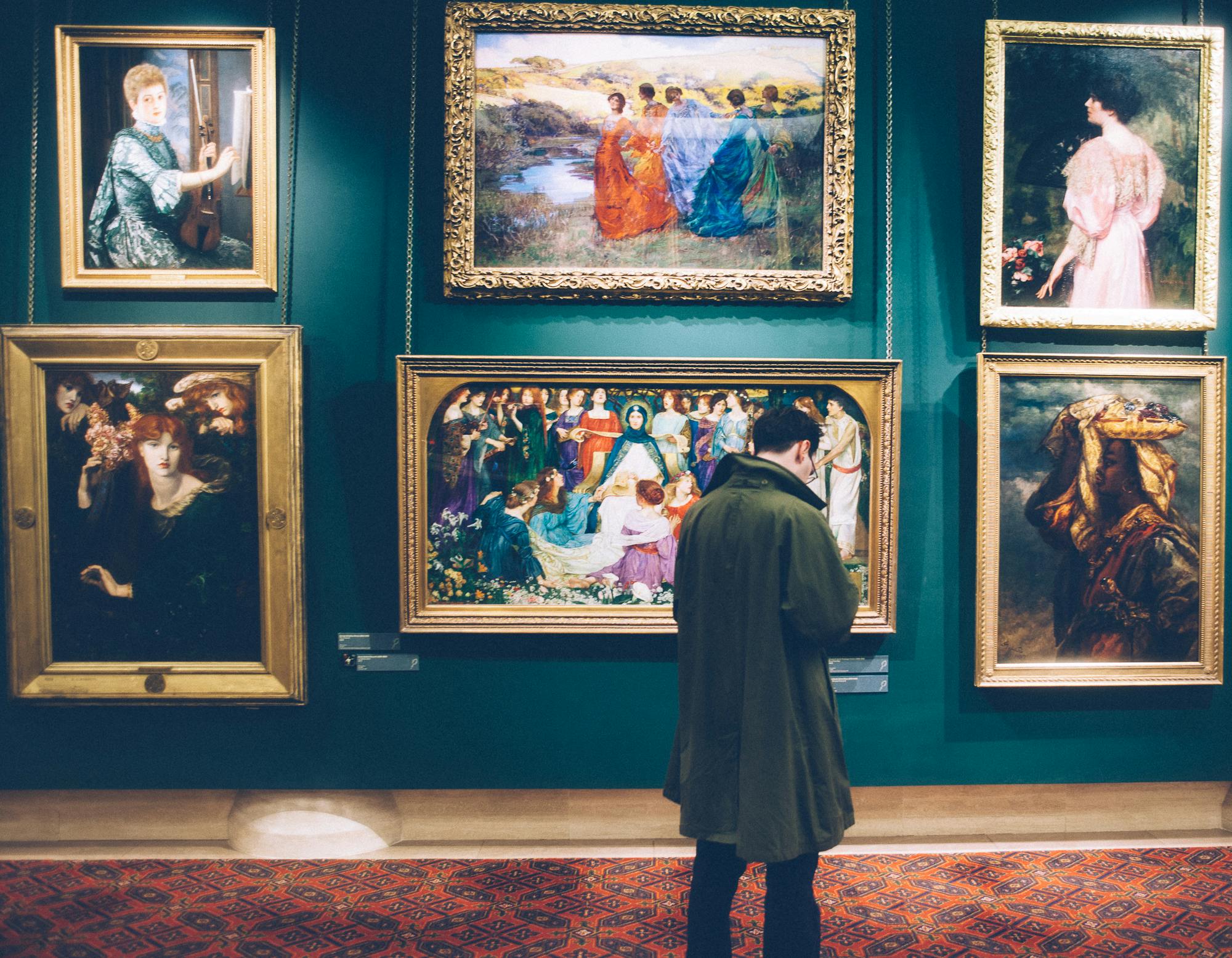
I remember the first time I stood in front of a painting that seemed to breathe. It wasn’t just the colors or the subject matter; it was the way every brushstroke felt intentional, every line purposeful. That’s when I started wondering: what is artistic technical mastery? Is it about perfection, or is it something more nuanced?
Artistic technical mastery is a concept that has fascinated artists and art enthusiasts for centuries. It’s the bridge between an artist’s vision and their ability to execute it with precision. But what does it truly mean to achieve this level of mastery? And why does it matter so much in the world of art?
Artistic technical mastery is a concept that transcends mere skill. It’s about the harmony between the artist’s vision and their ability to execute it with precision. It’s the bridge between imagination and reality, where every stroke, shade, and texture is a deliberate choice. But what does it truly mean to achieve this level of mastery? And why does it matter so much in the world of art?
To understand technical mastery, we must first recognize that it is not a static achievement but a dynamic process. It evolves as the artist grows, learns, and experiments. It’s about the relentless pursuit of excellence and the willingness to embrace failure as a stepping stone to success.
Understanding Artistic Technical Mastery
Artistic technical mastery is the ability to execute artistic skills with precision, control, and intentionality. It’s not just about knowing how to use a brush or mix colors; it’s about understanding the materials, the techniques, and the principles that govern art. It’s the difference between a sketch and a masterpiece, between a doodle and a drawing that captures the essence of its subject.
At its core, technical mastery is about the artist’s relationship with their tools and medium. It’s the deep understanding of how pigments interact, how light plays on different surfaces, and how composition can guide the viewer’s eye. It’s the culmination of years of practice, experimentation, and a relentless pursuit of excellence.
Key Concepts
To truly grasp artistic technical mastery, it’s essential to break it down into its core components:

- Precision: The ability to create clean, accurate lines and shapes. Precision is not about rigidity but about the artist’s ability to convey their vision with clarity and accuracy.
- Control: Managing the medium to achieve the desired effect. Control is about understanding the limitations and possibilities of your tools and using them to your advantage.
- Intentionality: Making deliberate choices about composition, color, and technique. Intentionality is the artist’s ability to infuse meaning and purpose into every element of their work.
- Adaptability: The ability to adjust techniques and approaches based on the evolving demands of the work and feedback received.
These concepts are interconnected. Precision without control can lead to sterile work, while control without intentionality may result in technically proficient but emotionally hollow pieces.
Additionally, adaptability plays a crucial role. An artist must be able to adjust their techniques and approaches based on the evolving demands of their work and the feedback they receive.
The Journey to Mastery
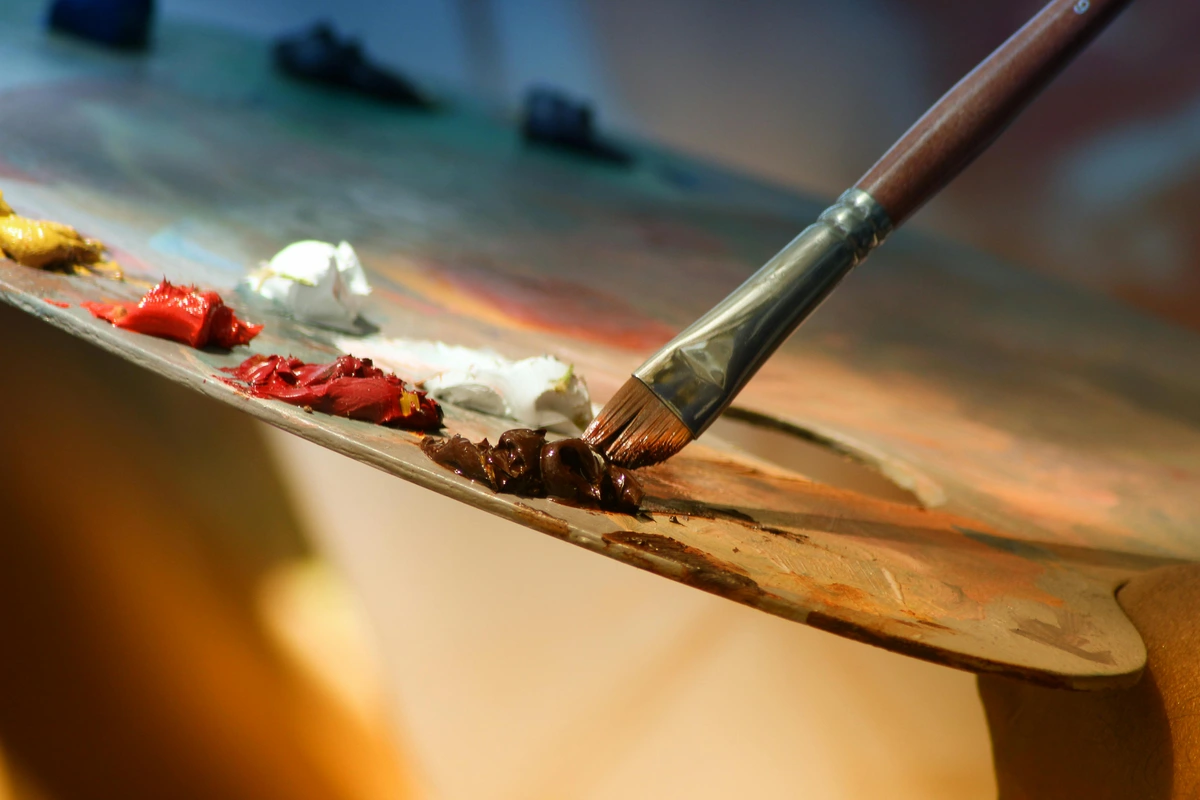
Achieving technical mastery isn’t an overnight process. It’s a journey that involves practice, experimentation, and a deep understanding of the fundamentals. Here’s a breakdown of the steps involved:
The path to mastery is often nonlinear. It’s filled with setbacks, breakthroughs, and moments of self-doubt. But it’s also a journey of self-discovery, where the artist learns not just about their craft but about themselves.

Step 1: Learn the Basics
Before you can master anything, you need to understand the basics. This includes learning about different art mediums, understanding color theory, and practicing fundamental techniques like shading and perspective.
The basics are the foundation upon which all artistic skills are built. They provide the framework for experimentation and innovation. Without a solid grasp of these fundamentals, even the most creative ideas can fall flat.
Key Areas to Focus On:
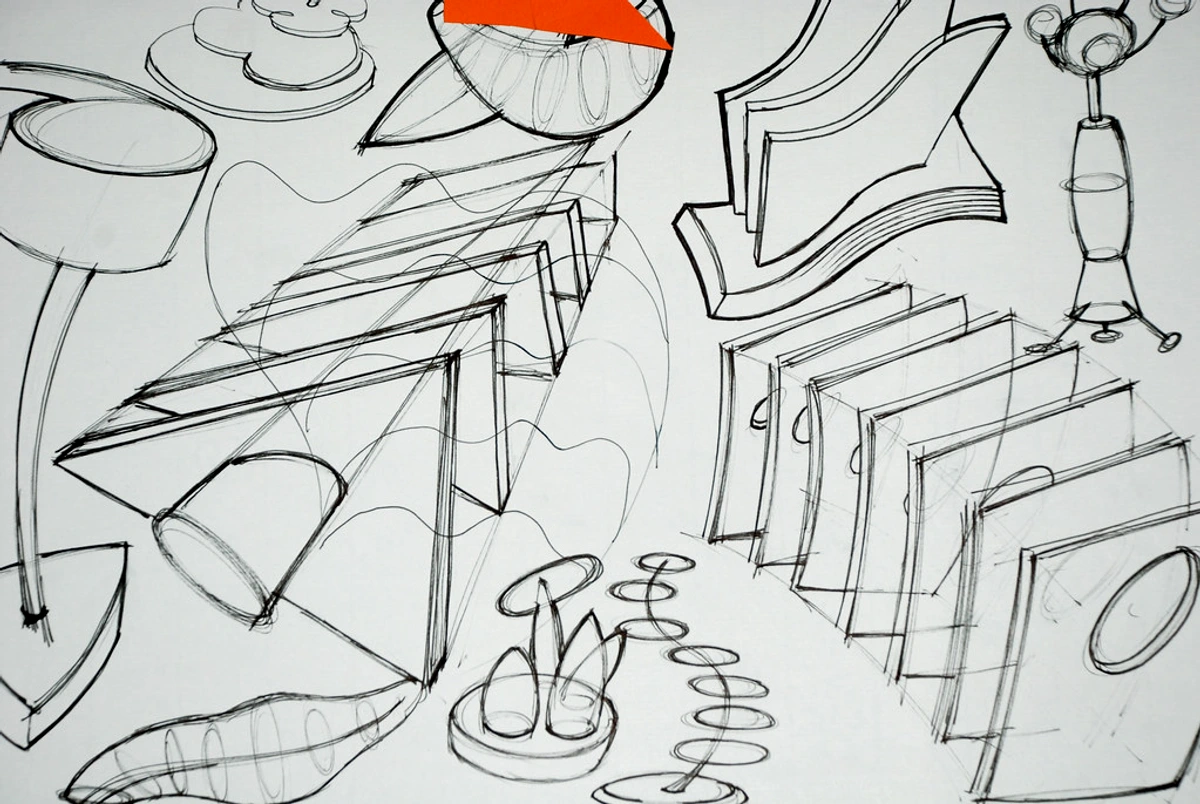
- Drawing Fundamentals: Lines, shapes, and forms.
- Color Theory: Understanding the color wheel and color harmony.
- Composition: Arranging elements to create a balanced and engaging piece.
- Perspective: Creating the illusion of depth and space.
Step 2: Practice Regularly
Consistency is key. Regular practice helps you develop muscle memory and refine your skills. It’s not about creating perfect pieces every time but about learning and improving with each attempt.
Practice is not just about repetition; it’s about mindful engagement with your craft. It’s about pushing yourself to try new things, to fail, and to learn from those failures. It’s the daily commitment to showing up, even when inspiration is lacking.
Tips for Effective Practice:
- Set aside dedicated time each day for practice.
- Focus on one skill or technique at a time.
- Keep a sketchbook to track your progress and ideas.
- Experiment with different mediums and styles.

Step 3: Experiment and Innovate
Once you’re comfortable with the basics, start experimenting. Try new techniques, mix different mediums, and push the boundaries of your creativity. Innovation often comes from stepping out of your comfort zone.
Experimentation is where the magic happens. It’s where you discover new ways of seeing, new ways of expressing, and new ways of connecting with your audience. It’s about embracing the unknown and allowing yourself to be surprised by the results.
Ways to Experiment:
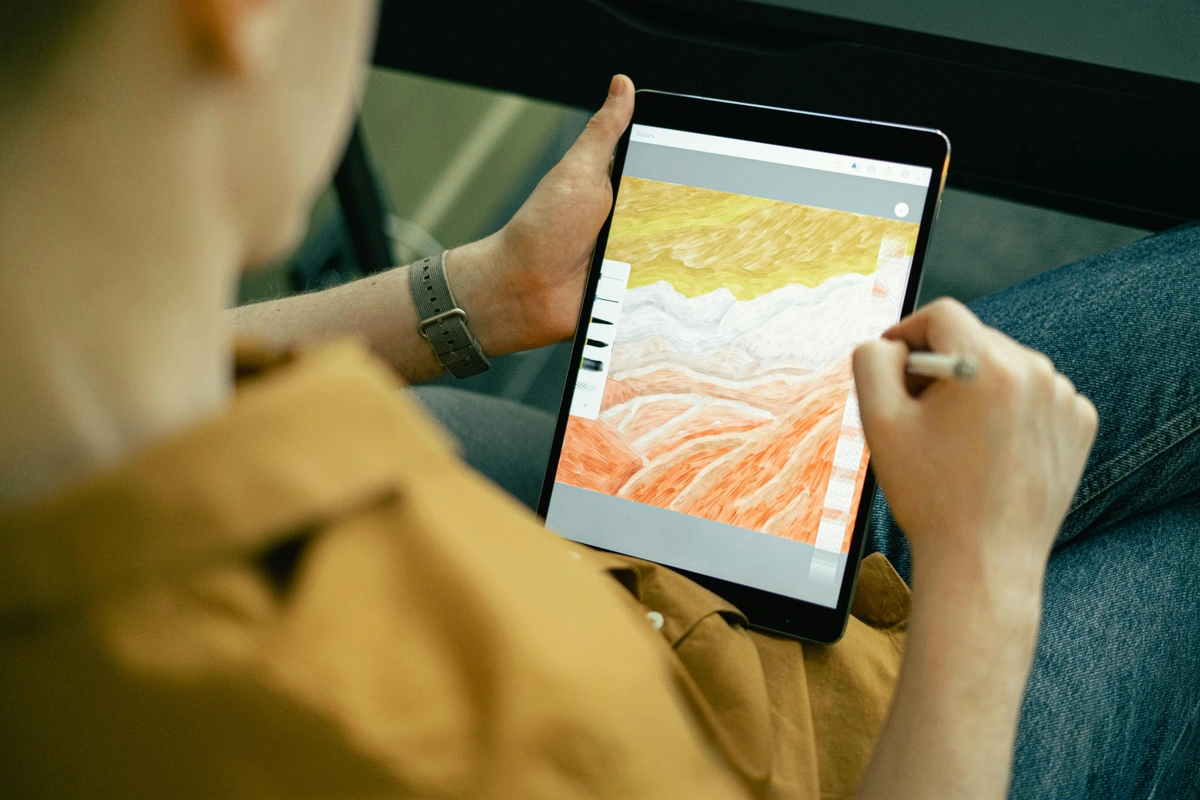
- Combine traditional and digital techniques.
- Explore abstract and unconventional styles.
- Use unconventional tools or materials.
- Collaborate with other artists to gain new perspectives.
Step 4: Seek Feedback
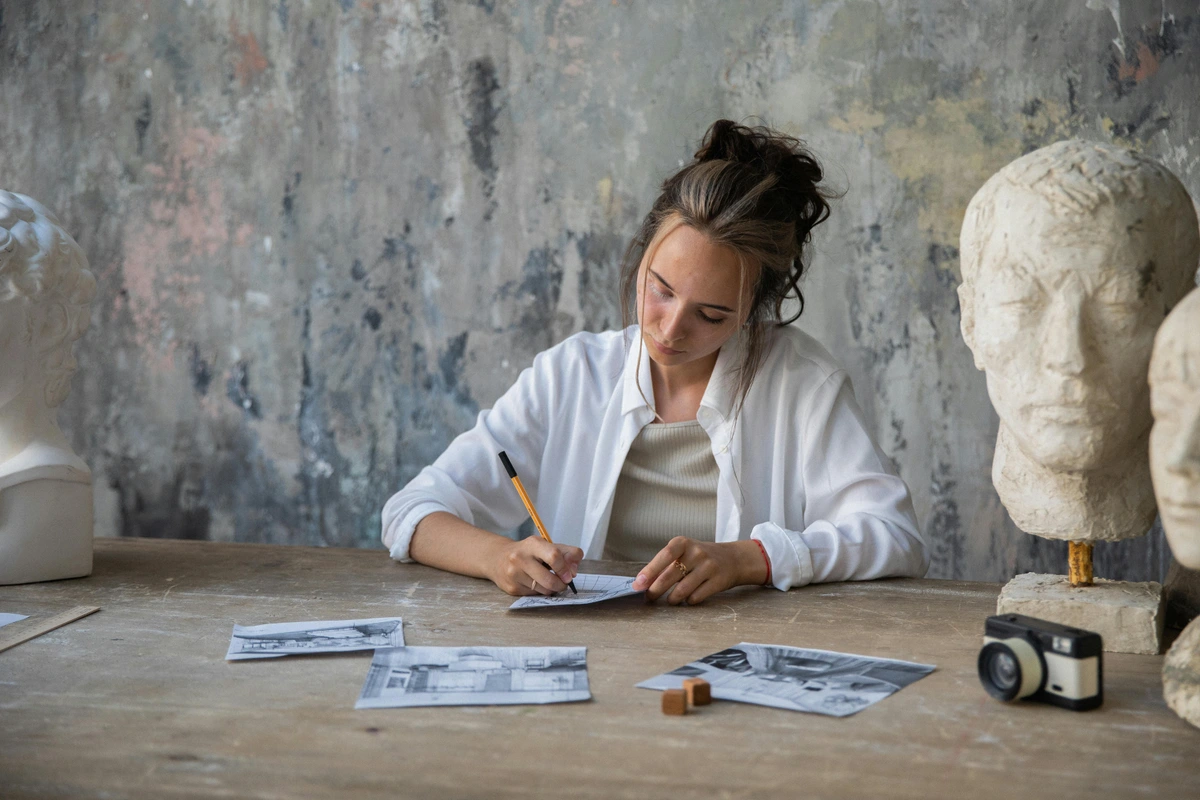
Feedback is crucial for growth. Share your work with others, seek constructive criticism, and be open to learning from others. This can help you identify areas for improvement and gain new perspectives.
Feedback is not just about hearing what others think; it’s about learning to see your work through their eyes. It’s about understanding how your art is perceived and how it can be improved. It’s a humbling but essential part of the journey to mastery.
How to Seek Feedback:
- Join art communities or forums.
- Participate in art critiques or workshops.
- Share your work on social media and engage with your audience.
- Be open to both positive and negative feedback.
Step 5: Reflect and Refine
Take time to reflect on your progress. Review your past works, identify patterns, and refine your techniques. Reflection allows you to see how far you’ve come and where you still need to grow.
Refinement is about honing your skills and deepening your understanding. It’s about taking what you’ve learned and applying it to your future works, ensuring continuous improvement.
Reflection Techniques:
- Keep a journal to document your artistic journey.
- Compare your early works with your recent pieces.
- Identify recurring themes or techniques in your art.
- Set new goals based on your reflections.

Examples of Technical Mastery
Let’s look at some examples of technical mastery in art:
Technical mastery is not just about the final product; it’s about the process, the dedication, and the relentless pursuit of excellence. It’s about the artist’s ability to convey emotion, tell a story, and captivate the viewer through their craft.
Notable Artists and Their Techniques:
- Leonardo da Vinci: Mastery of perspective and human anatomy.
- Vincent van Gogh: Bold and expressive brushstrokes.
- Michelangelo: Sculpting and fresco techniques.
- Georgia O’Keeffe: Use of color and form in abstract art.

Leonardo da Vinci
Leonardo da Vinci is often cited as a master of technical skill. His works, such as the Mona Lisa and The Last Supper, showcase his ability to capture human expression and use perspective to create depth.
Leonardo’s mastery was not just in his technical skill but in his ability to blend art and science. His studies of anatomy, light, and perspective informed his artistic practice, allowing him to create works that were not just visually stunning but also scientifically accurate.
Key Contributions:
- Anatomical Studies: Detailed sketches of human anatomy.
- Sfumato Technique: Blending colors to create soft transitions.
- Inventions: Designs for flying machines and other innovations.
Vincent van Gogh
Van Gogh’s use of color and texture is a testament to his technical mastery. His brushstrokes are bold and expressive, yet each one is deliberate and contributes to the overall composition.
Van Gogh’s work is a perfect example of how technical mastery can be used to convey deep emotion. His use of color and texture was not just about aesthetics; it was about expressing his inner world and connecting with the viewer on an emotional level.

Contemporary Artists
Modern artists demonstrate technical mastery through their use of color and form. Their works often blend traditional techniques with contemporary styles, creating pieces that are both visually striking and emotionally resonant.
Contemporary artists continue to push the boundaries of what is possible in art. They experiment with new mediums, techniques, and technologies, all while maintaining a deep respect for the traditions that came before them.
Notable Contemporary Artists:
- Yayoi Kusama: Use of repetitive patterns and immersive installations.
- Banksy: Street art with powerful social commentary.
- Ai Weiwei: Blending art and activism.
- Jenny Saville: Exploring the human form with bold and expressive techniques.
Why Technical Mastery Matters
Technical mastery is important for several reasons:
At its heart, technical mastery is about more than just skill; it’s about the artist’s ability to communicate, to evoke emotion, and to create something that resonates with the viewer. It’s about the power of art to transcend language and culture and to connect with people on a deeply human level.
Benefits of Technical Mastery:
- Enhanced Creativity: Strong technical skills provide a foundation for creative expression.
- Professional Recognition: High-quality work stands out in the art world.
- Emotional Connection: Mastery allows artists to convey emotions more effectively.
- Versatility: Mastery enables artists to work across different mediums and styles.
Quality of Work
Mastery allows artists to create high-quality work that stands out. It’s the difference between a piece that looks amateurish and one that looks professional.
Quality is not just about aesthetics; it’s about the artist’s ability to execute their vision with precision and care. It’s about the attention to detail, the craftsmanship, and the dedication to creating something that is truly exceptional.
Elements of Quality:
- Precision: Clean and accurate execution of techniques.
- Craftsmanship: Attention to detail and quality of materials.
- Originality: Unique and innovative artistic expression.
- Consistency: Maintaining high standards across all works.
Creative Freedom
When you have a strong foundation in technical skills, you have the freedom to experiment and innovate. You’re not limited by your abilities but can push the boundaries of your creativity.
Creative freedom is the ultimate goal of technical mastery. It’s about having the skills and confidence to take risks, to try new things, and to express yourself in ways that are uniquely yours. It’s about breaking free from the constraints of technique and allowing your creativity to soar.
How Mastery Enhances Freedom:
- Confidence: Belief in your ability to execute your vision.
- Innovation: Exploring new ideas and techniques.
- Expression: Conveying your unique perspective and emotions.
- Adaptability: Adjusting to new challenges and opportunities.

Emotional Impact
Technical mastery enables artists to convey emotions and ideas more effectively. A well-executed piece can evoke strong emotions and leave a lasting impression on the viewer.
Emotional impact is the heart of art. It’s about the artist’s ability to connect with the viewer on a deeply personal level, to evoke feelings of joy, sadness, wonder, or awe. It’s about creating something that resonates with the human experience and leaves a lasting impression.
Creating Emotional Impact:
- Storytelling: Using art to narrate personal or universal stories.
- Symbolism: Incorporating symbols to convey deeper meanings.
- Color Psychology: Using colors to evoke specific emotions.
- Composition: Arranging elements to guide the viewer’s emotional journey.
FAQ
What is the difference between technical skill and artistic talent?
Technical skill refers to the ability to execute artistic techniques with precision and control. Artistic talent, on the other hand, is more about creativity and the ability to convey ideas and emotions through art. Both are important, but they are not the same.
While technical skill can be learned and honed through practice, artistic talent is often seen as an innate ability. However, both are essential for creating truly exceptional art. Technical skill provides the tools and techniques, while artistic talent provides the vision and creativity.
Key Differences:
- Technical Skill: Learned through practice and study.
- Artistic Talent: Innate creativity and vision.
- Interdependence: Both are necessary for exceptional art.
Can anyone achieve technical mastery in art?
Yes, with dedication and practice, anyone can achieve technical mastery. It’s not about innate talent but about putting in the time and effort to learn and improve.
Technical mastery is a journey, not a destination. It’s about the commitment to continuous learning and improvement. It’s about the willingness to put in the hard work, to embrace failure, and to keep pushing forward, no matter what.
Steps to Achieve Mastery:
- Dedication: Commit to regular practice and learning.
- Patience: Understand that mastery takes time.
- Resilience: Embrace failure as a learning opportunity.
- Curiosity: Always seek to learn and improve.
How long does it take to achieve technical mastery?
The time it takes to achieve technical mastery varies from person to person. It depends on factors like the amount of time you dedicate to practice, the complexity of the techniques you’re learning, and your personal learning style.
There is no set timeline for achieving technical mastery. It’s a deeply personal journey that depends on your goals, your dedication, and your willingness to learn. Some may achieve it in a few years, while others may spend a lifetime pursuing it.
Factors Influencing Mastery:
- Practice Time: The more you practice, the faster you improve.
- Learning Style: Everyone learns at their own pace.
- Complexity: Some techniques are harder to master than others.
- Goals: Your definition of mastery may differ from others.

Is technical mastery more important than creativity?
Both technical mastery and creativity are essential in art. Technical mastery provides the tools and skills needed to execute your creative vision, while creativity drives the ideas and emotions behind your work.
Technical mastery and creativity are two sides of the same coin. One without the other is incomplete. Technical mastery without creativity can result in sterile, uninspiring work, while creativity without technical mastery can lead to ideas that are difficult to execute. It’s the balance between the two that creates truly exceptional art.
Balancing Mastery and Creativity:
- Integration: Use technical skills to enhance creative ideas.
- Inspiration: Let creativity guide your technical practice.
- Experimentation: Combine both to explore new artistic possibilities.
- Expression: Use mastery to convey your unique creative vision.
Conclusion
Artistic technical mastery is a journey, not a destination. It’s about continuously learning, practicing, and pushing the boundaries of your abilities. Whether you’re an aspiring artist or an art enthusiast, understanding and appreciating technical mastery can deepen your appreciation for the art and the artists who create it.
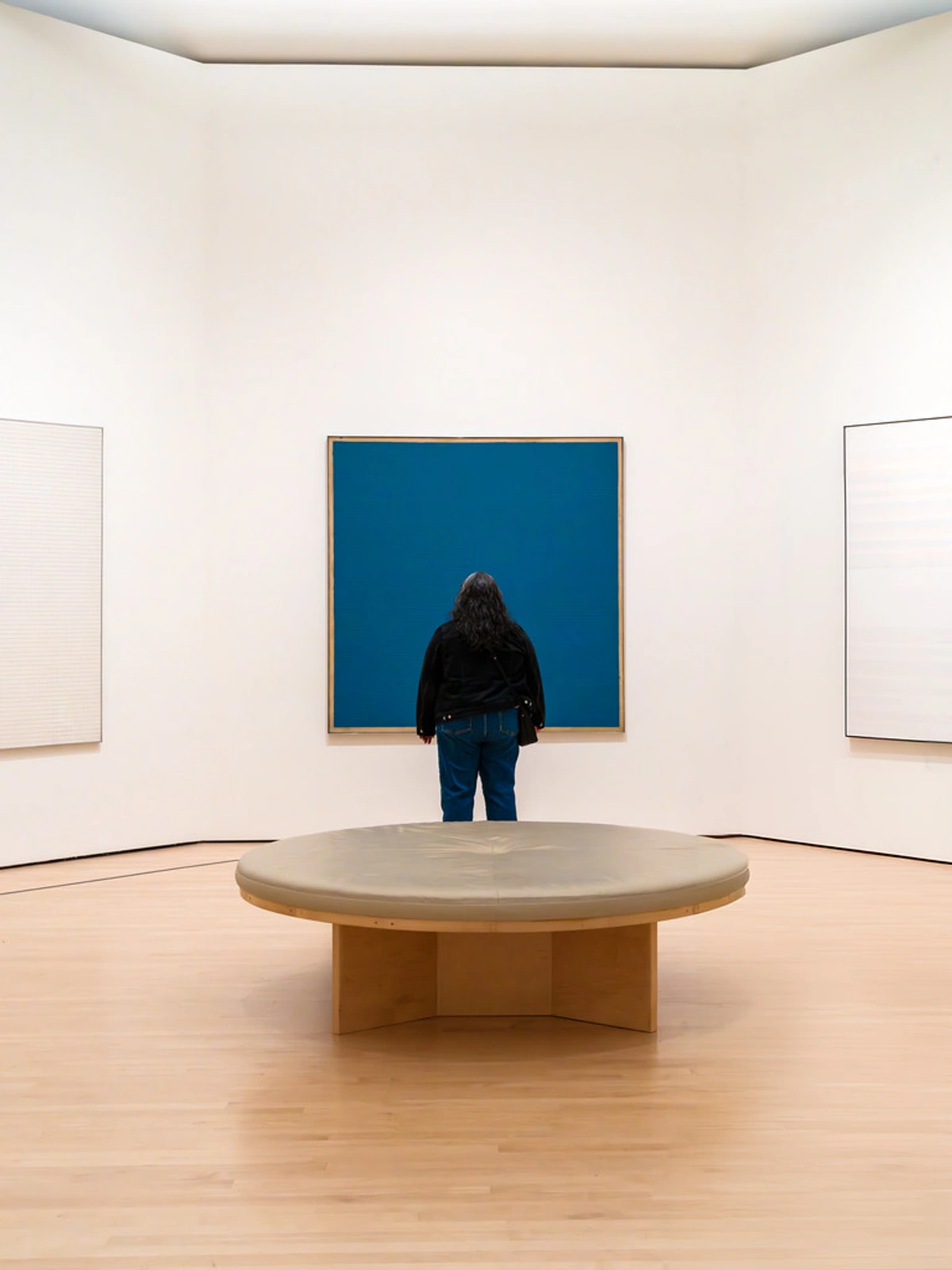
So, the next time you stand in front of a painting that seems to breathe, take a moment to appreciate the technical mastery that went into creating it. And if you’re an artist, keep practicing, keep learning, and keep pushing the boundaries of your creativity.

Remember, technical mastery is not just about the final product; it’s about the journey, the dedication, and the relentless pursuit of excellence. It’s about the artist’s ability to convey emotion, tell a story, and captivate the viewer through their craft. It’s about the power of art to transcend language and culture and to connect with people on a deeply human level.