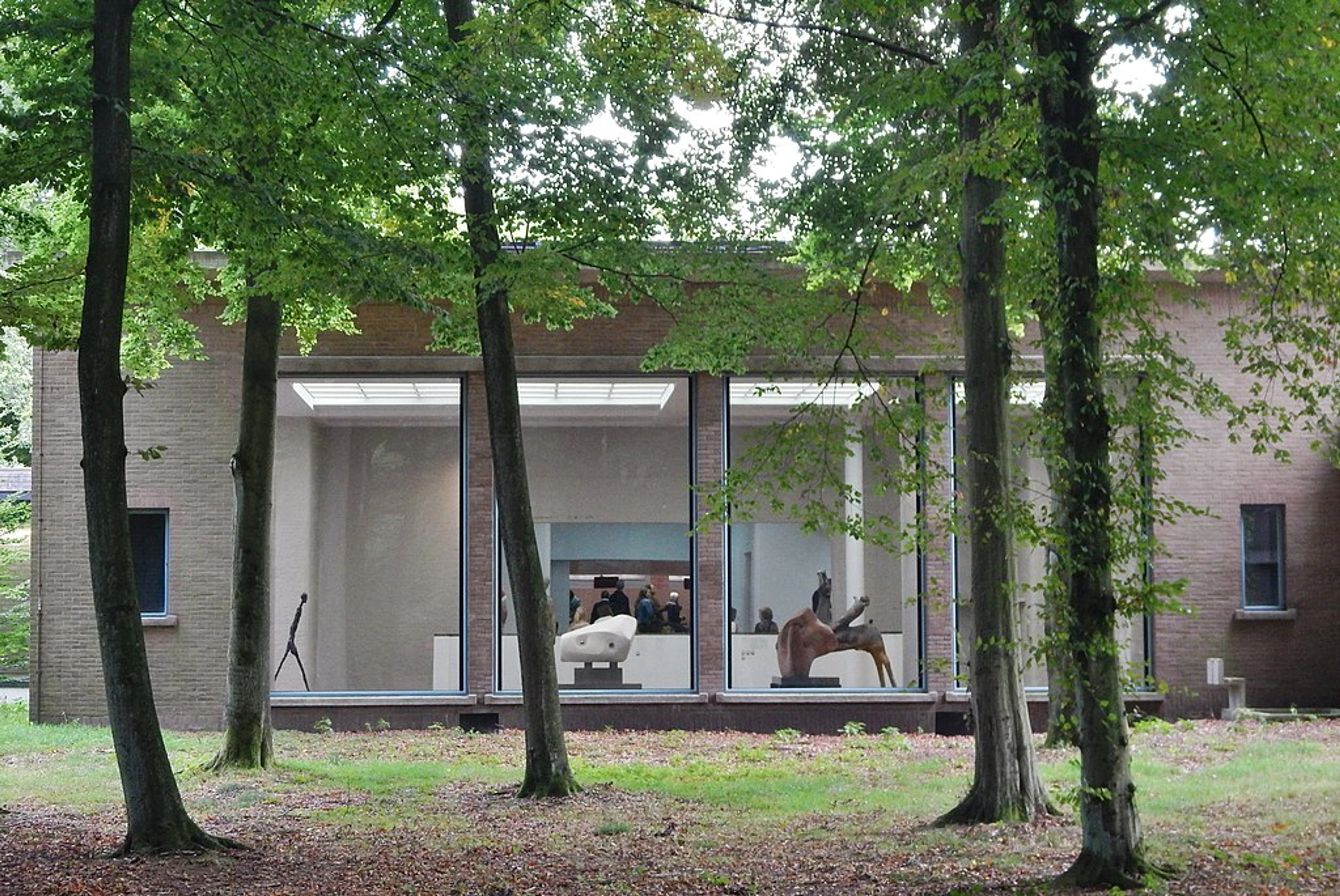
The Ultimate Guide to University Art Galleries: Unearthing Hidden Artistic Treasures on Campus
Unlock the unexpected world of university art galleries. This ultimate guide reveals why to visit, what art to expect, and practical tips for exploring these often-free campus gems, perfect for contemporary art lovers and aspiring collectors.

The Ultimate Guide to University Art Galleries: Unearthing Hidden Artistic Treasures on Campus
I remember walking into a small, nondescript building on a university campus once, expecting little more than student projects. But then I saw it: a towering, intricate sculpture made entirely from reclaimed industrial materials, demanding attention with its raw, almost defiant presence. The light played off its metallic surfaces, revealing new angles with every step I took. No crowds, no velvet ropes, just this incredible piece of art and me. That's the kind of magic I've learned to expect from university art galleries, places I used to, quite frankly, overlook. For years, I mentally filed campus art museums under categories like "student projects only" or "strictly for academics." My mistake was thinking these art collections in universities were solely for educational requirements or a quiet place for professors to ponder. Boy, was I ever wrong about that assumption. I wish I’d known then what I know now, about these incredible, often free art galleries on university campuses.
These places, tucked away on campuses, are frequently genuine hidden gems, offering intimate encounters with significant art, often without the throngs or the hefty price tags of their blockbuster counterparts (though, of course, there are some truly incredible best museums in the world out there). They are spaces brimming with potential for quiet discovery, profound learning, and personal contemplation. So, let’s pull back the curtain and explore why you should absolutely add university art galleries to your next cultural itinerary.

Why Bother? The Unique Allure of Campus Collections
Let’s be honest, sometimes the thought of navigating a massive, famous museum can feel daunting. I know what you’re probably thinking: another museum? But hear me out. You attempt to absorb masterpieces in fleeting moments, elbowing your way through crowds, and perhaps leave feeling more exhausted than inspired, like a tiny cog in a vast machine. University galleries, on the other hand, offer a different, often more rewarding, experience. It’s like being invited into a private collection, where the art feels more approachable and the connection more personal. Moreover, they often spotlight art forms or artists that might be considered too niche for a major institution. I recently saw an exhibition at a small liberal arts college gallery, "The Ephemeral Forms of Early Digital Art," which explored the very first pixelated animations and interactive works from the 1960s and 70s. A major institution might have a single screen for this, but here, it was a deep dive, contextualized by original programming notes and artist interviews – a truly unique academic perspective you'd rarely find elsewhere.
A Brief History of Campus Collections: More Than Just Classrooms
University art collections often have fascinating origins, sometimes predating the concept of modern public museums as we know them. Many began as teaching collections—art acquired specifically for pedagogical purposes, to instruct students in art history, connoisseurship, or artistic techniques. This trend became particularly prominent in the late 19th and early 20th centuries. Early teaching collections, for instance, might have included plaster casts of classical sculptures for anatomy studies, or comprehensive print collections for students to analyze composition and technique firsthand. Over centuries, these humble beginnings were often augmented by significant philanthropic donations from alumni, wealthy patrons, and even faculty members who believed in the power of art to enrich academic life. The late 19th and early 20th centuries saw a particular surge, as the academic discipline of art history itself began to formalize. Influential figures like Charles Eliot Norton at Harvard, considered the first American professor of art history, championed the idea that direct engagement with art was essential for intellectual development. Universities also championed art scholarship through their presses, publishing groundbreaking research that often drew directly from their own collections, making these galleries not just display spaces, but vibrant research hubs, pushing the boundaries of what was considered 'art' to study. For example, the Yale University Art Gallery, one of the oldest university art collections in the Western Hemisphere, has been serving scholarly purposes since its inception in the 1830s. This rich history means that what you see today is a tapestry woven from academic necessity, generous gifts, and evolving curatorial vision.
Surprisingly Stellar Collections
Don't underestimate the quality of art found here. Many universities have received substantial donations over decades, building impressive permanent collections that can truly rival smaller civic museums, and sometimes even major institutions in specific areas. You might discover Old Masters, significant modern art that pushes boundaries, specialized ethnographic artifacts, or cutting-edge contemporary pieces. For example, the Fogg Museum at Harvard University is renowned for its vast collection of drawings and prints, while the Yale University Art Gallery boasts a comprehensive collection spanning ancient times to the present, including masterpieces by Van Gogh and Rothko. The Hammer Museum at UCLA is celebrated for its focus on emerging artists and contemporary exhibitions. But beyond these giants, institutions like the Pinchbeck Museum at the University of British Columbia hold significant collections of Mesoamerican art, the Art Museum of the University of Kentucky excels in American craft, and the Cornell's Herbert F. Johnson Museum of Art has a notably strong Asian art collection, showcasing the unexpected breadth of these academic treasures. Even smaller institutions, like the Bowdoin College Museum of Art in Maine, possess unexpectedly deep holdings of ancient and European art, acquired through centuries of alumni generosity. You never quite know what kind of art collections in universities you'll stumble upon.

Unique Focus & Specialization
Unlike museums aiming for broad appeal, university galleries often have niche strengths directly tied to academic departments. This leads to fascinating, often unexpected, collections. Imagine a gallery at a university with a renowned archaeology or anthropology department: you might find extraordinary ancient artifacts or cultural objects that tell a profound story, perhaps from a specific, rarely seen civilization, such as a dedicated exhibition on rare Etruscan pottery, rarely seen outside of Italy, or an in-depth exploration of West African masks, Andean textiles, or indigenous Australian bark paintings, often tied to groundbreaking research by the department. Or consider a university with a strong literature department – its gallery might host exquisite exhibitions of illuminated manuscripts, early printed books as art objects, or contemporary artists' responses to classic texts. A philosophy department could inspire shows on conceptual art that challenge perception and logic, perhaps even displaying early conceptual art manifestos alongside related contemporary works. For a university strong in biology, you could stumble upon an exquisite collection of anatomical illustrations or historical botanical prints. And in a tech-forward institution, why not a gallery exploring generative art or early digital art pioneers? This specialization allows for a depth of exploration rarely found elsewhere, often highlighting less well-known but highly significant works by renowned artists that might be overshadowed in larger institutions, truly unearthing hidden artistic treasures.
Accessibility (Yes, Really!)
Here’s a big one: many university art galleries are free or have very low admission fees. They often see themselves as community resources, not just academic ones. While a special, high-profile traveling exhibition might occasionally have a small charge, often, 'low admission' might mean a nominal fee of €5-10 for special shows, while permanent collections remain free. Many also offer discounts for local residents, seniors, or students from other institutions, truly underscoring their commitment as community hubs. This makes exploring art much easier, especially if you're starting an art collection on a budget yourself and want to train your eye to discern quality and style without financial pressure. It’s a wonderful opportunity to hone your aesthetic sensibilities. I often suggest to friends that they visit several university galleries in a single city during a trip; it's a fantastic way to maximize your exposure to diverse art without breaking the bank. And always look for student docent programs; these young, enthusiastic guides often provide incredibly fresh and insightful perspectives on the collections.
Intimate & Contemplative Atmosphere
Fewer crowds generally mean more space and time to actually look at the art. I remember one quiet afternoon in a university gallery, the soft hum of the climate control the only sound, the diffused natural light illuminating the textures. The air felt still and breathable, allowing for a deeper sense of immersion. I stood for what felt like ages in front of a single abstract painting, its textures and subtle shifts in color revealing themselves in the stillness. You can linger, reflect, and maybe even try to read the painting without feeling rushed or self-conscious, as if you have the entire collection to yourself. It’s a profoundly personal encounter, allowing for deeper engagement with the artwork, a real chance to connect without the usual buzz of a major institution.
A Hub of Learning
These galleries are intrinsically linked to education, making them exceptional places to understand and appreciate art, particularly challenging contemporary or abstract works. Expect informative labels, contextualizing exhibitions, and often public programs like lectures, docent tours, or workshops that deepen your understanding. Beyond lectures and docent tours, look for hands-on artist workshops, panel discussions bringing together academics and artists, or even film screenings exploring themes related to current exhibitions. For me, attending a gallery talk by a curator or an artist is often the most insightful experience; I always try to jot down questions that arise during labels or tours. You might learn about art history in a very direct and academic yet accessible way. This environment is perfect for training the eye for contemporary art, making them ideal preparation for engaging with art sales platforms or collecting new pieces. The art departments themselves actively use these galleries for teaching, critiquing, and showcasing student and faculty work, meaning that the art on display is often part of a living, breathing academic dialogue, offering insights into artistic intent and curatorial practices directly from the source.
Discovering the Unexpected
University galleries are fantastic places to encounter emerging artists—students and recent graduates whose work might just be the next big thing. Their work often pushes boundaries and explores new aesthetic territories, aligning perfectly with the vibrant, contemporary art featured on our site. It's a chance to see fresh perspectives, witness the trajectory of artistic development from student work to faculty creations, and maybe even spot underrated artists worth collecting or best contemporary artists long before they hit the mainstream. When browsing student shows (MFA thesis exhibitions are goldmines!), look for artists whose work demonstrates a truly unique concept, exceptional technical skill, a strong understanding of their chosen materials, a cohesive body of work, and a clear, articulate artist statement that articulates a fresh perspective. These are the indicators of future stars. The academic environment also adds a unique intellectual layer to appreciating abstract or conceptual art found here. Some universities even host student-led galleries or exhibition spaces, offering an even more raw and experimental perspective, where the boundaries are constantly tested. For me, these moments are often where the seeds of new ideas for my own abstract art begin to sprout.
Budget-Friendly Art Exploration: Your Eye, Your Wallet
Let's face it, getting into art, whether as a casual admirer or an aspiring collector, can feel intimidating, especially financially. This is where university art galleries truly shine as a resource. The generally free or low-cost admission allows you to:
- Train Your Eye without Financial Pressure: If you're a budding collector on a tight budget, or simply someone wanting to develop your aesthetic, you can visit repeatedly, spend time with diverse pieces, and start to truly discern what you like, what speaks to you, and what makes a strong composition, all without the pressure of an expensive ticket. This is invaluable practice for developing your own aesthetic and, crucially, for learning to discern quality and style if you ever decide to buy art online or directly from artists. You’ll develop an instinct for strong composition and innovative technique.
- Observe Styles and Techniques: See how different artists approach similar themes or mediums across historical periods and contemporary movements. This broad exposure is crucial for understanding the art market and making informed decisions if you ever choose to invest, or simply appreciate the craft.
- Discover Emerging Talent Affordably: Student shows, especially MFA thesis exhibitions, are prime hunting grounds for future stars. Works by these artists are often available at a much lower price point than those from established galleries, offering a genuine entry point for new collectors looking for high-quality, original pieces without the hefty price tag.
- Engage with Art Sales Platforms with Confidence: Having a well-trained eye from frequent, low-stakes gallery visits will give you confidence when exploring options to buy art online or engaging directly with artists. You'll be better equipped to identify value and unique perspectives.
It’s a powerful way to democratize art appreciation and collection, making it accessible to a wider audience.
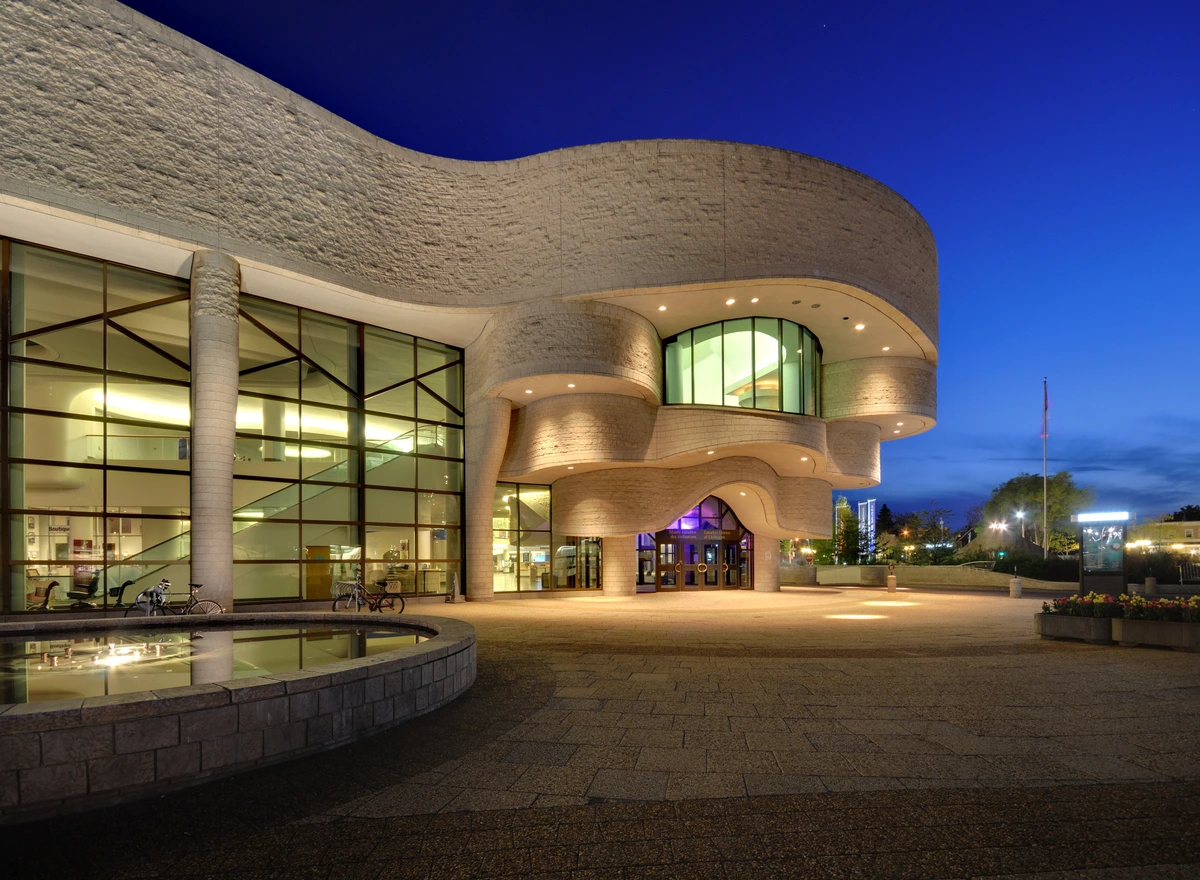
What Treasures Await? The Art You Might Find
Once we understand the compelling reasons to visit, the next logical question is: what exactly can we expect to find adorning their walls and pedestals? The sheer variety is part of the appeal. While every university gallery is different, you can generally expect a mix of:
The Breadth of Campus Collections
From expansive, independent university museums that function much like civic institutions (e.g., Yale University Art Gallery) to smaller, specialized galleries embedded within academic departments (like a design school's gallery for historical typography or cinematic art) or even vibrant, student-run pop-up spaces, the diversity is immense. Here's what you might encounter:
- The Permanent Collection: This is the core, often built over many years and designed to serve various academic disciplines. It might include:
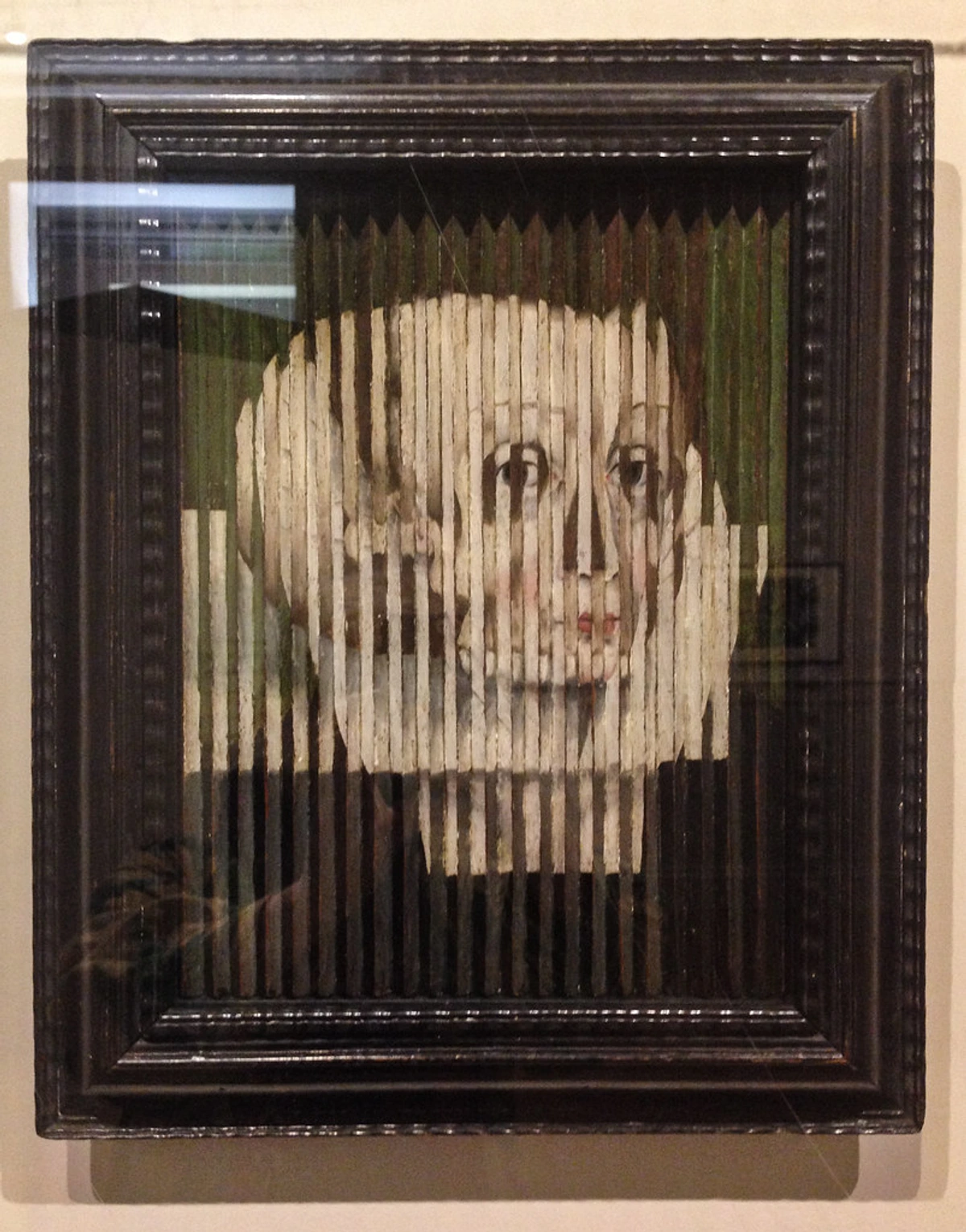
- Paintings and sculptures spanning various historical periods, from Renaissance drawings to 20th-century masters like a quietly compelling Cubist portrait, or a vibrant Fauvist landscape.
- Works on paper: prints (etchings, lithographs, woodcuts, linocuts, aquatints), drawings, watercolors, and early photographic processes that document the history of the medium.
- Decorative arts and design objects, such as ancient pottery, intricate textiles from diverse cultures, elegant Art Nouveau jewelry, historical furniture reflecting changing tastes, and mid-century ceramics that blend form and function.
- Ethnographic or archaeological artifacts, sometimes linked to ongoing university research; for instance, West African masks, Andean textiles, or indigenous Australian bark paintings unearthed and studied by the university's own researchers.
- Specialized teaching collections used for direct student instruction; for instance, a collection of plaster casts of classical sculptures used for anatomy or figure studies, or a comprehensive archive of historical scientific instruments displayed as aesthetic objects in their own right.
- Sometimes highly niche collections like rare books alongside art, or specific craft traditions from around the world, perhaps focusing on indigenous basketry or historical bookbinding techniques.
- Temporary Exhibitions: These keep things dynamic and often highlight the cutting edge. Look out for:
- Shows curated from the permanent collection, exploring specific themes, perhaps a deep dive into the university's holdings of 19th-century landscape painting or an examination of abstraction across different eras.
- Exhibitions featuring the work of current faculty, offering insight into ongoing artistic dialogues and the research interests of established artists.
- Annual or bi-annual student shows (MFA thesis exhibitions are often highlights for discovering new talent and seeing where the art world is headed next).
- Traveling exhibitions organized by other institutions, bringing wider perspectives and a chance to see works not typically on campus.
- Community-focused projects or collaborations that engage local artists and residents, making the gallery a true cultural hub.
- Exhibitions that directly tie into current research projects across departments (e.g., a science museum collaboration, or an exhibition on the artistic representation of historical events studied by the history department, offering multidisciplinary insights).
- Alumni exhibitions showcasing the career trajectory of successful graduates, from their student days to their professional practice.
- Also look out for innovative pop-up shows in unexpected campus locations or exhibitions guest-curated by prominent art world figures, adding an element of surprise.

The range can be broad, from ancient artifacts to thought-provoking abstract art. This diverse offering can truly help you train your eye, much like exploring different creators if you were looking to buy art for your own collection.
University Gallery vs. Blockbuster Museum: A Quick Comparison
Feature  | University Art Gallery | Blockbuster Museum |
|---|---|---|
| Atmosphere | Intimate, quiet, contemplative | Crowded, bustling, sometimes overwhelming |
| Crowd Size | Generally smaller, less busy | Often very large, tourist-heavy |
| Admission Cost | Often free or very low fee | Typically higher entrance fees |
| Collection Focus | Niche, academic, specialized, emerging artists | Broad, encyclopedic, famous masterpieces |
| Learning Style | Deep contextualization, lectures, direct engagement, student-led discussions | Self-guided, audio guides, broader overview |
| Discovery Potential | High chance of finding unexpected gems, new talent | Focus on established, well-known works, lower serendipity |
| Artist Interaction Potential | Higher potential for direct interaction with faculty, students, and emerging artists | Limited direct interaction, focus on established figures |
| Art Historical Narrative | Focus on contemporary dialogue, research, niche histories | Broad survey of art history and major movements |
Beyond the Exhibition: Challenges and Contributions
University galleries, while rich in potential, also face unique considerations. Balancing the needs of academic curricula with public access, for instance, can be a delicate act. Funding limitations often mean they operate with leaner teams than larger institutions, but this can also foster incredible resourcefulness and innovative exhibition strategies. A smaller team might, for instance, create a highly impactful exhibition entirely from their existing collection, presented with fresh interpretations, or collaborate extensively with academic departments to bring specialized research to a wider public, demonstrating remarkable creativity within constraints. Moreover, university galleries play a crucial, often unseen, role in art conservation and scholarly research. They are laboratories where artworks are studied, preserved, and contextualized, providing invaluable resources for art historians, conservators, and artists alike. Their work extends to detailed material analysis of artworks using techniques like X-ray fluorescence to study pigments, dendrochronology to date wooden panels, and rigorous provenance research to meticulously trace an artwork's ownership history for future generations. They frequently host visiting artists and scholars, enriching both the academic and public experience by fostering new dialogues and perspectives around their collections, serving as vital bridges between academia and the wider community. This dedication to deep research and preservation often goes unnoticed but is foundational to the broader art world.
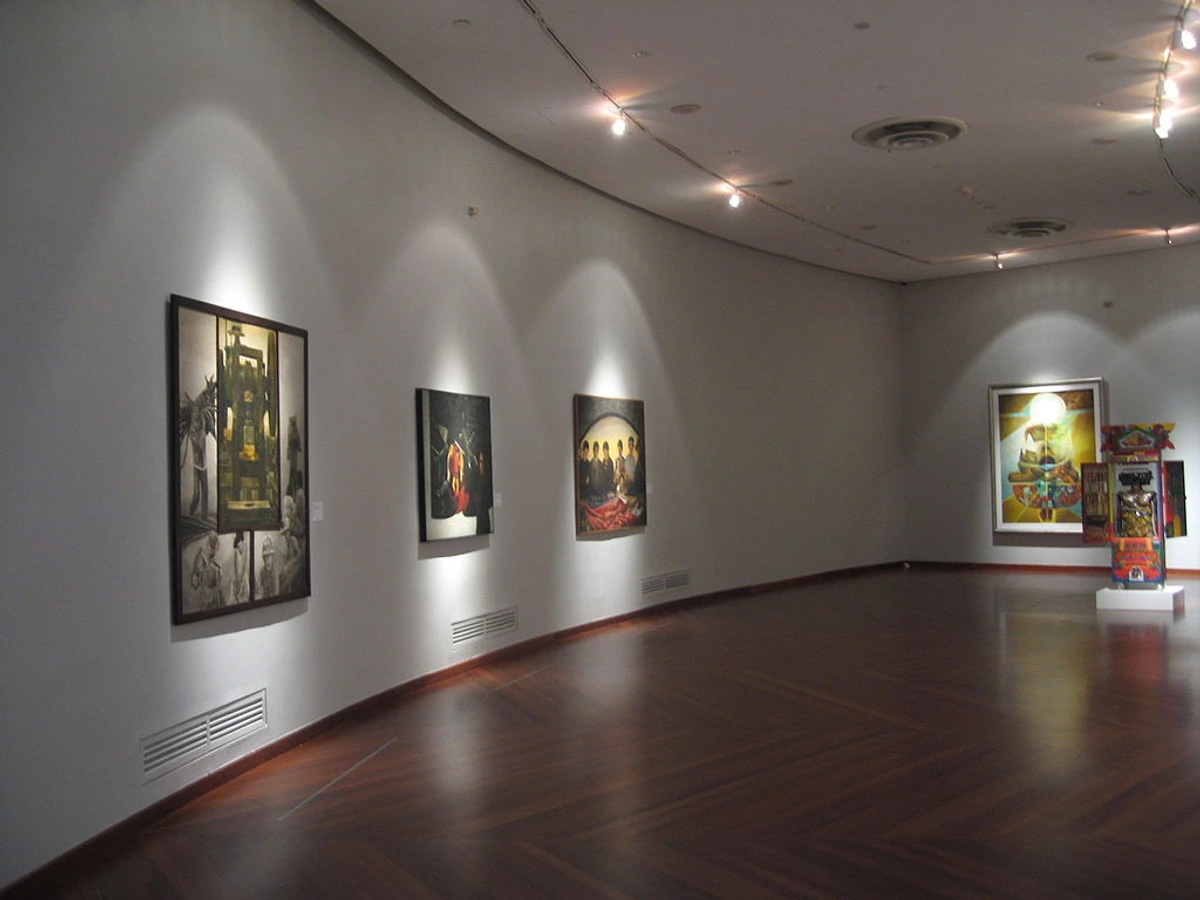
Finding Your Way: Locating These Campus Gems
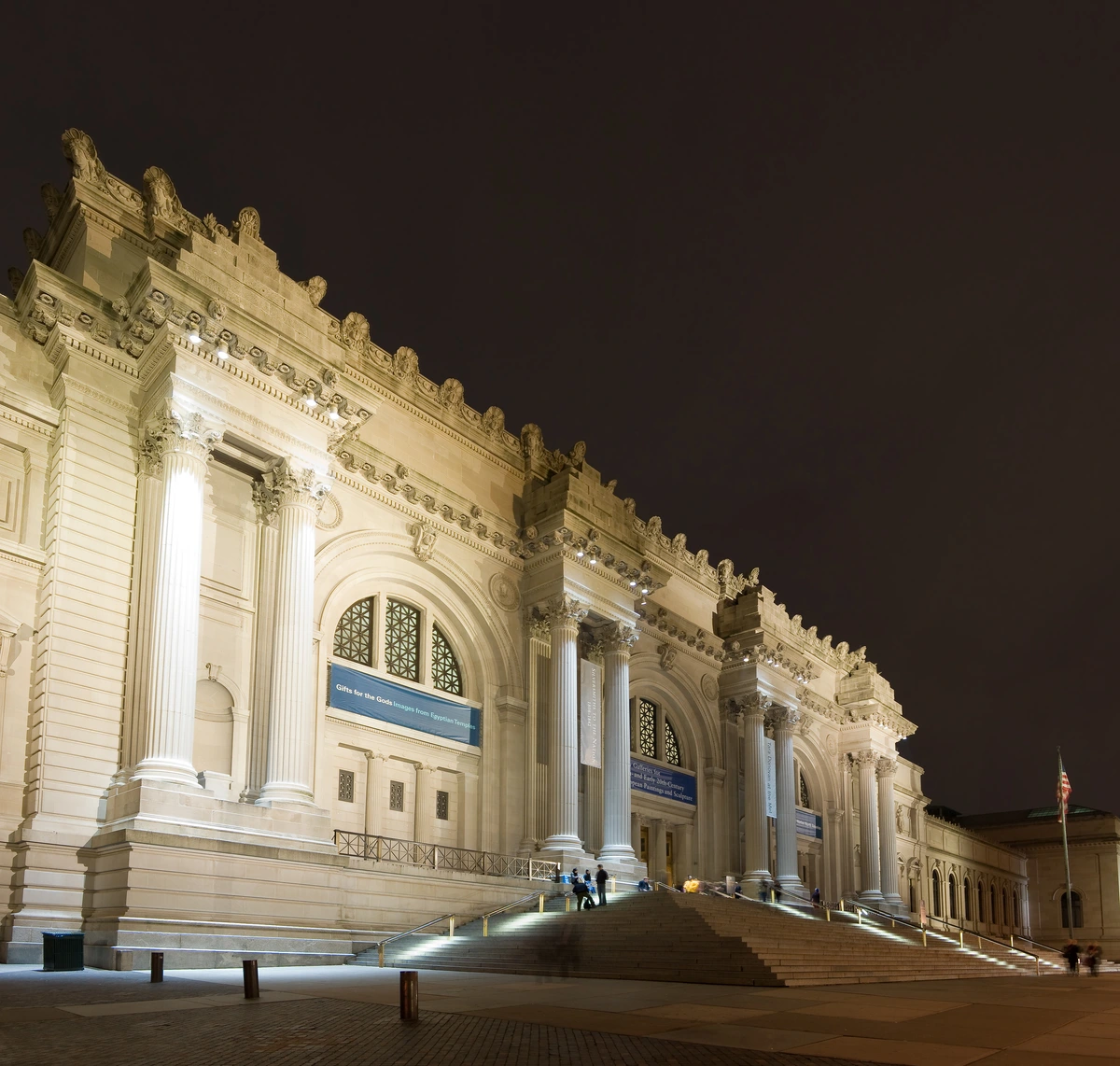
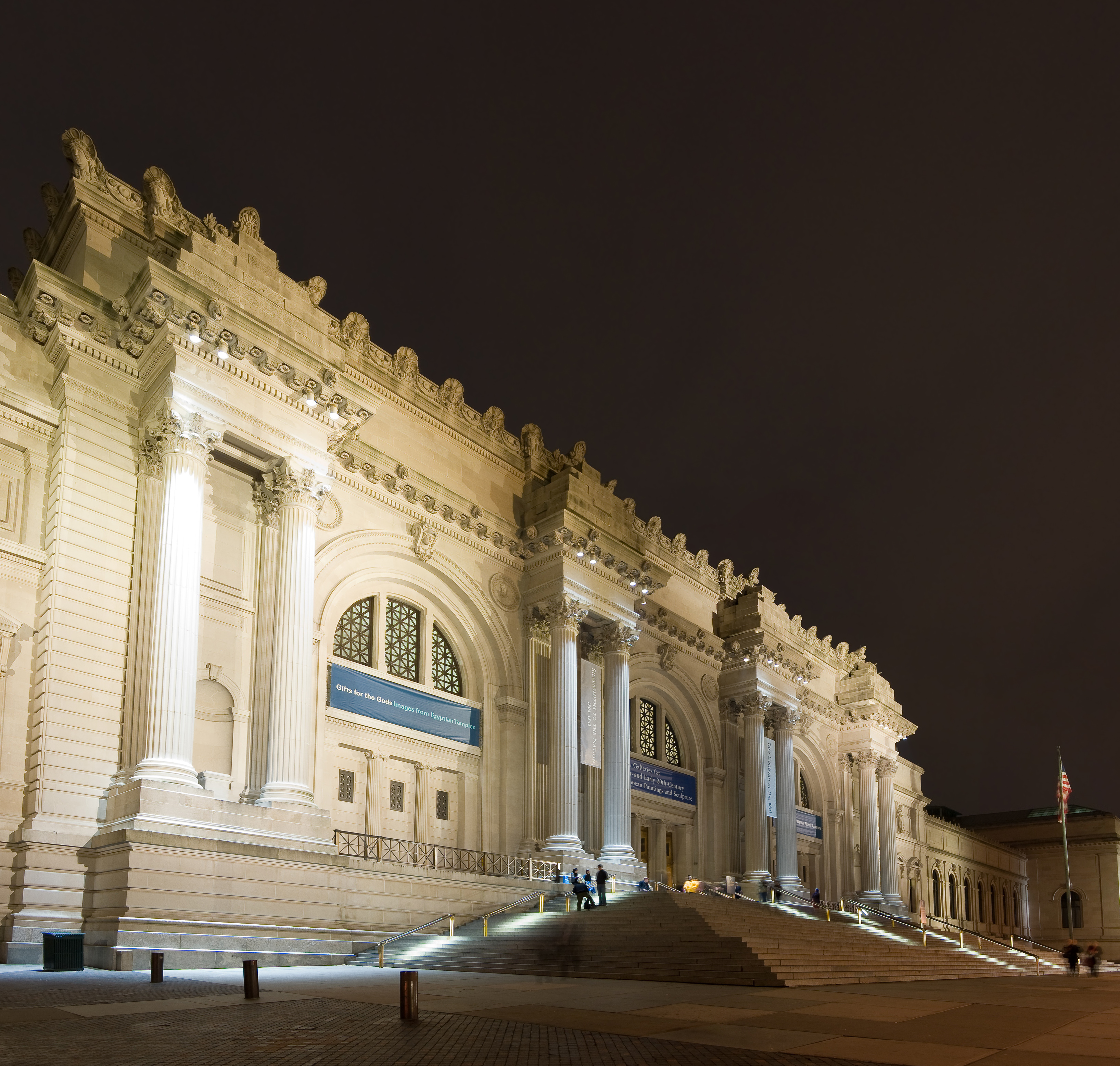
So, you’re convinced. But how do you find these places? It usually requires a little more digging than locating the Met or the Louvre, but it’s entirely worth the effort.
- University Websites: This is your best starting point. Look for sections titled "Museums," "Galleries," "Arts," "Exhibitions," "Public Programs," or "Visitor Information" on the websites of universities near you or places you plan to visit. Often, a specific "Arts & Culture" or "Visual Arts Center" page will be your golden ticket.
- Pro Tip: Navigate directly to the "Arts," "Museum," or "Gallery" section; don't get lost in general university admissions or departmental pages.
- Local Arts & Culture Listings: Check city or regional arts council websites, event calendars, and local news outlets. They often highlight campus exhibitions.
- Pro Tip: Look for "campus events" or "university arts calendar" within these listings for the most targeted information.
- Google Maps: Searching for "university art museum," "college art gallery," "university visual arts center," or "university collections" in a specific area can yield results, but always double-check the details on the official site.
- Pro Tip: Once you find a potential gallery, always cross-reference its opening hours and current exhibitions on its official university website, as Google Maps information can be outdated.
- Word of Mouth: Ask art-loving friends, colleagues, or local artists if they know of any good campus galleries. You’d be surprised how many hidden treasures are shared through personal recommendations.
- Pro Tip: Ask local artists or university art department students directly – they often have the inside scoop on hidden gems and upcoming shows.
- Digital Integration: Many university galleries offer virtual tours of their collections, comprehensive online collection databases, or active social media feeds (Instagram, Facebook). These can provide a fantastic preview or a way to stay connected to their programming, even if you can't visit in person.
Planning Your Visit - Quick Tips:
- Check Hours & Dates: University schedules can be variable. Galleries might have reduced hours during semester breaks, holidays, or summer. Always verify opening times before you go. Exhibitions also change, so check what's currently on view.
- Location & Parking: Campuses can be sprawling. Pinpoint the gallery's exact location and figure out parking or public transport options in advance. Sometimes parking is free after certain hours or on weekends, but sometimes it requires a permit or payment.
- Admission Fees: Confirm if there's a fee, though often it's free or minimal, aligning with their community-focused mission.
- Gallery Rules: Note any restrictions (photography, large bags, food/drink, sketching, etc.).
- What to Bring: Consider a small notebook and pen for jotting down thoughts or artist names, a sketchpad if you like to draw (check gallery rules first!), and your phone for taking reference photos (if allowed and mindful of others). A reusable water bottle is always a good idea.
- Check Campus Event Calendars: Often, art gallery events coincide with broader campus cultural festivals, student performances, or academic conferences. Check the university's main events calendar for a fuller picture of what's happening.
Making the Most of Your University Art Adventure
Once you're there, let yourself truly soak it in! This is where you unlock the magic of these spaces.
- Slow Down: Embrace the quieter atmosphere. Spend time with works that catch your eye, allowing yourself to connect with them on a personal level. Try to imagine the artist's thought process behind this piece, or how it relates to its historical context or the university's mission. This is where I find my own creative sparks ignite—in the quiet contemplation of form and color, especially when I'm looking for new ideas for my own abstract art.
- Read the Labels: University galleries often provide excellent, academically informed contextual information. Don't skip these; they can unlock deeper understanding.
- Engage Your Curiosity: Don't be afraid if you don't "get" everything. Let the art spark questions. Beyond individual pieces, actively look for connections between different artworks within the gallery, or even between the gallery's collection and the surrounding campus environment. How does the art reflect the university's history or its current research? Maybe it reminds you of a specific art style you've learned about, or perhaps it challenges your preconceptions. Don't be afraid to feel a little bewildered by some pieces; that's often the first step towards a deeper understanding, and something that happens even when I'm exploring new concepts for my own work. This intellectual engagement is part of the joy.
- Attend Events: If your visit coincides with an opening reception, artist talk, or lecture, consider attending. It’s a fantastic way to learn more, connect with the local art scene, and even potentially meet emerging artists. This can greatly inspire your own creative endeavors or your search for new art, similar to the energy found at larger events like Art Basel or even the Tate Modern.
- Explore the Campus: Sometimes the gallery is just one part of a beautiful or architecturally interesting campus. Allow time for a stroll and appreciate the broader environment. Look for public art installations or sculptures dotted around the campus grounds, which often extend the gallery experience outdoors.
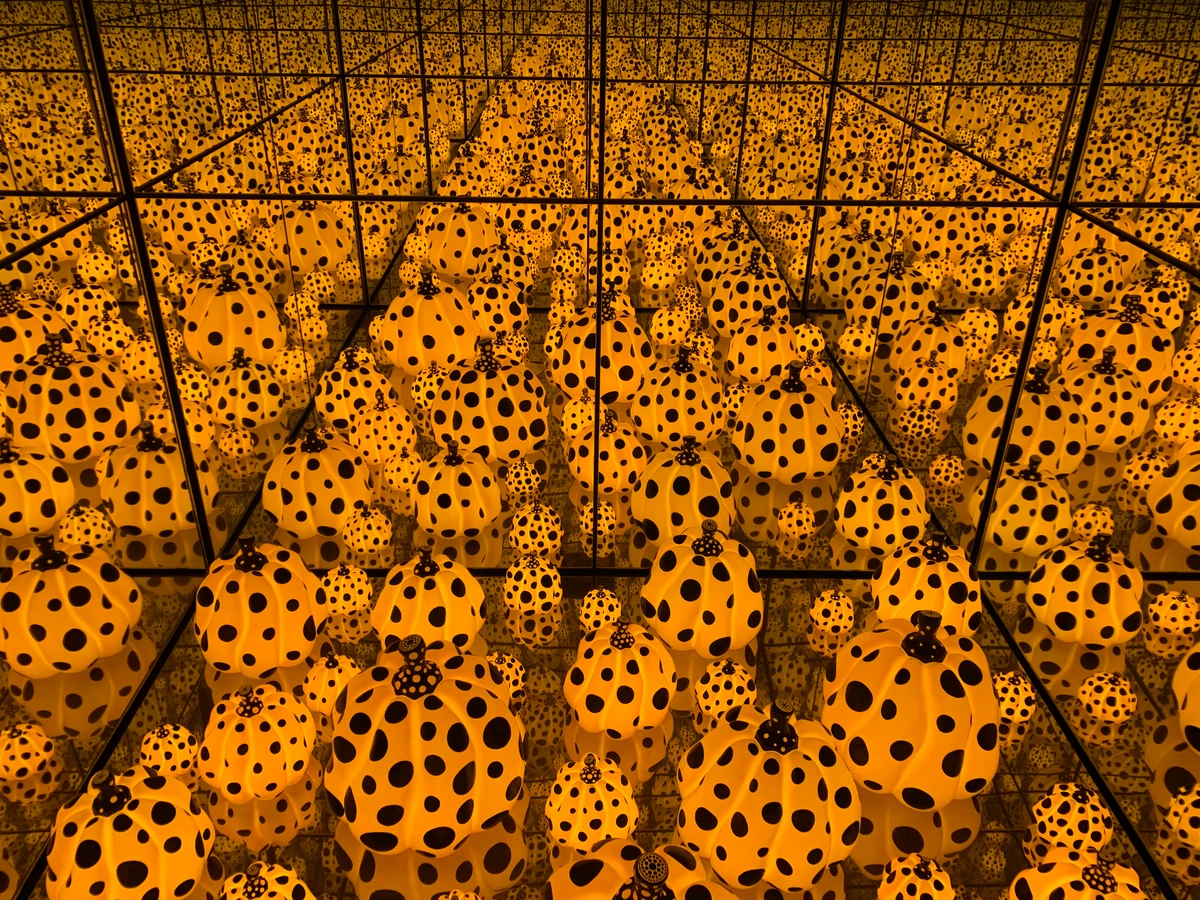
A Moment of Reflection: The Joy of the Unexpected
There's a certain thrill in stumbling upon something wonderful that feels like your discovery, especially when it's outside the established art world circuit. That's often the feeling I get in a university gallery. It’s less about ticking off famous names and more about the personal connection, the unexpected insight, or the encounter with a piece that resonates deeply. It's an appreciation for art's rawest, most authentic forms, often before commercial considerations take hold. This focus on raw expression deeply resonates with my own approach to creating abstract art for my own space in 's-Hertogenbosch, where the initial spark of an idea often feels like a pure discovery, unburdened by external expectations. The tactile quality of a student's ceramics or the bold brushstrokes of a faculty abstract painting often directly inspires a new color palette or textural technique in my own work. These campus art museums are vibrant reminders that art thrives everywhere, nurturing creativity from its nascent stages to its full flourishing. And discovering a new artist whose contemporary or abstract work excites you here feels just as rewarding as finding a unique piece to buy for your own space.
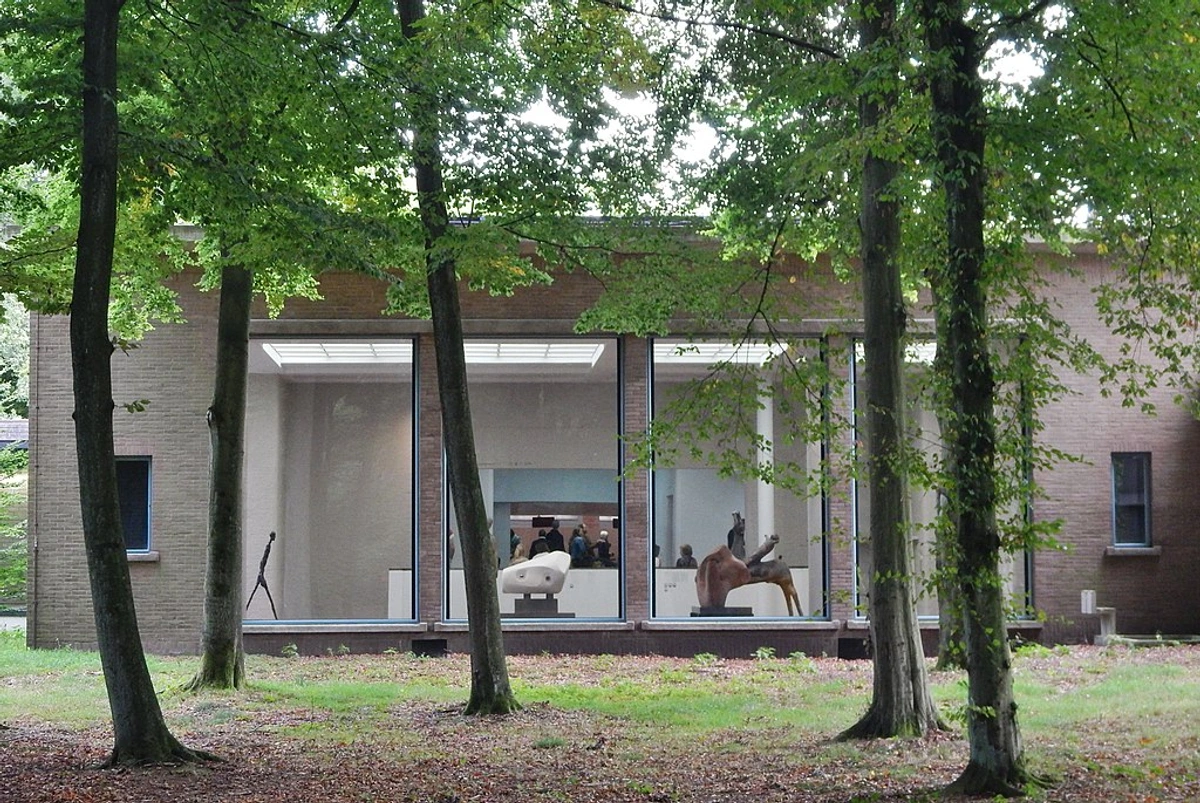





credit, licence
Frequently Asked Questions (FAQ)
- Are university art galleries only for students and faculty? Absolutely not! Most are open to the public and warmly welcome community visitors, viewing themselves as cultural resources for everyone.
- Are university art galleries free? Many are free, which is a fantastic bonus. However, some may have a small admission fee, especially for special exhibitions. Always check their website beforehand to be sure.
- What kind of art will I see? Expect a wide range, from historical artifacts, classical paintings, and ethnographic collections to cutting-edge contemporary art, photography, and innovative student and faculty work. The focus often depends on the university's academic strengths and types of art galleries it hosts. For instance, a university with a strong architecture program might have a design gallery showcasing architectural models and historical blueprints, or a biology department might influence collections of scientific illustration or art exploring the natural world.
- How do I find out about exhibitions? The gallery's section on the university website is always the best source for current and upcoming exhibition schedules. You can often sign up for email newsletters too, or check local arts and culture listings. Specific searches like "university art exhibitions [city name]" or "campus art events" are also effective.
- Is the quality of art really that good? Often, yes, it's exceptionally good! Many universities have received significant donations, possess long-standing collections, or have dedicated acquisition funds, resulting in high-quality, sometimes unexpected, masterpieces. Student and faculty work can also be incredibly innovative and thought-provoking, offering insights into new art trends.
- How do university galleries contribute to local communities? Beyond offering free or low-cost access to art, they often host public lectures, workshops, educational programs for schools, and community-focused exhibitions, serving as vital cultural hubs and fostering artistic engagement and critical thinking for diverse audiences.
- Are university galleries accessible for individuals with disabilities? Most modern university facilities, including galleries, strive for full accessibility. However, it's always best to check the individual gallery's website or contact them directly in advance to confirm specific accessibility features, parking, and any available assistance. Many galleries are happy to provide accommodations or information upon request, so don't hesitate to contact them directly with specific needs.
- What if I'm interested in a specific type of art, like photography or sculpture? University collections vary greatly, but many have dedicated holdings in diverse mediums. Check the gallery's website for their collection focus and past exhibitions. You might be surprised by their specialized strengths in areas such as minimalism, unique craft traditions, or even a deep collection of early photography or monumental sculpture!
- How can I support student artists I discover at university galleries? Often, student artworks are for sale during their exhibitions. You can also follow their social media, attend future shows, offer encouraging feedback, or inquire about commissioning work directly. Supporting emerging artists is a fantastic way to grow your own collection and nurture new talent, and many appreciate direct engagement from the public!
Go Forth and Explore!
So, the next time you're looking for an art fix, consider embarking on your own campus art expedition. You might just unearth your new favorite gallery, discover an artist whose work truly resonates with you, or simply enjoy a peaceful, intellectually stimulating hour surrounded by creativity. Ditch the assumption that they're dusty academic archives. These hidden gems are vibrant spaces waiting to be explored, offering authentic art experiences that are both accessible and deeply enriching. In these vibrant academic spaces, art is not merely displayed; it is lived, studied, and fostered, offering a profound and accessible journey into creativity and critical thinking for all. Your next art adventure awaits!