The Turbine Hall Experience: What Makes Tate Modern's Signature Space So Revolutionary
Explore the history, impact, and sensory wonder of Tate Modern's Turbine Hall—transformed from power station to art playground.

The Turbine Hall Experience: What Makes Tate Modern's Signature Space So Revolutionary
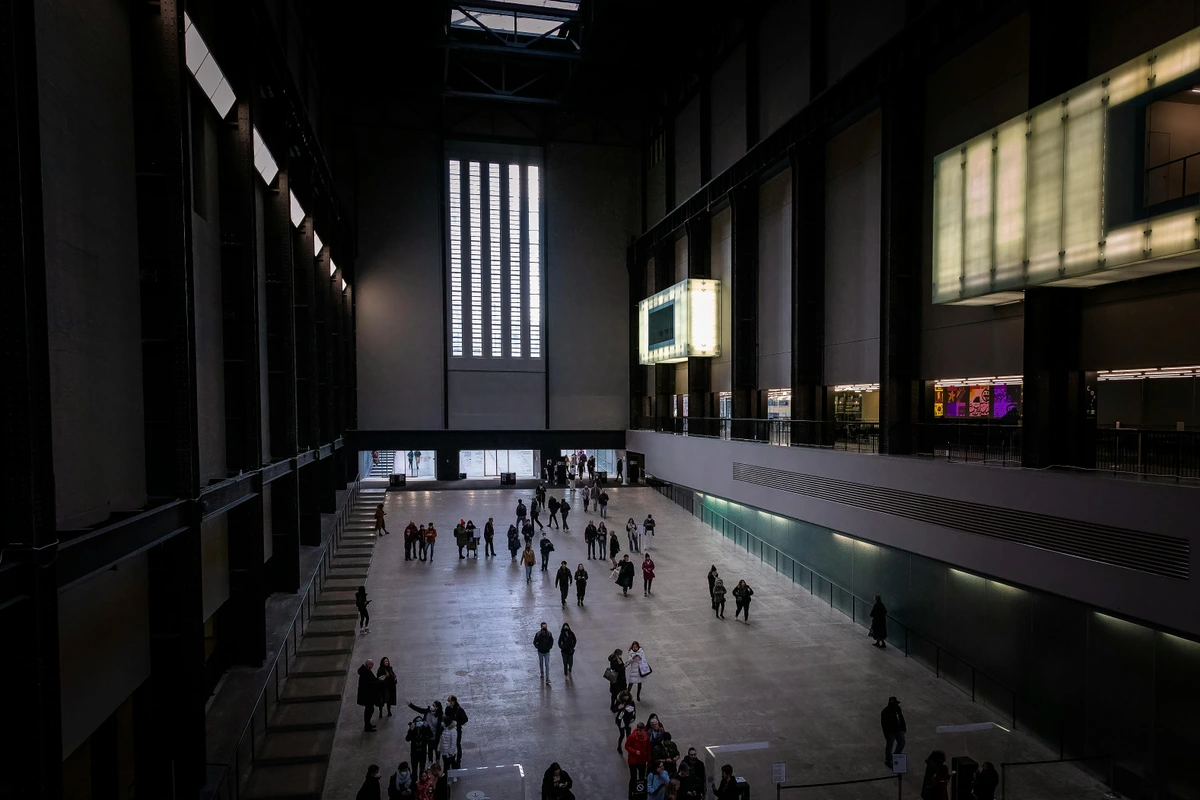
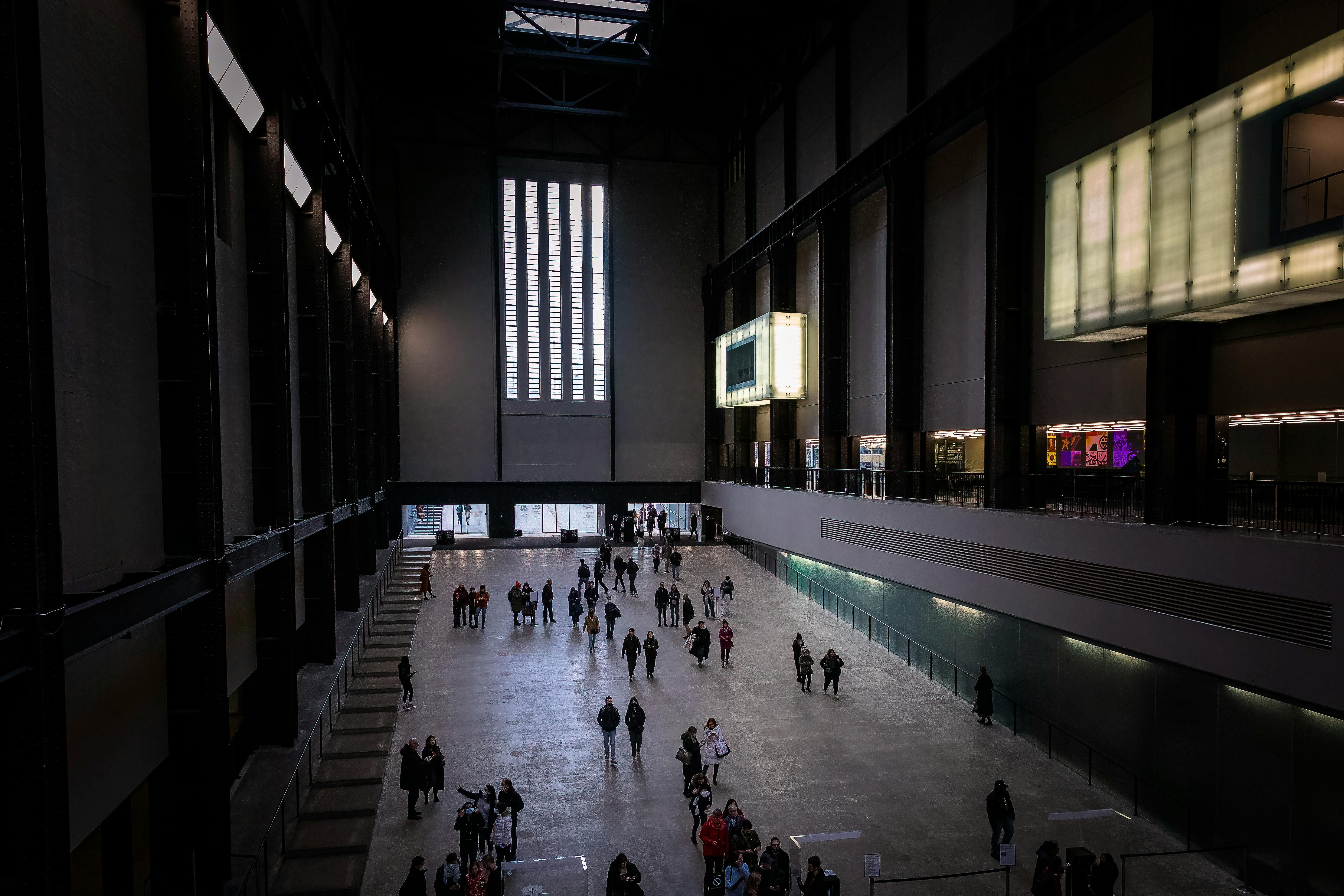
Have you ever felt like an ant in a cathedral? That first glimpse into Tate Modern’s Turbine Hall does that to people. It’s not just a space—it’s a statement. A former power station’s beating heart, now repurposed to make art feel like an earthquake.
I still remember my first visit. Rows of gray turbines stretching into darkness. Then—bam. A sunburst of hundreds of twinkling lights suspended overhead. I stood there, mouth open, feeling utterly small yet somehow part of something vast. That’s the Turbine Hall’s magic: it makes you question scale, presence, and what we even call "art."
But here’s what most people don’t realize: this isn’t just about big art in a big space. The Turbine Hall is a cultural phenomenon that has fundamentally changed how we experience contemporary art. Since its opening in 2000, it has hosted over 20 major installations, attracted more than 50 million visitors, and become what critics call "the world’s most influential contemporary art space." It's where art stops being something you look at and becomes something you feel in your bones.
The Architectural Alchemy: From Power Station to Art Palace

credit, licence
The Power Station Era
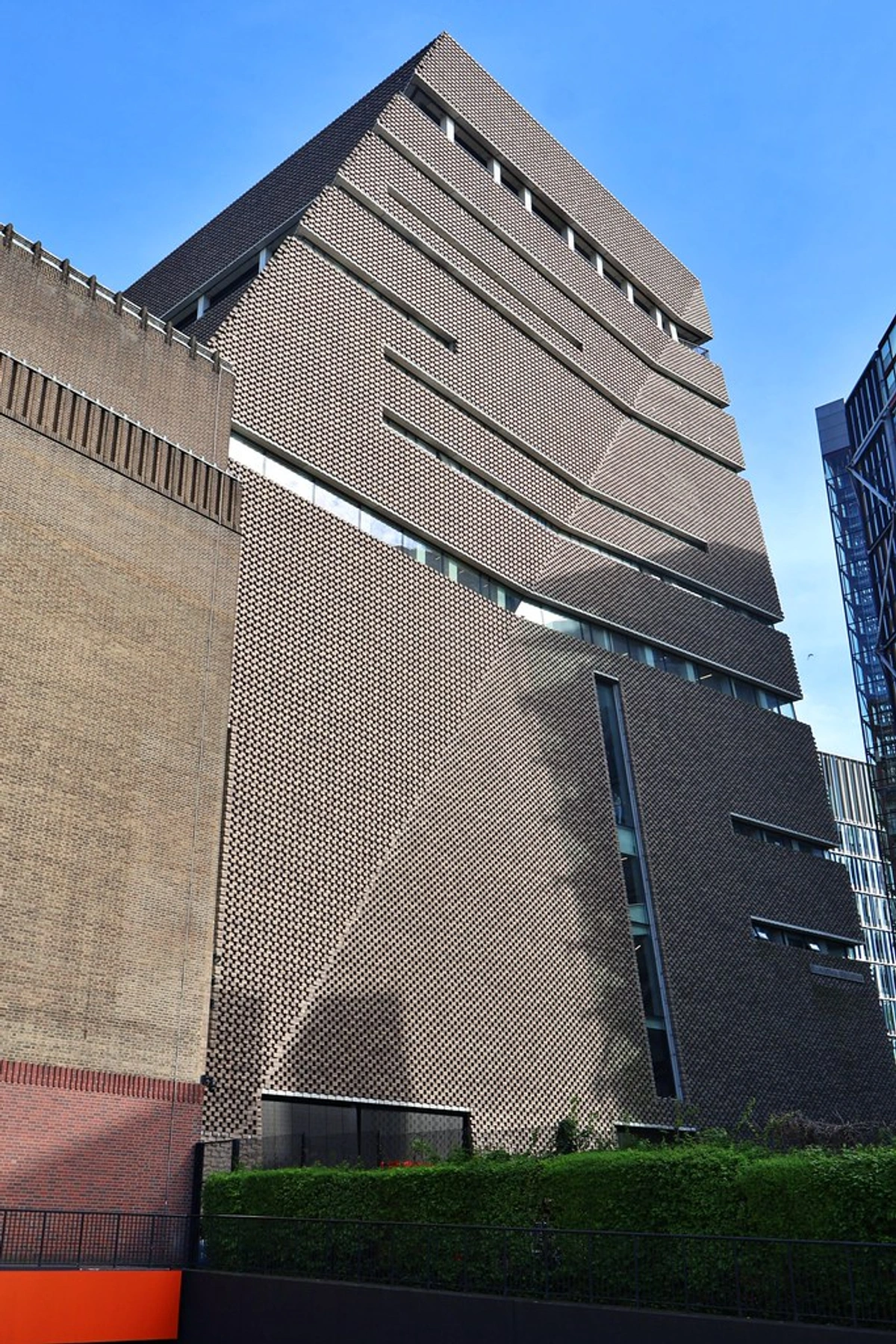
Before its transformation, this space was a powerhouse—literally. The Bankside Power Station, designed by Giles Gilbert Scott (the same architect who designed Battersea Power Station and the red telephone box), was a marvel of 20th-century engineering. At its peak, it could generate 500 megawatts of electricity, enough to power a large portion of London.
The space was dominated by three massive steam turbines, each weighing over 300 tons and standing 35 meters tall. These industrial giants were housed in what is now the Turbine Hall, their rhythmic hum and heat defining the space for decades. The original control room, with its banks of switches and dials, still exists today as part of the Switch House extension.
When the power station closed in 1981, London lost a vital piece of its industrial infrastructure, but gained an architectural treasure. The building was Grade II* listed in 1982, recognizing its historical significance and architectural merit. For nearly two decades, it sat empty, a concrete monolith waiting for its next purpose.

Architectural Conversion Details
The architects’ approach was revolutionary in museum design. Rather than hiding the building’s industrial past, they celebrated it. The conversion preserved:
- The Turbine Bases: Massive concrete platforms where the original turbines once stood
- The Boiler House Walls: Original brickwork with distinctive vertical windows
- The Height: 35-meter ceilings that create an overwhelming sense of scale
- The Length: 152 meters of uninterrupted space, longer than football pitches
- The Materials: Raw concrete, steel, and glass that maintain industrial authenticity
The challenge was balancing preservation with functionality. They installed:
- Sophisticated climate control systems to protect artwork
- Advanced lighting that can be adapted for different installations
- Acoustic treatments to balance the hall’s natural echo
- Safety systems that can handle thousands of visitors daily
The result is a space that feels both authentically industrial and perfectly suited for contemporary art. It’s like a cathedral for secular art—grand, awe-inspiring, and deeply human.
Groundbreaking Installations: A Hall of Fame
The Turbine Hall isn’t just big space—it’s a commissioning powerhouse. Since 2000, it’s hosted what critics call the "Unilever Series." Each artist gets this colossal playground reimagined. Here’s why these installations shook the art world:
Year  | Artist | Installation | Visitor Impact | Key Innovation |
|---|---|---|---|---|
| 2000 | Louise Bourgeois | I Like My Body When It's With Yours | 5 million annual visitors by decade’s end | First installation, established the series |
| 2001 | Juan Muñoz | Double Bind | Featured figures in dialogue | Psychological narrative in large scale |
| 2002 | Olafur Eliasson | The Weather Project | Record 2 million visits in 5 months | Immersive environment, artificial sun |
| 2003 | Anish Kapoor | Marsyas | Massive red sculpture | Monumental scale, dramatic presence |
| 2006 | Carsten Höller | Test Site | Interactive slides | Participation, physical engagement |
| 2007 | Doris Salcedo | Shibboleth | 167-meter crack in floor | Subtle intervention, social commentary |
| 2010 | Ai Weiwei | Sunflower Seeds | 100 million hand-painted seeds | Collective work, participation |
| 2014 | Abu Bakarr Mansaray | The Sleeping Beauty | First UK commission for Sierra Leonean artist | African representation, cultural dialogue |
| 2018 | Tania Bruguera | Performance art redefined political dialogue | Political engagement, social action | |
| 2021 | Es Devlin | Poem: The Fabric of the World | Light and sound installation | Digital integration, collective experience |
Notable Installations Deep Dive
Let’s explore some of the most transformative installations that have defined the Turbine Hall’s legacy:

2002: Olafur Eliasson - The Weather Project
This is perhaps the most famous Turbine Hall installation. Eliasson created a massive artificial sun using a semi-circular mirror and hundreds of mono-frequency lamps. The result was a stunning golden ceiling that reflected visitors like stars in a night sky.
Why it mattered: It attracted 2 million visitors in just 5 months—the largest Tate audience ever. More importantly, it blurred the line between art and environment, making viewers part of the artwork. People lay on the floor for hours, taking selfies and watching others become part of the installation.
2010: Ai Weiwei - Sunflower Seeds
Ai Weiwei filled the entire Turbine Hall floor with 100 million hand-painted porcelain sunflower seeds. Each seed was unique, created by individual craftspeople in Jingdezhen, China’s porcelain capital.
The controversy: Initially, visitors were invited to walk on and even collect the seeds. But concerns about porcelain dust inhalation led to the entire floor being cordoned off. This created fascinating questions about accessibility, participation, and the museum’s role in protecting both artwork and visitors.
2006: Carsten Höller - Test Site
Höller installed five towering slides that plunged from different heights in the Turbine Hall. Visitors could slide down them, experiencing both adrenaline and the space from new perspectives.
The impact: This installation fundamentally changed how people interacted with the space. Instead of contemplation, it encouraged physical participation. The slides became so popular that queues formed daily, with people waiting over an hour for a 30-second ride.
2007: Doris Salcedo - Shibboleth
Salcedo created a 167-meter-long crack in the Turbine Hall floor that snaked through the entire space. The crack was subtle but profound, representing borders, divisions, and the immigrant experience.
The emotional response: Visitors described feeling "responsible" for the crack, as if they should fix it. This installation showed how art could create deep psychological engagement and social commentary through minimal intervention.
Glossary of Terms
For those new to contemporary art and museum spaces, here are some key terms related to the Turbine Hall:
Unilever Series: The program of annual large-scale installations in the Turbine Hall, sponsored by Unilever. Site-Specific Art: Art created specifically for a particular location, taking into account the space's unique characteristics. Installation Art: Artwork designed to be installed in a specific location, often temporary and immersive. Immersive Art: Art that surrounds the viewer and creates an engaging, often multi-sensory experience. Commission: When an institution pays an artist to create new work specifically for their space. Scale in Art: The relative size of artwork, which can dramatically affect how it's perceived and experienced. Participatory Art: Art that requires audience participation to be complete. Site Responsiveness: Art that responds to or is influenced by its physical location. Conservation: The preservation and care of artworks, considering both the art and the environment. Curation: The process of selecting, organizing, and presenting art exhibitions. Public Art: Art in public spaces, accessible to everyone, often with community engagement. Industrial Heritage: The historical significance of industrial buildings and sites. Architectural Conversion: The process of repurposing buildings for new uses while preserving their historic character. Museum Architecture: The design of buildings specifically for housing and displaying art. Cultural Tourism: Travel specifically to experience cultural attractions like museums and galleries. Accessibility: The degree to which a space or experience is open and usable by people of all abilities.
Understanding these terms can enhance your experience of the Turbine Hall and contemporary art in general.
The Visitor Experience: Psychology and Impact
What does it actually feel like to experience the Turbine Hall? Psychological studies and visitor feedback reveal fascinating patterns:
Emotional Response Patterns
Most visitors report a sequence of emotional responses:
- Initial Overwhelm: The scale often causes momentary disorientation
- Awe and Wonder: As the eyes adjust, the space’s grandeur becomes apparent
- Curiosity: Questions about the artwork and the space itself emerge
- Connection: A sense of being part of something larger
- Reflection: Processing the experience often continues long after leaving
Psychological Benefits
Research suggests that experiencing large-scale art in vast spaces can:
- Reduce stress and anxiety
- Increase feelings of perspective and proportion
- Foster social connection
- Enhance creativity and problem-solving
- Create memorable experiences that become part of identity
Behavioral Patterns
Observers note consistent visitor behaviors:
- The Circle Effect: People naturally form circles around central installations
- The Echo Test: Visitors often test the acoustics by clapping or speaking
- The Photography Pause: Most visitors spend 2-3 minutes taking photos before engaging with the actual art
- The Resting Spots: Certain locations (often near the ends) become popular resting spots
- The Return Visits: Regular visitors often have favorite spots they return to each time
Understanding these patterns helps explain why the Turbine Hall creates such profound experiences—it engages multiple senses and psychological processes simultaneously.
Seasonal Differences
Spring: Longer daylight hours mean you can experience installations in different lighting conditions. The space feels more open and airy. Summer: Crowds are largest, but the atmosphere is vibrant and energetic. Special events and extended hours are common. Autumn: The changing light creates dramatic effects as the sun angle shifts. Fewer crowds make for a more contemplative experience. Winter: The shorter days create a different mood, with artificial lighting playing a larger role. The space can feel more intimate and focused.
Special Events
The Turbine Hall hosts numerous special events throughout the year:
Conservation and Preservation: Protecting Industrial Heritage
Preserving the Turbine Hall presents unique challenges that blend industrial heritage conservation with art preservation:
Building Conservation Challenges
The 120-year-old building requires constant attention:
- Concrete Deterioration: Monitoring and repairing concrete that has suffered from decades of industrial use
- Steel Corrosion: Protecting original steelwork from rust and deterioration
- Brickwork Maintenance: Preserving the distinctive vertical windows and brick facades
- Roof Integrity: Maintaining the massive roof structure that protects the interior
Art Conservation Approaches
Each installation requires specialized conservation:
- Temporary vs. Permanent: Most installations are temporary, requiring careful documentation and removal
- Material Compatibility: Ensuring new artworks don’t damage the historic building
- Environmental Monitoring: Constant tracking of temperature, humidity, and air quality
- Visitor Impact: Managing wear and tear from thousands of daily visitors
Sustainability Initiatives
The Tate has implemented numerous green practices:
- Energy Efficiency: LED lighting systems that use 80% less energy than traditional lighting
- Water Conservation: Recycling systems for cooling and cleaning
- Waste Reduction: Comprehensive recycling programs for installation materials
- Carbon Neutral: Working toward carbon neutrality in operations
Emergency Preparedness
The space requires specialized emergency plans:
- Fire Protection: Systems that can suppress flames without damaging artwork
- Flood Response: Plans to protect the space from Thames flooding
- Security Protocols: Balancing open access with artwork protection
- Pest Control: Integrated systems that don’t harm artwork or visitors
These conservation efforts ensure that the Turbine Hall can continue to host extraordinary art while preserving its unique industrial character for future generations.
Educational and Community Programs
The Turbine Hall isn’t just about exhibitions—it’s a dynamic educational resource:

School and University Programs
- School Visits: Thousands of students visit annually, with tailored programs for different age groups
- University Partnerships: Collaborations with art schools, architecture programs, and conservation departments
- Teacher Resources: Materials to help educators prepare students for visits
- Career Days: Opportunities for students interested in arts careers to meet professionals
Adult Education
- Artist Talks: Regular conversations with exhibiting artists about their creative process
- Curator Tours: Behind-the-scenes looks at how exhibitions are developed
- Workshops: Hands-on sessions exploring various art techniques and concepts
- Study Days: Intensive programs focusing on specific themes or artists
Community Engagement
- Local Partnerships: Programs with Southwark schools and community organizations
- Cultural Celebrations: Events marking cultural holidays and important dates
- Accessibility Programs: Special sessions for visitors with disabilities
- Senior Programs: Age-appropriate activities for older adults
Research and Development
- Academic Partnerships: Collaborations with universities studying the space’s impact
- Visitor Studies: Ongoing research to understand visitor experiences and improve them
- Conservation Research: Studies on preserving both the building and temporary artworks
- Digital Innovation: Exploring new ways to engage audiences through technology
These programs ensure the Turbine Hall serves not just as a gallery, but as a living center for art education and community building.
Economic Impact: Beyond the Gallery Walls
The Turbine Hall’s influence extends far beyond the art world, making it a significant economic force:
Tourism Impact
- Visitor Numbers: Over 50 million visitors since opening, with approximately 5-6 million annual visitors
- Economic Contribution: Estimates suggest Tate Modern generates £100+ million annually for London’s economy
- Hotel Impact: Hotels in Bankside and surrounding areas report higher occupancy rates during major exhibitions
- Restaurant and Retail: Local businesses benefit from increased foot traffic and visitor spending
Property Values
- Bankside Renaissance: The area has transformed from industrial to cultural, with property values increasing dramatically
- Cultural District Effect: The presence of Tate Modern has elevated the entire Bankside area as a cultural destination
- Commercial Development: New businesses, restaurants, and services have emerged to serve the cultural tourism market
Employment Impact
- Direct Jobs: Tate Modern employs over 500 people, including curators, educators, technicians, and security
- Indirect Jobs: Thousands more in related industries—hotels, restaurants, transport, retail
- Creative Economy: Supports artists, designers, and creative professionals working with the institution
- Construction and Maintenance: Ongoing employment for building maintenance and exhibition construction
Cultural Economy Benefits
The Turbine Hall has created a multiplier effect that benefits London’s entire cultural sector:
- Prestige: International recognition that boosts London’s reputation as a cultural capital
- Knowledge Transfer: Skills and expertise developed at Tate benefit other cultural institutions
- Innovation: The model has influenced museum design and programming worldwide
- Accessibility: Free entry ensures economic barriers don’t prevent access to culture
This economic impact demonstrates how investment in culture can yield significant returns for communities, making the case for continued support of arts institutions.
International Perspectives: Global Influence
The Turbine Hall’s impact extends far beyond London, influencing contemporary art worldwide:
Global Museum Design
Institutions worldwide have studied and adapted the Turbine Hall model:
Institution | Location | Turbine Hall Influence | Unique Adaptation |
|---|---|---|---|
| Tate Modern | London | Original model | Industrial conversion |
| Guggenheim Bilbao | Spain | Large-scale commissions | Architectural focus |
| MAXXI | Rome | Public accessibility | Modern building |
| Hangar Bilbao | Spain | Industrial spaces | Smaller scale |
| Centro Botín | Spain | Site-specific art | Coastal location |
| Power Station of Art | Shanghai | Industrial conversion | Cultural revolution context |
| Zeitz MOCAA | South Africa | Large volume | Grain silo conversion |
| Mass MoCA | USA | Flexible space | Former factory complex |
Artist Opportunities
The Turbine Hall has created opportunities for artists worldwide:
- International Recognition: Artists from over 40 countries have exhibited
- Career Catalyst: Many artists saw their careers accelerate after Turbine Hall commissions
- Cultural Exchange: The series has facilitated dialogue between different artistic traditions
- New Commissions: Other institutions now offer similar large-scale opportunities
Academic Influence
The space has become a subject of extensive study:
- Architecture Schools: Case studies in adaptive reuse and museum design
- Art History: New understanding of site-specific art and installation practice
- Cultural Studies: Research on public space and social engagement
- Economic Studies: Models for cultural tourism and creative economies
Digital Reach
The Turbine Hall’s influence extends into the digital realm:
- Virtual Exhibitions: Online experiences that bring installations to global audiences
- Documentation: Extensive photographic and video archives preserve the work
- Social Media: Millions of posts extend the reach beyond physical visitors
- Educational Resources: Online materials used by schools and universities worldwide
This global influence demonstrates how the Turbine Hall has transcended its physical location to become a model for contemporary art presentation worldwide.
Digital Integration: The Virtual Turbine Hall
In our increasingly digital world, the Turbine Hall has embraced technology to extend its reach:
Virtual and Augmented Experiences
- Virtual Tours: 360-degree views of major installations allow global audiences to experience the space
- Augmented Reality: Apps that overlay digital content on physical installations
- Live Streams: Real-time broadcasts of special events and performances
- Interactive Websites: Detailed explorations of past installations with multimedia content
Online Engagement
- Social Media: Platforms like Instagram and TikTok where visitors share their experiences
- Podcasts: Audio content featuring artists, curators, and cultural commentators
- Educational Resources: Online courses and materials about contemporary art
- Digital Archives: Comprehensive documentation of all past installations
Technology in the Physical Space
- Digital Information: Interactive screens providing context and background
- Audio Guides: Smartphone apps offering personalized tours and information
- Lighting Technology: Advanced LED systems that can create infinite lighting variations
- Sound Design: Sophisticated audio systems that enhance installations
The Future of Digital Engagement
The Tate continues to explore new ways to blend physical and digital experiences:
- Mixed Reality: Combining physical installations with digital elements
- Global Participation: Allowing remote audiences to influence installations
- AI Integration: Using artificial intelligence to enhance visitor experiences
- Blockchain Experimentation: Exploring digital ownership and provenance (though with appropriate skepticism)
These digital initiatives ensure that the Turbine Hall remains relevant and accessible to new generations of art lovers who may never visit in person, while still enhancing the physical experience for those who do.
Detailed Visitor Statistics and Demographics
Understanding the visitor profile helps explain the Turbine Hall’s broad appeal:
Annual Visitor Breakdown
Category | Percentage | Estimated Numbers | Key Characteristics |
|---|---|---|---|
| International Tourists | 45% | 2.7 million annually | First-time visitors, photography-focused |
| UK Tourists | 25% | 1.5 million | Day trips, often first-time London visitors |
| London Residents | 20% | 1.2 million | Multiple visits, local knowledge |
| Students | 8% | 480,000 | Education-focused, group visits |
| Other | 2% | 120,000 | Special events, press, professionals |
Visitor by Age Group
- 18-24 years: 15% - Often social media focused
- 25-34 years: 25% - Mix of tourists and young professionals
- 35-44 years: 20% - Families, cultural tourists
- 45-54 years: 18% - Art enthusiasts, repeat visitors
- 55-64 years: 12% - Mature art lovers
- 65+ years: 10% - Retirees, longer visits
International Visitor Origins
Top countries represented:
- United States - 18% of international visitors
- France - 12% - European neighbors
- Germany - 10% - Art tourists
- Italy - 8% - Cultural tourists
- Spain - 7% - European neighbors
- Japan - 6% - Dedicated art tourists
- China - 5% - Growing market
- Australia - 4% - Long-haul tourists
- Brazil - 3% - South American representation
- Other - 27% - Global diversity
Seasonal Variation
- Summer (June-August): 35% of annual visits - Peak tourist season
- Spring (March-May): 25% - Pleasant weather, good visibility
- Autumn (September-November): 22% - Fewer crowds, contemplative atmosphere
- Winter (December-February): 18% - Special exhibitions, festive atmosphere
These statistics reveal how the Turbine Hall has become a truly global cultural destination that appeals to diverse audiences across age, nationality, and interest groups.
Media Coverage and Cultural Narratives
The Turbine Hall has become a media phenomenon, generating extensive coverage that shapes public perception:
Press Coverage Patterns
- Major Installations: Each new commission generates 500+ articles worldwide
- Critical Reception: Generally positive, with occasional debates about commercialization
- Popular Media: Features in travel, lifestyle, and mainstream publications
- Art World Press: In-depth analysis in specialized art publications
- Social Media: Millions of posts, making it one of the most photographed art spaces
Documentaries and Films
Several documentaries have focused on the Turbine Hall:
- "Tate Modern: The Building" (2000) - Architecture and conversion
- "Unilever Series" documentary series - Individual artist profiles
- "Weather Project" special - Behind-the-scenes of Eliasson’s installation
- "The People’s Gallery" - Cultural impact and public reception
Academic Analysis
The space has been extensively studied:
- Architecture: Case studies in industrial conversion
- Art History: New models for contemporary art presentation
- Cultural Studies: Public space and social engagement
- Economics: Cultural tourism and creative economies
- Psychology: Impact of scale on human perception and emotion
Cultural Impact Beyond Art
The Turbine Hall has influenced:
- Urban Planning: How cities repurpose industrial spaces
- Public Space Design: Creating accessible, engaging environments
- Cultural Policy: Government support for the arts
- Education: New approaches to art education
- Tourism: Cultural tourism as economic development
This media and academic attention has cemented the Turbine Hall’s status not just as an art space, but as a cultural phenomenon worthy of serious study and discussion.
Future Developments and Expansions
The Turbine Hall continues to evolve, with several exciting developments on the horizon:
Planned Expansions
- Switch House Extensions: New galleries and programming spaces that complement the Turbine Hall
- Outdoor Installations: Creating more opportunities for site-specific art in the surrounding areas
- Digital Integration: Enhanced technology to create hybrid physical-digital experiences
- Sustainability Upgrades: Green initiatives to reduce the building’s environmental impact
New Programming Directions
- Artist Residencies: Extended programs giving artists more time to develop work
- Community Collaborations: Projects that directly involve local communities in creation
- Seasonal Installations: Programming that responds to specific times of year
- Cross-disciplinary Projects: Collaborations between artists, scientists, and technologists
Long-term Vision
The Tate’s strategic vision for the Turbine Hall includes:
- Enhanced Accessibility: Making the space even more inclusive and welcoming
- Educational Expansion: Developing new programs for schools and lifelong learning
- Research Center: Establishing a dedicated space for studying contemporary art and museum practice
- Global Partnerships: Collaborating with institutions worldwide to share knowledge and best practices
Challenges and Opportunities
Future developments will need to address:
- Balancing Tradition and Innovation: Honoring the space’s industrial character while embracing new possibilities
- Sustainability: Reducing environmental impact while maintaining high standards
- Accessibility: Ensuring the space remains welcoming to all audiences
- Funding Diversification: Reducing reliance on corporate sponsors while maintaining artistic freedom
- Technological Change: Integrating new technologies without losing the physical experience that makes the space special
These future plans ensure that the Turbine Hall will continue to be at the forefront of contemporary art presentation for decades to come.
Comparative Analysis: The Turbine Hall in Global Context
To understand what makes the Turbine Hall special, it helps to compare it with other large-scale contemporary art spaces around the world:

What Makes the Turbine Hall Truly Unique
While there are many impressive art spaces worldwide, the Turbine Hall stands apart for several key reasons:
Historical Authenticity
Unlike most contemporary art spaces that are purpose-built, the Turbine Hall retains the authentic character of its industrial past. This creates a unique dialogue between history and contemporary art:
- Original Features: The turbine bases, control room elements, and industrial architecture remain visible
- Historical Layers: Each element tells a story of London’s industrial heritage
- Authentic Materials: The raw concrete, steel, and brick aren’t reproductions—they’re the real thing
- Cultural Memory: The space carries the weight of its previous life as a power station
This authenticity creates a depth that new buildings can’t replicate. When you stand in the Turbine Hall, you’re not just in an art gallery—you’re in a place that has witnessed London’s transformation from industrial to post-industrial city.
Scale and Proportions
The dimensions are precisely what make the space so transformative:
- 152 meters long: Longer than a football pitch, creating a sense of journey
- 35 meters high: Cathedral-like proportions that inspire awe
- 10 meters wide: Narrow enough to create focus but spacious enough for large works
- Uninterrupted space: No columns or barriers to break the flow
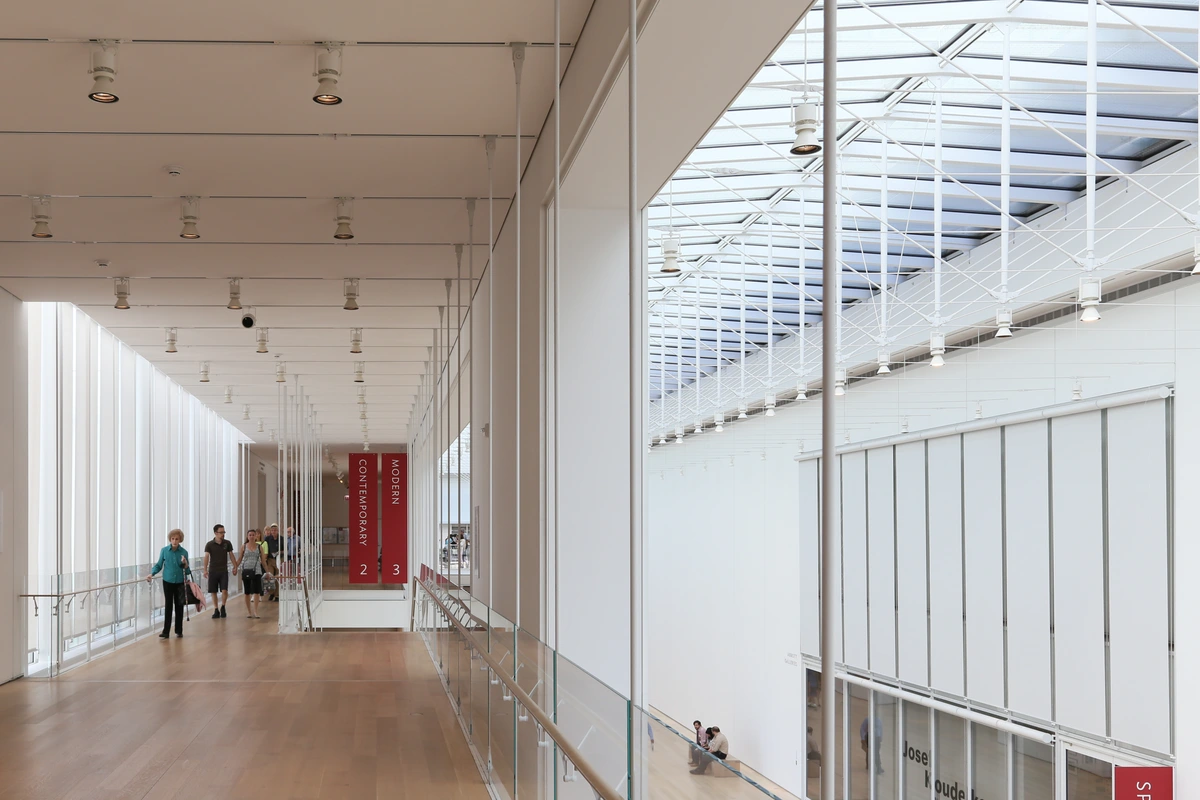
This scale creates psychological effects that smaller spaces can’t achieve. Visitors naturally slow down, become more aware of their surroundings, and experience art in a more embodied way.
Public Integration
The Turbine Hall isn’t isolated—it’s deeply integrated into London’s public life:
- Free access: Removes economic barriers to experiencing great art
- Central location: Easy to reach by public transport
- Public events: Hosts protests, celebrations, and community gatherings
- Cultural landmark: Has become an iconic London destination
This integration makes it more than just a museum—it’s a public square, a gathering place, and a cultural touchstone for the city.
Artistic Freedom
The space offers artists unprecedented freedom:
- No constraints: Can work in any medium at any scale
- Resources: Significant funding and technical support
- Exposure: Guaranteed international audience
- Legacy: Become part of art history through the Unilever Series
This freedom has attracted some of the world’s most innovative artists, creating a legacy of groundbreaking work.
Cultural Momentum
Being first creates advantages that later imitators can’t replicate:
- Pioneer Status: Established the model for large-scale contemporary art
- Media Attention: Constant coverage due to its significance
- Tourist Appeal: "Must-see" status on international itineraries
- Influence: Shapes how museums worldwide think about contemporary art
This momentum creates a self-reinforcing cycle of excellence and innovation that continues to drive the Turbine Hall forward.
What Makes the Turbine Hall Unique
Historical Authenticity: Unlike purpose-built contemporary art spaces, the Turbine Hall retains the authentic character of its industrial past. This historical layer adds depth that new buildings can't replicate.
Central Location: Situated in the heart of London, it's easily accessible and integrated into the city's cultural fabric. Flexible Space: The dimensions allow for incredible variety in installations, from massive sculptures to subtle interventions. Public Integration: The free access policy makes it truly public space, not just a museum. Cultural Momentum: Being the first of its kind, it set the standard that others now follow.
Conclusion: More Than Just a Space
Standing in the Turbine Hall, you feel something intangible yet profound. It’s not just about the art—it’s about the space itself, the history it carries, and the human connections it makes possible.
This hall has become more than a museum space. It’s London’s unofficial town square, a place where strangers become temporary companions in wonder. Where protests gather, celebrations happen, and quiet moments of reflection occur. It’s a mirror for society, reflecting our hopes, our debates, and our shared humanity.
What makes the Turbine Hall revolutionary isn’t just its size or the quality of the installations. It’s the philosophy behind it—the belief that art should be accessible, that space matters, and that contemporary art can be both challenging and welcoming.
Over its two-decade history, it has hosted some of the most significant works of contemporary art, attracted millions of visitors from around the world, and influenced how museums operate globally. But perhaps its most important legacy is changing how we think about art itself—not as something distant and elite, but as something that happens where we are, with us, for us.
Next time you’re in London, go. Stand in the center. Close your eyes for 30 seconds. Feel the concrete swallow your breath. When you open them, remember that somewhere in a warehouse, another artist is dreaming up the next thing that will make us feel gloriously, wonderfully tiny.
But more importantly, remember that feeling. Because that’s what the Turbine Hall gives us—not just great art, but a sense of perspective, connection, and possibility that stays with us long after we’ve left.
Beyond Art: The Cultural Impact of the Turbine Hall
What surprises people most? The Turbine Hall has become London's unofficial town square. During protests? It fills with placards. After Brexit? Crowds gathered around installations for silent solidarity. It's a mirror for society.
The People's Cathedral
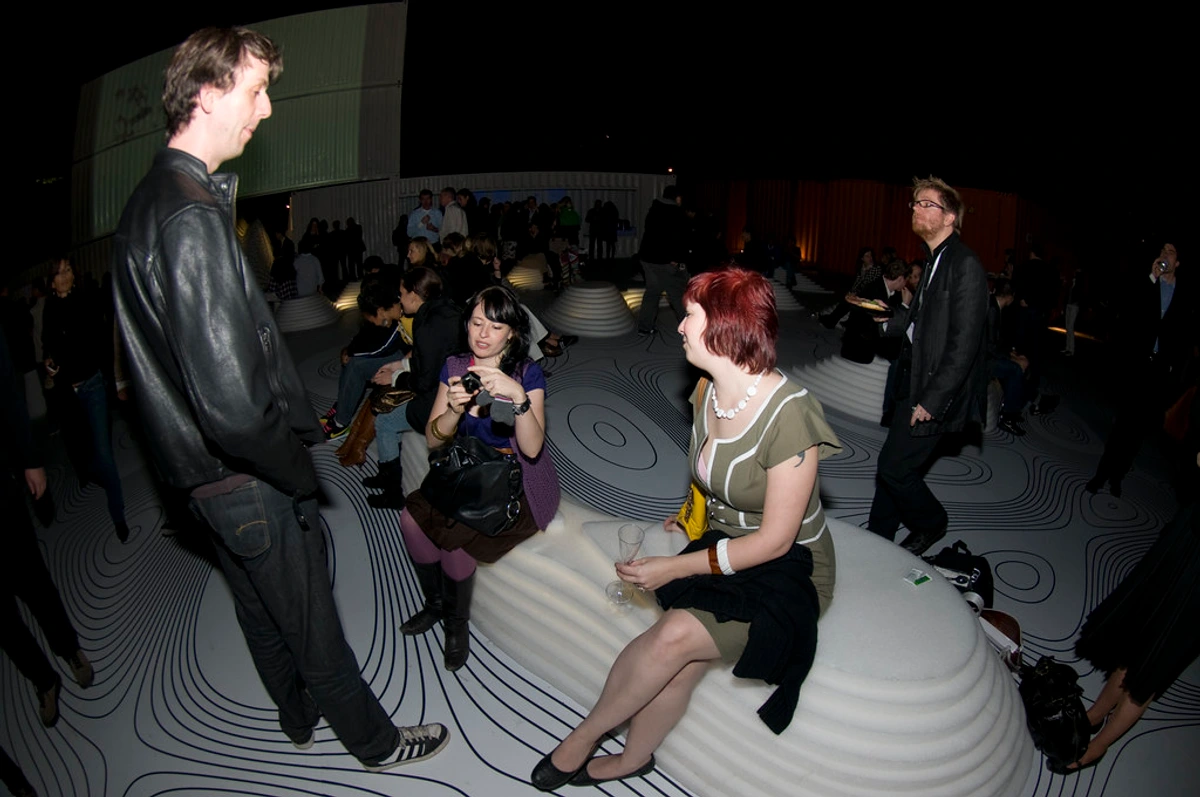
The Turbine Hall serves as a gathering space for the city in ways that traditional museums don't. It's open, accessible, and welcoming. This makes it the perfect place for spontaneous gatherings and planned events alike.
Protests and Social Movements: The hall has hosted numerous protests, from climate activism to anti-war demonstrations. The vast space allows large crowds to gather safely, while the institutional backing of the Tate gives the protests legitimacy.
Commemorations: After tragic events like the 2017 London Bridge attack, people gathered in the Turbine Hall with flowers and candles. The space became a place of collective mourning and solidarity.
Celebrations: On New Year's Eve and other special occasions, crowds gather to watch fireworks from the windows or just enjoy the atmosphere together.
The Social Laboratory
What makes the Turbine Hall unique as a public space is its role as a social laboratory. People from all walks of life interact here in ways they might not elsewhere. You see:
- Cross-generational mixing: Teenagers sit next to retired people, both equally engaged
- Cultural diversity: Tourists from around the world mix with London locals
- Socioeconomic diversity: The free entry policy ensures representation across economic classes
- Professional diversity: Artists, bankers, students, and tourists all share the space
This diversity creates a vibrant social ecosystem that mirrors London itself. The art becomes a conversation starter, a shared experience that transcends individual differences.

Art Beyond the Artwork
Perhaps most fascinating is how people use the space in ways that have nothing to do with the official installation. I've witnessed proposals, dance-offs, and even someone meditating under Eliasson's giant sun. None were official exhibits. That's the hall's greatest legacy: it belongs to us, not the curators.
Photography and Social Media Impact
In the age of Instagram and TikTok, the Turbine Hall has become one of the most photographed and shared art spaces in the world:
The Photography Culture
Instagram Famous: Certain installations become instant Instagram sensations. Olafur Eliasson's Weather Project and Ai Weiwei's Sunflower Seeds generated millions of social media posts. Professional Photography: The space attracts professional photographers who capture the installations for publications, galleries, and their own portfolios. Visitor Photography: Most visitors come with phones cameras, creating a constant stream of personal documentation and sharing.
Social Media Influence
Trending Topics: Turbine Hall installations frequently trend on social media platforms, bringing contemporary art to new audiences. Viral Content: Some installations become viral sensations, reaching people who would never visit a museum in person. Global Reach: Social media allows the Turbine Hall to reach a global audience, making London's contemporary art scene accessible worldwide.
The Double-Edged Sword
While social media exposure is valuable, it presents challenges:
Crowd Management: The promise of social media fame can lead to overcrowding as people try to get the perfect shot. Distraction: Some visitors focus more on getting the perfect photo than on actually experiencing the art. Privacy Concerns: The constant presence of cameras affects the atmosphere and raises privacy issues for visitors. Commercialization: The social media presence can sometimes overshadow the artistic merit of the installations.
Despite these challenges, the social media phenomenon has made the Turbine Hall more relevant than ever, bringing contemporary art into the digital mainstream.
This unofficial use of the space creates a unique culture that's both organic and unpredictable. On any given day, you might see:
- Performers: Musicians, dancers, and street performers using the space as their stage
- Artists: Sketching or painting the installations and the people interacting with them
- Families: Using the space as a free, safe environment for children to explore
- Couples: Taking engagement photos or just enjoying a romantic outing
- Students: Studying or socializing between classes
This spontaneous activity creates a vibrant atmosphere that changes from day to day. The official installation provides the context, but the real energy comes from the people who bring their own stories and purposes to the space.
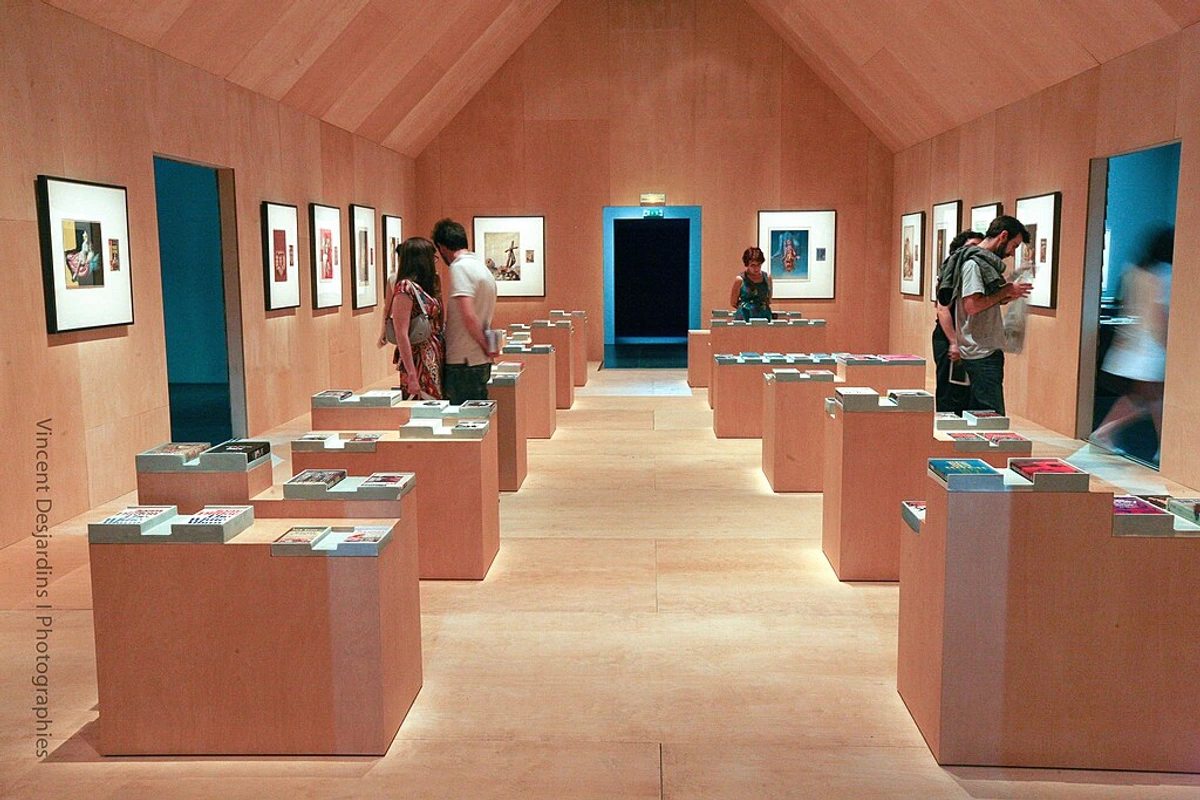
This spontaneous appropriation of space creates a living, breathing cultural ecosystem. The official installation provides the backdrop, but the real art happens in the interactions between people, in the memories created, in the shared experiences that happen there.
Economic Impact
The Turbine Hall's influence extends beyond the cultural realm. It's a major economic driver for Southwark and London as a whole:
- Tourism: Millions of visitors come specifically to see the Turbine Hall, supporting hotels, restaurants, and shops in the area.
- Property Values: The presence of Tate Modern has increased property values in Bankside and surrounding areas.
- Cultural Economy: The hall supports jobs for artists, curators, technicians, security staff, and maintenance workers.
Educational Impact
The Turbine Hall has become an important educational resource:
- School Groups: Thousands of students visit each year to learn about contemporary art.
- Artist Talks: Regular talks and workshops connect artists directly with the public.
- Research: The space is studied by architects, curators, and art students worldwide as a model for museum design and curation.
What surprises people most? The Turbine Hall has become London’s unofficial town square. During protests? It fills with placards. After Brexit? Crowds gathered around installations for silent solidarity. It’s a mirror for society.
I’ve witnessed proposals, dance-offs, and even someone meditating under Eliasson’s giant sun. None were official exhibits. That’s the hall’s greatest legacy: it belongs to us, not the curators.
Accessibility and Inclusivity: Making Space for Everyone
One of the Turbine Hall's greatest strengths is its commitment to accessibility, though there are always improvements to be made:
Physical Accessibility
Mobility Access: The space is fully wheelchair accessible with ramps, lifts, and wide pathways. However, the sheer size can be challenging for some visitors with mobility issues.
Sensory Considerations: The large, open space can be overwhelming for visitors with sensory processing disorders. The Tate offers quiet hours and sensory-friendly resources.
Visual Accessibility: Audio descriptions and tactile tours are available for visitors with visual impairments.
Social Inclusivity
Economic Accessibility: The free entry policy ensures that cost isn't a barrier to experiencing great art.
Cultural Accessibility: The programming strives to represent diverse voices and perspectives, though critics argue there's always room for improvement.
Age Accessibility: The space appeals to visitors of all ages, from young children to seniors, though the installations may be more engaging for certain age groups.
Ongoing Improvements
The Tate continues to work on making the space more inclusive:
Feedback Systems: Regular collection of visitor feedback to identify accessibility barriers. Staff Training: Ongoing training for staff to better assist visitors with diverse needs. Technology Integration: Using technology to enhance accessibility, such as enhanced audio descriptions and interactive apps.
The goal is to ensure that everyone, regardless of background or ability, can have a meaningful experience with contemporary art in this extraordinary space.
Q: Can I take photos? Absolutely. But ditch the flash unless you want security looking at you like you just tried to smuggle a turbine.
Q: How long should I spend here? Minimum 45 minutes. But if you’re like me, you’ll get lost in the ceiling details for two hours. Bring snacks.
Q: Is it wheelchair accessible? Yes. Ramps and lifts make every level reachable. The space was designed for accessibility long before it became trendy.
Q: Are there toilets inside the Turbine Hall? Nope. They’re near the entrance. Plan accordingly because those 152 meters are deceptively long when nature calls.
Q: Why do so many artists use this space? Because it’s the Louvre-sized canvas artists dream of. Few globally offer this level of exposure, freedom, and historical weight.
Practical Visitor Guide: Making the Most of Your Visit
Timing Your Visit
Best Times to Visit:
- Weekday Mornings (10 AM-12 PM): Least crowded, best for contemplation
- Thursday Evenings: Late openings until 10 PM, different atmosphere
- Off-Peak Seasons: Winter months offer fewer crowds but fewer special events
- Special Events: Check calendar for unique experiences and potential crowds
Times to Avoid:
- Summer Weekends: Can be extremely crowded
- School Holidays: More families and children
- Major Exhibition Openings: Very busy
What to Bring
Essential Items:
- Comfortable Shoes: The hall is huge and involves lots of walking
- Camera: But use it respectfully
- Water Bottle: Stay hydrated, though there are water fountains
- Phone/Portable Charger: For photos and information
- Light Jacket: The space can be cool
Leave Behind:
- Large Bags: Check them in the free cloakroom
- Food and Drink: You can bring your own but no alcoholic beverages
- Tripods: Usually not permitted without permission
Getting There
By Tube:
- Blackfriars: Closest mainline station
- Southwark: On the Jubilee line
- London Bridge: Major hub with multiple lines
By Bus: Numerous bus routes serve the Bankside area
By Walking: From Westminster Bridge (10 minutes), South Bank (15 minutes)
By Boat: Thames Clippers stop at Bankside Pier
Nearby Attractions
Make a day of it with these nearby sites:
- Shakespeare’s Globe: Historic theater
- Borough Market: Food market (best weekends)
- Southwark Cathedral: Historic religious site
- The Golden Hinde: Replica of Drake’s ship
- London Bridge Experience: Interactive history attraction
Best Practices for Turbine Hall Visits
Maximizing Your Experience
Take Your Time: Don't rush. This space rewards slow looking and contemplation. Look Beyond the Obvious: Artists often use the entire space—ceilings, floors, corners. Read the Information: Take time to understand the artist's intentions and context. Visit Multiple Times: Installations reveal new details on subsequent visits. Talk to Others: Share observations and perspectives with fellow visitors.
Photography Etiquette
Do:
- Take photos for personal use
- Be respectful of other visitors' experiences
- Ask permission if photographing people closely
- Use natural light whenever possible
Don't:
- Use flash (it can damage sensitive artworks)
- Block others' views for photos
- Use tripods without permission
- Post photos that might spoil the experience for others
Accessibility Tips
For Visitors with Mobility Issues:
- The space is fully accessible
- Wheelchairs are available free of charge
- Staff can provide assistance
- Consider visiting during quieter times
For Visually Impaired Visitors:
- Audio descriptions are available
- Touch tours can be arranged in advance
- Some installations have tactile elements
For Neurodiverse Visitors:
- Quiet hours are available
- Sensory maps can help prepare for visits
- Staff can provide quieter viewing areas
For Families with Children:
- Family guides are available
- Children’s workshops often coincide with major installations
- The space can be overwhelming for very young children
- Consider visiting during family-friendly times
The Philosophy of Space
What makes the Turbine Hall so revolutionary isn't just its size or the quality of the art—it's its philosophy. The hall embodies a belief that space itself can be transformative. It suggests that where we experience art matters as much as what we experience.
In a world where so much of our cultural consumption happens through screens—short videos, social media posts, digital exhibitions—the Turbine Hall offers a counterpoint. It asks us to be present, to be physical, to engage with our surroundings in a way that's becoming increasingly rare.
This philosophy extends beyond the art world. The Turbine Hall suggests that we need more spaces that are open, accessible, and designed for human connection. Spaces where we can feel both small and significant, where we can encounter beauty and challenge, where we can share experiences with strangers who become temporary companions in wonder.
The Turbine Hall doesn’t just house art—it rewires how we perceive art. It whispers: scale matters. Silence has volume. And sometimes the most revolutionary thing is giving people room to simply exist and marvel.









Next time you’re in London, go. Stand in the center. Close your eyes for 30 seconds. Feel the concrete swallow your breath. When you open them, remember that somewhere in a warehouse, another artist is dreaming up the next thing that will make us feel gloriously, wonderfully tiny.