The Invisible Thread: Why Provenance is My Secret Weapon in High-Value Abstract Art Collecting
Dive into my personal journey with provenance in high-value abstract art. Discover why tracing an artwork's history isn't just about authenticity or value, but about the profound peace of mind it brings to a passionate collector like me. Learn my tips for becoming a provenance detective and spotting red flags.

The Invisible Thread: Why Provenance is My Secret Weapon in High-Value Abstract Art Collecting
For almost a decade, I wandered through art fairs and gallery openings like a kid in a candy store, guided almost entirely by pure, unfiltered emotion. A flash of cerulean blue in one corner, a canvas that seemed to ripple under the gallery lights, textures that practically begged for a fingertip’s touch—honestly, my decisions often came down to some combination of gut reaction and the numbers in my bank account. It felt pure, this reliance on the emotional connection: why collecting abstract art is a personal journey. If a piece made my heart skip a beat and the price didn’t induce a panic attack, it had a real shot at coming home with me.
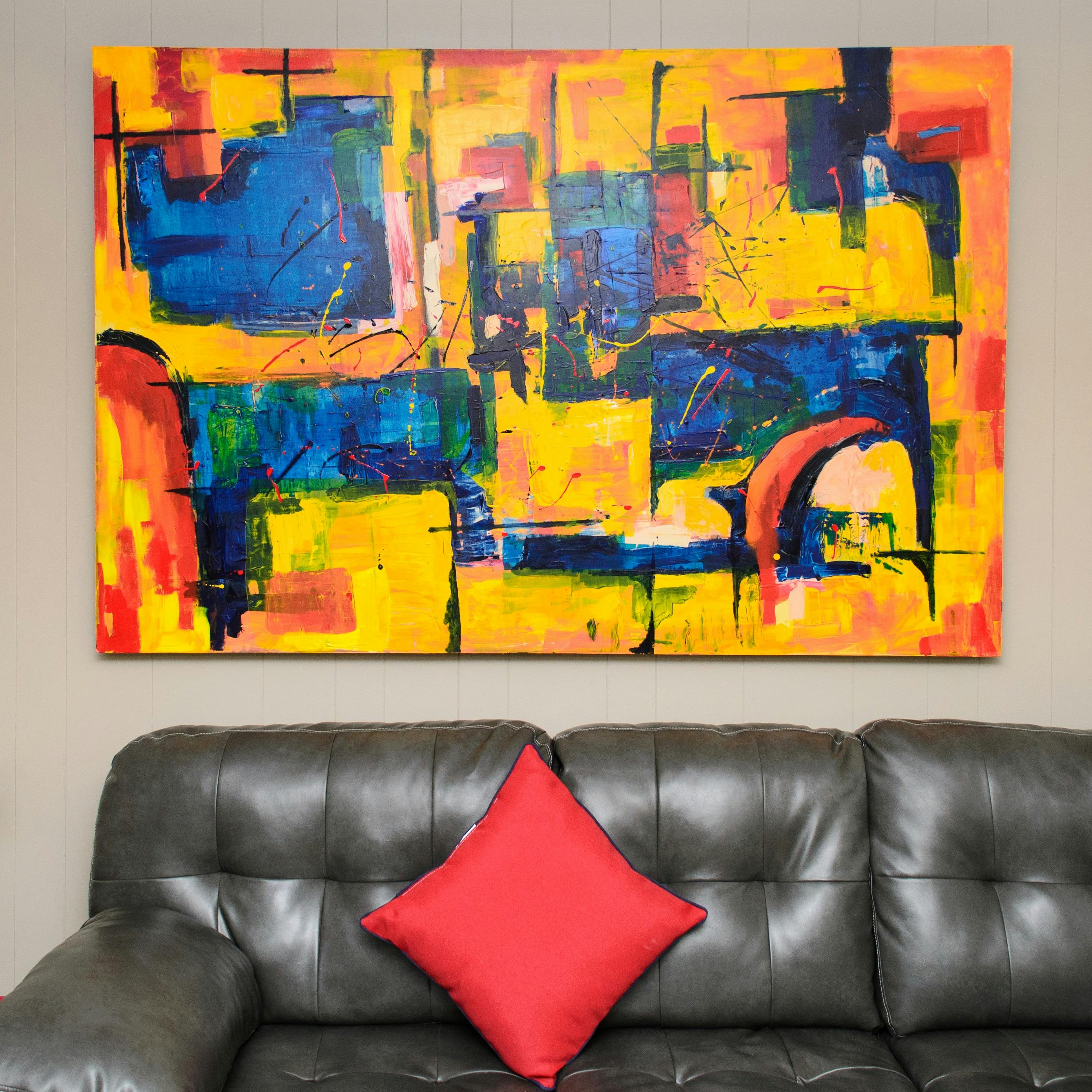
Then came the day I found myself standing in a dimly lit viewing room, staring at a work that was so far beyond my previous price range it felt like looking at a down payment on a house. It was a powerful, chaotic burst of abstract energy, a piece I felt a deep, irrational need to own. But this time, the gut feeling wasn't enough. The price tag demanded a sturdier companion: intellectual confidence. Where exactly had this canvas been for the last fifty years? Was the artist's signature on the back really theirs? Could I ever sell this if I needed to, or would its murky past make it untouchable?
That's when provenance stopped being a fancy art-history term and became my secret weapon. It’s not just a dry list of past owners; it's the documented, breathing biography of a work of art. It’s the lifeline that separates a legitimate masterpiece from a beautiful fake, a solid investment from a legal nightmare. For any high-value piece, discovering its provenance became my prerequisite for falling in love. It’s the reason I can sleep soundly at night, knowing the story behind the art I cherish is as real and verifiable as the paint on the canvas.
What is Provenance, Really? (And Why I Bother With It)
If you ignore all the jargon, provenance is just a story—a detailed, documented history of ownership that traces an artwork's journey from the artist’s studio right to your living room wall. Think of it as a family tree for a piece of art, chronicling every step of its life. Who were its previous owners? When did they acquire it? Was it ever featured in a museum exhibition, or sold at a prestigious auction? Each document is a puzzle piece that helps build a complete and unbroken picture.
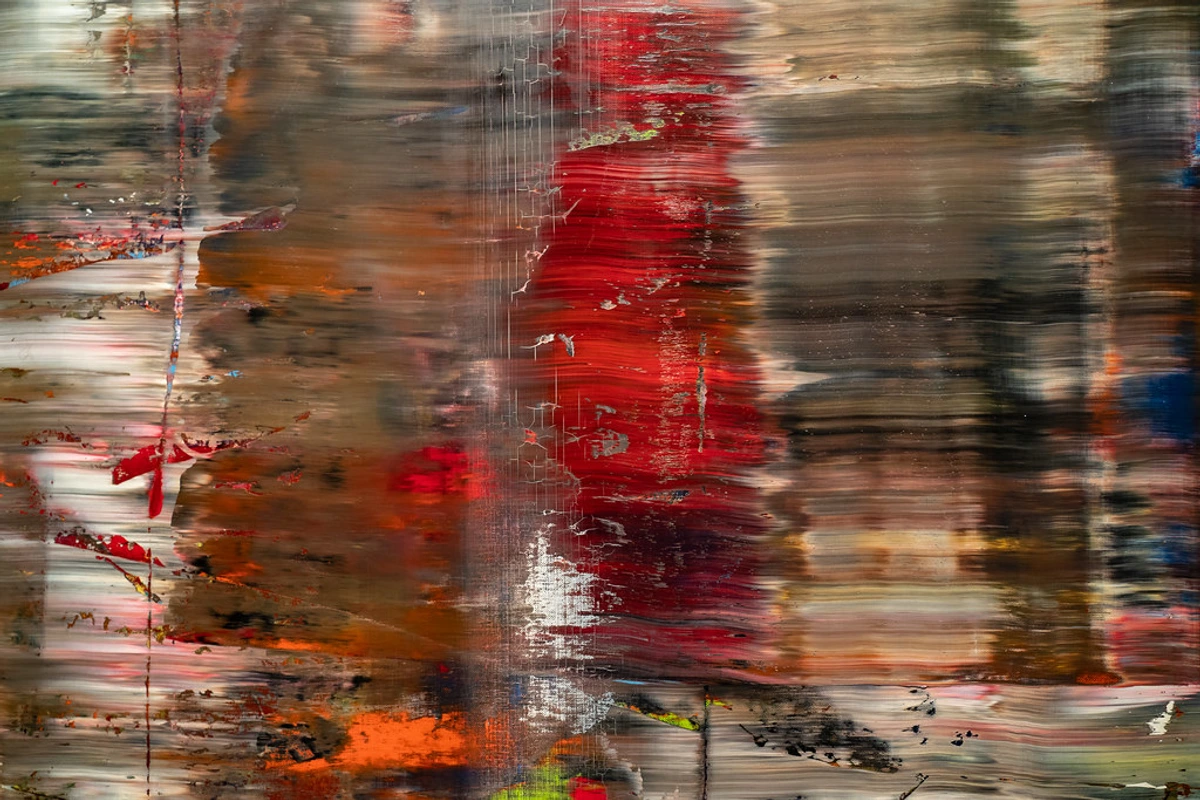
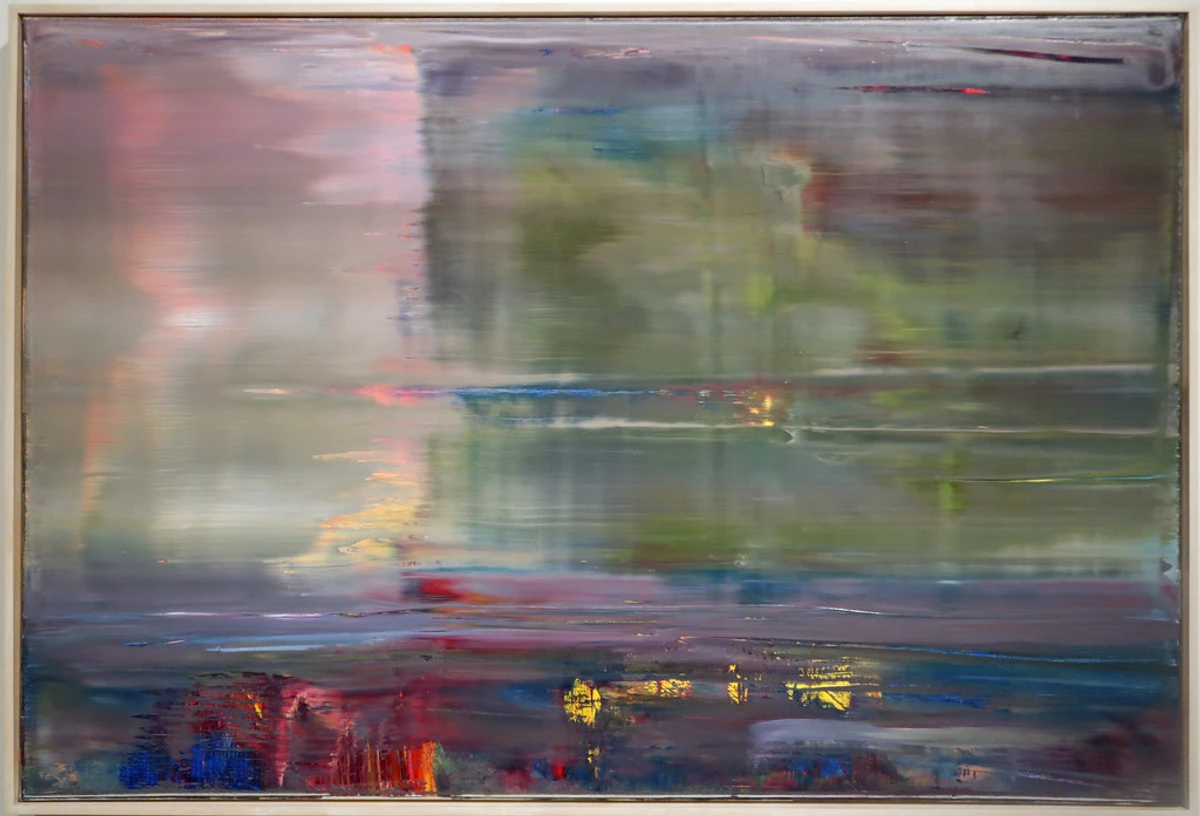
It’s easy to think, "Why does this matter to me? I just want a beautiful picture on my wall." For years, that was precisely my philosophy. The color, the texture, the way a piece made me feel—those were the only things that mattered. But that perspective shifts, sometimes quite abruptly, when the financial stakes rise. When you find yourself considering a significant investment—perhaps a mesmerizing Gerhard Richter squeegee painting or a stark, text-based piece by Christopher Wool—provenance stops being an optional detail and becomes the absolute bedrock of the transaction.
Without a solid provenance, you're not just buying a piece of art; you're buying a story from a storyteller whose credibility you can't verify. It feels uncomfortably like going on a blind date where your companion might also be running an elaborate confidence game. The allure is there, but the trust is absent. And when thousands, or even millions, of dollars are involved, trust isn’t just a comfort—it’s a necessity.
credit, licence
Why I Obsess Over Provenance (and Why You Should Too)
1. The Authenticity Factor: My Biggest Fear
Early in my collecting journey, I had a recurring nightmare. It wasn't about accidentally overpaying by a few thousand dollars. No, the true terror—the one that would jolt me awake—was the thought of spending a considerable sum on a piece I adored, only to discover later that it was a brilliant fake. The idea of a forger’s hand carefully mimicking an artist's strokes, their intent to deceive lurking beneath layers of paint, still gives me chills.
Provenance is the most powerful antidote to this fear. When you have a complete, unbroken chain of ownership stretching directly back to the artist, it acts as a time-traveling witness. A bill of sale from the artist’s primary gallery, a mention in an early exhibition catalog, a letter from the artist confirming the work’s creation—these documents form an ironclad defense against forgery. They verify with near-irrefutable certainty that what you are holding was created by the hand of the master whose name is signed in the corner.
In the subjective universe of abstract art, this becomes even more critical. With representational art, forensic analysis of brushstrokes or materials can sometimes spot a fake. But for a work of pure abstraction, where the artist's intent and unique "hand" are everything, a solid provenance is often the only definitive proof you have. Without it, you are navigating a minefield without a map, trusting the word of a seller over the weight of historical evidence.
2. The Value Proposition: It's Not Just About Money (But Also, It Is)
No one likes to admit it at a gallery opening, swirling a glass of wine, but let's be honest: for high-value works, art is both passion and investment. We want to live with beauty, but we also need to know we haven’t made a foolish financial decision. This is where provenance moves from an academic exercise to a direct line item on the balance sheet.
A work's documented history directly and powerfully impacts its market value. Imagine two paintings by the same artist, visually identical twins created in the same year. One has a provenance tracing it through two major European museums and the estate of a famous film director. The other has a history that goes back ten years before hitting a dead end. The first piece will command a significantly higher price. Why? Because that provenance is a stamp of approval from history itself, a form of third-party validation that de-risks the purchase for everyone who comes after you.
This validation makes the artwork more liquid—easier to sell when the time comes. Reputable auction houses, mega-galleries, and serious collectors shy away from "problematic" works, those with gaps in their history that can't be explained. A strong provenance pre-emptively answers the difficult questions a future buyer will inevitably ask. It turns a beautiful object into a bankable asset. If you want to dive deeper into the financial currents of this world, understanding the abstract art market: trends and future outlook is essential.
3. Legal & Ethical Peace of Mind (My Sleep Aid)
This might be the most important reason, and it has nothing to do with money. A clean provenance ensures you aren’t inadvertently purchasing stolen art, a work tied up in a bitter family dispute, or a piece that was illegally exported from its country of origin. The absolute last thing you want is for a piece you love to become the subject of a protracted, expensive, and public legal battle, potentially ending with authorities knocking on your door to seize it.
A clear provenance record protects you from these nightmare scenarios. It acts as a legal and ethical insurance policy, allowing you to admire your collection without that nagging, subconscious worry in the back of your mind. The history is clean, the ownership is clear, and you can simply enjoy the art.
The art world is still, and will likely always be, reckoning with the chaotic and tragic legacy of the World War II era. During that time, an untold number of masterpieces were looted by the Nazis or sold by families under unimaginable duress. To this day, organizations like the Art Loss Register work tirelessly to track these lost works and facilitate their return to the rightful heirs. When you buy a piece without a clear history from that period, you risk becoming an unwilling, and potentially liable, link in a tragic historical chain.
But it’s not just a historical issue. Crime is a modern problem, too. A diligent provenance check, including a search of international stolen art databases, is your primary safeguard. It’s about more than just legality; it’s about respecting the artwork’s story and ensuring your ownership is built on an ethical foundation. When you start to think about art collecting in these terms, the information in guides like how to buy modern art takes on a whole new level of importance.
Becoming a Provenance Detective: My Go-To Moves
It might sound intimidating, but researching provenance can be quite a fascinating journey. It's like being a gentle, art-loving private eye. The process can feel overwhelming at first, but it's actually a series of logical steps that build upon each other. Whether you're looking at a piece you want to buy or researching an artist in a museum, these moves can ground you in the facts. Here's my typical approach:
The Initial Dig: Asking the Right Questions
First, I ask the seller (gallery, dealer, auction house) for all available documentation. This usually includes:
- Bills of Sale: Tracing ownership changes.
- Exhibition Catalogs: Did it appear in important shows?
- Auction Records: Has it been sold at major auction houses?
- Publication Records: Has it been featured in books, articles, or museum catalogs?
Step 2: Cross-Referencing and Verification – Trust, but Verify
Once you have the seller's documents, the real work begins. This is where you move from being a passive recipient to an active investigator. I never take anything at face value. Every claim must be independently verified.
The process is logical, almost like a scientific experiment:
- Check the Auction Record Yourself: If the seller says it was sold at Christie's in 2012, go to the Christie's website and look up the sale. Online archive records are often freely available for past sales and will show you the exact lot, the estimated price, and, crucially, the provenance they themselves published at the time of sale. Does their summary match the official record? Are there any discrepancies in the date or ownership history?
- Find the Exhibition Catalog: If the work was in a 1985 museum show, track down a copy of the catalog. Major museums have libraries, and many catalogs have been digitized. Google Books, Internet Archive, and specific museum websites are great places to start. Seeing your exact piece listed and pictured in a historical document is a huge moment of validation.
- Use Art Market Databases: For a small fee, services like Artnet or Artprice give you access to a massive searchable database of auction results. This allows you to confirm sales, track the work's market history, and, perhaps most importantly, see high-resolution images of the piece as it was cataloged by the auction house. Comparing these archival photos to the work in front of you is a powerful tool for authentication.
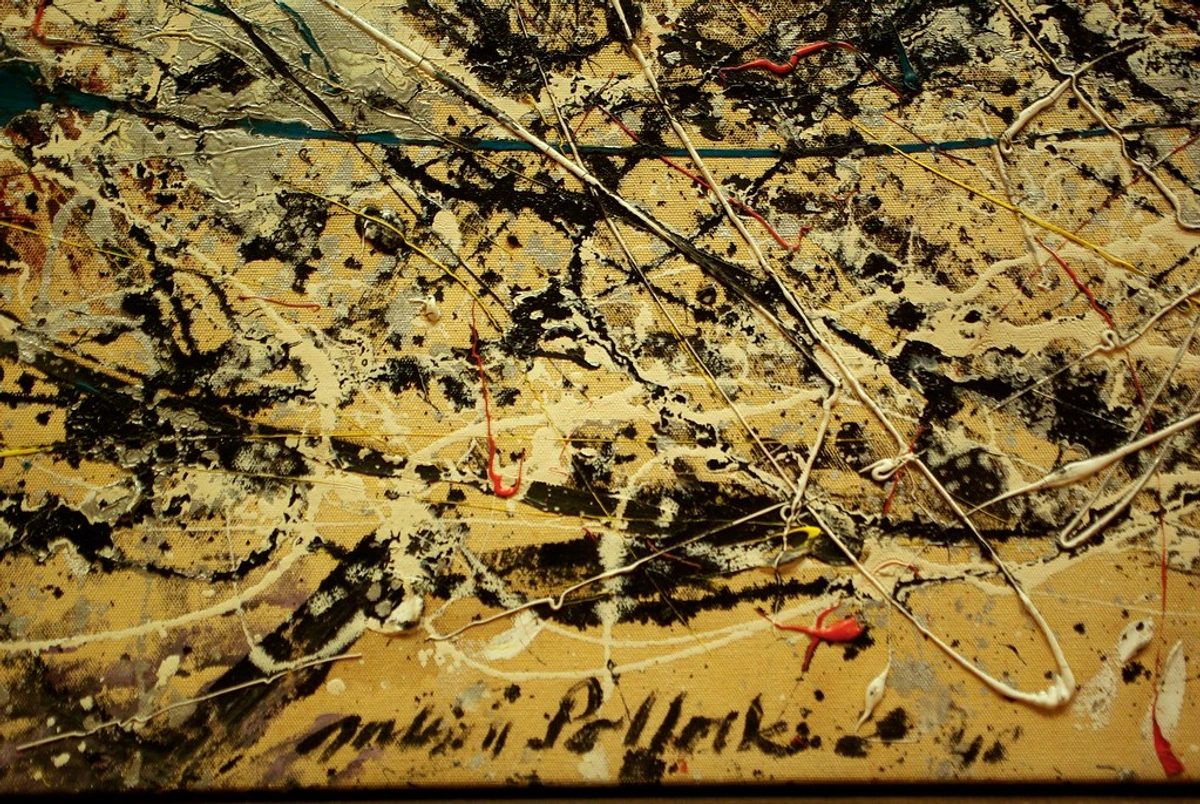
Step 3: Calling in the Experts – The Final Layer of Due Diligence
For any piece with a significant price tag—or simply one where a nagging doubt won't leave you alone—there is no substitute for an independent expert opinion. This is your insurance policy. It's an extra cost, but it's often a drop in the bucket compared to the potential financial and emotional cost of a mistake. At this stage, your investigation moves beyond paper and into the realm of specialized knowledge.
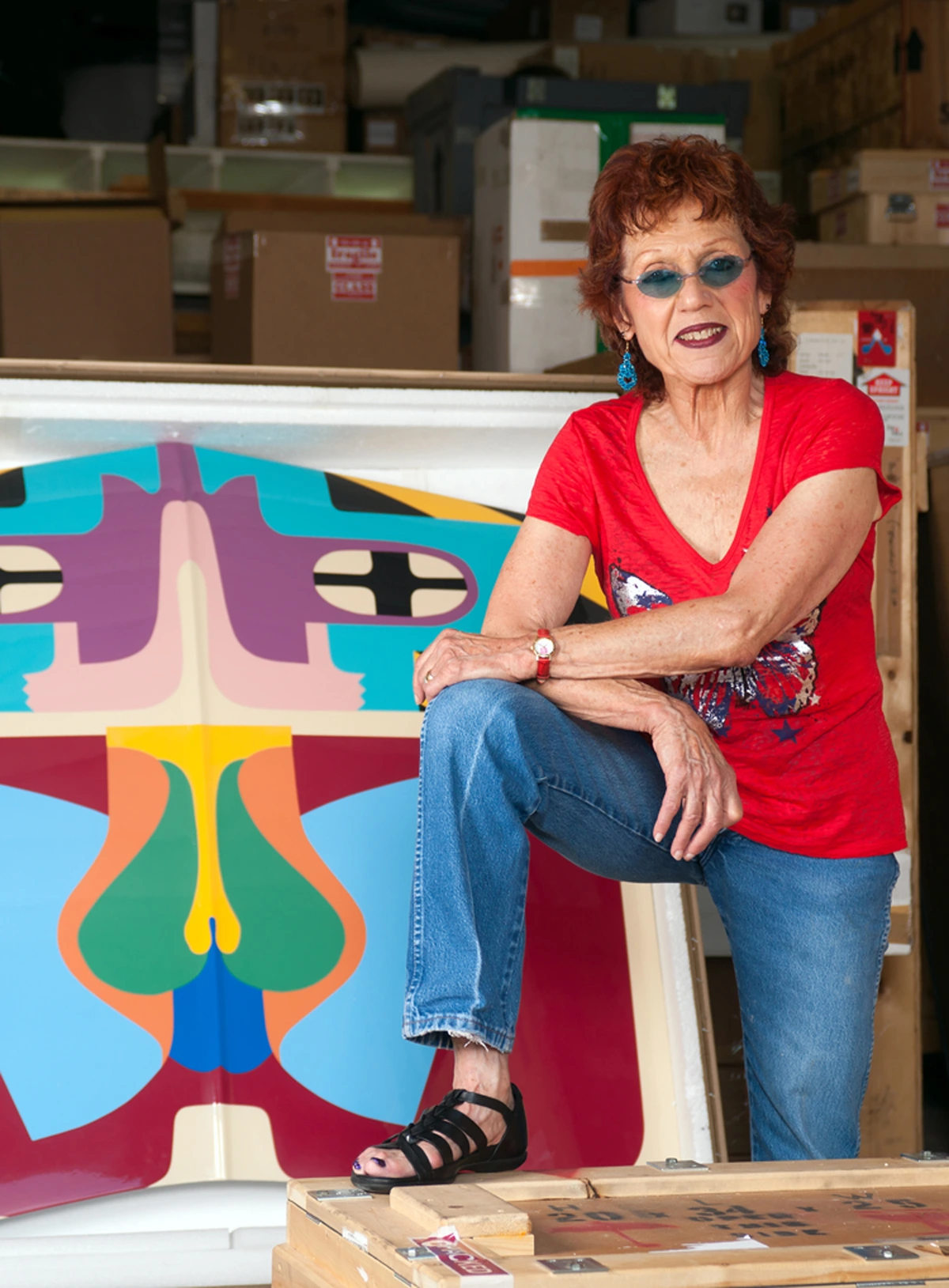
- Artist Foundations and Catalogue Raisonné Committees: For many major artists, an official foundation maintains a "catalogue raisonné"—the definitive, scholarly list of all their known works. Submitting your piece to the relevant committee for inclusion is one of the highest forms of authentication. A positive verdict from a foundation is the gold standard.
- Independent Art Historians & Appraisers: An art historian specialized in your artist’s work can perform a "connoisseurship" examination. This involves analyzing the style, materials, and technique in detail. A certified appraiser can also assess its value in the context of the current market. I've found that the fee for these experts is often a crucial investment, especially when dealing with works from unfamiliar sources.
The Sneaky Stuff: Red Flags I've Learn to Spot (Sometimes the Hard Way)
Not every piece comes with a pristine, gilded provenance. Sometimes, the history is fragmented, and that's okay to a degree. But there are definite red flags that have, over time, trained my internal alarm bell to go off.
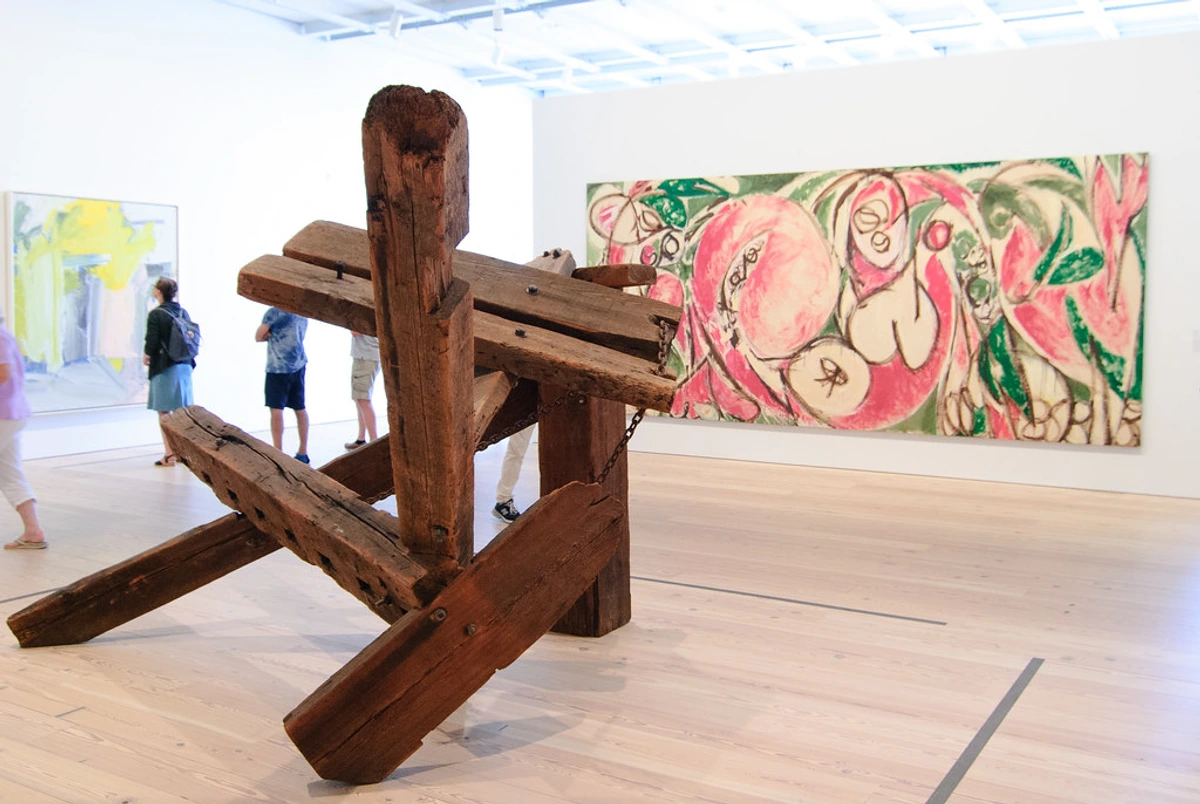
It's crucial to understand that not all red flags mean a work is inauthentic or illegal. Sometimes, they indicate it’s overvalued or more risk than you should comfortably take on, especially if you’re planning to sell your art later. When you’re starting out, these situations can feel incredibly confusing, which is why beginners often find great value in the advice from platforms that focus on emerging artists.
Red Flag (My Gut Feeling)  | Why It's a Problem (My Worries) | What to Do (My Advice) |
|---|---|---|
| Vague Ownership History | "Private collection" repeated endlessly without context. This creates an unverifiable black hole in the object's timeline. | Ask for specifics. If they refuse or get defensive, walk away. |
| "Too Good to Be True" Price | Often signals underlying issues with authenticity or provenance, or the seller is unaware. | If it's a steal, there's usually a reason. Get it independently appraised. |
| No Documentation Whatsoever | Even a simple receipt from an initial gallery sale is better than nothing. This implies no expert has ever authenticated or handled it. | Extreme caution. Unless directly from the artist, without ANY paper trail, it's risky. |
| Seller Pushing for Quick Sale | High pressure tactics often mean they want to avoid scrutiny. | Take your time. Don't let emotion rush your due diligence. |
| Inconsistent Stories/Details | Different accounts of how the piece was acquired or its history. This points to either deception, confusion, or a poorly told story. | Investigate thoroughly. Inconsistencies are major red flags. |
| Recently "Discovered" Masterpiece | A "lost" work by a major artist suddenly appearing on the market is statistically unlikely and requires extraordinary proof. | Demand ironclad provenance and third-party verification from a top expert or foundation. |
Beyond these, pay close attention to the artwork itself. Does the signature look right? Does the artist’s signature style match the period it’s claimed to be from, in line with their career timeline? In abstract works, this can be harder to judge, making you rely even more heavily on the paper trail. Details matter: Are the materials (canvas, pigments) appropriate for the era? Sometimes, simple tools like a UV light can reveal later restorations that weren’t disclosed.
credit, licence
Beyond the Paperwork: The Peace of Mind
Provenance, for me, isn’t just a dry checklist of documents. It’s about the profound sense of connection and peace of mind it brings. When I look at a piece in my collection, knowing its full, verified history, it adds another layer to my appreciation. It’s no longer just an object; it’s a survivor, a traveler through time, with a verifiable lineage. This sense of certainty allows me to fully immerse myself in the artwork, to appreciate its power of color in abstract art: my approach to palette and emotion or role of texture in abstract art: a sensory exploration without nagging doubts. It enhances the intrinsic value – the story, the journey – making the art even more compelling.
My Journey Continues (and Yours Can Too)
This journey into the heart of art collecting has fundamentally changed me, not just as a collector, but as an artist. Living and breathing in a world of color and abstraction, as I do in my own art for sale, makes me endlessly curious about the history behind every great work. It’s a powerful reminder that every piece of art—from a masterwork hanging in the Den Bosch Museum to the canvas I'm working on today—is a fragment of a human story, a moment of creative passion frozen in time.
For high-value abstract art, ensuring that story is authentic and unbroken isn't just a best practice; it's a foundational pillar of the entire endeavor. It's a non-negotiable part of the collector's responsibility, a duty to the art, to history, and to yourself. And truly, once you get the hang of it, it becomes one of the most fascinating and rewarding parts of the entire process.
The Art of Buying Without Provenance: A Calculated Risk
Let's be completely honest: not every purchase can have a perfect provenance. Sometimes, you encounter a piece that has almost no history, yet it speaks to you on a level you can't ignore. Maybe it's by an emerging artist whose career is just beginning. Maybe it's an older piece found in a second-hand shop or an estate sale, a beautiful enigma with a lost past. Is buying it always a mistake?
Not necessarily. But you must go into such a purchase with your eyes wide open, fully aware that you are making a calculated gamble rather than a secure investment. This is where the art of collecting meets the science of risk management. The key is to ensure that the price of the piece accurately reflects the risk you are taking on. You should never pay a "verified history" price for a piece with no history.
If you do decide to take the plunge, adjust your expectations. Appreciate it for the beautiful mystery it is. Enjoy it, love it, but understand that its resale value will likely be low and its journey to your wall may be its only verifiable story for a long time to come.
Frequently Asked Questions (FAQ)
Q1: Is provenance always necessary for all art?
That’s a nuanced question, and the answer really depends on what you’re buying.
For high-value abstract art—we're talking thousands of dollars or more—a solid provenance is non-negotiable. It is absolutely critical for confirming authenticity, supporting the work's market value, and providing legal and ethical protection.
For less expensive pieces, prints, or works by emerging artists, the lack of a long, complex provenance isn’t necessarily a deal-breaker. In these cases, your relationship with the artist or the gallery becomes the primary source of trust. A clear, straightforward bill of sale from the artist or their representing gallery is often sufficient, as the work hasn't had enough time to accumulate a long history. However, even then, I'd still recommend getting the most basic provenance you can—a receipt that clearly states the title, date, and medium.
Q2: What should I do if a piece has very limited provenance?
A work with a "gap" in its provenance is a common scenario, and it requires you to slow down and switch into full detective mode. This doesn't have to be an automatic deal-breaker, but it does change everything.
First, understand that a limited or "dirty" provenance makes the piece fundamentally riskier, which means it should be less valuable. If the seller is still asking for a "verified history" price, that's a major problem.
Your course of action should be:
- Investigate the Gap: Your first job is to try to rebuild the missing history. Can you find any evidence to plug the hole? Old photographs, exhibition records, or even a mention in an old newspaper article can be a starting point. This is often a long, slow, and sometimes fruitless process, but it's the necessary work.
- Get an Expert Opinion: Hire an independent art historian or appraiser who specializes in that artist to do a deep dive. Sometimes, through stylistic analysis, materials testing, or simply knowing the art world's hidden histories, they can render a professional opinion on authenticity that helps bridge the documentary gap.
- Adjust the Price (and Your Expectations): A work with an unverifiable history should be priced to reflect that risk. You should be getting a significant discount, and you should go into the purchase accepting that it may never be accepted by a major auction house or museum. You are buying a beautiful question mark, and the price must reflect that.
- Proceed With Extreme Caution: Ultimately, you can only buy a piece with a limited provenance if you are comfortable with the ambiguity and have priced the risk into your offer. Without the ability to independently verify its authenticity, you are taking a leap of faith.
Q3: Can provenance be faked?
Yes. Absolutely. This is the dark side of the art world that makes provenance research so essential. Forged documents, fake invoices from non-existent galleries, and entirely invented histories are common tools used to "launder" stolen or fake art, giving them a sheen of respectability.
This is precisely why I hammer home the point about cross-referencing and independent verification. A provenance is just a collection of claims on paper. Every single claim—every invoice, every exhibition listing—must be treated as suspect until you can prove it's true. Your job is to be a friendly but firm skeptic.

What is far more difficult to fake is the sheer weight and consistency of a long, detailed provenance that stretches across decades and multiple, unrelated sources. A forged invoice is one thing. Forging a decades-long paper trail that includes museum catalogs, international auction records, and publications is a monumental undertaking that usually collapses under modest scrutiny. This is why a long, "boring" provenance is often the most valuable of all.
Q4: What are the best resources for provenance research?
Thankfully, you don't have to do this alone. The digital age has made many powerful tools accessible to the public. Building a research habit is key. Here are the essential resources I use and recommend:
- Major Auction House Archives: Sotheby's, Christie's, and Phillips all maintain extensive, searchable online archives of their past sales. Looking at how they describe and source works is a masterclass in provenance. Their printed and digital catalogs often provide detailed provenance notes for free.
- Art Market Databases: For a subscription fee, services like Artnet and Artprice offer incredible power. They allow you to search millions of auction records, compare prices for an artist over time, and most importantly, see high-resolution images from past sales catalogs to compare with the work you're examining.
- The Art Loss Register: Before any major purchase, it is essential to check the work against the Art Loss Register's database of stolen art. It's a crucial step in your due diligence to ensure you aren't buying a stolen object. The stories behind famous art heists are a stark reminder of why this step matters so much.
- Artist Foundations & Archives: If the artist has an official foundation or archive, it can be an invaluable resource. They often maintain the definitive catalog of the artist's work (the "catalogue raisonné") and can be a source of deep expertise on authenticity.
- Independent Appraisers & Art Law Firms: When the research gets too complex or the financial stakes are too high, call in a professional. A certified appraiser can give you a formal valuation that takes provenance into account, while an art law firm can help you navigate complex legal issues related to title and ownership.
Final Thoughts
In the end, this isn't just about dry paperwork or abstract market values. It's about building trust in your collection and forging a richer, more meaningful connection to the art you live with.
Think of provenance as the invisible thread that connects you directly to the artwork's past, a silent guardian of both its authenticity and its soul. It's a biography that allows the art to speak for itself, across decades and continents.






So, the next time you find yourself standing in front of an extraordinary abstract piece, captivated by its presence, take a moment to look beyond the canvas. Ask about its story. Demand to know its history. Because in the intricate and often opaque world of high-value art, knowing where a piece has been is just as important as imagining where it's going to hang next—hopefully, on your wall.