
Diego Rivera: Art, Revolution & the Fresco Master's Political Vision
Dive into Diego Rivera's life: from Cubism to revolutionary Mexican murals, his complex communism, the Rockefeller scandal, and lasting impact on public art. An ultimate guide to an artist who painted a new world.

Diego Rivera: The Uncompromising Brush of Revolution
When you think of Diego Rivera, what comes to mind? For many, it's the larger-than-life murals, his tumultuous relationship with Frida Kahlo, or simply his status as a titan of Mexican art. And you're not wrong, not even a little. But to really get Rivera, I mean really understand the man, you have to look past the paint. You have to see the politics that coursed through his veins as vividly as the pigments on his palette. For him, art wasn't just decoration; it was a weapon, a textbook, and a megaphone for the working class, a tool to build a new world. That's the core of what I want to explore here: how he harnessed art as an engine for revolution.
His life wasn't a neat, linear progression. It was a messy, passionate, and often contradictory whirlwind of art, love, and fierce political conviction. Let's peel back the layers and look at the revolutionary heart beating beneath the artist's smock.

Early Canvases, Revolutionary Dreams: Mexico's Budding Master
Before Rivera became the global icon synonymous with grand public art, he was a prodigy in his native Mexico. I've always found it fascinating how early seeds can define a person's trajectory, and Rivera's were planted firmly in the rich soil of Mexican culture and a burgeoning awareness of social inequality. He began formal art studies at the prestigious Academy of San Carlos in Mexico City at a remarkably young age, showing a talent that was impossible to ignore. His early work, while not overtly political, already hinted at a deep connection to the Mexican people and landscape, setting the stage for the powerful themes he would later embrace. Even then, I imagine he sensed a disconnect between the art taught in academies and the vibrant, often harsh, realities of his homeland.
The European Crucible: Forging a Political Mind
Rivera arrived in Europe in 1907, and for over a decade, he dove headfirst into the avant-garde scene of Paris and Madrid. He hung out with Picasso and embraced movements like Cubism, deconstructing reality into geometric forms. He experimented with the vivid, emotional palettes of Fauvism and the dramatic distortions of Expressionism, absorbing lessons in color, form, and emotional impact that would subtly inform his later realism. You see, even as he moved away from these styles, they taught him how to see and how to translate complex ideas into powerful visual language.

But it wasn't just about art. Europe at that time was a powder keg of political ideas. He was in Paris during World War I and met Russian exiles buzzing with revolutionary fervor. There was a palpable sense of change in the air—socialist and communist ideals were gaining traction, and artists and intellectuals were hotly debating the role of art in society. This experience was transformative. It planted the seeds of Marxism in his mind and gave him a powerful new lens through which to see the world. He started to feel that abstract art, for all its intellectual appeal and my own personal appreciation for it, was ultimately a conversation held in an ivory tower. He began to crave an art for the people, something that spoke directly to the masses, that could educate and inspire.
Returning Home: Frescoes for the People's Revolution
When Rivera returned to Mexico in 1921, the country was still pulsating from its own revolution. It was a nation eager to forge a new national identity, to heal its wounds, and to educate its populace, many of whom were illiterate. The new post-revolutionary government had a brilliant, audacious idea: commission artists to paint the nation’s history, culture, and revolutionary ideals on the walls of its public buildings. This was the birth of the Mexican Muralism movement, and Rivera was its undisputed star. It was the perfect stage for his newfound political conviction.
This was the moment his art and politics fused into one unstoppable force. He joined the Mexican Communist Party in 1922 and set about creating epic murals that were unapologetically political. He wasn't just painting history; he was interpreting it through a Marxist filter, using the ancient, durable fresco technique—applying pigments directly to wet plaster. I often imagine the sheer physical labor, the rapid decisions, and the deep conviction it must have taken to work on such vast, unforgiving surfaces, knowing his message would endure for generations.
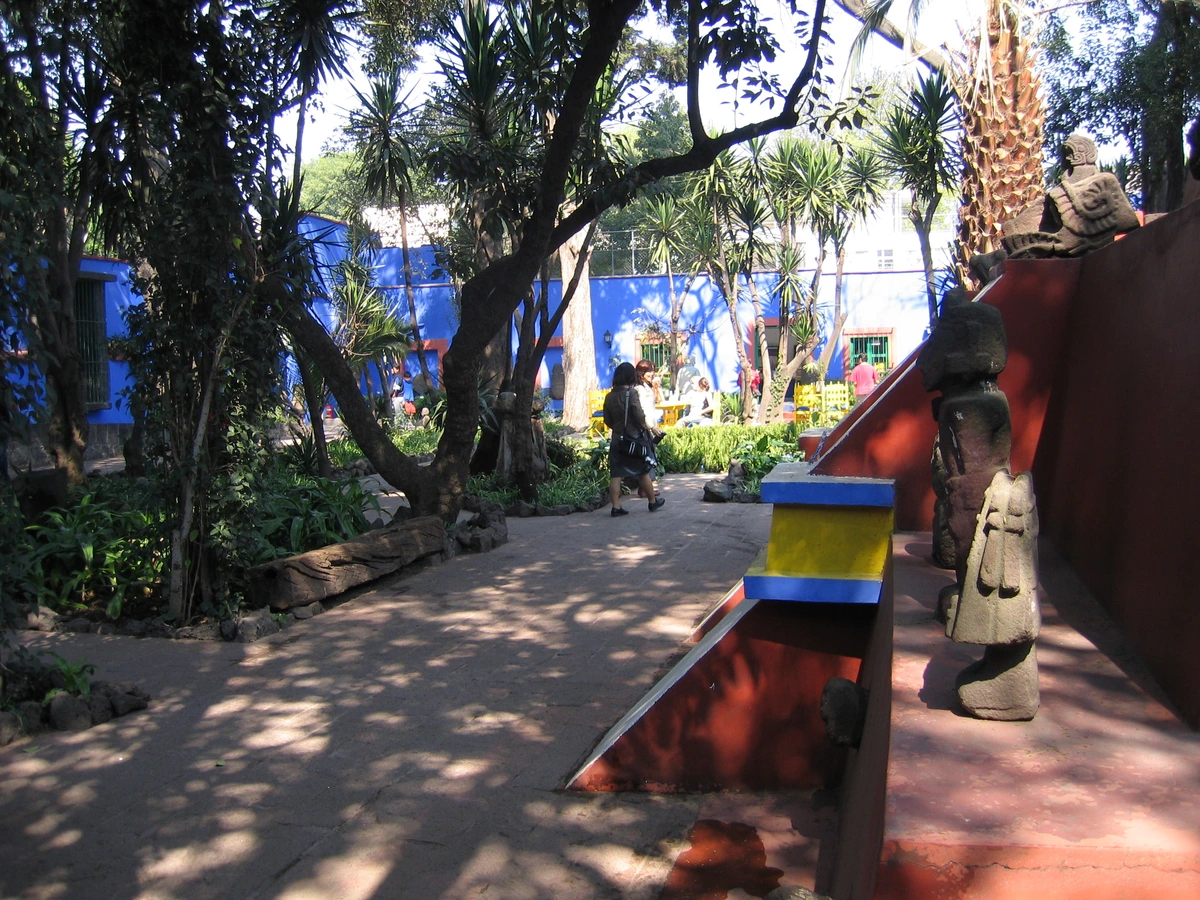
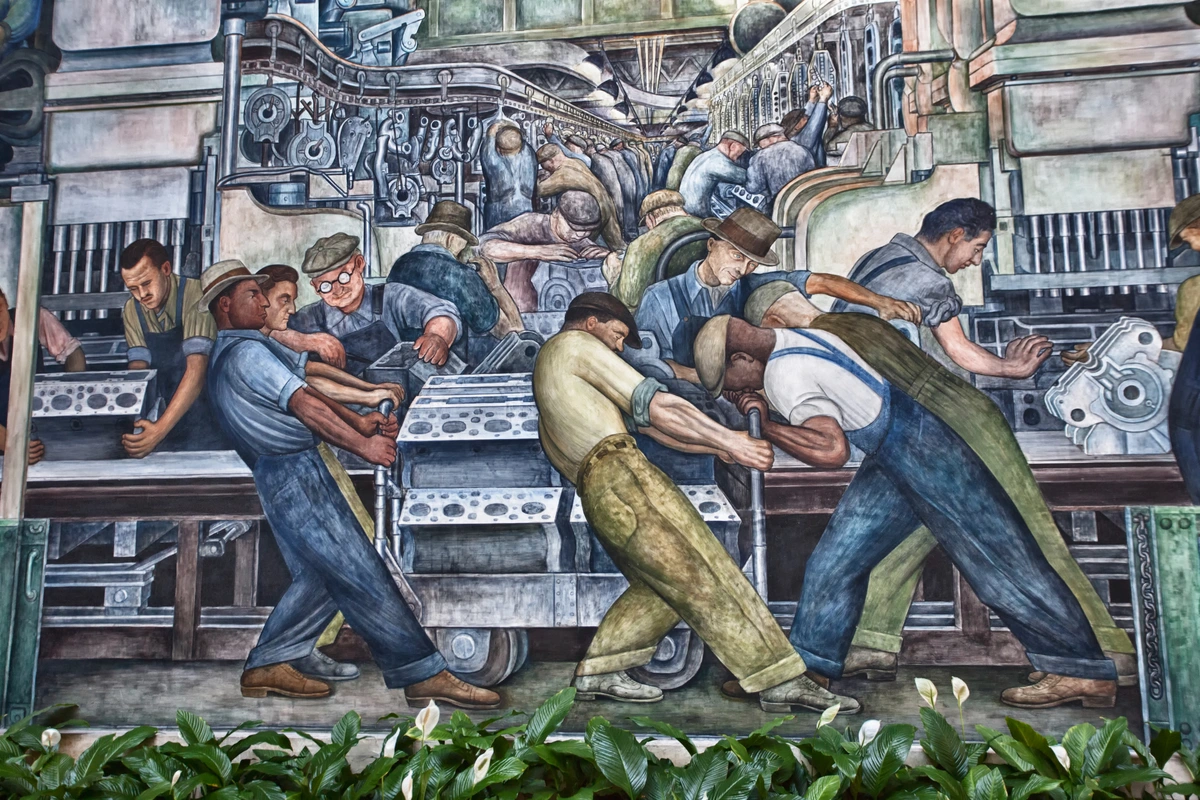
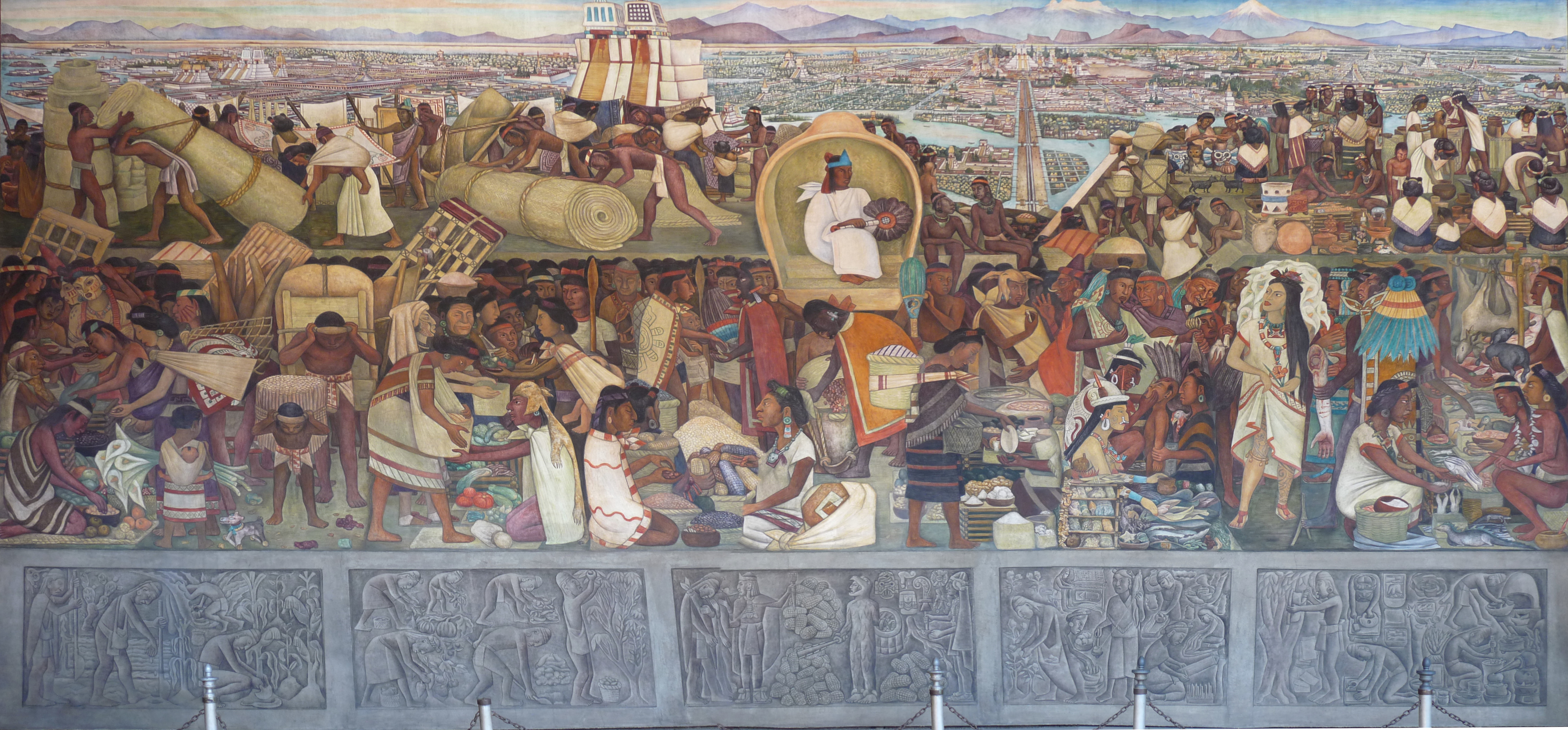
His murals celebrated indigenous Mexican culture, glorified the worker, and condemned the oppressors—the clergy, the bourgeoisie, and the capitalists. He saw the vast walls of universities and government palaces as public canvases, accessible to everyone, especially the illiterate, who could read the stories he painted. It was a visual history lesson, a moral compass, and a revolutionary call to action, all rolled into one grand, accessible art form. His wife, Frida Kahlo, a fiercely independent artist and communist herself, was often his intellectual and political confidante, and their shared home became a hub for revolutionary thinkers and artists alike.
Key Political Themes in Rivera's Murals
Theme  | Description | Significance to Rivera | Example Murals |
|---|---|---|---|
| Glorification of the Worker | Depicts laborers, farmers, and factory workers as heroes, the true builders of society, celebrating their strength and dignity. | Riveria believed the working class was the engine of history and the key to a socialist future, fighting against their historical exploitation. | Man at the Crossroads, The Fertile Land |
| Critique of Capitalism | Portrays capitalists and the wealthy as decadent, greedy, and exploitative figures, often using caricature and symbolic imagery to highlight their excesses. | He saw capitalism as the root of social injustice, leading to poverty and oppression, and sought to expose its destructive nature. | The Night of the Rich, Wall Street Banquet |
| Celebration of Indigenous Heritage | Elevates pre-Columbian history and culture as a core part of Mexico's identity, rejecting colonial influence and celebrating its unique spiritual and social structures. | Rivera championed Mexico's indigenous roots, seeing them as a purer, uncorrupted foundation for a truly Mexican national identity. | The History of Mexico at the National Palace |
| Vision of a Socialist Future | Envisions a future where technology and industry serve a united, classless society, often showing harmonious communal labor and scientific progress. | This theme expressed his utopian Marxist ideals: a society free from exploitation, where human ingenuity benefits all, not just a few. | Man, Controller of the Universe |

The Clash in the Concrete Jungle: The Rockefeller Scandal
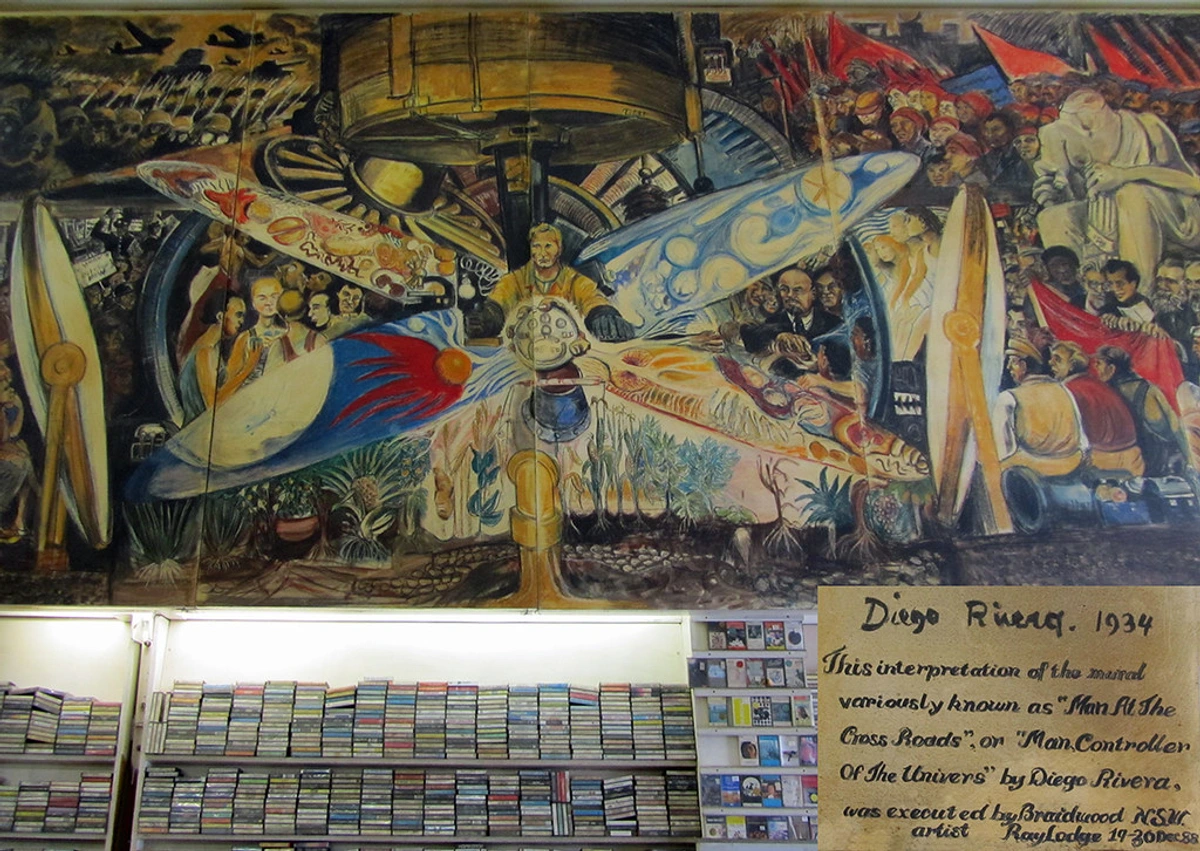
Perhaps no single event encapsulates Rivera's political fire like the infamous Rockefeller Center mural incident. In 1933, at the height of the Great Depression, he was commissioned by the Rockefeller family—the very symbols of American capitalism—to create a massive mural called Man at the Crossroads for the new RCA Building in New York City. I mean, you have to appreciate the profound irony of a staunch communist being paid by the ultimate capitalists to decorate their temple of commerce. What could possibly go wrong?
Rivera's initial design was approved, but as he worked, he made a little addition that wasn't in the sketches: a prominent portrait of Vladimir Lenin, the leader of the Russian Revolution. He depicted Lenin connecting the hands of workers. For the Rockefellers, this was a step too far. It was one thing to depict workers; it was another to place a communist icon, a symbol of anti-capitalism, in the lobby of their flagship building.

They asked him to remove it. Rivera, ever the defiant revolutionary, refused. He offered to balance Lenin's portrait with one of Abraham Lincoln, but the core point of contention remained: his political integrity versus their corporate image. The stalemate led to Rivera being paid his full commission and barred from the site. Soon after, in the dead of night, the mural was unceremoniously destroyed—smashed to pieces. Rivera, with his incredible resolve, would later recreate the mural in Mexico City, renaming it Man, Controller of the Universe. The controversy cemented his reputation as an artist who would not, under any circumstances, compromise his political beliefs for a paycheck. It was a powerful, if destructive, testament to his unwavering conviction.
A Complicated Communist
It’s easy to label Rivera a communist and leave it at that, but his relationship with the party was anything but simple. He was a rebel, an individualist, and his revolutionary spirit couldn't be neatly confined to any ideological box. His journey through the various factions of the communist movement is actually quite telling about his character and the turbulent political landscape of the era.
- Expulsion and Re-admittance: He was expelled from the Mexican Communist Party in 1929 for being too much of an individualist and, rather ironically for a communist, for accepting commissions from the very government he was, theoretically, supposed to be trying to overthrow. He wouldn't be readmitted until 1954, near the end of his life, after some political realignments.
- The Trotsky Affair: In 1936, Rivera successfully petitioned the Mexican government to grant asylum to Leon Trotsky, a key Russian revolutionary who had been exiled by Joseph Stalin. Trotsky and his wife lived with Rivera and Kahlo for a time. Rivera became a vocal supporter of Trotsky's anti-Stalinist brand of communism, which advocated for a 'permanent revolution' worldwide and democratic workers' rule, as opposed to Stalin's more centralized, nationalistic 'socialism in one country' approach (which, I think we can all agree, often involved purges and authoritarianism). But, in true Rivera fashion, they had a falling out over both politics and personal matters (rumors of an affair between Trotsky and Kahlo certainly didn't help). He just couldn't stay on anyone's straight path for long!
- An Unwavering Core Belief: Despite the in-fighting, ideological splits, and personal dramas, Rivera’s core belief never wavered: that art should serve a social purpose and fight for the emancipation of the oppressed. That, to me, is the consistent thread through all his ideological twists and turns.
The Enduring Brushstrokes of a Revolutionary
Rivera's legacy is a powerful reminder that art is never created in a vacuum. It is shaped by the world around it, and it, in turn, can shape that world back. He demonstrated that art could be both beautiful and a powerful tool for social change and public education, a concept that feels more relevant than ever. His massive public murals became a blueprint for generations of artists, not just in Mexico but across the globe, inspiring movements focused on social realism and the accessibility of art to all.
His work forces you to confront uncomfortable questions about power, history, and who gets to tell the story. He wasn't just painting walls; he was trying to build a new world, one brushstroke at a time. When you see a piece of street art challenging the status quo, like a Banksy mural, you're seeing the echo of Rivera's conviction. He proved that public space is a battlefield of ideas, and art is one of its most potent weapons. This idea, that art belongs to everyone and can change minds, is a powerful one, and it's why we continue to seek out and celebrate public art, from ancient frescoes to modern digital installations. If you're inspired to explore more revolutionary art or even consider starting your own collection, remember that art can be a form of activism, a piece of history, or simply a window into a different perspective. You can always find inspiration here or explore the timeline of art movements that shaped such powerful figures.
Frequently Asked Questions (FAQ)
Q: What were Diego Rivera's core political beliefs?
A: At his core, Diego Rivera was a Marxist and a communist. He firmly believed in the power of the working class (the proletariat) to overthrow the capitalist system and create a classless, socialist society. His art was his primary tool for promoting these ideals, educating the public, and vehemently criticizing what he saw as the injustices of capitalism, the church, and corrupt governments. He saw art as a necessary force for social change.
Q: Was Diego Rivera always a member of the Communist Party?
A: No, his relationship was quite complicated and marked by his strong individualism. He joined the Mexican Communist Party in 1922 but was expelled in 1929 for being too independent and for accepting commissions from the government. Later, he became a prominent supporter of Leon Trotsky, a rival of the Soviet Union's leader Joseph Stalin. He eventually broke with Trotskyism and, after some political shifts, was readmitted to the Mexican Communist Party in 1954, just a few years before his death.
Q: Why was Diego Rivera's mural at Rockefeller Center destroyed?
A: The mural, titled Man at the Crossroads, was destroyed because Rivera included a prominent portrait of the communist leader Vladimir Lenin. The Rockefeller family, who commissioned the piece, saw this as blatant communist propaganda in the heart of their capitalist landmark. They demanded its removal, but Rivera famously refused to compromise his artistic and political vision, leading to the mural's destruction in 1934.
Q: How did Diego Rivera's politics influence his art style?
A: His political beliefs directly led him away from the abstract styles like Cubism that he practiced in Europe. He sought a clear, narrative, and accessible style (a form of social realism) so that his murals could be easily understood by the common people, especially the illiterate. His politics dictated his subject matter—focusing on workers, peasants, indigenous history, and class struggle—and his choice of medium—large-scale public fresco murals that couldn't be bought and sold by the rich.




Q: Did Frida Kahlo share Diego Rivera's political views?
A: Yes, Frida Kahlo was also a committed communist and politically active throughout her life. She and Rivera shared a deep political bond, joining the party together, supporting Trotsky, and often using their art (albeit in very different styles) to express their political convictions. Their home was a vibrant hub for artists and political exiles, reflecting their shared revolutionary spirit.