Strathmore 400 Series Sketchbook Review: Your Unsung Creative Ally
My deep dive into the Strathmore 400 Series sketchbook. Discover its reliable paper, binding, and how it truly performs with dry vs. wet art media. Your comprehensive guide to this studio essential for artists of all levels.

Strathmore 400 Series Sketchbook Review: My Unvarnished Thoughts on a Studio Workhorse
There are some art supplies that feel like old friends. The ones you always return to, even when new, shinier options try to tempt you away. For me, the Strathmore 400 Series sketchbook falls squarely into that category. It isn't flashy, it isn't revolutionary, but it's utterly, reliably there. It's the silent witness to countless half-baked ideas, triumphant breakthroughs, and frustrating misfires. If you're an artist, student, or even just someone who loves to doodle, you’ve probably encountered one. Maybe you even own one. But have you really considered its understated brilliance? This article is my deep dive, an honest look at why this sketchbook has earned its place as a true studio staple, whether it's the right fit for your creative journey, and how to make the most of it.
The Deep Roots of a Studio Staple: Why This Workhorse Earns Its Stripes
Before we even talk about the Strathmore 400 Series, let's briefly acknowledge the sketchbook itself. For centuries, artists have used simple bound pages to capture fleeting thoughts, develop compositions, and practice their craft. From Leonardo da Vinci's meticulous anatomical studies to Vincent van Gogh's expressive landscapes, these humble books have been the bedrock of creative exploration. They are a safe space for raw ideas, unburdened by the pressure of a finished canvas.
And in this storied lineage, Strathmore holds a significant place. There’s a profound reason this particular sketchbook has been a go-to for generations of artists, from fledgling students to seasoned professionals. Strathmore boasts a rich heritage in paper making, with roots stretching back to 1892. They’ve consistently championed innovation in paper production, creating specialized surfaces for various artistic disciplines. This century-plus commitment to quality underpins the trust artists place in their products. The 400 Series is often championed as the 'Best' quality for those learning their craft, a perfect bridge between student-grade and professional materials. But what does that really mean in the wild world of creative exploration? Is it just clever marketing, or does it genuinely stand up to the constant demands of an artist's mind? I've put more pencils, pens, and even a rogue, slightly-too-wet paintbrush to its pages than I care to admit. I remember one frantic evening, trying to map out a complex abstract composition – lines, shapes, and sudden bursts of color – and this sketchbook, as always, just took it. It absorbed my indecision, my bold strokes, and my hurried corrections without a whisper of complaint. It simply held the space. So, let me break down why it's such an enduring staple, a true workhorse in my studio.
The Heart of the Matter: Unpacking the 400 Series Paper's Secrets
Naturally, the soul of any sketchbook resides in its paper. The Strathmore 400 Series typically features a medium-weight paper, commonly around 60lb (89gsm). To put that in perspective, while lighter 50lb papers are great for quick, ephemeral notes, and heavier 80lb+ papers offer more robustness, 60lb strikes a beautiful balance. Crucially, this paper is generally acid-free, a vital detail that ensures your work resists yellowing and deterioration over time, preserving your artistic journey for decades. It usually presents a distinct vellum surface on one side – that's the subtle tooth or texture – and a slightly smoother reverse. This texture, my friend, is where many sketchbooks either sing or fall silent; it's the hidden engine behind much of its drawing potential, influencing not just how your marks appear, but the very feel of your creative process.
A Dry Media Dream: The Magic of Tooth
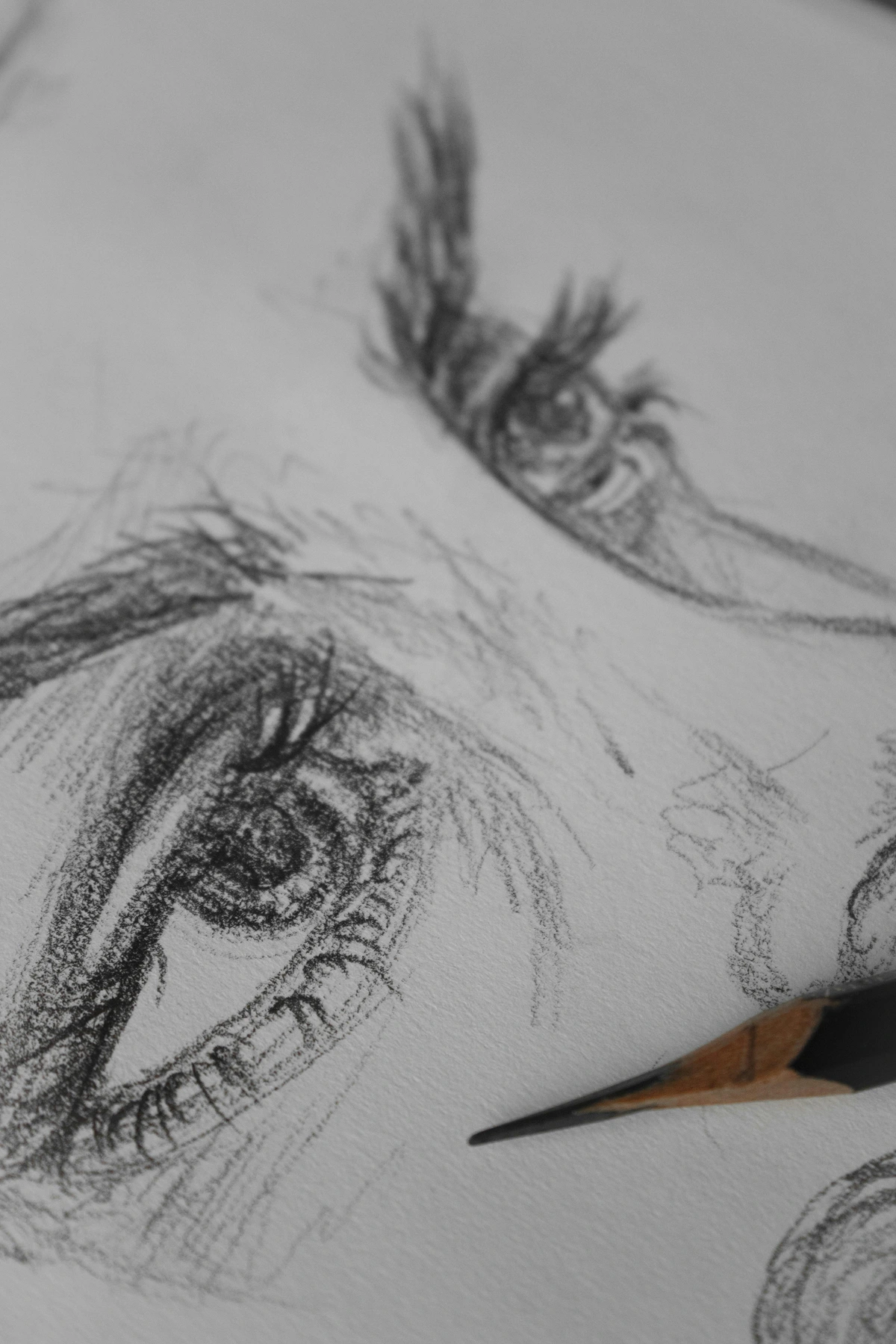
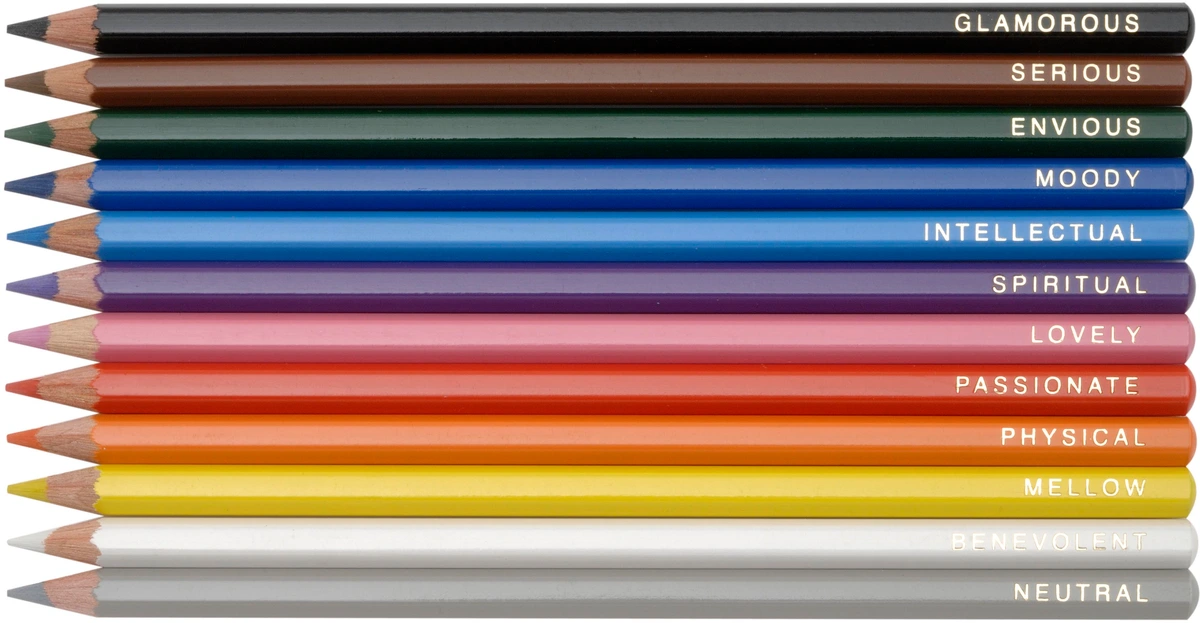
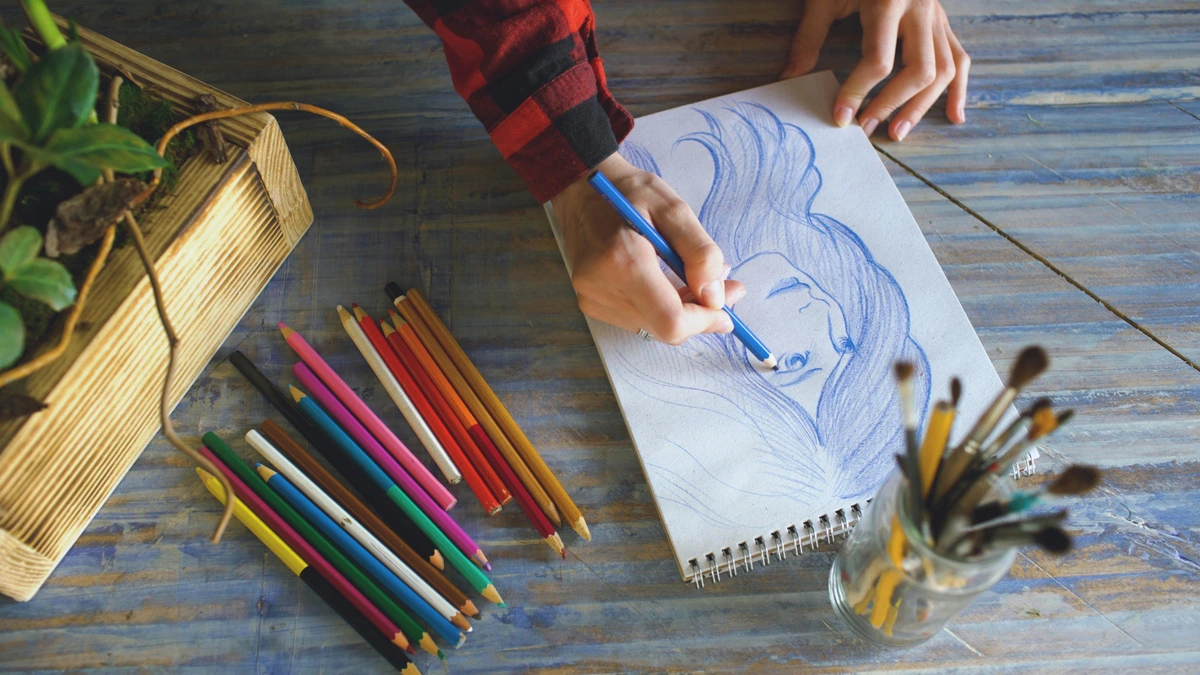
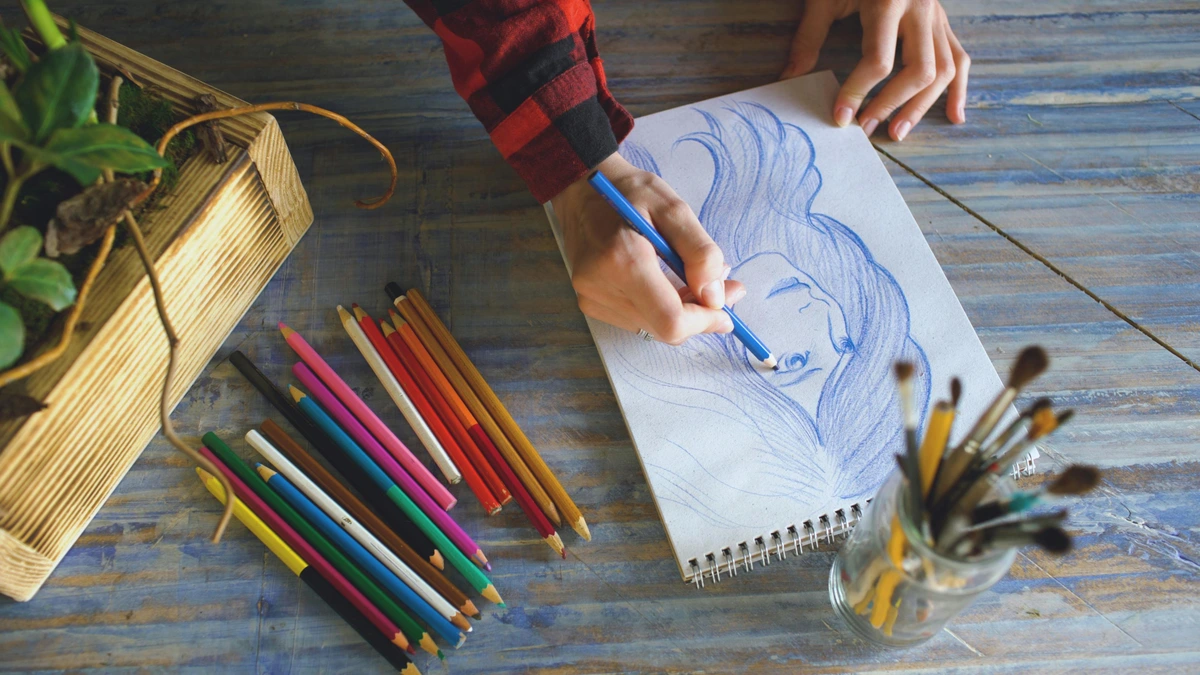
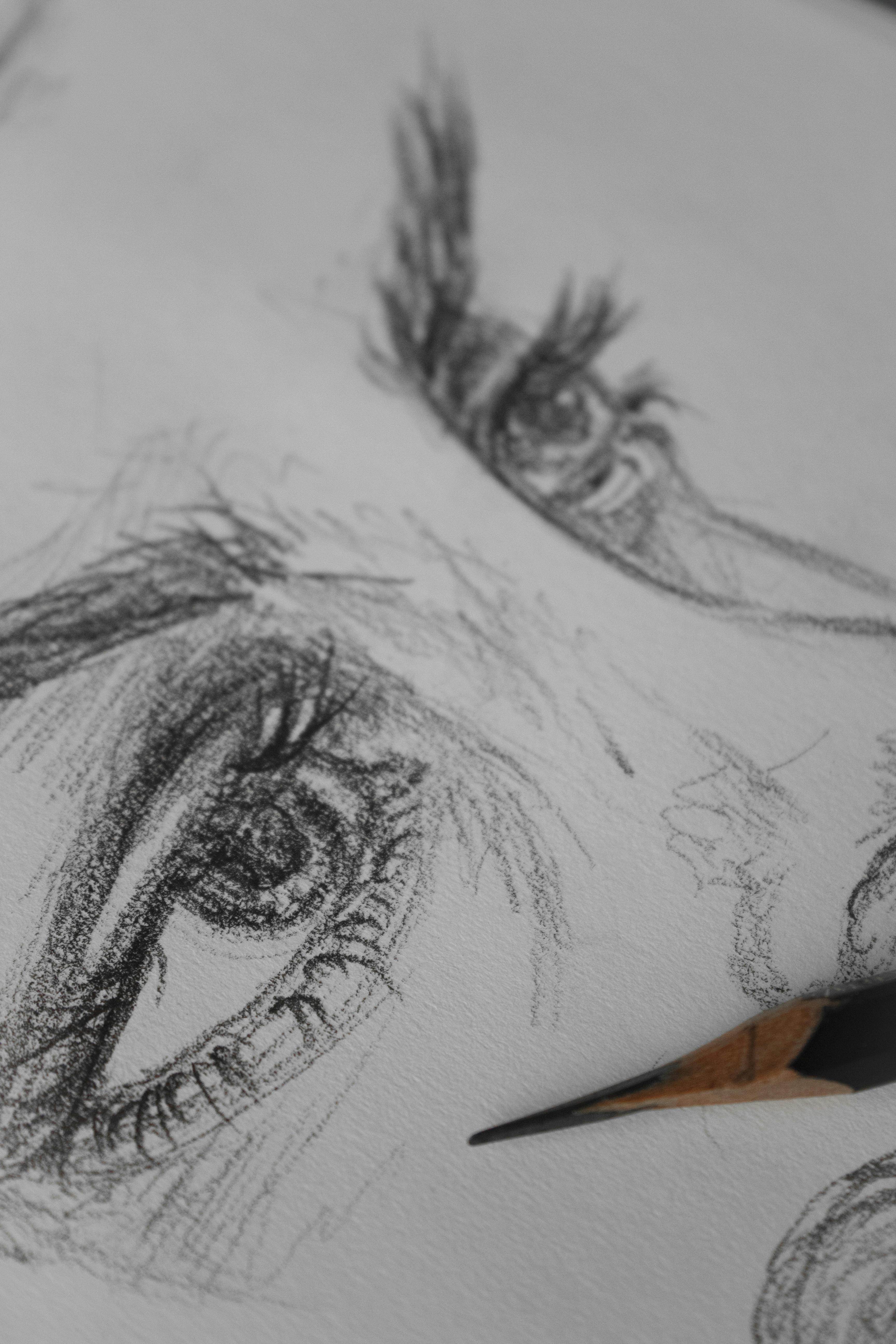
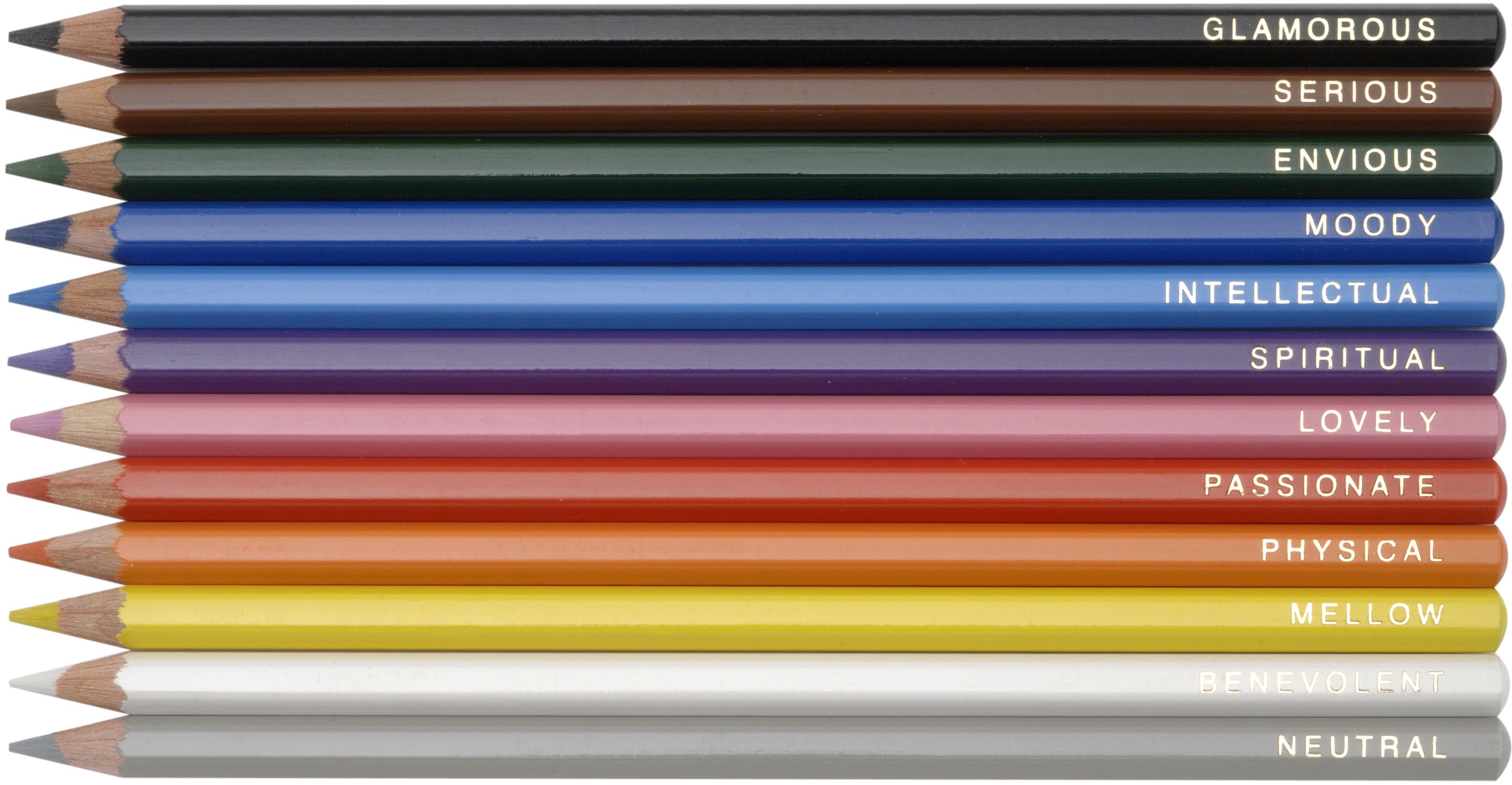
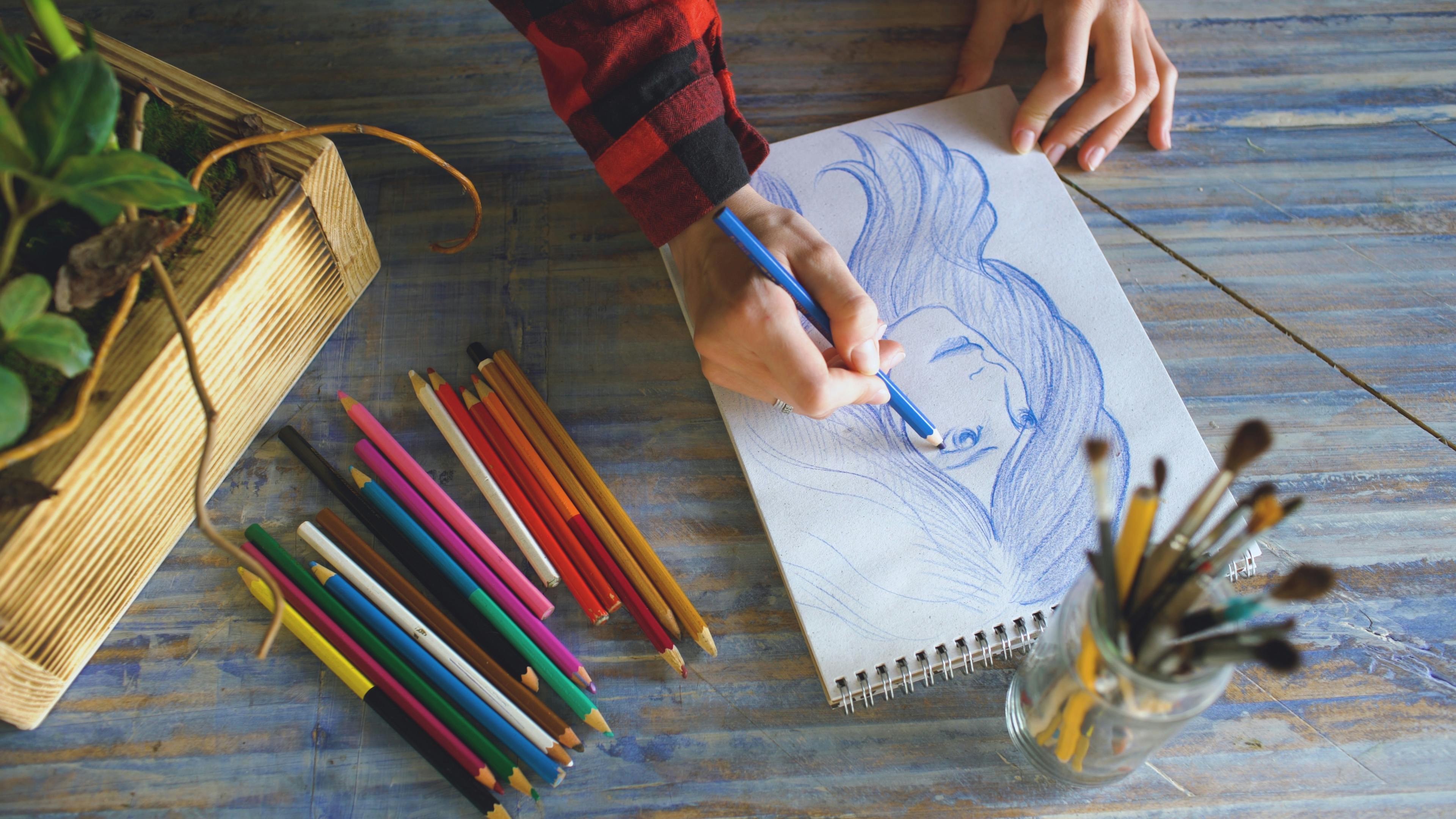
For dry media, this paper is, quite frankly, a joy. Graphite pencils (you know, the kind I rave about in my best sketching pencils for artists article) grip the tooth beautifully. This 'grip' isn't just a fancy word; it's what allows for incredibly smooth shading, rich tonal build-up, and that delightful sense of control over your marks. Think of those microscopic hills and valleys on the vellum surface: they literally catch and hold the pigment particles from your pencil, charcoal, or pastel, allowing you to layer more material and achieve deeper, more nuanced tones than on a slicker surface. This directly contributes to a more expressive and textured final artwork, preventing everything from looking flat. Charcoal, soft pastels, and even colored pencils (like the ones you see in countless gorgeous illustrations) find a happy, stable home here. I constantly use it for quick color studies or planning out the initial compositional layouts for future pieces.
Navigating the Waters: Wet Media Limitations
Now, for the tricky part: wet media. This is where we enter 'know your limits' territory. Light washes of ink are generally fine, especially if you work quickly and sparingly. I've had success with dip pens and fountain pens using drier inks, as the controlled application helps. This paper can be a decent exploratory ground for mapping out the unseen structure of an abstract painting with quick ink sketches, for instance.
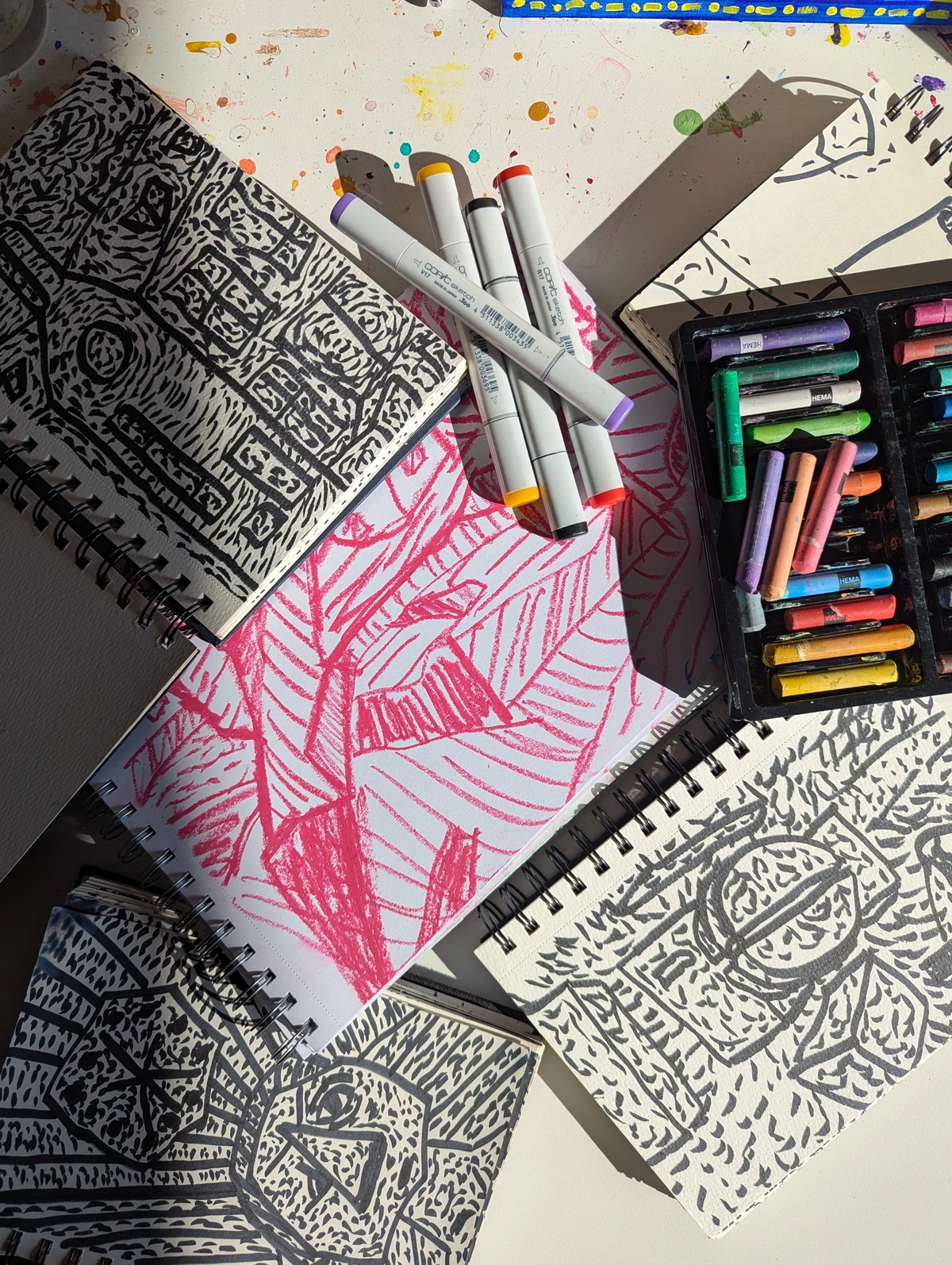
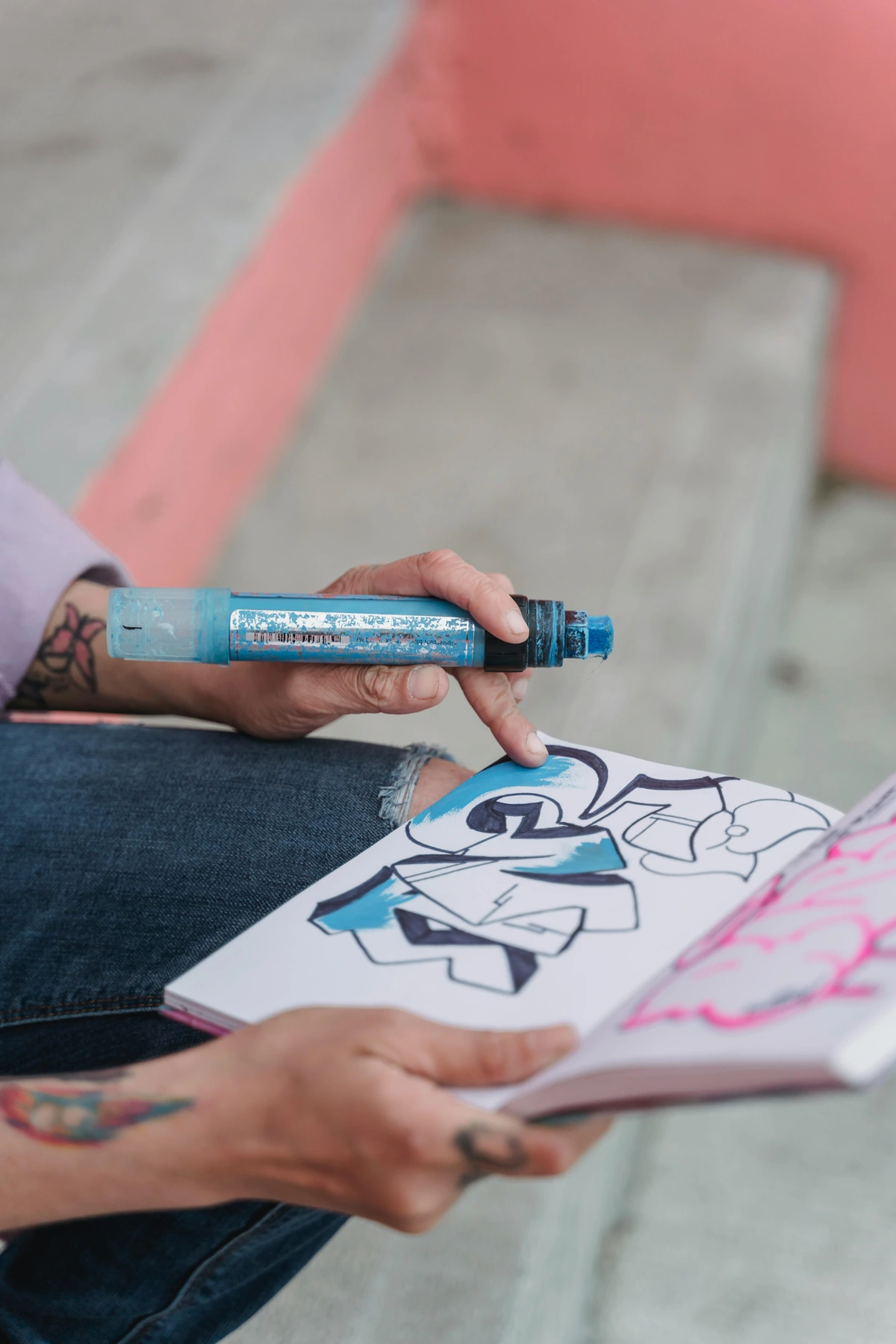
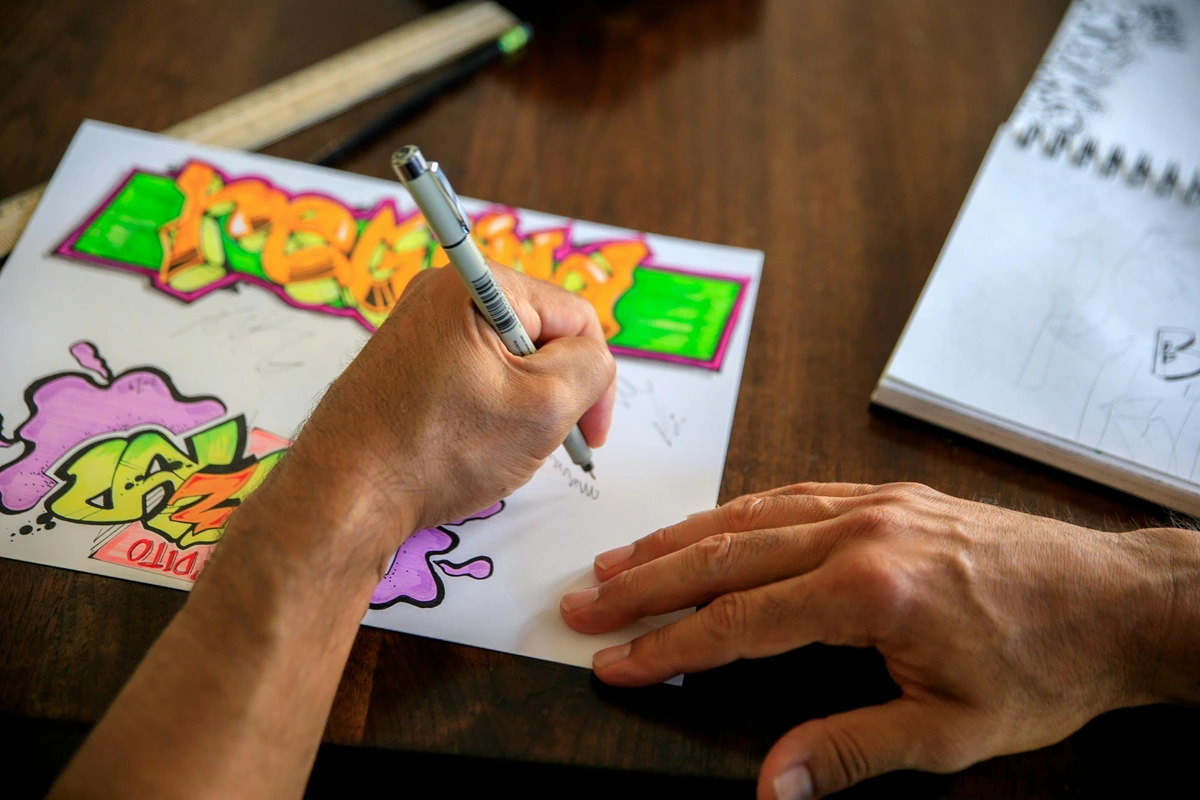
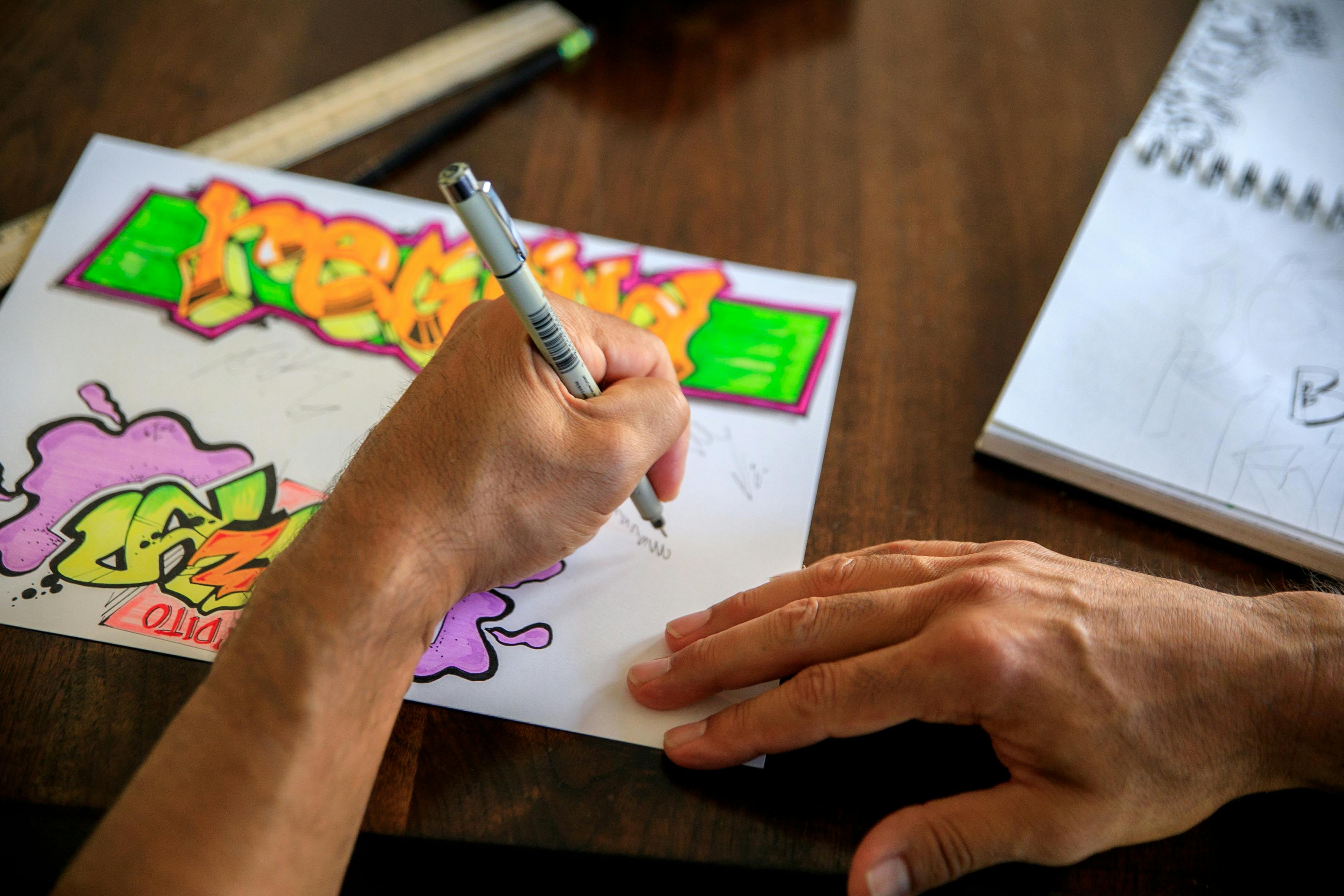
Markers, particularly alcohol-based ones, will bleed through with gusto. Their composition (the alcohol evaporates quickly, carrying pigment deep into the paper fibers) and the paper's absorbency just aren't a match. No surprises there; it’s simply not designed for them, unless you're into accidental Rorschach tests on the back of your next brilliant idea. You'll also likely experience significant ghosting – where the color is faintly visible on the reverse side – even with water-based markers if applied too heavily. For markers, a dedicated marker paper or a sketchbook with heavier, coated pages (like those I review in best markers for coloring or best alcohol-based markers for artists) is a far superior choice.
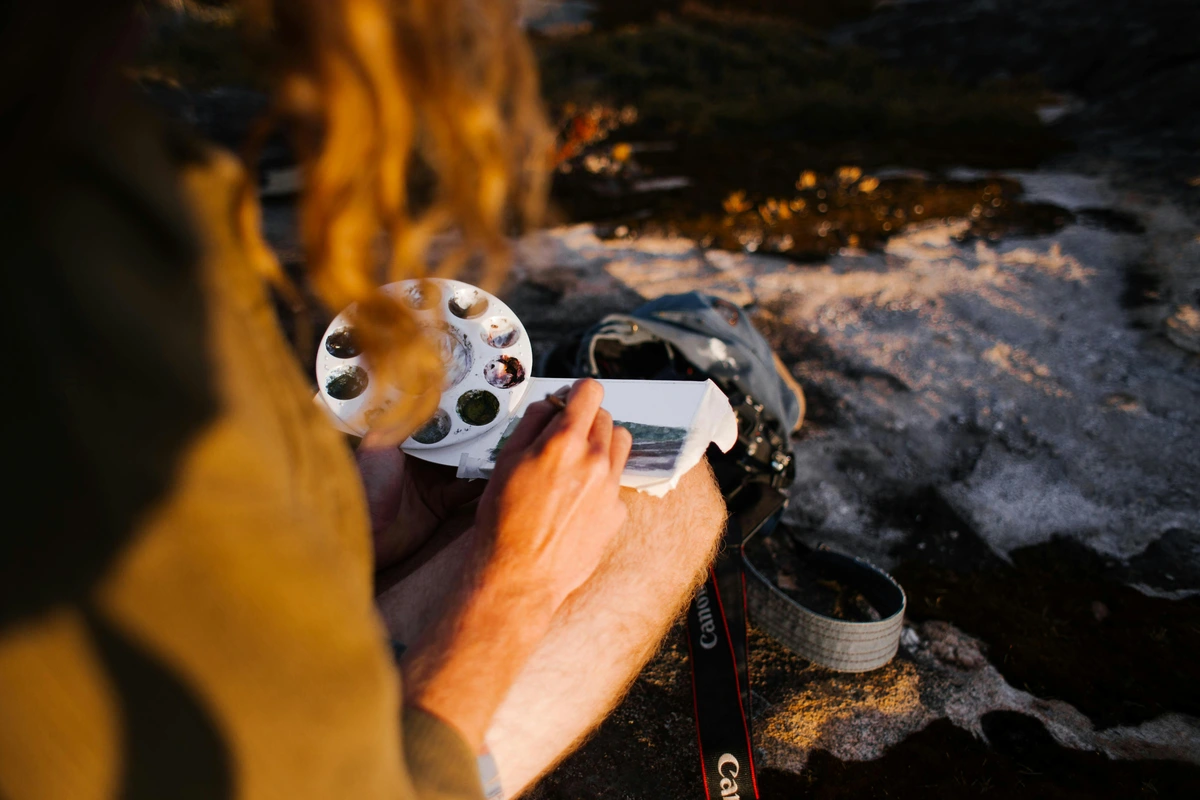
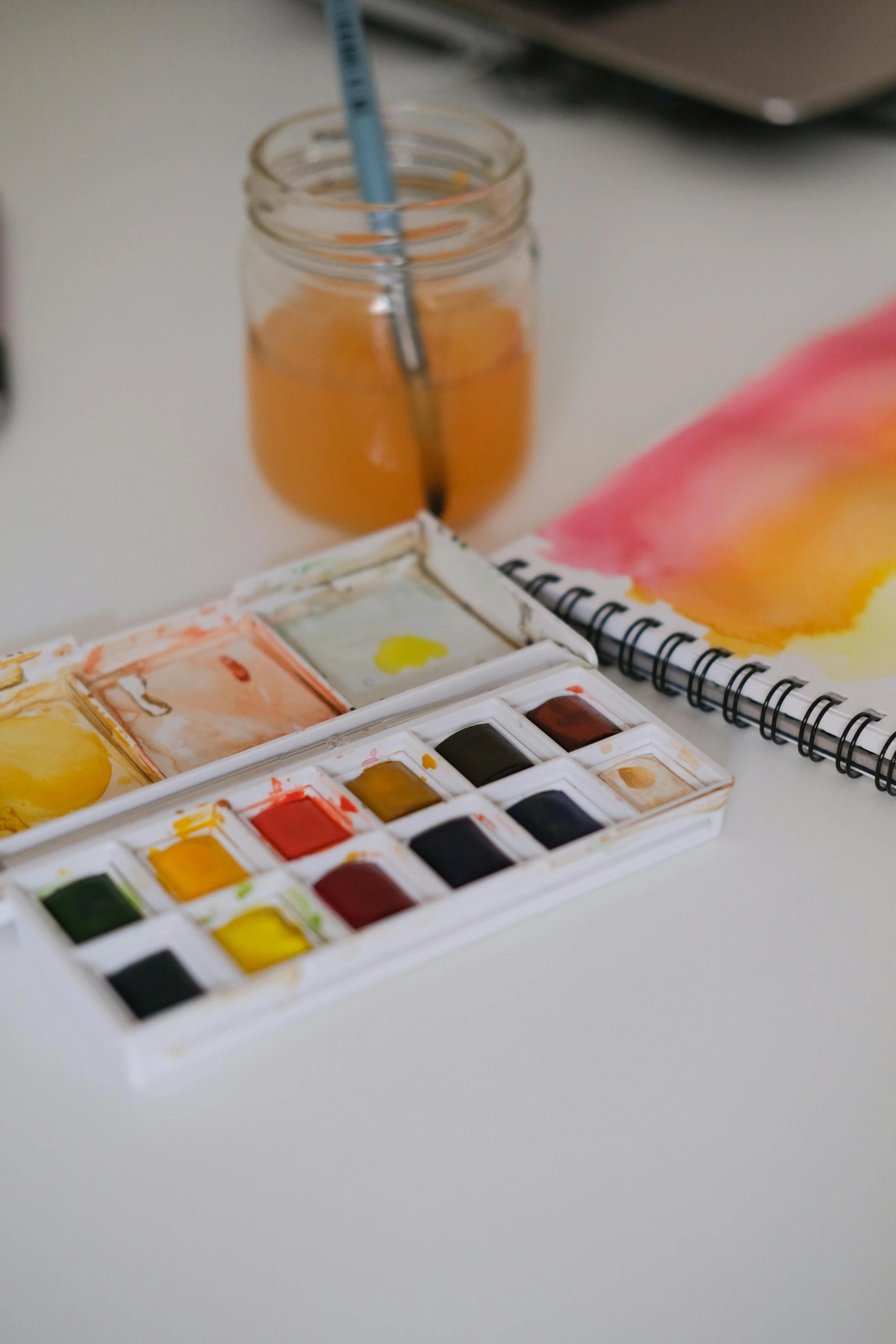
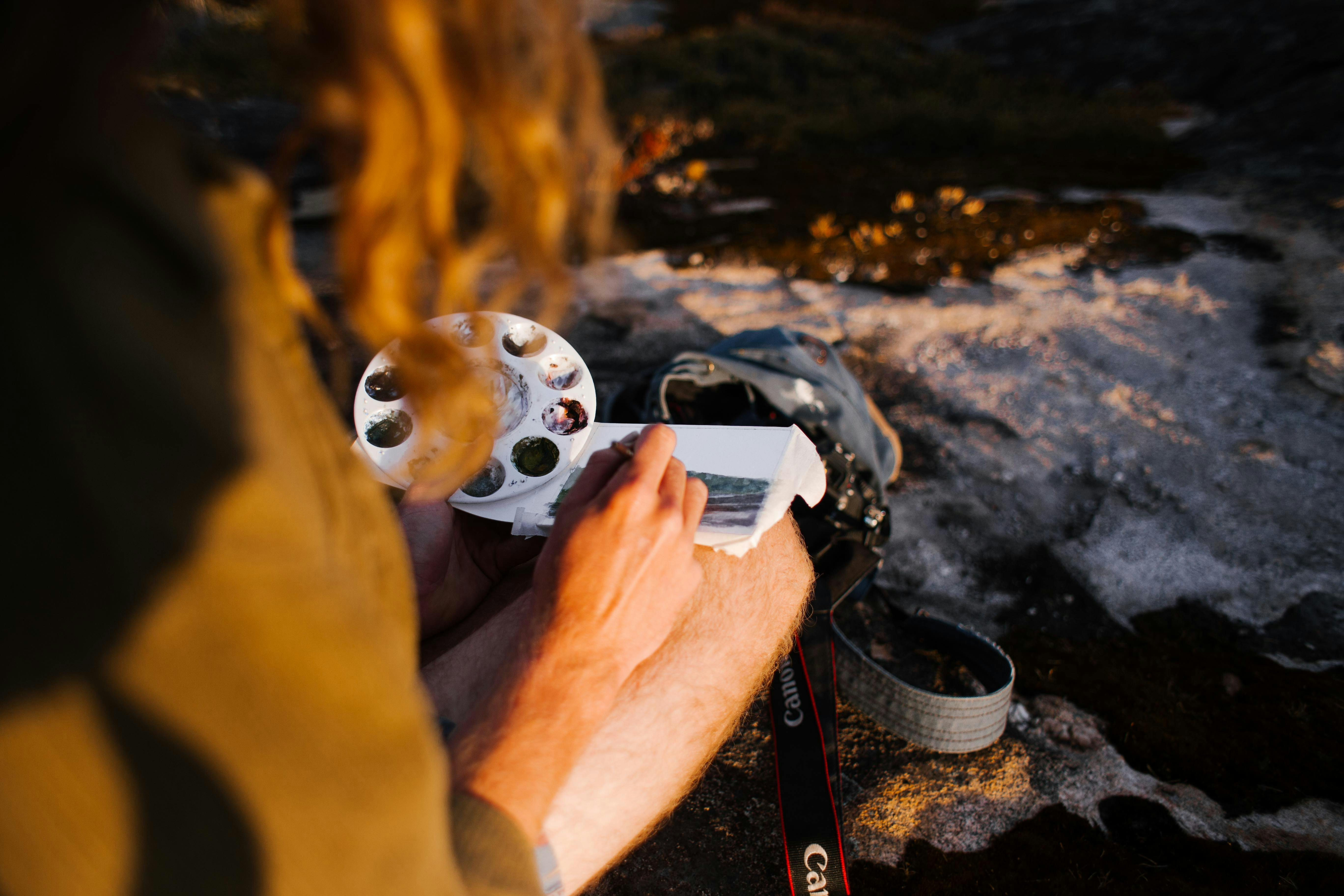
Watercolor? Well, you can nudge it, but anything more than a very, very light wash will likely lead to buckling – that infuriating crinkling and warping of the paper as the cellulose fibers become oversaturated and expand unevenly – and significant bleed-through. It is emphatically not watercolor paper. For serious watercolor endeavors, you need something much heavier and specifically sized (a process where paper is treated to reduce absorbency and prevent buckling), like the papers I delve into in a review of watercolor papers, or perhaps a Strathmore 500 Series Bristol if you need a smoother, sturdier surface for mixed media. The 400 Series is a tool for exploration rather than perfection when it comes to watercolors; it's a place to think in color, not to paint finished pieces.
Structure and Longevity: Binding and Covers – Holding it All Together
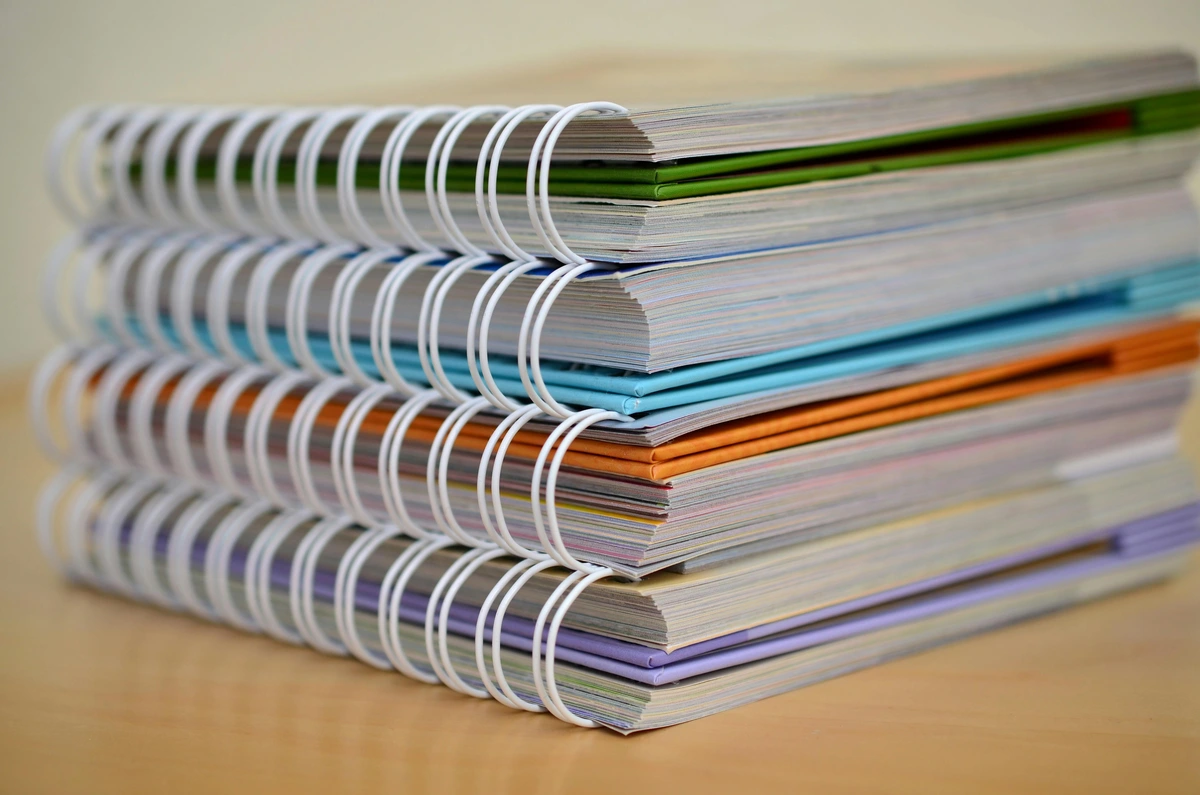
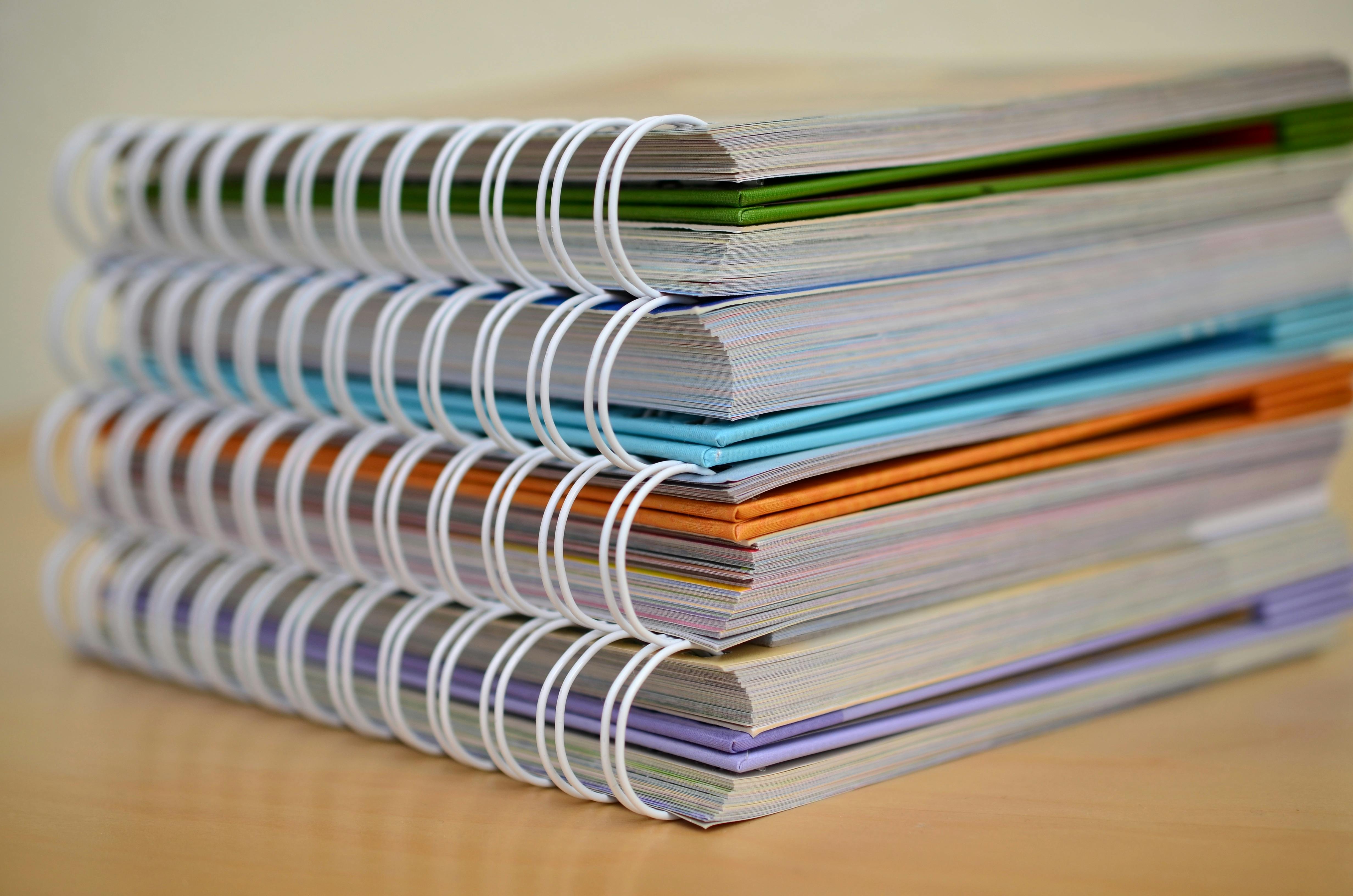
So, the paper itself is a powerhouse for dry media, but how does the overall construction hold up? Strathmore 400 Series sketchbooks are most commonly found in two binding styles: spiral-bound and hardbound. My personal preference leans heavily towards the spiral-bound versions, and here's why: they lie perfectly flat. This might seem like a small detail, but for me, it's a monumental game-changer. Trying to draw across the annoying gutter of a hardbound book? It messes with my flow, my lines, and honestly, my sanity. The spirals themselves are generally sturdy, though I admit I've managed to bend a few in overly enthusiastic travel bags over the years – a battle scar, really. The covers, typically a decent cardstock or a slightly more rigid board, hold up quite well to being tossed around. It’s not meant to withstand a nuclear blast, but it's far from flimsy, offering a reassuring robustness for daily use. This combination of sturdy binding and resilient covers means your ideas, no matter how wild or fleeting, are kept safe and accessible, ready for whenever inspiration (or necessity) strikes.
Sizes and Formats: Finding Your Perfect Fit
Beyond paper and binding, the Strathmore 400 Series offers a variety of sizes and formats to suit diverse artistic workflows and needs. From compact, pocket-sized sketchbooks perfect for urban sketching or discreet doodling during long meetings, to larger 9x12 or 11x14 inch pads ideal for studio work and more expansive compositions, there’s a format for almost every scenario. You'll often find them in wire-bound pads, tape-bound pads (where pages can be easily removed), and the aforementioned hardbound books. Consider your primary use: a small book for quick ideas on the go, or a larger one for detailed studies that might need more elbow room. I tend to have a small one in my bag and a larger one permanently residing on my studio desk. Thinking about how you create, and where, will guide you to your perfect companion.
My Unfiltered Workflow: A Thinking Space, Not a Trophy Case
From the technical details of tooth and binding, let's pivot to how this unassuming sketchbook actually fits into the messy, beautiful reality of making art. For me, this sketchbook is, first and foremost, a thinking space. It's where nascent ideas germinate, where compositional challenges are wrestled into submission, and where I simply play without consequence. When I’m trying to solve a complex abstract composition, for example, balancing visual weight or establishing a focal point, I'll rapidly sketch multiple thumbnails in this book. Each tiny drawing is an experiment, a problem-solving exercise, helping me iterate until I find the 'right' structure. I don’t treat it like a precious object. In fact, the less precious I treat it, the more freely and authentically I create within its pages. I’ll jot down cryptic notes, experiment with texture techniques, and sometimes, yes, doodle abstract forms while on a particularly tedious phone call (don't tell anyone!). It's a sanctuary for glorious terrible misfires, a place where I allow myself the freedom to fail spectacularly, knowing it's all part of the learning curve. I remember one attempt at a complex architectural perspective where I got halfway through, realized my vanishing points were completely off, cursed under my breath, and then just drew a giant, angry cat over the top. It was a terrible drawing, but the freedom to make that terrible drawing cleared the path for a much better one later.
This isn't usually where my 'final' pieces reside. Instead, it's absolutely crucial to the journey. Without it, my larger artworks wouldn't have the foundational scaffolding they require. An illustrator, for instance, might use it for rapid thumbnail sketches of character poses or dynamic compositions before committing to digital linework or a larger canvas. I often carry one with me, just in case inspiration strikes – or, more commonly, just in case I have a few minutes to kill and want to practice gesture drawing or hatch some lines. It's less intimidating than a pristine blank canvas, and the paper quality is more than good enough that I don't feel like I'm wasting materials, even if the drawing is, shall we say, a gloriously terrible misfire (which, let's be real, many of them are!). It's a judgment-free zone for creative exploration, an unsung partner in the daily grind of art-making.
Pros and Cons: A Detailed Look at the 400 Series
Let’s distil the essence of the Strathmore 400 Series into what it does brilliantly, and where it kindly asks you to temper your expectations.
Feature  | Pros | Cons |
|---|---|---|
| Paper Quality | Excellent tooth for dry media, allows for rich tones and smooth blending. Acid-free for longevity. | Not designed for heavy wet media (risk of buckling, bleed-through). Limited versatility for markers. |
| Binding | Spiral-bound lies perfectly flat, ideal for seamless drawing across pages. Hardbound offers classic durability. | Spiral binding can bend with rough handling. Hardbound versions can be stubborn to lie flat, impacting seamless double-page spreads. |
| Durability | Sturdy covers hold up well to daily use and travel. Pages are securely bound. | Covers are robust but not indestructible; persistent rough treatment will eventually show wear, especially at corners. |
| Versatility | Superb for sketching, drawing, ideation, note-taking, and very light dry mixed media. Excellent for preliminary ideas. | Optimized primarily for dry media; dedicated paper types are far superior for painting or heavy layering with wet materials. Not ideal for marker art. |
| Value | Generally affordable, offering excellent quality for its price, encouraging uninhibited practice and experimentation. | Better (and more expensive) options exist for highly specific needs (e.g., professional watercolor paper, marker paper). |
| Availability | Widely accessible in almost all art supply stores, online, and often in general craft retailers. | Its commonness might make it feel 'unspecial' to artists seeking unique or niche supplies. |
Who Will Cherish the Strathmore 400 Series? Your Creative Ally Awaits
So, after all this introspection, who exactly should grab one of these sketchbooks? Honestly, almost anyone with a desire to put marks on paper! This sketchbook often acts as a reliable bridge between learning the ropes and refining your craft.
- Students: Absolutely essential. It’s fantastic for art classes, learning fundamentals, and experimenting freely without the worry of 'wasting' expensive paper. It truly offers a fantastic balance of quality and affordability for a learning artist, a foundational tool for building skills.
- Beginners: Perfect for getting started. The paper is forgiving enough for practice, allowing you to develop skills without fighting your materials, building confidence from the very first stroke.
- Experienced Artists: While you might possess more specialized sketchbooks for particular projects, the 400 Series is brilliant for daily sketching, ideation, quick studies, and as a trusty companion for travel. It's your reliable, no-fuss practice pad, the space where you explore new ideas before committing to a larger, more expensive canvas.
- Hobbyists and Journalers: If your creative pursuits involve a lot of dry media, collage (with light adhesive like glue sticks or spray adhesive), light stamping, or very light mixed media (think pens, pencils, and minimal watery accents), this sketchbook offers an affordable and durable ground for art journaling, visual note-taking (like mapping out garden designs or illustrating recipe ideas), or simply doodling for relaxation.
- Mixed Media Explorers (with caution): If your mixed media adventures lean heavily towards dry media with very light wet accents (like controlled ink lines, light stippling with ink, or minimal watercolor glazes), it can absolutely work. Just be intimately mindful of its paper weight limitations and plan your layers accordingly.
It's not the ultimate sketchbook for every single medium under the sun – no single sketchbook is, let's be realistic. But it absolutely excels at its primary purpose: being a dependable, versatile, and accessible foundation for your drawing ideas. It's the silent hero of many an artist's toolkit, a constant, non-judgmental invitation to just draw.
Tips for Making the Most of Your 400 Series Sketchbook
Getting the most out of your Strathmore 400 Series often comes down to understanding its strengths and playing to them. Here are a few things I've learned over countless hours of sketching:
- Embrace the Tooth: Don't fight the vellum surface. Use it to your advantage! Experiment with varying pressure when drawing with graphite or charcoal to achieve rich darks and subtle gradations. The tooth loves to grab pigment.
- Layer, Layer, Layer (Dry Media): This paper is fantastic for building up layers with colored pencils, pastels, or charcoal. Don't be afraid to go back over areas to deepen tones and enhance textures. A light fixative can help if you're working with powdery media like pastels or soft charcoal.
- Think 'Exploration' for Wet Media: When using ink washes or very light watercolors, approach it as a playful experiment rather than a final masterpiece. This mindset will free you from the anxiety of buckling and allow you to discover new effects, perhaps for later transfer to dedicated paper.
- Carry it Everywhere: The durability and affordability make it perfect for carrying around. You never know when inspiration will strike, or when you'll have a few minutes to capture a gesture, a pattern, or a passing thought.
- Don't Be Precious: This is perhaps the most important tip. Treat it as a safe space for all your ideas – the brilliant, the half-baked, and the gloriously terrible. The less pressure you put on yourself to create perfection, the more freely and genuinely your art will flow.
FAQ: Your Burning Questions Answered About the 400 Series
Understanding who this sketchbook is best for naturally leads to specific questions about its performance and place in the art world. Let's tackle some common ones.
Can I use watercolors in a Strathmore 400 Series sketchbook?
Technically, you can, but it's far from ideal. I'd strongly recommend sticking to very light washes and minimal water application to avoid significant paper buckling, warping, and bleed-through. The paper's cellulose fibers are simply not designed to absorb and hold large amounts of water without distorting. For serious watercolor work, you absolutely need dedicated watercolor paper with a heavier weight, typically 90lb (190gsm) or more, which is specifically treated (sized) to handle water effectively. You'll find much better results with papers designed for the job, like those I review in my best watercolor paper for artists article.
Is the paper acid-free?
Yes, Strathmore 400 Series sketch paper is generally acid-free. This is a crucial detail because it means your artwork will be much more resistant to yellowing, embrittlement, and deterioration over time. For artists looking to preserve their sketches, studies, or even finished works for decades, or for those who intend to sell their art, acid-free paper is non-negotiable as it ensures the longevity and archival quality of your creations.
What's the difference between the 400 Series and other Strathmore series (e.g., 300, 500)?
Ah, the numbers game! This is a fantastic and common question, and understanding it helps clarify where the 400 Series fits into the larger picture. Strathmore uses these series numbers to indicate quality and price point, moving from student-grade to professional:
Series | Quality Level | Typical Paper Weight Range | Primary Use | Characteristics |
|---|---|---|---|---|
| 300 Series | Good (Student Grade) | 50-60lb (74-89gsm) | Practice, quick studies, ephemeral work | Most economical, thinner paper, less consistent texture, less focus on longevity. Ideal for high-volume, low-stakes practice. |
| 400 Series | Best (Student/General Artist) | 60-80lb (89-130gsm) | Daily sketching, drawing, ideation, dry mixed media | Excellent balance of quality, performance, and affordability. Reliable vellum tooth, good durability. Our workhorse. |
| 500 Series | Premium (Professional Grade) | 80-140lb+ (130-300gsm+) | Finished artworks, demanding techniques, archival pieces | Professional-grade, often 100% cotton, acid-free, superior texture and sizing for specific mediums (e.g., watercolor, charcoal, bristol board). Significantly more expensive. |
As you can see, the 400 Series slots in as the perfect "sweet spot" for most artists, offering significant improvements over the 300 Series without the professional price tag of the 500 Series.
Is the paper smooth or textured?
The standard Strathmore 400 Series sketch paper usually features a vellum surface, meaning it has a distinct, subtle tooth or texture. Imagine running your fingers over a very fine-grained, smooth sandpaper, or perhaps the subtle roughness of an eggshell – that's the kind of tooth we're talking about. This texture is superb for gripping dry media like pencils, charcoal, and pastels, allowing for richer tones, more pigment layering, and satisfying blending. You'll typically find one side slightly more textured than the other, giving you a subtle choice depending on the desired effect.
Can I use markers in this sketchbook?
Alcohol-based markers will almost certainly bleed through the 400 Series paper due to its relatively thin weight and absorbent nature; the alcohol in the ink quickly saturates the fibers. Water-based markers might fare slightly better with very light application, but you'll still likely experience noticeable ghosting (where the color is faintly visible on the reverse side, often making that side unusable) or even bleed-through with heavier use. It's generally not the optimal choice if markers are your primary medium, and I'd recommend using a dedicated marker paper or a sketchbook with heavier, coated pages designed to prevent bleed-through, like those reviewed in my best markers for coloring or best alcohol-based markers for artists articles.




How does the 400 Series compare to other popular mid-range sketchbooks like Canson XL or Moleskine Art?
That's a fantastic question, as many artists consider these alternatives. The Strathmore 400 Series generally stands out for its consistent vellum tooth, which many find superior for pencil and charcoal work compared to the smoother, often thinner paper found in some Canson XL sketchbooks (which can range from 40-70lb). This vellum tooth is excellent at capturing graphite particles, allowing for richer darks and smoother gradients. While Moleskine Art sketchbooks often boast a more robust binding and premium feel, their paper weight and surface can vary greatly, sometimes being less receptive to the layering required for dry media. The 400 Series tends to offer a more reliable and consistent performance specifically for drawing, often at a more budget-friendly price point than Moleskine, making it a strong contender for an everyday drawing companion. Ultimately, personal preference for paper surface is key, but the Strathmore 400 is a very solid benchmark in the mid-range.


Conclusion: Your Unsung Creative Ally – A Lasting Friendship
In the grand, often intimidating, scheme of art supplies, the Strathmore 400 Series sketchbook might not be the most glamorous item on the shelf. It won't promise to magically transform your art overnight (that, I'm afraid, is still very much on you!). But it's honest, it's relentlessly reliable, and it consistently delivers a solid, forgiving foundation for your myriad creative endeavors. It's the kind of tool that quietly gets out of your way, allowing you to focus entirely on the art itself.
My own collection of these sketchbooks, dog-eared and overflowing with thoughts, errors, and occasional sparks of brilliance, are a testament to their enduring utility. They are, in every sense, those old friends I mentioned at the start. They’ve seen me through artistic blocks, late-night experiments, and countless moments of quiet contemplation. And sometimes, in the beautiful chaos of creation, that kind of steadfast, humble companionship is precisely what an artist needs most. For a trusted partner in your artistic journey, look no further.
If you're curious about where all this sketching and planning eventually leads, feel free to browse my work or visit me at the /den-bosch-museum. For those ready to stock up on their own creative allies, perhaps consider what's available to /buy.