Prehistoric Art History: The Stone Age
Explore the origins of art during the Stone Age, featuring cave paintings, early sculptures, and the cultural significance of prehistoric artistic expressions.

Prehistoric Art History: The Stone Age
I remember the first time I stood in front of a cave painting. It was a replica, of course, but the sheer age of the original art—thousands of years old—hit me like a ton of bricks. Here was something created by human hands, long before written language, before cities, before even the wheel. It made me wonder: why did our ancestors create art? What drove them to leave their mark on the world in such a lasting way?
Art, in its earliest forms, was not just a creative outlet but a means of communication, storytelling, and cultural expression. It was a way for our ancestors to connect with their environment, their beliefs, and each other. As we explore the origins of art during the Stone Age, we uncover not just the techniques and materials used but also the profound cultural significance behind these artistic expressions.
Introduction to Prehistoric Art
Prehistoric art, particularly from the Stone Age, offers a fascinating glimpse into the lives and minds of our earliest ancestors. This period, spanning from about 2.5 million years ago to around 3000 BCE, is divided into three main phases: the Paleolithic, Mesolithic, and Neolithic eras. Each of these periods saw significant developments in artistic expression.
The Stone Age is often referred to as the foundation of human creativity. It was during this time that humans began to experiment with various forms of artistic expression, from cave paintings to sculptures and rock carvings. These artworks were not merely decorative; they held deep cultural and spiritual significance, reflecting the beliefs, rituals, and daily lives of prehistoric societies.
The Paleolithic Era
The Paleolithic, or Old Stone Age, is the longest and earliest period of human history. It's during this time that we see the first evidence of artistic expression. Cave paintings, like those found in Lascaux, France, and Altamira, Spain, are some of the most famous examples. These paintings often depict animals, hunting scenes, and abstract symbols.
The Paleolithic era is characterized by nomadic lifestyles, where humans relied on hunting and gathering for survival. Art from this period was deeply intertwined with their survival strategies and spiritual beliefs. The use of natural pigments, such as ochre, and tools made from bone and stone highlights the resourcefulness and creativity of early humans.
Credit, Licence
The Mesolithic Era
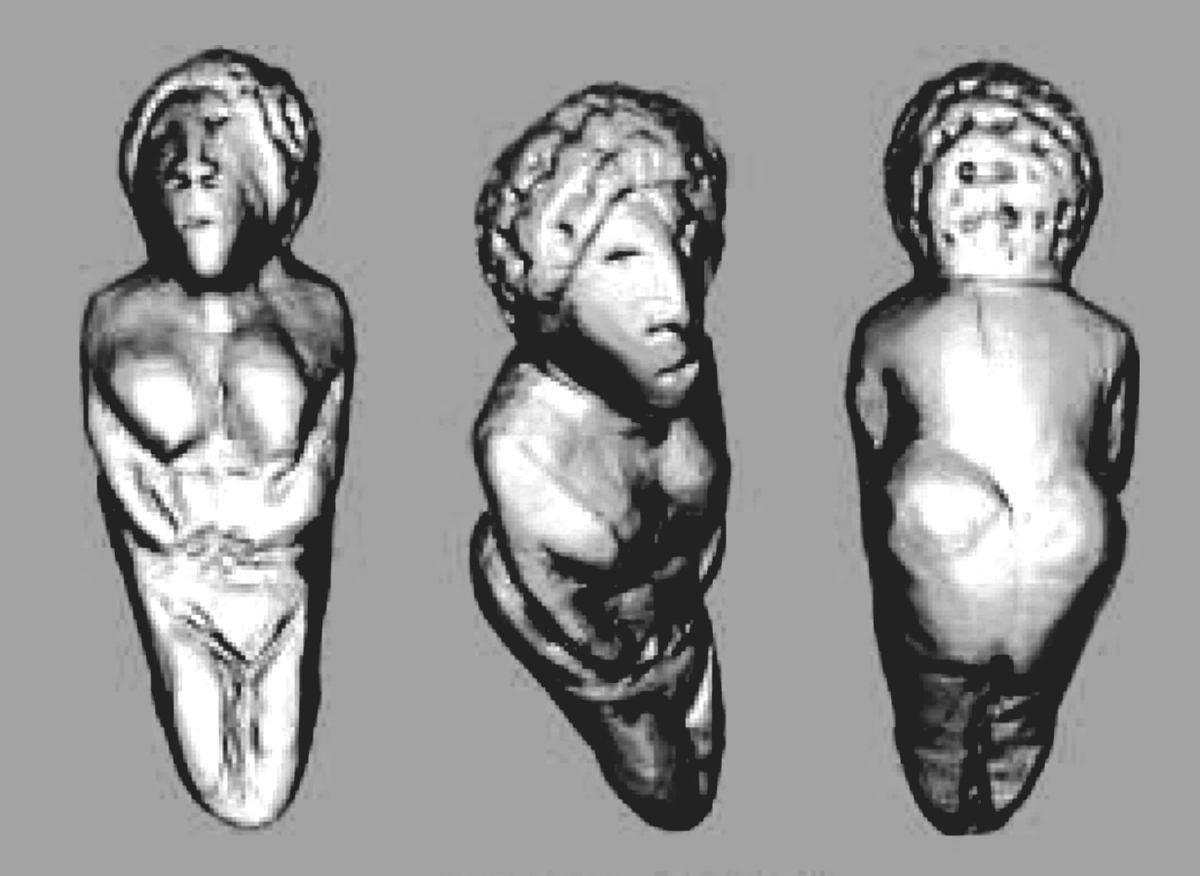
The Mesolithic, or Middle Stone Age, saw a shift in human lifestyle from nomadic hunting and gathering to more settled communities. Art from this period often reflects this change, with more emphasis on tools and everyday objects. Rock art and small sculptures become more common.
As humans began to establish more permanent settlements, their art began to reflect their evolving relationship with the environment. The Mesolithic era is marked by a transition in artistic themes, with a greater focus on the tools and objects that facilitated daily life. This period also saw the emergence of more intricate rock carvings and sculptures, which served both functional and symbolic purposes.
The Neolithic Era
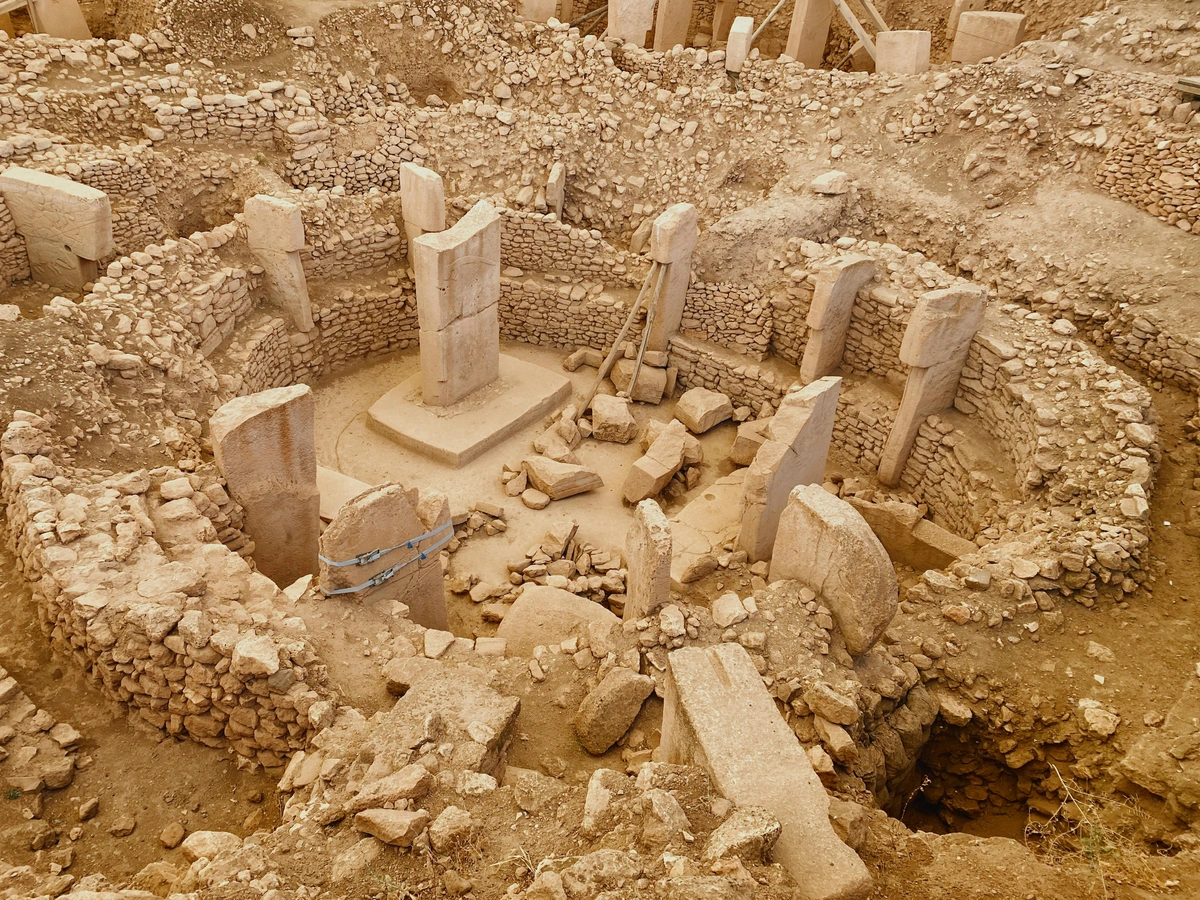
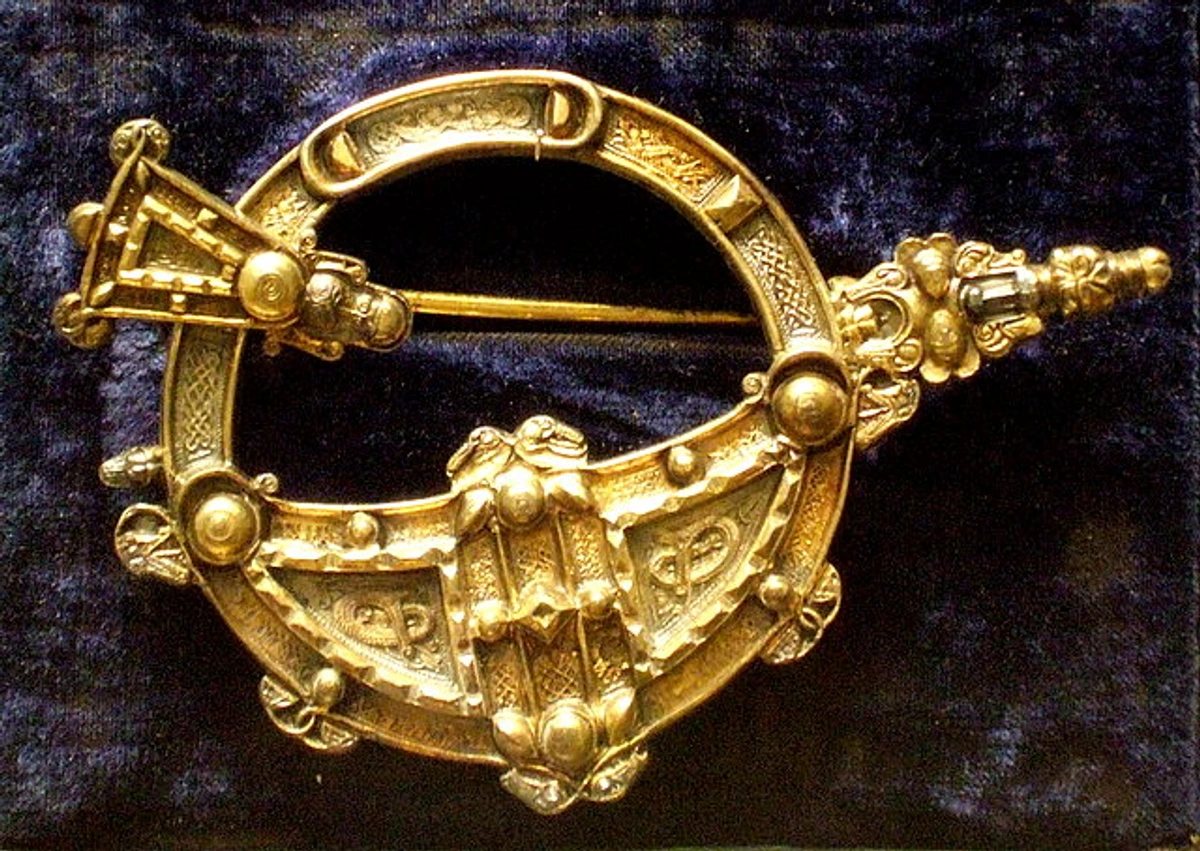
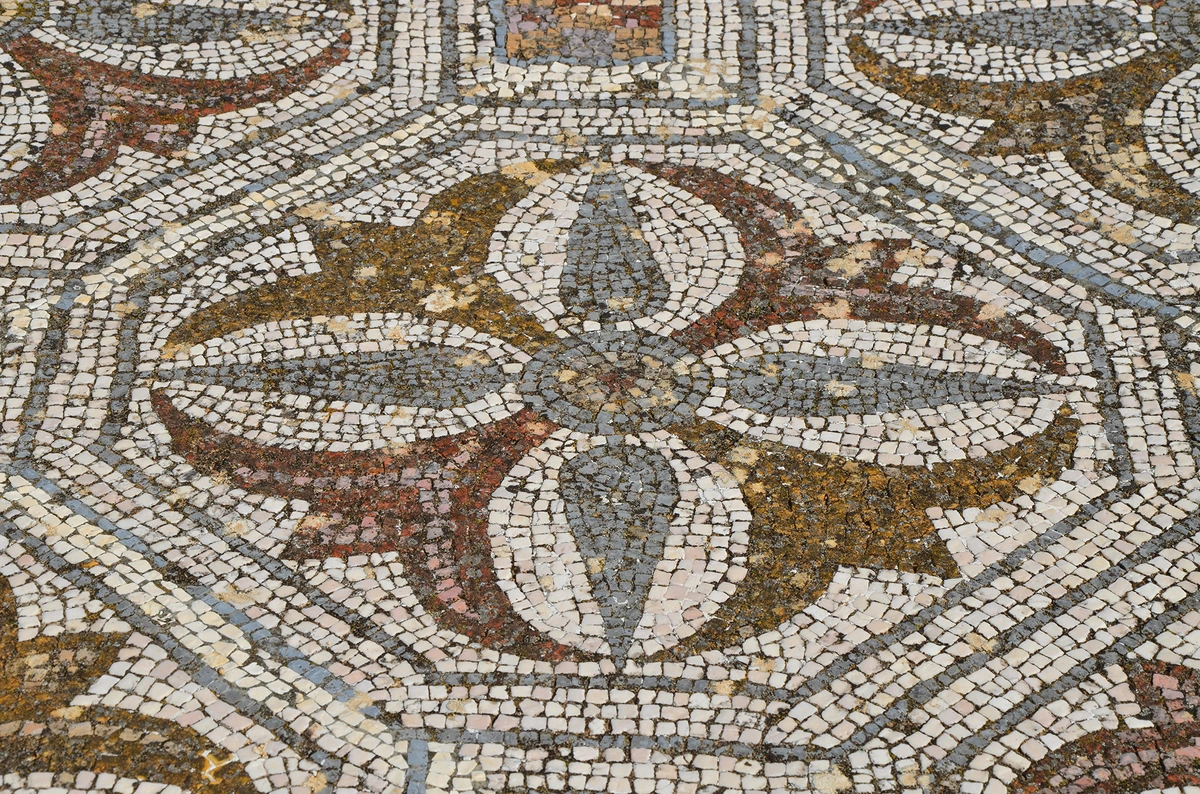
The Neolithic, or New Stone Age, is marked by the advent of agriculture and the establishment of permanent settlements. This period saw the rise of megalithic structures, such as Stonehenge, and more complex forms of art, including pottery and textiles.
The Neolithic era represents a significant turning point in human history, as the shift to agriculture allowed for the development of more complex societies. This period is characterized by the construction of monumental structures, which likely served religious or ceremonial purposes. Additionally, the advent of pottery and textiles reflects the growing sophistication of Neolithic communities and their ability to create functional yet aesthetically pleasing objects.
Key Concepts in Prehistoric Art
Cave Paintings
Cave paintings are perhaps the most iconic form of prehistoric art. These paintings were created using natural pigments, such as ochre, and were often applied using fingers, brushes made from animal hair, or by blowing pigment through hollow bones.

Cave paintings are not just visually striking; they are also rich in symbolism and cultural significance. These artworks often depict scenes of hunting, animals, and abstract symbols, which are believed to have held spiritual or ritualistic meanings. The techniques used to create these paintings, such as the use of natural pigments and primitive tools, highlight the ingenuity and creativity of early humans.
Credit, Licence
Early Sculptures
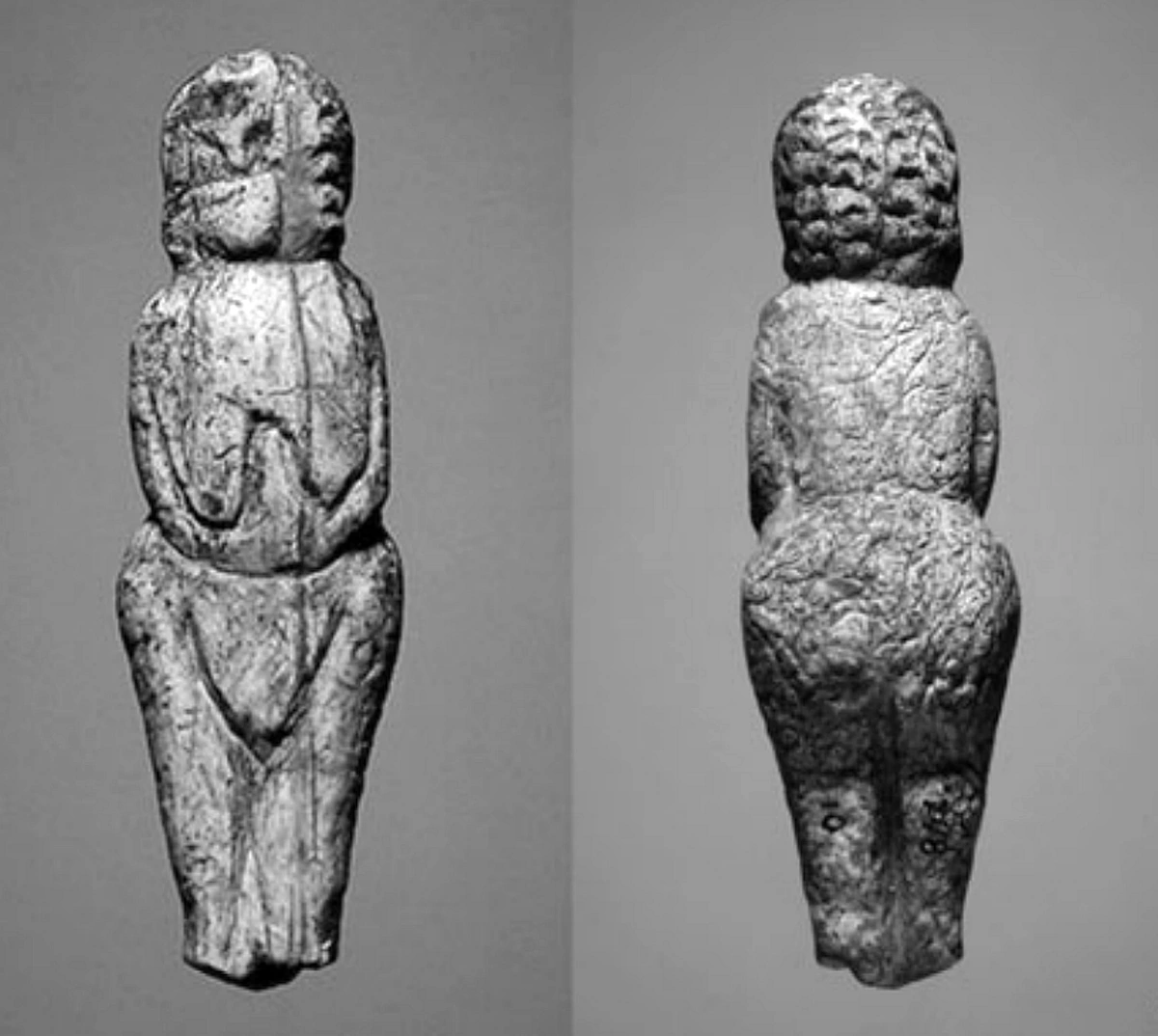
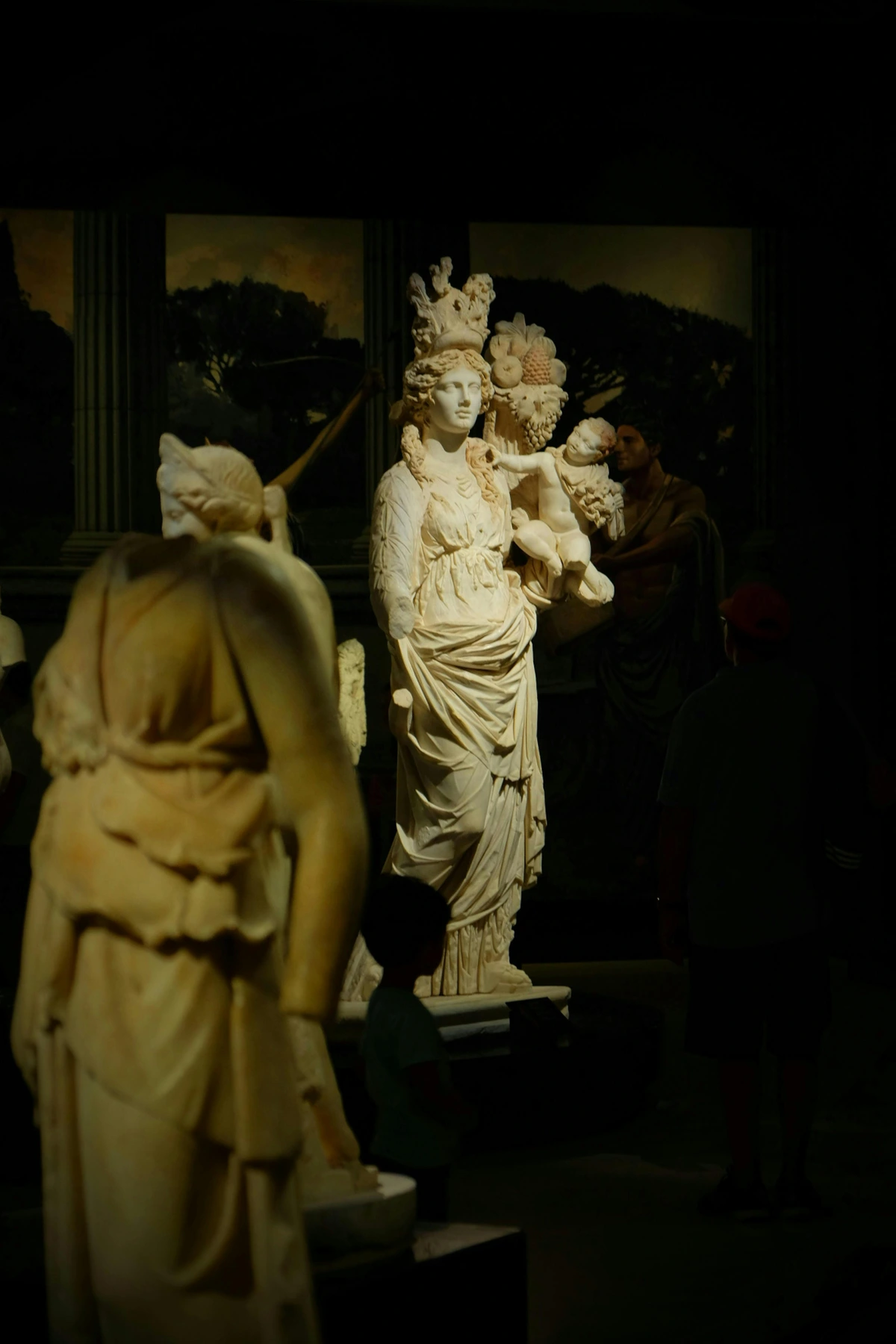
Early sculptures from the Stone Age include small figurines, often carved from bone, ivory, or stone. The Venus of Willendorf, a small limestone figurine, is one of the most famous examples. These sculptures often depict human figures, animals, and abstract forms.
Sculptures from the Stone Age provide valuable insights into the beliefs and cultural practices of prehistoric societies. The Venus figurines, for example, are believed to represent fertility and the divine feminine. These sculptures were often crafted with remarkable detail, showcasing the artistic skills and cultural values of early humans.
Credit, Licence
Rock Art
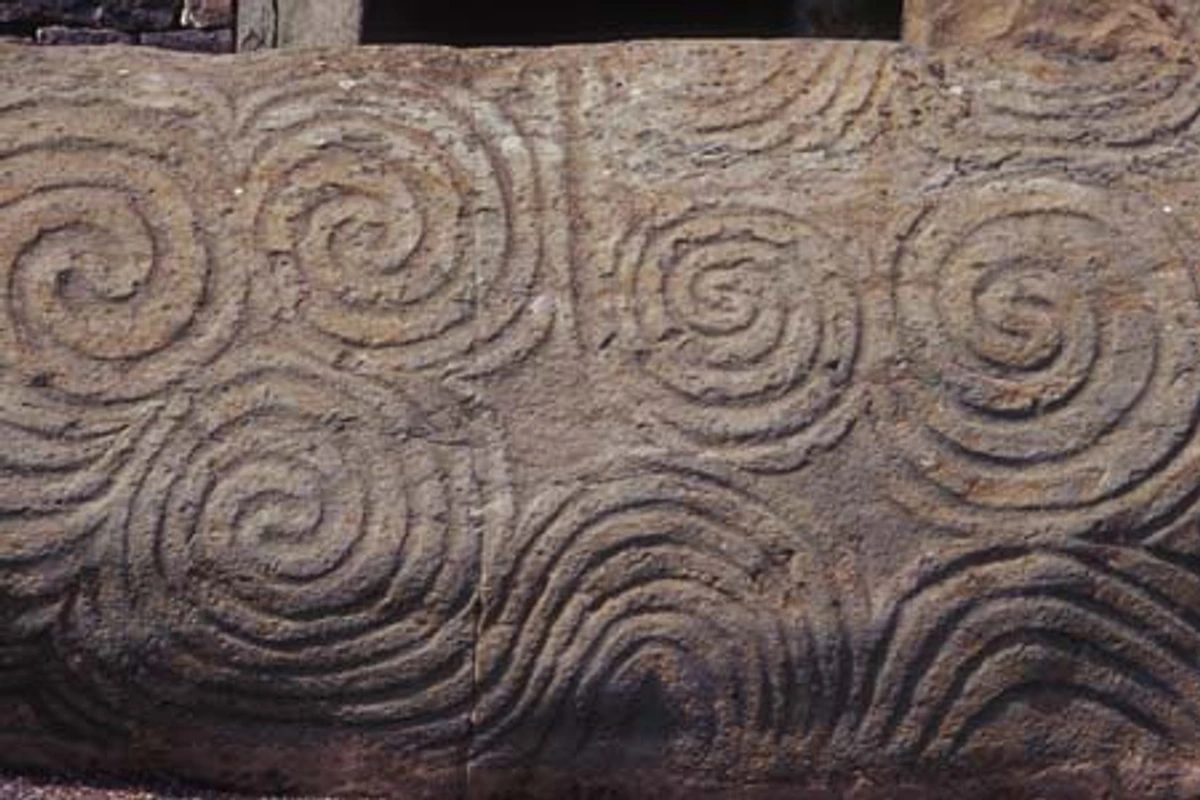
Rock art includes petroglyphs (carvings) and pictographs (paintings) found on rock surfaces. These artworks often depict animals, humans, and geometric patterns. They provide valuable insights into the beliefs and daily lives of prehistoric peoples.
Rock art is a testament to the enduring human desire to communicate and express ideas. Petroglyphs and pictographs were often created in locations that held spiritual or ceremonial significance, serving as a means of storytelling and cultural preservation. The geometric patterns and symbols found in rock art are believed to have conveyed complex ideas and beliefs, offering a window into the minds of our ancestors.

Examples of Prehistoric Art
Lascaux Cave Paintings
The Lascaux caves in France are home to some of the most famous prehistoric cave paintings. Discovered in 1940, these paintings date back to around 17,000 years ago and depict a variety of animals, including horses, deer, and bulls.
The Lascaux cave paintings are renowned for their vivid colors and intricate details. These artworks are believed to have been created using a combination of natural pigments and primitive tools, showcasing the artistic prowess of early humans. The depictions of animals and hunting scenes suggest that these paintings may have held ritualistic or spiritual significance, possibly serving as a form of storytelling or a means of invoking success in hunting.
Altamira Cave Paintings
The Altamira caves in Spain are another significant site for prehistoric art. The paintings here are known for their vivid colors and detailed depictions of bison, horses, and other animals.
The Altamira cave paintings are celebrated for their exceptional quality and realism. These artworks provide a glimpse into the artistic techniques and cultural practices of prehistoric societies. The detailed depictions of animals, such as bison and horses, suggest that these paintings may have been used for educational purposes or as a form of artistic expression that celebrated the natural world.
Stonehenge
Stonehenge, located in England, is one of the most famous megalithic structures from the Neolithic era. While its exact purpose remains a mystery, it is believed to have had religious or ceremonial significance.
Stonehenge is a testament to the architectural and engineering skills of Neolithic societies. The precise arrangement of its massive stones suggests a deep understanding of astronomy and a sophisticated cultural practice. The structure is believed to have served as a ceremonial site, possibly for rituals related to the solstices or other astronomical events. Its enduring mystery continues to captivate researchers and visitors alike.
How to Appreciate Prehistoric Art
Visit Museums
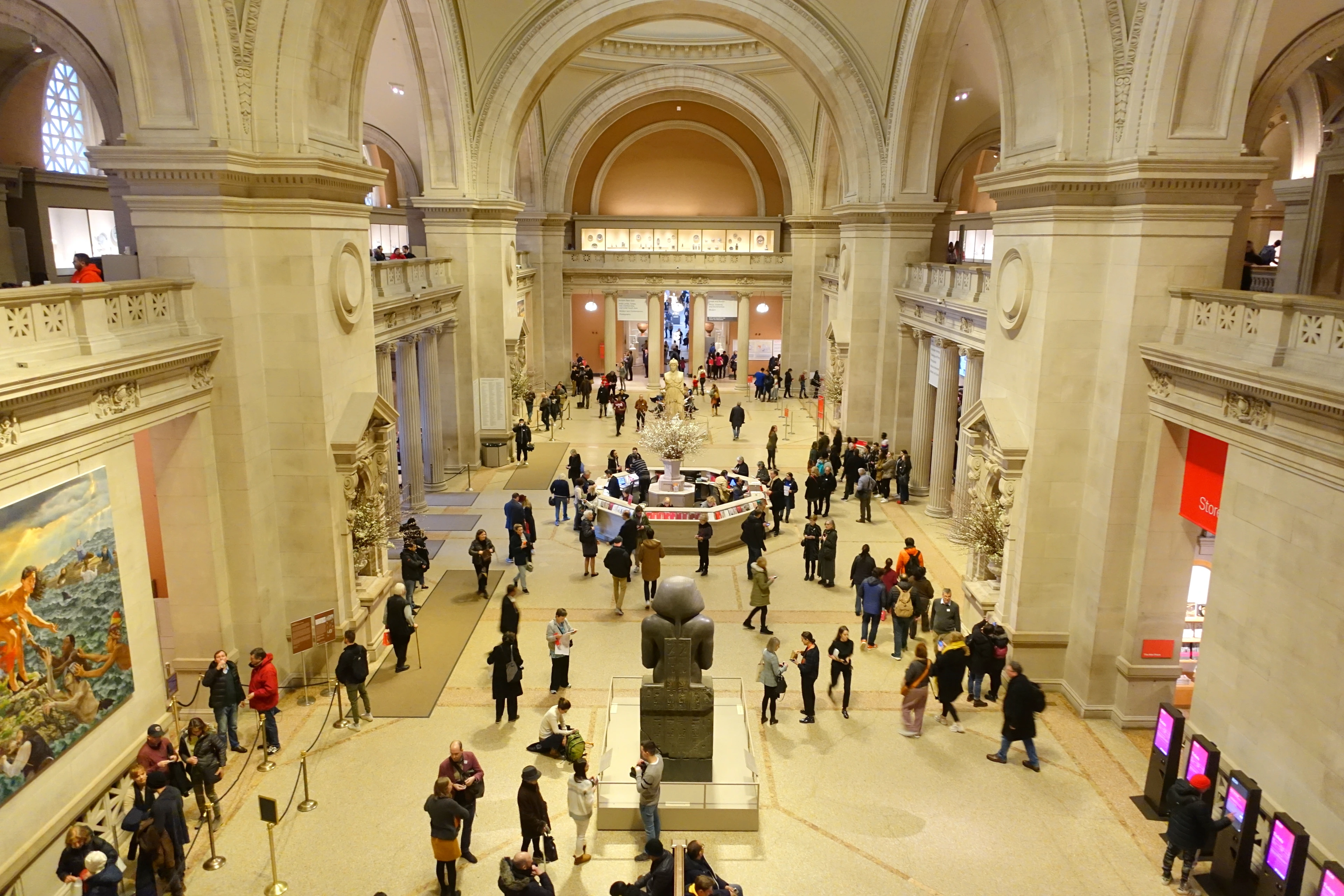
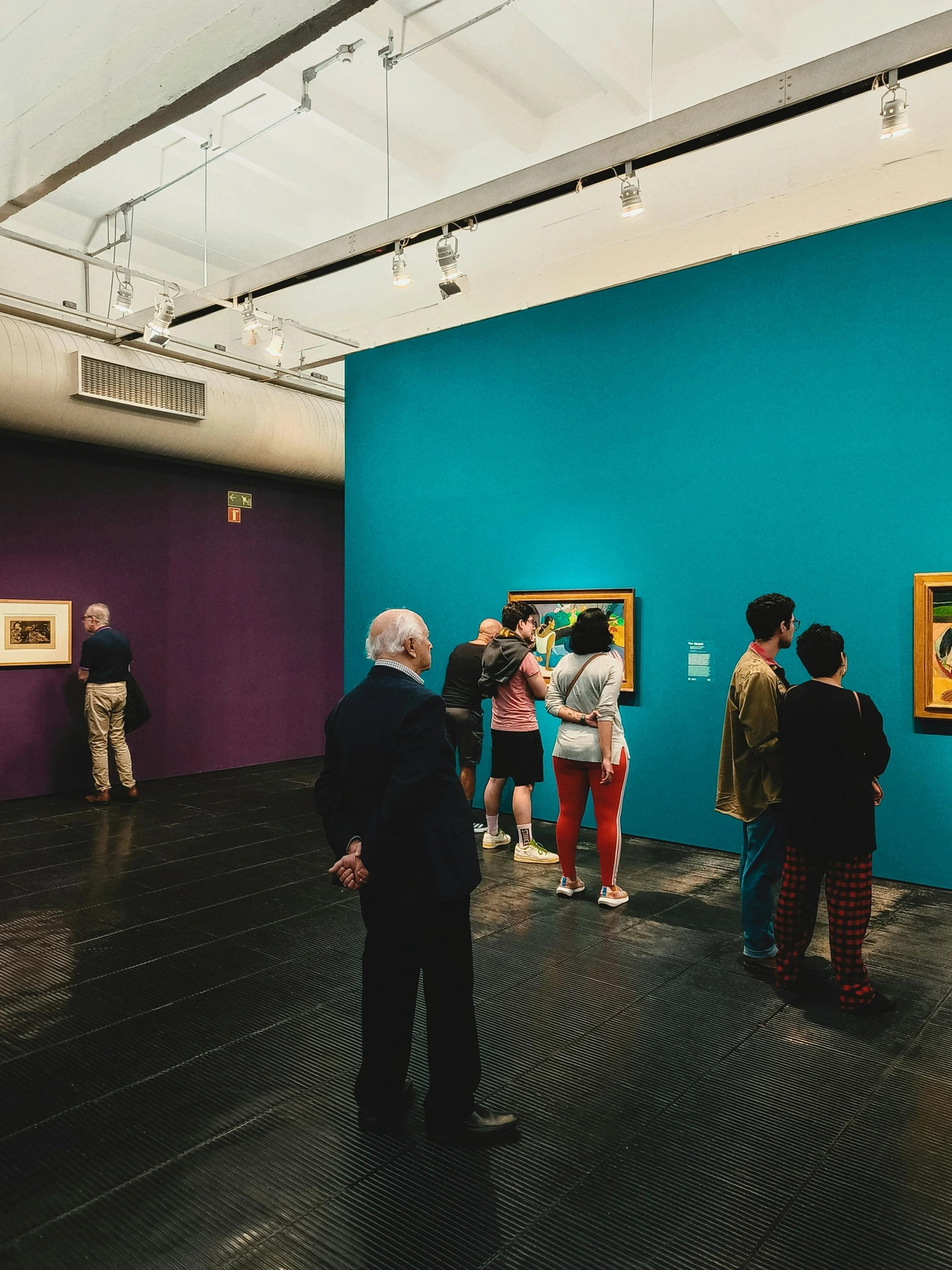
Many museums around the world house collections of prehistoric art. Visiting these museums can provide a deeper understanding and appreciation of these ancient artifacts. For example, the Den Bosch Museum has a fascinating collection of early human artifacts.
Museums offer a unique opportunity to engage with prehistoric art in a curated and educational setting. By observing these artifacts up close, visitors can gain a deeper appreciation for the craftsmanship and cultural significance of prehistoric art. Many museums also provide contextual information and interactive exhibits that enhance the visitor experience.

Explore Replicas
Since many prehistoric art sites are fragile and protected, replicas and reproductions are often created for public viewing. These replicas can offer a close-up look at the art without damaging the originals.
Replicas of prehistoric art provide an accessible way for the public to experience these ancient artworks. These reproductions are often created with meticulous attention to detail, allowing viewers to appreciate the intricacies of the original artworks. Additionally, replicas can be displayed in various settings, making prehistoric art more widely accessible to a global audience.

Read and Research
There are numerous books and online resources dedicated to prehistoric art. Reading about the history, techniques, and cultural significance of these artworks can enhance your appreciation.
Engaging with scholarly articles, books, and online resources can provide a deeper understanding of the historical and cultural context of prehistoric art. These resources often explore the techniques used by early artists, the materials they employed, and the symbolic meanings behind their creations. By delving into these topics, readers can develop a more nuanced appreciation for the artistic achievements of prehistoric societies.
Considerations
Preservation
Preserving prehistoric art is crucial for future generations. Many sites are protected by law, and access is restricted to prevent damage. It's important to respect these restrictions and support conservation efforts.
The preservation of prehistoric art is essential for maintaining our connection to the past. Conservation efforts often involve advanced techniques to protect fragile artworks from environmental damage and human interference. By supporting these initiatives, we ensure that future generations can continue to learn from and appreciate these ancient cultural treasures.
Interpretation
Interpreting prehistoric art can be challenging due to the lack of written records. Scholars often rely on archaeological evidence, comparative studies, and educated guesses to understand the meaning behind these artworks.
The interpretation of prehistoric art is a complex and ongoing process. Without written records, researchers must piece together the meanings and purposes of these artworks using a variety of methods. Comparative studies with other cultures, analysis of archaeological findings, and interdisciplinary approaches all contribute to our understanding of prehistoric art. This process is not only about uncovering the past but also about appreciating the diversity and richness of human cultural expression.
FAQ
What is the oldest known prehistoric art?
The oldest known prehistoric art includes cave paintings and engravings found in various parts of the world. Some of the earliest examples date back to around 40,000 years ago.
These ancient artworks provide a glimpse into the early creative expressions of humans. They are often found in caves and rock shelters, where they have been preserved for millennia. The discovery of these artworks has significantly contributed to our understanding of human history and cultural development.
Why did prehistoric humans create art?
The exact reasons are unknown, but theories suggest that art was used for communication, religious or ceremonial purposes, storytelling, and even as a form of early writing.
Prehistoric art served multiple purposes, reflecting the complex social and cultural dynamics of early human societies. It may have been used to convey stories, document important events, or express spiritual beliefs. The creation of art was also a way for early humans to connect with their environment and each other, fostering a sense of community and shared identity.

What materials were used in prehistoric art?
Prehistoric artists used natural materials such as ochre, charcoal, and minerals for pigments. They also used tools made from bone, stone, and wood to create their artworks.
The materials used in prehistoric art were sourced from the natural environment, highlighting the resourcefulness of early humans. Natural pigments, such as ochre and charcoal, were used to create vibrant colors, while tools made from bone and stone were employed for carving and painting. These materials not only facilitated artistic expression but also reflected the deep connection between early humans and their surroundings.
How can I learn more about prehistoric art?
You can learn more by visiting museums, reading books and articles, and exploring online resources. The timeline on our website provides a comprehensive overview of art history, including prehistoric art.
There are numerous ways to deepen your knowledge of prehistoric art. Visiting museums and archaeological sites offers a firsthand look at these ancient artworks, while books and online resources provide detailed insights into their historical and cultural context. Engaging with scholarly articles and participating in educational programs can further enhance your understanding and appreciation of prehistoric art.
Conclusion
Prehistoric art is a testament to the creativity and ingenuity of our earliest ancestors. It offers a unique window into their lives, beliefs, and cultural practices. By studying and appreciating these ancient artworks, we can gain a deeper understanding of our shared human history.









And who knows? Maybe the next time you pick up a paintbrush or a piece of clay, you'll feel a connection to those ancient artists who, thousands of years ago, were driven by the same creative impulse. Their legacy reminds us that art is not just a form of expression but a fundamental aspect of what it means to be human.