Mineral Spirits vs Turpentine: The Artist's Choice
A personal deep dive into solvent choices for artists – odor, toxicity, and effectiveness compared through the eyes of a painter.

Mineral Spirits vs Turpentine: The Artist's Choice
You know that moment. You're deep in a creative flow, paint swirling across the canvas, and then... chaos. A brush stiffens like a frozen fishstick, a stubborn spot of red mars your masterpiece, or the studio smells like a chemistry lab exploded. It's all about the solvent, isn't it? That humble bottle whispering promises of fluid magic while hiding chemical secrets. I've spent years wrestling with this choice – and let me tell you, my studio floor has seen more solvent-related disasters than abstract paintings. Today, we're stripping away (pun intended) the marketing jargon and diving into the real, human reality of mineral spirits versus turpentine. No fluff, just the gritty, paint-stained truth.
The Solvent Evolution: From Old Masters to Modern Studios
Let's take a moment to appreciate how far we've come. Back in Rembrandt's day, turpentine was essentially pine sap distilled with basic equipment – potent, unpredictable, and carrying that unmistakable pine forest scent. Fast forward to today, and we have refined petroleum distillates, synthetic alternatives, and even eco-friendly options that would make our artistic ancestors gasp (though probably not in a good way). The evolution of solvents mirrors the evolution of art itself – from traditional methods to modern innovations that prioritize both effectiveness and artist wellbeing. This history matters because it explains why we still debate these two options centuries later. What worked for the Dutch Masters may not work for the digital-age artist creating in a small apartment studio with strict ventilation requirements. Understanding this evolution helps us appreciate that the "right" choice isn't about tradition vs modernity, but about finding what aligns with your specific artistic practice, health considerations, and environmental values.
The Solvent Showdown: More Than Just Smells
Both mineral spirits and turpentine claim to be artist's best friends, but their friendship comes with different personalities. I remember early in my career, I'd grab whatever was on the shelf, leading to a particularly memorable incident involving turpentine and an open studio tour (long story: my abstract painting suddenly smelled like a pine forest in a chemistry lab). These two may look similar in clear bottles, but beneath the surface, they worlds apart. Let's break down what makes them tick.
Understanding Chemical Composition: The Science Behind the Smell
Let's get a bit technical for a moment – don't worry, I'll keep it simple. Mineral spirits are primarily aliphatic hydrocarbons derived from petroleum distillation. Think of them as the refined cousin of gasoline, where the more volatile and aromatic compounds have been removed. This is why they have that characteristic mild, gasoline-like odor. Turpentine, on the other hand, comes in two main varieties:
- Natural turpentine: Distilled from pine tree resin, containing terpenes like alpha-pinene and beta-pinene that give it that distinct pine scent
- Synthetic turpentine: Created through chemical synthesis to mimic terpene compounds without actual pine resin
The key difference lies in their molecular structure and volatility. Turpentine's higher volatility means it evaporates faster, making it more potent but also more likely to cause respiratory irritation. Mineral spirits, being less volatile, evaporate more slowly, giving you more working time with your paints but requiring longer ventilation periods. Understanding this chemistry isn't just academic – it directly impacts how these solvents affect your health, your artwork's longevity, and your overall painting experience.
What Exactly Are We Talking About?
Mineral spirits, also known as white spirit or Stoddard solvent, are petroleum distillates. Think of them as the refined, controlled cousin of gasoline. They're clear, relatively mild, and designed with a practical, industrial mindset. On the other hand, turpentine – ah, turpentine has history and attitude. Traditionally distilled from pine tree resin, it carries that distinct, sharp, almost invigorating (or overwhelming, depending on your perspective) pine scent. It's the "original" solvent, carrying the weight of Old Masters like Rembrandt who used it to thin their oils. But here's the kicker: today's "turpentine" is often synthetic, mimicking that piney goodness without the actual trees, blurring the line between natural and manufactured. Which is better? It's not just about chemistry; it's about your body, your brain, and how you want to feel while you create.
The Modern Artist's Toolkit: Beyond Traditional Choices
Today's artist has more options than ever before, and it's worth understanding the full spectrum:
- Standard Mineral Spirits: The traditional workhorse, widely available and cost-effective
- Odorless Mineral Spirits (OMS): Purified versions with reduced aromatic hydrocarbons
- Natural Turpentine: Traditional pine resin distillation (less common today)
- Synthetic Turpentine: Chemical replication of natural turpentine properties
- Citrus-Based Solvents: Derived from citrus peels, marketed as eco-friendly alternatives
- Bio-Based Solvents: Emerging options from renewable resources
- Specialty Artist Solvents: Formulated specifically for painting with unique properties
Each option comes with its own trade-offs between effectiveness, cost, health impact, and environmental considerations. The modern artist needs to be an informed consumer, not just a passive user of whatever the art supply store happens to stock.
Head-to-Head: The Real-World Comparison
Forget sterile lab reports. Let's talk about what matters in the trenches of an artist's studio: your nose, your lungs, your wallet, and that critical question – does it actually work? Here’s how they stack up, based on years of experience, stained shirts, and (occasionally) regrettable studio odors.
Feature  | Mineral Spirits | Turpentine (Natural & Synthetic) | Why It Matters to You |
|---|---|---|---|
| Odor | Mild, gasoline-like | Strong, sharp pine (Natural) or Chemical (Synthetic) | Your studio’s vibe and your nose’s patience. Turpentine announces its presence loudly. |
| Toxicity (Health) | Lower vapor exposure; less neurotoxic | Higher vapor exposure; stronger neurotoxic properties | Long-term safety. Turpentine demands serious respect and ventilation. |
| Effectiveness | Good thinner for oils; moderate brush cleaner | Excellent strong solvent for stubborn paint & cleanup | How stubborn is your paint? Turpentine tackles tough jobs faster. |
| Cost | Generally cheaper | Often more expensive | Your budget. Mineral spirits stretch your art supply dollars further. |
| Drying Time | Slower evaporation | Faster evaporation | Working speed: Turpentine thins paint quickly, mineral spirits offer more open time. |
| Surface Impact | Less damaging to paint films | Can be too harsh over time, potentially weakening layers | Paint longevity. Mineral spirits are often gentler on your artwork’s integrity. |
My honest take? Mineral spirits are the reliable workhorse – dependable, less drama, easy on the system. Turpentine? It’s the high-performance sports car: powerful, gets the job done fast, but you need to know how to handle it (and breathe it) carefully. I’ve used both, but my body eventually whispered – no, shouted – louder demands for the kinder option. That’s not just preference; it’s survival.
Choosing Your Side: The Practical Artist's Guide
So, which do you reach for? Honestly? It depends on what you’re doing and who you are. Let’s be real – most of us aren’t just artists; we’re people who want to breathe, think clearly, and maybe have friends visit our studios without gas masks.
When Mineral Spirits Shine
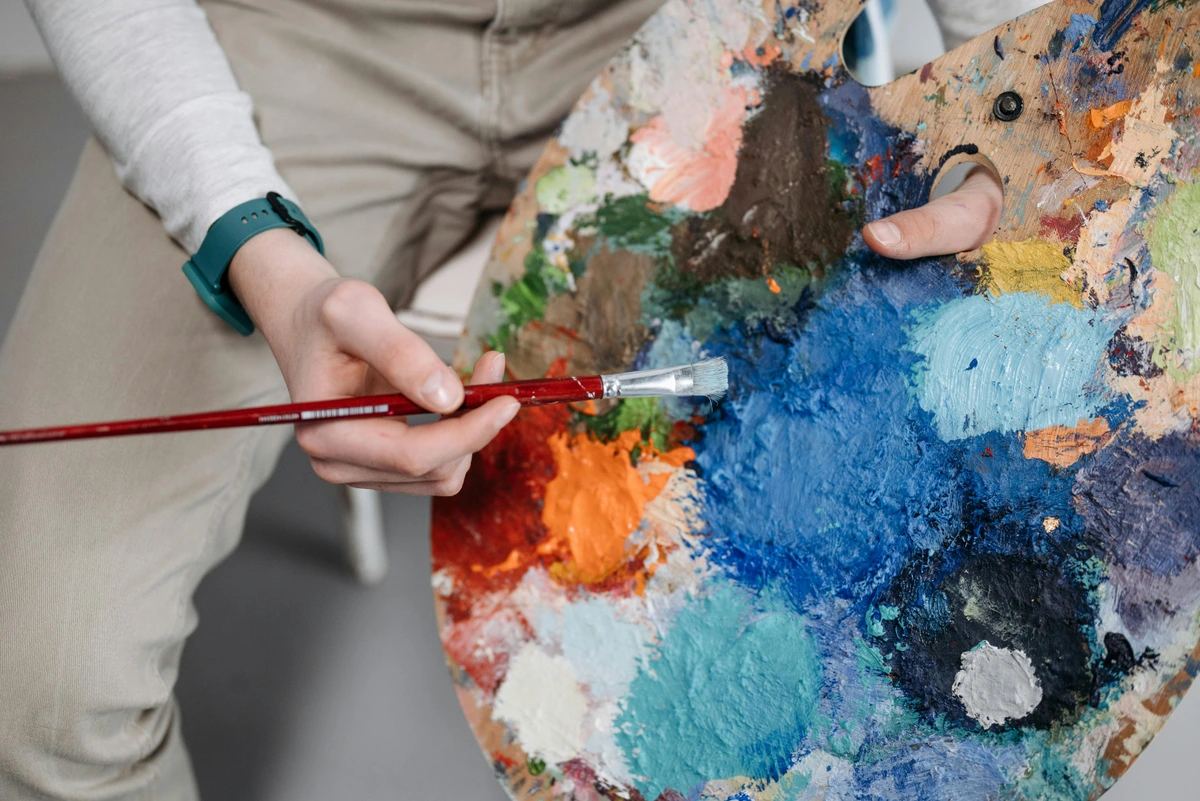
I find myself reaching for mineral spirits most days, especially for:
- General oil painting thinning when I want a longer working time and a gentler evaporation rate. That slower pace lets the colors blend without drying too fast.
- Routine brush cleaning during a standard painting session. It lifts most basic oils without being aggressive.
- Varnishing prep (yes, sometimes!): For certain varnishes or when a less aggressive solvent is needed under layers.
- Budget-conscious projects: When cost is a factor, mineral spirits offer excellent value without sacrificing core functionality.
- Extended painting sessions: When you plan to work for several hours, the slower evaporation reduces fume buildup
- Large format paintings: More working time helps cover expansive areas before paint dries
- Layer building: Excellent for creating thin, controlled glazes and layers
- Studio environments with limited ventilation: The lower toxicity profile makes it more manageable
- Artists with respiratory sensitivities: A much safer option for those prone to allergies or asthma
- Educational settings: Safer for classroom environments where multiple artists share space
- Beginner oil painters: Gentler learning curve for understanding solvent effects
The Turpentine Niche (Handle with Care)
Turpentine isn’t obsolete; it has its place, but it demands respect. I keep a small bottle for specific situations:
- Tackling stubborn dried paint or stubborn bits of color on brushes that mineral spirits struggle with. Its power is undeniable here.
- Specific techniques where faster drying and strong thinning are required, like some alla prima methods. Speed matters sometimes!
- Historical replication: If I experiment with traditional Old Master techniques, natural turpentine becomes part of the authenticity quest – though I always prioritize my studio’s ventilation.
- Outdoor work: Sometimes (outside!), the stronger evaporation actually helps in specific weather conditions. But remember: outdoors doesn’t mean without breeze or without caution!
The Undisputed Champion for Sensitive Souls
Let’s talk openly about health. If you’re pregnant, managing chronic health conditions, prone to migraines, or just generally prefer breathing without chemical fog? The choice becomes clearer. Mineral spirits are the more accessible option. Sure, they’re chemicals, but the exposure profile is significantly lower. Synthetic "turpentine" also offers a middle ground – it mimics the efficacy often with reduced odor and toxicity, blurring the lines further. Look for brands explicitly labeled for artist use with low aromatic content. Your mind and body are essential tools – they deserve protection. I learned the hard way that studio headaches and brain fog aren't worth the "purist" choice. Creativity thrives on clarity, not chemical haze.

A Quick Look: Alternatives Worth Knowing
While mineral spirits and turpentine dominate, the solvent world is evolving. Here are two others artists increasingly consider:
- Odorless Mineral Spirits (OMS): Essentially purified mineral spirits with the strong smell removed. They offer similar benefits to standard mineral spirits but with drastically reduced odor, making studio life much more pleasant. A top contender for the health-conscious.
- Citrus-Based Solvents: Derived from citrus peels (like d-Limonene), these are often marketed as "eco-friendly." They have a pleasant citrus scent and are generally considered less toxic, but can be stronger on paint films or not as effective on very stubborn residue for some artists. Performance can vary by brand.
Honestly? I keep a small bottle of citrus cleaner for minor cleanup, but it doesn’t replace the core brush-cleaning power of OMS or mineral spirits for serious work. They’re a nice addition to the toolkit, not necessarily a primary replacement (yet).
The Golden Rules: Solvent Safety Beyond the Choice
No matter which solvent you choose, safety isn't optional. It's essential. Turpentine gets the warnings (and they're serious), but mineral spirits demand caution too. Here’s my non-negotiable studio ritual:
- Ventilate, Ventilate, Ventilate: Open windows, use fans, consider an air purifier. Seriously, there's no "too much" ventilation.
- Skin Protection: Wear nitrile gloves, especially with turpentine. That stuff absorbs fast and can cause irritation or sensitization. No bare hands!
- Never Eat or Drink in the Studio: Tiny mistakes can happen. Don't risk spills near brushes or hands.
- Proper Disposal: Never pour solvents down the drain! Use sealed, labeled containers for waste and look into local hazardous waste disposal programs. Your community will thank you.
- Mind the Rags: Oily rags can combust. Store them in sealed metal containers with water or dispose of them frequently and safely. I learned this after a scary, smoky incident involving a plastic bin. Lesson learned.
Frequently Asked Questions (FAQ)
1. Is odorless mineral spirits "safe"?
Not entirely "safe" – all solvents require respect – but significantly safer than standard mineral spirits or turpentine due to reduced aromatic hydrocarbons and vapor pressure. It's the much-preferred option for most studios today regarding odor and exposure.
2. Can I use turpentine for water-based paints?
Never! Turpentine (and mineral spirits) are for oil paints and oil-based media only. They will ruin water-based acrylics, gouache, and inks by repelling the water and creating horrible, sticky messes. Use water or specific acrylic mediums for cleanup with those.
3. Why does turpentine smell so strongly?
Natural turpentine's distinct odor comes from terpenes compounds (like pinene) present in pine resin. Synthetic versions often try to replicate this smell with added chemicals. The strong smell is literally the volatile compounds evaporating – which is why inhalation is a primary health concern.
4. Is "odorless mineral spirits" just marketing hype?
No, not really. OMS undergoes additional refining processes to remove the more volatile, smelly aromatic hydrocarbons, leaving a much less odorous solvent while retaining sufficient effectiveness for artist use. The "odorless" is relative – it's faintly petroleum-like, not pleasant, but vastly better than standard solvents.
30. What are the insurance considerations for solvent use?
Solvent use has significant implications for studio insurance and liability:
Insurance Coverage:
- Studio policies: Standard homeowners/renters insurance may not cover studio accidents
- Business insurance: Necessary if your art practice generates income
- Liability coverage: Protects against accidents that affect others
- Equipment coverage: Special provisions for art supplies and equipment
Risk Assessment:
- Fire hazards: Solvents increase fire risk, affecting insurance rates
- Environmental liability: Improper disposal can lead to costly cleanup requirements
- Health claims: Worker's compensation if employees work with solvents
- Premises liability: Accidents that occur on your property
Safety Requirements:
- Code compliance: Local regulations for solvent storage and use
- Safety equipment: Requirements for proper ventilation and protection
- Waste management: Proper disposal procedures documentation
- Training records: Employee safety training documentation
Documentation Needs:
- Safety data sheets: Maintain current SDS for all solvents used
- Inventory records: Track solvent quantities and usage
- Training certificates: Document safety training completion
- Inspection records: Regular studio safety inspections
Cost Factors:
- Premium adjustments: Higher premiums for solvent-related risks
- Deductible considerations: May be higher for high-risk activities
- Coverage limits: May have specific limits for chemical-related incidents
- Additional endorsements: May need specific coverage for art operations
Professional Guidance:
- Insurance agent consultation: Discuss art studio specifics with experienced agent
- Legal advice: Understand liability implications of solvent use
- Professional organization resources: Industry-specific insurance guidance
- Risk management planning: Develop comprehensive safety protocols
Emergency Preparedness:
- Incident response plan: Clear procedures for accidents
- Emergency contacts: List of emergency services and contacts
- First aid training: Certified training for studio users
- Evacuation routes: Clear paths for emergency exits
Studio Classification:
- Home studio: Different requirements than commercial spaces
- Commercial studio: May need specific business insurance
- Educational studio: Additional requirements for teaching environments
- Shared studio: Collective insurance considerations
5. Which is more eco-friendly?
It's complex. Traditional turpentine is a natural product, but the distillation process has an environmental footprint. Synthetic turpentine and mineral spirits are petroleum-based, with sustainability concerns related to extraction and refining. Odorless mineral spirits are an improvement over standard mineral spirits. Citrus-based solvents sound appealing but have biodegradability and sourcing impacts. Often, the most eco-friendly choice is using less solvent overall, regardless of type, and proper disposal.
6. How long do solvents stay effective?
Properly stored solvents can last for years, but effectiveness diminishes over time. Exposure to air, moisture, and temperature changes can degrade quality. Store containers tightly sealed in a cool, dark place. If your solvent becomes thick, discolored, or loses its cleaning power, it's time for fresh supplies.
7. Can I mix different solvents together?
Generally not recommended. Mixing solvents can create unpredictable chemical reactions, reduced effectiveness, or even dangerous fumes. Always use solvents as intended by the manufacturer. If you need different properties, choose a single solvent that meets your requirements or use them separately for different purposes.
8. What's the best way to dispose of old solvents?
Never pour solvents down drains or regular trash. Contact your local hazardous waste disposal facility or community recycling programs. Many art supply stores offer solvent recycling services. Some communities have special collection days for household hazardous waste. Always dispose of solvents in properly labeled, sealed containers.
9. Do solvents affect paint longevity?
Yes, significantly. Improper solvent use can cause paint films to become brittle, crack, or yellow over time. Using solvents that are too harsh or in excessive amounts can damage the paint's binding properties. Always use the mildest effective solvent for your painting technique and allow proper drying time between layers.
10. Can solvents damage brushes permanently?
Absolutely. Improper solvent use is one of the main causes of brush damage. Leaving brushes soaking in solvents can dissolve the ferrule adhesive and damage brush hairs. Always clean brushes promptly after use, remove excess solvent before storage, and consider using brush cleaners formulated specifically for artist brushes.
11. Are there solvents safe for children's art projects?
For children's art, always prefer water-based media whenever possible. If oil paints must be used, choose the mildest solvents available and supervise closely. Odorless mineral spirits are safer than standard options, but still require proper ventilation and supervision. Consider non-toxic, water-soluble oil paints for young artists.
12. How do solvents affect different paint brands?
Different paint brands use varying oil binders and pigment formulations, which can react differently to solvents. Some paints may thin more easily with certain solvents, while others may become overly fluid or sticky. Always test solvent compatibility with your specific paint brands on scrap materials before using them on important artwork.
13. Can solvents cause allergic reactions?
Yes, both skin allergies and respiratory sensitizations can develop with repeated solvent exposure. Some artists may develop contact dermatitis from skin contact, while others may experience respiratory irritation or allergic reactions. If you notice redness, itching, respiratory discomfort, or headaches when using solvents, discontinue use and consult a healthcare professional.
28. What are the emergency procedures for solvent accidents?
Despite all precautions, accidents can happen. Being prepared is essential:
Spill Response:
- Small spills: Absorb with kitty litter, sand, or commercial absorbents
- Large spills: Evacuate area and call professional hazardous materials response
- Containment: Use barriers to prevent spreading to drains or water sources
- Ventilation: Increase air circulation to reduce vapor concentration
Skin Exposure:
- Immediate action: Rinse affected area with copious amounts of water
- Duration: Continue rinsing for at least 15-20 minutes
- Medical attention: Seek help for large areas, facial exposure, or persistent irritation
- Aftercare: Use mild soap and moisturize after rinsing
Eye Exposure:
- Emergency: Rinse eyes with gentle, lukewarm water for 15-20 minutes
- Technique: Hold eyelids open and rinse from inner to outer corner
- Medical help: Seek immediate medical attention – eye damage can be serious
- Follow-up: Complete any prescribed medical treatment
Inhalation Exposure:
- Fresh air: Move to well-ventilated area immediately
- Medical attention: Seek help if experiencing dizziness, nausea, or difficulty breathing
- Monitoring: Watch for delayed symptoms that may develop hours later
- Prevention: Increase ventilation and consider respiratory protection
Ingestion:
- DO NOT induce vomiting – this can cause additional damage
- Rinse mouth: With water if conscious and able to swallow
- Medical emergency: Call emergency services or poison control immediately
- Information: Have solvent container available for medical reference
Fire Emergency:
- Small fires: Use class B fire extinguisher (never water on solvent fires)
- Large fires: Evacuate immediately and call fire department
- Containment: Close containers to reduce fuel source
- Safety: Maintain distance – solvent fires can be explosive
Emergency Contacts:
- Poison control: Save local and national poison control numbers
- Fire department: Know emergency response for your location
- Medical services: Have emergency numbers readily available
- Emergency contacts: Inform family/friends of studio hazards
Emergency Kit Contents:
- Absorbent materials: Kitty litter, sand, commercial absorbents
- Eye wash: Saline solution or emergency eye wash station
- First aid: Bandages, antiseptic, burn cream
- Fire equipment: Appropriate fire extinguisher
- Emergency numbers: Posted prominently in studio
14. What's the difference between standard and odorless mineral spirits?
The main difference is in the refining process. Standard mineral spirits contain aromatic hydrocarbons that give them their characteristic odor and higher volatility. Odorless mineral spirits undergo additional refining to remove these compounds, resulting in lower odor, reduced toxicity, and slower evaporation while maintaining cleaning effectiveness.
22. Do solvents affect the archival quality of artwork?
Absolutely – solvent choice is critical for artwork longevity and preservation:
Chemical Interactions:
- Pigment stability: Some pigments may react differently with various solvents
- Binder integrity: Overuse of strong solvents can damage oil binders over time
- Varnish compatibility: Solvent residues can interfere with final varnish application
- Canvas sizing: Aggressive solvents can degrade natural canvas sizing
Long-term Effects:
- Yellowing: Certain solvent residues may contribute to yellowing over decades
- Cracking: Improper solvent use can make paint films more brittle
- Adhesion issues: Solvent contamination can cause layers to separate
- Fading: Chemical interactions may affect pigment stability
Professional Conservator Guidelines:
- Minimal solvent use: Apply only what's necessary for effective cleaning
- Proper drying: Allow solvents to fully evaporate before applying next layers
- Testing: Always test on inconspicuous areas first
- Documentation: Record solvent usage for future conservation reference
Archival Best Practices:
- Use mildest effective solvent: Choose the gentlest option that still works
- Avoid over-thinning: Too much solvent weakens paint films
- Complete curing: Ensure paint is fully cured before varnishing
- Environment control: Store artwork in stable temperature/humidity conditions
For artwork intended for long-term preservation or collection, consult with professional conservators about appropriate solvent usage and archival practices.
15. Do solvents affect the drying time of oil paints?
Yes, significantly. Solvents thin the paint and affect the oxidation process that causes oil paints to dry. Faster-evaporating solvents like turpentine will make paint dry quicker, while slower-evaporating options like mineral spirits give you more working time. The ratio of solvent to oil binder in your paint mixture directly impacts drying characteristics.
16. Can solvents be used for varnish removal?
Yes, but this requires extreme caution. Removing old varnish often requires stronger solvents and more aggressive techniques. Turpentine is commonly used for varnish removal, but it can damage the underlying paint layers if not used properly. Test on a small, inconspicuous area first and consider consulting a professional conservator for valuable artwork.
17. Are there seasonal considerations for solvent use?
Absolutely. In cold, humid conditions, solvents evaporate more slowly, requiring longer ventilation times. In hot, dry conditions, faster evaporation may require more frequent reapplication. Temperature and humidity also affect solvent storage – avoid freezing temperatures that can damage containers and extreme heat that increases vapor pressure.
27. How do different brands of solvents compare?
While all brands within the same solvent category follow similar formulations, there are noticeable differences between manufacturers:
Major Brand Categories:
- Art supply brands: Formulated specifically for artist needs (e.g., Gamsol, Turpenoid)
- Hardware store brands: General purpose, often more cost-effective
- Industrial suppliers: Higher purity, professional grade
- Eco-friendly brands: Focus on sustainability and low toxicity
Key Differences to Consider:
Brand Type | Purity | Price | Performance | Safety Features |
|---|---|---|---|---|
| Professional Art | High | $ | Excellent | Low odor, gentle |
| Standard Art | Medium | $ | Good | Standard safety |
| Hardware | Variable | $ | Variable | Basic safety |
| Eco-Friendly | High-High | $$ | Good-Excellent | Maximum safety |
| Industrial | Very High | $$ | Excellent | Professional grade |
Brand-Specific Characteristics:
- Gamsol: Industry standard for odorless mineral spirits, very gentle
- Turpenoid: Popular synthetic turpentine alternative
- Walnut Alkyd Medium: Can be used as a solvent substitute
- Zest-It: Citrus-based solvent with strong following
- Odorless Thinners: Various formulations from different manufacturers
Performance Testing:
- Cleaning power: How effectively they remove different paint types
- Evaporation rate: How quickly they dry in various conditions
- Residue levels: Whether they leave oily or sticky residue
- Paint film integrity: Effects on finished artwork appearance
Price vs. Value Analysis:
- Budget options: Hardware store brands for basic needs
- Mid-range: Standard art supply brands for regular use
- Premium: Professional formulas for specialized work
- Investment: High-quality solvents for serious artists
Brand Selection Guide:
- Beginners: Start with reputable art supply brands
- Professionals: Consider professional-grade options
- Eco-conscious: Look for certified sustainable products
- Budget-focused: Balance cost with necessary quality
- Specialized needs: Research specific formulations for your techniques
18. How much ventilation is really necessary?
More than you think! As a general rule, aim for complete air exchange in your studio space every 15-30 minutes during solvent use. This typically means multiple open windows with cross-ventilation or mechanical ventilation systems. For heavy solvent use, consider installing professional exhaust systems. When in doubt, ventilate more rather than less.
26. What about solvent storage and shelf life?
Proper storage is crucial for solvent effectiveness, safety, and longevity:
Storage Environment:
- Temperature: Store between 50-80°F (10-27°C) – extreme temperatures can degrade quality
- Humidity: Keep in dry areas to prevent moisture contamination
- Light: Store in dark or opaque containers to prevent UV degradation
- Ventilation: Ensure storage area has some airflow but isn't drafty
Container Types:
- Original packaging: Best for maintaining product integrity
- Metal containers: Safer than plastic for flammable solvents
- Sealed lids: Always keep containers tightly closed when not in use
- Size-appropriate: Use containers that match your usage frequency
Shelf Life Guidelines:
Solvent Type | Typical Shelf Life | Signs of Degradation |
|---|---|---|
| Standard MS | 2-3 years | Thickening, discoloration, odor change |
| Odorless MS | 3-5 years | Reduced effectiveness, slight thickening |
| Natural Turp | 1-2 years | Strong odor change, viscosity changes |
| Synthetic Turp | 2-4 years | Performance decline, color changes |
| Citrus Solvents | 6-12 months | Separation, odor changes, thickening |
Rotation System:
- FIFO method: First In, First Out for inventory management
- Date labeling: Mark containers with purchase/opening dates
- Regular inspection: Check every 3-6 months for quality
- Usage tracking: Monitor consumption patterns for optimal ordering
Safety Storage Practices:
- Fire safety: Store away from heat sources, flames, and ignition sources
- Containment: Use secondary containment for spills
- Separation: Keep different solvent types separated to prevent reactions
- Accessibility: Ensure emergency equipment is accessible
- Signage: Proper hazard labeling and warning signs
Disposal Timeline:
- Annual review: Check all stored solvents for effectiveness
- Problem identification: Discard any solvents showing degradation
- Waste planning: Coordinate disposal with regular hazardous waste collection
- Replacement schedule: Plan purchases to align with disposal needs
19. Do solvents affect different canvas types?
Yes, solvents can interact with canvas sizing and primers. Overuse of strong solvents can potentially degrade canvas sizing over time, affecting paint adhesion. This is particularly concerning with unprimed canvases or canvases with natural sizing. Always test solvent effects on your specific canvas type and consider using barrier coats when working with aggressive solvents.
23. What about solvent alternatives for artists with extreme sensitivities?
For artists with severe chemical sensitivities or multiple chemical sensitivity (MCS), traditional solvents may not be an option. Here are alternatives to consider:
Water-Based Oil Paints:
- Modern water-mixable oil paints that behave like traditional oils but clean up with water
- Quality has improved dramatically, with many professional artists using them exclusively
- Available in most major artist paint brands
- Require some adjustment to working techniques and drying times
Solvent-Free Techniques:
- Palette knives: Eliminate brush cleaning entirely
- Oil bars: Solid oil paint that can be applied directly
- Oil pastels: Different from pastels, contain oil binders
- Encaustic: Uses heat instead of solvents for manipulation
Alternative Brush Cleaning Methods:
- Vegetable oil cleaning: Use cheap vegetable oil to break down paint, then wash with soap
- Brush soap bars: Specifically formulated to clean without harsh chemicals
- Mechanical cleaning: Using tools to physically remove paint rather than chemical dissolution
Studio Setup Modifications:
- Separate solvent studio: Create a dedicated space for solvent-based work
- Remote ventilation: Exhaust systems that remove fumes completely from your workspace
- Negative ion generators: Can help neutralize airborne chemicals
- Air purification: Multi-stage filtration including HEPA and activated carbon
Professional Medical Consultation:
- Allergy testing: Identify specific chemical triggers
- Protective equipment: Respirators with specific filters for your sensitivities
- Gradual reintroduction: Working with specialists to tolerate minimal exposure
- Alternative artistic paths: Exploring other mediums that don't require solvents
Community Resources:
- Artist support groups: Online communities for artists with chemical sensitivities
- Product databases: Lists of tested, low-toxicity art supplies
- Studio tours: Visiting successful solvent-free studios for inspiration
- Educational resources: Learning from others who have navigated similar challenges
20. Can solvents be recycled or reused?
Yes! Many artists successfully recycle used solvents through simple settling processes. Allow used solvent to sit in a sealed container for several days – paint particles will settle to the bottom. Carefully pour the clear solvent from the top into a clean container for reuse. This process can be repeated 3-5 times before the solvent loses effectiveness. Commercial solvent recycling services are also available for studios with high usage.
24. What about travel considerations for solvents?
Transporting solvents requires special attention to safety, regulations, and practical considerations:
Transportation Regulations:
- Air travel: Generally prohibited in carry-on or checked luggage due to flammability
- Ground transportation: Subject to hazardous materials regulations in some areas
- International shipping: Complex customs restrictions and documentation requirements
- Local regulations: Vary significantly by region and municipality
Travel-Safe Alternatives:
- Gel solvents: Thicker consistency reduces spill risk and evaporation
- Pre-soaked wipes: Individual brush cleaning pads for convenience
- Solvent-free alternatives: Water-mixable oils or alternative mediums
- Small, travel-sized containers: Properly labeled and secured
Studio-on-the-Go Solutions:
- Portable ventilation: Small fans or battery-operated air circulators
- Containment systems: Double-walled containers and spill-proof designs
- Emergency kits: Absorbent materials and cleanup supplies
- Waste management: Sealed containers for safe transport of used solvents
Location-Specific Considerations:
- Plein air painting: Natural ventilation helps, but bring proper waste containers
- Shared studios: Coordinate with other artists about solvent use and storage
- Rental spaces: Understand lease terms regarding solvent use
- Public spaces: Be aware of local ordinances about solvent fumes
Professional Travel Tips:
- Research regulations: Check transportation rules before your trip
- Pack efficiently: Use minimal necessary amounts in proper containers
- Document properly: Keep safety data sheets and documentation accessible
- Plan for disposal: Know how to safely dispose of solvents at your destination
Emergency Preparedness:
- Spill kits: Always have cleanup supplies available
- First aid: Know proper procedures for solvent exposure
- Contact information: Have emergency numbers and poison control readily available
- Communication: Inform travel companions about solvent safety protocols
6. Can I turpentine "fat over lean" when oil painting?
Absolutely not! "Fat over lean" means building paint layers with increasing oil content. Using a strong solvent like turpentine (especially early on) can compromise adhesion, leading to cracking or lifting as the painting ages. Mineral spirits are a safer, gentler choice for initial thinning or underpainting. Reserve the stronger stuff only for specific tasks like stubborn brush cleanup, not structural layers.
21. How do solvents interact with different painting mediums?
Solvents behave differently with various painting mediums, which is crucial for technique and preservation:
Oil Painting:
- Liquin and alkyd mediums: Can react with solvents, potentially creating unpredictable drying times
- Stand oil: Creates a slower-drying, more flexible film that solvent interaction varies
- Wax mediums: Can become gummy or sticky when exposed to certain solvents
- Dammar/mastic varnishes: Solvent choice affects compatibility and final appearance
Acrylic Painting:
- Water-based acrylics: Should never be mixed with solvents – will create texture issues
- Acrylic oils: Special hybrid formulas that tolerate limited solvent use
- Gloss mediums: Can be affected by solvent exposure during cleanup
- Pouring mediums: Solvent contact can ruin the unique properties
Watercolor and Gouache:
- Gum arabic binder: Highly sensitive to solvents
- Honey-based gouache: Can become sticky when exposed to solvents
- Watercolor grounds: Solvent contact can damage the surface preparation
Printmaking Inks:
- Oil-based inks: Require specific solvents for effective cleanup
- Water-washable inks: Should never be cleaned with solvents
- Safety considerations: Different inks may have unique fume characteristics
Always test solvent interactions with your specific materials on scrap pieces before committing to your artwork.
Finding Your Solvent Synthesis
In the end, the choice between mineral spirits and turpentine isn't about declaring a universal "winner." It's about understanding your needs – your style, your health constraints, your budget, your studio environment – and making an informed choice that supports your artistic journey. I've embraced mineral spirits (especially odorless options) as my primary companion in the studio. They let me focus on the creative process without the constant worry about fumes or cost. Turpentine remains a specialist tool for specific tough jobs, used with extreme caution and ventilation.
Ultimately, finding the right solvent is part of finding your unique artistic voice. It’s about creating with clarity – clarity of color, clarity of thought, and clarity of health. Your art deserves it, and your body demands it. Now go make something wonderful, armed with knowledge and a clean brush. You've got this. Maybe check out some sustainable solvents next time you restock at the artist supply shop – your future self will thank you. And hey, if you're ever in Den Bosch, come visit the physical space where this journey unfolded at the Den Bosch Museum. It’s always evolving, much like our understanding of the tools we use. From those early solvent struggles to now? That’s the whole story you can trace along the artist's timeline. Painting is a long game, played with care.
The Future of Solvents: Trends and Innovations
The world of artist solvents is constantly evolving, with new technologies and environmental concerns driving innovation:





Emerging Technologies:
- Bio-synthetic solvents: Created using engineered microorganisms to produce solvent compounds sustainably
- Nanotechnology-enhanced solvents: Engineered at the molecular level for specific cleaning properties
- Smart solvents: Formulations that change properties based on temperature or pH
- Self-neutralizing solvents: That become less toxic after use
Environmental Innovations:
- Carbon-neutral solvents: Produced using renewable energy and carbon capture
- Biodegradable formulations: That break down naturally in the environment
- Water-based alternatives: That maintain oil-paint compatibility
- Recycled content: Using reclaimed materials in solvent production
Health and Safety Advances:
- Low-VOC formulations: Reducing volatile organic compound emissions
- Non-toxic additives: That enhance effectiveness without health risks
- Smart packaging: That monitors solvent freshness and detects contamination
- Personal exposure monitoring: Wearable devices to track solvent exposure levels
Industry Trends:
- Professionalization: Higher standards for artist safety across the industry
- Transparency: Better labeling and disclosure of chemical compositions
- Collaboration: Artists working with chemists to develop better solutions
- Education: Improved safety training and resources
These innovations suggest that future artists will have access to solvents that are more effective, safer, and more environmentally responsible than ever before. However, the core principles of solvent safety and proper usage will always remain essential.
Meta Title: Mineral Spirits vs. Turpentine for Artists: Odor, Toxicity, & Choice
Meta Description: A practical artist's guide comparing mineral spirits vs turpentine: health risks, effectiveness, cost, and odor. Choose the right solvent for oils & brush cleaning safely.