Michel Eugène Chevreul: The Scientist Who Painted with Light
Discover how Michel Eugène Chevreul's color theory revolutionized art and science, influencing Impressionists and modern artists alike.

Michel Eugène Chevreul: The Scientist Who Painted with Light
Michel Eugène Chevreul was a visionary whose work transcended the boundaries of science and art. His groundbreaking contributions to color theory revolutionized the way artists perceive and utilize color, leaving an enduring legacy that continues to inspire generations. This article delves into his life, contributions, and the profound impact he had on the art world.
Michel Eugène Chevreul was more than a chemist; he was a pioneer who bridged the gap between science and art. His work on color theory revolutionized the way artists perceive and use color, leaving a lasting legacy that continues to inspire generations. This article explores his life, contributions, and the profound impact he had on the art world.
I remember the first time I stumbled upon Michel Eugène Chevreul's work. It was in a dusty old book tucked away in a corner of a library. I was immediately struck by how a scientist could so profoundly influence the world of art. Chevreul wasn't just a chemist; he was a visionary who saw the world in hues and tones that most of us overlook. His insights into color theory transformed the way artists approached their craft, making him a pivotal figure in both scientific and artistic communities.
Chevreul's work wasn't just about mixing pigments or understanding dyes—it was about uncovering the very essence of how we perceive color. And in doing so, he bridged the gap between science and art, leaving a legacy that continues to inspire artists and scientists alike. Chevreul's theories on color relationships and simultaneous contrast provided a scientific foundation for artists to create more vibrant and dynamic works.
His work wasn't just about mixing pigments or understanding dyes—it was about uncovering the very essence of how we perceive color. And in doing so, he bridged the gap between science and art, leaving a legacy that continues to inspire artists and scientists alike. Chevreul's theories on color relationships and simultaneous contrast provided a scientific foundation for artists to create more vibrant and dynamic works.
The Man Behind the Theory
Michel Eugène Chevreul's journey into the world of color began with a simple yet profound question: Why do certain colors look different when placed next to each other? This curiosity led him to a lifetime of exploration and discovery, shaping his contributions to both science and art.
Michel Eugène Chevreul was born in 1786 in Angers, France. He was a man of many talents, but his most significant contribution came from his work on color theory. Chevreul's journey into the world of color began with a simple question: Why do certain colors look different when placed next to each other? This question, though seemingly simple, led to groundbreaking discoveries that would forever change the way we understand color.
This question might seem simple, but it led to a lifetime of exploration and discovery. Chevreul's curiosity wasn't just academic; it was deeply personal. He believed that understanding color was key to understanding the world around us, and he dedicated his life to unraveling its mysteries. His work was driven by a passion for uncovering the hidden relationships between colors and how they influence human perception.
Early Life and Education
Chevreul's early life was marked by a deep curiosity about the natural world. He studied chemistry under the guidance of Louis Nicolas Vauquelin, a renowned chemist of the time. This foundation in chemistry would later prove crucial in his exploration of color. His education wasn't just about memorizing formulas; it was about understanding the fundamental principles that govern our universe.
Chevreul's early life was marked by a deep curiosity about the natural world. He studied chemistry under the guidance of Louis Nicolas Vauquelin, a renowned chemist of the time. This foundation in chemistry would later prove crucial in his exploration of color.
But Chevreul wasn't just a student of chemistry; he was a student of life. He was fascinated by the interplay between science and art, and he saw chemistry as a way to unlock the secrets of the natural world. His education wasn't just about memorizing formulas; it was about understanding the fundamental principles that govern our universe. This interdisciplinary approach allowed him to make connections that others might have missed.
The Gobelins Manufactory
In 1824, Chevreul was appointed as the director of dyes at the Gobelins Manufactory, a prestigious tapestry workshop in Paris. It was here that he began his groundbreaking work on color. The manufactory's need for consistent and vibrant dyes led Chevreul to delve deeper into the science of color, transforming the way we think about art and science.
In 1824, Chevreul was appointed as the director of dyes at the Gobelins Manufactory, a prestigious tapestry workshop in Paris. It was here that he began his groundbreaking work on color. The manufactory's need for consistent and vibrant dyes led Chevreul to delve deeper into the science of color.
The Gobelins Manufactory was more than just a workplace for Chevreul; it was a laboratory where he could test his theories and refine his ideas. His work there wasn't just about creating beautiful tapestries; it was about pushing the boundaries of what was possible with color. And in doing so, he transformed the way we think about art and science. His experiments at the manufactory laid the groundwork for his theories on color relationships and simultaneous contrast.
Chevreul's Color Theory
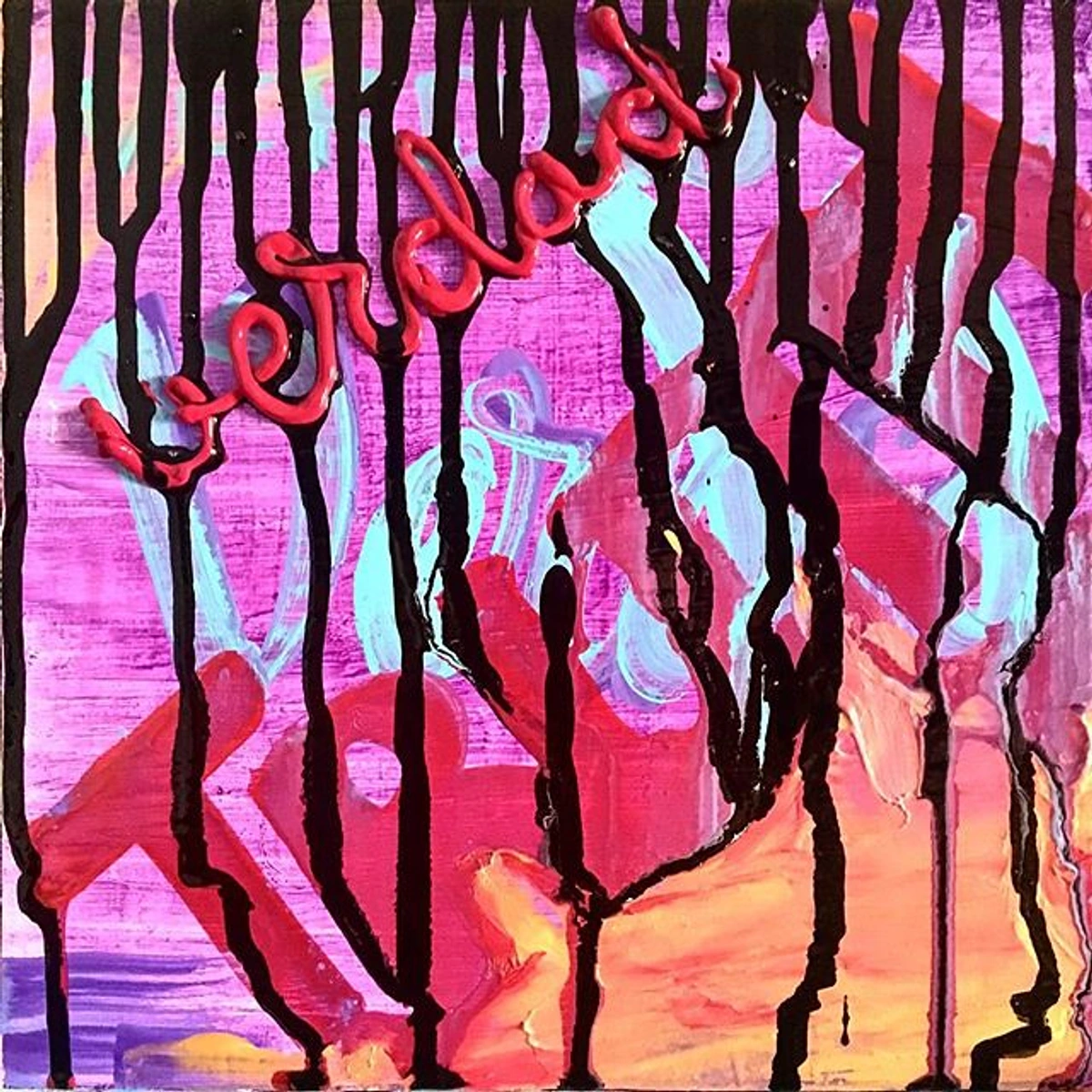
Chevreul's color theory is based on the idea that colors influence each other when placed side by side. This phenomenon, known as simultaneous contrast, is a fundamental principle in art and design. His work provided artists with a scientific framework for understanding how colors interact and how they can be used to create visually striking compositions.
Chevreul's color theory is based on the idea that colors influence each other when placed side by side. This phenomenon, known as simultaneous contrast, is a fundamental principle in art and design.
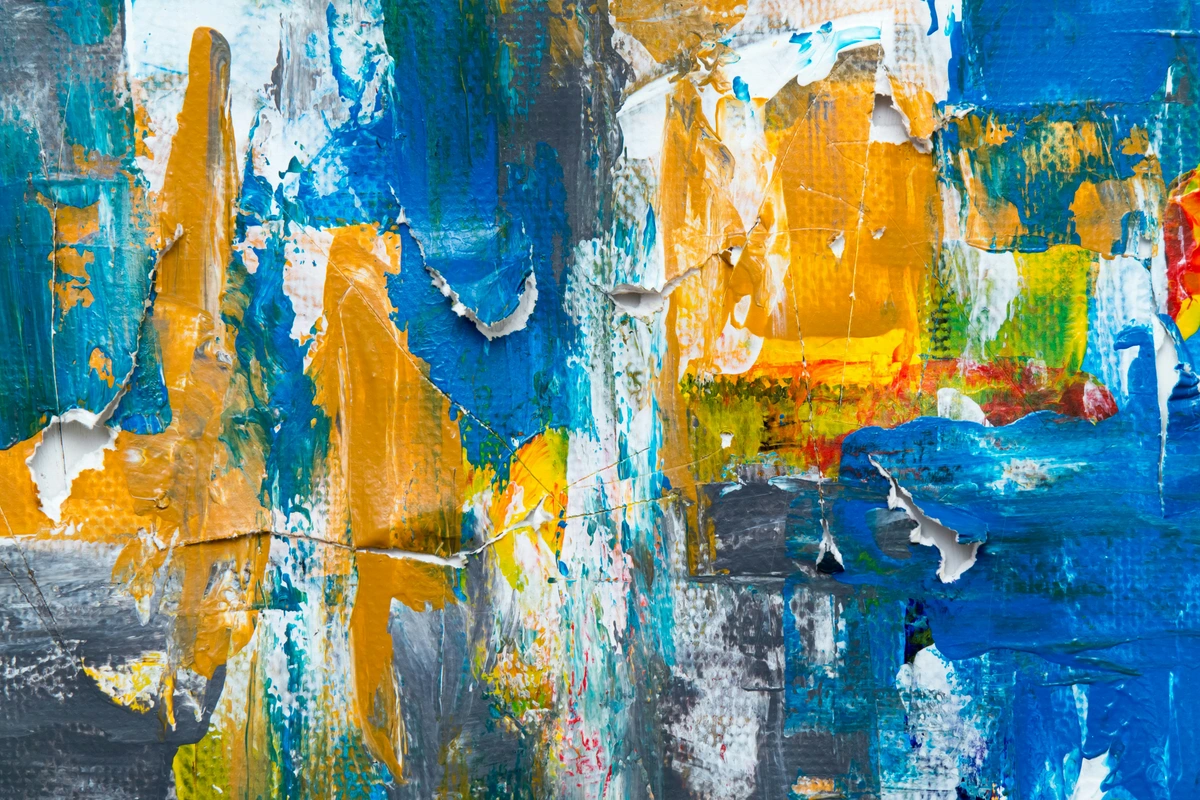
But what exactly is simultaneous contrast, and why is it so important? At its core, simultaneous contrast is about how our eyes and brains perceive color. When two colors are placed next to each other, they don't just sit there passively; they interact, they influence each other, and they create new visual experiences. This interaction is what makes color so dynamic and so powerful. Chevreul's insights into this phenomenon provided artists with a tool to create depth, dimension, and emotion in their work.
Simultaneous Contrast
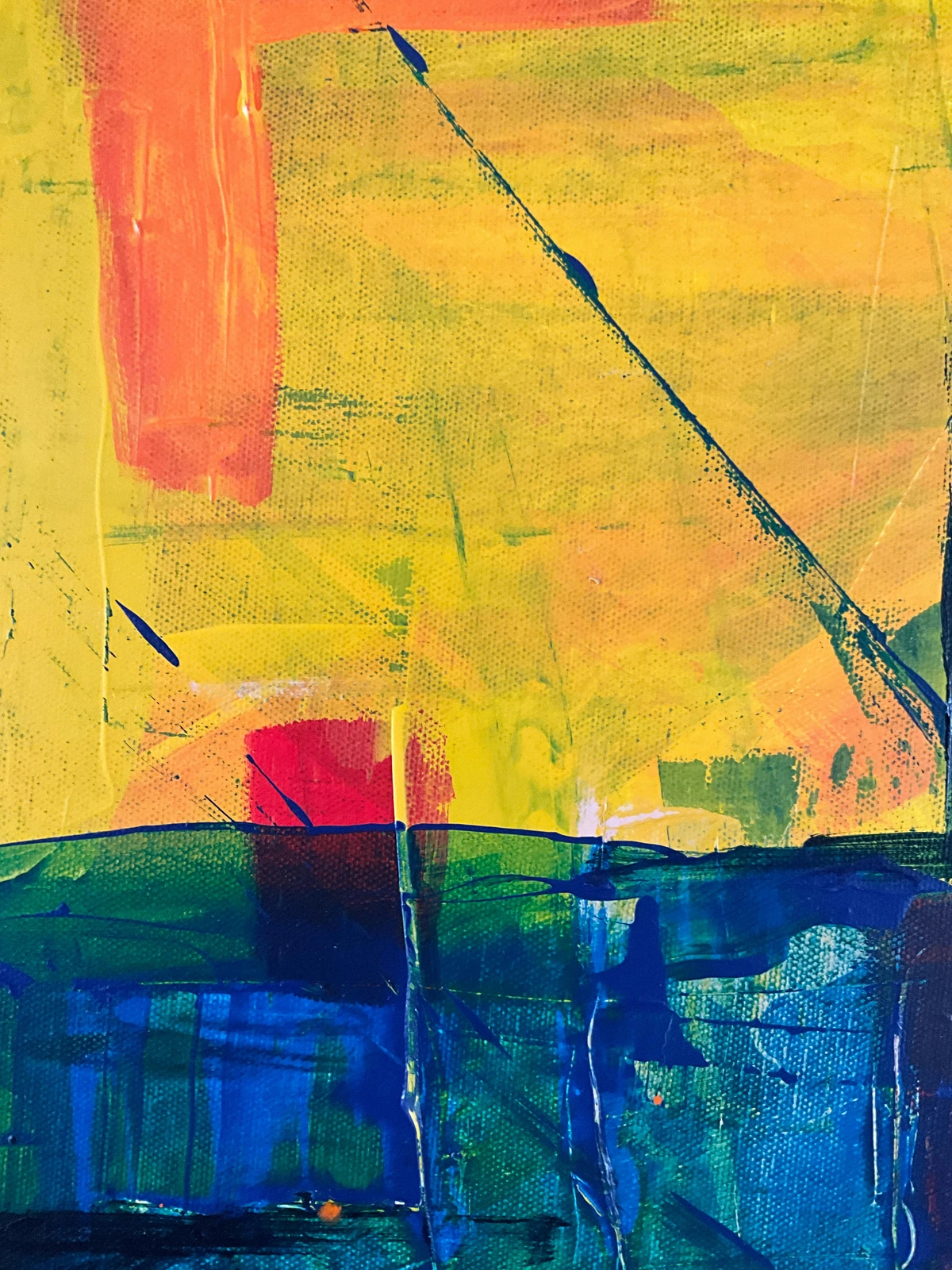
Simultaneous contrast refers to the way our eyes perceive colors differently when they are adjacent to each other. For example, a gray square on a white background will appear darker than the same gray square on a black background. This principle is crucial for artists who want to create depth and dimension in their work. Chevreul's experiments demonstrated how this effect could be harnessed to create more vibrant and dynamic compositions.
Simultaneous contrast refers to the way our eyes perceive colors differently when they are adjacent to each other. For example, a gray square on a white background will appear darker than the same gray square on a black background. This principle is crucial for artists who want to create depth and dimension in their work.
But simultaneous contrast isn't just about perception; it's about emotion. The way colors interact can evoke different feelings and moods, and artists have been using this principle for centuries to create powerful, evocative works of art. Whether it's the vibrant hues of a Van Gogh painting or the subtle tones of a Monet landscape, simultaneous contrast is at the heart of what makes these works so compelling. Chevreul's work provided a scientific basis for understanding these emotional responses to color.
The Color Wheel
Chevreul's color wheel is a visual representation of his theory. It shows how colors relate to each other and how they can be combined to create harmonious or contrasting effects. The wheel is divided into primary, secondary, and tertiary colors, providing a comprehensive guide for artists. This tool has become an essential resource for artists and designers alike, helping them create balanced and visually appealing compositions.
Chevreul's color wheel is a visual representation of his theory. It shows how colors relate to each other and how they can be combined to create harmonious or contrasting effects. The wheel is divided into primary, secondary, and tertiary colors, providing a comprehensive guide for artists.
But the color wheel isn't just a tool for artists; it's a window into the world of color. It helps us understand the relationships between different hues, and it gives us a framework for creating beautiful, balanced compositions. Whether you're a painter, a designer, or just someone who appreciates the beauty of color, the color wheel is an invaluable resource. Chevreul's color wheel remains a cornerstone of color theory, guiding artists in their creative endeavors.

credit, licence
Practical Applications
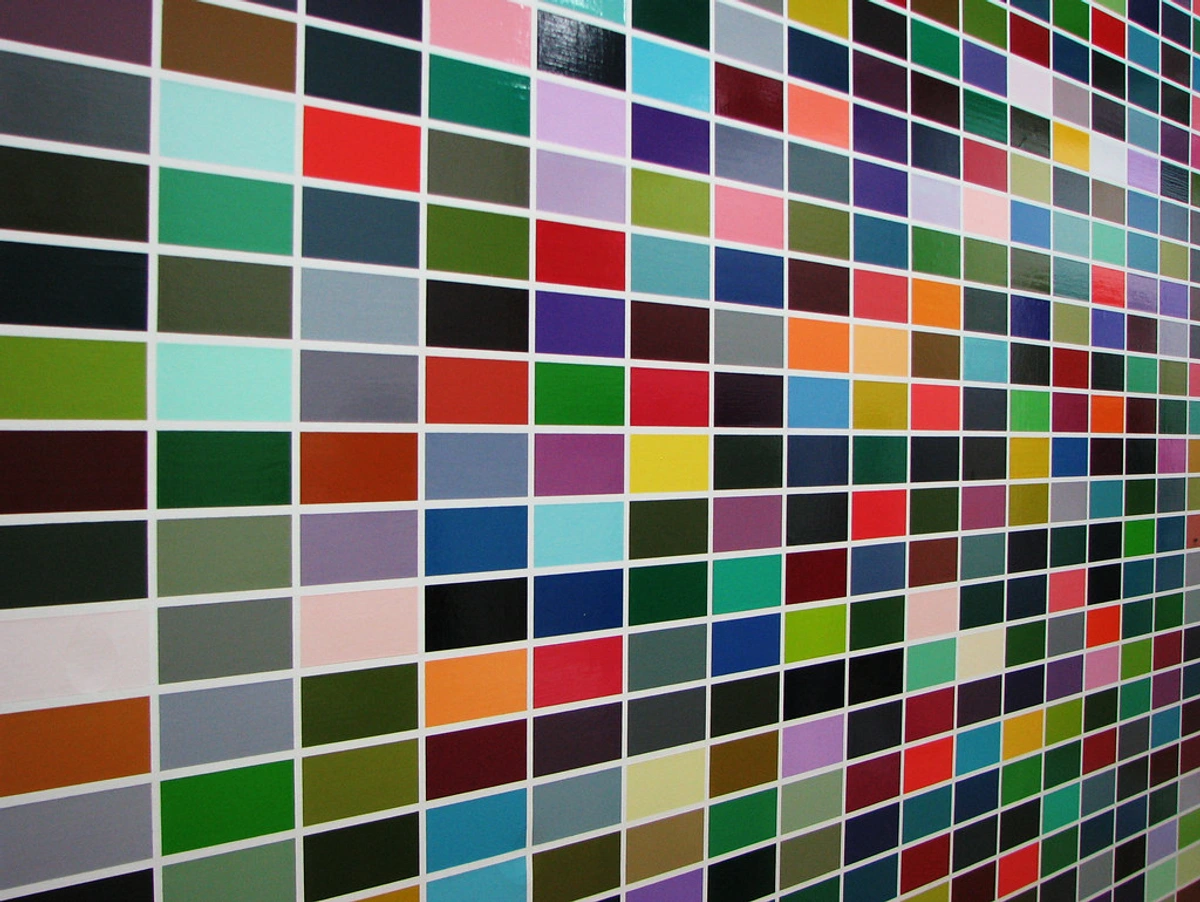
Chevreul's theory has practical applications in various fields, from painting to interior design. Artists use his principles to create visually striking compositions, while designers use them to create harmonious color schemes.
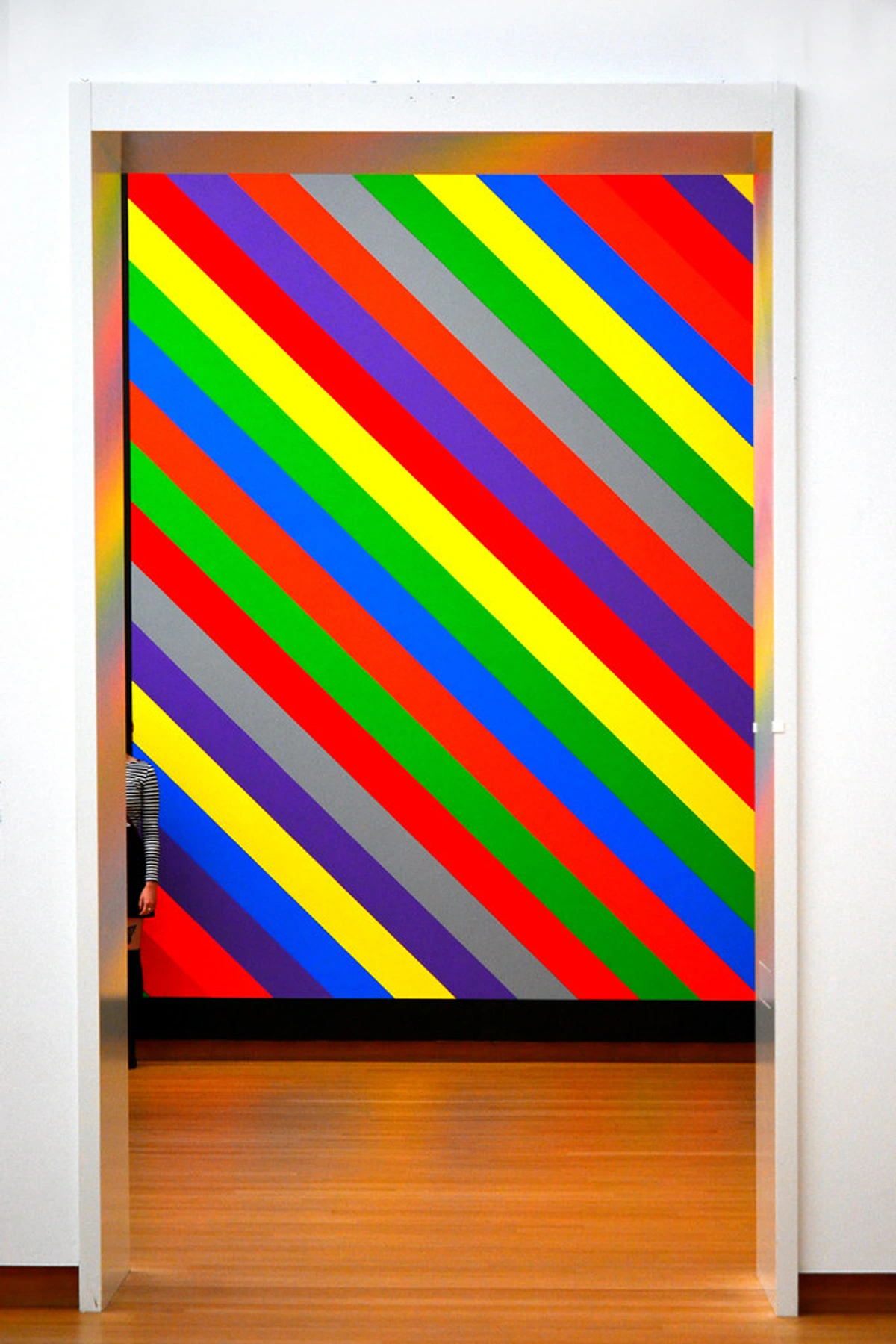
But the applications of Chevreul's theory go far beyond the world of art and design. His principles are used in everything from fashion to marketing, and they continue to shape the way we think about color and its role in our lives. Whether you're designing a website, decorating a room, or creating a work of art, Chevreul's insights can help you make more informed, more effective choices.
Influence on Art History
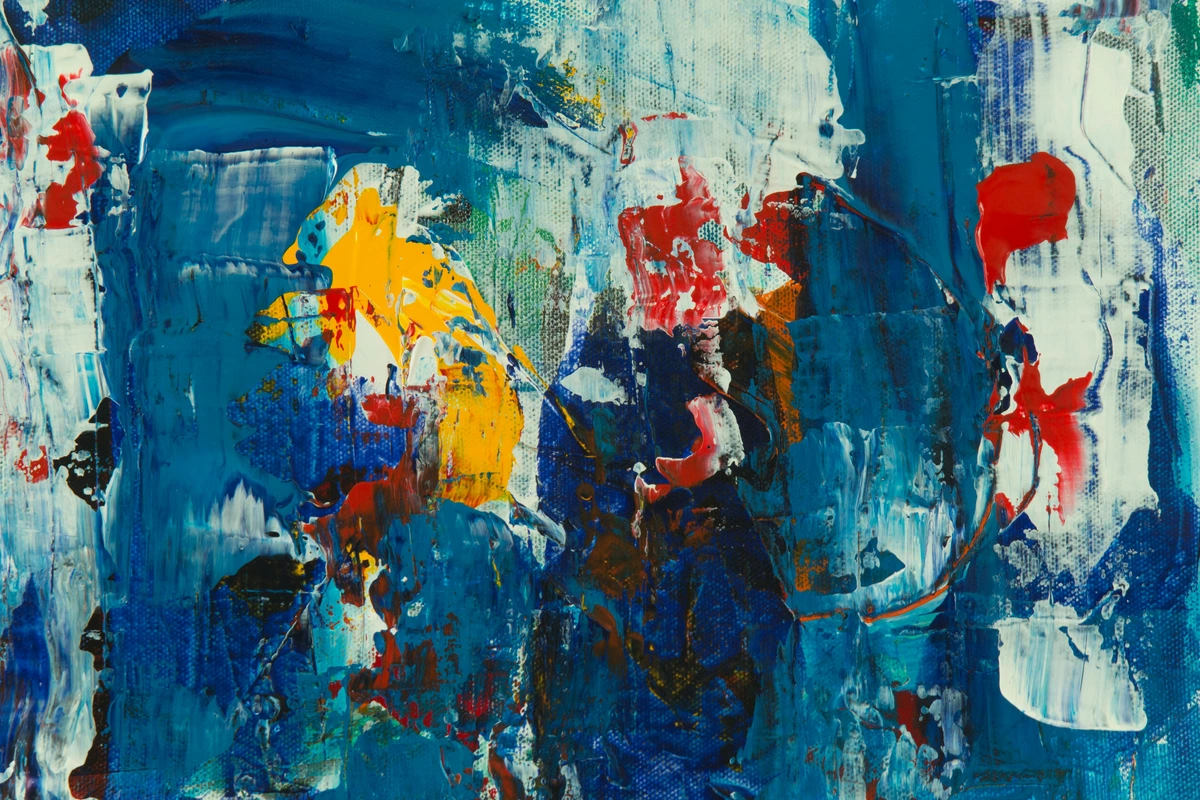
Chevreul's work had a profound impact on the art world. His theories influenced the Impressionists, who used his principles to create vibrant, lifelike paintings. Even today, modern artists continue to draw inspiration from his work. His legacy is a testament to the power of curiosity and the enduring impact of a single, brilliant mind.
Chevreul's work had a profound impact on the art world. His theories influenced the Impressionists, who used his principles to create vibrant, lifelike paintings. Even today, modern artists continue to draw inspiration from his work.
But Chevreul's influence isn't just limited to the world of art. His ideas have shaped the way we think about color in all its forms, from the clothes we wear to the spaces we inhabit. His legacy is a testament to the power of curiosity and the enduring impact of a single, brilliant mind. His work continues to inspire artists, designers, and scientists, demonstrating the universal relevance of his discoveries.
Impressionism
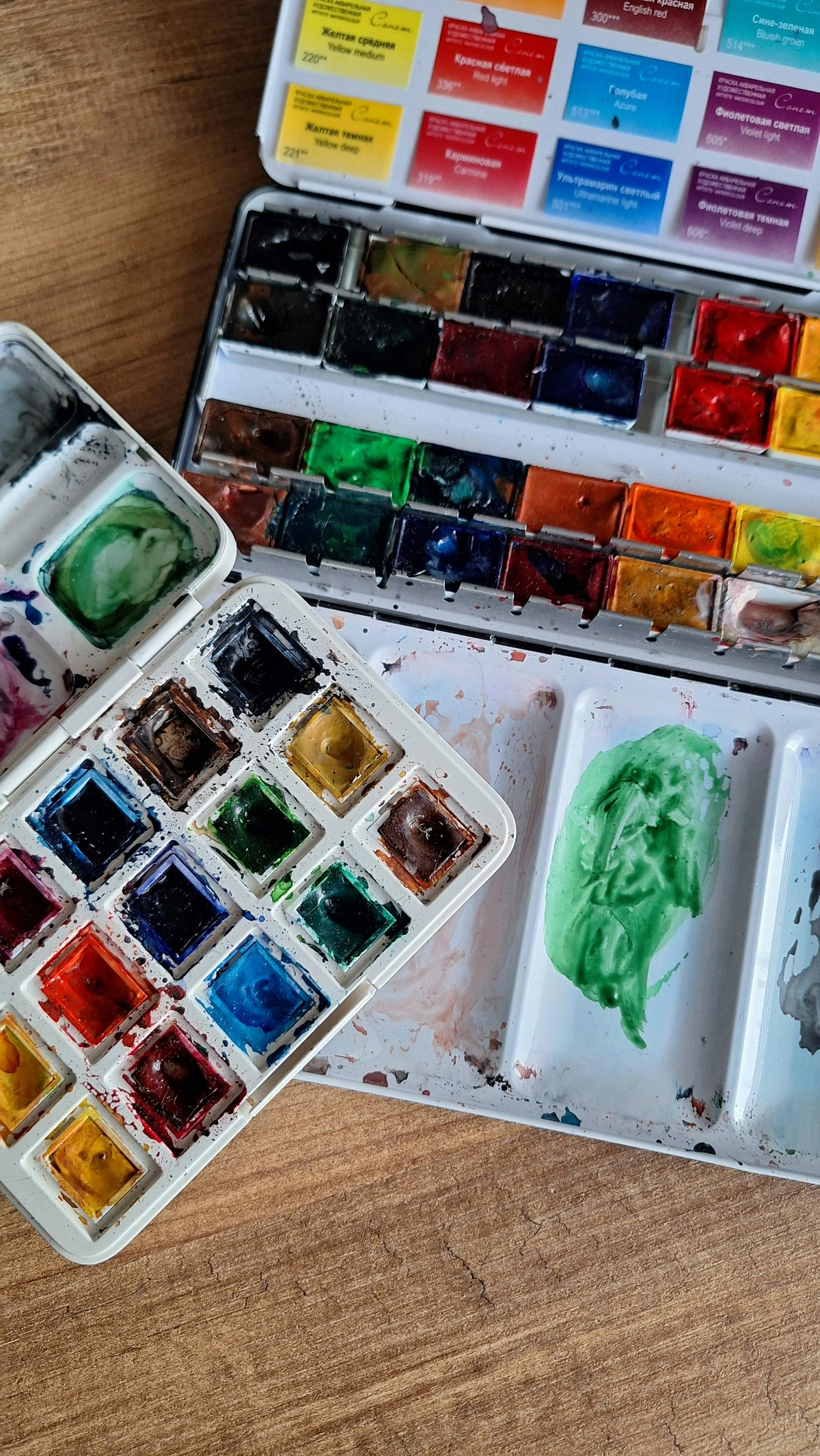
The Impressionists were particularly drawn to Chevreul's ideas. They used his principles of simultaneous contrast to create paintings that captured the fleeting effects of light and color. Artists like Claude Monet and Pierre-Auguste Renoir owe much of their success to Chevreul's insights. His theories provided them with a scientific foundation for their innovative techniques.
The Impressionists were particularly drawn to Chevreul's ideas. They used his principles of simultaneous contrast to create paintings that captured the fleeting effects of light and color. Artists like Claude Monet and Pierre-Auguste Renoir owe much of their success to Chevreul's insights.
But the Impressionists weren't the only ones influenced by Chevreul's work. His ideas also played a key role in the development of Post-Impressionism, Fauvism, and other artistic movements. His principles continue to inspire artists today, and his legacy is a reminder of the enduring power of color. Chevreul's influence extends beyond the Impressionists, shaping the evolution of modern art.
Modern Art
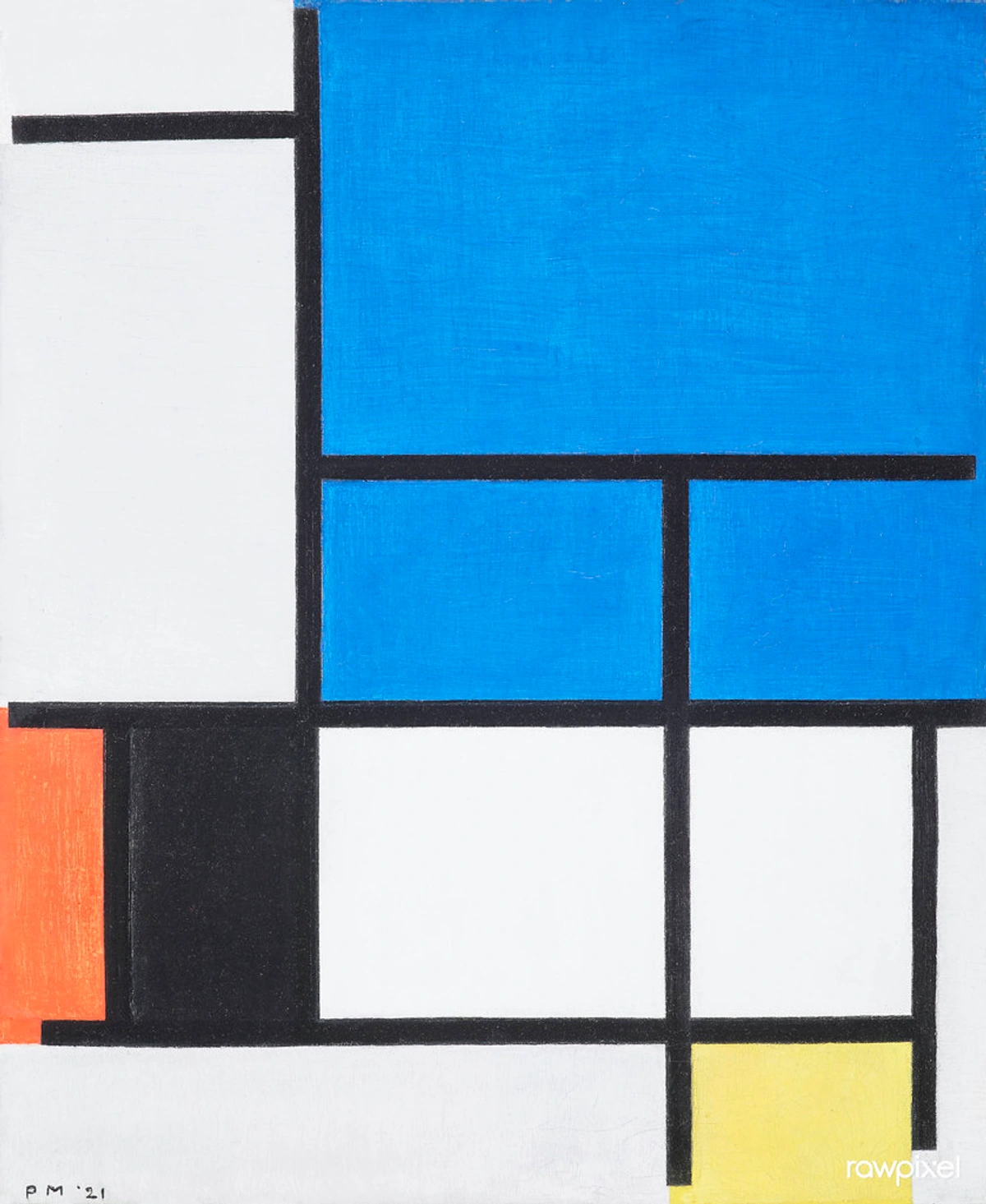
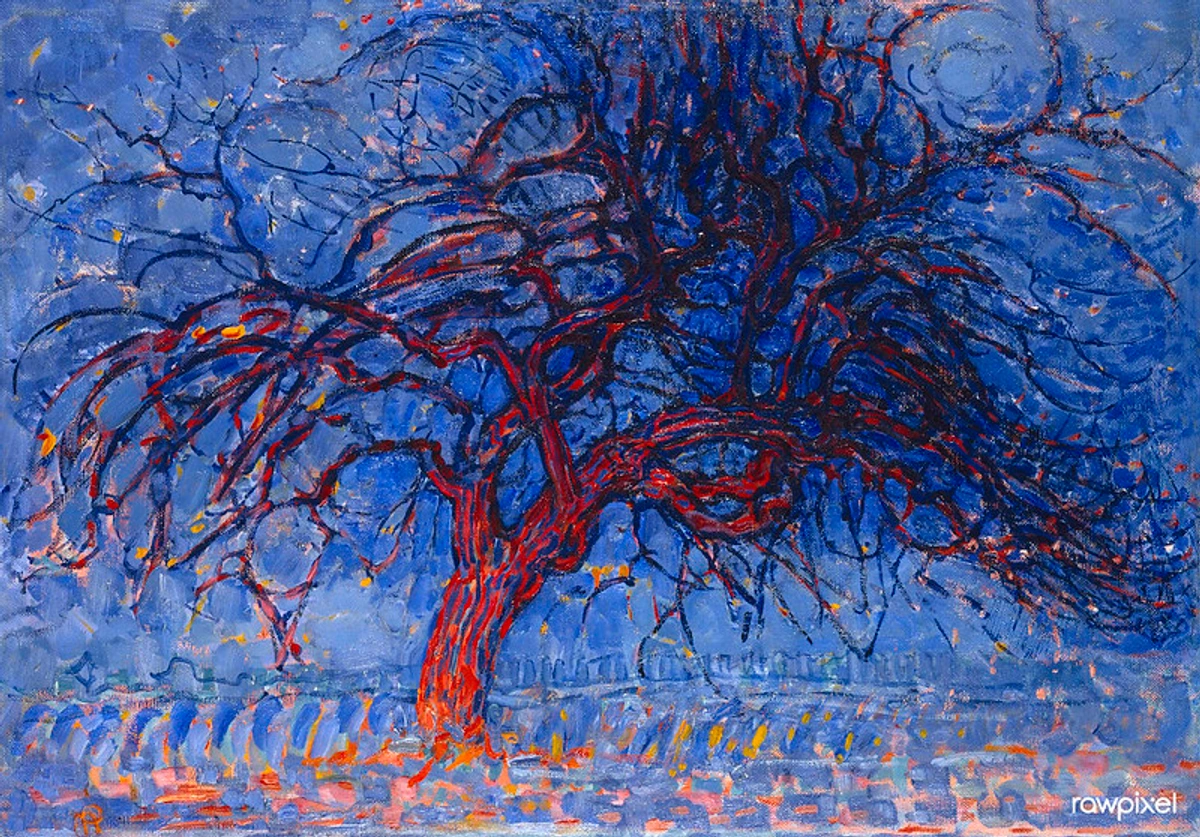
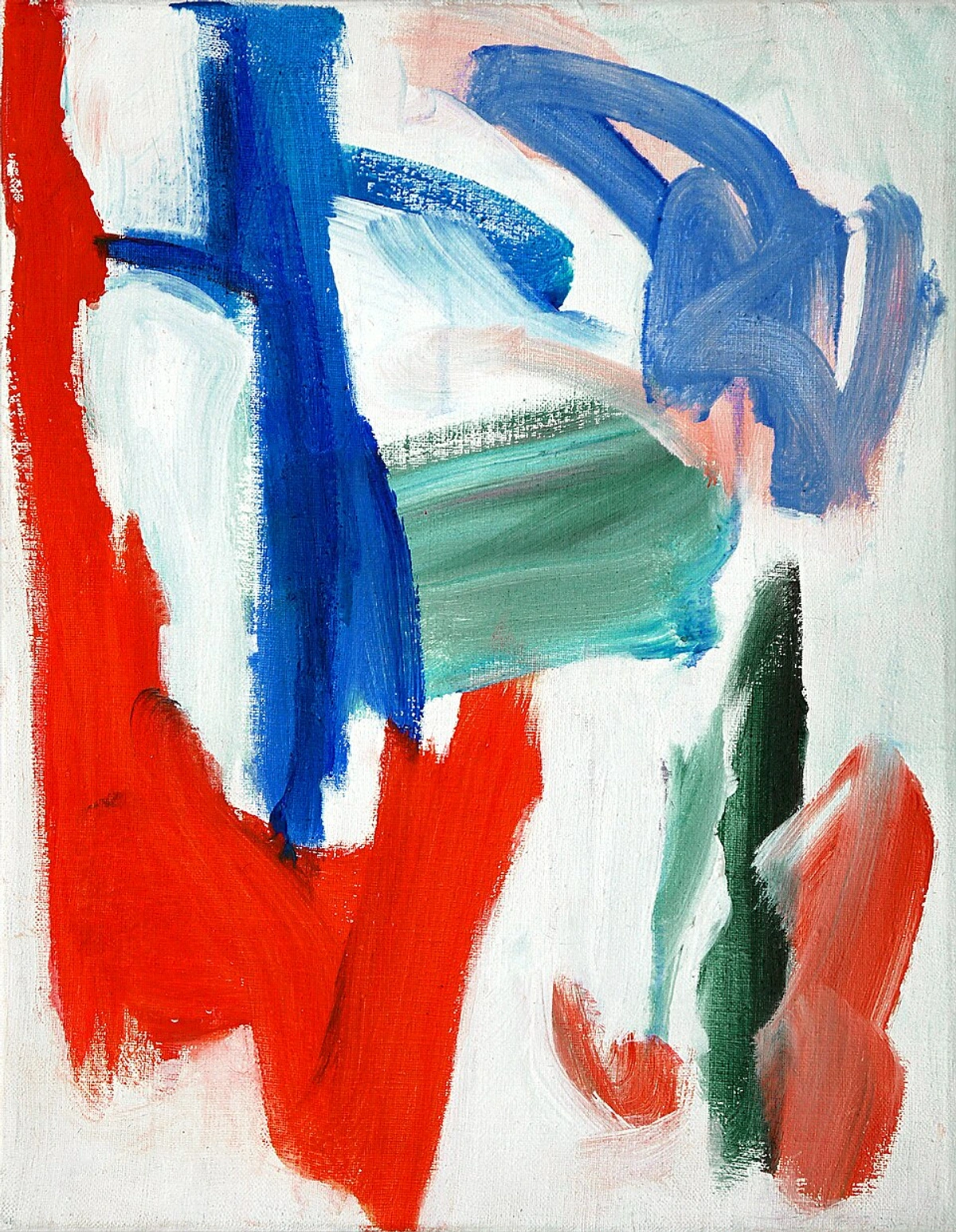
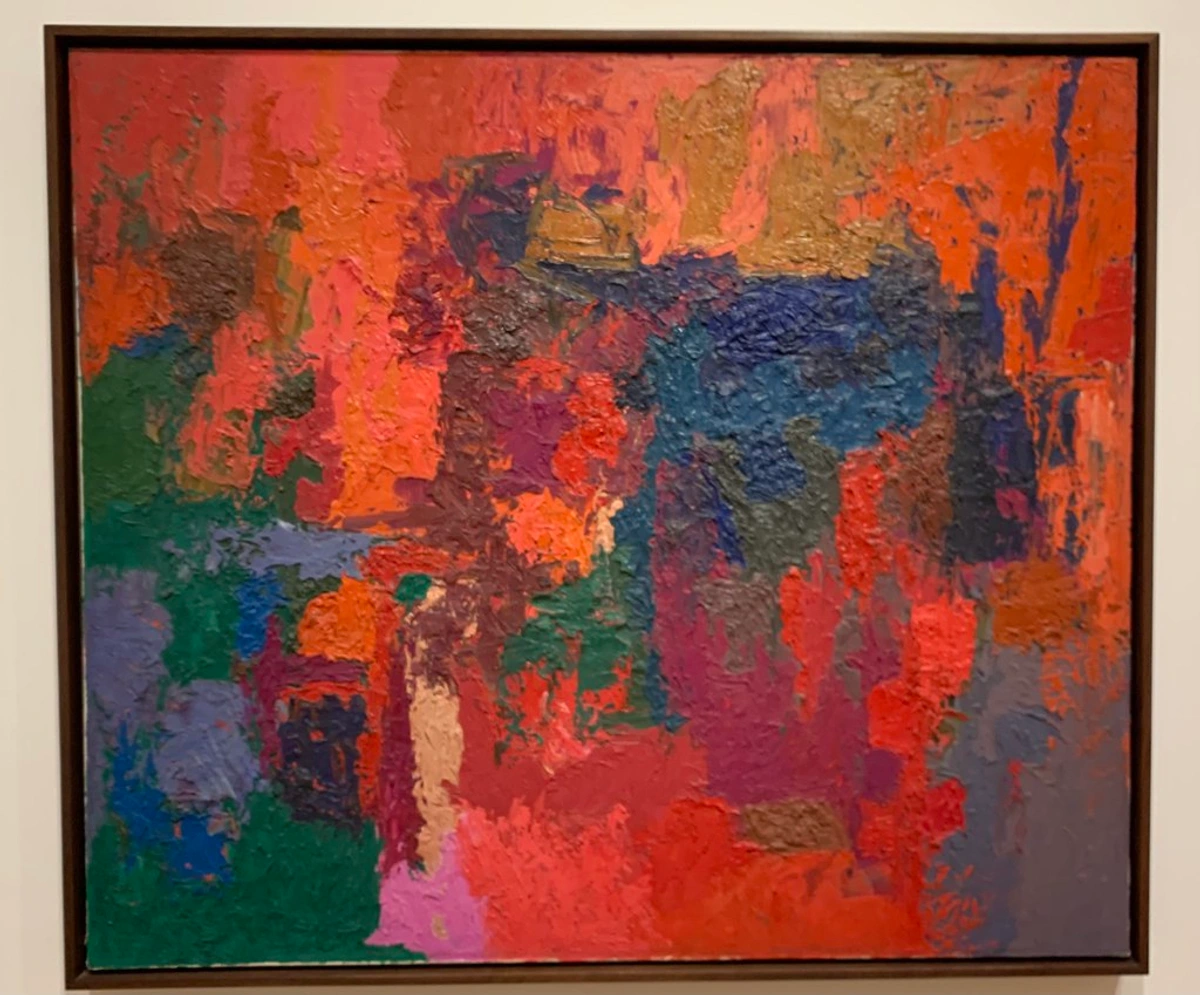
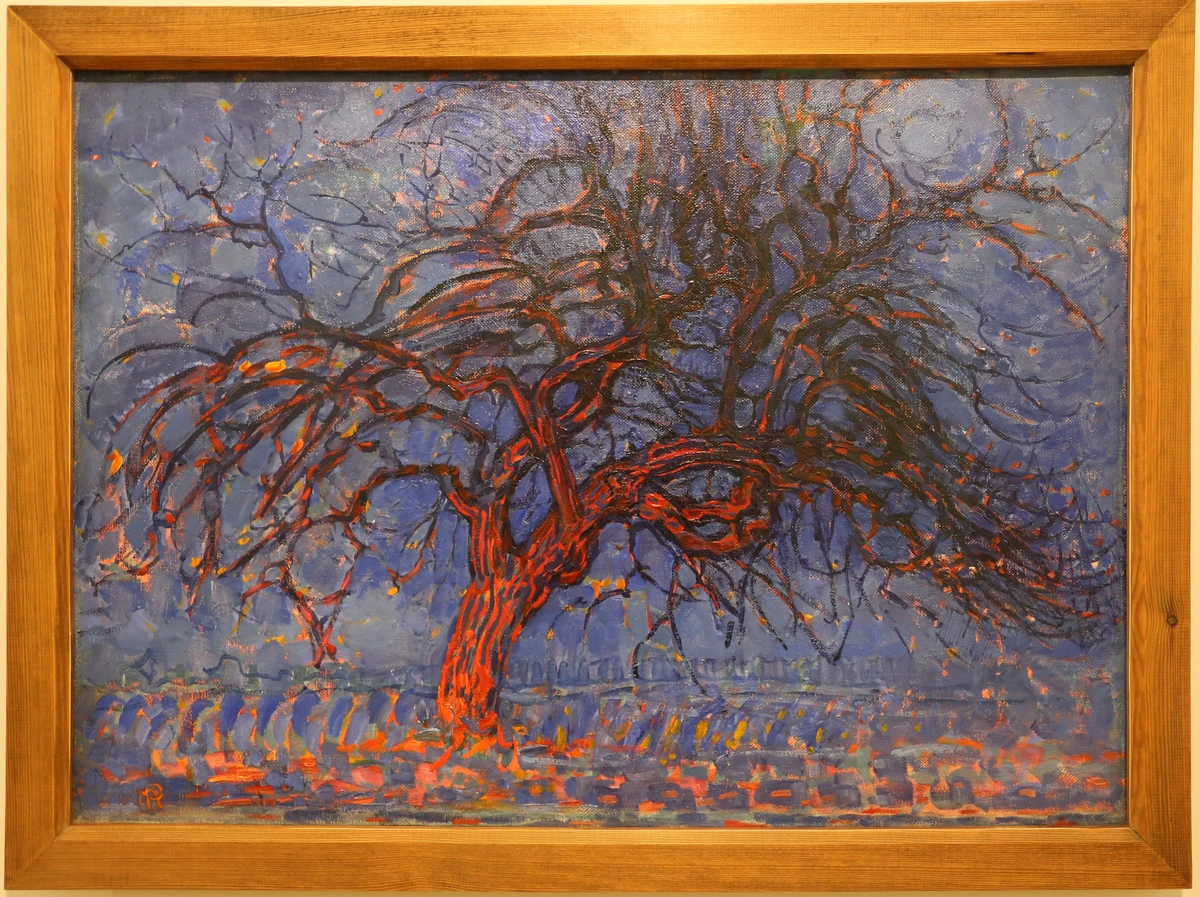
Chevreul's influence extends to modern art as well. Artists like Wassily Kandinsky and Piet Mondrian used his color theories to create abstract works that explore the emotional and psychological effects of color. His ideas have also influenced everything from pop art to minimalism, and they continue to shape the way we think about color and its role in contemporary art.
Chevreul's influence extends to modern art as well. Artists like Wassily Kandinsky and Piet Mondrian used his color theories to create abstract works that explore the emotional and psychological effects of color.
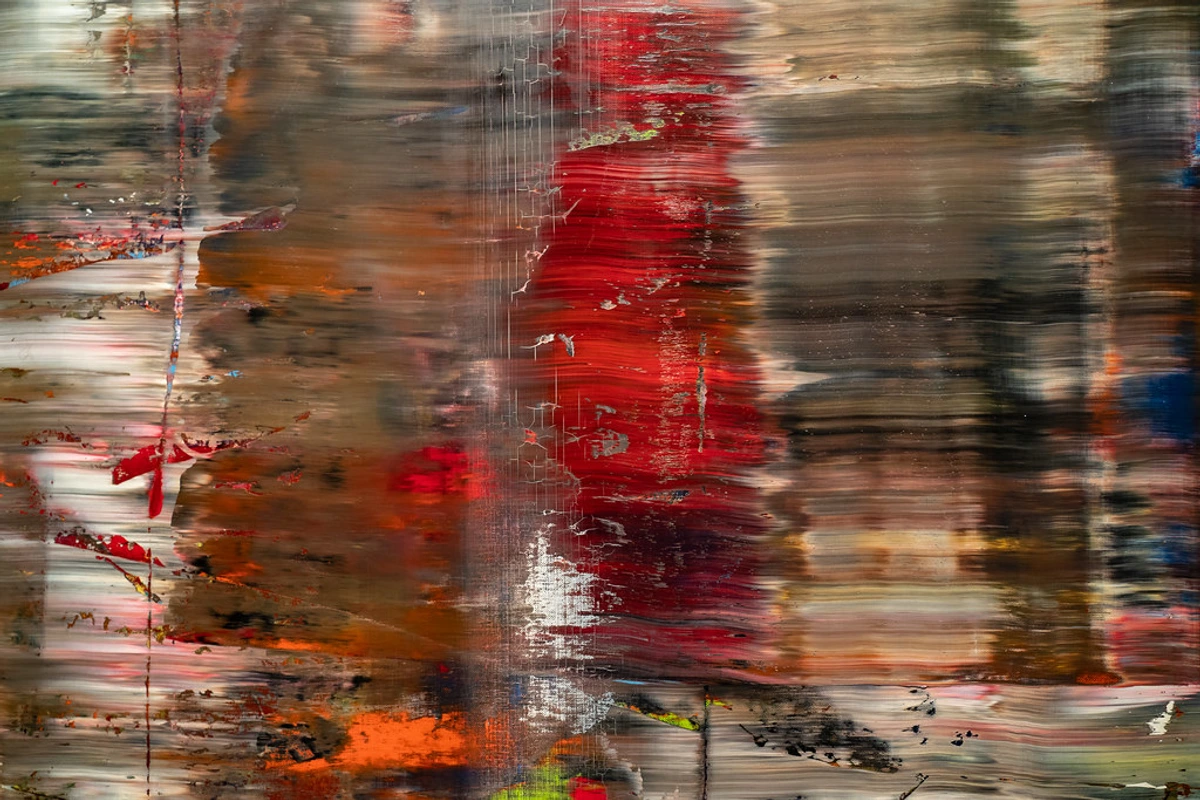
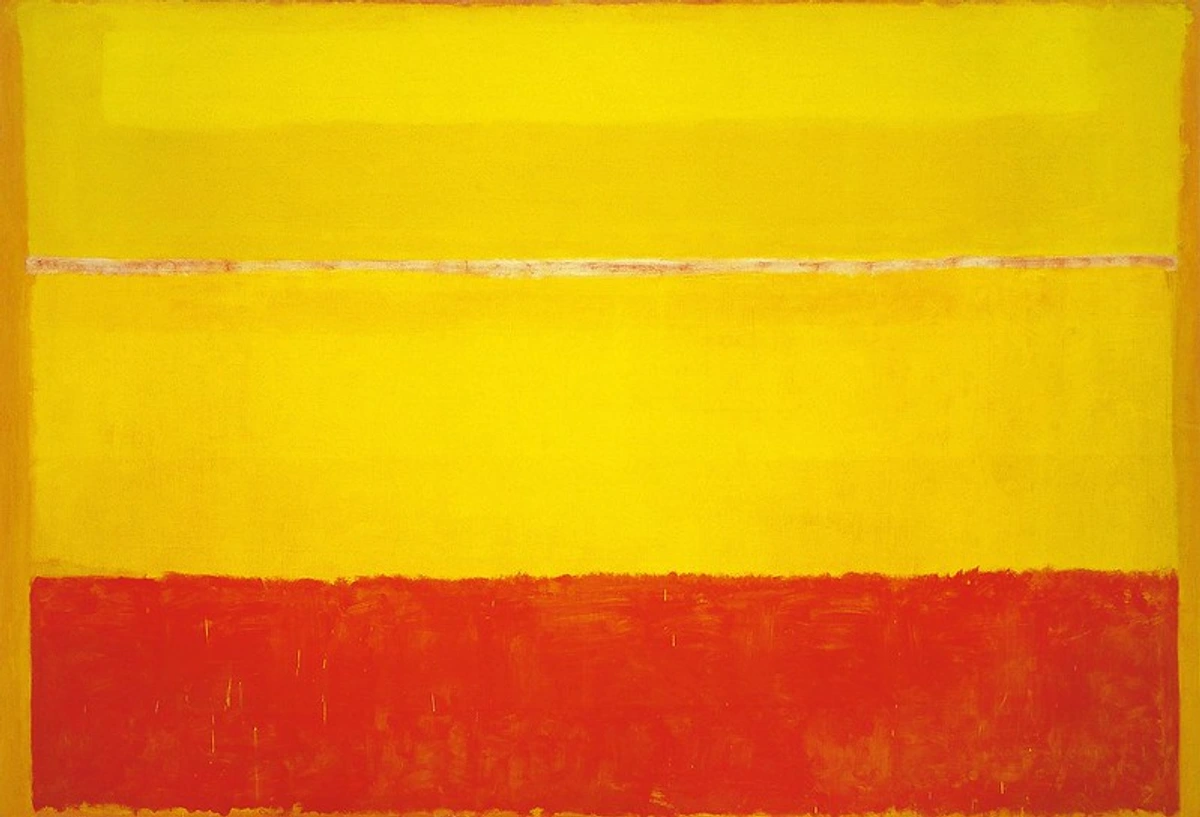
But Chevreul's impact on modern art isn't just about abstraction. His ideas have also influenced everything from pop art to minimalism, and they continue to shape the way we think about color and its role in contemporary art. Whether you're looking at a bold, colorful painting or a subtle, monochromatic sculpture, Chevreul's principles are at work. His theories provide a framework for understanding the emotional and psychological impact of color in art.
Chevreul's Legacy
Chevreul's contributions to color theory are still relevant today. His work has influenced not only the art world but also fields like psychology, marketing, and design. His principles are taught in art schools around the world, and his color wheel is a staple in every artist's toolkit. His legacy is a reminder that the most profound discoveries often come from the simplest observations.
Chevreul's contributions to color theory are still relevant today. His work has influenced not only the art world but also fields like psychology, marketing, and design. His principles are taught in art schools around the world, and his color wheel is a staple in every artist's toolkit.
But Chevreul's legacy isn't just about his contributions to color theory. It's about his approach to science and art, his curiosity, and his willingness to ask big questions. His work is a reminder that the most profound discoveries often come from the simplest observations, and that the world is full of beauty and wonder, if only we take the time to look.
Scientific Contributions
Chevreul's work wasn't limited to color theory. He made significant contributions to the field of chemistry, including the discovery of several new compounds. His work on fats and oils laid the foundation for modern lipid chemistry. Additionally, he was a pioneer in the field of gerontology, and his work on aging and longevity continues to influence scientists today.
Chevreul's work wasn't limited to color theory. He made significant contributions to the field of chemistry, including the discovery of several new compounds. His work on fats and oils laid the foundation for modern lipid chemistry.
But Chevreul's scientific contributions go far beyond chemistry. He was a pioneer in the field of gerontology, and his work on aging and longevity continues to influence scientists today. His legacy is a testament to the power of interdisciplinary thinking and the enduring impact of a single, brilliant mind. His contributions to science and art demonstrate the importance of exploring the intersections between different fields.
Awards and Honors
Throughout his life, Chevreul received numerous awards and honors for his contributions to science and art. He was a member of the French Academy of Sciences and received the Legion of Honor, France's highest civilian award. These accolades reflect the profound impact of his work on both the scientific and artistic communities.
Throughout his life, Chevreul received numerous awards and honors for his contributions to science and art. He was a member of the French Academy of Sciences and received the Legion of Honor, France's highest civilian award.
But Chevreul's achievements weren't just about accolades; they were about the impact he had on the world. His work continues to inspire scientists and artists alike, and his legacy is a reminder of the power of curiosity and the enduring impact of a single, brilliant mind. His contributions have left an indelible mark on the world, shaping the way we understand and appreciate color.
FAQ
What is simultaneous contrast?
Simultaneous contrast is the phenomenon where colors influence each other when placed side by side. This principle is crucial for creating depth and dimension in art. Chevreul's work provided a scientific explanation for this effect, helping artists understand how to use color more effectively in their compositions.
What is simultaneous contrast?
Simultaneous contrast is the phenomenon where colors influence each other when placed side by side. This principle is crucial for creating depth and dimension in art.
How did Chevreul's color theory influence the Impressionists?
The Impressionists used Chevreul's principles of simultaneous contrast to create vibrant, lifelike paintings that captured the fleeting effects of light and color.
What is Chevreul's color wheel?
Chevreul's color wheel is a visual representation of his color theory. It shows how colors relate to each other and how they can be combined to create harmonious or contrasting effects. This tool has become an essential resource for artists, helping them create balanced and visually appealing compositions.
What are some practical applications of Chevreul's color theory?
Chevreul's theory has practical applications in various fields, from painting to interior design. Artists use his principles to create visually striking compositions, while designers use them to create harmonious color schemes. His theories are also applied in fashion, marketing, and digital design, demonstrating their universal relevance.
What other contributions did Chevreul make to science?
Chevreul made significant contributions to the field of chemistry, including the discovery of several new compounds. His work on fats and oils laid the foundation for modern lipid chemistry. Additionally, his research in gerontology provided valuable insights into the aging process, further demonstrating his interdisciplinary approach to science.
How did Chevreul's work influence modern art?
Chevreul's ideas have influenced everything from pop art to minimalism, and they continue to shape the way we think about color and its role in contemporary art. His theories have provided artists with a scientific framework for exploring the emotional and psychological effects of color, leading to innovative and groundbreaking works.
What is the significance of Chevreul's color wheel?
The color wheel isn't just a tool for artists; it's a window into the world of color. It helps us understand the relationships between different hues, and it gives us a framework for creating beautiful, balanced compositions. Chevreul's color wheel remains a cornerstone of color theory, guiding artists in their creative endeavors and providing a foundation for understanding color relationships.

How did Chevreul's work impact fields outside of art?
Chevreul's principles are used in everything from fashion to marketing, and they continue to shape the way we think about color and its role in our lives. His theories have applications in psychology, design, and even digital media, demonstrating their broad relevance and impact.
What was Chevreul's approach to science and art?
Chevreul's approach to science and art was characterized by curiosity, exploration, and a willingness to ask big questions. He believed in the interconnectedness of different fields and the importance of understanding the fundamental principles that govern our world. His legacy is a testament to the power of interdisciplinary thinking and the enduring impact of a single, brilliant mind.
What awards and honors did Chevreul receive?
Chevreul received numerous awards and honors for his contributions to science and art, including membership in the French Academy of Sciences and the Legion of Honor, France's highest civilian award. These accolades reflect the profound impact of his work on both the scientific and artistic communities, as well as his enduring legacy.
Conclusion
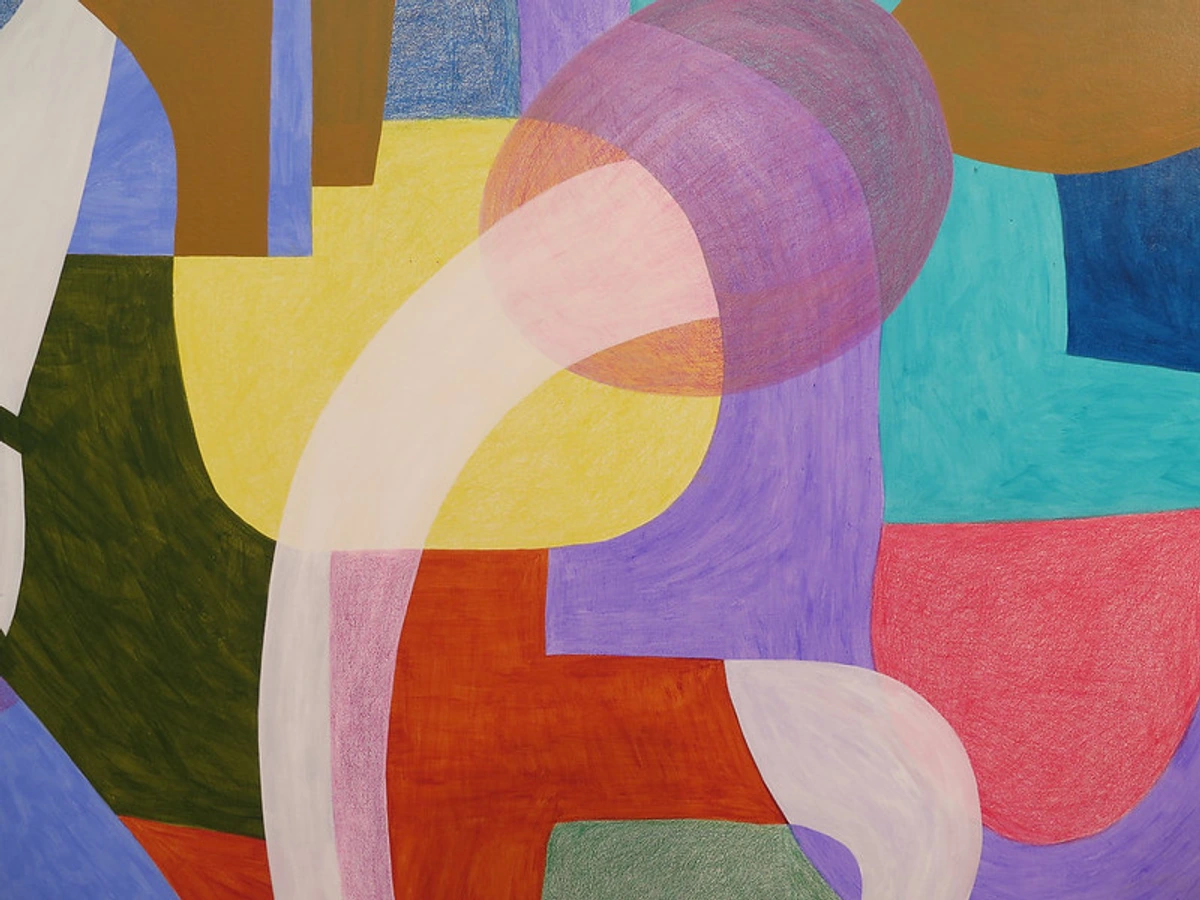
Michel Eugène Chevreul was a true Renaissance man. His work on color theory has left an indelible mark on the art world, influencing generations of artists. From the Impressionists to modern abstract painters, Chevreul's principles continue to inspire and guide artists in their quest to capture the beauty of the world in color. His legacy is a reminder of the enduring power of curiosity and the importance of exploring the intersections between science and art.
Michel Eugène Chevreul was a true Renaissance man. His work on color theory has left an indelible mark on the art world, influencing generations of artists. From the Impressionists to modern abstract painters, Chevreul's principles continue to inspire and guide artists in their quest to capture the beauty of the world in color. His interdisciplinary approach and groundbreaking discoveries have cemented his place as one of the most influential figures in the history of art and science.
If you're an artist looking to deepen your understanding of color, I highly recommend exploring Chevreul's work. His insights are as relevant today as they were in the 19th century. And if you're interested in seeing how modern artists apply these principles, check out our collection of contemporary art here. His theories provide a timeless framework for understanding and using color in art.










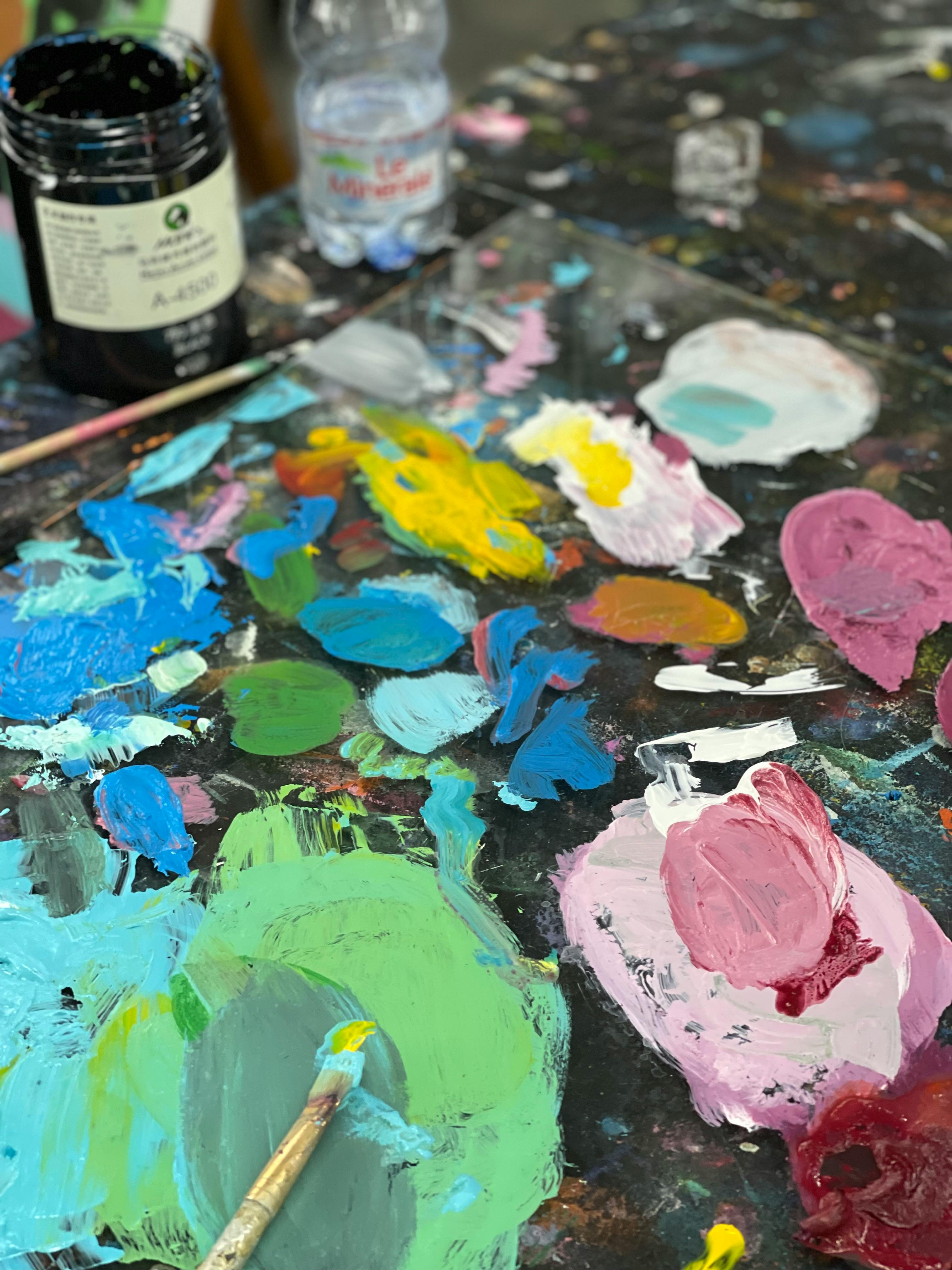
For a deeper dive into the history of art and its evolution, visit our timeline. And if you're ever in Den Bosch, be sure to visit our museum to see these principles in action /den-bosch-museum. Exploring Chevreul's work firsthand can provide a deeper appreciation for his contributions to the art world.
Chevreul's legacy is a reminder that the most profound discoveries often come from the simplest observations. His work continues to inspire scientists and artists alike, and his principles are a testament to the enduring power of curiosity and the beauty of the world around us. His contributions have shaped the way we understand and appreciate color, leaving a lasting impact on both the scientific and artistic communities.