Art Galleries: The Ultimate Guide to Discovery, Connection & Collecting
Unlock the world of art galleries! This ultimate guide demystifies types, etiquette, deep engagement, finding local art, and smart collecting. Discover art in person, with confidence.

Art Galleries: Your Ultimate Guide to Discovery, Connection, and Collecting
I’ll admit it: for a long time, the mere thought of walking into an art gallery was enough to send a shiver down my spine. I pictured hushed reverence, stark white walls, and a pervasive feeling that I’d accidentally stumbled into a secret society where everyone knew the handshake, and I was just trying not to trip over a priceless sculpture. It was like walking into a highly exclusive book club where everyone not only knew the Dewey Decimal system by heart but also had memorized every author's middle name and preferred brand of artisanal tea. That initial awkwardness, that feeling of needing a secret password, it’s a hurdle many of us face.
Pushing past that initial fear, however, is where the real magic happens, where unexpected joy and profound connection often begin. It's stepping out of the cozy, familiar chaos of my own studio – a delightful mess of paint, brushes, and half-finished ideas that sometimes feels less like an artistic haven and more like a paint-splattered crime scene – and into a world of carefully chosen and intentionally placed art. I remember one particular visit, years ago, where I practically tiptoed, convinced I was about to be asked to leave for not looking 'artistic enough.' Of course, those anxieties are silly, but they're real, and they can keep us from truly wonderful experiences.
At its simplest, an art gallery is a dedicated space for the display and appreciation of art. While they might conjure images of exclusive salons and elite gatherings from history, evolving from private collections to more public-facing institutions over centuries, their purpose today is much more democratic. They are vital hubs of discovery, conversation, and sometimes, just quiet contemplation. Think of them less as intimidating temples and more like really interesting, slightly hushed living rooms, brimming with stories waiting to be told. My goal here? To peel back that curtain of mystery, offer a personal roadmap to feeling perfectly comfortable, and perhaps even exhilarated, on your next gallery visit. We'll explore not just what they are, but why they matter, how to navigate them, and how to truly connect with the art they hold.
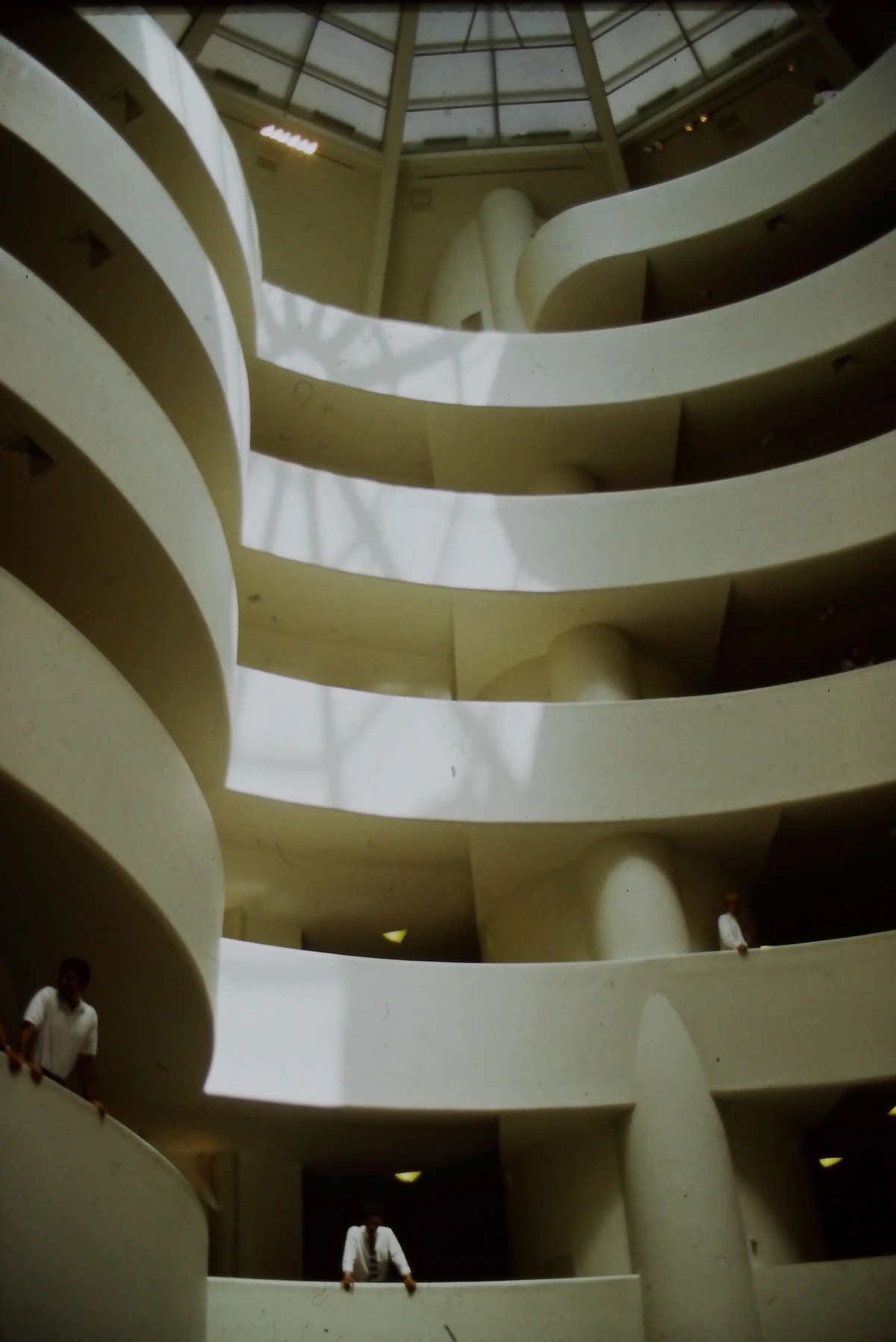
Unlike a museum, which often collects, preserves, and interprets historical artifacts across many disciplines, often focusing on a permanent collection – a curated body of art owned by the institution – a gallery typically focuses exclusively on visual art and often has constantly rotating exhibitions. Many are free to enter, so don't let any perceived financial barrier deter you – the price of admission is often just your curiosity, and perhaps a willingness to open yourself to something new.
Why Step Inside? The Irreplaceable Experience of Seeing Art in Person
Why leave the comfort of your screen or your local coffee shop to wander through a building filled with art? Well, for me, it's about the experience. There's a profound, almost visceral difference between seeing art online or in a book and standing before it in person. It’s like listening to your favorite band live versus streaming their album – both are good, but one just hits differently, with the raw energy and shared presence of a live show, right? Or, imagine tasting a fresh, ripe strawberry straight from the vine versus seeing a photo of it. Both are strawberries, but only one offers that burst of genuine flavor and scent.
Online, an image is just pixels on a screen, a flattened representation. It lacks what Walter Benjamin famously called the 'aura' of an artwork – that unique presence and authenticity that comes from experiencing the original. This 'aura' isn't just theory; it's a deeply felt truth, derived from the artwork's history, its physical journey, and the fact that it is an irreplaceable, unique object. In the digital age, where images are endlessly reproduced and disseminated, Benjamin's concept reminds us of the profound value tied to the original's singular existence and its physical journey through time. It's the difference between seeing a photo of your most treasured childhood toy and actually holding it, feeling its weight, its worn edges, and remembering all the stories it holds. When you stand before a canvas, you engage in an intimate, direct encounter with the physical object, experiencing its material presence in a way no digital reproduction can replicate. This act of intentional viewing, often referred to in art theory as the "gaze," transforms passive observation into an active, mindful engagement with the artwork and its context. For me, it means consciously allowing the artwork to draw you in, to truly see and feel it without immediate judgment or distraction.
In a gallery, you feel the true scale, the tangible texture of paint (that glorious, thick impasto that builds up off the surface, creating a sculptural quality, where you can almost feel the artist's hand pushing the brush), the deliberate brushstrokes, the subtle way light plays across a sculpture (think of a smooth, cold bronze versus a delicately carved marble, each offering a distinct tactile promise). You get a sense of the artist's hand, their journey, their very breath infused into the work. It's truly a multi-sensory event, an interaction that digital reproductions, despite advancements in high-resolution imaging and 3D scanning, can never fully replicate. This is also where the practice of 'slow looking' truly thrives – a mindful engagement that allows you to step away from digital overload and truly connect. Imagine spending five minutes with a single brushstroke on a large abstract canvas, tracing its path, feeling its texture with your eyes, and letting your mind wander into the artist's creative process. Or, take a figurative painting: spend time deciphering the subtle narrative within the characters' expressions, the interplay of shadows, and the hidden symbols that gradually reveal a deeper story. That's slow looking in action.
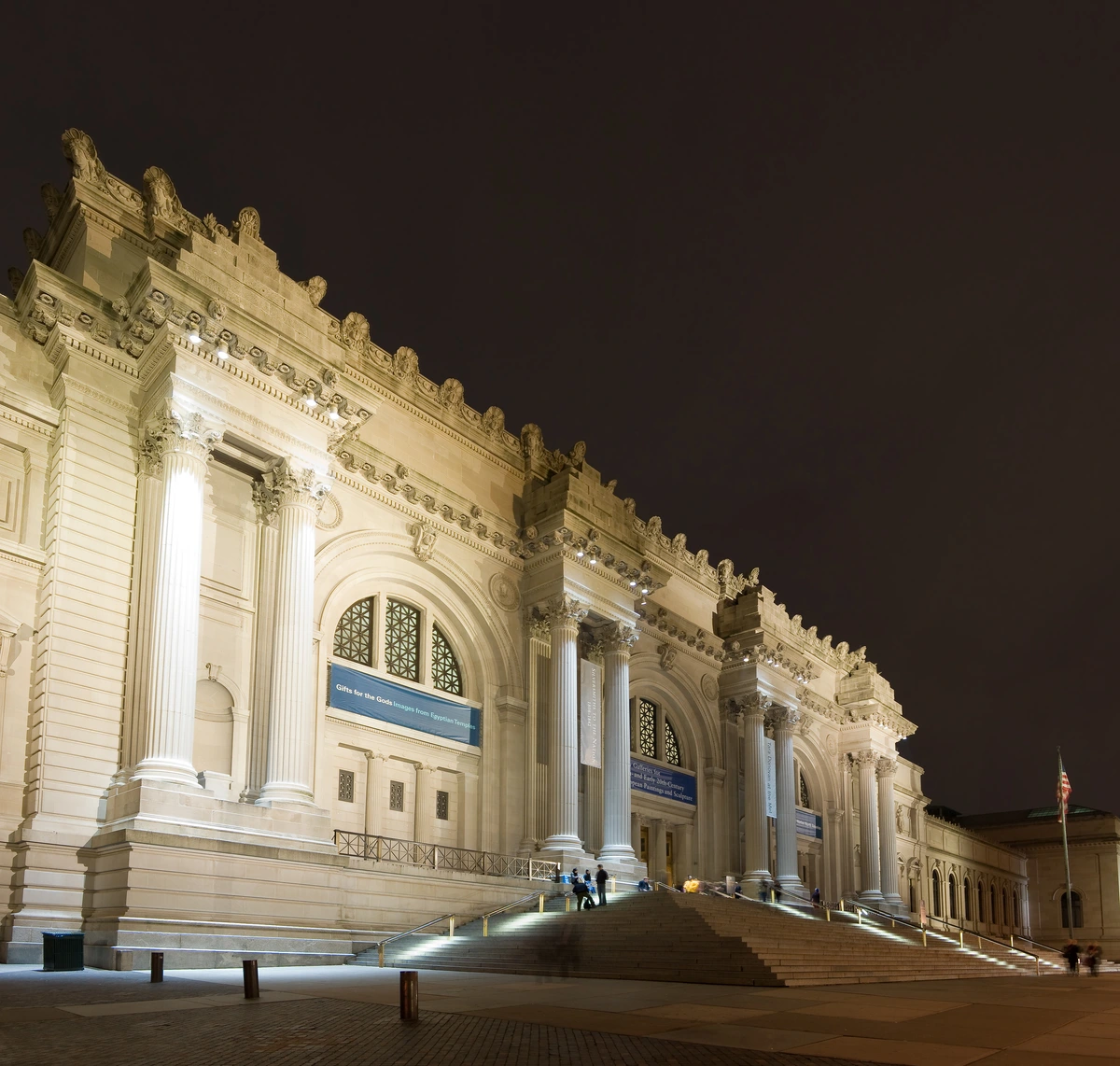
Galleries are also where you can see the latest work from living artists. They're the pulse of the contemporary art world, a direct conduit to what's happening now – the conversations artists are having with their time, their society, and their materials. It’s where new ideas are often first revealed, sometimes emerging directly from artist residencies where creators push boundaries, explore new techniques, or work on ambitious projects in dedicated new environments. Plus, there's that delightful serendipity. You might walk in with no expectations and stumble upon a piece that speaks directly to your soul, evokes an unexpected memory, or challenges a long-held belief. That's worth a little potential awkwardness, isn't it? If you're pondering the very essence of these fascinating spaces, I've dug into that too, exploring the nuances of what an art gallery actually is.

Beyond the initial "wow," visiting a gallery allows for quiet contemplation and a unique form of engagement. It’s a space to slow down, to observe, to let your thoughts unfurl. I’ve often found unexpected clarity or new perspectives just by spending a few extra minutes with a painting or sculpture. It’s a form of active mindfulness, if you will, where the art serves as an anchor. It’s a moment to connect with human creativity on a deeper level, far from the constant distractions of daily life. This can be a delightful way to find inspiration and boost your mental well-being in a world that often demands constant digital attention.

Decoding the Landscape: Types of Art Galleries and Their Roles
Now that we understand the profound impact of seeing art in person, let's explore the diverse ecosystem of places where you can do just that. Knowing a little bit about them can help you decide where to start your exploration, demystifying the different types of spaces and empowering you to choose where to go. Just like there are different kinds of coffee shops (from the fancy espresso bar to the cozy, slightly dusty corner cafe), there are different kinds of art galleries, each offering a distinct experience and purpose. So, what are the different flavors of these art spaces, and what makes each one special?
Gallery Type  | Primary Focus | Funding Source | Typical Experience | Role of a Curator |
|---|---|---|---|---|
| Commercial Galleries | Selling art, representing artists, market building | Sales of artworks (commissions), private | Varied, from intimate local shows to grand international exhibits. Art is for sale. | Often the gallerist themselves, focusing on sales & artist development. |
| Non-Profit/Public Galleries | Education, cultural enrichment, historical preservation | Grants, donations, public funds, endowments | Thematic, historical, or community-focused exhibitions. Less sales pressure, often free admission. | Selects, interprets, and arranges art for public education. |
| Artist-Run Spaces/Collectives | Experimental art, peer exhibitions, community, shared resources | Artist contributions, small grants, volunteers | Raw, unfiltered connection to artists, often unconventional. Experimental and inclusive. | Artists often curate their own or peers' work. |
| Artist Cooperatives | Shared exhibition space, artist autonomy, mutual support | Membership fees, shared sales, grants | Collaborative environment, member-curated shows, often democratic. | Members rotate curatorial duties. |
| University Galleries | Research, education, university collections, student development | University funds, grants, alumni | Academic focus, featuring faculty, student, or historical collections. Educational emphasis. | Academics or art professionals, linking art to scholarship. |
| Online Galleries | Digital display, global reach, art sales | Sales commissions, subscriptions | Virtual exhibitions, diverse artists, often direct purchase. Accessible from anywhere. | Digital curators or algorithms, focusing on accessibility & discovery. |
| Ephemeral/Pop-Up Galleries | Temporary exhibitions, experimental concepts, market testing | Rental fees, direct sales, artist contributions | Short-term, often in unconventional spaces. High energy, often cutting-edge. | Often artists or independent curators, focused on unique concepts. |
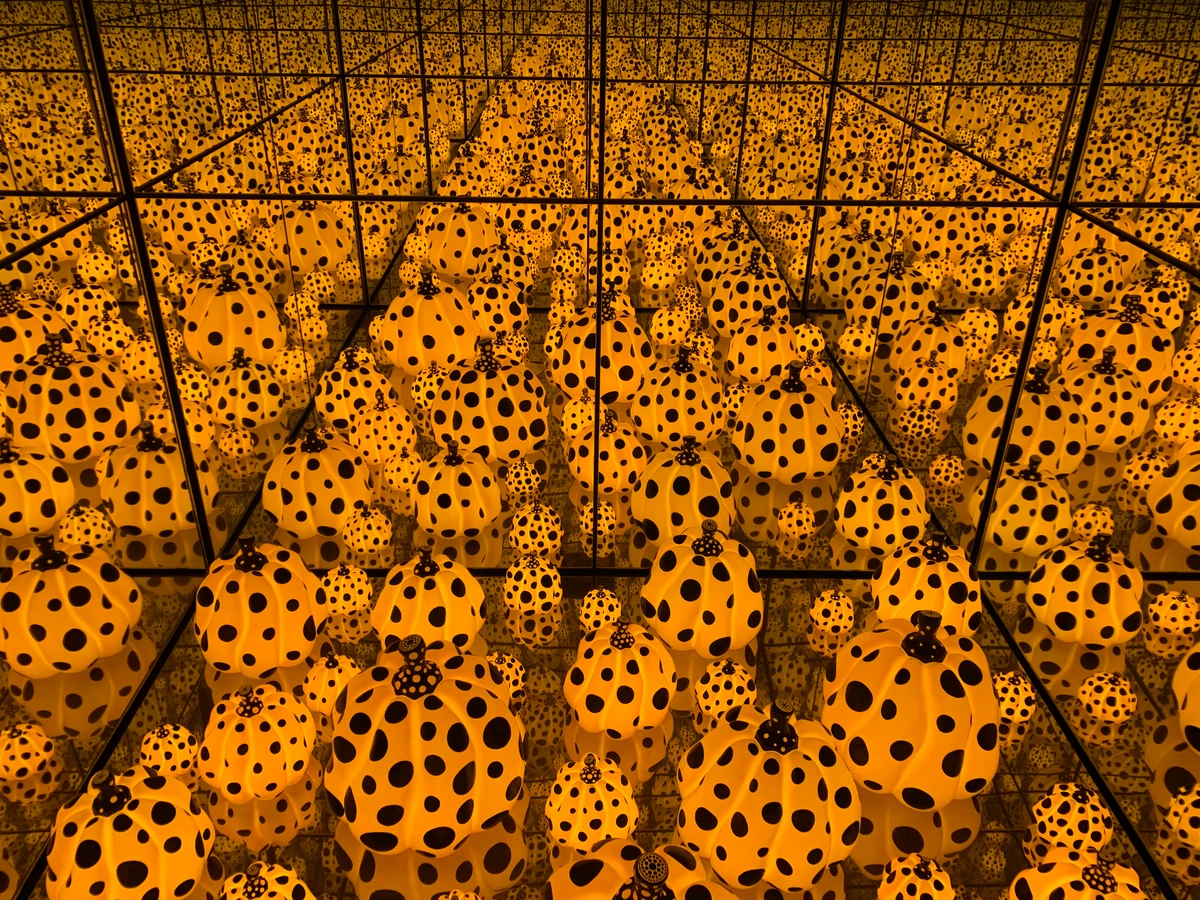
Each type offers a unique window into the art world, and sometimes a blend of these roles. Let's delve a little deeper into what makes each of these spaces unique.
- Commercial Galleries: These are probably what most people picture. They represent artists, often building their careers, and sell their work. They range from small, local spots showing new talent to huge, international powerhouses with waiting lists for major artists. A gallerist (the owner or director) often acts as the primary curator here, shaping the gallery's vision and artist roster. Don't feel pressured to buy! Browsing, connecting, and learning are perfectly fine. I've spent countless hours in commercial galleries just absorbing the atmosphere and discovering new names. These galleries typically take a commission, often around 50%, on sales. This commission isn't just profit; it covers their significant overhead, extensive marketing efforts, logistics (like framing, insurance, and shipping), artist development programs, and the considerable work involved in promoting an artist's career. Many also participate in major art fairs, which act as crucial commercial hubs for the global art market, bringing together galleries, collectors, and artists from around the world. For more on navigating this exciting landscape, you might want to explore our guide to collecting emerging abstract art.
- Non-Profit & Public Galleries: Often part of larger institutions or publicly funded, these galleries focus on exhibitions that might be historical, thematic, or community-focused. They're less about sales and more about education and cultural enrichment. Think city-run spaces or contemporary art centers. Public galleries often distinguish themselves from museums by their generally smaller scale and focus on constantly rotating exhibitions, rather than extensive permanent collections, though some contemporary art museums also operate on this model. A curator in these settings is typically responsible for selecting, interpreting, and organizing the artworks to tell a story or explore a theme. Many of these are free to enter, though some may sell prints or works by associated artists as a means of funding their educational programs.
- Artist-Run Spaces & Collectives: These are often the most experimental and visceral, born from the artists' desire to create and exhibit freely, outside traditional commercial pressures. Artists band together to show their own work or curate shows for their peers, often pooling resources for studio and exhibition spaces. They can pop up in unexpected locations – think converted warehouses, abandoned storefronts, community centers, or temporary pop-up shops – and offer a direct, unfiltered connection to the artist community, showcasing experimental multimedia projects, performance art, or large-scale installations that often require more unconventional exhibition formats. They are often highly collaborative and inclusive.
- Artist Cooperatives: While often overlapping with artist-run spaces, cooperatives typically have a more formal, democratic structure where member artists jointly own and govern the gallery. They share responsibilities, expenses, and often profits, giving artists greater control over their exhibition opportunities and sales. These spaces are fantastic for building community and fostering a supportive environment for artists, often showcasing a diverse range of styles from their members. I've seen some incredible innovative shows come out of co-ops, driven purely by the artists' collective vision.
- University Art Galleries: Often overlooked, these spaces can be absolute hidden gems. Associated with academic institutions, they often feature a mix of student work (including vital thesis exhibitions for emerging artists), faculty exhibitions, and sometimes host parts of the university's permanent collection or traveling shows that align with academic research. A curator here might be an academic, an art historian, or a dedicated art professional, focusing on educational objectives. These are fantastic resources for discovering both established and nascent talent within a scholarly context. For insights into nurturing new talent, you might enjoy our Q&A with a gallerist on discovering new talent.
- Online Galleries: While not a physical space, online galleries have become an undeniable part of the art landscape, especially given the increased digital presence spurred by recent global events. They offer global reach, showcasing a vast array of artists and artworks that might be geographically inaccessible otherwise. Many artists (myself included, at times!) use them to connect directly with a wider audience. They serve as platforms for discovery and, increasingly, for direct sales of art prints and originals. However, a key challenge remains the inability to fully convey the true scale, texture, and three-dimensionality of an artwork through a screen – this is the primary limitation of digital reproductions. While high-quality photography, 3D scanning, and virtual reality (VR) tours are constantly improving, offering more immersive digital encounters, they are still reproductions, lacking that unique 'aura' of the original. Some platforms even use AI algorithms for discovery and recommendation, but for me, nothing quite replaces the nuanced understanding a human curator brings. Still, they are powerful tools for accessibility. Want to find galleries that actively seek new talent? Check out our guide on how to find galleries accepting new artists.
- Ephemeral/Pop-Up Galleries: These are exciting, often short-lived ventures that 'pop up' in various locations, from empty storefronts to repurposed industrial spaces. They are characterized by their temporary nature and often serve as platforms for experimental art, emerging artists, or for testing new market concepts. Think one-night exhibitions, artist-led studio tours, or temporary installations. They bridge the gap between artist-run initiatives and more formal commercial ventures, offering a dynamic and often surprising viewing experience.
The Role of Art Advisors and Consultants
Sometimes, navigating the art market, especially when considering purchases or building a collection, can feel overwhelming. This is where art advisors and art consultants come in. These professionals act as intermediaries between collectors and galleries or artists. They offer expertise on market trends, authenticity, and provenance, helping clients identify artworks that align with their aesthetic preferences, budget, and long-term collecting goals. A good art advisor can open doors to private viewings, negotiate prices, and manage the logistics of acquisition and installation. They are particularly invaluable for new collectors seeking guidance or established collectors looking to refine their focus or deaccession pieces. I’ve personally seen how a knowledgeable advisor can make the collecting journey far less daunting and far more rewarding. For a deeper dive into financial aspects, our article on understanding art appraisals can offer further insights.
For further exploration of art spaces, consider checking a comprehensive list of art galleries on our site.
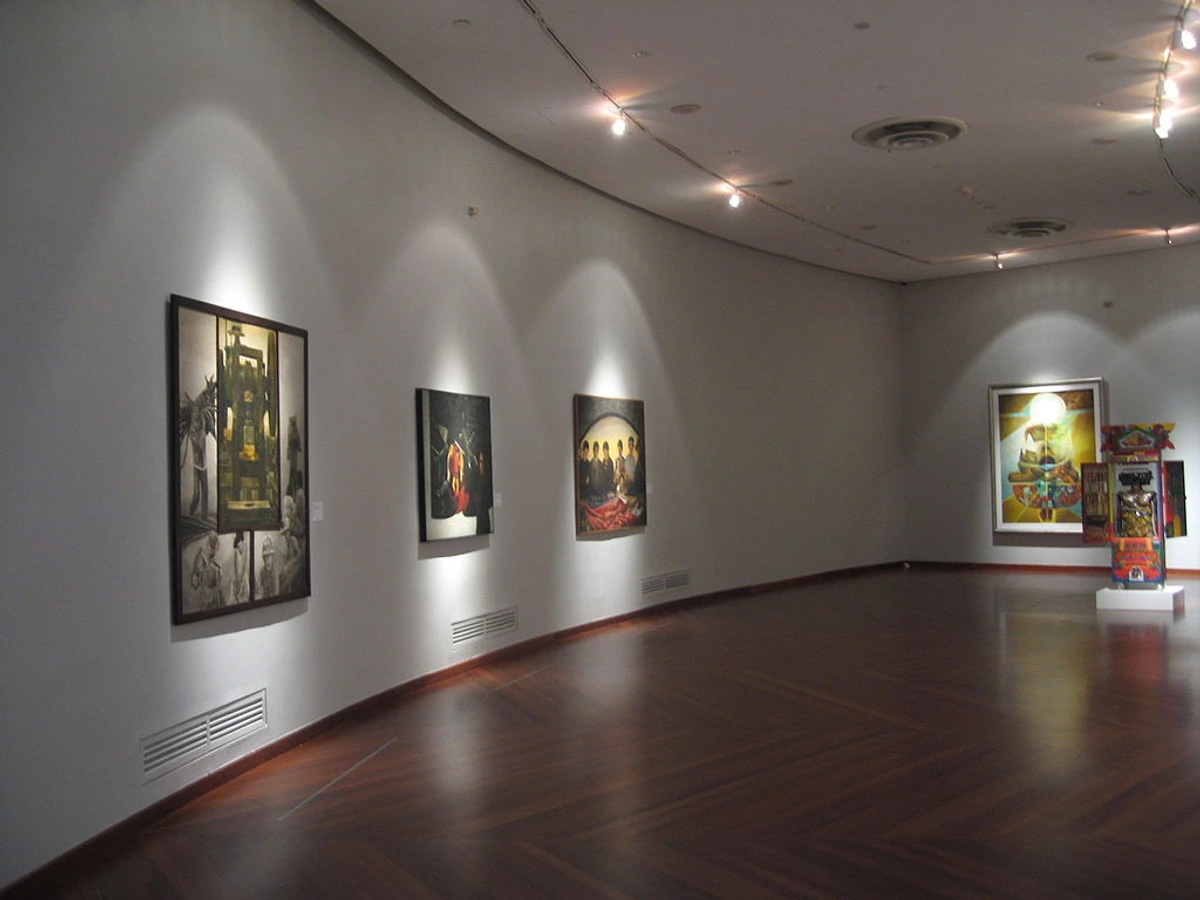
Your Personal Art Radar: Finding Galleries Near You (or Far Away)
So, the art bug has bitten, and you're ready to explore. But where do you even begin to find these magical spaces? It's easier than you might think, and goes a little beyond just 'a quick online search.' Knowing where to look can open up a whole new world of artistic discovery, especially in local art scenes that might not be immediately obvious. We'll cover both online and offline methods for unearthing these gems.
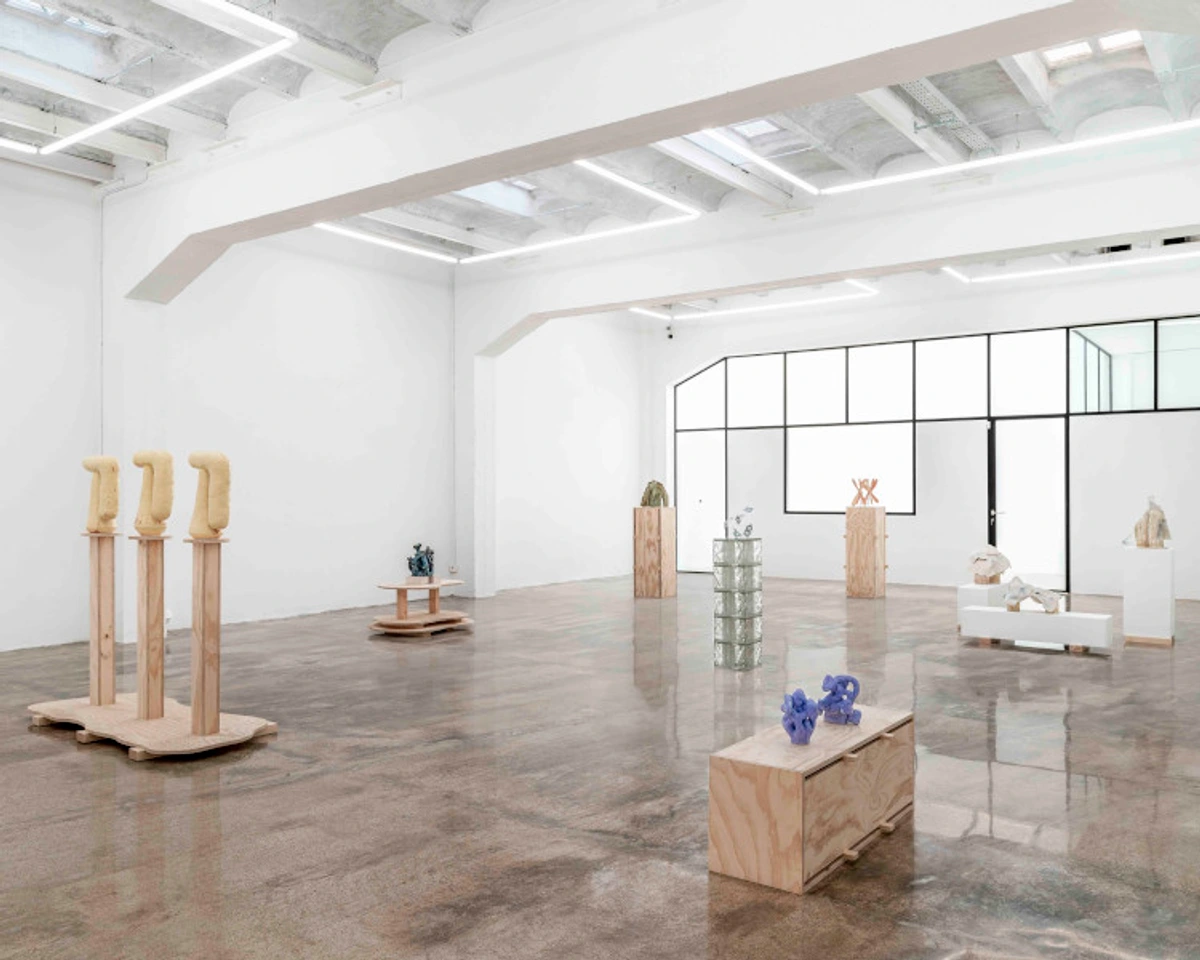
Online Exploration: Digital Detective Work
- Targeted Search Engines: Start with terms like "[City Name] art galleries," "[Neighborhood] contemporary art," or "[Art Movement] exhibitions in [City]." Don't hesitate to use very specific search terms. You might also look for "galleries accepting new artists" if you're an artist yourself, or even "artist residencies" to find spaces fostering emerging talent. For a broader overview, search for "list of art galleries" to start your journey.
- Local Arts Councils & Tourism Boards: Many cities and regions have official websites dedicated to promoting their cultural scene. These are goldmines for current exhibition listings, gallery maps, and art events. They're often updated regularly. I always check these first when visiting a new city.
- Specialized Art Platforms & Publications: Websites like Artnet, Artsy, or local art event calendars often list exhibitions and provide gallery directories. Look for regional art magazines or online directories that offer curated listings and reviews of galleries in your area, such as Artforum, Frieze (known for art fair coverage), Hyperallergic (focusing on art world news and critique), Ocula, or MutualArt. Many artists, myself included, also rely on Instagram-focused art accounts for up-to-the-minute discoveries and insights into the top online resources for emerging artists.
- Social Media: Follow local galleries, art museums, and artists on platforms like Instagram. They're usually very active in promoting their latest shows and events. I've discovered many amazing pop-up exhibitions and even artist studio tours this way. The visual nature of Instagram makes it perfect for art discovery.
Offline Reconnaissance: In-Person Discovery
- Walk Around: Sometimes the best way to find a gallery is to simply wander through an artsy neighborhood. Look for unassuming storefronts, sandwich boards, or subtle signs. I remember once finding a fantastic little space tucked away on a side street in Berlin, completely by accident – it was a tiny, brightly lit gallery specializing in experimental textile art, and I spent an hour just mesmerized by the intricate weaves. Pure magic. Keep an eye out for how local art scenes evolve, as specific neighborhoods often become art hubs over time.
- Art Walks & Open Studio Events: Many cities host regular 'art walks' where galleries open their doors simultaneously, often with refreshments and artist talks. These are incredibly welcoming and fun, breaking down many of those initial intimidation barriers. Keep an eye on local event listings or exhibition flyers and posters in local cafes or community boards; these can often lead to discovering smaller, more niche galleries. Look for these events, often organized by local artist collectives or city art initiatives.
- Talk to People: Strike up a conversation with someone at a coffee shop in an art district, or even a gallerist you've just met. Art lovers are usually happy to share their favorite spots. It's how I often hear about the really exciting, off-the-beaten-path spaces, the ones that haven't quite made it onto the mainstream lists yet. There's nothing quite like a personal recommendation. If you're interested in buying art from local artists, these connections are golden.

Stepping In: Etiquette and Making Yourself at Home
Now, about that 'secret society' feeling. While there might not be a secret handshake, there are a few unwritten rules that can make your visit more comfortable for everyone. Think of these as common courtesy, not rigid dogma. And remember, the staff are usually passionate and happy to help if you have questions – they're not there to judge! Plus, always be mindful of the gallery's operating hours; showing up right at closing time isn't fair to anyone. And I still sometimes catch myself leaning in too far, only to remember the 'no touching' rule with a sheepish grin. I've even caught myself almost mistaking a fire extinguisher for a minimalist sculpture in a particularly stark gallery, so don't feel too self-conscious!
- Maintain Personal Space: Give the artworks, and other visitors, plenty of room. Don't crowd a piece, especially if someone is clearly trying to get a closer look. A good rule of thumb? If you can touch it by extending your arm, you're probably too close. This is as much about respecting other viewers as it is about protecting the art.
- Do Not Touch the Art: This is the golden rule, the absolute non-negotiable. Even if it looks inviting, or like it's begging to be interacted with, resist the urge. Even seemingly robust materials can be damaged by the oils from your skin or a slight bump, causing irreversible harm. Remember, these are often irreplaceable pieces. And trust me, I've had to physically restrain myself from "petting" a particularly textured impasto painting more times than I can count. Also, respect the art's context; don't interpret it solely through its title or wall text without first engaging with the visual itself.
- Speak Softly (but do speak!): Galleries aren't libraries, but they're not concert halls either. A quiet hum of conversation is perfectly fine, even encouraged for discussing the art, but avoid loud phone calls or animated discussions that might disturb others' contemplation. And yes, leave the snacks and drinks outside; most galleries have a strict no food or drink policy to protect the art.
- Photography: This one varies wildly. Some galleries are perfectly fine with it (often without flash), others strictly forbid it. Always look for signage or ask a gallery attendant if you're unsure. When in doubt, assume no photography is allowed. If you are permitted to photograph, be quick and discreet, avoid blocking others' views, and never use flash. Remember, the goal is to capture a memory, not disrupt an experience, and also to be mindful of potential copyright infringement or the artist's/gallery's display rights.
- Bags and Backpacks: Larger bags or backpacks might need to be checked at a coatroom, especially in bigger institutions. This is for the safety of the art (a swinging backpack could cause an accident!) and other visitors, allowing for easier movement.
- Kids and Pets: While many galleries are welcoming to children (and can be wonderful places for them to develop an appreciation for art!), keep an extra close eye on them to ensure they respect the space and the artworks. Some galleries even have designated "family days," child-friendly activity sheets, or quiet zones, which are great entry points. Pets are generally not allowed unless they are service animals. For more on how art shapes our surroundings, consider our guide on decorating your home.
Ultimately, it's about being present and respectful. Nobody expects you to be an art historian; they just want you to engage with the art in a thoughtful way. Now that you're comfortable in the space, let's talk about truly connecting with what's on the walls.
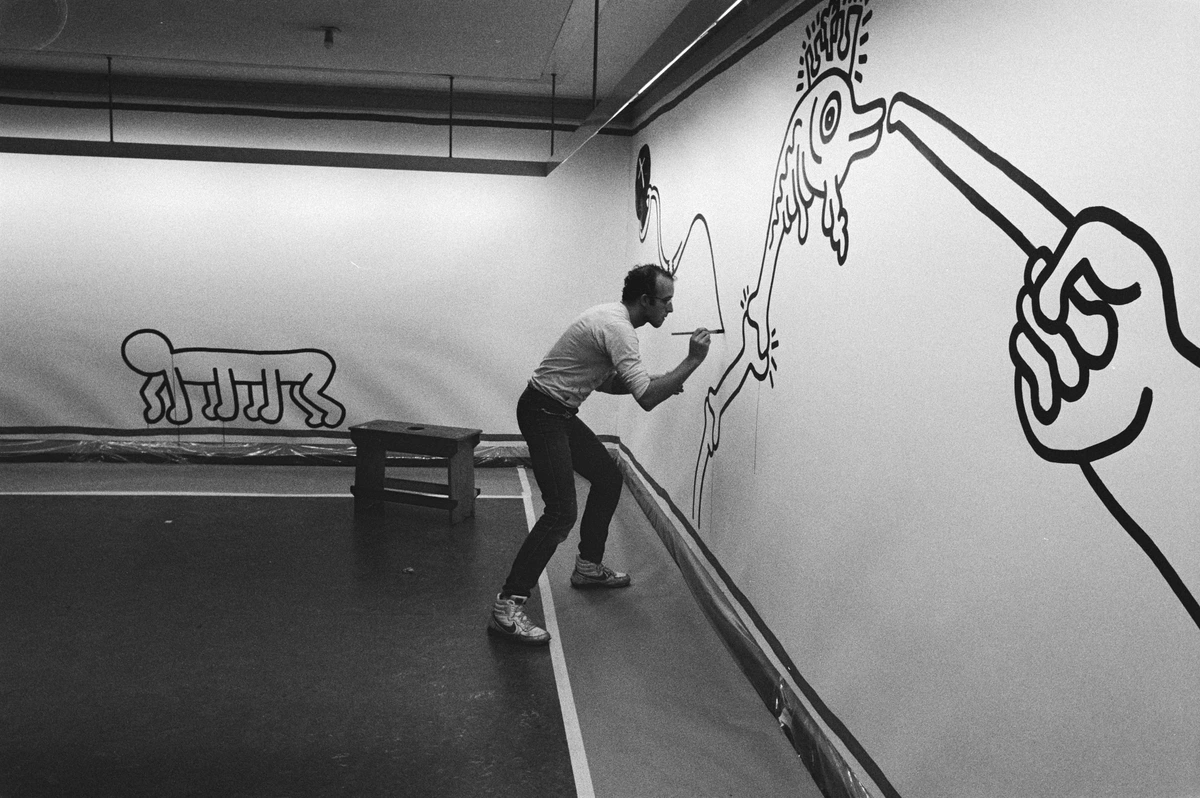
Engaging with the Art: Beyond Just "Looking"
So you're in. Now what? How do you really engage with a piece of art, especially if it's abstract or unfamiliar? It's less about finding the 'right' answer and more about opening yourself up to an experience. Here's how I approach it, and it's a process I've refined over many years, allowing me to move past mere observation into genuine connection:

- Pre-Visit Scan (Optional, but Helpful): Before I even walk in, I might do a quick search on the gallery's website or social media. Who's showing? What's the theme? This gives me a little context, a starting point for my thoughts, but I try not to let it dictate my experience entirely. The true encounter happens in person.
- Observe Actively, Mindfully: Don't just glance. Really look. Step back for the overall impression first – what's your gut reaction? Then lean in for the details. It's a dance between the macro and the micro. For an abstract piece, like the example below, I look for a visual 'language' within the work. Here's how I break it down:
- Colors & Palette: What are the dominant colors? Do they evoke warmth, coolness, energy, calm? Are there recurring color combinations or contrasts? What's the overall emotional temperature of the palette? (For instance, an intense red and black palette might evoke a sense of urgency or conflict, while soft pastels could suggest tranquility).
- Forms & Motifs: Are there discernible shapes or patterns, or is it more about movement and flow? Do certain forms or symbols appear repeatedly, suggesting a personal lexicon from the artist?
- Lines & Strokes: What kind of lines do you see? Bold and deliberate, or delicate and swirling? Are the brushstrokes visible and energetic (like impasto, where paint is laid on thickly, creating a sculptural quality), or is the surface smooth and blended?
- Composition & Flow: How do your eyes move across the canvas? Is there a focal point, or is the energy distributed evenly? Does the piece feel balanced, chaotic, or dynamic?
- Emotional/Psychological Resonance: How does the work make you feel? Does it evoke a memory, a mood, or a sense of unease or joy? Can you trace that feeling to specific visual elements? For instance, a dominant cool blue palette combined with sharp, angular lines might evoke a peculiar blend of melancholy and wonder, while vibrant, curvilinear forms in a warm palette could suggest playful chaos or unbridled energy. The key is to let your imagination wander. For deeper insights into this, check out our article on the psychology of color in abstract art.
- Narrative Potential: Even in abstract work, can you construct a story or scenario in your mind based on the forms and colors? For example, with an artwork like the vibrant, textured abstract below, I might imagine the glasses as a window into a complex mind, the swirling colors representing a flux of thoughts and emotions, or the bold outlines as boundaries constantly being tested. The key is to let your imagination wander, without seeking a single 'right' answer. I might find myself asking, "What story is this piece trying to tell me, even if there are no literal figures?" This reflective process often leads to unexpected personal discoveries, much like a good abstract painting can spark unique interpretations.

credit, licence
- Read the Wall Text (But Not First!): This is a personal preference, but I often find it best to form my initial impression before I read the artist's statement or the wall text. Let the art speak to you first, then see how the provided context enhances or challenges your initial thoughts. Forming your own interpretation first preserves your personal connection to the piece before it's potentially influenced by the artist's or curator's explanation. I remember once being utterly perplexed by an abstract piece, only for the wall text to reveal it was a deconstructed map of a war-torn city – suddenly, my feelings of chaos and unease made perfect, haunting sense. Sometimes the text reveals a hidden layer, other times it's a completely different take, and both are valid parts of the experience.
- Trust Your Emotional Response: Art is profoundly subjective, and your feelings are your most honest guide. Does it make you feel happy, confused, uncomfortable, peaceful, invigorated? There's no wrong emotion. The strongest connections often happen when a piece resonates with something deep inside you, perhaps even something you can't articulate immediately. Don't worry about 'understanding' it in a purely intellectual way; sometimes, just feeling it is enough.
- Ask Questions (When Appropriate): If you're genuinely curious and a gallery attendant or gallerist is available, don't hesitate to politely ask. "Could you tell me a bit about this artist's process?" or "What inspired this particular series?" Most gallerists are thrilled to share their knowledge and passion. It's part of their job, and it shows you're engaged. Many artists also provide detailed "artist statements" which offer deeper insights into their motivations and processes, often available on gallery websites or upon request.
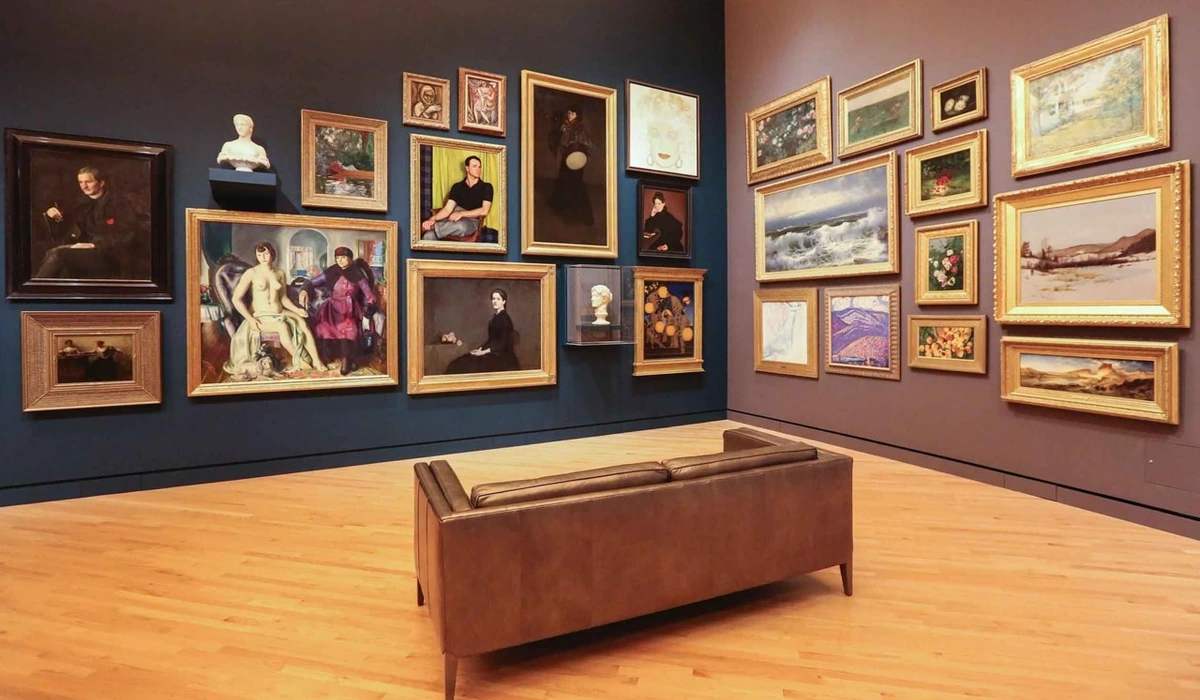
What to Expect at a Gallery Opening or Event
So, you've mastered the art of visiting a gallery, but what about those buzzy openings and special events? These can be fantastic entry points, offering a more social and often less intimidating way to engage with the art world. While personal engagement is key, the art world also thrives on shared experiences and dynamic conversations. Gallery openings, for instance, are less about quiet contemplation and more about celebration and connection.
Event Aspect | What to Expect | My Advice |
|---|---|---|
| Purpose of Event | Celebration of new exhibition, fostering community & artist visibility. | Embrace the social aspect as much as the art. |
| Exhibition Type | Can be a solo show, group show, thematic exhibition, or even a retrospective. | Understand the focus to better appreciate the artist's or curator's intent. |
| Atmosphere | More lively than a regular visit, often with music, drinks, and a crowd. Energetic, social. | Embrace the buzz! It's okay to chat, but still be mindful of those viewing art. |
| Dress Code | Generally relaxed. "Smart casual" is a safe bet, but anything from jeans to dressy is usually fine. | Wear what makes you feel comfortable and confident. |
| Drinks & Snacks | Often complimentary wine/beer and light appetizers. | Enjoy, but avoid taking food/drink near artworks. Stay hydrated! |
| Artist/Gallerist Presence | High chance the artist and gallerist will be present and approachable. | Don't be shy! Introduce yourself, offer a genuine compliment, and ask a question. |
| Networking | Great opportunity to meet other art lovers, artists, and collectors. | Have a few open-ended questions ready for conversation starters. |
| Art Sales | It's a commercial event, so sales are happening, but no pressure to buy. | If interested, quietly ask about price lists or details from the gallerist. |
| Artist Talks/Q&As | Sometimes scheduled talks or informal Q&As with the artist. | This is gold for insights! Listen actively, ask thoughtful questions, and prepare one or two beforehand. |
| Exhibition Duration | The opening is just the start; the exhibition often continues for several weeks. | If the opening is too crowded, plan a quieter visit later in the run to see the art properly. |
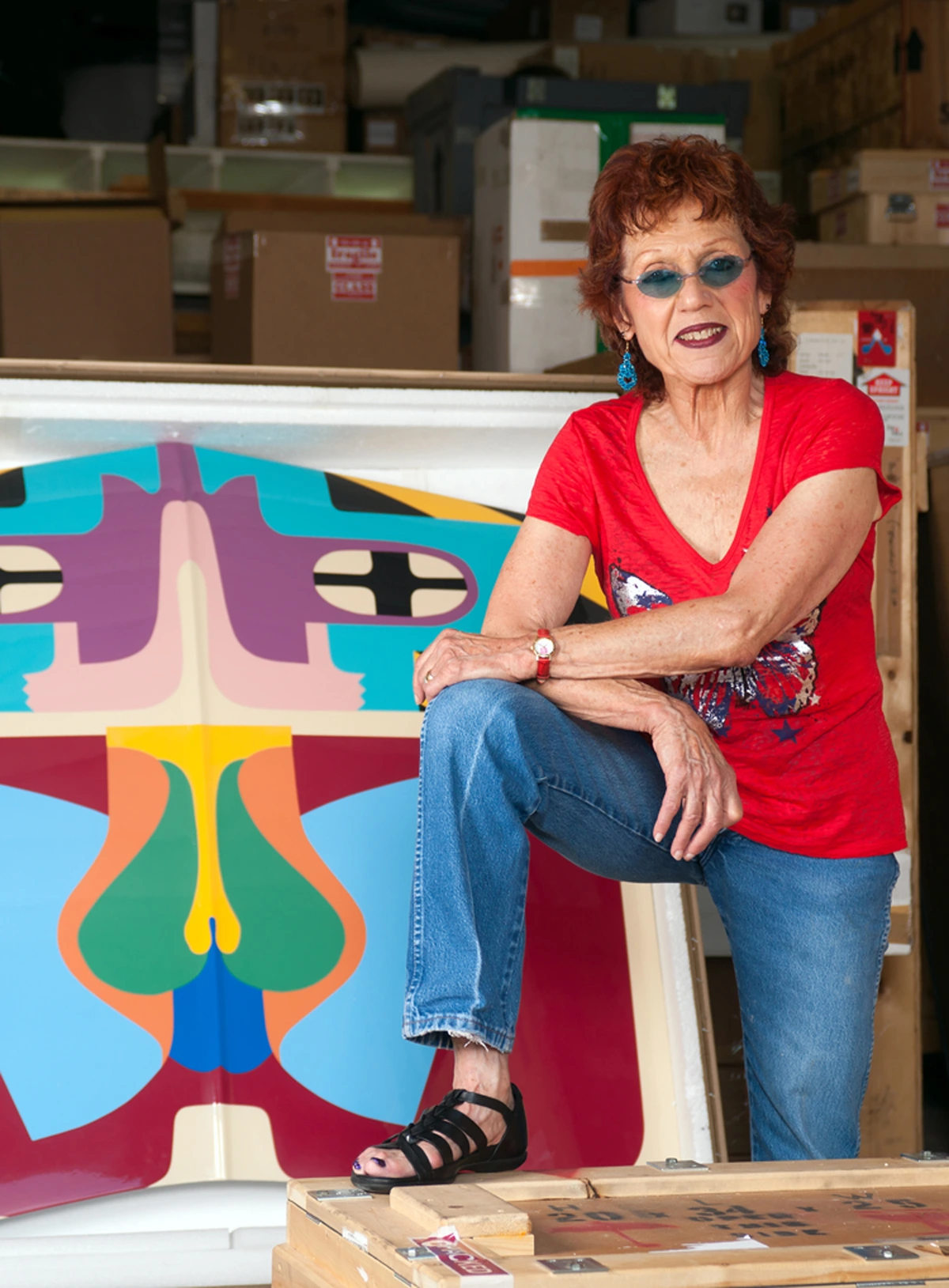
Gallery openings are less about quiet contemplation and more about celebration and conversation. They're a chance to see the art world in action, often meeting the creators themselves. Don't let the crowds deter you; it's all part of the vibrant tapestry of the art scene. These events can also be a fantastic way to discover a piece you truly love and might want to explore further, or even bring home.
What if You Love Something? Learning More and Considering a Purchase
It happens! You find a piece that truly captivates you, or an artist whose work just clicks. What then? This is where the magic of engagement can turn into something more lasting. Perhaps you even discovered it at a lively gallery opening, and now you want to know more.
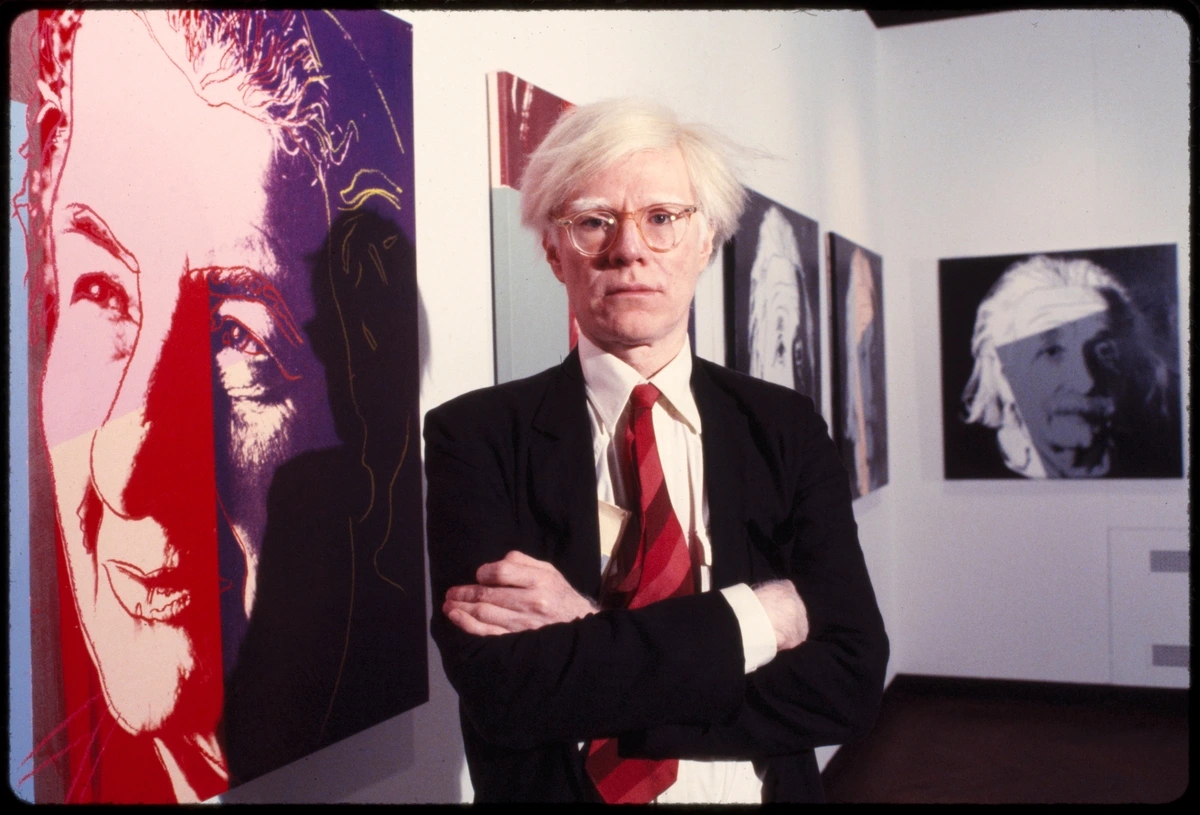
Learning More About the Art and Artist
- Talk to a Gallerist or Curator: They are a wealth of information. They can tell you more about the artist's background, their inspirations, their current body of work, and often, insights into their specific creative process. Don't be shy; they expect inquiries and are usually genuinely excited when someone connects with the art. Many artists also have "artist statements" that provide deeper insights into their motivations and processes, often available on gallery websites or upon request. They can also provide details about provenance (the documented history of ownership of a work of art), which is crucial for authenticity and value, especially for more established pieces. Provenance is like the artwork's verifiable biography, confirming its journey through time and clear chain of legal title and ownership.
- Follow the Artist/Gallery: Many artists have websites and active social media accounts. Following them is a great way to stay updated on new work, upcoming shows, and insights into their creative process. The same goes for galleries – a mailing list subscription ensures you're always in the loop about new exhibitions. This can also be a great way to follow artists you've learned about through plein air painting.
- Explore Related Content: If a particular style or period of art resonates, use that as a springboard for further exploration. Our site, for instance, offers many guides to different movements, artists, and art historical contexts.
Considering a Purchase: Bringing Art Home
If you're truly captivated, buying a piece of art can be an incredibly rewarding experience, bringing a daily dose of inspiration and a touch of magic into your home. It's also a fantastic way to directly support artists and the broader art ecosystem. Don't feel pressured, but know that it's an option, and it's more accessible than many people realize. Art can be a wonderful gift for a special occasion, or even a thoughtful investment if you choose wisely and genuinely connect with the work. However, always remember that art as an investment carries significant risks and requires careful due diligence. This includes thoroughly researching the artist's career trajectory, understanding market trends, scrutinizing the artwork's provenance, and obtaining detailed condition reports. It's rarely a get-rich-quick scheme, but a long-term commitment born of genuine appreciation.

- Pricing and Value: Art prices vary enormously, from a few hundred euros for a small print by an emerging artist to millions for a masterpiece by a world-renowned name. It depends on the artist's reputation, the medium, size, complexity, and exhibition history. Don't be afraid to inquire about prices – a gallerist will be happy to discuss options. Remember, while unique original artworks are singular pieces, many galleries also offer art prints (reproductions of original artworks), which are a much more affordable and accessible way to own a piece you love. These can be limited edition prints (a set number of reproductions, often signed and numbered by the artist) or open edition prints (unlimited reproductions). Different types of prints, like giclée, lithographs, or serigraphy (screen printing), also have varying values, aesthetic characteristics, and collectibility.
- The Purchase Process: When you decide to buy, the gallerist will guide you through the process, including payment options, framing advice, and shipping arrangements. They handle all the logistics to ensure your new acquisition reaches you safely.
- Supporting the Artist: Remember that when you buy from a commercial gallery, a portion of the sale (typically 50%) goes directly to the artist. This support is vital for artists to continue their creative work, fund new projects, and sustain their careers. If you're interested in exploring options for your own home, perhaps check out our collection of art prints and originals.
Caring for Your Art: Handling and Conservation
Bringing art home is just the first step; ensuring its longevity is crucial. Think about proper art handling (always hold by the frame, not the canvas; wear gloves if possible) and conservation. For paintings, this means avoiding direct sunlight which can cause fading, maintaining stable temperature and humidity (avoiding basements or bathrooms), and regularly dusting with a soft, clean brush. When framing art, especially prints, always use acid-free archival mats and backing to prevent degradation over time. Consider UV-protective glass or acrylic to safeguard against color fading from light exposure. If you invest in a significant piece, researching professional art conservators for advice on long-term care or restoration is always a good idea. They are specialists dedicated to preserving artworks for future generations.
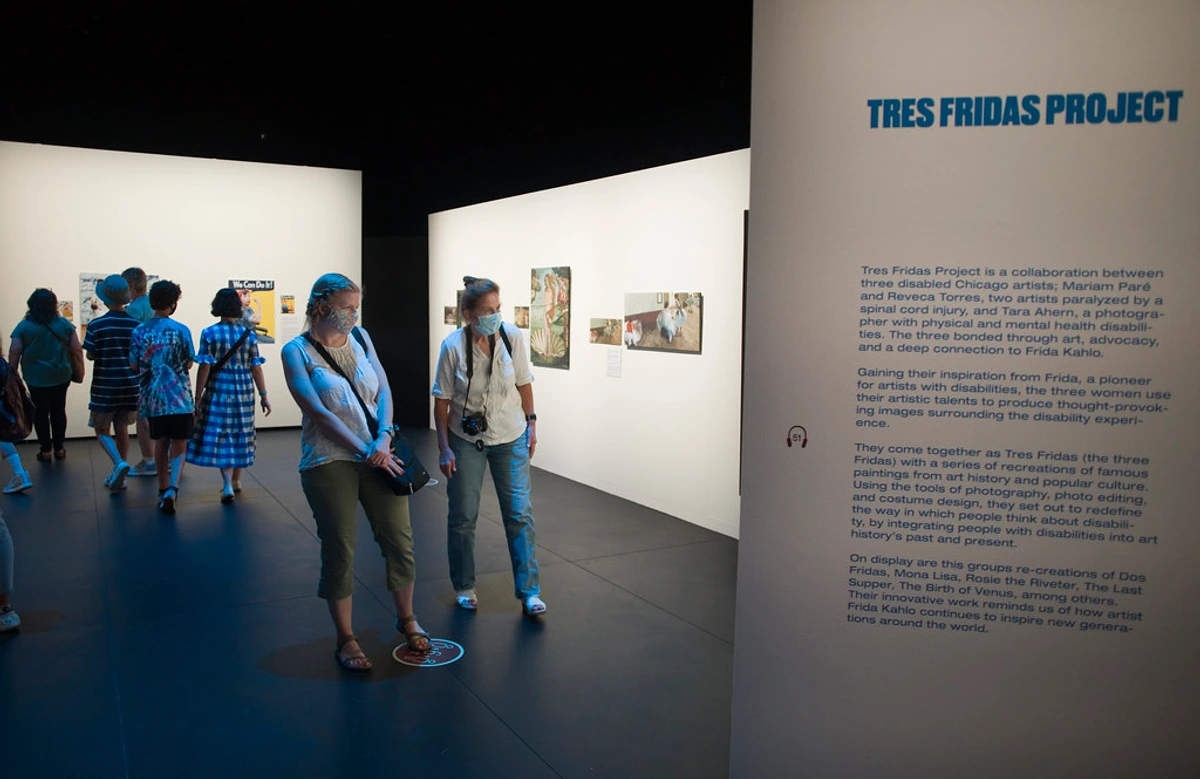
Beyond the White Walls: The Digital Frontier and Art's Future
While the physical experience of an art gallery is, for me, irreplaceable, I also deeply appreciate the role of digital spaces. Online galleries, virtual exhibitions, and artist websites (like this one!) offer fantastic complementary experiences. They allow for global discovery, access to art from anywhere, and the opportunity to delve deeper into an artist's portfolio from the comfort of your couch. They're not a replacement for the tangible connection you get in person, but a powerful extension of the art world, making art more accessible than ever before. This increased digital presence has been particularly vital during periods like the recent pandemic, where galleries pivoted rapidly to online viewing rooms and virtual tours, showcasing their resilience and adaptability.
In this evolving landscape, there's also been much discussion around digital art and NFTs (Non-Fungible Tokens). An NFT, at its simplest, is a unique digital identifier recorded on a blockchain, used to certify ownership of a digital asset – think of it like a unique digital certificate of authenticity for a digital file. While galleries and artists are exploring these new frontiers, often driven by the desire for innovation and new forms of ownership, the focus of traditional art galleries remains firmly on physical artworks and the tangible, sensory experience they offer. I'm personally quite skeptical of simply moving physical art into a digital ownership model. The environmental impact of some blockchain technologies, the highly speculative nature of the NFT market, and the ongoing challenges of integrating them into traditional collecting practices are significant hurdles. However, I acknowledge that the innovation behind NFTs could eventually offer new ways to authenticate purely digital art, facilitate fractional ownership of high-value pieces, or provide unique interactive experiences including generative art and augmented reality. They could also offer a clear chain of provenance for digital works, solving a long-standing challenge in digital asset ownership. But for now, the enduring value of physical art and the unique connection fostered in a physical gallery remains paramount.
Frequently Asked Questions (FAQ)
Is it okay to take photos in an art gallery?
It depends! Always check for signage or ask a staff member. Many contemporary galleries allow non-flash photography for personal use, but some institutions or specific exhibitions have strict "no photography" policies, often due to copyright, artist preference, or to prevent disruption. When in doubt, ask! If allowed, be respectful of other visitors' experience and avoid using flash, and remember the ethical considerations of photographing copyrighted works.

Are art galleries free to enter?
Many are, especially commercial galleries hoping to attract visitors and potential buyers, as well as many public or non-profit spaces. However, larger institutions or special exhibitions might charge an admission fee. Always check their website before you visit.
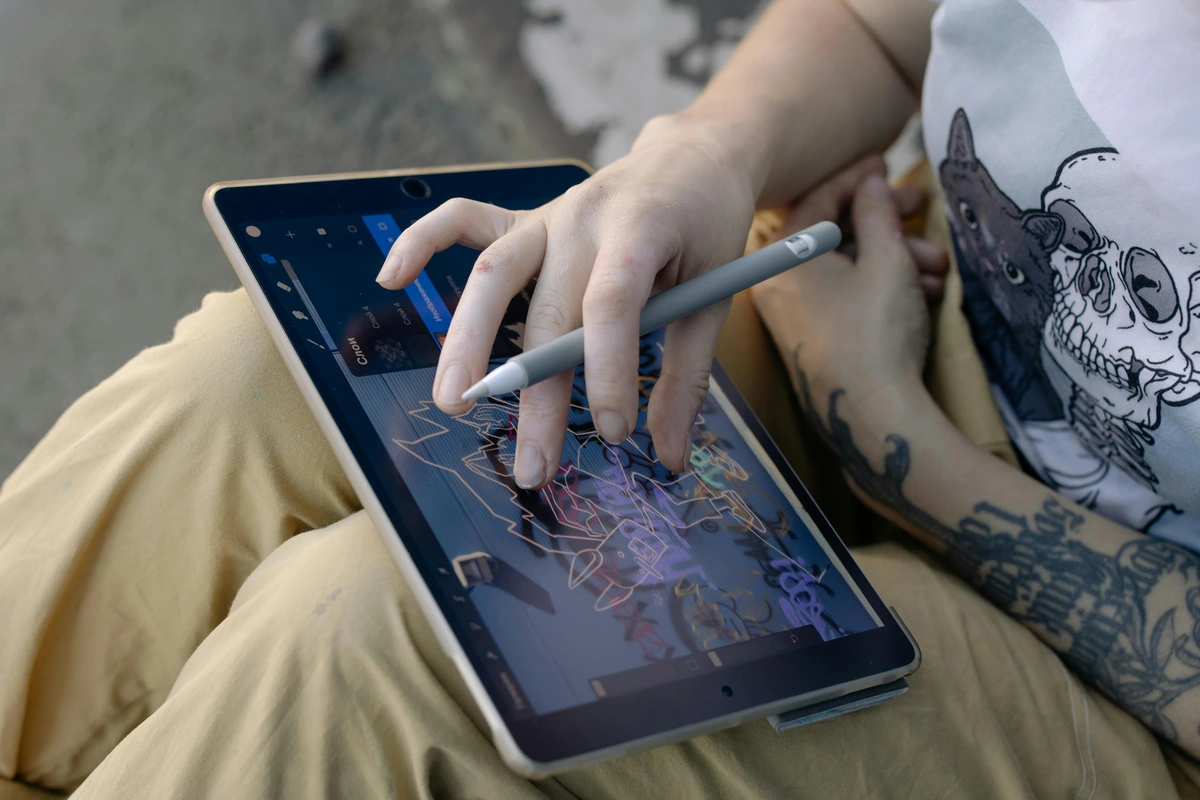
How much does art cost in galleries?
Art prices vary enormously, from a few hundred euros for a small print by an emerging artist to millions for a masterpiece by a world-renowned name. It depends on the artist's reputation, the medium, size, and scarcity. Don't be afraid to inquire about prices – a gallerist will be happy to discuss options. Remember, while unique original artworks command higher prices, art prints are often a much more accessible entry point to collecting art.








What is the difference between an art gallery and an art museum?
While both display art, the primary difference often lies in their mission and ownership, though the lines can be quite blurred, especially with contemporary art museums. Historically, both evolved from private collections, but museums grew into public institutions focused on preservation, research, and education for broad collections, often with permanent collections. A public gallery might share many of these characteristics but often has a smaller scale and a focus on rotating exhibitions, though some may also hold small permanent collections. A commercial art gallery, however, primarily focuses on exhibiting and selling art, representing artists, and building the art market. Many commercial galleries do not maintain a permanent collection, instead rotating exhibitions with a focus on sales.
What is a gallerist?
A gallerist is typically the owner or director of an art gallery. They are central to the gallery's operations, representing artists, curating exhibitions, connecting with collectors, and managing the business aspects of the art world. They are often highly knowledgeable and passionate about the artists they represent.
What is the difference between an exhibition and a permanent collection?
A permanent collection refers to the body of artworks owned by an institution, usually a museum, that are kept and preserved for long-term display or study. An exhibition, on the other hand, is a temporary display of artworks, often curated around a specific theme, artist, or period. Galleries typically host rotating exhibitions, while museums feature both permanent collections and temporary exhibitions.
What is provenance and why is it important?
Provenance refers to the documented history of ownership of a work of art. It's crucial for establishing an artwork's authenticity, clear chain of legal title and ownership, and its market value. A clear provenance ensures that a piece is genuine and has been acquired legally, making it a vital aspect for both collectors and institutions.
How can I find out if an artist is represented by a gallery?
The best way is to check the artist's official website or social media profiles, as they usually list their representing galleries. You can also visit gallery websites directly, which often have a roster of artists they represent, or use online art market platforms and directories. When approaching galleries, ensure you have a strong portfolio and a thorough documentation of your work, including high-quality images, an artist statement, and your exhibition history. Need more guidance? Check out our article on how to find galleries accepting new artists.
What is the role of an art consultant?
An art consultant is a professional who advises individuals or corporations on buying and collecting art. They help identify artworks that align with a client's taste, budget, and investment goals, often acting as an intermediary between collectors and galleries or artists. They can provide market insights, assist with due diligence, manage the acquisition process, and even help with deaccessioning (selling) artworks from a collection.
What should I wear to an art gallery?
Generally, there's no strict dress code for visiting art galleries. "Smart casual" is always a safe and comfortable bet. You'll see everything from jeans and t-shirts to business attire, especially at openings (see our table above for more on that). The most important thing is to wear something comfortable enough to walk around in and that makes you feel confident and at ease, so you can focus on the art!
How do I become an artist represented by a gallery?
Becoming represented by a gallery is a significant step for an artist. It typically involves building a strong, cohesive body of work, actively participating in group shows, networking with gallerists and other artists, and researching galleries whose aesthetic and artist roster align with your own. Many artists start by exhibiting in artist-run spaces, pop-up shows, or local non-profit galleries to build their resume and gain exposure before approaching commercial galleries. Persistence and a unique vision are key! Don't forget to thoroughly document your work (high-quality photographs, artist statements, exhibition history) as part of your submission process.
My Final Thought: Just Go!
Look, if there’s one thing I want you to take away from all of this, it’s this: don't overthink it. Just go. Remember that initial feeling of intimidation I described? It's real, and it's okay to feel it. But it's also worth pushing past. Art galleries are not just for art historians or seasoned collectors. They are for the curious, the inspired, the seekers of beauty, and yes, even for the slightly intimidated. Every visit is a chance to see the world through someone else's eyes, to feel something new, to ask a question, or simply to stand in quiet awe. It's an accessible form of self-care and enrichment, a delightful way to find inspiration and boost your mental well-being in a world that often demands constant digital attention. Your journey into the art world starts the moment you decide to step through that door. So, next time you have a spare hour, or find yourself in a new city, let your curiosity be your guide. You never know what magic awaits, or what unexpected piece might just click with your soul.
For even more insights and guides on artists, movements, and art historical contexts, don't hesitate to explore the other resources right here on our site.