The Ultimate Guide to Famous Art Heists: Unraveling the Mysteries
Dive into the thrilling world of art heists! I explore the audacious stories behind history's most famous stolen masterpieces, from the Mona Lisa to the Isabella Stewart Gardner Museum mystery. Discover the motives, methods, and the enduring allure of these unsolved crimes.

The Ultimate Guide to Famous Art Heists: Unraveling the Mysteries and Enduring Legacies
There's something uniquely gripping about an art heist, isn't there? For me, it's always been the audacious blend of cunning, the immense stakes (both monetary and cultural), and the haunting enigma of a masterpiece vanishing into thin air. It's a real-life thriller that plays out in the quiet reverence of museums and the dark corners of the black market. As an artist, the thought of a creation being ripped from its rightful place and lost to the world is truly heartbreaking. Yet, as a storyteller, the intrigue is undeniable. What is it about these brazen acts that so profoundly captures our collective imagination? And how do these tales, often shrouded in cloak-and-dagger mystique, irrevocably impact the art world and our perception of priceless cultural heritage? I mean, who hasn't been captivated by the sheer audacity, the intricate planning, and the tantalizing whispers of a priceless artwork disappearing into the night? It's the kind of drama that plays out on a global stage, with cultural heritage hanging in the balance.
Beyond the sensational headlines and cinematic portrayals, art heists are complex dramas that expose vulnerabilities in security, test the resolve of law enforcement, and challenge our very understanding of ownership and cultural legacy. They aren't just about monetary value; they're about the emotional, historical, and intellectual loss when a piece of humanity's shared story disappears. It's a wound that goes deep, touching our collective identity, leaving behind an aching void that can span generations.
This isn't just a casual glance at crime reports; this is your definitive, in-depth journey into the psychology, history, and enduring impact of some of the most audacious crimes imaginable. We're going to explore not just what was stolen, but delve deep into why, how, and what truly happens after the headlines fade and the immediate shock subsides. Consider this your ultimate resource, far beyond a mere list of famous art thefts. My goal here is to give you the most comprehensive and engaging resource on the subject, a true ultimate guide that peels back every layer of these fascinating, often tragic, events, offering perspectives you won't find anywhere else. We'll pull back the curtain on the clandestine operations, the high-stakes investigations, and the profound cultural ripple effects.
This guide is an exploration into the minds of the thieves, the often-surprising vulnerabilities of our most cherished cultural institutions, and the relentless, often decades-long quest to recover what’s been lost. Prepare to step into the shadows where art, crime, and history intertwine, leaving behind a trail of unanswered questions, ethical dilemmas, and legendary tales. To truly grasp the gravity, we'll examine everything from the motivations that drive these daring criminals to the sophisticated tactics employed by those dedicated to bringing stolen art home. We'll also dive into the fascinating world of art recovery, the cutting-edge technology aiding investigators, and the complex ethical questions that surround these priceless pieces of our shared human story.
The Allure of the Forbidden: Why Art Heists Captivate Us
What is it About Art Heists That Fascinates Us?
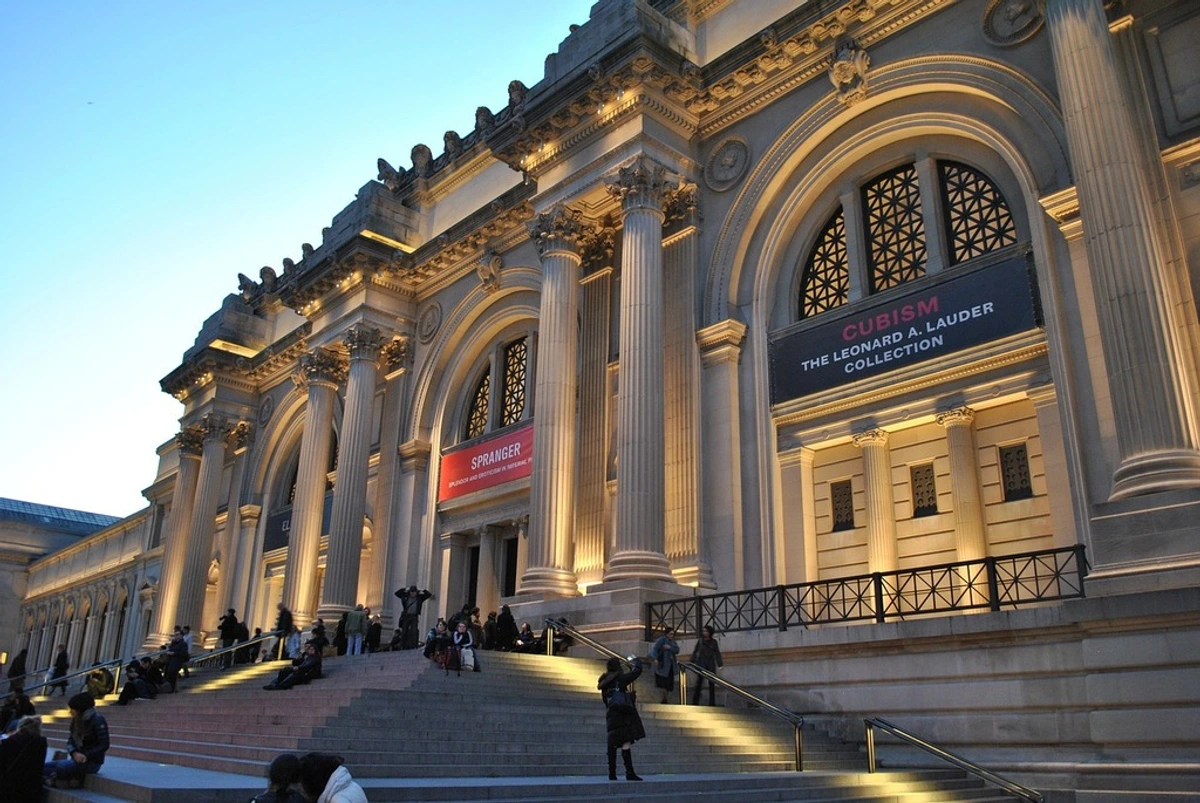
Perhaps it's the sheer audacity, the nerve it takes to walk into a venerated institution and simply make off with something of immense, often irreplaceable, value. Or maybe it's that romanticized notion, however misguided, of a sophisticated thief, a character plucked straight from a movie script. For me, it's often the blend of deep historical significance, breathtaking beauty, and the cold, hard fact that these objects, meant for public enjoyment and study, are suddenly just... gone. It confronts us with the profound vulnerability of even our most protected treasures. We invest so much in building these incredible institutions, like the Metropolitan Museum of Art or the British Museum, to house and preserve humanity's greatest achievements, yet even they aren't entirely impenetrable. There's a primal satisfaction, I think, in seeing the seemingly untouchable brought low, or perhaps a secret admiration for the sheer strategic brilliance (however ill-intended) required to pull off such a feat. It taps into a shared human fascination with breaking rules, with forbidden knowledge, and with the high stakes of a game where the currency is not just money, but cultural legacy itself. I often wonder if it's the thrill of the chase, the intellectual puzzle, or even a subconscious desire to see authority challenged that keeps us hooked. It's a drama played out on a global stage, with cultural heritage as the ultimate prize. What does it say about us that we are so drawn to these acts of transgression, these daring challenges to the established order of protection and preservation?
Beyond the immediate drama, there’s a deeper psychological current at play. Art, for many, is a sacred expression of human endeavor, an embodiment of beauty and meaning. To see it targeted, to see its vulnerability exposed, can evoke a mix of fear and fascination. It’s like watching a tightrope walker; you’re captivated by the risk, the potential fall, and the sheer audacity of challenging gravity. In the same way, art heists challenge our sense of order, our belief in the impregnability of our most revered spaces, and force us to confront the darker impulses within human nature. It's a dance between destruction and preservation, where the very act of theft paradoxically highlights the immense value we place on these objects. We're drawn to the narrative of transgression, to the boundary pushed and broken, and perhaps, to the secret thought that if a piece can be stolen, it makes it even more precious, more mythical. This inherent tension, I believe, is what truly fuels our collective obsession.

The Psychology of Ownership: The Irresistible Pull
Beyond the thrill of the chase or the lure of illicit profit, there's a deeply psychological element to art heists, particularly for those who aren't driven by purely mercenary motives. It's the perverse satisfaction of possessing the unattainable, of holding a piece of history or beauty in one's private, illicit grasp. I often think about the psychology behind this – the ultimate expression of control, perhaps, or a twisted form of intellectual conquest. It speaks to a fundamental human desire for ownership, amplified to an extreme degree, where the act of 'having' transcends legal and ethical boundaries. For some, it's the secret knowledge, the fact that they alone hold the key to a missing masterpiece, that fuels their obsession, creating a unique, albeit illicit, bond between thief and stolen treasure. It's a fascination that goes beyond monetary value, touching on ego, power, and a strange, dark romance with the forbidden.
The Psychological Impact: Why Loss Hits So Hard
When a major artwork is stolen, the impact reverberates far beyond the empty space on a museum wall. It’s not just a financial loss, though that can be immense; it’s a profound blow to our collective cultural heritage. I think of the empty frames at the Isabella Stewart Gardner Museum – they're not just reminders of what's gone, but poignant symbols of a violated trust. It's a psychological wound for the art world, fostering a sense of vulnerability and a lingering question: if our most cherished treasures aren't safe, what is? The loss of an artwork isn't just the absence of an object; it's the disruption of a historical narrative, the silencing of a cultural voice, and the denial of access for future generations. It's a reminder of the fragility of beauty in a world that, unfortunately, still has its shadows. The emotional void left by a stolen masterpiece can be profound, impacting museum staff, art lovers, and entire communities, leaving a lingering sense of violation and unease. It challenges our sense of security and our ability to protect the very symbols of our shared human story. Think about it from the perspective of a museum curator, someone who has dedicated their life to the care and study of these objects. The empty space on the wall isn't just an absence; it's a gaping wound, a daily reminder of a failure to protect what they hold sacred. And for the public, it’s a collective grief, a piece of shared humanity’s story suddenly inaccessible. What knowledge, what inspiration, what dialogues are lost when these works disappear into the abyss of the black market? Think also of the impact on academic study; when a masterpiece vanishes, an entire avenue of research, contextual understanding, and artistic evolution can be abruptly cut short, denying future scholars and artists invaluable insight. It's a profound intellectual vacuum.
Understanding the Language of Art Theft: Key Terms to Know
Before we delve deeper into the anatomy of these incredible crimes, it's incredibly helpful to understand some of the specialized jargon that swirls around the world of stolen art. When I first started researching these stories, I found myself frequently looking up terms. It's like learning a new, albeit shadowy, dialect of crime. Knowing these terms will not only help you appreciate the intricate challenges faced by both the thieves and, more importantly, those dedicated to recovering lost masterpieces, but also navigate the complex discussions around art crime. Every piece of art has a story, and sometimes, that story takes a dark turn into the realm of crime. Becoming fluent in this 'shadow dialect' isn't just about sounding knowledgeable; it's about truly comprehending the nuanced legal, ethical, and logistical battles fought over humanity's artistic heritage. It arms you with the vocabulary to understand why some cases remain unsolved for decades, why certain artifacts spark international disputes, and why the journey of a stolen masterpiece is often more complex than any thriller novel. Let's illuminate some of these key terms, shall we?
Term  | Definition | Significance in Art Heists |
|---|---|---|
| Provenance | The documented history of ownership of an artwork, tracing its journey from creation to the present day. | Crucial for establishing authenticity and legal ownership. Broken provenance (intentionally obscured history) is a hallmark of stolen art, making it nearly impossible to sell legitimately. |
| Cultural Patrimony | The body of cultural artifacts, both tangible and intangible, considered to belong to a specific nation or community. | Often the subject of international disputes and claims for repatriation, particularly for objects removed during colonial periods or conflict. |
| Fence | An individual who knowingly buys stolen goods (including art) for resale, often facilitating their entry into illicit markets. | The critical link between the thief and the buyer in the black market. Effective fences have deep, secretive networks and often facilitate money laundering and the obscuring of illicit origins. |
| Repatriation | The return of cultural property to its country or community of origin. | A key goal of recovery efforts, particularly for artifacts looted during colonial periods or wartime, sparking complex ethical and historical debates. |
| Restitution | The act of restoring something to its original owner; in art, often referring to the return of art stolen during periods like WWII. | A specific form of repatriation, focusing on rectifying historical injustices in ownership, often involving meticulous research and legal battles. |
| Art Loss Register | A private, international database of stolen, missing, and looted art, used by law enforcement, dealers, and collectors to check an artwork's history. | A vital tool for due diligence and identifying stolen works, significantly increasing the chances of recovery and deterring illicit trade. |
| Due Diligence | The research and investigation undertaken by a potential buyer or institution to verify an artwork's authenticity, condition, and, critically, its legal provenance. | Essential for ethical collecting and avoiding the unwitting purchase of stolen or illicitly traded art. Without it, buyers risk financial loss and legal repercussions. |
| Cultural Heritage | The legacy of physical artifacts and intangible attributes of a group or society inherited from past generations. | Art heists are a direct assault on collective cultural heritage, causing immeasurable loss beyond monetary value, impacting identity and historical understanding. |
| Inside Job | A theft orchestrated or assisted by someone with privileged access or knowledge of the target's security systems and operations (e.g., museum staff, security guards). | Often the hardest to prevent and investigate due to inherent trust violations and intimate knowledge of vulnerabilities, making them particularly insidious. |
| Antiquities Trafficking | The illegal trade of ancient artifacts, often looted from archaeological sites, particularly prevalent in regions of conflict or instability. | A massive global problem, often funding organized crime and terrorism, causing irreparable damage to historical sites and erasing invaluable historical context. |
| Cultural Property | Objects that have a particular significance for the cultural heritage of a people. | Often the target of illicit trade and wartime plunder, leading to complex international disputes over ownership and repatriation, frequently under UNESCO conventions. |
| Art Crime Units | Specialized law enforcement divisions (e.g., within the FBI, Scotland Yard, INTERPOL) dedicated to investigating art theft, forgery, and trafficking. | Critical for coordinating complex international investigations and applying specialized expertise to a unique category of crime, relying on global networks and intelligence sharing. |
| Due Care | The legal obligation of a museum or collector to ensure the safety and proper preservation of an artwork in their possession. | Failing to exercise due care can lead to legal liability, particularly if an artwork is damaged or stolen due to negligence or a lack of appropriate security. |
| Looting | The indiscriminate taking of goods, especially during war or disaster, often without regard for cultural significance or context. | Distinct from targeted theft, looting often causes widespread, irreparable damage to historical sites and collections, fueling the illicit antiquities market and erasing historical context. |
| Cultural Racketeering | Organized criminal activity involving the illicit trade of cultural property, often connected to other crimes like drug trafficking or terrorism. | Represents a grave threat to global heritage, requiring international law enforcement efforts and intelligence sharing to combat sophisticated criminal networks. |
| Forfeiture | The legal seizure of property (including art) by the government due to its involvement in illegal activity, such as theft or illicit trade. | A powerful tool for governments to recover stolen art and disrupt criminal networks, but often requires extensive legal processes to prove illicit origin. |
| Interpol Art Unit | INTERPOL's specialized unit dedicated to combating international art crime, maintaining a database of stolen works and assisting national police forces. | Essential for international coordination and intelligence sharing, particularly when stolen art crosses national borders and requires multi-jurisdictional cooperation. |
| Iconoclasm | The deliberate destruction of religious icons and other symbols or monuments, often for political or religious reasons. | While not always theft, it can lead to irreparable loss of cultural property, changing the historical narrative and impacting cultural identity, often occurring during periods of conflict or social upheaval. |
| Sting Operation | A deceptive operation organized by law enforcement to catch a person committing a crime, often involving undercover agents. | A common and effective tactic in art recovery, especially for high-value pieces on the black market, requiring careful planning and execution. |
| Pillaging | To rob a place using violence, especially in wartime. Similar to looting but often implies a more organized, deliberate act of seizure. | A significant historical and ongoing threat during conflicts, leading to widespread loss of cultural heritage and fueling illicit trade networks. |
| Fence-Sting | A specific type of sting operation where law enforcement poses as a buyer for stolen art to catch the seller (the fence or thief). | Highly effective in tracing illicit networks and recovering stolen art, but requires substantial resources and meticulous planning to execute safely. |
| Hot Art | A term used in the art world to describe stolen art that is widely known to be missing and therefore virtually impossible to sell legitimately. | Such pieces often remain hidden for decades, are used as collateral, or are eventually returned via anonymous tips due to their unsellability. |
The Anatomy of a Heist: Motives, Methods, and Masterminds
When I think about why someone would steal a famous artwork, my mind immediately jumps to a few common culprits. It's rarely a spur-of-the-moment decision; these are often meticulously planned operations, sometimes years in the making, demanding extraordinary cunning and an almost perverse dedication. What drives someone to covet a masterpiece so intensely that they risk everything to possess it illicitly? Is it simply greed, or something deeper, more psychological? The motives, as I've observed, generally fall into a few clear-cut (or perhaps, not so clear-cut) categories, each a window into the darker side of human desire:
- Ransom: This is often the primary hope, particularly for pieces so famous they're virtually impossible to sell on the open market. The idea is simple enough: steal a celebrated piece, then demand money for its safe return. Simple, right? Except, paying ransoms for stolen art is a notoriously tricky business, often seen by law enforcement as incentivizing more theft. It’s a high-risk, low-reward gamble for the thieves, as museums and governments rarely negotiate directly, fearing it will only fuel further criminal enterprises. There's a strong ethical debate around this, as capitulating can fund additional illicit activities, yet the desire to recover a priceless work of art is immense. This ethical tightrope walk makes ransom negotiations incredibly complex, often involving intermediaries and strict non-disclosure agreements to protect all parties, or at least attempt to. However, truly successful art ransoms are exceedingly rare, often proving more trouble than they're worth for the criminals involved. The pressure on institutions to recover works is immense, creating a delicate dance between maintaining a firm stance against paying criminals and the desperate hope of seeing a lost masterpiece returned.
- Black Market Sale: For high-end criminals and organized syndicates, famous art acts as a unique form of currency, traded amongst ultra-wealthy (and equally unscrupulous) collectors in a shadowy, illicit economy. The problem, as I see it? Most truly famous pieces are simply too 'hot' to fence on the open market. I mean, imagine trying to sell the Mona Lisa on eBay; it's just not going to happen! These masterpieces usually end up in clandestine, hidden collections, or are used as collateral for other illicit dealings like drug trafficking or weapons sales. This is where the 'art fence' plays a truly crucial role, providing the secretive channels and forged provenance necessary for these transactions, often involving a labyrinthine web of shell corporations, 'phantom collectors,' and international contacts to launder the art. The illicit market is less about public display and more about private, illicit possession, making these pieces effectively invisible to the world.
- Trophy/Ego: Some thieves, I've noticed from reading countless accounts, aren't in it purely for monetary gain. They crave the thrill, the ultimate challenge, the perverse satisfaction of owning something no one else can possess. It's a truly bizarre form of collecting, if you ask me, more about the conquest and the power dynamics than genuine appreciation. These are the ones who might keep a stolen masterpiece tucked away in a secret vault, never to be seen again by the public, making recovery incredibly difficult. It's a deeply psychological drive, a perverse desire for ultimate control over beauty and cultural significance. The ultimate act of clandestine patronage, if you will.
- Political Statement/Protest/Iconoclasm: Less common, but sometimes art is stolen explicitly to draw attention to a cause, make a powerful political statement, or even as an act of cultural rebellion. Think about works targeted during times of social unrest, or pieces that powerfully symbolize a nation's identity being held hostage for political leverage. These acts aim to disrupt and challenge, using art as a powerful, albeit stolen, megaphone, often generating international headlines and forcing conversations. In extreme cases, the motive might even be iconoclasm – the deliberate destruction of art or cultural symbols to erase a part of history or challenge a dominant ideology, a truly heartbreaking outcome that leaves irreparable cultural damage.
- Funding Terrorism/Organized Crime: Sadly, stolen art, particularly antiquities looted from archaeological sites in conflict zones like Syria or Iraq, has increasingly become a commodity used by terrorist groups and international crime syndicates to finance their operations. It's a grim reality that connects the seemingly genteel world of art with the brutal realities of global conflict and crime, making recovery efforts even more dangerous and complex due to the vested interests and vast resources of these networks. This illicit trade not only funds violence but also erases invaluable archaeological context forever, a double tragedy.
- Insurance Fraud: On occasion, a less direct, but equally intricate, motive might be to orchestrate a 'theft' to claim a hefty insurance payout. This often involves an insider job and a subsequent disposal of the artwork, which can sometimes lead to the piece being destroyed or vanishing forever. These intricate plots require meticulous planning, often leaving a subtle trail of breadcrumbs for investigators to follow, if they're lucky enough to spot them. It's a high-risk, high-reward gambit that can cost museums and insurers millions, and the 'disappearance' of the art can be a permanent loss for public access and scholarship.
- For Art forgeries/Replication: Sometimes, the motive isn't to steal the original, but to replace it with a convincing forgery while the real one disappears into the black market, making the theft harder to detect initially. This requires a different kind of criminal, one with artistic skill and an intimate understanding of conservation and museum display techniques. The success of such a scheme relies heavily on the quality of the forgery and the subtle deception of museum staff or unsuspecting buyers. This, of course, highlights the importance of the science of art authentication.
- Thrill-Seeking/The Challenge: For some, the primary driver isn't profit or politics, but the sheer adrenaline rush and the intellectual challenge of outsmarting the most sophisticated security systems. These individuals are often drawn to the 'game' itself, viewing the heist as the ultimate puzzle to solve, with the art merely being the trophy of their intellectual prowess. They might be amateur adventurers or adrenaline junkies, seeking notoriety or personal validation through audacious acts.

As for methods, well, they range from the surprisingly simple to the incredibly complex. Sometimes it's a security lapse, an open window, or a guard nodding off – a stark reminder of human fallibility. Other times, it's months of planning, insider help, and sophisticated tools. It's almost unsettling how varied the approaches can be. From elaborate tunnel systems and rappelling from skylights to simply walking out with a painting hidden under a coat, the ingenuity of these criminals is, regrettably, impressive. The evolution of security technology has often been a direct response to a successful, brazen theft. But before the execution, there's always the meticulous preparation.
The Blueprint: Planning and Reconnaissance
No major art heist happens on a whim. These are often operations years in the making, involving extensive reconnaissance and intelligence gathering. Thieves might spend months, even years, casing a museum: observing guard rotations, identifying blind spots in surveillance, understanding alarm systems, and noting entry and exit points. They'll study floor plans, security manuals (sometimes obtained illicitly through social engineering or insider contacts), and even the behavioral patterns of staff. The goal is to create a detailed blueprint, a virtually foolproof plan that accounts for every contingency. This isn't just about finding a weakness; it's about understanding the entire ecosystem of the target, from its physical architecture to its human elements. It's a testament to the dedication, albeit misdirected, of these masterminds.
Profiles of the Art Thief: From Amateurs to Masterminds
It might seem like a single archetype, but art thieves are a surprisingly diverse bunch, driven by a complex mix of motivations and operating with varied levels of sophistication. I've encountered stories about the lone wolf amateur, often driven by a sudden opportunity, a misguided fantasy, or even a personal vendetta, sometimes achieving surprising success due to sheer luck or simple audacity. They might act on impulse, fueled by a romanticized idea of art theft gleaned from movies or novels, perhaps imagining themselves as a character from a caper film, only to find the reality far less glamorous. These are the thieves who might stash a stolen painting in their attic, unsure of what to do next, often making amateur mistakes. Then there are the professional criminals, who view art as just another high-value commodity in their illicit portfolio, applying sophisticated methods and often connected to larger organized crime syndicates. These are the ones deeply entrenched in the global black market, treating masterpieces as high-value, albeit high-risk, assets in their broader criminal enterprises, often employing specialized skills in logistics and deception, and capable of moving art across continents with surprising ease. And perhaps most disturbingly, the insider, someone with intimate knowledge of a museum's security systems, layouts, or schedules, who betrays trust for profit or other motives, making them incredibly difficult to detect before the fact. They hold the keys, quite literally, to a museum's most vulnerable points, and their betrayal leaves a deep scar. Each profile brings a different set of challenges for law enforcement, requiring varied investigative approaches, from psychological profiling to complex financial forensics, and a deep understanding of human psychology. It's a complex tapestry of human ambition, greed, and sometimes, a bizarre form of love for art itself.
The Obsessive Collector: A Perverse Form of Patronage
Beyond the profit-driven motives, there's a rarer, more psychologically complex type of art thief: the obsessive collector. These individuals aren't looking to ransom the art or sell it on the black market; they simply want to possess it. For them, the act of theft is the ultimate form of acquisition, a perverse testament to their intense desire for a specific piece. It's about the ultimate control, the secret ownership, the knowledge that they alone possess something the world believes is lost. This can be a particularly difficult motive to combat, as there's no financial trail to follow, and the art is often hidden away in private, inaccessible vaults, never to be seen again. It's a deeply disturbing form of patronage, where the thief becomes the sole, secretive 'patron' of a stolen masterpiece. They might spend years planning, not for the money, but for the profound, illicit satisfaction of acquiring something priceless. The recovery of such pieces often relies on a break in the thief's personal circumstances, a confession, or an exceptionally deep-cover investigation that penetrates their guarded world.
The Cat-and-Mouse Game: Thieves vs. Security
The ongoing battle between art thieves and museum security is a perpetual cat-and-mouse game. As security measures evolve, so do the tactics of criminals. This constant adaptation means that breakthroughs in anti-theft technology are often quickly met with new ways to bypass them. It's a testament to the ingenuity on both sides, a high-stakes chess match played out over our most precious cultural artifacts. Museums, often operating on tight budgets, face the immense challenge of constantly upgrading their defenses against well-funded and highly motivated criminal organizations, making this an uneven fight at times. It's a stark reminder that true impregnability is an illusion.
Method | Description | Notable Examples | Impact on Recovery |
|---|---|---|---|
| Smash and Grab | Quick, often violent, opportunistic theft with minimal planning, relying on speed and brute force to overwhelm initial security. | Munch Museum (2004) | High risk of damage to artworks, easier to trace getaway vehicles or routes due to the chaotic nature. These theatrical, high-speed raids are often designed to overwhelm initial security responses through sheer aggression. |
| Heist by Subterfuge | Involves elaborate planning, disguises, and exploiting human vulnerabilities rather than brute force. Often relies on manipulating security personnel through deception. | Isabella Stewart Gardner (1990) | Extremely difficult to solve due to careful planning, lack of direct violent confrontation, and the psychological element of deception, making forensic trails minimal. |
| Insider Job | Perpetrators exploit vulnerabilities known only to staff; often highly planned with access to building layouts, security codes, or schedules, betraying internal trust. | Mona Lisa (1911), Tate Gallery (1994) | Difficult to detect before the fact; often involves bypassing sophisticated systems with insider knowledge, making recovery challenging and investigations deeply personal. |
| Rappelling/Roof Entry | Gaining access through skylights or roofs, bypassing ground-level security and alarm systems. Requires significant acrobatic skill and specialized equipment and careful timing. | Kunsthal Rotterdam (2012) | Often executed at night; the unconventional entry point can make initial detection difficult, but the escape route can be limited, sometimes trapping thieves. |
| Deception/Disguise | Posing as law enforcement, maintenance workers, or even museum officials to gain access and control without raising immediate suspicion, exploiting trust and routine. | Isabella Stewart Gardner (1990) | Exploits human trust and routine; highly effective in gaining control over personnel and bypassing security checks, making identification of perpetrators extremely difficult post-fact. |
| Tunneling/Breaching Walls | Elaborate, long-term operations to create covert entry points into secure vaults or galleries, often planned and executed over weeks or months, requiring significant resources. | Montreal Museum of Fine Arts (1972) | Extremely rare due to the resources and time required; the planning leaves a longer trail, but the entry point is highly concealed and often discovered much later. |
| Daylight Theft | Boldly taking art during opening hours, often causing a diversion or exploiting a moment of chaos or inattention, relying on the element of surprise. | Wertheim Gallery (1928), Baltimore Museum of Art (1951) | Relies on chaos, distraction, and the assumption that security guards won't expect a brazen daytime attempt, but can leave many witnesses. |
| Looting (Archaeological/Wartime) | Systematic plundering of historical sites or cultural institutions, often during times of conflict or political instability, leading to widespread destruction. | National Museum of Iraq (2003), Palmyra (ongoing) | Leads to immense loss of cultural heritage; recovery is extremely complex due to international borders, complicit networks, and the scale of the loss. |
| Alarm System Bypass | Sophisticated techniques to disable or circumvent electronic security systems, often involving signal jamming, hacking, or precise knowledge of the system's weaknesses. | Dresden Green Vault (2019) | Requires high technical skill; can render advanced security useless, making the heist appear almost 'ghost-like' in its execution. |
| Diversion Theft | Creating a separate incident (e.g., a car crash, fire alarm) away from the target to draw security away, creating a window of opportunity. | Often part of complex heists | Difficult to connect the diversion to the actual theft, making it harder for initial responders to grasp the full criminal intent. |
| Social Engineering | Manipulating individuals into performing actions or divulging confidential information, often through psychological trickery, to gain access or data. | Used in many insider jobs | Exploits human nature and trust, leaving few physical traces, making it a very subtle but effective method. |
| Cyber Attacks | Targeting museum digital infrastructure to disable security systems, alter records, or gather intelligence. | Hypothetical (emerging threat) | Leaves digital footprints but requires specialized cyber forensics; can make physical theft easier to execute. |
| Artnapping (Hostage Theft) | Stealing art with the primary intention of using it as leverage or a bargaining chip, often for non-monetary demands. | Often seen in political or ideological heists, or to force concessions, creating complex negotiation scenarios where the art itself is secondary to the demands. | |
| False Front Operations | Criminals establishing seemingly legitimate businesses or organizations to facilitate the laundering or movement of stolen art. | Makes identification incredibly difficult as illicit activities are disguised within normal business operations, blurring lines between legal and illegal. |
The Role of Technology in Heists and Recovery
Technology, much like a double-edged sword, cuts both ways in the complex world of art crime. On one hand, advanced tools empower thieves: drones can be used for discreet reconnaissance, sophisticated digital mapping can aid meticulous planning, and encrypted communications help criminals operate deep in the shadows, making their plots harder to unravel. We're even seeing nascent discussions around the illicit trade of digital art, though I remain quite skeptical about the long-term value of most NFTs; the concept of digital scarcity could theoretically create entirely new vulnerabilities for virtual assets, a frontier yet to be fully understood. Think of the dark web marketplaces that facilitate anonymous transactions for illicit goods, including stolen cultural property, adding layers of complexity to tracking and recovery. On the other hand, technology is an incredibly powerful ally for recovery efforts. High-definition surveillance cameras, advanced forensics (think DNA or fiber analysis on a frame, or carbon dating on canvas), and sophisticated international databases (like those maintained by INTERPOL and the Art Loss Register) are all making it progressively harder for stolen art to simply disappear without a trace. Furthermore, legitimate digital records of ownership and provenance, if widely adopted, could significantly deter illicit trade. This constant innovation creates a fascinating, high-stakes cat-and-mouse game, with both sides continually adapting and pushing the boundaries of what's possible. I often wonder if the rise of AI could one day lead to predictive policing for art crime, or if it will simply provide even more sophisticated tools for the criminals. It's a question for the future, but one that keeps me on my toes.
The Deep History of Art Heists: From Ancient Tombs to Modern Galleries
It might feel like a distinctly modern phenomenon, this idea of snatching a priceless masterpiece from a heavily guarded museum. But the truth is, humans have been trying to get their hands on valuable art for as long as there's been art. I mean, think about it: if something is beautiful, rare, and holds significant cultural or monetary value, someone, somewhere, will inevitably try to acquire it through less-than-legal means. From plundered treasures in ancient tombs to the elaborate schemes targeting Renaissance masterpieces, the story of art theft is almost as old as civilization itself. It’s a compelling narrative that shifts with societal values and technological advancements, but the core human impulses—greed, the desire for power, or even just a twisted, possessive sense of appreciation—remain constant. It often makes me wonder, what was the first 'art heist' in history? Probably some cave painting, right? Anyway, before we dive into the juicy, high-profile modern cases, let’s take a quick stroll through history to see how this particular brand of crime evolved, revealing patterns that echo even today. The continuous thread of art theft through millennia highlights humanity's complex relationship with beauty and ownership.
Art Theft in Antiquity: From Tombs to Temples
Long before security cameras and Interpol, the most coveted art was often found in tombs, temples, and royal palaces, making them prime targets. The ancient Egyptians, Greeks, and Romans all faced widespread looting of their most sacred and valuable objects. Think of the elaborate burial chambers of pharaohs, filled with priceless gold, jewels, and artifacts—many of which were plundered long before archaeologists ever arrived, often by tomb raiders with intimate, even hereditary, knowledge of burial sites and their hidden passages. Consider the legendary Tomb of Tutankhamun; though remarkably intact compared to others, it too showed signs of attempted entry and minor pilfering, revealing the persistent threat even for the most revered resting places. The Romans, in particular, were notorious for their systematic appropriation of Greek sculpture and art, bringing vast quantities back to adorn their own imperial cities. This wasn't always a 'theft' in the modern sense; it was often considered legitimate 'spoils of war,' setting a disturbing precedent for centuries to come. The lines between conquest, looting, and what we now call art theft were incredibly blurry, highlighting how the very concept of cultural property has evolved over millennia. Even in Mesoamerican civilizations, sacred artifacts were often stolen from rivals, blurring the lines between religious fervor, strategic plunder, and the assertion of power. It truly makes you question the very definition of 'ownership' across different eras and cultures. It’s a testament to the enduring human desire to possess beauty and power, often regardless of the ethical implications. This early form of art theft established patterns of appropriation that, distressingly, continue to echo in contemporary debates about restitution and cultural patrimony. The sheer audacity of these ancient acts, often driven by religious belief or the assertion of dominance, laid the groundwork for the more systematic pilfering we would see in later centuries.
Medieval and Renaissance Robberies: Shifting Targets
As Europe moved through the Middle Ages and into the glorious Renaissance, art became increasingly concentrated in churches, monasteries, and the burgeoning private collections of wealthy patrons and nobility. These spaces, while often fortified, presented new opportunities for theft. Think of priceless reliquaries, illuminated manuscripts, and the early masterpieces of the Renaissance. The motives were often still about wealth, but also about the symbolic power of sacred objects. During the Renaissance, as artists like Leonardo da Vinci and Michelangelo created works of unprecedented beauty and value, the stakes for theft grew even higher. While not always 'heists' in the modern sense, these periods saw significant loss through internal pilfering, opportunistic grabs during times of unrest, and the subtle, often unrecorded, movement of objects into new hands. The concept of 'provenance' was still nascent, making the tracking of these early losses incredibly challenging for modern historians. It really shows how our understanding of ownership and cultural property has gradually solidified over centuries. The theft of a holy relic, for instance, wasn't just about its material value; it was about undermining spiritual authority or gaining a powerful symbol for one's own cause. It was a complex interplay of faith, power, and illicit acquisition.
Warfare and Conquest: The Oldest Form of Plunder
For centuries, the primary, indeed dominant, form of art theft wasn't a stealthy, nighttime museum break-in; it was the brutal reality of warfare and conquest. Victorious armies, with alarming regularity, considered the cultural treasures of the defeated as legitimate spoils of war. Think of the Roman Empire, which famously looted vast quantities of Greek sculpture and art to adorn its own cities, often seeing it as a symbol of their superior civilization. This systematic appropriation wasn't just about accumulating wealth; it was fundamentally about asserting cultural dominance, a powerful statement that the victors controlled not only the land and its people but also the very symbols of identity, achievement, and history of the vanquished. These acts often inflicted a profound cultural wound, stripping vanquished peoples of their very sense of identity, a wound that, as we see in modern restitution debates, can persist for generations. This historical pattern of cultural appropriation continues to fuel contemporary discussions about repatriation and the rightful ownership of artifacts housed in museums far from their origin. It was a clear message: 'We have conquered your land, and now we will absorb your very culture.' This wasn't just about taking an object; it was about erasing or rewriting history, a deep-seated act of power that resonates even today in discussions around the provenance of museum collections. The echoes of these conquests are still felt today, fueling passionate arguments about iconic pieces like the Elgin Marbles or the Benin Bronzes, where historical possession clashes with claims of cultural patrimony. Even today, the scars of this historical plunder are evident in museum collections around the world, prompting intense ethical and legal discussions about who truly owns these pieces of shared human history.
The Napoleonic Era: A Grand Theft on a Grand Scale
Perhaps the most famous systematic plundering in modern history occurred under Napoleon Bonaparte. His armies, sweeping across Europe with astonishing speed, were not just conquering territory; they were actively collecting art on an industrial scale. Thousands of masterpieces, from iconic Italian Renaissance works like those by Raphael and Titian to ancient Roman sculptures, as well as Flemish and Dutch masters, were systematically seized and brought back to Paris to fill the newly established Musée du Louvre (initially, rather tellingly, named the Musée Napoléon). This was a deliberate, calculated attempt to assert cultural dominance and centralize Europe's artistic heritage in France, making Paris the new artistic capital of the world. This wasn't about a lone thief; it was state-sponsored appropriation, a stark reminder of art's immense power as a symbol of cultural and political dominance. While many pieces were famously repatriated after his defeat at Waterloo, the Napoleonic plundering highlighted the profound vulnerability of national art collections and established a precedent for discussions around restitution that continue to this day, profoundly intertwining art history with military history. It was an ambitious, almost megalomaniacal, effort to redefine cultural supremacy through systematic acquisition, and its legacy still shapes debates about war, art, and ownership. The sheer volume and systematic nature of this theft set a chilling precedent for future conflicts and raised enduring questions about the ethics of collecting and displaying cultural property acquired through conquest.

The Twentieth Century: War, Ideology, and Organized Crime
The 20th century, with its two World Wars and numerous regional conflicts, brought about art theft on an unprecedented and horrifying scale. Beyond individual acts of larceny, art became a crucial tool of war, ideology, and systematic destruction. The Nazi regime, in particular, orchestrated the most extensive looting campaign in history, seizing millions of artworks from Jewish families, private collections, and occupied territories across Europe. Their motives were chillingly complex, ranging from a desire to fund the war effort to an ideological cleansing of 'degenerate art' and a systematic, brutal attempt to erase Jewish cultural identity. The sheer scale of this plunder was staggering, leading to massive efforts in post-war recovery and a global recognition, enshrined in international conventions, of the desperate need to protect cultural property during conflict. The legacy of Nazi-looted art continues to generate complex legal and ethical battles for restitution even today, a stark and painful reminder of how art can be weaponized against a people, and how the wounds of cultural theft can last for generations. The remarkable efforts of the 'Monuments Men' during and after WWII, who risked their lives to protect and recover cultural treasures, stand as a testament to humanity's enduring commitment to preserving art even amidst the greatest destruction. The cold, calculated efficiency of the Nazi art theft operations highlighted a new, terrifying dimension of cultural destruction, transforming art into a weapon of ideological warfare.
As art moved from exclusively private collections to increasingly accessible public museums in the 18th and 19th centuries, and as the concept of national heritage grew in prominence, so too did the idea of art theft as a distinct criminal enterprise. The targeted theft of specific, exceptionally valuable works began to emerge, moving beyond generalized plunder. The inherent value of art on an international market also solidified, creating a lucrative, albeit shadowy, black market for stolen pieces. This pivotal era really set the stage for the kind of elaborate, high-stakes heists we see today, moving far beyond simple looting to calculated, often technologically advanced operations, frequently involving international networks of criminals, fences, and unscrupulous collectors who prioritize illicit acquisition over ethical provenance. It marked a new, more sophisticated chapter in the history of art crime, where the stakes were higher, the methods more cunning, and the potential for lasting damage to cultural heritage more profound. The shift from state-sponsored plunder to individual or organized criminal ventures created a new landscape of challenges for protection and recovery, laying the groundwork for the modern art heist.

The Birth of the Art Black Market
With increasing demand from a new class of wealthy collectors and the anonymity afforded by private sales, a sophisticated art black market began to flourish. This wasn't just about isolated fences; it was about a deeply entrenched network of shadowy brokers, unscrupulous collectors who turn a blind eye to origins, and sometimes, even seemingly legitimate dealers operating on the fringes of legality. The market for stolen art thrives on discretion, secrecy, and the desire for unique, often untraceable, pieces. It's a clandestine world where provenance is deliberately obscured or outright forged, and the true value is often less about the art itself and more about the illicit thrill of possession and the power that comes with it. This hidden economy operates with its own rules, its own currencies, and its own devastating, often irreversible, impact on global cultural heritage. The emergence of freeports and tax havens in the modern era has only further complicated this landscape, providing opaque storage and transaction hubs that shield illicit dealings from scrutiny, making the work of art crime investigators exponentially harder. It's a sobering thought, isn't it? That some of the world's most beautiful creations can become mere chips in a global game of illicit finance. This shadow economy often relies on complex money laundering schemes, making it incredibly difficult to follow the financial trail of illicitly acquired art. The deep pockets of certain collectors, combined with the impenetrable secrecy of offshore accounts and freeports, create a formidable barrier to justice, making the fight against illicit art trade a truly global and unending challenge.
The Evolution of Security: A Constant Arms Race
As art collections became more valuable and, crucially, more accessible to the public, the need for robust security systems grew exponentially. Early museums often relied on surprisingly rudimentary measures like simple locks, barred windows, and night watchmen making their rounds. But with each successful heist, with each daring breach, security measures have been forced to evolve rapidly. We've progressed from basic alarms to sophisticated motion sensors, intricate laser grids, invisible infrared beams, pressure plates, and high-definition surveillance cameras often augmented with AI-powered analytics. Walls have been reinforced with steel, display cases made virtually impenetrable with laminated glass, and even climate control systems now play a role in safeguarding fragile works. Yet, for every security advancement, thieves seem to find a workaround, adapting their methods in a never-ending technological arms race. It's a testament to the persistent ingenuity on both sides of the law, a perpetual, high-stakes game of cat and mouse that, frustratingly, often feels impossible to win definitively. This constant back-and-forth reminds me of how quickly technology advances in all fields – what's cutting-edge one day is obsolete the next, and criminals are always eager to exploit that gap. It's a costly and exhaustive battle for institutions, but one they cannot afford to lose. The shift from purely reactive security to more proactive, predictive measures, leveraging AI and data analysis to anticipate vulnerabilities, is a particularly fascinating development. From biometric scanners to advanced access control systems, the arms race continues, with museums constantly investing in new technologies to safeguard humanity's most cherished creations, often against increasingly sophisticated threats that exploit both physical and digital weaknesses.
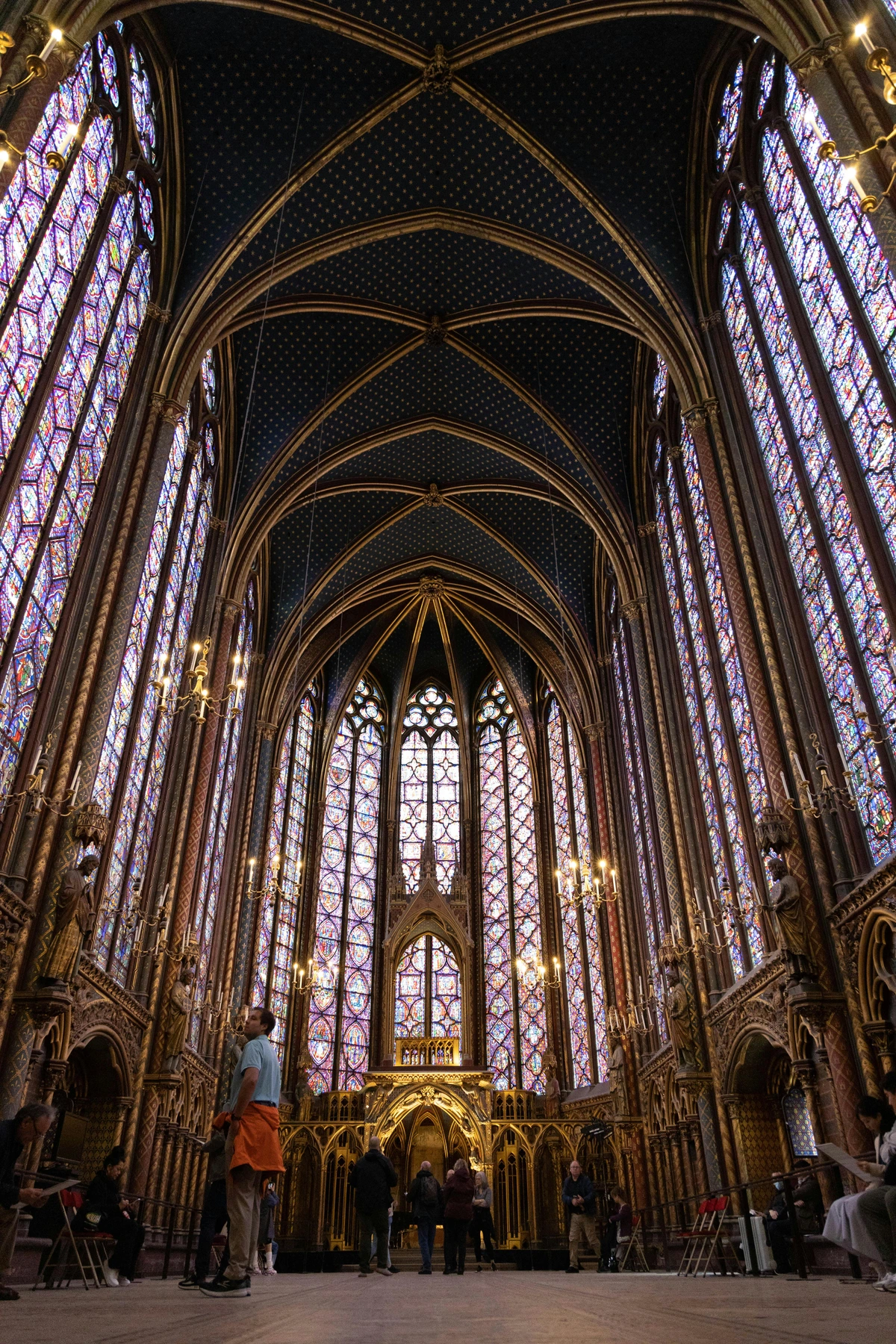
Let's dive into a few of the most legendary art heists that still capture our imagination and fuel endless speculation. Each one is a compelling story unto itself, a testament to both human ingenuity and, sometimes, sheer folly. These aren't just tales of stolen objects; they're intricate narratives that reveal fascinating insights into human psychology, the often-surprising vulnerabilities of our most hallowed institutions, and the enduring power of art itself to inspire both awe and avarice.
Iconic Art Heists at a Glance
Before we delve into the detailed narratives, here's a quick overview of some of the most famous and intriguing art heists that have shaped our understanding of art crime. These are the stories that dominate headlines and capture our collective imagination, each a testament to the audacity of criminals and the enduring value of human creativity.
Heist | Date | Location | Key Artworks | Status |
|---|---|---|---|---|
| Mona Lisa | 1911 | Louvre Museum, Paris, France | Mona Lisa by Leonardo da Vinci | Recovered 1913, thief caught. |
| Isabella Stewart Gardner Museum | 1990 | Boston, USA | 13 works, including Rembrandts, a Vermeer, Manet | Unsolved, art still missing. |
| The Scream (2 thefts) | 1994, 2004 | Oslo, Norway (National Gallery, Munch Museum) | The Scream (2 different versions) by Edvard Munch | Both recovered, with some damage. |
| Dresden Green Vault | 2019 | Dresden, Germany | 21 priceless jewels and artifacts | Partially recovered, investigation ongoing. |
| Saliera | 2003 | Kunsthistorisches Museum, Vienna, Austria | Saliera by Benvenuto Cellini | Recovered 2006, thief caught. |
| Kunsthal Rotterdam | 2012 | Rotterdam, Netherlands | 7 masterpieces by Picasso, Matisse, Monet, Gauguin | Believed destroyed, thieves caught. |
| Ghent Altarpiece (various) | Since 1432 | Saint Bavo Cathedral, Ghent, Belgium | Adoration of the Mystic Lamb (panels) by Jan van Eyck | The Just Judges panel still missing. |
| Van Gogh Museum | 1991, 2002 | Amsterdam, Netherlands | Multiple Van Gogh paintings | All recovered over time, some with Mafia links. |
| National Museum Stockholm | 2000 | Stockholm, Sweden | Renoir (2), Rembrandt (1) | All recovered through international cooperation. |
| Cézanne Heist | 1995 | Ashmolean Museum, Oxford, UK | View of Auvers-sur-Oise by Paul Cézanne | Still unrecovered. |
| Lady Writing a Letter with her Maid | 1986 | National Gallery of Ireland, Dublin | Vermeer painting | Recovered, paramilitary connection. |
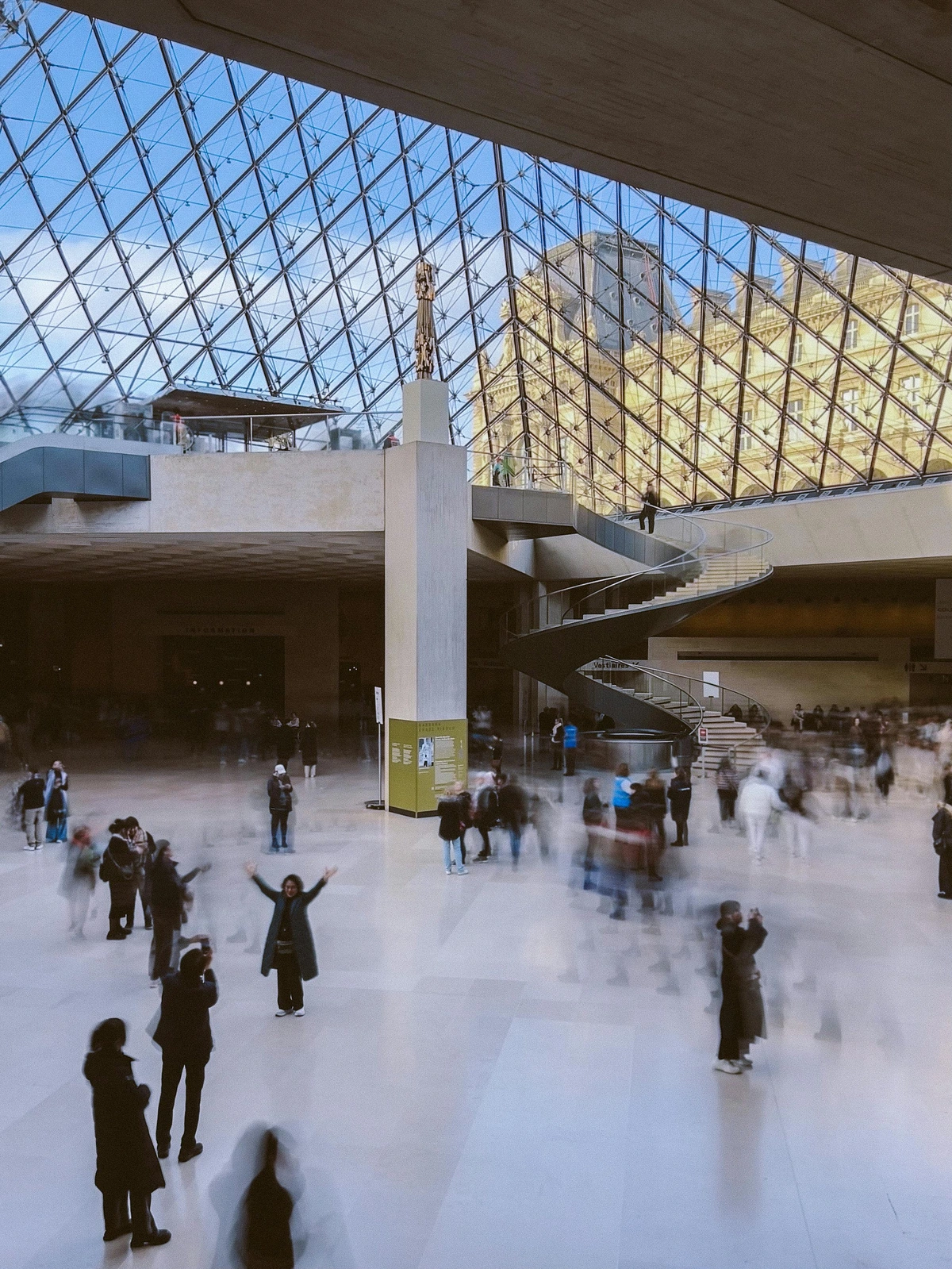

Notorious Art Heists: Case Studies in Crime and Intrigue
From cunning lone wolves to sophisticated criminal gangs, the stories behind famous art heists are often more dramatic than fiction. Let's delve into some of the most captivating cases, each offering a unique glimpse into the audacity, planning, and often surprising outcomes of these high-stakes crimes.
The Mona Lisa (1911)
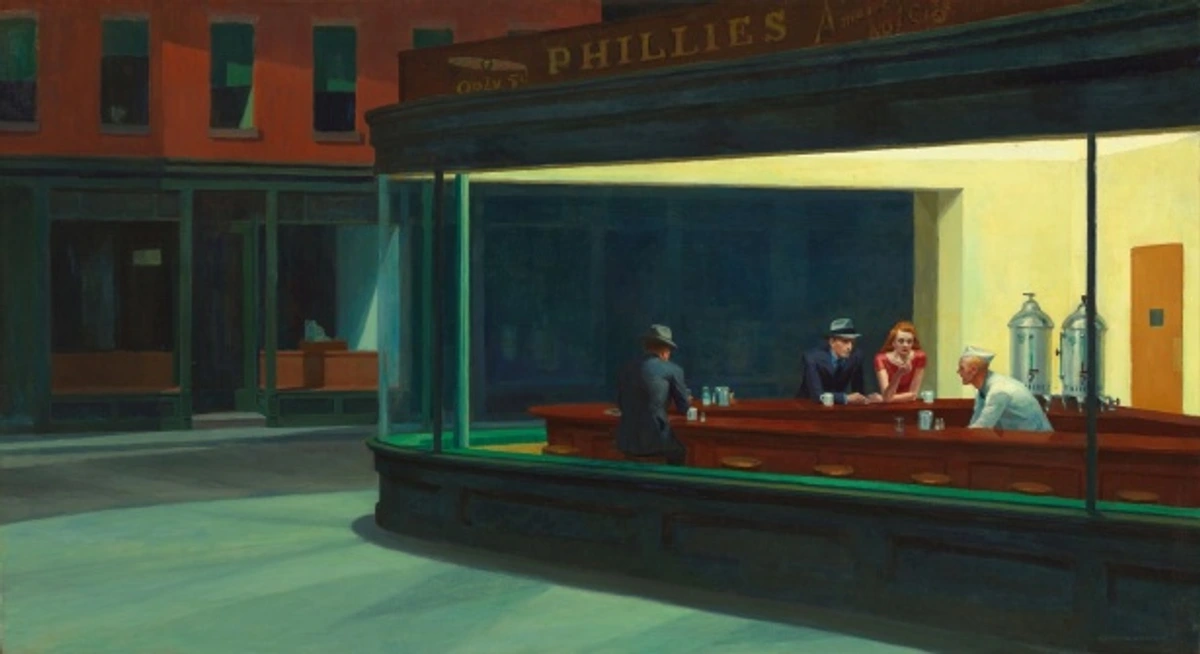
This one is probably the most famous art theft of all time, and honestly, it sounds like something straight out of a comedy film. Imagine my surprise when I first learned the thief was an unassuming Italian handyman named Vincenzo Peruggia, who had actually worked at the Louvre. His plan was disarmingly simple: he hid in a closet overnight, walked out with Leonardo da Vinci's masterpiece tucked under his smock the very next morning, and incredibly, got away with it for two whole years! His stated motive? A misguided sense of patriotism, believing the painting should be returned to Italy, where he felt it rightfully belonged. The immediate public reaction was a mix of outrage and intense curiosity, sparking a massive, but initially fruitless, police investigation that even briefly considered Pablo Picasso as a suspect! Peruggia was eventually caught trying to sell it in Florence to an unsuspecting art dealer, who, thankfully, alerted the authorities. The Mona Lisa made her triumphant return to Paris to immense public relief and celebration. It’s a truly bizarre tale, showing that sometimes the simplest, most audacious plans are the most effective, and that even the most famous works aren't immune to the most improbable attempts. This particular heist, in a strange twist, elevated the painting's fame even further, cementing its status as an unparalleled cultural icon. It reminds me that sometimes the greatest security vulnerabilities aren't technological, but human. Before this theft, the Mona Lisa was well-regarded but not the global icon it is today; its disappearance and dramatic return catapulted it into unprecedented international fame, proving that sometimes even a crime can ironically elevate the status of its victim.

The Saliera (2003)
This isn't just a painting; it's a golden sculpture by Benvenuto Cellini, a true masterpiece of Mannerist goldsmithing, originally crafted for Francis I of France. In 2003, the Saliera, or 'Salt Cellar,' valued at over €50 million, was stolen from the Kunsthistorisches Museum in Vienna. The initial police response was swift but yielded no immediate results. The theft itself was surprisingly straightforward: thieves scaled scaffolding erected for external renovations, broke a window, and simply walked out with the priceless object under cover of darkness. What made this case particularly intriguing was its eventual recovery. Four years later, the thief, Robert Mang, turned himself in after a massive police operation and a failed attempt to ransom the piece. In a bizarre turn of events, he had buried the Saliera in a lead box in a forest near his home. It just goes to show you, sometimes the treasure is hidden closer than you think, and that a blend of ego, desperation, and even a strange attachment to the object, rather than pure profit, can drive a thief to reveal themselves. This tale is a testament to the unexpected twists and turns in art crime, proving that not all thieves are in it for the long-term black market sale. The recovery involved extensive surveillance and a clever trap by investigators, including a false ransom negotiation, ultimately leading to Mang's confession and the retrieval of the undamaged sculpture. The meticulous police work, combined with a crucial tip-off, ultimately brought this incredible piece of cultural heritage home. The story of its recovery, hidden in a forest and retrieved through cunning police work, sounds almost like something out of a detective novel, reminding us that reality can often be stranger than fiction.
The Isabella Stewart Gardner Museum Heist (1990)
This is the big one, the holy grail of unsolved art crimes for good reason. On March 18, 1990, two men dressed as police officers gained entry to Boston's Isabella Stewart Gardner Museum, famously exploiting a security vulnerability and the human element. They bound and gagged the guards and, over 81 meticulously planned minutes, stole 13 invaluable works of art, including three Rembrandts, a Vermeer, and a Manet, valued at an estimated $500 million. The empty frames remain on the museum walls to this day, a haunting and poignant reminder of the profound loss. Despite an active FBI investigation, a standing $10 million reward, and countless theories (some more outlandish than others, including connections to the Irish Mafia), not a single piece has been recovered. It's a mystery that continues to baffle art historians, law enforcement alike, and indeed, the entire art world, leaving a constant ache. The sheer artistic value of the stolen works, including masterpieces by Rembrandt van Rijn, Vermeer, and Manet, makes this a truly heartbreaking loss. The idea of these masterpieces just vanishing into thin air... it sends shivers down my spine, I often wonder about their fate, existing somewhere in the shadows, unseen by the world. This case remains a constant, painful reminder of how easily irreplaceable cultural heritage can disappear, and how challenging it is to retrieve it once it enters the black market. The hope for their recovery, though dimmed by time, still persists, a testament to the enduring power these lost works hold over our imaginations. The FBI, for its part, continues to pursue leads, and I imagine the investigators feel the weight of this unsolved mystery daily. The empty frames at the Gardner Museum are a powerful, silent protest against the theft, a daily reminder of what's been lost and the ongoing quest for justice. The lack of any concrete evidence or leads for over three decades only adds to the mystique and frustration surrounding this monumental theft.
The Dresden Green Vault Heist (2019)
In November 2019, thieves pulled off what's been called one of the largest jewelry heists in modern history, targeting the Dresden Green Vault in Germany. While not paintings, the sheer audacity and immense cultural value of the stolen items – 21 priceless jewels and other artifacts, some dating back to the 18th century, with an estimated value of over €113 million – make this a quintessential art heist. The thieves bypassed elaborate security, cut through a window grille, and targeted specific display cases with incredible precision, all within minutes. They then fled in a getaway car that was later found burned. What makes this case particularly chilling is the suspected involvement of organized crime families and the concern that the jewels may have been broken up and sold for individual stones, making their full recovery incredibly difficult, if not impossible. It's a stark reminder that even the most modern and sophisticated security systems can be vulnerable to determined and well-resourced criminals. The swift, almost surgical precision of the theft, targeting specific, high-value items, suggested an intimate knowledge of the vault's layout and security protocols, underscoring the professionalism of the perpetrators.
The National Museum Stockholm Heist (2000)
In December 2000, three armed men, with a flair for the dramatic, stormed the National Museum in Stockholm, Sweden, making off with two Renoir paintings (Conversation and Young Parisian) and a self-portrait by Rembrandt. The thieves used a speedboat for their escape through the dark, icy waters of Stockholm, adding a dramatic, almost cinematic, flourish to the crime that dominated international headlines. While the paintings were eventually recovered years later through meticulous international police cooperation and several arrests—some involving undercover operations in Copenhagen and Los Angeles—the brazenness of the heist and the high-profile targets sent shockwaves through the art world, highlighting the urgent need for enhanced security even in seemingly secure institutions. It was a powerful testament to the effectiveness of cross-border law enforcement collaboration when faced with organized art crime, demonstrating that persistence and global teamwork can, sometimes, bring stolen treasures home. The image of those paintings speeding away in the darkness, then resurfacing years later in completely different locales, is truly astounding, reminding us that even the most daring getaways don't guarantee long-term impunity.
The Theft of The Scream (1994 & 2004)
Edvard Munch's iconic painting, The Scream, has had a remarkably rough life, becoming something of a magnet for audacious thieves. It was stolen not once, but twice! The first time was during the opening day of the 1994 Winter Olympics in Lillehammer, Norway, a perfectly timed distraction. Thieves simply broke into the National Gallery in Oslo, climbed a ladder, and made off with the painting, leaving behind a sardonic note that read, "Thanks for the poor security." It was recovered a few months later, eventually located in a hotel room. The second time, in 2004, armed men, exhibiting even greater brazenness, stormed the Munch Museum in Oslo, taking both The Scream and Munch's Madonna. Both were recovered in 2006, albeit with some damage, underscoring the delicate and fragile nature of stolen art once it leaves the controlled environment of a museum. It makes me wonder about the psychological draw of such a powerful, anxiety-ridden image, to be targeted so repeatedly – a testament to its immense cultural significance and, perhaps, a magnet for those seeking infamy. The repeated targeting of such a universally recognized and emotionally charged work also highlights its intrinsic value beyond mere monetary worth. The damage sustained during the second theft also underscored the very real fragility of these masterpieces when in the hands of careless criminals. It's a sobering thought that such a profound expression of human emotion could become a repeated target for criminals, highlighting its unique blend of artistic and illicit allure.

The Ghent Altarpiece (Multiple Thefts & Attempts)
Often called the most stolen artwork in history, Jan van Eyck's monumental Ghent Altarpiece (or Adoration of the Mystic Lamb) has an absolutely wild history spanning centuries, a continuous saga of theft, concealment, and near-destruction. Since its completion in 1432, parts of it have been stolen, recovered, hidden from wars (including both World Wars), and even held for ransom. The most famous disappearance occurred in 1934, when two panels, including the iconic The Just Judges, were stolen from the Saint Bavo Cathedral in Ghent. One panel was returned, but The Just Judges remains missing to this day, replaced by a copy, a constant source of fascination and frustration, and a persistent target of conspiracy theories and amateur sleuths. It's a testament to its incredible value – both artistic and symbolic – that so many have tried to claim it or destroy it over the centuries. This ongoing saga truly highlights the enduring allure and profound vulnerability of our most sacred artistic treasures, and the sheer tenacity required across generations to protect them. The ongoing mystery of The Just Judges is a powerful symbol of art's enduring power to captivate, even in its absence. The legend around its disappearances and recoveries has added an almost mythical status to this already revered work. It's a story that perfectly encapsulates the tumultuous journey many masterpieces endure through history, caught in the crossfire of human conflict and desire.
The Kunsthal Rotterdam Heist (2012)
In one of the most significant art thefts of the 21st century, seven priceless masterpieces by artists including Pablo Picasso, Henri Matisse, Claude Monet, and Paul Gauguin were stolen from the Kunsthal museum in Rotterdam in 2012. The thieves, members of a Romanian gang, executed a surprisingly quick and simple break-in, bypassing ostensibly robust security systems with alarming ease. The subsequent disposal of the artworks proved to be the most tragic part of the story, as at least some of the paintings are believed to have been burned by the mother of one of the thieves in a desperate attempt to destroy evidence. It's a truly heartbreaking example of irreplaceable cultural heritage being senselessly destroyed, a grim reminder of the vulnerability of art once it leaves protective custody. The international investigation that followed highlighted the complex challenges of cross-border art crime and the devastating consequences when cultural property falls into the wrong hands. This heist also brought to light the desperate lengths thieves might go to when cornered, making recovery efforts even more fraught. The thought of these irreplaceable masterpieces being reduced to ash is truly agonizing for anyone who cherishes art and its historical significance.

The Van Gogh Museum Heist (1991 & 2002)
Poor Van Gogh. His works, infused with so much emotion and personal struggle, have, perhaps ironically, also been frequent targets for thieves. The Van Gogh Museum in Amsterdam has certainly faced its share of drama. In 1991, 20 paintings were stolen in a major heist, though miraculously, they were recovered within the hour thanks to a quick-thinking driver who blocked the getaway car. More dramatically, in 2002, two incredibly valuable paintings, “Congregation Leaving the Reformed Church in Nuenen” and “View of the Sea at Scheveningen,” were snatched in a daring nighttime raid that left the art world stunned. These particular works were chosen not just for their fame, but because of their relatively small size and ease of transport. These were only recovered in 2016 in Italy, after an extensive investigation linked their disappearance to the Mafia. It's a stark reminder that the art world isn't always as pristine as we imagine; sometimes, it brushes up against the gritty reality of organized crime, showcasing how deeply cultural assets can become entangled with illicit networks. The journey of these two particular paintings, from a museum wall in Amsterdam to the clutches of the Italian Mafia and then back again, is a truly remarkable testament to the persistence of law enforcement and the dark allure of art for criminal enterprises. The ability of such valuable and recognizable works to remain hidden for so long underscores the intricate and deeply secretive nature of the art black market, making their eventual recovery a truly significant achievement.
The Cézanne Heist (1995)
On New Year's Eve, 1995, during the distraction of fireworks celebrations, three thieves broke into the Ashmolean Museum in Oxford, England, and stole Paul Cézanne's masterpiece, View of Auvers-sur-Oise. The painting, valued at over £3 million at the time (and considerably more today), was targeted with surprising precision amidst the city-wide celebratory distractions. The thieves skillfully used smoke grenades and relied on the commotion of the festivities to make their escape, a truly audacious feat. To this day, despite significant police efforts and a reward, the painting remains unrecovered, making it another one of those persistent, aching voids in the art world. It makes you wonder how much art is simply waiting for the right moment to re-emerge from the shadows, or if it's truly lost to us forever. The precision of the timing, exploiting a city's celebratory distractions, was particularly chilling, underscoring the opportunistic nature of some high-profile heists. This kind of calculated opportunism, leveraging a moment of public revelry, is a reminder that criminals are always watching, waiting for the perfect window. The thought that such a distinctive work by a master of Post-Impressionism could simply vanish without a trace is a haunting one, a stark reminder of the black market's insatiable appetite.
The National Gallery of Ireland Vermeer (1986)
In 1986, Johannes Vermeer's exquisite painting, Lady Writing a Letter with her Maid, was stolen from the National Gallery of Ireland in Dublin. The thieves gained entry during a complex, well-planned operation, disappearing with the masterpiece. However, much like the Saliera, the story took an unusual and frankly, quite bizarre, turn. The painting became tangled in a convoluted plot involving Irish paramilitary groups, who attempted to use it as leverage in their political struggles, completely divorcing the art from its original artistic context. After years of tense negotiation, close calls, and international police work, the masterpiece was eventually recovered in a remote location, a testament to the persistent efforts of dedicated art crime investigators. This case highlights how stolen art can become a bargaining chip in geopolitical conflicts, far removed from its original artistic context, and the incredible, often dangerous, lengths recovery specialists must go to secure its safe return. It serves as a stark reminder of the unpredictable journey a stolen masterpiece can take once it enters the illicit underworld, becoming a pawn in games far removed from its original creation. The image of a Vermeer, a painting of quiet domesticity, caught in the crossfire of political struggle is a powerful and unsettling juxtaposition, highlighting the profound and often disturbing intersection of art and geopolitics.

credit, licence
## The Art of the Steal: Famous Fences and Master Forgers
While the art thieves themselves often capture the headlines, the ecosystem of art crime is far more complex, relying heavily on supporting characters: the master fences who connect stolen art with unscrupulous buyers, and the ingenious forgers who create convincing fakes to either replace originals or flood the market with illicit copies. These individuals operate in the shadows, their networks often global, and their skills in deception and logistics are, regrettably, formidable.
The Shadowy World of Art Fences
Fences are the critical, often invisible, link between a stolen masterpiece and its eventual illicit destination. They don't just buy and sell; they launder art, obscuring its provenance, creating forged documents, and navigating complex international networks of private collectors, shell corporations, and even legitimate-looking galleries operating on the fringes. A truly effective fence has deep connections, immense discretion, and an almost encyclopedic knowledge of the art market's vulnerabilities. They understand that a painting too 'hot' to sell openly must be hidden, used as collateral, or broken down into less traceable components (especially in the case of antiquities). Their methods can involve a labyrinthine web of shell corporations, 'phantom collectors' who exist only on paper, and offshore accounts, making the financial trail of illicit art nearly impossible to follow. It's a shadowy world where trust is rare, and betrayal is common, yet the networks persist due to immense profit potential.
The Allure of the Art Forger
Then there are the forgers, a different breed of criminal altogether. These are individuals with genuine artistic talent, but who choose to apply it to deception. Their goal isn't necessarily to steal a piece, but to create a fake so convincing that it can fool experts, replacing an original that might then disappear, or simply to profit from selling a counterfeit as genuine. Famous forgers like Han van Meegeren (who fooled the Nazis with fake Vermeers) or John Myatt (part of a massive art fraud ring) demonstrate the incredible skill and psychological manipulation involved. Their work highlights the constant battle for the science of art authentication and underscores the importance of rigorous a collector's guide to identifying and avoiding art forgeries in the abstract market. Forgers often meticulously research their chosen artist, attempting to replicate not just style, but materials, techniques, and even the artist's psychological state. It's a twisted form of artistic mastery aimed at deception, and it's remarkably hard to detect. Think of the psychological game they play, pitting their skill against the most seasoned art connoisseurs. The ultimate 'con' in the art world, where a brushstroke of genius is deployed for nefarious ends.
The Aftermath: Recovery, the Black Market, and Enduring Mysteries
What happens after a heist? Well, despite what the movies might suggest, it's rarely a Hollywood ending. The sobering truth is that the vast majority of stolen art isn't recovered, and when it is, it's often found damaged, sometimes irrevocably. The black market for art is a shadowy, unglamorous realm, a stark contrast to the polished galleries from which these treasures were snatched. These are not always glamorous exchanges; they often involve complex legal battles, shadowy transactions, and the constant threat of damage or outright destruction, leaving art professionals heartbroken. The relentless quest for recovery is a testament to the dedication of law enforcement, art historians, and ethical institutions who steadfastly refuse to let these treasures be lost forever, battling against immense odds and the public's sometimes unrealistic expectations. It’s a multi-faceted challenge, often extending far beyond the immediate aftermath of the theft, into the murky waters of international law, cultural diplomacy, and deep-seated criminal networks.
Challenge | Description | Impact on Recovery Efforts |
|---|---|---|
| Broken Provenance | Illicit sales intentionally obscure ownership history, making it nearly impossible to trace legitimate ownership. | Makes legitimate resale impossible, effectively 'launders' the object by hiding its illicit origin, making legal challenges difficult. |
| International Jurisdictions | Art crime often crosses national borders, complicating investigations due to differing laws, legal systems, and extradition treaties. | Requires complex diplomatic and legal coordination, leading to delays, jurisdictional disputes, and sometimes, dead ends for investigators. |
| Statute of Limitations | Legal deadlines for prosecuting art theft can expire, protecting thieves from legal consequences if the art remains hidden long enough. | Incentivizes hiding art for extended periods until it can be 'legitimized' or sold with impunity. This often means stolen art remains hidden for decades, only resurfacing when the legal risks are diminished. |
| Damage/Destruction | Artworks are often poorly stored, handled carelessly, or intentionally destroyed if they become too 'hot' to sell or if thieves are cornered. | Renders recovery moot or significantly diminishes the artistic and monetary value of the piece, leading to irreparable cultural loss. |
| Lack of Public Awareness | Unidentified stolen works are harder to spot and report by the general public or legitimate art institutions, limiting potential leads. | Reduces chances of tips, public assistance, and leads for law enforcement and recovery specialists, creating a blind spot for investigators. |
| Lack of Resources | Art crime units are often underfunded and understaffed compared to other law enforcement divisions dealing with more 'conventional' crimes. | Limits investigative reach, technological capabilities, and the ability to pursue complex international cases, making it a low priority for some agencies. |
| Private Collections | Stolen art often disappears into anonymous private collections owned by unscrupulous individuals, who prioritize illicit ownership over public display. | Virtually impossible to trace without insider information or rare circumstances, making these pieces effectively lost to the public and scholarship. |
| Cultural Sensitivity/Ownership Disputes | Recovered objects can become subjects of complex ownership disputes, particularly when linked to colonial appropriation or wartime looting. | Can delay repatriation and lead to prolonged legal and diplomatic battles over who is the rightful owner, even once recovered. |
| Forged Documentation | Criminals often create elaborate forged provenance documents to legitimize stolen art on the market, making it appear authentic. | Creates immense challenges for due diligence and can deceive even experienced buyers and institutions, complicating efforts to prove illicit origin. |
| Digital Age Vulnerabilities | The rise of digital art and online marketplaces creates new avenues for theft, fraud, and money laundering in the virtual realm. | Requires specialized cybercrime expertise and new investigative techniques to track digital assets and prevent online art crime. |
| Corrupt Officials | In some regions, corruption within government or law enforcement agencies can actively facilitate art trafficking and impede recovery efforts. | Creates significant barriers to justice, making it nearly impossible to investigate and prosecute art criminals in certain jurisdictions. |
| Informant Reliability | Recovery often relies on informants, but their motives, reliability, and safety can be unpredictable, adding risk to investigations. | While crucial for leads, relying on informants can introduce complexities and risks, requiring careful vetting and management by investigators. |
| Lack of Standardization | Differing national and international reporting standards for stolen art can hinder effective cross-referencing and data sharing. | Makes it harder for diverse law enforcement agencies to quickly identify and track stolen pieces across borders, slowing down investigations. |
The Role of International Cooperation and Databases
In the face of these formidable and often global challenges, international cooperation is absolutely paramount. Organizations like INTERPOL (the International Criminal Police Organization) play a crucial, coordinating role, maintaining extensive databases of stolen art and facilitating vital communication between national police forces across borders. Their specialized Works of Art Unit actively assists in complex international investigations and publishes alerts for stolen masterpieces worldwide, proving indispensable in tracking art across continents. Beyond law enforcement, organizations like UNESCO (the United Nations Educational, Scientific and Cultural Organization) also contribute significantly through conventions aimed at preventing illicit trafficking of cultural property, fostering a global ethical framework and encouraging international legal agreements. The Art Loss Register is another vital tool, a private database used by ethical dealers, auction houses, and discerning collectors to check if an artwork has been reported stolen. It currently tracks over 700,000 items and facilitates countless recoveries, proving its efficacy by providing a central, accessible resource for due diligence. These initiatives, while certainly not foolproof, are absolutely essential in making the world a smaller, less welcoming place for stolen art. It's a truly collaborative effort, a constant cat-and-mouse game against those who seek to profit from our shared heritage, and it relies heavily on the ethical participation and vigilance of the wider art market, alongside highly specialized training and expertise for investigators. The ability to quickly share information and coordinate across diverse legal systems is what often makes the difference between a cold case and a successful recovery. The global nature of art crime demands a global response, and these organizations form the bedrock of that collective defense.
The Legal Labyrinth: Laws, Treaties, and the Pursuit of Justice
Beyond the dramatic tales of theft and recovery, there lies a complex and often frustrating legal landscape that governs art crime. It's not just about catching the thief; it's about navigating a dense web of national laws, international treaties, and restitution claims that can stretch back centuries. I've often thought about how intricate these legal battles are, making the path to justice anything but straightforward. The legal framework attempts to codify ownership and responsibility, but it's constantly tested by the fluid nature of illicit trade and historical injustices. Key aspects of this legal labyrinth include:
- National Laws: Each country has its own laws governing theft, fraud, and the trafficking of cultural property. These vary widely, creating challenges when stolen art crosses borders. Some nations have specialized art crime units, while others treat it as general property crime.
- International Treaties and Conventions: Organizations like UNESCO have established conventions (e.g., the 1970 UNESCO Convention) aimed at preventing illicit import/export and transfer of ownership of cultural property. These provide a framework for international cooperation, but ratification and enforcement vary.
- Statutes of Limitations: These legal deadlines for prosecuting crimes can be a major hurdle. If a stolen artwork remains hidden long enough, the ability to prosecute the thief may expire, although ownership claims often remain valid.
- Repatriation and Restitution Claims: This is perhaps the most ethically charged area, involving demands for the return of cultural artifacts removed during colonial periods, wars, or illicit excavations. Cases like the Elgin Marbles or the Benin Bronzes highlight the profound historical, cultural, and legal complexities involved, often requiring diplomatic solutions as much as legal ones. It's a constant balancing act between historical possession and cultural patrimony.
- Jurisdictional Challenges: When art moves across multiple countries, determining which nation's laws apply, and coordinating investigations and legal actions between different judicial systems, becomes incredibly complex. This often requires the specialized expertise of international legal teams.
Understanding this legal backbone is crucial to appreciating the full scope of art crime and the monumental efforts required to bring lost pieces home and rectify historical wrongs.
The Future of Art Heists and Protection
What does the future hold for art heists? I suspect we'll see a blend of old tactics and new technologies. Cyber-attacks on museum databases, drone surveillance for reconnaissance, and even the illicit trade of digital art (though I remain skeptical of the long-term value of most NFTs, the concept of digital scarcity could create new vulnerabilities for virtual art) are all possibilities. The digital realm opens up entirely new avenues for both theft and fraud, requiring a new kind of vigilance, particularly against sophisticated cyber-criminal organizations. However, museums are also evolving, investing heavily in advanced security systems, AI-powered surveillance, and sophisticated data analytics to predict and prevent threats. The conversation is also shifting towards proactive measures, such as strengthening provenance research, promoting ethical collecting practices, and fostering a culture of transparency in the art market. It's an ongoing challenge to stay one step ahead, a constant evolution of defenses against ever-adapting threats. I imagine a future where AI not only monitors physical spaces but also analyzes global trends in art crime to predict potential targets, almost like a digital guardian. The integration of advanced biometrics, smart sensors, and even forensic markers embedded into artworks could make future heists far more difficult, but I'm sure criminals will always find a way to adapt, that's just human nature, for better or worse.
The Future of Recovery: Predictive Analytics and Blockchain
Looking ahead, recovery efforts are also leveraging emerging technologies to tip the scales in their favor. Predictive analytics, for example, could help identify subtle patterns in art crime, allowing law enforcement to anticipate future threats and deploy resources more effectively, perhaps even before a heist is attempted. And while I'm still weighing the true long-term impact of blockchain technology in the broader art market, its potential for creating immutable, transparent records of ownership and provenance could, theoretically, make it much harder for stolen art to be laundered or resold. Imagine a future where every artwork has a verifiable digital fingerprint – it could be a game-changer for legitimate transactions, and a nightmare for art thieves. This mirrors some of the broader discussions in understanding the AI art market: trends, opportunities, and ethical considerations for collectors. Of course, the implementation and universal adoption of such systems face significant hurdles, including scalability, interoperability, and the substantial costs involved, and the regulatory landscape for such technology is still evolving, but the promise is certainly intriguing. Yet, for all the technological advancements, the human element of investigation, intuition, and ethical decision-making will always remain crucial.
The Ethics of Repatriation and Recovery: Uncomfortable Questions
Beyond the logistics of recovery, there are often profound ethical questions that challenge our collective conscience. Should ransoms ever be paid for stolen art, knowing it might fund further criminal activity? Does buying back a stolen piece, even from the black market, inadvertently incentivize more theft by creating a lucrative demand? What about pieces looted centuries ago during colonial periods; where do they rightfully belong today, and what is the responsibility of current custodians? These aren't easy questions, and there are certainly no simple answers. The discussions around restitution and cultural heritage are ongoing, involving not just legal experts but also ethicists, historians, and indigenous communities, often sparking heated debates. This is closely related to the broader topic of ethical considerations when buying cultural art. The complexities are immense, considering factors like original context, historical injustices, and the practicalities of physical transfer and preservation. It reminds us, powerfully, that art is never just an object; it's a carrier of history, identity, and complex human stories, and its loss leaves a void that is difficult, if not impossible, to fill. The very act of ownership, when viewed through these ethical lenses, becomes far more complex than a simple bill of sale. It's a continuous, often uncomfortable dialogue that forces us to confront our colonial past and the ongoing imbalances of power in the art world, proving that the battles over art are rarely just about aesthetics.




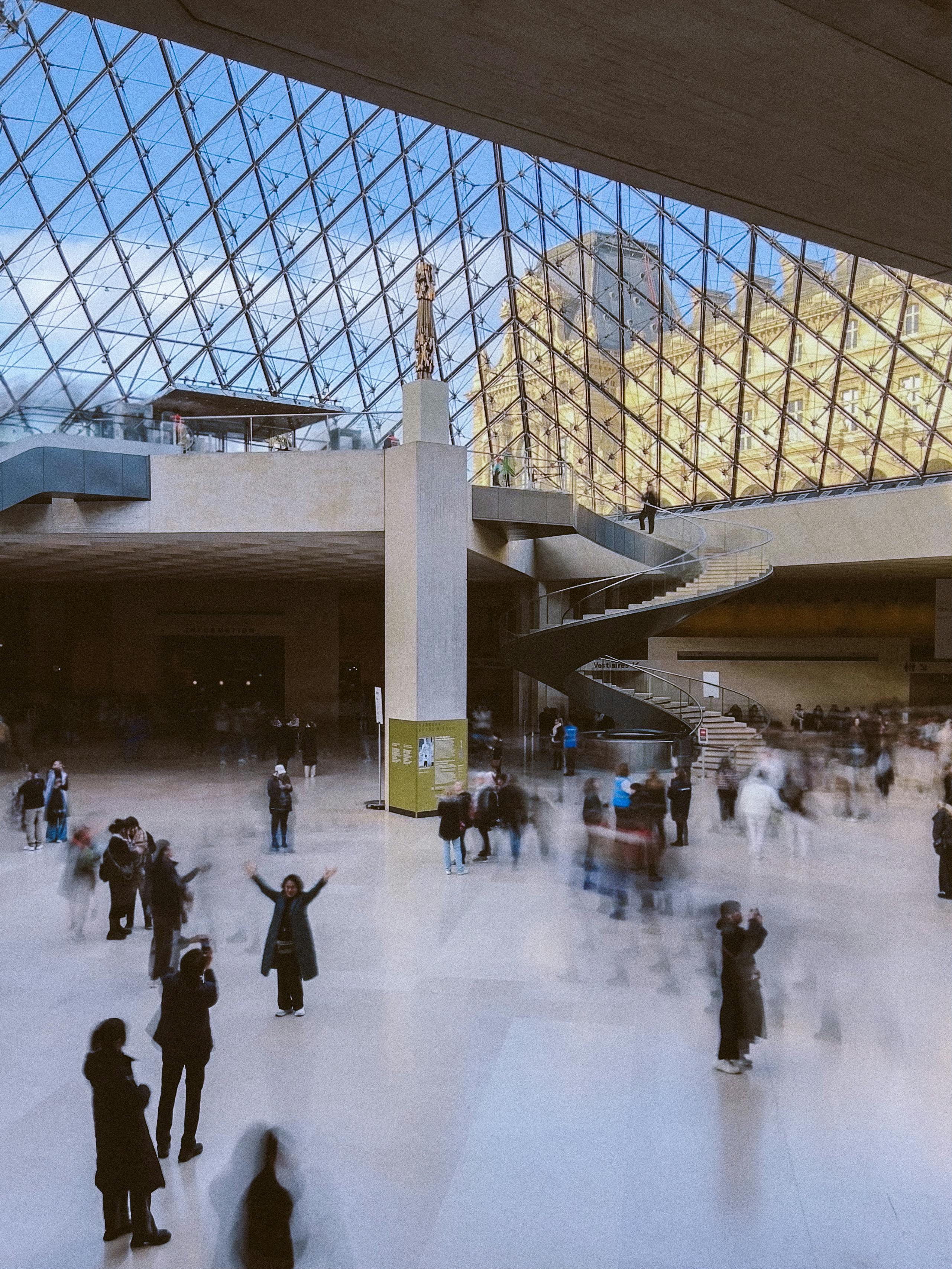



credit, licence
Frequently Asked Questions About Art Heists
Q: How big is the problem of art crime globally?
A: It's incredibly difficult to get precise figures due to the pervasive underreporting and the deeply clandestine nature of the black market. However, estimates from leading organizations like the FBI and the Art Loss Register consistently suggest that art crime is a multi-billion dollar industry annually, ranking it among the highest-grossing criminal enterprises globally, often behind only drugs and arms trafficking. That's a staggering thought, isn't it? The illicit trade is so vast and intricate that it constantly challenges law enforcement to keep up, often involving sophisticated international networks that span continents. The exact numbers will always be elusive, a testament to the shadows in which this market operates, but the impact is undeniable and far-reaching, affecting cultural institutions and heritage worldwide. The sheer scale makes it a persistent global threat to cultural heritage.
Q: What is the most common type of art stolen?
A: While high-profile heists often focus on famous paintings, the most commonly stolen art falls into broader categories. Antiquities, particularly those looted from archaeological sites in conflict zones, represent a huge portion of the illicit trade, often funding organized crime and even terrorism. Other common targets include smaller, portable items like historical documents, sculptures, religious artifacts, ethnographic objects, and even valuable collectibles. Paintings, especially those by well-known artists, are also frequently targeted, but their fame often makes them harder to sell legitimately, pushing them into the deepest recesses of the black market or holding them for ransom. It’s a sad reality that the most vulnerable and contextually rich artifacts are often the easiest targets.
Q: What happens to stolen art?
A: The fate of stolen art is sadly varied and often grim. Many pieces disappear into private, illicit collections, never to be seen by the public again, their beauty locked away in the shadows for the perverse pleasure of a single individual, a profound loss for public scholarship and enjoyment. Others are used as collateral in other criminal dealings, traded for drugs or weapons, becoming mere commodities in a brutal underworld, far removed from their artistic intent. Some are hidden for decades, awaiting a time when they can be 'legitimized' through elaborate fraud or passed down through generations of unscrupulous owners, their illicit past carefully obscured. And most tragically, some are simply destroyed if they become too difficult to sell or if the thieves are cornered and desperate, a truly heartbreaking outcome for our shared cultural heritage. The journey a stolen artwork takes is often as twisted and secretive as the heist itself. It's a stark reminder that once a piece enters the black market, its future is fraught with peril and its history forever tainted, often facing unknown conditions that can lead to irreversible damage.
Q: Are art thieves often caught, and are cold cases ever solved?
A: Absolutely. While recovery rates for stolen art can be dishearteningly low (estimates often hover around 10-15% for the long term), art thieves are indeed caught, and cold cases do get solved, sometimes decades later. The Isabella Stewart Gardner Museum heist, for example, remains the largest unsolved art theft in history, with the FBI maintaining an active investigation and a substantial reward for information leading to the recovery of the artworks. Many other cases, while perhaps less famous, are also continuously being worked on by specialized art crime units around the world, including those focusing on antiquities trafficking and wartime looting. The pursuit of justice and the recovery of stolen art is a relentless, long-term commitment for these dedicated professionals, a marathon rather than a sprint, often relying on years of intelligence gathering, forensic evidence, and international collaboration to bring culprits to justice and recover lost masterpieces. Even after decades, the hope of recovery persists, often fueled by new forensic techniques or an unexpected tip-off. The legal consequences, when caught, can be severe, ranging from lengthy prison sentences to hefty fines and forfeiture of assets.
Q: What are the primary motivations behind art theft?
A: The motivations behind art theft are as varied as the art itself. While monetary gain (ransom, black market sale) is a dominant factor, others include a desire for trophy/ego (the thrill of owning the unattainable), making a political statement/protest, funding terrorism or organized crime (especially with antiquities), insurance fraud, and even replacing an original with a forgery for later illicit sale. Each motive presents unique challenges for law enforcement in terms of prevention and recovery.
Q: How do forensic science and technology aid in art recovery?
A: Forensic science and technology are increasingly vital tools in art recovery. This includes advanced DNA and fiber analysis (from frames or packaging), carbon dating of materials, microscopic examination of pigments and brushstrokes to detect forgeries, and digital imaging to identify unique characteristics. High-definition surveillance, AI-powered analytics, and international databases like the Art Loss Register also play crucial roles in tracking and identifying stolen works, making it progressively harder for criminals to escape detection in an increasingly digital world. It's truly a high-tech cat-and-mouse game.
Q: Can I unknowingly buy stolen art?
A: Unfortunately, yes, it is absolutely possible, though legitimate dealers and auction houses perform rigorous due diligence to prevent this. This is precisely why provenance research is so critical—it's the artwork's verifiable biography. If you are a private collector, you must always insist on a complete and verifiable history of ownership for any artwork you purchase. Reputable art organizations and databases like the Art Loss Register can also help you check an artwork's history before you commit to a purchase, and it's a step no serious collector should ever skip. It's ultimately a buyer's responsibility to ensure the art they acquire has a clean, legal past. If a deal seems too good to be true, it almost certainly is, and you might be inadvertently contributing to the illicit market. Always ask questions, be skeptical, and never rush into a significant art purchase without proper vetting. The consequences of acquiring stolen art can range from financial loss to legal repercussions and the moral burden of supporting illicit trade.
Q: What role do tip-offs play in art recovery?
A: Tip-offs play a surprisingly crucial role in the recovery of stolen art. Given the highly secretive nature of the black market, outside information—whether from informants, disgruntled former associates of thieves, or even anonymous callers—can be the missing piece of the puzzle that law enforcement desperately needs. Many significant recoveries, including the Saliera, have involved tips or attempts by the thieves themselves to ransom the work, inadvertently revealing their location or identity. Rewards offered by museums or the FBI are specifically designed to incentivize such information, underscoring the value of even seemingly small details in cracking these complex cases. It's often the human element – a change of heart, a betrayal, or a slip of the tongue – that ultimately leads to a breakthrough.
A: Absolutely. While recovery rates for stolen art can be dishearteningly low (estimates often hover around 10-15% for the long term), art thieves are indeed caught. The Isabella Stewart Gardner Museum heist, for example, remains the largest unsolved art theft in history, with the FBI maintaining an active investigation and a substantial reward for information leading to the recovery of the artworks. Many other cases, while perhaps less famous, are also continuously being worked on by specialized art crime units around the world, including those focusing on antiquities trafficking and wartime looting. The pursuit of justice and the recovery of stolen art is a relentless, long-term commitment for these dedicated professionals, a marathon rather than a sprint, often relying on years of intelligence gathering, forensic evidence, and international collaboration to bring culprits to justice and recover lost masterpieces. The legal consequences, when caught, can be severe, ranging from lengthy prison sentences to hefty fines and forfeiture of assets.
Q: How do museums prevent art theft?
A: Museums employ a multi-layered approach to prevent art theft, constantly adapting to new threats. This includes sophisticated electronic surveillance systems (motion detectors, laser grids, infrared beams, high-definition cameras with AI analytics), reinforced architectural design (thick walls, impenetrable display cases), strict access control, highly trained security personnel (both visible and plainclothes), and meticulous inventory management. Increasingly, museums are also focusing on proactive measures like strengthening provenance research, fostering a culture of ethical collecting, and sharing intelligence with law enforcement and other institutions globally. It's a complex, ever-evolving defense strategy aimed at protecting irreplaceable cultural heritage. The continuous investment in both technology and human expertise is critical to staying one step ahead of increasingly sophisticated criminals. It's a constant, resource-intensive battle to protect these treasures from determined criminals, often requiring a blend of high-tech solutions and old-fashioned human vigilance.
Q: What is the biggest challenge in recovering stolen art?
A: I'd argue the single biggest challenge lies in the broken provenance and the highly secretive, compartmentalized nature of the art black market. Once an artwork's documented history of ownership is deliberately obscured or falsified, it becomes incredibly difficult to prove its illicit origins, making it nearly impossible to sell legitimately on any reputable market. This, coupled with the fact that many stolen pieces disappear into anonymous private collections for decades, means that the investigative trail often goes cold very quickly. It requires immense patience, intricate international cooperation, and often a significant stroke of luck or an insider tip to bring these lost treasures home. The opacity of the illicit market is its greatest defense, and cracking it often feels like searching for a ghost in a labyrinth. The sheer financial incentive for criminals to keep these pieces hidden further complicates recovery efforts, as they can represent significant capital. It's a daunting task that requires tenacity, international collaboration, and sometimes, a leap of faith that these cultural treasures will one day reappear.
Q: What is the role of art insurance companies in the aftermath of a heist?
A: Insurance plays a critical, if complex, role. Museums and private collectors typically insure their valuable artworks against theft, damage, and other risks. When an artwork is stolen, the insurer pays out its market value, and legally, the ownership of the stolen piece often transfers to the insurance company. This creates an interesting dynamic: the insurer now has a vested financial interest in its recovery, sometimes offering substantial rewards. However, it can also lead to challenges, as some insurers might be less motivated to pursue recovery once a payout is made, or they might prefer to recover discreetly to avoid further costs or public attention. The intricacies of art insurance also sometimes play into the motives for staged thefts or fraud, as mentioned earlier. It's a complex dance between financial obligations, recovery incentives, and the delicate public relations of a museum that has suffered a loss.
Q: How do museums value artworks for insurance and theft purposes?
A: Valuing art is a highly specialized and often subjective process, typically carried out by accredited art appraisers. For insurance and theft purposes, museums generally use the fair market value, which is an estimate of what the artwork would sell for on the open market at the time of valuation. This involves considering factors such as the artist's reputation, the work's historical significance, condition, provenance, rarity, and recent comparable sales. For priceless masterpieces, the value can be almost incalculable, leading to massive insurance policies and sometimes even 'agreed value' clauses where a specific amount is predetermined in case of loss, due to the difficulty of assigning a true market value to irreplaceable cultural artifacts. This complex valuation process ensures that the financial aspect of the loss is adequately covered, though the cultural and historical loss is, of course, immeasurable.
Q: What are the biggest challenges facing art crime investigators today?
A: Beyond the pervasive problem of broken provenance, modern art crime investigators face a confluence of challenges. These include the increasingly globalized nature of the art market, the use of encrypted communications and dark web marketplaces by criminals, resource limitations in law enforcement agencies, and the sophisticated methods employed by organized crime syndicates. Additionally, the sheer volume of looted antiquities from conflict zones, often funding terrorism, presents immense humanitarian and logistical challenges. Staying ahead requires continuous training, advanced technological tools, and seamless international collaboration among diverse agencies. The rapid evolution of technology, unfortunately, often benefits criminals as much as it does law enforcement, creating a continuous arms race. It's a constant uphill battle against well-resourced and increasingly tech-savvy criminal organizations, demanding ingenuity and relentless adaptation from those dedicated to preserving cultural heritage.
Q: What is the difference between art theft and art forgery?
A: While both are art crimes, art theft involves the illegal removal of an original artwork from its rightful owner or custodian. The object itself is authentic, but its possession is illegitimate. Art forgery, on the other hand, involves creating a fake artwork (or modifying an existing one) and passing it off as a genuine piece by a famous artist with the intent to deceive. The artwork itself is not authentic, but the transaction surrounding it is fraudulent. Sometimes, these crimes can intertwine, such as when a stolen artwork is replaced with a forgery to delay detection, or when a forged provenance is created for a stolen piece to legitimize its sale on the black market. Both crimes undermine the integrity of the art market and can lead to significant financial and cultural losses. It's the difference between stealing a genuine masterpiece and deceptively creating a false one – both deeply damaging to the art world, but through different means.
Q: How can the public help in recovering stolen art?
A: The public plays a surprisingly vital role, often without even realizing it. Simple vigilance, especially from art enthusiasts, collectors, or anyone who might encounter an artwork with questionable origins, can be incredibly impactful. Reporting suspicious activity to local police or specialized art crime units, checking databases like the Art Loss Register before buying, and even just sharing information about high-profile missing works can generate crucial leads. Many recoveries have started with a simple tip-off, proving that every set of eyes can make a difference in bringing lost treasures home. The collective memory and vigilance of the art-loving public are invaluable assets in this ongoing battle.
Q: Are smaller, less famous art pieces also targeted?
A: Absolutely. While the headlines often focus on masterpieces, the vast majority of stolen art consists of smaller, less famous, but still valuable pieces. These are often easier to transport, hide, and sell on the black market precisely because they don't attract immediate global attention. Everything from historical documents and rare books to religious artifacts, ethnographic objects, and even antique furniture can be targets. The sheer volume of these 'lower profile' thefts makes them a significant challenge for law enforcement, as they often lack the resources to pursue every case with the same intensity as a major heist. These smaller items, while individually less valuable, collectively represent a massive cultural and financial loss.
Q: What are the long-term consequences for museums after a heist?
A: The consequences for museums are profound and long-lasting, far beyond the initial shock. Financially, there are losses from the artwork itself (if uninsured or underinsured), increased insurance premiums, and significant costs for security upgrades and investigations. Institutionally, there's often a blow to reputation, a loss of public trust, and a demoralizing effect on staff. Psychologically, the empty frames serve as a constant, painful reminder of violated trust and loss. Recovery, if it happens, can be a long, arduous process, and even then, the institution is forever changed by the experience, living with the lingering vulnerability and the ghost of what was lost. The emotional toll on curators and conservators, who dedicate their lives to these treasures, can be particularly devastating.
Q: What are the legal consequences for art thieves?
A: The legal consequences for art thieves, when caught, can be severe and vary widely depending on the jurisdiction and the value of the stolen art. Sentences can range from several years to decades in prison, along with substantial fines. In some countries, art theft, particularly of antiquities, can also be prosecuted under laws related to organized crime or terrorism financing. The complexities of international law mean that extradition processes can be lengthy, but dedicated international art crime units are increasingly effective at bringing perpetrators to justice.
Q: How does a stolen artwork get 'laundered'?
A: Laundering stolen art is a complex process designed to obscure its illicit origins and make it appear legitimate. This often involves creating forged provenance documents, using shell corporations to facilitate sales, moving the art through multiple countries to bypass jurisdictional scrutiny, and selling it through unscrupulous private dealers or at opaque auctions. The goal is to establish a 'clean' history that can pass superficial scrutiny, effectively erasing the art's stolen past. The longer a piece remains hidden, the easier it can be to launder, which is why many stolen artworks disappear for decades.
Q: What is the role of art historians and conservators in recovery efforts?
A: Art historians and conservators play an absolutely vital, though often understated, role in recovery efforts. Art historians can provide critical expertise on the artist, period, style, and unique characteristics of a stolen work, helping to authenticate recovered pieces or identify fakes. Conservators can assess any damage sustained during the theft or illicit storage, advising on restoration and preservation. Their deep knowledge of art and its material properties is indispensable for both identification and ensuring the long-term survival of cultural heritage once it's brought home. They are, in essence, the memory and the healers of the art world.
Conclusion
As we pull back from the shadows and bright lights of these incredible tales, it’s clear that the world of art heists is far more intricate and human than any fictionalized account could fully capture. It’s a realm where beauty and avarice, ingenuity and desperation, cultural reverence and profound disrespect constantly collide. For me, these stories are more than just accounts of crime; they are windows into our collective psyche, reflecting our deepest desires for possession, power, and significance. They remind us, with stark clarity, of the fragile nature of beauty, the enduring allure of the forbidden, and the relentless human drive, for better or worse, to leave a mark. Ultimately, the ongoing battle to protect our shared cultural heritage is a testament to the immense value we place on art – a value that transcends monetary worth and speaks to the very essence of who we are. It’s a story that continues to unfold, with every recovered masterpiece a triumph, and every lost one a poignant reminder of art's enduring vulnerability and unparalleled power. And for me, as an artist, it’s a constant motivation to create beauty that, hopefully, inspires awe rather than avarice, and sparks wonder rather than a desire for illicit possession. The narrative of art heists, in all its dramatic glory, serves as a powerful reminder of both humanity's capacity for transgression and its unwavering commitment to preserving the very symbols of its soul.