Dora Maar: Picasso's Muse and a Visionary Artist
Explore the life and legacy of Dora Maar, her transformative role as Picasso's muse, and her groundbreaking contributions to photography and art.

Dora Maar: Picasso's Muse and a Visionary Artist
I remember the first time I stumbled upon a photograph by Dora Maar. It wasn't just the composition that struck me—it was the raw emotion, the way she captured the soul of her subjects. And then, of course, there was her connection to Picasso. But let's not get ahead of ourselves. Dora Maar was so much more than just a muse.
Her life and work are a testament to the power of art to convey emotion and challenge perception. From her early days in Paris to her later years of seclusion, Maar's journey is a fascinating exploration of creativity, resilience, and the complexities of human relationships.
Her life and work are a testament to the power of art to convey emotion and challenge perception. From her early days in Paris to her later years of seclusion, Maar's journey is a fascinating exploration of creativity, resilience, and the complexities of human relationships.
In this article, we will delve into her early life, her artistic contributions, her relationship with Picasso, and her enduring legacy. We will also explore how her work continues to inspire artists and art lovers alike. Additionally, we will examine her influence on modern art and her role in the Surrealist movement.
Early Influences and Artistic Beginnings
Before diving into her career, it's essential to understand the influences that shaped Dora Maar's artistic vision. Born into a creative family, her early exposure to art and culture in Paris set the stage for her future contributions to the Surrealist movement.
Introduction
Dora Maar was a woman of many talents—a photographer, painter, and poet. She was a key figure in the Surrealist movement and is often remembered for her tumultuous relationship with Pablo Picasso. But her artistic contributions stand on their own, deserving recognition beyond her association with Picasso.
Her work transcends the boundaries of traditional art forms, blending surrealism with a deeply personal narrative. Maar's ability to capture the essence of her subjects, whether through the lens of a camera or the stroke of a brush, sets her apart as a visionary in her own right.
In this section, we will explore the early influences that shaped her artistic vision and the themes that defined her work. We will also delve into her role in the Surrealist movement and how her unique perspective contributed to its evolution.
The Surrealist Movement and Maar's Role
The Surrealist movement was characterized by its exploration of the subconscious and the irrational. Maar's work, with its dreamlike imagery and experimental techniques, was a perfect fit for this movement. Her collaborations with other Surrealist artists further solidified her place in the art world.
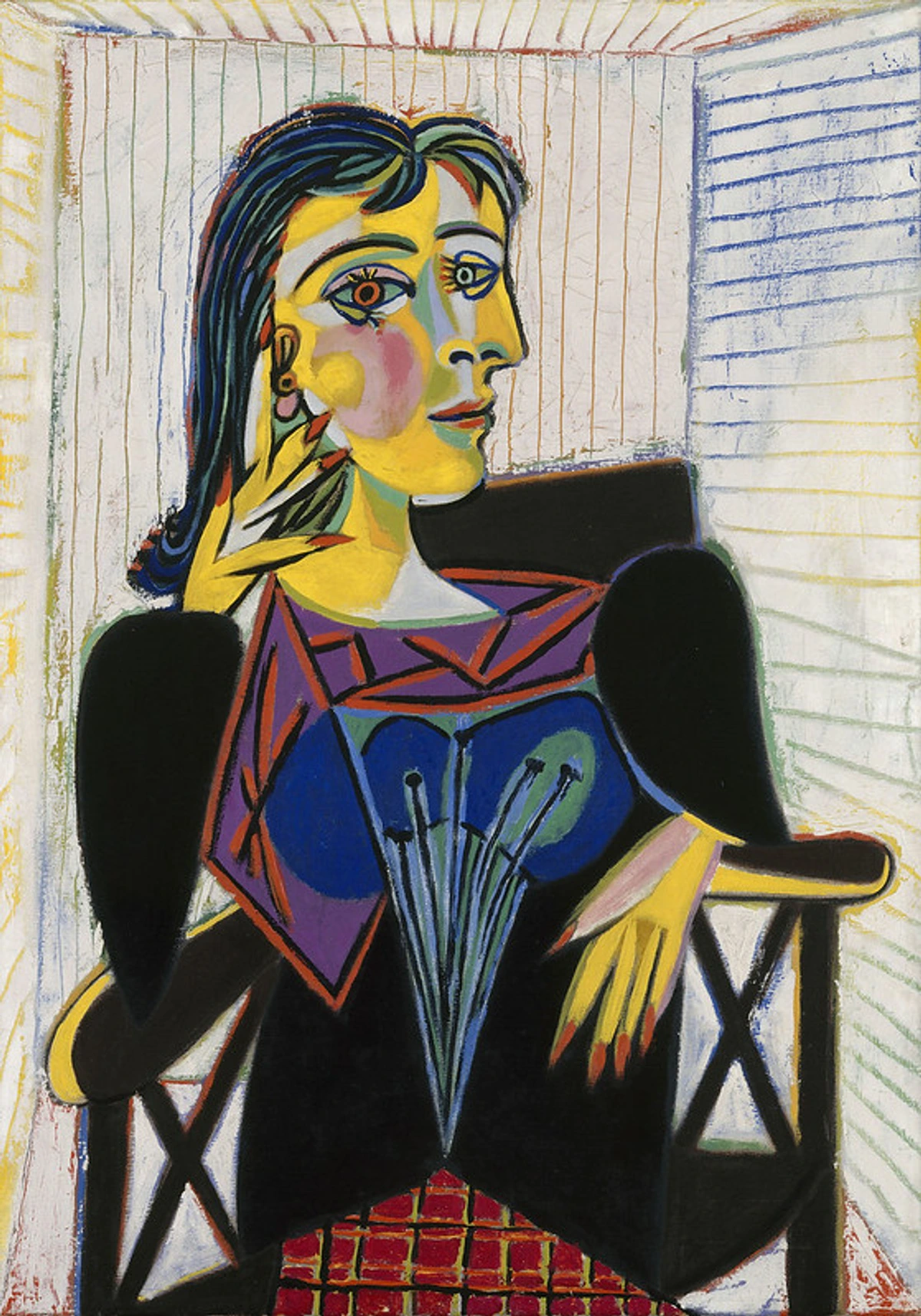
Early Life and Career
Born Henriette Theodora Markovitch in Paris in 1907, Dora Maar grew up in a creative environment. Her father was an architect, and her mother was a musician. This artistic upbringing undoubtedly influenced her future career.
Maar's early years were marked by a deep curiosity and a passion for the arts. Her exposure to the vibrant cultural scene of Paris in the 1920s and 1930s played a significant role in shaping her artistic vision.
Maar studied at the École de Photographie de la Ville de Paris and later at the Union Centrale des Arts Décoratifs. She began her career as a commercial photographer, but her true passion lay in artistic photography. Her work often explored themes of surrealism, and she became associated with the Surrealist movement in the 1930s.
Her transition from commercial to artistic photography was a turning point in her career. It allowed her to experiment with new techniques and themes, ultimately leading to her recognition as a visionary artist.
Influences and Inspirations
Maar's early exposure to the vibrant cultural scene of Paris in the 1920s and 1930s played a significant role in shaping her artistic vision. She was influenced by the works of artists like Man Ray and André Breton, who were pivotal figures in the surrealist movement. Her photography often reflected the surrealist fascination with the subconscious and the irrational.
Her interactions with these artists not only influenced her work but also helped her develop a unique artistic voice that would define her contributions to the Surrealist movement.
Key Mentors and Collaborators
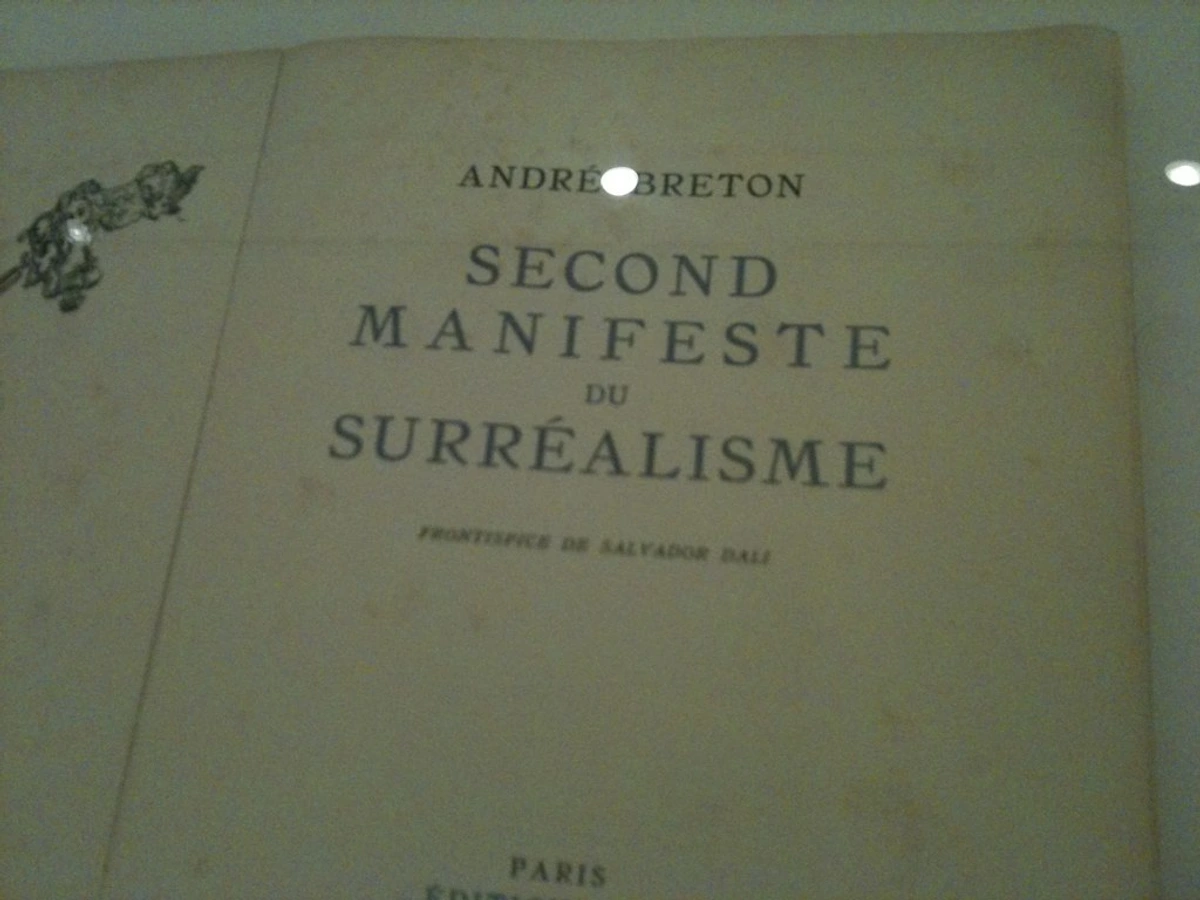
In addition to Man Ray and André Breton, Maar was also influenced by other prominent figures in the Surrealist movement, such as Max Ernst and Salvador Dalí. These collaborations helped her refine her artistic voice and contributed to her unique approach to photography and painting.
Her work with these artists was not just about learning techniques but also about exploring new ideas and pushing the boundaries of traditional art forms.
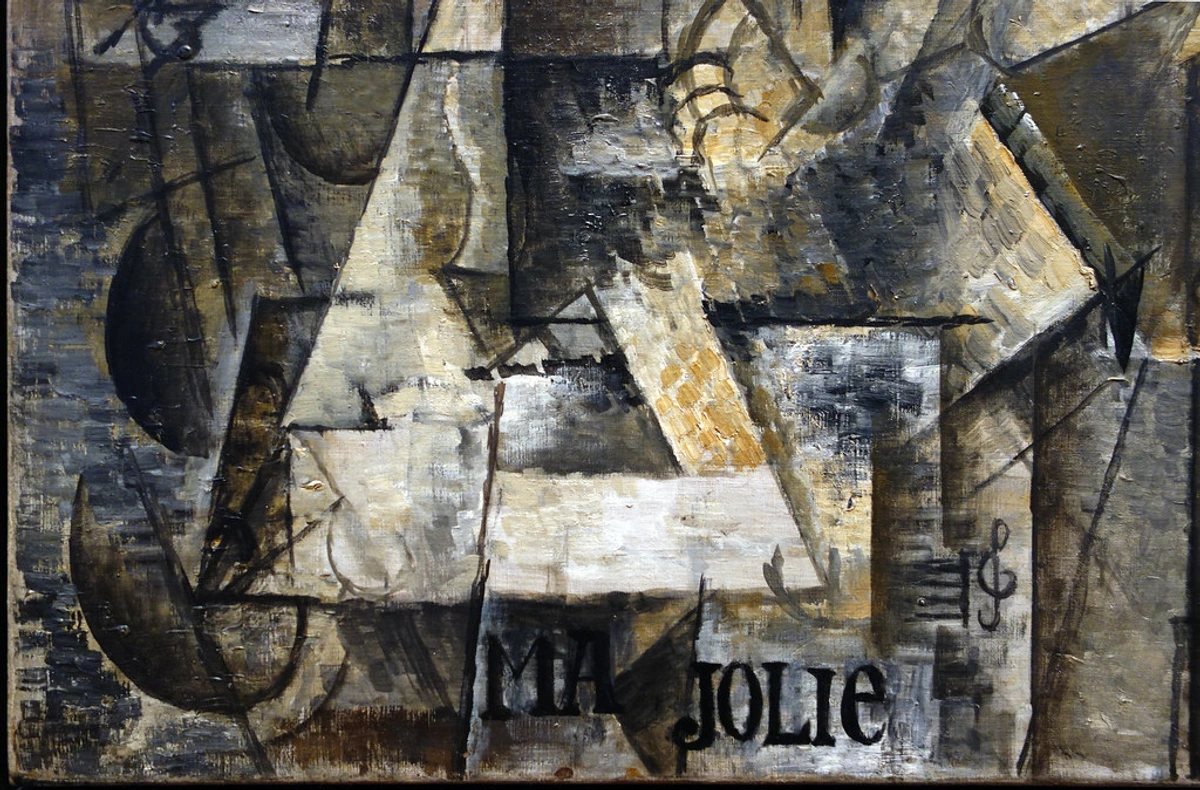
Early Works
Some of Maar's early works include experimental photographs that played with light, shadow, and perspective. These works laid the foundation for her later, more complex compositions. Her ability to capture the essence of her subjects and her innovative use of techniques like photomontage set her apart from her contemporaries.
Her early experiments with photomontage were particularly groundbreaking. They allowed her to create images that challenged the viewer's perception of reality, a theme that would become central to her work.
Notable Early Photographs
One of Maar's most notable early works is her series of street photographs, which captured the essence of Parisian life in the 1930s. These images are characterized by their raw emotion and innovative use of composition. Another significant work from this period is her photomontage series, which explored themes of identity and perception.
Her street photography, in particular, offers a glimpse into the everyday life of Paris during this period. It reflects her ability to find beauty and meaning in the mundane, a skill that would define her artistic career.
Her early years were marked by a relentless pursuit of artistic expression. Maar's exposure to the vibrant cultural scene of Paris in the 1920s and 1930s shaped her unique perspective, which would later define her contributions to the surrealist movement.
Dora Maar and Picasso
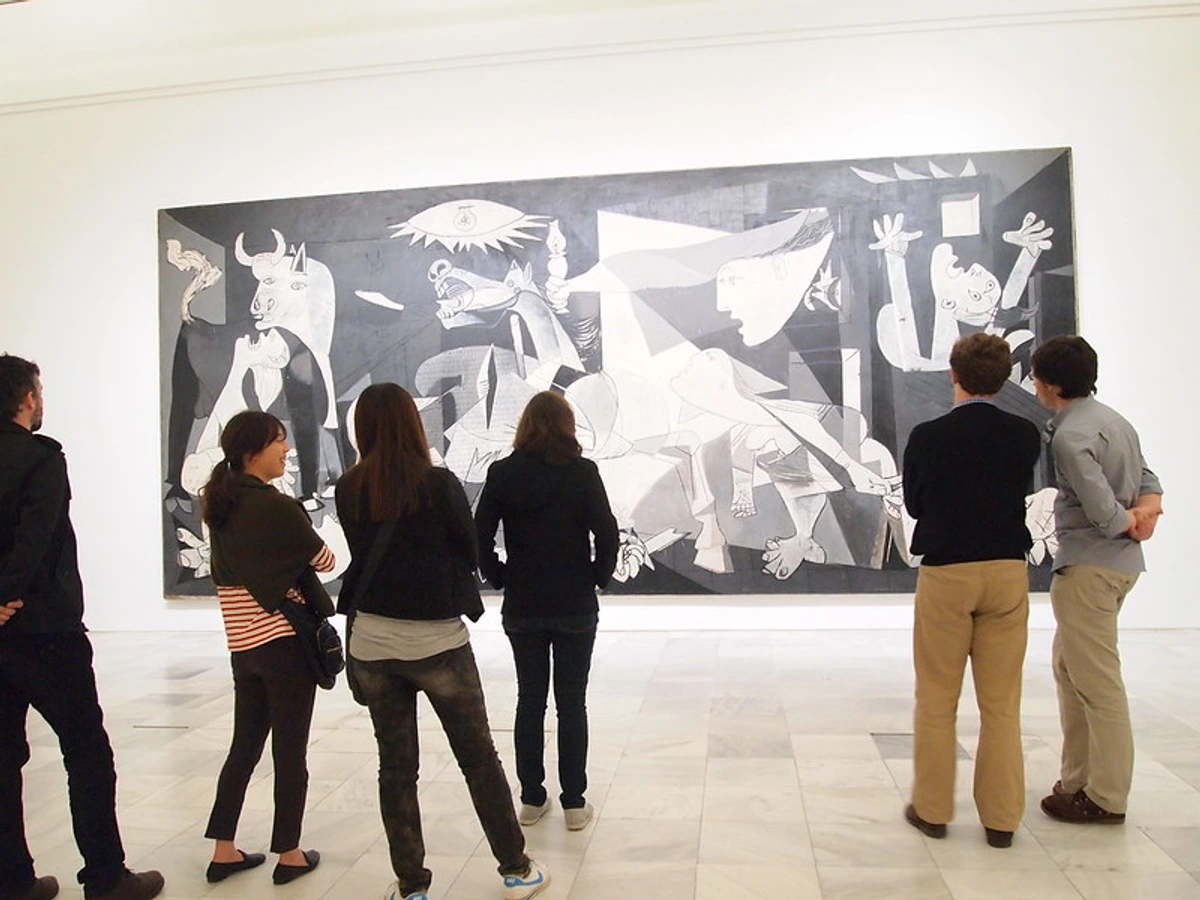
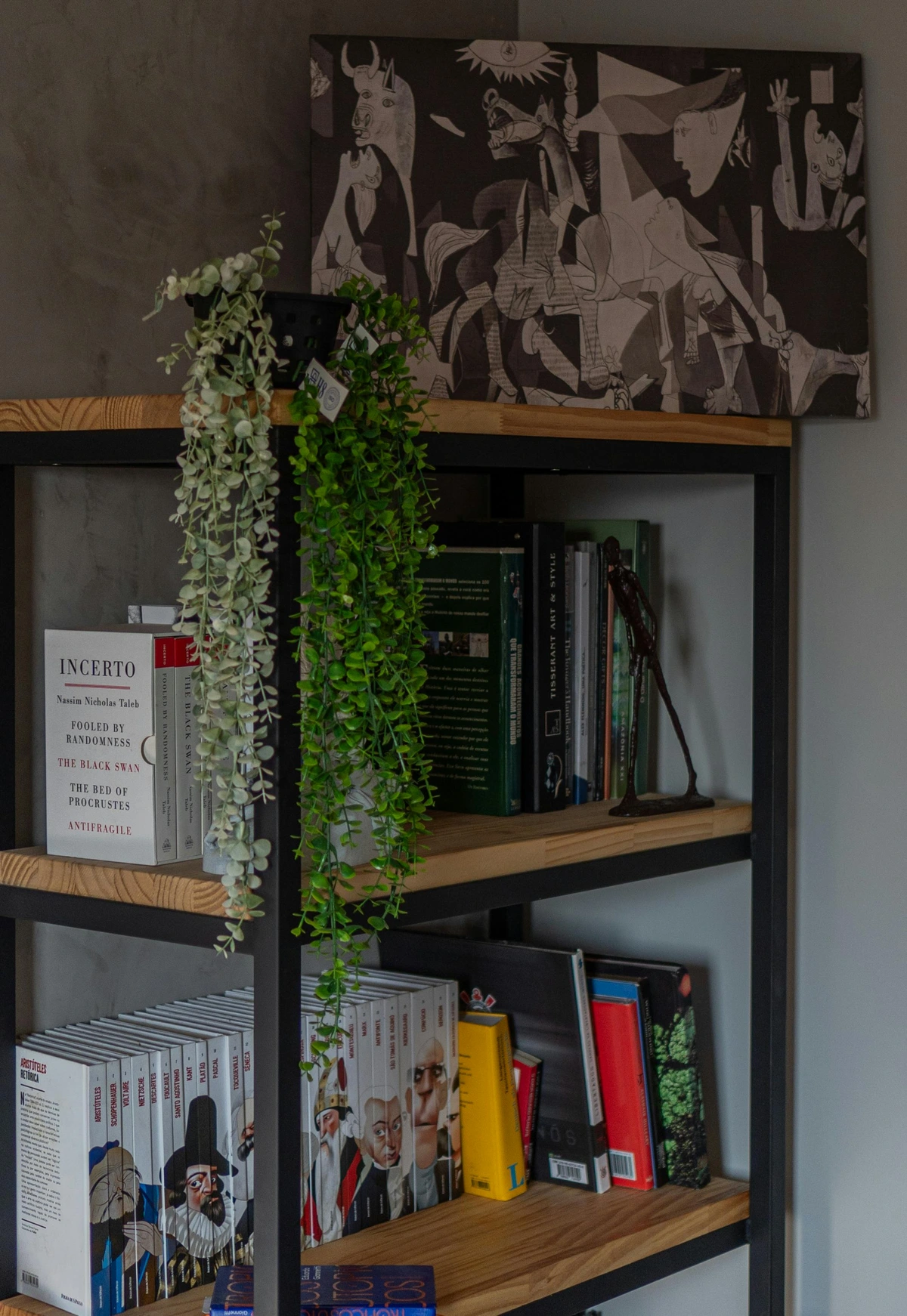
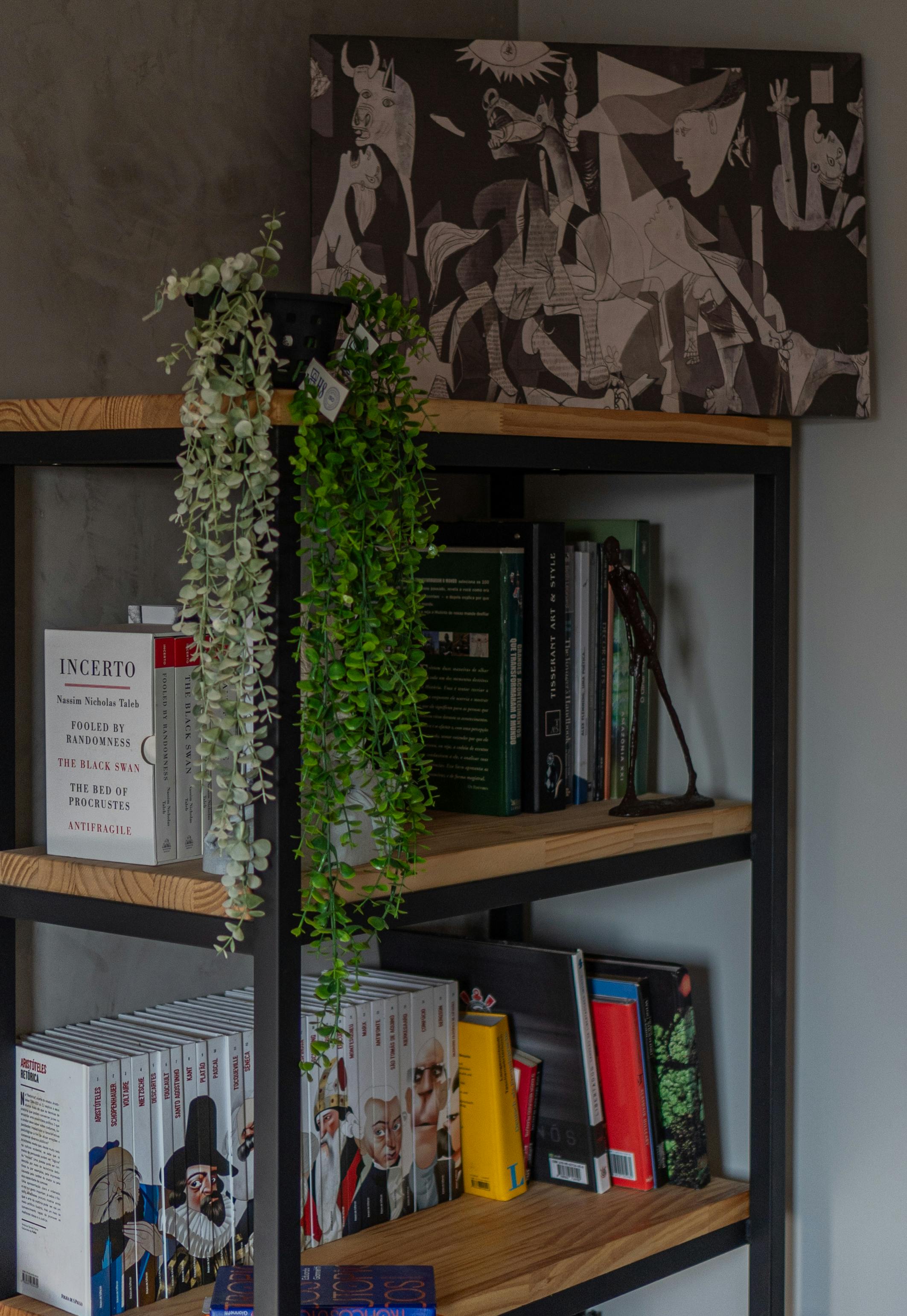
Dora Maar met Picasso in 1936, and their relationship lasted nearly a decade. She was not only his muse but also his intellectual equal. Maar documented the creation of Picasso's famous painting "Guernica," capturing the process through a series of photographs. This collaboration is a testament to her significance in Picasso's life and work.
Their relationship was a complex interplay of personal and professional dynamics. It was marked by mutual inspiration and creative exchange, which ultimately shaped both of their careers.
However, their relationship was complex and often tumultuous. Picasso's infidelities and the emotional toll of their relationship deeply affected Maar. Despite this, her influence on Picasso's work during this period is undeniable.
The Impact on Picasso's Art
Maar's influence on Picasso extended beyond her role as a muse. Her artistic sensibilities and intellectual contributions played a significant role in shaping some of Picasso's most iconic works. Their collaboration during the creation of "Guernica" is a prime example of how their relationship transcended personal dynamics and contributed to the evolution of modern art.

Her influence can be seen in the emotional depth and complexity of Picasso's work during this period. It reflects the creative synergy that existed between them, a dynamic that was both personal and professional.
The Dynamic Between Maar and Picasso
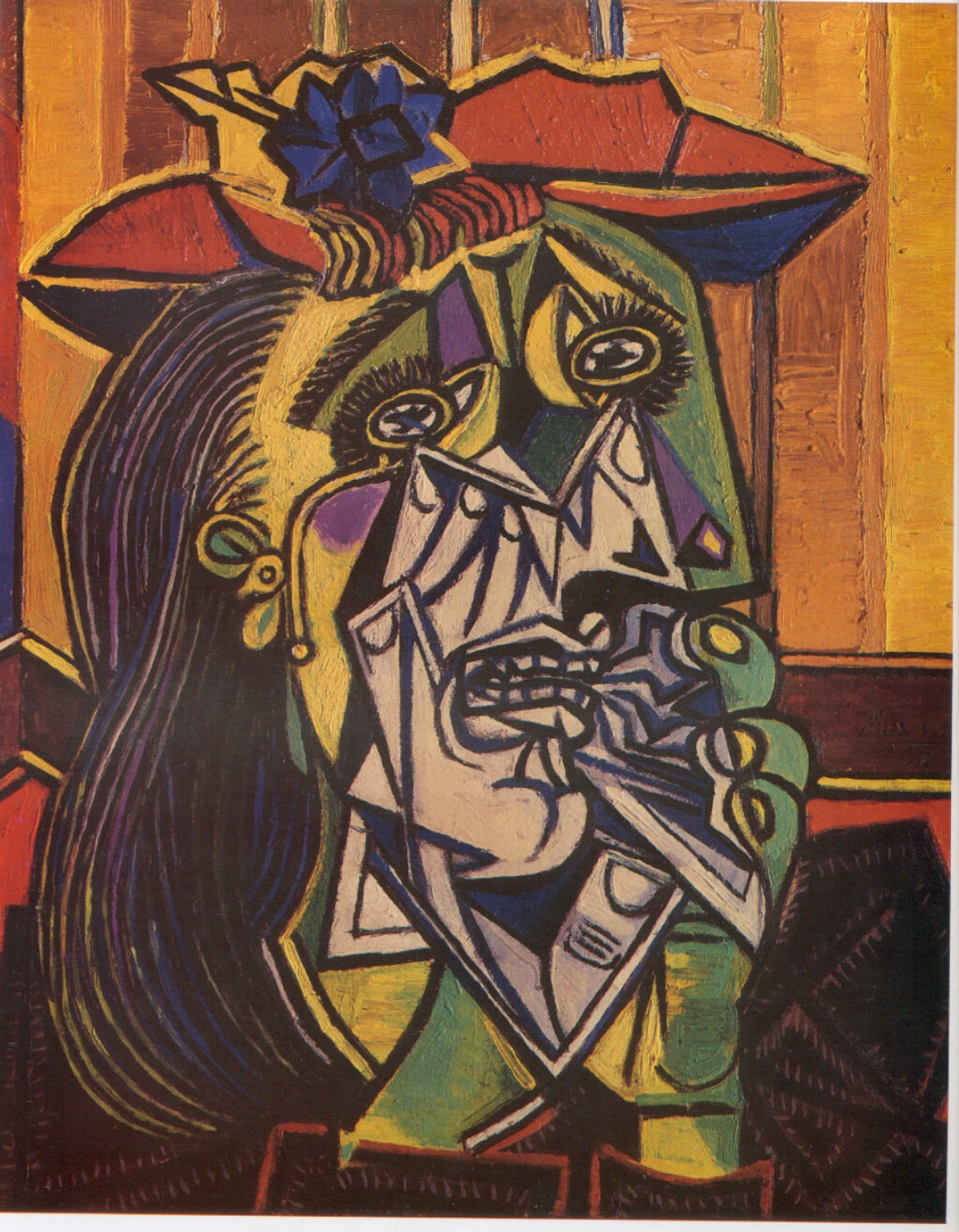
The relationship between Maar and Picasso was one of mutual inspiration and creative exchange. While Picasso often depicted Maar in his paintings, she, in turn, captured his creative process through her photography. Their dynamic was a blend of artistic collaboration and personal turmoil, which ultimately shaped both of their careers.
Their collaboration was not just about creating art but also about exploring new ideas and pushing the boundaries of traditional art forms. It was a relationship that was as complex as it was creative.
Personal and Professional Challenges
The complexities of their relationship were not limited to their personal lives. Professionally, Maar faced challenges in establishing her own identity as an artist, separate from Picasso's shadow. Despite these challenges, she continued to produce groundbreaking work that reflected her unique perspective and artistic vision.
Her ability to maintain her artistic integrity in the face of these challenges is a testament to her resilience and determination. It reflects her commitment to her craft and her desire to be recognized as an artist in her own right.
Maar's Role in the Creation of "Guernica"
Maar's documentation of the creation of "Guernica" provides invaluable insight into Picasso's artistic process. Her photographs reveal the evolution of the painting, from its initial sketches to its final form. This series of images is not only a historical record but also a testament to Maar's own artistic vision and her ability to capture the essence of creativity in action.
Her photographs of the creation of "Guernica" are a unique blend of art and documentation. They offer a behind-the-scenes look at one of the most iconic works of the 20th century, highlighting the collaborative nature of artistic creation.
The Legacy of "Guernica"
The documentation of "Guernica" by Maar has become an essential part of the painting's legacy. It offers a behind-the-scenes look at one of the most iconic works of the 20th century and highlights the collaborative nature of artistic creation. Maar's photographs have been exhibited worldwide, further cementing her role in the history of modern art.
Her photographs have not only preserved the history of "Guernica" but have also inspired countless artists and art lovers. They serve as a reminder of the power of art to convey emotion and challenge perception.
Artistic Contributions
Photography
Maar's photographic work is characterized by its surrealist elements and experimental techniques. She often used photomontage, combining different images to create a new, often dreamlike, composition. Her photographs are known for their emotional depth and innovative approach.
Her use of photomontage was particularly innovative. It allowed her to create images that challenged the viewer's perception of reality, a theme that would become central to her work.
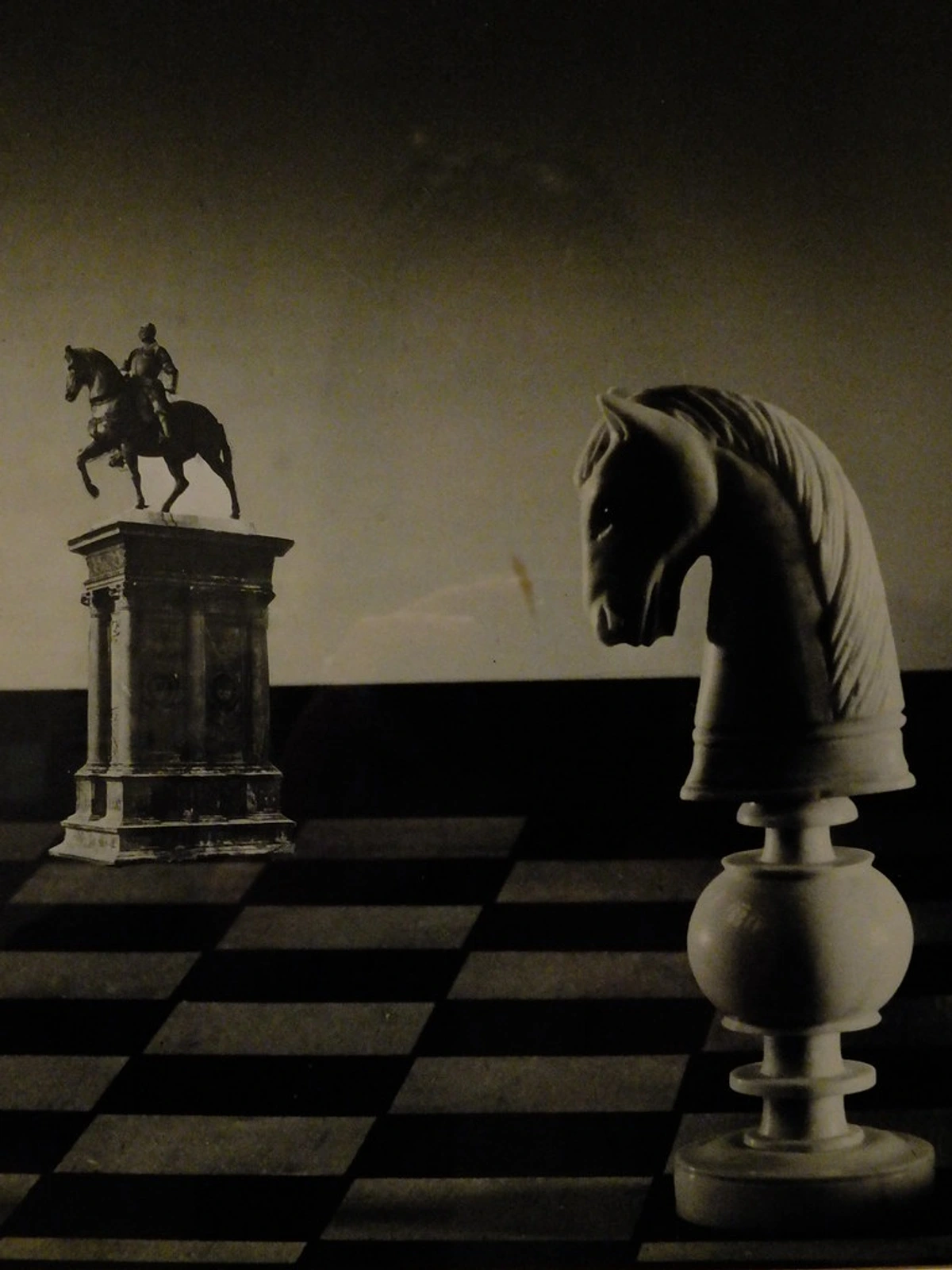
One of her most famous works is "The Simulator," a photomontage that challenges the viewer's perception of reality. This piece exemplifies her ability to blend different elements into a cohesive and thought-provoking image.
"The Simulator" is a testament to Maar's ability to push the boundaries of traditional photography. It reflects her desire to explore new ideas and challenge the viewer's perception of reality.

Evolution of Photographic Style
Maar's photographic style evolved significantly over the years. Her early works were marked by their experimental nature, while her later photographs reflected a more refined and introspective approach. This evolution is evident in her series of portraits, which capture the essence of her subjects with remarkable depth and sensitivity.
Her later portraits, in particular, reflect a deeper understanding of her subjects. They offer a glimpse into their inner worlds, a skill that would define her artistic career.
Painting
In addition to her photography, Maar was also a talented painter. Her paintings often featured abstract and surrealist elements, reflecting her deep connection to the Surrealist movement. Her work in this medium is less known but equally compelling.
Her paintings are characterized by their bold use of color and abstract forms. These elements allowed her to explore complex themes and emotions in a visually striking manner.
Exploration of Abstract Forms
Maar's paintings are characterized by their bold use of color and abstract forms. These elements allowed her to explore complex themes and emotions in a visually striking manner. Her work in this medium is a testament to her versatility and her ability to transcend traditional artistic boundaries.
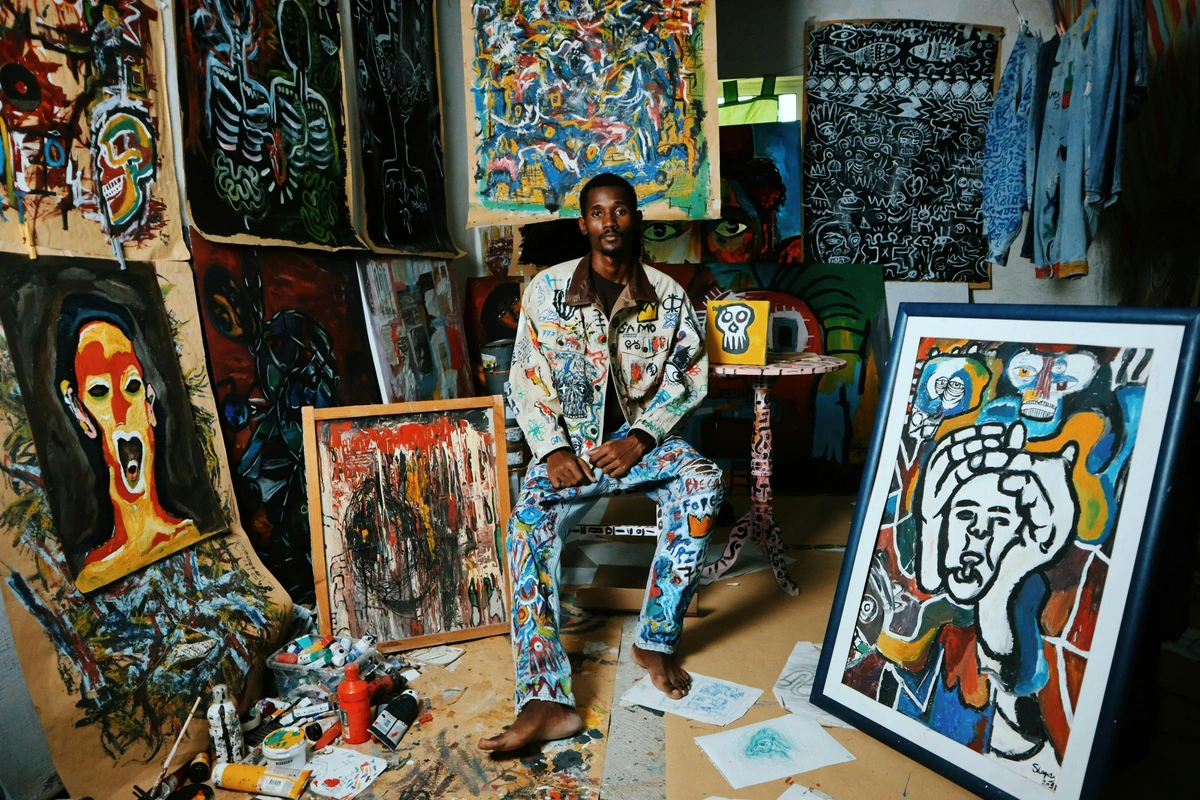
Her exploration of abstract forms was particularly groundbreaking. It allowed her to create images that challenged the viewer's perception of reality, a theme that would become central to her work.
Notable Paintings
Title  | Year | Description |
|---|---|---|
| The Conversation | 1937 | A surrealist painting that explores themes of communication and isolation. |
| The Cage | 1943 | A powerful image that reflects Maar's emotional state during her later years. |
| Abstract Compositions | 1940s | A series of abstract works that showcase Maar's innovative use of color and form. |
| The Dream | 1945 | A surrealist piece that delves into the subconscious mind and its manifestations. |
| The Mirror | 1946 | A reflective work that explores themes of self-perception and identity. |
These paintings reflect Maar's ability to explore complex themes and emotions in a visually striking manner. They are a testament to her versatility and her ability to transcend traditional artistic boundaries.
Painting Style and Themes
Maar's paintings often reflected her emotional state and her experiences with Picasso. Her use of bold colors and abstract forms allowed her to express complex emotions and ideas in a visually compelling way. Her work in this medium is a testament to her versatility and her ability to transcend traditional artistic boundaries.
Her paintings are a reflection of her inner world. They offer a glimpse into her emotions and experiences, a skill that would define her artistic career.
Influence of Surrealism
Maar's connection to the Surrealist movement is evident in her paintings, which often feature dreamlike imagery and abstract forms. These elements reflect her deep engagement with the themes of the subconscious and the irrational, which were central to the Surrealist movement.
Her engagement with Surrealism was not just about exploring new ideas but also about pushing the boundaries of traditional art forms. It was a movement that allowed her to express her unique perspective and artistic vision.
Poetry
Maar's poetic works are lesser-known but equally significant. Her poetry often explored themes of love, loss, and the complexities of human emotion. Her words, much like her photographs, have a raw and emotional quality that resonates with readers.
Her poetry is characterized by its introspective and emotional depth. It reflects her personal experiences and the challenges she faced in her life.
Themes in Poetry
Maar's poetry is characterized by its introspective and emotional depth. Her works often reflect her personal experiences and the challenges she faced in her life. The themes of memory, identity, and the passage of time are recurring motifs in her poetic works.
Her poetry offers a deeply personal insight into her life. It reflects her ability to blend personal experiences with universal themes, a skill that would define her artistic career.
Notable Poems
Title | Year | Description |
|---|---|---|
| The Shadow | 1945 | A poem that explores themes of memory and the passage of time. |
| The Mirror | 1946 | A reflective piece that delves into the complexities of self-perception. |
| The Dream | 1947 | A surrealist poem that captures the essence of the subconscious mind. |
| The Echo | 1948 | A poem that reflects on the nature of sound and its impact on human perception. |
| The Journey | 1949 | A narrative poem that explores the themes of travel and self-discovery. |
These poems reflect Maar's ability to explore complex themes and emotions in a deeply personal and introspective manner. They are a testament to her versatility and her ability to transcend traditional artistic boundaries.
Themes and Style
Maar's poetry often reflected her experiences and emotions, offering a deeply personal insight into her life. Her use of vivid imagery and metaphor allowed her to convey complex emotions in a way that was both accessible and profound. Her poetic works are a testament to her ability to transcend artistic boundaries and explore the depths of human experience.
Her poetry is a reflection of her inner world. It offers a glimpse into her emotions and experiences, a skill that would define her artistic career.
Legacy of Maar's Poetry
Maar's poetic works have had a lasting impact on the literary world. Her ability to blend personal experiences with universal themes has resonated with readers and critics alike. Her poetry continues to be studied and celebrated for its emotional depth and innovative use of language.
Her poetry has not only preserved her personal experiences but has also inspired countless readers and writers. It serves as a reminder of the power of words to convey emotion and challenge perception.
Later Life and Legacy
After her relationship with Picasso ended, Maar retreated from the public eye. She continued to create art but lived a more secluded life. Despite this, her influence on the art world remained significant.
Her later years were marked by a deep introspection and a continued commitment to her craft. She may have retreated from the public eye, but her influence on the art world remained as strong as ever.
Dora Maar passed away in 1997, but her legacy lives on. Her contributions to photography and art continue to inspire and captivate audiences worldwide. She is remembered not only as Picasso's muse but as a visionary artist in her own right.
Her legacy is a testament to the power of art to transcend boundaries and challenge perceptions. It serves as a reminder of the enduring impact of creativity and innovation.
Exhibitions and Retrospectives
Maar's work has been featured in numerous exhibitions and retrospectives, showcasing her contributions to photography, painting, and poetry. These exhibitions have helped to solidify her place in the history of modern art and have introduced her work to new generations of art lovers.
Her exhibitions have not only preserved her artistic legacy but have also inspired countless artists and art lovers. They serve as a reminder of the power of art to convey emotion and challenge perception.
Influence on Contemporary Artists
Maar's innovative techniques and her exploration of surrealist themes have had a lasting impact on contemporary artists. Her work continues to inspire artists to push the boundaries of traditional artistic forms and to explore the depths of human emotion and experience.
Her influence can be seen in the work of countless contemporary artists. It reflects her ability to inspire and challenge, a skill that would define her artistic career.
Preservation of Her Work
Efforts to preserve and promote Maar's work have been ongoing, with museums and galleries around the world acquiring her pieces for their collections. These efforts ensure that her legacy will continue to inspire and captivate audiences for years to come.
Her work is a testament to the power of art to transcend boundaries and challenge perceptions. It serves as a reminder of the enduring impact of creativity and innovation.
FAQ
Who was Dora Maar?
Dora Maar was a French photographer, painter, and poet known for her contributions to the Surrealist movement and her relationship with Pablo Picasso.
She was a multifaceted artist whose work transcended traditional artistic boundaries. Her contributions to photography, painting, and poetry continue to inspire and captivate audiences worldwide.
What is Dora Maar famous for?
Maar is famous for her surrealist photography, her documentation of Picasso's "Guernica," and her influential role in the Surrealist movement.
Her work is characterized by its emotional depth and innovative approach. It reflects her ability to challenge the viewer's perception of reality, a theme that would become central to her artistic career.
How did Dora Maar influence Picasso?
Maar influenced Picasso both personally and artistically. She documented the creation of "Guernica" and was a significant figure in his life during their nearly decade-long relationship.
What are some of Dora Maar's notable works?
Some of Maar's notable works include "The Simulator," her photomontages, and her documentation of Picasso's "Guernica."
These works reflect her ability to explore complex themes and emotions in a visually striking manner. They are a testament to her versatility and her ability to transcend traditional artistic boundaries.
What happened to Dora Maar after her relationship with Picasso?
After her relationship with Picasso ended, Maar retreated from the public eye but continued to create art. She lived a more secluded life until her death in 1997.
How did Dora Maar's work influence modern art?
Maar's innovative techniques and her exploration of surrealist themes have had a lasting impact on modern art. Her work continues to inspire artists to push the boundaries of traditional artistic forms and to explore the depths of human emotion and experience.
Where can I see Dora Maar's work today?
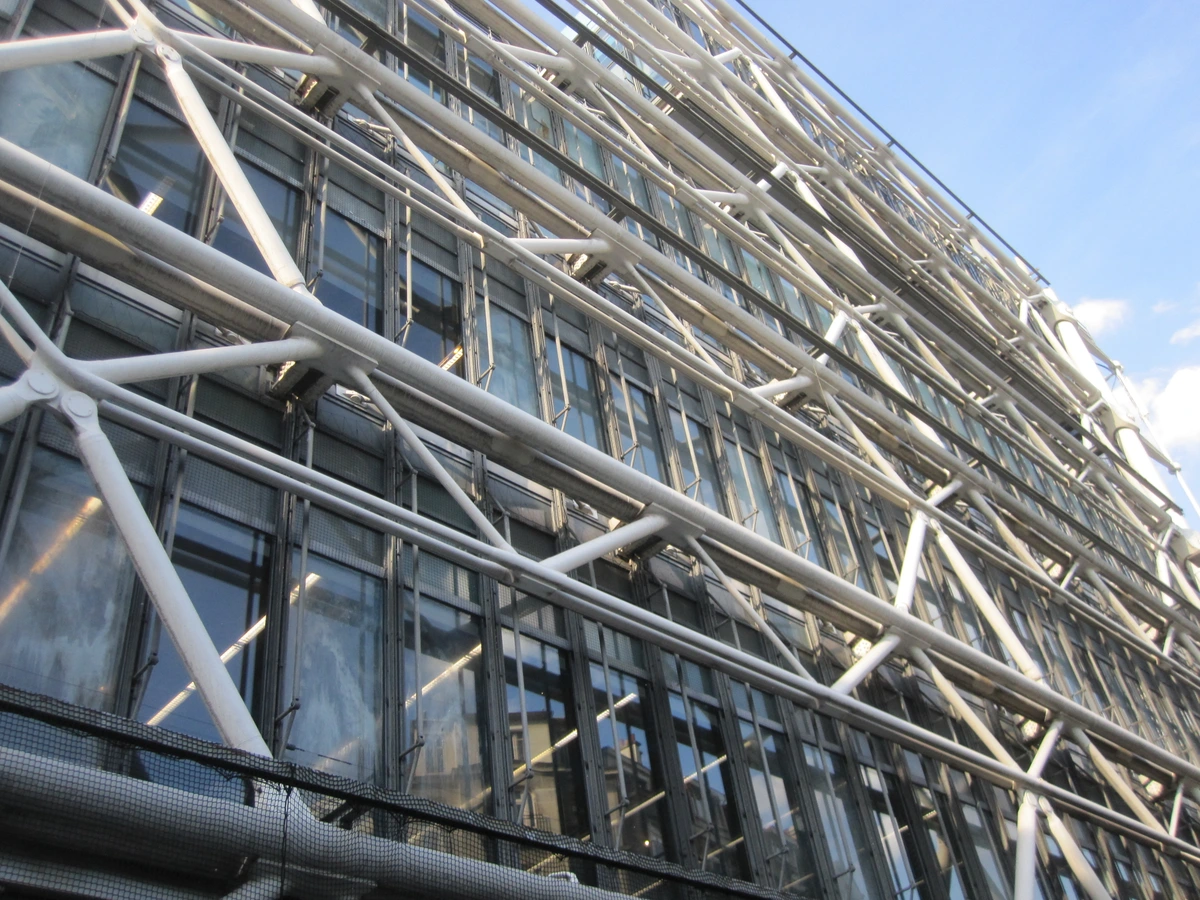
Maar's work is featured in numerous museums and galleries around the world. Some of the most notable collections can be found in institutions like the Museum of Modern Art in New York, the Centre Pompidou in Paris, and the Tate Modern in London.

What themes did Dora Maar explore in her work?
Maar's work often explored themes of identity, perception, and the subconscious. Her photography and paintings reflected her deep engagement with surrealist themes, while her poetry delved into the complexities of human emotion and experience.
Her exploration of these themes was not just about creating art but also about pushing the boundaries of traditional art forms. It was a reflection of her unique perspective and artistic vision.
How did Dora Maar's upbringing influence her artistic career?
Maar's upbringing in a creative environment, with a father who was an architect and a mother who was a musician, played a significant role in shaping her artistic vision. This early exposure to the arts influenced her future career and contributed to her unique approach to photography and painting.
Her artistic upbringing allowed her to develop a unique perspective and artistic vision. It was a foundation that would define her contributions to the Surrealist movement.
What was Dora Maar's role in the Surrealist movement?
Maar was a key figure in the Surrealist movement, known for her innovative techniques and her exploration of surrealist themes. Her work reflected the movement's fascination with the subconscious and the irrational, and she collaborated with prominent figures such as Man Ray, André Breton, and Salvador Dalí.
Her role in the Surrealist movement was not just about creating art but also about exploring new ideas and pushing the boundaries of traditional art forms. It was a reflection of her unique perspective and artistic vision.
How did Dora Maar's relationship with Picasso impact her career?
Maar's relationship with Picasso was complex and often tumultuous, but it also played a significant role in shaping her artistic career. While she faced challenges in establishing her own identity as an artist, separate from Picasso's shadow, her influence on his work during this period is undeniable.
Conclusion
Dora Maar was a multifaceted artist whose contributions to photography and art are profound. While she is often remembered for her relationship with Picasso, her work stands on its own, showcasing her unique vision and talent. Her legacy continues to inspire and captivate, reminding us of the power of art to convey emotion and challenge perception.
Her life and work are a testament to the power of art to transcend boundaries and challenge perceptions. They serve as a reminder of the enduring impact of creativity and innovation.
If you're interested in exploring more about the intersection of art and emotion, you might enjoy visiting our timeline or checking out some contemporary works at our museum in Den Bosch.
Final Thoughts
Dora Maar's life and work serve as a testament to the power of art to transcend boundaries and challenge perceptions. Her contributions to photography, painting, and poetry continue to inspire artists and art lovers alike, reminding us of the enduring impact of creativity and innovation.
Her legacy is a reflection of her unique perspective and artistic vision. It serves as a reminder of the power of art to convey emotion and challenge perception.




















Further Exploration
For those interested in delving deeper into the world of art and emotion, consider exploring the works of other influential artists and movements. From the surrealist masterpieces of Salvador Dalí to the abstract expressions of Jackson Pollock, there is a wealth of inspiration to be found in the world of art.
Call to Action
We invite you to explore more about the intersection of art and emotion by visiting our timeline or checking out some contemporary works at our museum in Den Bosch. Whether you're an art enthusiast or a casual observer, there's always something new to discover in the world of art.