
Cultivating Wonder: A Practical Guide to Intellectual Curiosity for Artists
A personal exploration of intellectual curiosity in the artistic process. Discover how to ask better questions, embrace cross-pollination, and build a creative practice that thrives on wonder.

Installing a Curiosity Engine: How Artists Can Reclaim Their Sense of Wonder
You know that feeling, right? Standing in front of a blank canvas or a new project file, and your mind is suddenly, utterly blank. It's not a lack of skill or even a lack of ideas. It's a lack of that internal hum, that quiet hum of possibility, the engine that usually asks "what if?"—and it's sputtered and died, leaving you with a quiet, slightly terrifying silence. It feels like an engine that just won't turn over, no matter how many times you crank the ignition.
This has happened to me more times than I care to admit. We treat artistic inspiration as a bolt from the blue, some divine lightning strike. But I've come to believe that's a cop-out, a way to shirk responsibility for our own creative health. I'm coming to believe that inspiration is far more functional, more like a muscle than a muse. You don't wait for it; you build it. It's the direct product of a habit, a practice, a daily ritual called intellectual curiosity. It's the foundational skill that separates artists who burn out after a few projects from those who build a lifelong, generative practice. Yet, most of us never get a manual for how to build it. That changes today.
And this isn't just an abstract, feel-good idea. It’s rooted in the cold, hard science of neuroplasticity. Think of your brain not as a static hard drive, but as a living, dynamic city. The thoughts and actions you repeat are well-worn highways. Curiosity, however, is the act of blazing a new trail through an overgrown field. Every time you investigate something unfamiliar instead of sticking to your mental highway, you are physically forging a new neural pathway—wiring yourself to be more creatively resilient. You aren’t just thinking differently; you are, quite literally, altering the physical structure of your brain to make creativity a more accessible destination. Every time you decide to unravel a "boring thread" or conduct a "material alchemy" experiment, you're creating new neural pathways—and reinforcing a system in which your art becomes an instinctive and powerful response to the world rather than an anxious search for something "new." In effect, curiosity is the conscious act of rewiring yourself to be more creatively resilient.
Imagine it this way: Curiosity isn't the fleeting spark of inspiration; it's the steady, low-burning pilot light that keeps the creative furnace ready. It's what turns a blank canvas from an abyss of pressure into a playground of potential. It's the shift from asking "What will I create?" to asking "What will I discover?"
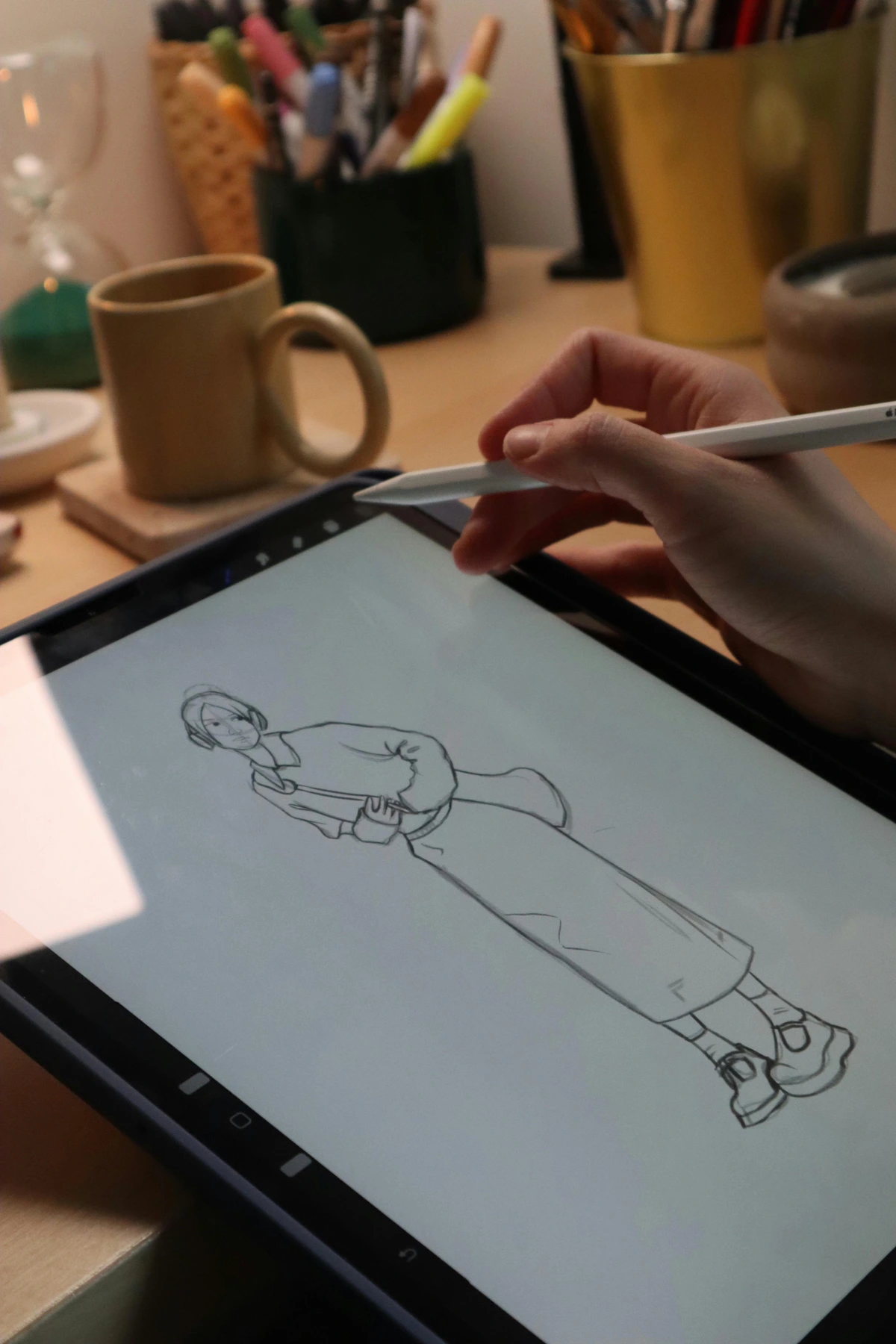
The goal isn't to have a flash of inspiration; it's to have a practice that makes inspiration irrelevant, because you're always moving, always investigating, always discovering. The engine isn't for the days you feel creative; it's for the days you don't. And those are the days that truly matter. It's the difference between being a weather-dependent tourist in your own creative life and becoming the architect of your own climate.
What Even Is "Intellectual Curiosity" for an Artist?
Let’s get one thing straight upfront: this isn’t about becoming a walking encyclopedia or a trivia champion. That’s knowledge for knowledge's sake—an accumulation of facts—and while it has its place, it's not the fuel for creation. Knowledge can be static. Curiosity, on the other hand, is dynamic. It's kinetic energy, not stored data. It's the difference between having a map of the world and having an insatiable urge to see what's beyond the edge of it. One is safe, the other is a compulsion for discovery, and it's the engine of every artist who has ever broken new ground. It's what transforms a painter from someone who depicts the world into someone who questions its very fabric, color by color, stroke by stroke. Knowledge is having the blueprints for the world's most sophisticated clock; curiosity is the actual, impatient ticking of wanting to take it apart just to see if you can put it back together again.
This distinction itself reminds me of a conversation I had with a neuroscientist years ago. He was talking about how the brain is a "prediction machine"—it's constantly trying to connect new information with what it already knows to conserve energy, running on autopilot to get you through the day without having to think too hard. Curiosity is the rebel act of slamming on the mental brakes. It forces the prediction machine off its well-worn tracks. It introduces a "what if?" that the brain can't immediately solve for, and in that moment of beautiful, constructive confusion—that friction—is precisely where discovery lives. It's where the brain's energy is fully engaged in the present, not just running a pre-recorded script.
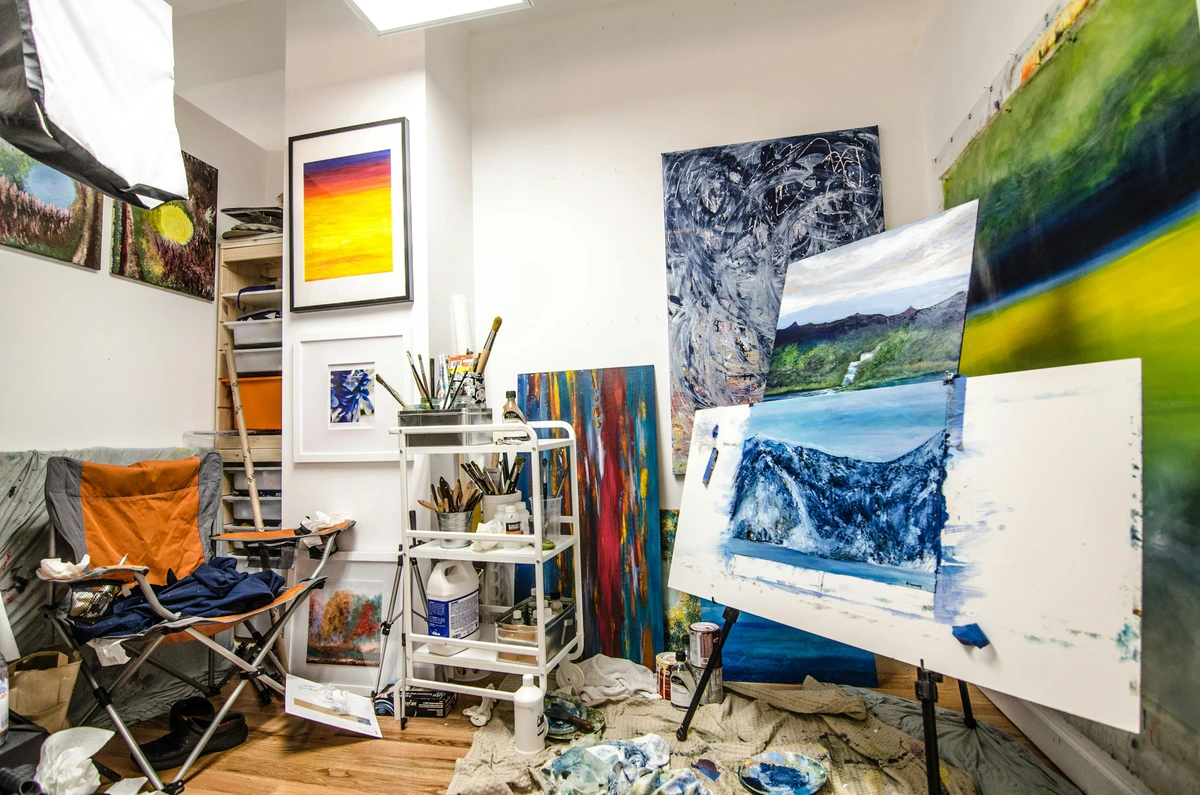
For an artist, intellectual curiosity is the restless, active, and sometimes obsessive process of seeking out questions, not just answers. It's developing a habit of looking at the world—a crumbling wall, a moment of human interaction, a scientific principle—and constantly asking, "Why is it like that?", "How does that work?", and, most importantly, "How could it be different?" It's the intrinsic drive to connect disparate concepts: the physics of light dancing on water and the emotional resonance of Prussian blue; the brutalist architecture of a city block and the structural composition of your next painting. It's your brain's innate desire to explore, even when your body is sitting perfectly still in the studio.
This process dismantles creative block by reframing it. You stop asking "what should I create?" and start wondering, "what would happen if...?" What happens if I layer translucent washes until the canvas feels like it's breathing? What happens if I restrict myself to black and white to express a vivid emotion usually associated with color? By turning the blank canvas into a laboratory for your specific questions, the pressure dissolves, and the process becomes a series of genuine discoveries.
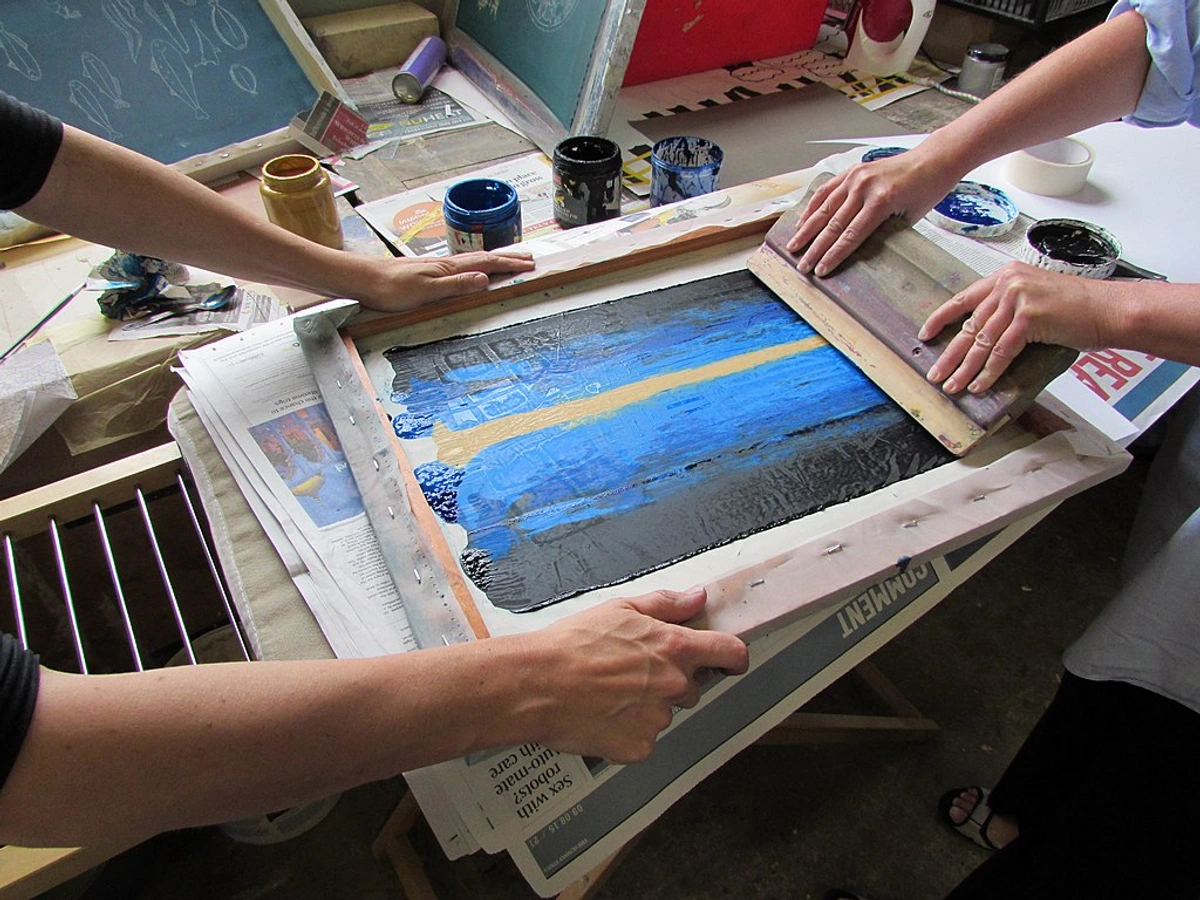
This shift has profound implications. When you operate from a place of curiosity, your primary focus is no longer on creating a beautiful object that matches some pre-existing standard. Instead, you're focused on unraveling a fascinating problem, a compelling question. The art you make becomes a byproduct—a physical record, a piece of evidence—left behind from that investigation. It's the residue of a conversation between you and the unknown. The pressure to be "original" dissolves. As long as your questions are authentic to you, the answers—your artwork—will be authentic too. You're no longer trying to pull something out of the void; you're documenting an honest search for understanding.
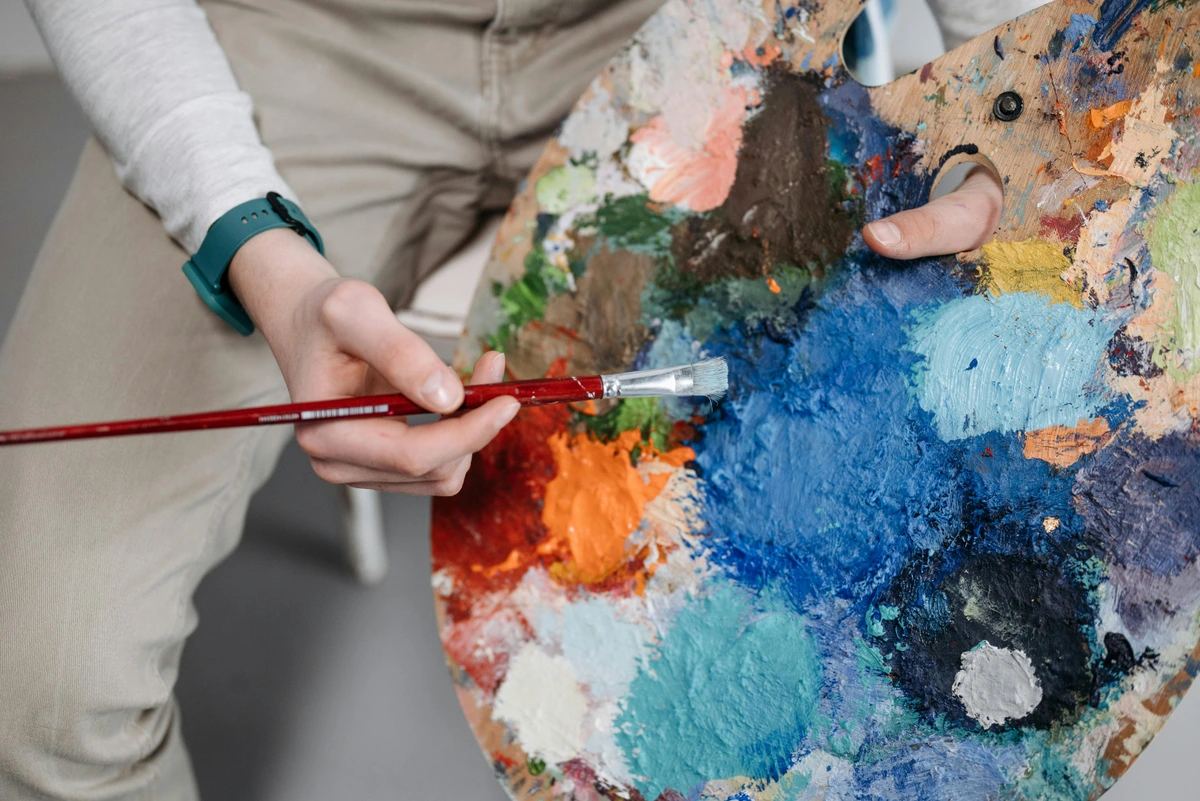
The Artist’s Curiosity Mindset: A Shift in Perspective
Cultivating this mindset requires a few simple but profound shifts in how you see your work and the world. Think of these not as rules, but as mental dials you can turn—a new set of lenses through which to view your entire creative life. It's about deliberately choosing a different operating system for your artistic brain.
Your Curiosity Mindset Toolkit
Mindset Shift  | Old Way of Thinking | New Curiosity-Driven Way | Why It Works |
|---|---|---|---|
| From Creator to Investigator | I must birth masterpieces from thin air. | My studio is a lab; my work is an experiment to solve a problem. | Removes the crushing pressure of genius and reframes "failure" as valuable data. |
| Embrace the "Dumb Question" | I can't ask that; I'll look foolish. | The most profound inquiries often sound embarrassingly simple. | Bypasses rational blocks and taps into a primal sense of wonder and play. |
| Follow the Boring Threads | My art must be about grandiose, important subjects. | Any mundane subject, observed closely, contains a universe of complexity. | Reveals the extraordinary hidden within the ordinary and trains deep observation. |
| Process over Product | The final painting is the only thing that matters. | The investigation itself is the reward; the art is just the residue. | Fosters intrinsic motivation and makes every moment of the practice meaningful. |
1. From Creator to Investigator
Stop trying to be a genius who births masterpieces from the ether. It's exhausting, and frankly, unsustainable. Instead, I want you to try on a different identity: become a detective, a researcher in the lab of your own experience.
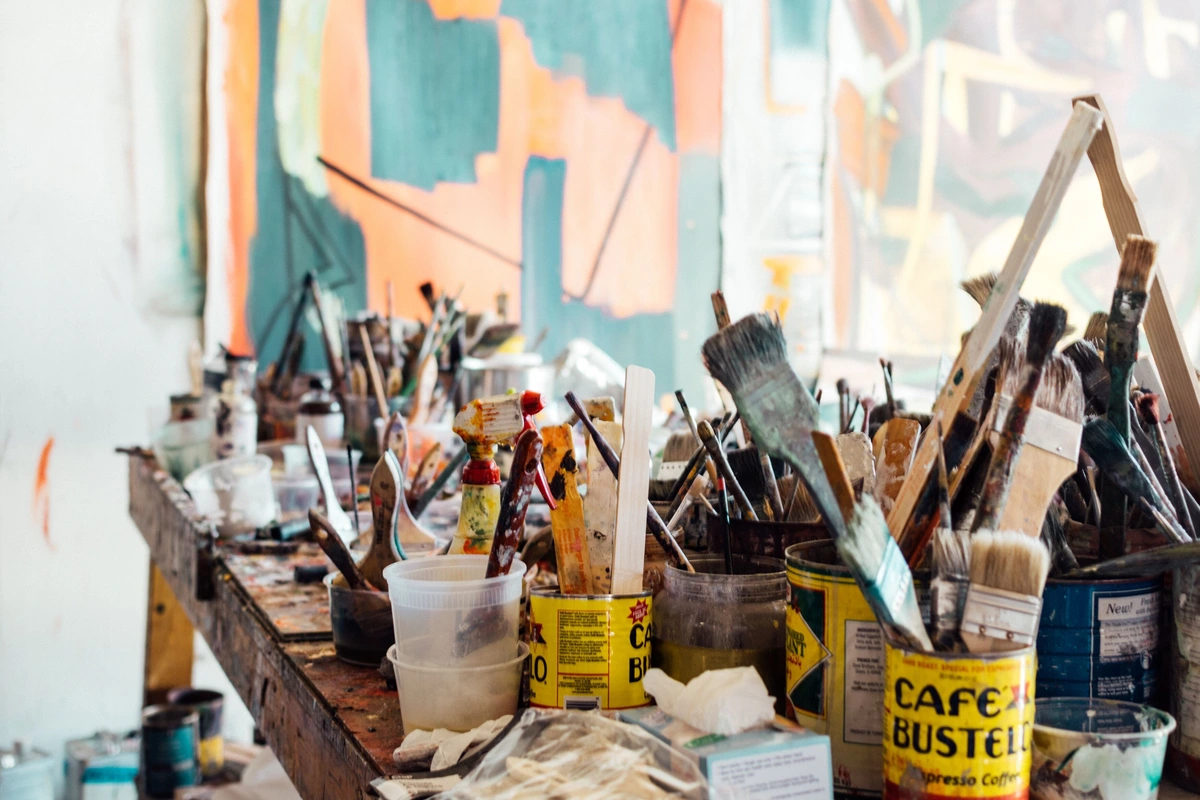
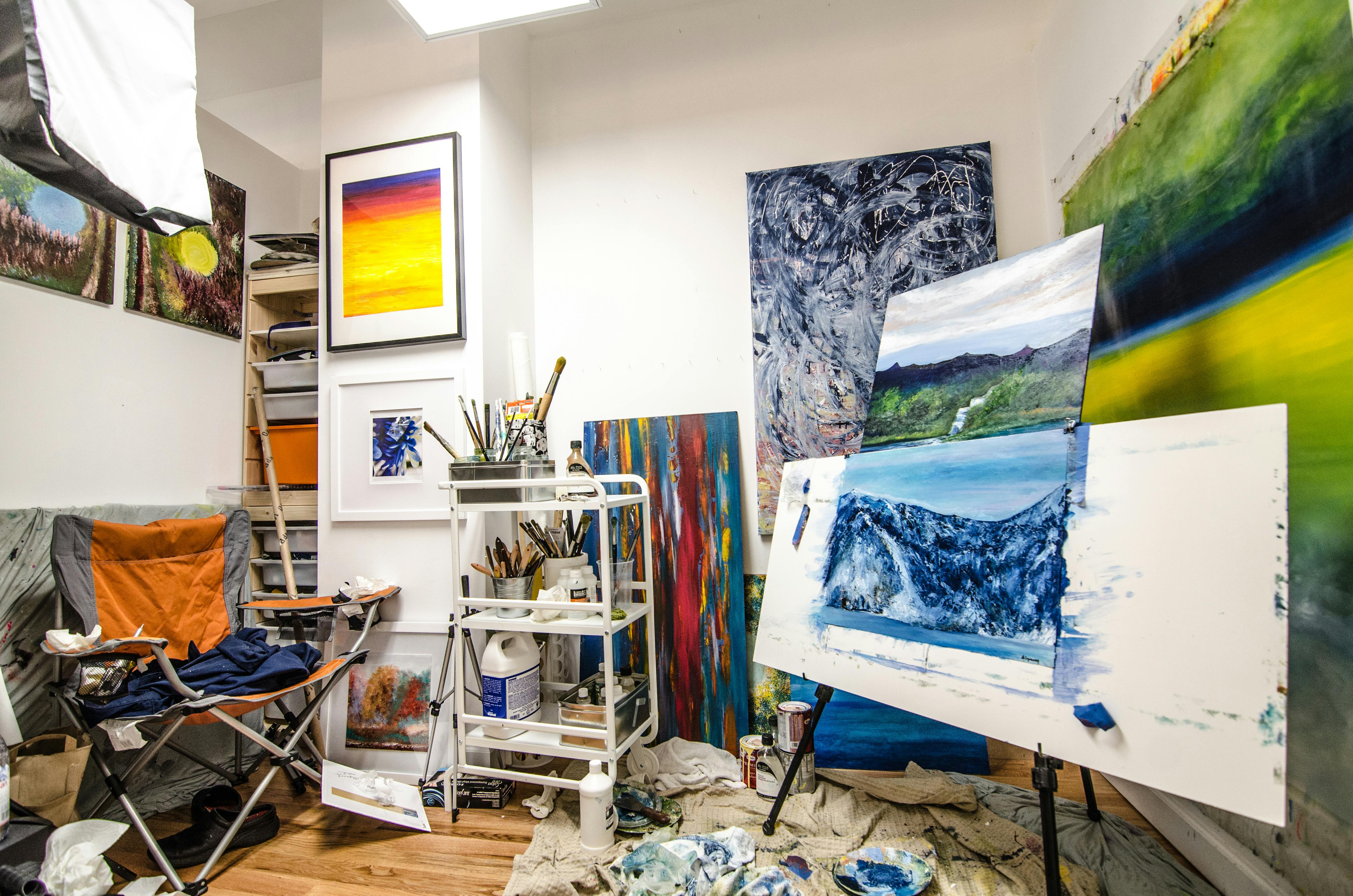
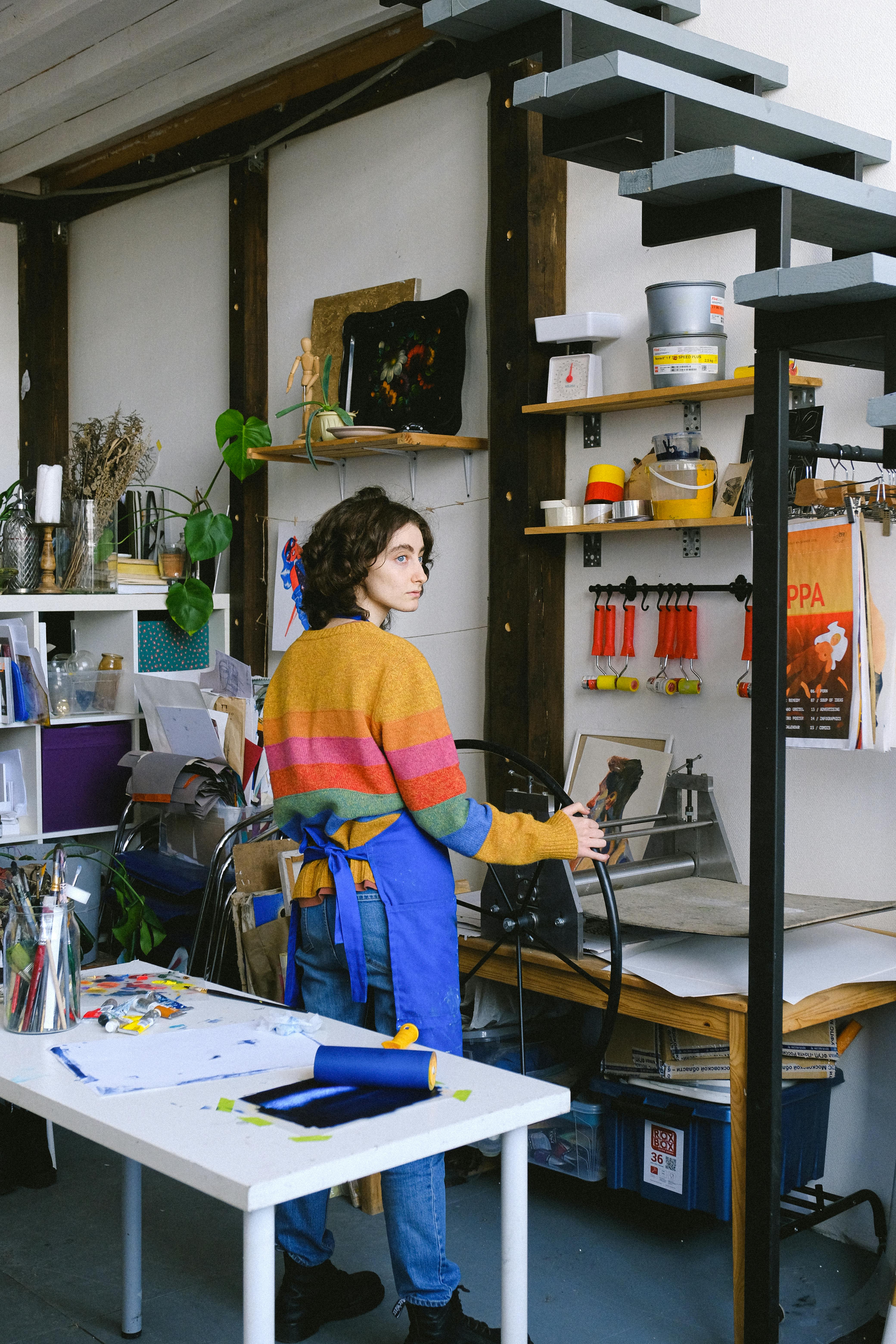
Your studio is your lab—but not a sterile one. It's a vibrant, sometimes chaotic ecosystem of half-finished thoughts and material experiments. Your sketchbook is your ongoing case file, a messy log of hypotheses and observations where ideas first take root. Every art supply—from a No. 2 pencil to a custom-mixed pigment—is a potential clue, a tool for interrogation. What are you investigating? It could be as simple as, "What happens if I mix this acrylic with that household cleaner?" or as complex as, "How can I visually represent the feeling of a forgotten memory?" The key is that you're no longer "making art" under the crushing pressure of creating a finished commodity; you're conducting an inquiry driven by genuine questions. This simple reframing can instantly dissolve the weight of expectation. This lab can be chaotic, by the way. There's a popular myth of the artist's pristine, minimal studio. For a curious artist, that's often a creative graveyard. A certain level of visual noise—pinned-up sketches, color tests on the wall, reference photos, found objects—is essential. It creates a rich environment for your peripheral vision to make unexpected connections.
Adopting this mindset fundamentally changes the stakes. You're not responsible for the 'outcome' of the investigation, only for showing up with integrity and paying attention. A painting that doesn't work isn't a 'failed masterpiece'; it's a closed loop, a 'negative result' that tells you where not to go next. That's not failure; it's genuinely valuable data. Thomas Edison reportedly said, 'I have not failed. I've just found 10,000 ways that won't work.' He wasn't just being a good sport; he was working with an investigator's mindset where every 'no' gets you closer to a 'yes' by sheer process of elimination. That's the kind of resilient practice curiosity builds. Think about it: knowing a path is a dead end is arguably more useful than a path that only might lead somewhere. It is a form of elimination that sharpens the next question you decide to ask. The great abstract painter Agnes Martin said her work was about "the painful and futile searching of the mind for a pleasant avenue of escape." I think she was talking about this exact lab mindset—the process of trying, failing, and refining the question itself is the art. The canvas is just the evidence left behind. I love the idea that the real masterpiece isn't the object on the wall, but the process inside the artist's mind and hands. It's a liberating thought: you can't fail at being an artist if your primary job is to be a good question-asker. The final canvas is just the record of that search. The first version of a piece is simply a working hypothesis. The second version incorporates the data from the first. By the fifth or sixth version, you're not just painting—you're engaged in a deep, deliberate process of refinement.
2. The "Dumb Question" is Your Best Friend
Society trains us to fear looking stupid. We learn to filter our thoughts, to edit our inquiries before they even leave our lips. But the most powerful and generative questions for an artist are often the ones that sound embarrassingly simple, the ones we're almost too self-conscious to ask out loud.
Questions like:
- "Why is the sky blue?" (Not just "light refraction," but what does that look like?)
- "What would the sound of rustling leaves look like if I had to paint it?"
- "If I could taste this feeling of melancholy, what would be its texture, its flavor profile?"
- "How does a shadow feel when it detaches from the object that creates it?"
I remember being in a museum and staring at a Mark Rothko painting, feeling my own sense of gravity change. The thought that popped into my head was, "What if he wasn't painting a feeling, but the pressure of a feeling?" That became my guiding dumb question for weeks.
These 'dumb questions' have a superpower: they act as a cognitive crowbar, prying open the rational, answer-focused part of your brain to tap into a more primal sense of wonder. They refuse to accept the world as a given. A child asks 'Why is the sky blue?' not to get a physics lecture about Rayleigh scattering, but because they are genuinely dazzled by the phenomenon. As artists, we need to reclaim that childlike 'why'—the one that isn't satisfied with the textbook answer, but keeps probing for a deeper, more mysterious truth that can only be explored through making. I keep a dedicated section in my notebook titled "Dumb Questions," and I make it a goal to fill it. These aren't just idle thoughts; they are the seeds of my best work, the entry point to projects I never would have conceived of otherwise. They are the very beginning of a creative act.
3. Follow the Boring Threads (Seriously)
It's easy to be curious about topics that are already deemed "profound" or "inspiring." But real, resilient, self-sustaining curiosity is not just about chasing the shiny, exciting subjects. It's also about learning to look at something incredibly mundane—a dust bunny under the sofa, the fractal pattern of cracks in an old sidewalk, the way your morning coffee spills and spreads across the counter—and making a conscious decision to dig deeper.
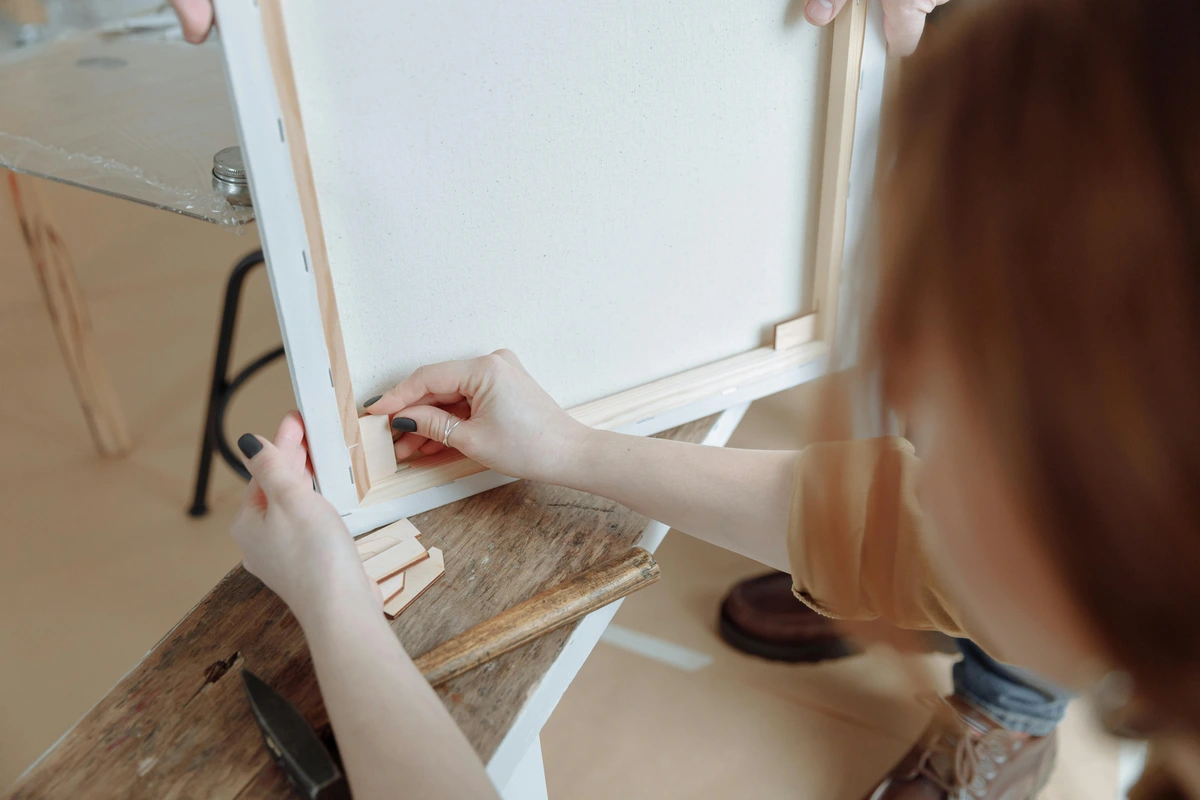
Any subject, no matter how boring or common it seems on the surface, contains a universe of complexity if you are willing to look closely enough, with sustained attention. This isn't just poetic sentiment; it's practically a law of physics. In chaos theory, complex, beautiful, self-organizing systems arise from simple, repeated rules. The swirl of cream in your coffee, the path of a leaf in a stream, the way cracks form in drying mud—these are mathematically deep systems playing out in real time, right under your nose. As an artist, you can attune yourself to this underlying complexity that most people filter out. This isn't just poetic sentiment; it's practically a law of physics. In chaos theory, complex, beautiful systems arise from simple, repeated rules. The swirl of cream in your coffee, the path of a leaf in a stream—these are mathematically complex systems playing out in real time. As an artist, you can attune yourself to this underlying complexity. This practice deprograms your brain from waiting for something 'interesting' to find you—a passive, consumer mindset. It trains you to generate interest, to find the sublime hidden within the subtle. It’s like turning yourself into a human Geiger counter for fascination. This ability to find the sublime in the subtle is a direct reflection of what art really is: not just making beautiful things, but readjusting what the rest of us perceive as beautiful and worthy of attention. It’s like turning yourself into a human Geiger counter for fascination. One of my most fruitful artistic ruts was staring at a crack in my studio ceiling for an hour. That led to a three-month exploration of fracture patterns in materials, from dried earth to shattered phone screens. The work wasn’t about the crack, but the crack was the mundane gateway that kicked the whole thing off. When you can find fascination in a dust bunny, you realize that inspiration isn't a scarce resource you have to go out and find—it's an ability you cultivate internally, and you can apply it anywhere, anytime. It's a superpower that makes a creative drought virtually impossible. Think of it as achieving creative self-sufficiency. It fundamentally changes your relationship with your art from one of dependency—waiting for the right mood, the perfect light, the big idea—to one of empowerment, where the potential for creation is constant and limitless. This act of deep looking has roots in historical art practice. Think of Giorgio Morandi’s intense focus on a few simple bottles; by restricting his visual world, he unlocked vast universes of form and light. Or take ancient Japanese aesthetics like wabi-sabi, where deep beauty is found in imperfection, impermanence, and the mundane—like the moss on a stone or the patina on an old bowl. You're simply practicing a modern, personal version of this ancient wisdom.
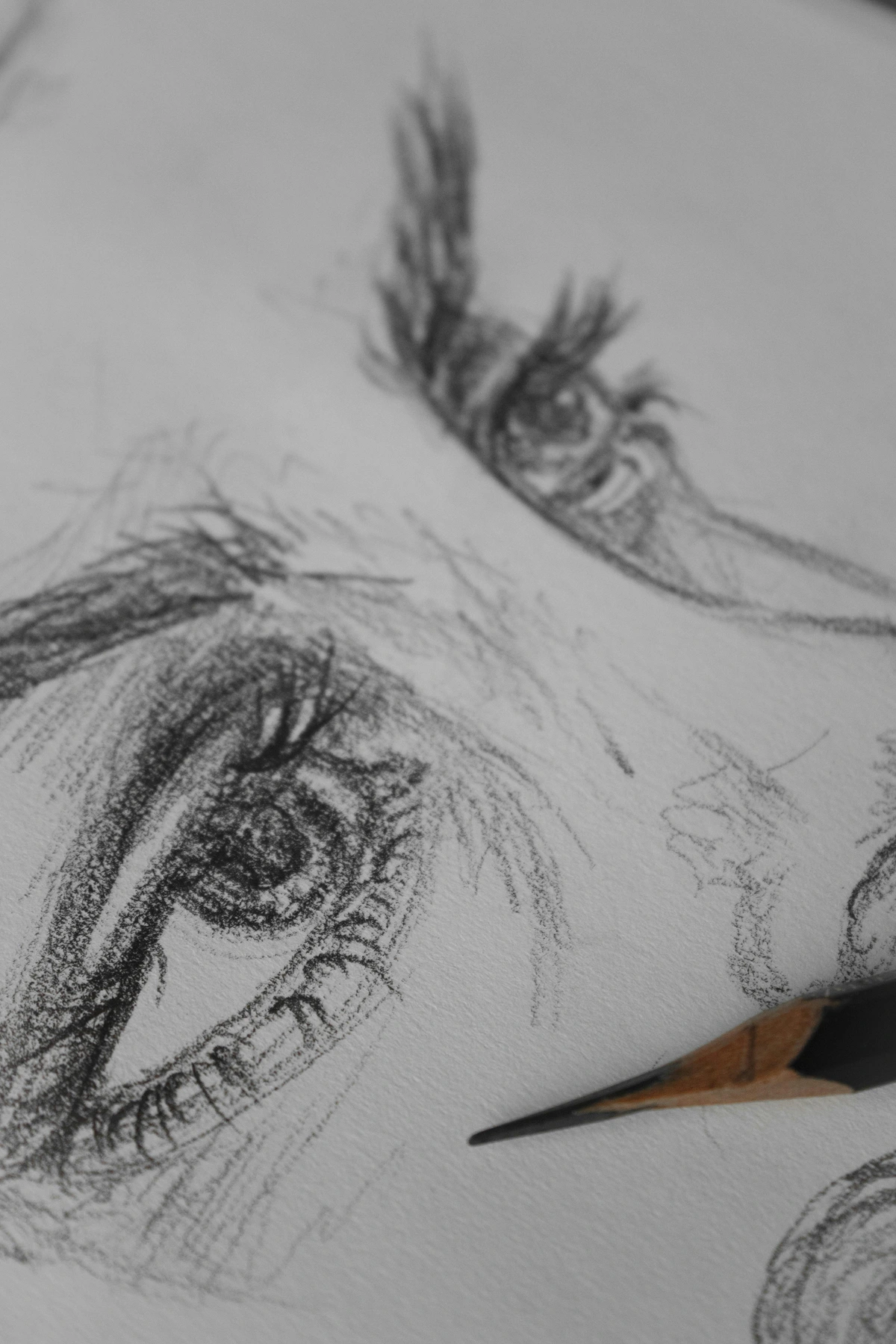
Feed the Engine: A Practical Toolkit for Curiosity
Okay, so you're ready to shift your mindset. The philosophical groundwork is laid. Now comes the crucial part: How do you actually do it? I get it. Reading about changing your brain is one thing; doing it when you're tired, uninspired, and the laundry is piling up is another thing entirely. So let's make this as simple and repeatable as brushing your teeth. No grand gestures, just small, intentional habits that build up over time into something unstoppable. How do you translate this abstract idea of "curiosity" into the daily, gritty, tangible practice of being an artist?
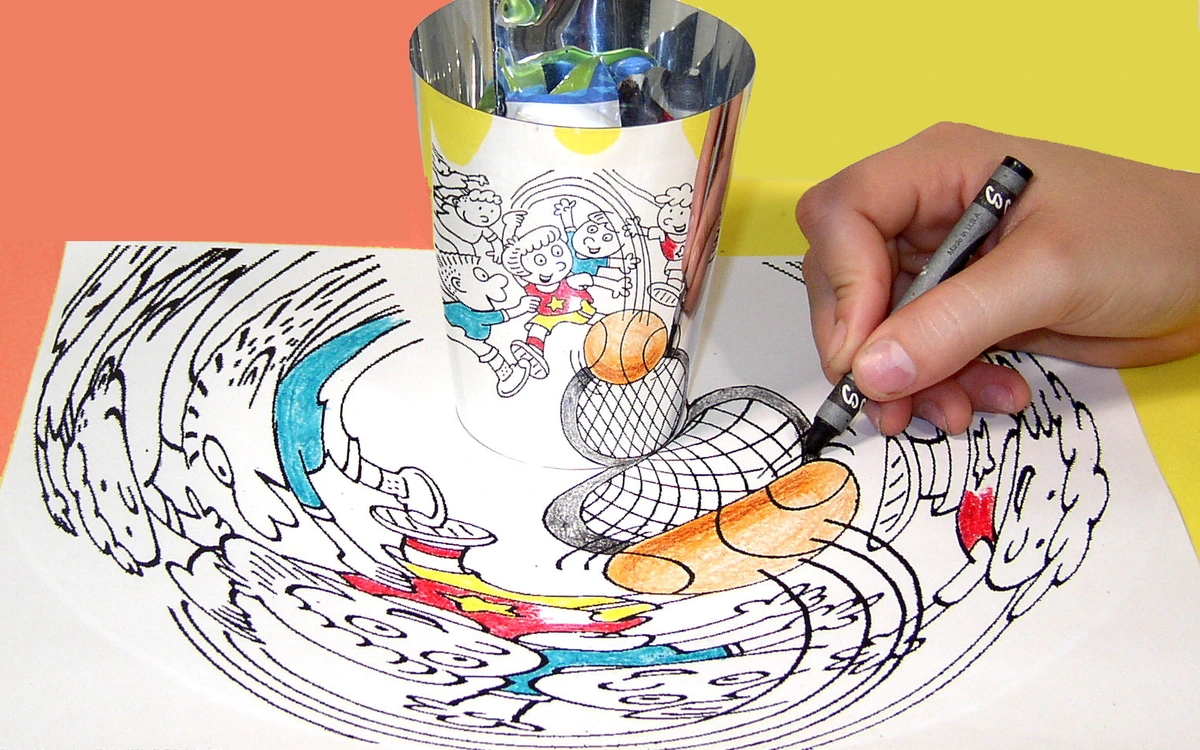
It's not enough to just agree with the idea. You need a few non-negotiable, low-friction habits that you can stick with, even on the days when you feel creatively empty. These are the tools and rituals that build a perpetual curiosity machine, ensuring you're never truly running on empty. Think of this as the daily maintenance required to keep that engine humming.

Overview of the Toolkit
Tool | Purpose | Time Commitment | Key Benefit |
|---|---|---|---|
| The Curiosity Journal | Capture fleeting thoughts, questions, and connections without judgment. | < 2 minutes/day | Builds a massive library of raw, unfiltered creative fuel over time. |
| Cross-Pollination | Deliberately expose yourself to ideas and fields far outside of art. | 15-30 minutes/day | Prevents creative in-breeding and generates novel, unexpected ideas. |
| Active Observation | Re-calibrate your senses to notice the world you've been filtering out. | 5-10 minutes/session | Trains you to see the potential for art in every moment and object. |
| Conversational Inquiry | Probe the expertise and experience of people from all walks of life. | Varies (e.g., over coffee) | Uncovers stories, metaphors, and perspectives you'd never find in a book. |
| The Oblique Strategies Deck | Use external prompts to break logic and force lateral thinking. | 2-5 minutes/card | Jolts you out of creative ruts and leads to completely unforeseen solutions. |
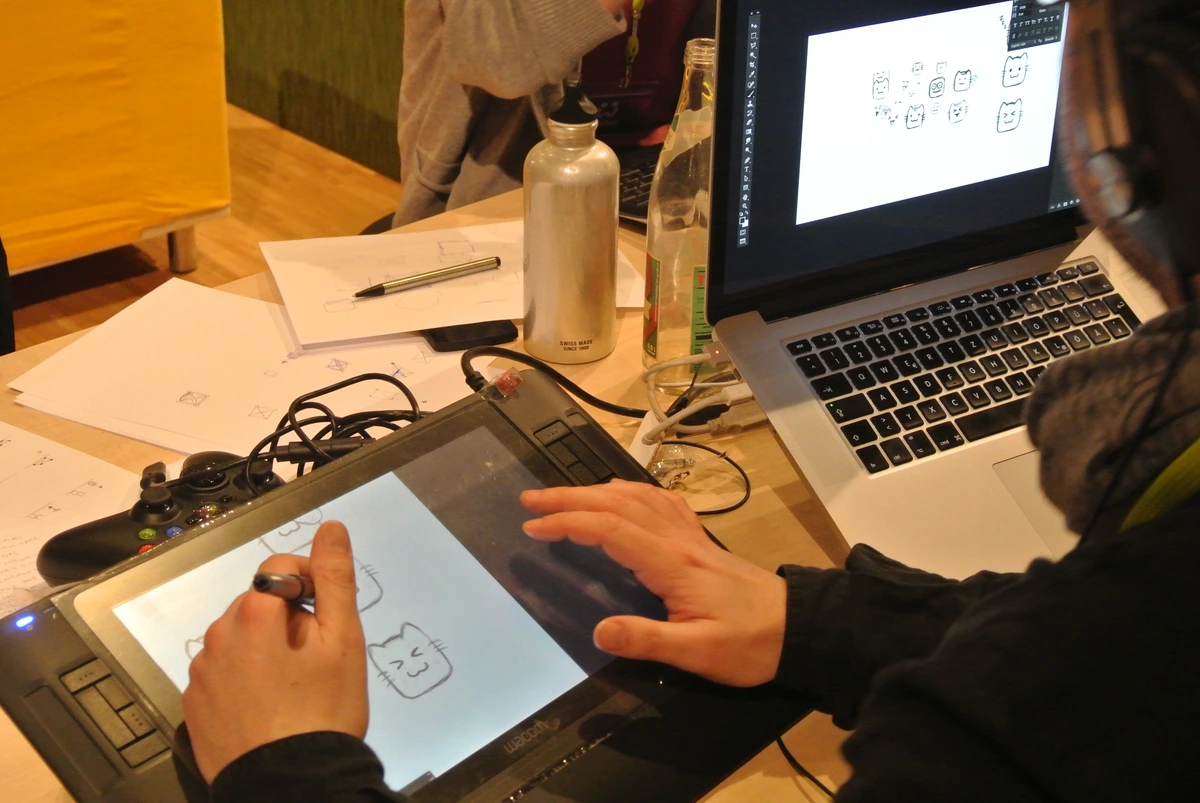
The Daily Spark: A Curiosity Journal
This is the single most effective tool I use, the one that has completely changed my creative life. Let's be clear: this is not a diary for your feelings. It's not a sketchbook, though sketches are absolutely welcome. It's a messy, chaotic, gloriously unedited log of wonder. It's where your thoughts go before they become precious. I use an old-school, unlined notebook because it feels less formal than a digital document. There's a freedom in knowing no one else will ever see it. It's a place for typos, half-sentences, terrible sketches, and brilliant, unformed thoughts. Its messiness is its strength. Think of it as a compost heap for your creative mind: disparate scraps of information, sensory fragments, and random questions that, over time, break down and combine into rich, fertile soil for new ideas to grow.
Every day, I try to write down three simple observations. The "try" is important—this isn't about perfection, it's about momentum.
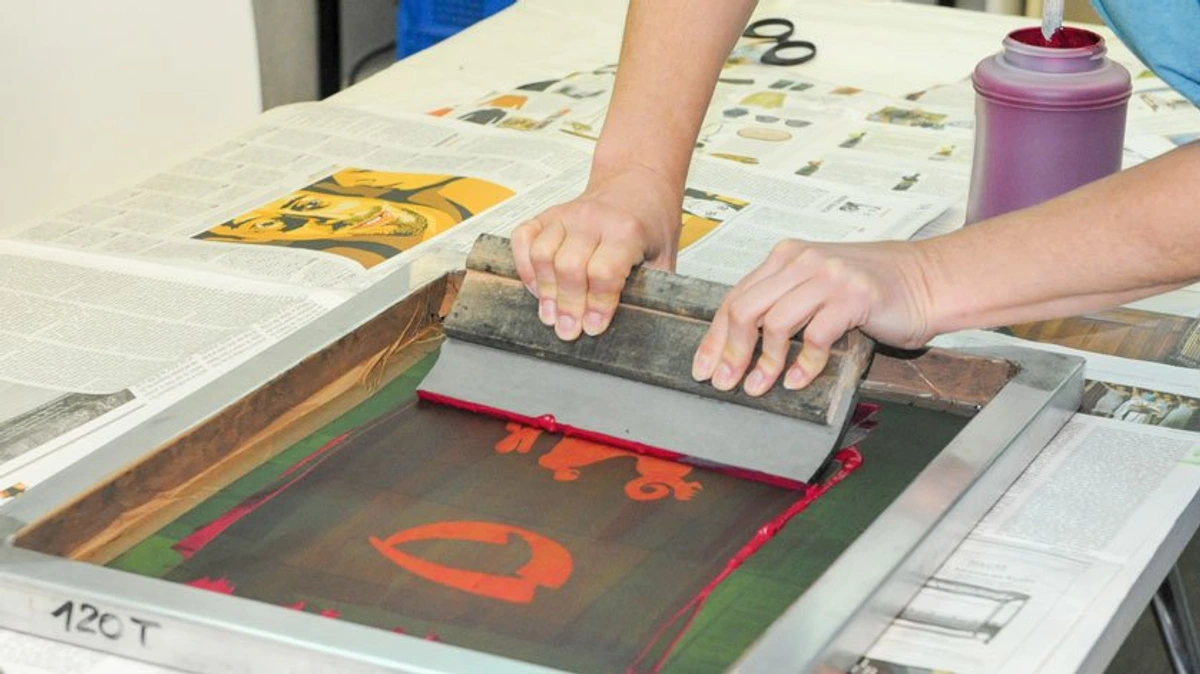
- One thing I learned. This can be anything, from a microscopic "useless" fact to a profound scientific discovery. ("Learned that bumblebees can recognize human faces." "Discovered that some trees communicate through underground fungal networks." "Found out why old paintings' varnish turns brown.") The content doesn't matter. The act of noticing that you learned something does.
- One question I have. This is where you allow yourself to be truly, authentically curious. The question doesn't need to have an answer, and it definitely shouldn't be a question you can just Google in five seconds. ("Can a painting evoke a specific scent, not just a memory of it?" "What is the architectural equivalent of a minor chord in music?" "What would happen if I tried to sculpt with rust?")
- One weird connection I made. This is the magic part. It's where you start drawing lines between the dots in your mind. ("The stress lines on my dog's leash look like the topographic maps of a mountain." "That conversation about supply chain logistics felt just like watching cells transport nutrients under a microscope.") These connections are the fertile ground where completely original ideas are born.
The key is to make it effortless. It should take less than two minutes a day. I use a cheap, unlined notebook and a pen that feels good to write with. Over time, this daily two-minute habit builds a massive library of raw, unfiltered creative fuel. When you face that blank canvas, you're not starting from zero. You're opening your case files. This practice also helps build immunity to the creative comparison trap. Because your journal's contents are unique to you—your specific questions, your personal observations—the ideas that grow from it are inherently authentic. You stop chasing trends and start chasing your own fascinations.

Cross-Pollination: Deliberate Immersion in Alien Fields
Your next big idea isn't waiting for you in another art magazine. It’s probably hiding in a book about mycology, a documentary on black holes, or a conversation with a local beekeeper. The goal is cross-pollination: bringing concepts from one domain into another where they don't belong. This happens at the level of metaphor and process. When you study mycelial networks, you're not just learning about fungi; you're learning about decentralized systems, resilience, and communication. It’s like learning a new language that your brain can suddenly use to think about a painting, a sculpture, or a social interaction. You're downloading a new operating system for your intuition. I once spent a month learning the basics of signal processing and synthesizers, and for the next six months, my color palettes started having "attack," "decay," and "release" phases that I could feel in my gut. That knowledge can then resurface in how you think about a color field, a compositional structure, or a collaborative art project. You're downloading a new operating system for your intuition.
Our brains are incredible pattern-matching machines, but they can get stuck in well-worn grooves. Cross-pollination is a deliberate strategy to break those ruts. When you immerse yourself in a field like fluid dynamics, neuroscience, or medieval manuscript illumination, you aren't just accumulating facts. You're downloading a new set of "mental software"—a unique set of rules, metaphors, and problem-solving approaches. You're teaching your brain a new language. Then, when you return to your studio, that new language begins to subtly (or sometimes very obviously) translate itself into your visual work. It's essentially what Steve Jobs famously summarized: "Creativity is just connecting things." The more things you expose yourself to, the more raw material you have for unexpected connections.
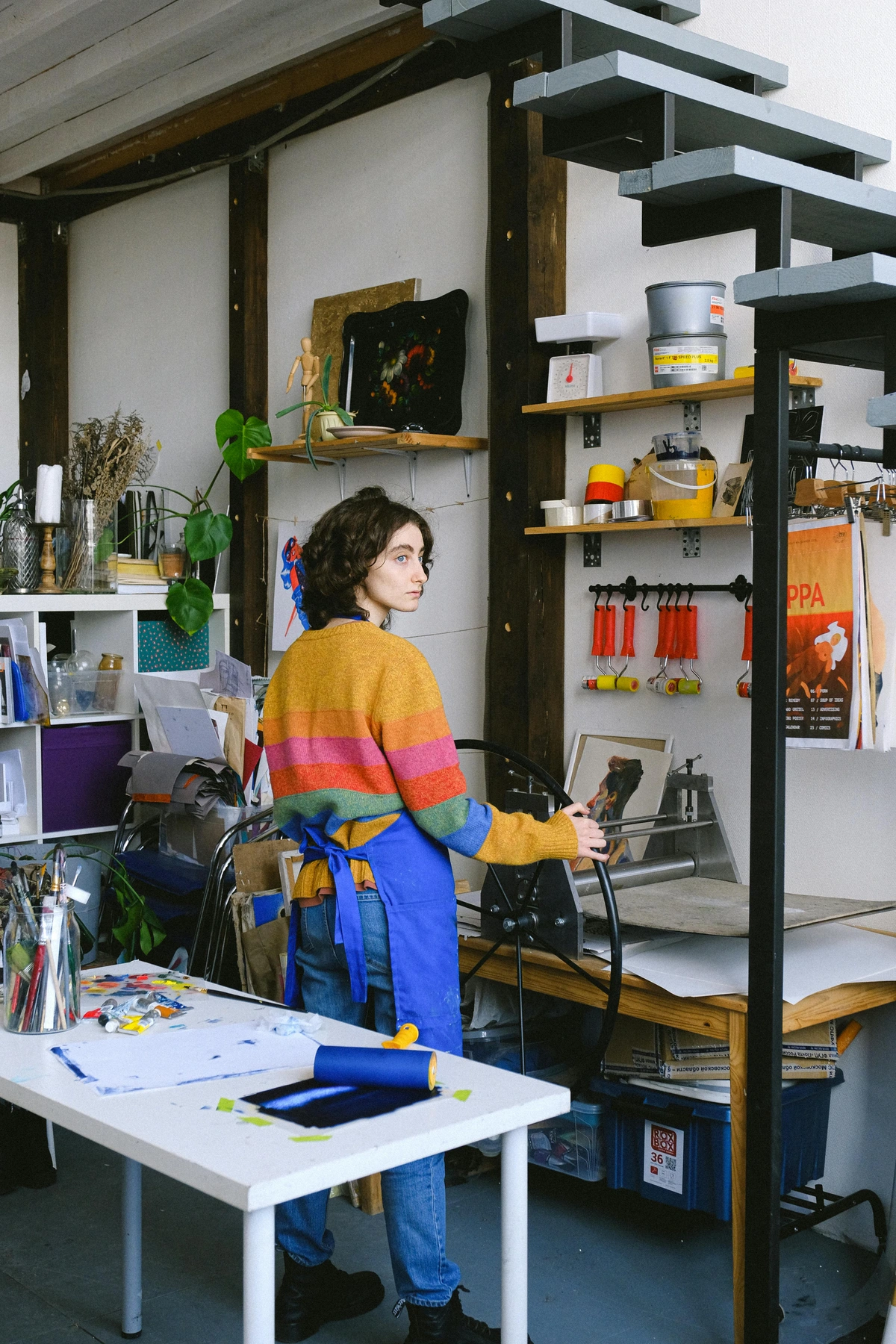
Active, Mindful Observation: Re-calibrating Your Senses
Most of us live in a state of low-grade sleepwalking. Our brains are optimized for efficiency, which means they create shortcuts and filter out the vast majority of sensory information bombarding us at every moment—it's a survival mechanism. To be an artist, to be truly curious, you have to actively fight against this neural autopilot. You have to start paying a different kind of attention. I think of this as the artist's version of mindfulness: instead of trying to clear your mind, the goal is to fill it with intense, focused observation of one single thing.
The world we perceive is a highly edited version of reality. For example, did you know that you actually have a blind spot in each eye where the optic nerve connects to the retina? Your brain seamlessly (and deceptively) fills in the information. Most of our perception works this way—filling in, skipping over, taking shortcuts. Active observation is the practice of consciously overriding those shortcuts, even for just a few minutes a day.
This practice is less about "seeing" and more about "noticing"—the subtle texture, the fleeting shadow, the unintended composition in the mundane. Think of it as developing a photographic memory for feeling. Instead of just seeing a rain-soaked street, you notice how the orange streetlight shatters into a hundred tiny suns on the pockmarked asphalt, and how that visual noise creates a vibration that you swear you can almost hear. You’re not just looking at things; you’re looking for how things interact with the world. It's about finding the symphony in the static and the extraordinary in the everyday. This isn't an idle activity; it's training. By consciously practicing active observation for five or ten minutes a day on a leaf, a sidewalk, or the play of light on a wall, you begin to re-calibrate your brain's filtering system. You start noticing more, even when you're not trying. It trains you to access a state of perpetual artistic opportunity, where every moment holds the seed of a possible creation.
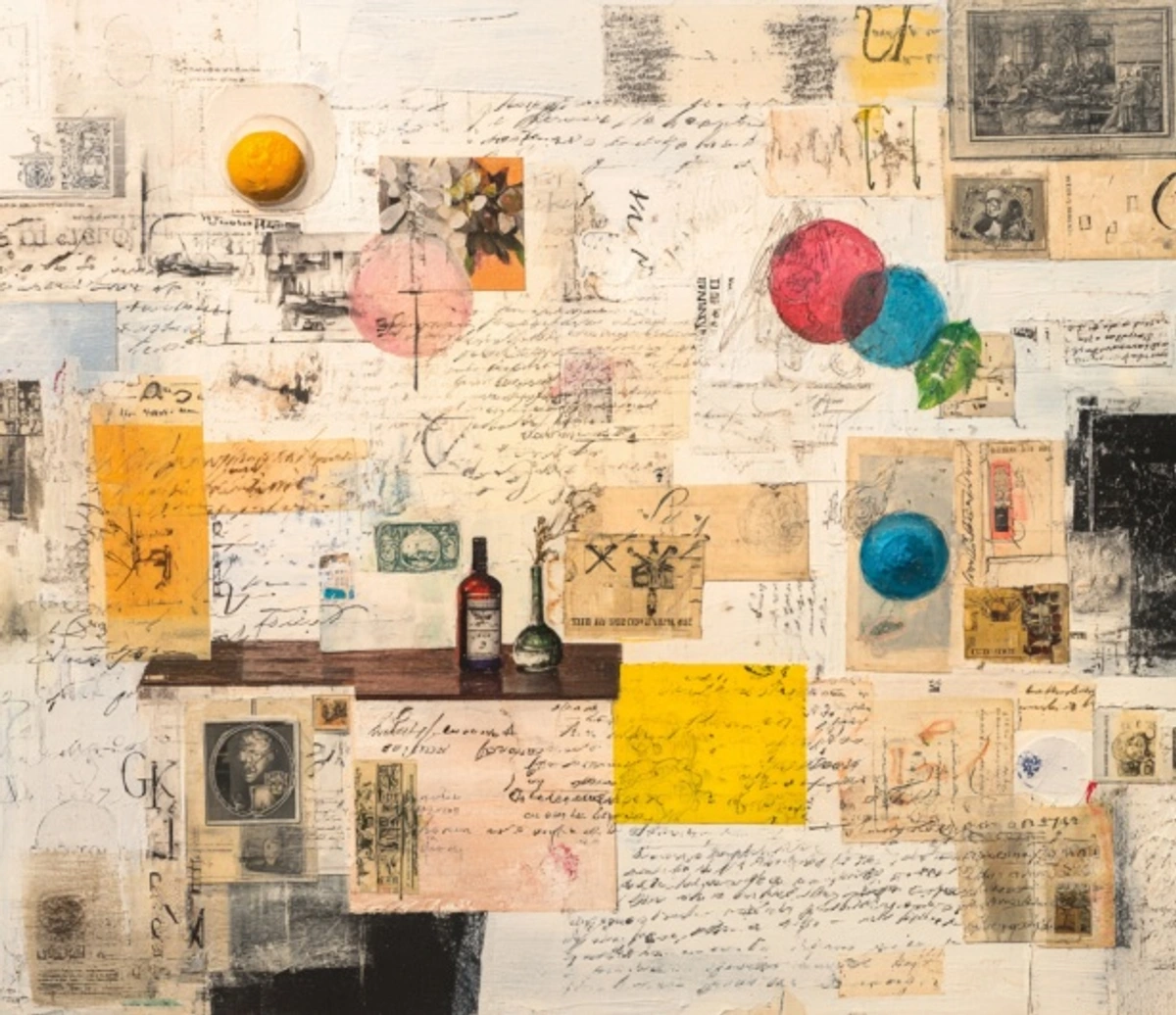
A few exercises to try:
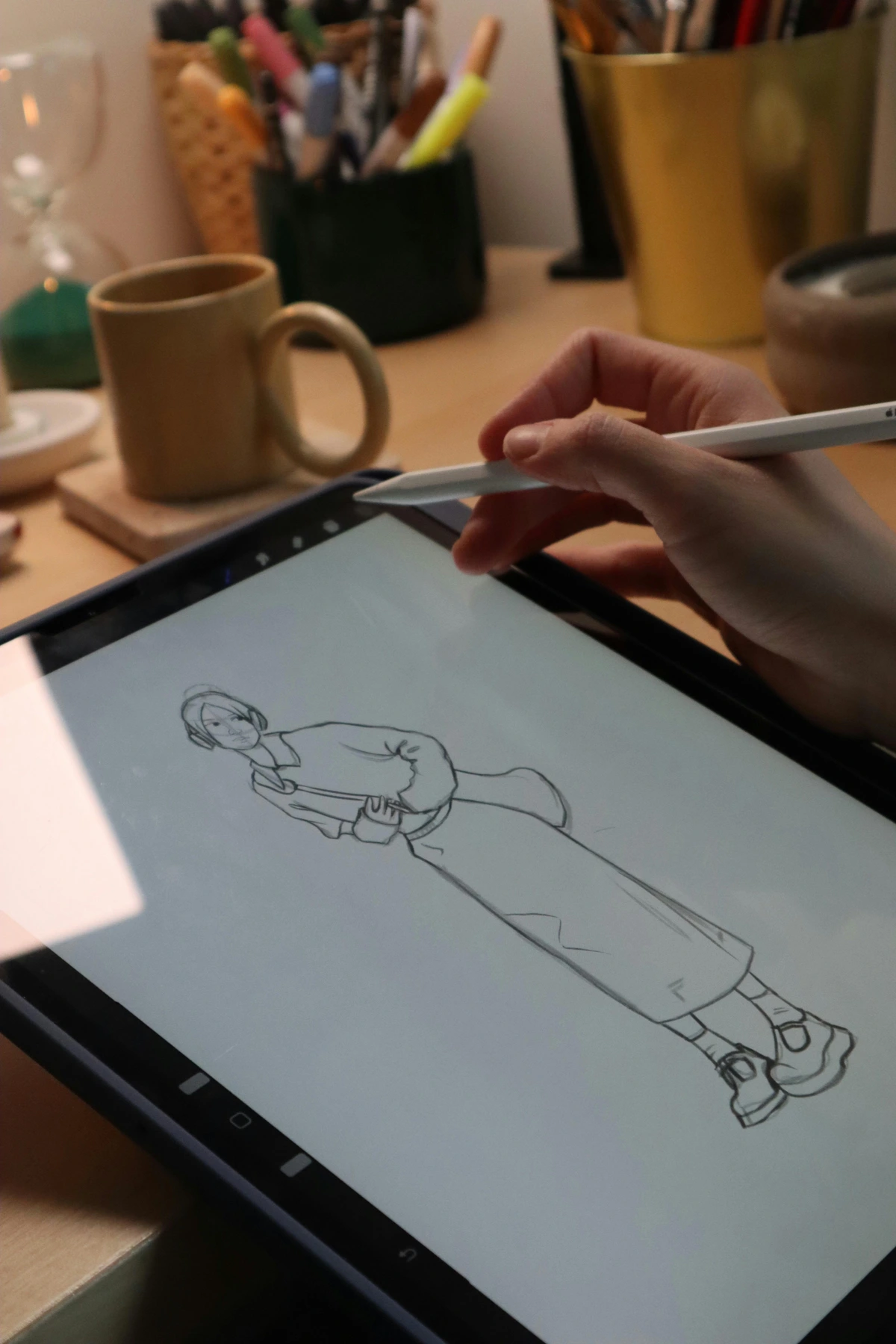
Observation Exercises
- The 5-Minute Object Study: Choose any object and dedicate five full minutes to it. Move beyond simply looking. Engage all your senses. Note its weight, texture, smell, and temperature; listen to its sound when tapped. The goal is to know the object more deeply in five minutes than you've ever known anything.
- The Soundwalk: Go for a 10-minute walk dedicated entirely to listening. Identify layers of sound: foreground, mid-ground, and background. Notice how different sounds interact and affect your sense of place.
- The Color Hunt: For a set period, focus on every instance of a single, specific color (e.g., ochre yellow). This exercise reveals the hidden color palettes in your daily environment.
One of my ongoing bodies of work was directly inspired by a documentary on deep-sea exploration. The alien landscapes, the bioluminescent life forms, and the crushing pressure of the abyss found their way into my use of color and form in ways I never could have planned. A friend of mine, a ceramicist, took a three-week course on glassblowing and found that the way heat affected molten glass completely changed how she approached the plasticity of clay. The "alien" field gave her a new language to understand her own primary material. What field could give you a new perspective on your work?
- Try this: For one month, pick a non-art topic you know nothing about (e.g., cryptography, game theory, the history of fonts) and consume content about it for 15 minutes a day. Watch how it starts to bleed into your work. To make this even more powerful, here are some suggested fields and the "mental software" they might offer:
Field | "Mental Software" / Metaphor Toolkit | Potential Artistic Application |
|---|---|---|
| Mycology | Networks, interconnectedness, resilience, hidden communication, symbiotic relationships. | Compositional structures, collaborative projects, theme of connection. |
| Cosmology | Scale, deep time, emergence, light, unseen forces. | Color theory, sense of space and depth, themes of the profound. |
| Geology | Deep time, layering, pressure, erosion, transformation, hidden structure. | Use of texture, layering paint, themes of time and memory. |
| Music Theory | Rhythm, harmony, dissonance, counterpoint, arrangement, theme and variation. | Composition, color harmony, visual rhythm, pattern, and repetition. |
| Linguistics | Structure, syntax, communication, signifiers, evolution of meaning. | Symbolism, visual language, narrative structure in abstract art. |
| Software Coding | Logic, loops, if/then statements, debugging, efficiency, problem decomposition. | Printmaking with logical rules, creating generative art, working with AI image generation as a collaborator. |
| Architecture | Form vs. function, load-bearing logic, negative space, civic scale. | Large-scale sculpture, understanding composition as a physical structure, playing with interior and exterior. |
| Ecology | Interdependence, feedback loops, emergent properties, adaptation. | Site-specific installations, using found or natural materials, themes of entropy and decay. |
When Curiosity Becomes the Practice: Integrating the Engine
So you've got your curiosity journal and you're studying weird stuff. Great. You've read the theory, now let's talk about putting it into the daily practice of making. This is where the rubber meets the road and, honestly, where it can get a little messy. It’s the messy, glorious point where your philosophical engine meets the raw material of your art. It's not always a smooth, magical process. But that messiness is where the good stuff is. It's the difference between reading a map of a city and actually getting lost in its back alleys, where the real character of the place reveals itself. You're not a tourist anymore; you're a resident. This is the stage where your 'research' stops being a separate activity and starts becoming an inseparable part of your artistic workflow—the very backbone of your process, not just a warm-up. How does this all come together inside the four walls of the studio, when you're standing there with a brush in your hand and the clock is ticking? This is the messy part where the rubber meets the road. It can feel frustrating at first, like you're trying to force a connection that isn't there. But think of it like learning a new language: at first, you have to translate everything laboriously in your head. But with practice, a moment comes when you stop translating and start thinking in the new language. This shift is what we're aiming for—a point where curiosity is no longer an exercise, but the very fabric of how you create.
This is where curiosity stops being a separate "exercise" and starts becoming an integral, inseparable part of your artistic workflow—the very backbone of your process, not just a warm-up. This is the crucial integration point where the lines between questioning and creating begin to blur, and then disappear completely. The question becomes the brushstroke, and the investigation becomes the composition. This is where the magic happens: when your process becomes an investigation, and your studio becomes a space for genuine discovery, not just a factory for production. This is the stage where your research becomes art. It’s a shift from making art about something to making art from something—from the raw, lived texture of your own inquiry. You're no longer doing "curiosity" and then doing "art". They collapse into a single, unified action. The question becomes the brushstroke, and the investigation becomes the composition. This is where the magic happens: when your process becomes an investigation, and your studio becomes a space for genuine discovery, not just production. This is the stage where your "research" becomes art. It’s a shift from making art about something to making art from something—from the raw, lived texture of your own inquiry.
Material Alchemy & Process Play
This is a permission slip to get messy, to experiment without the pressure of a final product. I keep a corner of my studio I affectionately call "the disaster zone." It's where paint goes to misbehave. It's where I test the adhesion limits of glue and the colorfastness of weird inks. It's not about making a picture; it's about learning the language of my materials. And trust me, the most "failed" experiments from that corner have led to more breakthroughs than any clean, planned canvas ever has.
While observation and inquiry are about input, material alchemy is about output—the physical conversation with your medium. This is a permission slip to get messy, to experiment without the pressure of a final product. The goal is to build an intuitive, nonverbal understanding of your materials, a sort of muscle memory in your fingertips that knows what the paint wants to do before your conscious mind does. Think of it as learning to dance with your materials, not forcing them to follow your lead.
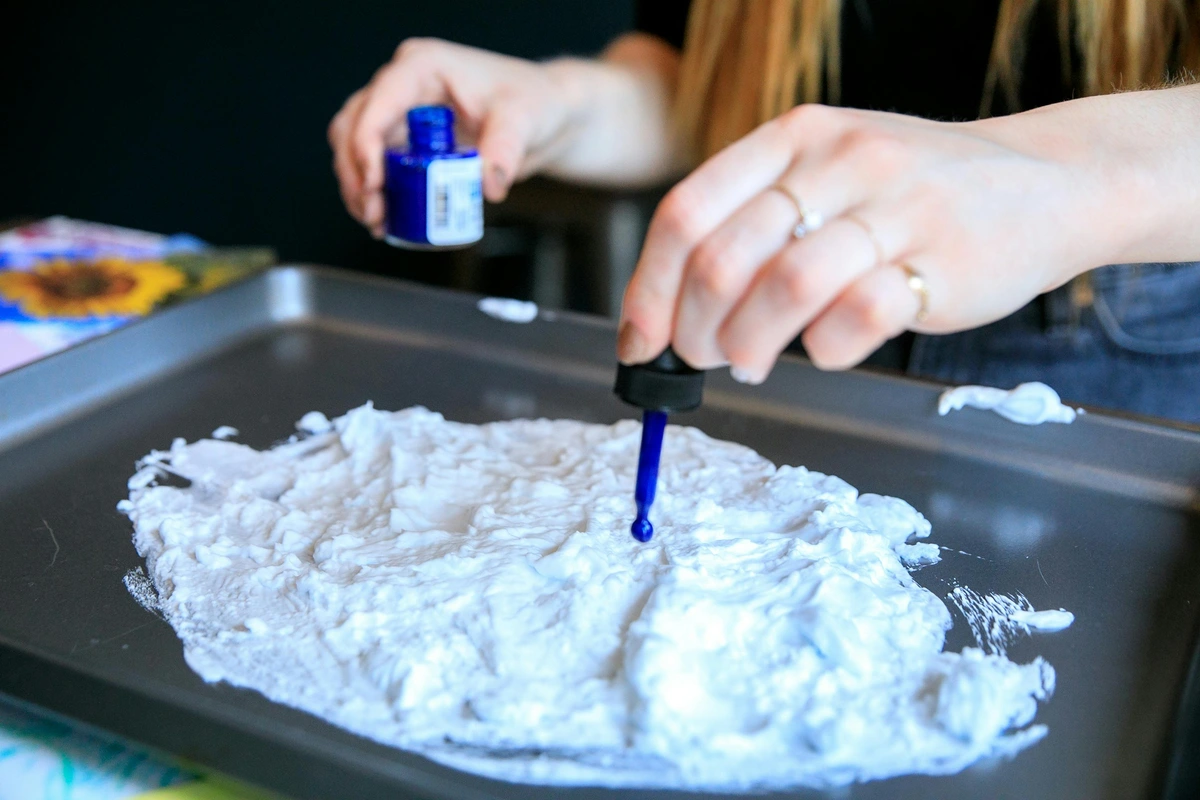
Example from my practice: For years, I've had a habit of mixing acrylic paint with substances it's not "supposed" to mix with. A splash of wine creates organic, bleeding effects; coffee grounds add grittiness and an unpredictable, earthy scent; a drop of household cleaner can break surface tension, creating a unique cellular texture. I'm not trying to "make a painting" in these moments; I'm having a conversation with matter itself. Each result, whether "beautiful" or a "failure," adds to my personal encyclopedia of what's possible. It's pure process, and from that process emerge entirely new forms and techniques I could never have planned. Think of it this way: if you only ever drive your car on paved highways, you'll never discover what its suspension can really do, what its limits are, how it handles under extreme and unpredictable conditions. Material alchemy is about taking your materials off-road, to see what they're capable of when their standard rules are removed. It's a form of artistic rebellion, a refusal to accept the manufacturer's label on the tube of paint as the final word on its potential.
Constraints-Based Exploration: Turning Questions into Canvases
This is how you translate the abstract "what if" from your journal into a concrete creative act. Constraints-based exploration is the method: instead of the terrifyingly open-ended "I can paint anything," you pull a specific question, idea, or limitation and make that the sole focus of your project. The art becomes the process of exploring that question; the final piece is the documentation of your findings. This method is about trading the anxiety of infinite choice for the freedom of a specific, solvable problem. Psychologist Barry Schwartz wrote about the 'Paradox of Choice'—the idea that more options lead not to more freedom, but to more anxiety and decision fatigue. Constraints-based exploration is the artist's antidote to this. It liberates you from the tyranny of the blank canvas by handing you a clear, compelling mission. All of a sudden, you're not facing infinity; you're facing a single, fascinating riddle. It's like being a detective who isn't just wandering the streets hoping to find a crime; you have a specific, bizarre case file to crack. The question is your case file, and the canvas is the interrogation room. It's the difference between being told "build something" and being told "build a bridge that can hold 200 pounds using only cardboard and glue." The constraint doesn't limit your creativity; it gives it a shape to push against.
A simple question nagged at me for months: "Does chaos have a pattern?" I needed to build a container for this question to live in. So I created a formal constraint: I would set up a chaotic process, then use extremely precise tools to document its unfolding.
This question became the seed for an entire series. I set up a deliberate conflict: using highly controlled, precise tools (rulers, compasses, masking tape) to meticulously trace the unpredictable paths of chaotic processes. It was a way to visually interrogate the question itself. I dripped ink onto a vibrating surface and spent days mapping its every descent with immaculate geometric overlays. I scanned fallen leaves, vectorized their vein patterns, and used those organic shapes as rigid, precise templates for new compositions. The resulting work felt authentic not because I set out to create 'beauty,' but because I was earnestly trying to solve a puzzle. The aesthetic was a byproduct of my curiosity. I dripped ink onto a vibrating surface and spent days mapping its every descent with immaculate geometric overlays. I scanned fallen leaves, vectorized their vein patterns, and used those organic shapes as rigid, precise templates for new compositions. The resulting work felt authentic not because I set out to create "beauty," but because I was earnestly trying to solve a puzzle. The aesthetic was a byproduct of my curiosity. Here are some different types of constraints you can use to build your own creative puzzles. Think of these as different paths into the woods. Pick one, give yourself a time limit (say, one hour), and see where it takes you. The goal isn't to create a finished piece, but to explore a problem.
Constraint Type | What It Is | Example | The Question It Forces |
|---|---|---|---|
| Material | Restricting yourself to one or two unorthodox tools or substances. | "Create a portrait using only charcoal dust and an eraser." | "What are the fundamental properties of this material, beyond its standard use?" |
| Process | Following a strict, self-imposed rule for how you apply or manipulate your medium. | "Every brushstroke must be horizontal. If you make a vertical stroke, you must start over on a new canvas." | "How does a consistent action, repeated endlessly, create meaning?" |
| Formal | Imposing a compositional or structural rule on your work. | "The entire composition must be built from a single, continuous line." | "How can I communicate complexity through an extreme economy of means?" |
| Conceptual | Making the idea itself the driving engine of the piece. | "Make a piece of art that can only be fully experienced by one person at a time." | "What is the essence of this experience, and what is the most direct way to deliver it?" |
This is the ultimate goal: a feedback loop where your curiosity generates fascinating questions, and your creative practice becomes the method for actively seeking answers. The art you create is the tangible residue of that ongoing conversation with the unknown—it's the evidence of your investigation.
Systematic Deconstruction: The Detective's Work
Another way to integrate curiosity is through systematic deconstruction. This involves selecting a system—natural, human-made, or even digital—and making it the subject of your artistic investigation. Your goal is to understand its hidden logic and make it visible.
For this approach, you choose a subject—like the root system of a specific plant, the architectural blueprint of a brutalist building, or even the algorithmic logic of a social media feed—and dedicate a project to mapping or visualizing its internal structure.
My leaf-mapping project was a pure example of this "Detective" work. I wasn't initially interested in the leaf's beauty, but in the system of its veins—the hidden logic of how life was transported. I wanted to extract its secret blueprint. The resulting art was a visualization of that system.
Case Studies: Curiosity in Action
It's one thing to talk about theory, but it's another to see it play out in a real artist's life. Intellectual curiosity is not monolithic; it often looks like different species or archetypes of investigation. You might find that one of these resonates with your natural inclinations, or you might be a hybrid. Think of these as different modes your curiosity engine can run in.
It's one thing to talk about theory, but it's another to see it play out in a real artist's life. Intellectual curiosity often manifests in different "species" or archetypes. You might find that one of these resonates with your natural inclinations.

The Detective: Unraveling Hidden Systems
The Detective doesn't just see a thing; they see a system, a hidden web of relationships, and their art is an attempt to chart that web. Their curiosity is driven by the question, "How does this actually work?" A perfect historical example is Georges Seurat. His pointillist technique wasn't just a stylistic choice; it was the result of a deep, almost obsessive investigation into the scientific color theories of his time. He wasn't just painting; he was testing a hypothesis on canvas, methodically deconstructing light into its constituent dots of color. He was a Detective of perception itself, and his canvases are the forensic reports. He was a Detective of light and color, meticulously deconstructing perception itself on his canvases.
A Detective might become obsessed with the physics of light on a specific body of water at a specific time of day (hello, Monet), and dedicate a series to capturing that single, fleeting phenomenon. Or an artist might meticulously deconstruct the algorithms that shape our social media feeds and visualize their output.
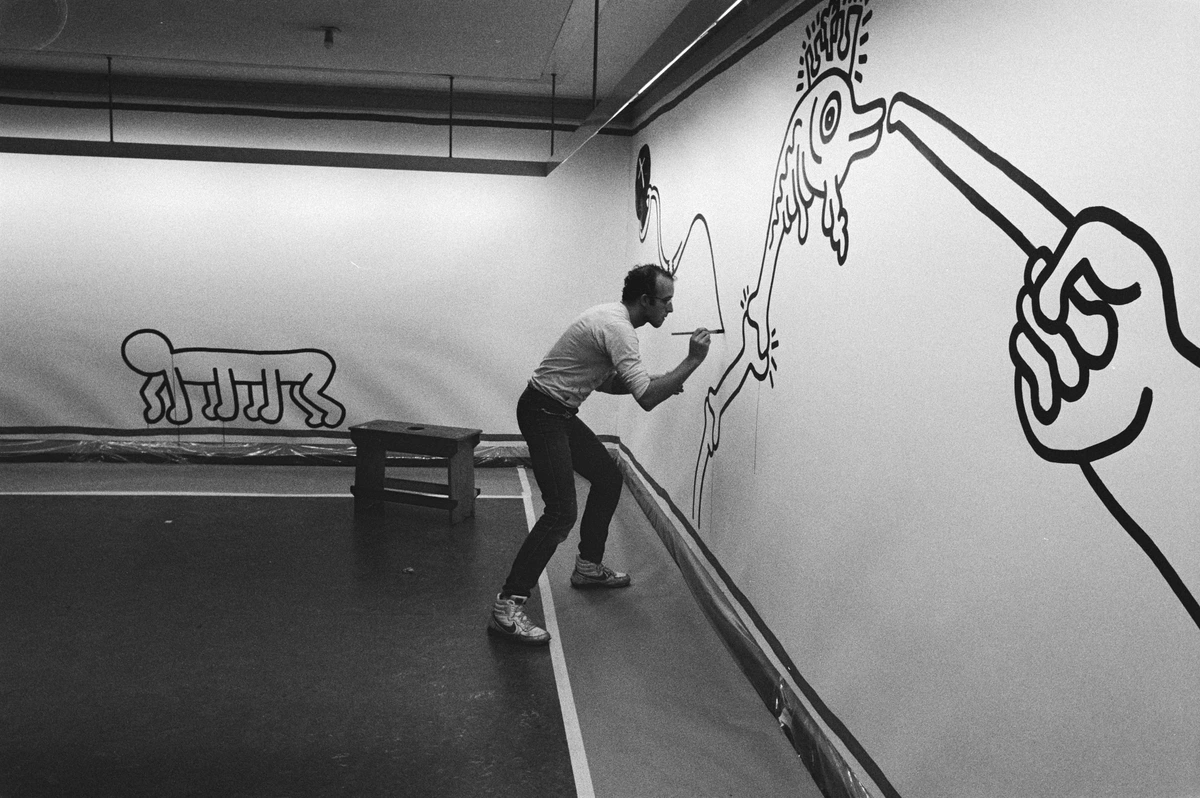
My leaf-mapping project was a Detective move. I wasn't interested in the leaf's beauty; I was obsessed with the system of its veins, the hidden logic of how life was transported through that tiny piece of plant matter. I wanted to extract its secret blueprint. To channel this, become obsessed with a process. How does rust actually form? What is the data flow in a beehive? Your art can be a diagram, a map, a visualization of that hidden system.

- Profile: Think of an artist who becomes obsessed with the physics of light on a specific body of water at a specific time of day (hello, Monet), and dedicates a series to capturing that single, fleeting phenomenon. Or an artist who meticulously deconstructs the algorithms that shape our social media feeds and visualizes their output.
- Example: My leaf-mapping project was a Detective move. I wasn't interested in the leaf's beauty; I was obsessed with the system of its veins, the hidden logic of how life was transported through that tiny piece of plant matter. I wanted to extract its secret blueprint.
- How to Channel It: Become obsessed with a process. How does rust actually form? What is the data flow in a beehive? How does a city's infrastructure of pipes and wires function? Your art can be a diagram, a map, a visualization of that hidden system.
The Alchemist: Creating New Rules
The Alchemist believes that creation happens not just from ideas, but from matter itself. Their curiosity is tactile and process-driven, driven by the question, "What will this material do if I stop telling it what to do and start listening to it?" Look no further than Jackson Pollock, whose work embodies the Alchemist spirit. His drip paintings weren't just chaotic splatters; they were a profound dialogue with gravity, viscosity, and motion. He famously said, 'I hardly ever stretch my canvas before painting. I prefer to tack the unstretched canvas to the hard wall or the floor. I need the resistance of a hard surface. On the floor I am more at ease. I feel nearer, more a part of the painting.' He was a true Alchemist, needing to feel the paint's own weight and flow as it interacted directly with the surface. He wasn't depicting motion; he was collaborating with the forces of physics to record it. His process was a physical dialogue with his materials, not an imposition of a pre-existing image. This approach is about giving up a degree of control and entering into a dialogue with your materials. You become less of a dictator imposing a vision and more of a facilitator helping the material reveal its own inherent properties and possibilities.
An Alchemist invents their own tools, mixes unorthodox materials, or creates pigments from foraged earth. Their studio is a laboratory where chemical reactions are as important as compositions. For example, the artist Anselm Kiefer famously mixes straw, lead, and ash into his paintings—materials with deep symbolic weight that also physically transform over time. The process of decay and change becomes part of the work's meaning. Likewise, many contemporary artists working in encaustic (beeswax) embrace the way heat allows them to constantly re-work, build, and excavate layers, letting the memory of previous marks inform the final surface.
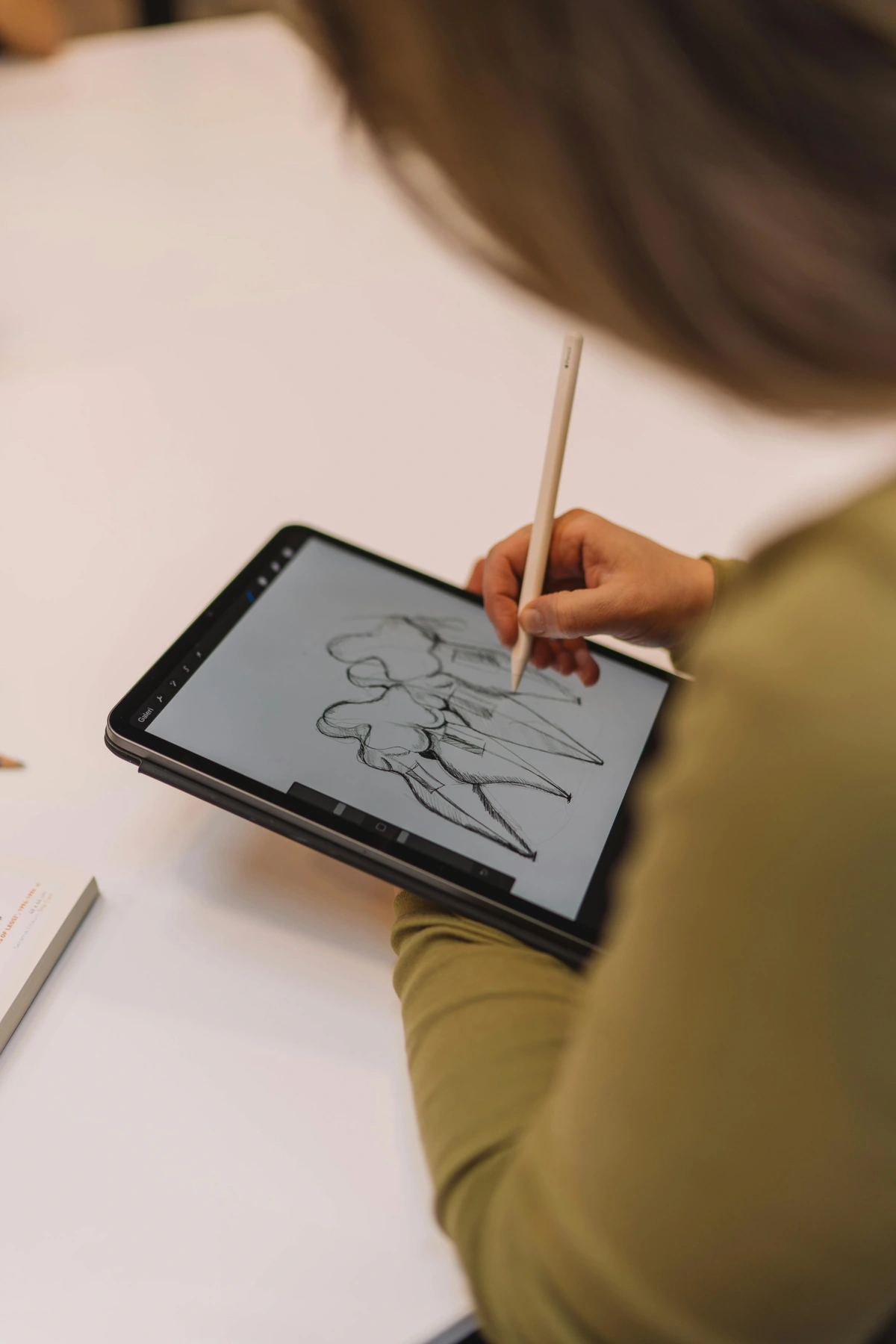
One of my ongoing Alchemist experiments is mixing acrylic paint with substances it's not supposed to mix with—household cleaners, different oils, salt, wine, coffee grounds. I'm less interested in the final image than in the chemical reactions happening on the canvas. A "failed" reaction is just as interesting as a "successful" one because it tells me more about the nature of the materials. To channel this, go to the hardware store, not the art store. Find materials that aren't meant for art and ask what they want to be. Let the material lead.
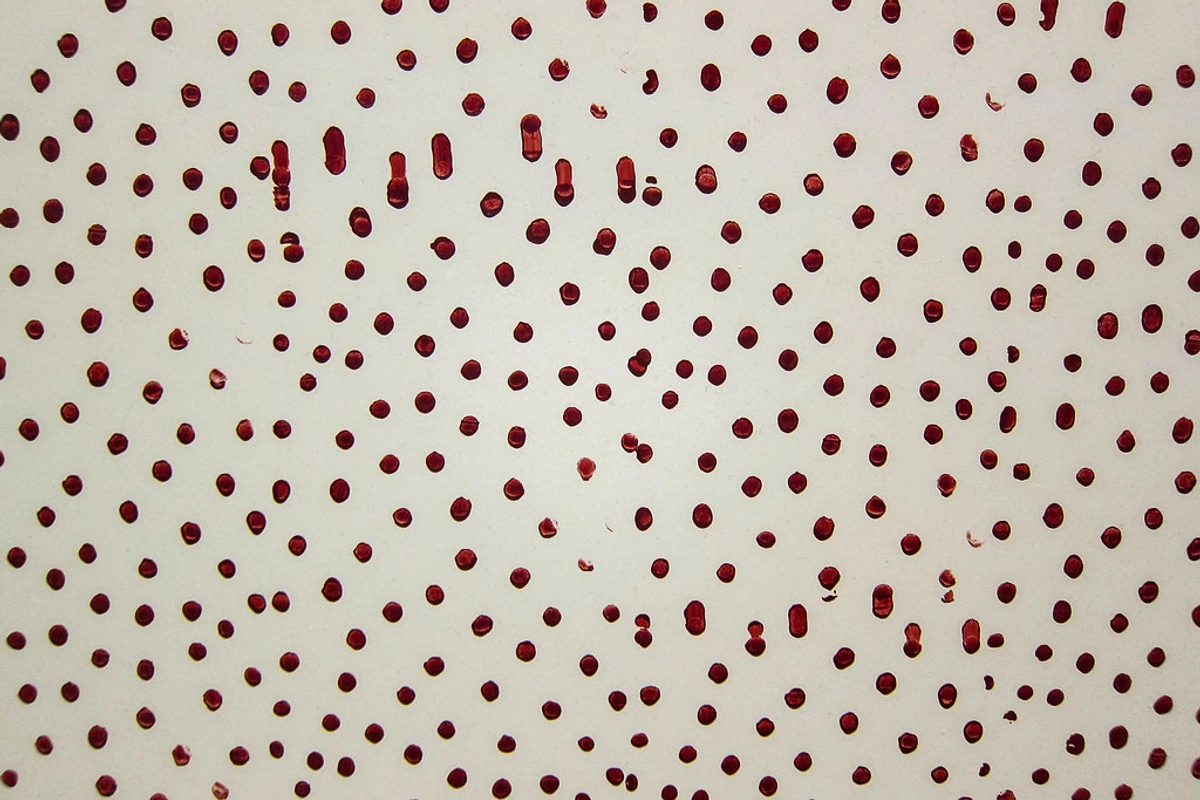
- Profile: Think of an artist who invents their own tools, mixes unorthodox materials (like the artist who famously mixed crushed glass or blood into their paint), or creates pigments from foraged earth.
- Example: One of my ongoing Alchemist experiments is mixing acrylic paint with substances it's not supposed to mix with—household cleaners, different oils, salt, wine, coffee grounds. I'm less interested in the final image than in the chemical reactions happening on the canvas. A "failed" reaction is just as interesting as a "successful" one because it tells me more about the nature of the materials.
- How to Channel It: Go to the hardware store, not the art store. Find materials that aren't meant for art. Give yourself the challenge of making something with them. Don't ask what you can make with them; ask what they want to be. Let the material lead, and follow.
The Storyteller: Mining the Mundane for Meaning
The Storyteller believes every object, every place, every person holds a universe of narrative. Their curiosity is anthropological, driven by the question, "What story is hidden here, and how can I become the vehicle for telling it?" A powerful contemporary example is Rachel Whiteread. Her casts of the negative space under a chair or inside an entire room are acts of profound storytelling. She's telling the story of the space we don't see, the memory of the object. She turns the air itself into a monument. My driveway rock project was a Storyteller move—I wasn't making a story, I was finding the one that was already there, buried in geology and trade. I once did a project where I collected rocks from driveways in my neighborhood and documented their geological origins. I discovered that many were not native to this continent. The humble rock became a vessel for a story of geology, commerce, and globalization—a tiny piece of a mountain in another country, now holding up someone's car. My art was simply the act of revealing that story that was already there, waiting to be noticed.
A Storyteller collects discarded objects and gives them a voice, interviews strangers and translates their stories into visual form, or meticulously documents the history of a single city block. Their work is about curation and connection.
I once did a project where I collected rocks from driveways in my neighborhood and documented their geological origins. I discovered that many were not native to this continent. The humble rock became a vessel for a story of geology, commerce, and globalization—a tiny piece of a mountain in another country, now holding up someone's car. My art was simply the act of revealing that story. This act of uncovering is central to the Storyteller's method. You become a conduit for narratives that are already there, waiting to be noticed. It's like being a forensic detective, piecing together a story from the quietest evidence. To channel this, become an archival hunter. Ask an elderly neighbor about an object in their home. Collect a hundred of one mundane thing (bottle caps, receipts, leaves) and look for the patterns, the individuals, the hints of narrative within the collection. Your art is the act of curation and connection.
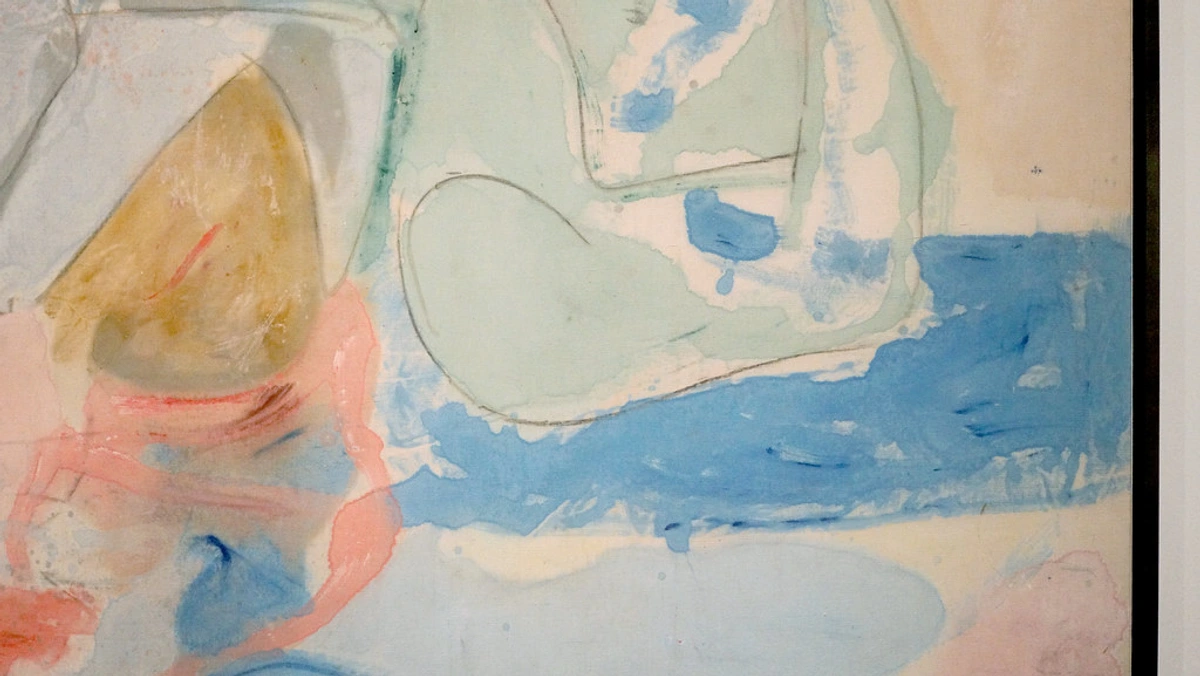
- Profile: Think of an artist who collects discarded objects and gives them a voice, who interviews strangers and translates their stories into visual form, or who meticulously documents the history of a single city block.
- Example: I once did a project where I collected rocks from driveways in my neighborhood and documented their geological origins. I discovered that many were not native to this continent. The humble rock became a vessel for a story of geology, commerce, and globalization—a tiny piece of a mountain in another country, now holding up someone's car. My art was simply the act of revealing that story.
- How to Channel It: Become an archival hunter. Ask an elderly neighbor about an object in their home. Collect a hundred of one mundane thing (bottle caps, receipts, leaves) and look for the patterns, the individuals, the hints of narrative within the collection. Your art is the act of curation and connection.
Designing a Sustainable Creative Practice Around Curiosity
Cultivating curiosity is not just about having more ideas; it's about designing a life and a practice that allows you to follow them. This is the un-sexy but utterly essential part of the creative life. It's the wiring behind the walls that makes the lights turn on. Without a sustainable system, your curiosity engine will either burn out from overuse or seize up from neglect. It's no good having a high-performance engine if the chassis is falling apart. The practice is the chassis. It's the structure that holds everything together and allows for disciplined exploration without chaos. This means building sustainable systems, setting boundaries, and managing the firehose of information that is modern life. A sustainable practice isn't about forcing creativity; it's about building a container resilient enough to hold it. This means building sustainable systems, setting boundaries, and managing the firehose of information. Think of it as conservation of energy. Your creative energy is a finite resource, easily dissipated by distractions, admin, and the low-grade anxiety of modern life. A sustainable practice is one that protects and channels that energy, allowing you to go deep when you need to, without burning out.
Sustainability Strategies for the Curious Artist
The biggest threats to a curious practice are overwhelm and burnout. A good system isn't about working harder; it's about creating guardrails that make it easier to do the work you actually want to be doing.
Challenge | Problem | Curiosity-Driven Solution | The Outcome |
|---|---|---|---|
| Creative Droughts | Waiting for inspiration to strike is passive and unpredictable. | Let go of the "inspiration" paradigm. Focus on the process of asking questions. | You have a renewable source of ideas. No more staring at a blank canvas; you're a problem-solver with a full case file. |
| Procrastination vs. Curiosity | It's hard to tell if you're being productive or just avoiding work. | The difference is intention and energy. Curiosity is a targeted hunt, not aimless wandering. | You can confidently follow a rabbit hole knowing it's a mission, not a distraction. A clear-headed approach to your practice. |
| Information Overwhelm | The internet is an infinite library with no index. It's easy to get lost. | Use a "parking lot" system (your journal) for brilliant, distracting thoughts. It's for capture and connection, not immediate resolution. | Your focus on the task at hand sharpens, while your creative ideas are safely stored. It liberates your mind. |
| Creative Comparison | It's easy to feel your work is unoriginal or derivative. | Curiosity is the antidote. You can't be derivative if you're following your own unique questions. | Your work becomes authentically yours. You stop chasing trends and start chasing your own fascinations. |

A System for Energy: Play, Rest, and Environment
Curiosity thrives under specific conditions. It needs permission to fail, a space to make a mess, and a structure that doesn't feel like a cage. You can't just will it into existence; you have to cultivate the soil where it grows. This means managing your energy, your space, and your mindset with the gentle discipline of a gardener, not the rigid control of an engineer. You can't just will curiosity into existence; you have to cultivate the soil in which it naturally grows. This means managing your energy, your space, and your mindset.
- Designate "Play Time" (No Final Product Allowed): This is crucial. Block out time explicitly for experimentation. No finished pieces are allowed. Its only purpose is to get messy. It's the R&D lab for your artistic practice. If "play" feels too frivolous, call it "research time." The name doesn't matter; the permission to explore without an objective does. I block off two hours every Friday morning, and to get myself in the headspace, I'll put on a specific album I only listen to then. It's a tiny ritual, but it tells my brain, "Okay, it's time to misbehave." This creates a psychological container for failure, and in that container, real discovery can happen. I block off two hours every Friday morning, and to get myself in the headspace, I'll put on a specific album I only listen to then. It's a tiny ritual, but it tells my brain, "Okay, it's time to misbehave." If "play" feels too frivolous, call it "research time." The name doesn't matter; the permission to explore without an objective does.
- Create a Space for a Messy Brain: Your physical workspace matters. If you have to clean up perfectly every time you work, you'll inhibit spontaneous connections that lead to great ideas. Embrace the visual noise. I have a dedicated "chaos corner" in my studio where failed experiments, interesting found objects, and half-finished tests live. It's a visual reminder that the process is ongoing and that "failure" is just a piece of data. It's my museum of beautiful disasters. I have a dedicated "chaos corner" in my studio where failed experiments, interesting found objects, and half-finished tests live. It's a visual reminder that the process is ongoing and that "failure" is just a piece of data.
- Map Your Energy Cycles: Notice when you're most alert and when your mind wanders. Use your high-energy times for focused investigation and physical making. Use your low-energy, wandering times for activities that support your curiosity: reading, watching documentaries, collecting "dumb questions." Work with your own biology instead of against it. The concept of "chronotypes" is useful here—the idea that we all have genetically programmed peaks and troughs of energy throughout the day. I'm useless for deep work in the afternoon, so that's when I schedule my "research" or "field trip" time. Trying to fight my internal clock is a recipe for misery and bad art. This simple act of self-observation is one of the most powerful productivity and creativity tools you will ever use. I'm useless for deep work in the afternoon, so that's when I schedule my "research" or "field trip" time. Trying to fight my internal clock is a recipe for misery and bad art. This simple act of self-observation is one of the most powerful productivity and creativity tools you will ever use.
Frequently Asked Questions (FAQ)
These are the real-world questions that come up when you try to make curiosity a practical part of your creative life. The roadblocks are real, but they're rarely dead ends. They're usually just signs that you need a different approach or a moment of gentleness with yourself. The following questions are culled from years of conversations with other artists and from my own internal monologue during moments of creative difficulty. They reflect the practical, day-to-day challenges of turning philosophical ideas into a lived practice. If you've ever felt overwhelmed, distracted, or unsure how to start, you're not alone. We've also added a few entries here for common roadblocks that weren't explicitly covered in the main article, such as dealing with creative envy and what to do when you feel like your curiosity has truly died.
Q: Isn't intellectual curiosity just procrastination? How do I focus?
This is a fantastic and crucial question. The line between productive curiosity and wasteful distraction is indeed thin, but it's real and you can learn to sense it. The difference is intention and energy. Procrastination often feels shallow and frantic, while curiosity feels deep and expansive. One is the brain running away from a task, the other is the brain running toward a question.
Procrastination feels like anxious wandering. You're scrolling, clicking, and consuming information while a voice in the back of your head reminds you of the task you're actively avoiding. The energy is low, scattered, and ultimately draining. Your path is aimless.
Curiosity, on the other hand, is a targeted hunt. It feels energizing. You're an active participant, gathering information to feed a specific question. You feel focused, engaged, and alive. The destination may be unknown, but the path has a clear mission.
Here's a simple test: When you find yourself deep in a rabbit hole, pause and ask, "What question am I trying to answer?" Be honest. If you don't have a question, or if your answer is "I'm avoiding that deadline," then pull yourself back. But if you have a clear, relevant question and feel that focused energy of a mission, you're not procrastinating. You're working. You're on an investigation. Give yourself permission to be on that mission.
Q: My curiosity leads me everywhere at once. I have so many ideas I can't stick to one project. How do I stay focused?
A: This is the classic "shiny object syndrome" and it's the flip side of having a curious mind. It's the burden of having an overactive antenna. My solution isn't to fight the chaos, but to corral it. Your curiosity journal is the perfect tool for this. When a brilliant, distracting thought hits you mid-project, write it down and trust that it will be there for you later. The simple act of externalizing it and trusting that it will be there later allows your brain to let it go and refocus on the task at hand. It's a technique borrowed from David Allen’s "Getting Things Done" methodology: your brain is for having ideas, not for holding them. Capturing the idea frees up mental RAM, letting you think more clearly. I think of my journal as a "parking lot" for brilliant distractions. Over time, you'll build a powerful library of fully-formed concepts that you can return to whenever you're between projects. It turns a source of distraction into a resource.
A: This is the classic "shiny object syndrome" and it's the flip side of having a curious mind. It's the burden of having an overactive antenna. My solution isn't to fight the chaos, but to corral it. Your curiosity journal is the perfect tool for this.
When you have a brilliant, distracting thought about a completely different project while you're in the middle of one, just write it down in the journal. The simple act of externalizing it and trusting that it will be there later allows your brain to let it go and refocus on the task at hand. It's a technique borrowed from David Allen’s "Getting Things Done" methodology: your brain is for having ideas, not for holding them. Capturing the idea frees up mental RAM, letting you think more clearly. I think of my journal as a "parking lot" for brilliant distractions. I park the idea there, knowing it'll be safe and ready for me to retrieve when I need a new project to start.
This does two things: it clears your head so you can focus on the doing of the current project, and it saves those brilliant sparks for later. Over time, you'll build a powerful library of fully-formed concepts that you can return to whenever you're between projects. It turns a source of distraction into a resource.
Q: How do I expand my curiosity beyond just visual art? I want to connect with other creative fields?
A: This is a fantastic instinct, because the most interesting ideas often live in the spaces between disciplines. My rule of thumb is simple: for every one art book I read, I have to read one book about something completely unrelated. Neuroscience, history, cooking, whatever. It's my insurance policy against creative in-breeding. The key is to actively look for the metaphors—not just to learn facts, but to steal mental models. When you learn about supply chain logistics, ask yourself: "What does this process feel like?" and "How can I apply this logic of flow and distribution to how I plan a composition?" You're not just collecting information; you're downloading new operating systems for your intuition. If you're learning about supply chain logistics, don't just learn the facts. Ask yourself: "What does this process feel like?" and "How can I apply this logic of flow and distribution to how I plan a composition?" You're not just collecting information; you're collecting new lenses through which to see your own work.












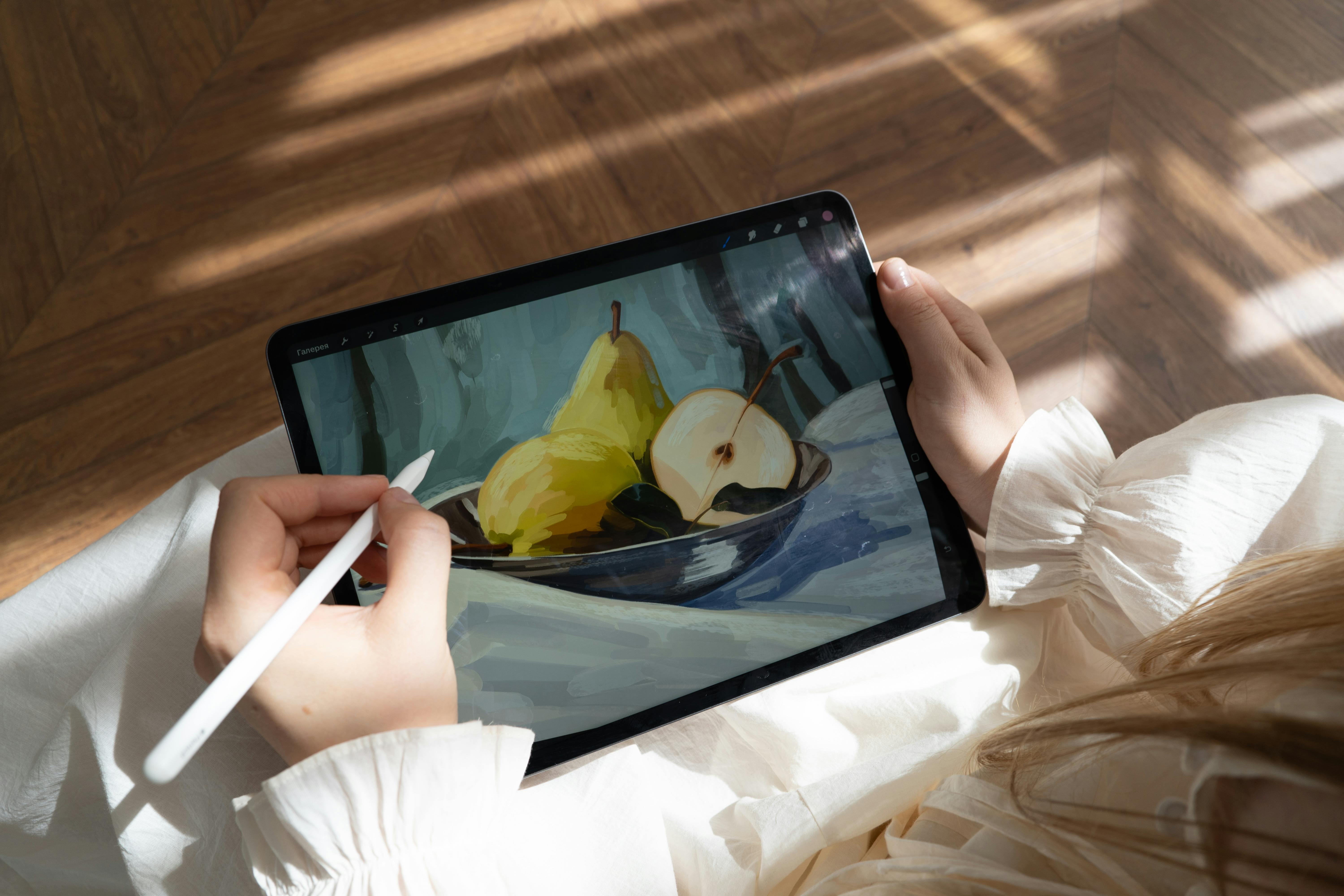


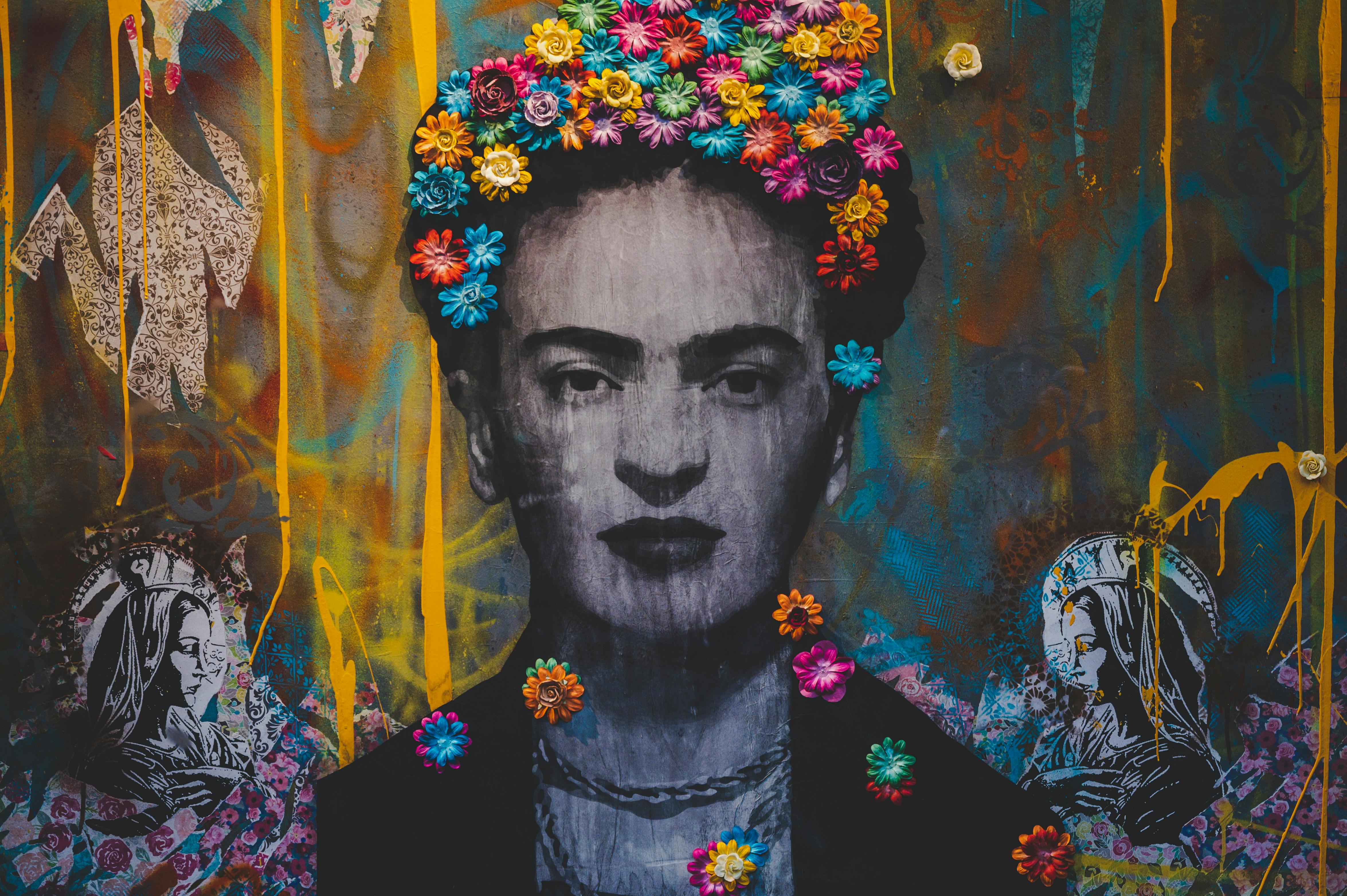


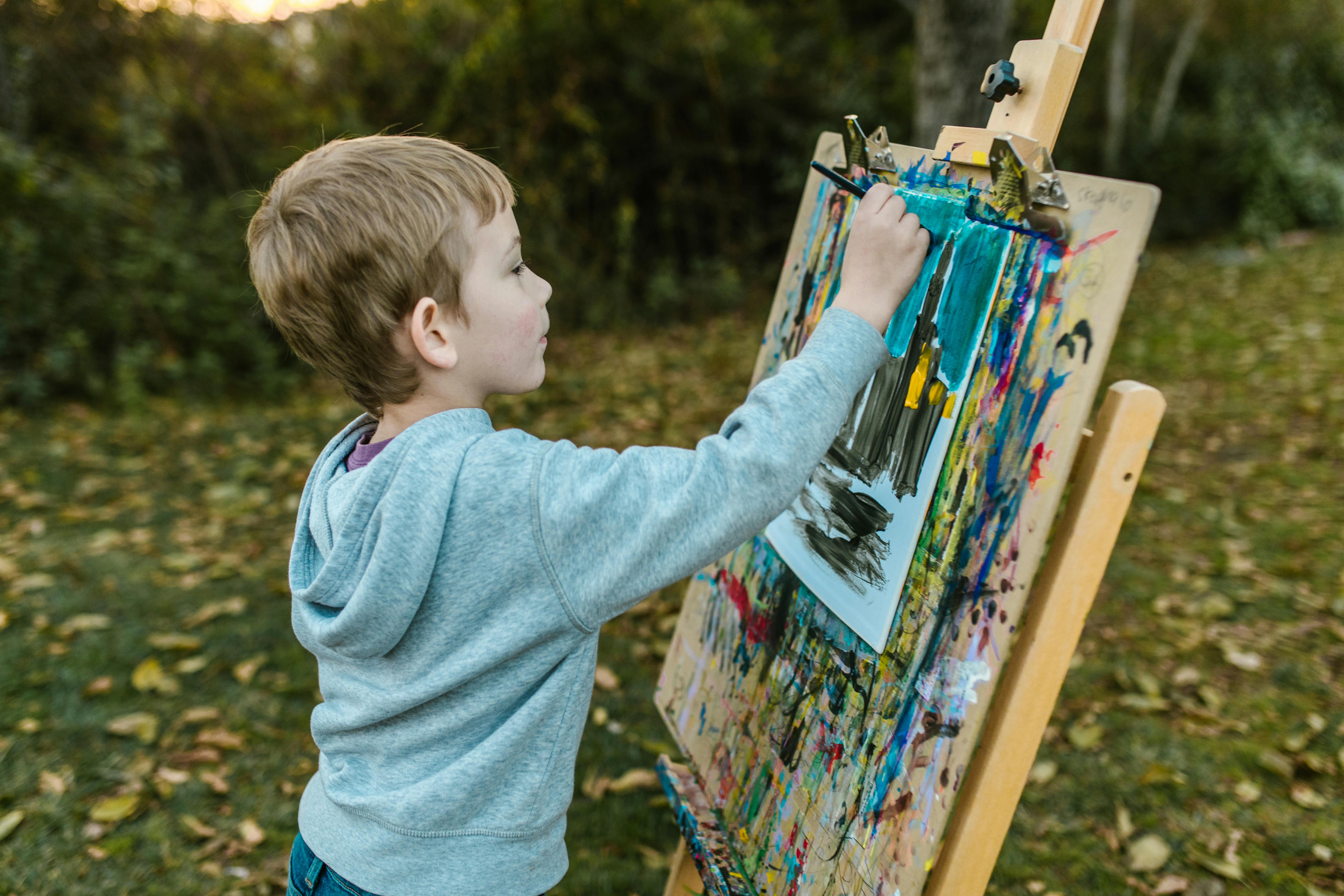
- Start with the Senses: This is the most direct route. If you're primarily a painter (visual), ask yourself sensory questions that force you into other domains. "What does this painting sound like?" and then go listen to some music, or even try to compose a simple soundscape. If you're a sculptor, ask, "What would this sculpture taste like?" and go experiment in the kitchen. This isn't arbitrary; it's about translating your primary artistic language into another sensory experience.
- Read Books from Other Disciplines: Don't just read about art. Read about how other kinds of creators think. The Artist's Way by Julia Cameron is a classic for writers, but its core practices (like Morning Pages) are immensely helpful for any creative person to unblock their mind. Similarly, reading about how a chef develops a new flavor profile (like in The Flavor Thesaurus) or how a designer thinks about a problem (like in The Design of Everyday Things) can give you a whole new toolkit for your visual work.
- Do a "Parallel Practice": For one week, spend 30 minutes a day engaging with a creative pursuit that has nothing to do with your main work. If you paint, try writing a poem every day. If you sculpt, try making simple electronic music on an app. Don't aim for greatness. The goal is simply to experience a different creative process—to understand how the tools, constraints, and mental models of another discipline feel from the inside. This cross-training builds mental agility and provides you with a richer library of metaphors and problem-solving approaches to bring back to your primary work. This is how you build a true "transferable skill" set: not by learning facts, but by internalizing new ways of thinking and making.