Common Art Misconceptions Debunked
Explore the truth behind common myths about art creation, value, and interpretation. A comprehensive guide to understanding art better.

Common Art Misconceptions Debunked
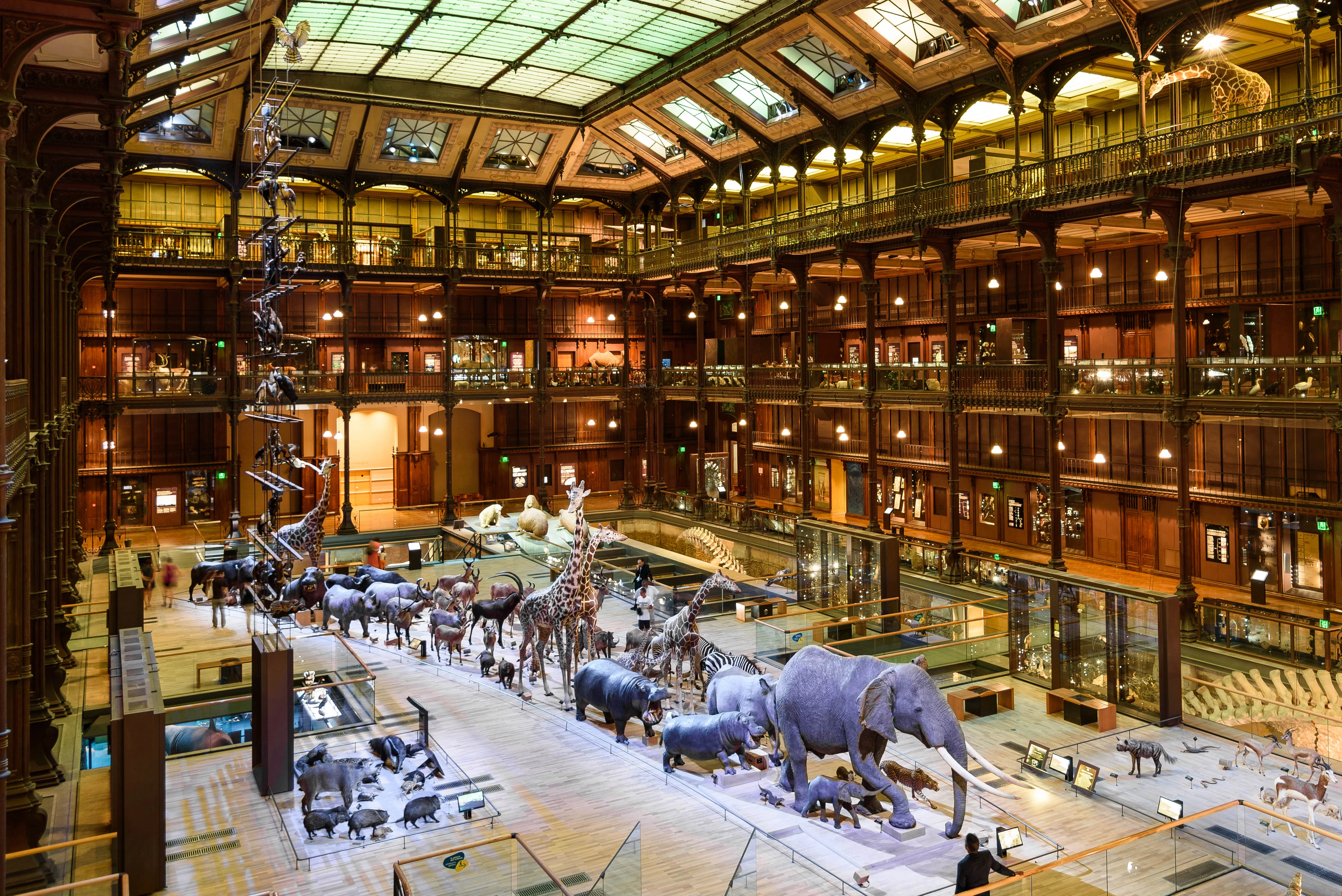
I remember the first time I walked into an art gallery. I was overwhelmed, not just by the beauty of the pieces, but by the sheer amount of information and opinions floating around. It got me thinking: how much of what we believe about art is actually true? Let's dive into some common art misconceptions and debunk them one by one.
Art is a realm of creativity, emotion, and expression, but it's also a world where myths and misunderstandings thrive. These misconceptions can shape our perceptions and even deter us from fully appreciating the art around us. By addressing these myths, we hope to make art more accessible and enjoyable for everyone.
Introduction
Art is a vast and diverse world, filled with beauty, emotion, and creativity. However, it's also a realm where myths and misconceptions thrive. These myths can shape our perceptions and even deter us from fully appreciating the art around us. In this article, we'll explore and debunk some of the most common art misconceptions, shedding light on the truth behind them.
The Importance of Art in Society
Art plays a crucial role in society by reflecting cultural values, challenging norms, and fostering creativity. It serves as a medium for communication, allowing individuals to express their thoughts, emotions, and experiences. Whether through paintings, sculptures, or digital art, the impact of art on society is profound and far-reaching.
Why Misconceptions Matter
Misconceptions about art can limit our understanding and appreciation of it. They can create barriers that prevent people from engaging with art, whether as creators or viewers. By addressing these myths, we hope to make art more accessible and enjoyable for everyone.
The Psychological Impact of Art
Art has the power to evoke emotions, stimulate thought, and inspire action. It can serve as a form of therapy, helping individuals process their feelings and experiences. Understanding the psychological impact of art can deepen our appreciation for its role in our lives.
The Role of Education
Education plays a crucial role in dispelling myths about art. By providing accurate information and fostering a deeper understanding of art, we can help people appreciate its true value and significance.
The Evolution of Art Education
Art education has evolved significantly over the years. From traditional methods to modern digital platforms, the ways in which we learn about art have expanded. This evolution has made art education more accessible and inclusive, allowing individuals from diverse backgrounds to explore their creative potential.
The Myth of "Good" and "Bad" Art
What Makes Art "Good"?
I often hear people say, "I don't know much about art, but I know what I like." And you know what? That's absolutely fine. Art is subjective. What one person finds beautiful, another might find unappealing. The idea that there's a universal standard for "good" art is a myth.
The Role of Criticism
Art criticism plays a significant role in shaping our perceptions of art. Critics provide insights and interpretations that can enhance our understanding of a piece. However, it's important to remember that criticism is subjective and should not be the sole determinant of an artwork's value.
The Role of Subjectivity
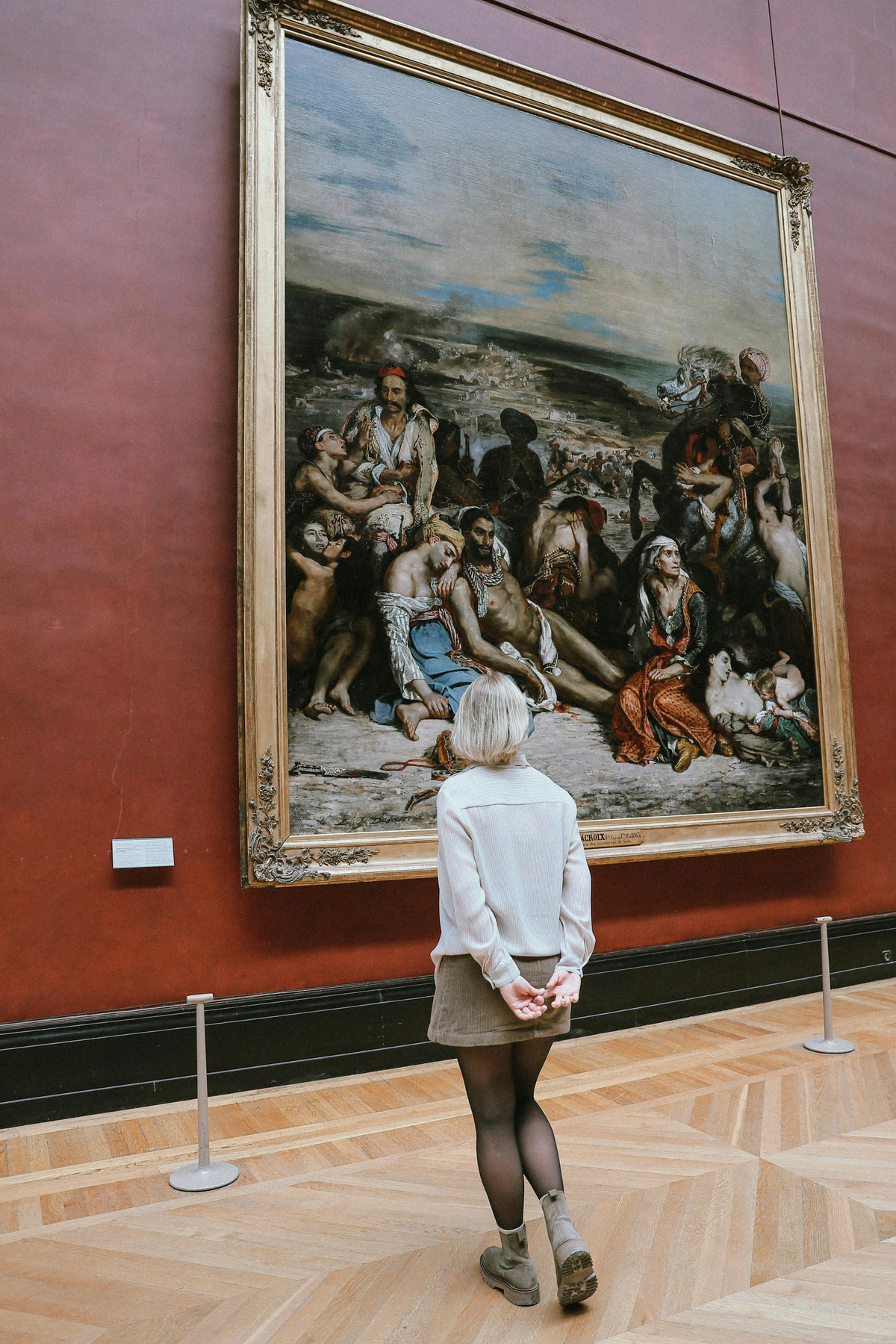
Art is about expression and emotion. It's not about meeting a set of criteria. Think about it: if art were purely objective, we'd all have the same favorite pieces, and that's clearly not the case. The value of art lies in its ability to evoke feelings and thoughts, not in its adherence to some arbitrary standard.
The Influence of Personal Taste
Personal taste plays a significant role in how we perceive and appreciate art. Our preferences are shaped by our experiences, cultural background, and individual perspectives. Embracing this diversity in taste can enrich our understanding of art and its impact on our lives.
The Influence of Culture and Context
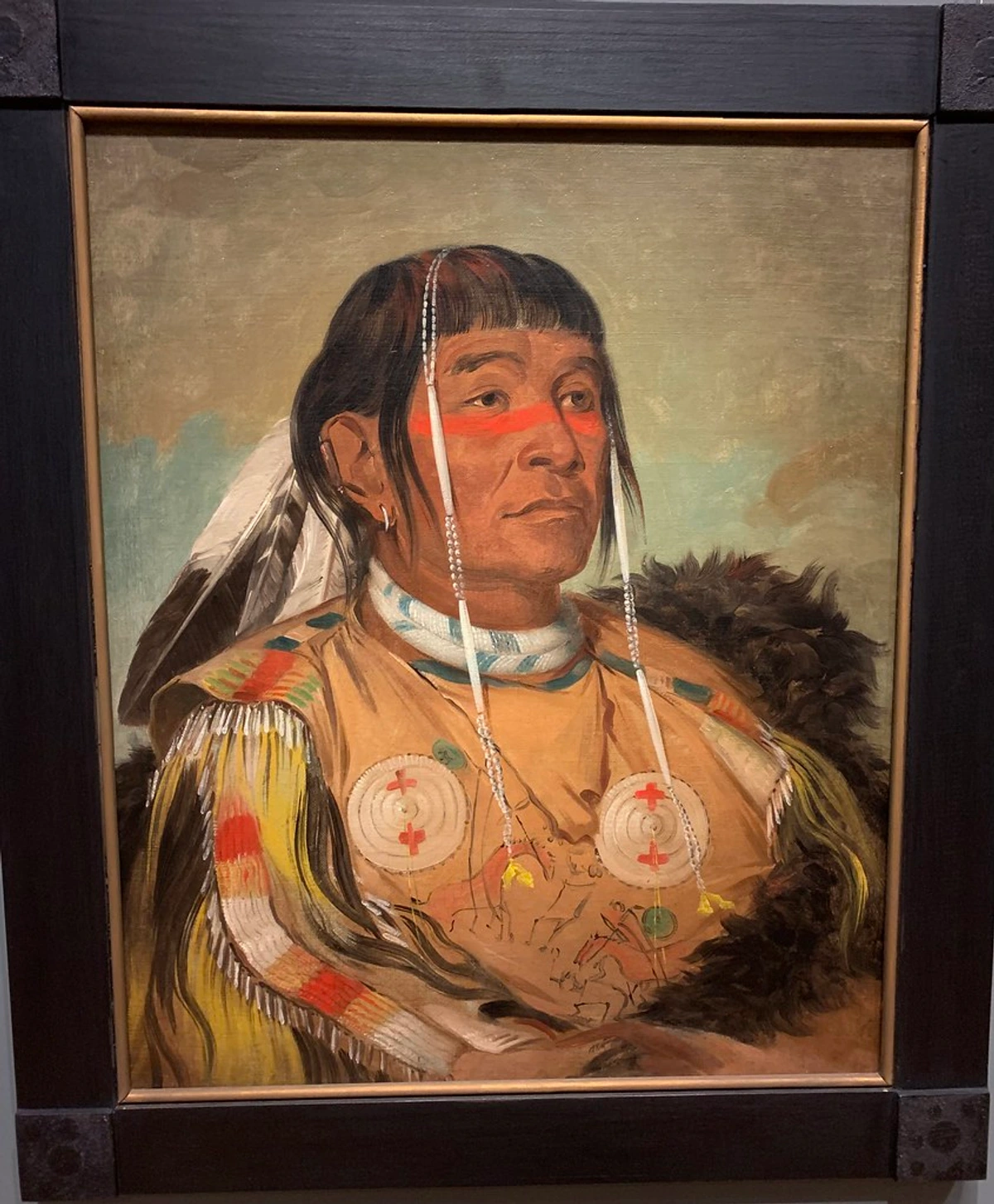
Cultural background and personal experiences play a significant role in how we perceive art. A piece that resonates deeply with one person might leave another indifferent. This diversity in perception is what makes art so rich and multifaceted. It's essential to recognize that our individual experiences shape our understanding and appreciation of art.
The Role of Cultural Heritage
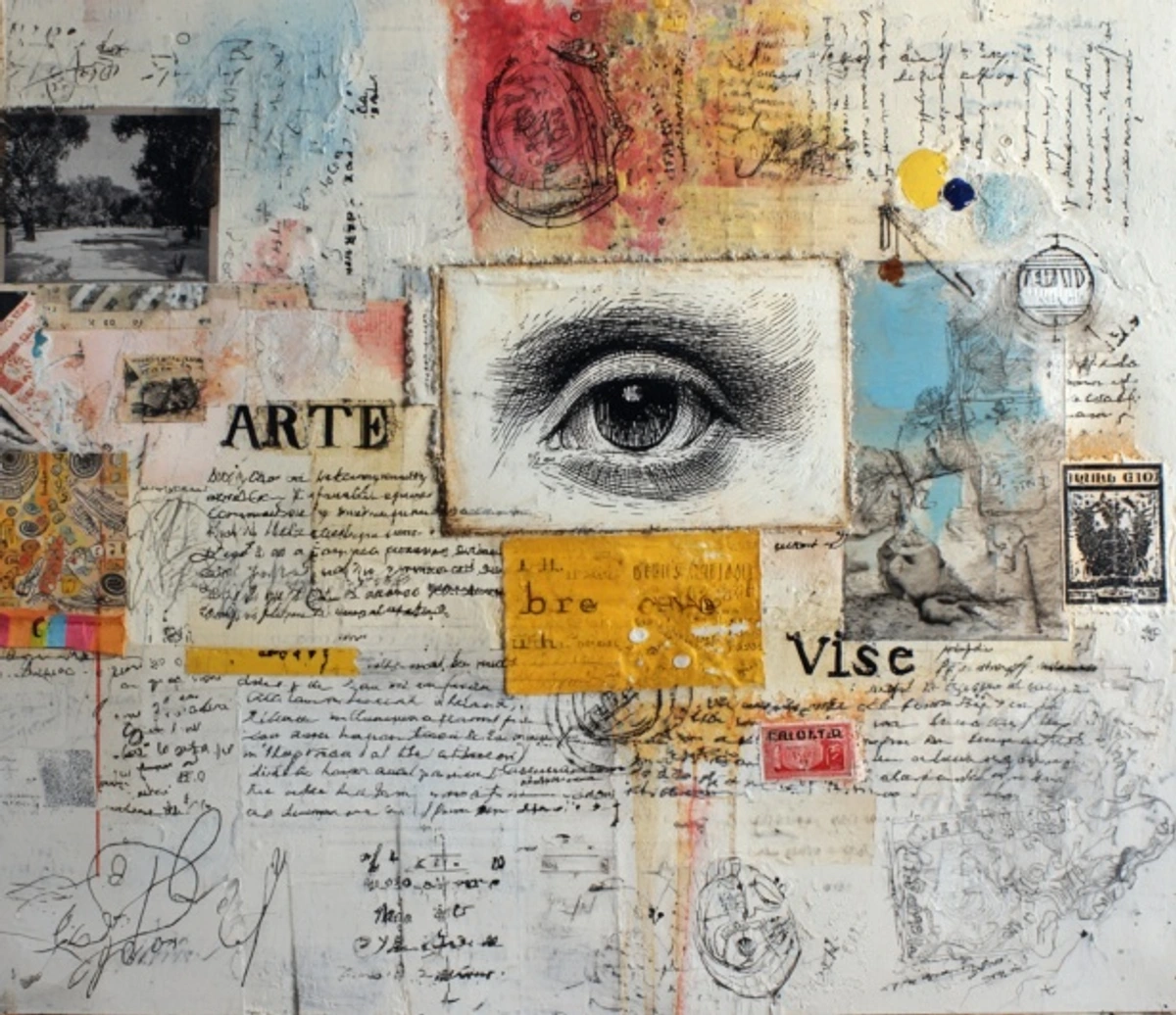
Cultural heritage plays a vital role in shaping artistic expression. It provides a foundation for artists to draw inspiration from their roots and traditions. Understanding the cultural heritage behind a piece of art can deepen our appreciation for its significance and meaning.
The Impact of Historical Context
Understanding the historical context of a piece can also enhance our appreciation. Art is often a reflection of the time and place in which it was created, and knowing this context can provide deeper insights into its meaning and significance.
The Role of Art Movements
Art movements are a testament to the evolution of artistic expression. From the Renaissance to modern abstract art, each movement reflects the societal changes and cultural shifts of its time. Exploring these movements can provide a deeper understanding of the diversity and richness of art.
The Evolution of Artistic Movements
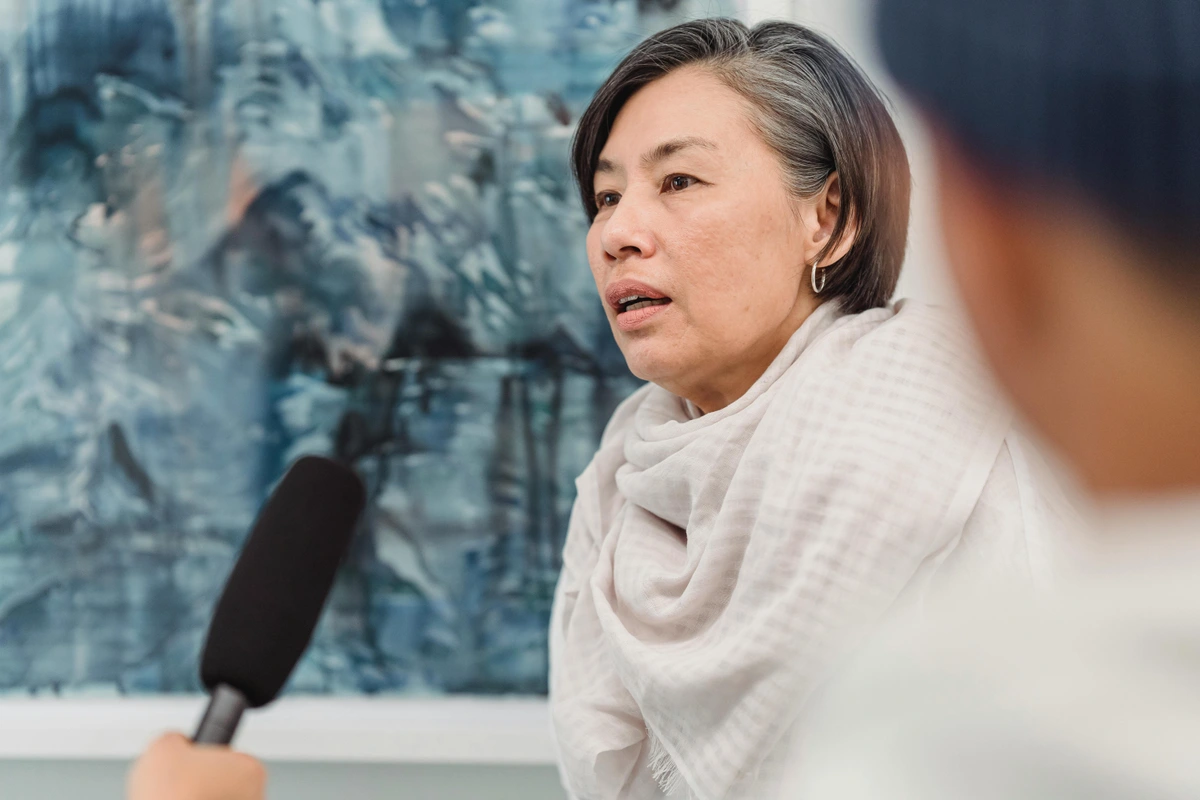
Artistic movements evolve over time, reflecting societal changes and cultural shifts. From the Renaissance to modern abstract art, each movement brings its own unique perspective and techniques. Understanding these movements can provide a deeper appreciation for the diversity and richness of art.
The Influence of Technology on Art
Technology has had a profound impact on the evolution of art. From the invention of the camera to the rise of digital art, technological advancements have opened up new possibilities for artistic expression. Embracing these innovations can lead to exciting and groundbreaking creations.
The Starving Artist Stereotype
The Reality of Art as a Career
There's a common belief that artists are doomed to a life of poverty. While it's true that making a living as an artist can be challenging, it's not impossible. Many artists, including myself, have found ways to sustain ourselves through our work. It's all about finding the right balance between creativity and business sense.
The Importance of Financial Literacy
Financial literacy is crucial for artists looking to sustain themselves through their work. Understanding how to manage finances, budget effectively, and invest wisely can make a significant difference in an artist's career. Resources and workshops on financial literacy can provide valuable insights and tools for artists.

Success Stories
Consider the story of Vincent van Gogh. He struggled financially during his lifetime, but his work is now among the most valuable in the world. While not every artist will achieve that level of fame, it's a reminder that success can come in many forms and at different times.
The Role of Persistence
Persistence is key to achieving success in the art world. Many artists face challenges and setbacks along the way, but those who persevere often find opportunities for growth and recognition. Embracing the journey and learning from failures can lead to long-term success.
Diverse Revenue Streams
Artists today have more opportunities than ever to monetize their work. From selling prints and original pieces to offering workshops and online courses, there are numerous ways to generate income. Platforms like Zen Museum provide artists with a global audience, making it easier to reach potential buyers and collectors.
The Role of Grants and Residencies
Grants and residencies offer valuable opportunities for artists to focus on their craft and expand their networks. These programs provide financial support, studio space, and access to resources that can help artists grow and develop their careers.
The Role of Social Media
Social media has also opened up new avenues for artists to showcase their work and connect with audiences. Platforms like Instagram, TikTok, and Pinterest allow artists to share their creations with a global audience, often leading to sales and collaborations.
The Impact of Online Communities
Online communities provide a platform for artists to connect, share ideas, and collaborate. These communities foster a sense of belonging and support, allowing artists to learn from each other and grow together.
The Misconception of Art as a Luxury
Art for Everyone
Art is often seen as a luxury item, something only the wealthy can afford. But that's not entirely true. There are many ways to enjoy and collect art on a budget. Prints, for example, are a great way to own beautiful pieces without breaking the bank.
The Role of Public Art
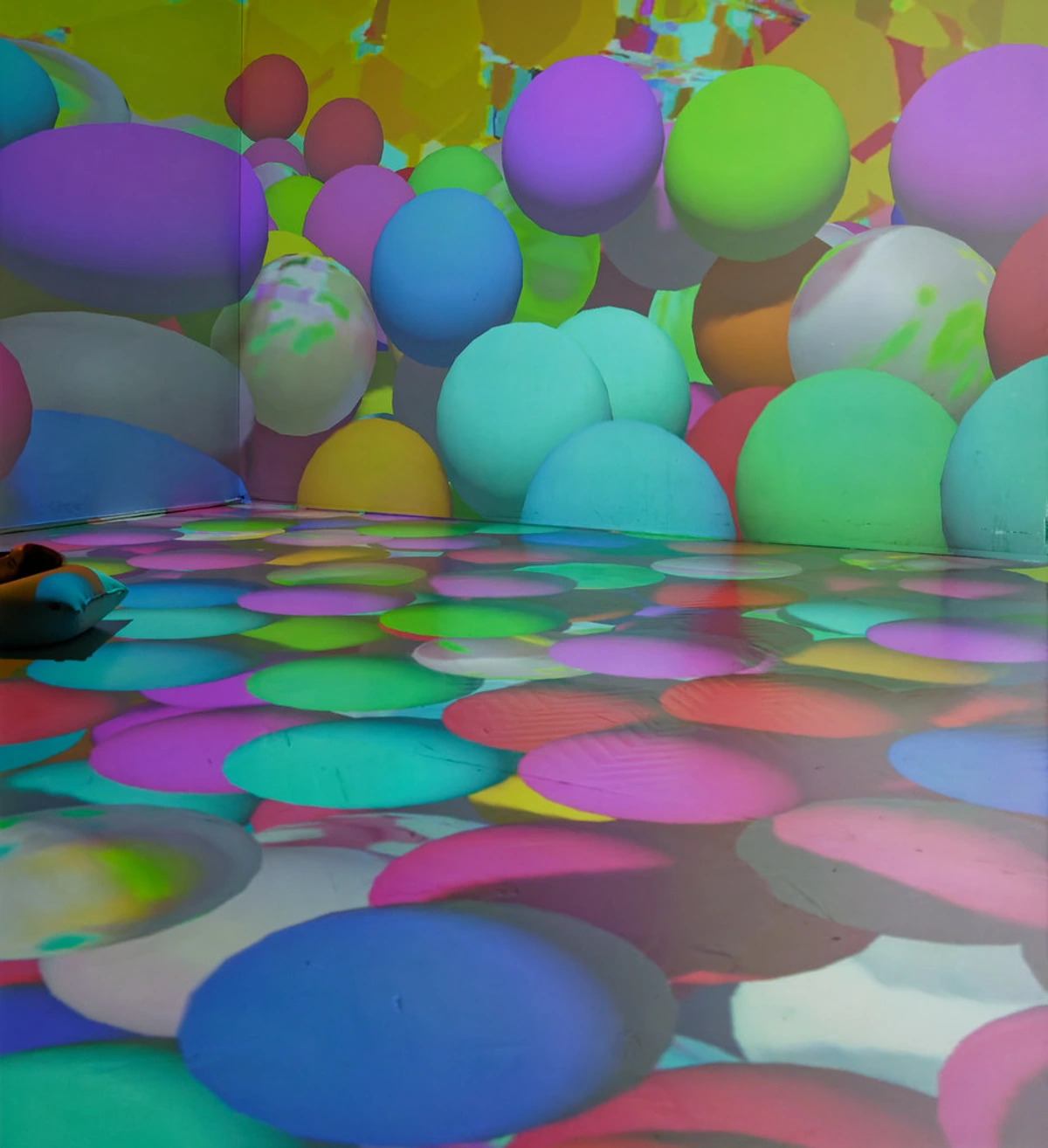
Public art plays a crucial role in making art accessible to everyone. It enriches public spaces, fosters community engagement, and provides opportunities for individuals to experience art in their daily lives. Supporting public art initiatives can help make art more inclusive and accessible.
Affordable Art Options
Websites like Zen Museum offer a range of affordable art options. From prints to original pieces, there's something for every budget. Art should be accessible to everyone, not just the elite.
The Role of Art Fairs and Markets
Art fairs and markets provide a platform for artists to showcase their work and connect with buyers. These events offer a diverse range of art at various price points, making it easier for individuals to find pieces that resonate with them.
The Value of Art in Everyday Life
Art enriches our lives in countless ways. It can inspire, provoke thought, and bring beauty into our daily routines. Whether it's a small print in your home or a visit to a local gallery, art has the power to transform our surroundings and uplift our spirits. It's not just about owning expensive pieces; it's about appreciating the creativity and expression that art brings to our lives.
The Role of Art in Personal Growth
Art can play a significant role in personal growth and self-discovery. It provides a medium for individuals to explore their emotions, thoughts, and experiences. Engaging with art can foster creativity, critical thinking, and a deeper understanding of oneself.
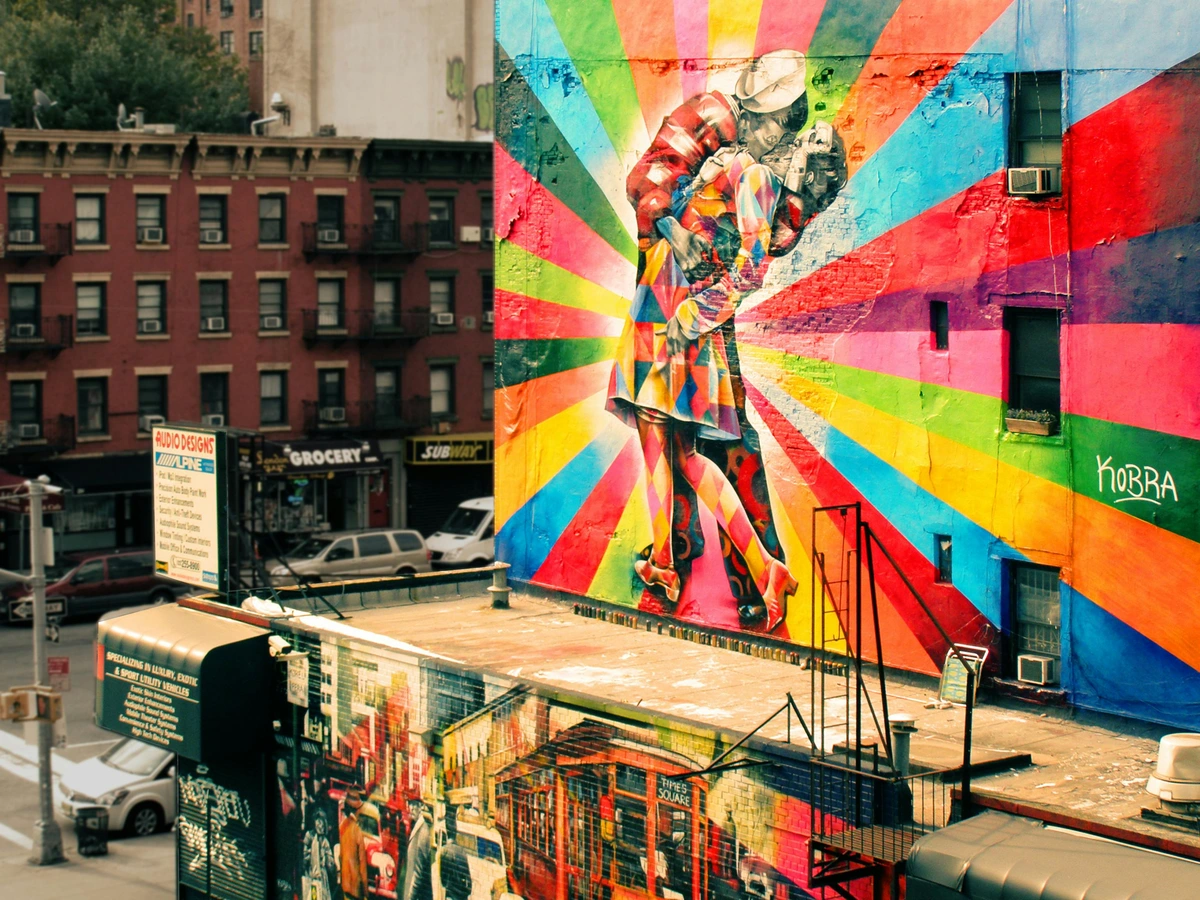
Art as a Form of Expression
Art is a powerful form of expression that allows individuals to communicate their thoughts, emotions, and experiences. It can serve as a mirror to society, reflecting its values, struggles, and aspirations.
The Role of Art in Social Change
Art has the power to inspire social change and challenge societal norms. It can raise awareness about important issues, provoke thought, and encourage action. Throughout history, art has played a significant role in advocating for justice, equality, and human rights.
The Myth of the "Natural" Talent
The Role of Practice
People often assume that great artists are born with a natural talent. While some may have a predisposition, the truth is that skill comes from practice. I've spent countless hours honing my craft, and I'm still learning every day.
The Importance of Discipline
Discipline is essential for artistic growth and development. It involves setting goals, maintaining a consistent practice, and pushing through challenges. Cultivating discipline can help artists achieve their creative potential and produce meaningful work.

The Importance of Learning
Art is a journey, not a destination. It's about continuous learning and growth. Whether you're a beginner or an experienced artist, there's always something new to discover.
The Role of Mentorship
Mentorship can play a significant role in an artist's development. Learning from experienced artists can provide valuable insights, guidance, and inspiration. Mentorship programs and workshops offer opportunities for artists to connect with mentors and grow their skills.
The Myth of Overnight Success
Success in art, as in any field, is rarely achieved overnight. It takes time, dedication, and perseverance. Many artists face challenges and setbacks along the way, but these experiences often contribute to their growth and development. Embracing the process and learning from failures is a crucial part of the artistic journey.
The Role of Resilience
Resilience is key to navigating the challenges of an artistic career. It involves adapting to change, overcoming obstacles, and maintaining a positive mindset. Building resilience can help artists stay motivated and focused on their goals.

The Role of Persistence
Persistence is key to achieving success in art. It's about continuing to create and refine your work, even when faced with obstacles or criticism.
The Importance of Self-Care
Self-care is essential for maintaining creativity and well-being. It involves taking breaks, practicing mindfulness, and engaging in activities that nourish the mind and body. Prioritizing self-care can help artists sustain their creative energy and avoid burnout.
The Misconception of Art as a Solo Endeavor
The Role of Community
Art is often seen as a solitary activity, but that's not always the case. Many artists thrive in communities where they can share ideas, collaborate, and support each other. The art world is full of vibrant communities, both online and offline.
The Importance of Collaboration
Collaboration can lead to innovative and exciting artistic projects. It brings together diverse perspectives and skills, fostering creativity and growth. Collaborative projects can also provide opportunities for artists to learn from each other and expand their networks.
Collaborative Projects
Collaborative projects can lead to incredible results. They bring together different perspectives and skills, creating something truly unique. Don't be afraid to reach out and connect with other artists.
The Role of Art Collectives
Art collectives provide a platform for artists to collaborate, share resources, and support each other. These collectives foster a sense of community and belonging, allowing artists to work together on projects and initiatives.
The Power of Networking
Building a network within the art community can open doors to new opportunities. Attending exhibitions, joining online forums, and participating in local art events are great ways to meet like-minded individuals. These connections can lead to collaborations, exhibitions, and even lifelong friendships.
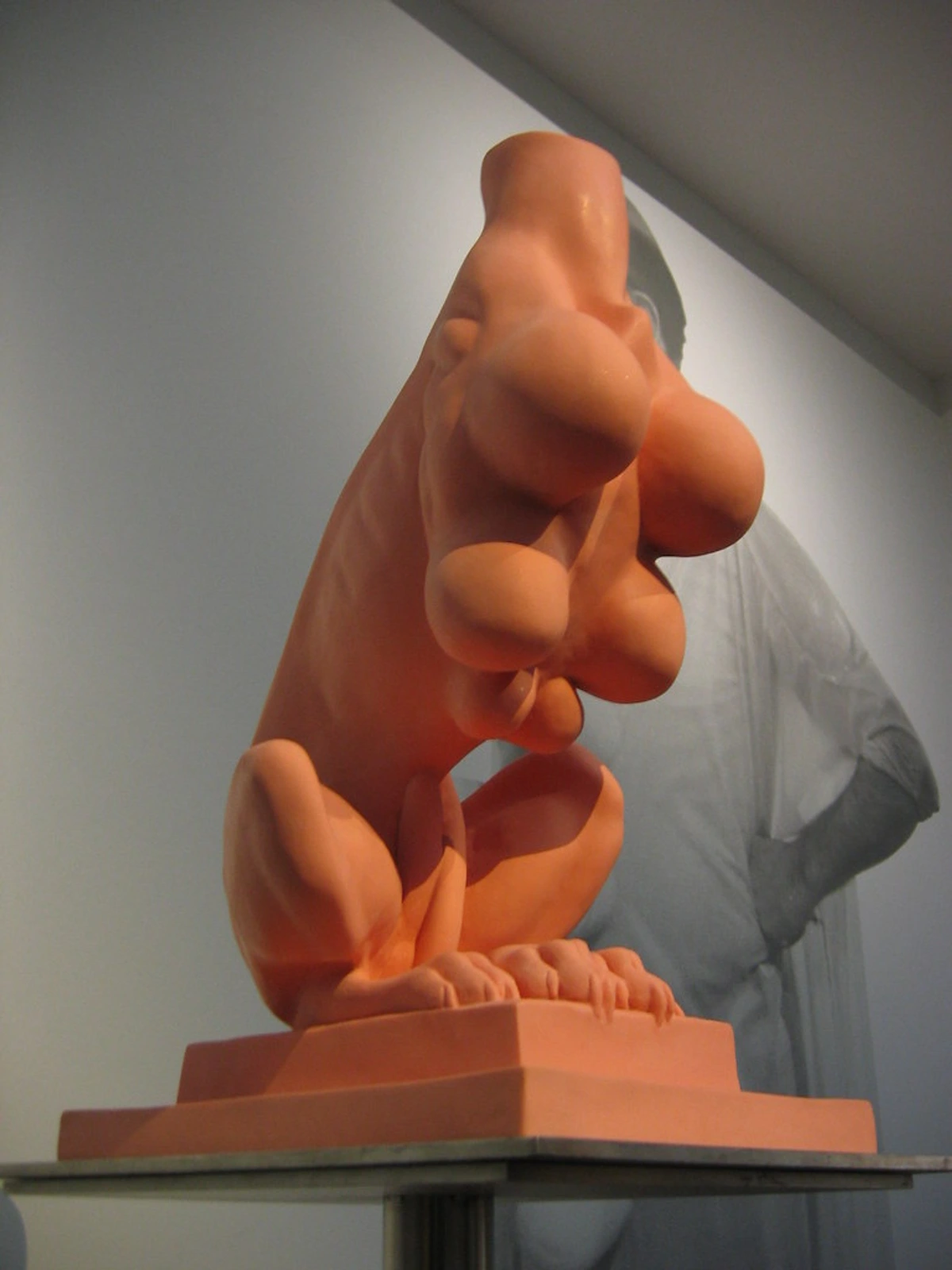
The Role of Art Organizations
Art organizations play a crucial role in supporting artists and fostering community engagement. They provide resources, funding, and opportunities for artists to showcase their work and connect with audiences.
The Importance of Mentorship
Mentorship is another valuable aspect of the art community. Experienced artists can provide guidance, support, and inspiration to those who are just starting out.
The Role of Art Education Programs
Art education programs offer valuable opportunities for individuals to learn about art and develop their skills. These programs provide access to resources, mentorship, and community support, fostering a deeper appreciation for art and its role in society.
The Myth of the "Perfect" Art Piece
The Beauty of Imperfection
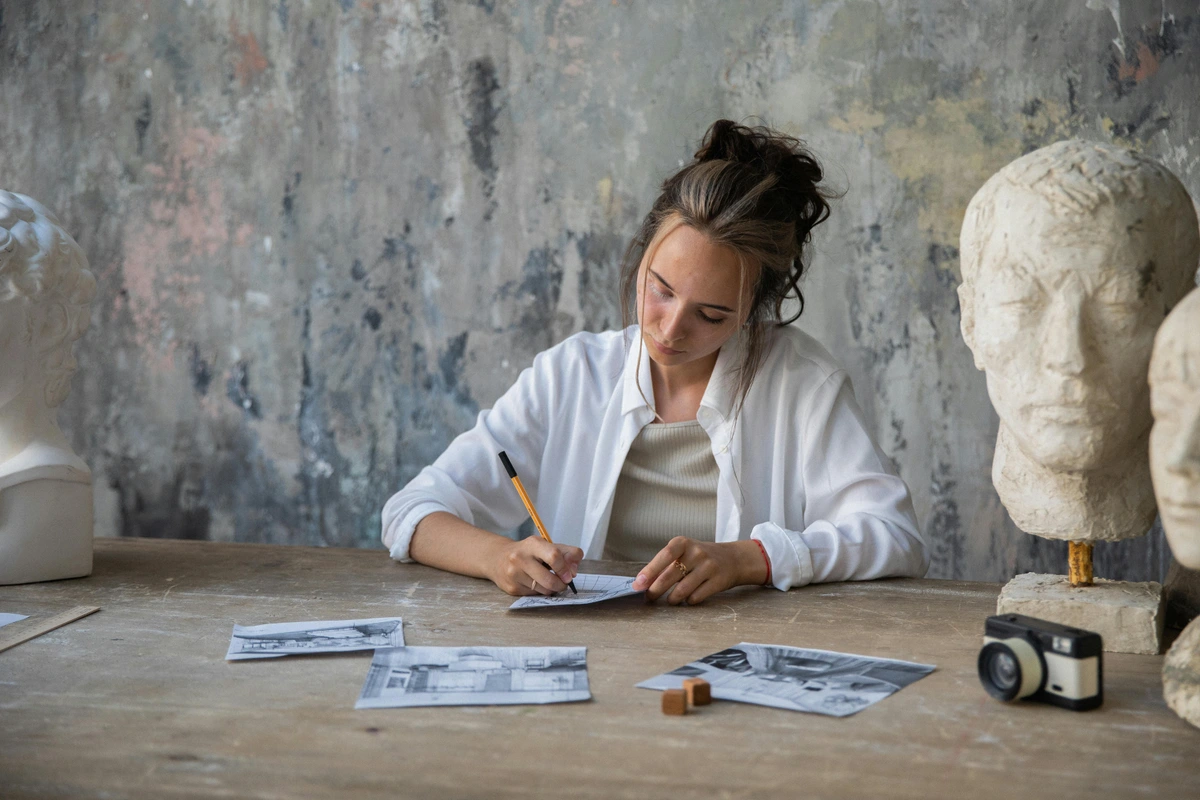
There's a common belief that art should be perfect. But what does "perfect" even mean? Art is about expression, and sometimes that means embracing imperfections. Some of the most beautiful pieces are those that show the artist's hand and their process.
The Role of Authenticity
Authenticity is a key aspect of artistic expression. It involves staying true to one's vision, values, and experiences. Embracing authenticity can lead to meaningful and impactful art that resonates with audiences.

The Process of Creation
The process of creating art is just as important as the final piece. It's about the journey, the mistakes, and the discoveries along the way. Don't be afraid to show your process; it's part of what makes your art unique.
The Role of Experimentation
Experimentation is crucial for artistic growth and innovation. It involves trying new techniques, materials, and styles to discover what works best. Embracing experimentation can lead to exciting and unexpected results.
The Evolution of Artistic Style
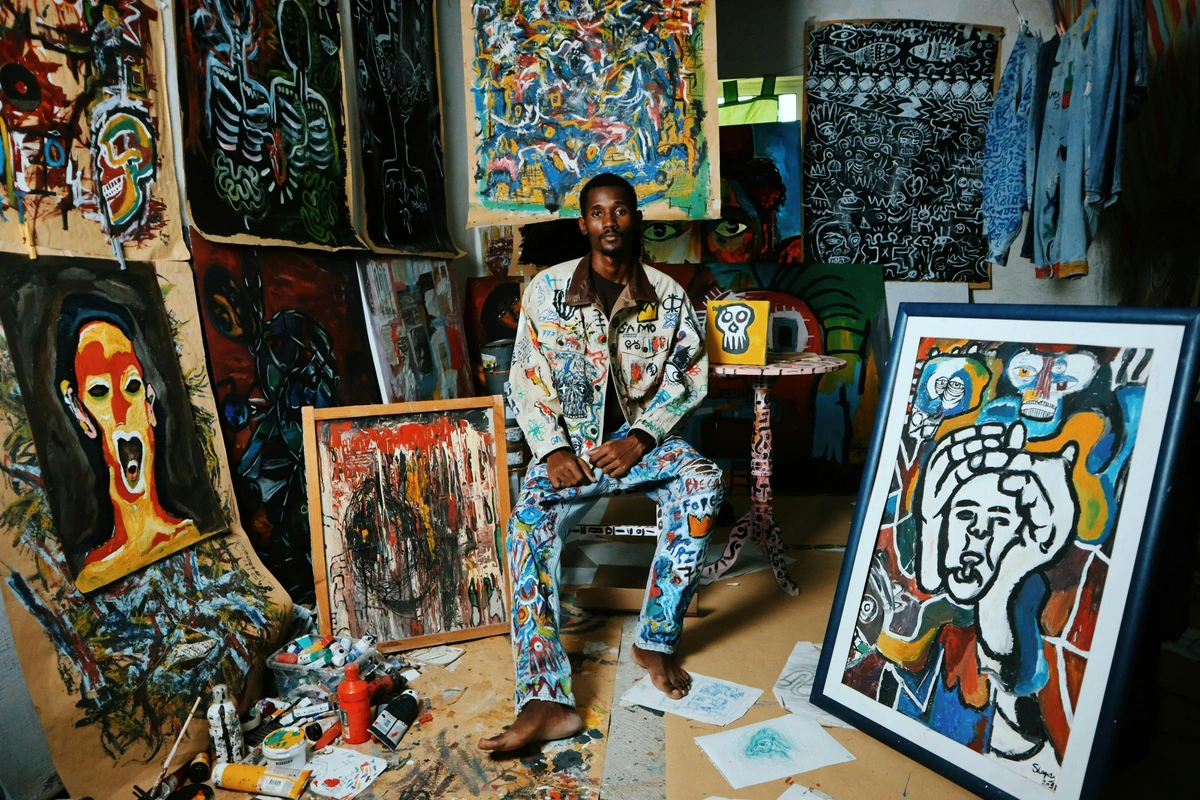
Artistic styles evolve over time, reflecting the artist's growth and experiences. What may have started as a simple sketch can transform into a masterpiece through experimentation and refinement. Embracing this evolution and allowing your style to develop naturally is a key aspect of the artistic process.
The Role of Inspiration
Inspiration plays a significant role in the evolution of artistic style. It can come from various sources, including nature, personal experiences, and other artists. Embracing inspiration can lead to new ideas and creative breakthroughs.
The Role of Experimentation
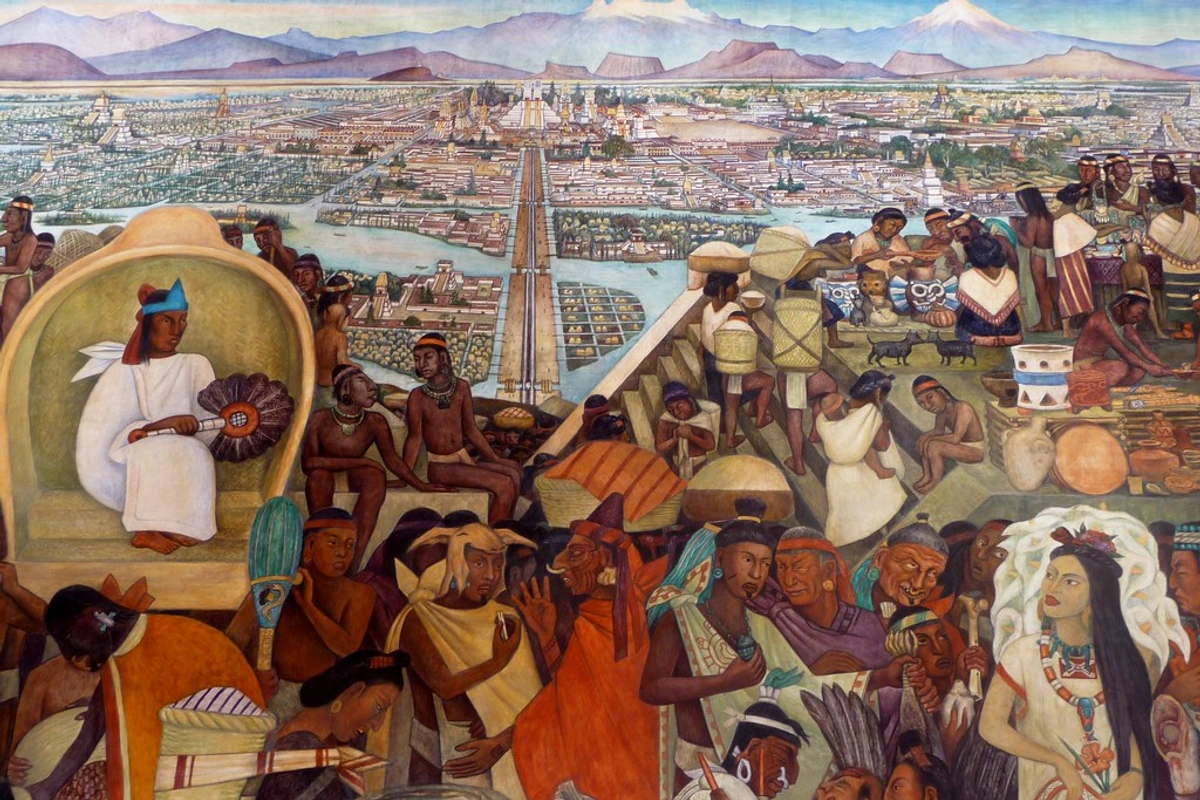
Experimentation is crucial for artistic growth. Trying new techniques, materials, and styles can lead to unexpected and exciting results.
The Importance of Feedback
Feedback is essential for artistic growth and development. It provides valuable insights and perspectives that can help artists refine their work and improve their skills. Seeking feedback from peers, mentors, and audiences can lead to meaningful growth.
FAQ
Is art really subjective?
Yes, art is highly subjective. What one person finds beautiful, another might not. The value of art lies in its ability to evoke emotions and thoughts, not in meeting a set of criteria.
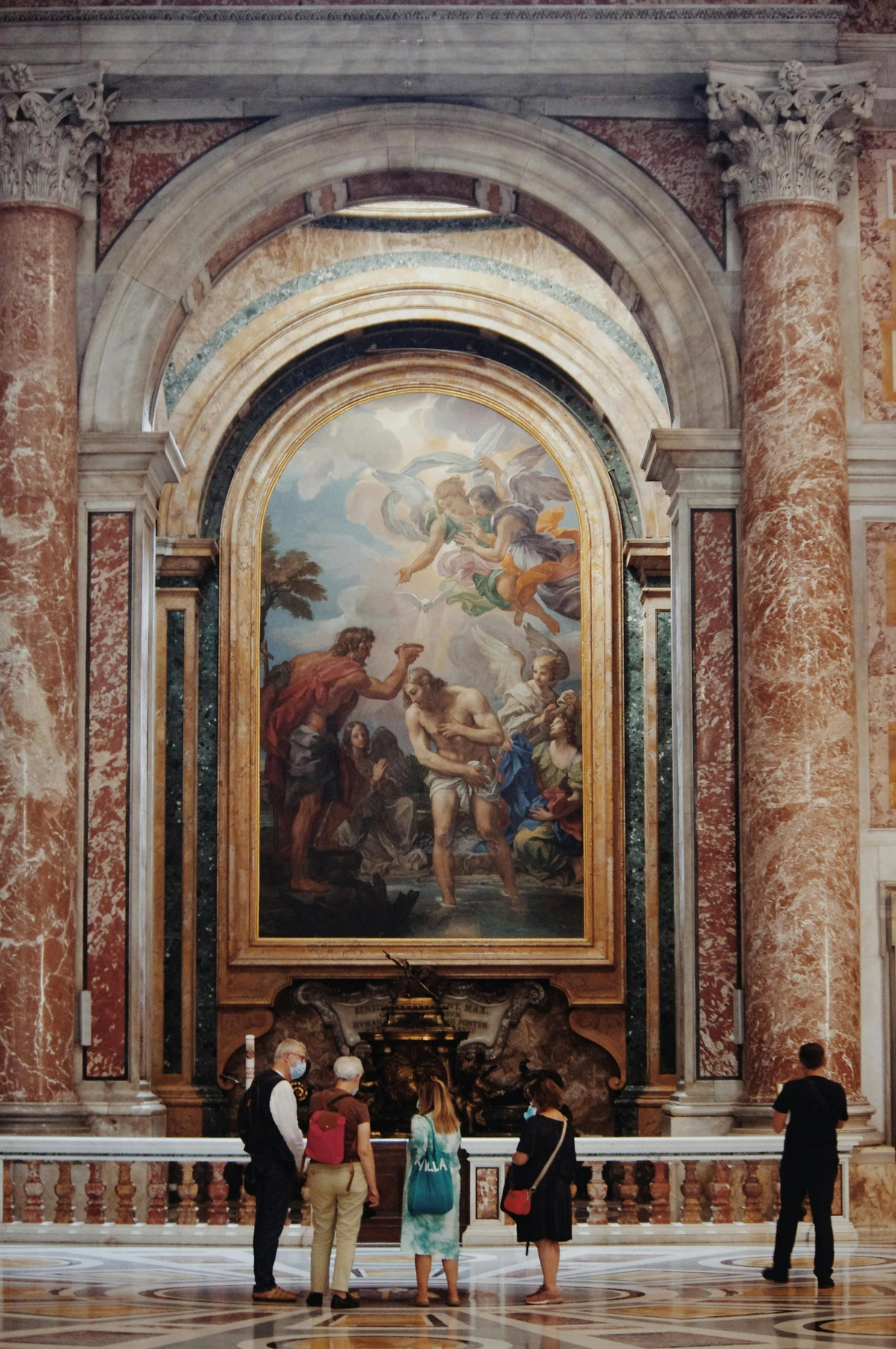
How does art impact mental health?
Art can have a profound impact on mental health. It provides a medium for individuals to express their emotions, reduce stress, and gain a sense of accomplishment. Engaging with art can foster creativity, critical thinking, and a deeper understanding of oneself.
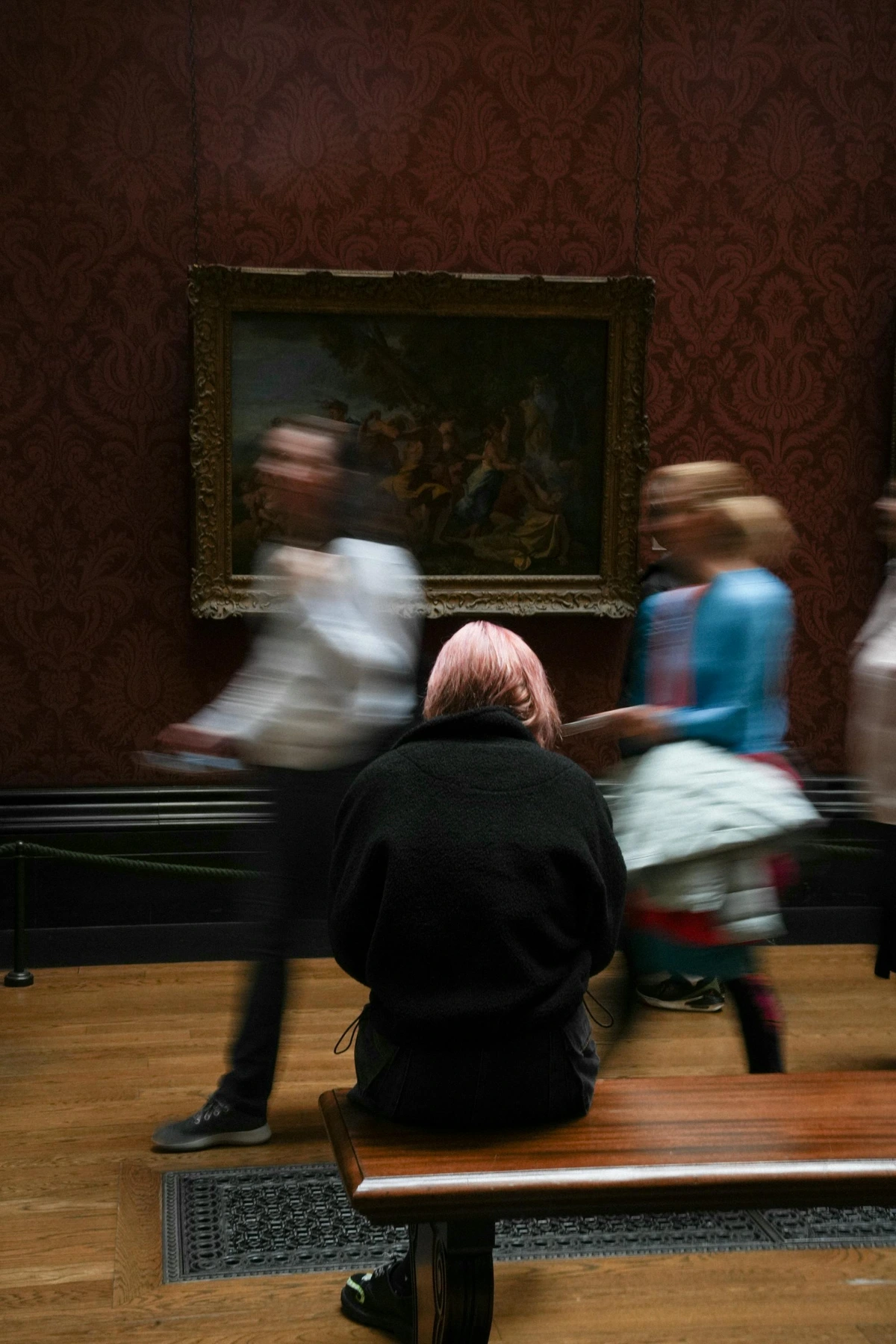
Can anyone become an artist?
Absolutely. While some people may have a natural talent, anyone can become an artist with practice and dedication. Art is a journey of continuous learning and growth.
What are the benefits of art education?
Art education offers numerous benefits, including fostering creativity, critical thinking, and problem-solving skills. It provides a platform for individuals to explore their emotions, thoughts, and experiences, leading to personal growth and self-discovery.
Is art a good investment?
Art can be a good investment, but it's not guaranteed. The value of art can fluctuate, and it's important to buy pieces that you genuinely love, not just for their potential financial return.
How can I support emerging artists?
Supporting emerging artists can be done in various ways, including buying their work, sharing their stories, and engaging with their communities. Attending local art events, exhibitions, and workshops can also provide opportunities to connect with and support emerging artists.

How can I start collecting art on a budget?
There are many ways to start collecting art on a budget. Prints are a great option, as they are often more affordable than original pieces. Websites like Zen Museum offer a range of affordable art options.
What are the different types of art?
Art comes in various forms, including painting, sculpture, photography, and digital art. Each type offers unique opportunities for creativity and expression. Exploring different types of art can help individuals discover their preferred medium and style.
What's the best way to support artists?
The best way to support artists is to buy their work, share their stories, and engage with their communities. Every little bit helps, and it means a lot to artists to know that their work is appreciated.

How do I know if a piece of art is valuable?
The value of art is determined by various factors, including the artist's reputation, the uniqueness of the piece, and market demand. However, the most important factor is how much you personally connect with the artwork. Always buy pieces that resonate with you.
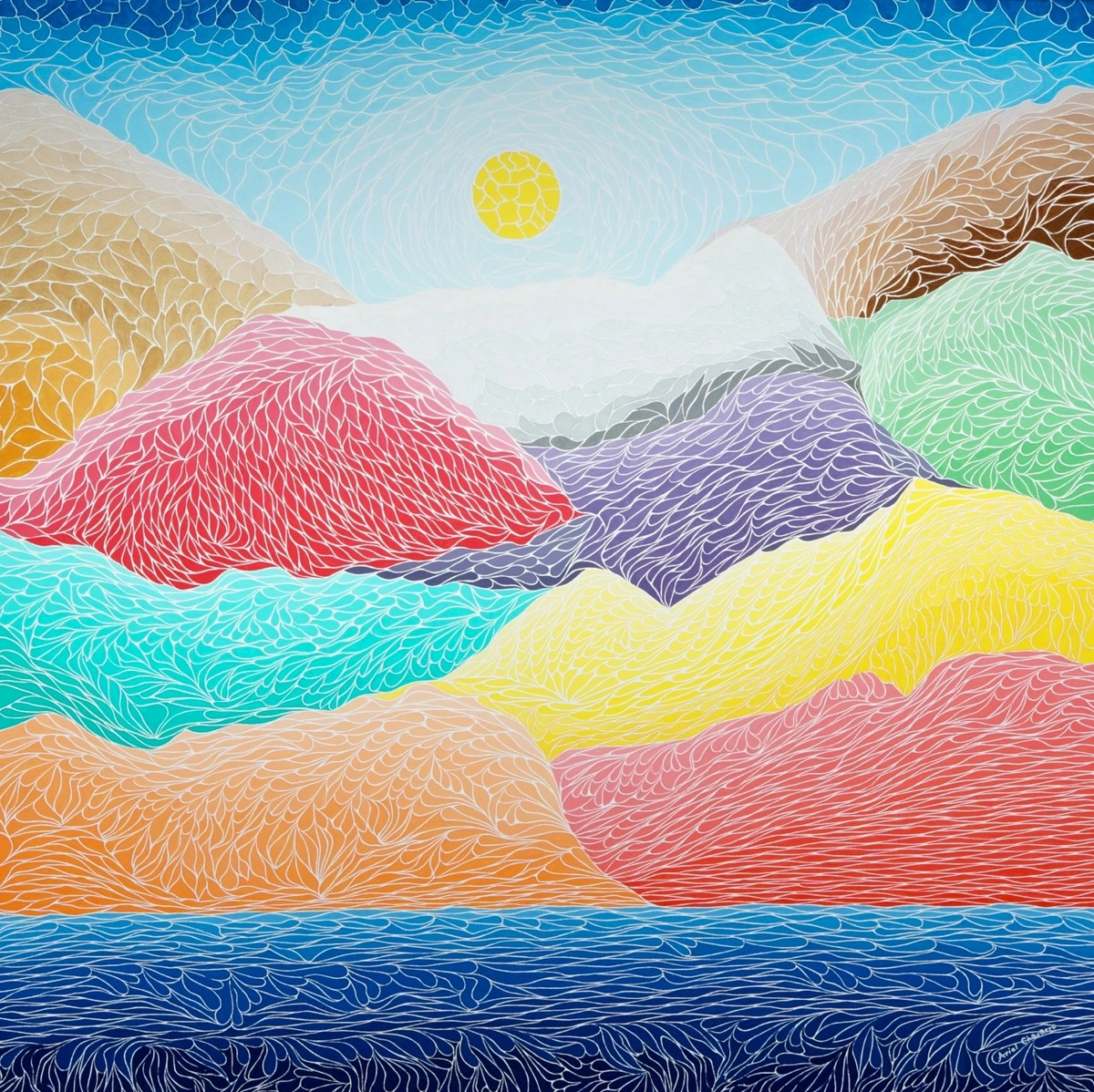
What are the benefits of visiting art museums?
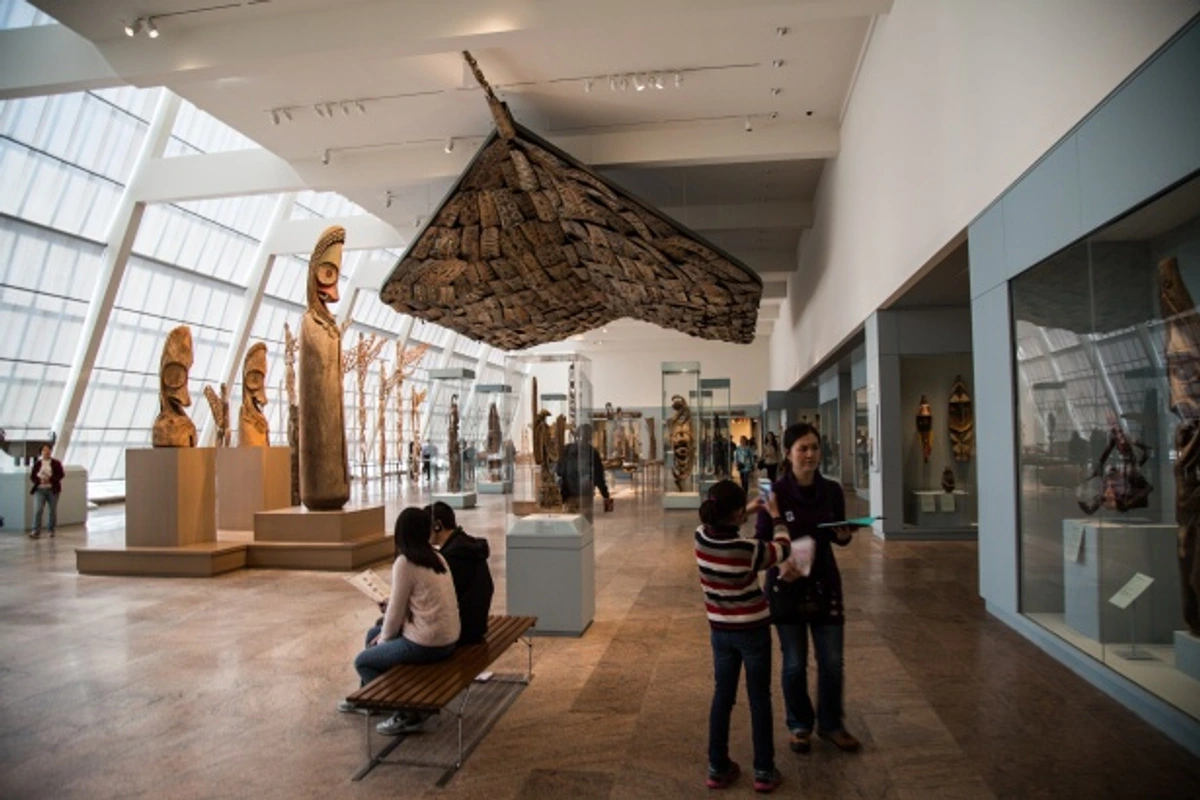
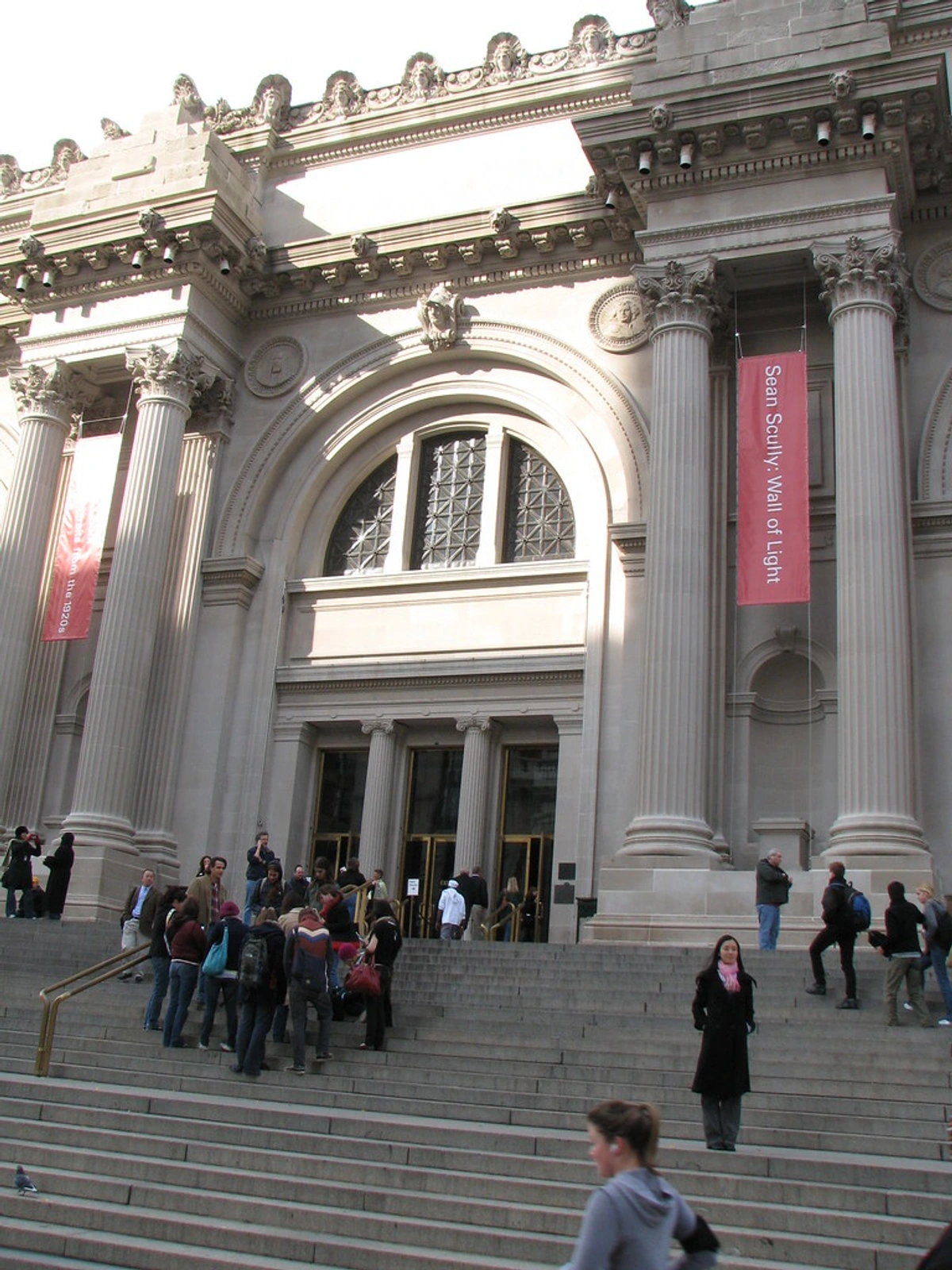
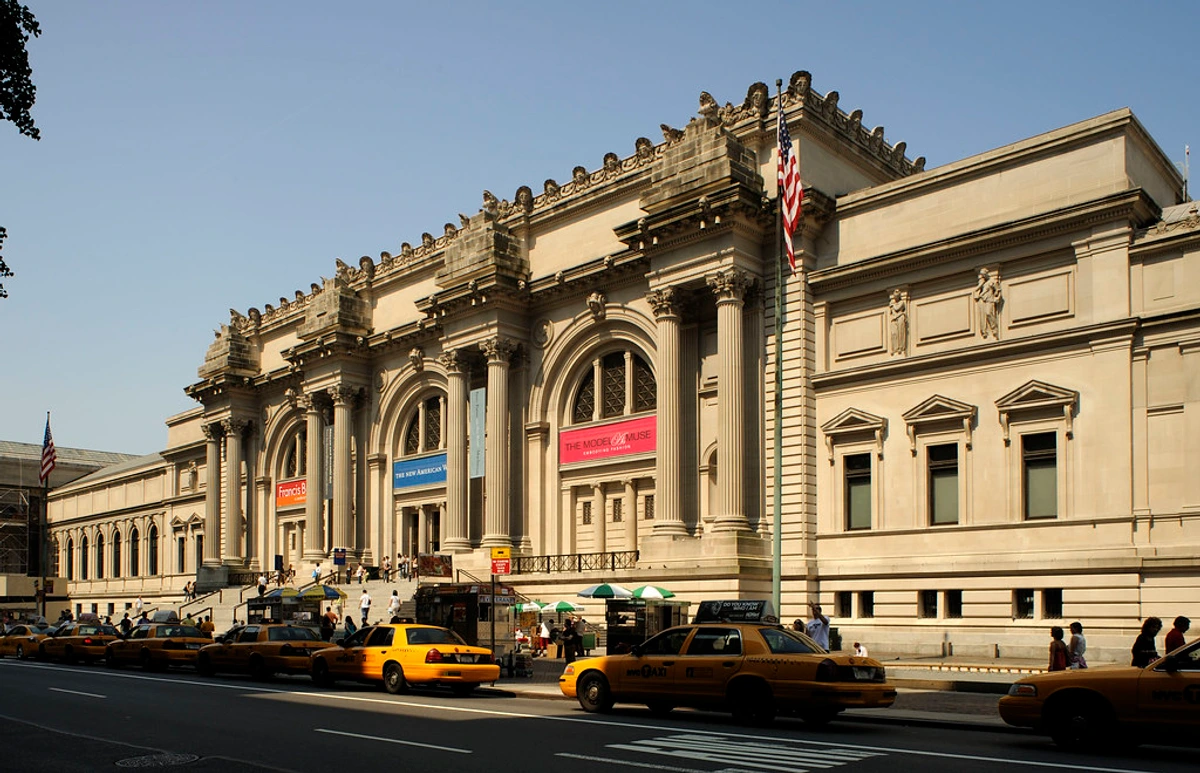
Visiting art museums offers numerous benefits, including exposure to diverse artistic styles, cultural enrichment, and educational opportunities. Museums provide a platform for individuals to engage with art, learn about its history, and gain a deeper appreciation for its significance.
Can art be a form of therapy?
Yes, art can be incredibly therapeutic. Creating art allows individuals to express their emotions, reduce stress, and gain a sense of accomplishment. Many people find solace and healing through artistic expression.
How can I incorporate art into my daily life?
Incorporating art into your daily life can be done in various ways, including visiting local galleries, attending art events, and engaging with online art communities. Surrounding yourself with art can inspire creativity, provoke thought, and bring beauty into your daily routines.
What are some common art techniques?
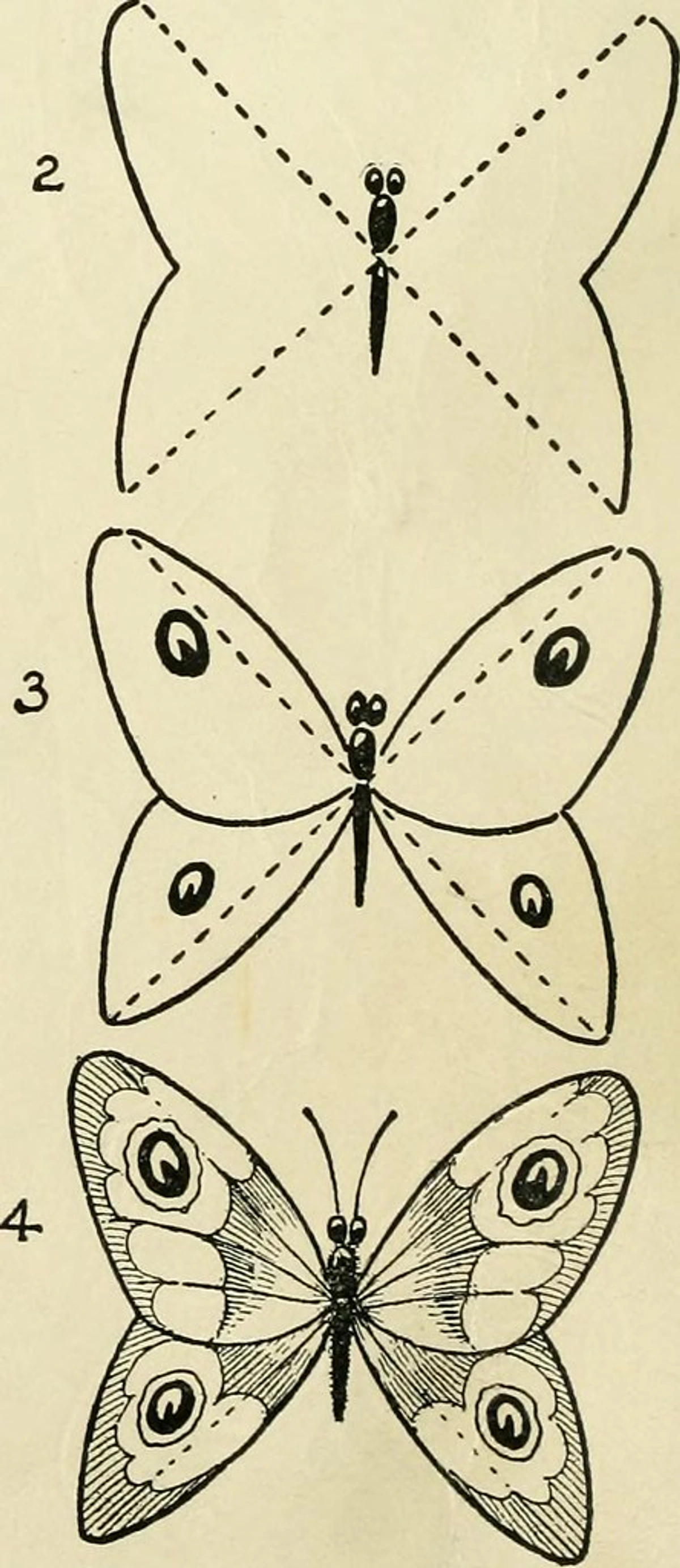
There are numerous art techniques, including painting, drawing, sculpture, printmaking, and digital art. Each technique offers unique opportunities for creativity and expression. Experimenting with different techniques can help artists discover their preferred medium.
What are the benefits of art workshops?
Art workshops offer numerous benefits, including hands-on learning, skill development, and community engagement. They provide a platform for individuals to explore new techniques, receive feedback, and connect with other artists.
How can I learn more about art history?
Learning about art history can deepen your appreciation for art. Books, online courses, and museum visits are excellent ways to explore the rich history of art. Understanding the context and evolution of art can provide valuable insights into the works you admire.
What should I consider when buying art?
When buying art, consider your personal taste, the artist's background, and the piece's potential to enhance your space. It's also important to think about the artwork's condition, authenticity, and provenance. Buying from reputable sources ensures a positive experience.
How can I support local artists?
Supporting local artists can be done in various ways, including buying their work, attending local art events, and engaging with their communities. Supporting local artists helps foster a vibrant and inclusive art scene, providing opportunities for artists to showcase their work and connect with audiences.
Conclusion
Art is a complex and multifaceted world. It's full of myths and misconceptions that can be confusing and overwhelming. But by understanding the truth behind these myths, we can appreciate art in a whole new way. So next time you're in a gallery or looking at a piece of art, remember: there's no right or wrong way to feel about it. Art is about expression, emotion, and connection.
The Future of Art
The future of art is bright and full of possibilities. With advancements in technology, changes in societal values, and the evolution of artistic expression, the art world is constantly evolving. Embracing these changes and exploring new opportunities can lead to exciting and groundbreaking creations.
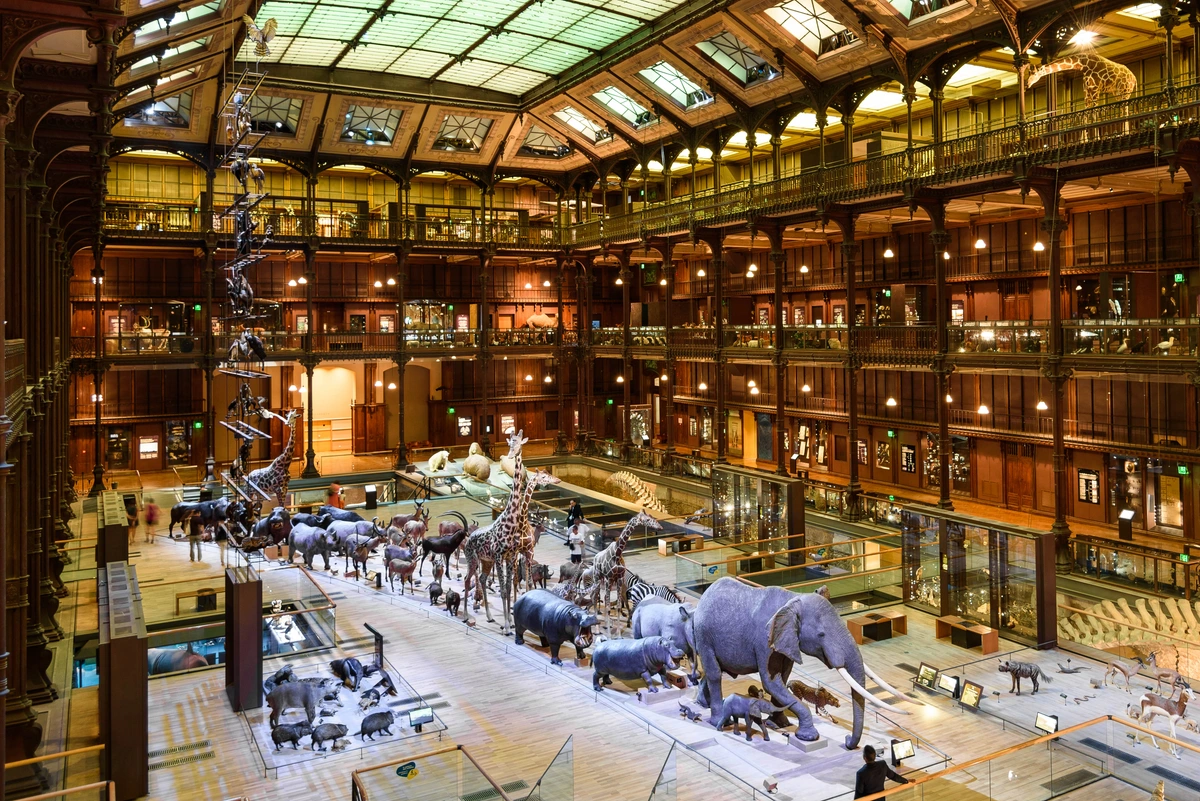
And if you're inspired to start your own art collection, check out Zen Museum for a range of beautiful and affordable options. Happy exploring!
















Final Thoughts
Art is a journey of discovery, both for the artist and the viewer. It challenges our perceptions, evokes our emotions, and connects us to the world in unique ways. By debunking common misconceptions, we open ourselves to a deeper appreciation of art and its role in our lives. Whether you're an artist, a collector, or simply an admirer, the world of art has something to offer everyone.
The Role of Art in Society
Art plays a crucial role in society by reflecting cultural values, challenging norms, and fostering creativity. It serves as a medium for communication, allowing individuals to express their thoughts, emotions, and experiences. Understanding the role of art in society can deepen our appreciation for its significance and impact.