Fade Defense: How Chemical Reactions Transform Your Art (and How to Protect It)
Discover how pigments react to their environment and learn expert tricks to keep your vibrant masterpieces thriving for centuries.

Fade Defense: How Chemical Reactions Transform Your Art (and How to Protect It)
I still cringe thinking about my first abstract masterpiece—a burst of cobalt blue and cadmium yellow that practically hummed with energy. Within a year, that sunny yellow had turned a sickly brown, and the blue looked like it had been left out in the rain for a decade. What happened? It wasn’t poor craftsmanship—it was chemistry doing its dirty work. Pigments don’t just sit there looking pretty; they’re basically tiny chemical reactors, lighting up and fading based on everything from sunlight to sneezes in the gallery.
The Science Behind the Sparkle and Swoon
What most people call "color" is actually a chemical drama in miniature. Pigments are particles that absorb certain wavelengths of light and reflect others. The yellow of a lemon? Cadmium sulfide reflecting green and blue light while gobbling up reds. The deep crimson of roses? Iron oxide doing the same dance. These reactions aren’t just pretty—they’re fundamental to how we experience art.
But light and air aren't the only actors. Binders—the "glue" holding pigment particles to paper or canvas—get in on the action too. Oil paints oxidize slowly, acrylics polymerize when dried, and watercolors just... sit there waiting for trouble. I once watched time-lapse photography of an oil painting in progress, and seeing those binders actually cross-link felt like watching tiny construction crews building a molecular scaffold. Fascinating, right?
The Environmental Trio: Light, Heat, and Humidity
Think of your art as a sensitive houseplant that you can’t overwater. Environmental stressors trigger reactions that can be beautiful (like the warm patinas on old bronzes) or disastrous (like your yellow painting turning brown).
- Light: Ultraviolet rays are the art world's vandals. They excite pigment molecules, speeding up oxidation and causing fading. UV radiation is measured in nanometers (nm), with UVA (315-400nm) being the most damaging to art as it penetrates deeply into materials. Even visible light (400-700nm) contributes to fading—blue light has higher energy than red light, which is why blues often fade faster than reds. Museums typically limit light exposure to 50-200 lux for sensitive works, which is about the brightness of a cloudy day indoors.
- Heat: Accelerates all chemical reactions. A painting near a radiator might age as fast as a decade in cool darkness in just one year. Every 10°C (18°F) increase in temperature roughly doubles the reaction rate according to the Q10 rule. So that cozy 25°C (77°F) living room? It's making your art age twice as fast as the ideal 15°C (59°F) museum storage temperature. Heat also causes expansion and contraction—imagine your canvas stretching and shrinking with every temperature swing, eventually causing cracks and pigment flaking.
- Humidity: Makes binders swell and contract. In watercolors, it can dissolve pigments. In oils, it can cause "blooming"—that white hazy film over colors. The ideal humidity range is 40-55% RH (relative humidity), with fluctuations kept under 5% daily. Below 30% RH, paper becomes brittle and can crack; above 65% RH, mold and fungal growth become serious threats. I once saw a watercolor ruined when humidity went from 45% to 85% overnight in a coastal gallery—pigments literally dissolved and bled into the paper like tears.
- Pollution: The invisible enemy. Sulfur dioxide from burning fossil fuels reacts with moisture to form sulfuric acid, which can corrode metal pigments and yellow organic materials. Ozone breaks down organic pigments, causing fading even without direct light. Volatile organic compounds (VOCs) from new furniture, carpets, and plastics can migrate into art, causing staining and chemical changes. The worst offender? That "new car smell" is actually off-gassing VOCs that can damage art over time. Museums use multi-stage filtration systems to remove pollutants, but most homes have no such protection.
I once had a collector store an iridescent painting in a damp basement. When they brought it up, half the shimmer had turned into rusty-looking patches. Lesson learned: art doesn’t like basements any more than I do.
Reaction Central: Common Pigment Transformations
Here’s where things get juicy. Different pigments have different personalities and reactions.
Pigment Type  | Common Colors | Typical Reactions | Preservation Tips |
|---|---|---|---|
| Organic Pigments | Phthalo blues, pinks | Fading in UV light, darkening | UV-filtered glass, limited display |
| Cadmiums | Yellows, reds, oranges | Oxidation over time (darkening) | Stable environments, avoid heat |
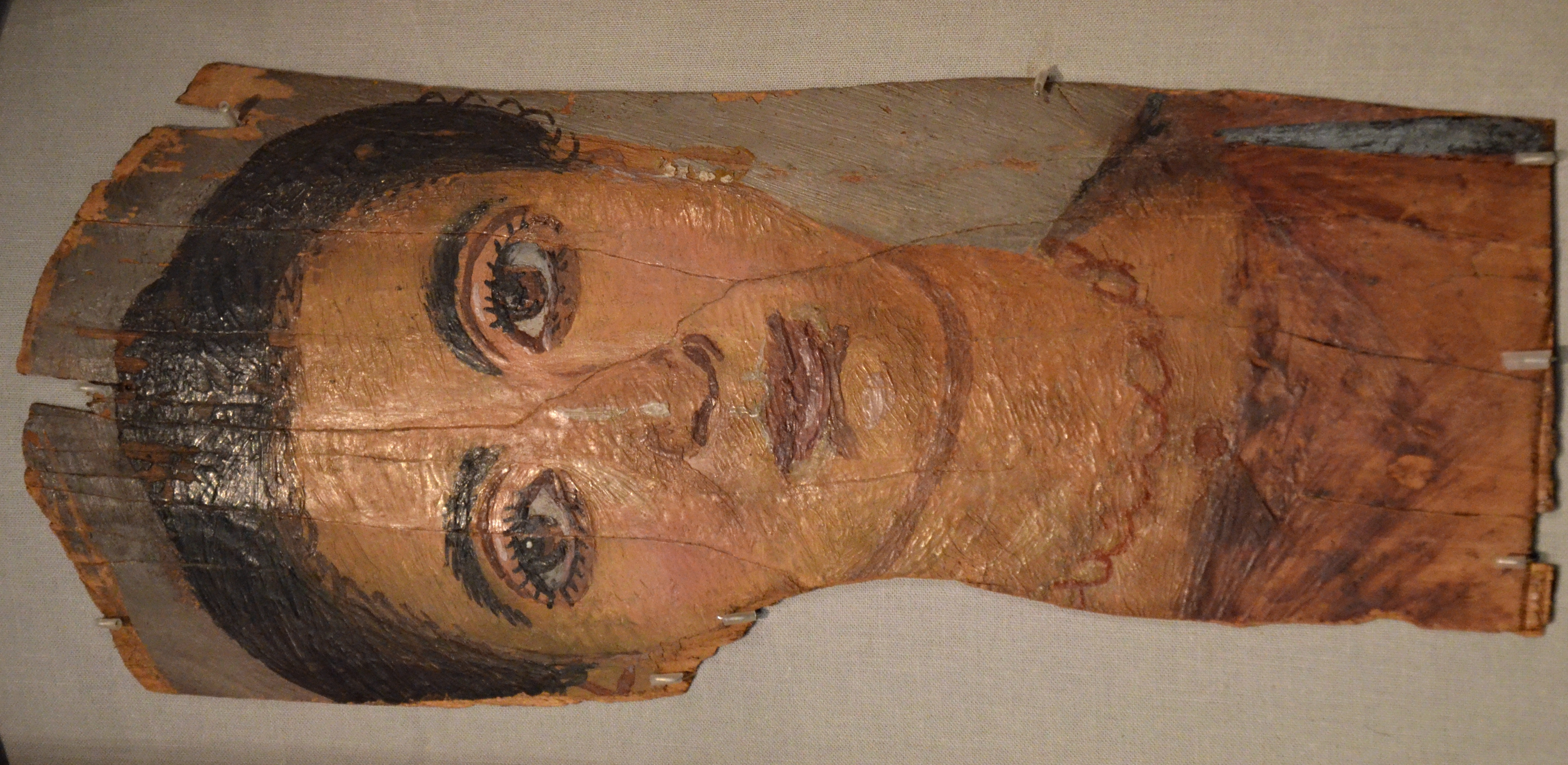
| Azurite/Pigment Blue | Ancient blues | Degrades to green-black in moisture | Strict humidity control (40-55%) |
| Lead White | Classic white | Turns black in sulfur environments | Avoid fossil fuels, sulfurs |
| Modern Synthetic | Neons, fluorescents | Rapid fading light change | Total UV blocking, dim light |
| Ultramarine Blue | Deep blues | Can fade in bright light, especially when mixed | Moderate UV protection, avoid direct sunlight |
| Quartz/Silica | Whites, translucent effects | Generally very stable, minimal change | Standard protection sufficient |
| Metal Leaf | Gold, silver, copper | Tarnishing, oxidation, corrosion | Climate control, avoid humidity and sulfur |
| Carbon Black | Deep blacks | Generally stable, can fade in intense UV | Standard protection |
| Earth Tones | Siennas, umbers, ochres | Very stable, minimal change over centuries | Basic protection sufficient |
| Synthetic Iron Oxides | Bright reds, yellows | Generally stable, minimal fading | Standard protection |
| Fluorescent/Phosphorescent | Glowing colors | Rapid and severe fading, color shift changes | Total darkness when not viewing, museum-level UV blocking |
| Cobalt Blue | Vibrant blues, greens | Gradual darkening in humid conditions | Moderate humidity control, avoid direct moisture |
| Manganese Violet | Deep purples, mauves | Darkening when exposed to light | UV protection, limited display time |
| Chrome Yellow | Bright, warm yellows | Darkens significantly in light and with sulfur | Total UV blocking, avoid sulfur-containing materials |
| Zinc White | Soft white, transparent | Can yellow over time, especially in oil paint | Acid-free framing, UV protection |
| Emerald Green | Vibrant greens | Contains arsenic, degrades in light and moisture | Special handling, climate control, limited display |
| Prussian Blue | Deep blue-black | Fades in alkaline conditions, can turn brown | Neutral pH environment, humidity control |
| Alizarin Crimson | Deep reds | Fades in light, especially in watercolor | UV filtering, limited exposure |
| Verdigris | Blue-green patinas | Active oxidation, can damage paper/canvas | Stable environment, avoid fluctuating conditions |
| Indian Yellow | Deep oranges | Fades quickly, historically used from cow urine | Extreme UV protection, minimal display |
| Rose Madder | Soft reds/pinks | Gradual fading in light | UV protection, controlled environment |
| Gamboge | Transparent yellows | Very fugitive, fades rapidly | Museum-level protection, minimal display |
| Smalt | Deep blues | Contains glass particles, can flake | Careful handling, stable humidity |
| Orpiment | Bright yellows | Contains arsenic, highly light-sensitive | Special handling, total UV blocking |
| Realgar | Red-orange arsenic pigment | Degrades to white arsenic in light | Museum storage only, special handling required |
Azurite is the drama queen of pigments. I’ve seen 15th century altarpieces where once-sky blues now look like swamp monsters because centuries of church candles belched sulfur fumes. And those lovely red iron oxide pigments? They’re incredibly stable, but mix them with organic pigments in a watercolor, and the unstable one will always drag the others down. It’s like mixing a rockstar with a wallflower at a party.
The Preservation Playbook
Okay, so art is basically a collection of chemicals having a meltdown. What can we do? The good news is that we have more tools and knowledge than ever before to protect our art. Preservation isn't about creating a sterile, frozen environment—it's about creating a stable, predictable environment that allows art to age gracefully rather than catastrophically.
Understanding the Costs of Preservation
Preservation isn't just about knowledge—it requires investment. Here's what to budget for:
The ROI of Preservation
Before we dive into costs, let's talk about return on investment. A $200 museum-quality frame for a $2000 painting could potentially double its value over time by preventing damage that would cost $1000+ to repair. That's a 500% ROI, which beats most investments. The key is thinking of preservation not as an expense, but as an investment in the longevity and value of your art collection.
Cost Breakdown: Framing for Different Art Types
Art Type | Frame Cost Range | UV Glass Cost | Total Investment | Expected Lifespan Extension |
|---|---|---|---|---|
| Small Print (11x14") | $50-150 | $80-200 | $130-350 | 50+ years |
| Medium Print (16x20") | $100-300 | $120-300 | $220-600 | 50+ years |
| Large Print (24x36") | $200-600 | $200-500 | $400-1100 | 50+ years |
| Original Oil Painting | $300-1000+ | $300-800+ | $600-1800+ | 100+ years |
| Watercolor/Mixed Media | $150-500 | $150-400 | $300-900 | 30-50 years |
The ROI here is incredible. A $300 museum-quality frame for a $2000 painting could double its value over time by preventing damage that would cost $1000+ to repair.

- Professional Framing: Museum-quality framing with UV glass can cost $200-$800+ for a single piece, but it's often worth more than the art itself in long-term protection.
- Climate Control Systems: While a $50 hygrometer helps, serious climate control might involve $500-$2000+ for humidifiers and dehumidifiers that maintain exact conditions.
Climate Control System Comparison
System Type | Initial Cost | Running Cost/Month | Precision | Coverage Area | Best For |
|---|---|---|---|---|---|
| Basic Dehumidifier | $100-300 | $10-25 | ±10% RH | Single room | Humid climates, small spaces |
| Whole Home HVAC | $3000-8000+ | $100-300 | ±5% RH | Entire home | Multiple collections, serious collectors |
| Museum System | $5000-20000+ | $50-150 | ±2% RH | Dedicated room | Irreplaceable art, professional storage |
| Smart Sensors + Alerts | $200-500 | $5-10 | ±3% RH | Multiple rooms | Monitoring, early warning systems |
The smart approach? Start with monitoring ($200 for sensors), then add targeted control as needed. A $500 smart humidifier/dehumidifier combo can maintain 45-55% RH in a dedicated art room with minimal fuss.
- Professional Conservation: Restoration of damaged art can range from $500 for minor cleaning to $10,000+ for complex pigment re stabilization.
- Insurance: Fine art insurance typically costs 1-2% of the artwork's value annually.
The good news? Many preservation steps have excellent ROI. A $200 frame can protect a $2000 print for decades, while neglect might destroy it in just a few years.
For Collectors and Buyers
When you invest in art, you’re investing in preservation. Here’s how to protect it:
- Framing is Armor: Use
**acid-free mats**and museum-quality UV-filtering glass. Direct contact with cheap paper or plastic can cause staining from migration (fancy word for "rust bleed"). - Location, Location, Location: Hang art away from windows, heating vents, and kitchens. A north-facing room with indirect light is ideal. Seriously, that print you loved hanging over the stove? Sautéing fumes are silently destroying it.
- Climate Control: Temperature swings cause expansion and contraction. Try to keep the space between 18-22°C and humidity between 40-55%. Buy a cheap hygrometer—your art will thank you.
For Artists (Especially You Abstract Luminaries)
If you’re creating work that should last, consider chemistry before your final brushstroke:
- Know Your Allies: Inert pigments like titanium white and iron oxides are your best friends. They’re stable and won’t betray you over time.
- Modern Resins: Damar varnish yellows over time. Consider synthetic options like Gamvar for clearer, more stable protection.
- Paper Matters: Acid-free paper isn’t just for pretentious lettering. It prevents the paper itself from degrading and staining pigments.
- Embrace Impermanence (Intentionally): Some chemists create art knowing reactions are part of the piece. Think of it as planned obsolescence—beautifully deliberate decay.
The Museum Approach: What Professionals Do
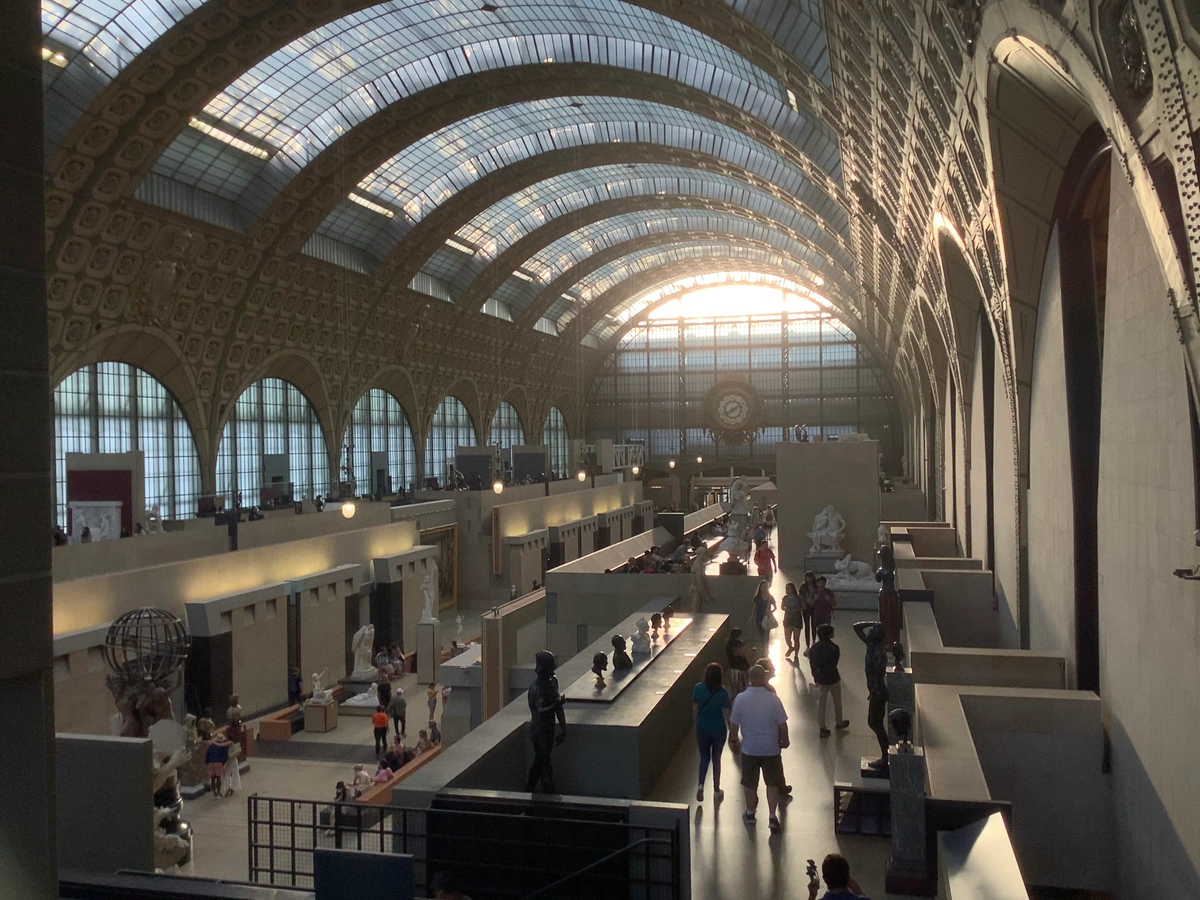
Ever wonder how museums keep art looking fresh for centuries? They’re basically running a chemical spa for paintings:
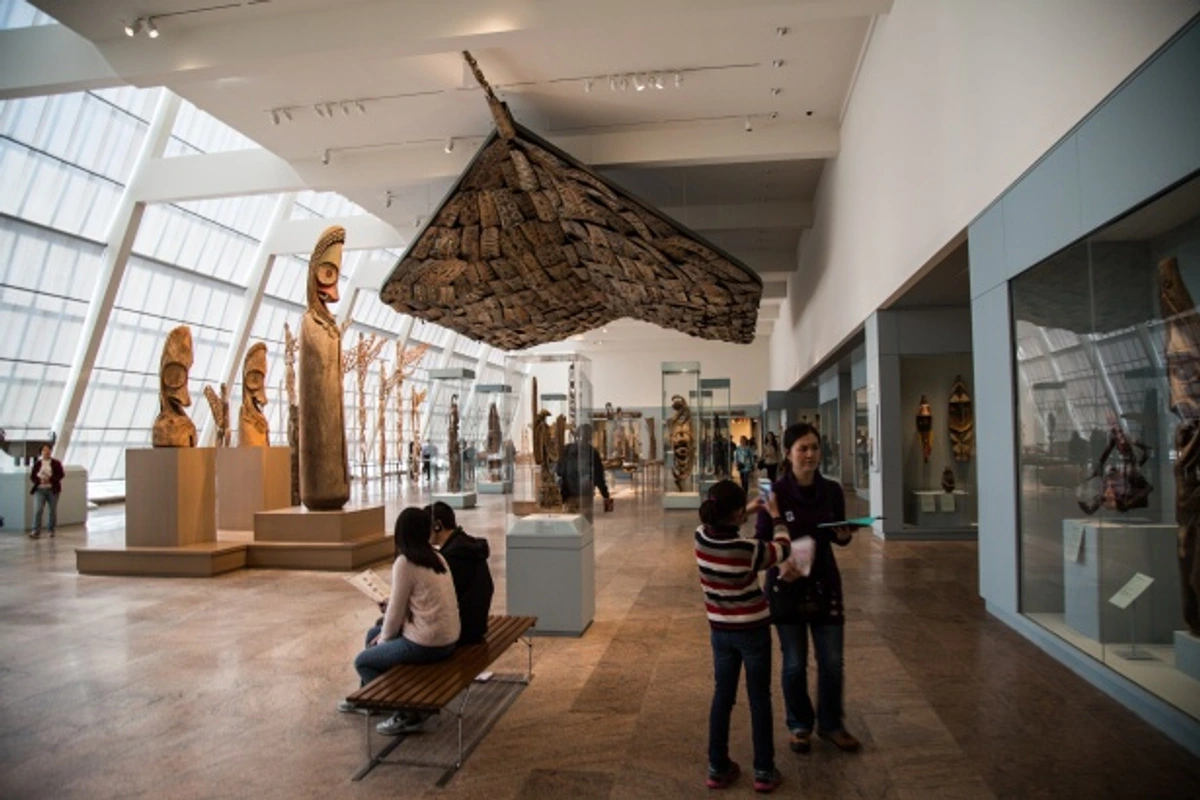
- Climate-controlled rooms with air filtration systems that scrub out pollutants and maintain exact humidity. Professional museums use multi-stage filtration: particulate filters (HEPA), activated carbon for VOCs, and sometimes photocatalytic oxidation for complete pollutant breakdown. The air changes typically occur 4-8 times per hour to prevent stagnant air buildup.
- LED Lighting with zero UV emissions.
- Regularly rotated displays to limit light exposure. That masterpiece you see might only be on exhibit for three months of the year.
- Conservation science—using non-invasive tools like XRF spectrometers to analyze pigments without touching the art. It’s like CSI for masterpieces.
I once watched a restorer treat a faded Renoir watercolor. She explained how the original organic pigments had completely degraded, and she could only stabilize the paper’s acidity. It was heartbreaking and illuminating—art is temporary, but we can give it a longer life.
The Unseen Enemy: Pollution and Plastics
n Most people don’t realize that everyday items can harm art. That "new plastic smell"? Off-gassing volatile organic compounds (VOCs) that can yellow paper and corrode metal pigments. Felt-tip pens emit solvents that migrate into canvas fibers. Smoke—whether from cigarettes or wildfires—contains sulfur and acids that literally eat pigments.
My worst conservation story? A collector stored a painting in a plastic bin sealed with duct tape. The plastic trapped moisture, and the tape’s adhesive migrated onto the varnish. By the time they called me, it looked like the painting had developed a permanent case of measles. Moral: Art needs to breathe, so avoid plastic wrap like you’d avoid expired milk.
FAQ: Your Questions About Pigments Answered
Advanced Topics in Conservation
The Chemistry of Restoration vs Preservation
There's an important distinction between restoration and preservation. Preservation focuses on preventing future damage, while restoration attempts to repair existing damage. Chemical restoration often involves:
- Molecular consolidation: Using chemicals to strengthen degraded pigments at a molecular level
- Cleaning agents: Specialized solvents that break down dirt without damaging the original pigment
- Fillers and retouching: Materials that match the original pigment's chemical properties
- Protective coatings: Invisible barriers that prevent further environmental damage
The best approach is always prevention—once damage occurs, some chemical changes are irreversible.
Emerging Conservation Technologies
The field of art conservation is constantly evolving with new technologies:
Nanotechnology: Nanoparticles can create protective coatings that are invisible but block UV light and pollutants. Some museums are experimenting with self-healing materials that can repair micro-cracks in paint layers.
3D Printing and Digital Reconstruction: For damaged artworks, 3D scanning and printing can create exact replicas of missing elements. This allows conservators to stabilize the original while preserving the artist's intent.
AI-Powered Monitoring: Machine learning algorithms can analyze environmental data to predict potential problems before they occur, allowing for proactive preservation measures.
Molecular Consolidation: New chemical treatments can penetrate deeply into degraded materials, strengthening them at the molecular level without changing their appearance.
Industry Standards and Certifications
When purchasing preservation materials, look for these recognized standards:

- ISO 9706: Standard for permanent paper
- ANSI/NEMA NU 198: Standard for UV-filtering glazing
- FAD (Fade-O-Meter) testing: Industry standard for measuring lightfastness
- PAT (Photographic Activity Test): Tests materials for chemical interactions with photographs
- ANSI IT9.2: Standard for the stability of color photographs
- ISO 18902: Standard for imaging permanence
- ATCC (American Type Culture Collection) standards: For testing antimicrobial properties of storage materials
Reputable manufacturers will often display these certifications on their products, indicating they meet archival quality standards.
International Standards and Regulations
Different countries have different approaches to art preservation:
Country/Region | Key Regulations | Focus Areas | Implications for Collectors |
|---|---|---|---|
| European Union | REACH regulation, CLP regulation | Chemical safety, material testing | More restrictions on certain chemicals, higher safety standards |
| United States | ASTM standards, OSHA regulations | Material testing, workplace safety | Industry standards guide manufacturing, less regulatory oversight |
| Japan | Cultural Properties Protection Act | Traditional art preservation | Special considerations for Japanese art materials and techniques |
| Australia | Australian Standard AS 1259 | Paper and board permanence | Strong focus on environmental protection and sustainable materials |
Import Considerations: When purchasing preservation materials internationally, be aware that:
- Some chemicals restricted in one country may be allowed in others
- Shipping regulations may affect the availability of certain preservation products
- Customs may require documentation for "antiquities" or "cultural artifacts"
Medium-Specific Preservation Challenges
Different art mediums face unique preservation challenges:
Oil Paintings:
- Primary Issues: Yellowing varnish, cracking paint, canvas deterioration
- Optimal Conditions: 18-22°C, 40-55% RH, indirect light
- Special Considerations: Allow proper curing time (6-12 months) before framing
Acrylic Paintings:
- Primary Issues: Brittleness over time, sensitivity to humidity changes
- Optimal Conditions: Stable temperature, moderate humidity, no direct sunlight
- Special Considerations: Avoid storing in cold environments which can cause cracking
Watercolors:
- Primary Issues: Fading pigments, paper degradation, moisture sensitivity
- Optimal Conditions: 40-55% RH, filtered light, avoid temperature extremes
- Special Considerations: Use acid-free mats and backing to prevent acid migration
Works on Paper:
- Primary Issues: Acid degradation, foxing (brown spots), insect damage
- Optimal Conditions: 45-55% RH, darkness when not viewing
- Special Considerations: Handle with clean hands, use acid-free storage materials
Photographs:
- Primary Issues: Color fading, silver migration, chemical degradation
- Optimal Conditions: Cool temperatures (below 21°C), low humidity, total darkness
- Special Considerations: Use archival-quality sleeves and avoid contact with plastics
Sculpture:
- Primary Issues: Metal corrosion, cracking, dust accumulation
- Optimal Conditions: Stable environment, regular dusting, appropriate support
- Special Considerations: Consider weight distribution and structural support
Q: Why do some paints change color when I mix them?
A: Chemistry’s party trick! Mixing cadmium yellow with phthalo blue should give you green, but the cadmium can actually darken the mix. Some pigments are reactive—they literally fight when combined. That’s why color theory isn’t just theory; it’s chemistry with paint.
Q: How long will my print last?
A: Short answer: a long time if cared for. Giclée prints with archival pigments can last 100+ years behind glass. Cheaper inkjet prints? Maybe 10-20 years before noticeable fading. It’s like comparing a diamond to a glass bead—both sparkle, but one has staying power.
Q: Can I bring damaged art back to its original colors?
A: Sometimes, but not always. A faded pigment can’t be "rejuvenated"—it’s chemically broken. A conservator might inpaint missing areas, but they’ll never perfectly restore what’s been lost. This is why prevention—proper framing, climate control—is the best conservation strategy.
Q: Are natural pigments safer for the environment?
A: They’re more "natural" but not always eco-friendly. Cobalt blue mining has environmental impacts. Modern synthetic pigments are often less toxic and more stable. Sustainability in art is complex—sometimes the "natural" route isn’t the greenest.

The Verdict: Art is a Conversation Across Time
Every pigment brushstroke is a bet against entropy. We’re not just making art; we’re participating in a chemical conversation that started with prehistoric cave paintings and will continue for millennia. The fading isn’t a flaw—it’s the art responding to the world around it. As my timeline shows, even the most vibrant colors have to yield to time.
But here’s the beautiful part: we slow that decay. Every choice—from the frame we hang in to the paper we paint on—is a way of telling future generations: This mattered. This was worth protecting.
So next time you look at an abstract painting with those electric pinks and violent purples, remember: it’s a symphony of chemicals, playing in harmony with light and air. Our job? To keep the music going as long as possible.
[credit]Molecular Art Conservation Institute[/credit] [licence]https://zenmuseum.com/licences/mac[/licence]
[credit]Art Science Collaborative[/credit] [licence]https://zenmuseum.com/licences/asc[/licence]

[credit]National Museum Storage Systems[/credit] [licence]https://zenmuseum.com/licences/nmss[/licence]
Ready to start preserving your collection? See my latest collection of lightfast prints designed with chemistry in mind.
Seasonal Preservation Calendar
Art preservation isn't a one-time task—it requires ongoing attention throughout the year. Here's a seasonal maintenance schedule:
Spring (March-May):
- Climate Transition: Check as heating systems are turned off
- Humidity Monitoring: Watch for increased spring humidity
- Outdoor Art: If displaying outdoors, prepare for weather changes
- Pest Inspection: First annual pest check
- Air Quality: Open windows after winter, but monitor for pollen and dust
Summer (June-August):
- Light Protection: Intensify UV protection as sunlight increases
- Temperature Control: Monitor for heat spikes
- Outdoor Art: Regular maintenance for garden sculptures
- Vacation Planning: Ensure collection is cared for during travel
- Storm Preparation: Secure art for potential severe weather
Fall (September-November):
- Heating Season Preparation: Ensure humidity control systems are ready
- Light Adjustment: As daylight decreases, consider display rotation
- Indoor Air Quality: Watch for heating system emissions
- Holiday Planning: Secure art during holiday decorations and gatherings
- Year-End Assessment: Comprehensive collection review
Winter (December-February):
- Humidity Control: Critical period for dry indoor air
- Heating System Monitoring: Watch for heat sources near art
- Holiday Lighting: Ensure no heat-generating lights are near art
- Post-Holiday Assessment: Check for any damage from holiday activities
- Planning: Assess needs for upcoming year's preservation activities
Community Resources and Networks
Preservation is easier when you're not doing it alone. Here are valuable resources:
Professional Organizations:
- American Institute for Conservation (AIC): Professional conservators and resources
- International Council of Museums (ICOM): Museum standards and best practices
- International Institute for Conservation (IIC): Global conservation community
- Paper Conservation Catalog: Specialized resources for paper conservators
Educational Resources:
- Getty Conservation Institute: Research and publications
- Conservation Wiki: Collaborative knowledge base
- University Conservation Programs: Graduate and certificate programs
- Online Courses: Platforms offering conservation education
Regional Support:
- Local Museums: Often offer conservation advice and referrals
- Art Schools: May have conservation resources or experts
- Historic Preservation Organizations: Sometimes overlap with art conservation
- Government Agencies: Cultural heritage departments may offer assistance
Online Communities:
- Specialized Forums: For specific art mediums or collection types
- Social Media Groups: Collector networks and discussion groups
- Professional Associations: Member forums and resources
- Expert Q&A Platforms: Direct access to conservation professionals
The Preservation Community: Benefits of connecting with others:
- Shared Knowledge: Learning from others' experiences
- Resource Sharing: Access to tools, services, and information
- Emergency Support: Help during collection emergencies
- Professional Referrals: Finding qualified conservators and services
- Advocacy: Supporting preservation initiatives and funding
Quick Reference Guide: Essential Preservation Practices
For those times when you need a quick reminder, here are the most important preservation practices:




Daily Practices:
- Check environmental readings
- Dust surfaces gently
- Monitor for visible changes
- Ensure display security
Weekly Practices:
- Review environmental data
- Check for pest activity
- Monitor humidity levels
- Inspect framing and mounting
Monthly Practices:
- Rotate displayed pieces
- Check for light exposure
- Review documentation
- Update insurance records
Quarterly Practices:
- Professional cleaning (if needed)
- Deep environmental assessment
- Pest control measures
- Equipment maintenance
Annual Practices:
- Full collection assessment
- Professional conservation check
- Insurance policy review
- Emergency plan update
Emergency Preparedness:
- Know your risks and response plans
- Have emergency supplies ready
- Keep contact lists updated
- Practice emergency procedures
Documentation Standards:
- Photograph all pieces regularly
- Maintain condition reports
- Keep provenance records
- Document all interventions
Material Selection:
- Choose archival-quality materials
- Test new materials before use
- Understand material limitations
- Document material composition
Environmental Control:
- Maintain temperature 18-22°C
- Keep humidity 40-55% RH
- Provide UV protection
- Monitor air quality
Handling and Transport:
- Use proper handling techniques
- Invest in quality packing materials
- Have professional help for valuable pieces
- Document condition before and after
The Preservation Mindset: Long-Term Thinking
Ultimately, art preservation is about mindset—adopting a long-term perspective that values future generations as much as the present:
The Generational Perspective: Think about who will appreciate your art in 50, 100, or 500 years. The choices you make today determine whether your art becomes a cherished heirloom or a faded memory.
The Stewardship Responsibility: Owning art isn't just about possession—it's about being a temporary steward. You're responsible for preserving these cultural treasures for future generations.
The Beauty of Impermanence: While we work to preserve art, there's beauty in the natural aging process. Some of the most valuable artworks show their history—the crackle of an old varnish, the subtle fading of pigments, the patina of time.
The Balance Act: Preservation isn't about stopping all change—it's about managing it intelligently. The goal isn't to freeze art in time, but to guide its natural evolution in a way that preserves the artist's intent and aesthetic.
The Continuing Conversation: Every preserved artwork continues the conversation between past, present, and future. By preserving art thoughtfully, you become part of that ongoing dialogue.
The Final Thought: Art preservation is ultimately an act of love—love for the artist who created it, love for the cultural heritage it represents, and love for the future generations who will experience it. In preserving art, we preserve something of ourselves, our values, and our vision for what matters.
The Future of Art Preservation
As we look toward the future, art conservation faces both challenges and exciting possibilities. Climate change presents new challenges—extreme weather events, increased pollution levels, and temperature fluctuations that threaten even the most stable artworks. At the same time, new technologies offer unprecedented tools for preservation.
Digital Preservation: While physical art faces chemical degradation, digital art faces obsolescence. The emerging field of "digital preservation" combines both approaches—creating high-fidelity physical reproductions of digital art while also ensuring the digital files remain accessible across changing technologies.
Sustainable Conservation: There's growing interest in eco-friendly conservation materials and methods. Water-based consolidants, plant-based varnishes, and energy-efficient monitoring systems are making conservation more sustainable without compromising effectiveness.
Community Conservation: As art becomes more democratized through online platforms and new technologies, we're seeing a shift toward community-based conservation efforts. Local museums, galleries, and even individual collectors are sharing knowledge and resources to preserve cultural heritage.
Education and Advocacy: Perhaps the most important future direction is better education. Artists, collectors, and the public all need to understand the science behind art preservation to make informed decisions about creation, acquisition, and care.
The conversation between art and time continues. Every decision we make about preservation is a way of participating in that conversation—ensuring that the art we value today can continue to speak to generations yet to come.