Buying Mixed-Media Art: Your Ultimate Guide Beyond the Canvas
Dive into buying mixed-media art! This ultimate guide covers understanding materials, assessing condition, framing, finding unique pieces, and essential care tips.

The Ultimate Guide to Buying Mixed-Media Art: Beyond the Canvas
Okay, let's talk about mixed-media art. It sounds fancy, maybe a bit intimidating? Like something you need a special decoder ring for. I get it. I remember the first time I saw a piece that wasn't just paint on canvas – it had bits of old maps, thread, and even some rusted metal embedded in it. My first thought wasn't 'Wow, look at the brushwork!' it was 'What is this? And more importantly, can I actually buy it and put it in my house without it falling apart or confusing my guests?' Believe me, you're not alone in that initial bewilderment.
Truth is, mixed-media art isn't some exclusive club. It's just artists doing what artists have always done: experimenting, breaking rules, and using whatever they can find to tell their story. It's often where some of the most exciting, textured, and downright interesting art lives. Buying it, though, does come with a few extra things to ponder compared to, say, a straightforward oil painting or a simple print.
Think of it like cooking. Sometimes you follow a recipe exactly (a single-medium artwork). Other times, you raid the fridge, throw in leftovers, add that weird spice you bought on vacation, and somehow create something amazing (hello, mixed-media!). This guide is here to help you navigate that creative kitchen when you're looking to bring a piece of mixed-media magic home.
What Exactly IS Mixed-Media Art?
At its core, mixed media simply means using more than one medium or material to create a single artwork. That's it. No secret handshake required. It's a broad term that encompasses a vast range of techniques and materials, often pushing the boundaries of traditional art forms.
This can manifest in countless ways:
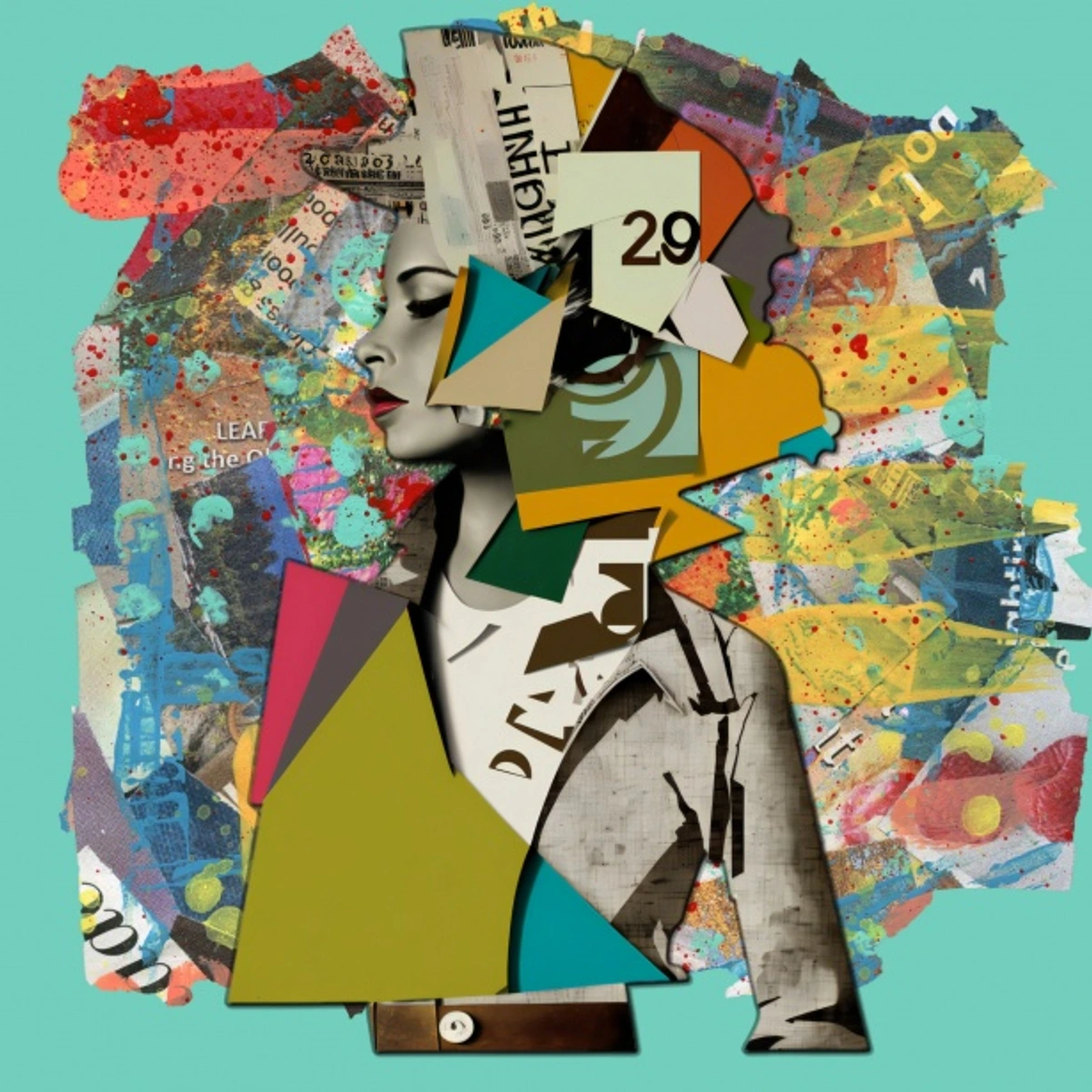
- Collage: Incorporating paper, photographs, fabric, or other flat materials onto a surface. Think of artists like Kurt Schwitters or Joseph Cornell, who built intricate worlds from found paper and objects. (We have a whole guide to collage art, if you're curious).
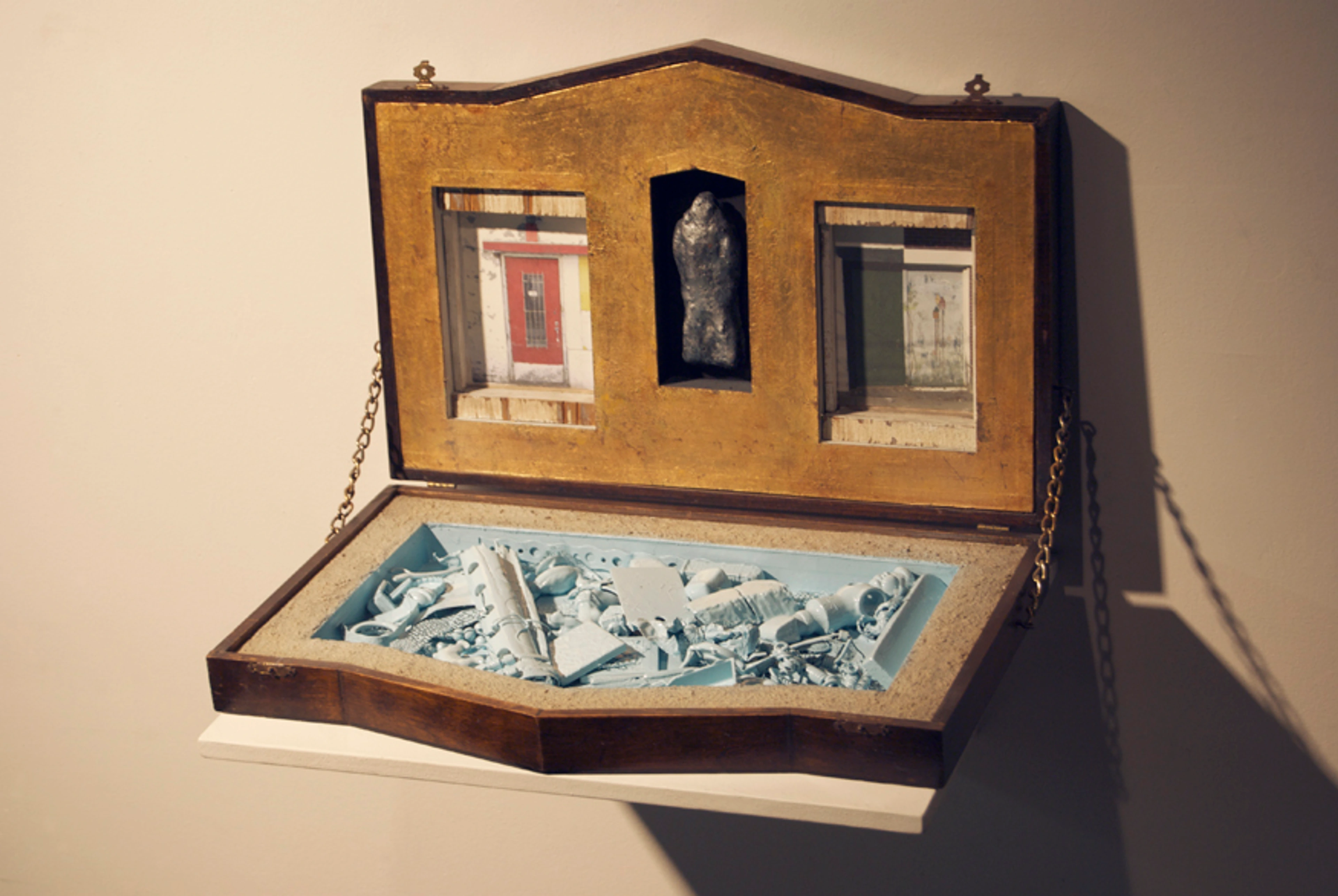
- Assemblage: Similar to collage, but using three-dimensional objects – think found items, bits of wood, metal scraps. Robert Rauschenberg's 'Combines' are famous examples, blurring the line between painting and sculpture.
- Painting with additions: An oil or acrylic painting that incorporates sand, textiles, plaster, or even small objects into the paint or onto the canvas.
- Sculpture using varied materials: Combining metal, wood, plastic, glass, etc.
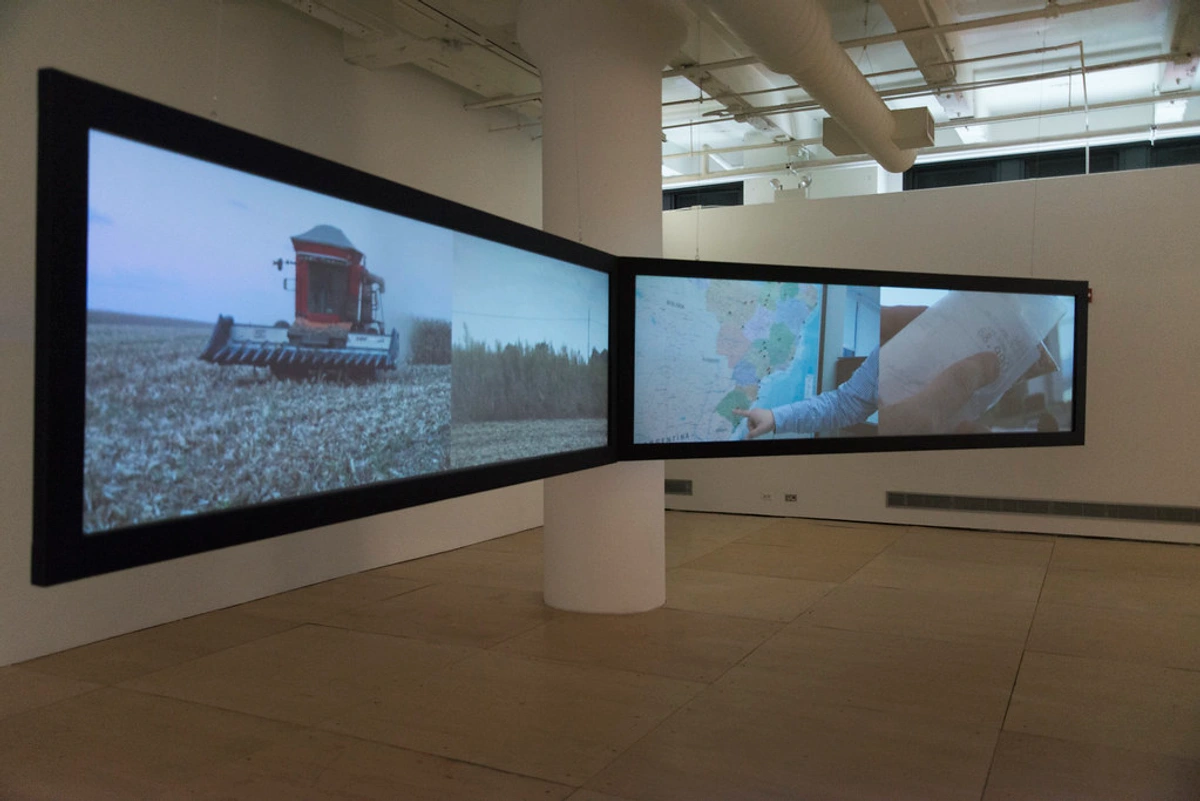
- Digital and Traditional Combos: Prints that are hand-embellished, digital work incorporating photographic elements, etc.
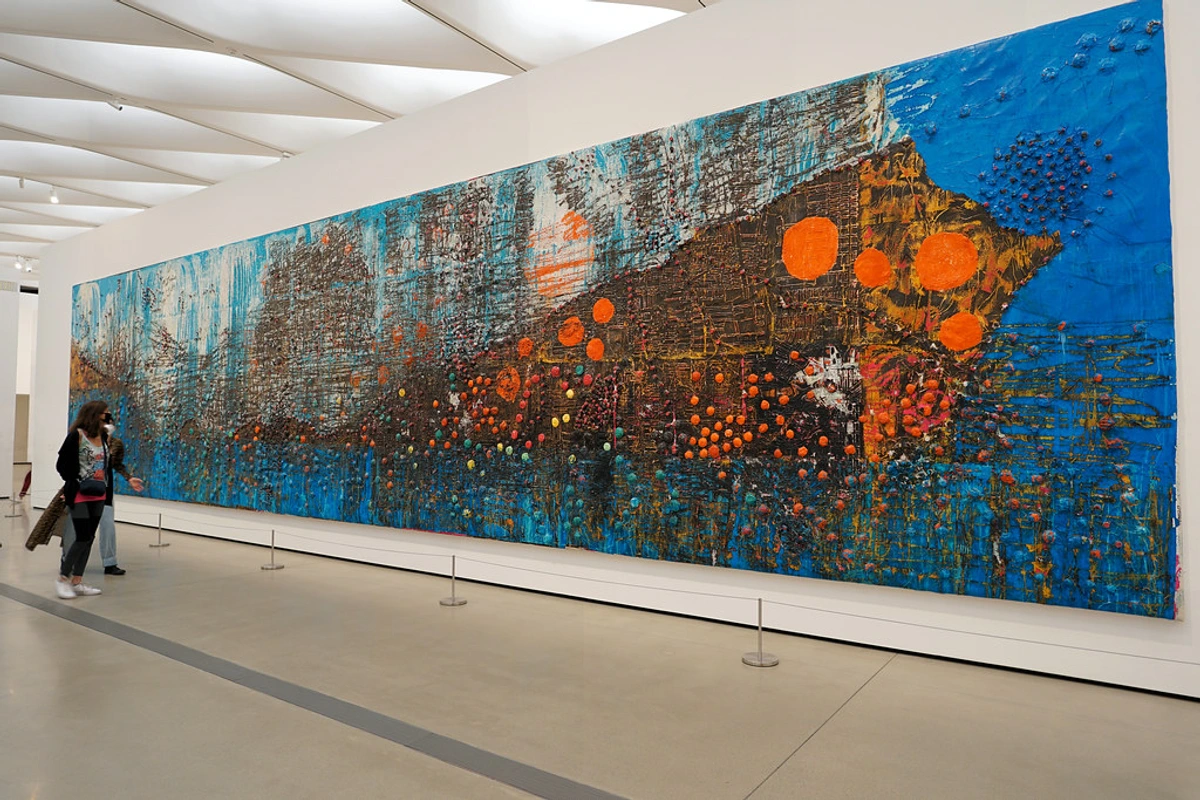
The list is endless, really. It’s less a specific category and more a broad approach to art-making. If you want a deeper dive into different forms, check out our guide on types of artwork.
Why Choose Mixed-Media? The Allure of the Unconventional
So why bother with art that seems potentially more complicated? Well, because it offers unique rewards:
- Texture and Depth: Mixed media often has a physical presence that flat paintings or prints lack. You get layers, shadows, and tactile qualities that invite closer inspection. It’s art you almost want to touch (but please don't, unless the gallery says it's okay!). As an artist myself, I find the process of building up layers and textures incredibly stimulating; it feels like a conversation between different materials or applications.
- Rich Storytelling: Combining different materials can create fascinating juxtapositions and add layers of meaning. An old photograph paired with rough brushstrokes tells a different story than either element alone. It pushes you to read the artwork in a more complex way.
- Breaking Boundaries: It often represents artists pushing against traditional constraints, experimenting, and finding new ways to express themselves. There's an energy and innovation that can be really captivating.
- Surprise Factor & Discovery: These pieces can change depending on the light or viewing angle. You might discover new details weeks after bringing it home. It’s like finding an Easter egg in your own living room. Sometimes, even the artist discovers unexpected outcomes as materials interact – it's part of the magic of the process. Maybe exploring my own artistic journey reveals some of that unconscious mixing and discovery.
Navigating the Purchase: Key Considerations for Buying Mixed-Media
Alright, you're intrigued. You've found a piece that blends paint, fabric, and maybe some intriguing rusty bits. What now? Here’s what to keep in mind before you pull out your wallet. This is where the adventure meets the practicalities.
1. Understanding the Materials
This is probably the biggest difference from buying a standard painting. You need to ask: What exactly is in this thing? Seriously, get curious.
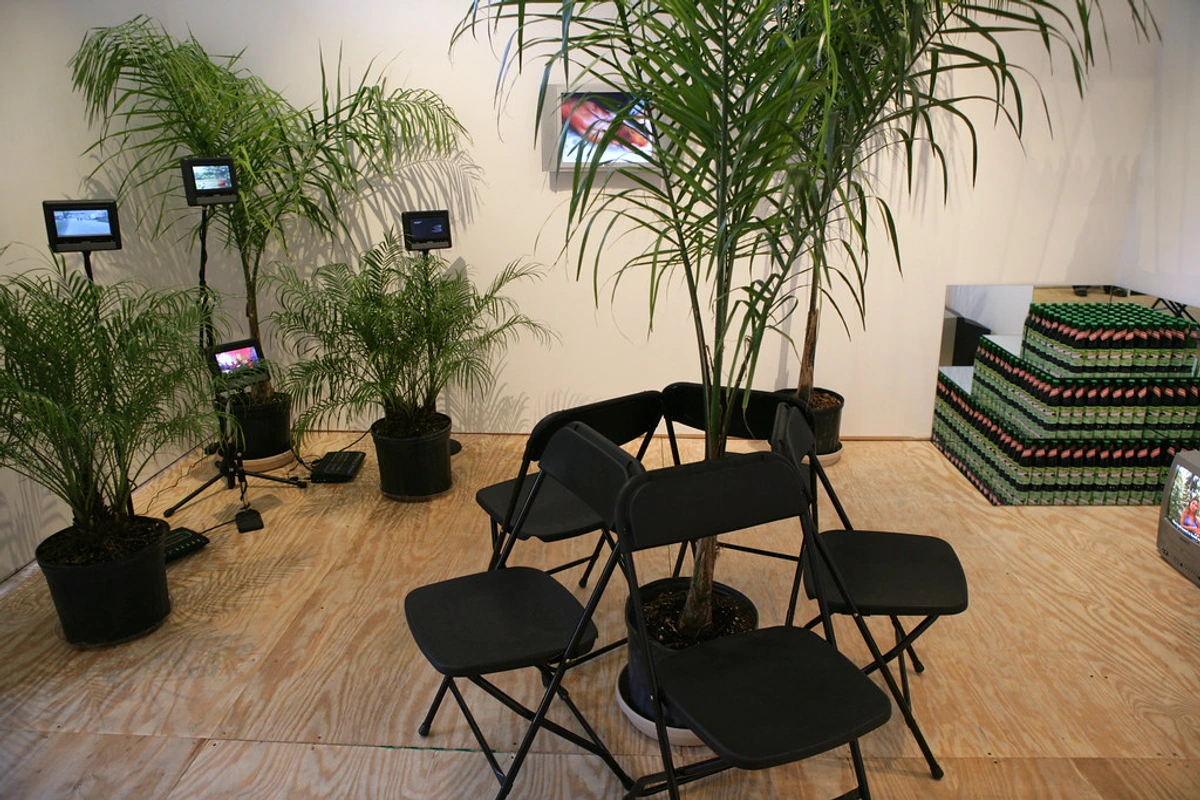
Knowing the materials helps you understand potential care needs and longevity. Is it paper, wood, metal, plastic, textiles, found objects, specific types of paint or adhesive? And why did the artist choose them? Often, the material choice is integral to the concept.
Common Material  | Potential Considerations | Conceptual Reasons (Why an Artist Might Choose It) |
|---|---|---|
| Paper / Cardboard | Light sensitivity (fading), acidity, fragility, moisture | Ephemerality, history (newspaper), texture, accessibility, layering |
| Textiles / Fabric | Fading, dust accumulation, potential pests, stretching | Domesticity, comfort, history (clothing), texture, color, pattern |
| Wood | Warping/cracking (humidity changes), pests, weight | Natural element, structure, history (found wood), texture, warmth |
| Metal | Rust/tarnishing (depending on metal & finish), weight | Industrial feel, durability, history (found metal), texture, rigidity |
| Plastics | Brittleness over time, discoloration (UV), off-gassing | Modernity, artificiality, consumerism (found plastic), color, form |
| Found Objects | Unknown stability, inherent decay, potential contaminants | Narrative, memory, history, concept, breaking art world norms, surprise |
| Adhesives | Yellowing, drying out, failing over time | Structural necessity, visible element, texture |
| Organic Materials | Decay, pests, fragility | Connection to nature, life cycle, impermanence |
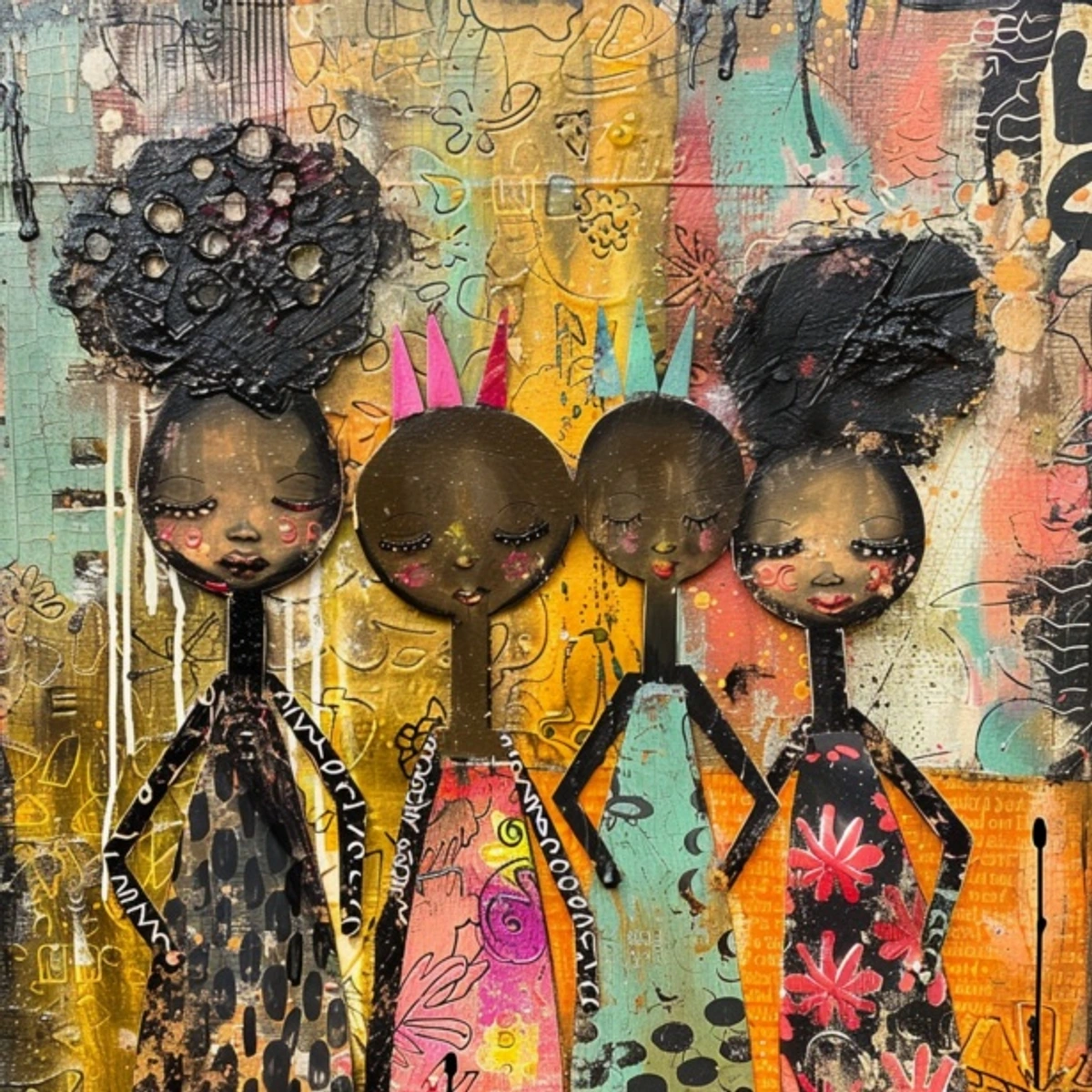
Don't let this list scare you! Reputable artists often use archival-quality materials or take steps to stabilize more unconventional elements. But it's good to be aware. Ask the artist or gallery about the materials and their stability.
2. Assessing Condition & Longevity
Closely related to materials is the condition and expected lifespan. This is where you need to look closely, maybe even with a magnifying glass if appropriate.
- Stability: Are elements securely attached? Does anything look loose or precarious? Gently (very gently!) assess the construction if possible. Are there visible signs of unstable glue or cracking materials?
- Archival Quality: Did the artist use acid-free paper, stable pigments, appropriate glues? For contemporary art, especially with found objects, 'archival' might be less of a concern for the artist than the concept, but you need to know what you're getting into. Look for significant discoloration inconsistent with the artist's intent.
- Inherent Vice: This term refers to instability built into the materials themselves (like the newspaper destined to yellow). It's like buying a vintage car – part of the charm is its age, but you know it requires extra care. Sometimes this inherent decay is part of the art's charm or concept, but be aware if long-term preservation is your goal.
- Red Flags: Be wary of active pest infestation (tiny holes in wood/fabric, dust trails), significant mold or mildew, or elements that are clearly deteriorating rapidly.
It's okay to ask the gallery or artist about the materials and construction. If you're buying something particularly complex or delicate, understanding its potential vulnerabilities is crucial for proper art care.
3. Artist's Intent & Technique
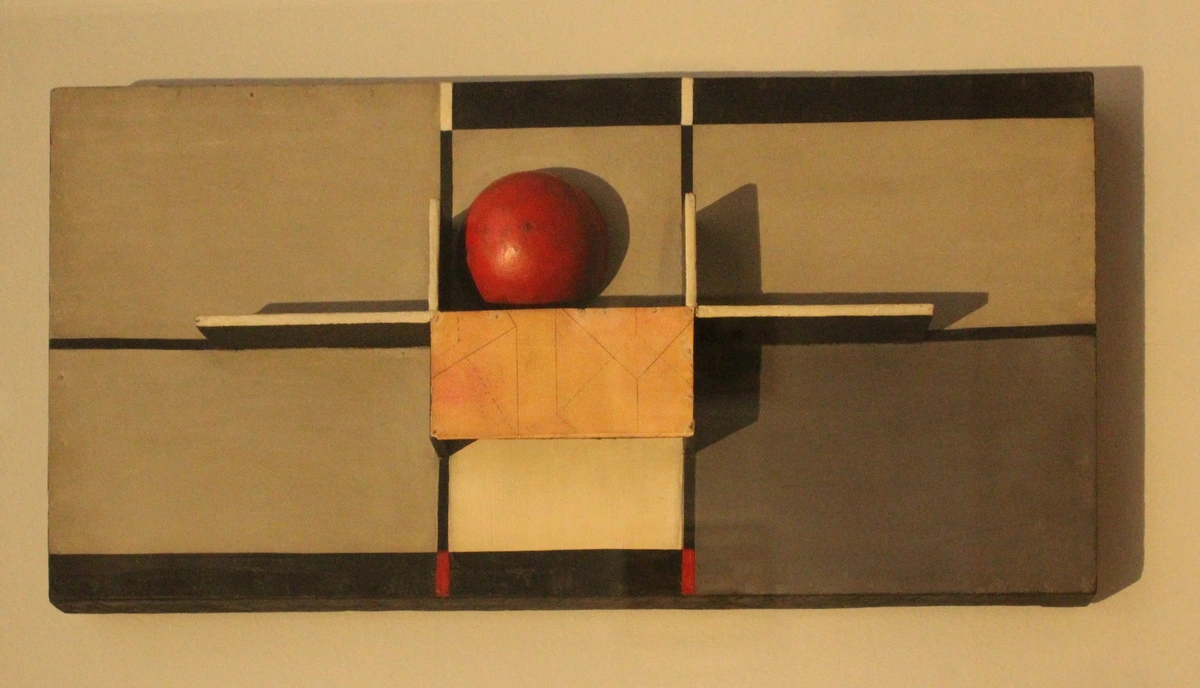
Why did the artist choose these specific materials? What effect were they going for? Understanding the artist's vision adds immense value to the piece.
- Research: Understanding the artist's broader work and statements can provide context. (Our guide on researching artists can help). An artist statement can be particularly insightful for mixed media, explaining the material choices.
- Cohesion: Do the materials work together purposefully, or does it feel random? Sometimes randomness is the point, but consider if it resonates with you.
- Skill: Does the combination show technical skill and thoughtful integration? Even in seemingly chaotic pieces, there's often a deliberate hand at work.
4. Framing and Display
This can be a significant consideration (and cost) for mixed-media. It's not just about putting a border around it.
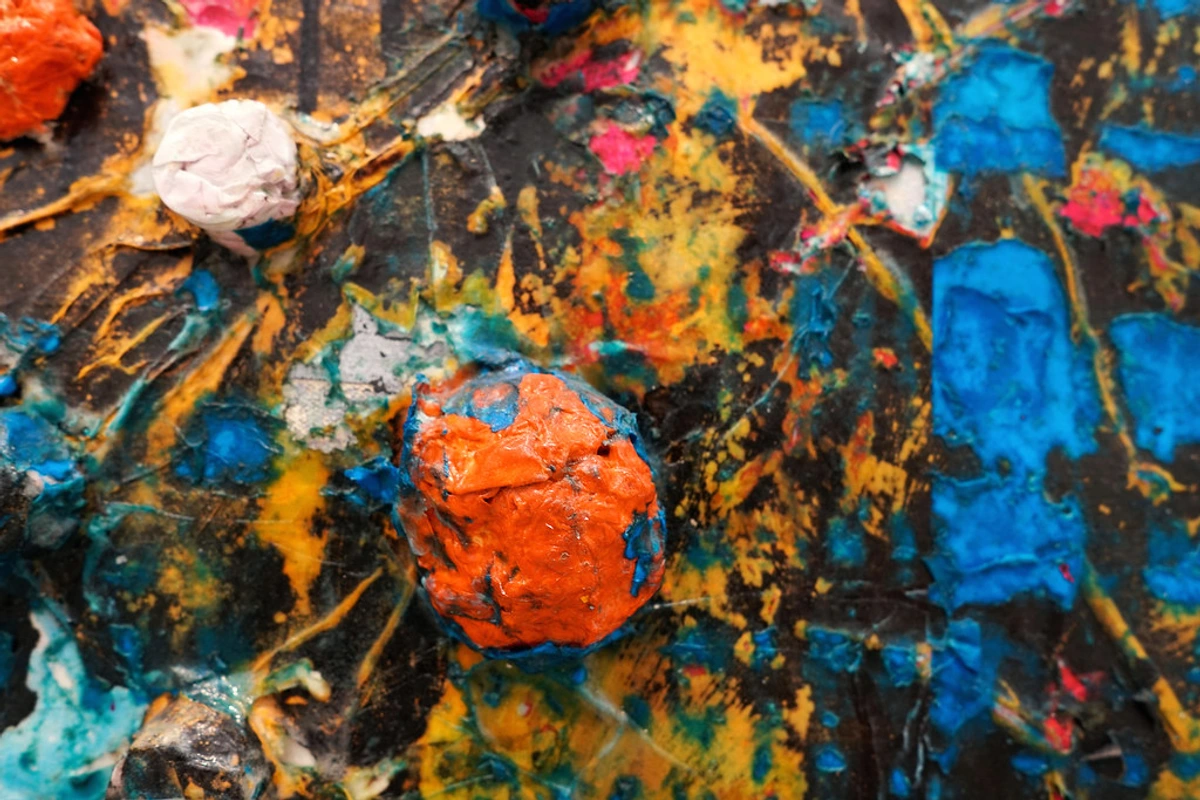
- Depth: Many pieces aren't flat. Standard frames won't work. You might need a shadow box frame to accommodate the depth. I've seen pieces transformed (or sometimes hindered!) by the wrong frame – it really matters.
- Protection: Delicate surfaces or materials might need glazing (glass or acrylic), ideally UV-protective. This is especially important for paper or textiles.
- Weight & Mounting: Assemblages or pieces with heavy elements need secure mounting hardware and a sturdy wall. Don't underestimate the weight of accumulated objects!
- Environment: Consider light exposure (especially for paper and textiles), humidity (for wood and metal), and temperature fluctuations. Avoid hanging directly above radiators or in humid bathrooms (though we do have tips for bathroom art if you must!).
Consulting a professional framer experienced with 3D objects is often wise. Check our guides on framing and displaying different types of art.
5. Provenance and Documentation
As with any significant art purchase, knowing the history (provenance) is good. For mixed-media, documentation is even more helpful.
- Certificate of Authenticity (COA): Should ideally list the primary materials used. This is your first line of defense in understanding the piece.
- Condition Report: Especially important if buying from the secondary market. Don't skip this step for complex pieces.
- Artist Statement: Can offer crucial insight into the material choices and concept.
Don't skip the essential questions before buying art.

6. Pricing
How much should mixed-media cost? It's not always straightforward.
- Factors: It's influenced by the same things as other art: artist's reputation, size, complexity, demand, materials cost, gallery markup, etc. (See Understanding Art Prices).
- Complexity: The labor involved in creating intricate mixed-media pieces can sometimes justify a higher price than a similarly sized painting by the same artist. Think about the time spent sourcing, preparing, and assembling diverse elements.
- Materials Cost: Unusual or expensive components might affect the price.
- Valuation for Insurance: Be aware that valuing mixed-media for insurance can be complex due to the variety of materials and construction methods. You might need a specialist appraisal.
Don't assume it's automatically more or less expensive. Compare it to other works by the artist and similar artists in the market. Explore guides on original art costs and how to buy art for less.
7. Ethical and Legal Considerations (Found Objects)
If the piece incorporates found objects, especially items like old documents, photographs, or copyrighted materials, there can be ethical or even legal nuances.
- Copyright: Using copyrighted images or text without permission can be an issue, though fair use or transformative use might apply depending on the context and jurisdiction. Reputable galleries and artists are usually aware of this, but it's something to be mindful of.
- Provenance of Found Objects: Sometimes the history of a found object is part of the art's meaning. Be aware if the object has a sensitive origin. While less common for buyers, it's part of the broader context of the work.
Where to Find Mixed-Media Art
Ready to start looking? Mixed-media pieces pop up in many of the same places as other contemporary art.
- Contemporary Art Galleries: Many galleries, especially those focusing on emerging artists or specific niches (like assemblage or fiber art), will feature mixed-media work. Visiting local art galleries is always a good start.
- Art Fairs: These are fantastic hunting grounds for discovering a wide variety of styles and media in one place. Get tips for visiting art fairs.
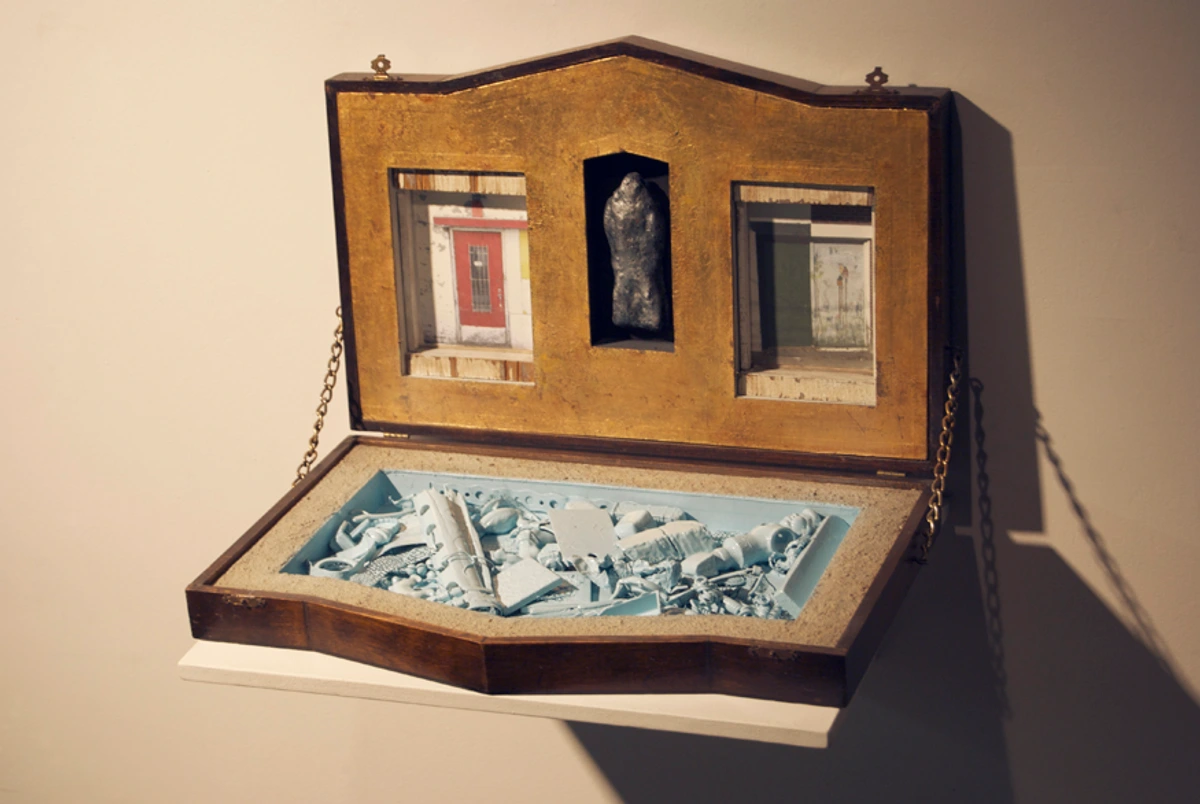
- Online Platforms: Numerous websites specialize in selling original art, including mixed-media. Look at established online galleries, curated marketplaces, and artist websites. (Buying art online safely is key). You can even find unique pieces available online directly from artists like myself.
- Artist Studios: Visiting an artist's studio (by appointment) allows you to see the work in context and talk directly to the creator. It's a great way to understand their process and material choices.
- Graduate Shows: Art school degree shows are excellent places to spot emerging talent working in innovative ways, often including mixed media.
Embracing the Unexpected: Falling in Love with Mixed Media
Buying mixed-media art can feel a bit more adventurous than sticking to traditional paintings or prints. It requires a bit more curiosity, maybe a touch more bravery. But the rewards are often pieces with incredible personality, depth, and a story that unfolds the longer you live with them.
Ultimately, the most important factor is the same as with any art purchase: Do you love it? Does it intrigue you, make you think, or simply bring you joy? (Defining your personal art taste helps here).
Don't let the 'mixed' part scare you. Think of it as an invitation to explore. Like discovering your favorite band used a weird instrument on one track that just makes the song. Sometimes, the unexpected combination is what creates the magic. Go forth and explore the wonderful, textured world of mixed media!
Frequently Asked Questions (FAQ)
Still have questions? Let's tackle some common ones about mixed-media art.
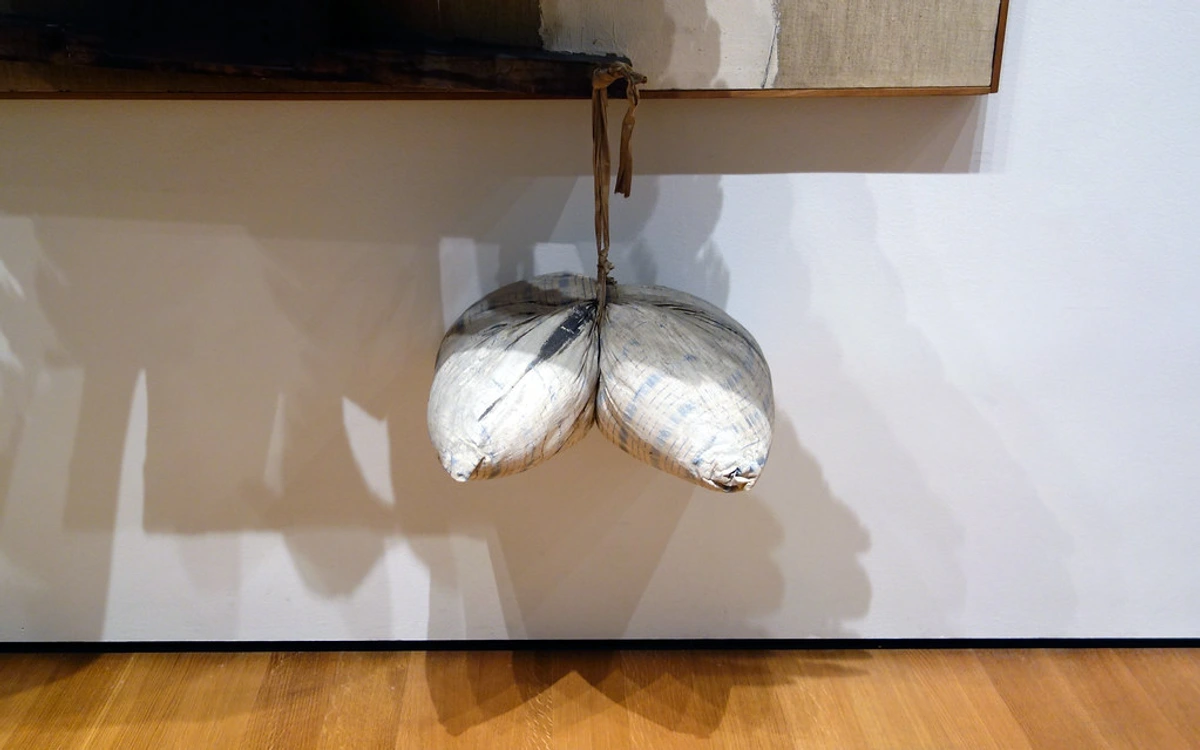


Q1: Is mixed-media art generally more fragile than paintings?
It can be, depending on the materials. Paper elements, delicate found objects, or unstable adhesives might require more careful handling and display than a sturdy oil painting. However, many mixed-media pieces are robustly constructed. Always assess the specific piece and ask the seller about recommended care.
Q2: How do I clean mixed-media artwork?
Very carefully! General dusting with a soft, dry brush (like a makeup brush) is often the safest bet. Avoid water, cleaning solutions, or cloths that could snag on textured elements. For specific materials (like glass or smooth metal components), targeted cleaning might be possible, but always err on the side of caution. If unsure, consult a professional art conservator. Refer back to our art care guide and our guide on cleaning different types of art for general principles.
Q3: Is mixed-media art a good investment?
Like any art, its investment potential depends on the artist's reputation and career trajectory, the quality of the work, its condition, and market demand, not just the medium. Some mixed-media artists are highly sought after. Focus on buying what you love first, and consider investment potential secondary. (Read more on art as an investment).
Q4: Can mixed-media art include digital elements?
Absolutely! An artist might combine digital printing with traditional painting, collage, or even embed screens or projections within a physical piece. This is an increasingly common area of exploration in contemporary art.
Q5: What's the difference between collage and mixed-media?
Collage is a type of mixed-media art that specifically involves adhering flat materials like paper, photos, or fabric onto a surface. Think flat elements stuck down. Mixed media is the broader umbrella term for any artwork using more than one medium. So, all collage is mixed media, but not all mixed media is collage (e.g., a painting with sand mixed in is mixed media, but not collage). Assemblage, for instance, uses 3D objects, making it mixed media but distinct from collage.
Go Forth and Mix It Up!
Buying mixed-media art opens up a world of texture, dimension, and creative possibility. It might require a little extra thought about materials and care, but the journey of discovering these unique pieces is part of the fun. So, don't be shy. Explore those galleries, browse online, ask questions, and trust your instincts. You might just find that perfect, unconventional piece that adds a whole new layer of interest to your collection and your home. It's a medium I personally find endlessly fascinating, both to create and to collect.