The Illusion of Depth: Unpacking Brunelleschi's Linear Perspective Technique
Discover Brunelleschi's groundbreaking technique for creating realistic depth in art. Learn how one-point perspective works and why it revolutionized Western art. A comprehensive guide by an artist who lived its evolution.

The Illusion of Depth: Unpacking Brunelleschi's Linear Perspective Technique
You know that moment when you stand before a painting and feel like you could literally step inside its world? That spine-tingling illusion of space? Let me tell you—it didn’t happen by accident. It was engineered. Engineered by a Renaissance genius named Filippo Brunelleschi. I remember studying his techniques years ago in a florentine notebook filled with sketches that looked like architectural sudoku puzzles. It clicked: this wasn't just art theory; this was the mathematical magic trick that built Western art itself.
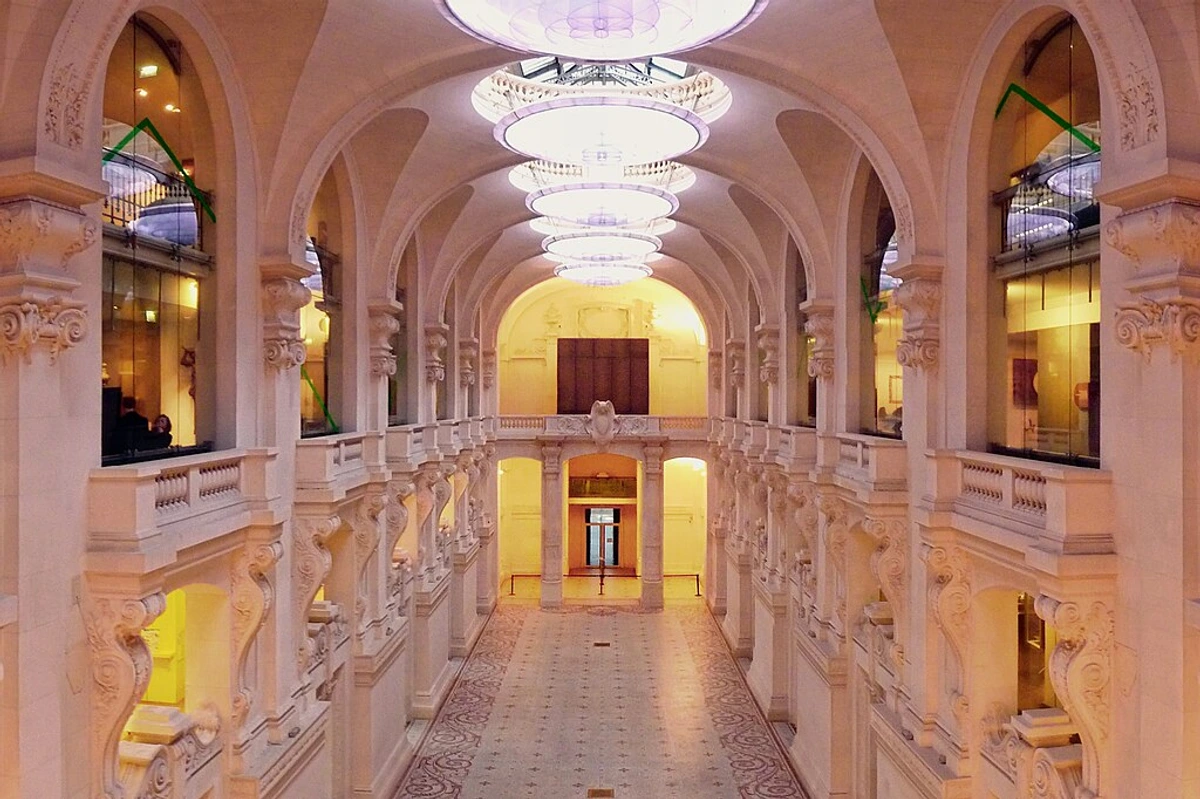
Perspective in Architecture
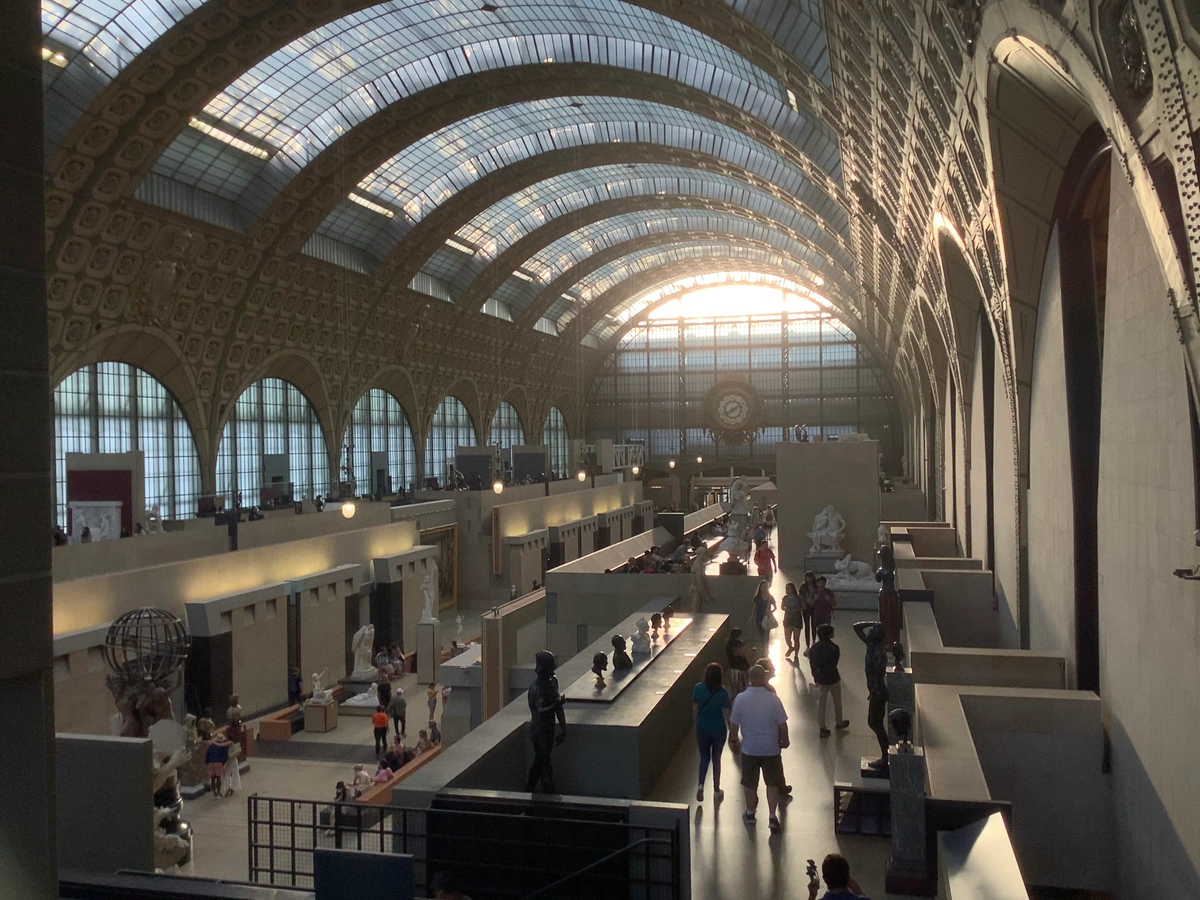
This museum interior demonstrates architectural perspective principles at work. Notice how the arched ceiling creates converging lines that draw the eye toward the central clock, creating a sense of depth and grandeur. Architects have been using perspective principles since Brunelleschi's time to design spaces that feel both monumental and human-scale.
The Pre-Perspective World: Art Before Brunelleschi
Before Brunelleschi cracked the code, European art operated under very different rules. Medieval paintings followed a convention called "reverse perspective" or "hierarchical perspective," where important figures were depicted larger regardless of their position in space. The backgrounds often featured flat, stylized landscapes with buildings that tilted backward—almost as if they were politely bowing to the religious figures in the foreground.
I remember visiting a medieval church once and staring at frescoes where the floor tiles seemed to rise toward the viewer instead of receding. It felt disorienting yet charmingly deliberate. These artists weren't "bad" at perspective—they were following a different visual grammar that prioritized symbolism over realism. The size of a figure indicated their spiritual importance, not their physical distance from the viewer.
Historical Roots of Non-Linear Perspective
The origins of pre-perspective art trace back to ancient Egyptian and Byzantine traditions. Egyptian art, for instance, used "canonical perspective" where figures were shown in profile with frontal eyes and shoulders—an attempt to capture the most recognizable aspects of each body part simultaneously. Byzantine art continued this tradition, prioritizing spiritual clarity over physical accuracy.
In Asia, different perspective systems evolved. Chinese painting developed "scattered perspective," where multiple viewpoints coexist within a single composition, ideal for capturing the essence of landscapes rather than their literal appearance. Japanese ukiyo-e used "oblique projection," creating a flattened yet spatially coherent world that would later influence Western artists like Vincent van Gogh.
These diverse approaches weren't "wrong"—they represented cultural priorities and philosophical understandings of space that differed fundamentally from Renaissance humanism.
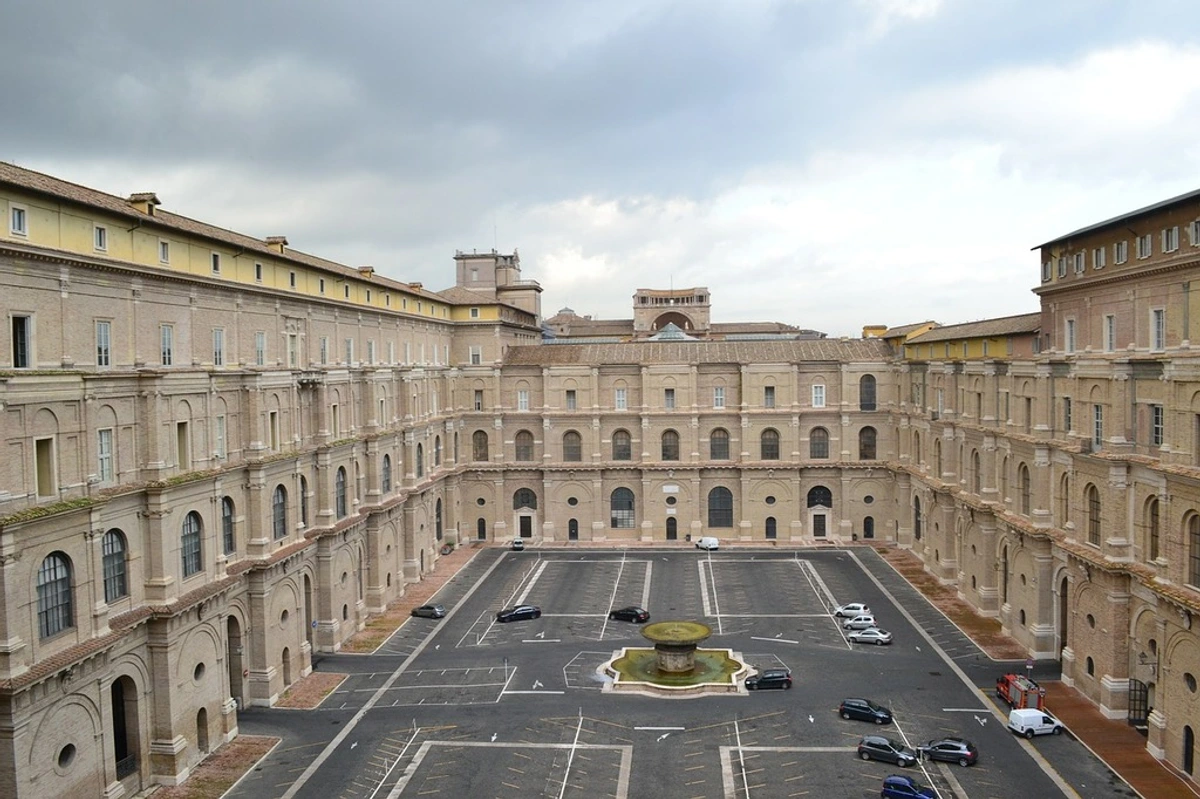
Pre-Perspective Architecture
This Vatican museum represents the kind of architectural space that existed before Brunelleschi's perspective revolution. Notice how the facade uses classical proportions and hierarchical sizing rather than linear perspective. The columns and elements are sized according to their importance rather than their distance from the viewer, following the same principles as medieval religious art.
This changed when wealthy Florentine patrons began demanding art that reflected their humanist values. They wanted paintings that captured the world as it actually appeared, with all its spatial complexity. The challenge was monumental: how do you create the illusion of depth on a flat surface without resorting to the tricks of medieval symbolism? Picture this: Before the 15th century, European paintings were... charmingly flat. Imagine a medieval Madonna dominating a scene where figures float rather than stand, where buildings tilt like melting ice cream cones, and where scale felt more like artistic mood than logic. It wasn’t wrong—it was just a different visual language. But then, Florence happened. A city obsessed with mathematics, engineering, and rebirth. They wanted art to mirror reality’s precision. Enter the problem: how do you compress 3D space onto a 2D surface without looking like a cubist fever dream?
Brunelleschi: The Man Behind the Revolution
To understand the perspective revolution, you need to understand Brunelleschi himself. Born in 1377 in Florence, he was a true Renaissance man centuries before the term existed. Trained as a goldsmith, he quickly moved to sculpture and architecture, eventually becoming one of the most sought-after engineers of his time.
What made him unique was his ability to merge mathematical precision with artistic vision. While other artists relied on intuition and tradition, Brunelleschi approached spatial problems with the systematic thinking of an engineer. His famous dome for the Florence Cathedral—constructed without traditional scaffolding—shows the same innovative thinking that would lead to his perspective experiments.
Brunelleschi was also notoriously secretive. He guarded his techniques carefully, sharing them only with trusted students like Masaccio and Donatello. This secrecy created an aura of mystery around his methods and made his perspective discovery even more legendary. Unlike many artists who sought fame and patronage, Brunelleschi seemed more interested in solving intellectual puzzles than achieving public recognition.
The Mathematical Genius
Brunelleschi's background was crucial to his breakthrough. As a goldsmith, he worked with precious metals requiring precise measurements and geometric calculations. This training in craftsmanship and mathematics gave him the tools to approach visual representation systematically.
His perspective experiment wasn't just artistic—it was scientific. He combined knowledge of optics, geometry, and architecture to create a system that could accurately represent three-dimensional space. This interdisciplinary approach was revolutionary in an era when art and science were beginning to separate.
Brunelleschi also benefited from the intellectual environment of Florence. The city was a hub of humanist thought, where classical knowledge was being rediscovered and studied. This cultural context provided the philosophical foundation for his work—the belief that humans could understand and represent the natural world through reason and mathematics. Brunelleschi didn’t just solve this; he baked stone for it. Around 1413, he conducted what many art historians call the first verifiable perspective experiment here. He painted a Baptistery fresco, drilled a hole in his painting, and had viewers compare it through a mirror to the real building. The alignment was unnervingly perfect. Heads exploded. I imagine him scribbling equations at midnight while the rest of Florence slept, grinning because he’d cracked space like a safe. This wasn’t just painting—it was applied physics.
The Engine: How Linear Perspective Actually Works
Forget mystical genius—this is pure geometry. Brunelleschi’s system is elegant in its simplicity. Imagine a transparent window between your eye and the world. Everything you trace on that window follows three core rules:
- All horizontal parallel lines converge at a single point (the vanishing point).
- The horizon line sits at your eye level.
- Orthogonal lines (receding lines) radiate from vanishing points like spokes of a wheel.
Perspective Component  | Role in Creating Depth | Artist’s Tip |
|---|---|---|
| Vanishing Point | Where parallel roads/roofs meet | Place intentionally off-center for dynamism |
| Horizon Line | Determines elevated vs. ground-level views | Change it for birds-eye or worm’s-eye views |
| Orthogonal Lines | Guides recession into space | Use lightly—they’re scaffolding, not foreground |
| Foreshortening | Objects compress with distance | Overdo it slightly for dramatic effect! |
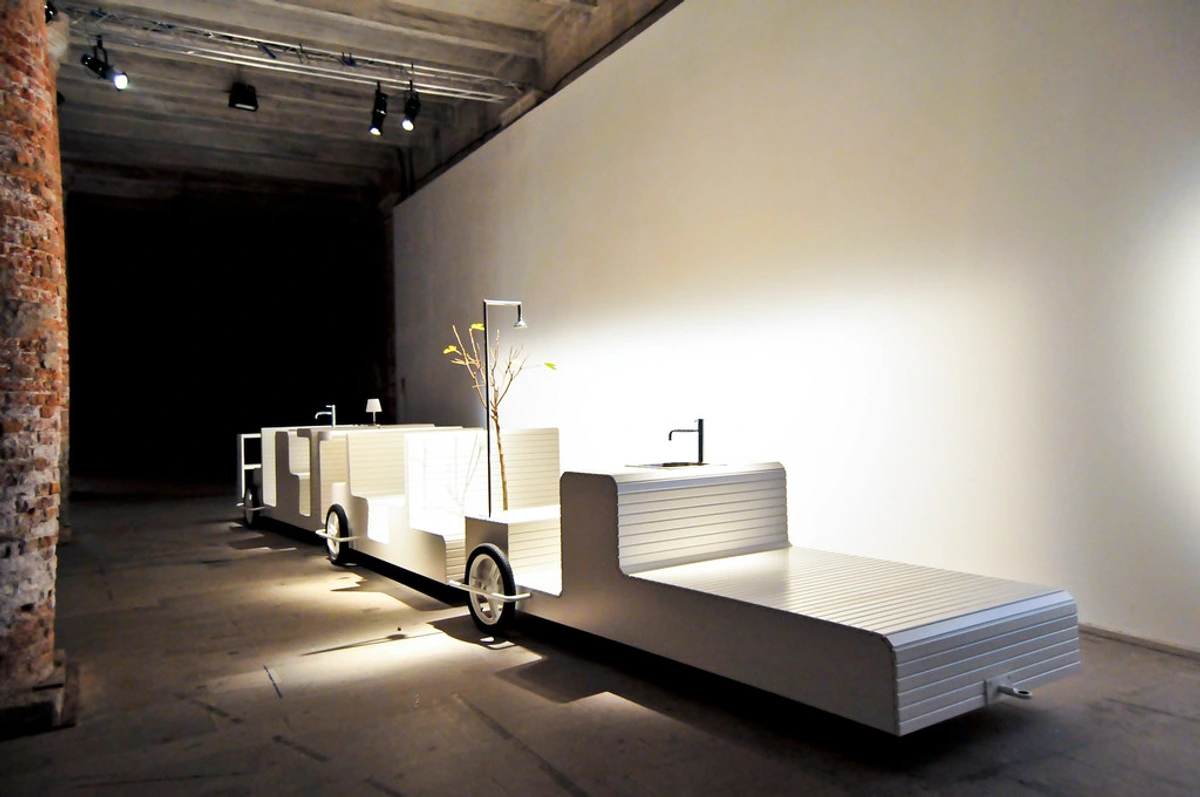
Modern Perspective in Architecture
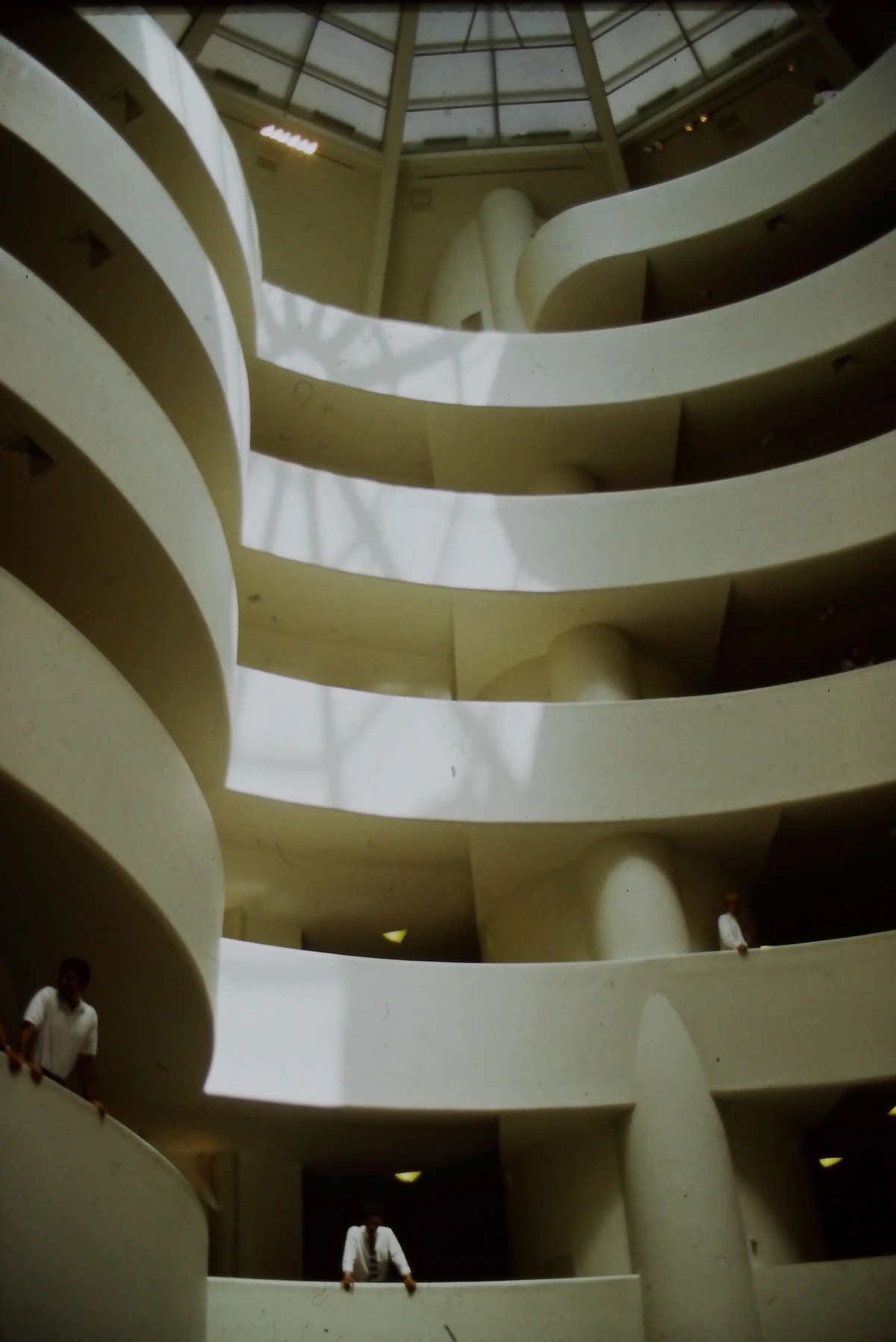
Frank Lloyd Wright's Guggenheim Museum represents how perspective principles evolved into modern architecture. The spiral ramp creates a dynamic perspective experience where visitors move through space while constantly changing their viewpoint. This "kinetic perspective" approach shows how Brunelleschi's ideas continue to influence contemporary design, creating spaces that are both visually engaging and functionally innovative.
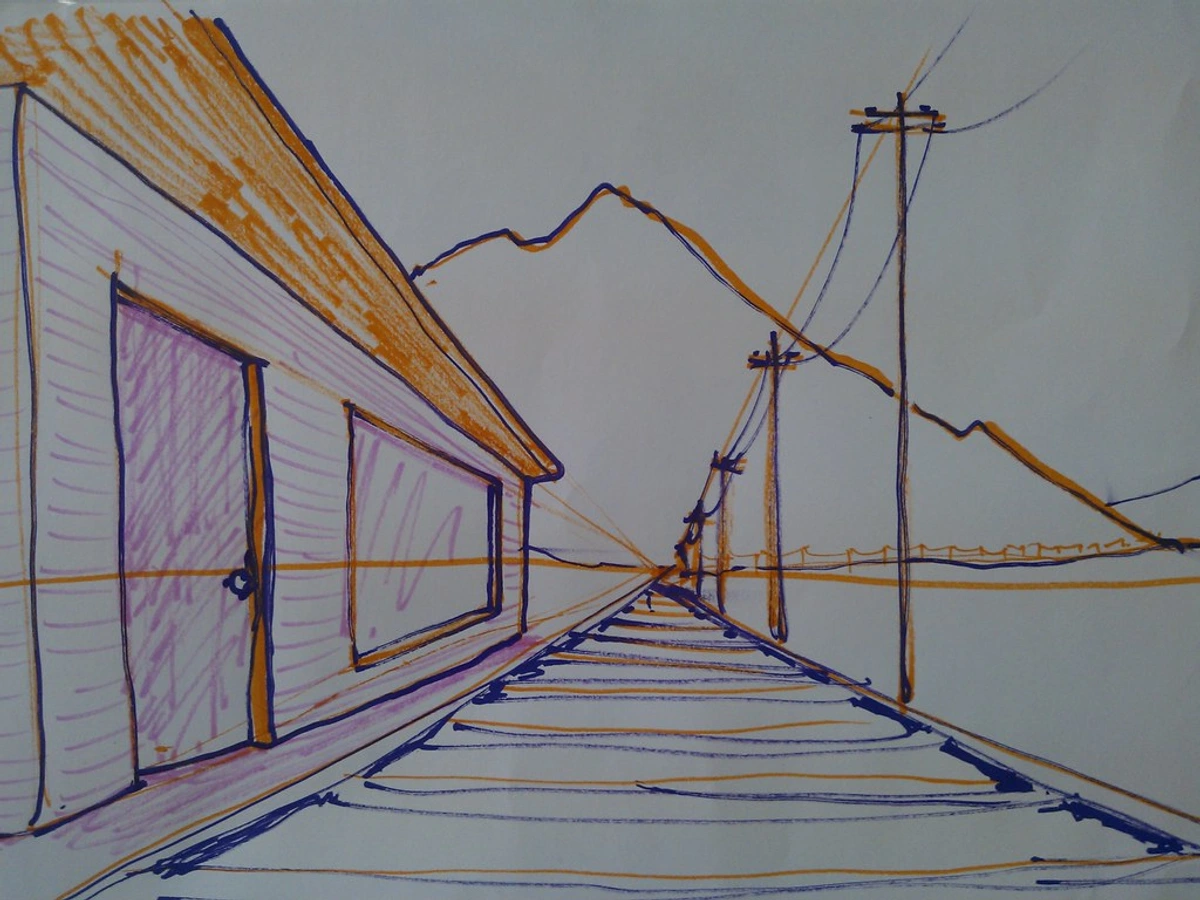
Imagine you’re painting a straight road. The edges aren’t parallel on your canvas—they narrow like a funnel until they kiss at the vanishing point. That’s the heartbeat of perspective.
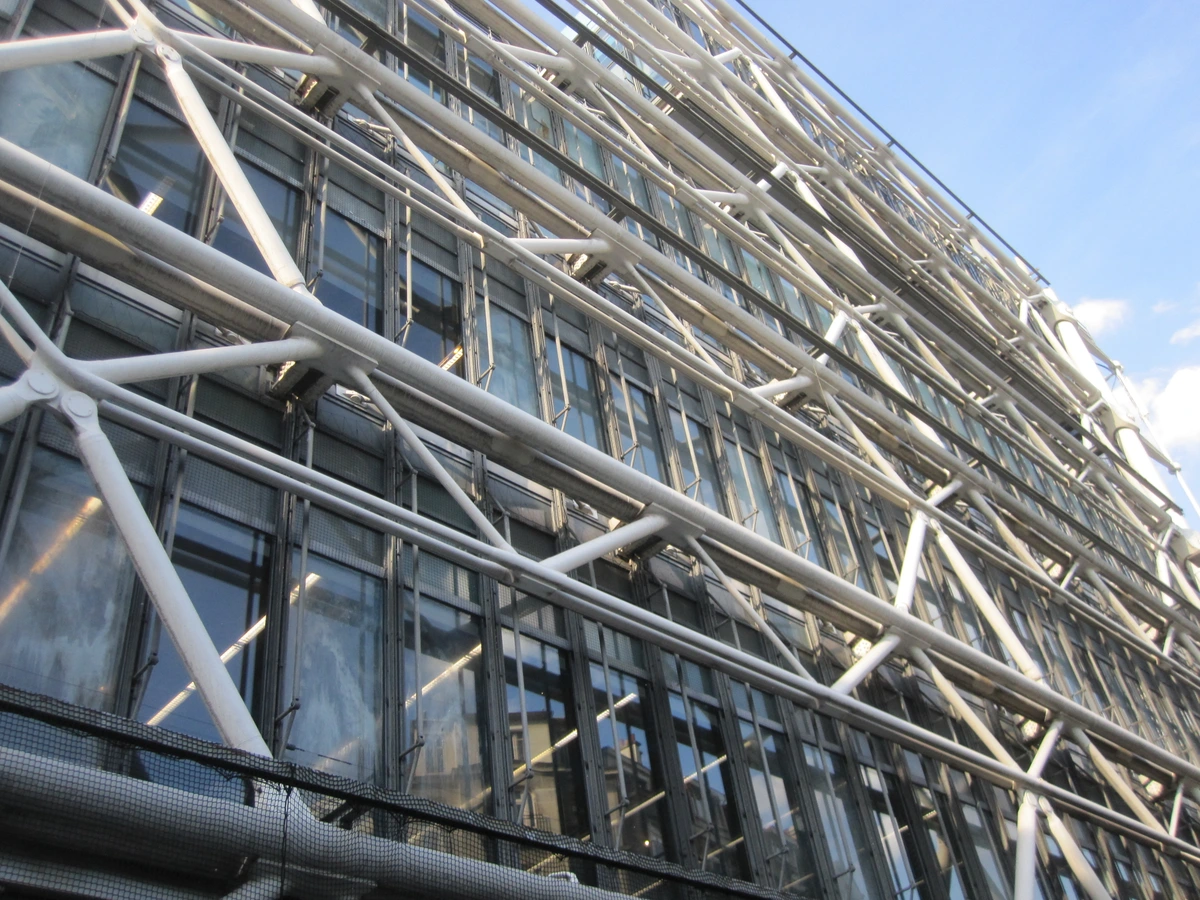
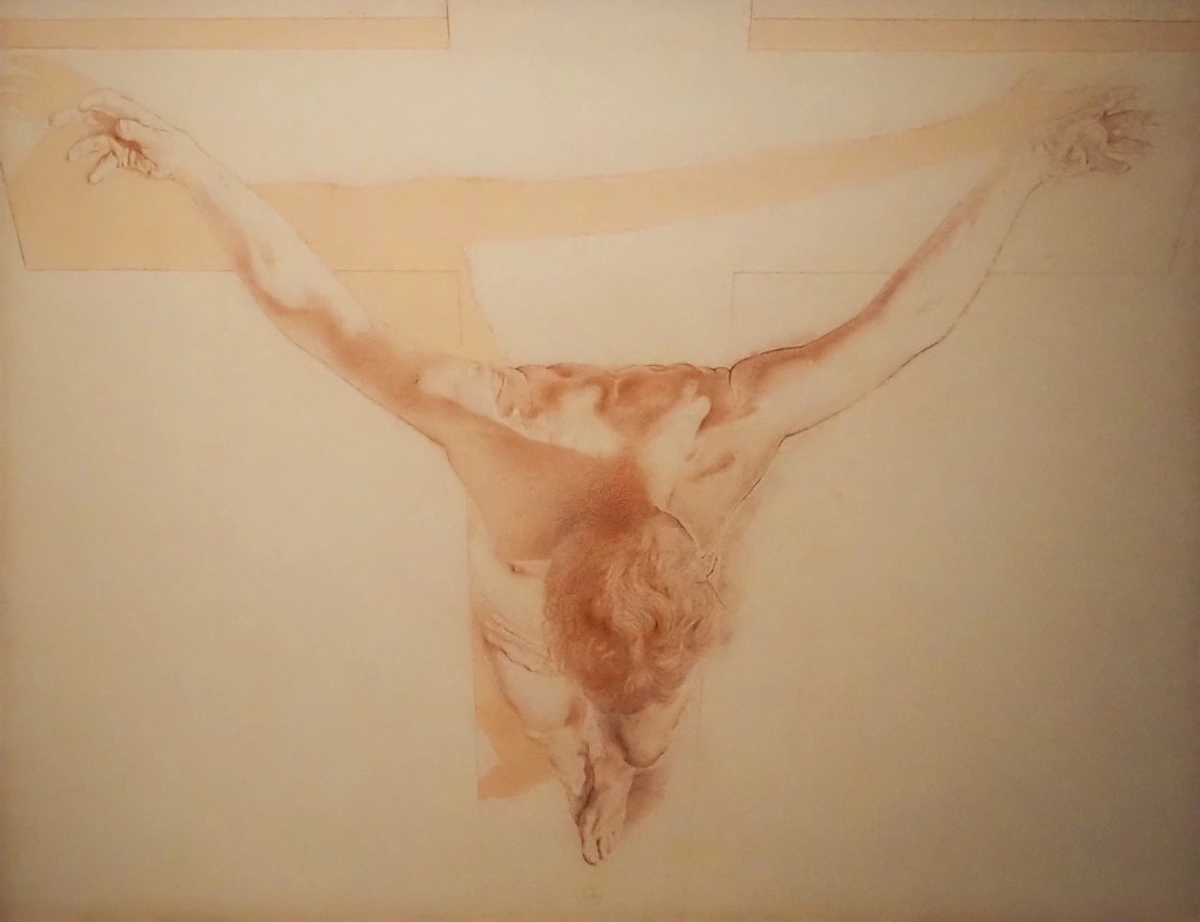
Surrealist Perspective
Dalí's work demonstrates how perspective can be stretched for emotional and psychological impact. Notice the extreme foreshortening of the crucifixion, which creates both drama and spiritual intensity. Surrealists like Dalí used perspective not just for realism, but to unlock subconscious imagery and emotional truths—showing how perspective can be both mathematical and mystical.
Perspective in Different Art Forms
Painting: From Renaissance masters to contemporary artists, perspective remains fundamental. Even abstract artists use subtle perspective grids to create hidden depth.
Architecture: Architects use perspective drawings to visualize buildings before construction. Brunelleschi himself applied his perspective understanding to his architectural masterpieces.
Photography: Cameras naturally capture perspective, but photographers manipulate it through lens choice, positioning, and post-processing to create specific effects.
Film and Animation: Directors use perspective to guide viewers' attention and create immersive worlds. Anime, for example, often uses exaggerated perspective for dramatic effect.
The Step-by-Step Blueprint
Want to try it? Grab a ruler and a bored afternoon. Here’s how to render a simple room:
- Draw your horizon line: Place it at standing height (or sitting height if painting dwarves). This is your "eye level."
- Mark the vanishing point: Dot anywhere on that line. Center it for symmetry, offset it for energy.
- Draw receding walls: From the vanishing point, draw diagonals radiating out like sun rays. These are your orthogonals.
- Add parallel objects: Doors, tiles, or windows will align horizontally but recede along orthogonals. Their tops and bottoms follow perspective curves.
- Scale with care: Objects farther away get smaller. Use intersection points on orthogonals to place objects like chess pieces on a tilted board.
I remember messing this up for weeks. My rooms looked like funhouse corridors. Then I realized: perspective isn’t restrictive—it’s liberating. It’s why I later flirted with abstract art—because understanding the rules lets you break them deliberately. Like a musician who first learns scales to dismantle them later.
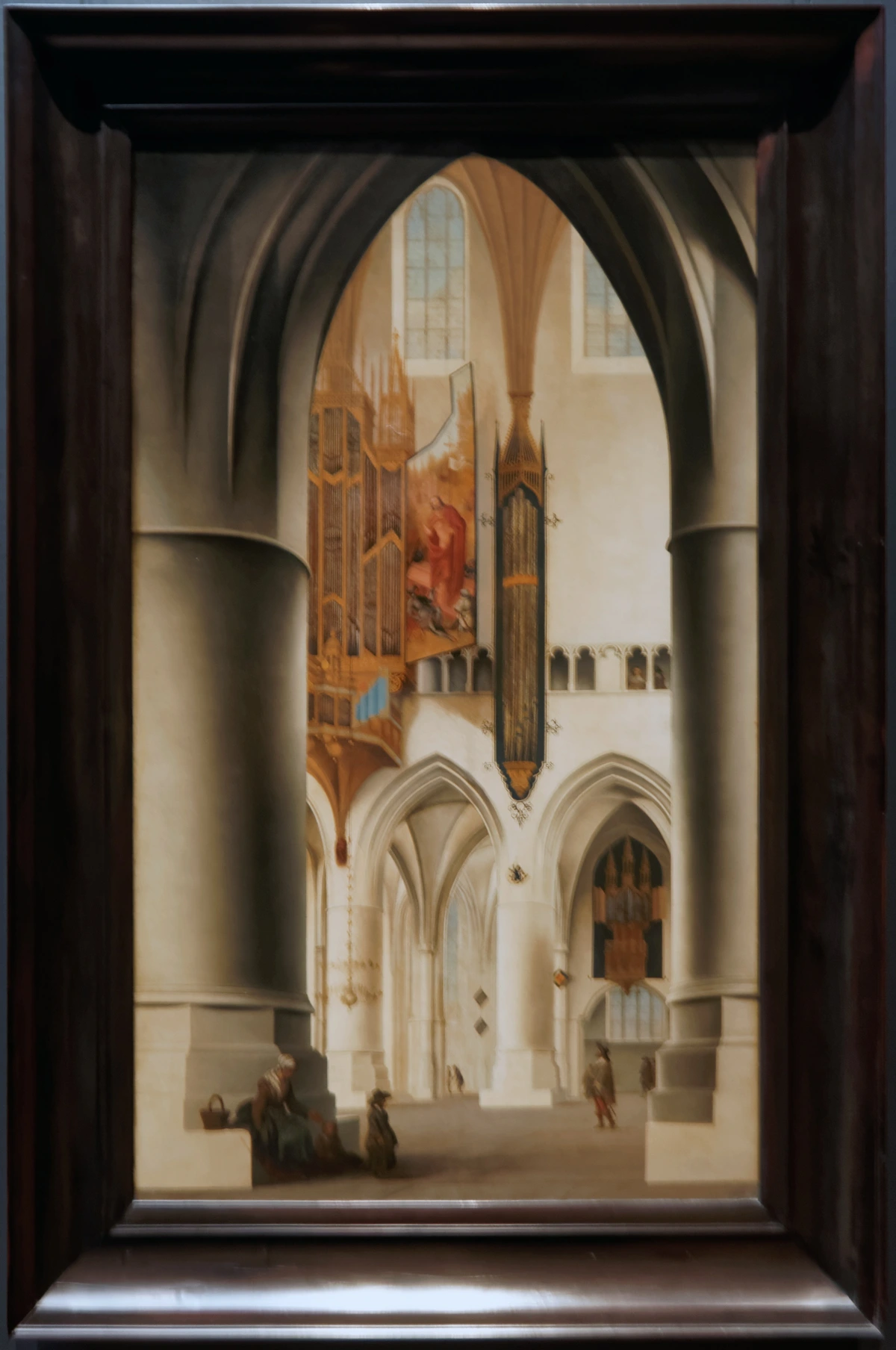
Why It Revolutionized Art (and Still Matters)
Perspective did more than just make paintings look "real." It:
- Created immersive storytelling: Suddenly, viewers weren’t spectators—they were present. Think of Uccello’s Battle of San Romano, where spears angle toward a vanishing point, thrusting you onto the battlefield.
- Merged math and beauty: Architects Alberti and Vignola later codified perspective into treatises, making it teachable rather than alchemical.
- Framed the human eye: It centered the viewer’s perspective—literally and philosophically. We became the arbiters of reality on the canvas.
Even today, perspective underpins everything from game design to VR headsets. Your phone’s 3D graphics? Thank Filippo. Next time you navigate Google Maps’ street view, note how those buildings converge—that’s his ghost in the machine.
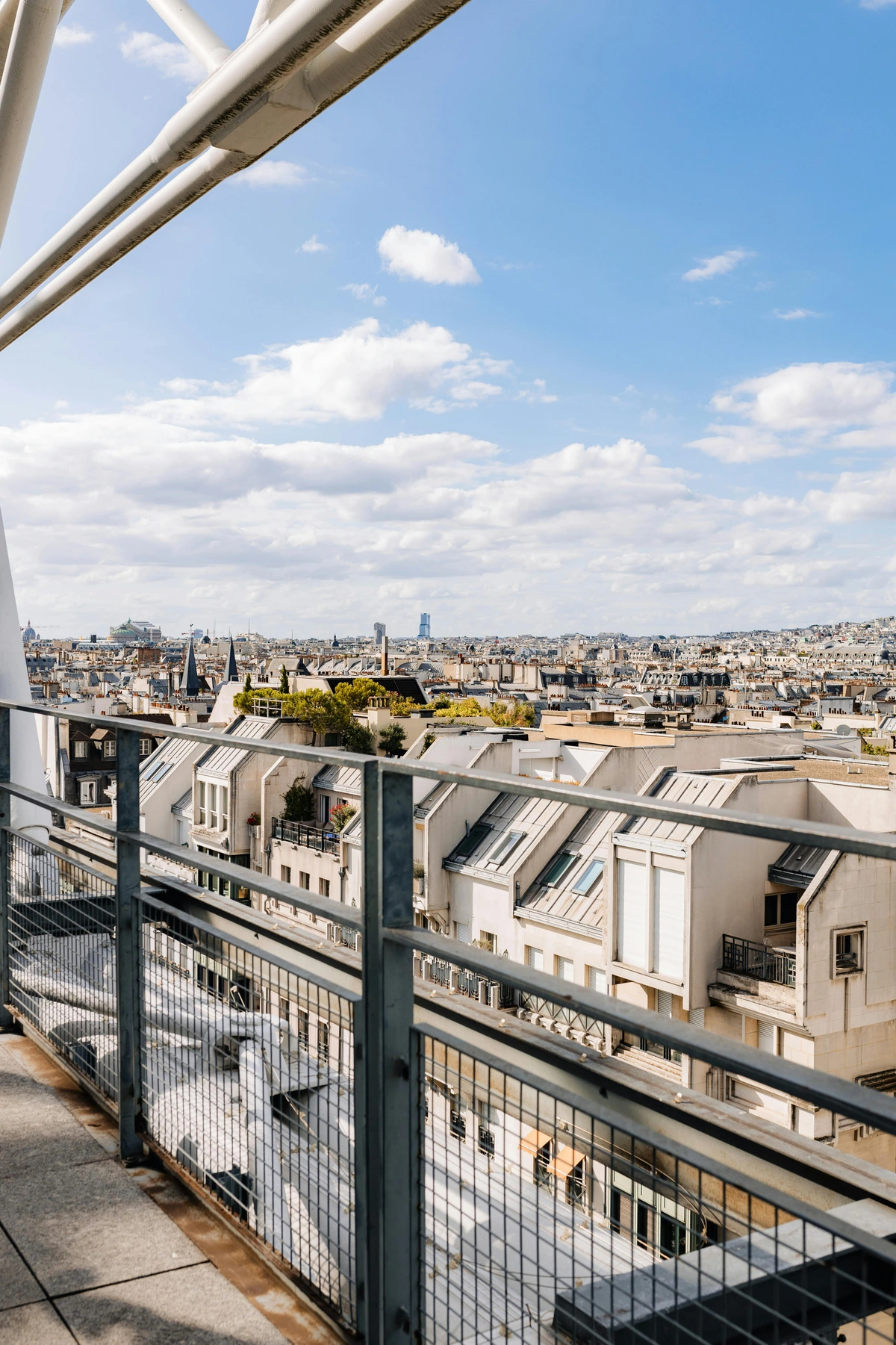
The Philosophy of Perspective
Perspective isn't just a technical skill—it's a philosophical statement about how we see and understand the world. Brunelleschi's system implies a specific viewpoint: the viewer's perspective is central to the meaning of the artwork.

This human-centered view reflects the Renaissance shift from otherworldly medieval art to art that celebrated human experience and the observable world. Perspective helped artists create works that viewers could relate to on a personal, physical level.
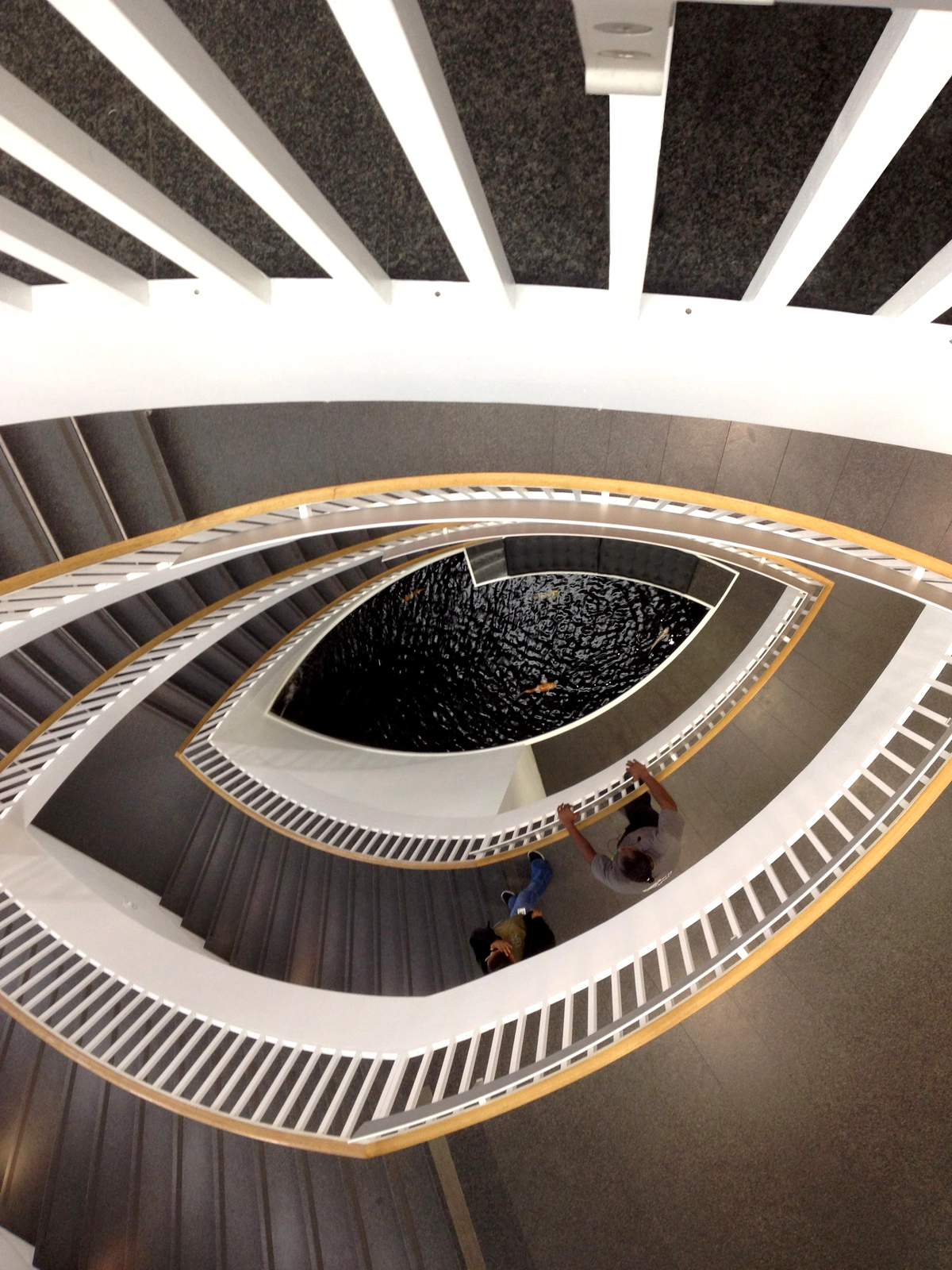
Contemporary Perspective Installation
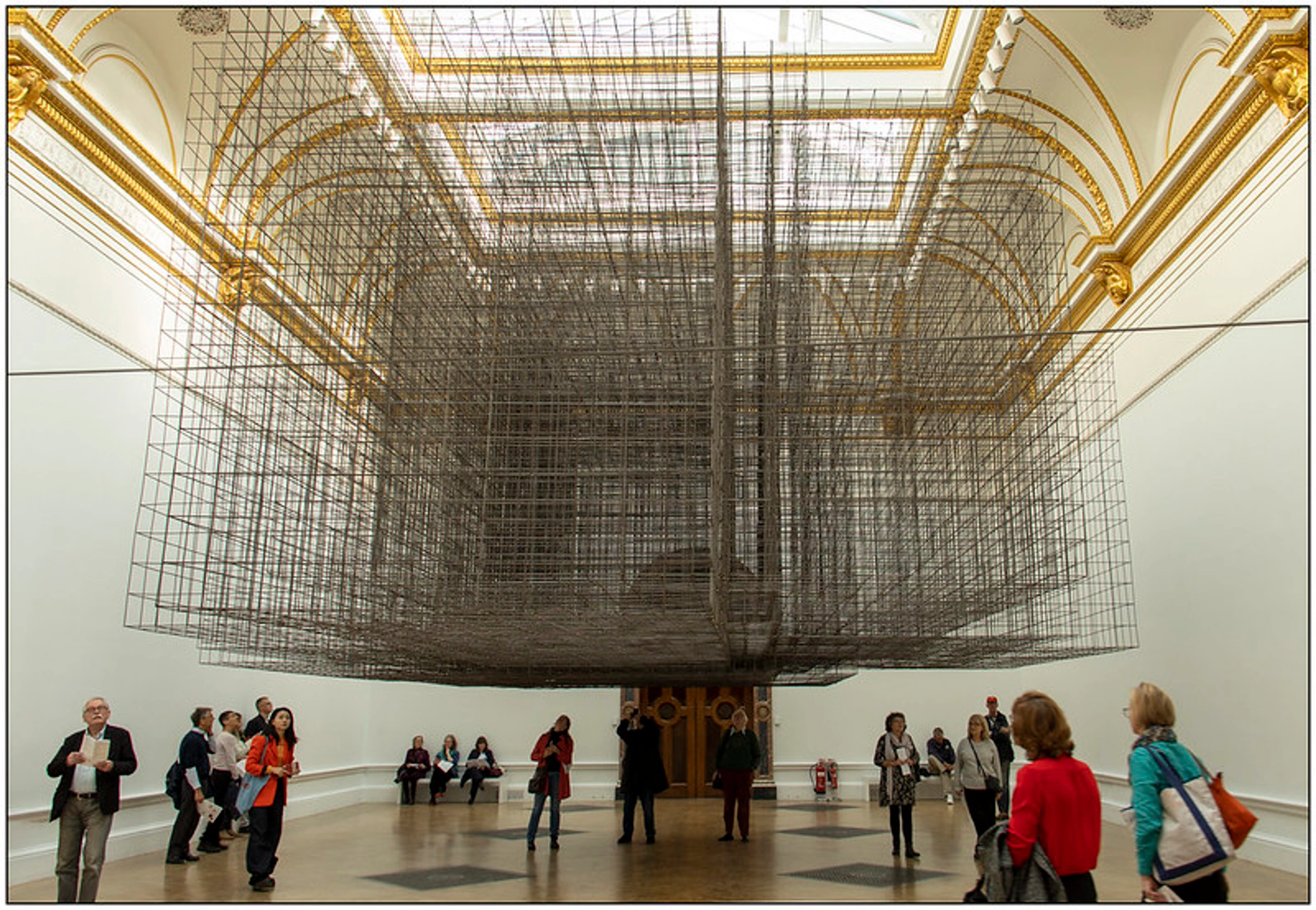
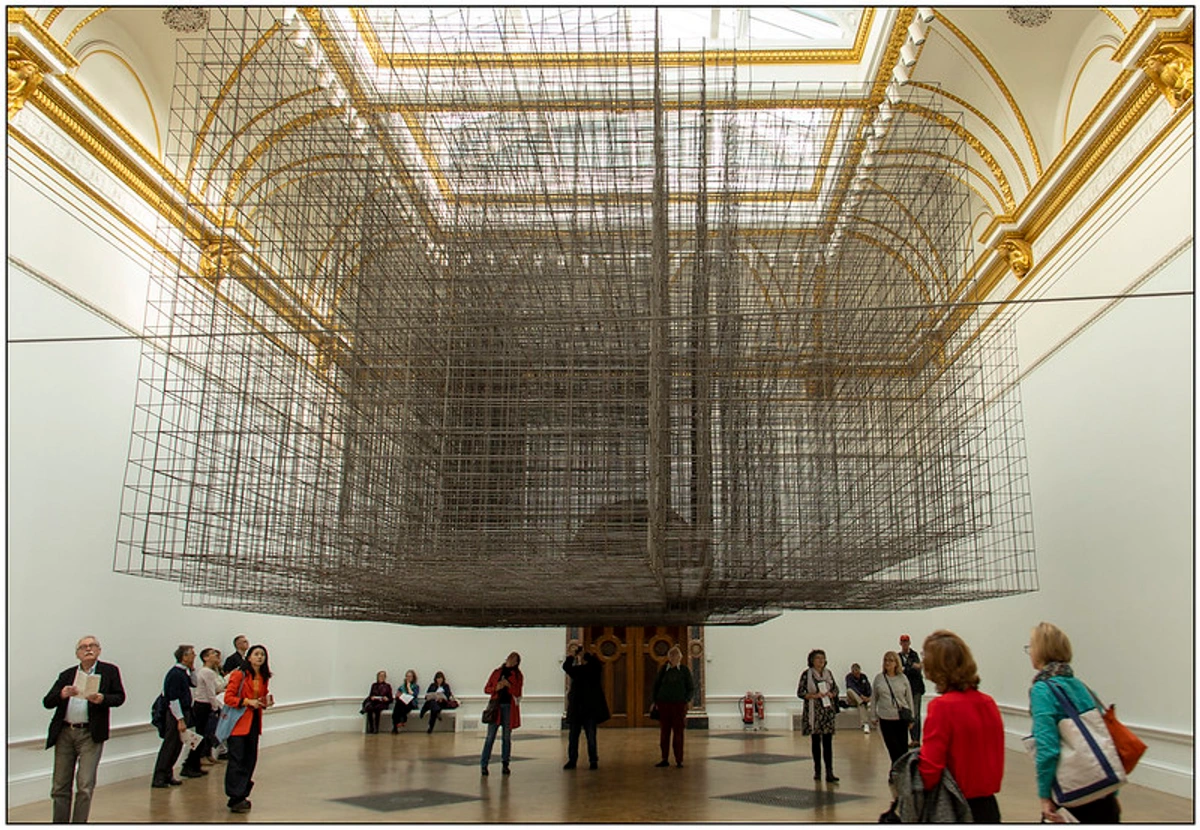
Gormley's installation demonstrates how perspective principles apply to contemporary art and sculpture. The suspended wire figure creates a three-dimensional perspective experience where viewers must move around and through the work to fully appreciate it. This "experiential perspective" approach shows how Brunelleschi's ideas continue to evolve in contemporary art, creating immersive experiences rather than static images.
In a way, perspective democratized art. Instead of being viewed from a fixed distance in a church, paintings could be appreciated from multiple viewpoints, creating a more personal, intimate relationship between artwork and viewer.
FAQ: Common Perspective Questions
Q: Was Brunelleschi the first to use perspective? A: Contested! Roman frescoes and medieval art show glimmers. But he codified the mathematical method that stuck. His experiment is the "big bang" of systematic perspective.
Q: What’s the difference between 1-point, 2-point, and 3-point? A: One-point uses a single vanishing point (e.g., a straight road). Two-point uses two vanishing points (e.g., corner of a building). Three-point adds a vertical vanishing point for extreme height/depth (dramatic skyscraper views).
Q: Can I still use this in abstract art? A: Absolutely! I’ve used subtle perspective grids in abstract paintings to create hidden depth. It’s like a secret spine beneath chaos. Viewers feel it intuitively.
Q: Where can I see the best examples today? A: Florence is ground zero. The Duomo’s dome (his masterpiece!) and works at the Uffizi showcase it. For digital experiments, explore VR artists who push perspective into impossible dimensions.
Learning Resources and Further Exploration
Essential Books on Perspective
Beginner-Friendly:
"Perspective Made Easy" by Ernest R. Norling: Perfect for beginners with clear explanations and step-by-step exercises. "Creative Perspective for Artists and Illustrators" by Ernest W. Watson: Focuses on creative applications of perspective beyond basic techniques. "The Theory and Practice of Perspective" by G.A. Storey: A comprehensive mathematical approach to perspective for those who want to understand the underlying principles.
Intermediate to Advanced: "The Theory and Practice of Perspective" by G.A. Storey: A comprehensive mathematical approach to perspective. " Perspective Made Easy" by Ernest R. Norling: Perfect for beginners with clear explanations.
Online Resources
** websites dedicated to perspective drawing: Many artists share tutorials and exercises. YouTube channels: Channels like "Draw Mix Paint" and"Proko" offer comprehensive perspective tutorials. Digital art software: Programs like Photoshop, Procreate, and Blender have built-in perspective tools. ** perspective calculation tools: Online calculators help determine vanishing points and measurements. ** perspective grid generators**: Create custom perspective grids for drawing practice.
Practice Exercises
Beginner Level:
- Draw simple cubes in one-point perspective
- Practice drawing straight roads with converging lines
- Copy Renaissance paintings with perspective analysis
Intermediate Level:
- Create street scenes with two-point perspective
- Draw interior rooms with furniture
- Practice foreshortened objects (cylinders, spheres)
Advanced Level:
- Complex architectural scenes with multiple vanishing points
- Anatomical figures in perspective
- Reflections and transparent objects
Digital Tools for Perspective
Software Options:
- Adobe Photoshop: Perspective Warp tool and grid systems
- Procreate: Perspective guide overlays and snapping
- Blender: 3D modeling with perspective controls
- SketchUp: Architectural perspective visualization
- Krita: Free alternative with perspective tools
Mobile Apps:
- iPerspective: Mobile perspective drawing assistant
- Art Studio: Built-in perspective grids
- Linea Sketch: Perspective ruler tools
Museums and Galleries
Florence: The Uffizi Gallery, Accademia Gallery, and Brunelleschi's buildings themselves. Rome: The Vatican Museums and Borghese Gallery showcase Renaissance perspective mastery. Major Art Museums: Most major museums have Renaissance sections with excellent perspective examples.
Perspective-Specific Exhibitions
Many museums now offer exhibitions specifically focused on perspective and its history:




"The Birth of Perspective" - Florence (Brunelleschi's hometown) "Renaissance Masters of Space" - Uffizi Gallery, Florence "Perspective Through the Ages" - Louvre Museum, Paris "The Geometry of Vision" - Science Museum, London
Interactive Perspective Demonstrations
Several museums offer hands-on perspective experiences:
- Optical illusion rooms that demonstrate perspective principles
- Camera obscura demonstrations showing how perspective works
- Digital perspective stations where visitors can experiment with perspective tools
- 3D perspective puzzles that challenge spatial understanding
The Final Perspective
Brunelleschi gave artists a lens—but also a responsibility. He taught us that space isn’t empty; it’s a dialogue between what’s real and what we choose to reveal. Understanding his technique doesn’t chain you to realism. It unlocks why art works, even when it breaks every rule. So next time you admire a painting, ask not just what you see—but how it traps your mind in its illusion. That, my friend, is Brunelleschi’s enduring magic.