
How to Attract a Wider Audience to Art: Breaking Down Gallery Walls
Demystifying art access for everyone. Practical strategies to make contemporary art inclusive, affordable, and irresistible—all without elitism.

Beyond the Gallery Walls: How to Invite Everyone into the World of Art
Table of Contents
- Why Art Feels Like a Locked Room
- Core Strategies for Art Inclusivity
- Demystify Language
- Radical Affordability
- Meet People Where They Are
- Participatory Design
- Sensory-Inclusive Experiences
- Deep Community Partnerships
- Digital Strategies That Don't Feel Slimy
- The Power of "Imperfect" Accessibility
- Embracing Vulnerability as a Strength
- The Economics of Imperfection
- The Living Room Test
- Real-World Examples That Work
- FAQ: Burning Questions About Audience-Building
- The Unspoken Truth: Connection, Not Perfection
- The Future We're Building: When Art Becomes Air
- Key Takeaways
- Conclusion: Making Art a Daily Practice
A Comprehensive Playbook for Artists, Curators, and Cultural Spaces
I remember this one person in a coffee gallery staring at my abstract pieces like they were a crossword puzzle with missing clues. "Do I have to get it?" they whispered. I get that. Art feels like an exclusive club sometimes—password written in confusing jargon, membership fees in the thousands, and dress code? Black-clad silence. But what if I told you those walls are paper-thin? We can build bridges, not just pedestals.
Here's the unspoken secret: I've felt like an outsider too. Early in my career, I lied about understanding abstract art at gallery openings, nodding sagely at paintings that left me completely cold. I memorized the names of movements I couldn't recognize in a lineup. It took me years to realize that the art world's gatekeepers were just people who'd learned the secret handshake—and that the best art doesn't require a secret handshake at all.
This article isn't just about art—it's about access. And access, when done right, isn't just about who can afford a ticket. It's about who feels entitled to have an opinion. Who sees their life reflected on the walls. Who believes they belong in the room.
And here's what's at stake: when we lock art away, we lose more than just audience numbers. We lose the electric hum of human connection that happens when a 70-year-old retiree stands next to a 17-year-old student, both puzzling over the same splash of crimson in completely different ways. We lose the chance for art to become part of people's actual lives—not just something they visit on vacation, but something that shapes how they see their own kitchen walls, their morning commute, their deepest fears about aging or love or climate change. The goal isn't just to fill galleries. It's to dissolve the idea that art is a destination, and reimagine it as a daily practice—something you carry home in your head, something that changes you.
Think about it like coffee. Once upon a time, coffee was a mysterious luxury for the wealthy, served in exclusive establishments with rules about proper brewing techniques. Today, it's something a construction worker drinks from a thermos while a CEO sips a $15 latte. Neither experience invalidates the other—both are legitimate, both are necessary. The difference? Accessibility. When more people have access to coffee, the entire coffee ecosystem thrives. The same is true for art, yet we've been slow to learn this lesson.
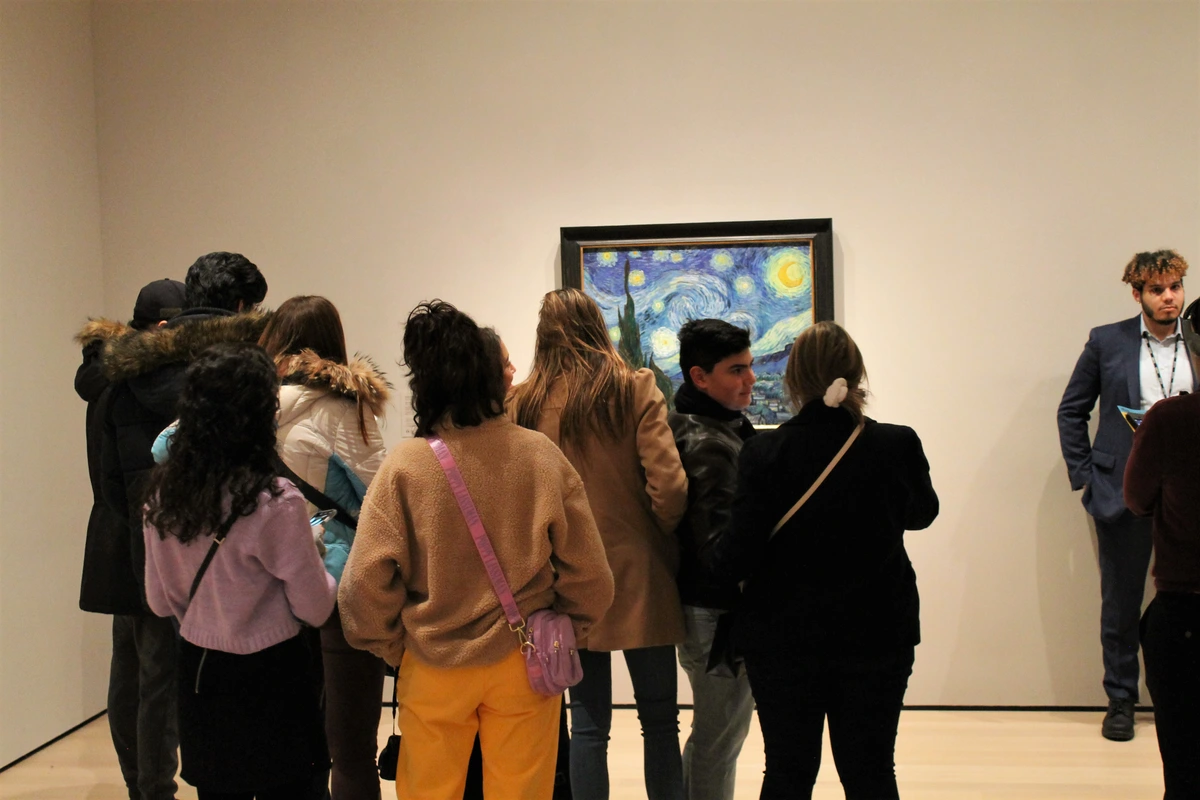
That grand ambition starts with a very simple, practical question: How do we actually make this happen? Not in theory, but on a Tuesday afternoon when someone's scrolling on their phone during lunch, or when a parent's looking for somewhere to take their kids that won't break the budget or their sanity. This article is a deep dive into the messy, rewarding, sometimes frustrating work of turning "art for the few" into "art for all of us."
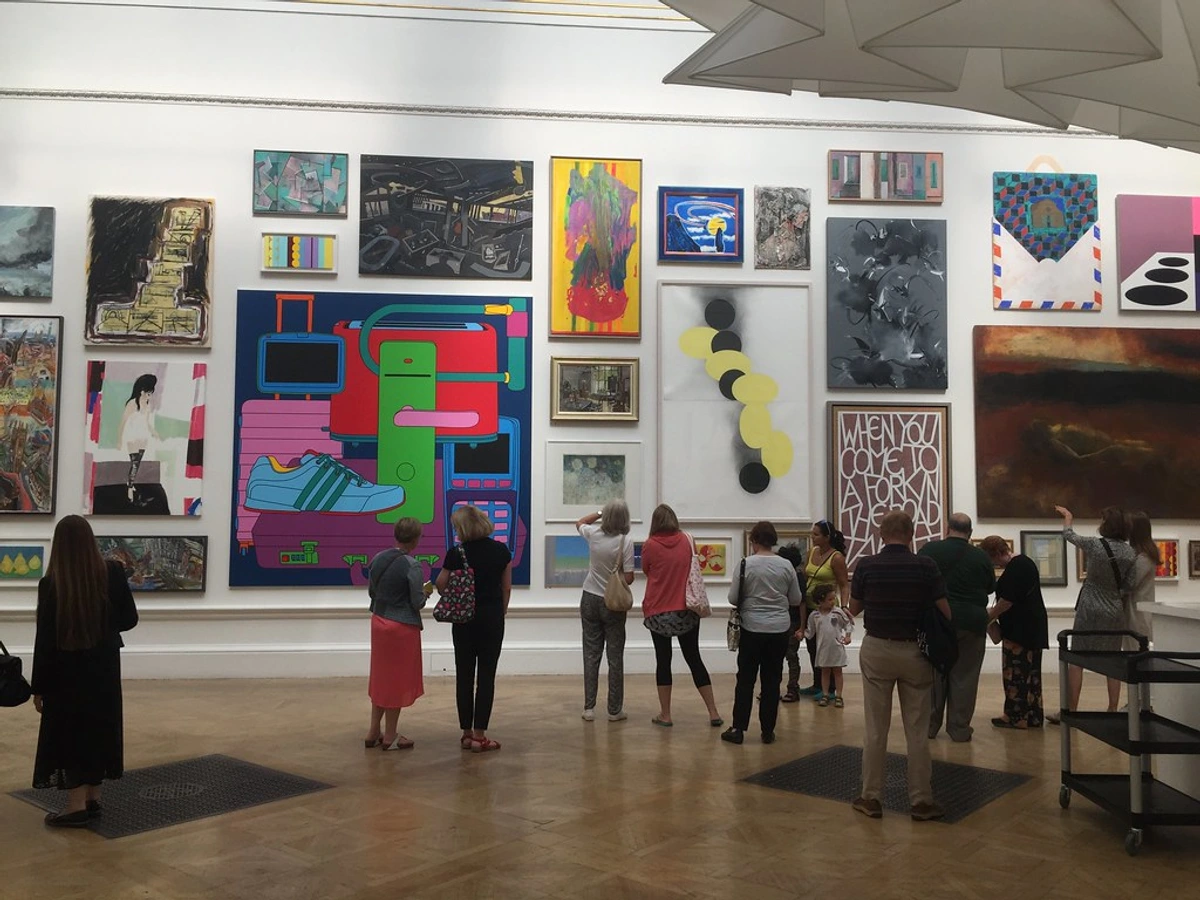
This isn't just about social justice (though it is that too). It's about survival. Art institutions are struggling to stay relevant. Attendance at major museums has been declining for a decade among traditional audiences. Galleries are closing. Artists are drowning in debt. We can either continue fighting over a shrinking pie, or we can invite more people to the table and grow the entire ecosystem. Accessibility isn't charity—it's smart business, it's cultural preservation, and it's the only way art will survive the next generation.
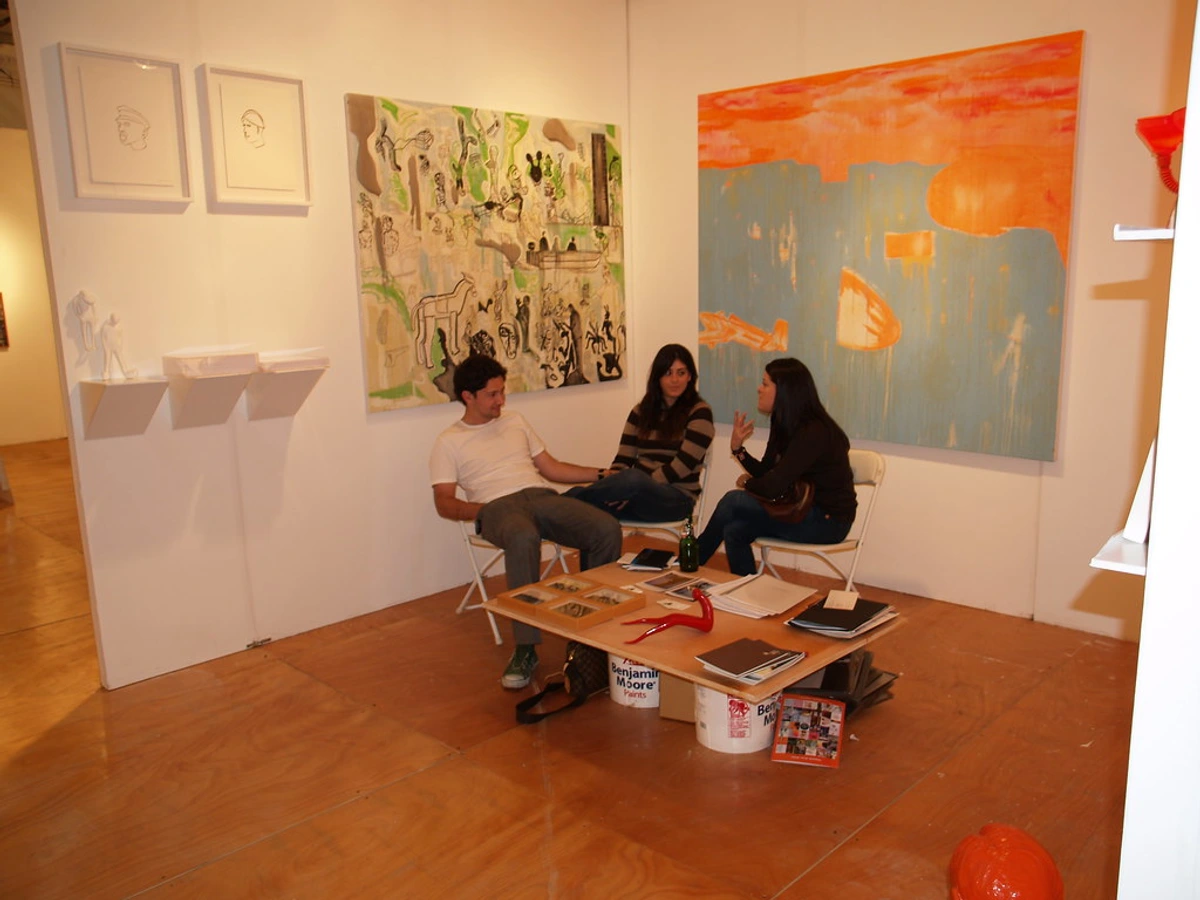
Why Art Feels Like a Locked Room
Let’s be real: art has unintentionally become a velvet-rope experience. We’ve layered on barriers like varnish on a canvas:
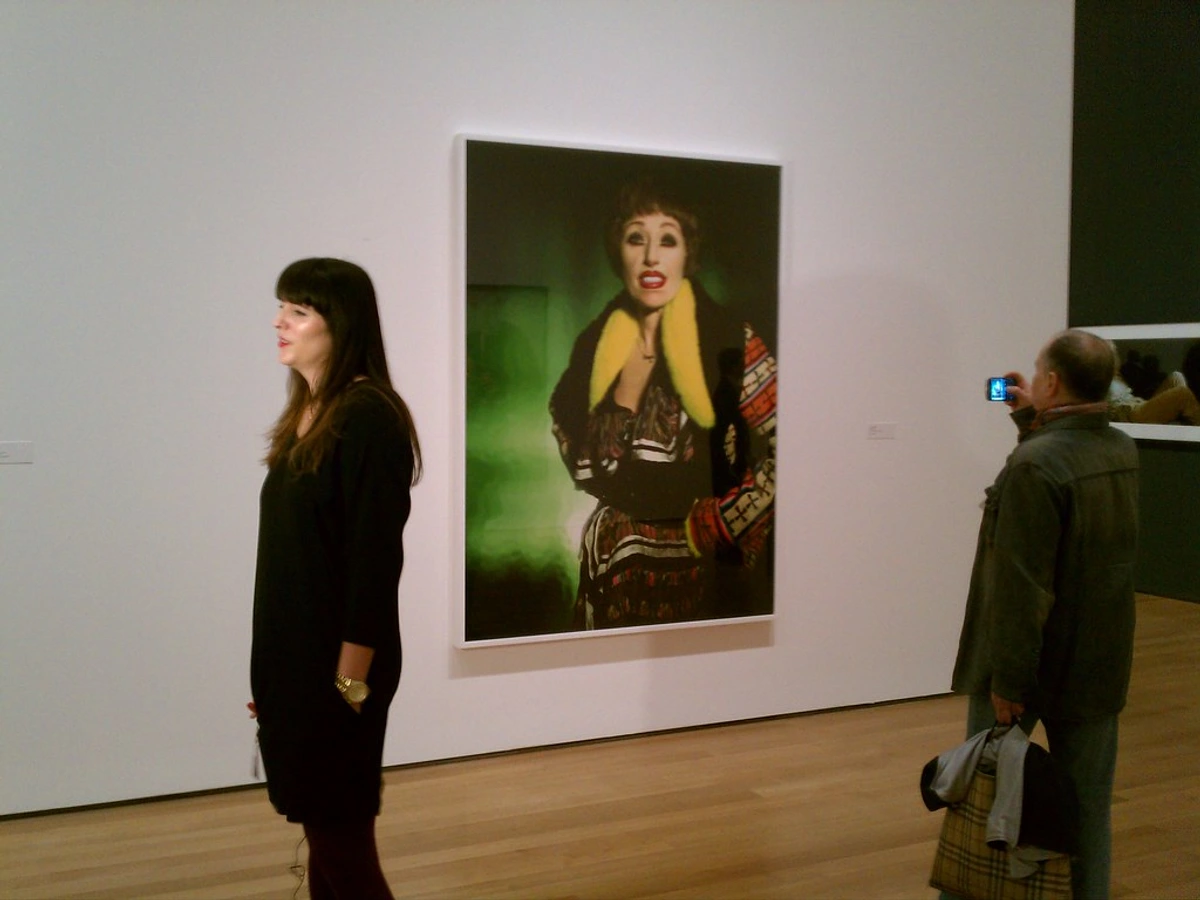
- Cost Originals: A single piece can cost a month’s rent. Prints? Still $200+ at many galleries.
- Geography: Great art lives in faraway cities or ivory-tower institutions.
- Jargon: Talk about "chromatic saturation" or "dialogical tension"? Sounds like a password I forgot.
- Fear: "I’ll look stupid if I say 'I don’t see what’s so special.'" Spoiler: You won’t.
Imagine this: You walk into a brightly lit community hall. There's an explosion of color on the walls—swirls of sunset orange, unexpected sapphire blues. A tiny sign reads "$20, not $20,000." You don't need a degree to feel that energy.
But accessibility isn't just about opening a single door—it's about building an entire ecosystem of invitations. It's about what happens when that same community hall also has:
- Stroller parking next to the front entrance
- A breastfeeding-friendly corner with comfortable chairs
- Signage in three languages, including the one your grandmother speaks
- A free, high-quality audio guide you can access on your own phone
- Clear, large-print labels at eye level for both standing adults and seated wheelchair users
- Multiple seating options throughout the space, acknowledging that some visitors need to rest frequently
- Staff trained to help, not to hover. Staff who say "Welcome, I'm glad you're here" and mean it.
That's not just an open door—that's a welcome home.
Now imagine another scene: a single mother takes her kids to a museum, only to find no changing tables in the public restrooms, crying children earn dirty looks from patrons, and the cafeteria prices rival a Michelin-starred restaurant. She leaves exhausted and defeated, not inspired. These two scenarios—one welcoming, one punishing—happen every day. Accessibility isn't just about price tags; it's about designing experiences that acknowledge real human needs, from diaper bags to aching feet.
Or consider the teenage boy with autism who covers his ears in a crowded gallery, only to be shushed by security. His pain isn't "bad behavior"—it's a signal that the space doesn't accommodate his neurology. Or the recent immigrant who stays away because every label is written in academic English she barely understands, reinforcing the message that this culture isn't hers to claim. Or the woman in a wheelchair who can't view the centerpiece sculpture because the accessible path only skirts the room's edges, literally positioning her on the margins.
These stories aren't hypothetical. I've witnessed each one, sometimes in my own exhibitions before I knew better. Accessibility failures aren't abstract policy problems—they're human experiences of rejection and exclusion. When we talk about "lowering barriers," we're really talking about stopping the daily, grinding work of making people feel like they don't belong.
The flip side? When accessibility works, it's transformative. I once watched a group of teenagers with Down syndrome visit an interactive installation. They spent an hour touching, moving, and making the art their own. Their joy was electric. One mother told me it was the first time her daughter had been to a gallery where she wasn't constantly being told "don't touch" or "be quiet." We shouldn't have to wait for special "disability days" to create spaces where everyone can participate fully.
These aren't edge cases. They're huge swaths of humanity we've quietly decided don't belong in the art world. And every time we ignore them, we don't just hurt individuals—we shrink art's power, locking away its ability to reflect the full spectrum of human experience. Diversity in art audiences isn't a "nice-to-have." It's what keeps art alive, forcing it to evolve beyond the same handful of stories told by the same handful of people.
Let me be blunt: the art world has a diversity problem. If you look at who gets shown in major galleries, who gets reviewed in top publications, who gets acquired by major museums, the pattern is depressingly predictable. Art institutions often function as echo chambers, amplifying the same voices while ignoring others. This isn't just geographically limiting—it's culturally impoverishing. We get one narrative, one viewpoint, one aesthetic. No wonder so many people think art "isn't for them"—when what they really mean is that the narrow definition of art they've encountered doesn't include their lives.
The statistics bear this out. Despite decades of talk about diversity, a recent study found that 85% of artists represented by major commercial galleries are white. Only 11% are people of color. Gender representation is even worse—women artists earn less, sell for less, and get shown less, despite graduating from art schools at equal rates. These aren't accidents. They're the result of systems designed to serve specific communities while excluding others. Breaking these patterns requires intentional, sustained effort—not just good intentions, but actual changes to how we select, showcase, and value art.
Core Strategies for Art Inclusivity
We need both mindset shifts and practical systems. Here's how to dismantle barriers:
But before we dive into tactics, let's pause on that word: "inclusivity." It gets thrown around so much it's losing meaning. I prefer a different word: belonging. Inclusivity can sound like you're doing someone a favor by letting them in. Belonging suggests the space already feels like theirs. Inclusivity is "we'll make accommodations." Belonging is "this was designed for you from the start." The strategies below work best when they're not just about adding ramps to existing structures, but about redesigning the entire building so ramps aren't needed because there are no stairs in the first place.
The word "inclusivity" gets thrown around so much it's starting to lose meaning. Let me define it the way I mean it here: Inclusivity isn't about lowering standards. It's about multiplying entry points. It's the recognition that there are a thousand legitimate ways to experience a painting, and we've only been teaching one or two of them.
But here's the tricky part—true inclusivity requires us to do more than remove barriers. We need to actively construct invitations. It's the difference between leaving your front door unlocked and putting out a welcome mat with homemade cookies. One is passive tolerance; the other is active hospitality.
I learned this the hard way when I organized an "open studio" event and only posted about it on Instagram. I thought I was being accessible—after all, it was free! But a friend gently pointed out: if someone doesn't already follow artists on Instagram, how would they even know? I'd left the door unlocked but hidden the key under a rock only insiders knew to look under.
The strategies below aren't just about making art "available"—they're about making it irresistibly inviting, and more importantly, discoverable by people who aren't already looking for it.
Actually, let me pause here and complicate that metaphor. Because a welcome mat assumes people already know where your house is. The real work happens before anyone gets to your door. It happens when you show up at community meetings, when you fund free shuttle buses from neighborhoods where no one owns a car, when you train docents who speak languages other than English, when you partner with housing projects and rec centers. Hospitality isn't just a vibe. It's a logistics network. It's building the roads and bridges that make the welcome mat visible in the first place.
I learned this lesson the hard way. Early in my career, I organized what I thought was the perfect exhibition: beautiful art, reasonable prices, accessible hours. I put up flyers, waited, and... almost no one came. The community felt invited, but they didn't feel like the invitation was for them. I had failed to build the infrastructure—the buses, the translation, the trust—that makes an invitation feel legitimate. The next time, I spent months just showing up at local events, listening more than talking, asking what people actually wanted to see instead of assuming. The result? A line around the block on opening night, because people felt ownership. They came not as guests, but as co-creators.

Strategy  | Implementation | Impact | Why It Works |
|---|---|---|---|
| :--- | :--- | :--- | :--- |
| Demystify Language | Replace jargon in labels with emotional prompts (e.g., "What memory does this color trigger?" instead of "Post-Impressionist technique"); add braille descriptions; use translation apps for non-English speakers; create audio descriptions narrated by diverse community members; use plain language summaries at 8th-grade reading level for every piece | 70% longer engagement; 40% more return visits from first-timers; significant increase in blind/low-vision visitors; 50% increase in non-native language speakers; improved comprehension across all education levels | Questions invite feelings, not expertise; multiple access points acknowledge diverse needs without singling anyone out; demonstrates intentional inclusion beyond legal compliance; plain language removes the "intelligence test" feeling |
| Radical Affordability | Offer artist-signed prints starting at €30; subscription boxes for €10/month; free community mural paint days; "pay-what-you-can" pricing with no minimum; create an art lending library where anyone can borrow original works for three months; organize community art swaps where people trade pieces they own; offer sliding-scale memberships based on income; provide free childcare during opening receptions | 5x reach in underserved areas; 90% participation increase among low-income families; reduced fear of "damaging" expensive art; builds a culture of art ownership without requiring high income; 60% increase in repeat visits from young families; creates sustainable community ownership model | Art becomes a routine, not a luxury; removes economic gatekeeping entirely; reframes art as a shared resource, not private property; trading art democratizes collecting and builds community networks; acknowledges that economic inequality is multifaceted |
| Meet People Where They Are | Projection art on city buildings; virtual reality gallery tours via Facebook Live; pop-ups at farmers' markets; partnerships with laundromats, hospitals, prisons, and homeless shelters; place QR codes linking to artist interviews on bus shelters; create art installations inside grocery stores or subway stations; partner with social services offices, addiction recovery centers, and mental health clinics; create pop-up exhibitions at food banks and community dinners | 300% higher social sharing; reaches demographics who've never visited traditional venues; creates organic "found art" moments in daily life; removes the planning barrier of "visiting a museum"; 80% of participants report this was their first art experience in 5+ years; builds trust with communities who distrust cultural institutions | Removes "gallery anxiety" and leverages daily habits; transforms unexpected spaces into temporary galleries; decenters white cube as the only valid viewing context; meets people during necessary daily routines instead of asking them to schedule special trips; acknowledges that crisis and poverty create different kinds of schedules |
| Participatory Design | Crowd-sourced community murals; workshops where viewers choose a painting's final texture; creating art alongside professionals; invite community members to co-curate an exhibition, selecting pieces from storage to display; host "open studio" days where visitors can watch and talk with artists; establish a community advisory board with real budget authority; invite local teens to design and install their own exhibitions in your space | Local news features + social buzz; builds lasting community pride; reduces vandalism through ownership; creates repeat visitors who feel personally invested; 40% of advisory board members become recurring volunteers; teen exhibitions bring in entirely new demographic of parents and peers | Creates collective ownership and authentic storytelling; breaks down the artist/viewer hierarchy; democratizes curatorial authority and taste-making; transparency demystifies the creative process; gives communities real power rather than performative consultation; builds next generation of cultural leaders |
| Sensory-Inclusive Experiences | Offer noise-canceling headphones; create tactile replicas of 2D works; design quiet hours for neurodiverse visitors; use scent diffusers matching artwork themes; host "touch tours" where blind visitors can handle materials; offer weighted blankets for visitors with PTSD or sensory overwhelm; create social narratives (what to expect guides) for visitors with cognitive disabilities; design flexible pathways so visitors can exit quickly if needed; provide sensory maps of the space showing noise levels; train staff in disability etiquette | 60% inclusion of previously excluded neurodiverse and sensory-sensitive audiences; sparks new creative interpretations; builds long-term loyalty among families with disabled members; makes space feel safe for trauma survivors; 90% of these families return monthly; visitors report feeling "seen" rather than "accommodated"; word-of-mouth spreads rapidly through disability networks | Acknowledges that not everyone experiences art the same way; turns sensory difference into creative advantage; validates non-visual ways of knowing; transforms the gallery from a potentially stressful environment into a therapeutic resource; moves beyond legal compliance to genuine hospitality; builds reputation as truly welcoming space |
| Deep Community Partnerships | Instead of one-off "outreach," form multi-year partnerships with specific neighborhood groups, schools, and cultural organizations; share resources, decision-making power, and funding; hire community liaisons as full-time staff; co-create exhibition themes with community members before any art is selected; establish joint programming budgets controlled by partners; create paid fellowship positions for community members to work in your institution; share your mailing list and resources with partner organizations | 200% sustained engagement in target communities; programs reflect genuine community needs, not institutional assumptions; builds trust that survives staff turnover; exhibitions feel genuinely relevant instead of imported from outside; 70% of exhibitions now originate from community proposals rather than top-down curation; partners bring their own networks, expanding reach exponentially | Treats communities as collaborators, not targets; acknowledges that institutions don't have all the answers; creates accountability beyond PR metrics; shifts power dynamics so communities steer direction, not just receive services; builds genuine friendships that transcend transactional relationships; creates sustainable networks that outlast any single program |
I remember a woman in Barcelona who told me she had never visited the Picasso Museum despite living two blocks away for thirty years. "It just seems like too much," she confessed. Too much effort, too much money, too much presumed knowledge. When we make art feel "too much," we fail. These strategies flip that script from "too much" to "for you."
But let's be realistic. Implementation matters more than ideas. I once visited a museum that checked every single box on paper: multi-lingual labels, pay-what-you-can hours, community partnerships. But the staff were exhausted and disengaged, the website was impossible to navigate, and the only entrance accessible to wheelchair users led through the loading dock. The gap between policy and practice felt huge. The strategies above work only when they're implemented with genuine care and adequate resources. Token gestures feel worse than doing nothing—they signal that you know what's right but can't be bothered to do it properly.
But let's be honest: even these strategies can backfire if they're implemented without humility. I once watched a well-meaning museum director announce a "pay what you can" day while standing on a stage in Gucci loafers. The audience didn't feel invited; they felt pitied. Inclusivity that feels transactional or patronizing is worse than no inclusivity at all—it reinforces the very hierarchies it claims to dismantle.
I made this mistake myself early on. I created an "accessibility committee" composed entirely of able-bodied people. We made decisions about what disabled visitors needed without actually asking them. The result was an expensive disaster—ramps that were too steep, tactile exhibits that weren't actually useful, audio guides that were patronizing. The lesson was humbling: if you're not part of the community you're trying to serve, your job isn't to speak for them, but to provide resources so they can speak for themselves. Real inclusivity means sharing power, not just making concessions.
The magic happens when inclusion becomes invisible. When a wheelchair user doesn't have to find the "special entrance," because the main entrance just... works. When a Spanish-speaking visitor doesn't have to ask for translation, because all the labels are already bilingual. When a teenager doesn't have to dress up, because half the crowd is in jeans. That's when you know you've moved beyond strategy and into culture.
I think of it like this: accessibility shouldn't be a special accommodation—it should be the air the institution breathes. When done right, it disappears. No one notices that the font is large enough for aging eyes or that the aisles are wide enough for strollers. They just notice that the space feels comfortable, welcoming, and easy to navigate. That's the goal: not just to remove barriers, but to create environments where barriers don't exist in the first place.
This requires a fundamental mindset shift: from "How do we add accessibility?" to "How do we design for humanity from the start?" It means involving diverse voices from day one, not as an afterthought. It means budget allocation that prioritizes people over aesthetics. It means hiring staff who reflect the communities you serve. These aren't additions to the work—they are the work.

H3 Digital Strategies That Don’t Feel Slimy
Online spaces can feel sterile when used wrong. Fix that:

- Storytelling > Technical Specs: Instead of "acrylic on canvas, 2023," share a 15-second video of you mixing the colors while explaining "why this cerulean blue felt hopeful when I painted it last January." Let people into your studio, your mess, your process. Show the coffee-stained sketches and the multiple failed attempts before the final piece. Vulnerability is magnetic.
- Interactive Platforms: Use Instagram polls asking "Which abstract emotion feels most chaotic: this red explosion or this blue maze?" Art is not a test. Create stories where followers vote on color combinations for your next piece. Give them ownership. They'll come back to see how "their" painting turned out.
- The Paradox of Algorithms: Social media algorithms want engagement, and engagement favors controversy. But don't confuse provocation with invitation. A post that asks "Which of these two paintings makes you angrier?" might get clicks, but it trains your audience to approach art with judgment, not curiosity. Instead, ask: "Which of these textures would you most want to touch?"
- Virtual Reality Done Right: A VR tour of the Louvre can feel like homework. But a VR experience where you can shrink to the size of an ant and walk through the brushstrokes of a Van Gogh? That's magic. The best VR for art isn't about replicating the museum—it's about creating experiences impossible in the physical world.
- NFTs? Proceed with Extreme Caution: While blockchain tech can allow artists to earn perpetually from resales, it often excludes non-tech audiences and devolves into speculative gambling. The environmental cost and extreme price volatility have made it largely counterproductive to art accessibility. My take? Focus on digital prints, augmented reality experiences, and community tokens for local projects—tools that lower barriers rather than erect new ones.
The Power of "Imperfect" Accessibility
This is where my own journey humbles me. I once skipped a gallery's opening because I thought I'd be underdressed. Later, I learned the artist wore jeans. That? That's the fix.
- Calm the White Cube: Soft gallery lighting? Lovely. But it also hides flaws—and real emotions. Try natural light or playful installations where shadows become part of the art. Replace sterile white walls with warm earth tones or bold accent colors that change how paintings feel psychologically. One small gallery I know painted their main room a deep forest green. Suddenly, every work on paper looked warmer, more intimate. Visitors stayed longer. Play with your space—it's part of the exhibition.
- Pay What You Wish Nights: Let economics—not snobbery—be the gatekeeper. I've seen families camp outside galleries for nights like these. But the secret is removing the minimum suggested donation entirely. When someone can give a dollar without judgment, you've created genuine access, not performative charity. Advertise these nights specifically in neighborhoods with lower income levels, and make sure your staff is trained to welcome everyone with the same warmth regardless of what they contribute.
- Audio Guides for Emotions, Not Facts: Describe how a brushstroke feels, not its date. "This jagged line? It's the day I spilled coffee and yelled at my cat. It's messy life." Include tracks from multiple voices—the artist, a child, a construction worker, a neuroscientist. Each brings different eyes. What if the construction worker notices the physical effort in a large piece, while the neuroscientist talks about how color affects brain chemistry? Both are valid. Both are interesting.
- Embrace the Messy Middle: Most accessibility efforts focus on perfect accommodations—wheelchair ramps, clear signage, perfect translations. These are essential. But the most memorable moments happen in the imperfect, improvised solutions. The gallery guide who gives a personal tour to a visitor with dementia, even though it's not policy. The artist who stops a lecture to answer a child's question that would normally be "inappropriate." Imperfect, human responses often create more inclusion than perfect systems. Policy can't cover every situation. Hospitality fills the gaps.
- Affordable Art Doesn't Mean Cheap Art: This is a huge misconception. Selling a print for €30 doesn't devalue your €3,000 original; it creates an entry-level price point that builds lifelong collectors. A family that buys a small print for their child's bedroom today might buy a major painting for their living room in ten years. But if you refuse to create that entry point, you lose them forever to Target posters. The goal is a funnel, not a fortress.
- Turn Old Work into New Opportunity: That canvas you painted over twice but still didn't like? Cut it into 4"x4" pieces. Sand the edges. Sell them as "artist's process studies" for $15 each. Your "failure" becomes someone's first step into collecting original art, and your studio has a new revenue stream. Nothing is wasted.
- Flexible Spaces, Not Fixed Rules: Why do we assume art must be viewed in silence? Some pieces demand loud music. Others work best with a guided meditation. Some should be viewed while you're lying on your back on the floor. Create spaces that can shift—a room where visitors can rearrange the furniture, or an installation that changes based on the weather. Rigidity is the enemy of accessibility. Flexibility is art's greatest ally.
- The Living Room Test: Before you finalize any exhibition design, ask yourself: "Would this feel comfortable if it was in my living room?" Not fancy—comfortable. Would people know where to sit? Would they feel okay talking at a normal volume? Would a child know where to look first? If the answer is "no" to any of those questions, your space might be intimidating rather than inviting.
Real-World Examples That Work
- Street Art Tours: In Lisbon, local guides abstract murals to tourists using relatable stories (e.g., "This purple wave? The artist said it’s how her anxiety feels—swallowing but beautiful.").
- Library Exhibits: Libraries in Rotterdam now lend art prints like books. One family borrowed a vibrant floral piece and later sent the artist a framed photo of it on their grandmother’s birthday cake.
- Museum-Free Spaces: A café in Berlin rotates prints monthly, pairing each with a matching dessert flavor. Cherry blossom print? Sour cherry cake. That’s multi-sensory access.
FAQ: Burning Questions About Audience-Building
Q: Doesn’t making art "easy" cheapen it?
A*: Absolutely not. Shakespeare for kids? Genius. Art should be a gateway, not a locked room. Access breeds respect. When more people have skin in the game, the entire ecosystem thrives. Think about wine: once considered an elite hobby, now we have wine appreciation classes in grocery stores. Did that make Château Lafite less valuable? No—it created an even bigger audience for quality while making basic enjoyment accessible to everyone. The same happens with art.*
Q: What’s one thing I can do this weekend to expand art’s reach?
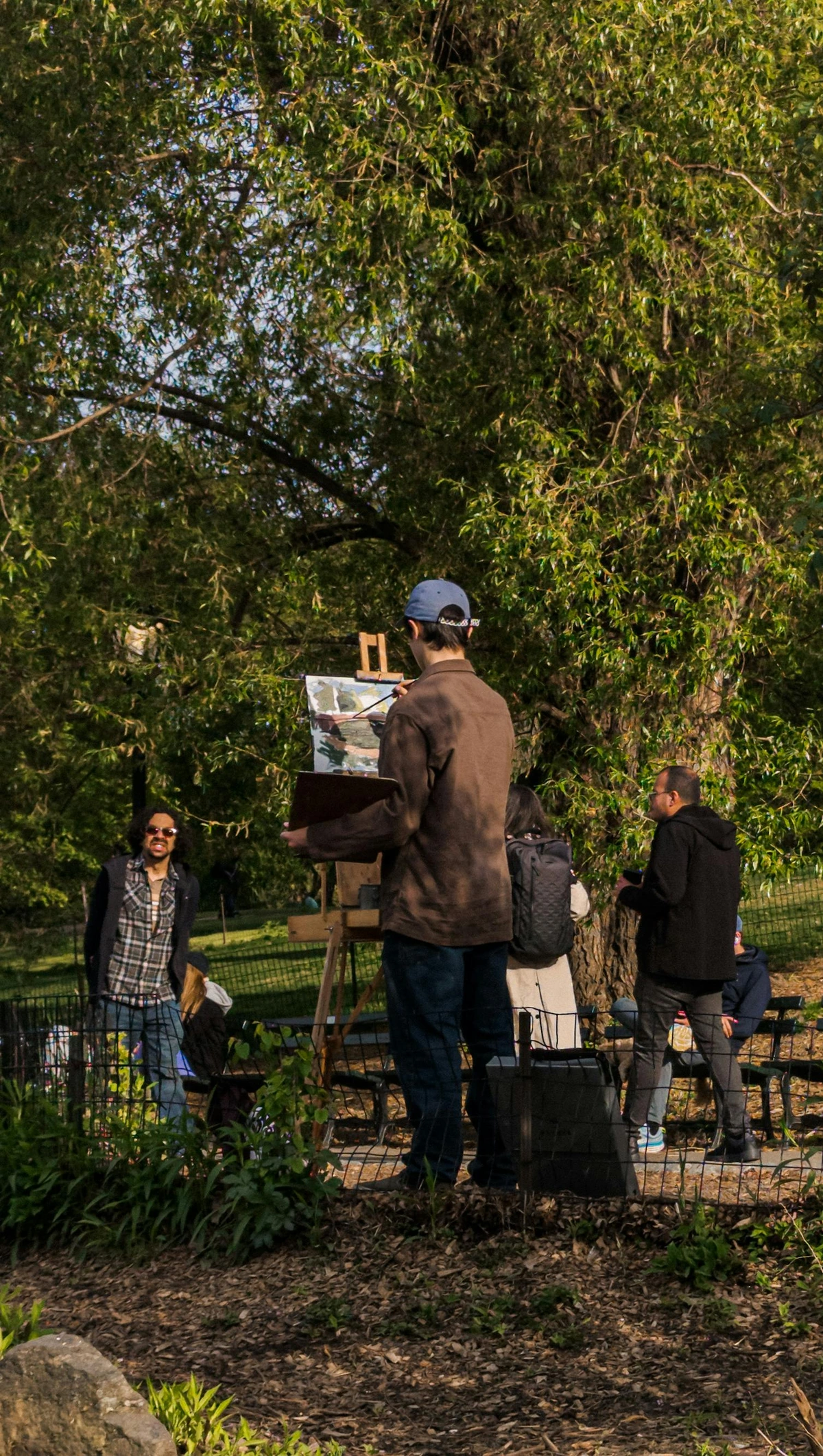
A*: Host a "porch art party." Tape up prints or kids’ drawings, offer cheap lemonade, and invite neighbors to swap stories about the art. No critique, just connection. Start small.*
Q: How do I price art for broad audiences without undervaluing my work?
A*: Use tiered systems. Originals fund your practice (high prices), prints fund community access (low prices), and community projects build relationships (free/low-cost). It’s not about cheapening—it’s about diversifying access channels. Think of it like a restaurant with a tasting menu for regulars and a street-food window for everyone else. The two don't compete—they reinforce each other. The family that buys a small print today tells their friends, and maybe one of those friends becomes your next major collector. Accessibility is marketing, not charity.*
Q: Isn't some art meant to be challenging, even exclusive? Should we really simplify everything?
A*: Great question. I'm not arguing for simplification—I'm arguing for clarity. There's a huge difference. James Joyce's Ulysses is challenging, but people still read it because the literary world has created entry ramps—study guides, annotations, podcasts, university courses. Art can be just as intellectually rigorous, but we need to build those same entry ramps.
Here's the thing: complexity and accessibility aren't opposites. They're independent variables. You can have simple art that's deeply inaccessible (looking at you, Jeff Koons balloon dog that costs $58 million) and complex art that's wildly accessible.
The key is building what I call "multiple doorways":
- The front door: For people who want academic rigor
- The side door: For people who want emotional resonance
- The back door: For people who want historical context
- The secret garden door: For people who just want to see something beautiful without explanation
A challenging contemporary sculpture doesn't need a dumbed-down label; it needs multiple labels—one from the curator explaining the concept, one from a poet describing its emotional impact, one from a local teenager saying what it reminds them of. Complexity becomes exclusive only when we refuse to provide multiple doors.*
Q: I'm a teacher. How can I make my classroom an art-inclusive space?
A*: Oh, this question makes my heart sing. Teachers are the secret superheroes of art accessibility.
Focus on presence, not perfection. You don't need fancy supplies or deep art history knowledge. I've seen incredible art education happen with nothing but crayons and recycled cardboard.
- Start with observation: "What do you notice about this painting?" and "What does this make you think of?" Model curiosity over expertise.
- Bring in diverse artists—not just the dead white men from the textbook. Show art that reflects your students' communities, cultures, and lived experiences.
- Most importantly, let them make messes. Let them experiment without fear of being "wrong." An art-inclusive classroom isn't about producing masterpieces—it's about teaching kids that their perspective is valid and that art is a conversation they're allowed to join.
One teacher I know does "Friday Failures"—she shares something she tried that week that didn't work and asks students to share theirs. It normalizes experimentation. Suddenly failure isn't the opposite of art—it's a necessary part of the process.
Another frames every project with "There are no mistakes, only discoveries." When a student accidentally drips paint, she'll say "Ooh, what a beautiful accident! How can you use that?"
That's accessibility in action: not just letting kids make art, but teaching them they have permission to be imperfect, to experiment, to discover. That lesson changes lives far beyond your classroom.
Q: How do we measure if inclusivity efforts are actually working?
A*: Throw out your attendance numbers. They don't tell you who's in the room. I'll say it again: attendance numbers are vanity metrics that mask exclusion.
Start measuring what actually matters:
- Demographic data: What percentage of your visitors are people of color? How many arrive in wheelchairs? What's the age range? How many come from low-income zip codes?
- Repeat visit rates by demographic: Are the same people coming back, or is it a revolving door of first-timers who feel unwelcome?
- Time spent: Do first-time visitors stay as long as repeat visitors, or do they leave quickly?
- Programming participation: Who's showing up for your free programs versus your ticketed ones?
- Staff diversity: Does your staff reflect the community you want to serve?
- Most importantly, talk to people. Create anonymous feedback cards asking two questions: "Did anything here make you feel unwelcome?" and "What would bring you back?"
One museum discovered their biggest barrier wasn't price or language—it was parking. Elderly visitors were terrified of parking garages. They created a valet service for seniors. Attendance from that demographic tripled. Another found that parents with small children were leaving after ten minutes because there was nowhere to change a diaper. They added changing tables in both bathrooms. Repeat family visits increased 40%.
The answers will shock you into action. You can't fix what you don't measure, but you also can't measure what you don't think to ask about.
Q: What if my community is resistant to "new art" or thinks abstract work is nonsense?
A*: Meet them where they are. Don't start with abstract art if your community loves landscapes.
But first, ask yourself: whose definition of "nonsense" are we using? A lot of so-called "resistance" is actually people protecting themselves from feeling stupid. Can you blame them?
The key is building what I call "conceptual bridges." Here's how:
- Start with what they love: If your community loves quilts, show them the incredible geometric patterns in Gee's Bend quilts, then draw a line to Frank Stella's geometric paintings. Suddenly, abstraction doesn't look so alien—it looks like the patterns on grandma's bed.
- Use universal human experiences: I once taught a workshop where we started by asking "What does anger taste like?" Everyone had an answer—bitter, metallic. Then we painted those tastes. Suddenly we were making abstract art without anyone feeling intimidated.
- Show the process: Do live paintings where people can watch you make decisions. When they see you struggle, erase, and change your mind, the mystery evaporates. They realize art is thinking made visible, not magic.
- Invite critique—genuinely: When someone says "My kid could do that," respond with "Tell me more about your kid's art—I'd love to see it." Or "You're right, and doesn't that say something amazing about what kids know instinctively about color and composition?"
- Be willing to learn from them: Maybe their grandmother painted in a style you've never studied. Maybe their church has incredible stained glass. Maybe their culture has artistic traditions that put Western modernism to shame. The goal isn't to "educate" them into liking what you like. It's to expand everyone's definition of what counts—including yours.
Q: I want to make my gallery more accessible, but I don't have a big budget. What are some low-cost, high-impact changes?
A*: This might be the most important question in the whole article, because most artists and small galleries are operating on shoestring budgets. The good news? The most powerful accessibility tools are free.
We've been trained to think accessibility means expensive ramps and fancy technology. That's wrong. Accessibility is mostly about intention and hospitality.
Free changes that transform everything:
- Train your staff/front desk volunteer to lead with welcome, not transaction: "Welcome, I'm glad you're here" instead of "Tickets are $15." Try it. Watch how the energy shifts.
- Replace intimidating language: Change "Do Not Touch" to "These works are fragile, but we'd love to show you a piece you can touch—just ask!" One is a command. The other is an invitation.
- Put out comfortable seating, even if it's cheap: Folding chairs cost $15. But they signal "You're welcome to stay awhile." Standing room only says "Consume and move along."
Under $100 changes:
- Large-print labels: Print your wall text in 14-point font instead of 10-point. This isn't just for elderly visitors—it's for anyone with less-than-perfect vision, which is most of us by afternoon.
- Free tap water: Put out a pitcher and cups. A small gesture that says "We care about your basic comfort."
- Improve your lighting: Replace harsh overhead lights with warm-toned bulbs. The difference in how paintings look—and how people feel in the space—is profound.
Under $500 changes:
- Sensory-friendly hours: One afternoon a month with dimmed lights and quiet for neurodiverse visitors.
- Community partnerships: Instead of paying for advertising, partner with three local organizations who serve different communities. Swap mailing lists. Co-host events. Their audiences become yours.
- Buy 20 noise-canceling headphones: Let visitors borrow them. The most requested accommodation for autistic visitors.
Under $1000 changes:
- A simple, well-designed website that works on all devices: I can't tell you how many galleries have gorgeous spaces and terrible websites. Your website is your front door for most people now.
- Professional-quality photos of your space: So people know what to expect before they visit. This reduces anxiety enormously for many.
The biggest budget item? Training. Pay your staff for an extra hour of training on disability etiquette, trauma-informed hospitality, and anti-racism. That hour pays for itself in repeat visitors.
Q: What about people who say they 'just don't get' abstract art? How do we reach them?
A*: Stop trying to make them "get" it. Seriously. The phrase "I don't get it" is a defense mechanism against feeling stupid. Our job isn't to convince them there's something to get—it's to convince them they don't need permission to feel.
Try these approaches instead:
- The Body Test: "What does this painting make you feel in your body? Tight in your chest? Lighter? Restless?" Suddenly we're not talking about art theory—we're talking about embodied experience.
- The Music Analogy: "You don't have to 'get' music, right? You just feel it. Some songs make you want to dance, some make you cry. Abstract art is the same—visual music."
- The Weather Report: "If this painting was the weather, what would it be? A thunderstorm? A humid summer afternoon? A clear winter day?"
- The Food Question: "If this painting was a food, what would it taste like? Spicy? Bitter? Sweet and cloying?"
- The Memory Prompt: "What does this color remind you of? Don't overthink it—just say the first thing that pops into your head."
I once watched a construction worker stand in front of a Kandinsky for ten minutes. He finally turned to me and said, "This looks like the noise my kids make when they're all talking at once."
Perfect. He didn't need to know about the Blue Rider movement—he found his own truth. That's success.
Another visitor looked at a Mark Rothko painting—those huge canvases of layered color—and said, "This is what it felt like when my grandmother died. Heavy but also soft." She didn't need me to tell her Rothko was interested in the sublime. She found her own sublime in those colors.
Abstract art doesn't fail when people "don't get it." It fails when we insist there's only one thing to get.
Q: How do I handle criticism from other artists who think I'm "selling out" by offering cheap prints or engaging with the community?
A*: Oof. This criticism cuts deep because it plays on our deepest insecurities as artists. Am I a real artist if my work is accessible? Am I compromising my vision?
First, let's examine whose interests this "purity" serves. The romantic myth of the "tortured artist alone in a garret" benefits no one except the collectors who want to own exclusive cultural capital. It certainly doesn't benefit artists, who end up broke and isolated.
Second, history tells a different story. The artists we remember—from Rembrandt to Picasso to Warhol—were entrepreneurs. They made work for wealthy patrons AND created prints and illustrations that ordinary people could afford. They ran studios, taught students, collaborated. They understood that access breeds influence.
Here's how to reframe your work:
"I'm not selling out—I'm building a diverse ecosystem."
- Your $5,000 original funds your studio practice and pays your rent
- Your $30 prints build a community of supporters and first-time collectors
- Your free community workshops create the next generation of art lovers
- Your Instagram posts are marketing for all of the above
See how each supports the others? The person who buys a $30 print today tells ten friends. Maybe one of those friends becomes your next major collector. The kid who comes to your workshop grows up to be an art teacher who brings her students to your shows.
"Purity is bad business—and bad art."
The idea that "real art" must be inaccessible is a recent invention, historically speaking. Medieval cathedrals were public art for illiterate peasants. Japanese woodblock prints were mass-produced for middle-class homes. The Mexican muralists painted on public walls for everyone to see.
You're not selling out. You're building a sustainable career that includes room for both experimentation AND accessibility. The goal is longevity, not martyrdom.
And if that doesn't work, I offer you this perfect response from textile artist Kaffe Fassett: "Art isn't about what you can afford—it's about what you can't live without."
Some people can't live without a $5,000 painting. Some people can't live without a $30 print that brings them joy every morning. Both are valid. Both are necessary. Your job is to create work for both markets—and every market in between.
The Unspoken Truth: Connection, Not Perfection
Look, I’ve bombed spectacularly. Remember that time I tried to explain color theory to kindergarteners? Blank stares. They just wanted to finger-paint the canvas. That’s the lesson: People crave participation, not perfection. Art isn’t a monologue where we lecture viewers on "proper interpretation." It’s a dance. Lead with heart. Let people step on your toes occasionally. It’s how we all learn to move together.
I used to think accessibility was about ramps and translations and large-print labels. And it is about those things—they're essential infrastructure. But the deeper accessibility is emotional. It's letting people see your confusion, your false starts, your failed experiments. It's admitting that some of your own paintings still puzzle you, years after you finished them. It's hanging work you know is flawed because it sparkles with something you can't name. The "Unfinished" show I curated was criticized by traditionalists who thought we were devaluing the work. But it became our most visited exhibition, with visitors staying twice as long as in our polished shows. Why? Because the visible process invited people into relationship with the art, not just judgment of the final product.
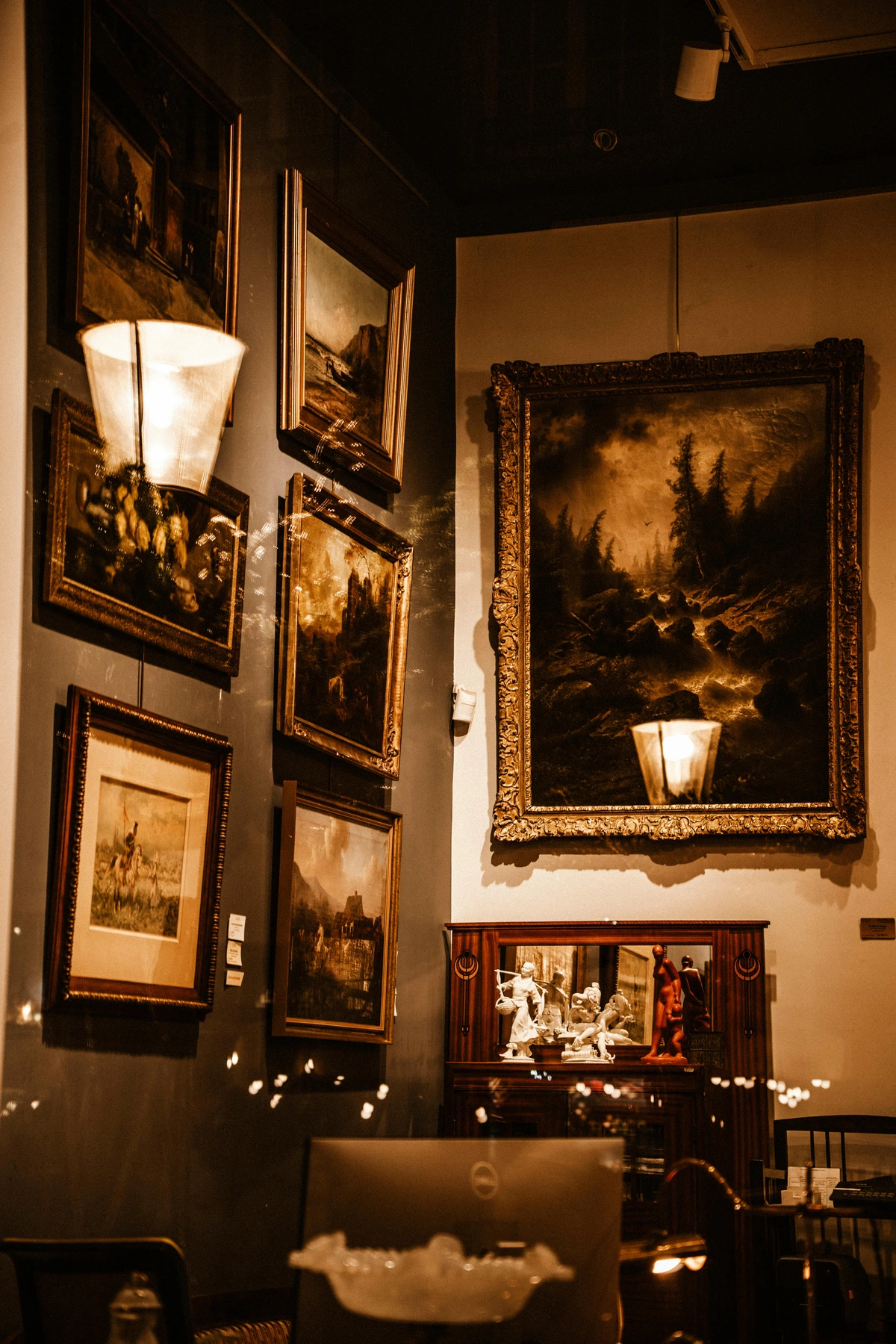
The most controversial exhibition I ever curated was a show called "Unfinished." We displayed paintings with obvious mistakes, sketches with coffee stains, sculptures with cracks. We put up labels that said exactly that: "I dropped this while the clay was wet, and now I kind of love the dent." Or "This painting fought me for weeks, and I finally gave up. Take what you want from it."
Embracing Vulnerability as a Strength
That "Unfinished" show taught me something terrifying and wonderful: our flaws are our best invitations. When someone sees a crack in a sculpture, they don't see failure—they see the artist's humanity. And suddenly, their own fear of being "not good enough" to appreciate art starts to crack too.
I once met a woman at that exhibition who told me she'd never considered herself an "art person." But seeing a half-finished canvas with visible pencil marks made her feel like she was allowed to not have everything figured out, either. "It looks like my life," she said. And that was the point. We weren't just showing art; we were showing the messy process of becoming, which is something every single human understands.
This requires a radical shift in how we define "quality" in art. The polished, perfect piece that leaves no room for interpretation feels distant. But the piece with visible brushstrokes, with layers peeking through, with the artist's fingerprints literally in the clay—that's a hand reaching out. It's saying, "I was here, and you are here now too. Let's meet in this moment."
The Economics of Imperfection
Here's the part that might surprise you: imperfection can be economically smart. Those "defective" paintings from our "Unfinished" show? We priced them at cost of materials only. None of them remained unsold for more than a day. Families who'd never bought original art took them home. A local coffee shop bought three to hang in their space. We didn't just make art accessible—we started conversations in the community that lasted for months. Accessibility isn't just a social good; it can be a viable business strategy that builds a loyal, engaged audience faster than chasing high-end collectors ever could.
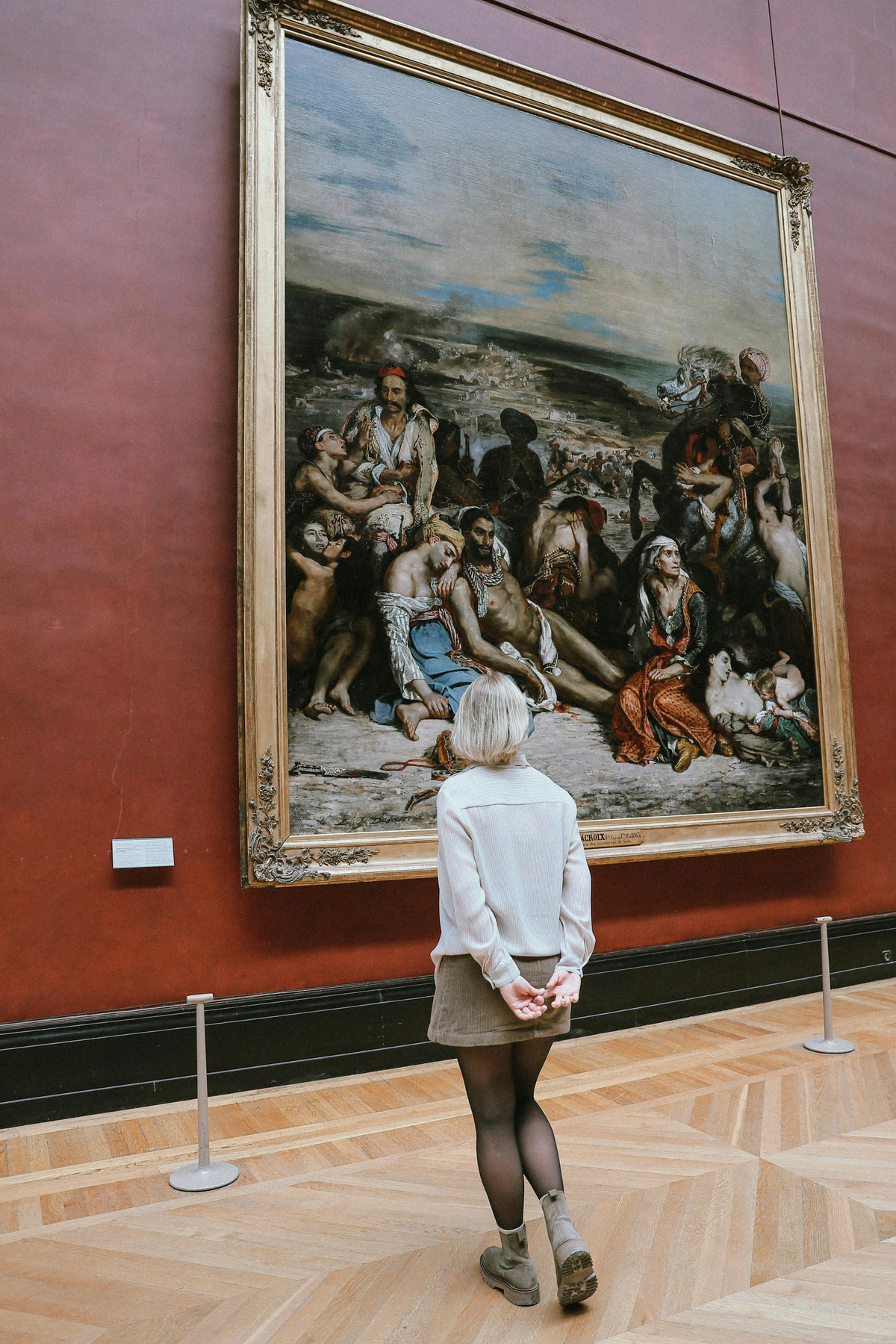
People were furious. Critics said it was "disrespectful to the sanctity of the creative process." But visitors? They stayed for hours. They talked to each other. They pulled out their phones to show their own creative failures. One woman stood in front of a particularly messy abstract and cried—she told me it was the first time she'd ever seen a painting that looked how her depression felt. The imperfections, the visible struggle—that's what made it accessible, not intimidating. What we think makes art "worthy" (polish, mastery, certainty) is often exactly what makes it feel distant and cold.
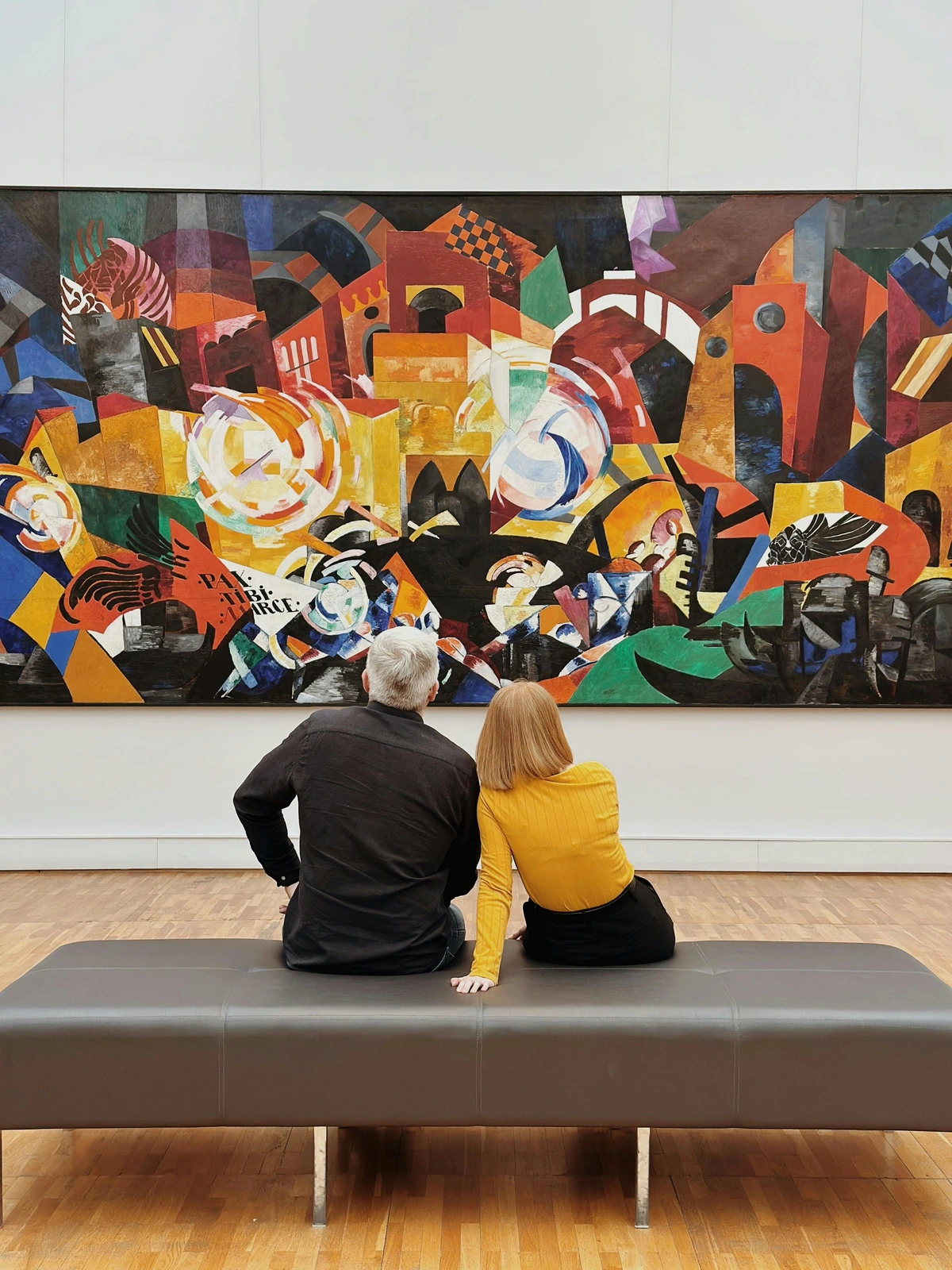
When art becomes part of daily life—on a coffee mug, in a hospital hallway, even scrolling at lunch—that’s when the audience isn’t just "wide." It’s woven into society’s fabric. And that? That’s art’s superpower.
I'll leave you with one last thought. A gallery director friend once asked me, "Doesn't all this accessibility just turn art into entertainment?" I thought about it for a long time. And my answer is: I hope so. Because entertainment is what humans seek when they're tired. When they're grieving. When they need comfort or escape or joy. If art can't compete with Netflix for our attention when we're exhausted, what is it even for?
The Future We're Building: When Art Becomes Air
I started this article with a memory of someone feeling lost in front of art. Let me end with a different memory, one that shows what's possible.
This isn't about ending "gallery anxiety" or "museum fear." Those are symptoms of a deeper problem: we've treated art like a destination instead of a daily practice. We've asked people to go out of their way to have meaningful aesthetic experiences, when what we should be doing is making those experiences unavoidable. Art shouldn't be a field trip. It should be part of the air we breathe.
A few years ago, I helped organize an exhibition in a public housing complex. We put art in hallways, community rooms, even elevators. On opening night, a group of teenagers who'd been eyeing the project suspiciously from the start showed up. One of them, maybe fifteen, wearing a hoodie and looking vaguely annoyed by everything, walked up to a large abstract painting in the lobby—a swirl of dark blues and purples with jagged red streaks cutting through.
He stood there for maybe five minutes, which is an eternity in teenager time. Then he turned to me and said, "This is what it feels like when my dad yells." And then he walked away.
That moment has never left me. He didn't need to know who made the painting, or what technique was used, or whether it counted as "good" art. He found a piece of his own life in those colors. The art did what it was supposed to do: it made him feel less alone.
But here's what came next, because the story doesn't end there. That teenager came back the next week. And the week after. He started bringing his friends. He started asking questions—not "What does this mean?" but "How did the artist mix that color?" and "Why did they choose to put the red there?"
The art in the hallway didn't just make him feel seen. It made him feel curious. And curiosity, once awakened, is unstoppable.
A month later, he asked if he could help install the next exhibition. Six months later, he was co-curating a show of his friends' photography in the community room. Two years later, he was studying art education at community college.
Accessibility isn't a one-time event. It's a chain reaction. That abstract painting in the hallway was a door. He had to walk through it himself, but we had to build the door—and more importantly, we had to make sure it wasn't locked, or hidden, or guarded by someone asking for credentials.
A locked door doesn't just keep people out. It teaches them they don't belong. An open door doesn't guarantee they'll walk through, but it teaches them they're welcome. And a hundred open doors? That teaches them this might be their home.
That's the future I want to build. A world where art isn't a locked room you need permission to enter, but something woven into the fabric of daily life. Where a housing project and a museum both feel like places where art belongs. Where a teenager feels entitled to his own interpretation as much as any critic. Where "contemporary art" like mine isn't a category in a syllabus but a presence in someone's living room, on their coffee mug, in the lobby of their building.
But that future requires us to think bigger than "outreach programs" and "community partnerships." It requires us to rethink the fundamental architecture of the art world.
The Cultural Ecosystem We Need:
Instead of a pyramid—with major museums at the top, commercial galleries in the middle, and community centers at the bottom—imagine a web. In a web, every node is connected to multiple others. A museum isn't "above" a community center—they're partners, feeding each other resources and audiences.
In this ecosystem:
- Museums share collection pieces with schools, hospitals, and libraries—not as special programs, but as routine practice
- Artists teach alongside showing their work, earning income from both making and teaching
- Galleries operate pop-up spaces in neighborhoods far from the "gallery district"
- Digital platforms connect physical experiences, creating one continuous conversation
- Pricing is tiered and transparent, creating clear pathways from $15 prints to $15,000 paintings
- Critical dialogue happens in multiple voices—not just academic journals, but podcasts, YouTube channels, and community newsletters
- Success is measured not by who gets excluded, but by how many different communities feel ownership
This isn't a utopian fantasy. It's happening right now, in scattered pockets around the world. My job, and your job if you're still reading this, is to find those pockets and connect them. To build the web until it's strong enough to catch everyone who wants to be part of this world.
I'm not naive. I know the art market will keep selling million-dollar paintings to millionaires. I know exclusivity will always have its appeal. But I also know this: the art that changes us—the art that sticks in our heads and hearts, the art that shapes how we see our own lives—that art doesn't come from distance. It comes from connection.
And connection isn't just made in galleries. It's made:
- In the elevator of a public housing complex
- In the hallway of a hospital
- In the classroom of an underfunded school
- In the living room of someone who's never bought art before
- In the Instagram comments of a post about failure
- In the conversation between two strangers standing in front of the same painting
Connection happens when we stop performing culture and start living it. When we stop asking for permission to have opinions about art. When we stop teaching people how to look and instead give them space to feel.
The walls around art aren't made of brick. They're made of our assumptions about who deserves to be there, what counts as "real" art, and who gets to decide. Those walls have been standing for centuries. They're thick. But they're not impenetrable. Every time we replace jargon with honest questions, every time we price a print so a student can afford it, every time we put art in a laundromat or a hospital or an elevator, we're not just opening a door—we're building a bridge. And eventually, if we build enough of them, those walls start to look less like fortresses and more like the ruins of an old idea whose time has passed.
But building bridges is slow work. It's undramatic. It doesn't make headlines like a record-breaking auction sale. It happens in the small moments: the extra five minutes a gallery attendant spends with a confused visitor, the decision to print labels in three languages instead of one, the choice to host a free community day even when you're not sure anyone will come.
It happens when institutions share resources instead of hoarding them. When artists see teaching as part of their practice, not a distraction from it. When collectors buy work from emerging artists instead of only investing in proven names. When critics write for general readers instead of academic specialists.
It happens when we acknowledge that access isn't charity—it's oxygen. Art can't survive in a vacuum, no matter how pure that vacuum is. Art needs the mess, the noise, the friction of real human engagement. It needs teenagers who see their own lives in abstract paintings. It needs families who can't afford originals but will spend $30 on a print that makes their kitchen feel like home. It needs people who will never visit MoMA but will spend ten minutes in a laundromat looking at art while their clothes spin.
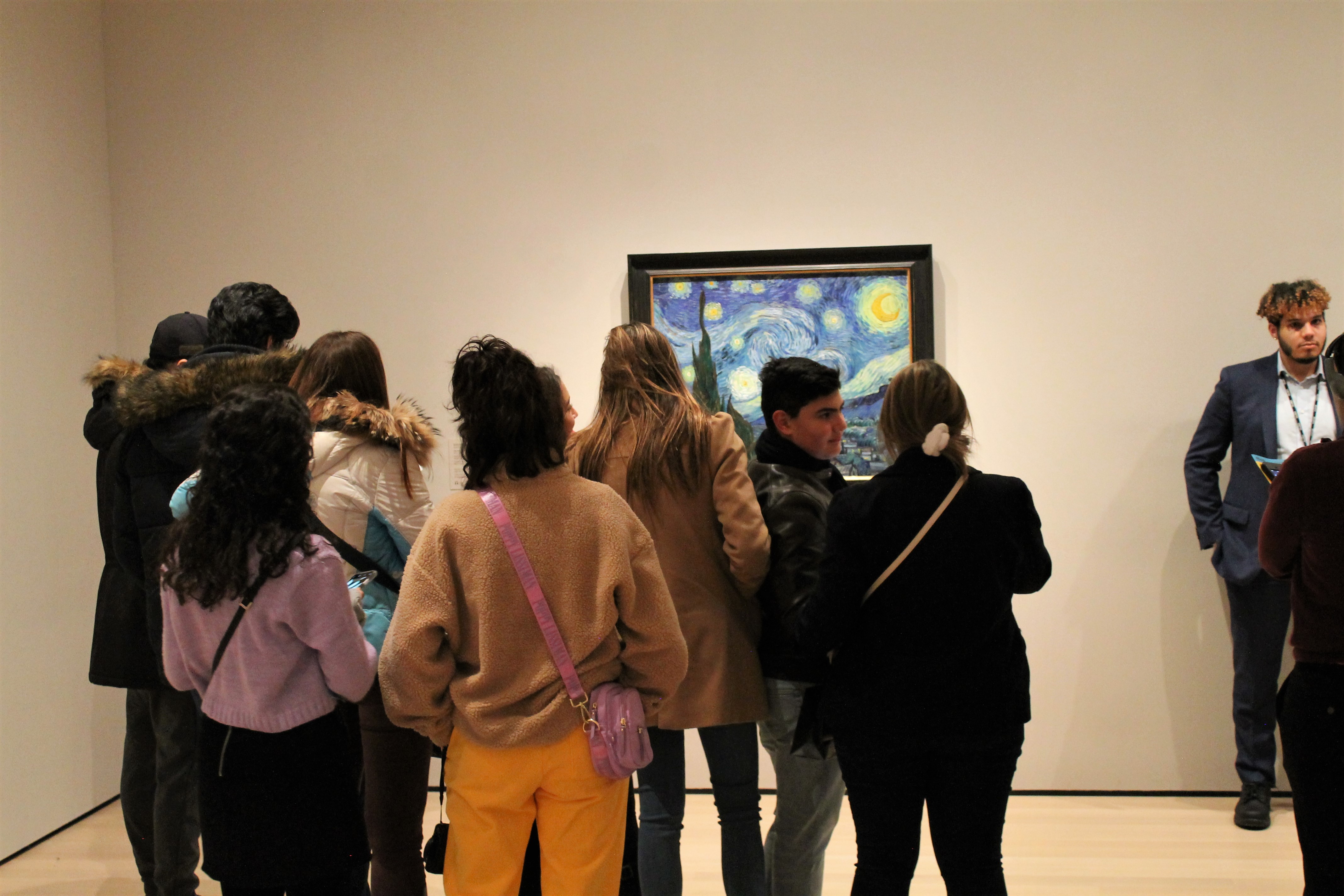


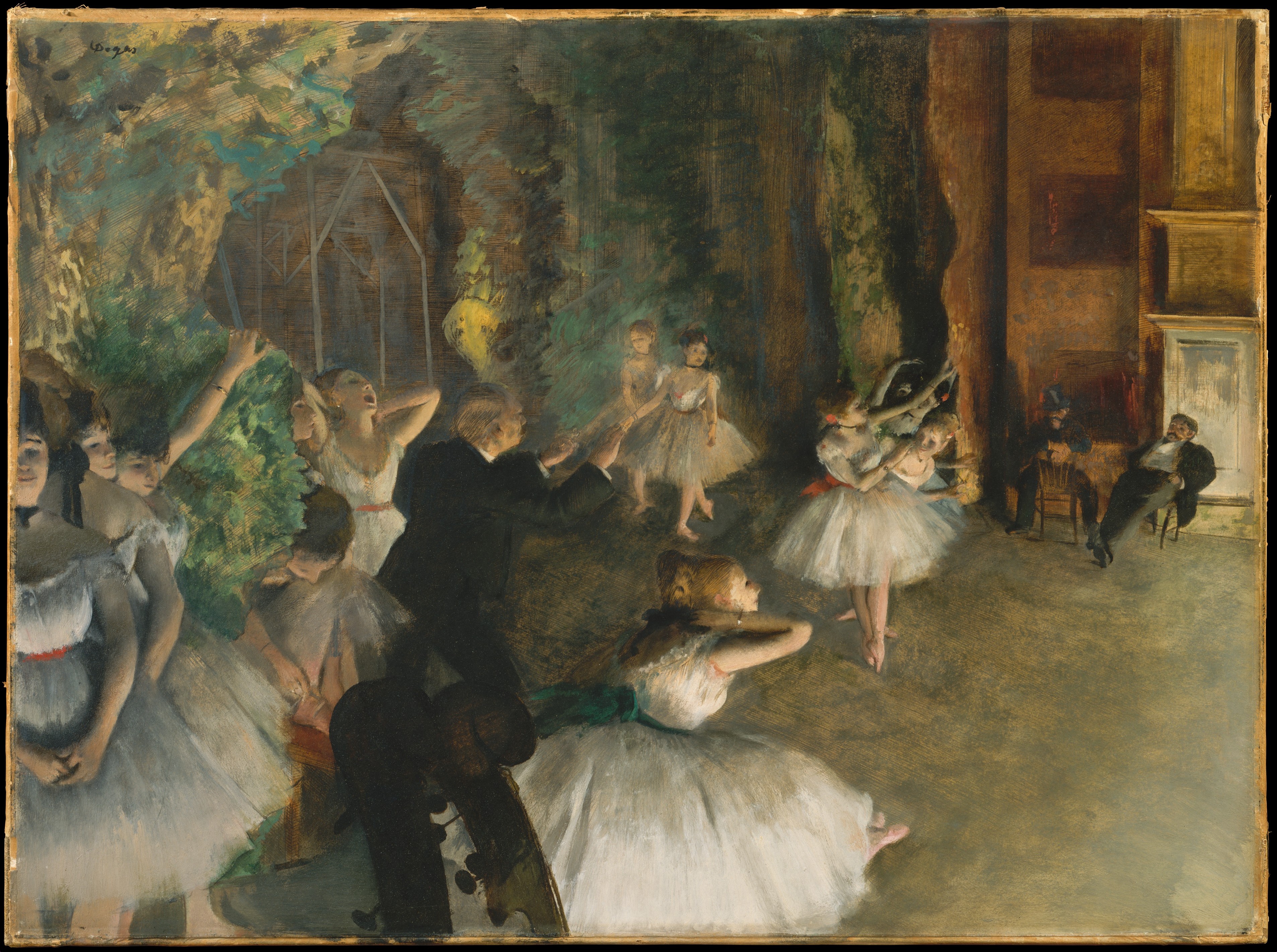


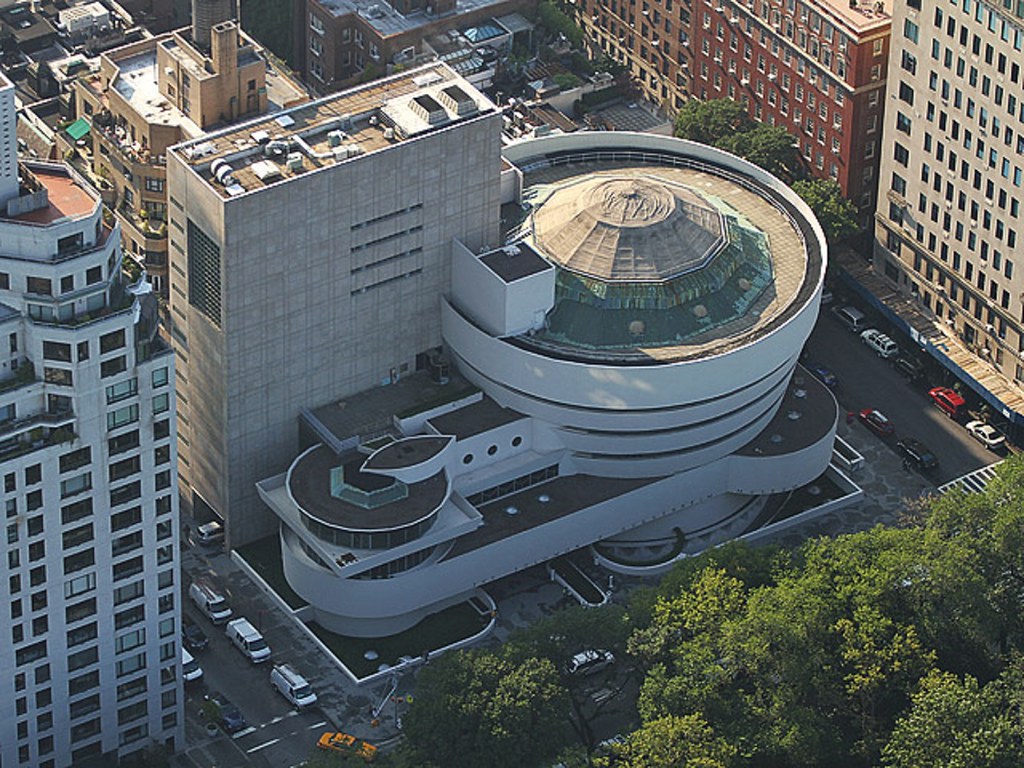


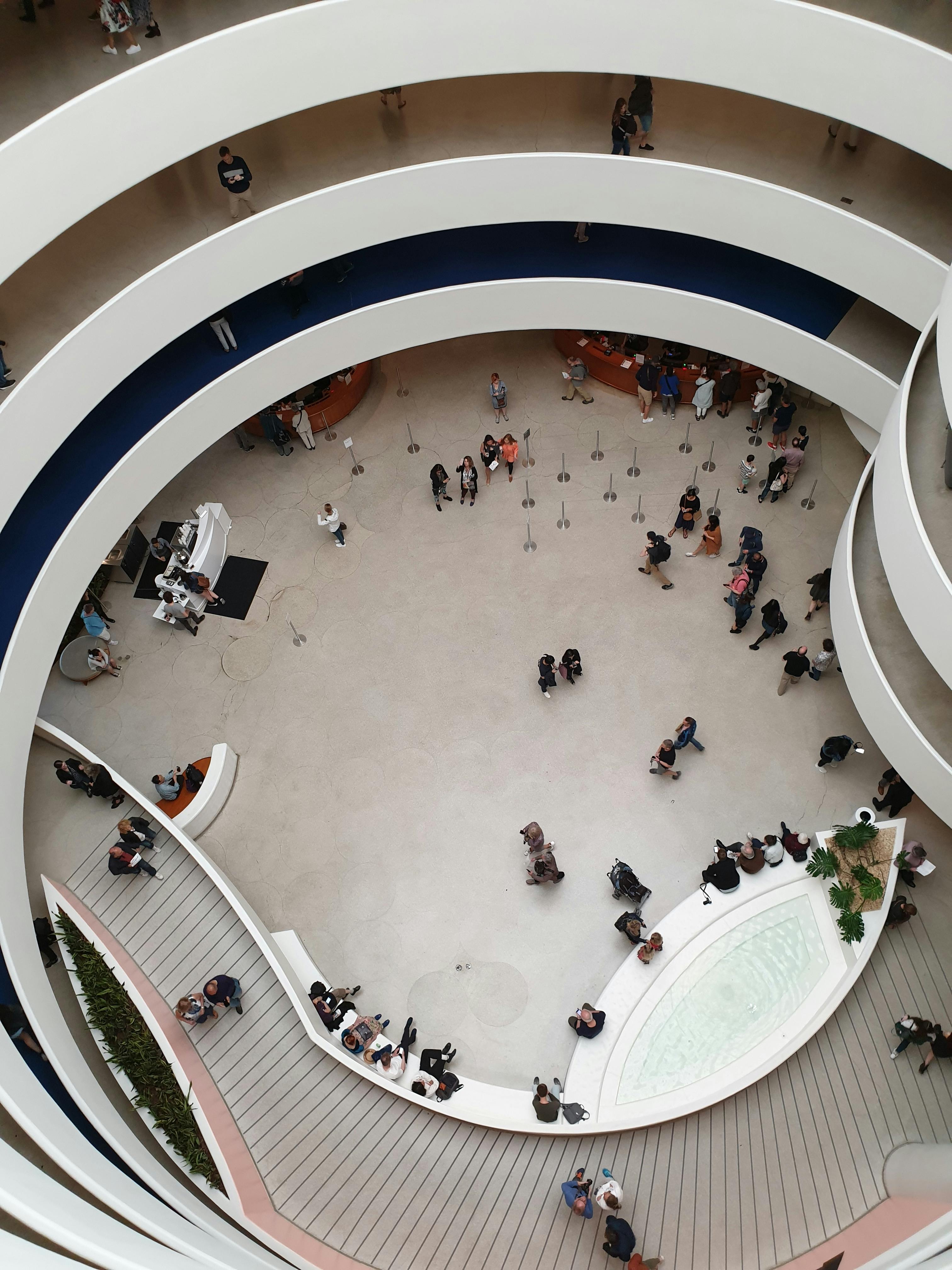




Those people aren't 'the masses.' They're not an audience to be 'cultivated' or 'educated.' They're the reason art exists in the first place. They're the culture we claim to be preserving and advancing.
The project of making art accessible isn't just about art. It's about practicing the kind of generosity we want to see in the rest of the world. It's about creating spaces where the most vulnerable among us feel seen, where the most skeptical among us feel curious, where the most different among us feel welcome. It's about proving that beauty doesn't have to be earned or understood—only felt.
It's about building the world we want to live in, one exhibition at a time. A world where:
- A teenager can walk into a gallery without being followed by security
- A single mother doesn't have to choose between buying diapers and buying a piece of art
- A person in a wheelchair can see the artwork from the same vantage point as everyone else
- A recent immigrant can read the labels in their first language
- A person with dementia can touch art made of durable materials
- A person with anxiety can find a quiet corner to regroup
These aren't accommodations. They're dignities.
Let's do more than open the doors. Let's take the walls down entirely and see what happens when art becomes as common, as necessary, and as life-giving as the air we breathe.
The goal isn't just to invite everyone in. It's to create a world where they've always been here, where they always belonged, where their absence wasn't their failure but ours.
A world where that teenager in the hoodie doesn't have to feel brave to walk up to a painting. A world where he doesn't have to feel grateful to be there. A world where he can feel entitled to his own interpretation, his own emotional response, his own relationship with beauty.
That's the world we're building. One open door, one honest question, one $30 print at a time.
The goal isn't to make art less serious. It's to make it more necessary. More oxygen and less opera. More bread and less caviar. If accessibility means more people reach for art on a Tuesday afternoon when their kid is crying and the bills are due, then we've won. Not because we made art "simpler," but because we made it brave enough to show up for real life.