
Finding My Calm: How Art Therapy Became My Secret Weapon Against Anxiety
Discover a deeply personal journey into art therapy for anxiety. This comprehensive guide, from an artist's perspective, explores practical techniques, the science behind creative healing, and how you can integrate art into your daily life for mental well-being.

Finding My Calm: How Art Therapy Became My Secret Weapon Against Anxiety
Anxiety, that familiar, unwelcome guest. It creeps in, whispers doubts, and sometimes, it just screams. For years, I wrestled with it, trying everything under the sun, from breathwork to journaling, often feeling like I was just treading water. But then, I stumbled back into something I've always loved, something innate to my very being: art. Not just looking at it, but making it. And that, my friends, was a game-changer.
I realized I wasn't just creating pretty pictures; I was engaging in what many call art therapy, and it slowly, powerfully, began to quiet the noise in my head. This isn't about being a professional artist, or even being "good" at art. It's about the process, the journey, and the incredible healing that happens when you pick up a brush, a pencil, or even just a crayon, and let your hands do the talking. It's about finding that space where your mind can finally breathe.
Acknowledging the Unseen: My Journey with Anxiety
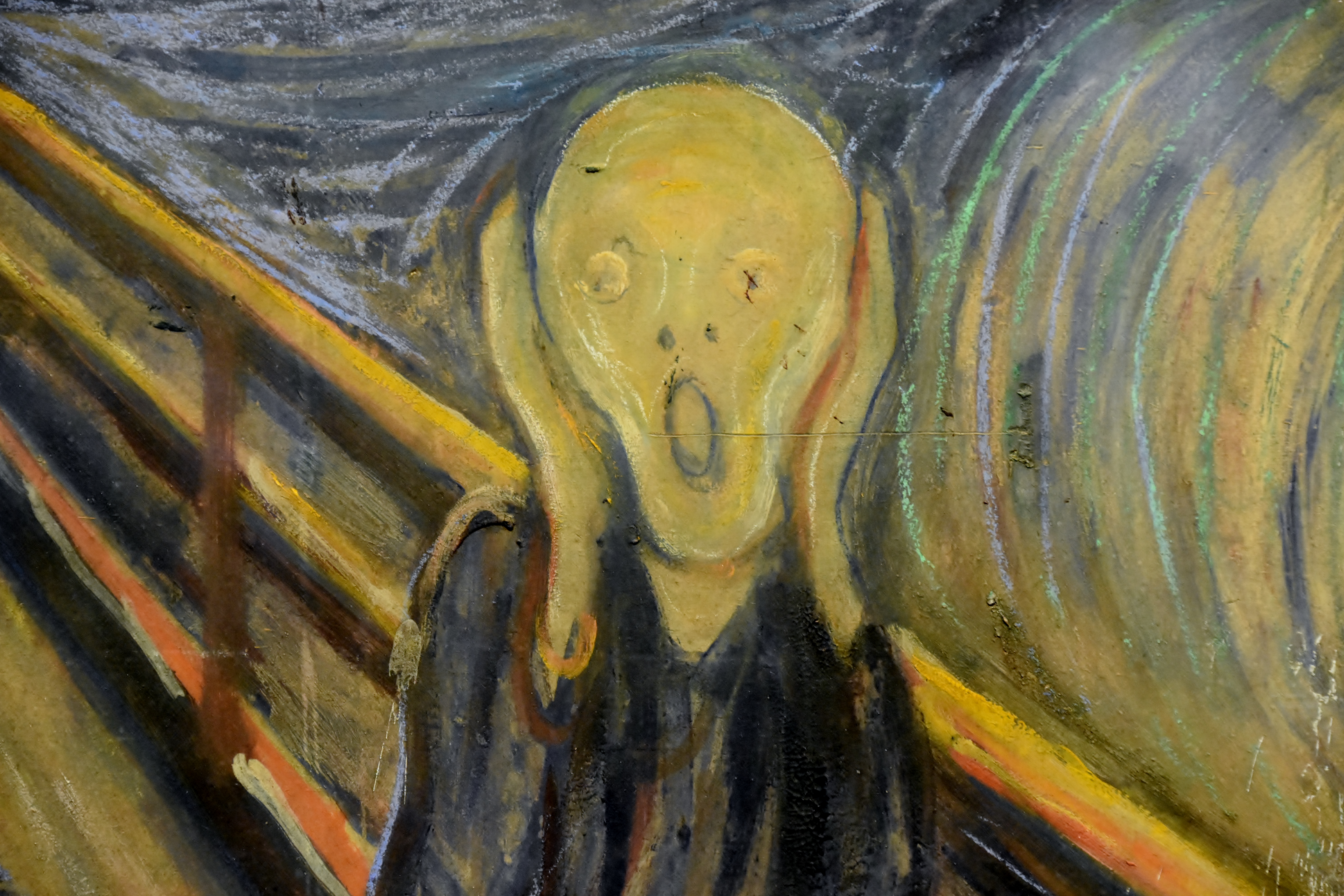
First, let's be real. Anxiety isn't some fleeting mood. For many of us, it's a persistent, sometimes overwhelming, force. It can manifest as a tight chest, racing thoughts, sleepless nights, or that constant, low hum of worry that just won't quit. I remember seeing Edvard Munch's 'The Scream' for the first time, and thinking, "Yep, that's pretty much what it feels like on a bad day." It's a raw, visceral expression of anguish, and it captures that feeling of being utterly overwhelmed.
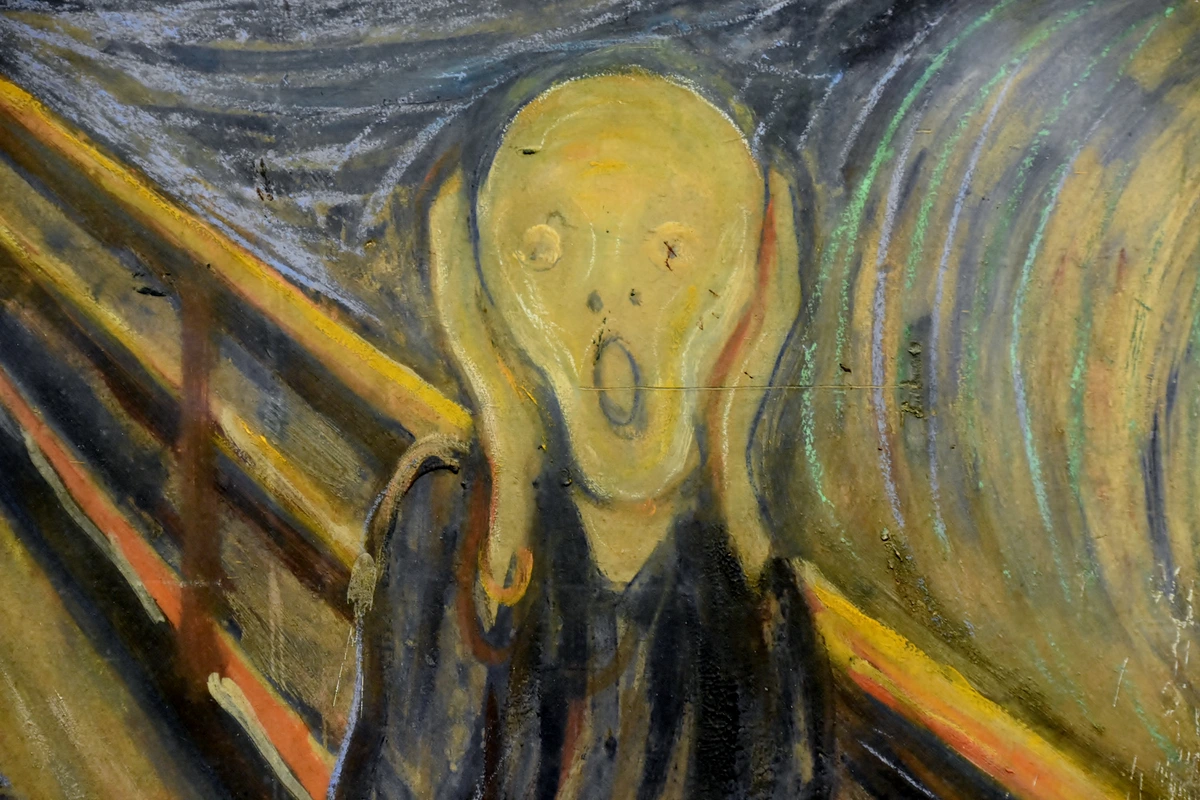
But here's the thing: while Munch painted his despair, he was still painting. He was channeling that intense emotion into something tangible. That's the core of what I've learned about art therapy for anxiety and stress relief. It’s not about curing anxiety, per se. It’s about giving it an outlet, a voice, a physical form, so it doesn’t have to stay trapped inside you, swirling and suffocating. It’s about transforming that internal chaos into something external you can observe, understand, and eventually, manage.
What Exactly Is Art Therapy for Anxiety?
When I talk about art therapy, I'm not necessarily talking about a formal session with a licensed art therapist (though those are incredibly valuable, and I highly recommend them if you have the opportunity!). What I'm really focusing on here is the therapeutic process of creating art, especially as a tool for personal self-management when anxiety flares up. Think of it as applied creativity for emotional well-being. It leverages the power of artistic expression to help you explore feelings, reduce stress, improve self-esteem, and manage behaviors. It's a non-verbal way to communicate what words often fail to capture. And let's be honest, when anxiety has you in its grip, words can feel incredibly elusive.
This approach often connects with the concepts I explore in my own work, like translating emotion into abstract art.
The Unseen Mechanisms: How Art Quiets the Mind
So, how does pushing paint around or scribbling on paper actually help with that gnawing feeling? It's more profound than you might think. From a purely anecdotal perspective, it just feels right. But there's actual depth to it. Here are a few ways I've personally experienced the magic:
Mindfulness and Focus
Have you ever noticed how, when you're deeply engrossed in something, the world around you just... fades? That's what art does for me. When I'm mixing colors, focusing on a particular line, or building layers, my mind isn't leaping ahead to tomorrow's worries or replaying yesterday's mishaps. It's right here, right now, completely absorbed in the task at hand. This is a powerful form of mindfulness. It's a momentary escape from the anxiety loop, giving your nervous system a much-needed break. It's not avoidance; it's active engagement with the present.
Emotional Release and Expression
We often talk about expressing feelings, but sometimes, those feelings are too big, too complex, or too raw for words. Imagine trying to explain the tangled knot in your stomach. Difficult, right? But with art, you don't have to explain. You can draw that knot, paint its color, give it a texture. It’s a safe, non-judgmental space to literally pour out your emotions. This is especially true for abstract art, where there's no right or wrong, just pure, unadulterated feeling.
A Sense of Control and Mastery
Anxiety often makes us feel utterly out of control. Our thoughts race, our bodies react, and it feels like we're just along for the ride. But when you create art, you are in charge. You choose the colors, the lines, the shapes. You decide what goes where. Even if the end result isn't what you initially envisioned (which, let's be honest, happens all the time in art, and that's okay!), the act of making those choices, of directing your own creative energy, can be incredibly empowering. It reminds you that you still have agency, even when life feels chaotic.
Distraction and Flow
This one is perhaps the most immediate benefit. When my mind is spinning, the simple act of starting an art project can provide a healthy distraction. It pulls my attention away from the anxious thoughts and redirects it towards a tangible, sensory experience. And if I get lucky, I slip into a state of flow – that wonderful place where time melts away, and I'm completely immersed. It's like a mini-vacation for my brain, and it's a huge component of what I call my creative flow.
Problem-Solving Through Symbolism
Sometimes, even when you're not consciously trying to, your subconscious finds its way into your art. Anxiety can feel like an unsolvable problem, a maze with no exit. But when you create, you might find yourself drawing patterns, connecting shapes, or experimenting with colors that, upon reflection, symbolize aspects of your struggle or even hints of a solution. It's like decoding abstract art – sometimes the meaning reveals itself long after the brush has dried.
Simple Art Exercises for Anxious Minds (You Can Do Right Now)
You don't need a fancy studio or expensive supplies to start. Trust me, I've made art with everything from coffee stains to old makeup. The goal is engagement, not perfection. Here are a few art therapy exercises you can try at home that have personally helped me.
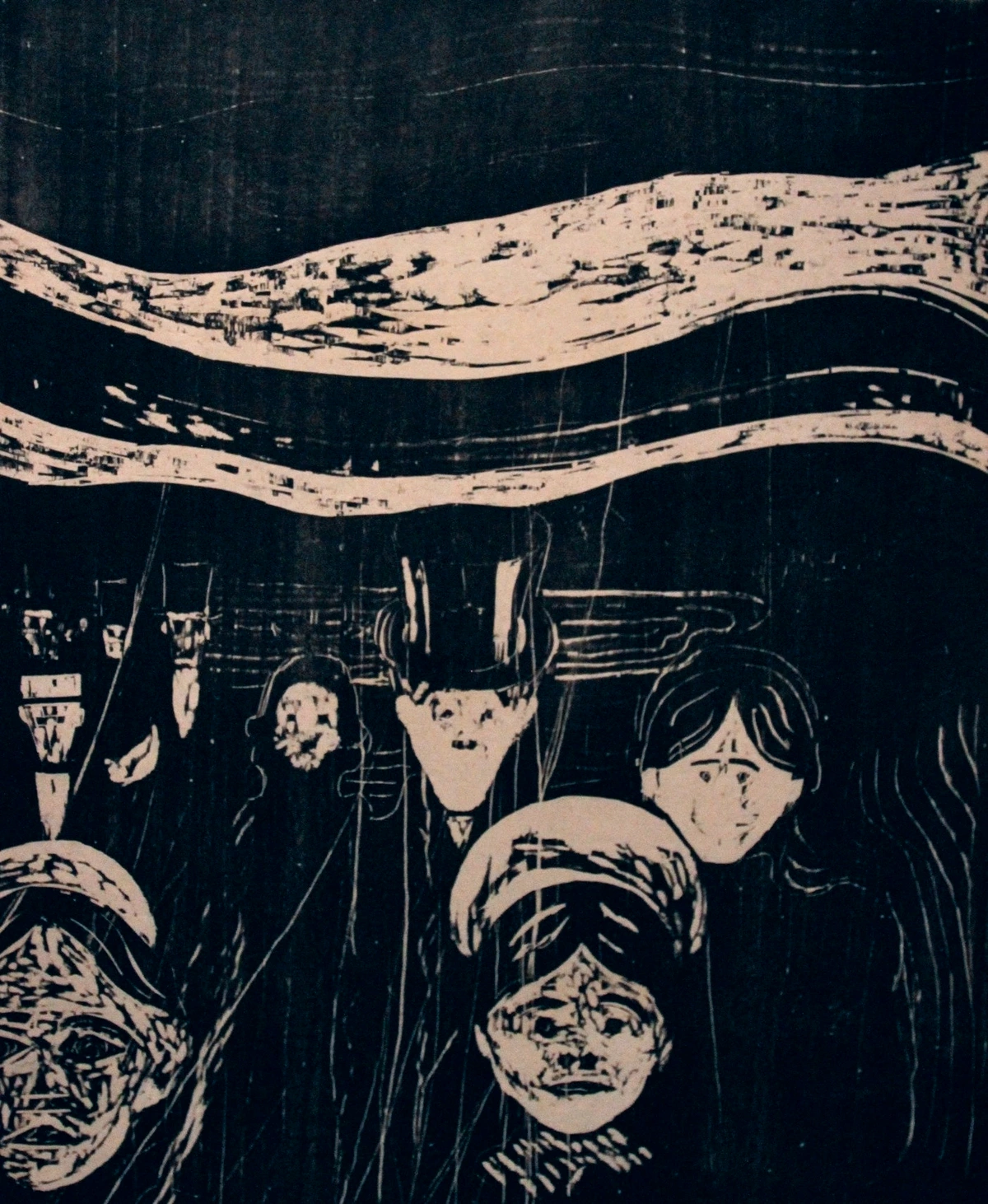
Exercise 1: Mindful Doodling
What you need: Any pen/pencil and paper. That's it.
How it helps: This is about process, not product. It's a fantastic way to ground yourself.
How to do it: Start drawing lines, shapes, patterns, or just random squiggles without a plan. Focus on the sensation of the pen on the paper, the movement of your hand, the way the lines connect or diverge. Don't judge it. Just let it flow. I often find myself creating intricate, repetitive patterns when I'm particularly anxious, and it's incredibly soothing.
Exercise 2: Color Your Feelings
What you need: Colored pencils, crayons, markers, or paints. Paper.
How it helps: A direct way to externalize emotions. The psychology of color is powerful, even when intuitive.
How to do it: Think about how your anxiety feels. What color is it? What shape? What texture? Is it a jagged red burst, a swirling grey cloud, a heavy blue blob? Don't worry about making sense. Just put that feeling onto paper using colors and shapes. You might be surprised at what emerges. Sometimes I start with dark, intense colors, and then slowly introduce lighter, softer hues as I feel the tension ease.
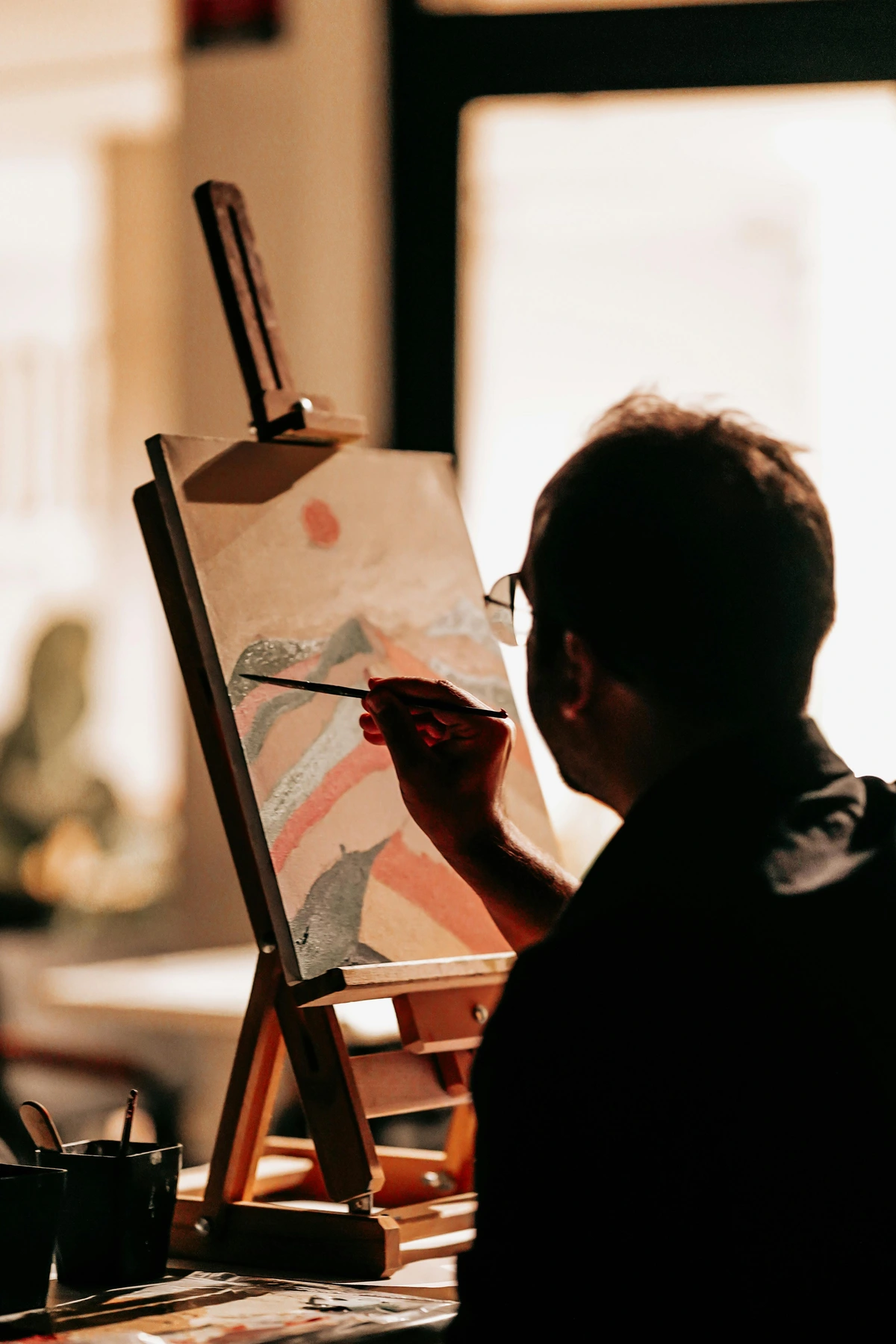
Exercise 3: Abstract 'Anxiety Maps'
What you need: Any drawing or painting materials.
How it helps: Gives form to the formless, helping you visually navigate your internal landscape. This is where my love for abstract expression really shines.
How to do it: Close your eyes for a moment and just feel your anxiety. Where is it in your body? What's its intensity? Now, open your eyes and create an abstract map of that feeling. Use lines to represent tension, swirls for confusion, bold blocks of color for overwhelming pressure. Don't try to make it look like anything real; let it be purely an interpretation of your internal state. You can even add layers to it, representing how the anxiety changes or evolves, much like I build the unseen layers in my mixed media pieces. You might also find that simply observing my own abstract works helps you to find your own reflection, as outlined in this article.
Integrating Art into Your Daily Life
Beyond individual exercises, making art a regular part of your routine can have cumulative benefits. It's not about blocking out an hour every day, especially if that adds pressure (which, let's face it, is the last thing an anxious mind needs!). It’s about small, consistent engagements. Think about it like this: if you can scroll on your phone for five minutes, you can doodle for five minutes. If you can watch a TV show, you can listen to it while sketching. These small moments add up.
I find myself sketching during meetings (subtly, of course!), or quickly laying down some colors if I'm feeling a bit restless before starting my main work. It's not always grand masterpieces; sometimes it's just a quick burst of color to reset. And if you ever need inspiration, remember you can always buy some of my work to serve as a constant reminder of the expressive and calming power of abstract art.


Frequently Asked Questions
Is art therapy just for "artists" or people who are "good" at art?
Absolutely not! This is one of the biggest misconceptions. Art therapy, especially self-guided creative expression for anxiety, is for everyone. It's not about producing a gallery-worthy piece; it's about the therapeutic benefits of the creative process itself. Think of it like singing in the shower – you don't have to be a professional vocalist to enjoy the act of singing.
Do I need special, expensive art supplies?
Not at all! Start with what you have: a pencil and paper, a few colored pens, even mud and a stick if you're feeling adventurous outdoors. The key is to remove barriers to entry. As you explore, you might find you prefer certain mediums, but don't let a lack of supplies stop you from starting.
How often should I do art for anxiety relief?
Consistency is helpful, but flexibility is key. If you try to force yourself to do it every day and miss a session, that can actually increase anxiety. Aim for a few times a week, even just 10-15 minutes, or whenever you feel anxiety starting to build. The most important thing is to create a practice that feels supportive, not prescriptive.
Can art therapy replace traditional talk therapy or medication?
This is a crucial point: No, art therapy, especially self-guided art making, should not replace professional therapy or prescribed medication. It's a powerful complementary tool. If you're struggling with severe anxiety, please seek help from a qualified mental health professional. Art can support your journey, but it's rarely a standalone solution for complex mental health conditions.
What kind of art is best for anxiety?
There's no single "best" kind. It really depends on what resonates with you. Some people find detailed, repetitive work (like mandalas or zentangles) calming. Others prefer free-form abstract expression to release pent-up emotions. Some might even enjoy a dialogue with art by simply observing. Experiment with different styles and mediums (drawing, painting, collage, sculpture) until you find what feels most comforting and expressive for you.
My Final Thoughts: A Brushstroke Towards Peace
Life with anxiety is a journey, not a destination. There will be good days and bad days. But having a reliable tool, a safe haven, a personal ritual to turn to when the waves get rough? That’s invaluable. For me, that's what art has become. It’s a space where I can be messy, vulnerable, and completely myself without judgment. It’s where I translate the chaos of my mind into something beautiful, or at least something meaningful to me.
If you’re wrestling with anxiety, I truly encourage you to pick up a simple art supply and just begin. Don't worry about the outcome. Just focus on the act. You might just find your own quiet revolution, one brushstroke at a time. And who knows, maybe one day your creations will hang alongside mine, offering peace to others, perhaps even at a place like the den-bosch-museum. You can learn more about my personal artistic journey and how it connects to well-being on my timeline.