The No-Nonsense Guide to Art Archival & Storage | zenmuseum.com
Thinking about proper art storage? Whether you're a collector, an artist, or simply someone cherishing a few special pieces, this deeply personal and comprehensive guide demystifies archival best practices. We'll explore everything from the science of acid-free materials to the art of climate control, ensuring your cherished art remains as vivid and impactful as the day you fell in love with it.

You Love That Artwork. Now, Can You Keep It Alive?
That print you just bought, the original you saved up for, the painting a friend made—it’s more than just pigment on a surface. It's an emotional anchor. It's a story hanging on your wall. And if you’re anything like me, the thought of it slowly fading, yellowing, or crumbling into oblivion is a quiet, nagging anxiety. It feels like a betrayal of the art itself.
That's why we're talking about archival storage. And look, I know the word “archival” can sound about as exciting as watching paint dry. It brings to mind dusty libraries and white-gloved conservators. But strip away the jargon, and it’s actually a profoundly simple and beautiful concept: protecting what you love from the silent enemies of time. I learned this the hard way, with a vibrant screen print I left in a cheap frame from a big-box store. Within two years, the paper had a faint but unmistakable brown tinge creeping in from the edges. It felt like watching a memory get a stain you couldn't wash out. That single, frustrating experience sent me down a rabbit hole of conservation science, and honestly, it changed the way I see everything on my walls.
But this isn't about turning your home into Fort Knox for fine art. It's about something far more accessible: the quiet confidence that comes from knowing you're doing right by the things you cherish. It's about outsmarting entropy.
Anyone who has ever watched a treasured family photograph slowly bleach into a ghostly blue hue understands this on a visceral level. We are temporary custodians of these objects, and the manner in which we care for them is a direct reflection of our respect – not just for the art, but for our own emotional investment in it. This article is the culmination of years of research, mistakes, and conversations with conservators. Consider it your practical, no-nonsense field guide to becoming a guardian of beautiful things.
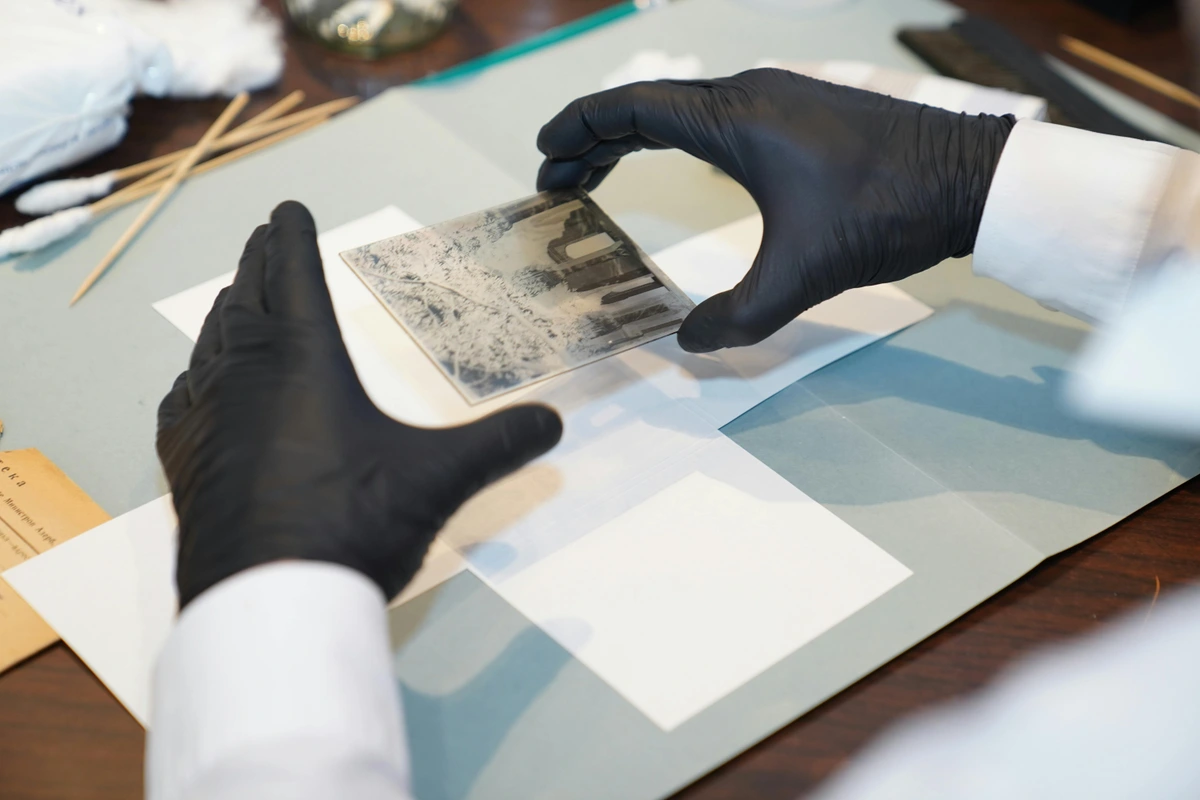
This isn't about turning your home into a high-security museum vault. It’s about understanding a few basic principles so you can make smart, simple choices. Choices that ensure the vibrant chaos of an abstract piece or the delicate linework of a drawing remains exactly as the artist intended for generations.
What Are We Even Fighting? The Silent Destroyers of Art
Before we get to the solutions, it helps to know what we're up against. Think of it like knowing the villains in a story—it makes the hero's actions make a lot more sense.
The first and most notorious villain is acid. Many common papers, cardboards, and even the wood in a picture frame contain natural acids. Over time, these acids migrate into your artwork, causing the paper to become brittle and turn a sickly yellow or brown. It’s a slow, irreversible burn.
Next up is light, especially ultraviolet (UV) light from the sun and some artificial bulbs. UV radiation is a high-energy bully that breaks down the chemical bonds in pigments and paper. It doesn't just fade colors; it bleaches the life out of them. Imagine your favorite vibrant piece slowly turning into a pale, ghostly version of itself. That's UV's handiwork.

The Environmental Duo: Humidity and Temperature
Then, there’s the dynamic duo of humidity and temperature. When it's too damp, you get mold, foxing (those rusty-brown spots often caused by microbial activity or metal impurities), and warping. When it's too dry, paper and canvases become brittle, like a dried-out leaf. The real killer, however, is instability. Rapid swings between the two cause materials to constantly expand and contract, leading to stress fractures, flaking paint, and cockling paper. Your goal isn't perfection, but stability.
The Physical Assault: Dust, Pests, and Us
Finally, we have physical threats—dust, pests, and poor handling. Dust isn't just unsightly; it's abrasive. Over decades, micro-movements in a frame can cause dust particles to act like fine sandpaper on a charcoal or pastel drawing. Silverfish, cockroaches, and certain beetles see your paper art as a gourmet meal, leaving behind tiny holes and frass. Perhaps the most common threat, however, is us. The oils, salts, and microscopic grime on our hands can stain paper and degrade certain media. It’s death by a thousand small cuts. I once saw a beautiful charcoal sketch where the artist's fingerprint, left during creation, had slowly darkened over the years into a permanent, ghostly signature of carelessness.
Your Archival Arsenal: A Guide to the Right Stuff
Okay, so now that we know the enemies, what's our defense? It all comes down to the materials you surround your art with. This is where the concept of being acid-free and archivally sound becomes your new best friend. Building your archive is about layering defenses, starting from the art itself and moving outward to the frame, the display location, and ultimately, the storage environment.
The Power of Acid-Free Paper and Mats
The single most important purchase you can make for your works on paper (prints, drawings, photographs) is an acid-free mat and backing board.
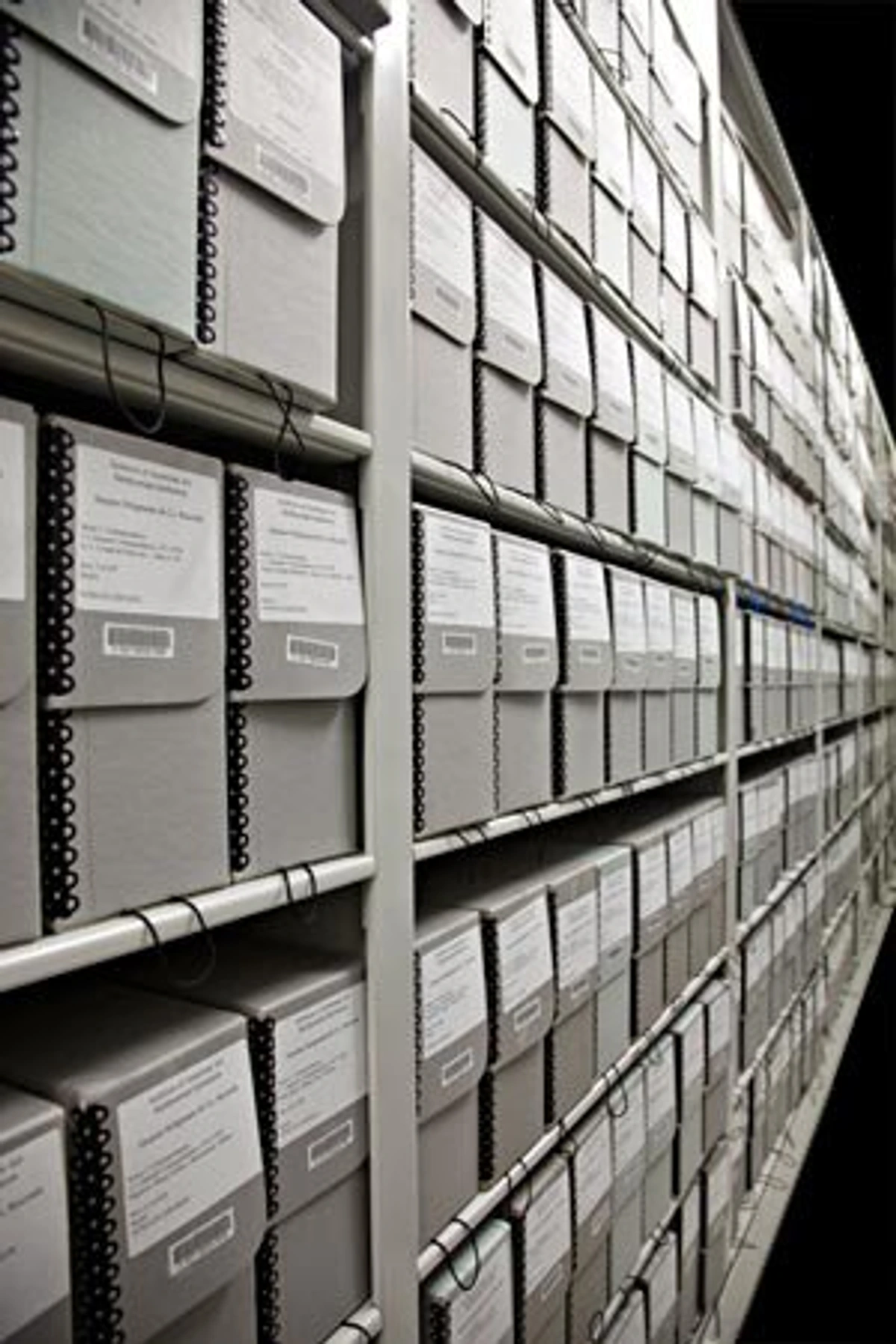
Mats aren't just decorative borders. Their primary job is to create a tiny, clean microenvironment for your art. A high-quality mat, made from purified, acid-free wood pulp or cotton rag, acts as a physical and chemical barrier. It prevents acids from migrating from the frame or the surrounding environment into your artwork. The backing board does the same from behind, creating a sealed sandwich of protection. Think of your mat and backing board as the primary foundation of your artwork's long-term health.
When you’re shopping, you’ll see terms like:
- Buffered: This means an alkaline substance, like calcium carbonate, has been added to the paper. It acts like a chemical sponge, actively neutralizing any acids that might try to form over time. This is especially important for pieces that might be exposed to atmospheric pollutants.
- Lignin-Free: Lignin is a natural component of wood that breaks down into acid. Removing it makes the paper more stable for the long term. Cotton rag mats are naturally lignin-free. For any artwork you truly care about, cotton rag is the gold standard. It feels different—softer, more substantial—and it guarantees longevity.
- Buffered: This means an alkaline substance, like calcium carbonate, has been added to the paper. It acts like a chemical sponge, actively neutralizing any acids that might try to form over time.
- Lignin-Free: Lignin is a natural component of wood that breaks down into acid. Removing it makes the paper more stable for the long term. Cotton rag mats are naturally lignin-free.
Hinging: The Secret to Holding Art in Place (Without Ruining It)
You can't just tape or glue your art to the mat board. That's a rookie mistake I’ve definitely made in the past. Most tapes and glues are acidic and will leave a permanent, stained mark on your art.
The correct archival method is called hinging. This involves using special, thin Japanese paper (like kozo or gampi) and a reversible starch-based adhesive (like wheat starch paste or methyl cellulose). You create tiny, folded paper hinges that attach to the back of your artwork and then to the backing board.
This method is genius because:
- It's secure and holds the art flat.
- It’s reversible. A professional conservator can remove the hinges later without damaging the art.
- The hinges are weaker than the artwork's paper. If the piece is dropped, the hinges will tear before the artwork does.
If the thought of mixing your own wheat starch paste feels intimidating, you can buy pre-made archival hinging tape, though purists will argue the do-it-yourself method offers the best control for truly sensitive works.
Glass vs. Acrylic: The Great Cover-Up Debate
You need to protect the front of your art, too. Here, your choice is glass or acrylic (often sold under brand names like Plexiglas or Perspex).
Feature  | Glass | Acrylic (Plexiglas) |
|---|---|---|
| Clarity | Superior optical quality, no distortion. | Can have a slight optical distortion. |
| Weight | Very heavy, especially for large frames. | Very lightweight. |
| UV Protection | Excellent with UV-filtering coatings. | Excellent with UV-filtering types. |
| Durability | Brittle; can shatter if dropped. | Shatterproof and much more durable. |
| Scratches | Resistant to scratching. | Scratches very easily; requires special cleaners. |
| Static | None. | Can create static, which attracts dust. |
| Best For | Smaller works, galleries, where maximum clarity is key. | Large works, high-traffic areas, shipping, children's rooms. |
No matter which you choose, always insist on 99% UV-filtering protection. It’s the most crucial feature for preventing light damage. For acrylic, look for “museum-grade” or “UV99” in the product name.
Keeping Things Dry: The Magic of Silica Gel
If you live somewhere with high humidity (I'm looking at you, coastal cities), your best friend is silica gel. Those little packets you find in new shoe boxes are the same thing. They are a desiccant, meaning they actively absorb moisture from the air.
For valuable art in a frame, you can tuck a small packet or insert behind the backing board (never let it touch the art directly). For art in storage, placing a few larger packets in a sealed portfolio or flat file can be a game-changer. You can even buy humidity indicator cards to monitor the environment inside your storage box. The goal is never to achieve zero humidity, which can be as damaging as too much, but to maintain a stable, moderate level.
credit, licence
The Golden Rules of Where and How You Store Art
Materials are half the battle. The other half is your storage environment. You don’t need a perfect climate-controlled vault, but you can create zones of safety. Think of your home as having microclimates - some are danger zones, others are safe havens. Your job is to identify them.
Let’s get specific. The absolute worst place to hang or store art is:
- On an exterior wall: Especially one that gets direct sunlight. It’s a thermal nightmare, with temperatures and humidity swinging wildly.
- Near heat sources: This includes above radiators, fireplaces, or heating vents. Heat accelerates chemical decay and dries out materials.
- In a damp basement or a hot attic: These spaces amplify all the problems of humidity and temperature.
The Ideal Environment (The Museum Standard)
Museums aim for (and this is what you’re quietly striving for):
- Temperature: A stable 68-72°F (20-22°C). What's more important than hitting this exact number is avoiding swings. A consistent 65°F is far better than a location that bounces between 60° and 80°.
- Relative Humidity (RH): A consistent 40-50%. This range is the sweet spot where organic materials like paper and canvas are most stable. Again, consistency is your primary goal. Fluctuations are what cause damage.
- Light: As low as possible. For display, use low-intensity lights like LEDs and turn them off when not needed. Avoid any direct sunlight, which can fade even UV-protected art over many years. When in doubt, darkness is never a bad choice for art you aren't actively enjoying.
Your home will fluctuate, and that's okay. The key is to avoid extremes and wild swings. A simple, inexpensive digital hygrometer can help you monitor the temperature and humidity in the rooms where you keep your art. I've got a cheap one from a hardware store next to my own flat files, and just knowing the number makes me feel more in control. It's a small purchase for a lot of peace of mind. Some smart home systems now offer environmental sensors that can track conditions over time, helping you spot problematic trends before they cause damage.
Storing What’s Not on the Wall
Storage Solutions: Flat Files, Portfolios, and Beyond
For art you aren't currently displaying, the goal is to keep it flat, supported, and protected. Rolling art puts it under constant tension and can cause cracking, flaking, and what conservators call planar distortion.
- Flat Files: These are the gold standard – wide, shallow drawers, often on a metal frame, that allow you to organize and protect large works on paper. They are ideal for preventing pressure and damage.
- Archival Portfolios: Less expensive than flat files, high-quality portfolios with rigid sides and sturdy handles offer excellent protection. Look for ones with acid-free boards and reinforced corners.
- Archival Print & Art Boxes: Ideal for smaller collections or for organizing within a larger storage system. They should be sturdy and made from acid-free materials.
- Interleaving: No matter what you use, separate your pieces with sheets of acid-free glassine (a smooth, non-stick paper) or unbuffered tissue paper. This prevents pigment transfer, sticking, and abrasion between works of art.
- Creative Solutions: My first "flat file" was a stack of large, acid-free foam boards with sheets of glassine in between, all kept under my bed. It wasn't pretty, but it got the job done. You don’t always need the professional equipment to start.
- Vertical Storage (for framed): Never stack framed pieces directly on top of each other, where the frame of one presses against the glass of another. For framed art in storage, stand them vertically, leaning against a wall or in a rack, with padding between each frame. There are even archival storage solutions for collectors that facilitate these vertical storage racks.
And remember those villains? Keep your portfolio or flat file in a closet on an interior wall, away from the floor and exterior walls. It’s a simple step that makes a huge difference. If you live in an old, drafty house like I do, you quickly learn that the center of a room is a much more stable environment than a perimeter wall.
The Special Cases: Storing Canvases, Sculptures, and Delicate Media
So far, we’ve focused on works on paper. But what about everything else?
Framed Canvases and Paintings
If an oil or acrylic painting is framed, it's likely already protected by the varnish layer, but the structure itself is vulnerable. The main enemy here is the canvas stretcher bar on the back. Cheaper woods can leach acids that eventually cause the canvas to discolor and weaken. A simple barrier can be made by cutting a sheet of archival plastic or aluminum foil and taping it over the back of the stretcher bars with acid-free tape. This creates a buffer against pollutants, dust, and even pests.
For storage, unframed stretched canvases should be stored vertically (like books on a shelf), with padding like foam board or padded "bumpers" between each one to prevent the frames and canvases from touching or transmitting shocks. Never stack them flat, as the pressure and potential for abrasion are high. For paintings on wooden panels, always avoid horizontal stacking, which can lead to warping or cracking under uneven pressure.
Works on Wood, Metal, and Other Supports
Acrylic paintings on wood panels are very stable, but the wood itself can react to humidity. Metal supports can corrode. The key here is to keep the environment stable. Avoid attics and basements. Wrap pieces in unbleached, buffered tissue paper for storage, and consider using a breathable fabric like a cotton sheet rather than plastic, which can trap moisture.
Sculptures and Three-Dimensional Work
Sculptures are a world of their own, demanding material-specific care. The universal rules are stable temperature and humidity, and protection from dust and direct light.
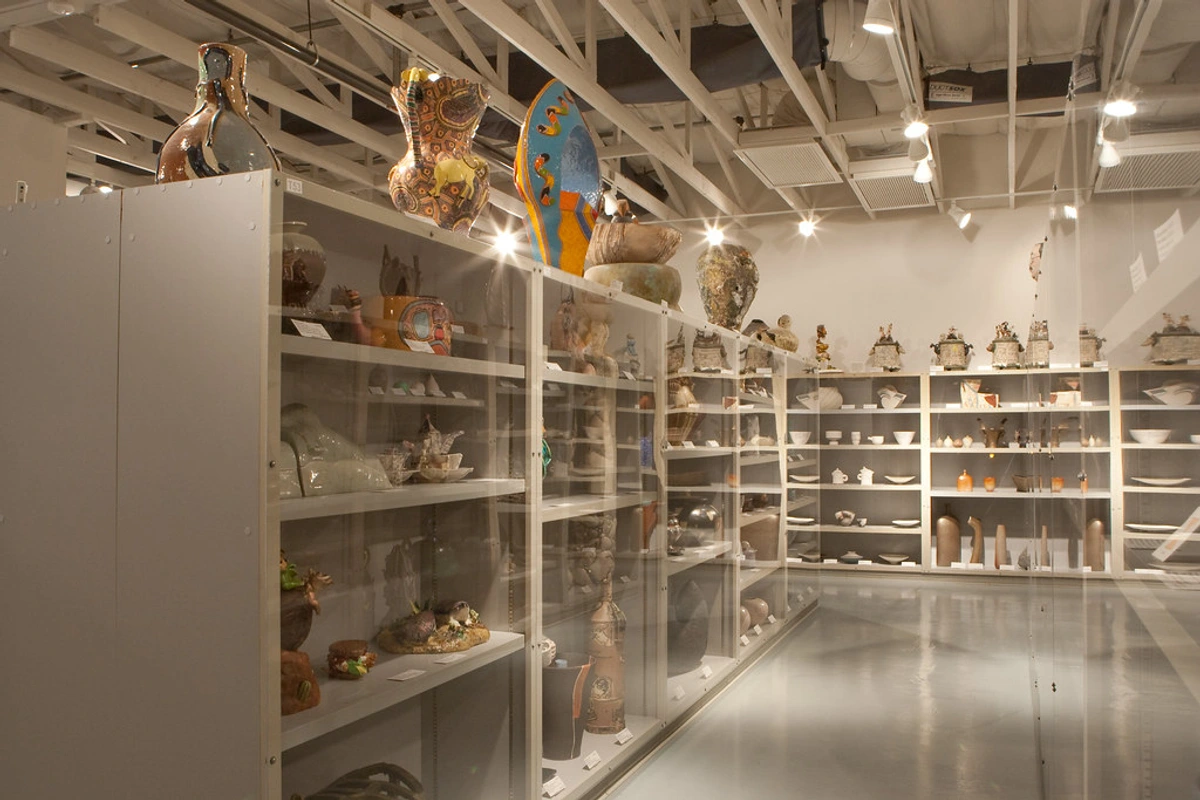
- Ceramics: Avoid sudden temperature changes, which can cause cracking. For unglazed or fragile pieces, a vitrine is ideal.
- Plaster: Incredibly fragile and susceptible to humidity and abrasion. Keep it in a very stable environment and handle with extreme care.
- Bronze: While durable, bronze can develop a patina or even bronze disease (corrosion) in the wrong humidity. A stable environment, occasional dusting with a soft cloth, and sometimes a protective wax are key.
- Mixed Media/Found Objects: These can be the trickiest, as you don't always know how the various materials will age or interact.
For especially delicate or valuable pieces of any material, a simple acrylic vitrine (a display case) is the best solution. It turns a shelf into a mini-museum, shielding the object from dust, accidental bumps, and creating a more stable microenvironment. It's the best way to display and protect a treasured object simultaneously.
Beyond the Basics: Handling and Long-Term Vigilance
So you’ve got the right mat, the UV glass, and your art is stored in a cool, dry place. You’re 90% of the way there. The last 10% is about your habits.
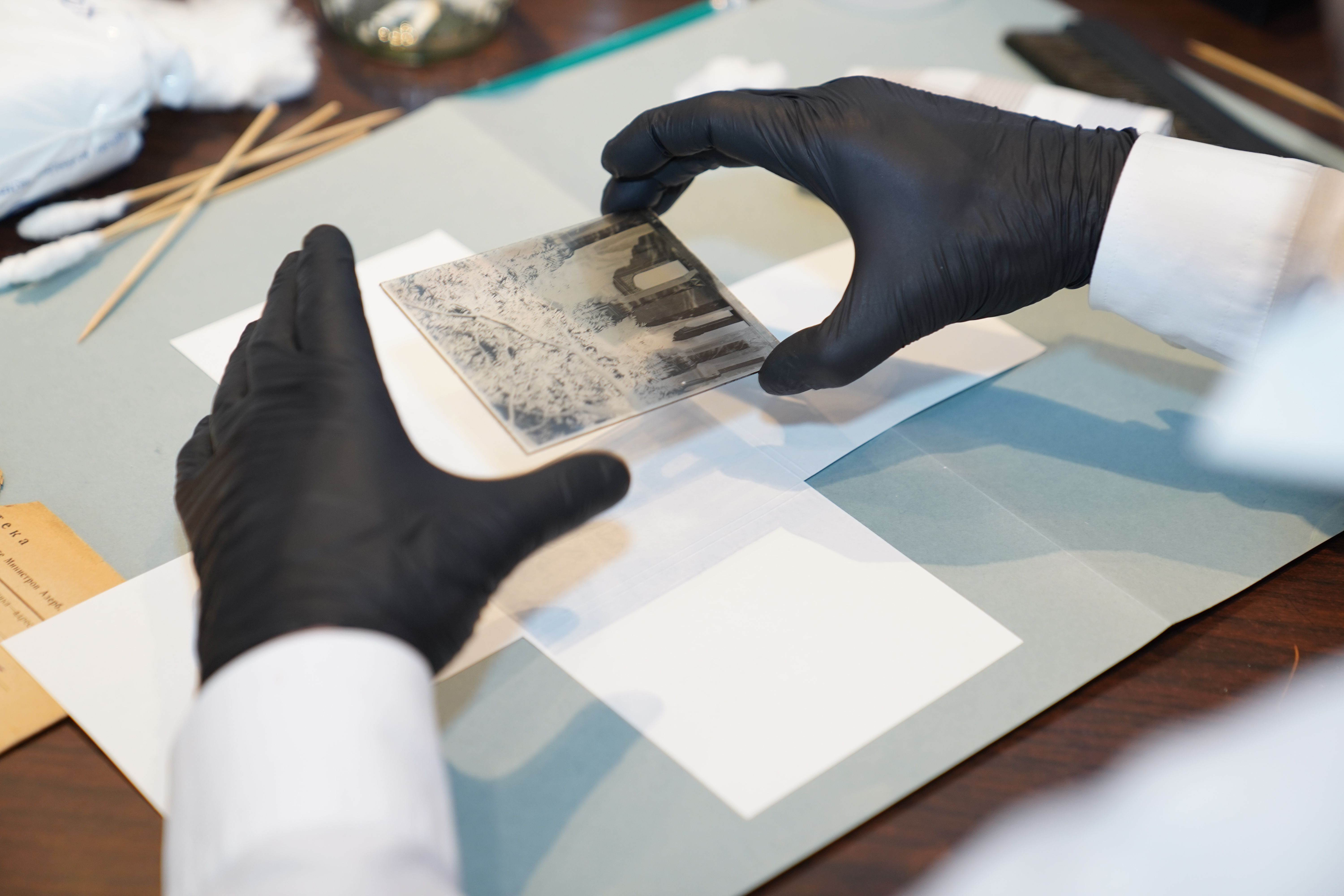
My number one rule? Touch the edges, not the face. When you have to move or hang a piece, handle it by the edges or, ideally, wear clean cotton gloves. The oils, salts, and microscopic grime on your fingertips can do more damage than you think over time.

Perform a yearly check-up. Take a close look at your art for early warning signs: a slight yellowing of the mat, new specks of foxing, any kind of warping or rippling. Catching these things early gives you time to act before the damage becomes permanent. Don't be afraid to take a piece back to your framer to have the mat replaced if it's starting to show its age. It's like getting an oil change for your car—simple preventative maintenance. Schedule it. First sunny Saturday of spring, maybe. Make it a ritual.
Frequently Asked Questions About Art Archival
What's the difference between "acid-free" and "archival"? That's a great question, and something that confused me for the longest time. Acid-free is a baseline requirement; it means the material has a neutral or slightly alkaline pH (usually 7 or higher) and won't actively damage your art. Its lifespan might be measured in decades. Archival (or museum-grade) is a higher standard. It means a material is not only acid-free but also made from the most durable, long-lasting fibers (like cotton rag), is lignin-free, and is often buffered to actively fight acid formation. It's designed to last for centuries. For important pieces, go for archival.
Is it okay to store different types of art together? You have to be careful here; it's a chemistry experiment waiting to happen. Different media can interact negatively over time. For instance, the oil from a pastel drawing could transfer to an adjacent watercolor. The solvents in some modern inks (especially those in felt-tip pens) can be volatile and could cause problems for other papers. Charcoal and graphite can smudge onto neighboring pieces even with minimal contact. The safest bet is to always separate pieces with a barrier sheet of acid-free glassine or unbuffered tissue, creating an interleaf between each and every work, even if they're the same medium on the same paper.
My art has already started to yellow. Is it too late? Absolutely not. While you can't reverse the yellowing, you can almost always stop it from getting worse. Think of it like stopping a fire from spreading. The first and most critical step is to remove the fuel source. Take it out of the acidic mat or frame it's in immediately. Bring it to a professional framer who can re-mat it with archival materials. This will halt the progress of the damage and preserve the artwork in its current state for a very long time. A professional paper conservator may be able to reduce the appearance of some discoloration, but this is a delicate and expensive process. Prevention is always better than the cure.
Do I really need UV-filtering glass for every piece? If you care about a piece lasting, then yes. For any work with meaningful financial or sentimental value, the cost of UV-filtering glass or acrylic is a small insurance policy. It is the single most effective thing you can do to combat fading. For pieces that are inexpensive, easily replaceable prints you might rotate every year or two, it's less critical. But for anything you plan to keep for the long haul, it's a fantastic habit to get into. Think of it this way: a standard print might last 5 years in direct light, 20 in indirect. A print behind UV-filtering glass could last 200 years in the same indirect light.
What about digital preservation? This is a fascinating parallel world. Having a high-resolution digital scan or photograph of your artwork is an excellent backup. It lets you reproduce high-quality giclée prints if the original is ever lost or damaged, and it’s invaluable for documentation. But remember, digital files aren't immune to decay. Hard drives fail, file formats become obsolete, and cloud services can shut down or change their terms. It's preservation of information, but it doesn't replace the physical conservation of the original piece. And on the topic of NFTs... let's just say the technology, for now, has been overshadowed by hype, volatility, and environmental concerns. It creates a digital record of ownership, but it doesn't solve the core problem of preserving the actual physical artwork itself. A JPEG is not the art.
The Art of Persistence: A Final Thought
At its heart, archival storage isn't just a set of rules. It’s an act of respect. It’s a conversation between you and the future. It's you saying, "This object matters. The story it tells, the feeling it evokes, the hand that made it—these things are important and deserve to endure."






Every choice you make, from the type of mat board you select to the wall you choose to hang a piece on, is a vote for its longevity. You don't have to be perfect. You just have to be mindful. And by taking these small, deliberate steps, you become more than just an owner of art. You become its keeper, its guardian for a little while.