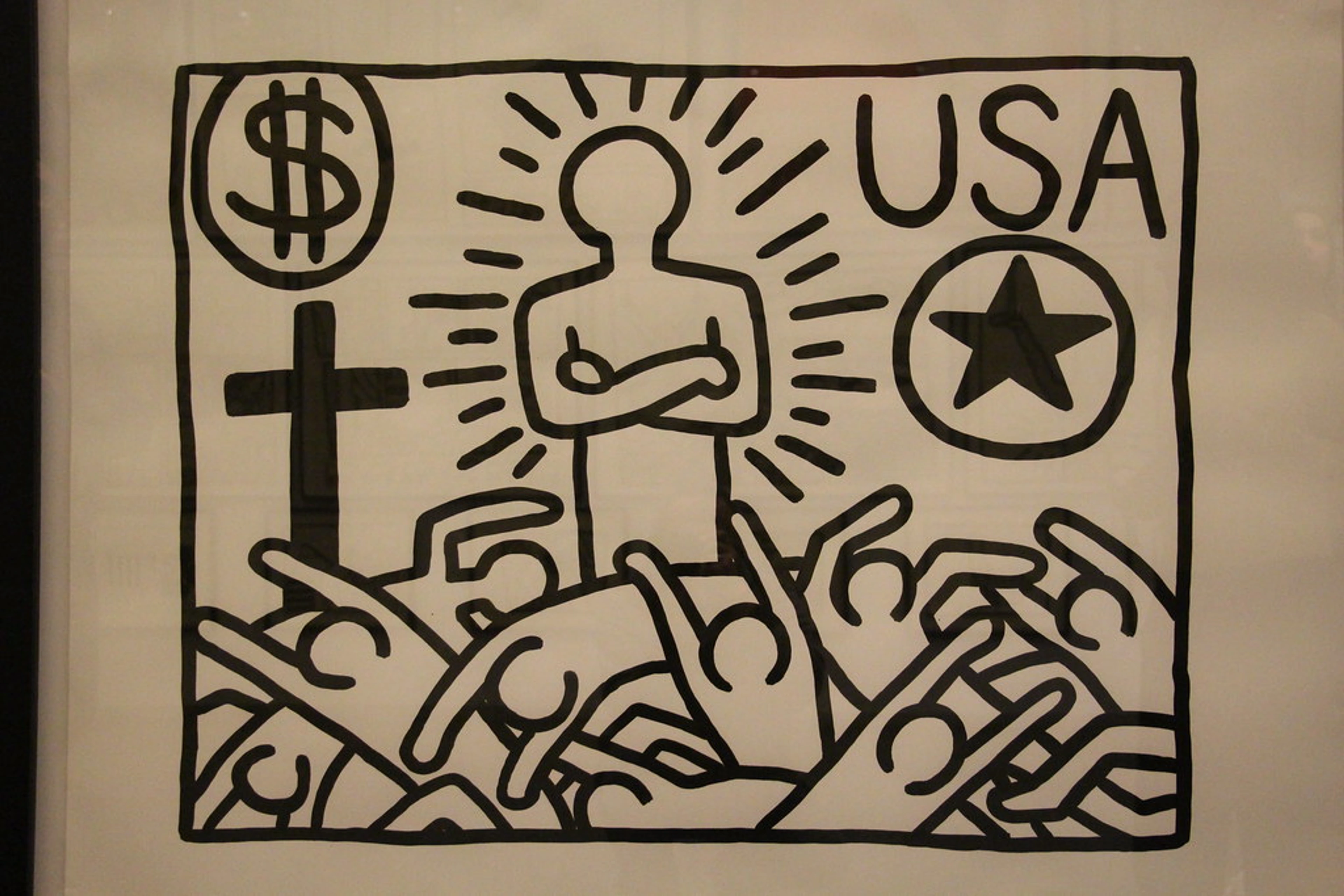
Art and Social Justice: When Canvas Meets Conscience
Explore how artists drive social change through visual storytelling. From protest murals to community projects, discover the power of art as activism.

Art and Social Justice: When Canvas Meets Conscience
Ever stand before a painting and feel a punch to the gut? Not because it was technically flawless, but because it said something you couldn’t unsee? Yeah, me too. That’s the thing about art. It doesn’t just decorate walls; it can rip them down. We often think of art as this delicate, almost precious thing. But its most potent form? It’s a hammer.
Imagine this: a world where every painting hangs in silence, every sculpture is just a shape, every photograph a simple click. Boring, right? Now, imagine the reverse. A world where art is shouting, demanding, whispering rebellion. That’s the world of art and social justice. It’s where creativity and conscience collide, where color and compassion meet, and where a single image can ignite a thousand conversations.

The Dinner Party remains one of the most ambitious feminist artworks ever created, with 39 place settings honoring women from history, mythology, and religion. Each setting features unique ceramic plates, embroidered runners, and glassware that together create a monumental celebration of women's contributions to civilization.
The Roots of Rebellion: What is Art as Social Justice?
Defining the Terms
When we talk about "art as social justice," we're really talking about several related but distinct concepts:
Term  | Definition | Key Characteristics | Examples |
|---|---|---|---|
| Socially Engaged Art | Art that creates social or political change through collaboration with communities | Community participation, collaborative process, long-term engagement | Theaster Gates' Dorchester Projects, WochenKlausur's interventions |
| Activist Art | Art created with the explicit purpose of advocating for social or political change | Direct advocacy, clear political message, often temporary | Shepard Fairey's "Hope" posters, Barbara Kruger text works |
| Protest Art | Art specifically created in response to immediate political events or injustices | Timely, reactive, often ephemeral | Revolutionary posters, protest graphics, street art during demonstrations |
| Artivism | A hybrid term combining "art" and "activism" to describe art that merges aesthetic practice with political action | Blends artistic technique with political action, often experimental | Ai Weiwei's installations, Banksy's street interventions |
These categories often overlap, but understanding the distinctions helps us appreciate the full spectrum of how art can function in social movements.
Let’s get on the same page. What does it even mean when we talk about art in the context of social justice? At its core, it’s about using creativity to challenge the status quo, spotlight inequity, and imagine a better world. It’s not a new idea, either.
Think of those old political cartoons that made you chuckle but also cringe. Or the protest posters from the 1960s that are now iconic. This art is a form of visual activism. It’s the counternarrative. It’s the voice for the voiceless.
Key Concepts to Unpack
- Counter-Narrative & Visibility: Art brings stories to the forefront that are often ignored or marginalized. It’s why a portrait of a farmworker can be more powerful than a billionaire's portrait. It's about who gets seen.
- Emotional Connection: Logic can convince you, but art makes you feel. A photograph of a protest doesn’t just show what happened; it can make you feel the tension, the fear, the hope. That emotional hook is what compels people to care.
- Imagining Alternatives: Art doesn’t just point out problems; it shows us what a solution could look like. Think of utopian art or designs for accessible public spaces. It’s blueprints for a better future.
Through the Looking Glass: A Comprehensive History
This isn’t some radical 21st-century invention. The story of art as social justice is as old as art itself.

- The Renaissance: You think those religious paintings were just about piety? Look deeper. Many works subtly critiqued power and society.
- The Depression Era: Remember Dorothea Lange’s Migrant Mother? That photograph defined an era of hardship and became a catalyst for federal aid.
- The Civil Rights Era: Posters plastered walls with "Black is Beautiful"—a visual challenge to Eurocentric beauty standards.
- Feminist Art: Judy Chicago’s The Dinner Party is a glittering tribute to women erased from history, forcing viewers to confront absence.
Modern Day Warriors: Contemporary Artists on the Front Lines
Today, the fight continues. The canvas is just as much a battlefront as any picket line. Artists are using every medium—from digital art to augmented reality to NFTs (though I'll admit I'm skeptical about that last one)—to push buttons and build bridges. The digital age has created new possibilities for global solidarity, but also new challenges for authenticity and impact. Social media can amplify messages, but it can also trivialize them. Digital art can reach millions instantly, but it can also be easily copied, manipulated, or lost. The question becomes: how do we maintain authenticity and depth in an age of instant gratification and viral content?
Global Perspectives: Social Justice Art Around the World
Social justice art isn't just a Western phenomenon. Artists worldwide are using creative expression to address local and global issues:
Region | Key Issues | Notable Artists/Movements | Characteristics |
|---|---|---|---|
| Latin America | Dictatorship, indigenous rights, economic inequality | Tania Bruguera, Doris Salcedo, Los Carpinteros | Often deals with trauma, memory, and political disappearances |
| Africa | Colonial legacy, HIV/AIDS, democracy | El Anatsui, Yinka Shonibare, William Kentridge | Blend traditional and contemporary forms, address post-colonial identity |
| Middle East | Conflict, censorship, women's rights | Shirin Neshat, Kader Attia, Mona Hatoum | Often deals with identity politics and political resistance |
| Asia | Environmental issues, human rights, urbanization | Ai Weiwei, Cai Guo-Qiang, Yoshitomo Nara | Address rapid modernization and political oppression |
| Europe | Migration, climate change, far-right rise | Banksy, Jeremy Deller, Olafur Eliasson | Often site-specific, addresses contemporary political crises |
Spotlight: The Palette of Protest
Movement / Artist | Key Work(s) | What They Did |
|---|---|---|
| Banksy (Street Art) | Girl with Balloon | Anonymous critiques of war/capitalism. Shredded painting? Performance art against commodification. |
| Ai Weiwei | Sunflower Seeds | Massive installation commenting on mass production and state control. |
| The Guerilla Girls | Do Women Have to Be Naked...? | Anonymous confrontations about sexism/racism in art and culture. |
| Kara Walker | A Subtlety | confronting silhouettes depicting slavery’s brutal legacy. |
How Does the Magic Happen? Methods, Mediums, & Techniques
Artists have a whole toolbox. Here’s how they use it:
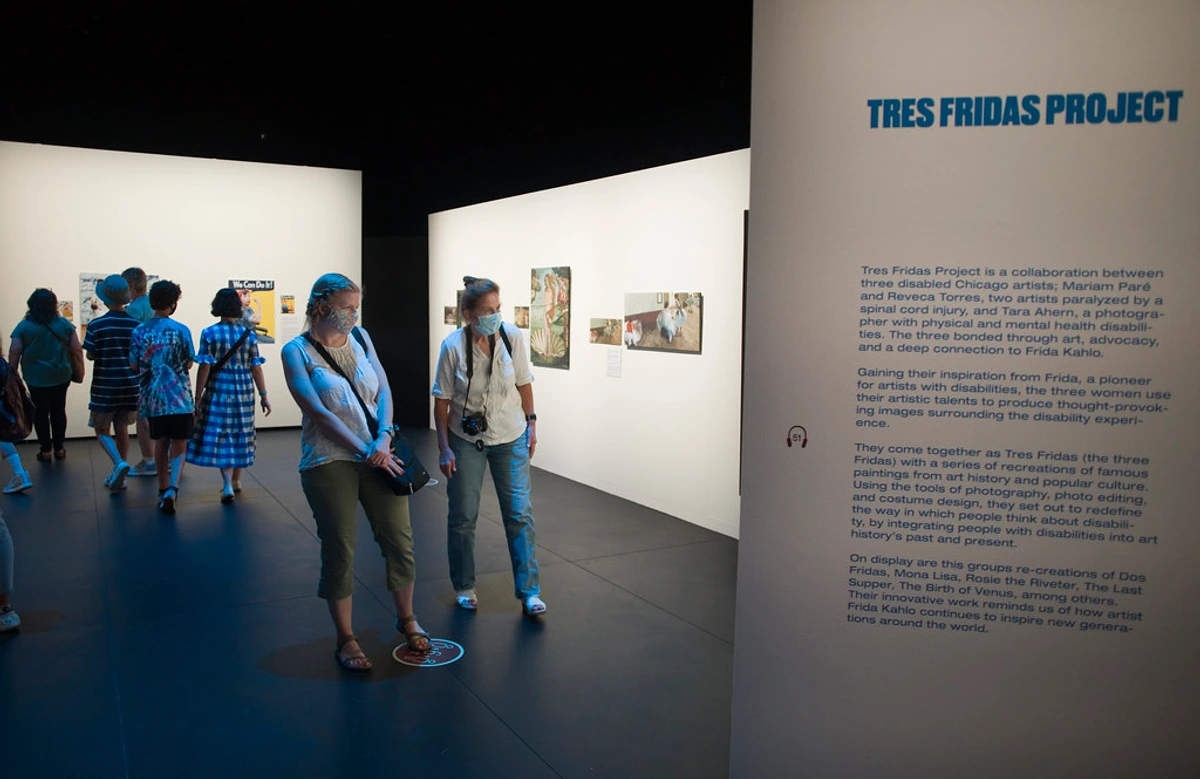
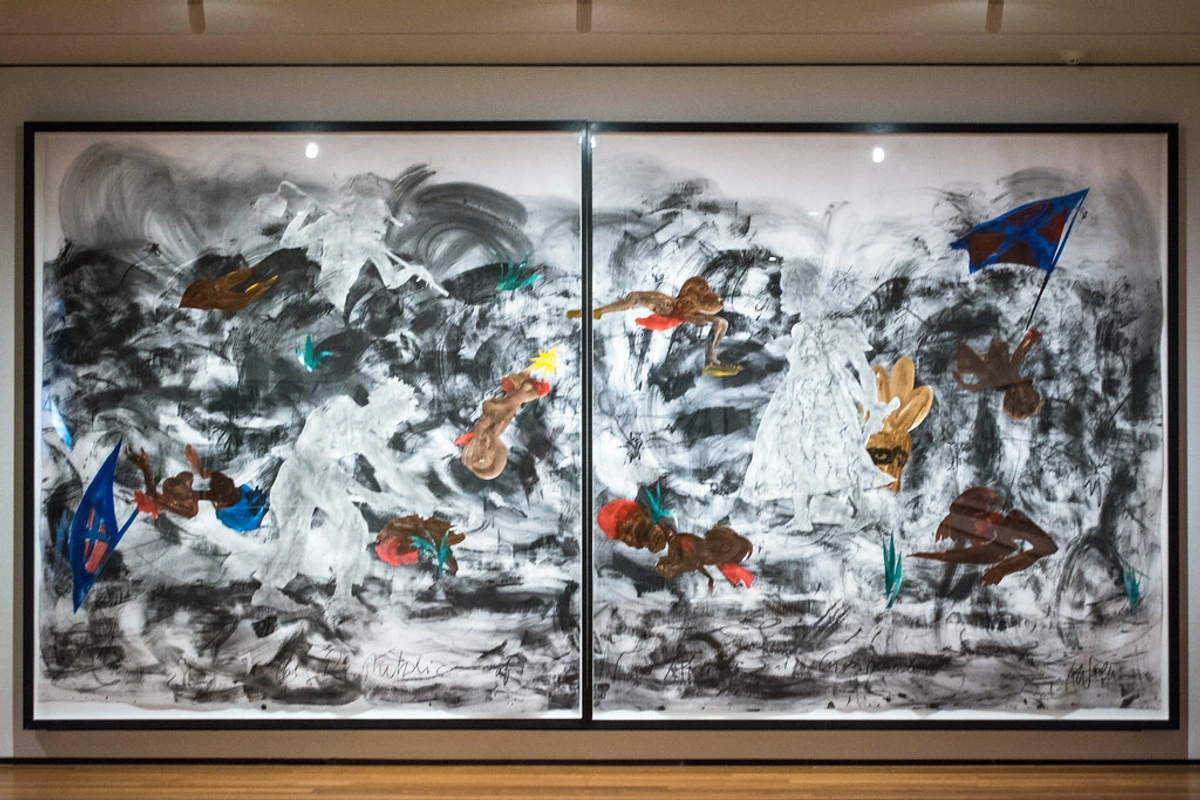
Kara Walker's work uses the historically racist medium of silhouette art to confront America's legacy of slavery and racism. Her large-scale installations often create immersive environments that force viewers to confront uncomfortable truths about American history.
The Hard Truth: Challenges, Criticisms & Complexities
It’s not all rainbows and unicorns. The world of socially engaged art has headaches:

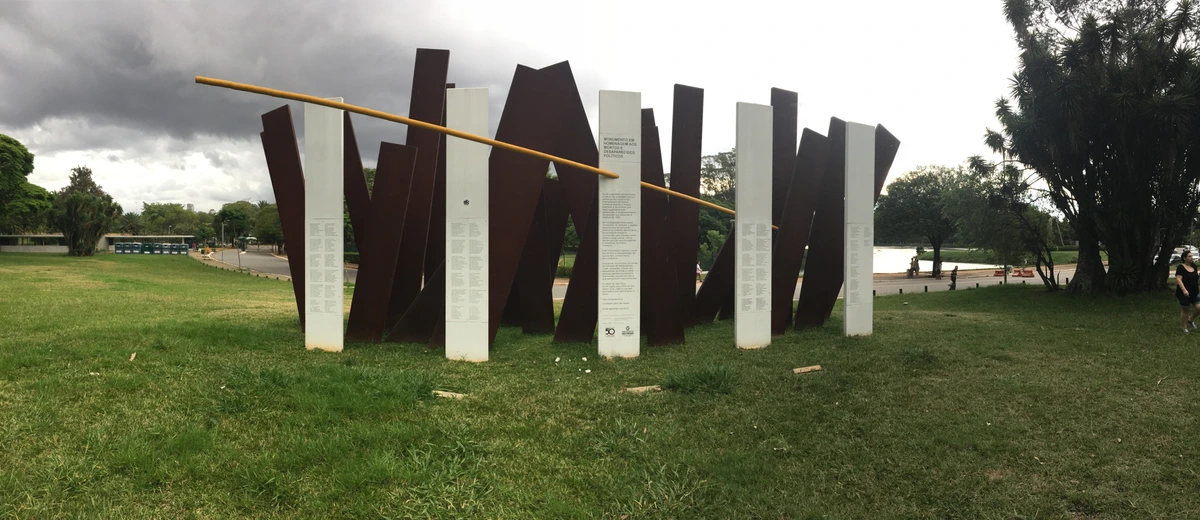
This monument represents the ongoing struggle for truth and justice in Brazil, honoring those who disappeared during the military dictatorship. Such memorials serve as important reminders that art can be a form of political resistance and memory preservation.
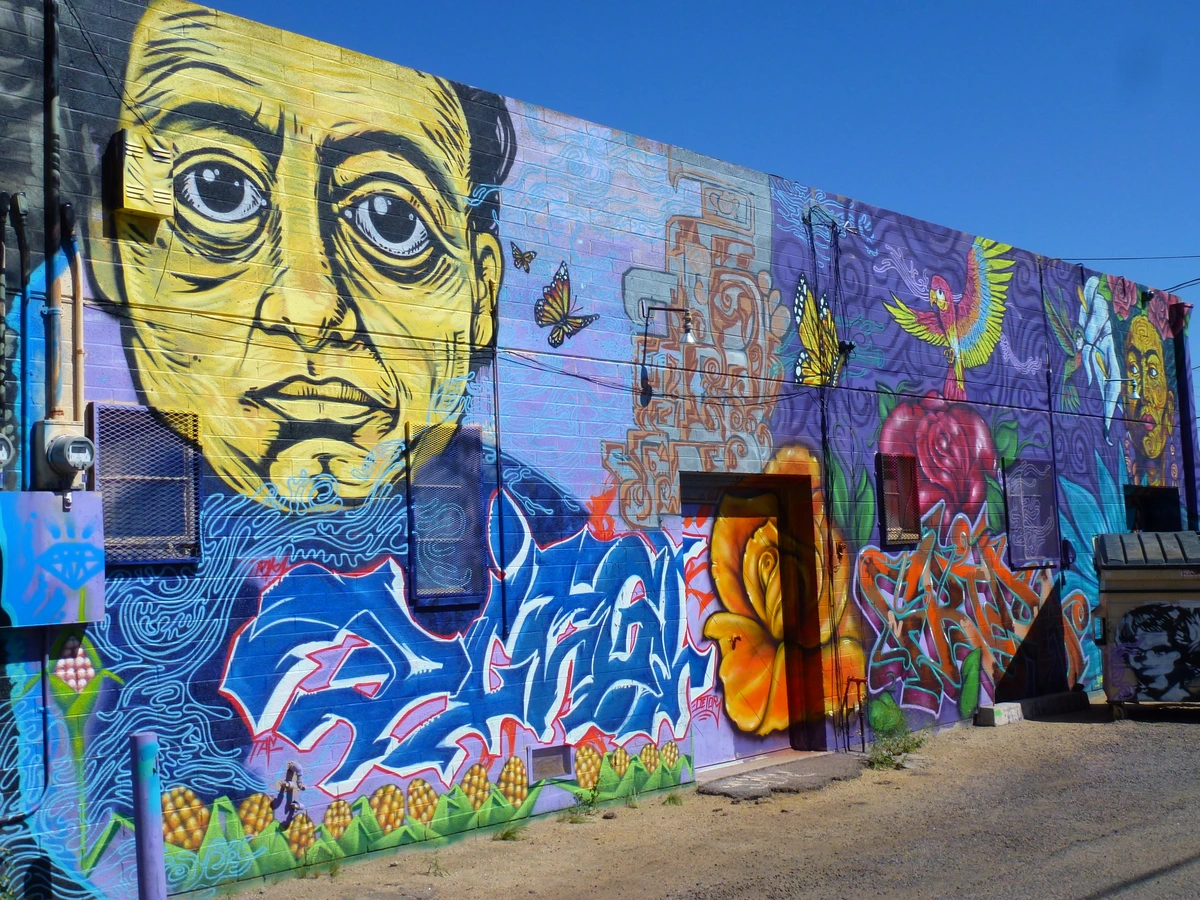
The art world often focuses on what happens in galleries and museums, but some of the most powerful social justice art happens completely outside those spaces. Street murals, protest signs, community quilts, and even graffiti can carry enormous social weight because they exist where people actually live and struggle.
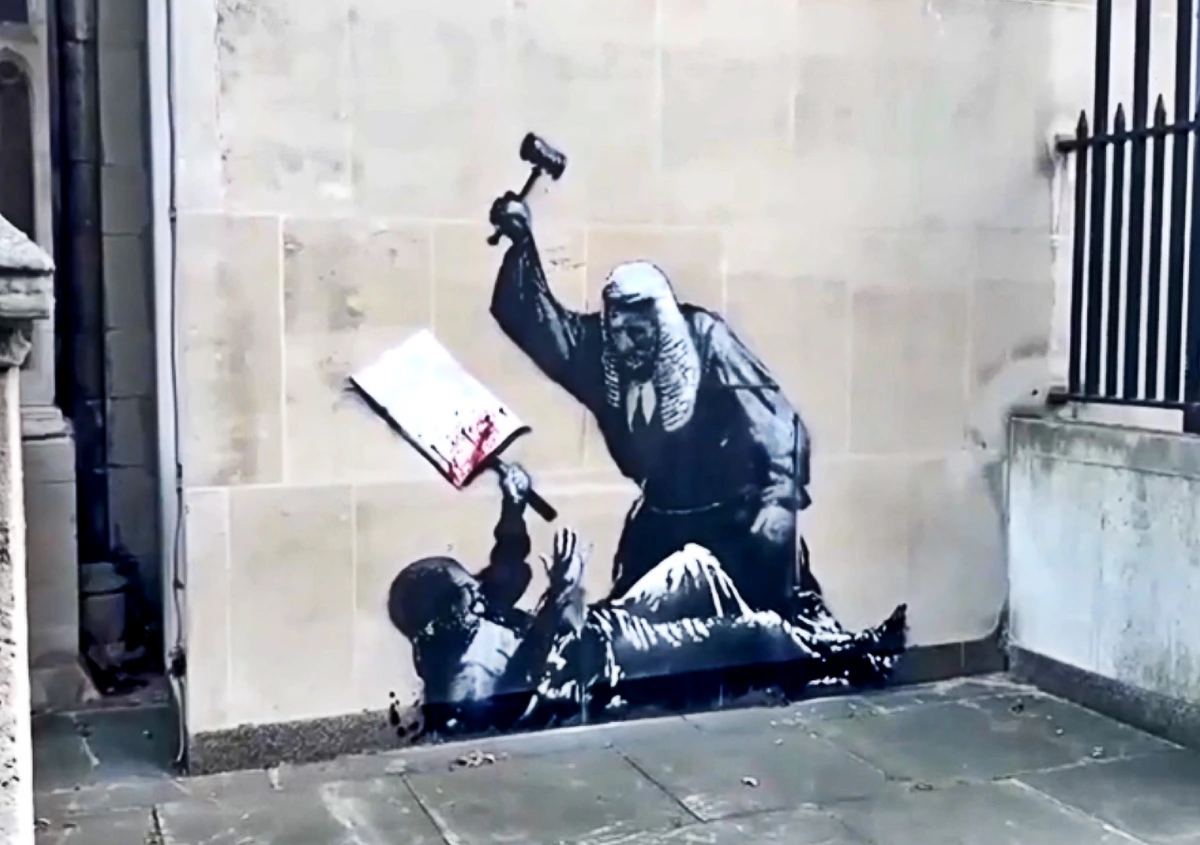
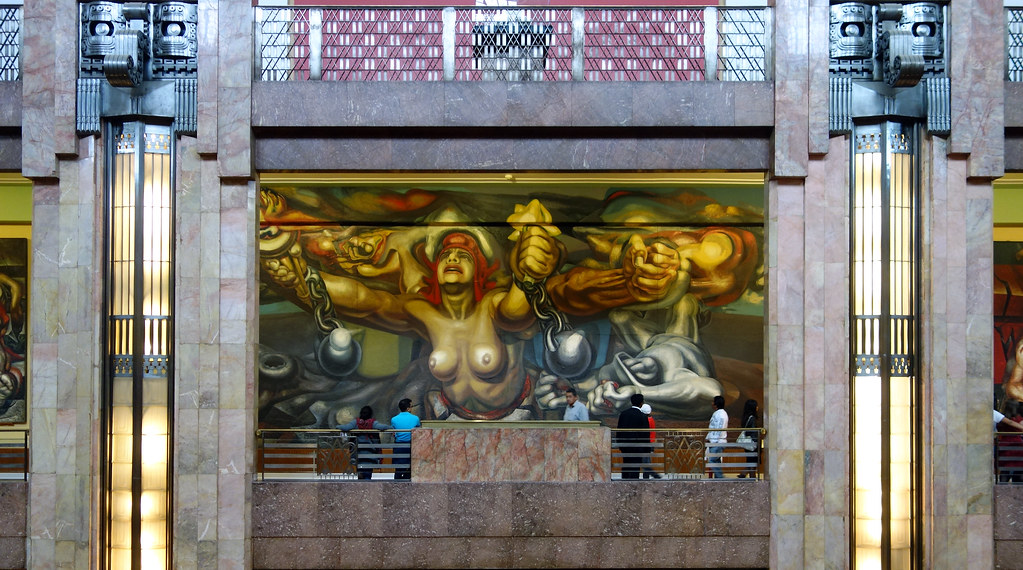
This piece exemplifies the power of public art to convey complex political ideas through visual symbolism. The breaking chains represent liberation from oppression, while the figure's upward movement suggests progress and hope. Muralists like Siqueiros understood that art in public spaces could educate and mobilize entire communities more effectively than traditional gallery exhibitions.](https://images.zenmuseum.com/article/mexican-muralism-the-art-of-social-and-political-revolution/9de7cb60-b7db-11f0-800c-054fd44b068a.jpg) credit, licence
- Co-optation & "Woke-Washing": Big brands slapping protest images on products. A sneaker ad using "just do it" over a protest photo? Classic co-optation. Profiteering. This is what happens when social justice becomes a marketing strategy rather than a genuine commitment to change.
- Tokenism: Asking a marginalized artist to create "diverse" art without giving them agency or pay. Performative allyship at its worst. The artist becomes a diversity checkbox rather than a valued creative partner.
- Artist Risk: Critiquing power can be dangerous. Artists face censorship, arrest, or backlash globally. From Ai Weiwei's imprisonment to the threats against cartoonists, this work often comes at great personal cost.
- Gallery vs. Street: Does art lose power in white cubes? Or gain new audiences? Debate rages on. Is "legitimizing" social justice art through gallery exhibitions selling out, or does it expand its reach?
- Authenticity vs. Effectiveness: Should art be authentic to the artist's experience, or should it prioritize accessibility and impact to reach wider audiences? This tension is real and unavoidable.
- Burnout & Self-Care: Activist artists often face emotional exhaustion from dealing with heavy topics and community trauma. How do you maintain passion without sacrificing your own well-being?
- Measurement of Impact: How do you measure the success of social justice art? Is it sales, media coverage, community engagement, or actual policy change? Traditional art metrics often fail here.
- Digital Ethics: In the age of social media, how do artists maintain control over their work and message? When does sharing become exploitation? What about the environmental impact of digital art production and NFTs?
So, You Want to Create Social Justice Art? (Or Just Understand It Better)
Getting Started: Your First Steps
If you're new to this work, don't feel overwhelmed. Start small and stay focused:
- Identify Your Passion: What issue keeps you up at night? Start there. Authenticity matters more than breadth.
- Learn from the Past: Study artists who came before you. Read their writings, watch their interviews, understand their context.
- Find Your Community: Connect with other artists and activists. You don't have to do this alone.
- Start with What You Know: Use your existing skills and materials. You don't need fancy equipment to make important work.
- Share Your Process: Document and share your journey. Other people learn from seeing how art is made, not just the finished product.
Ethical Considerations in Social Justice Art
Creating art about social justice comes with ethical responsibilities:
Ethical Principle | What It Means | Practical Examples |
|---|---|---|
| Cultural Appropriation | Using elements from other cultures without understanding, respect, or permission | Avoiding sacred symbols for aesthetic purposes; consulting community members about representations |
| Trauma-Informed Practice | Being mindful of how trauma is represented, avoiding re-traumatization | Not exploiting graphic violence for shock value; providing content warnings |
| Community Consent | Ensuring communities have agency in their representation | Participatory design processes; letting communities control narrative |
| Self-Care | Recognizing the emotional toll of this work and setting boundaries | Taking breaks; having support networks; not taking on all issues alone |
| Authenticity | Being honest about your position and motivations | Disclosing your background and relationship to the issues you address |
| Long-Term Impact | Considering how your work affects communities beyond the moment | Planning for documentation, follow-up, and ongoing engagement |

Practical Ethical Guidelines:
- Do Your Research: Understand the history, context, and current dynamics of the issues you're addressing.
- Center Affected Voices: Your work should amplify, not replace, the voices of people directly impacted by the issues.
- Be Transparent: About your positionality, motivations, and any limitations in your understanding.
- Prepare for Criticism: When you take on difficult issues, you will face pushback. Develop strategies for handling it constructively.
- Consider Power Dynamics: Who benefits from your work? Who might be harmed? How can you minimize harm?
- Think About Legacy: What happens to your work after the initial moment? How will it be used, interpreted, or potentially misused?
If you’re itching to create (or simply appreciate), here’s how to approach it:
- Listen First: Don’t rush in with solutions. Amplify voices from affected communities.
- Do Your Homework: Understand history/context to avoid superficial art.
- Think Audience: Who needs to see this? Where? Community center > distant gallery.
- Channel Anger: Let it fuel your passion, but focus constructively.
- Collaborate: Work with activists and other artists. Strength in numbers.
FAQ: Your Questions Answered
Q1: Why is art essential for social justice? Can’t protests or speeches suffice? A: Art transcends words. It creates emotional connections speeches can’t. A speech may inform the mind; art lodges in the heart.
Q2: Is all "social justice art" automatically "good" art? A: Not always. Artistic merit and social impact aren’t the same. Some works are impactful but visually crude; others are brilliant but lack substance. The best often achieve both.
Q3: Don’t artists lose sales by taking political stands? A: Absolutely. Many prioritize message over marketability. Alienation can be the point—it forces introspection. Others navigate both gracefully.
Q4: How can I support artists in this space? A: Beyond buying work, share their work, attend exhibitions, discuss their issues, and commission projects for communities.
Q5: Isn’t this just a trend? The "activist art" thing? A: It seems trendy now (thanks, Instagram!). But as history shows, this is a timeless tradition. Not a trend. A timeless impulse.
Conclusion: The Unfinished Canvas
Art isn’t just decoration. At its best, it’s a mirror reflecting society—often unflinchingly. It’s a hammer, a megaphone, a lifeline. And social justice? That’s one of the most important anvils on which art is shaped.
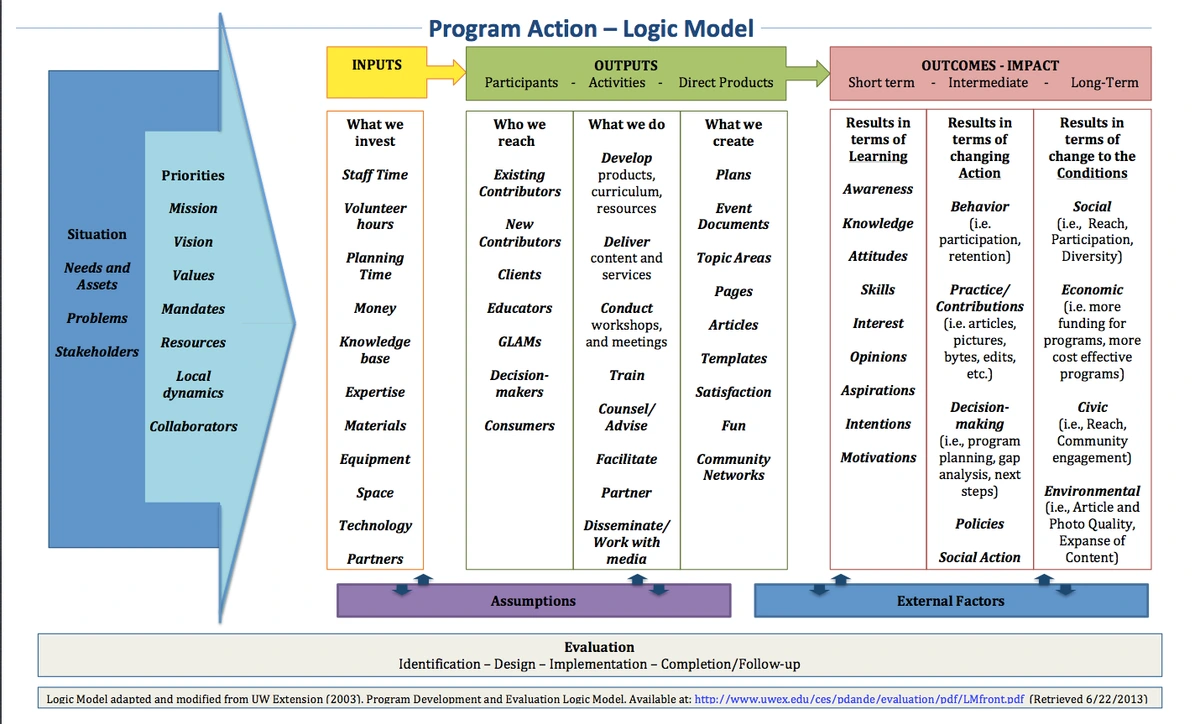
The work is never done. The canvas is always unfinished, inviting the next brushstroke, line, or image. We need that. We need people who make us see. We need art to keep asking questions we’d rather ignore. That’s how we build a better picture—one story at a time.
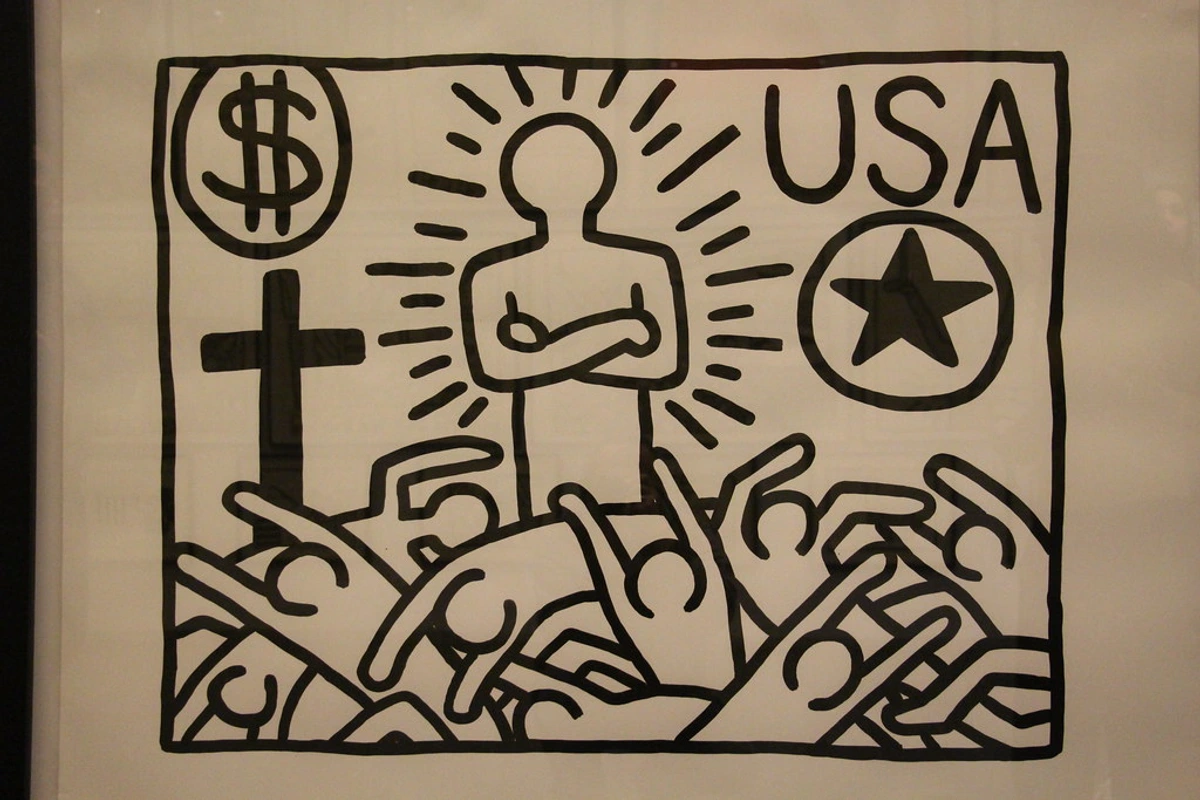





What's fascinating about Kahlo is how she turned her personal pain into universal political statements. Her self-portraits aren't just about her physical suffering—they're about colonialism, gender inequality, and the struggle for authentic identity. This is a crucial lesson for social justice artists: the most personal can be the most political, and vice versa.
Want to explore how artists chronicle these movements? Dive deeper into artistic timelines and see how creative expression fuels progress.
Looking to start your own social justice art practice? Check out our resources for emerging artists and learn how to turn your passion into purpose.
Visit our Den Bosch museum to experience socially engaged art in person and see how communities transform through creative expression.