Paris Art Lover's Guide: Beyond Louvre & Orsay | Uncover Hidden Gems
Unlock Paris's art scene with this ultimate guide. Move past the crowds at the Louvre & d'Orsay to discover hidden galleries, street art, and practical tips for a truly inspiring, fatigue-free trip.

An Art Lover's Guide to Paris: Beyond the Selfie Sticks and Into the Soul of Art
Paris. Just uttering the word can conjure images of masterpieces, hushed galleries, and quiet contemplation. But if you’re anything like me—a dedicated art lover with a soft spot for serendipitous discovery—you also know the reality: a pilgrimage to this legendary city can quickly become an exercise in endurance. I’ve been there, elbow-to-elbow, feeling that familiar 'art-fatigue' creep in, a dizzying blend of too many galleries, too many crowds, and too little genuine connection. It's that moment when your eyes glaze over a Rembrandt because your feet ache and your brain is saturated. Don’t worry, you’re not alone. And more importantly, you don’t have to succumb to it. This isn't just another exhaustive list of every museum. This is my personal strategy, honed over countless visits, for truly experiencing Parisian art. It’s about a mindset, a plan, and knowing exactly where to find those quiet, soul-stirring corners.
Before You Go: A Little Bit of Paris Art-Scene Soul-Searching
Paris has always held a magnetic pull for artists and art enthusiasts, and for good reason. For centuries, it has been a crucible of creativity, a hub where movements were born and broken, where patrons funded genius, and where artists from across the globe converged to paint, sculpt, and innovate. From the salons of the Impressionists to the bohemian studios of Montmartre and the avant-garde experiments of the early 20th century, Paris isn't just a city with art; it's a city that is art, woven into its very cobblestones and grand boulevards. Understanding this deep history helps us approach it with reverence and a touch of strategic cunning.
Before you even book a ticket, ask yourself a crucial question: what kind of art experience are you really looking for? Are you on a mission to see the top 5 most famous paintings in the world? Or are you hoping to discover a contemporary artist in a small gallery in Le Marais? Your answer changes everything, and trust me, knowing your 'type' is the first step to avoiding art-fatigue.
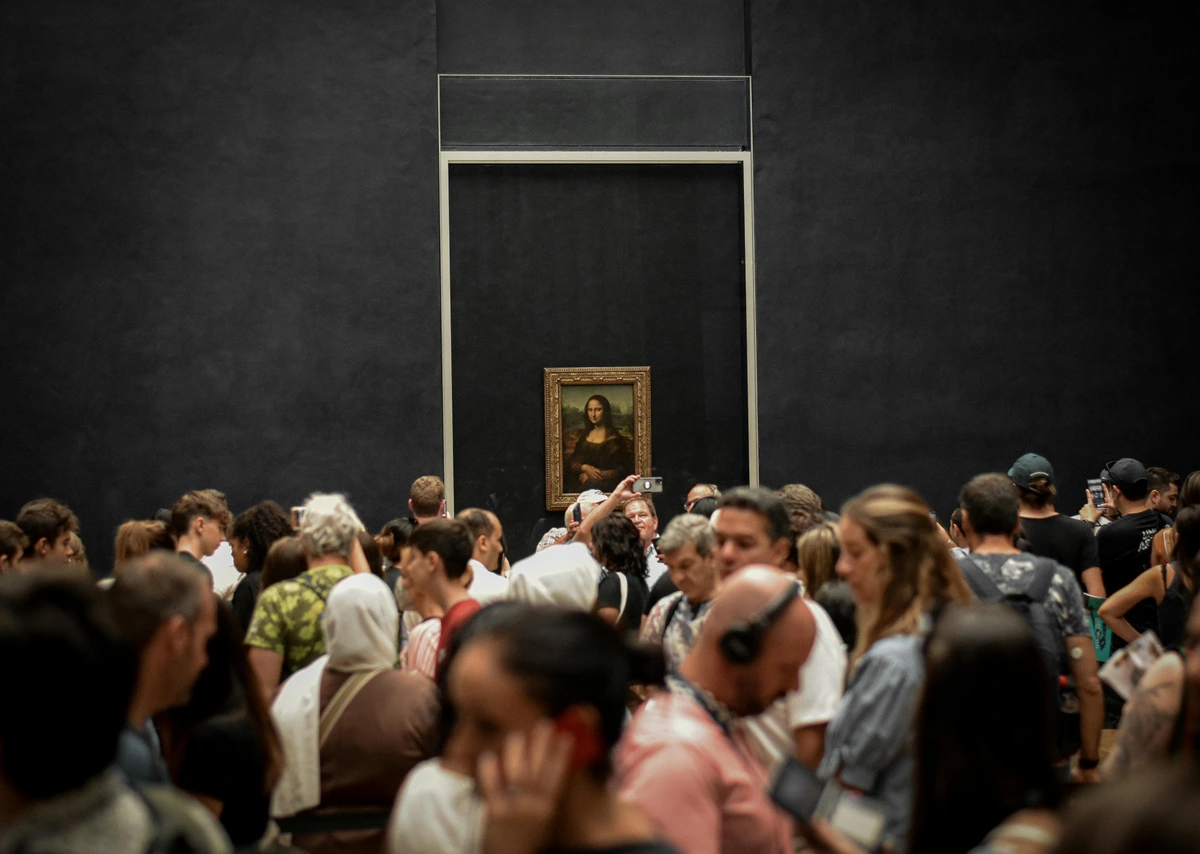
- The Icon Hunter: You want to see the Mona Lisa, the Venus de Milo, the Water Lilies. No shame in that! These are masterpieces for a reason. Your plan will be about focused visits on the big museums, hitting your targets with purpose. You're here for the iconic moments.
- The Time Traveler: You want to immerse yourself in a specific period. Maybe it's the Impressionist revolution, the Roaring Twenties, or the gritty beginnings of Modernism. You crave context, evolution, and the story behind the brushstrokes.
- The Contemporary Explorer: You're here for what's happening now. You want to see the pulse of the current art scene, from established galleries to experimental spaces. You're curious about new media, conceptual art, and maybe even how the digital art landscape (yes, even a skeptical nod to NFTs and blockchain art in niche circles) is subtly beginning to intersect with Paris's traditional art world.
- The Flâneur: You just want to wander and let art find you. The perfect day involves a coffee, a stroll through a charming arrondissement like the 6th or 7th, and stumbling upon a beautiful building or a hidden sculpture garden. It's about atmosphere and absorption, rather than ticking boxes.
Knowing your 'type' helps you prioritize. You can't do it all, and trying is the fastest way to burnout. Paris is one of the great art capitals of the world, and it rewards a focused approach. My advice? Embrace your art personality wholeheartedly.
The Unmissable Titans: Tackling the Big Museums
Once you've defined your artistic appetite, it's time to confront the giants. Let's be honest, you can't really go to Paris as an art lover and skip these, but you absolutely need a game plan. My advice, honed by personal trial and error (and a few too many missed turns), is to pick one or two masterpieces you absolutely must see in each, and consider everything else a beautiful bonus. Don't aim for completion; aim for connection.
The Louvre: Beyond the Pyramid
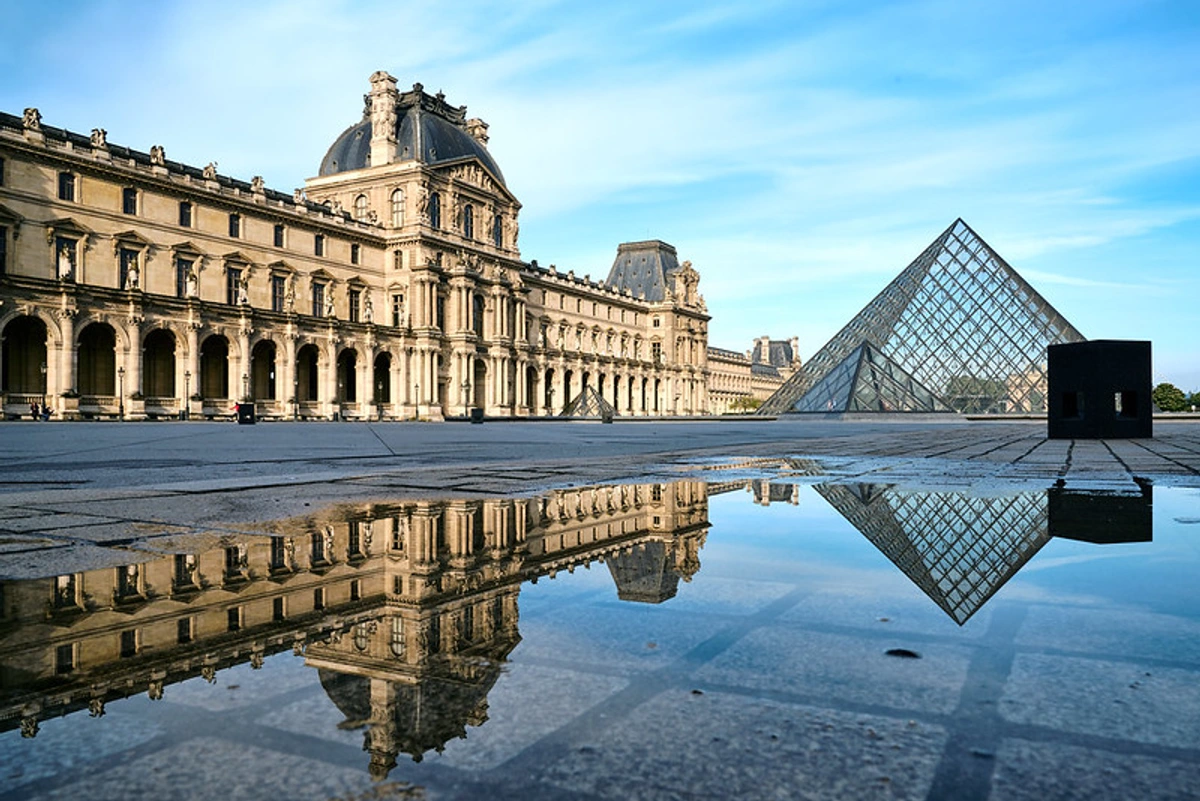
The sheer scale of the Louvre is its biggest challenge. This monumental former royal palace, which first opened its doors as a museum in 1793, is a city unto itself. I once spent 45 minutes just trying to find my way out, navigating the labyrinthine corridors. Don't be like me.
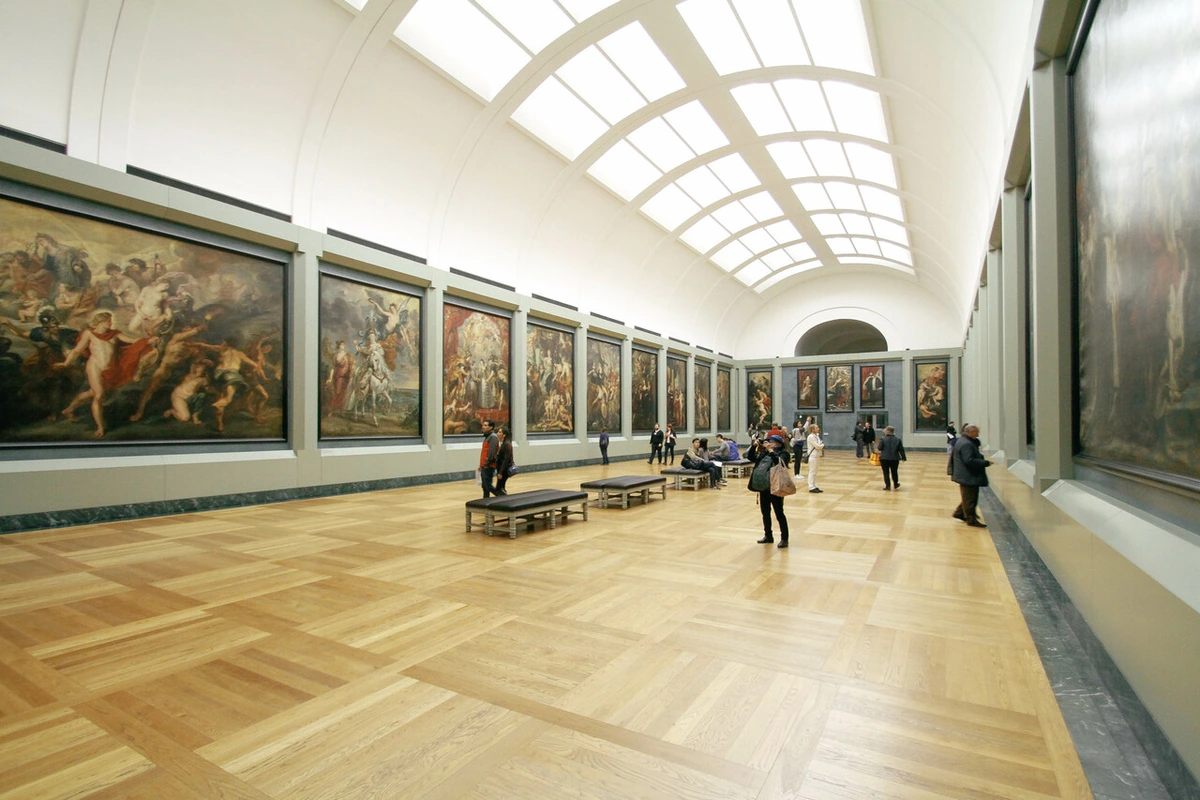
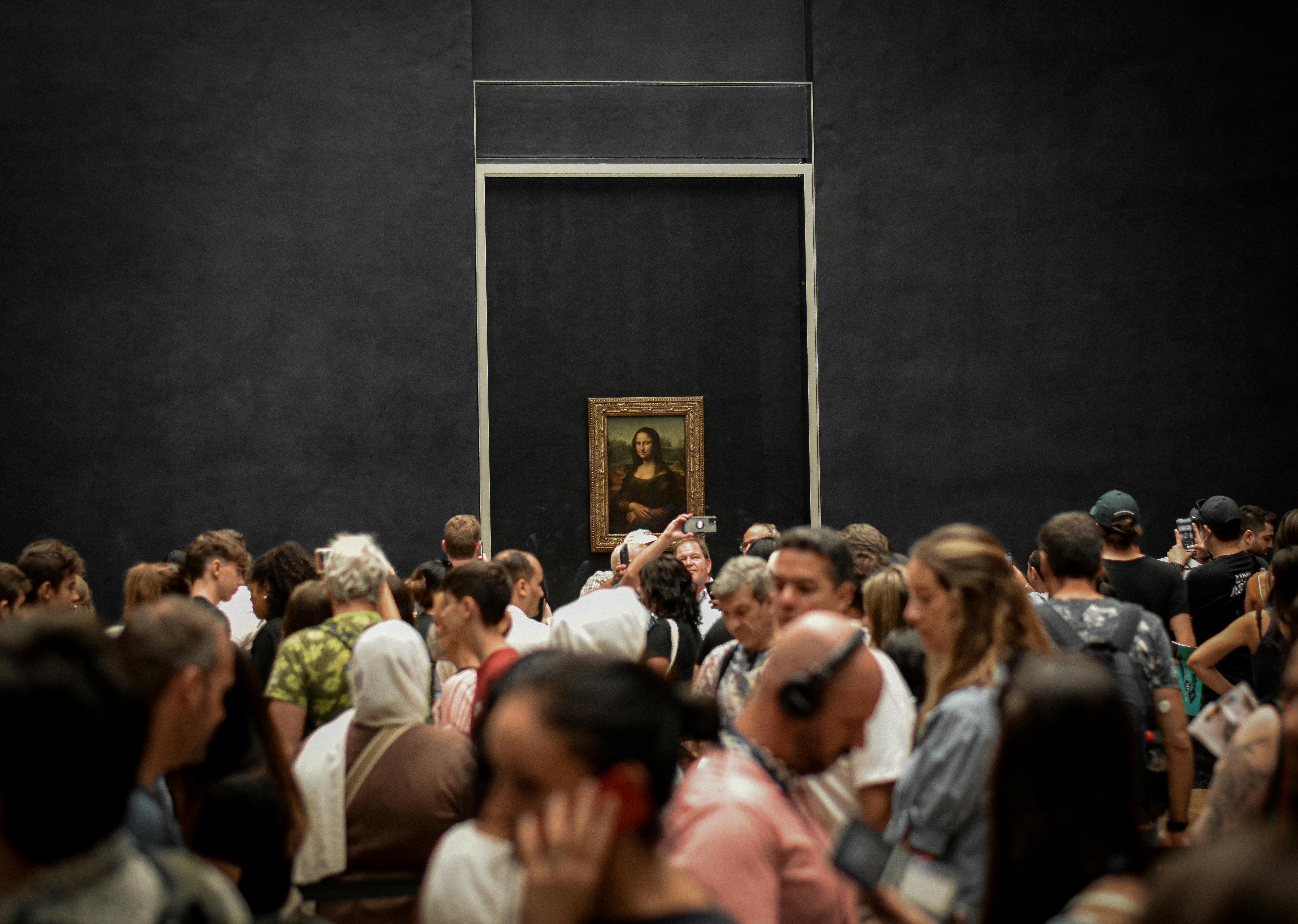
Of course, you'll want to see the Mona Lisa and the Venus de Milo. But don't miss the quieter wings that offer profound moments of beauty. Seek out the majestic Winged Victory of Samothrace at the top of the Daru staircase – her dramatic presence is breathtaking. The Richelieu wing with the opulent apartments of Napoleon III is jaw-dropping, a historical and artistic immersion in itself, and the Near Eastern Antiquities section feels like stepping into a different world entirely. For a truly deep dive, I've put together a specific first-timer's guide to the Louvre Museum in Paris to help you navigate it like a pro.
Musée d'Orsay: The Impressionist Dreamscape
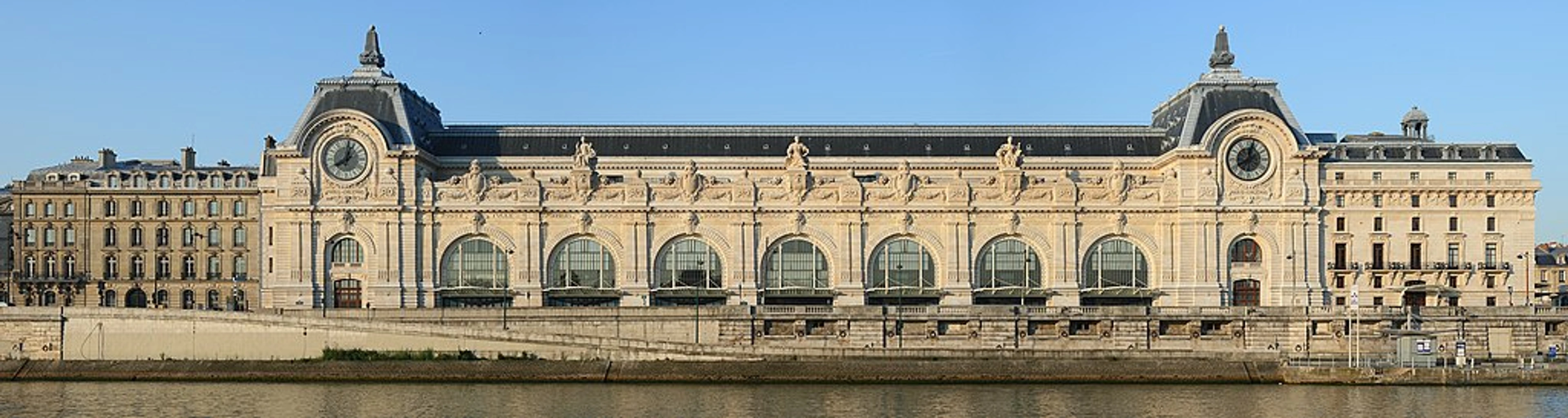
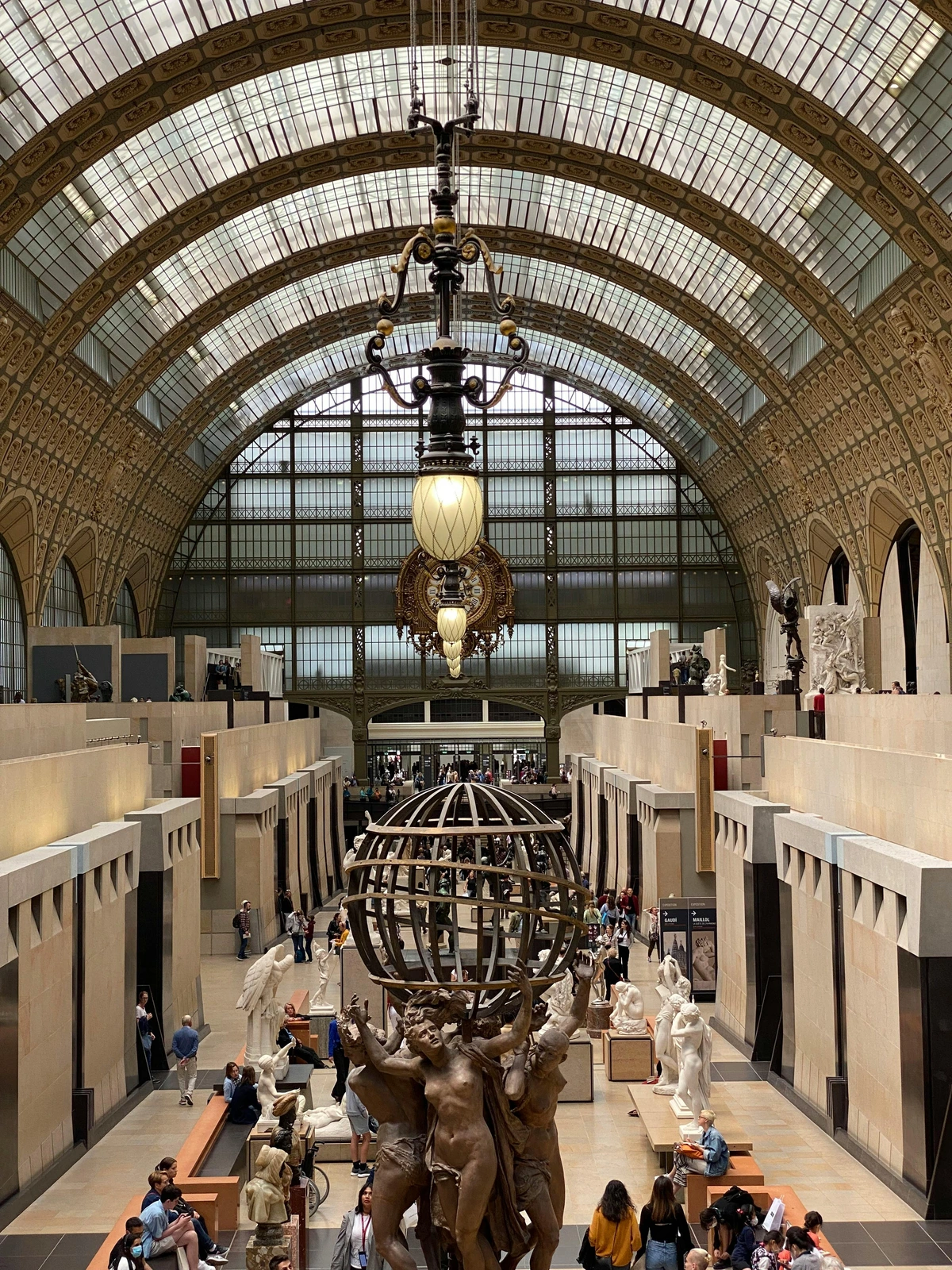
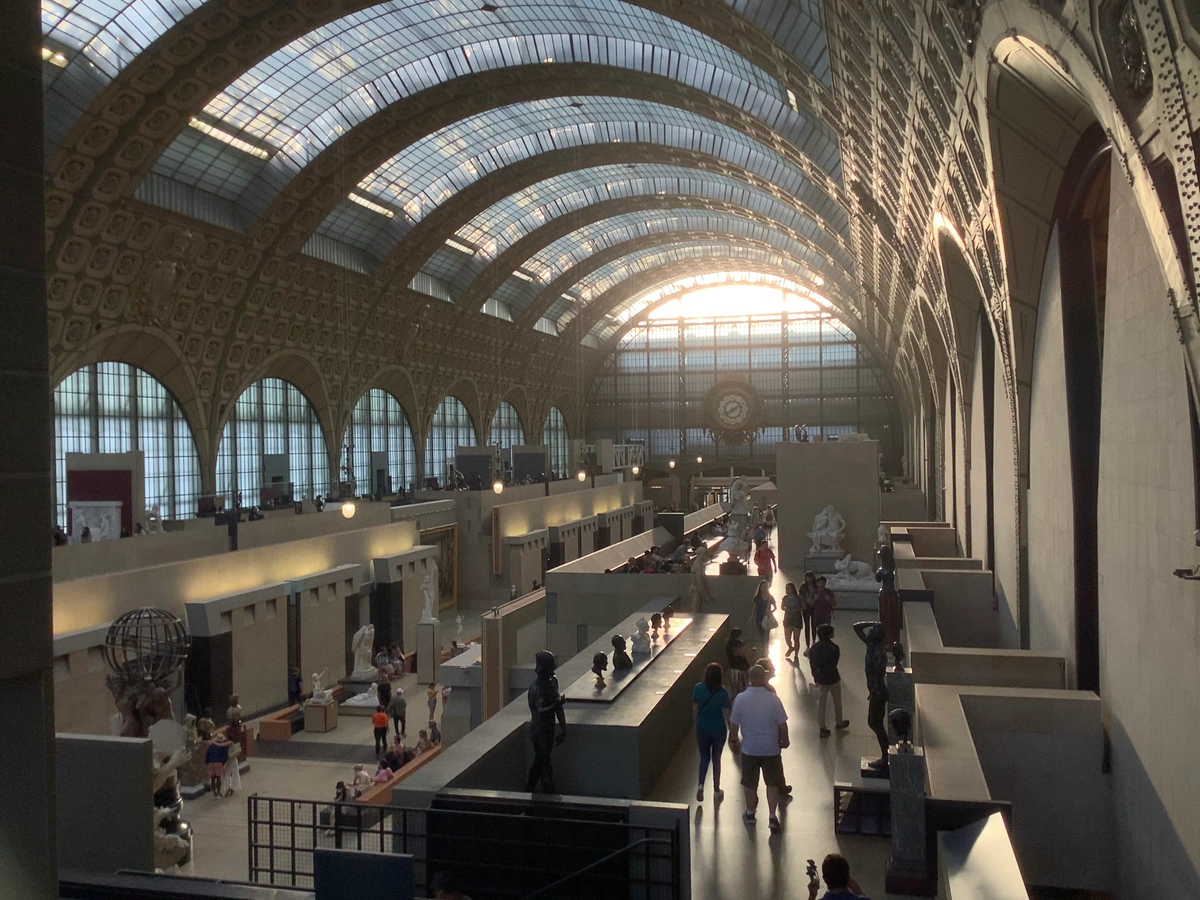
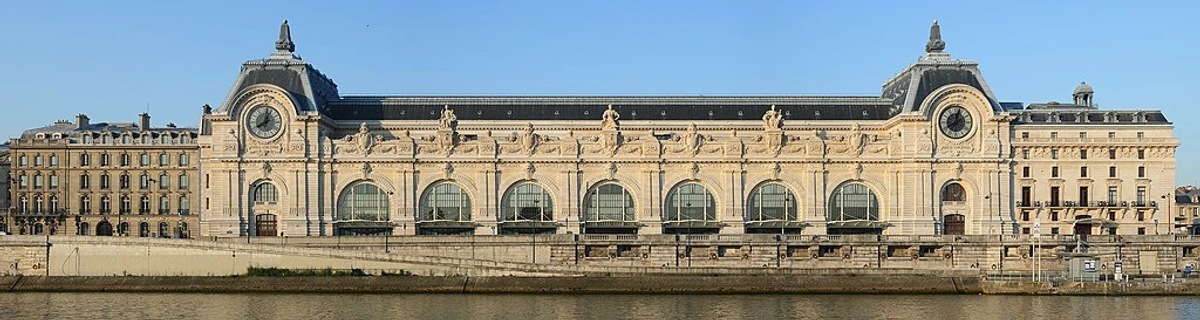
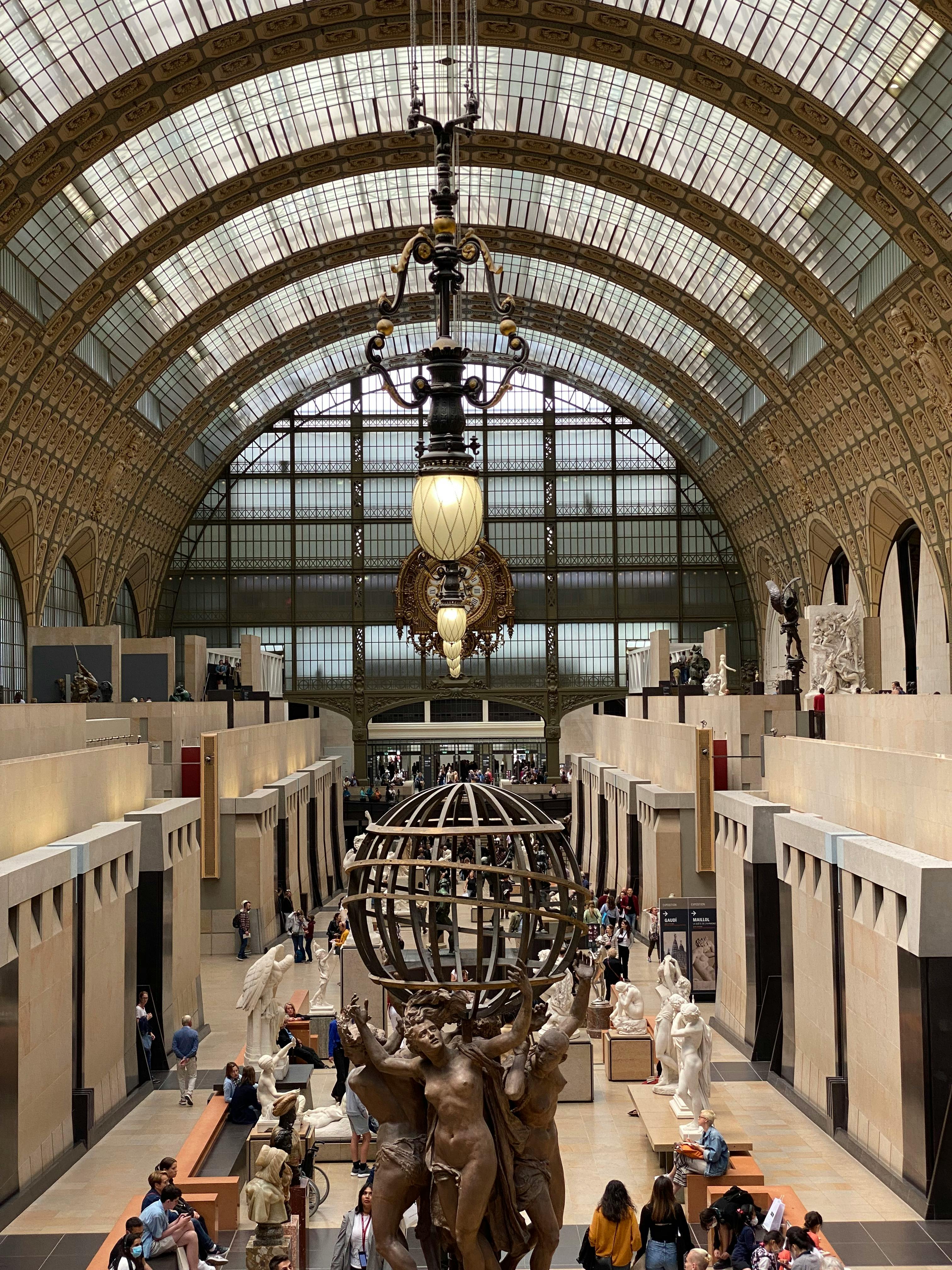
Housed in a magnificent former railway station, a Beaux-Arts architectural marvel from the Universal Exhibition of 1900, the Musée d'Orsay is, for me, a more manageable and often more moving experience than the Louvre. The building itself is a masterpiece, a grand temple to the art it contains.

This is where you'll find the world's largest collection of Impressionist and Post-Impressionist art. Seeing Van Gogh’s brushstrokes up close or getting lost in Monet’s colors is a core Parisian art experience. Don't just focus on the big names; spend time with the nuanced portraits of Mary Cassatt or the vibrant ballet scenes by Degas. The top floor, with its famous clock window, offers one of the best views of the city – a perfect moment to pause and absorb. We have a whole guide to the Musée d'Orsay that's worth checking out before you go.
Centre Pompidou: The Inside-Out Revolution
If your heart beats for modern and contemporary art, the Centre Pompidou is your temple. Opened in 1977, its radical 'inside-out' design—with all the pipes, ducts, and escalators on the exterior—was, and still is, a controversial and exciting statement. It's an architectural artwork in itself, challenging perceptions of what a museum should be.
Inside, you'll find a massive collection spanning from Matisse and Picasso to contemporary installations and new media. Look for vibrant Fauvist works by Henri Matisse and the groundbreaking Cubist pieces that shook the art world. Don't miss the Stravinsky Fountain outside, a whimsical collaboration between Jean Tinguely and Niki de Saint Phalle, or the escalator ride up the outside which offers a breathtaking panorama of Paris. If you're planning a visit, my guide to the Centre Pompidou has all the tips you need.
Beyond the Big Three: My Personal Favorites and Hidden Gems
Sometimes the most memorable art experiences in Paris happen in smaller, more focused museums, or places where the art itself is woven into the architecture. These are the places that often feel like a personal discovery, not just another stop on the tourist trail.

- Musée Rodin: This is possibly the most beautiful museum in Paris. It’s housed in the elegant mansion where Auguste Rodin lived and worked, and the tranquil sculpture garden is an oasis of calm. Seeing 'The Thinker' and 'The Gates of Hell' in this setting, amidst roses and trees, is an unforgettable experience, profoundly connecting you to the artist's vision.
- Musée de l'Orangerie: Tucked away in the Tuileries Garden, this museum is home to Monet's magnum opus: the eight massive Water Lilies murals. They are housed in two oval rooms designed specifically by Monet to create a feeling of endless immersion. It’s not just viewing art; it’s stepping inside a meditative, enveloping landscape. Pure bliss.
- Musée Picasso: Located in the gorgeous Hôtel Salé in the historic Le Marais district, it holds the world's largest public collection of Picasso's work. It's an incredible journey through his entire, wildly varied career, from early academic studies to Cubism and beyond. The building itself is worth the visit.
- Sainte-Chapelle: Okay, it's a chapel, not a museum in the traditional sense, but the art here is the architecture itself. Consecrated in 1248, the upper level's 15 towering stained-glass windows depicting biblical scenes will leave you speechless. It’s like stepping inside a jewel box, bathed in kaleidoscopic light – a truly divine artistic experience.
- Musée Marmottan Monet: Often overlooked, this charming mansion houses an exceptional collection of Impressionist art, including Claude Monet’s Impression, Sunrise, the painting that gave the movement its name, and a vast array of his later works. For serious Impressionist lovers, it's a quiet revelation.
- Musée de Cluny (National Museum of the Middle Ages): If your 'time traveler' soul yearns for the medieval, this museum, set within a medieval abbey and Roman baths, is a treasure. Its most famous residents are the six stunning tapestries of 'The Lady and the Unicorn' – a truly mesmerizing artistic narrative.
The Beating Heart of Parisian Art: Galleries, Districts, and Public Spaces
To really feel the city's art pulse, you have to hit the streets and explore beyond the grand institutions. This is where you'll find the next big thing, where local artists display their work, and where you might just fall in love with a piece you can actually take home (unlike the Mona Lisa, much as I've dreamed).
- Le Marais: A historic and incredibly trendy neighborhood, Le Marais is a dense hub of contemporary art galleries. Wander down Rue de Turenne, Rue Vieille du Temple, and their many side streets, ducking into courtyards. You’ll find everything from cutting-edge conceptual art to vibrant abstract works, often representing emerging and mid-career artists. It's a fantastic place to spend an afternoon getting lost on purpose.
- Saint-Germain-des-Prés: The traditional heart of intellectual and artistic Paris, this left-bank district exudes classic Parisian charm. Here you'll find galleries with bigger, more established names, antique dealers, and a wealth of literary and artistic history. Think more traditional modern art, photography, and decorative arts, often in elegant, understated spaces.
- Belleville: If you're seeking raw, vibrant, and multicultural energy, Belleville is your spot. This gritty neighborhood has become a dynamic hub for emerging artists and, notably, street art. The Rue Dénoyez is a famous, ever-changing wall of graffiti and murals, a living canvas. But venture beyond it to discover larger, more intricate murals and paste-ups tucked away on side streets, showcasing a diverse range of artistic styles.
For a curated list, check out our guide to the best galleries in Paris. It’s a great starting point for your gallery-hopping adventure. While you're at it, keep an eye out for the stunning examples of Art Nouveau architecture in Paris. You'll spot its distinctive organic forms, flowing lines, and intricate ironwork integrated into building facades, metro entrances (like Hector Guimard's iconic designs), and even lamp posts. It’s a subtle, beautiful artistic movement happening all around you.
And don't forget, art in Paris isn't confined to walls. Look up, look down, look all around. The very fabric of the city is an artistic statement. Public sculptures, the intricate details of Haussmannian architecture, even certain metro stations (like Arts et Métiers, which feels like stepping into a Jules Verne novel) are works of art themselves. Let the city surprise you.


Practical Tips for the Art-Obsessed Traveler
Navigating Paris as an art lover can be a delicate dance between excitement and exhaustion. Here are my tried-and-true strategies for maximizing inspiration and minimizing stress. Trust me, I've learned these the hard way.
Tip  | Why It's a Game-Changer | My Two Cents |
|---|---|---|
| Book Tickets Online & In Advance | ALWAYS. For major museums, this can save you 1-2 hours of waiting in line, especially for timed entry slots. | Seriously, don't be a hero. The line for the Louvre is legendary for a reason, and missing your slot because you were queueing is truly soul-crushing. Book ahead, often weeks in advance for peak times. |
| Consider a Museum Pass | If you plan to visit more than 4-5 museums over a few days, the Paris Museum Pass can be cost-effective and lets you skip ticket lines (though not security lines). | Do the math first. If you only plan to hit the big 2 or 3, individual online tickets might be cheaper. It’s about convenience vs. cost, but convenience in Paris is priceless. |
| Go on a Weekday Morning | Museums are significantly less crowded on Tuesdays, Wednesdays, and Thursdays, especially right at opening. Weekends are a battleground, avoid if possible. | I try to hit the biggest museums on a Wednesday morning, ideally the first hour. It's as close to 'quiet contemplation' as you'll get, and you can sometimes have a room almost to yourself. |
| Check for Late-Night Openings | Many museums, like the Louvre and Musée d'Orsay, have one late-night opening per week. The atmosphere is totally different, often calmer and more intimate. | Seeing the Louvre Pyramid lit up at night while the crowds have thinned is a core memory for me. Plus, there’s something wonderfully dramatic about experiencing art after dark. Highly recommend it. |
| Don't Over-Schedule | Plan for one major museum or 2-3 smaller ones per day. MAX. Art fatigue is real, and rushing makes you appreciate nothing. | Leave room for spontaneity. The best discoveries often happen when you're just wandering, get a little lost on purpose, or decide to linger longer in a place that unexpectedly moves you. |
| Essential Gear & Apps | Comfortable shoes, a portable phone charger, and a good map (physical or digital) are your best friends. Art apps can enhance your visit. | Your feet will thank you. And a dead phone means no Google Maps, no camera, no audio guides. Download a museum app in advance if you want specific commentary. |
FAQ: Your Paris Art Trip Questions Answered
Is the Paris Museum Pass worth it? It really depends on your itinerary. As I mentioned in the tips, if you're a whirlwind tourist planning to hit 2-3 museums a day for several days, absolutely. It saves time and money. If you prefer a slower pace with maybe one museum a day, buying individual tickets online in advance for specific timed entry might be cheaper and just as convenient.
What's the best area to stay in for an art lover? I'm partial to Saint-Germain-des-Prés for its classic vibe, intellectual history, and proximity to the Louvre and d'Orsay, or Le Marais for being surrounded by contemporary galleries, the Picasso Museum, and endless charm. Both are central, incredibly walkable, and offer a fantastic artistic immersion right outside your door.
Are museums in Paris free? Many national museums are free for EU residents under 26. Also, most offer free admission on the first Sunday of the month, but be warned: the crowds are absolutely insane. I'd rather pay and have a more peaceful experience than deal with that level of human density. Timed entry slots are typically required on these free days.
How do I book tickets for specific times and avoid lines for major museums? Always book online directly through the museum's official website. Look for "billetterie" or "tickets" and select a specific date and time slot. This is crucial for places like the Louvre, Orsay, and Sainte-Chapelle. Print your tickets or have them ready on your phone to scan directly. This bypasses the general ticket purchase line, though you'll still go through security.
Besides museums, where can I see great art? Everywhere! As I mentioned, look at the architecture (especially Art Nouveau), the public sculptures in parks like the Tuileries Garden and the Rodin Museum's grounds, the vibrant street art in Belleville and Montmartre, and even the metro stations (Arts et Métiers is a copper-clad steampunk masterpiece). Art spills out onto the streets in Paris.
Are there art classes or workshops available for visitors in Paris? Absolutely! Many private studios, art schools, and even some museums offer short-term classes or workshops ranging from drawing and painting to photography or sculpture. A quick online search for "art classes Paris for tourists" will yield many options. It's a wonderful way to connect with your own creative side in the most inspiring of cities.
A Final Thought from My Sketchbook
Paris is a city that has inspired artists for centuries, and it continues to fill my creative well every single time I visit. It's a place that reminds me why I started creating in the first place, a feeling I try to capture in my own work. Seeing so much history and creativity, from ancient sculptures to a brand new installation, is a powerful reminder of our shared human story – and an incredible spark for my own imagination. Take a notebook, sketch what moves you, or simply let the colors of Paris paint your own internal canvas. You can see how these travels and inspirations feed into my own art on my creative /timeline. I hope this guide helps you find your own inspiration in the streets and galleries of Paris. Go wander, get a little lost, and let the art find you.