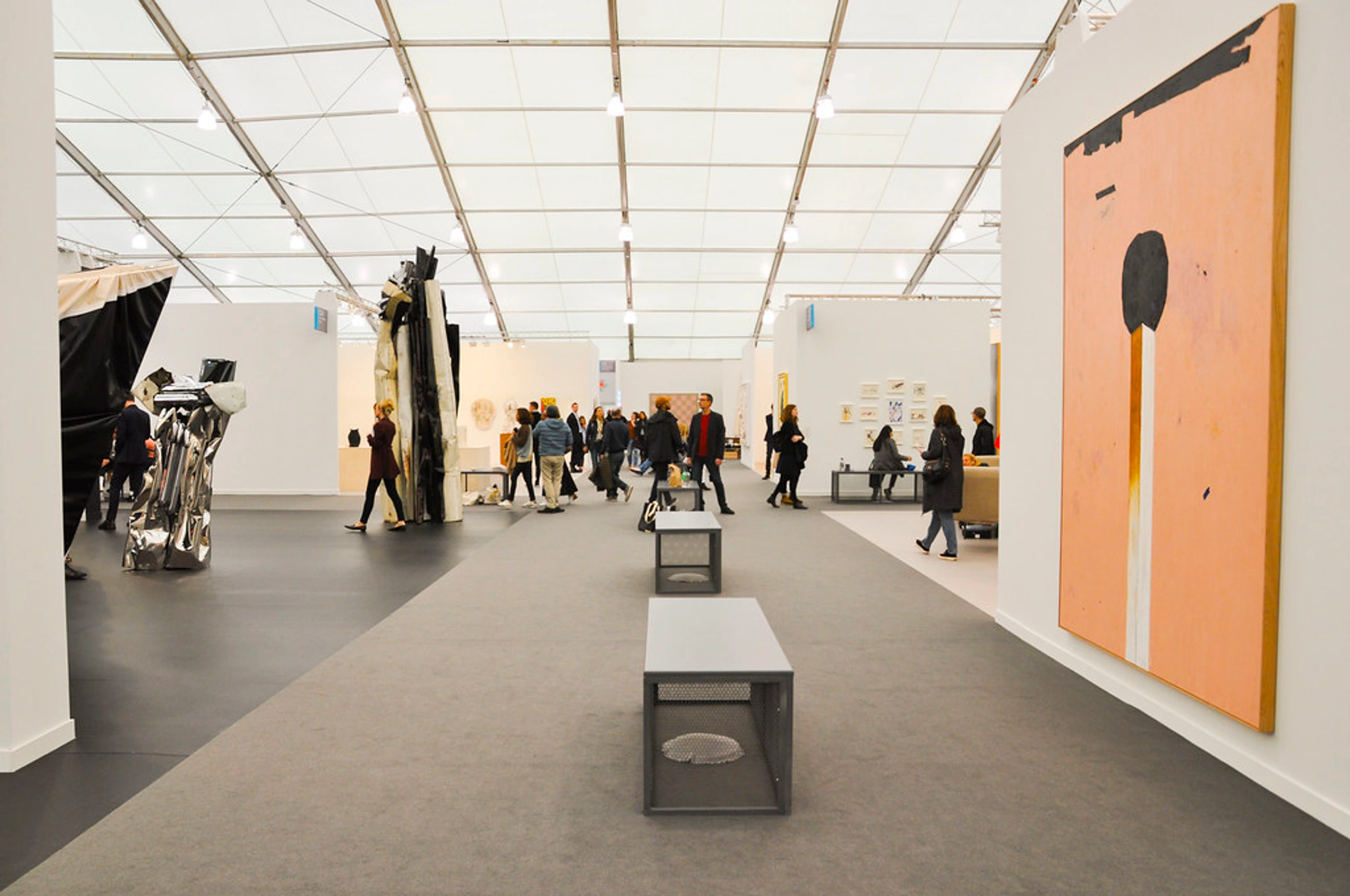
Your First Armory Show NYC: An Insider's Guide & Honest Tips
Planning your first visit to The Armory Show in NYC? Join me as I share personal insights, practical navigation tips, and how to truly discover art without feeling overwhelmed.

A First-Timer's Honest Guide to The Armory Show NYC
Ah, The Armory Show! Just hearing the name, I can practically feel the buzz of anticipation mixed with that slight, familiar flutter of overwhelm. It’s a feeling I’ve known well, those first few times walking into a space bursting with so much creative energy. You see, if you're planning your first trip to this iconic New York City art fair, I know exactly what you're feeling. It's like standing at the edge of a vast, sparkling ocean of contemporary and modern art, and wondering where on earth to dip your toe first, almost paralyzed by the sheer volume of brilliance. Trust me, it's an incredible journey, and I'm here to share some of my personal rituals and hard-won lessons to make your first dive as exhilarating, and maybe a little less daunting, as possible. I want you to feel like a seasoned explorer, not just a bewildered tourist.
The Armory Show: More Than Just a Pretty Picture (or a Thousand)
At its heart, The Armory Show is one of the world's premier art fairs, a vibrant gathering of galleries from across the globe, showcasing incredible modern and contemporary works. You know, its roots actually trace back to the groundbreaking International Exhibition of Modern Art in 1913, which famously introduced European avant-garde to America – though the modern fair as we know it today was revitalized in 1994. I always think of it less as just a marketplace and more as a giant, temporary museum curated by hundreds of individual voices, each booth a meticulously crafted exhibition. It's not only a place to buy; it's a place to discover, to learn, and to witness the current pulse of the art world. It’s where trends are set, careers are launched, and conversations begin. You'll find different curated sections too, like 'Focus' for deeper dives into specific themes or 'Presents' for emerging galleries – these can be fantastic starting points if the scale feels too much. And the global reach? It's phenomenal. You'll literally walk through booths featuring art from Paris, Tokyo, London, and Berlin, all under one roof, offering a truly international perspective on contemporary art.
Before You Hit the Piers: My Pre-Game Rituals
Tickets & Timing (Don't Wing It, Trust Me)
First things first: get your tickets ahead of time. Seriously. Not only does it save you hassle and potentially a long wait in line, but it also means you're committed. While VIP passes get you early access, general admission is perfectly fine for a first-timer. Do check if any museum memberships you hold offer reciprocal benefits or discounts – sometimes you can snag a deal! If you can, try to visit on a weekday morning, say between 11 AM and 2 PM. It's still busy, but often less of a full-on human tide compared to a Saturday afternoon. I find that a slightly calmer environment allows me to truly connect with the art, rather than just dodging elbows.
Dress for Success (and Survival)
This might sound trivial, but it's crucial: comfortable shoes are non-negotiable. I once made the mistake of wearing fashionable-but-torturous boots, and by hour two, my ability to appreciate a groundbreaking painting was severely compromised by the throbbing in my feet. This fair is massive, usually spread across multiple piers, and you'll be doing a lot of walking and standing. Think of it as a marathon, not a sprint. Also, a light bag – I swear by a cross-body to keep my hands free and valuables secure – and a reusable water bottle are your best friends. You'll be walking for hours, and fair temperatures can vary wildly, so dressing in layers is always a smart move. Hydration is key to keeping your art-viewing stamina up!
Do Your Homework (But Don't Overdo It)
The Armory Show website and often their dedicated app typically list all the participating galleries and highlight special sections or artists. I find a balance works best: skim the exhibitor list, maybe mark a handful of "must-see" galleries or artists whose work you already admire, or whose names intrigue you. Think of these as anchors, not a rigid schedule. But here's the kicker: don't plan your entire day around a rigid itinerary. The magic of these fairs is in the serendipitous discovery, the unexpected piece that stops you in your tracks, often in a booth you hadn't even heard of. Allow yourself room for those delightful detours.
Beyond the Piers, Before the Bell: Satellite Fairs & Events
Sometimes the Armory Show itself can feel like the tip of the iceberg for NYC Art Week. Keep an eye out for satellite fairs – smaller, often more experimental shows that pop up around the city concurrently. These can be fantastic for discovering emerging talent or more avant-garde work that might not make it into the larger, more established fair. It’s like finding a secret speakeasy after a grand ball.
Diving In: Navigating the Ocean of Art
Embrace the Overwhelm (It's Part of the Charm)
Look, it will be crowded. There will be an overwhelming amount of art. That's okay, breathe. Don't feel pressured to see every single piece or even enter every booth. It's physically impossible and mentally exhausting. Think of it as an exploration rather than a mission. Wander, let your eyes be your guide, and don't be afraid to take a moment to simply absorb the atmosphere. I often find a quiet corner or a bench to sit for a few minutes, taking mental snapshots and letting my brain process the visual feast. If you're with friends, agree on a "home base" meeting point, because phone service can be spotty with so many people.

Pace Yourself, Darling
As I mentioned with the shoes, stamina is key. If you start feeling fatigued or visually saturated, take a break. Find a quiet corner, grab a coffee or a bite from one of the fair’s cafes (they can be pricey, but sometimes a good espresso is worth it for the art-fuel), and just people-watch for a bit. Before you go, check the fair map for these designated rest areas. Stepping away, even for a few minutes, can refresh your perspective and allow you to re-engage with renewed energy. And yes, most tickets allow re-entry, so you could even step outside for some fresh air and a quick bite if the weather allows. I've learned that pushing through exhaustion just leads to everything blurring into one big, expensive, confusing mess.
The Art of the Conversation (with Gallerists)
This is where the real insider experience comes in. The gallerists are there because they are passionate about their artists and their work. I used to be intimidated, feeling like I had to be a serious collector to even approach them. But then I realized they love sharing their knowledge. A simple, "Could you tell me a little about this artist?" or "What's the story behind this piece?" can open up a fascinating conversation. You can even ask, "What drew you to represent this artist?" or "Are there any recurring themes in their work I should know about?" You'll gain context, understand motivations, and often hear charming anecdotes that bring the art to life. Just be mindful if they're deep in conversation with a potential buyer; a quick smile and a nod, then come back later, is always good etiquette. They're not just sales people; they're custodians of culture. Sometimes, if an artist truly captures your interest, it’s also perfectly acceptable to ask a gallerist for the artist’s social media handles or website – it’s a great way to continue the discovery online.
Interacting with the Art: Beyond Just Looking
You've got your comfy shoes on, your water bottle filled, and your mind open. Now, how do you really engage with the art? It's not just about passively observing; it's about a conversation between you and the piece.
Let Your Feelings Guide You
Don't feel like you need a degree in art history to appreciate what's in front of you. Often, the most profound connections are emotional. What colors draw you in? What forms intrigue you? Does a piece evoke a memory, a feeling of calm, or a burst of energy? This personal resonance is valid and incredibly important. Sometimes, the art just hits you, and that's enough.
Different Mediums, Different Experiences
Remember that art comes in a kaleidoscope of forms. A painting might invite close inspection of brushwork and texture, while a sculpture demands you walk around it, experiencing it from all angles, considering its relationship to space. Video installations might require you to sit and immerse yourself, letting the narrative unfold. Performance art, often live, is ephemeral and encourages presence and interaction. Embrace the variety, and let each medium dictate how you approach it.
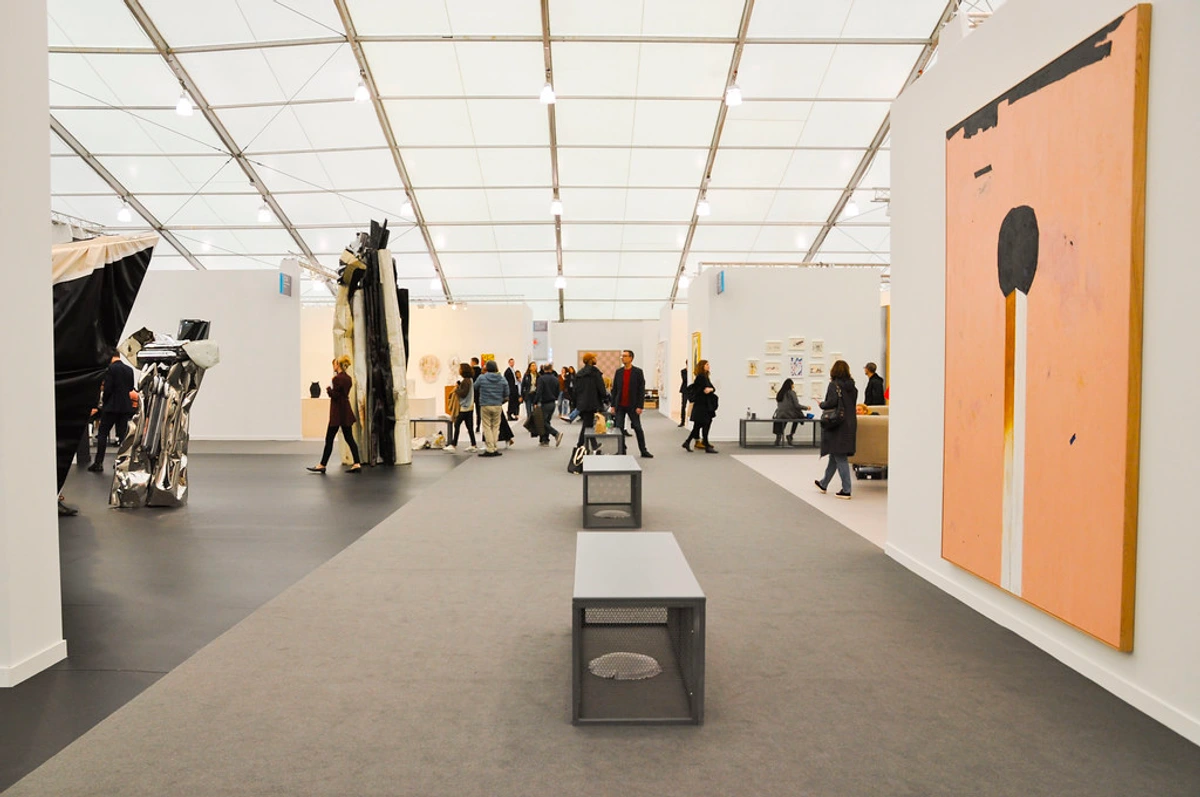
Finding Your Next Obsession: Discovering Art at the Fair
Follow Your Gut, Not Just the Hype
While it's good to have a few marked-down booths, the best discoveries often happen when you walk into a booth purely because something, an unusual color palette, a striking form, or a quirky installation, catches your eye. Maybe it's a monumental sculpture that pulls you in, or a delicate series of drawings that whisper. Sometimes the best discoveries are off the main drag, in a smaller gallery you've never heard of, featuring an emerging artist who's about to make waves. Don't be afraid to veer off your imagined path; that's where the magic truly lies. Remember, art comes in so many forms – from traditional painting to video installations, and even performance art. Give yourself permission to explore what resonates, regardless of the medium.
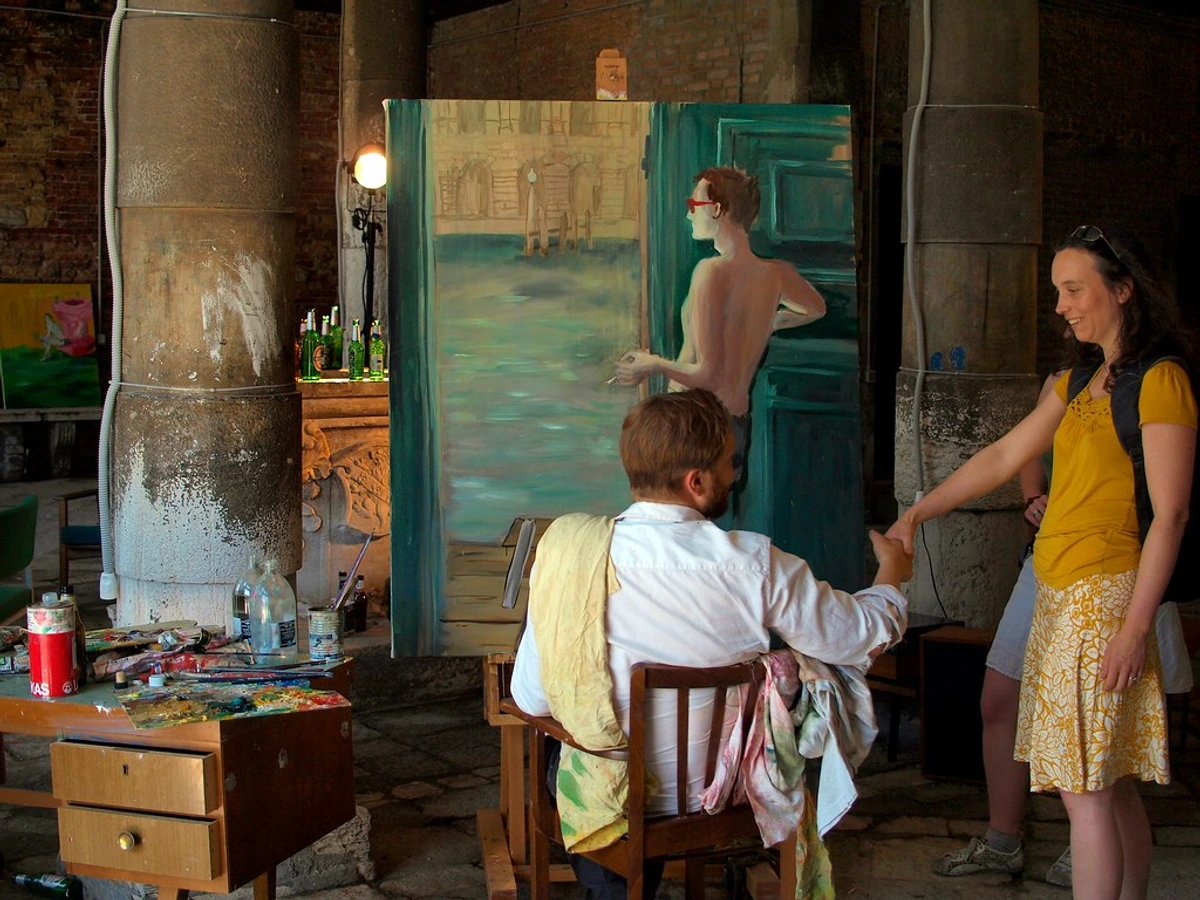


Document Your Journey (Discreetly)
If allowed (always check for 'no photography' signs!), take photos of pieces you love. But more importantly, take notes. I always carry a small notepad, or just use my phone's notes app, to jot down the artist's name, gallery, and my immediate thoughts or feelings about the work. Better yet, try an app designed for art fair navigation or even a simple photo album on your phone dedicated to the fair. Grab business cards from the gallerists – they're gold. This way, when you get home, you'll have a fantastic record of your visit and can easily research further without everything blending into a beautiful blur. And if you do find yourself acquiring a piece, remember that proper care is key – even for prints. You might find my guide on art storage solutions for collectors a helpful read later on.
Building Your Art Community: Connecting Beyond the Canvas
The Armory Show isn't just a place for transactions; it's a social ecosystem. For many, it's a yearly pilgrimage to reconnect with the wider art world.
Casual Connections
Don't underestimate the power of simply observing and occasionally engaging with other fair-goers. You might overhear fascinating conversations, learn new perspectives, or even strike up a chat with someone whose taste aligns with yours. It's a shared experience, and acknowledging that common ground can lead to unexpected connections. I've met some truly wonderful people just by lingering near a piece we both admired.
Engaging with the Pros
Beyond the gallerists, you'll find curators, critics, and even artists themselves (sometimes subtly blending in!). While direct networking might feel intimidating, showing genuine interest and asking informed questions can open doors. Think of it less as "networking" and more as "learning from the source." You never know who you might be standing next to.
To Buy or Not to Buy: That is the Question
It's perfectly, absolutely fine to visit The Armory Show with no intention of buying anything. Most people are there to look, learn, and be inspired. However, if something truly speaks to you, don't be afraid to ask about the price. Gallerists are accustomed to inquiries. You'll quickly learn that prices vary wildly, from a few hundred for an emerging artist's smaller works or editions, to hundreds of thousands (or more!) for established names. For those new to collecting, considering art prints or limited editions can be a more accessible entry point to owning a piece from an artist you admire, much like you might find a unique piece to adorn your own walls if you were to explore my collection. If you're seriously considering a purchase, remember to inquire about shipping, installation logistics, and the artwork's edition size and number too. For significant acquisitions, especially if you're feeling a bit overwhelmed by the market, don't hesitate to consider consulting an art advisor. They can be invaluable in guiding your choices and navigating the intricacies of buying. Also, don't be shy about asking if a gallery offers payment plans, particularly for larger pieces; it's more common than you might think. And always, always ask about provenance – the history of ownership for a piece – it's crucial for authenticity and value.
After the Fair: Keeping the Art Alive
The Armory Show is an intense, concentrated experience. Once you've left the piers, how do you process it all and keep that artistic spark ignited?
Review Your Notes & Photos
This is where your meticulous documentation pays off! Go through your photos and notes, perhaps categorizing them by artist, gallery, or even by the feelings they evoked. This is a crucial step for solidifying your memories and deepening your understanding of what you saw. It’s like journaling your journey, allowing you to revisit those moments of discovery.
Dive Deeper Online
Use those business cards and artist names to explore online. Many galleries have extensive websites with artist biographies, exhibition histories, and even virtual viewing rooms. Follow artists and galleries on social media. This continued engagement is how you move from a casual admirer to a truly informed art enthusiast. You might even discover more of the artist's timeline of work and influences, understanding how their vision has evolved.
Share Your Experience
Talk about it! With friends, family, or even online. Art is meant to be discussed, debated, and shared. Articulating what you saw and felt helps cement your own opinions and allows you to learn from others' perspectives. It's a wonderful way to extend the fair experience and keep the conversations going long after the doors close.
Beyond the Piers: New York City's Art Tapestry
Remember, you're in New York City! The art world here extends far beyond the temporary installations of The Armory Show. Take advantage of being in one of the world's most vibrant cultural hubs. Explore Chelsea galleries – a classic art district with a dense concentration of fantastic spaces. But also venture further afield to the Lower East Side for a grittier, more experimental gallery scene, or cross into Brooklyn for its vibrant artist-run spaces and studios. And of course, visit some of the incredible museums like A First-Timer's Guide to The Met or A First-Timer's Guide to MoMA, or The Guggenheim. For instance, if you're into abstract art, you might love exploring a city's contemporary galleries, or even visiting an artist's dedicated space, like my own museum in 's-Hertogenbosch, to see how a personal artistic vision unfolds. The beauty of NYC is its endless artistic layers. Don't forget to soak in other cultural experiences too – a Broadway show, a delicious meal in a new neighborhood, or simply wandering through Central Park can all enrich your overall NYC art adventure.
A Nod to the Future: Sustainability in the Art World
It's worth a quick mention that as major events, art fairs are increasingly focusing on their environmental footprint. From reducing waste in booth construction to optimizing shipping logistics, there's a growing conversation about making the art world more sustainable. It’s an evolving practice, and something I personally appreciate seeing more attention given to – balancing the love of art with care for our planet.
My Takeaway: It's All About the Experience
The Armory Show is an adventure, a sensory overload in the best possible way. It's about expanding your perspective, challenging your tastes, and maybe even discovering a new favorite artist. It's a step on your own journey, much like how artists evolve over time, constantly creating and refining their timeline of work and experience. Ultimately, it's about connecting with art in a new way, deepening your appreciation, and maybe, just maybe, finding that piece that you simply can't live without. And if that happens, well, you know where to look for something truly unique, perhaps even one of my own works. The memories and inspiration you bring home will last far longer than any temporary exhibition.
Frequently Asked Questions (FAQ)
Q: What's the best time to visit for fewer crowds? A: Weekday mornings, shortly after opening, are generally less crowded than afternoons or weekends.
Q: Can I take photos? A: Generally, yes, but always look for signs. Some galleries or specific artworks might have restrictions. When in doubt, it's always polite to ask a gallerist first.
Q: Is it okay to approach gallerists even if I'm not a serious buyer? A: Absolutely! Gallerists love to share their passion. Ask thoughtful questions about the art and the artists; you're there to learn and appreciate, which is entirely welcome.
Q: Is there a coat check? A: Usually, yes, there is a coat check available at the venue. It’s a lifesaver, especially if you’re visiting in cooler months or if your bag gets a bit heavy. Check the fair map or website for its exact location and any fees.
Q: Are children welcome at The Armory Show? A: While children are generally allowed, remember it’s a high-energy, crowded environment with valuable art. Strollers can be difficult to maneuver. It might be best for older children or those with a genuine interest in art. Some parents opt for a babysitter to truly enjoy the experience themselves.
Q: Is the venue accessible for visitors with mobility impairments? A: The piers venues are typically wheelchair accessible. I’d always recommend checking the official Armory Show website prior to your visit for specific details on ramps, elevators, and any other accessibility services available, as these can vary year to year.
Q: How long does it take to see everything? A: It's virtually impossible to see everything thoroughly in one day, and I wouldn't recommend trying. Focus on enjoying what you do see, and don't feel guilty about missing things. Embrace the curated experience of what catches your eye.