Tate Modern Londen: Jouw Diep Persoonlijke Gids & Ultieme Bezoekers Tips
Ontgrendel de geheimen van Tate Modern met deze ultieme gids voor beginners. Ontdek de architectonische wonderen, navigeer door baanbrekende kunst, krijg insider bezoekerstips en omarm een verrijkende culturele ervaring in Londen. Met Kusama, Richter, Basquiat en meer!

Jouw Diep Persoonlijke Gids voor Tate Modern, Londen: Kunst, Inzichten & Onvergetelijke Ervaringen
Ik zal eerlijk zijn, een enorm instituut zoals de Tate Modern binnenlopen kan een beetje voelen als het lezen van een leerboek in een buitenaardse taal. Je weet dat het diepgaand moet zijn, misschien zelfs levensveranderend, maar waar moet je zelfs beginnen? Het is alsof je een gigantische doos LEGO krijgt zonder instructies en wordt verteld een meesterwerk te bouwen – spannend, ja, maar ook een beetje ontmoedigend. Jarenlang benaderde ik deze grote musea met een mix van ontzag en pure intimidatie. Maar de laatste tijd ben ik ze gaan zien, niet als ontmoedigende leerboeken, maar als levendige speeltuinen voor ideeën, plaatsen waar de meest inventieve geesten ter wereld hun ziel hebben blootgelegd. Soms op manieren die je doen krabben aan je hoofd, andere keren op manieren die diep in je botten resoneren. In deze gids neem ik je mee door mijn eigen eigenzinnige, enigszins overweldigende, maar uiteindelijk opwindende ervaring in Tate Modern – zo'n ervaring waarbij je heerlijk verdwaald raakt en dan totaal geboeid raakt door een enkele penseelstreek. Mijn doel is om een persoonlijke handleiding te bieden voor het veroveren van dit Londense icoon, zodat je kunt navigeren door de ontzagwekkende kunst en essentiële bezoekerslogistiek, zodat je het echt eigen kunt maken en potentiële desoriëntatie kunt omzetten in een verrijkende artistieke reis.
Eerste Indrukken: Een Energiecentrale Getransformeerd tot een Creatieve Kathedraal
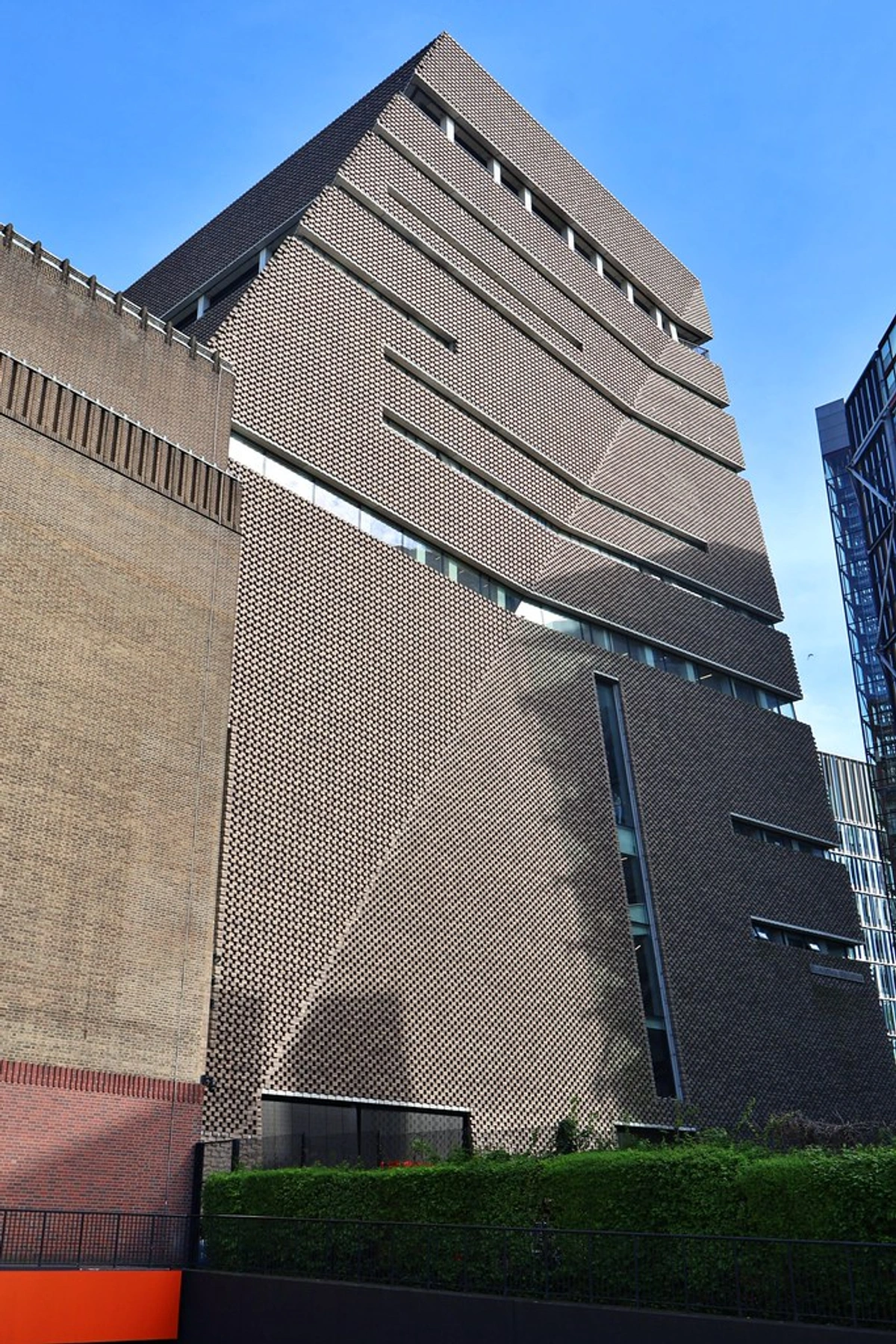
Stel je voor: een kolossaal bakstenen gebouw, torenhoog boven de Theems, ooit rokend, nu ademend kunst. Dat is de Tate Modern voor jou. Voor de transformatie tot een cultureel baken domineerde de Bankside Power Station de skyline met zijn industriële kracht, een bewijs van de naoorlogse energiebehoeften van Londen. De sluiting in 1981, na deregulering en veranderende energiebeleid, liet een monumentale schil achter die wachtte op een nieuw doel. Dit was niet zomaar een oud gebouw; het was een belangrijke kandidaat voor de groeiende stedelijke regeneratie-inspanningen van Londen in de late 20e eeuw, much like how entire areas like the South Bank were reimagined. Denk aan hoe vergelijkbare industriële giganten wereldwijd – from the High Line in New York to the Ruhr area's industrial heritage sites in Germany – een nieuw leven hebben gevonden, door vergeten locaties te transformeren in levendige culturele en residentiële wijken.
Herzog & de Meuron, de visionaire architecten achter de transformatie, hebben niet zomaar gerenoveerd; ze voerden een spectaculaire architectonische alchemie uit. Ze behielden de ruwe, imposante schil van de energiecentrale – those formidable brick walls and the towering chimney – maar schepten de industriële ingewanden eruit om ruime, lichtovergoten ruimtes te creëren die zijn ontworpen voor menselijke expressie. De pure ambitie, de technische uitdagingen van het uithouwen van zo'n kolossale ruimte binnen een bestaande structuur, truly boggles the mind. Honestly, de architectuur op zichzelf al een meesterwerk, creating a fascinating conversation between its industrial past and artistic present. Je voelt de echo's van het vroegere leven in het ruwe beton en de stijgende schaal, now repurposed to house profound human expression, inviting you to reflect on London’s dynamic history and its continuous rebirth. Deze ruwe esthetiek is niet zomaar een ontwerpkeuze; it fundamentally shapes how you experience the art, making the building an active participant in your cultural journey.

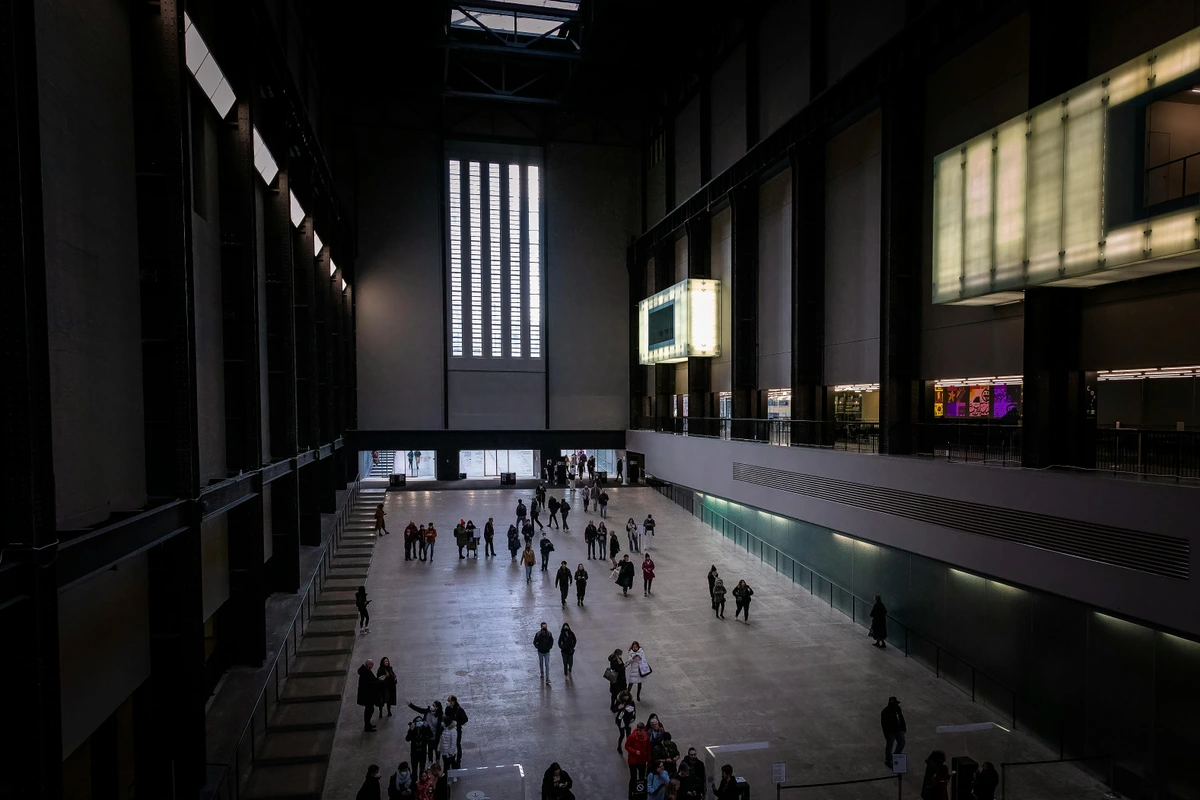
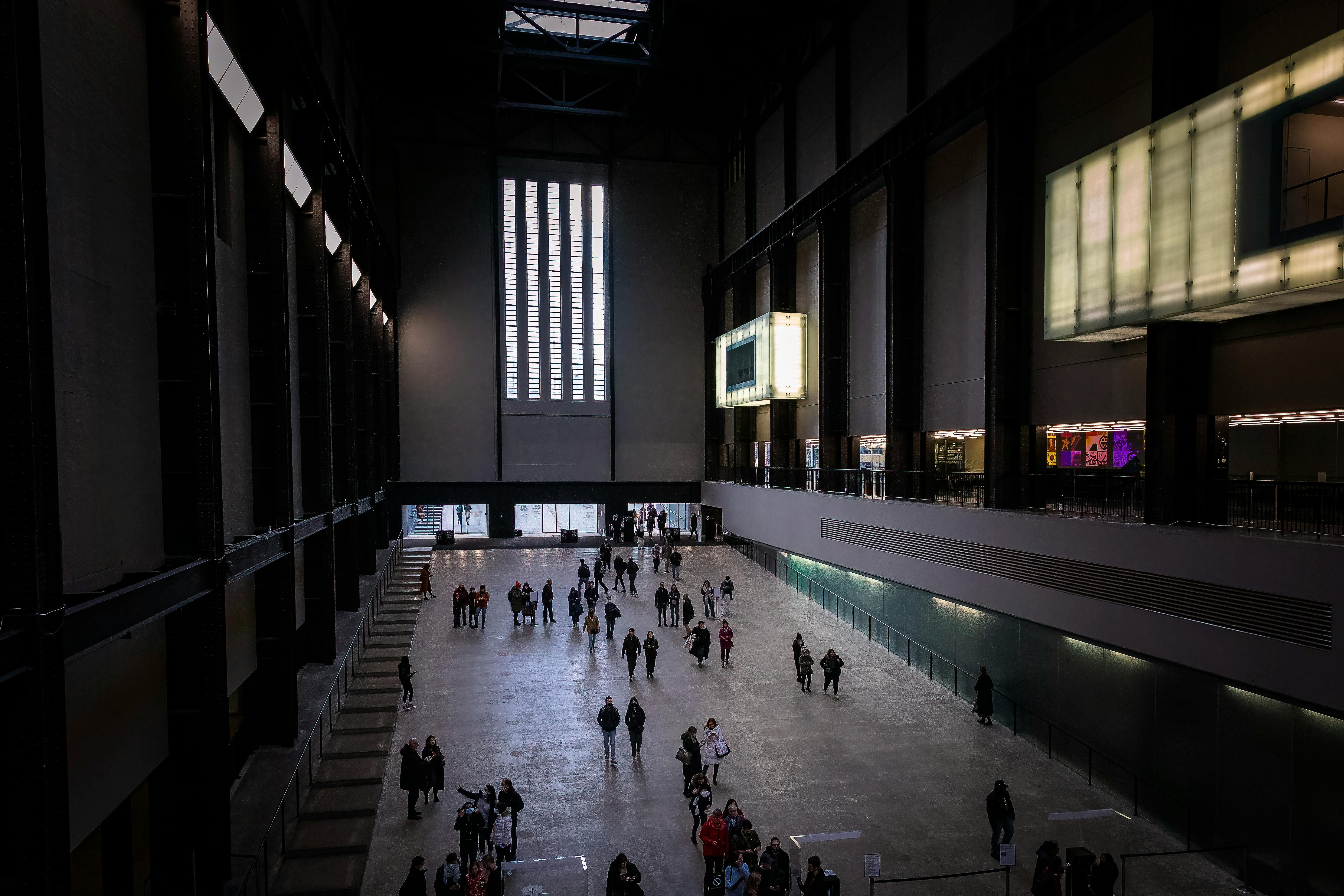
De Turbine Hall, in het bijzonder, is een ervaring op zich – een werkelijk gigantische ruimte die enkele van de meest verbazingwekkende, grootschalige installaties en grote tijdelijke opdrachten herbergt die je ooit zult zien. Het is alsof je in een smeltkroes van creativiteit stapt, een ruimte zo immens dat het je net genoeg dwergt om je te herinneren aan de immense schaal van de menselijke verbeeldingskracht. Deze installaties zijn niet zomaar kunst in een ruimte; it's art of the space, often engaging with its monumental scale, fundamentally altering your perception and making you part of a grand artistic statement. Herinner je je Olafur Eliasson's 'The Weather Project', met zijn enorme gloeiende zon die je echt het gevoel gaf onder een nieuwe hemel te staan, of de spookachtige barst in de vloer van Doris Salcedo that subtly but powerfully shifted your sense of security? Ze waren niet zomaar tentoonstellingen; they were events, geëtst in het culturele geheugen van Londen, provoking introspection and wonder on an epic scale. Mijn adem stokt nog steeds een beetje, every single time. Tate Modern is niet zomaar een museum; it's a vibrant hub, a genuine heart pulsing with London's artistic energy, offering a global stage for art that consistently challenges, inspires, and expands our understanding of the world. En daaronder speelt de Tate een cruciale rol in het verzamelen, onderzoeken en bewaren van deze meesterwerken voor toekomstige generaties, ensuring their continued dialogue.
Het Beest Temmen: Jouw Onofficiële Overlevingsgids & Praktische Tips voor Tate Modern
Nu we ons hebben verbaasd over het gebouw zelf, laten we het hebben over hoe je dit prachtige beest daadwerkelijk navigeert en het meeste uit je bezoek haalt. Als je eenmaal de pure schaal van het gebouw hebt opgenomen, is het tijd om na te denken over hoe je de uitgestrekte collecties daadwerkelijk kunt verkennen zonder te bezwijken aan 'kunstvermoeidheid' (het is echt iets, geloof me). Oké, it’s big. Echt groot. Je zou hier dagen kunnen doorbrengen en nog steeds nieuwe hoeken ontdekken. But for a first-timer, that can feel like a delightful disorientation – a feeling I've certainly had many times. Dit is hoe ik het aanpak, plus een paar essentiële tips voor je bezoek, inclusief waar je een hapje kunt eten en wat je moet onthouden voordat je vertrekt:
1. Erheen Gaan is de Helft van de Pret (Vooral de Millennium Bridge)
Gelegen aan de South Bank, is de Tate Modern super toegankelijk. Mijn favoriete manier om het te benaderen is absoluut via de Millennium Bridge vanaf St. Paul's Cathedral. Het uitzicht is spectaculair, en het voelt alsof je letterlijk de kunstwereld inwandelt. Bovendien is het een geweldige fotomoment, if you're into that sort of thing (which, let's be real, who isn't?).
Pro Tip: Voor de minst drukke ervaring, gebruik de ingang aan Holland Street (achter het gebouw) which is often quieter than the riverside entrance, especially during peak times.
2. De Beste Tijd om te Bezoeken is... Wanneer Je Kunt, Maar Idealiter Vroeg!
Like all popular spots, it gets busy. Weekdagen, especially mornings right after opening, are usually your best bet for a more serene experience. If you're stuck with a weekend, embrace the buzz, but prepare for crowds. I've been both ways, and while the energy of a bustling museum is cool, sometimes you just want a quiet moment with a Rothko (they've had some stunning ones there, trust me).
3. Probeer Niet Alles te Zien (Echt, Doe Dat Niet) & Mijn Persoonlijke Galerijhoogtepunten
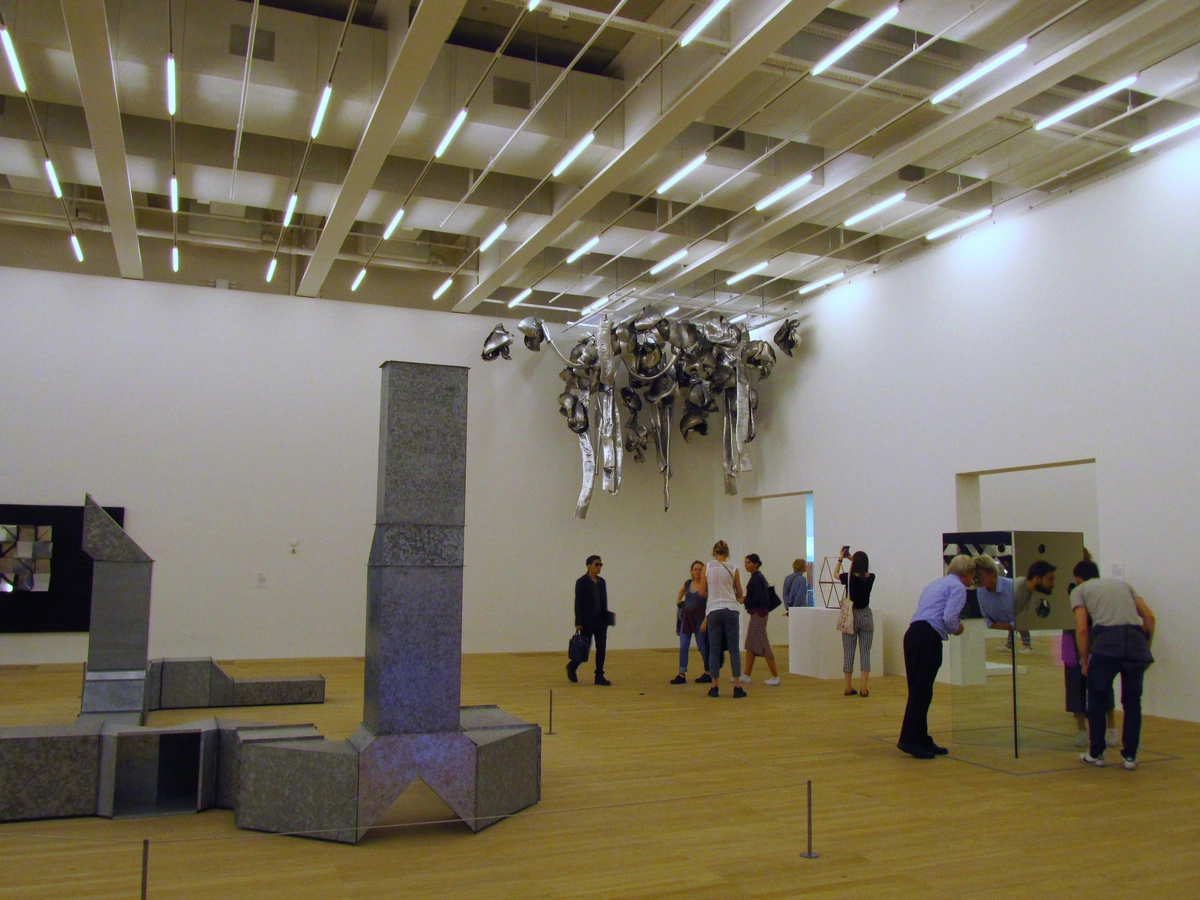
Dit is mijn gouden regel voor elk groot museum. De Tate Modern herbergt een ongelooflijke collectie moderne en hedendaagse kunst, often arranged thematically across its various wings rather than strictly chronologically. Deze thematische rangschikking is een openbaring, allowing for fascinating juxtapositions where, for instance, a 1920s Surrealist piece might hang beside a contemporary video installation from an African artist. This approach implicitly asks why these movements emerged – perhaps as a reaction to rapidly changing societies, post-war disillusionment, or technological advancements that redefined human experience. It makes you feel like a detective, piecing together the story yourself, challenging traditional art historical narratives by showing how diverse contexts spark similar, yet distinct, artistic explorations. Het is een krachtige manier om nieuwe interpretaties aan te moedigen, moving beyond a simple timeline. Think of it less as a textbook and more as a carefully curated playlist where different songs (artworks) from various eras (movements) are placed together to create new harmonies and conversations. The galleries are thoughtfully designed across the Boiler House and the Blavatnik Building, with clear signage and open spaces that invite exploration, often using the original industrial structure to dramatic effect, like the raw concrete walls and expansive windows that let light pour in.
Alles proberen te absorberen is een recept voor uitputting en kunstvermoeidheid; geloof me, my brain once tried to process it all and ended up feeling like a dial-up modem trying to download the entire internet. Kies in plaats daarvan een paar gebieden die je oprecht interesseren. Check de museumkaart online of bij aankomst en markeer wat je aanspreekt. Het is echt oké om dingen over te slaan; geef jezelf toestemming om op je eigen tempo te verkennen zonder het gevoel te hebben dat je iets mist.
Hier is een glimp van de kunst en thema's die me altijd aanspreken:
Immersieve Ervaringen: Kusama en de Grote Schaal van de Turbine Hall
Enkele van de beste herinneringen die ik heb aan de Tate are from the big, immersive temporary exhibitions. Hoewel deze meestal een ticket vereisen, they are often utterly unforgettable. Denk aan Yayoi Kusama's iconische oneindigheidsruimtes, which pull you into a kaleidoscopic universe where you truly feel like you're floating amidst stars or polka dots – a totally disorienting yet exhilarating experience that makes you question perception. Ik herinner me dat ik in een stapte, voelde hoe de hele wereld wegviel, replaced by an endless, shimmering expanse that was both playful and profound. Of andere kunstenaars die de uitgestrekte Turbine Hall transformeren met hun monumentale, site-specifieke installaties, making you feel incredibly small in the best possible way. Dit zijn de momenten waarop kunst je echt transporteert, making you part of the artwork itself. It’s a completely different way to experience creativity, and something I always look forward to. Ik bedoel, who doesn't love a good polka dot explosion, or feeling dwarfed by an architectural intervention? It’s a powerful reminder of art's capacity to transcend traditional boundaries and envelop the viewer.
De Abstracte Wonderen: Wanneer Kunst Voorbij het Herkenbare Gaat
Als je mijn werk hebt gevolgd of mijn museum in Den Bosch hebt bezocht, then you'll know I have a soft spot for abstraction. De Tate Modern stelt hierin niet teleur. Je zult werken tegenkomen die je perceptie van wat kunst kan zijn uitdagen, making you question if you're seeing what you think you're seeing. Voor mij is abstracte kunst waar kunstenaars vaak emotie, idee of concept distilleren tot zijn puurste visuele vorm, inviting us to feel rather than simply recognize. It's often where people say, "I just don't get it." And that's okay! Approach it with curiosity, not the pressure to understand. Sometimes the feeling is the understanding. Abstracte vormen en kleuren kunnen bijvoorbeeld gevoelens van kalmte of chaos, joy or melancholy, much like music does, without needing to represent a specific object or scene. It's about direct, emotional resonance.
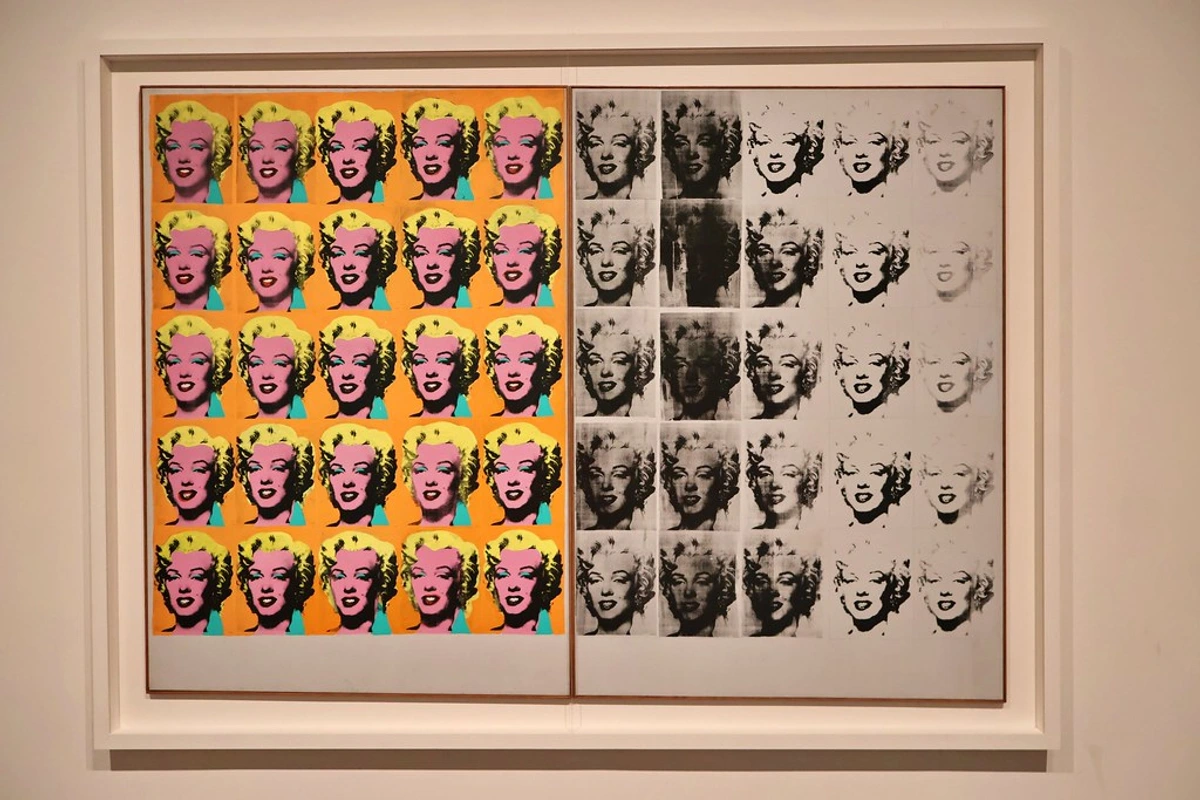
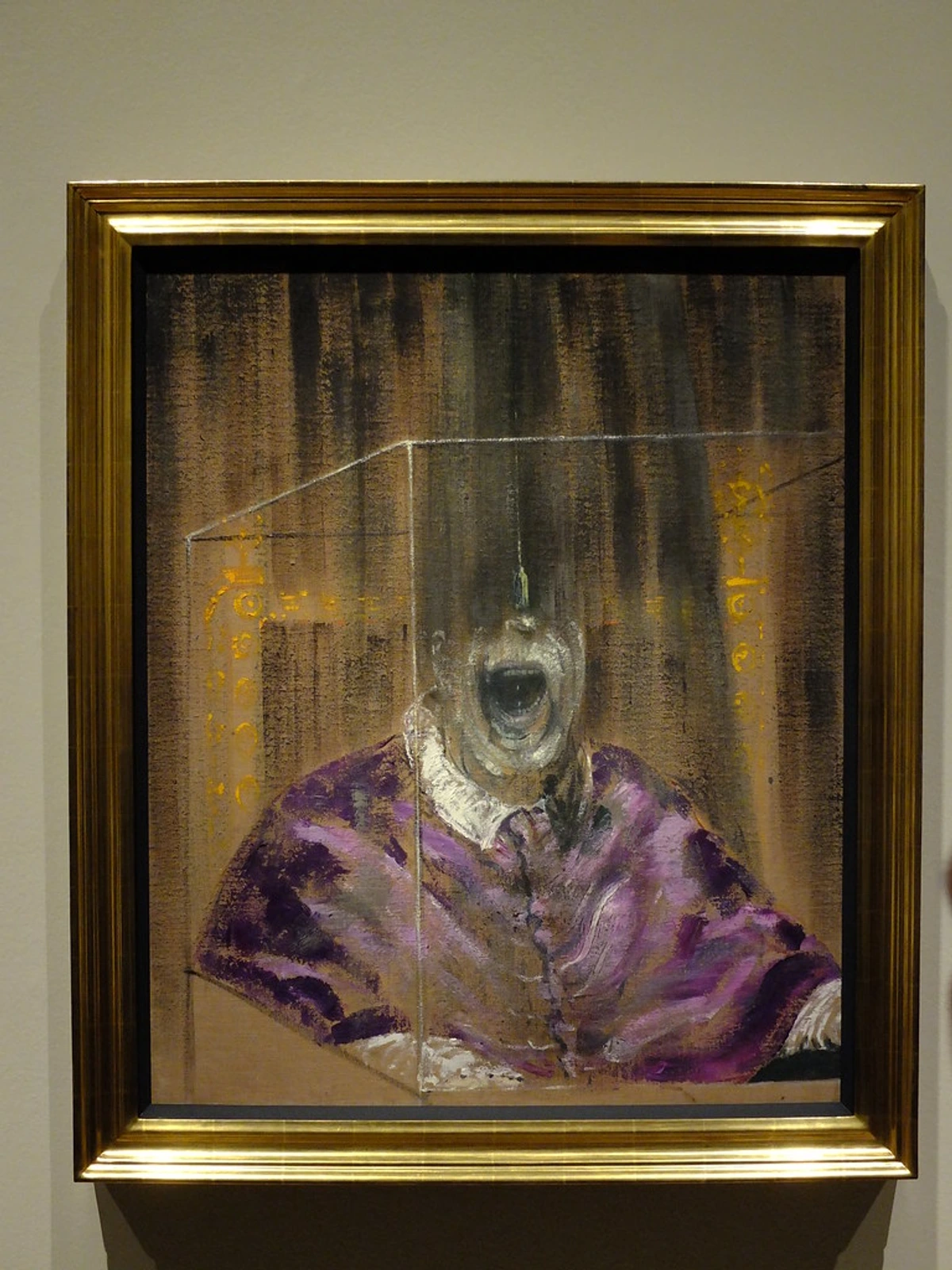
Op je reis vind je alles van de gefragmenteerde perspectieven van het Kubisme (denk aan Picasso's Huilende Vrouw als je het hebt gezien, breaking objects into geometric forms to show multiple viewpoints simultaneously) en de droomachtige verhalen van het Surrealisme (het verkennen van het onderbewustzijn door bizarre en vaak onrustwekkende beelden, like Salvador Dalí's melting clocks or Joan Miró's whimsical figures) tot de levendige uitspraken van Pop Art (puttend uit de massacultuur en het consumentisme, featuring everyday objects and media images, like Andy Warhol's iconische zeefdrukken of Roy Lichtenstein's stripboek-achtige schilderijen) en de rauwe emotie van het Abstract Expressionisme (nadruk leggend op spontane, gebaarlijke vormen om innerlijke gevoelens over te brengen, famously by Jackson Pollock or Willem de Kooning). Je zou ook kunnen struikelen over de sobere eenvoud van het Minimalisme (kunst gereduceerd tot zijn meest essentiële vormen, often large, geometric sculptures), de tot nadenken stemmende ideeën van de Conceptuele Kunst (waarbij het idee achter de kunst belangrijker is dan het uiteindelijke kunstobject, as famously exemplified by Marcel Duchamp's 'Fountain,' which challenged the very definition of art itself – a piece that always makes me chuckle, honestly, for its sheer audacity), of de speelse deconstructie van het Postmodernisme (questioning established truths and styles).
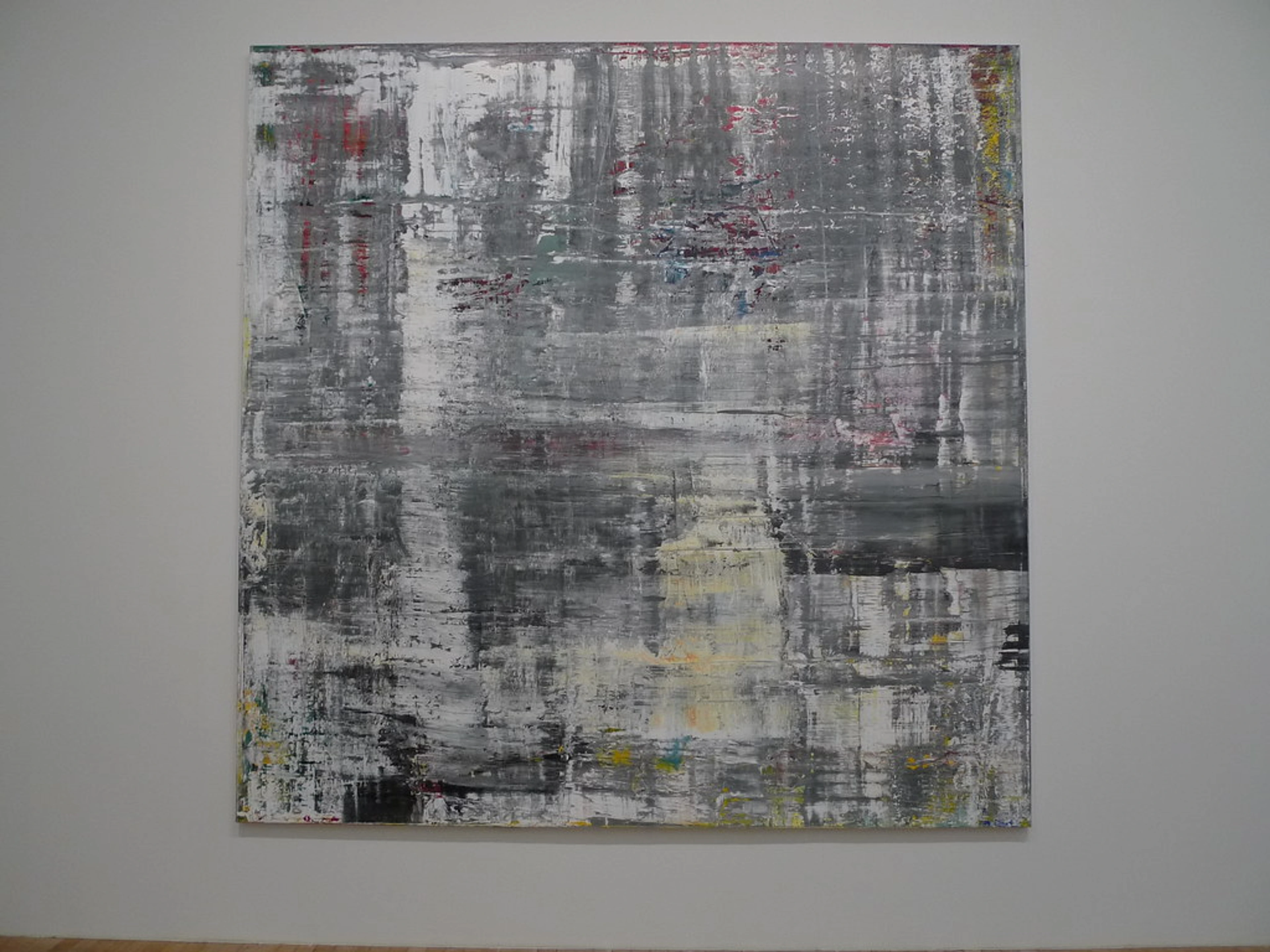
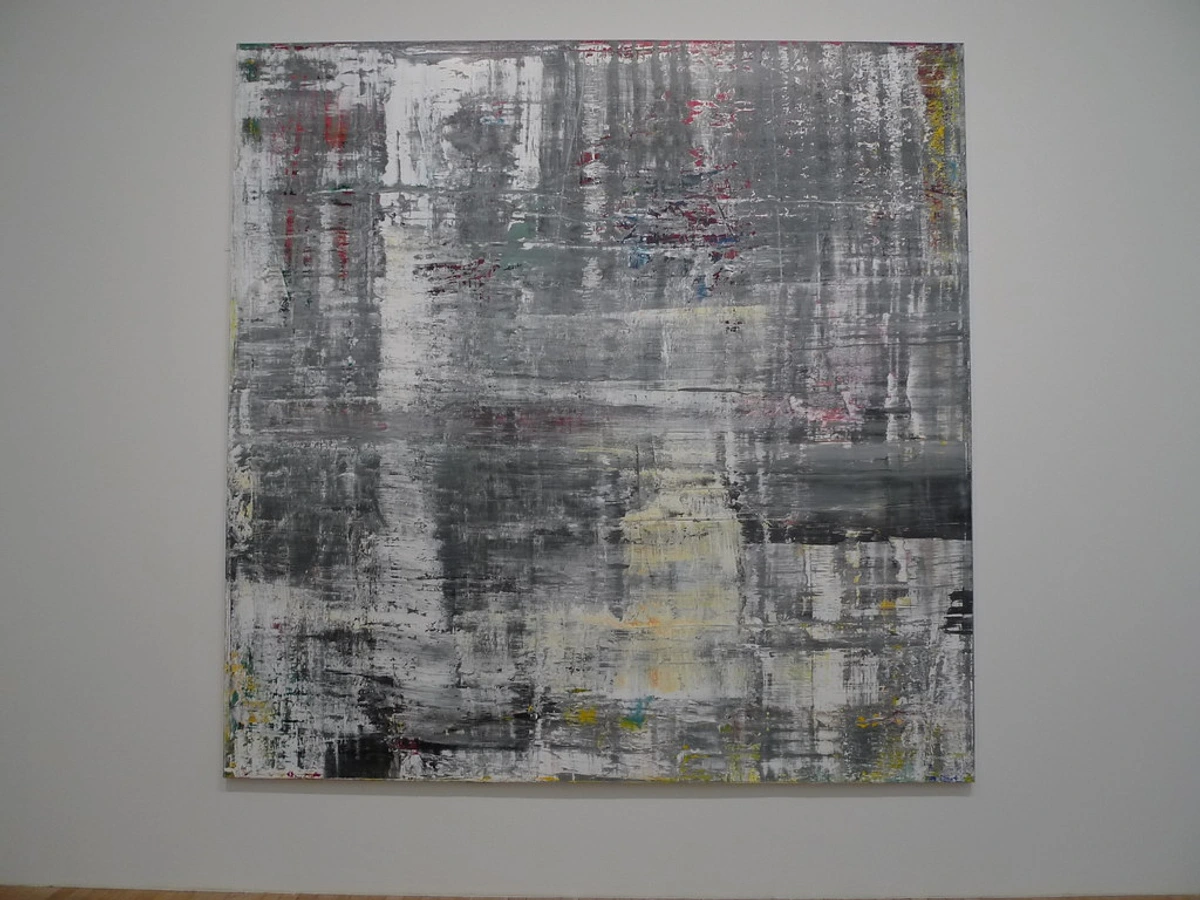
Ik heb uren doorgebracht voor een werk van Gerhard Richter, geboeid door zijn subtiele vervaging en gelaagdheid van kleuren, often in large-scale abstract paintings that feel both monumental and deeply personal, like looking at a memory that's just out of reach. Ik herinner me een specifiek Richter-stuk dat me twintig minuten vasthield, just a quiet hum of color that felt like a forgotten memory surfacing. Of een Joan Mitchell, wiens rauwe, expressieve penseelstreken zo'n levendige energie overbrengen, just trying to unravel the layers of her dynamic, often chaotic canvases. En als je het geluk hebt een Rothko te vinden, particularly in a dedicated room, prepare for an almost meditative experience. Zijn grote, gloeiende kleurvelden don't just hang on the wall; they envelop you, demanding quiet contemplation. Soms is het de pure schaal, other times it's the unexpected burst of colour, or just the raw emotion conveyed without any recognizable form. It’s a wonderful reminder that art doesn't always have to 'look like' something to be something. It’s this freedom of interpretation, this invitation to simply feel, that really speaks to my own artistic sensibilities, deeply influencing how I approach my own abstract works. Voor een diepere duik in deze lonende reis, check out our guide to abstracte kunst begrijpen. Welke gevoelens roept abstracte kunst bij jou op?
Enkele van de meest uitdagende, maar lonende, stukken die ik ben tegengekomen, are those that step outside traditional mediums, like videokunst, performance-installaties en digitale werken. Tate Modern is een pionier in het tentoonstellen van deze often ephemeral and challenging mediums. Ik herinner me nog duidelijk een tentoonstelling met het werk van Nam June Paik, a true pioneer in video art, whose multi-screen installations offered a dizzying commentary on media and society. Je kunt ook live performance-stukken tegenkomen die zich voor je ogen ontvouwen, or digital installations that respond to your presence. Mijn advies? Behandel ze als een experiment. Sta jezelf toe nieuwsgierig te zijn, ask 'why' it's there, and don't feel pressure to 'understand' it immediately. Sometimes the beauty is in the bewilderment, the questioning itself. Pro Tip: Zoek naar begeleidende tekstpanelen of luister naar audiogidsen. They often provide crucial context about the artist's intent or the historical significance of these more experimental works.

De Rebelgeest: Hoe Kunst de Status Quo Uitdaagt
Als je door galeries wandelt die gewijd zijn aan meer hedendaagse werken, you feel the pulse of urban energy. Het zien van stukken van kunstenaars als Jean-Michel Basquiat – with his raw, powerful imagery drawn from street art, graffiti, and a deep understanding of cultural commentary, often featuring crowns, skulls, and cryptic text – raakt me altijd. His work makes me confront uncomfortable truths and appreciate the power of art as a voice for the marginalized, reminding me that true rebellion isn't just about breaking rules, but about shattering complacency. Basquiat, bijvoorbeeld, challenged the traditional art market's exclusivity, his work exploding from the streets into galleries with an undeniable urgency. Ik herinner me dat ik ooit een Basquiat-stuk zag dat me doodstil liet staan, forcing me to reckon with its urgent, raw honesty. It's a powerful reminder that art isn't just about pretty pictures; it's about dialogue, protest, and challenging the status quo – a spirit that deeply resonates with my own artistic desire to provoke thought and emotion. De Tate Modern omarmt deze geest actief en verwerft vaak werken that push boundaries and spark debate. Ze hebben krachtige installaties tentoongesteld, for example, by artists like Kara Walker, whose explorations of race and identity are both stark and unforgettable through her large-scale silhouette narratives that re-contextualize historical injustices, or photographic series documenting social movements. The Young British Artists (YBAs) of the 1990s, like Damien Hirst and Tracey Emin, also famously sparked public debate with their provocative works, often displayed at Tate Modern, forcing audiences to question the very definition of art and its value.
En hoewel je geen permanente Banksy installatie zult vinden, the spirit of street art and social commentary is very much alive in many of the works. Think photographic documentation of protest movements, installations addressing social inequality by artists like Kara Walker, or multimedia pieces exploring identity and belonging by figures such as Ai Weiwei, who uses his art to critique political power and human rights. These pieces really push you to think about art beyond the canvas, out in the world, influencing public discourse and our everyday lives. Welke kunstwerken hebben jouw perspectief het meest diepgaand uitgedaagd? Tate Modern also plays a crucial role in supporting emerging artists through acquisitions and dedicated exhibition spaces, ensuring the next generation of boundary-pushers has a platform.

Een Mondiaal Perspectief op Moderne Kunst: Onze Horizon Verbreden
Wat ik echt waardeer aan de Tate Modern is its unwavering commitment to showcasing modern and contemporary art from across the globe. Het is niet alleen een Europees of Amerikaans verhaal; it's a vibrant tapestry of artistic voices from Africa, Asia, Latin America, and beyond. Ik voel altijd een diep gevoel van ontdekking wanneer ik een galerij tegenkom die gewijd is aan bijvoorbeeld Latin American abstraction with artists like Lygia Clark and Hélio Oiticica, or the burgeoning contemporary scenes from across the African continent, featuring artists such as Malangatana Ngwenya, El Anatsui (whose monumental tapestries of discarded bottle caps completely reframe notions of material and identity), or Zanele Muholi's powerful photography exploring identity and social justice. This isn't just about diversity for diversity's sake; it's about acknowledging that modernism wasn't a singular, Western phenomenon. Rather, it was a complex, multifaceted global dialogue that flourished in countless forms across the globe, each contributing vital perspectives to our shared human narrative. De toewijding van de Tate om dit rijke tapijt te tonen, ensures we see a fuller, more complex picture of artistic evolution, challenging any narrow, Eurocentric view of art history. Persoonlijk heeft deze mondiale benadering diepgaand mijn begrip van kunst gevormd, revealing our shared humanity through incredibly diverse creative lenses. Het is een krachtige herinnering that innovation and expression know no geographical bounds, and it pushes us to question whose stories get told and how. Deze inclusieve benadering strekt zich ook uit tot hun robuuste kunsteducatie- en gemeenschapsbetrokkenheidsprogramma's, making these profound global dialogues accessible to everyone and further solidifying its status as a leading cultural institution. Bovendien betekent hun uitgebreide online collectie en digitale bronnen that you can continue exploring long after your visit! Hoe verandert een mondiaal perspectief op kunst jouw begrip van geschiedenis en cultuur?
4. Je Bezoek Plannen & Essentiële Zaken ter Plaatse
Je Bezoek Boeken
Voor speciale tentoonstellingen raad ik altijd aan om tickets ruim van tevoren online te boeken om teleurstelling en wachtrijen te voorkomen – they often sell out! Je kunt de officiële website van Tate Modern raadplegen onder het gedeelte 'Exhibitions' for current and upcoming paid shows. Voor de permanente collectie, die heerlijk gratis is, is het boeken van een tijdslot online vaak sterk aanbevolen, especially during peak times, to guarantee your visit and minimize queuing.
Controleer altijd hun officiële website voor je bezoek voor de meest actuele openingstijden, as these can vary, and also for information on public holidays, special event closures, or any temporary gallery changes. Je vindt gedetailleerde informatie, including up-to-the-minute schedules and accessibility information, op hun officiële website, which is always the best source.
Faciliteiten ter Plaatse
De Tate Modern is volledig toegankelijk, with lifts, ramps, and accessible toilets throughout the building, so it’s welcoming for everyone. Voor een snelle hap of een ontspannen maaltijd, they have several cafes and restaurants; more on that later! Ze bieden ook garderobefaciliteiten voor tassen en jassen (usually for a small fee), which can be a real lifesaver if you plan on spending a few hours wandering without lugging your belongings around. Moet je je telefoon opladen na al die foto's? Je vindt gratis Wi-Fi door het hele museum, and often charging stations near cafes or seating areas, a welcome relief for any digital explorer.
Je Ervaring Verbeteren & Curatoriële Benadering
Als je dieper wilt duiken, let dan op gratis rondleidingen of lezingen die gedurende de dag worden aangeboden; they can offer fantastic insights into the collection, often from a fresh perspective. Deze rondleidingen kunnen je ogen echt openen voor waarom bepaalde werken belangrijk zijn of hoe ze passen in bredere artistieke bewegingen. Tate Modern zet zich ook actief in voor duurzaamheid, integrating eco-friendly practices in its operations and aiming to inspire dialogue around environmental themes through its programming. Daarnaast organiseert de Tate Modern ook robuuste kunsteducatieprogramma's voor alle leeftijden en werkt ze intensief samen met haar lokale gemeenschap via verschillende outreach-initiatieven, solidifying its role as more than just a gallery, but a living cultural institution.
Een van de meest bepalende aspecten van de aanpak van Tate Modern is de thematische ophanging. In tegenstelling tot traditionele musea die kunst chronologisch tentoonstellen, groepeert Tate Modern werken op basis van overkoepelende ideeën, emoties of sociale commentaren. Dit betekent dat een surrealistisch schilderij uit de jaren 1920 naast een video-installatie uit de jaren 2000 kan hangen, encouraging you to draw connections and see dialogues across different eras and geographies. Het daagt de conventionele kunstgeschiedenis uit en maakt de kijkervaring een dynamisch proces van ontdekking in plaats van een lineair verhaal. Deze curatoriële keuze is bedoeld om je aan het denken te zetten, om op een dieper, meer conceptueel niveau met de kunst om te gaan, and to reveal unexpected resonances between seemingly disparate works.
5. Een Korte Notitie over Museumetiquette
Just a few gentle reminders to ensure everyone has a pleasant visit: raak de kunst alsjeblieft niet aan (it's often more fragile than it looks, and we want future generations to enjoy them!), spreek zachtjes in de galeries, and be mindful of other visitors' space. Flitsfotografie is meestal verboden, as it can damage artworks and distract others. Eenvoudige dingen, but it makes a big difference!
Het Uitzicht vanaf Level 10: Een Moment van Reflectie
Na al die kunst wil je waarschijnlijk even op adem komen. As a perfect counterpoint to the intense engagement with the artworks, head up to Level 10 of the Blavatnik Building (the newer extension). Het uitkijkplatform biedt absoluut adembenemende panoramische uitzichten over Londen – the winding Thames, the majestic St. Paul's Cathedral, the iconic Shard, the Gherkin, and the Walkie Talkie building. Het is een perfecte plek om even te zitten, na te denken, and maybe even sketch a little. Soms, after hours of looking at art, looking out at the city itself becomes a kind of art – a living, breathing canvas of history and constant motion that never ceases to inspire me. It's a moment of calm perspective amidst the creative chaos, a reminder that art exists not just within these walls, but all around us, constantly evolving just like the city itself.
Voorbij de Kunst: Voorzieningen en Inspiratie
Wegstappend van de doeken en installaties, the Tate Modern still offers plenty to explore and experience. Vergeet niet bij te tanken! The Tate Modern has several cafes and restaurants catering to different moods and appetites. Er is een prachtig restaurant op Level 6 of the Blavatnik Building with fantastic city views, perfect for a more relaxed meal. Voor iets snellers vind je overal in het museum casual cafés die broodjes, gebak en goede koffie serveren – essential for sustaining those deep artistic thoughts. Ik herinner me nog de keer dat een perfectly brewed flat white saved me from an abstract art induced existential crisis (grapje, mostly).
Voordat je vertrekt, the shop, too, is dangerously good. Ik vertrek meestal met minstens één kunstboek of een eigenzinnige print. It’s a great way to take a little piece of the inspiration home with you, or perhaps even discover something similar to the hedendaagse prints die je op onze site kunt verkennen. Deze laatste daad van verzamelen, whether it's a book or a print, feels like a tangible extension of the artistic journey, a way to keep the conversation going long after you've left the gallery walls.




Laatste Gedachten: Omarm het Onbekende
Mijn ultieme advies voor een beginner in Tate Modern? Go in with an open mind. Maak je geen zorgen als je niet elk stuk 'begrijpt'. Moderne kunst gaat niet altijd over begrijpen; sometimes, it's about feeling, reacting, or simply asking why. Sommige stukken zullen direct resoneren, others might leave you scratching your head, and that's perfectly okay. It's all part of the conversation. Ik heb geleerd dat echt betrokken zijn bij kunst, much like my own creatieve tijdlijn, is een reis van voortdurende ontdekking, constantly evolving and revealing new insights. Dus, vertel me, welk kunstwerk in Tate Modern (of elders!) heeft een gesprek in jou opgeroepen? Ik hoor graag jouw verhaal, or better yet, go plan your own visit and experience it for yourself – and perhaps even find inspiration for your own space, much like the pieces you'd find at mijn museum in Den Bosch or among the kunst te koop op onze site.
Veelgestelde Vragen (FAQ)
Hier zijn enkele snelle antwoorden op veelgestelde vragen over een bezoek aan Tate Modern:
V: Is Tate Modern gratis?
A: Ja! De permanente collectie is gratis toegankelijk en te verkennen. Speciale tentoonstellingen usually require a paid ticket.
V: Hoe lang duurt het om Tate Modern te zien?
A: Het hangt echt af van je interesse en beschikbare tijd. For a quick highlights tour focusing on the Turbine Hall and one or two major thematic wings, you might spend 2-3 hours. If you want a more in-depth exploration of several galleries and a break for food, allow 3-5 hours. A full, leisurely exploration could easily take 4-6+ hours. Voel je niet onder druk gezet om alles te zien!
V: Wat zijn de absolute 'must-sees' voor een kort bezoek?
A: Als je weinig tijd hebt (zeg, 2 uur), dan raad ik je zeker aan je te concentreren op the awe-inspiring Turbine Hall-installaties and picking one thematic wing from the permanent collection that genuinely piques your interest – perhaps a floor dedicated to Pop Art, Abstract Expressionisme, or the unique displays of Surrealisme. A quick stop at the Level 10 viewing platform in the Blavatnik Building is also highly recommended for stunning city views and a breather.
V: Welke ingang kan ik het beste gebruiken bij Tate Modern?
A: De hoofdingang bevindt zich aan de rivierzijde, which can get very busy. For a potentially quieter entry, especially during peak times, consider using the Holland Street-ingang at the back of the building. Both offer good access to the main areas.
V: Mag ik binnen foto's maken?
A: Over het algemeen wel, photography for personal, non-commercial use is allowed in the permanent collection galleries. However, some special exhibitions or specific artworks may have restrictions, so always look for signage or ask staff if unsure. Flitsfotografie is meestal verboden.
V: Is er eten en drinken beschikbaar?
A: Absoluut! Tate Modern has several cafes and restaurants, ranging from casual eateries for a quick bite to a more formal restaurant on Level 6 of the Blavatnik Building with stunning city views. You'll also find places to grab coffee and pastries.
V: Is het toegankelijk voor rolstoelen en kinderwagens?
A: Ja, Tate Modern is volledig toegankelijk, with lifts, ramps, and accessible toilets throughout the building. You can find detailed accessibility information on their official website.
V: Wat moet ik dragen voor een bezoek?
A: Comfort is essentieel! Je zult veel lopen en staan, so comfortable shoes are a must. Layers are also a good idea, as temperatures can vary between galleries.
V: Zijn er rondleidingen beschikbaar?
A: Ja, Tate Modern often offers free guided tours and talks throughout the day, providing deeper insights into the collections. Check their website or information desks upon arrival for the daily schedule and topics. They also offer audio guides.
V: Mag ik een grote tas of rugzak meenemen?
A: While small bags are generally fine, large bags, backpacks, and luggage may need to be stored in the cloakroom for a fee. It's best to travel light if possible, especially on busy days.
V: Hoe kom ik vanuit het centrum van Londen bij Tate Modern?
A: De Tate Modern is gemakkelijk bereikbaar. Je kunt de Tube nemen naar Blackfriars (District & Circle lijnen, then a short walk across the bridge), Southwark (Jubilee lijn), of London Bridge (Northern & Jubilee lijnen). Talrijke busroutes stoppen ook in de buurt. Lopen over de Millennium Bridge vanaf St. Paul's Cathedral is mijn persoonlijke favoriete manier om aan te komen!
V: Hoe vind ik specifieke galeries of kunstwerken?
A: De website van Tate Modern has an excellent 'Explore' section where you can search by artist, movement, or theme, and identify which building (Boiler House or Blavatnik Building) and floor they are on. Ik raad ten zeerste aan dit voor je bezoek te controleren. Eenmaal daar kun je de museumkaarten raadplegen (verkrijgbaar bij informatiebalies) of het personeel vragen, who are usually very helpful, for directions.