Goya's Black Paintings Explained: Saturn, The Dog & Their Meaning
A deep dive into Francisco Goya's haunting Black Paintings. Discover the history, meaning, and psychological horror behind these masterpieces never meant to be seen.

Unveiling the Abyss: A Curator's Guide to Goya's Black Paintings
There are works of art you admire, and then there are works that haunt you. For me, Francisco Goya's Pinturas Negras, or Black Paintings, are firmly in the latter category. They weren't meant for us. That's the first and most crucial thing to understand before we even begin. These weren't commissions; they weren't for public exhibition. They were the private demons of an old, deaf, and disillusioned man, painted directly onto the walls of his home in oil. They are a raw, unfiltered look into a brilliant mind wrestling with the darkest aspects of humanity and his own mortality.
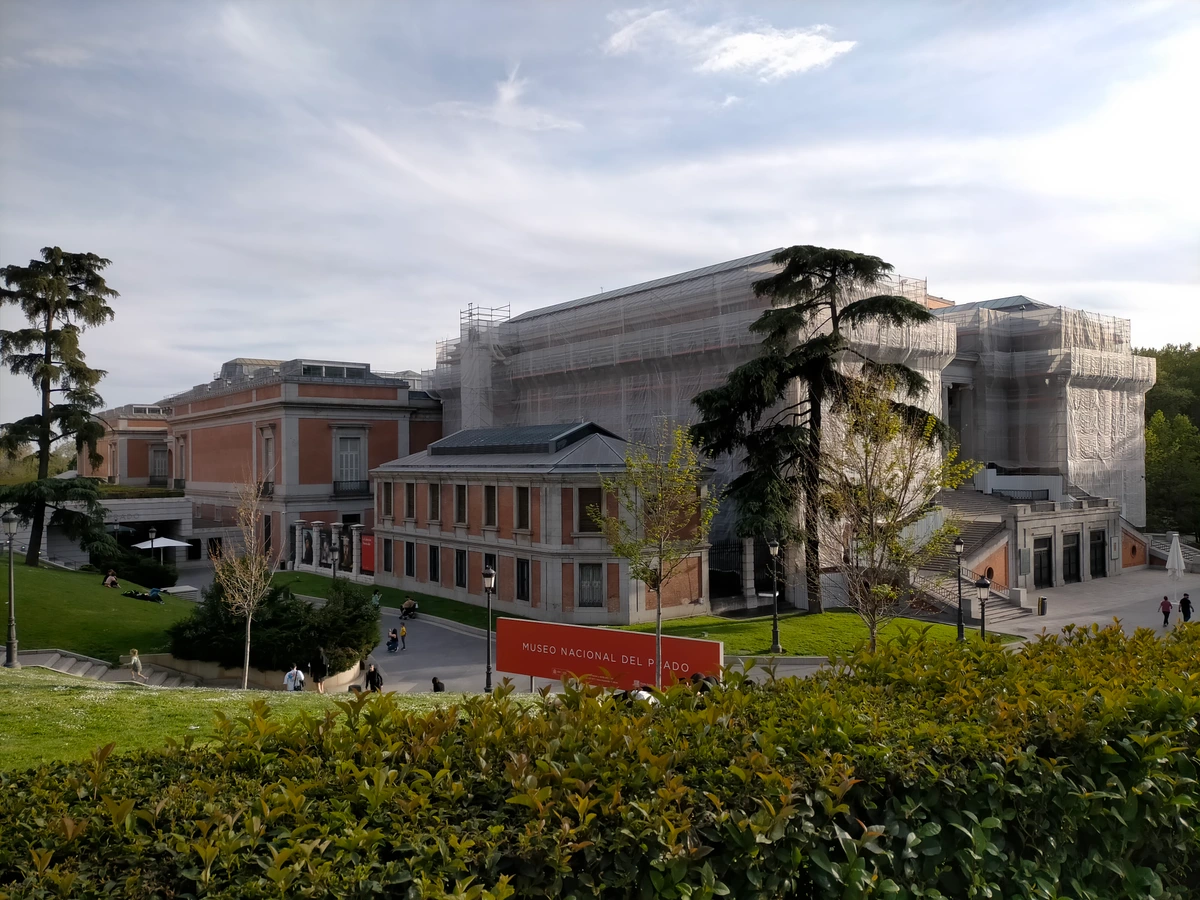
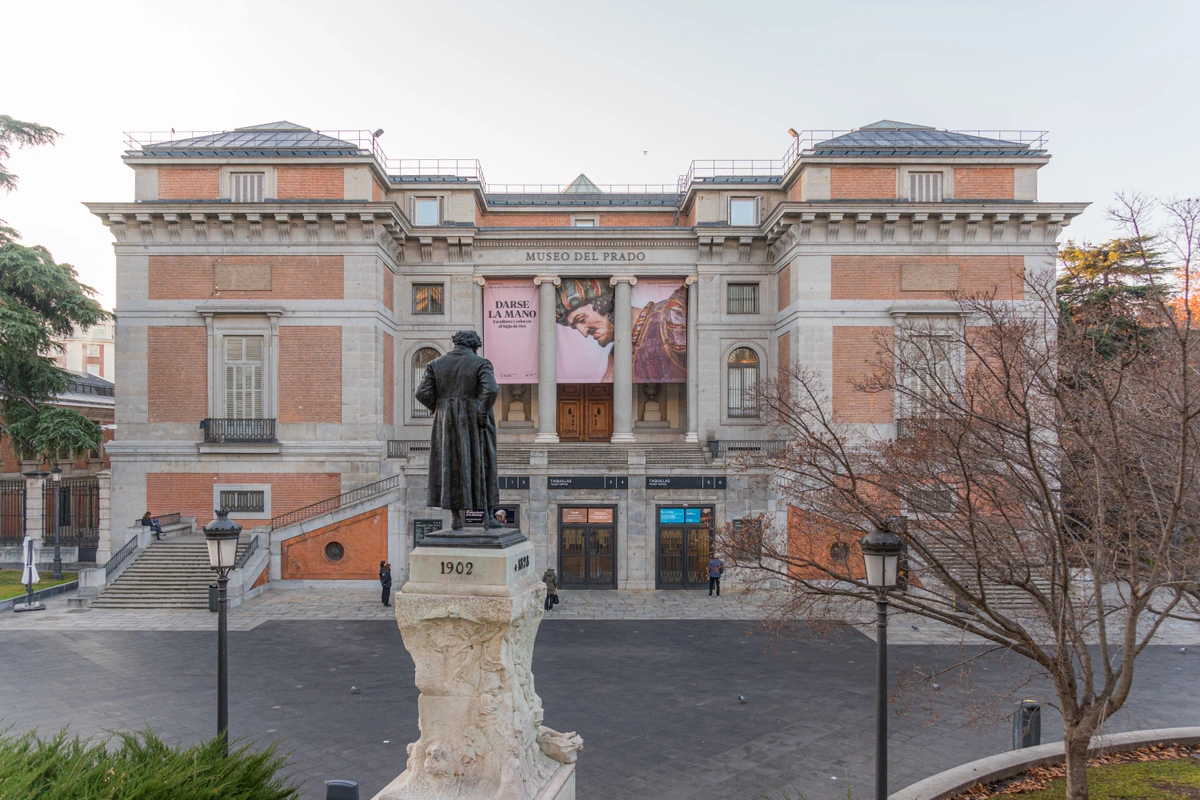
To stand before them in the Prado Museum today is an unsettling experience. It feels like an intrusion, like reading a diary you were never supposed to find. And yet, we can't look away. So let's step into that house, the Quinta del Sordo, and try to understand what drove one of history's greatest artists to create his most terrifying and, arguably, most honest work.
What makes these paintings so profoundly disturbing is their sheer authenticity. Goya wasn't performing for an audience or meeting patron demands. These were his unfiltered thoughts, his nightmares made visible, his deepest fears given form. In an age where every brushstroke was often calculated for commercial success or social approval, the Black Paintings represent artistic honesty at its most extreme.
To stand before them in the Prado Museum today is an unsettling experience. It feels like an intrusion, like reading a diary you were never supposed to find. And yet, we can't look away. So let’s step into that house, the Quinta del Sordo, and try to understand what drove one of history's greatest artists to create his most terrifying and, arguably, most honest work.
The Man Before the Darkness
It's easy to forget that before the Black Paintings, Goya was the preeminent painter in Spain. He was a master of light, color, and fabric, the official court painter to the Spanish Crown. He painted royalty and aristocrats with a dazzling, almost rococo flair. His portraits were psychologically astute, but they were still part of the established order.
Goya's early career reads like a masterclass in artistic ambition and technical achievement. Born in 1746 in Fuendetodos, Aragon, he showed prodigious talent from an early age. His training under Francisco Bayeu gave him a solid foundation in the academic traditions, but it was his natural genius that set him apart. By his thirties, he had already established himself as one of Madrid's most promising artists, known for his ability to capture both the surface elegance and the complex inner lives of his subjects.
But then, life intervened. A severe illness in the 1790s left him profoundly deaf. He witnessed the brutality of the Napoleonic Wars firsthand, documenting the horrors in his print series The Disasters of War. He saw political hope rise and fall, leaving him deeply cynical about society and power. This context is everything. The Goya who painted the Pinturas Negras between 1819 and 1823 was not the celebrated court artist; he was an isolated man who had seen the absolute worst of humanity. This descent into darkness is one of the most compelling narratives in art history, a bit like the thematic shift you see in the life of an artist like Rembrandt van Rijn, but taken to a far more visceral extreme.
The illness that struck Goya around 1792-1793 was mysterious and debilitating. Modern scholars speculate it may have been lead poisoning from his paints, a common occupational hazard for artists of the era, combined with syphilis. Whatever the cause, the result was complete isolation from the social world that had once celebrated him. This isolation became both a prison and a crucible for his most profound work. Without the distractions and expectations of court life, Goya was forced to confront the darkest corners of his own mind and the world around him.
Goya's Evolution: From Court Painter to Social Critic
Let's trace this remarkable transformation more carefully. Goya's early career was marked by remarkable technical skill and social climbing. Born in 1746 in Fuendetodos, Aragon, he showed artistic promise early and moved to Madrid to study. His breakthrough came when he was appointed court painter to King Charles III in 1786. This was the golden age of Spanish painting, and Goya was at its zenith.
But his deafness, which began around age 46, changed everything. Isolated from the social world of court life, Goya turned inward. His work became more experimental, more daring. The portraits of the royal family still showed his technical brilliance, but they also revealed an unease, a questioning of the very system he served. By the time he painted the Black Paintings, Goya had effectively become an outsider looking in - and what he saw terrified him.

Table: Goya's Artistic Evolution
Period  | Key Characteristics | Major Works | Artistic Significance |
|---|---|---|---|
| Early Career (1746-1792) | Rococo style, court portraits, religious works | Family of Charles IV, Tapestry cartoons | Mastery of traditional techniques |
| Middle Period (1793-1814) | Satirical prints, war documentation, darkening themes | Caprichos, Disasters of War | Social commentary, political engagement |
| Late Period (1815-1828) | Personal experimentation, psychological depth | Black Paintings, Los Disparates | Radical innovation, precursor to modern art |
Goya's evolution wasn't linear—it was marked by periods of experimentation, retreat, and reinvention. What makes his journey so compelling is how his personal struggles directly influenced his artistic development. The deafness that isolated him from society also freed him from its constraints, allowing him to explore territory no artist had dared to venture before.
The Quinta del Sordo: A House of Private Horrors
Goya bought his country house on the outskirts of Madrid in 1819. It became known as the Quinta del Sordo (House of the Deaf Man), a name that coincidentally fit its new owner. It was here, on the plaster walls of his ground-floor dining room and upper-floor salon, that he unleashed these fourteen visions. The fact they were painted on the walls is critical—it speaks to their permanence and their intimacy. This wasn't a canvas he could sell or hide; it was the very atmosphere of his daily life.

The Quinta del Sordo was more than just a house; it was an architectural manifestation of Goya's psychological state. Built in the traditional Spanish quinta style, it featured a two-story main building with surrounding gardens. The house was located in what was then the rural outskirts of Madrid, providing both solitude and isolation. Goya modified the interior specifically for his artistic purposes, creating spaces where the paintings would be experienced as part of the environment rather than as individual artworks. The walls were specially prepared with multiple layers of plaster to create a smooth surface that would hold the oil paint, a technique he had perfected during his years as a court painter.

The Physical Space and Its Psychological Impact
The Quinta del Sordo wasn't just a house; it was Goya's sanctuary and his prison. Located on the outskirts of Madrid in what was then a rural area, it offered him solitude but also isolation. The house's layout was carefully considered for his artistic purposes.
The ground floor dining room and upper-floor salon were the main spaces where the Black Paintings were executed. These weren't mere decoration; they were designed to create a complete environment. Imagine sitting down to dinner every night under the gaze of Saturn devouring his own child, or having conversations in your salon while figures engaged in brutal fights watched from the walls. These paintings weren't just observed—they were experienced. Goya was essentially creating a psychological theater where his private thoughts became the scenery of his daily existence.
The paintings were arranged in specific groupings, creating a deeply immersive and oppressive environment. Imagine eating your dinner every night under the gaze of Saturn devouring his own child.
Here’s how they were originally laid out:
Location | Painting Name |
|---|---|
| Ground Floor (Dining Room) | Atropos (The Fates) |
| Two Old Men or An Old Man and a Friar | |
| Judith and Holofernes | |
| Witches' Sabbath (The Great He-Goat) | |
| A Manola: Leocadia Zorrilla | |
| Two Old Men Eating Soup | |
| Saturn Devouring His Son | |
| First Floor (Salon) | Two Women and a Man |
| Reading | |
| The Dog | |
| A Pilgrimage to San Isidro | |
| Fight with Cudgels | |
| Fantastic Vision (Asmodea) | |
| Procession of the Holy Office |
A Guided Tour of the Abyss: Key Paintings Examined
Let's not just list them. Let's look at a few of these masterpieces of inner turmoil and try to unpack their power. But first, let me share something that always strikes me when I look at these works: they were never meant to be "masterpieces" in the conventional sense. Goya wasn't trying to impress anyone or create works for the ages. He was essentially using his home as a psychological dumping ground, a way to process the darkness he couldn't contain within himself. That authenticity, that lack of calculation, is what makes them so incredibly powerful.
Complete Analysis of All 14 Black Paintings
While we'll focus on the most famous works, let's briefly acknowledge all fourteen paintings that make up this extraordinary series:
Table: Complete Inventory of Goya's Black Paintings
Painting | Year Painted | Key Themes | Notable Features | Artistic Innovation |
|---|---|---|---|---|
| Saturn Devouring His Son | c. 1820-1823 | Violence, madness, destruction | Most [famous work](/finder/page/famous abstract art), visceral horror | Radical departure from classical mythology |
| Witches' Sabbath | c. 1820-1823 | Superstition, mass hysteria | Central figure of a black goat | Satirical critique of religious fanaticism |
| The Dog | c. 1820-1823 | Hopelessness, isolation | Minimalist composition | Precursor to modern abstraction |
| Two Old Men Eating Soup | c. 1819-1823 | Poverty, human dignity | Degradation of the elderly | Social realism in intimate setting |
| Fight with Cudgels | c. 1820-1823 | Pointless violence | Circular composition, no winner | Metaphor for endless conflict |
| Judith and Holofernes | c. 1820-1823 | Moral ambiguity, violence | Dramatic lighting, intense emotion | Reimagined biblical narrative |
| Procession of the Holy Office | c. 1820-1823 | Religious persecution | Crowd mentality, institutional cruelty | Critique of Inquisition |
| Two Women and a Man | c. 1820-1823 | Social tension | Ambiguous relationships | Psychological complexity |
| Reading | c. 1820-1823 | Intellectual solitude | Figure lost in thought | Internal focus vs external world |
| A Manola: Leocadia Zorrilla | c. 1820-1823 | Memory, human connection | Portrait of housekeeper | Intimate personal connection |
| A Pilgrimage to San Isidro | c. 1820-1823 | Religious hypocrisy | Crowd behavior | Social satire |
| Atropos (The Fates) | c. 1820-1823 | Mortality, time | Clock imagery, death figure | Personification of existential dread |
| Two Old Men | c. 1819-1823 | Aging, solitude | Conversation figures | Philosophical dialogue |
| Fantastic Vision (Asmodea) | c. 1820-1823 | Nightmare, supernatural | Dark fantasy elements | Surreal elements predating Surrealism |

Other Notable Works from the Series
While these three get most of the attention, the other paintings in the series are equally powerful and revealing:
Two Old Men Eating Soup (c. 1819-1823): This painting is a devastating portrayal of poverty and human dignity. Two elderly men sit at a table, one eating soup while the other looks on with a mixture of hunger and resignation. The degradation is palpable—these are not noble figures but men broken by circumstance. What's remarkable is how Goya maintains their dignity even in their suffering. The composition is simple but powerful, with the dark background making the figures almost emerge like ghosts from the darkness.
Fight with Cudgels (1820-1823): This painting depicts two men engaged in a brutal, pointless fight with clubs. What's most striking is the circular composition—they're locked in an endless cycle of violence with no clear beginning or end, no winner or loser. It's a powerful metaphor for war, political struggle, and the futility of human conflict. The dark, murky colors and the figures' contorted faces suggest madness and desperation.
Reading (1820-1823): In contrast to the violence of other works, Reading shows a figure (possibly a man or woman) lost in thought, reading intently. The composition is unusual—the figure is placed high on the wall, looking down at the viewer. This creates an unsettling dynamic, as if the reader is judging us. The painting suggests that even in moments of intellectual engagement, there's a sense of isolation and introspection that borders on obsession.
Saturn Devouring His Son
This is it. The one everyone knows. It’s a scene from Roman mythology where the titan Saturn, fearing a prophecy that one of his children would overthrow him, ate them upon birth. But look at what Goya does. There's no classical heroism here. This is a monster with wild, insane eyes, emerging from the darkness. His hands dig into the back of a bloody, mangled, and disturbingly adult-looking body. The painting is a visceral howl of madness, of power consuming itself, of time destroying all creation. It’s perhaps the most direct confrontation with brute, senseless violence in the history of Western art.
The Dog
From the frenzied horror of Saturn, we move to what is, for me, the most heartbreaking and strangely modern of the series. The painting is almost entirely two swathes of ochre and dark brown. And at the bottom, the tiny head of a dog, looking up, its nose just visible over the edge of a slope. Is it drowning in quicksand? Is it looking over a hill, hoping for its master's return? We don't know. The vast, empty space above it is overwhelming. It’s a perfect depiction of hopelessness, of being on the brink of being overwhelmed, but with a tiny, persistent spark of hope in its upward gaze. It's a masterpiece of minimalism, centuries ahead of its time.
Witches' Sabbath (The Great He-Goat) (1820-1823): A Satire on Human Folly
This is pure chaos. A massive, black goat—a symbol of the Devil—preaches to a coven of witches with grotesque, animalistic faces. They lean in, captivated, their expressions a mixture of fear and adoration. The scene is a dark, claustrophobic satire on credulity, superstition, and mob mentality. Goya seems to be saying, "Look at what people will believe. Look at the ugliness they flock to." Given the political and religious fanaticism he had witnessed, this painting feels less like a fantasy and more like a grim commentary.
The genius of this painting lies in its layered symbolism. The central goat figure is not merely a monster—it's a complex representation of both divine and demonic forces. Its human-like face suggests intelligence and charisma, qualities that make it such a dangerous figure. The witches surrounding it are not uniformly evil; some show fear, others fascination, creating a psychological portrait of how people are drawn to charismatic authority figures, regardless of their true nature.
Goya likely painted this as a commentary on the religious and political fanaticism he had witnessed during the Inquisition and the Peninsular War. The composition creates a claustrophobic atmosphere that mirrors the oppressive nature of blind belief. The dark, muddy colors and the figures' contorted faces suggest how fanaticism dehumanizes both its followers and its objects of worship.
Social Commentary and Religious Critique
Witches' Sabbath is perhaps Goya's most explicit critique of organized religion and mass psychology. The central figure, a massive black goat with human features, is clearly meant to represent the Devil. But what's fascinating is how Goya portrays the witches—they're not evil monsters, but ordinary people, rendered with grotesque features that suggest how blind faith dehumanizes us.
The composition creates a claustrophobic atmosphere, with the figures packed tightly together, their faces turned toward the central figure. This mirrors the dynamics of religious and political fanaticism that Goya had witnessed during the Inquisition and the Peninsular War. People abandoning critical thinking, following charismatic leaders, participating in collective hysteria.
Table: Symbolic Analysis of "Witches' Sabbath"
Symbol | Interpretation | Historical Context |
|---|---|---|
| Black Goat | Charismatic authority figure, anti-pope | Critique of religious leaders |
| Grotesque Faces | Dehumanization through blind faith | Inquisition, religious persecution |
| Crowd Dynamics | Mob mentality, loss of individuality | Political fanaticism, crowd psychology |
| Dark Setting | Moral darkness, intellectual void | Period of Spanish decline |
| No Exits | Psychological imprisonment | Feeling trapped by circumstances |
Goya's genius in this painting lies in his ability to create a complex social commentary that works on multiple levels. It's simultaneously a critique of superstition, a warning about mob mentality, and a personal meditation on the darkness that exists within human society.
The goat itself is brilliantly rendered. It's not a caricature but a complex figure—part human, part animal, part divine. Its face shows intelligence and even a kind of authority, suggesting how easily people can be led astray by charismatic but ultimately destructive forces. The painting works on multiple levels: as a critique of superstition, as a warning about mob mentality, and as a personal meditation on the darkness that exists within human society.
What makes this painting particularly revolutionary is its treatment of the subject. Goya doesn't simply condemn the witches; he understands their psychology. The mixture of fear, fascination, and adoration in their faces suggests how people are drawn to charismatic authority figures, even when they know they're being led astray. This psychological complexity was unprecedented in art of this period and would influence generations of artists who followed in exploring the darker aspects of human nature.
The Legacy: From a Hidden House to Art History
The Black Paintings could have easily been lost forever. Goya moved to France in 1824, leaving the house and its murals behind. It wasn’t until 50 years later, when the house was at risk of ruin, that the German banker Baron Émile d'Erlanger undertook the monumental task of having the paintings transferred from plaster to canvas. It was a delicate process that caused some damage, but it saved them for posterity. He then donated them to the Prado Museum in Madrid, where they reside today.
The Legacy: Goya as the Father of Modern Art
Their influence is immeasurable. They are a direct precursor to Expressionism, with their focus on subjective emotion over objective reality. You can draw a straight line from Goya's screaming figures to Edvard Munch's The Scream. The Surrealists also revered him for his exploration of dreams, nightmares, and the subconscious. In many ways, Goya was the first modern artist, using his medium not just to depict the world, but to grapple with the complexities of his own mind. His work is a masterclass in visual storytelling techniques, where the narrative is one of psychological dread.
Table: Goya's Influence on Major Art Movements
Art Movement | Key Influences from Goya | Notable Examples | Artist Connections |
|---|---|---|---|
| German Expressionism | Psychological intensity, emotional distortion | Edvard Munch's The Scream | Direct lineage of emotional expression |
| Surrealism | Dream logic, subconscious imagery | Salvador Dalí's paranoid-critical method | Inspiration for exploring inner worlds |
| Abstract Expressionism | Automatic techniques, raw emotion | Jackson Pollock's action painting | Influence on process over finished product |
| Social Realism | Unflinching depiction of human suffering | Käthe Kollwitz's war prints | Continuation of political engagement |
| Modern Portraiture | Psychological depth, unvarnished truth | Lucian Freud's portraits | Breaking from traditional flattery |
Goya's true legacy lies in his revolutionary approach to art. He broke the centuries-old tradition of art as decoration or propaganda, transforming it into a medium for exploring the darkest corners of human experience. He proved that art could be disturbing, challenging, and deeply personal while still being profoundly universal. Every artist who followed him who dared to paint their inner demons owes a debt to Goya's courage.
Frequently Asked Questions: The Complete Guide
This section addresses the most common questions people have about Goya's Black Paintings, from basic information to deeper artistic and historical inquiries.
Basic Questions About the Paintings
How many Black Paintings are there? There are 14 paintings that are definitively identified as part of the Pinturas Negras series. However, there are some disputed works that scholars sometimes include in the broader category of Goya's late dark period.
Where can I see the Black Paintings? All 14 paintings are housed in a dedicated room at the Museo Nacional del Prado in Madrid, Spain. They're displayed in a specially designed space that tries to recreate something of the original atmosphere of the Quinta del Sordo.
Were the Black Paintings meant for the public? Almost certainly not. They were painted on the walls of his private home and contain no signs of being commissioned works. They are considered a deeply personal project. Goya didn't sign them, didn't date them, and made no effort to prepare them for exhibition.
What are they painted with? Goya used oil paint directly on the plaster walls of the Quinta del Sordo. He used a limited palette dominated by black, ochres, umbers, and greys, applied with bold, expressive brushstrokes. Sometimes he mixed unconventional materials into his paint.
Why are they called the 'Black Paintings'? The name refers to two things: the heavy use of dark pigments and their dark, unsettling subject matter. The Spanish name Pinturas Negras literally translates to "Black Paintings."
Historical and Biographical Questions
When did Goya paint the Black Paintings? The paintings were created between 1819 and 1823, during the final years of Goya's life while he was living at the Quinta del Sordo.
How old was Goya when he painted them? Goya was approximately 73-77 years old during this period, making them works created in extreme old age.
Was Goya actually deaf? Yes. Goya became profoundly deaf around 1792-1793 following a serious illness. This isolation likely contributed to his increasingly dark and introspective work.
What happened to the Quinta del Sordo house? The house was eventually demolished in the early 20th century. The paintings were transferred to canvas in the 1870s to preserve them, and the original building no longer exists.
What was Goya's relationship with his family during this period? By the time he painted the Black Paintings, Goya was living largely alone. His wife Josefa had died, and his son Javier lived separately while pursuing his own career. His relationship with his housekeeper and companion, Leocadia Zorrilla (who appears in A Manola), was complex and likely provided important emotional support during his final years.
Visitor Experience and Practical Questions
How should I prepare for visiting the Black Paintings? Be prepared for an intense, even disturbing experience. These aren't "pretty" paintings. Allow yourself time to process what you're seeing. Many visitors find them overwhelming, so it's okay to take breaks.
How long should I spend with the Black Paintings? Most people spend 30-60 minutes in the dedicated room, but you could spend much longer if you want to really study individual works. There's no rush—let the paintings affect you at their own pace.
Can I take photographs of the Black Paintings? Photography is generally not permitted in the rooms housing the Black Paintings at the Prado Museum. This helps preserve the works and allows visitors to experience them without distractions.
Are there audio guides or special tours for the Black Paintings? The Prado offers various audio guides and guided tours that include information about the Black Paintings. Some tours specifically focus on Goya and his dark period.
What's the best time of day to visit? Weekday mornings (10-11 AM) are typically least crowded. The "golden hour" lighting in the afternoon can enhance the dramatic atmosphere of the paintings, but weekends are always busier.
Are there accessibility considerations? The Prado is accessible for visitors with mobility issues, but the dedicated Black Paintings room can be emotionally intense. Sensory considerations should be taken into account, as the dark subject matter and intense imagery may be challenging for some visitors.
Final Reflection: The Enduring Power of Goya's Vision
Visiting the Black Paintings is not a comfortable experience. It's a confrontation. It is not an afternoon of pleasant viewing; it's an intense psychological event. Goya holds up a mirror not just to his own soul, but to the capacity for darkness inherent in all of us. He reminds us that the most profound art isn't always beautiful; sometimes, it's just true. And that truth, however terrifying, is something worth facing.
What I find most remarkable about these paintings is their timeless relevance. In our world of carefully curated social media, endless entertainment, and constant distraction, Goya's unflinching honesty feels more necessary than ever. These paintings don't offer escape—they demand engagement. They challenge us to look at uncomfortable truths—about ourselves, about society, about the human condition.
Table: The Universal Themes of Goya's Black Paintings
Theme | Black Painting Example | Contemporary Relevance | Human Experience |
|---|---|---|---|
| Mortality | Saturn Devouring His Son, Atropos | Aging population, healthcare debates | Universal fear of death and impermanence |
| Isolation | The Dog, Reading | Social media, pandemic isolation | Human need for connection and understanding |
| Violence | Fight with Cudgels, Judith and Holofernes | Global conflict, social unrest | Destructive aspects of human nature |
| Fanaticism | Witches' Sabbath, Procession | Political polarization, extremism | Loss of critical thinking in crowds |
| Wisdom | Two Old Men Eating Soup | Aging population, elder care | Dignity in suffering and aging |
Goya's genius was in understanding that true art doesn't comfort the comfortable; it comforts the afflicted by giving voice to their deepest fears. The Black Paintings are not just historical artifacts—they are living, breathing challenges to anyone who encounters them. They ask us: What darkness do you carry within yourself? What truths are you afraid to face? And in confronting Goya's darkness, we might just find a deeper understanding of our own humanity.
In the end, the Black Paintings remind us that art's highest purpose isn't to decorate our walls or match our sofa cushions—it's to help us understand what it means to be human, in all its messy, contradictory, and terrifying beauty. Goya didn't just paint pictures; he created a mirror for humanity, and in doing so, gave us one of the most profound gifts any artist can offer: the courage to look into the abyss and still find something worth saving.
Contemporary Relevance: Goya in the 21st Century
Why These Paintings Still Matter Today
In our world of carefully curated social media, endless entertainment, and constant distraction, Goya's Black Paintings feel more relevant than ever. They're a powerful reminder that art doesn't have to be pleasant or uplifting to be valuable. Sometimes, the most important thing art can do is show us the darkness we try to ignore.
These paintings challenge us to look at uncomfortable truths—about ourselves, about society, about the human condition. They don't offer easy answers or comforting illusions. They simply present reality as Goya experienced it: messy, terrifying, beautiful, and profoundly human.
Table: Modern Parallels to Goya's Themes
Theme in Goya's Work | Contemporary Relevance | Modern Examples |
|---|---|---|
| Existential Anxiety | Mental health awareness, social isolation | Social media anxiety, pandemic isolation |
| Questioning Authority | Political polarization, institutional distrust | Anti-establishment movements, government skepticism |
| Violence and Conflict | Global warfare, civil unrest | War in Ukraine, political clashes |
| Religious Doubt | Declining religious affiliation, spiritual seeking | Secularization, new age movements |
| Aging and Mortality | Aging populations, healthcare debates | Demographic shifts, end-of-life discussions |
What I find most remarkable is how contemporary these 200-year-old paintings feel. The anxiety, the isolation, the fear of violence, the questioning of authority—these aren't just 19th-century concerns. They're our concerns too. In that sense, Goya wasn't just painting his private demons; he was painting something universal about the human experience.

The Psychological Impact: What These Paintings Do to Us
I've had the privilege of seeing the Black Paintings several times, and each experience is different. Sometimes I'm overwhelmed by their raw power. Other times, I find unexpected moments of beauty or even humor in them. One thing that always strikes me is how they seem to change depending on your mood and what's happening in your own life.
These paintings don't just depict psychological states—they actively induce them. Standing before Saturn Devouring His Son can trigger feelings of anxiety and existential dread. Looking at The Dog can provoke a sense of isolation and hopelessness. The cumulative effect of experiencing all fourteen paintings in sequence creates a powerful emotional journey that many describe as transformative.
Individual Psychological Responses:
- Saturn: Intense fear, anxiety about mortality
- The Dog: Profound sadness, feelings of abandonment
- Witches' Sabbath: Discomfort with crowd behavior, fear of manipulation
- Reading: Intellectual introspection, existential questioning
- Fight with Cudgels: Anger at futility, frustration at endless conflict
The genius of these works lies in their ability to tap into universal human fears and anxieties. They don't tell us what to feel—they reflect back to us what we already carry within ourselves, often giving voice to emotions we struggle to articulate.
The first time I saw Saturn devouring his son, I was terrified. The second time, I found it almost tragic. The third time, I saw it as a kind of dark metaphor for the creative process itself—the artist destroying his own work in the pursuit of something new and more authentic. Each return brings new layers of understanding.
Reading has always fascinated me. I've seen interpretations ranging from intellectual solitude to spiritual transcendence. Sometimes I see the figure as a prisoner of thought, trapped in their own mind. Other times, I see it as a moment of profound connection with something larger than oneself. The ambiguity is precisely what makes it so powerful.
The Dog remains the most emotionally complex for me. Is it hope or despair? Is it waiting or drowning? The beauty of its simplicity is that it can be all of these things at once. It's a mirror for our own existential questions, asking us what we see when we look into the abyss.

These paintings don't give you answers. They ask questions. They challenge your assumptions, disturb your comfort, and force you to engage with parts of yourself you'd rather ignore. And in doing so, they fulfill the highest purpose of art: they make you see the world, and yourself, differently.
Practical Information for Visitors
If you're planning to see the Black Paintings at the Prado Museum, here are some practical tips:








Getting There and Planning Your Visit
Location: Museo Nacional del Prado, Calle de Ruiz de Alarcón 23, Madrid, Spain Hours: Typically 10:00 AM - 8:00 PM (closed on Mondays) Admission: General admission is €15, but there may be special exhibitions Best Time to Visit: Weekday mornings are less crowded than weekends Duration: Plan for 2-3 hours for the entire museum, 30-60 minutes for the Black Paintings specifically
Transportation Options
Metro: The closest metro stations are Banco de España (lines 2 and 4) and Atocha (line 1) Bus: Several bus lines stop near the museum, including 1, 9, 19, 27, and 45 Taxi/Rideshare: Readily available throughout Madrid, with typical costs from €8-15 depending on your starting location Walking: From Sol (Puerta del Sol) it's about a 15-minute walk through the historic center
Ticket Purchasing and Reservations
Online Tickets: Highly recommended to book in advance, especially during peak season Free Admission: Sundays from 5:00 PM to 8:00 PM, and on May 18 (International Museum Day) Audio Guides: Available in multiple languages for an additional €6 Special Exhibits: May require separate timed entry tickets
Accessibility Services
The Prado offers various accessibility services including:
- Wheelchair access and availability
- Sign language interpretation for guided tours
- Large print materials
- Audio description services for visually impaired visitors
- Rest areas throughout the museum
Making the Most of Your Experience
Take your time: Don't rush through the room. Let the paintings affect you. These are works that reveal themselves gradually, with new details emerging on subsequent viewings.
Read the information: The Prado provides excellent context for each work, but I recommend researching specific paintings beforehand to deepen your understanding.
Consider a guide: A knowledgeable guide can provide deeper insights into Goya's techniques, symbolism, and historical context.
Be prepared emotionally: These are intense, sometimes disturbing works. Allow yourself to feel whatever emotions arise—fear, discomfort, even fascination.
Visit multiple times: You'll notice new details on subsequent visits. Each encounter with these paintings reveals different layers of meaning.
Keep a journal: Many visitors find it helpful to write down their reactions immediately after viewing. The emotional impact can be profound and worth processing.
Nearby Attractions
While you're in Madrid, you might also want to visit:
- Reina Sofía Museum: Home to Picasso's Guernica and other modern masterpieces
- Thyssen-Bornemisza Museum: Excellent collection of European art
- Royal Palace: Madrid's magnificent royal residence
- Retiro Park: Beautiful park perfect for reflection after viewing the paintings
- Santiago Bernabéu Stadium: For football enthusiasts, home of Real Madrid
- Mercado de San Miguel: Historic food market for experiencing Spanish cuisine
- Barrio de las Letras: Literary quarter with beautiful architecture and history
Extended Madrid Itinerary for Art Lovers
If you have more time, consider this extended art-focused itinerary:
Day 1: Prado Museum (including Black Paintings) + Retiro Park Day 2: Reina Sofía Museum + Thyssen-Bornemisza Museum Day 3: Royal Palace + Archaeological Museum Day 4: Day trip to Toledo (historic city with El Greco masterpieces)