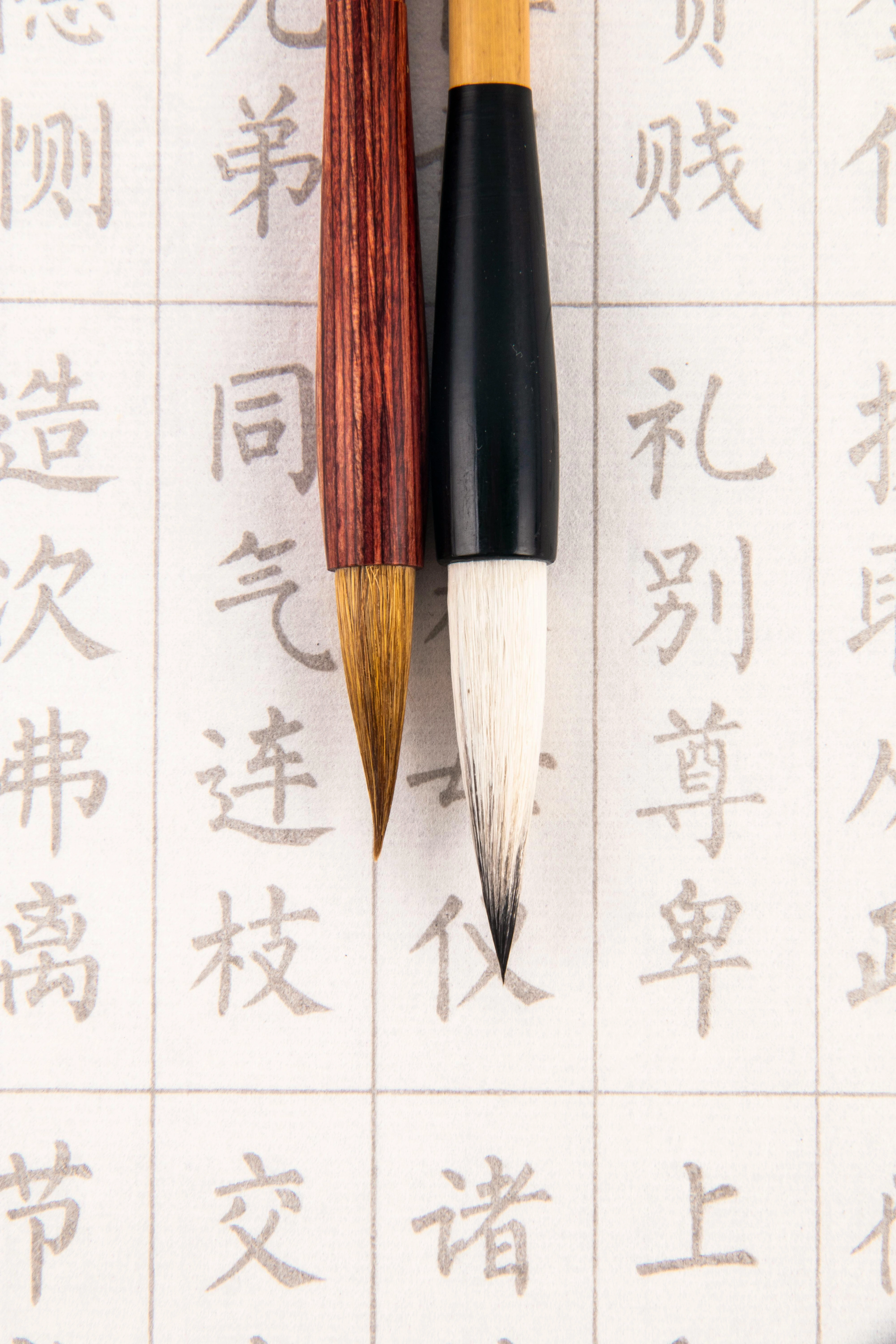
The Curator's Voice - Modern Tools: Understanding Synthetic Art Brushes
A comprehensive guide to synthetic brush technology, materials, and applications for contemporary abstract and expressive painting techniques.

The Curator's Voice - Modern Tools: Understanding Synthetic Art Brushes
Synthetic art brushes have revolutionized the way artists approach their craft. From their humble beginnings as stiff, plastic-like tools, they have evolved into sophisticated instruments that rival—and often surpass—the capabilities of natural brushes. This guide explores the evolution, advantages, and applications of synthetic brushes, offering insights for artists at every level.
Whether you're a seasoned professional or just starting, synthetic brushes offer a world of possibilities. They are not just tools but extensions of your creativity, enabling you to explore new techniques and styles. In this guide, we'll delve into the history, types, and techniques associated with synthetic brushes, helping you make informed choices for your artistic journey.
Whether you're a seasoned professional or just starting, synthetic brushes offer a world of possibilities. They are not just tools but extensions of your creativity, enabling you to explore new techniques and styles. In this guide, we'll delve into the history, types, and techniques associated with synthetic brushes, helping you make informed choices for your artistic journey.
I remember the first time I picked up a synthetic brush. It was a bright blue handle, stiff bristles, nothing like the soft sables I was used to. I was skeptical. How could something man-made compare to the natural elegance of animal hair? But as I dragged it across the canvas, I realized—this wasn’t just a substitute. It was a whole new language of texture and stroke.
That moment was a turning point. It made me question everything I thought I knew about brushes. Could synthetic brushes truly rival their natural counterparts? The answer, as I soon discovered, was a resounding yes. Synthetic brushes are not just alternatives; they are innovators, pushing the boundaries of what's possible in art.
Synthetic brushes have come a long way since their plastic-y, stiff beginnings. Today, they’re a staple in every artist’s toolkit, especially for those of us diving into contemporary, abstract, or expressive work. But with so many options—nylon, taklon, polyester blends—how do you choose? And more importantly, how do you make them work for your art?
The journey of discovering the right synthetic brush is deeply personal. It's about understanding your medium, your style, and your goals as an artist. This guide will help you navigate this journey, offering insights into the unique properties of synthetic brushes and how they can elevate your work.
The journey of discovering the right synthetic brush is deeply personal. It's about understanding your medium, your style, and your goals as an artist. This guide will help you navigate this journey, offering insights into the unique properties of synthetic brushes and how they can elevate your work.
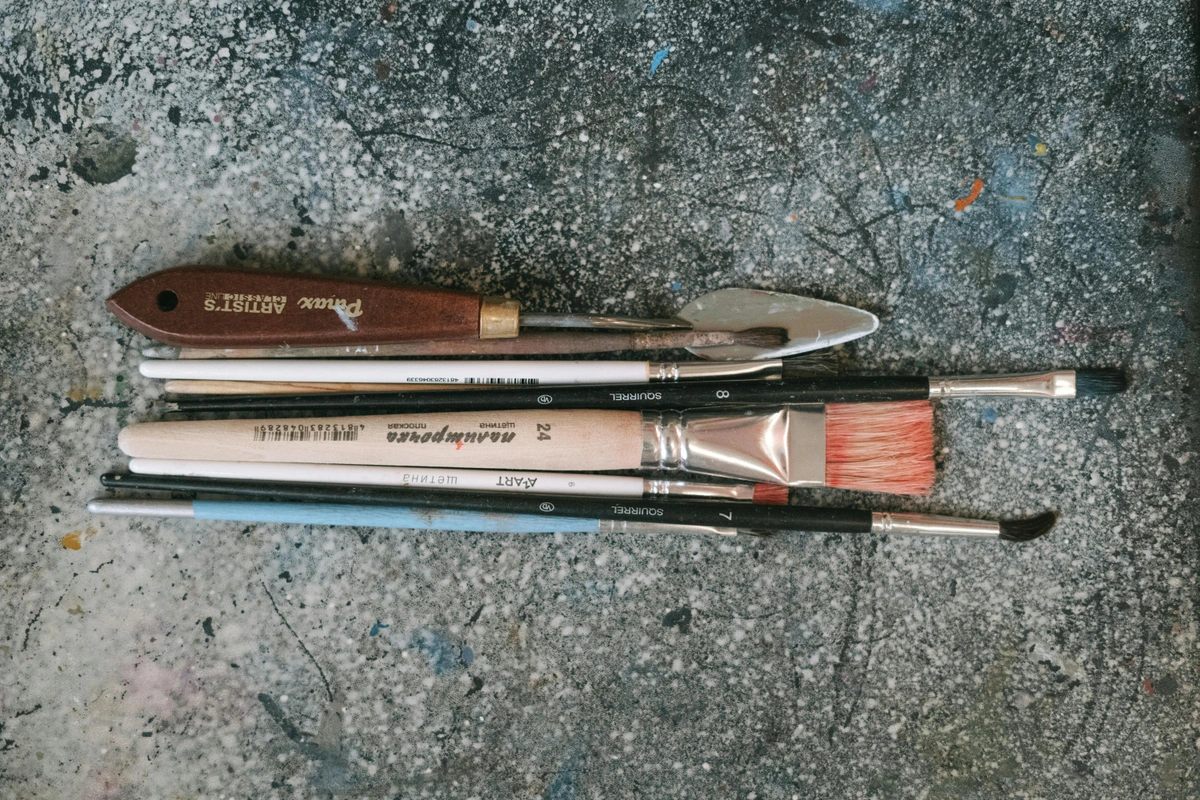
In this guide, we’ll explore the evolution of synthetic brushes, their unique advantages, and how to harness their full potential in your artistic practice. Whether you're a seasoned artist or just starting, this comprehensive guide will help you navigate the world of synthetic brushes with confidence.
The History of Synthetic Brushes
The journey of synthetic brushes began in the mid-20th century, driven by the need for affordable and durable alternatives to natural brushes. Early versions were rudimentary, often criticized for their lack of finesse. However, advancements in material science have transformed them into tools that are not only cost-effective but also highly versatile.
The evolution of synthetic brushes is a testament to human ingenuity. From their early days as stiff, plastic-like tools to the sophisticated instruments we have today, synthetic brushes have undergone a remarkable transformation. This journey reflects the broader trends in art and technology, where innovation and creativity go hand in hand.
Why Synthetic Brushes?
Synthetic brushes are made from man-made fibers designed to mimic—and sometimes surpass—the qualities of natural hair brushes. They offer a range of benefits that make them indispensable in modern art.
One of the most compelling reasons to choose synthetic brushes is their versatility. They can handle a wide range of mediums, from acrylics to watercolors, and are particularly well-suited for contemporary techniques. Additionally, synthetic brushes are often more affordable and easier to maintain than their natural counterparts, making them a practical choice for artists of all levels.
Let’s start with the basics. Synthetic brushes are made from man-made fibers, designed to mimic (and sometimes surpass) the qualities of natural hair brushes. They’re durable, often more affordable, and—here’s the kicker—they can do things natural brushes simply can’t.
The Rise of Synthetic Brushes in Modern Art
The shift towards synthetic brushes isn’t just about practicality; it’s a reflection of the evolving needs of contemporary artists. As art becomes more experimental and diverse, so do the tools we use. Synthetic brushes offer a level of versatility and innovation that aligns perfectly with the dynamic nature of modern art.
Modern art is characterized by its willingness to break boundaries and explore new possibilities. Synthetic brushes embody this spirit, offering artists the freedom to experiment with textures, techniques, and styles that were previously unattainable. They are not just tools but catalysts for creativity, enabling artists to push the limits of their imagination.
The Rise of Synthetic Brushes in Modern Art
The shift towards synthetic brushes isn’t just about practicality; it’s a reflection of the evolving needs of contemporary artists. As art becomes more experimental and diverse, so do the tools we use. Synthetic brushes offer a level of versatility and innovation that aligns perfectly with the dynamic nature of modern art.
Modern art is characterized by its willingness to break boundaries and explore new possibilities. Synthetic brushes embody this spirit, offering artists the freedom to experiment with textures, techniques, and styles that were previously unattainable. They are not just tools but catalysts for creativity, enabling artists to push the limits of their imagination.
The Role of Synthetic Brushes in Abstract Art
Abstract artists, in particular, have embraced synthetic brushes for their ability to create bold, expressive strokes. The stiffness of nylon brushes, for example, allows for dramatic textures that are difficult to achieve with natural brushes. This has opened up new possibilities for artists exploring abstract expressionism.
Abstract art is all about expressing emotions and ideas through form, color, and texture. Synthetic brushes, with their unique properties, allow artists to create textures and effects that are essential to this genre. Whether it's the bold strokes of a nylon brush or the delicate blends of a taklon brush, synthetic brushes offer a world of possibilities for abstract artists.
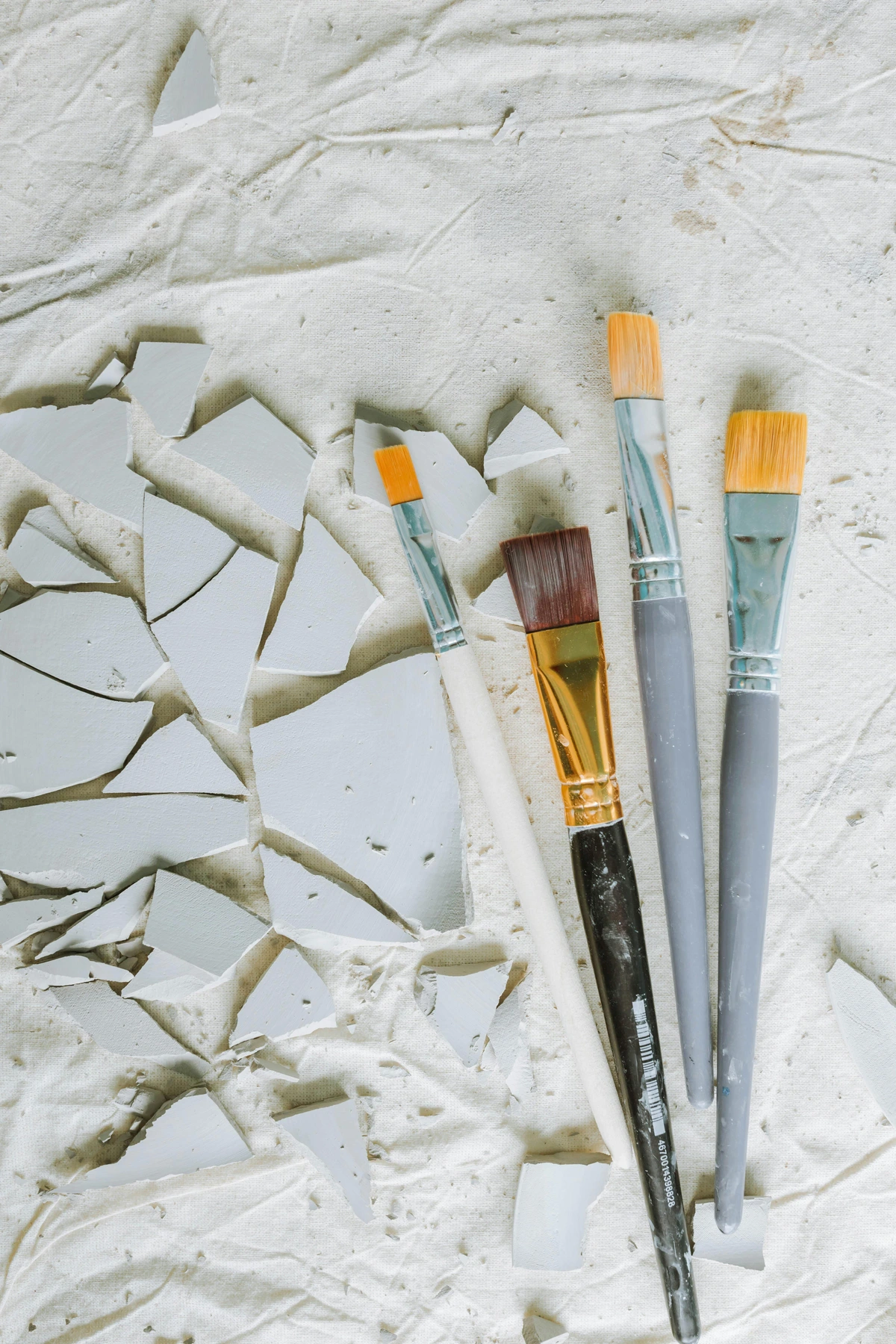
The Evolution of Synthetic Fibers
Early synthetic brushes were, frankly, terrible. They felt like scraping a plastic fork across your canvas. But modern synthetics? They’re a game-changer. Here’s a quick breakdown of the most common types:
The evolution of synthetic fibers is a fascinating journey. From the early days of stiff, plastic-like bristles to the soft, durable fibers we have today, synthetic brushes have come a long way. This evolution is driven by advancements in material science, which have enabled the creation of fibers that mimic the properties of natural hair while offering unique advantages.
Fiber Type  | Characteristics | Best For |
|---|---|---|
| Nylon | Stiff, resilient, holds shape | Bold strokes, heavy textures, acrylics |
| Taklon | Soft, smooth, mimics sable | Watercolor, detailed work, smooth blends |
| Polyester Blends | Balanced stiffness and softness | Versatile, great for mixed media |
| Acrylic Fibers | Soft yet durable, water-resistant | Ideal for acrylics and gouache, smooth application |
| Silicone Brushes | Ultra-smooth, flexible | Special effects, unique textures |

Innovations in Synthetic Brush Technology
The development of synthetic brushes has been driven by advancements in material science. Modern synthetics are engineered to replicate the absorbency and flexibility of natural hairs while offering enhanced durability. This makes them ideal for artists who demand precision and longevity from their tools.
Innovations in synthetic brush technology have not only improved the performance of these brushes but also expanded their applications. From eco-friendly materials to brushes that adapt to different painting techniques, the future of synthetic brushes is bright. These innovations are a testament to the ongoing collaboration between artists and scientists, pushing the boundaries of what's possible in art.
The Future of Synthetic Brushes
As technology continues to advance, we can expect even more innovations in synthetic brush design. From eco-friendly materials to brushes that adapt to different painting techniques, the future looks promising for artists who rely on these tools.
The future of synthetic brushes is not just about improving their performance but also about making them more sustainable and accessible. As artists become more conscious of their environmental impact, the demand for eco-friendly brushes is on the rise. This trend is driving innovation in the industry, leading to the development of brushes made from recycled materials and other sustainable sources.
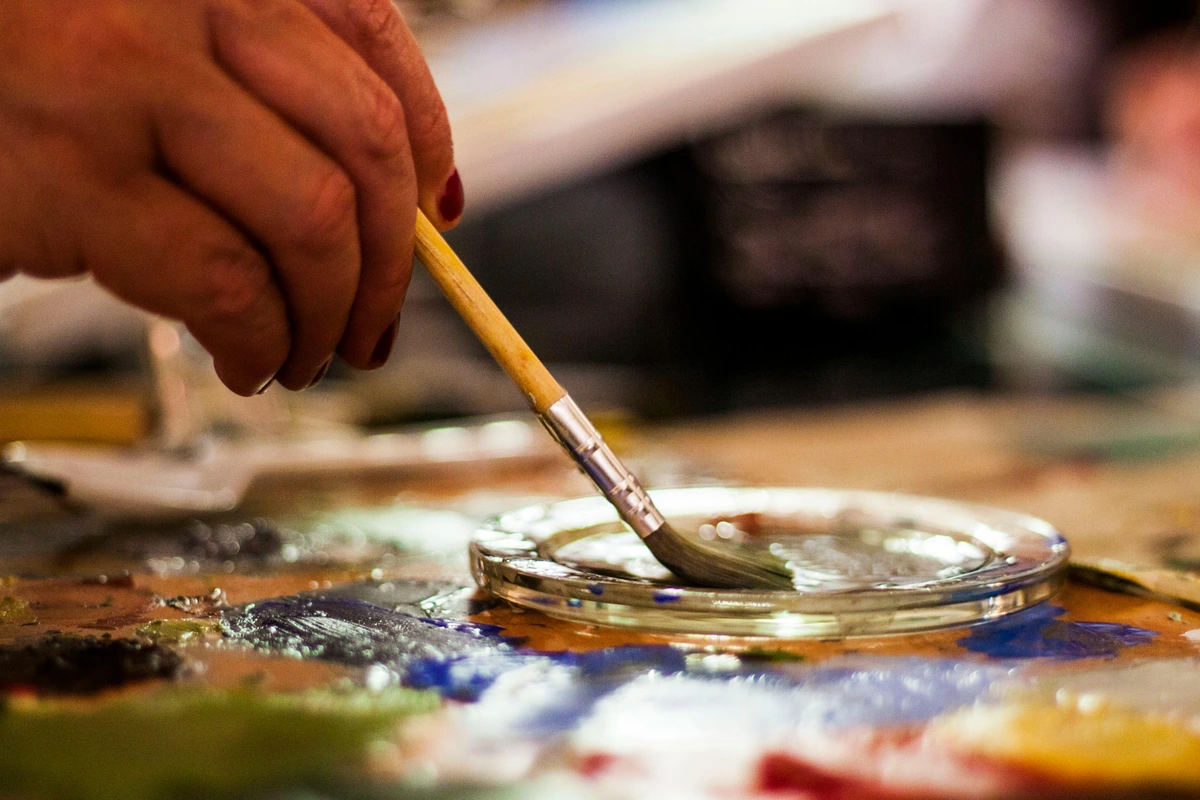
I’ve found that nylon brushes are my go-to for thick, expressive strokes—especially when I’m working with heavy-body acrylics. There’s something satisfying about the way they drag through the paint, leaving those rough, tactile marks that make abstract work sing.
Exploring Brush Textures
The texture of a brush can dramatically influence the outcome of your artwork. Synthetic brushes, with their varied textures, allow artists to experiment with techniques that were previously unattainable with natural brushes. For example, the stiffness of nylon can create bold, dramatic strokes, while the softness of taklon is perfect for delicate, intricate details.
Texture is a fundamental aspect of art, and synthetic brushes offer a unique way to explore it. Whether you're creating bold, expressive strokes or delicate, intricate details, the texture of your brush can make all the difference. By experimenting with different textures, you can discover new techniques and styles that will elevate your work.
Creating Unique Effects with Synthetic Brushes
Synthetic brushes are not just about mimicking natural brushes; they offer unique effects that can elevate your artwork. Experiment with different brush types to discover new techniques, such as creating fine lines with a dagger brush or achieving smooth gradients with a mop brush.
One of the most exciting aspects of synthetic brushes is their ability to create unique effects. From fine lines to smooth gradients, synthetic brushes offer a world of possibilities for artists. By experimenting with different brush types and techniques, you can discover new ways to express your creativity and elevate your work.

The Ethical Edge
Let’s talk about the elephant in the room: ethics. Natural brushes often come from animal hair—sable, hog bristle, squirrel. And while there’s no denying their quality, the sourcing can be… questionable. Synthetic brushes? No animals harmed. No ethical dilemmas. Just pure, unadulterated painting.
Ethics is an increasingly important consideration for artists. The sourcing of natural brushes can raise ethical concerns, from the treatment of animals to the environmental impact of their production. Synthetic brushes offer a cruelty-free alternative, allowing artists to create without compromising their values. This ethical edge is one of the many reasons why synthetic brushes are becoming the preferred choice for artists around the world.
Sustainability in Art
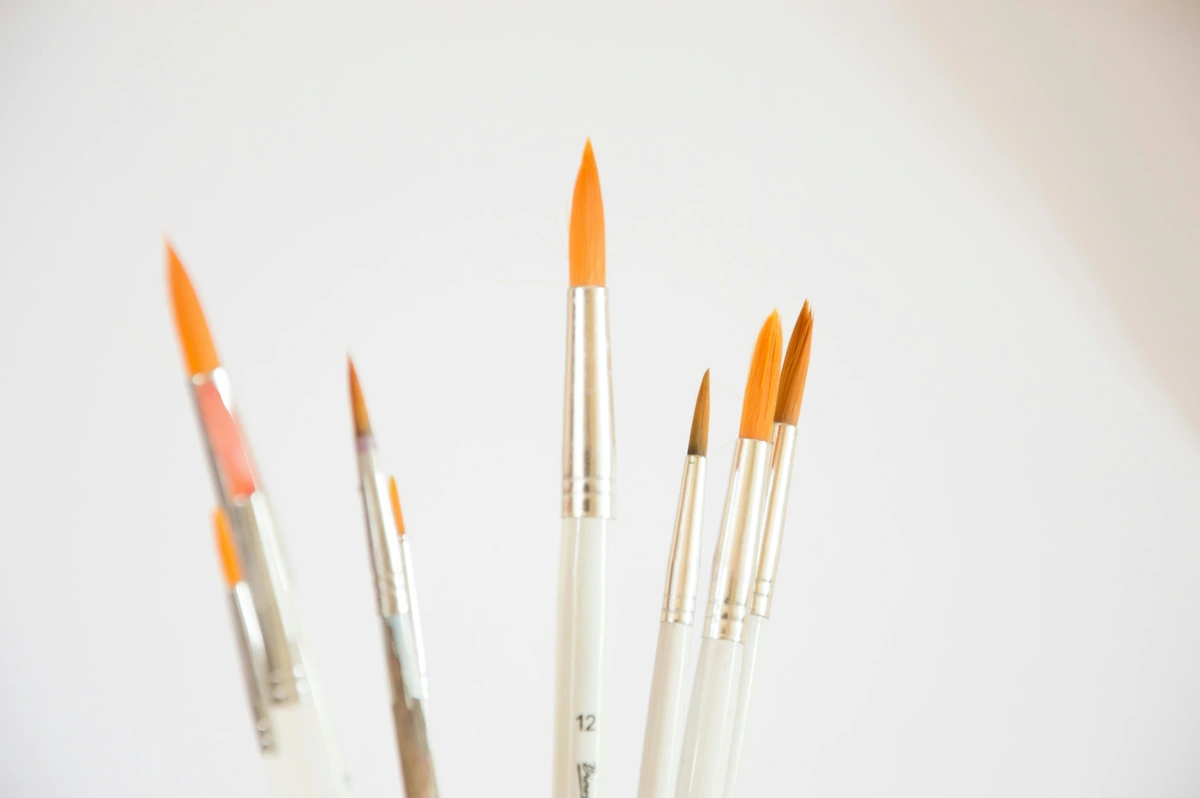
Beyond ethics, synthetic brushes also contribute to sustainability. They are often made from recyclable materials and have a longer lifespan than natural brushes, reducing waste. For artists who are environmentally conscious, synthetic brushes offer a way to create without compromising their values.
Sustainability is a growing concern in the art world. As artists become more aware of their environmental impact, they are seeking ways to reduce waste and minimize their carbon footprint. Synthetic brushes, with their recyclable materials and long lifespan, offer a sustainable alternative to natural brushes. By choosing synthetic brushes, artists can create beautiful works of art while also protecting the planet.
Choosing the Right Synthetic Brush
Not all synthetic brushes are created equal. Here’s how to pick the right one for your needs:
Understanding Your Medium
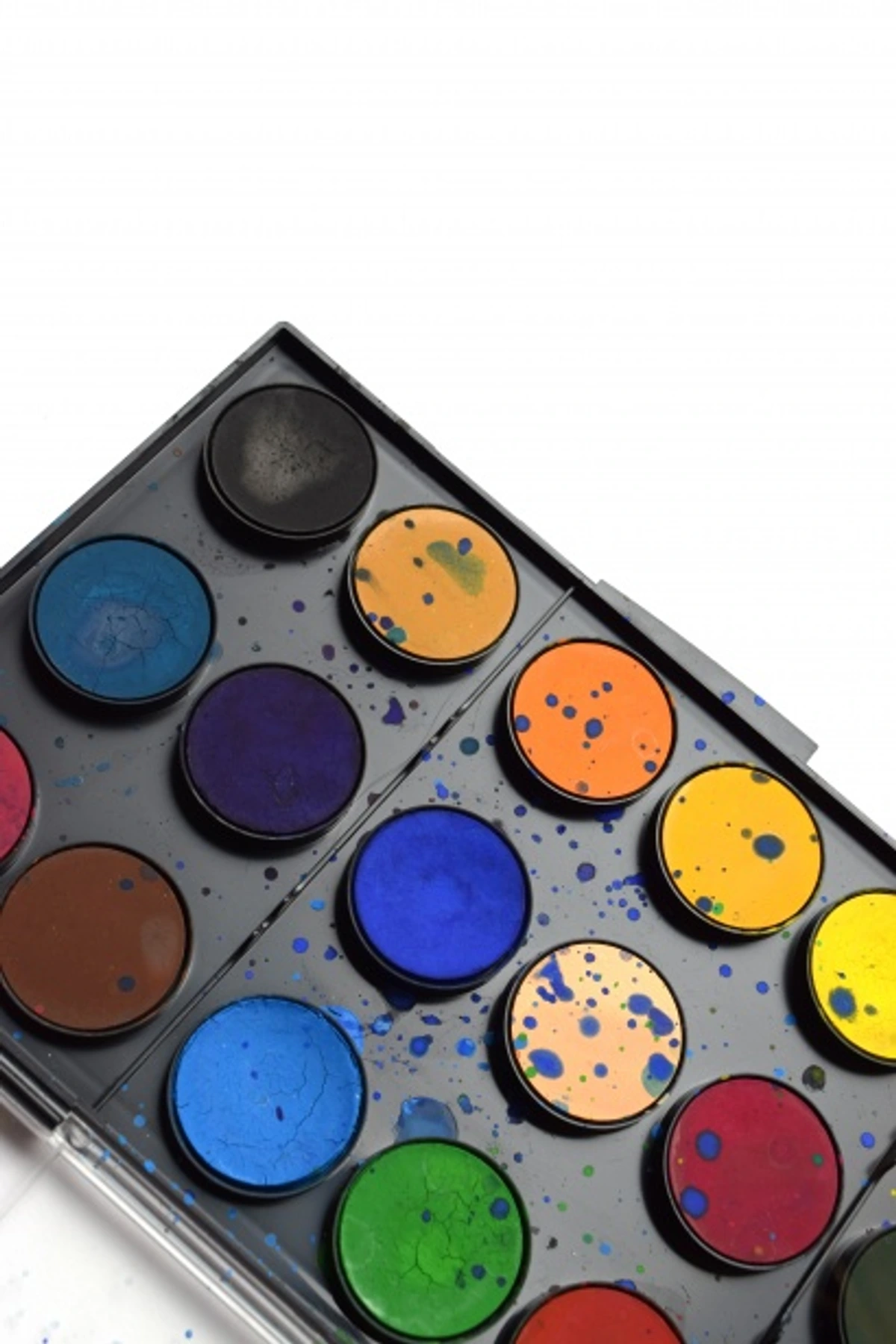
The type of paint you use plays a significant role in determining the best synthetic brush for your work. For example, acrylics require a brush that can handle their thickness and quick-drying nature, while watercolors need a brush that can hold and release water effectively.
Choosing the right brush for your medium is essential for achieving the desired effects in your artwork. Acrylics, with their thickness and quick-drying nature, require a brush that can handle these properties. Watercolors, on the other hand, need a brush that can hold and release water effectively. By understanding the unique requirements of your medium, you can select the best synthetic brush for your work.
Brush Shapes and Their Uses
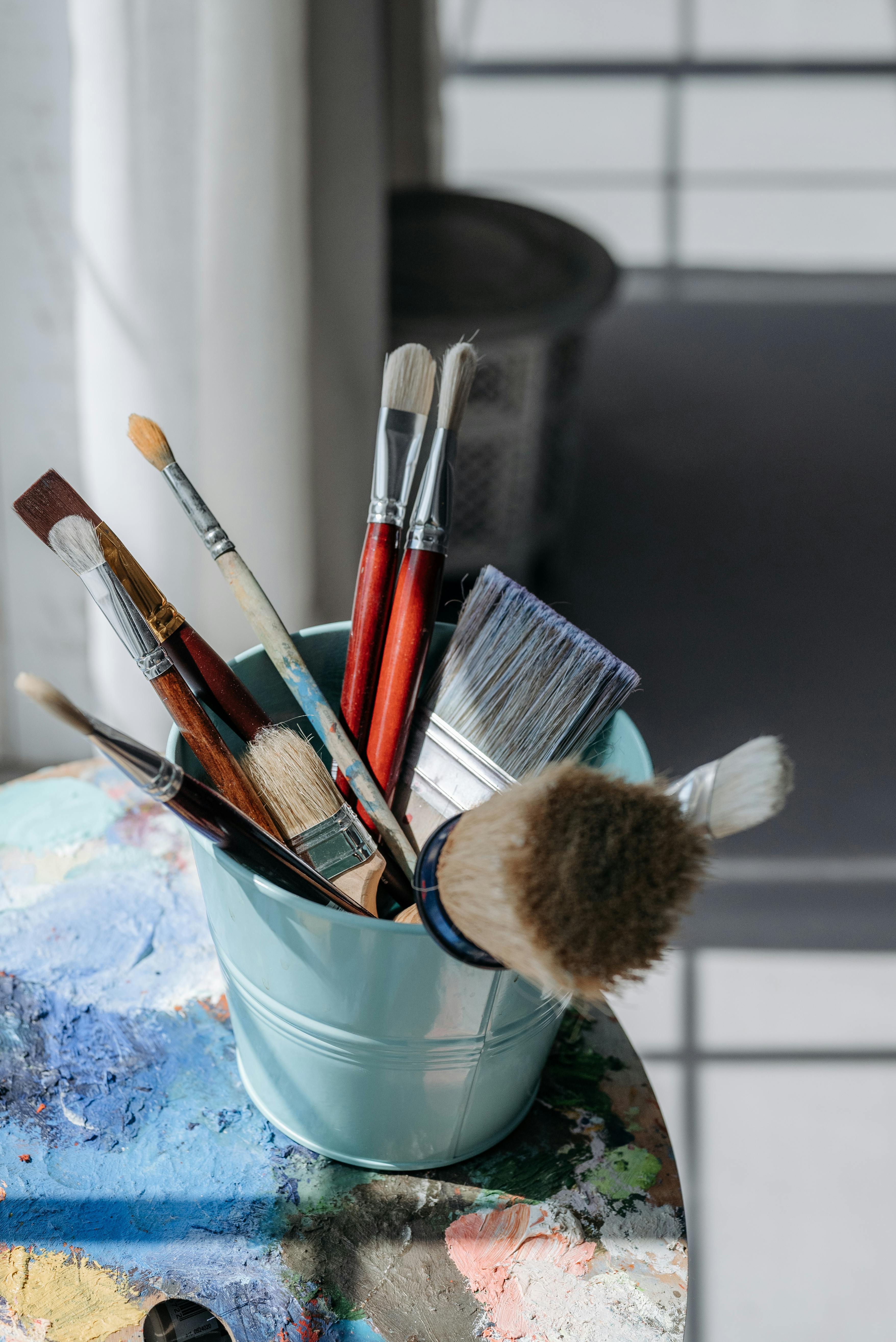
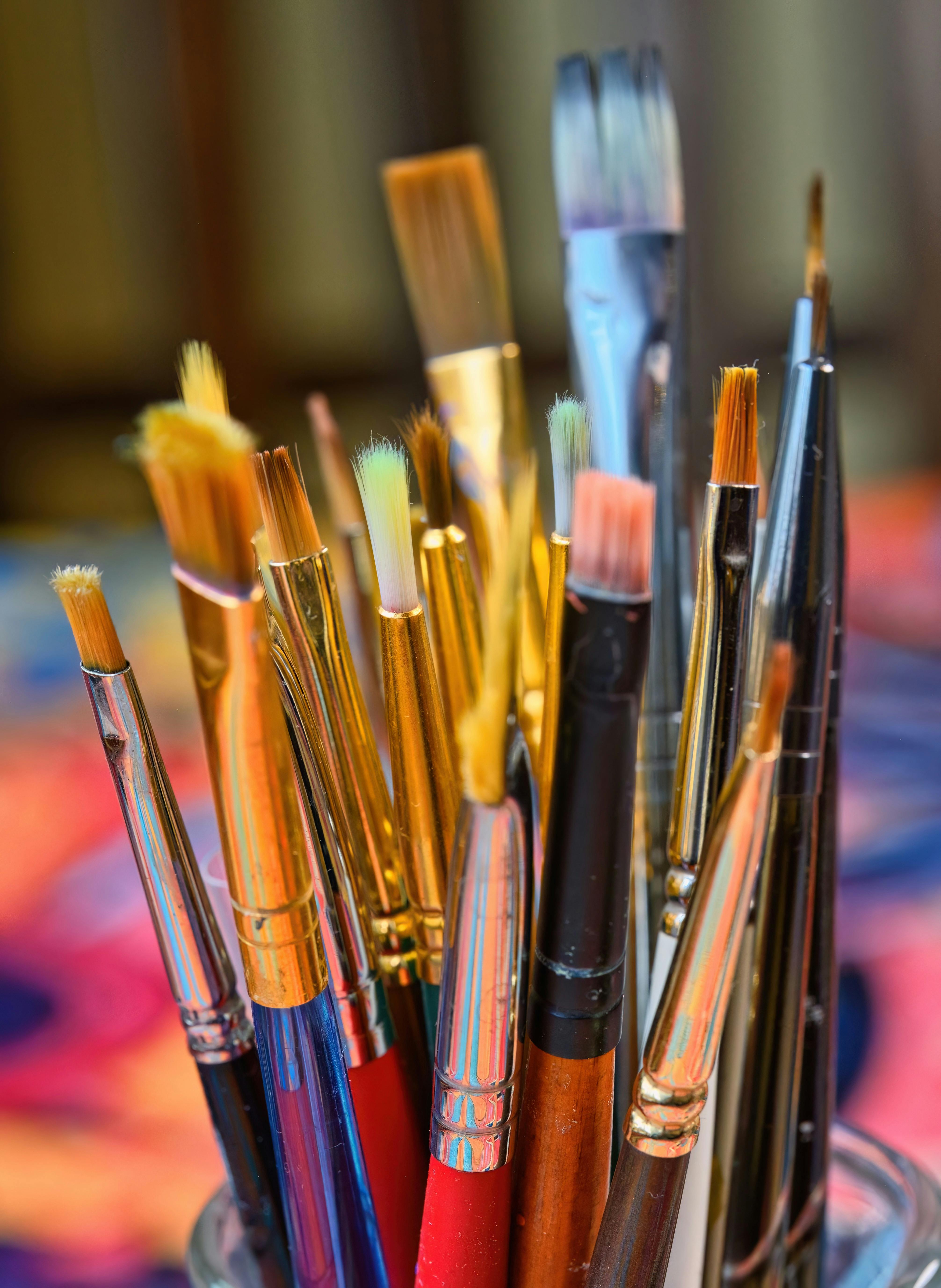
The shape of your brush can dramatically change the outcome of your work. Here’s a quick guide:
Shape | Description | Best For |
|---|---|---|
| Round | Pointed tip, full body | Detailed lines, controlled strokes |
| Flat | Square end, even bristles | Bold strokes, sharp edges |
| Filbert | Oval shape, tapered end | Soft edges, blending |
| Fan | Spread-out bristles | Textures, feathering, special effects |
| Angle | Slanted bristles | Precision work, edges, and details |
| Mop | Fluffy, dense bristles | Soft washes and broad strokes |
The shape of your brush is a crucial factor in determining the outcome of your artwork. Each shape offers unique possibilities for creating different effects and textures. By experimenting with different brush shapes, you can discover new techniques and styles that will elevate your work.
Specialty Brushes for Unique Effects
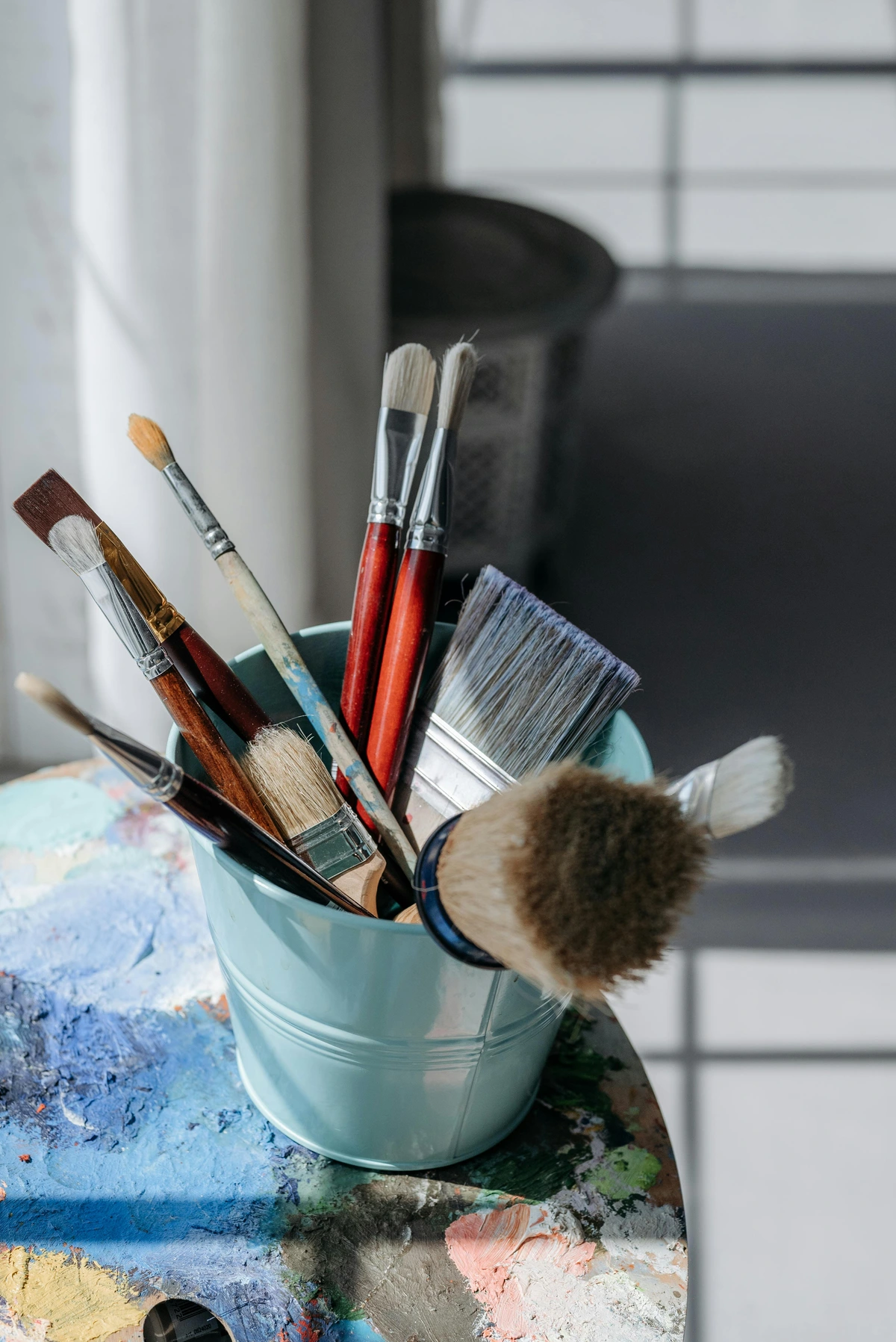
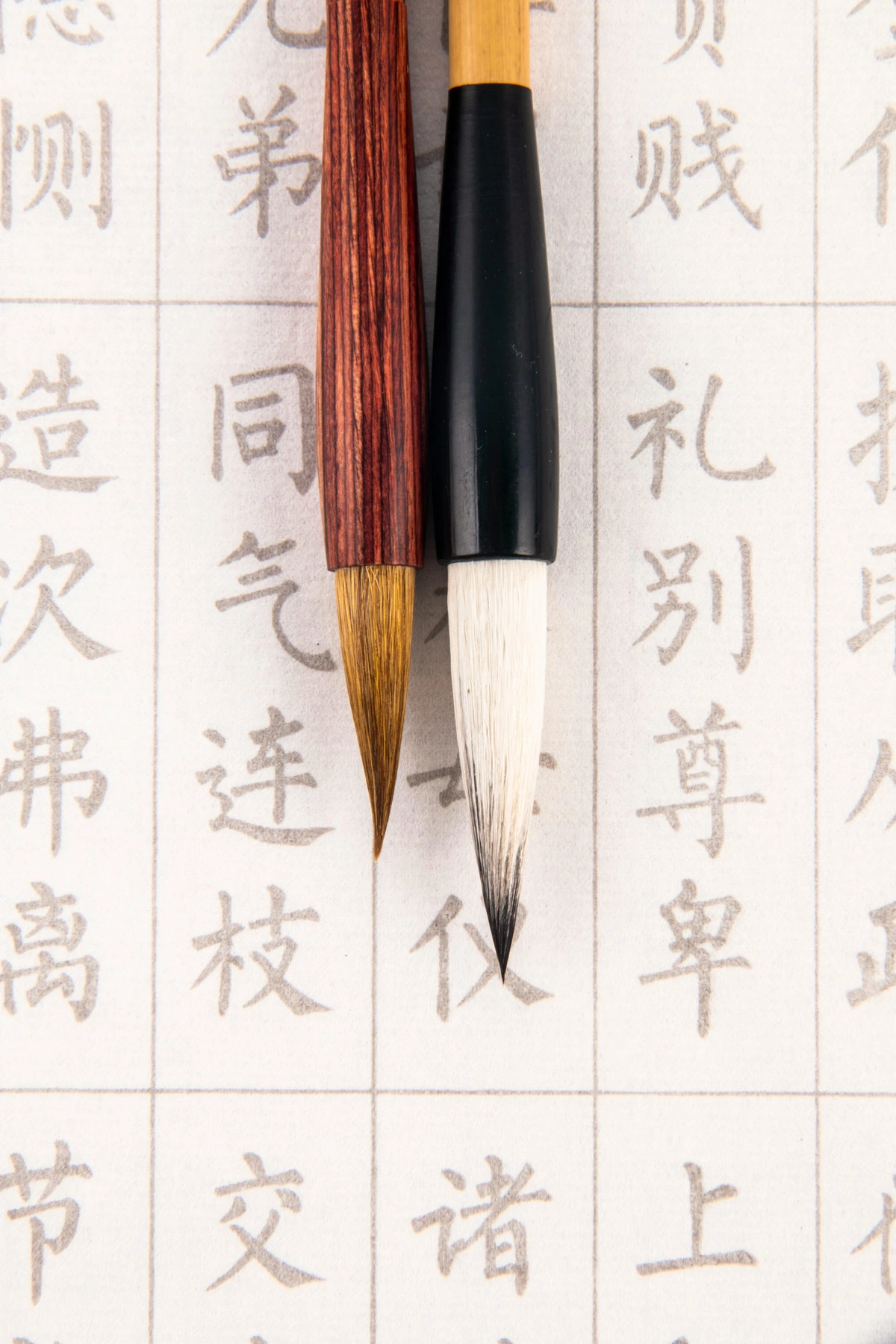
Beyond the standard shapes, there are specialty brushes designed for specific techniques. For instance, a dagger brush is perfect for creating fine, controlled lines, while a script liner is ideal for intricate details and calligraphy-like strokes.
Specialty brushes offer a world of possibilities for artists. Whether you're creating fine, controlled lines or intricate details, these brushes can help you achieve unique effects that will elevate your work. By experimenting with different specialty brushes, you can discover new techniques and styles that will set your artwork apart.
I’ll admit, I used to underestimate the fan brush. Then I tried it for creating wispy, atmospheric effects in a piece inspired by [/timeline]. Suddenly, it became my secret weapon.

Experimenting with Brush Shapes
Don’t be afraid to experiment with different brush shapes. Each shape offers a unique way to apply paint, and you might discover a new technique or style that becomes a signature element of your work.
Experimentation is key to discovering your unique artistic voice. By trying out different brush shapes and techniques, you can uncover new ways to express your creativity. Don't be afraid to step out of your comfort zone and explore the possibilities that different brush shapes offer.
Size Matters
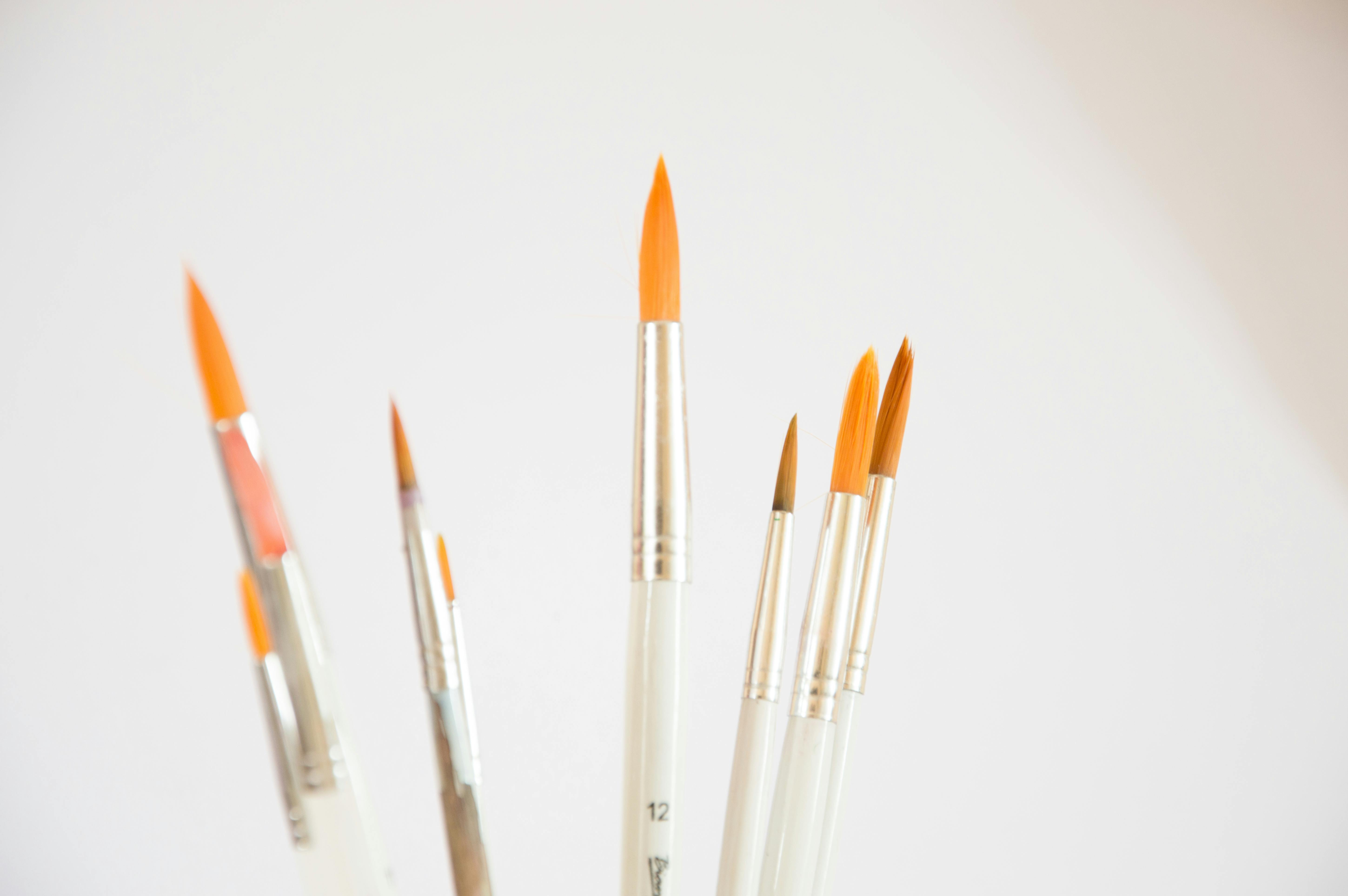
Brush sizes can be confusing. A #12 in one brand might feel like a #8 in another. Here’s a general rule:
- Small (0-4): Detail work, fine lines.
- Medium (6-10): Versatile, good for most strokes.
- Large (12+): Bold, expressive, covering large areas quickly.
Pro tip: If you’re working on a large canvas, don’t be afraid to go big. A massive flat brush can lay down a wash of color in seconds—perfect for those moments when inspiration strikes and you need to move fast.
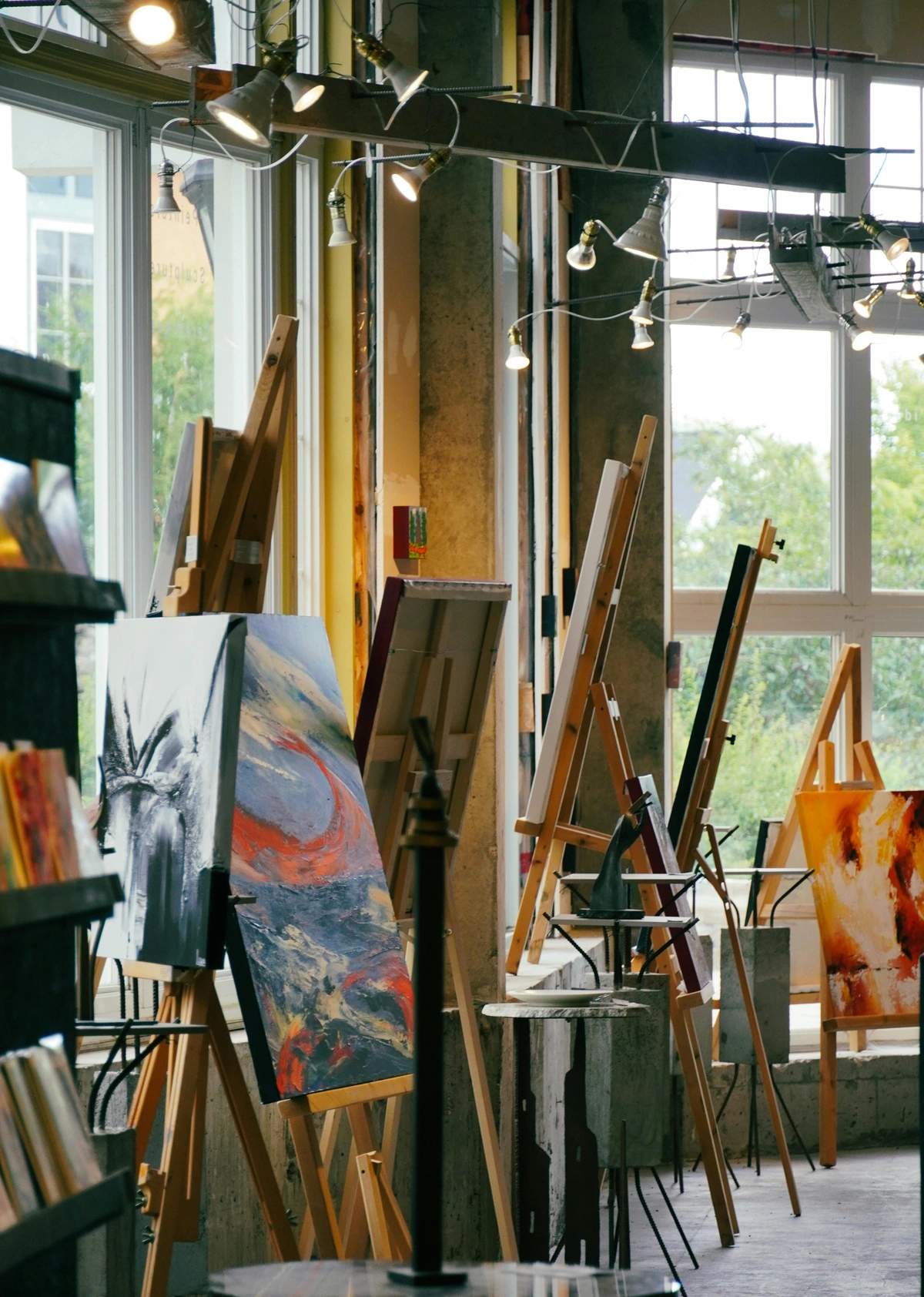
Choosing the Right Size for Your Project
The size of your brush should align with the scale of your project. For detailed work, smaller brushes provide the control you need. For larger pieces, bigger brushes allow you to cover more ground quickly and efficiently.
Choosing the right brush size is essential for achieving the desired effects in your artwork. Whether you're working on a detailed piece or a large-scale project, selecting the appropriate brush size can make all the difference. By understanding the unique requirements of your project, you can choose the best brush size for your work.
Techniques for Mastering Synthetic Brushes
Synthetic brushes behave differently than natural ones. Here’s how to get the most out of them:
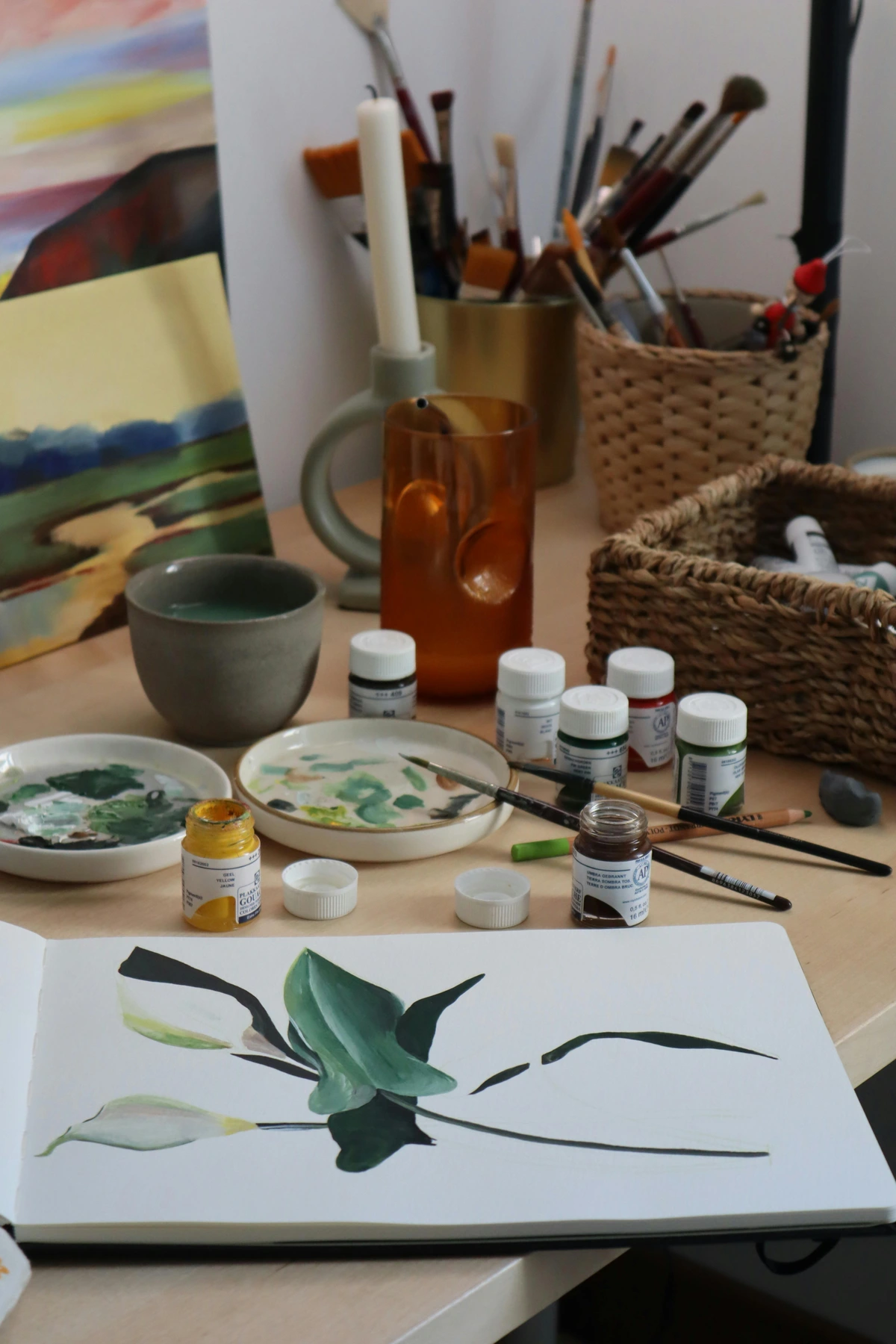
Adapting to Synthetic Brushes
If you’re transitioning from natural to synthetic brushes, it’s important to understand their unique characteristics. Synthetic brushes often have a different feel and response, so take the time to experiment and adapt your techniques accordingly.
Transitioning to synthetic brushes can be a learning curve, but it's also an opportunity to explore new techniques and styles. By taking the time to understand the unique characteristics of synthetic brushes, you can adapt your techniques and discover new ways to express your creativity.
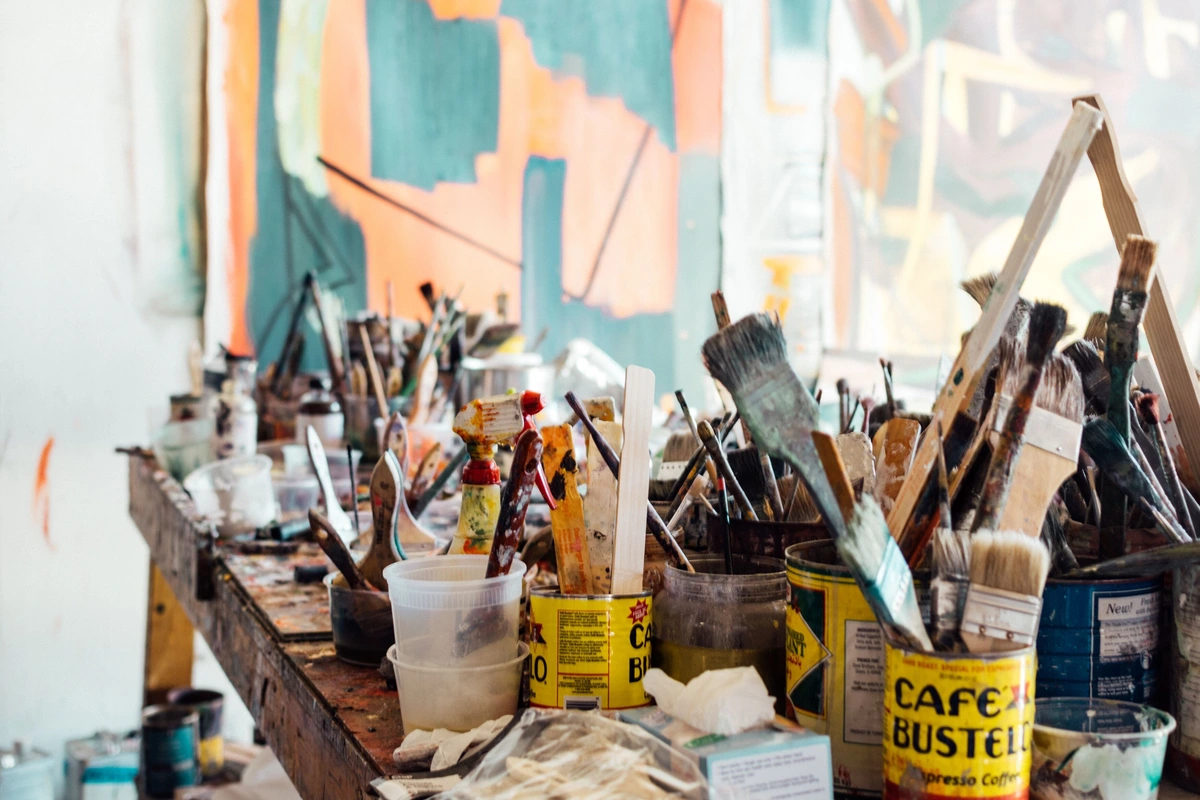
Blending Like a Pro
One of the biggest myths about synthetic brushes is that they can’t blend well. Not true. Taklon brushes, in particular, are fantastic for smooth transitions. The key? Keep your brush slightly damp (not wet) and work quickly. Acrylics dry fast, so you’ve got to move with intention.
Blending is a fundamental technique in art, and synthetic brushes are more than capable of achieving smooth transitions. By keeping your brush slightly damp and working quickly, you can create seamless blends that will elevate your work. Don't let the myths about synthetic brushes hold you back; experiment and discover the possibilities for yourself.
Advanced Blending Techniques
For more advanced blending, consider using a wet-on-wet technique. Apply a thin layer of water or medium to your canvas before blending. This creates a smoother transition between colors and helps you achieve a more seamless gradient.
Advanced blending techniques can take your artwork to the next level. By using a wet-on-wet technique, you can create smoother transitions and more seamless gradients. This technique is particularly effective with acrylics, allowing you to achieve professional-quality blends that will elevate your work.
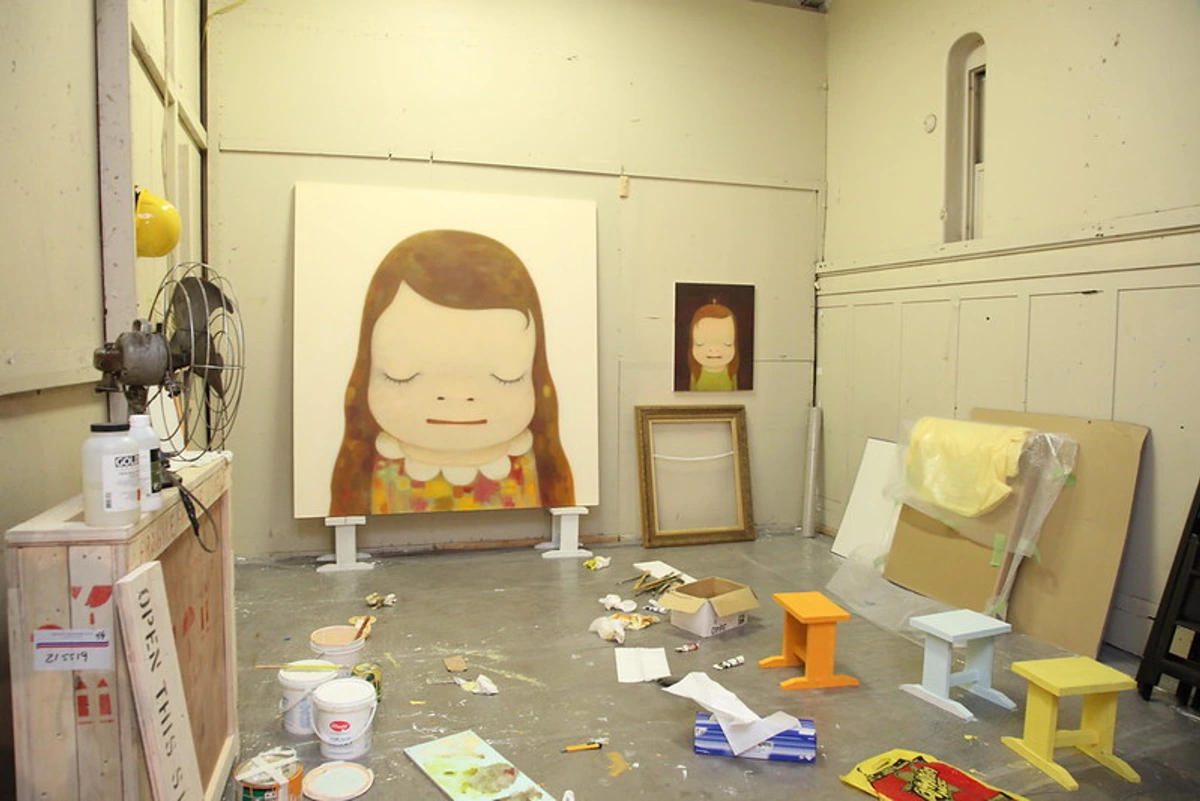
Texture Play
Want to add some grit to your work? Try dry brushing with a stiff nylon brush. Load it with a tiny bit of paint, then drag it lightly across a dry surface. The result? A broken, textured effect that’s perfect for abstract pieces.
Texture is a powerful tool in art, and synthetic brushes offer unique ways to explore it. By using a dry brushing technique with a stiff nylon brush, you can create a broken, textured effect that's perfect for abstract pieces. This technique is a great way to add depth and interest to your artwork, making it stand out.
Creating Depth with Texture
Texture isn’t just about adding grit; it’s also about creating depth. Experiment with layering different textures to build a sense of dimension in your artwork. For example, combine smooth blends with rough, textured strokes to create contrast and visual interest.
Creating depth with texture is an essential technique in art. By layering different textures, you can build a sense of dimension in your artwork, making it more engaging and visually interesting. Whether you're combining smooth blends with rough, textured strokes or experimenting with other techniques, texture can help you create depth and narrative in your work.

Cleaning and Care
Synthetic brushes are durable, but they’re not indestructible. Here’s how to keep them in top shape:
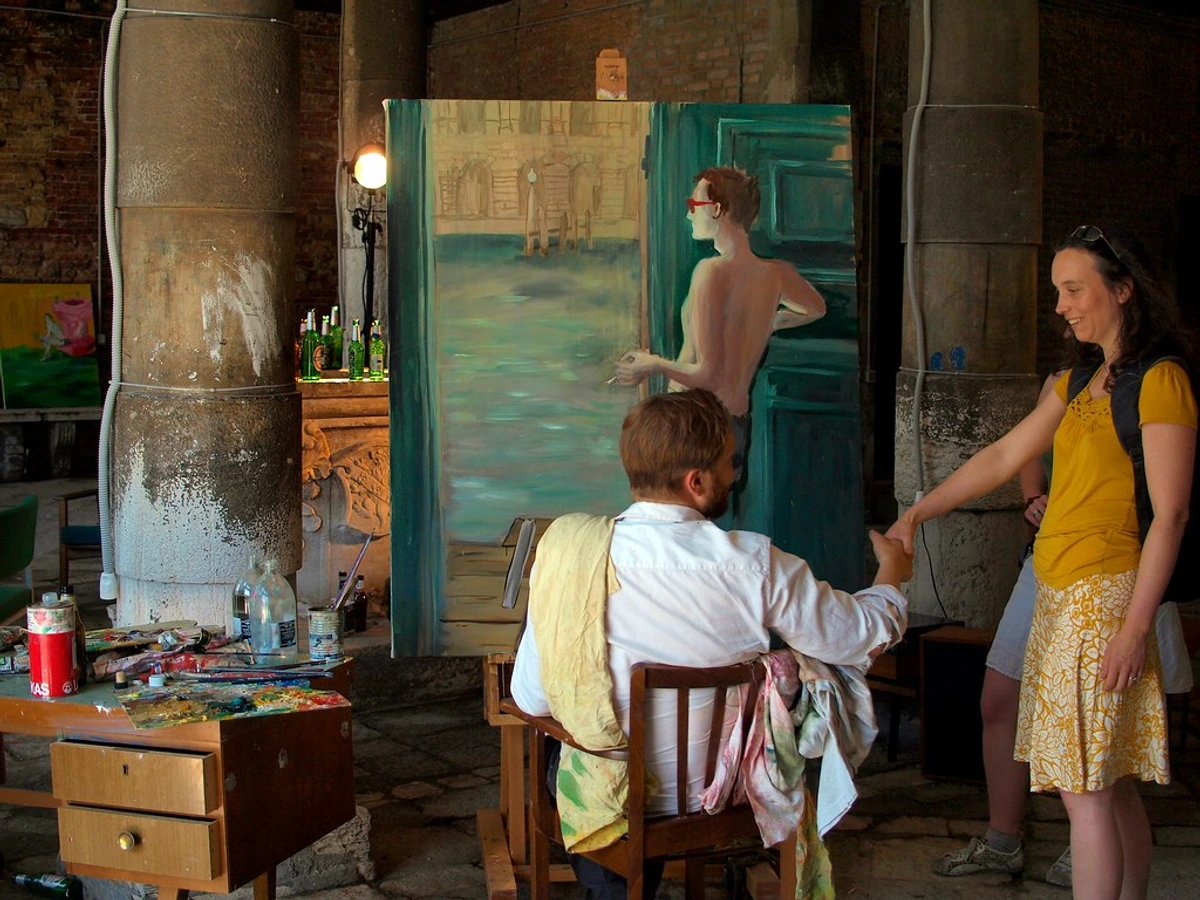
- Rinse immediately after use. Acrylics dry like cement—don’t let them sit.
- Use mild soap (I swear by castile soap) and warm water.
- Reshape the bristles while wet and let them dry flat.
I learned this the hard way after ruining a favorite brush by leaving it in a jar of murky water overnight. Lesson learned: treat your tools like the extensions of your hand that they are.
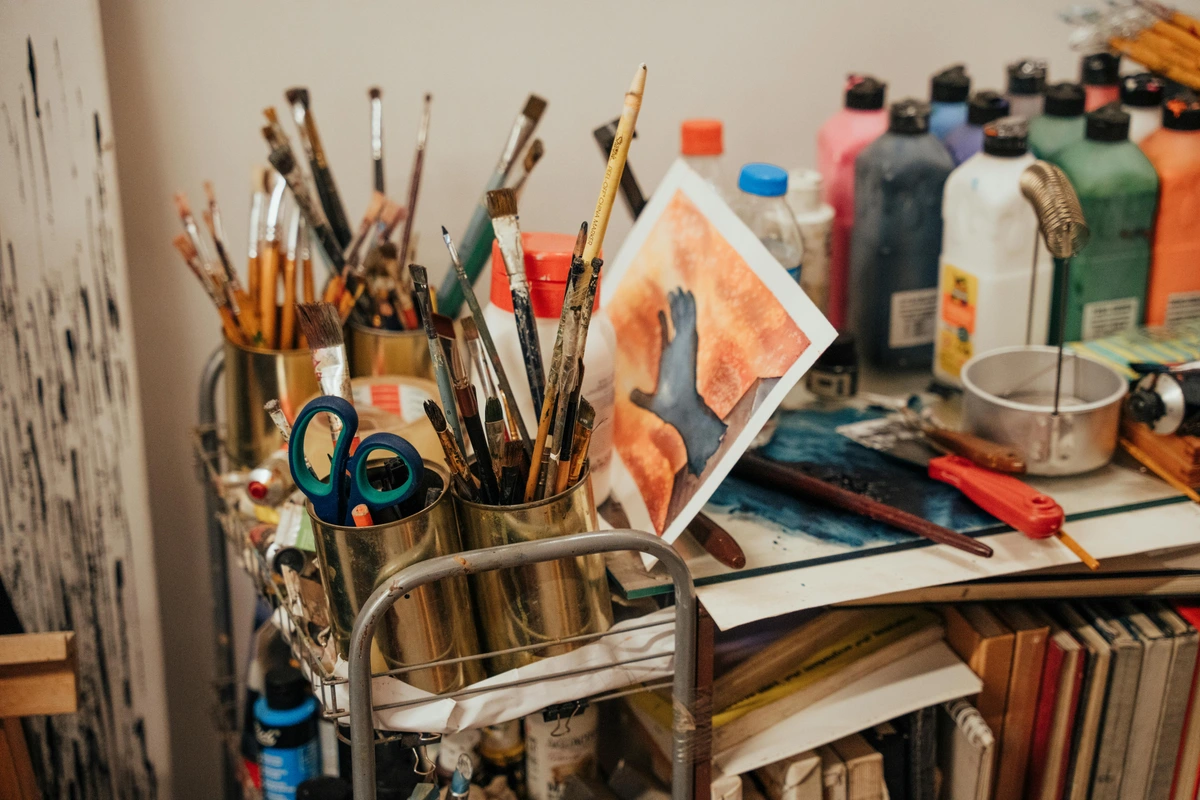
Long-Term Maintenance
For long-term care, consider using a brush conditioner to keep the bristles soft and pliable. Store your brushes in a cool, dry place, and avoid leaving them in direct sunlight, which can cause the bristles to degrade over time.
Long-term maintenance is key to ensuring the longevity of your synthetic brushes. By using a brush conditioner and storing your brushes properly, you can keep them in top shape for years to come. This will not only extend the life of your brushes but also ensure that they continue to perform at their best, allowing you to create beautiful works of art.
Synthetic vs. Natural: The Great Debate
I know what you’re thinking: But natural brushes are just better, right? Not necessarily. Let’s break it down:
Factor | Synthetic Brushes | Natural Brushes |
|---|---|---|
| Cost | Generally cheaper | Often expensive |
| Durability | Long-lasting, resistant to wear | Can degrade faster, especially with harsh solvents |
| Ethics | Cruelty-free | Often sourced from animals |
| Performance | Great for acrylics, versatile | Excels with oils, watercolors |
| Maintenance | Easier to clean and maintain | Requires more care and conditioning |
Making the Right Choice
Ultimately, the choice between synthetic and natural brushes depends on your personal preferences, ethical considerations, and the specific demands of your artwork. Many artists find that a combination of both types offers the best of both worlds.
Choosing the right brush is a personal decision that depends on a variety of factors. Whether you prefer synthetic brushes for their versatility and ethical advantages or natural brushes for their traditional qualities, the choice is yours. Many artists find that a combination of both types offers the best of both worlds, allowing them to explore a wide range of techniques and styles.
Hybrid Brushes: The Best of Both Worlds
Some brushes combine synthetic and natural fibers, offering a blend of durability and performance. These hybrid brushes are ideal for artists who want the best of both worlds without compromising on quality or ethics.
Hybrid brushes offer a unique combination of durability and performance, making them an excellent choice for artists who want the best of both worlds. By combining synthetic and natural fibers, these brushes provide the versatility and ethical advantages of synthetic brushes with the traditional qualities of natural brushes. This makes them a popular choice for artists who want to explore a wide range of techniques and styles without compromising on quality or ethics.
For contemporary artists, especially those working with acrylics, synthetics often win out. They’re built to handle the rigors of modern paints and techniques.
FAQ: Your Synthetic Brush Questions Answered
Are synthetic brushes good for oil painting?
They can be, but with caveats. Synthetics don’t hold oil paint as well as natural bristles, and they can be harder to clean. If you’re committed to oils, a natural hog bristle brush might still be your best bet. But for occasional oil work? A high-quality synthetic can do the job.
While synthetic brushes are not traditionally associated with oil painting, they can be used for this medium with some considerations. Synthetic brushes don't hold oil paint as well as natural bristles and can be harder to clean. However, for occasional oil work, a high-quality synthetic brush can be a viable option. It's important to choose a brush that is specifically designed for oil painting and to take extra care when cleaning it to ensure its longevity.
Can I use synthetic brushes for watercolor?
Absolutely! Taklon brushes are a dream for watercolor. They hold water well, maintain a fine point, and won’t shed like some natural hair brushes. Plus, they’re a fraction of the cost of sable.
Synthetic brushes are an excellent choice for watercolor painting. Taklon brushes, in particular, are known for their ability to hold water well and maintain a fine point, making them ideal for detailed work. Additionally, synthetic brushes are often more affordable than natural brushes, making them a practical choice for artists of all levels.
How do I know if a brush is high-quality?
Look for a few key things:
- Bristle integrity: No stray hairs, uniform shape.
- Ferrule strength: The metal part should be tightly crimped, no wobble.
- Handle comfort: It should feel balanced in your hand.
If a brush feels flimsy or sheds bristles the first time you use it, it’s not worth your time.
Choosing a high-quality brush is essential for achieving the best results in your artwork. Look for brushes with strong bristle integrity, a tightly crimped ferrule, and a comfortable handle. These qualities are indicators of a well-made brush that will perform at its best and last for years to come.
Do synthetic brushes work with gouache?
Yes! Gouache is thick and opaque, making it a great match for stiffer synthetic brushes. They’ll help you lay down bold, even strokes without the brush hairs bending under pressure.
Synthetic brushes are an excellent choice for gouache painting. The thickness and opacity of gouache make it a great match for stiffer synthetic brushes, which can help you lay down bold, even strokes. This makes synthetic brushes a practical and versatile choice for artists working with gouache.
Can I mix synthetic and natural brushes in one piece?
Of course! Art is about experimentation. I often start a piece with natural brushes for delicate washes, then switch to synthetics for bold, textured layers. The contrast can add depth to your work.
Mixing synthetic and natural brushes in one piece is a great way to explore new techniques and styles. By combining the delicate washes of natural brushes with the bold, textured layers of synthetic brushes, you can create a unique contrast that adds depth to your work. This approach allows you to experiment and discover new ways to express your creativity.
What are the best synthetic brushes for acrylics?
For acrylics, nylon brushes are a popular choice due to their stiffness and durability. They can handle the thickness of acrylic paint and are easy to clean, making them ideal for both beginners and experienced artists.
Acrylic painting requires a brush that can handle the thickness and quick-drying nature of the medium. Nylon brushes, with their stiffness and durability, are an excellent choice for acrylics. They are easy to clean and maintain, making them a practical and versatile option for artists of all levels.
What are the best synthetic brushes for beginners?
For beginners, a set of taklon brushes is a great starting point. They are affordable, versatile, and easy to use. Look for a set that includes a variety of shapes and sizes to experiment with different techniques.
For beginners, choosing the right brushes can be overwhelming. Taklon brushes are an excellent starting point, offering affordability, versatility, and ease of use. By selecting a set that includes a variety of shapes and sizes, you can experiment with different techniques and discover what works best for you.
How do I prevent my synthetic brushes from fraying?
To prevent fraying, avoid pressing too hard on the brush and always clean it thoroughly after use. Store your brushes with the bristles facing upward to maintain their shape.
Preventing your synthetic brushes from fraying is essential for maintaining their performance and longevity. By avoiding excessive pressure, cleaning them thoroughly after use, and storing them properly, you can keep your brushes in top shape. This will ensure that they continue to perform at their best, allowing you to create beautiful works of art for years to come.
Can synthetic brushes be used for digital art?
While synthetic brushes are primarily designed for traditional media, their principles can inspire digital artists. Many digital brushes are modeled after the textures and behaviors of synthetic brushes, offering similar effects in digital painting software.
While synthetic brushes are not directly applicable to digital art, their principles can inspire digital artists. Many digital brushes are designed to mimic the textures and behaviors of synthetic brushes, offering similar effects in digital painting software. This makes synthetic brushes a valuable source of inspiration for digital artists, allowing them to explore new techniques and styles in their work.
Conclusion: Embracing the Synthetic Revolution
Synthetic brushes aren’t just a substitute—they’re a revolution. They’re durable, ethical, and capable of techniques that natural brushes can’t touch. Whether you’re diving into abstract expressionism or refining your watercolor skills, there’s a synthetic brush out there waiting to become your new favorite tool.
So next time you’re standing in the art supply aisle, don’t just reach for the familiar. Pick up a synthetic brush, give it a try, and see where it takes your art. You might just find a new voice in your work—one that’s bold, unapologetic, and entirely your own.
And if you’re looking for more tools to elevate your practice, check out [/buy] for a curated selection of contemporary art supplies. Or, if you’re curious about how modern tools like these fit into the broader story of art, take a stroll through [/timeline] for some inspiration.
Embracing the synthetic revolution is about more than just choosing a new tool; it's about exploring new possibilities and pushing the boundaries of your creativity. Whether you're a seasoned artist or just starting, synthetic brushes offer a world of opportunities to elevate your work and express your unique voice.
Happy painting.
Final Thoughts
The world of synthetic brushes is vast and full of possibilities. As you explore and experiment, remember that the best tool is the one that feels right in your hand and helps you express your unique vision. Embrace the journey, and let your art evolve with the tools you choose.
Additional Resources
For further reading and exploration, consider the following resources:













- Books: Look for books on contemporary art techniques and tools. Many authors provide insights into the use of synthetic brushes and their advantages.
- Online Communities: Join art forums and social media groups where artists share their experiences and tips on using synthetic brushes.
- Workshops: Attend workshops and classes focused on modern painting techniques. These can provide hands-on experience and expert guidance.
Glossary of Terms
- Synthetic Brushes: Brushes made from man-made fibers designed to mimic or surpass the qualities of natural hair brushes.
- Nylon Brushes: Stiff and resilient brushes ideal for bold strokes and heavy textures.
- Taklon Brushes: Soft and smooth brushes that mimic the qualities of sable brushes, perfect for watercolor and detailed work.
- Polyester Blends: Brushes that offer a balance of stiffness and softness, making them versatile for mixed media.
- Acrylic Fibers: Soft yet durable brushes that are water-resistant, ideal for acrylics and gouache.
- Silicone Brushes: Ultra-smooth and flexible brushes designed for special effects and unique textures.
- Hybrid Brushes: Brushes that combine synthetic and natural fibers, offering a blend of durability and performance.
Further Reading
- The Definitive Guide to Understanding Texture in Art: Explore the role of texture in art and how synthetic brushes can enhance your work.
- Modern Art: Learn about the evolution of modern art and the tools that have shaped it.
- Best Watercolor Sets for Beginners: Discover the best watercolor sets and brushes for beginners.
- Ultimate Guide to Abstract Expressionism: Dive into the world of abstract expressionism and the techniques used by contemporary artists.
- How to Layer Colors in Acrylic Painting: Learn techniques for layering colors effectively using synthetic brushes.
About the Author
This article was written by an artist passionate about exploring the intersection of traditional and modern art techniques. With years of experience in contemporary painting, the author aims to share insights and tips to help artists of all levels enhance their practice.
Feedback and Contributions
We welcome feedback and contributions from our readers. If you have any questions, suggestions, or personal experiences with synthetic brushes, feel free to share them in the comments section. Your insights can help others on their artistic journey.
Stay Updated
For the latest updates on art techniques, tools, and trends, subscribe to our newsletter. Stay informed about new articles, workshops, and resources to elevate your artistic practice.
Connect with Us
Follow us on social media to stay connected and engaged with our community of artists. Share your work, ask questions, and connect with fellow artists who share your passion for creativity and innovation.
Final Words
Thank you for reading this comprehensive guide on synthetic brushes. We hope it has provided valuable insights and inspiration for your artistic journey. Keep exploring, experimenting, and creating with the tools that resonate with you. Happy painting!