
Saint George: Myth, History & Legacy
Explore Saint George's epic journey from martyr to dragon-slayer. Discover how this myth transformed art, culture and symbolism across centuries

Saint George: The Dragon Slayer's Myth & Historical Tapestry
I still remember standing before a faded 14th-century fresco in a small Italian chapel, mesmerized by Saint George pinned mid-lance against a fantastical serpent. That moment crystallized something for me: this isn't just a story we tell children. It's a visceral, primal myth woven into our cultural DNA, from the battlefields of antiquity to modern comic books. But what if I told you that beneath the chivalric romance lies a complex tapestry of history, faith, and cultural transformation that spans continents and centuries?
What makes this story so enduring? Is it the universal theme of good versus evil? The archetype of the hero's journey? Or is there something deeper—a psychological resonance that speaks to our collective unconscious? I've spent countless hours researching this, poring over ancient texts while my cat sleeps on my keyboard, and I've come to realize that Saint George represents something fundamental in the human experience: the eternal struggle against chaos, the courage to stand against overwhelming odds, and the transformative power of hope.
The question that haunts me, though, is this: why does a 3rd-century Roman soldier continue to captivate us more than 1,700 years later? What about this particular story makes it so adaptable, so universal, that it resonates with everything from medieval peasants to modern comic book readers? The answer, I believe, lies in the story's remarkable flexibility—its ability to be reinterpreted and reinvented by each generation to meet their specific needs and anxieties.

The story of Saint George is far more fascinating than most people realize. It's not merely about a knight slaying a dragon – though that certainly makes for compelling drama. It's about how a figure from the margins of history became one of the most revered saints in the Christian world, his image appearing on everything from national flags to corporate logos. And here's the kicker: we're not entirely sure he ever actually existed. Yet his legend continues to inspire, terrify, and unite people across cultural divides. Isn't that something?
Let me share something that always strikes me when I read medieval accounts of George's martyrdom. The descriptions of his torture are almost formulaic—broken on the wheel, boiled in lead, beheaded. But what's missing is any sense of George's actual personality, his fears, his doubts. We have no letters he wrote, no personal accounts, no details about his family or background. He's a blank canvas upon which every generation has painted their own ideals of courage and faith. This absence of historical detail is precisely what makes him so powerful—each of us can see in him what we need to see.
Why This Matters: The Enduring Power of Myth
In an age of scientific skepticism and digital disconnection, why do we still care about a 17th-century martyr who supposedly fought a dragon? The answer lies in the fundamental psychology of human storytelling. Saint George represents what Carl Jung would call an archetype – a universal pattern of human experience that transcends individual consciousness. He's the Hero archetype in its purest form: the ordinary person called to extraordinary action, facing seemingly insurmountable odds, and ultimately triumphing through courage and conviction.
But there's something deeper here that most analyses miss. George's story works on multiple psychological levels simultaneously, creating what psychologists might call a "nested" narrative structure. On the surface, it's an adventure tale. At the next level, it's a metaphor for spiritual warfare. And at the deepest level, it's a mirror for our own psychological development. This multi-dimensionality is why the story continues to feel fresh and relevant even after countless retellings. Each time we encounter it, we can extract new meaning based on where we are in our own life journey.
But there's more to it than just hero worship. The story of Saint George operates on multiple psychological levels that continue to resonate with modern audiences:
- The Shadow Self: The dragon represents our inner demons – fears, anxieties, and destructive tendencies that we must confront
- The Journey of Integration: George's battle symbolizes the psychological process of integrating our light and dark sides
- Collective Unconscious: The story taps into shared human experiences that cross cultural and temporal boundaries
- Hope in Despair: In times of crisis, the legend reminds us that even when all seems lost, courage and determination can prevail
This psychological depth explains why the story has survived for centuries while countless other historical figures have faded into obscurity. It's not just about a man who may or may not have lived – it's about the universal human condition that we all recognize in his struggle.
The Global Calendar of Saint George Events
Different regions celebrate George at different times and in different ways. Here's a calendar of major Saint George celebrations around the world:
Month  | Region | Type of Celebration | Key Features |
|---|

How to Celebrate Saint George Today
If you're interested in celebrating Saint George, here are some meaningful ways to participate:
Religious Observance:
- Attend a church service dedicated to Saint George
- Learn about George's story and its spiritual significance
- Say a prayer to George for courage and protection
- Read about George's life and martyrdom
Cultural Engagement:
- Research how Saint George is celebrated in different cultures
- Attend a local Saint George festival or event
- Learn about George in art, literature, and music
- Share George stories with family and friends
Personal Reflection:
- Reflect on themes of courage and faith in your own life
- Consider what "dragons" you need to face in your life
- Think about how George's example can inspire you
- Set personal goals related to courage and integrity
Creative Expression:
- Create art inspired by Saint George's story
- Write your own version of a George-inspired tale
- Compose music or poetry about George
- Design George-themed crafts or decorations
But why does this particular story captivate us so deeply? Perhaps it's because it operates on multiple levels simultaneously. On the surface, it's an exciting adventure tale. On a deeper level, it's a metaphor for spiritual warfare—the battle between light and darkness, order and chaos, good and evil. And on the most fundamental level, it speaks to the human condition itself: our ongoing struggle to overcome inner and outer dragons that threaten to consume us.
I remember visiting a museum where they had this incredible medieval manuscript depicting the dragon-slaying scene. The detail was astonishing – you could almost feel the dragon's scales and see the determination in George's eyes. What struck me most was how the medieval artist managed to capture such intense emotion in static form. That's the power of this legend – it transcends time and speaks to something fundamental in all of us.
This emotional resonance is what makes the Saint George story so adaptable across cultures and centuries. Whether it's rendered in a 14th-century fresco, a Renaissance painting, a modern comic book, or even a children's cartoon, the core narrative remains potent. Why? Because it taps into something universal within the human psyche—the need for heroes, the hope that good can triumph over evil, and the belief that individuals can make a difference in the face of overwhelming adversity.
Modern Celebrations and Traditions
How do people celebrate Saint George today? Across the world, April 23rd (Saint George's Day) is marked by diverse traditions that reflect both religious devotion and cultural pride.

Saint George's Day Celebrations
England:
- National Holiday: Though not a public holiday, it's celebrated with various events
- Traditional Symbols: Red roses, jack-in-the-green characters, Morris dancing
- Modern Revival: Growing interest in celebrating English heritage and culture
- Festivals: Local events with parades, music, and traditional foods
Georgia (Country):
- Major National Holiday: April 23rd is a significant national celebration
- Church Services: Orthodox religious ceremonies and processions
- Cultural Events: Traditional music, dance, and food festivals
- National Pride: Celebration of Georgian identity and heritage
Portugal:
- Regional Variations: Different regions have distinctive celebrations
- Religious Observances: Church services and processions
- Festivals: Local fiestas with food, music, and dancing
- Agricultural Connections: Some celebrations tied to farming cycles
Greece:
- Local Festivals: Village celebrations with unique local character
- Religious Processions: Carrying icons and statues of George
- Food and Music: Traditional feasts and folk performances
- Agricultural Blessings: Some celebrations include blessings for crops and livestock
The Historical Saint: Separating Fact from Fiction
The Evolution of the Legend: From Martyr to Dragon Slayer
The historical investigation of Saint George begins with the earliest Christian writings from the 4th century. Eusebius of Caesarea, in his "Ecclesiastical History," mentions a martyr named George, but his account is remarkably brief—just a passing reference in a list of martyrs during the persecution under Emperor Diocletian (303-311 AD).
The Passio Georgii (The Passion of George), an account from the 5th century, provides more details but is clearly legendary in nature. It describes George as a high-ranking officer from Cappadocia (modern-day Turkey) who refused to make sacrifices to pagan gods and was subjected to various tortures before being beheaded. This document represents the first major step in the evolution of the George legend from a historical figure to a mythic hero.
The Passio Georgii is particularly interesting because it establishes the core elements of George's identity that would persist for centuries: his military rank, his refusal to worship pagan gods, and his brutal execution. But what's missing from this early account is the dragon. The dragon story would emerge later, suggesting that George's legend grew in stages, with the martyrdom story becoming the foundation upon which more fantastic elements were added over time.

The Evolution of the Legend
The transformation of George from martyr to dragon-slayer occurred gradually over several centuries. Here's a timeline of key developments:
Century | Development | Significance |
|---|---|---|
| 2nd-3rd | Potential historical figure | Possible real existence as Christian soldier |
| 4th | Eusebius's brief mention | Earliest historical reference |
| 5th-6th | Passio Georgii written | First major legendary account, establishes martyrdom narrative |
| 7th-8th | Invocation against disease | Protector figure emerges, healing miracles attributed to George |
| 9th-10th | Military patronage traditions | George becomes patron of soldiers and knights |
| 10th-11th | Dragon story appears in Syriac texts | Dragon combat begins, story starts to spread Eastward |
| 11th-12th | Crusade connections | George becomes symbol of Christian military efforts |
| 12th-13th | Full dragon-slaying legend established | Knight-errant archetype, chivalric ideal |
| 13th-14th | Guild and craft patronage | George adopted by various trades and professions |
| 14th-15th | Patron saint of England | National adoption, appears on English flag |
| 15th-16th | Renaissance artistic peak | George becomes major subject in painting and sculpture |
| 16th-17th | Reformation impact | George's vuration varies between Protestant and Catholic contexts |
| 18th-19th | Enlightenment reinterpretation | George becomes symbol of reason and progress |
| 20th-21st | Modern cultural adaptation | George appears in film, literature, and popular culture |
Religious Observances
Christian Traditions:
- Catholic Church: Veneration of George as martyr and saint
- Eastern Orthodox: Special prayers and liturgies for the Great Martyr George
- Anglican Communion: Special services on Saint George's Day
- Other Protestant Traditions: Recognition of George as a Christian hero
Pilgrimages:
- Traditional Sites: Pilgrimages to churches and shrines dedicated to George
- Modern Pilgrimages: Some contemporary Christians undertake journeys to George-related sites
- Spiritual Significance: Pilgrimages often focus on themes of courage and faith
- Community Aspect: Many pilgrimages are undertaken in groups, strengthening community bonds
Devotional Practices:
- Prayer to George: Traditional prayers asking for intercession and protection
- Veneration of Relics: Some churches claim to have relics of Saint George
- Icon Veneration: Especially in Orthodox traditions, icons of George are venerated
- Personal Devotion: Many individuals have personal devotional practices related to George
The Historical Context: Roman Military and Christian Persecution
To understand the historical George, we must place him in the context of 3rd-century Rome. The Roman army was the backbone of the empire, and military service was both a privilege and a duty. For Christians, this created a significant dilemma. Military service typically involved:
Music and Performance
Saint George has also inspired musical compositions and performances:
Classical Music:
- Orchestral Works: Composers like Handel wrote oratorios featuring George
- Choral Music: Many churches have composed hymns and anthems in George's honor
- Opera: Several operas have been based on the George legend
Folk Music:
- Traditional songs celebrating George as a national hero
- Folk music from various cultures incorporates elements of the George story
- Modern folk artists continue to reinterpret the legend
Modern Music:
- Rock and pop musicians have referenced George in lyrics
- Some bands use George imagery in album artwork and stage performances
- Contemporary composers create new works inspired by the legend
Political and National Symbolism
Saint George has been adopted as a national symbol by several countries:
England and British Commonwealth:
- National Flag: George's cross (the St. George's Cross) appears on the English flag
- Royal Connections: George associated with English monarchy and royal family
- Political Rhetoric: George used in political discourse representing English identity
- National Identity: George symbolizes English heritage and cultural values
- Diplomatic Context: George imagery used in international relations and diplomacy
Georgia (Country):
- National Identity: The country takes its name from Saint George, establishing deep cultural connection
- Government Symbols: George appears on national coat of arms, currency, and official documents
- Political Discourse: George referenced in political speeches and national celebrations
- International Relations: George used as symbol of Georgian nationhood abroad
- Cultural Diplomacy: George promoted as symbol of Georgian culture globally
Portugal:
- National Heritage: George integrated into Portuguese national identity
- Military Symbolism: George associated with Portuguese military history
- Regional Pride: Different regions have unique George traditions and celebrations
- Cultural Policy: George promoted as part of Portuguese cultural heritage
- Tourism: George festivals and sites promoted for tourism development
Other European Countries:
- National Heroes: George sometimes compared to other national heroes and symbols
- Political Movements: Various political movements adopt George imagery
- European Identity: George sometimes referenced in discussions of European heritage
- Regional Politics: George used in regional political contexts and movements
Global Political Context:
- Peace Movements: George sometimes reinterpreted as symbol of peace and justice
- Human Rights: George's story applied to human rights discourse and activism
- International Relations: George imagery used in diplomatic contexts
- Cultural Politics: George discussed in debates about cultural appropriation and representation

England: George is the patron saint, and his cross appears on the national flag. He represents English identity and has been used in political rhetoric and national celebrations.
Georgia: The country takes its name from Saint George, and he appears on the national coat of arms and currency.
Portugal: George is a popular saint, and his imagery appears in national symbols and cultural traditions.
Other Countries: Many nations have adopted George as a military or protective symbol, using his image in various official contexts.
Sports and Popular Culture
Saint George's influence extends into modern popular culture:
Sports and Athletics:
- Team Names: Many sports teams use George or dragon imagery in their branding and mascots
- Competitive Events: Some communities organize George-themed athletic competitions
- Sports Psychology: George sometimes referenced as inspiration for athletes facing challenges
- Olympic Connections: George imagery appears in various Olympic traditions
- Youth Sports: George stories used to teach children about sportsmanship and courage
Video Games and Digital Media:
- Fantasy Games: George's dragon-slaying story influences countless fantasy games
- Character Design: Game characters often inspired by George's archetype
- Narrative Structure: Game storylines draw on George's journey and themes
- Virtual Worlds: George appears in MMORPGs and online gaming communities
- Mobile Games: George-themed games and apps for mobile devices
Comic Books and Graphic Novels:
- Superhero Stories: George's archetype influences superhero narratives
- Adventure Comics: George appears in various adventure and fantasy comics
- Graphic Novels: Extended George stories in comic book format
- Character Reinterpretations: Modern artists create new versions of George for comics
- Educational Comics: George stories adapted for educational comic formats
Advertising and Branding:
- Corporate Imagery: Companies use George imagery to symbolize courage and victory
- Product Names: Various products named after George or inspired by his story
- Marketing Campaigns: George themes used in various advertising campaigns
- Brand Identity: George incorporated into company logos and brand identities
- Cultural Marketing: Companies use George to connect with cultural heritage and values
Environmental and Modern Interpretations
Contemporary audiences have found new ways to interpret the Saint George legend:
Environmental Readings:
- Ecological Stewardship: Some modern interpreters see the dragon as representing environmental destruction
- Climate Change: George's victory interpreted as call to ecological action against climate threats
- Conservation Movement: George used as symbol for environmental protection efforts
- Sustainability: George's story applied to principles of sustainable living
- Eco-Spirituality: George reimagined as patron environmental saint
Psychological Interpretations:
- Jungian Analysis: Carl Jung and other psychologists have analyzed George's story as representing the journey of integrating one's shadow self
- Therapeutic Applications: George's story used in therapy and counseling contexts
- Personal Development: George interpreted as model for personal growth and overcoming challenges
- Mental Health: George's courage referenced in mental health awareness campaigns
- Resilience Narratives: George used as symbol of psychological resilience
Political Critique:
- Imperialism Critique: Some modern artists use George's story as commentary on imperialism and colonialism
- War Criticism: George sometimes reinterpreted to critique military conflict and violence
- Power Dynamics: Analyzed as commentary on power structures and authority
- Cultural Conflict: George story examined in contexts of cultural clash and misunderstanding
- Postcolonial Studies: George analyzed through postcolonial theory and critique
Gender Studies:
- Feminist Analysis: Feminist scholars have examined gender representations in the George legend
- Masculinity Studies: George analyzed as model of masculine virtues and behaviors
- Gender Roles: Traditional gender roles in George stories critically examined
- Female Perspectives: Alternative versions of George story from female perspectives
- Queer Theory: George story analyzed through queer theory and LGBTQ+ perspectives
Environmental Readings: Some modern interpreters see the dragon as representing environmental destruction, and George's victory as a call to ecological stewardship.
Psychological Interpretations: Carl Jung and other psychologists have analyzed George's story as representing the journey of integrating one's shadow self.
Political Critique: Some modern artists use George's story as commentary on imperialism, colonialism, and cultural conflict.
Gender Studies: Feminist scholars have examined gender representations in the George legend, particularly the role of the princess (often saved by George) in traditional versions of the story.
- Participation in pagan rituals
- Taking oaths to the emperor as divine
- Engaging in warfare that conflicted with Christian teachings on peace
During Diocletian's persecution (303-311 AD), Christians were required to sacrifice to the pagan gods or face execution. George's legend suggests he was a high-ranking officer who refused, making his defiance particularly significant. martyrdom would have been a powerful symbol for early Christians facing similar persecution.

Geographic Spread and Local Traditions
Saint George's fame isn't uniform across the world – different cultures have adopted and adapted his legend in unique ways. Let's explore how the story of George has spread and transformed across different regions.
What's remarkable about George's global journey is how the same core story—a brave soldier who defeats evil and stands for truth—has been adapted to countless different cultural contexts. Each region has found something meaningful in George's story that resonates with their own cultural values, traditions, and needs. This adaptability is perhaps the secret to George's enduring popularity. He's not just an English national hero or an Orthodox saint—he's a universal figure whose story speaks to basic human concerns across cultures and centuries. Whether he's fighting a dragon to save a princess, protecting soldiers in battle, or interceding with God on behalf of the faithful, George represents courage, faith, and the triumph of good over evil in a way that transcends specific cultural boundaries.
England: The National Patron
Saint George is most famously the patron saint of England, but his connection to the country developed gradually:
Historical Development:
- 12th Century: George begins to appear in English royal symbolism, first adopted by King Henry I
- 14th Century: Adopted as patron saint during the Hundred Years' War with France, particularly after the Battle of Agincourt
- 15th Century: George's cross becomes part of the English flag, established as a national symbol
- 16th Century: George's veneration continues through the Reformation, maintaining popularity despite Protestant reforms
- 17th-18th Centuries: George becomes symbol of English identity and national pride
- 19th Century: Victorian era sees renewed interest in George as a moral and patriotic figure
- 20th-21st Centuries: George remains important cultural symbol, though less central in modern Britain
English Traditions:
- St. George's Day (April 23rd): National celebration with parades and events, though not a public holiday
- The George Cross: Awarded for exceptional bravery, established in 1940 during WWII
- Literary References: Shakespeare and other English writers reference George frequently in their works
- Political Symbolism: Used in various political contexts representing English identity and heritage
- Folk Traditions: Morris dancing, maypole celebrations, and other folk customs associated with George
Modern English George Celebrations:
- Parades and Processions: Communities organize marches with historical reenactors
- Church Services: Special Anglican services honoring George
- Educational Programs: Schools teach about George's significance in English history
- Cultural Events: Fairs, concerts, and exhibitions celebrating English heritage
- Media Coverage: Television programs and documentaries about George's legacy
Historical Development:
- 12th Century: George begins to appear in English royal symbolism
- 14th Century: Adopted as patron saint during the Hundred Years' War
- 15th Century: George's cross becomes part of the English flag
- Modern Era: Remains a powerful national symbol
English Traditions:
- St. George's Day (April 23rd): National celebration with parades and events
- The George Cross: Awarded for exceptional bravery
- Literary References: Shakespeare and other English writers reference George frequently
- Political Symbolism: Used in various political contexts representing English identity
Eastern Orthodox Traditions
In Eastern Orthodox Christianity, Saint George holds a special place, often known as the "Great Martyr":
Byzantine Legacy:
- Early Veneration: George was venerated in Byzantium from an early date
- Military Saint: Particularly important for soldiers and warriors
- Miracle Worker: Many healing miracles attributed to George
- Iconography: Distinctive artistic traditions developed in Orthodox churches
Russian Orthodox:
- George and the Dragon: Popular iconographic subject
- Equestrian Imagery: George often depicted on horseback
- Patron of Soldiers: Military chapels dedicated to George
- Festivals: Local celebrations and processions
Mediterranean Traditions
Countries around the Mediterranean have developed rich Saint George traditions:
- Multiple Local Saints: Different regions have their own George traditions
- Festival of the Rose: In some areas, George is associated with roses
- Equestrian Competitions: Traditional games and reenactments
- Artistic Heritage: Renaissance art featuring George
Greece and Cyprus:
- George as Agricultural Protector: Connected to farming traditions
- Village Festivals: Local celebrations with food and music
- Church Dedication: Many churches named after George
- Folk Traditions: Songs and stories passed down through generations
Spain and Portugal:
- Military Connections: George as patron of soldiers
- Local Variations: Different regions have unique George stories
- Festivals: Celebrations with distinctive local character
- Cultural Integration: George stories blended with local folklore
The Geographic Origins Debate
Scholars debate George's exact geographic origins, with several theories competing:
- Cappadocian Theory: George was from Cappadocia (modern Turkey), making him an Eastern saint whose fame spread westward.
- Palestinian Theory: Some accounts place his martyrdom in Palestine, suggesting connections to the Holy Land.
- Syncretic Theory: George may represent a syncretic figure, combining multiple regional martyr traditions.
What's clear is that his cult emerged in the Eastern Roman Empire (Byzantium) before spreading to the West. This Eastern origin helps explain certain elements of his legend that have Eastern Christian influences.
Before we dive into the dragon-slaying drama, let's address the elephant in the room: what do we actually know about the historical George? The honest answer is: not much. What we do know comes primarily from early Christian writings, but even these are sketchy at best.
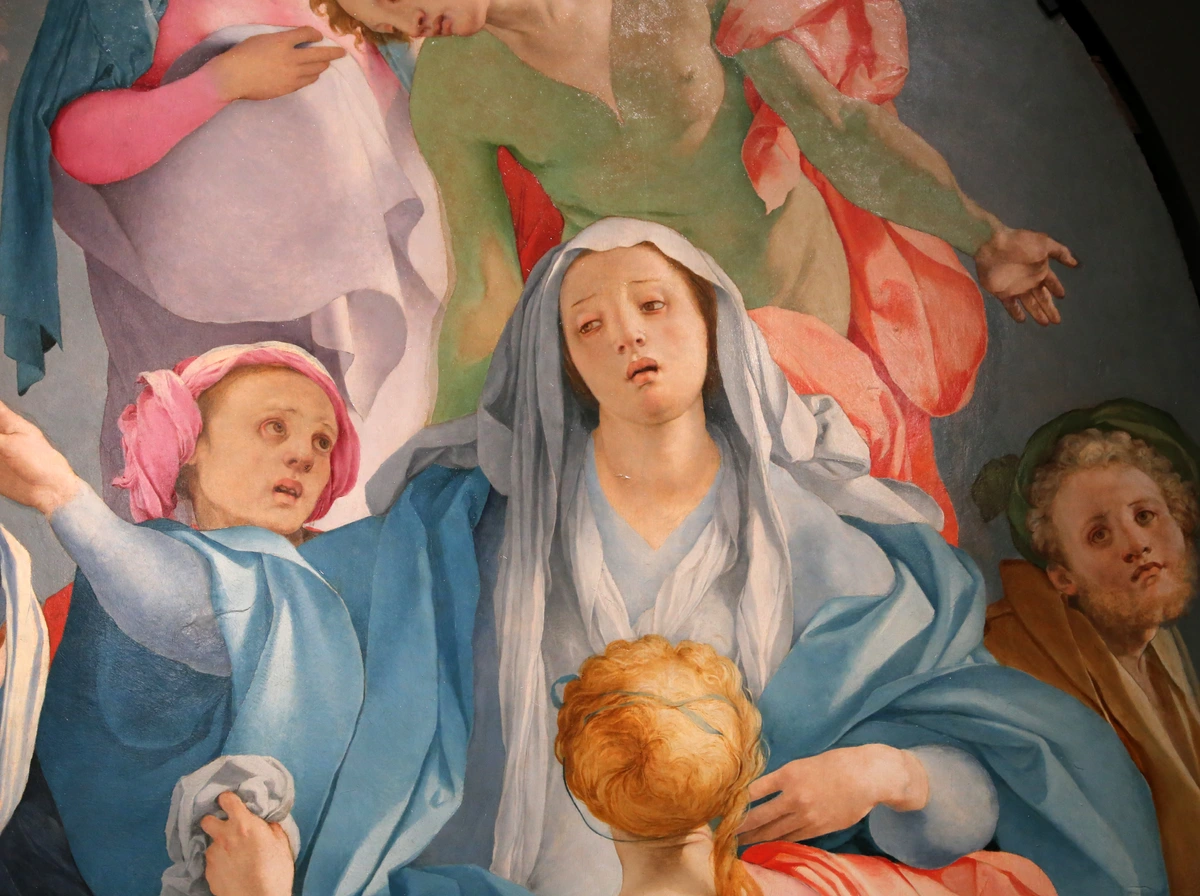
Renaissance Art: The Age of Chivalry
The Renaissance saw Saint George transformed from a religious figure into a chivalric hero. Artists began depicting him as the ideal knight – handsome, courageous, and noble. This period produced some of the most famous images of George in Western art.
What's fascinating about Renaissance depictions of George is how they reflect the changing values of the era. In medieval art, George was primarily a religious figure, often shown suffering or in moments of spiritual contemplation. But in the Renaissance, he becomes the perfect embodiment of humanist ideals—rational, courageous, and beautifully proportioned. This shift from purely religious to humanistic portrayal shows how George's legend evolved alongside broader cultural changes, making him a perfect symbol for the Renaissance fascination with human potential and classical ideals.
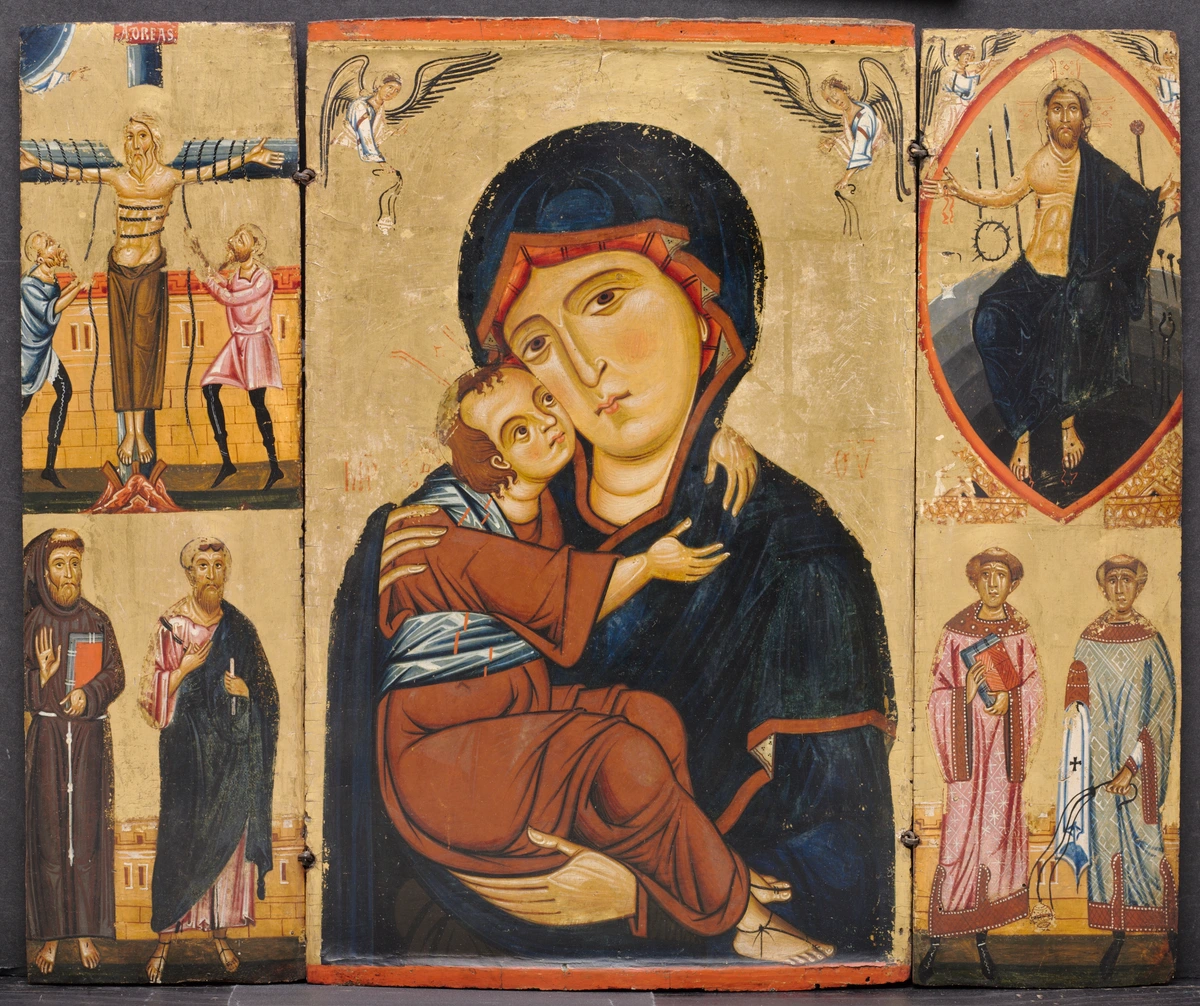
Masterworks of the Renaissance:
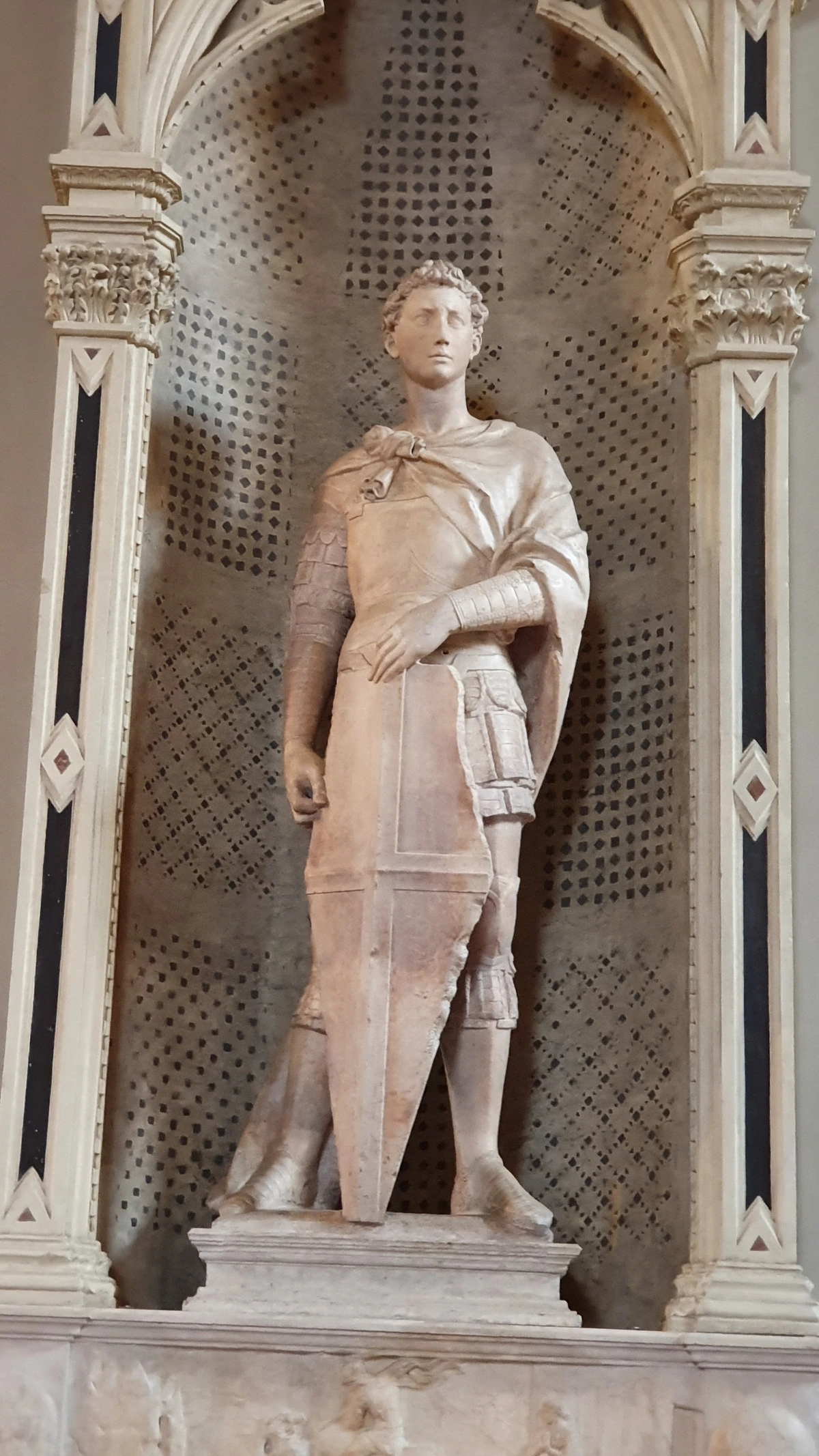
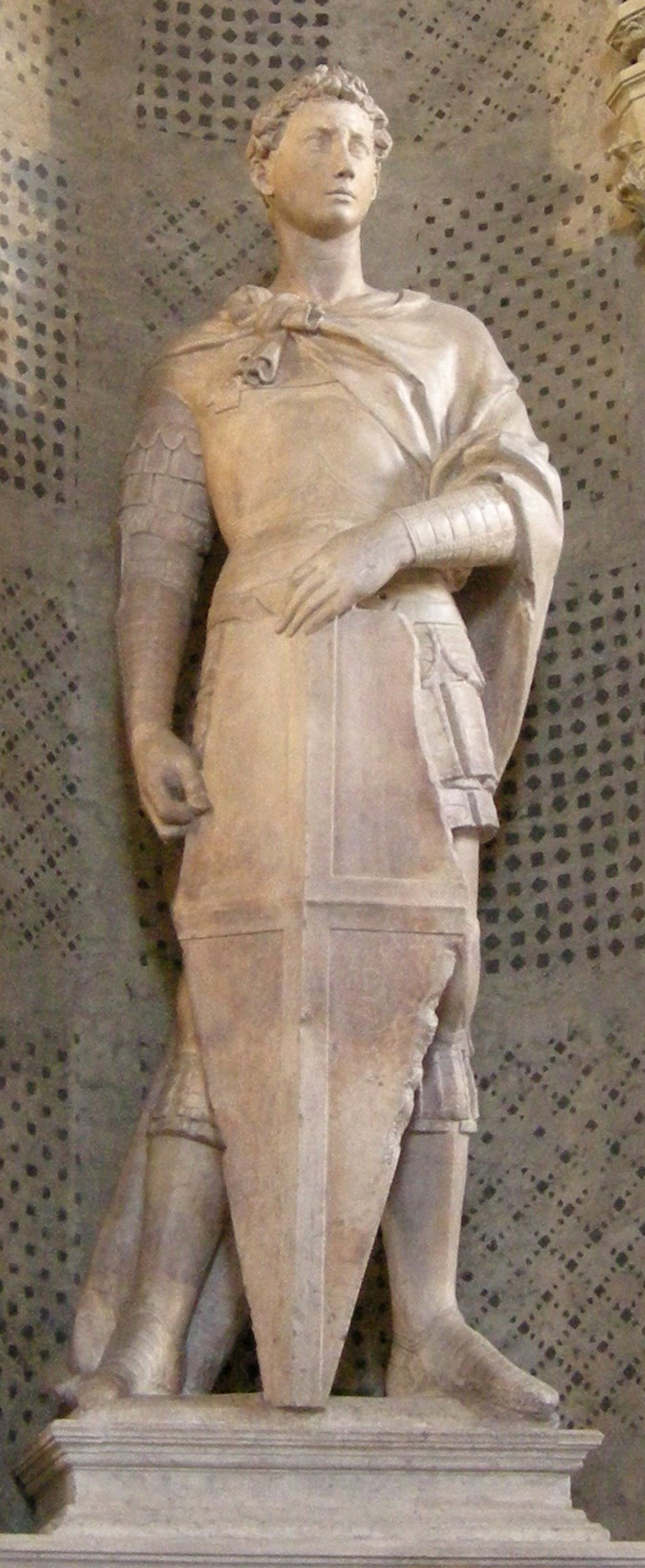
Donatello's Saint George (1416-1417)
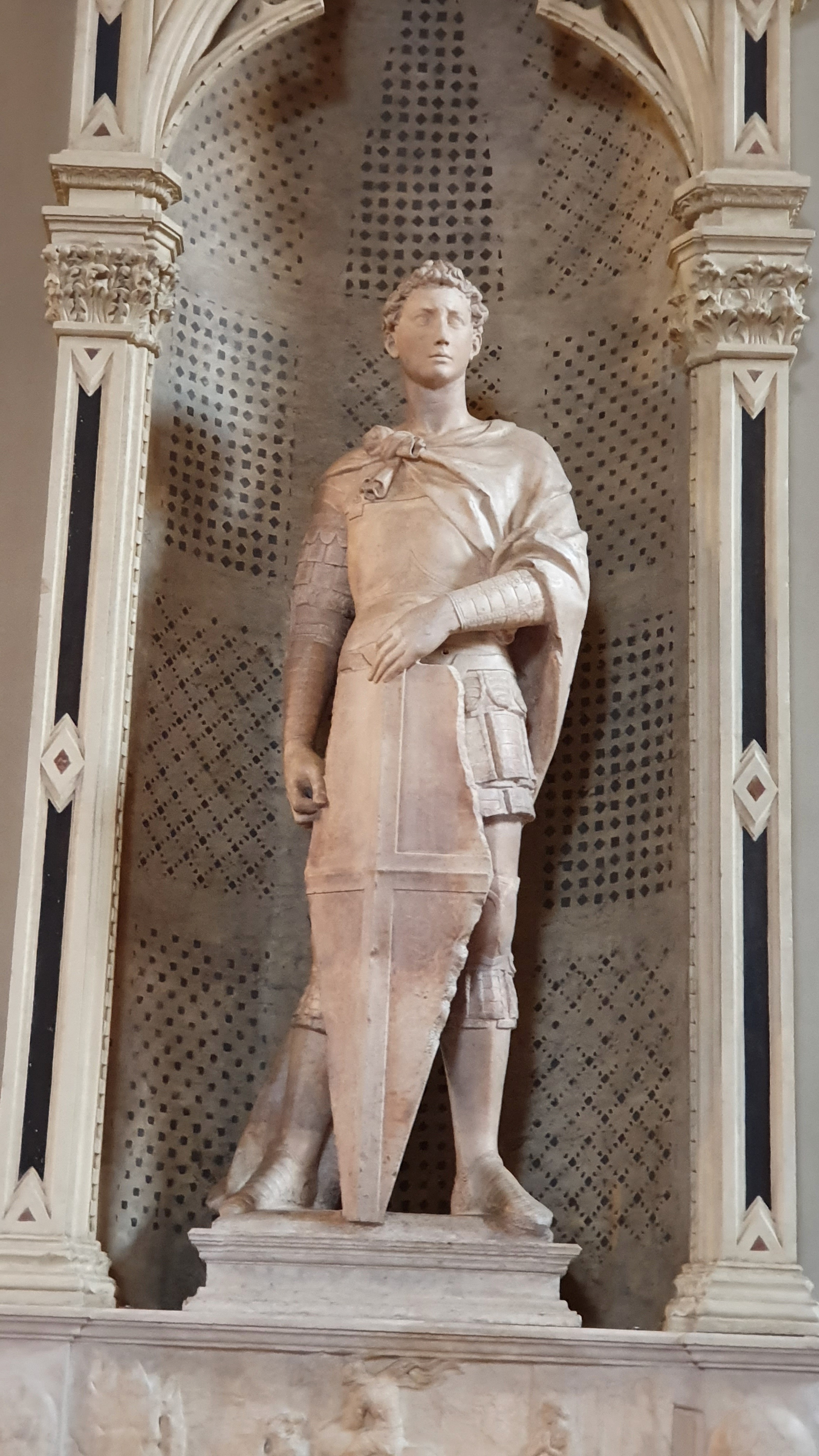
Donatello's marble statue in Florence is perhaps the most famous Renaissance representation of George. The sculpture captures him in full armor, standing at attention with a calm, determined expression. What makes this work remarkable is its psychological depth – George isn't just a soldier; he's a thinker, a man of conviction.
Key Features:
- Psychological Realism: The subtle facial expression suggests deep thought and resolve
- Naturalistic Details: The armor and musculature show Donatello's anatomical knowledge
- Narrative Tension: Even in stillness, the sculpture suggests imminent action
This statue established the template for how George would be depicted for centuries – as the ideal Christian warrior.
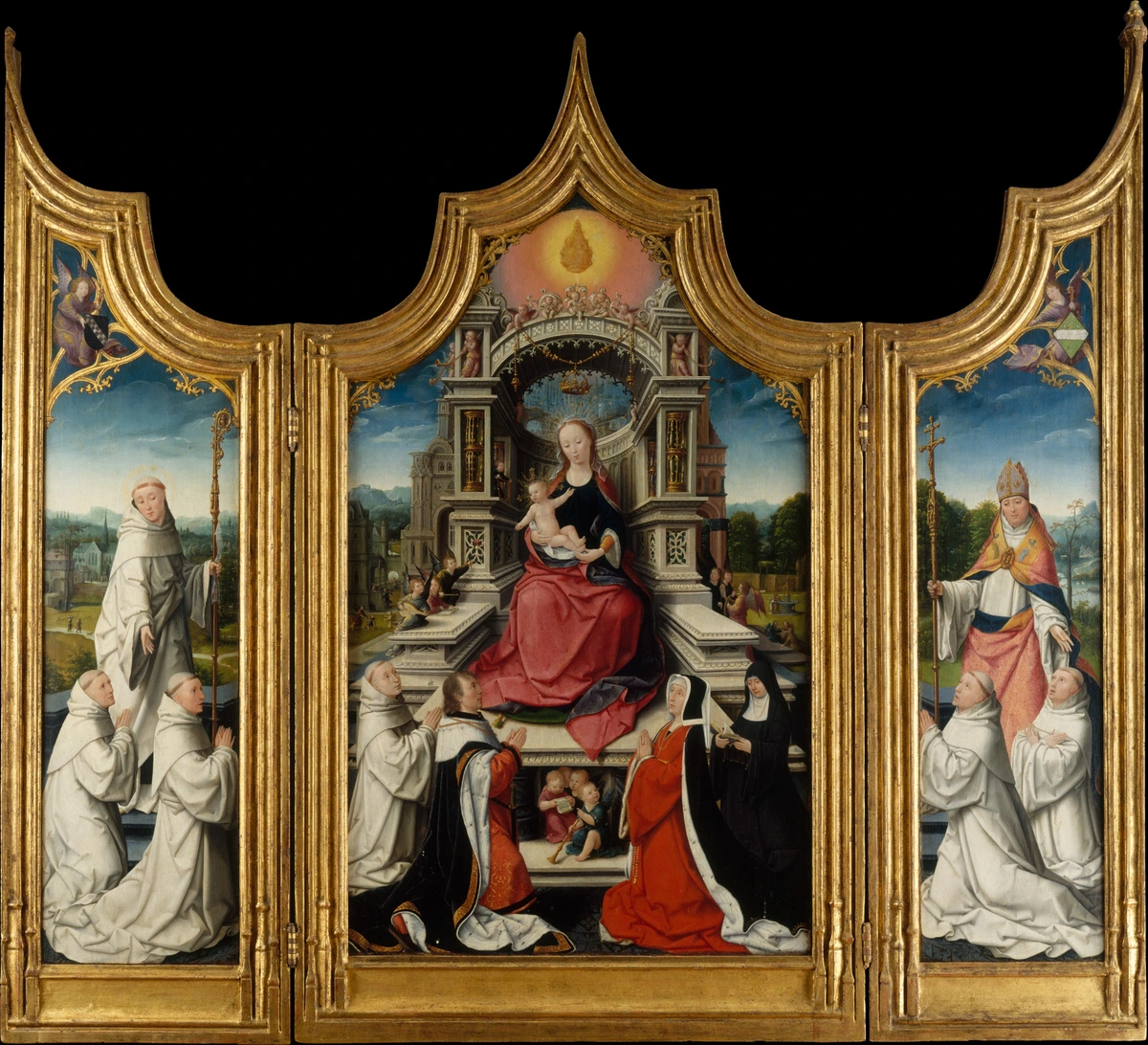
Raphael's Saint George (c. 1504-1505)
Raphael's painting shows George as a young, elegant knight, poised for battle. The painting demonstrates the Renaissance fascination with classical ideals of beauty and proportion. George is depicted with the perfect features of a classical hero, set against a dreamy landscape that evokes both earthly and heavenly realms.
Artistic Excellence:
- Classical Composition: Perfect balance and harmony between figure and landscape
- Color Harmony: Subtle color palette creates unified visual experience
- Technical Mastery: Raphael's brushwork demonstrates supreme technical skill
- Symbolic Elements: Landscape and clothing contain symbolic meanings
- Emotional Reserve: George shows calm determination rather than dramatic action
Historical Context:
- Urbino Background: Raphael from Urbino, where George was particularly venerated
- Courtly Culture: Reflects Renaissance courtly ideals and chivalric values
- Religious Context: George shown as both religious figure and secular hero
- Patronage: Commissioned for private devotion rather than public display
- Artistic Development: Shows Raphael's early style developing toward maturity
Uccello's Saint George and the Dragon (c. 1470)
Paolo Uccello's painting is a masterpiece of perspective and dynamic composition. The twisting forms of dragon and horse create a sense of violent motion, while the rigid geometry of the background provides stability. Uccello was fascinated by mathematical perspective, and this painting shows how he applied that interest to a dramatic narrative scene.
Technical Innovation:
- Perspective Mastery: Revolutionary use of linear perspective creates depth and space
- Dynamic Motion: Twisting forms convey energy and movement through static medium
- Color Symbolism: Strategic use of color emphasizes dramatic elements
- Composition Balance: Chaos of battle balanced by geometric order of background
- Narrative Clarity: Complex moment captured with clear visual storytelling
Cultural Significance:
- Mathematical Beauty: Embines Renaissance fascination with mathematics and art
- Technical Experimentation: Shows Uccello's exploration of perspective techniques
- Narrative Innovation: New approach to depicting dramatic battle scenes
- Artistic Influence: Inspired generations of artists interested in perspective
- Cultural Values: Reflects Renaissance ideals of order, reason, and heroic action
The historical record is frustratingly sparse. Imagine trying to piece together someone's life from a few scattered references, written decades or even centuries after their supposed death. That's the challenge scholars face when studying Saint George. The earliest mentions are brief, almost incidental, and it's not until centuries later that the legend begins to take shape, growing in detail and complexity with each retelling.
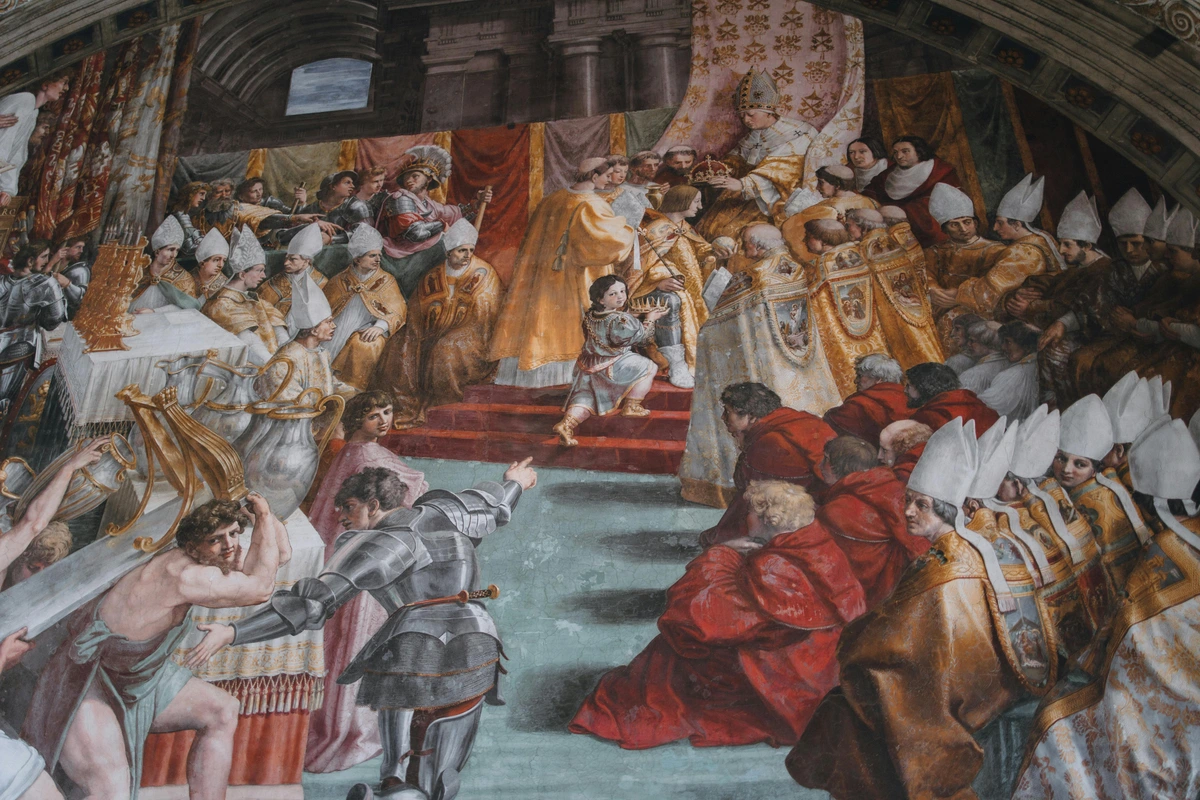
The Language of Symbolism in Saint George Art
Saint George artwork employs a rich symbolic language that viewers of the time would have understood immediately. Understanding these symbols helps us appreciate the deeper meaning behind these artistic depictions:

Color Symbolism:
- Red: George's cross and often his cloak symbolize martyrdom and the blood of Christ
- Gold: Frequently used in halos and divine elements, representing heavenly glory
- Green: Sometimes used for landscapes, symbolizing hope and renewal
- Dark Colors: Used for the dragon and shadows, representing evil and chaos
** compositional Symbolism:**
- Vertical Lines: George's upright posture represents moral rectitude and spiritual strength
- Diagonal Lines: The dragon's twisting form creates dynamic tension and represents instability
- Circle Composition: Many paintings arrange elements in circular patterns, suggesting divine order
- Light Contrast: The contrast between light (George) and dark (dragon) represents the eternal struggle between good and evil
Gesture and Pose:
- The Spear: Always pointed at the dragon, representing active resistance against evil
- The Shield: Often bearing the cross, symbolizing spiritual protection
- The Horse: Represents mobility, power, and the knight's elevated social status
- The Dragon's Posture: Typically submissive or defeated, representing the triumph of good
I know what you're probably thinking: "If we don't know much about him, why is he so famous?" Great question. It's actually part of what makes this story so compelling. The lack of concrete historical details has allowed the legend to evolve and adapt to different cultures and time periods, making it a universal rather than a localized story.
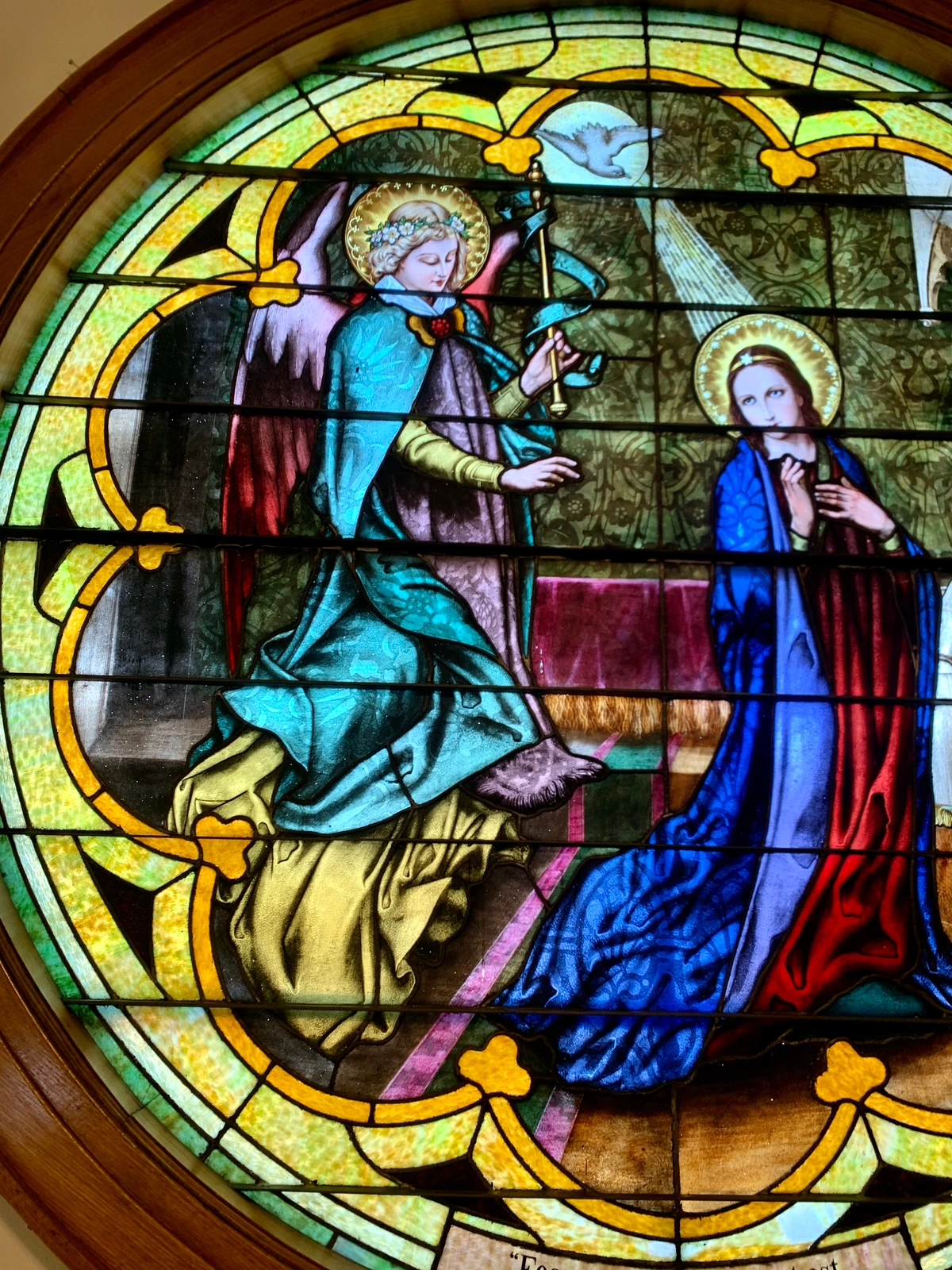
Baroque Art: Drama and Emotion
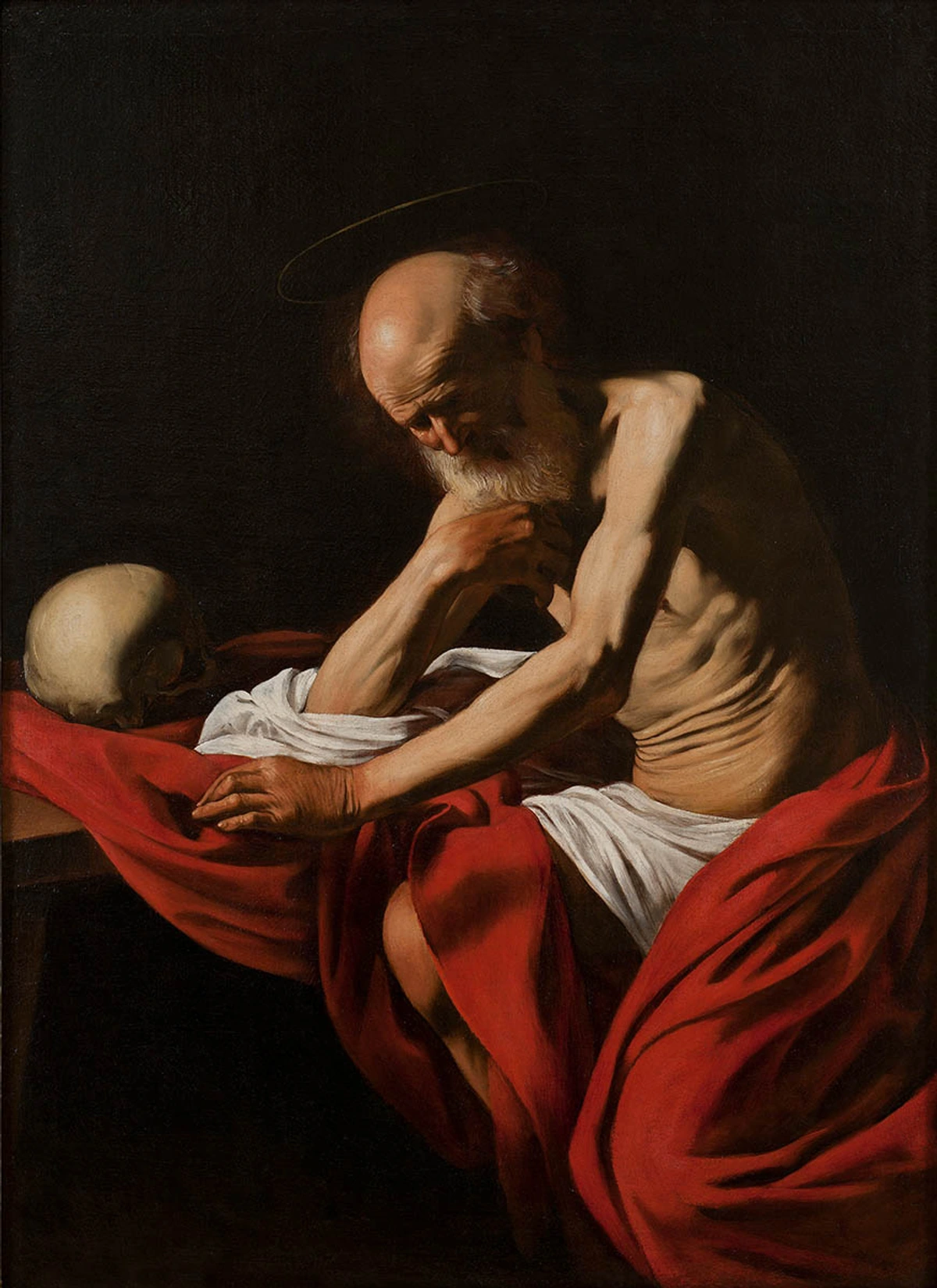
The Baroque period brought new intensity to Saint George imagery. Artists like Caravaggio and Rubens emphasized drama, emotion, and the struggle between good and evil. Baroque George is not the calm hero of the Renaissance but a figure caught in a moment of intense action and spiritual drama.
What makes Baroque George so compelling is how it captures the psychological intensity of the moment. Renaissance George is often depicted in a state of preparedness—he's about to fight, but the battle hasn't begun yet. Baroque George, by contrast, is shown in the midst of violent action, his face contorted with effort, muscles straining, the dragon writhing in agony. This shift from anticipation to action reflects the Baroque fascination with emotion, movement, and the dramatic interplay between light and shadow. It's as if the artists wanted to capture not just the event, but the raw human experience of it.
Baroque Innovations:
Caravaggio's Influential Style
While Caravaggio didn't paint Saint George specifically, his dramatic use of light and shadow (tenebrism) influenced how many Baroque artists depicted the saint. The intense contrast between light and dark in Baroque George paintings creates a sense of spiritual drama – the divine light of George's faith battling the darkness of the dragon.

Rubens' Dynamic Compositions
Peter Paul Rubens brought his characteristic energy and movement to Saint George subjects. His paintings show the swirling chaos of battle, with dynamic compositions that emphasize the violence and drama of the encounter. Rubens' George is a muscular, powerful figure, embodying the Baroque fascination with physical strength and emotional intensity.
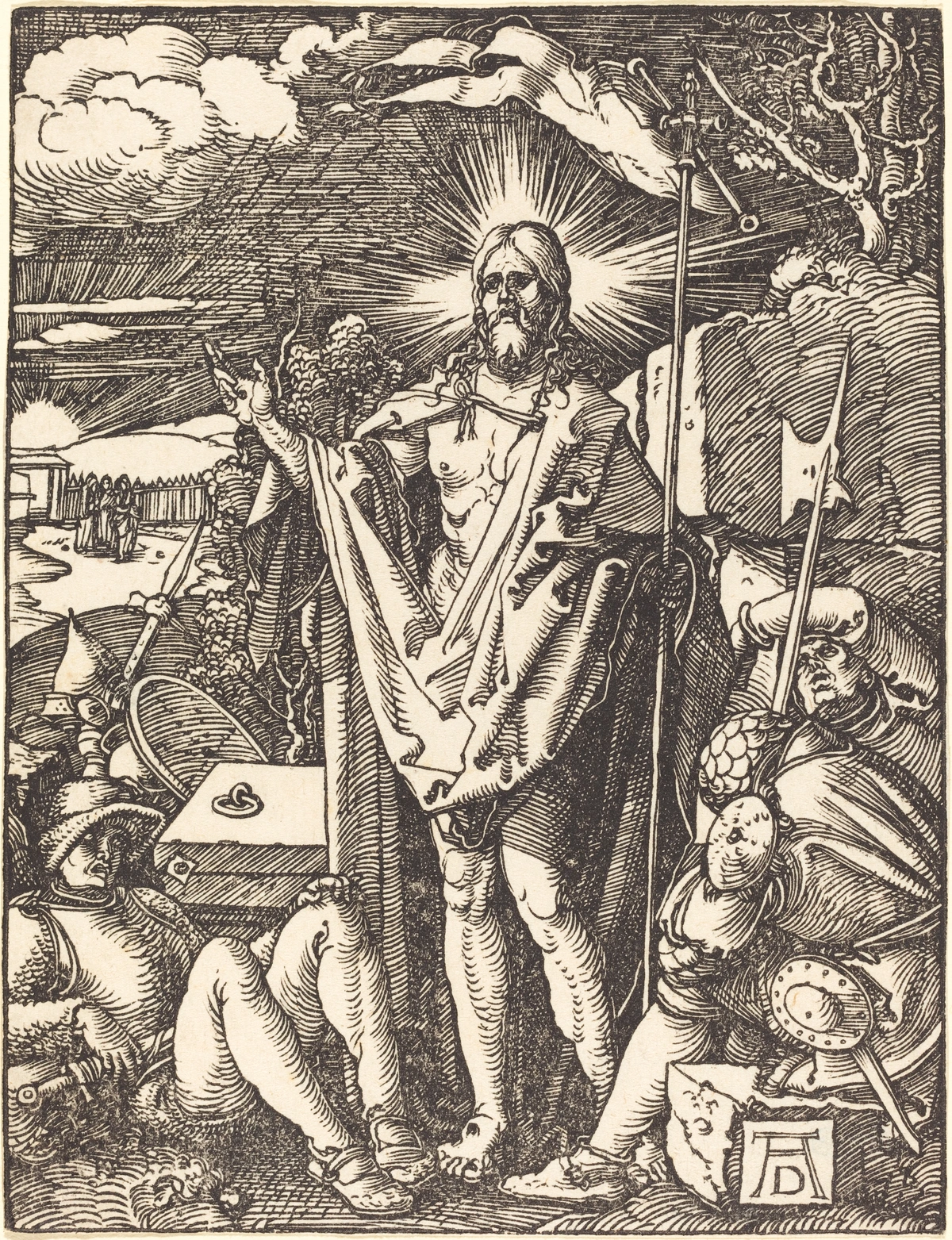
Modern and Contemporary Art
In the modern era, artists have continued to reinterpret Saint George, often using the story as a metaphor for contemporary issues.
Modern Interpretations:
- Symbolist Art: Late 19th-century artists used George as a symbol of spiritual struggle
- Surrealist Reinterpretations: Artists like Salvador Dalí placed George in dreamlike, psychological contexts
- Contemporary Abstract Art: Modern artists use the George story as inspiration for abstract works exploring themes of good vs. evil
- Political Art: Some contemporary artists use George as a commentary on war, conflict, and cultural imperialism
Artistic Analysis: What the Depictions Reveal
The changing artistic representations of Saint George tell us a great deal about cultural values and priorities across different eras:
Period | Artistic Style | Cultural Values | George's Portrayal |
|---|---|---|---|
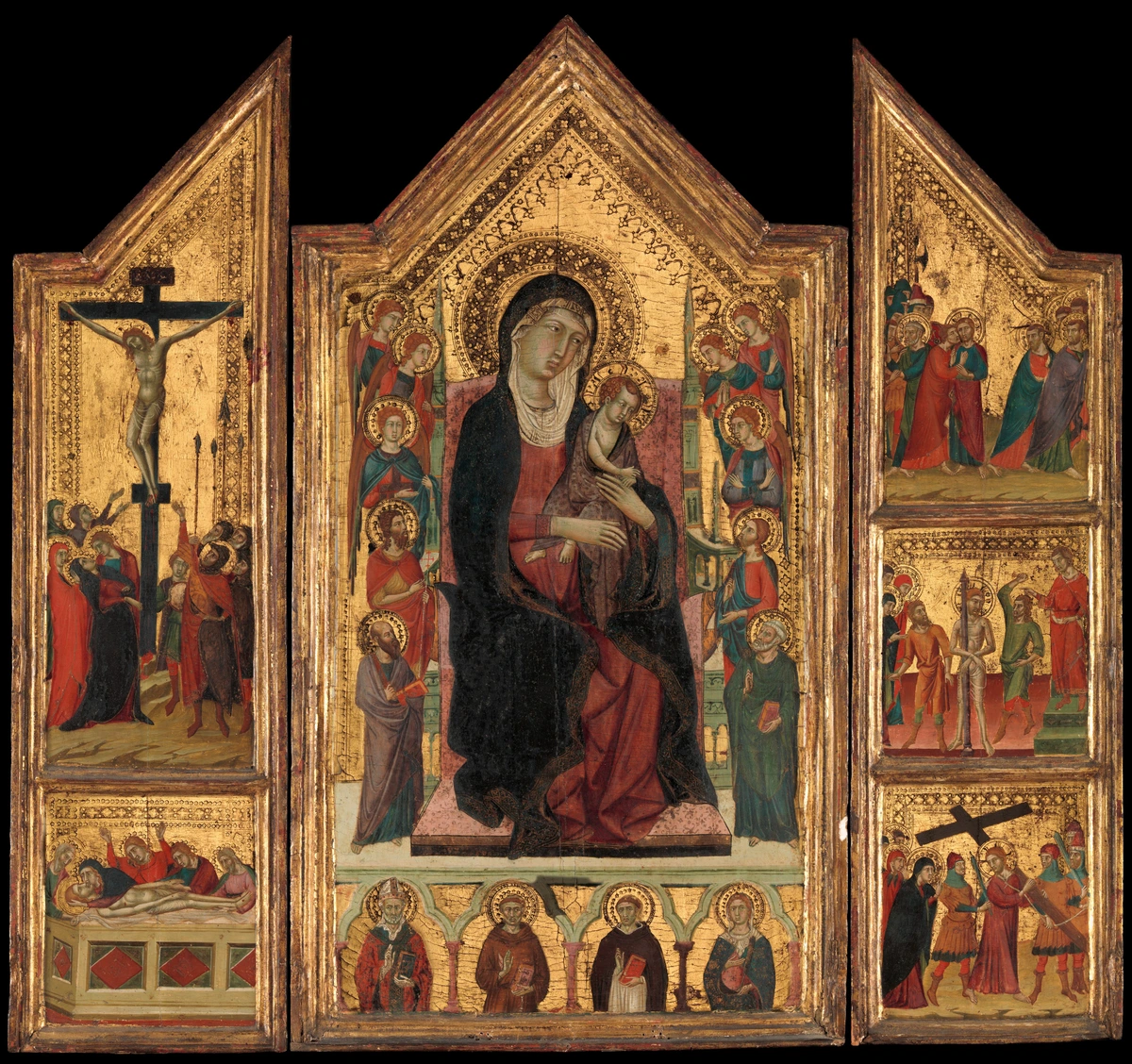
| Medieval | Religious iconography | Faith, martyrdom | Devotional figure; focus on suffering |
| Renaissance | Classical idealism | Beauty, proportion, humanism | Perfect knight; calm, noble hero |
| Baroque | Dramatic realism | Emotion, spirituality, drama | Intense emotional struggle; divine intervention |
| Modern | Individual expression | Subjectivity, symbolism | Psychological or metaphorical figure |
| Contemporary | Conceptual art | Social commentary, abstraction | Cultural symbol; vehicle for critique |
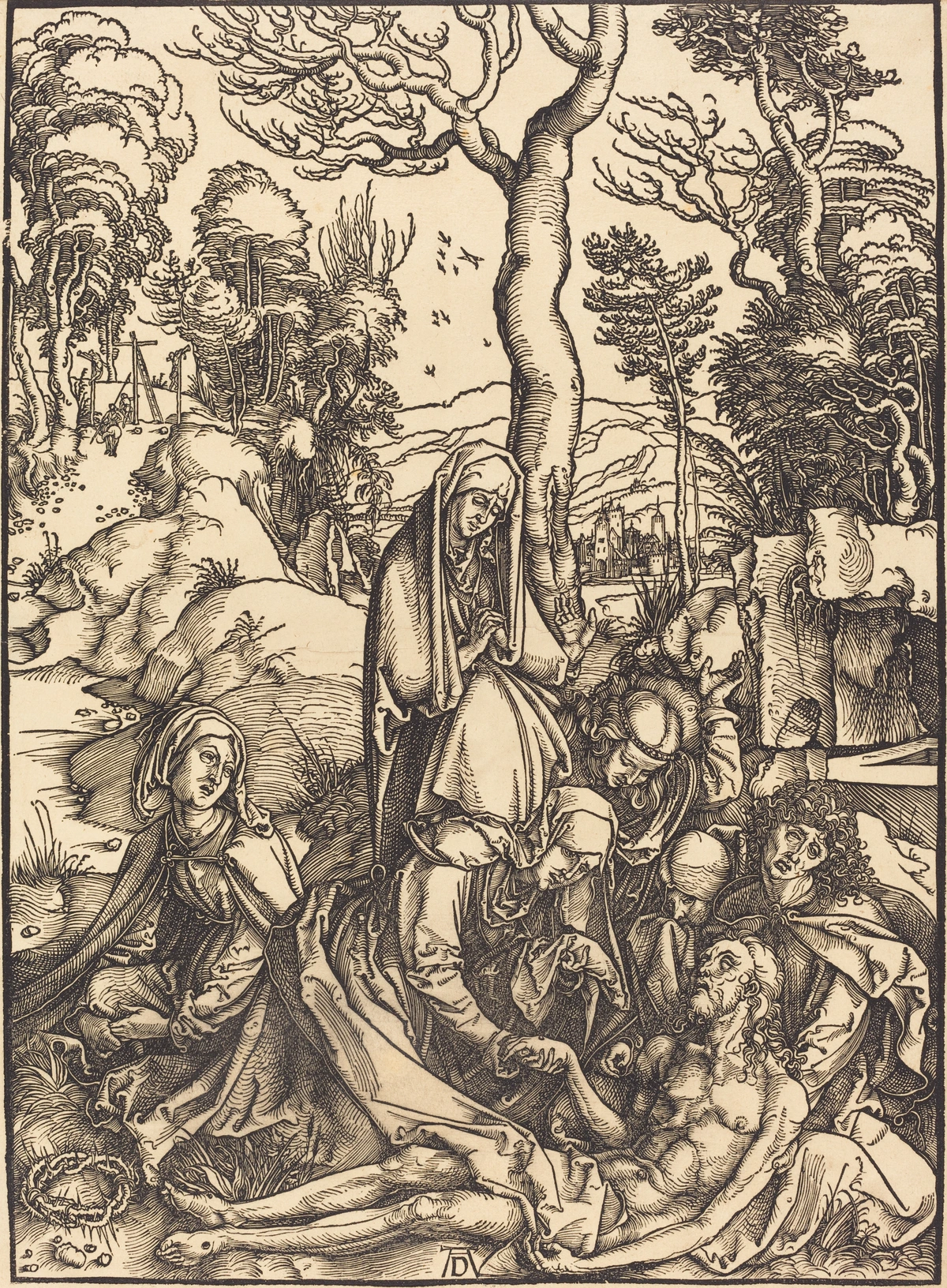
Iconographic Elements in Art
Certain visual elements appear consistently in Saint George art, each carrying symbolic meaning:
- The Red Cross: George's shield typically bears a red cross, symbolizing martyrdom and Christ's sacrifice
- The Spear: Often shown piercing the dragon, representing victory over evil
- The Armor: Symbolizes spiritual protection and military readiness
- The Dragon: Represents various forms of evil – sin, paganism, chaos
- The Landscape: Setting often reflects George's spiritual state (peaceful vs. chaotic)
Regional Variations in Artistic Depictions
Different cultures have developed their own distinctive traditions of Saint George art:
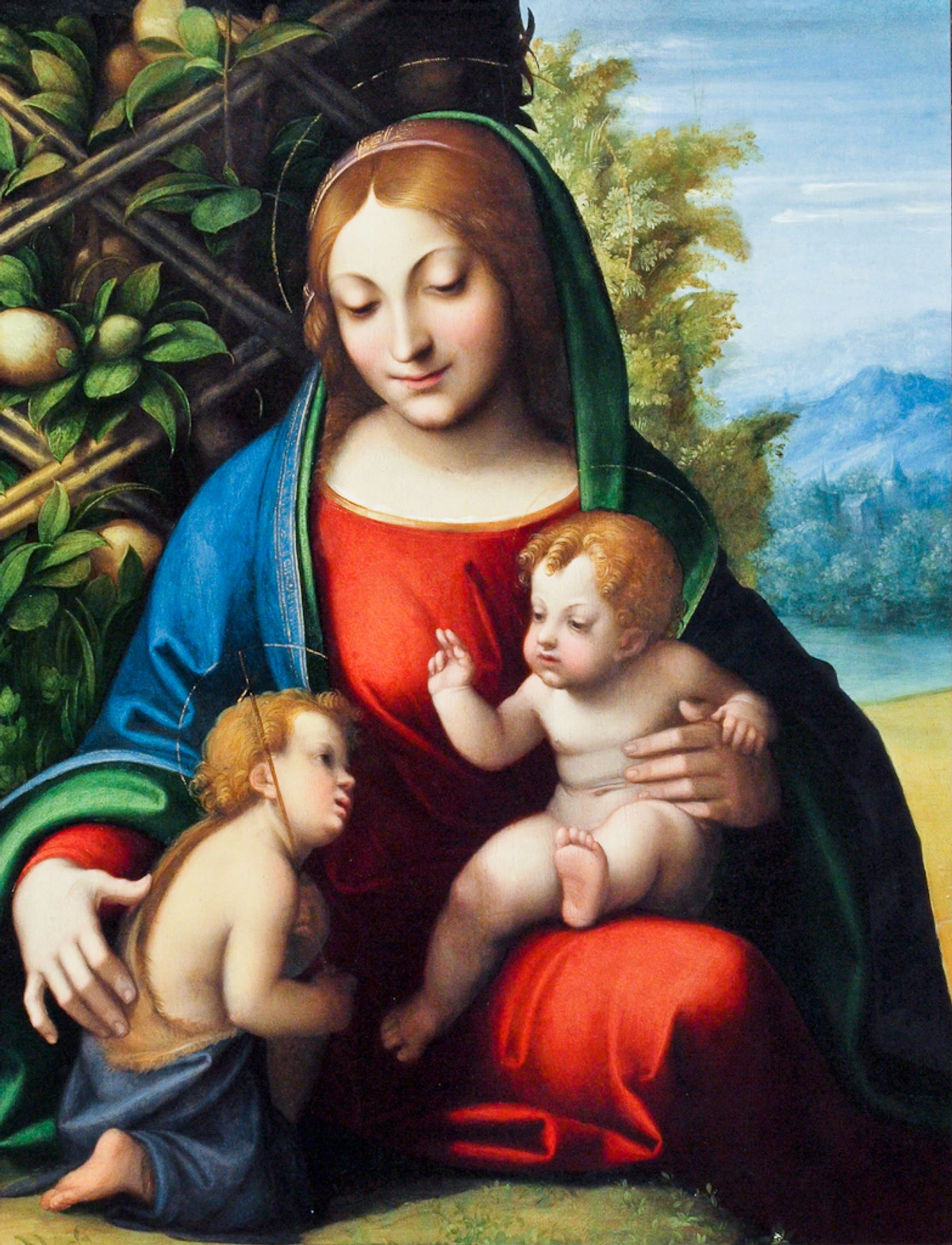
- Byzantine Icons: Emphasize spiritual presence and divine light
- Italian Renaissance: Focus on classical beauty and human proportion
- Northern European Art: Tends toward detailed realism and narrative complexity
- Russian Orthodox Art: Features distinctive iconographic traditions with symbolic colors
- Islamic World: George (known as al-Khidr) appears in Persian and Turkish miniatures
Each regional tradition reflects the cultural values and artistic conventions of its time and place, demonstrating the remarkable adaptability of the Saint George legend across different contexts.
Think about it this way: when we have too many historical details about a figure, it can actually limit their appeal. If George's entire life, personality, and specific circumstances were documented, he might not have become such a flexible symbol. The ambiguity allows each culture, each generation, each individual to project their own needs and values onto him. He becomes a mirror reflecting whatever the viewer needs to see—protector, hero, martyr, or idealized knight.
Famous Saint George Artworks: A Closer Look
Let's examine some of the most significant Saint George artworks in greater detail:
Donatello's Bronze Statue (c. 1417)
Location: Orsanmichele, Florence
This bronze statue represents the pinnacle of Renaissance equestrian sculpture. Donatello captures George not just as a warrior, but as a thinking individual. The subtle turn of the head and the calm expression suggest that George is contemplating his faith and his mission. The dragon at his feet is small and almost insignificant, emphasizing that the real battle is spiritual rather than physical.

Significance: This statue helped establish the visual template for the Christian knight that would influence artists for centuries.
Raphael's Small Saint George (c. 1504-1505)
Location: National Gallery, London
Raphael's painting shows George as a young, elegant knight, perfectly at ease in his role as protector. The painting demonstrates Raphael's mastery of composition and his ability to create a sense of harmony between human figure and natural setting. George stands in a classical contrapposto pose, suggesting both readiness and contemplation.
Significance: This work exemplifies the Renaissance ideal of the perfect Christian gentleman – courageous yet thoughtful, strong yet graceful.
Tintoretto's Saint George and the Dragon (c. 1555)
Location: Scuola di San Rocco, Venice

Tintoretto's dynamic composition shows the chaos of battle in full swing. The horse rears back in alarm, George lunges forward with his spear, and the dragon twists in agony. The theatrical lighting and dramatic movement are characteristic of Tintoretto's Mannerist style.
Significance: This painting captures the intense drama of the encounter, showing the violence and struggle inherent in the battle between good and evil.
Most scholars believe George was a real person who lived during the 3rd century AD, likely in what is now modern-day Turkey. He was apparently a soldier in the Roman army, which immediately places him in a fascinating historical context. The Roman Empire was undergoing significant religious changes during this period, with Christianity spreading rapidly despite periods of intense persecution.
Let me paint you a picture of what life might have been like for a Christian soldier in the Roman army around 250 AD. You're part of an institution that could, at any moment, turn on you and demand you renounce your faith. The Roman military was the backbone of the empire, disciplined and hierarchical—exactly the kind of structure where religious nonconformity would be particularly noticeable and potentially dangerous. You'd be surrounded by pagan rituals, military oaths to the emperor as divine, and a culture that valued conformity above all else. That's the world George supposedly inhabited—a world of immense pressure, where religious conviction could literally mean life or death.
Middle Eastern and Asian Traditions
Surprisingly, Saint George has also made his mark in Middle Eastern and Asian cultures:
Middle East:
- al-Khidr: George often identified with the Islamic figure al-Khidr, a mysterious green-clad prophet
- Shared Veneration: Some Muslim communities venerate George, especially in Palestine and Lebanon
- Cultural Exchange: Stories of George spread through trade and cultural contact between East and West
- Interfaith Connections: George serves as a bridge between Christian and Muslim traditions in some regions
- Local Adaptations: George stories blended with local folklore and religious beliefs
India and South Asia:
- Christian Communities: George venerated by Indian Christians, especially in Kerala and Tamil Nadu
- Local Adaptations: George stories adapted to South Asian contexts and cultural values
- Missionary Influence: European missionaries brought George traditions, which then blended with local practices
- Cultural Syncretism: George sometimes merged with Hindu deities and folk heroes
- Educational Use: George taught in Christian schools as a model of faith and courage
Ethiopia and Africa:
- Ancient Christian Heritage: George has long been venerated in Ethiopian Orthodoxy, dating back to the 4th century
- Distinctive Art: Ethiopian Orthodox art features George prominently in unique styles
- Festivals: Major celebrations with traditional music, dance, and food
- Colonial Legacy: European traditions adapted to African contexts, creating hybrid celebrations
- National Identity: George sometimes incorporated into African nationalist narratives
East Asian Traditions:
- Christian Communities: George venerated by small Christian minorities in China, Korea, and Japan
- Cultural Translation: George stories adapted to East Asian cultural frameworks
- Artistic Influence: European artistic traditions featuring George influenced local artists
- Modern Revival: Some Asian churches rediscovering George's significance in contemporary contexts
Middle East:
- al-Khidr: George is often identified with the Islamic figure al-Khidr
- Shared Veneration: Some Muslim communities venerate George
- Cultural Exchange: Stories of George spread through trade and cultural contact
- Interfaith Connections: George as a bridge between Christian and Muslim traditions
India and South Asia:
- Christian Communities: George venerated by Indian Christians
- Local Adaptations: George stories adapted to South Asian contexts
- Missionary Influence: European missionaries brought George traditions
- Cultural Syncretism: George blended with local religious traditions
Ethiopia and Africa:
- Ancient Christian Heritage: George has long been venerated in Ethiopian Christianity
- Distinctive Art: Ethiopian Orthodox art features George prominently
- Festivals: Local celebrations with unique African characteristics
- Colonial Legacy: European traditions adapted to African contexts
The Americas: New World Interpretations
When Europeans brought the Saint George legend to the Americas, it adapted to new contexts:
Latin America:
- Colonial Introduction: Spanish and Portuguese colonizers brought George traditions starting in the 16th century
- Syncretic Traditions: George blended with indigenous beliefs and practices
- Local Saints: Some indigenous martyrs identified with George or vice versa
- Festival Evolution: Traditional celebrations took on local character and timing
- Artistic Adaptations: European George imagery influenced Latin American religious art
- Political Symbolism: George sometimes incorporated into independence movements
North America:
- English Colonial Influence: George brought by English settlers to the original colonies
- Less Prominent: Never became as central as in Europe, with other saints more popular
- Modern Revival: Some communities celebrate George's Day with renewed interest
- Cultural Adaptation: George story adapted to American contexts and values
- Educational Context: George taught in schools as part of American and English heritage
- Immigrant Communities: Various ethnic groups maintain George traditions from their home countries
Caribbean Traditions:
- Colonial Legacy: George traditions brought by European colonizers
- African Influences: George celebrations blended with African religious practices
- Festival Culture: Unique Caribbean versions of George festivals with music and dance
- Tourism Impact: George celebrations sometimes adapted for tourist audiences
- Cultural Identity: George used as symbol of Caribbean cultural heritage
Latin America:
- Colonial Introduction: Spanish and Portuguese colonizers brought George traditions
- Syncretic Traditions: George blended with indigenous beliefs
- Local Saints: Some local martyrs identified with George
- Festival Evolution: Traditional celebrations took on local character
North America:
- English Colonial Influence: George brought by English settlers
- Less Prominent: Never became as central as in Europe
- Modern Revival: Some communities celebrate George's Day
- Cultural Adaptation: George story adapted to American contexts
Diaspora Communities
As people migrated, they brought their Saint George traditions with them:
European Diaspora:
- Migration Patterns: George traditions traveled with migrants
- Cultural Preservation: Communities maintained George celebrations
- Adaptation to New Contexts: Traditions evolved in new environments
- Identity Formation: George helped maintain cultural identity abroad
Middle Eastern Diaspora:
- Christian Communities: George remained important for Middle Eastern Christians abroad
- Cultural Transmission: Stories and traditions preserved through generations
- Integration with Host Cultures: George stories adapted to new cultural contexts
Comparative Analysis: Regional Variations
Let's compare how different regions have interpreted the Saint George legend:
Region | Primary Emphasis | Unique Features | Cultural Significance |
|---|---|---|---|
| England | National identity, military valor | Cross on flag, national celebrations | Symbol of Englishness and heritage |
| Eastern Orthodox | Spiritual power, miracle working | Equestrian imagery, military patronage | Connection to heavenly protection |
| Mediterranean | Agricultural cycles, local festivals | Rose symbolism, village celebrations | Integration with rural life |
| Middle East | Interfaith connections, syncretism | al-Khidr identification, shared veneration | Bridge between religious traditions |
| Africa | Ancient heritage, distinctive art | Ethiopian Orthodox traditions, local adaptations | Connection to early Christianity |
| Americas | Colonial legacy, syncretism | Blending with indigenous beliefs | Cultural transplantation and adaptation |
This historical context is crucial. Imagine being a Christian soldier in the Roman army around 250 AD. You're part of an institution that could, at any moment, turn on you and demand you renounce your faith. That's the world George supposedly inhabited – a world of immense pressure, where religious conviction could literally mean life or death.
Modern Cultural Impact
Saint George isn't just a figure from history and art – he continues to influence modern culture in surprising ways. From literature and film to political symbolism and popular culture, the legend of Saint George remains remarkably relevant in the 21st century.
What's fascinating about George's modern relevance is how completely he's transcended his religious origins. Even in secular societies, George remains a powerful symbol—of courage, of standing against oppression, of the individual challenging overwhelming odds. This secularization of George is actually quite recent. For most of history, George was primarily a religious figure. The fact that he's now equally at home in comic books, political rhetoric, and corporate branding speaks to the remarkable flexibility of his story and its ability to adapt to changing cultural contexts.
Literature and Poetry
The Saint George story has inspired countless writers across centuries:
Classical Literature:
- Medieval Romances: Stories like "Sir Gawain and the Green Knight" show George's influence on Arthurian legend
- Renaissance Poetry: Poets like Edmund Spenser referenced George in works exploring chivalry and virtue
- 19th Century Novels: Victorian authors used George as a symbol of moral courage and patriotism
Modern Literature:
- Fantasy Genre: George's dragon-slaying story has influenced countless fantasy novels and series
- Historical Fiction: Modern authors reimagine George's historical adventures with contemporary sensibilities
- Children's Literature: The story continues to be adapted for young readers, emphasizing courage and virtue
Film and Television
Saint George has appeared in numerous films and TV shows, each interpretation reflecting the cultural values of its time:
Early Cinema (1900s-1950s):
- Silent films often depicted George as a straightforward hero fighting evil
- Early talkies maintained this simple moral framework
- Special effects limitations meant dragon encounters were often stylized rather than realistic
Modern Cinema (1960s-Present):
- Fantasy films have drawn inspiration from George's story
- Historical dramas explore the saint's historical context
- Some films have offered revisionist interpretations, questioning the simplistic good vs. evil narrative
Television:
- Documentaries explore the historical and cultural significance of the legend
- Animated series often adapt the story for children
- Some shows use George as a character in historical or fantasy settings

What's particularly interesting is how the historical George evolved over time. Initially, he was simply another martyr among many. But as the centuries passed, his legend grew, acquiring new details, expanding geographically, and eventually becoming the dragon-slaying knight we recognize today.
This evolution wasn't random. It was shaped by the needs and concerns of each era. In times of crisis, George became a protector. In periods of military conflict, he became a patron of soldiers. During the Crusades, he became a symbol of Christian resistance against Muslim forces. Each generation found something they needed in his story and added their own interpretation.
The Dragon Legend: Origins and Development
While George was venerated as a martyr for centuries, the dragon-slaying story is a later development. The first clear references to George fighting a dragon appear in the 10th and 11th centuries, though the story reaches its classic form during the High Middle Ages. The dragon itself is rich with symbolism:








- Chaos and Evil: The dragon represents the forces of chaos that threaten to destroy order
- Paganism: In Christian contexts, the dragon often symbolizes pagan beliefs and practices
- Inner Demons: Psychologically, the dragon can represent our inner struggles and fears
- The Unknown: The unknown dangers that lurk at the edges of civilization
The classic dragon-slaying narrative follows a familiar pattern: a dragon terrorizes a village, demands human sacrifices, and is ultimately defeated by Saint George. This story structure appears in many cultures, suggesting that George's version may have drawn from existing folklore traditions while being adapted to Christian theology.
What's particularly interesting is how this narrative pattern creates multiple layers of meaning. On one level, it's a straightforward adventure story. On another, it's an allegory for spiritual warfare. And on yet another level, it can be read as a metaphor for psychological development—the individual confronting and overcoming their inner demons. This multi-layered structure is precisely what makes the story so adaptable across different cultures and time periods.